
Insights from recent episode analysis
Audience Interest
Podcast Focus
Publishing Consistency
Platform Reach
Insights are generated by CastFox AI using publicly available data, episode content, and proprietary models.
Total monthly reach
Estimated from 1 chart position in 1 market.
By chart position
- 🇦🇺AU · Books#1655K to 30K
- Per-Episode Audience
Est. listeners per new episode within ~30 days
1.5K to 9K🎙 Daily cadence·136 episodes·Last published 6d ago - Monthly Reach
Unique listeners across all episodes (30 days)
5K to 30K🇦🇺100% - Active Followers
Loyal subscribers who consistently listen
2K to 12K
Market Insights
Platform Distribution
Reach across major podcast platforms, updated hourly
Total Followers
—
Total Plays
—
Total Reviews
—
* Data sourced directly from platform APIs and aggregated hourly across all major podcast directories.
On the show
Recent episodes
Beloved | Part 1
May 26, 2026
1h 06m 02s
Middlemarch | Part 4
May 12, 2026
1h 34m 00s
Anne of Green Gables | Part 4
May 5, 2026
1h 03m 08s
Anne of Green Gables | Part 3
Apr 28, 2026
59m 06s
Anne of Green Gables | Part 2
Apr 21, 2026
1h 01m 12s
Social Links & Contact
Official channels & resources
Official Website
Login
RSS Feed
Login
| Date | Episode | Description | Length | ||||||
|---|---|---|---|---|---|---|---|---|---|
| 5/26/26 |  Beloved | Part 1 | Welcome to our first episode of Beloved, by Toni Morrison. In this episode, Shari and Rhea introduce their four week reading of this powerful novel by way of poetry. Rhea discusses how poetry has helped her digest the intensity of the narrative by reading poetry along the way. They talked about Morrison as a writer, her beliefs about fiction, narrative, and the participatory compact she makes with the reader. Rhea explains how her regular process for reading has drastically adjusted with reading this novel, and why this new approach feels like the right one for now. They discuss memory as a narrative device: how memory functions in Beloved, how it is the subject matter within the story, now it is guiding the story’s structure, how it is a theme, and how Morrison is using memory as a theme to explore other big ideas. And they talk about memory as it relates to language: how language and memory both reside in our bodies, how this shows up in the characters, and what it means for us as readers moving forward into Morrison’s world of Beloved. Show Notes:* Toni Morrison essay: “Memory, Creation, and Writing” * The Source of Self Regard* African American Poetry: 250 Years of Struggle and SongIf you’d like to go deeper into this week’s reading, or want some help as you discuss Beloved with a friend or reading group, here is a PDF of this episode’s outline and detailed book notes. Finally, look for Rhea’s Beloved Reading Guide to drop soon!Thanks for listening to this episode of The Reader & the Writer! If you liked this episode, please ❤️ it and share it.The Reader & the Writer is a reader-supported publication. To receive new posts and support our literary work, consider becoming a free or paid subscriber. Get full access to The Reader & the Writer at thereaderandthewriter.substack.com/subscribe | 1h 06m 02s | ||||||
| 5/12/26 |  Middlemarch | Part 4 | Most happy she that most assured doth rest, But he most happy who such ones love best—Spenser (from epigraph in ch 37)Welcome back to our year(ish) long read, Middlemarch, by George Eliot. In this episode, Shari and Rhea discuss all the ways Book Four feels pivotal; the story lines begin to really boil in “Three Love Problems,” and there is no shortage of curiosities to go with it. First, they talk of reform in this section, and all the ways the greater idea of “reform” webs itself into the story’s greater themes. They discuss the “three love problems”: who exactly does Eliot want us to think of here? They talk about the “gossamer web” of young love-making, and wonder why Eliot applies it to Lydgate and Rosamond and not, say, Dorthea and Casaubon, or Dorthea and Will? Rhea recognizes the possible significance in the repeated mention of the “pale stag” (once in Ch 9, and then again in Ch 37). Shari wonders if the Bulstrodes really give a rip about Rosamond marrying Lydgate, or if their “caring” has a more selfish motive at heart. Finally, they do a “lightning” round (more like a slow thunder rumble), asking each other those burning questions they have moving forward.What about you? Any questions or predictions for what will happen next?If you haven’t already, go to the R&W Middlemarch page and download Rhea’s next set of bookmarks! Scroll down to find them.Finally, for your continued deeper dive into Middlemarch’s Book Four, or use in a book group, homeschool study, and all purposes in-between, here is a PDF of our Book Four outline:Thanks for this episode of The Reader & the Writer! If you liked this episode, ❤️ it and share it with others.The Reader & the Writer is a reader-supported publication. To receive new posts and support our literary work, consider becoming a free or paid subscriber. Get full access to The Reader & the Writer at thereaderandthewriter.substack.com/subscribe | 1h 34m 00s | ||||||
| 5/5/26 |  Anne of Green Gables | Part 4 | Welcome to our final episode on Anne of Green Gables! In this episode, Shari and Rhea discuss the Scripture in these last chapters, hidden in plain sight. They talk about how this Great Conversation serve the narrative turn of the novel toward its fullness: in Anne’s character, and as a human being into wholeness. They talk about the way ambition seems to be the theme-thread running strong through this last section of the story, in the same way imagination, goodness, and romance occupy important roles in other sections of the story. They talk a long time about the role nature plays through all of Anne of Green Gables, and the fundamental role it’s meant to play in our own lives. They talk about the role of imagination in faith, hope, and love, desires, duty, and knowing our place as sons and daughters, not orphans or slaves.Finally, we ended with two questions we invite you to consider and contemplate over the next several days:* In this season of life, what is Anne inviting you to see? To believe?* How then will you live?As a bonus to celebrate R&W’s reading of Anne of Green Gables, we’re attaching this episode’s outline for your personal use, whether to spend more time with Anne on your own, or in your book club, homeschool group, and more. Later this year, The Reader & Writer will be sharing our episode outlines regularly for all our paid subscribers. But for now, it’s free. :)Our next read is Beloved, by Toni Morrison. Our first episode will air the last week of May. In the intervening weeks, look for some bonus episodes on all things literary, great and small alike. Thanks for listening to this episode of The Reader & the Writer! If you liked this post, give it some ❤️ and share it with others. The Reader & the Writer is a reader-supported publication. To receive new posts and support our literary work, consider becoming a free or paid subscriber. Get full access to The Reader & the Writer at thereaderandthewriter.substack.com/subscribe | 1h 03m 08s | ||||||
| 4/28/26 |  Anne of Green Gables | Part 3 | Welcome back to Anne of Green Gables. In this episode, Shari and Rhea discuss the narrative shape that this story is taking in ways that are different than the traditional story arc structure. They talk extensively about goodness, Anne’s ideas of it, the ways her ideas are limiting and how much of the community seems to help foster those limits. They discuss goodness as in ideal versus goodness as a human charecteristic—how each is different and where the overlap occurs. This naturally leads to a discussion of beauty, truth, and goodness: how each one informs, strengthens and adds to the overflow of the others. And, they talk about how, for all Anne’s wild imaginations, her ability to imagine herself being vulnerable to the “other”—particularly Gilbert Blythe—is woefully stunted, or more likely, blocked by her fears.Be sure to check out Rhea’s reading guide for Anne of Green Gables:Also, please tell us how you’ve been inspired by Anne of Green Gables to stretch your imagination and find new ways to play!Thanks for reading The Reader & the Writer! If you like this post, please give it some ❤️ and share it with others.The Reader & the Writer is a reader-supported publication. To receive new posts and support our literary work, consider becoming a free or paid subscriber. Get full access to The Reader & the Writer at thereaderandthewriter.substack.com/subscribe | 59m 06s | ||||||
| 4/21/26 |  Anne of Green Gables | Part 2 | “Dear me, it’s only been three weeks since she came, and it seems as if she’d been here always. I can’t imagine the place without her.” —MarillaWelcome back to Anne of Green Gables. In this episode, Shari and Rhea spend time discussing our narrator: When does she pop out from behind the book to talk to us? What effect does this have on our experience of the story? Our feelings about the characters? They also talk more about the imagination, and how critical it is to develop our imaginations, especially as it relates to the life of faith. They talk about romance, not the “kiss, kiss” kind, but rather romance in the grander sense. Finally, they ask whether or not Anne’s extreme emotion, imagination, and romance are hyperbole if it truly is Anne bringing all that is in her to bear in every joy and despair, with no real in-between’s.Rhea’s amazing Anne of Green Gables Reading Guide is available! You can find it here:Thanks for listening to this episode of The Reader & the Writer! If you like this post, please ❤️ it and pass it along.The Reader & the Writer is a reader-supported publication. To receive new posts and support our literary work, consider becoming a free or paid subscriber. Get full access to The Reader & the Writer at thereaderandthewriter.substack.com/subscribe | 1h 01m 12s | ||||||
| 4/16/26 |  Anne of Green Gables | Part 1 | “It’s delightful when your imaginations come true, isn’t it?But the worst of imagining things is that the time comes when you have to stop and that hurts.When the Lord puts us in certain circumstances He doesn’t mean for us to imagine them away.Welcome to our first conversation on Anne of Green Gables! In this episode, Shari and Rhea can’t get enough of Anne with an ‘e’. They share their favorite moments, favorite quotes, favorite things this story make them think about, and their favorite things about Anne, which, of course, is everything! They wonder what it takes for a wide scope of imagination. They ask if we treat our own imaginations well in this day and age, and what would it look like to cherish our imaginations? They talk about the connection between imagination and beauty, and how Anne sees beauty in everything but herself. They talk about naming, and wonder if Anne’s naming of places and objects transfigures them—not only for herself, but for those around her as well. Also, they ask one another the hardest question ever: Which would you rather be if you had the choice: divinely beautiful, dazzling clever, or angelically good??Look for the Rhea’s reading guide for Anne of Green Gables to publish on her Substack page, soon!Thanks for listening to The Reader & the Writer! If you liked this post, please ❤️ it and share it with others.The Reader & the Writer is a reader-supported publication. To receive new posts and support our literary work, consider becoming a free or paid subscriber. Get full access to The Reader & the Writer at thereaderandthewriter.substack.com/subscribe | 1h 04m 22s | ||||||
| 4/10/26 |  Middlemarch | Part 3 | Welcome back to Middlemarch! In this episode, Shari and Rhea think long and hard about our narrator: by what tactics is she (he?) getting us to see? Where are our eyes turned? On what do we gaze? And how does this gaze serve Eliot’s purposes for expressing her greater themes? They also talk about the symmetry in the story lines of Book Three, and the elegant arc they make. Of course, they discuss details: Fred Vincy’s extreme self-centerdness, Lydgate’s dunce-headedness, and poor Dorthea’s hopes of matrimonial bliss being popped so soon. They argue over passionately discuss whether Rosamond is manipulative or innocent in her pursuit of Lydgate. They bring up that tricky narrator again, and how we are given the turn in their relationship: from careless flirting to holy matrimony. They continue to scratch their heads over the British class system and where exactly every person and trade fits in. And furniture… What is up with this continual mention of furniture?? Finally, they take in the title of Book Three, Waiting to Die, and consider the full scope of its meaning.Show Notes:What Jane Austen Ate and Charles Dickens Knew, by Daniel Pool. (Rhea referenced)R&W Outline for Middlemarch, Book Three (Available for a limited time to all subscribers. Will go behind paywall mid-year). Great for use with:* Personal Study* Book Groups* Homeschool Supplement* Upper Level High School Curriculum SupplementThanks for listening to this edition of The Reader & the Writer! If you like this post give it some ❤️ and pass it around.The Reader & the Writer is a reader-supported publication. To receive new posts and support our literary work, consider becoming a free or paid subscriber. Get full access to The Reader & the Writer at thereaderandthewriter.substack.com/subscribe | 1h 31m 09s | ||||||
| 3/31/26 | 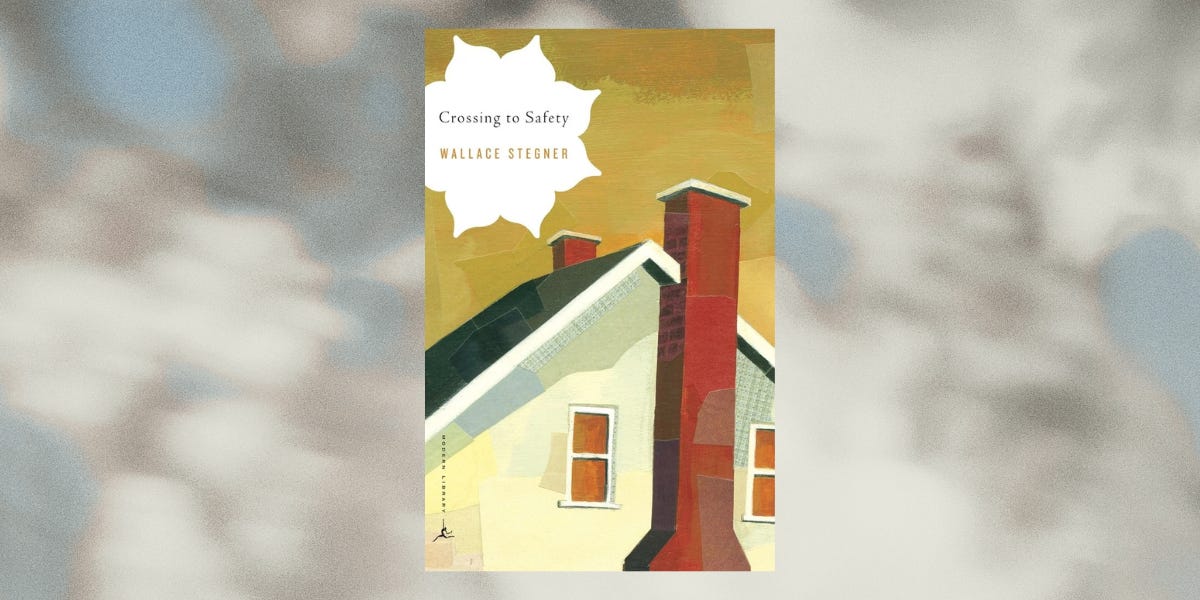 Crossing to Safety | Part 4 | “Survival, it is called. Often it is accidental, sometimes it is engineered by creatures or forces that we have no conception of, always it is temporary.” —p. 324Welcome back to Crossing to Safety by Wallace Stegner. In this episode, Shari and Rhea find themselves without words… more than once…! They talk about Charity’s way of controlling everything to the very end, and how still after all that, they couldn’t dislike her, or harbor ill feelings toward her. They talk about Sid and Larry’s simultaneous “journeys” they took at the end, and how each one came out on the other side. They talk about dying “right” v. dying “well,” living “right” v. living “well,” and how the two inform one another. They talk about fate, forgiveness, and the way suffering has the mysterious gift of enlarging us if we’ll let it. Finally, Shari declares Crossing to Safety as one of her top five books of all time—a statement that, if you’ve been listening to R&W for any length of time, you know she doesn’t make easily.Below is The Resurrection by Piero della Francesca that was mentioned multiple times in the narrative and acted as a critical image in the last section of the story. Our next book is Anne of Green Gables, by L.M. Montgomery. Our first episode of that four-part series will air April 14th. Thanks for listening to this edition of The Reader & the Writer! If you like this post, ❤️ it and pass it along.The Reader & the Writer is a reader-supported publication. To receive new posts and support the literary work we’re doing, consider becoming a free or paid subscriber. Get full access to The Reader & the Writer at thereaderandthewriter.substack.com/subscribe | 1h 02m 59s | ||||||
| 3/24/26 |  Crossing to Safety | Part 3 | “Order is indeed the dream of man, but chaos, which is only another word for dumb, blind, witless chance, is still the law of nature.” (p. 191)Welcome back to Crossing to Safety, by Wallace Stegner. In this episode, Shari and Rhea talk (somewhat obsessively) about Charity Lang and her extreme need to control, and how it affects, well, everything! They talk more about Larry, the long-view narrator, the various narrative techniques Stegner uses through him, and how it continues to impact our understanding of Charity, Larry, both marriages, and the friendship at the heart of this story. They talk about the farce of control itself—how very little we actually have—what makes a person decide he or she has “no choice” but to sacrifice for the sake of another, and what it looks like to bend and not break. Oh, and they talk about the continual Eden imagery: Adam and Eve, and that damnable lurking snake.Next week will be their fourth and final episode with Crossing to Safety. Show note:Here is the quote Shari was talking about from Madeleine L’Engle’s book, Walking on Water (in reference to bringing order from chaos):Leonard Bernstein tells me more than the dictionary when he says that for him music is cosmos in chaos. That has the ring of truth in my ears and sparks my creative imagination. And it is true not only of music; all art is cosmos, cosmos found within chaos. At least all Christian art (by which I mean all true art, and I’ll go deeper into this later) is cosmos in chaos.—Madeleine L’Engle (p. 8)Thanks for reading The Reader & the Writer! If you liked this episode please give it ❤️ and share it with others.The Reader & the Writer is a reader-supported publication. To receive new posts and support the literary work we do, consider becoming a free or paid subscriber. Get full access to The Reader & the Writer at thereaderandthewriter.substack.com/subscribe | 59m 10s | ||||||
| 3/19/26 |  Crossing to Safety | Part 2 | And so, by circuitous and unpredictable routes, we converge toward midcontinent and meet in Madison, and are at once drawn together, braided and plaited into a friendship. (p. 96)Welcome back to Crossing to Safety by Wallace Stegner. In this episode, Shari and Rhea continue their discussion of the long-view narrative style of the story’s first person narrator, Larry Morgan. They discuss his generous story telling style, his telling of deep intimacies, and the way they find themselves, at times, so overcome by the quiet beauty of the narrative they could weep. They continue to relate Larry and Sally’s story to their own marriages, and their own younger-self lives. They discuss Larry’s imagined historical telling of Sid and Charity’s meeting and early love: what more is revealed about Larry the narrator, and what Stegner the author gains by this creative narrative technique. They discuss Charity in-depth: her name, its meaning, and how Stegner, through his narrator, is training us in the way of true, charitable and lasting love. They talk about C. S. Lewis. Shari comes up with a fitting Hamilton quote about Sid. In their next episode, they will be reading through the end of Book One (pp. 142-239)Here’s a link to Rhea’s excellent reading guide for Crossing to Safety:Here is the poem by Robert Frost that inspired the story’s title:I Could Give All To Time by Robert FrostTo Time it never seems that he is braveTo set himself against the peaks of snowTo lay them level with the running wave,Nor is he overjoyed when they lie low,But only grave, contemplative and grave.What now is inland shall be ocean isle,Then eddies playing round a sunken reefLike the curl at the corner of a smile;And I could share Time’s lack of joy or griefAt such a planetary change of style.I could give all to Time except – exceptWhat I myself have held. But why declareThe things forbidden that while the Customs sleptI have crossed to Safety with? For I am There,And what I would not part with I have kept.Thanks for reading The Reader & the Writer! If you liked this post, please ❤️ it and share it with other literature lovers like you.The Reader & the Writer is a reader-supported publication. To receive new posts and support our literary work, consider becoming a free or paid subscriber. Get full access to The Reader & the Writer at thereaderandthewriter.substack.com/subscribe | 1h 04m 48s | ||||||
Want analysis for the episodes below?Free for Pro Submit a request, we'll have your selected episodes analyzed within an hour. Free, at no cost to you, for Pro users. | |||||||||
| 3/10/26 |  Crossing to Safety | Part 1 | Welcome to R&W’s next 2026 read: Crossing to Safety by Wallace Stegner. In this episode, Rhea and Shari discuss the powerful beauty they see already this story of the mundane that makes both marriage and friendship lasting and gold. They talk about Stegner’s great influence on the American literary canon—both through his own work, and his teaching of those literary giants who followed him, Shari’s personal favorite being Wendell Berry. They spend a long time talking about the 1st person long-view narrator, and the effect it has our view of the story itself, the characters, and the events being narrated. They talk about the ways they see the themes of the story: marriage, friendship, and vocation, already being expressed and given foundation in these early chapters. And they wonder how all three will survive and thrive over the course of the decades to follow.Below is a link to Rhea’s reading guide for Crossing to Safety. Please do check it out. She has some great stuff in it!Also, here is the full poem by Robert Frost that inspired Crossing to Safety’s title:I Could Give All To Time– A Poem by Robert FrostTo Time it never seems that he is braveTo set himself against the peaks of snowTo lay them level with the running wave,Nor is he overjoyed when they lie low,But only grave, contemplative and grave.What now is inland shall be ocean isle,Then eddies playing round a sunken reefLike the curl at the corner of a smile;And I could share Time’s lack of joy or griefAt such a planetary change of style.I could give all to Time except – exceptWhat I myself have held. But why declareThe things forbidden that while the Customs sleptI have crossed to Safety with? For I am There,And what I would not part with I have kept.Thanks for listening to this edition of The Reader & the Writer! If you liked this episode, hit the ❤️ button and share it with someone!The Reader & the Writer is a reader-supported publication. To receive new posts and support the literary work we’re doing, consider becoming a free or paid subscriber. Get full access to The Reader & the Writer at thereaderandthewriter.substack.com/subscribe | 1h 07m 10s | ||||||
| 3/6/26 | 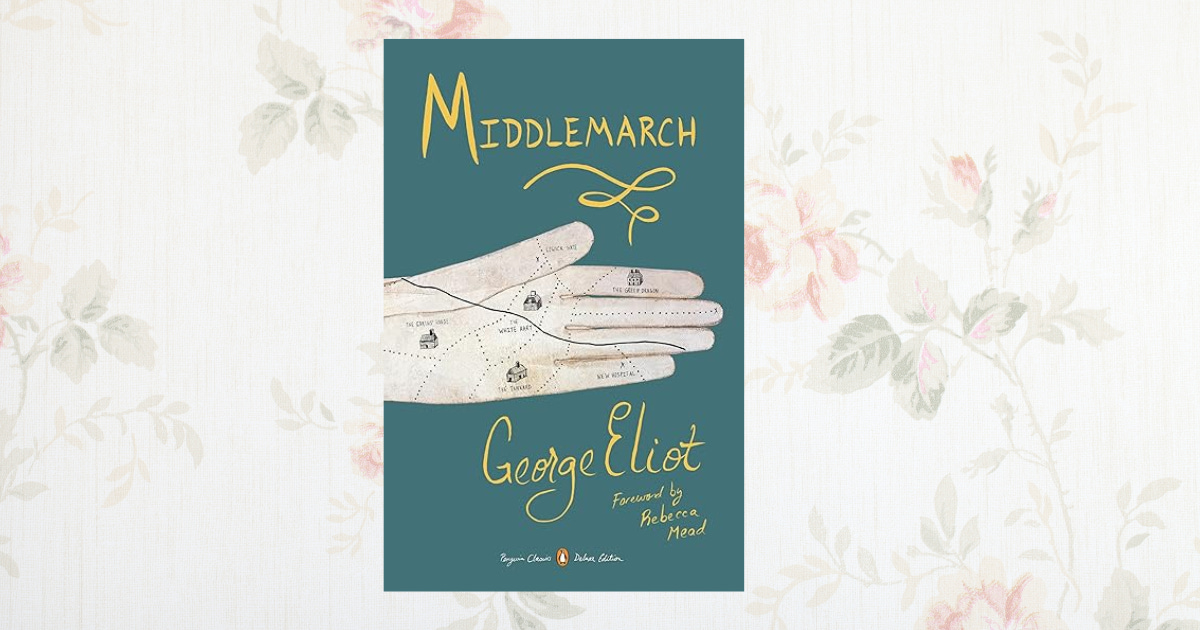 Middlemarch | Book Two | Welcome back to Middlemarch, our year-ish long read. In this episode, Rhea and Shari discuss what it means to be old and young, to have desire and duty, and the making of a person and a marriage. They talk about the various relationships in Middlemarch and how they are continuing to shape into being. They spend considerable time discussing the “big-hearted” narrator, and all they appreciate about her commentary. And they go through several quotes from Book 2, and scratch their heads over each one’s meaning.Be sure to check out our Middlemarch page: Be sure to find our chat section on the Middlemarch page for each week’s reading and join in the conversation!Our next Middlemarch episode covering Book Three is scheduled to air April 3rd. Until then, read wide and read well!Thanks for listening to this episode of The Reader & the Writer! If you liked this post, ❤️ it and share it.The Reader & the Writer is a reader-supported publication. To receive new posts and support the literary work we’re doing, consider becoming a free or paid subscriber. Get full access to The Reader & the Writer at thereaderandthewriter.substack.com/subscribe | 1h 18m 18s | ||||||
| 2/10/26 | 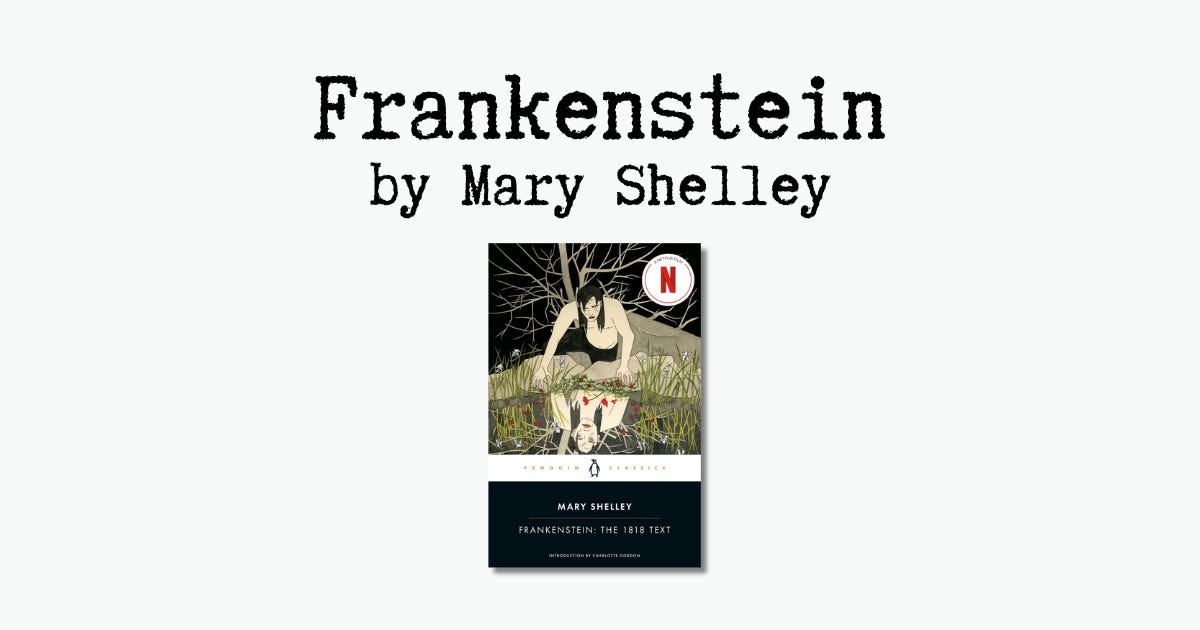 Frankenstein | Part 3 | Welcome to our final episode of Frankenstein. In this episode, Shari and Rhea revisit the nesting narrative, also called framing. They examine each frame through the lens of several different themes and motifs. They ask what ideas they see repeatedly, and how the characters express the various themes. They talk about Shelley’s exploration of love through the pairing of different characters together, and how Victor and the Creature combine in such a way that desecrates love as well as one another. They discuss the significance of names in Frankenstein, and the extra-significance of the De Lacey family at the center of the story. And they circle back around on earlier discussions about creators and creations, not taking responsibility for what we make, not “killing our darlings” when we should, and the ways we end up with monsters of our own making.Journal Prompts for Frankenstein:Rhea had some excellent reflective questions we didn’t have time to discuss. I (Shari) would like to offer them here as journal prompts in case you’d like to do some final noodling over Frankenstein. * On Creation: What does Shelley want me to notice about creation? About my relationship with creation? My responsibility to creation? My responsibility to what I create?* On Companionship: What does Shelley want me to notice about companionship? About my expectations about companionship? My responsibilities within companionship?* On Love: What does Shelley want me to notice about love?We’d love to hear your thoughts or discoveries on any of the above. And if Frankenstein spurred you on to consider other big ideas, please share these, too!Our next slow read is Crossing to Safety, by Wallace Stegner. We will be reading it over four weeks. Our first episode will drop March 10th. No new episodes will air between now and then. Great time to catch up on your Middlemarch reading!If you need a refresher of our 2026 reading list, you can find it here:Thanks for listening to this episode of The Reader & the Writer! If you liked this post, give it some ❤️ and share it with a friend, enemy, or frenemy.We’re not picky.The Reader & the Writer is a reader-supported publication. To receive new posts and support the literary work we’re doing, consider becoming a free or paid subscriber. Get full access to The Reader & the Writer at thereaderandthewriter.substack.com/subscribe | 1h 07m 07s | ||||||
| 2/6/26 | 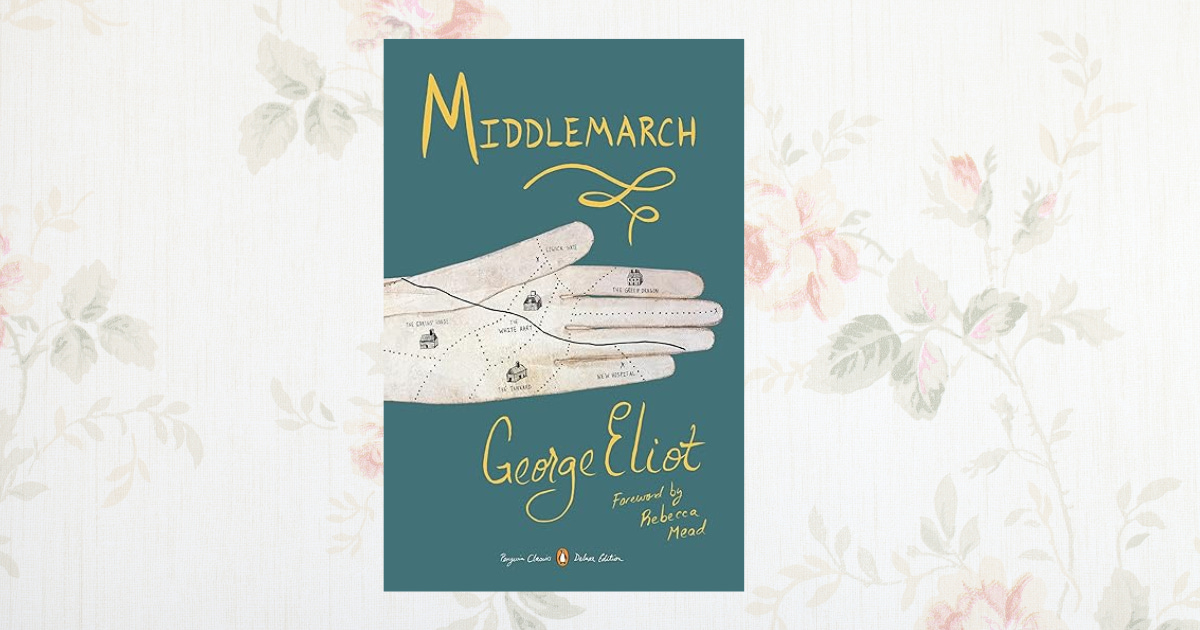 Middlemarch | Book 1 | Welcome to Middlemarch, Book One. In this first “reading” episode of Middlemarch, Rhea and Shari dive headlong into the world of early-1800’s provencial England. They spend a great amount of time discussing the story’s witty, critical, big-hearted narrator. They examine the text for understanding how they are meant to feel about Casaubon, though they already know exactly how they feel about Casaubon. They talk about Dorthea as viewed from various points of view—especially her sister, Celia’s. They look at where the narrator offers us a critical eye, a wide lens, and always a quick witt. Rhea wonders if she’ll even be able to find a character she’ll love to hate. Shari declares Celia is her hero.If you haven’t seen it yet, be sure to read through R&W’s Middlemarch page. It’s full of great stuff:Thanks for reading The Reader & the Writer! If you liked this post, please show it some ❤️ and share it around.The Reader & the Writer is a reader-supported publication. To receive new posts and support the literary work we’re doing, consider becoming a free or paid subscriber. Get full access to The Reader & the Writer at thereaderandthewriter.substack.com/subscribe | 1h 09m 40s | ||||||
| 2/3/26 | 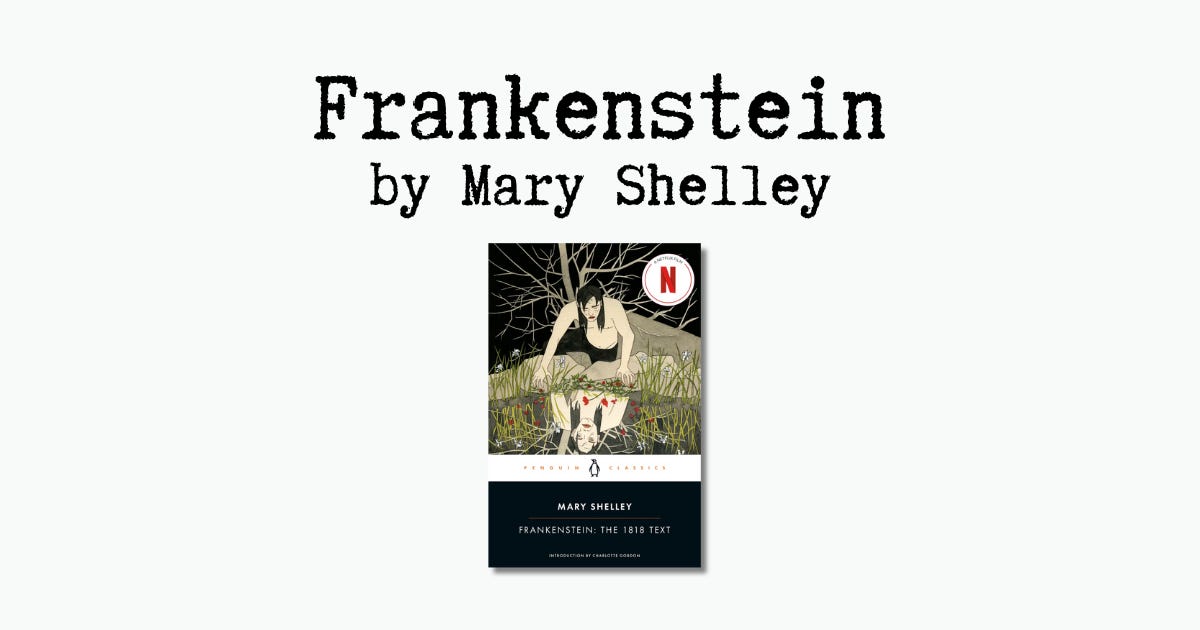 Frankenstein | Part 2 | Welcome to R&W’s second episode of Frankenstein, by Mary Shelley. In this episode, Shari and Rhea dive deeper into the complexities and questions begged by the nested narrative style of the story, Shelley’s use of nature as a metaphor and motif, the use of counterpoints in every character as they relate to Victor, the many Great Conversations embedded in Volume 2, a continued study of humans’ duties toward the works of our hands, and their severe discomfort at the Creature’s lack of a name.The final Frankenstein episode will air Tuesday, February 10th. (This is one week off the original reading schedule, due to inclement weather.) Here is a link to Rhea’s Frankenstein Reading Guide:Thanks for listening to The Reader & the Writer! If you liked this episode, show it some ❤️ and share it with a friend.The Reader & the Writer is a reader-supported publication. To receive new posts and support the literary work we do, consider becoming a free or paid subscriber. Get full access to The Reader & the Writer at thereaderandthewriter.substack.com/subscribe | 1h 06m 17s | ||||||
| 1/20/26 | 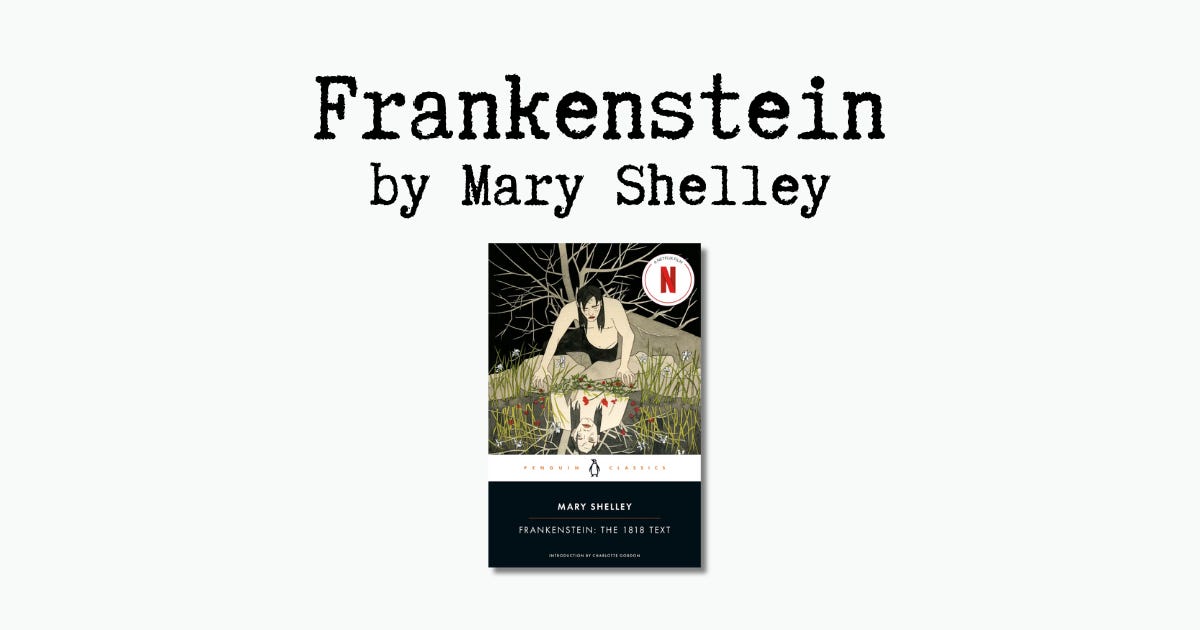 Frankenstein | Part 1 | “Learn from me, if not by my precepts, at least by my example, how dangerous is the acquirement of knowledge, and how much happier that man is who believes his native town to be the world, that he who aspires to become greater than his nature will allow.”—Victor Frankenstein to Capt. Walton (p 41, 1818 version)Welcome to Mary Shelley’s Frankenstein, R&W’s first deep read for 2026. In this episode, Shari and Rhea do a brief introduction to Mary Shelley herself, and those aspects of her life they can see informing aspects of the Frankenstein tale They talk about their experience reading the 1818 and 1831 versions side-by-side. They discuss the epistolary style of the narrative, the motifs they see, and the horrible moment of Victor Frankenstein’s creation coming to life. They talk about our own making and ask what responsibility we hold to that which we make: from marriage, home and children, to careers, inventions, and those physical works of our hands. All this, and they barely scratched the surface.Make sure to look at Rhea’s Reading Guide for Frankenstein:It's full of great resources, the reading schedule, Middlemarch connections, and bookmarks, of course! :)Thanks for listening to The Reader & the Writer! If you liked this episode, ❤️ it and share it around.The Reader & the Writer is a reader-supported publication. To receive new posts and support the literary work we’re doing, consider becoming a free or paid subscriber. Get full access to The Reader & the Writer at thereaderandthewriter.substack.com/subscribe | 1h 05m 08s | ||||||
| 1/13/26 | 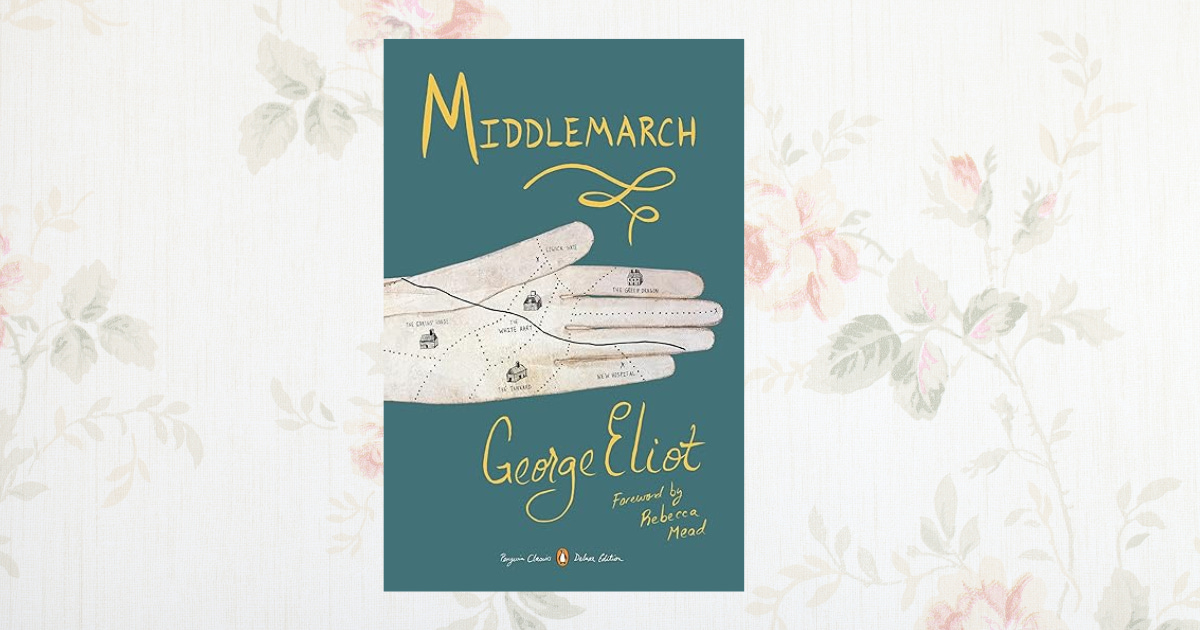 Welcome to Middlemarch | Welcome to Middlemarch! In this episode, Shari and Rhea lay the groundwork for R&W’s first yearish-long read. They discuss the author, George Eliot, the origin story of Middlemarch, and all the things they will be looking for while they read. Oh, and they try and figure out exactly what “provincial” means.To find the reading schedule, bookmarks, and other resources mentioned in the podcast, visit R&W’s Middlemarch page:For a list of R&W’s entire 2026 year of reading click here: Thanks for listening to this episode of The Reader & the Writer! If you liked this episode, ❤️ it and share it with a friend.The Reader & the Writer is a reader-supported publication. To receive new posts and support our literary work, consider becoming a free or paid subscriber. Get full access to The Reader & the Writer at thereaderandthewriter.substack.com/subscribe | 1h 00m 37s | ||||||
| 1/6/26 |  War and Peace | Final Episode | Welcome to the final episode of R&W’s 2025 year-long read of War and Peace. It really is hard to believe it’s over (Except, if you’re Shari, it’s not. Six more Epilogue essays to go!)In this episode, Shari and Rhea discuss the way Tolstoy takes the characters off the stage in the end, and sets them squarely in the beautiful mundane of every day life. They talk about characters they wish they’d heard more from, characters they kept thinking might pop back up and play more of a role, the character Rhea loved to hate in the end. They talked about their favorite scenes and sections, as well as those places they could have done without. They talked about what part of spending an entire year with War and Peace they will miss. Oh, and what they’re looking forward to with their next (not quite) year-long read, Middlemarch, by George Eliot.Speaking of, if you haven’t seen The Reader and the Writer’s 2026 reading list in order with dates, to include our year-long reads: Middlemarch and the Harry Potter series (going into 2027), you can find it here:To follow my annotations, personal notes, and War and Peace story connections on Tolstoy’s Epilogue essays (12 essays in 12 days), start here:Thank you so much for reading along with us in 2025! And cheers to many more years of happy slow reading together. 🥂Thanks for listening to this episode of The Reader & the Writer! If you liked what you heard, give it some ❤️ and share it with a fellow War and Peace lover like you.The Reader & the Writer is a reader-supported publication. To receive new posts and support the literary work we’re doing, consider becoming a free or paid subscriber. Get full access to The Reader & the Writer at thereaderandthewriter.substack.com/subscribe | 51m 39s | ||||||
| 12/31/25 |  R&W 2025 End of Year Episode | It’s hard to believe, but it’s time for the last episode of 2025.In this episode, Rhea and Shari ask each other questions about all things R&W and books this 2025. They talk about those most memorable scenes, where they found the Great Conversation most compelling in the books they read, what story most convicted them, reminded them of who they are, and surprised them by its beauty. They discussed Shari’s MFA work and how it’s informed her labors with novel writing and R&W. They talked about what they thought they did well this first full year of R&W’s existence, and what they hope to do better in 2026. And, of course, Rhea got bonus points for the best question ever: Which two characters from any of the books we read this year would you like to see married? Oh wow… What would you say??On a personal note:Rhea and I are beyond grateful for all of you who’ve journeyed along with us this 2025. We began doing this thing a year and a half ago out of our shared love for literature and the sheer fun we have when we’re together talking about the books we’re reading. Your own love of literature and participation with us here spurs us on to continue nurturing and growing the literary work we’ve begun.2026 is already shaping up to be our best year yet (not so hard considering we’re not even two full years old)! If you haven’t seen the R&W 2026 Reading list in order, be sure to check it out:R&W’s first book is Frankenstein, by Mary Shelley. Below are the dates and reading schedule:* January 20: Frankenstein - Volume I* January 27: Frankenstein - Volume II* February 3: Frankenstein - Volume IIIThe first year-long|background read is Middlemarch, by George Eliot. Below are the first few episodes related to that book:* January 13: Welcome to Middlemarch* February 6: Middlemarch - Book 1* March 6: Middlemarch - Book 2See you next year! Until then, read wide, read well, and live always in witness to the Great Story.The Reader & the Writer is a reader-supported publication. To receive new posts and support the literary work we’re doing, consider becoming a free or paid subscriber. Get full access to The Reader & the Writer at thereaderandthewriter.substack.com/subscribe | 1h 15m 00s | ||||||
| 12/30/25 |  Klara and the Sun | Part 3 | “Hope,” he said. “Damn thing never leaves you alone.” —Paul, p. 219Welcome to the final episode of Klara and the Sun. In this episode, Shari and Rhea discuss all the motifs and how they bring to life the central question of this novel: What does it mean to be human? They talk about Klara and faith, Klara and friendship, Klara and the human heart, and what Jesus and C. S. Lewis have to say on all these matters. They discuss all the ways in which Klara, disturbingly, seemed throughout the story more human than the humans did. They discuss their own troubled reactions to the story’s ending. They talk about the difference between companionship and friendship. They talk about integration and disintegration, and how every effort at human-like connection with A.I. leads to the later, and never the former. They re-visit the Advent aspect of this story, and what Advent looks like with no Incarnation (God becoming human for us) in the end. And, Shari reads some poetry by Wendell Berry at the end.Resources cited in this episode:* The Four Loves, by C. S. Lewis* The Gospel of John, Chapter 15* Klara and the Sun in the Year of ubiquitous A.I. (from Substack MBH4H)* The Friend Necklace (Oct. 2025 review from Business Insider)Poetry Rhea was inspired to find and cite after finishing Klara and the Sun:* The Peace of Wild Things by Wendell Berry* [i carry your heart with me (i carry it in] by e. e. cummings* The Sun by Mary OliverIf you haven’t seen it yet, here is R&W’s 2026 Reading List in order with (penciled in) dates:Thanks for listening to this episode of The Reader & the Writer! If you liked this episode, please give it some ❤️ and pass it along.The Reader & the Writer is a reader-supported publication. To receive new posts and support the literary work we’re doing, consider becoming a free or paid subscriber. Get full access to The Reader & the Writer at thereaderandthewriter.substack.com/subscribe | 1h 11m 47s | ||||||
| 12/23/25 |  Klara and the Sun | Part 2 | Welcome back to Klara and the Sun. In this episode, Shari and Rhea have a LOT to talk about, beginning and ending with the troubling Frankenstein-esque turn this story has taken. They discuss faith v. rationality and the irony that a lot of faith is needed to believe in rationality. They discuss blobs and boxes and shapes in general as a motif. They discuss the Bubble Game, eyes as the window to the soul, and hedges v. fences. They discuss the mothers, Helen and Chrissy, as counterpoints of one another, and what drives each one to act as she does. They discuss Rick and Josie’s plan. They discuss Advent, Mary, courageous surrender, and what happens when waiting becomes unbearable… and all these things from a place of knowing now what Mr. Capaldi’s “portrait” of Josie truly is.Next week they will finish the book.Resource mentioned in this episode:* Rhythms of Faith, by Claude Atcho. Get full access to The Reader & the Writer at thereaderandthewriter.substack.com/subscribe | 1h 05m 52s | ||||||
| 12/16/25 | 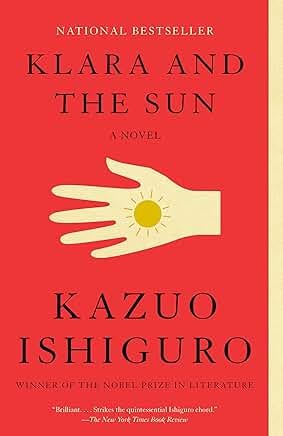 Klara and the Sun | Part 1 | It must be great. Not to miss things. Not to long to get back to something. Not to be looking back all the time. Everything must be so much more… (p. 90)Welcome to R&W’s last deep read of the year: Klara and the Sun, by Kazuo Ishiguro. In this episode, Shari and Rhea piece together what they so far know about AF (Artificial Friend) Klara and the world in which she lives. They also talk about what they don’t know, what confuses them, and the world of AI as it is in the story, and in real life. They talk about the eerie quietness of the story, the formality of the relationships amongst the humans, and Klara’s eerie ability to make judgements and have feelings, though she’s a robot and “not supposed” to have the capacity to do either. They talk about what happens to humans when they interact with AI’s as humans. And they talk about how—at least so far—Klara and the Sun reminds them of Advent.Be sure to check out Rhea’s Reading Guide for Klara and the Sun:Below is the reading schedule for Klara and the Sun:Thanks for listening to this episode of The Reader & the Writer! If you liked this episode be sure to ❤️ it and share it with others.The Reader & the Writer is a reader-supported publication. To receive new posts and support the literary work we’re doing, consider becoming a free or paid subscriber. Get full access to The Reader & the Writer at thereaderandthewriter.substack.com/subscribe | 1h 07m 58s | ||||||
| 12/12/25 | 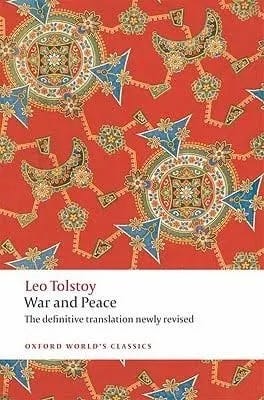 War & Peace | November Reading | And there is no greatness where simplicity, goodness, and truth are absent. —Leo TolstoyWelcome back to our year-long read, War and Peace. In this episode, Shari and Rhea discuss the way the novel is moving from story to essay, from narrative to critique. And yet, there is still much to discuss: why Tolstoy is so harsh on historians, why Kutuzov gets such a short exit, how the scenes of military camp life serve to illustrate Tolstoy’s essays, how Pierre can no longer see an aim now that he has faith, and how Natasha gains her life back and further gifts Pierre a depth to his by recounting Andrei’s final days. And all of this they consider in light of the quote on greatness above.For our history loving listeners, below is the link to Matthew Long’s post from his Substack, Beyond the Bookshelf, that Rhea mentioned near the end of the podcast. Matthew is doing a deep dive into the Civil War next year. He has a his study schedule, reading guide and timeline all mapped out, and has shared it for anyone who’d like to follow along:Thanks for listening to this episode of The Reader & the Writer! If you like this episode, ❤️ it and pass it along.The Reader & the Writer is a reader-supported publication. To receive new posts and support the literary work we do, consider becoming a free or paid subscriber. Get full access to The Reader & the Writer at thereaderandthewriter.substack.com/subscribe | 1h 06m 17s | ||||||
| 12/10/25 | 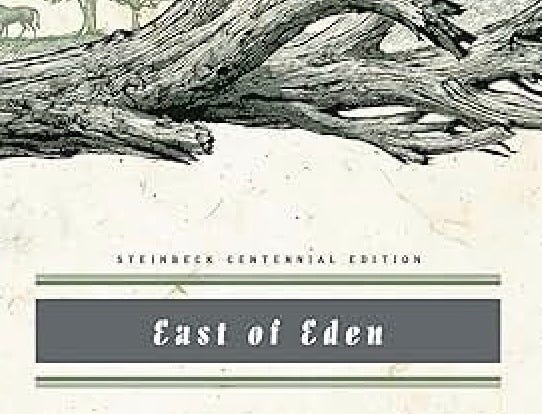 East of Eden | Part 8 | “And now that you don’t have to be perfect, you can be good.” —Lee to AbraWelcome back to East of Eden—the end! In this episode, Shari and Rhea discuss all the “timshel” moments that lead to the final blessing, for Cal, and for us all. They talk about the Great Conversation happening here at the end of the story with Alice in Wonderland, and Meditations. They discuss smallness, greatness, and accepting one’s story as it is. They talk about control, and our lack of it; about taking responsibility for wrongs versus the cheap self-indulgence of being vulnerable and right-sized with the world. It’s a Wonderful Life and Rhea making peace with Cherry Valance. Basically, they discuss all that is east of Eden.R&W’s final book for 2025 will be Klara and the Sun by Kazuo Ishiguro. Below is the breakdown of the readings:* December 16: Parts 1 - 2 (pp. 3-109)* December 23: Part 3 - some of Part 4 (pp. 113-214)* December 30: Rest of 4 - Part 6 (pp. 214-303)Finally, if you haven’t yet listened, be sure to check out R&W’s 2026 Big Draw Episode, where Rhea and Shari drew and decided on all they will be reading next year!Thanks for listening to this episode of The Reader & the Writer! If you liked this post, give it some ❤️ and share it with someone.The Reader & the Writer is a reader-supported publication. To receive new posts and support the literary work we’re doing, become a free or paid subscriber. Get full access to The Reader & the Writer at thereaderandthewriter.substack.com/subscribe | 1h 06m 50s | ||||||
| 12/5/25 |  The 2026 Big Draw Episode | It’s that time again! The Reader & the Writer’s annual Big Draw Episode! In this bonus episode, Rhea and Shari draw for and decide the books they will read in 2026. Prior to the episode, the ladies decided they wanted to read books from the following three genres: love story, gothic, science-fiction/magical realism. Beyond the books they drew on air, they preselected two authors from their 2025 books to re-read (different book, of course). They also preselected another book by an author that was a “must read” for both of them. It was great fun to record!The R&W books for 2026 are listed below (not in order). But, still listen to the episode! It’s just plain fun. :)The Reader & the Writer 2026 Book List:* Lila, by Marilynne Robinson* Hannah Coulter, by Wendell Berry* The Constant Nymph, by Margaret Kennedy* Crossing to Safety, by Wallace Stegner* Anne of Green Gables, by L. M. Montgomery* Frankenstein, by Mary Shelley* Beloved, by Toni Morrison* A History of the Island, by Eugene Vodolazkin* Twenty Thousand Leagues Under the Sea, by Jules Verne* A Canticle for Leibowitz, by Walter M. Miller (added after the episode)R&W Long-Long Reads:* Middlemarch, by George Eliot (Jan - Aug)* Harry Potter Series, by J. K. Rowling (Sep - Mar 2027)Stay tuned for exact editions we will be reading from, if that’s something you care about. It’s not necessary, however, as long as you’re reading from an unabridged edition. Get excited! It’s time to buy books and start reading!! :DThanks for listening to this episode of The Reader & the Writer! If you liked this episode, ❤️ it and share it.The Reader & the Writer is a reader-supported publication. To receive new posts and support the literary work we’re doing, become a free or paid subscriber. Get full access to The Reader & the Writer at thereaderandthewriter.substack.com/subscribe | 42m 57s | ||||||
Showing 25 of 141
Sponsor Intelligence
Sign in to see which brands sponsor this podcast, their ad offers, and promo codes.
Chart Positions
1 placement across 1 market.
Chart Positions
1 placement across 1 market.