Insights from recent episode analysis
Audience Interest
Podcast Focus
Publishing Consistency
Platform Reach
Insights are generated by CastFox AI using publicly available data, episode content, and proprietary models.
Most discussed topics
Brands & references
Total monthly reach
Estimated from 10 chart positions in 10 markets.
By chart position
- 🇬🇧GB · Earth Sciences#6130K to 100K
- 🇩🇪DE · Earth Sciences#8330K to 100K
- 🇦🇺AU · Earth Sciences#8530K to 100K
- 🇨🇦CA · Earth Sciences#1045K to 30K
- 🇺🇸US · Earth Sciences#1065K to 30K
- Per-Episode Audience
Est. listeners per new episode within ~30 days
91K to 315K🎙 ~2x weekly·115 episodes·Last published today - Monthly Reach
Unique listeners across all episodes (30 days)
181K to 630K🇬🇧16%🇩🇪16%🇦🇺16%+7 more - Active Followers
Loyal subscribers who consistently listen
72K to 252K
Market Insights
Platform Distribution
Reach across major podcast platforms, updated hourly
Total Followers
—
Total Plays
—
Total Reviews
—
* Data sourced directly from platform APIs and aggregated hourly across all major podcast directories.
On the show
From 15 epsHosts
Recent guests
Recent episodes
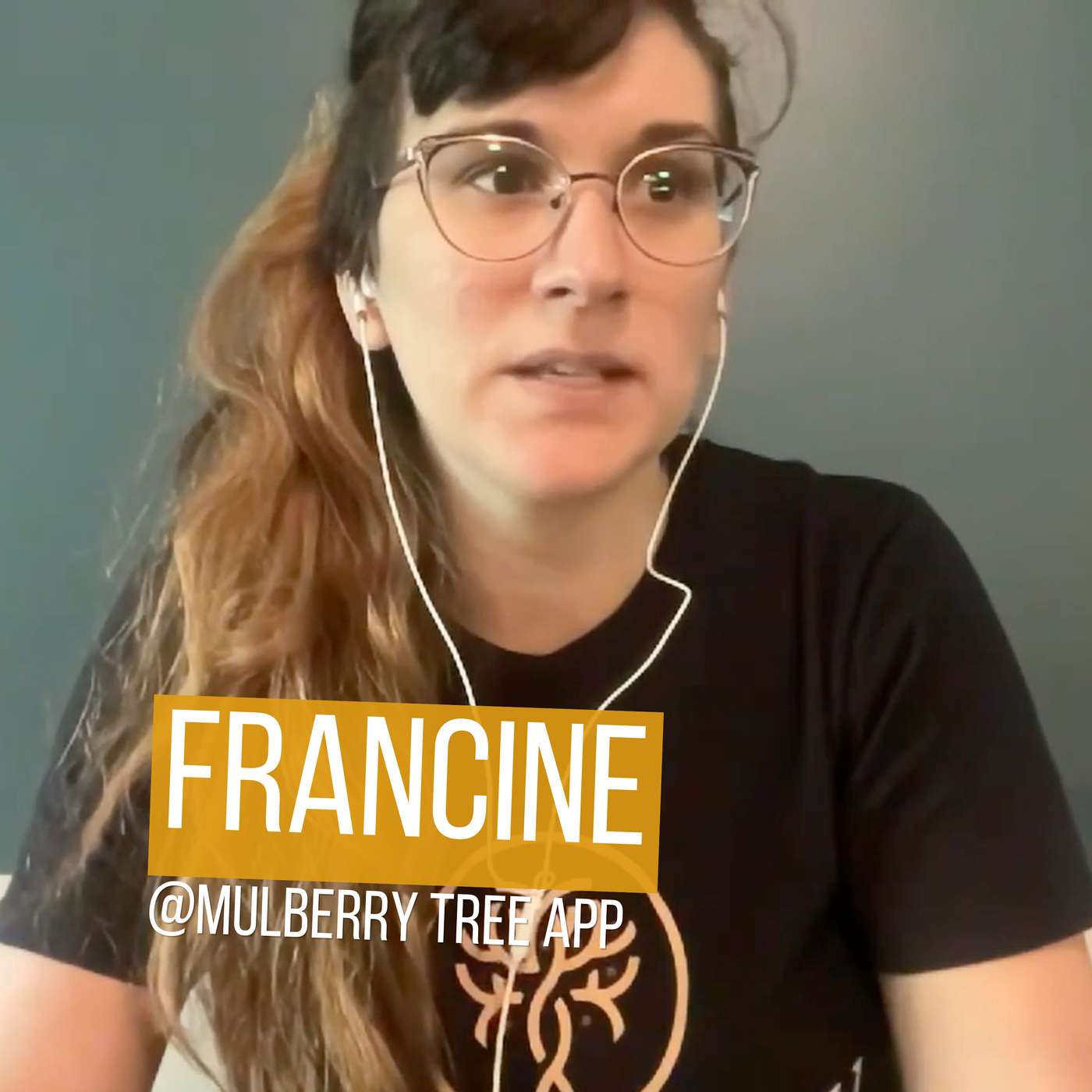
Meet Francine. The Farm Mom Who built The App To Challenge Big Food - Francine | #117
Jun 24, 2026
59m 10s
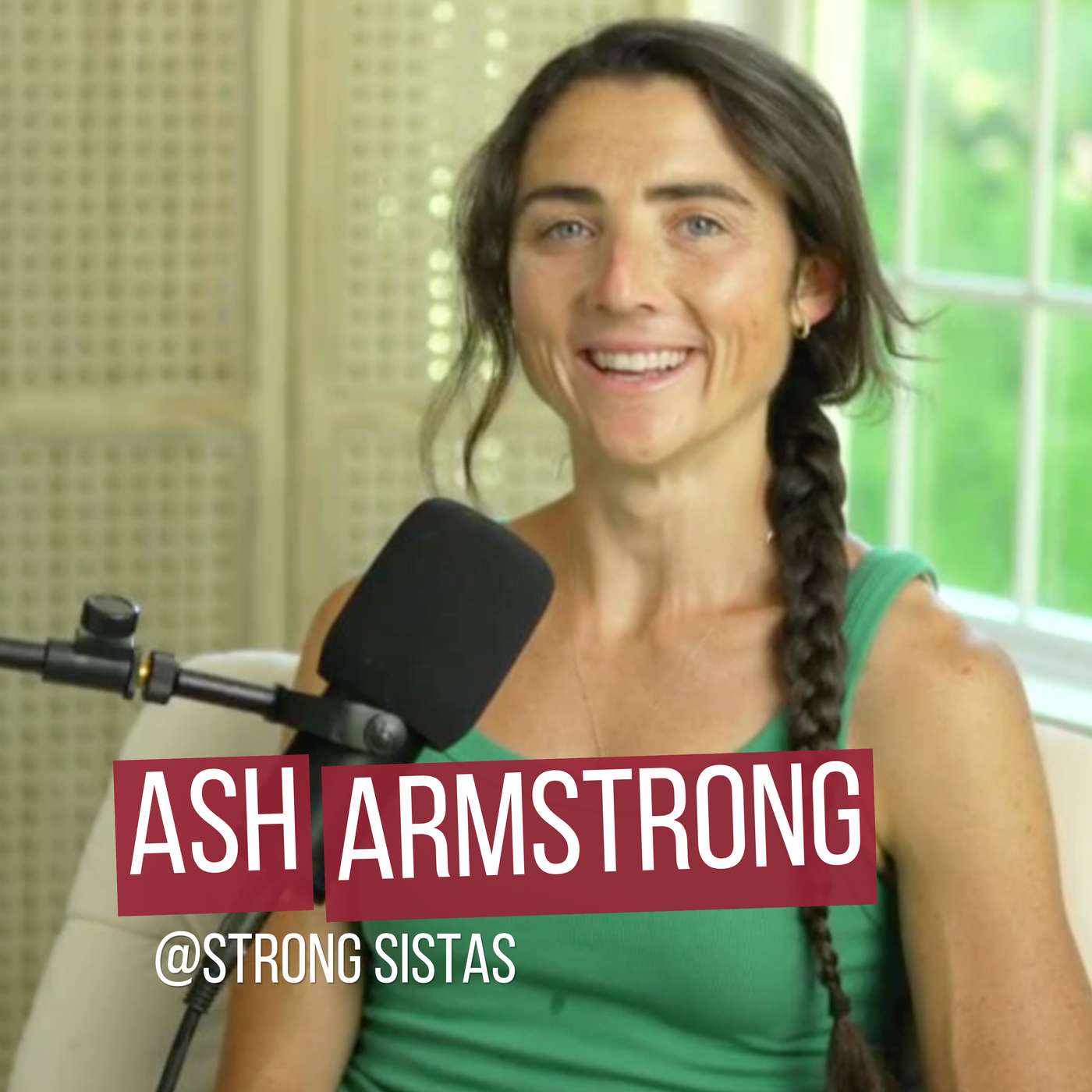
Polyunsaturated Fats, Metabolic Health, and Fixing The American Food System - Ash Armstrong | #116
Jun 17, 2026
1h 46m 29s
How Maple Syrup Is Truly Made (Inside a 107-Year-Old Vermont Farm) - Baird Maple Farm Highlights
May 28, 2026
48m 44s
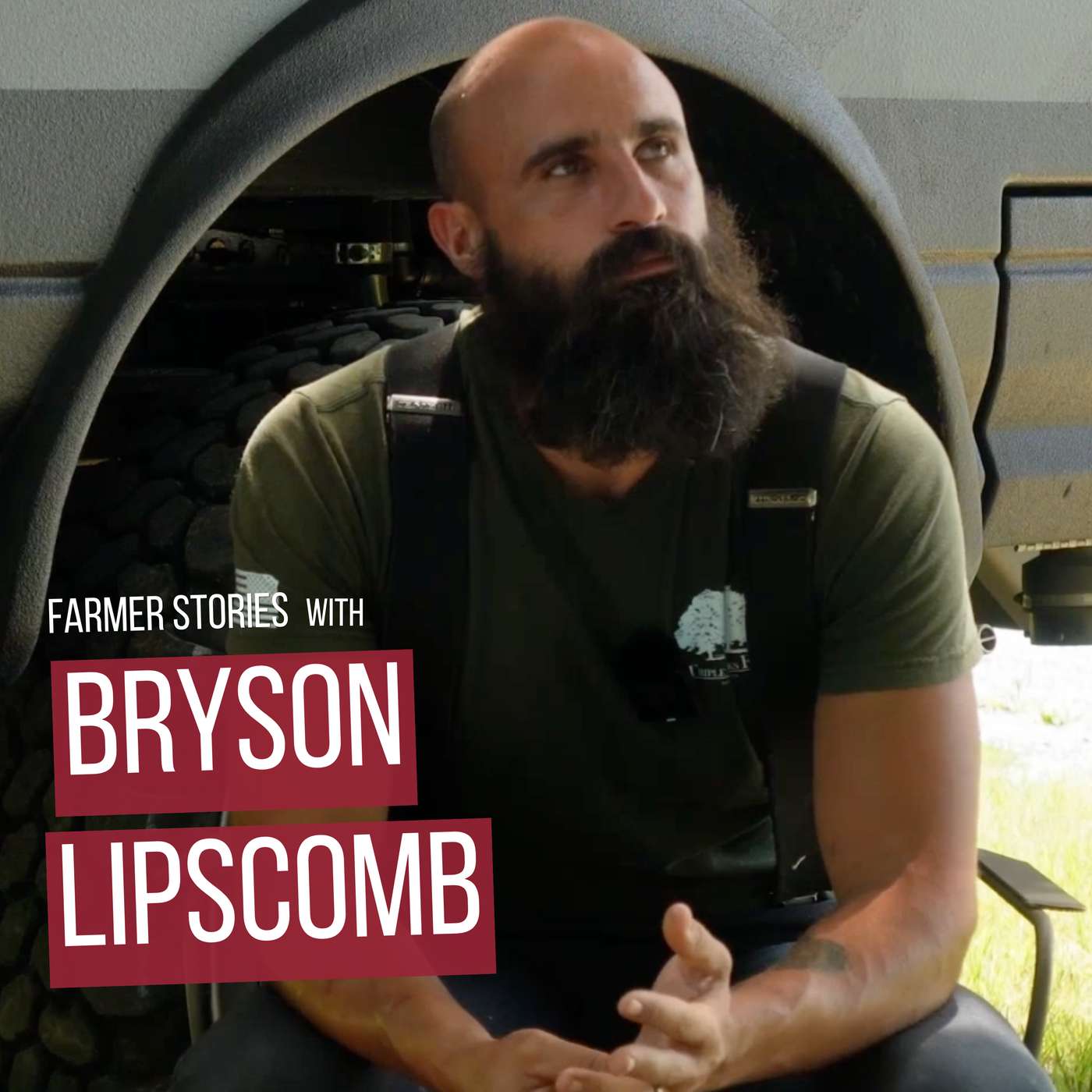
Why I Feel Called To Manage Animals Responsibly | Bryson Lipscomb
May 20, 2026
29m 07s
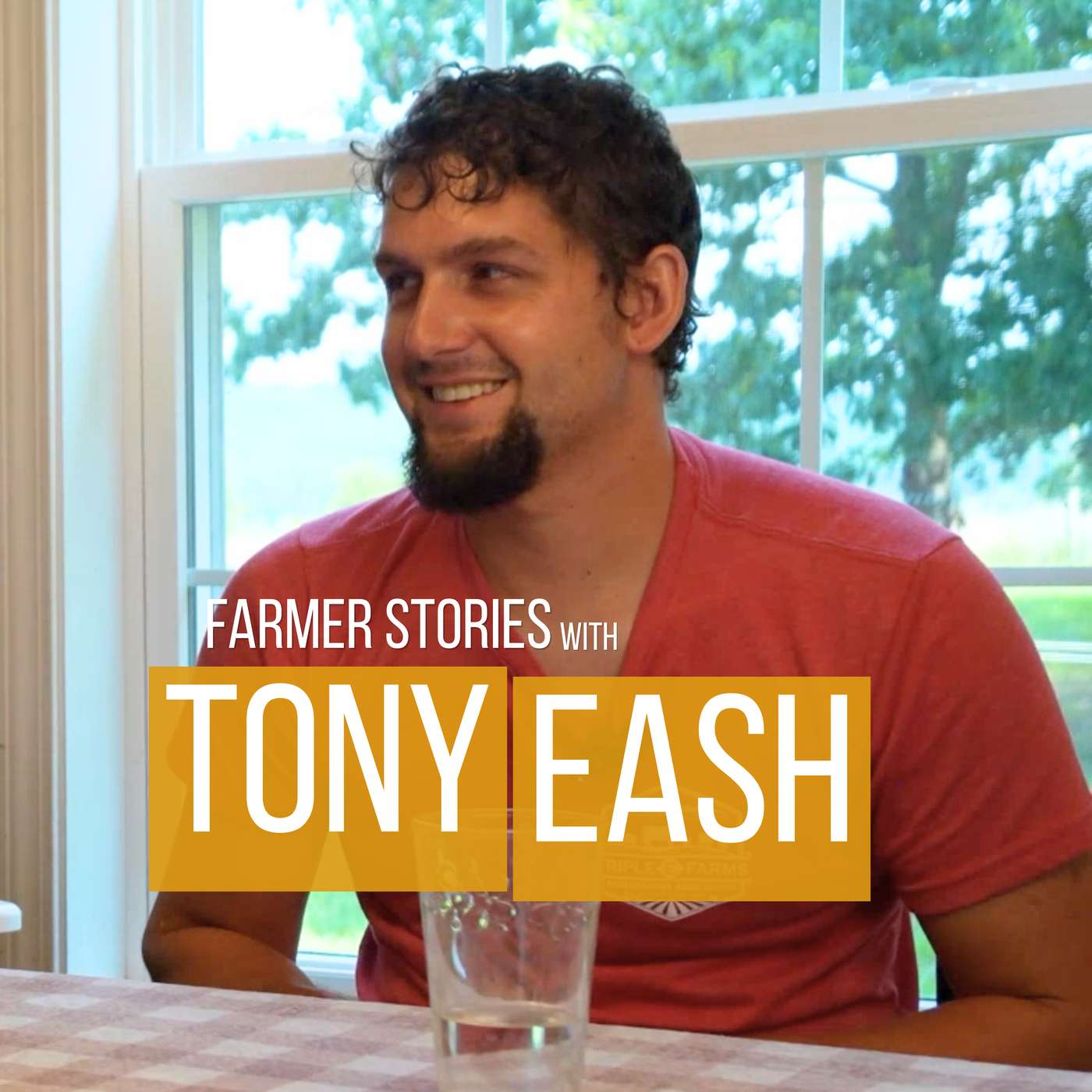
Why Farmers Need To Be Profitable, 3am Burnout, & Why Amish-Mennonite Community Still Works | Tony Eash
May 13, 2026
16m 39s
Social Links & Contact
Official channels & resources
Official Website
Login
RSS Feed
Login
| Date | Episode | Topics | Guests | Brands | Places | Keywords | Sponsor | Length | |
|---|---|---|---|---|---|---|---|---|---|
| 6/24/26 | ![]() Meet Francine. The Farm Mom Who built The App To Challenge Big Food - Francine | #117 | Francine is a farmer, mom of four, and co-founder of the Mulberry Tree App - a farm-to-fork platform that lets consumers buy ingredients directly from local farms, with no listing fees, no middleman, and no data selling. She and her husband built it from scratch, self-funded, while navigating mold illness, alpha-gal syndrome in their family, and a bunch of scammers! They launched the app in January 2025.We talk through how the app works, why convenience is the real barrier between consumers and local farms, and what it actually takes to build something like this without outside funding or corporate backing. Enjoy :)What we talk about:- How the Mulberry Tree App works - farm-to-fork recipes, local farmer discovery, 24/7 farmers market- Why they don't charge farmers listing or marketing fees- Facebook censorship of farm products during COVID and why it pushed them to build their own platform- The grassroots marketing approach: vendor events, merchandise, one-on-one outreach- Alpha-gal syndrome - what it is, how misinformation is hurting people, and why the app has 300+ alpha-gal-safe recipes- Mold illness, raising four kids on a farm, and the tribulations behind building the business- The case for food sovereignty and why 77 farms closing per day is a national problemTimestamps:0:00 — Intro1:10 — What is the Mulberry Tree App?6:45 — How it handles the convenience problem for consumers12:00 — The origin story - a dream, a husband, and no coding experience18:30 — Facebook censorship and why decentralization matters26:00 — Grassroots marketing: vendor events, shirts, 400 downloads in two weeks32:00 — Consumer patterns and what makes the app experience different39:00 — The town square, courses, live animal listings, and cottage industry sellers47:00 — Growing up on farms, moving to Arkansas, raising kids outside the system54:00 — Mold illness, alpha-gal, and the year their son was on steroids1:04:00 — Why most businesses fail and why they didn't1:09:00 — Final thoughts: know your farmer, know your foodHow to Support Francine:Download the app via their website Connect with her via X | 59m 10s | ||||||
| 6/17/26 | ![]() Polyunsaturated Fats, Metabolic Health, and Fixing The American Food System - Ash Armstrong | #116 | Ashley Armstrong is a first-generation regenerative farmer and co-founder of Strong Sistas, a health platform born out of her own autoimmune diagnosis. She built Angel Acres Farm in Southwest Michigan from the ground up, producing corn- and soy-free eggs, and went on to found Nourish Food Club - a cooperative network of small regenerative farms supplying clean, transparently raised food directly to families.What We CoverHow Ashley went from graduate school to building a regenerative farm from scratchWhy conventional chicken and pork now have a fatty acid profile closer to seed oils than real meatThe 100-year shift in dietary fats and what it's doing to human metabolismHow Nourish Food Club is reviving the farm cooperative model to support small farmersThe bureaucratic bullying small farms face daily - and why the system is designed against themTimestamps00:00 – Ashley's health crisis and path to farming06:30 – Building Angel Acres from scratch13:00 – Lessons from 12 years of competitive golf18:45 – How Nourish Food Club works26:00 – Why cheap and quality food can't coexist33:30 – The 100-year shift away from saturated fat42:00 – How corn and soy changed pork and chicken49:30 – Phytonutrients in pasture-raised meat56:00 – Why grocery labels are meaningless01:03:00 – The problem with indoor farming01:09:30 – Bureaucratic bullying and the jerky incident01:17:00 – Why small farm costs are structurally higher01:28:00 – Where consumers can startLinksWebsiteInstagramYouTubeRegenaissance YouTube ChannelAbout The Podcast: The Regenaissance Podcast explores the people, farms, and ideas rebuilding our food system from the ground up. | 1h 46m 29s | ||||||
| 5/28/26 | ![]() How Maple Syrup Is Truly Made (Inside a 107-Year-Old Vermont Farm) - Baird Maple Farm Highlights✨ | maple syrup productionfarm succession+3 | Jacob BairdJenna Baird | Baird Maple Syrup Farm | Vermont | maple syrupBaird Maple Farm+6 | — | 48m 44s | |
| 5/20/26 | ![]() Why I Feel Called To Manage Animals Responsibly | Bryson Lipscomb✨ | animal managementregenerative farming+3 | Bryson Lipscomb | USDA | VirginiaTriple Oaks Farm | regenerative farmingfood sovereignty+3 | — | 29m 07s | |
| 5/13/26 | ![]() Why Farmers Need To Be Profitable, 3am Burnout, & Why Amish-Mennonite Community Still Works | Tony Eash✨ | farming profitabilityregenerative agriculture+3 | Tony Eash | Triple E FarmsAmish-Mennonite Community | West Virginia | farmingprofitability+3 | — | 16m 39s | |
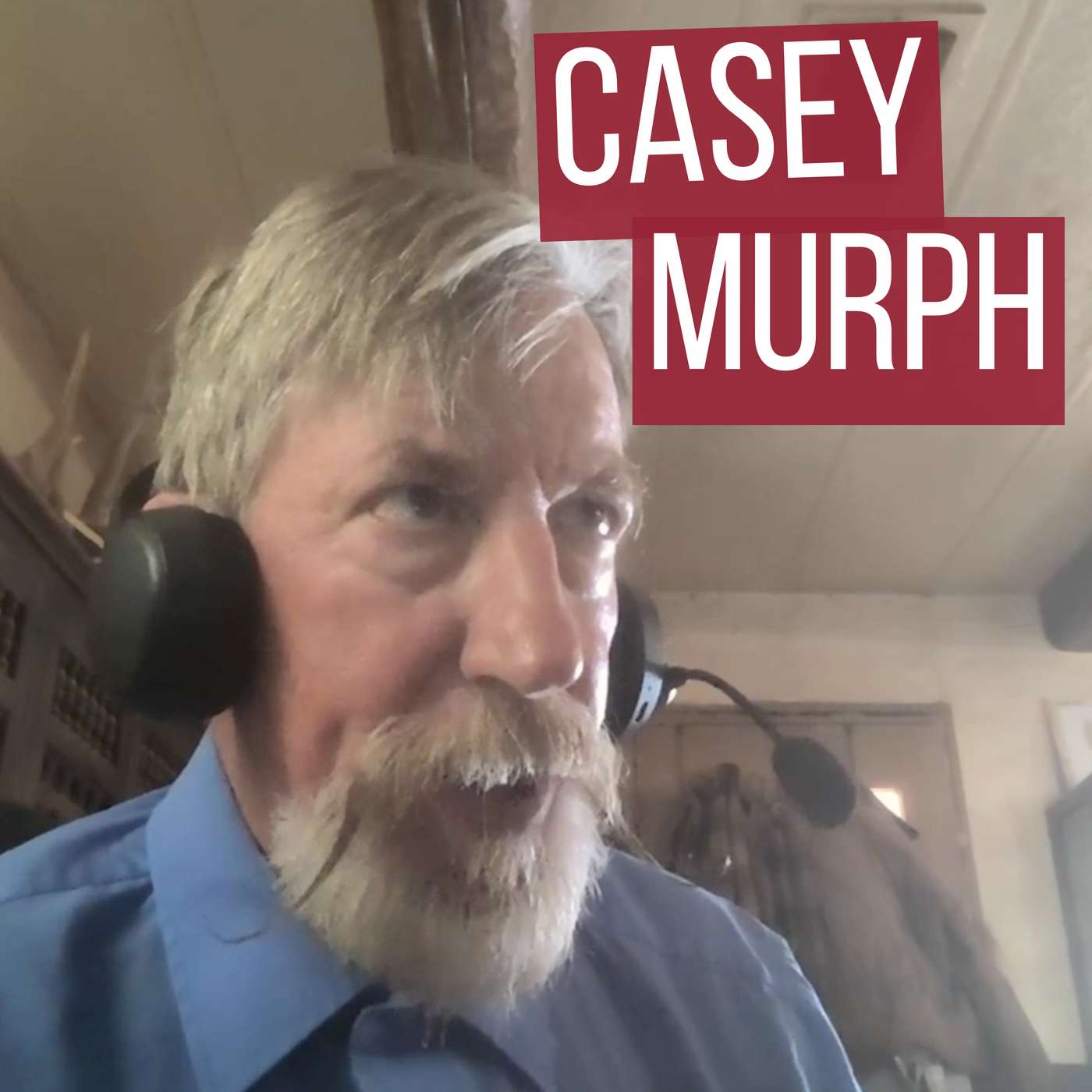
| 5/7/26 | ![]() A Danish Energy Giant (Ørsted) Is Coming After My Ranch - Casey Murph | #115✨ | renewable energygrazing land+4 | Casey Murph | ØrstedMeta | Arizonanortheastern Arizona | Ørstedsolar array+7 | — | 44m 27s | |
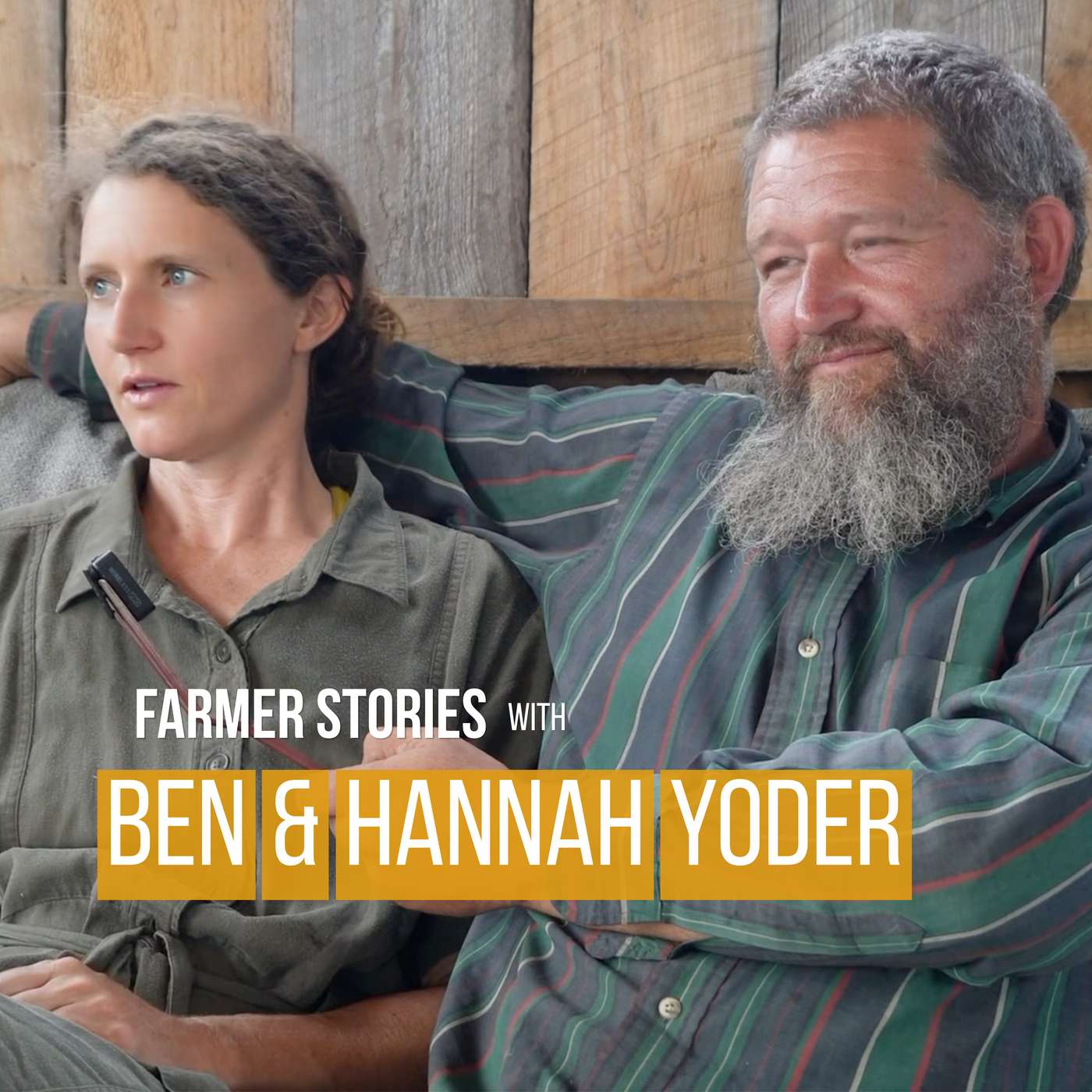
| 4/30/26 | ![]() Instilling The Right Values In Kids - Intergenerational Culture, Self-Sovereignty, Curiosity | Ben & Hannah Yoder✨ | homeschoolingregenerative farming+4 | Ben YoderHannah Yoder | Savage Mountain FarmAmish–Mennonite | PennsylvaniaMaryland | homeschoolingfarming+5 | — | 13m 12s | |
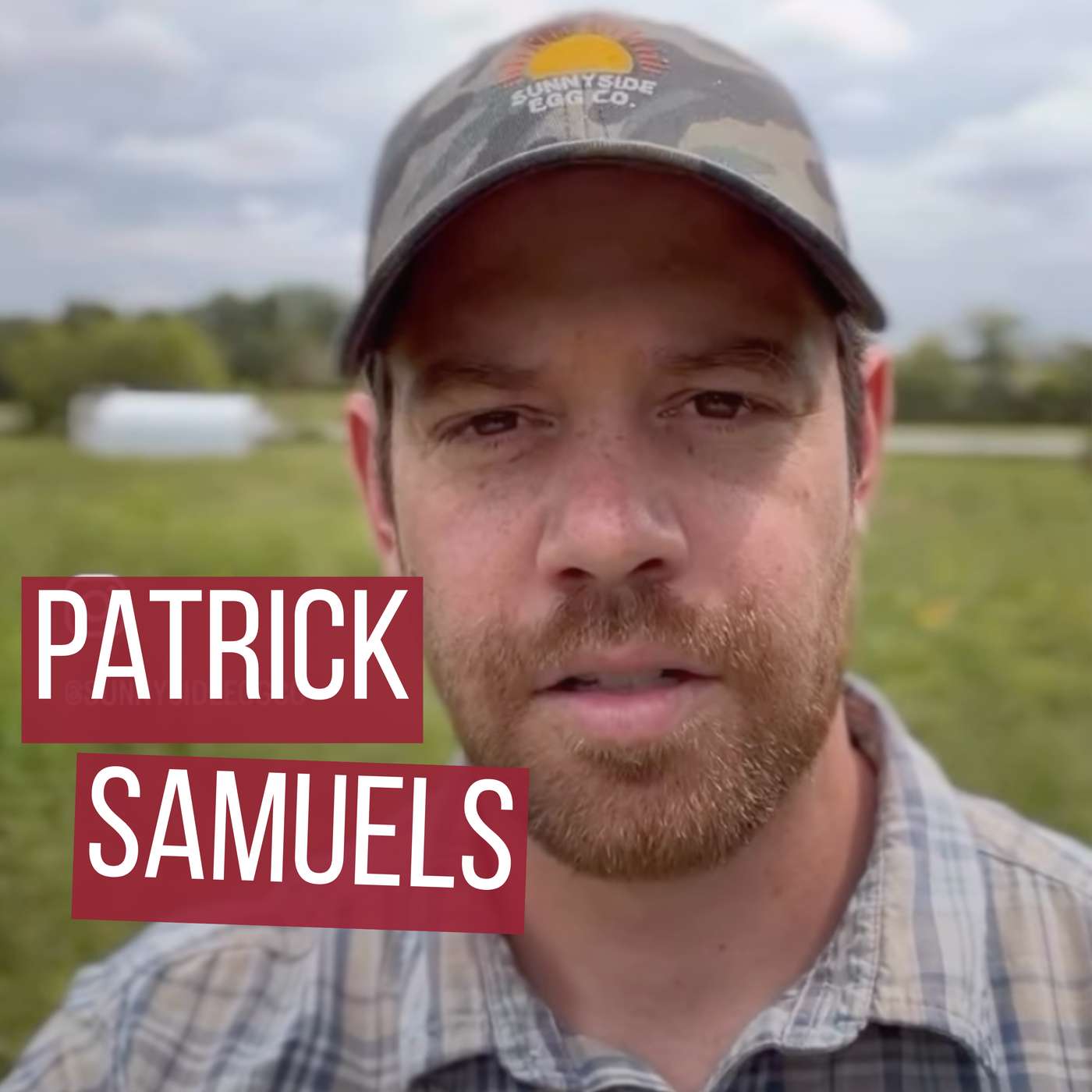
| 4/22/26 | ![]() Exposing How Big Brands Fake "Pasture Raised" Eggs - Patrick Samuels @Sunnyside | #114✨ | pasture-raised label scammobile coops+3 | Patrick Samuels | Sunnyside Egg Co.Vital Farms | KentuckyAmish/Mennonite | pasture-raised eggsregenerative farming+3 | — | 1h 07m 42s | |
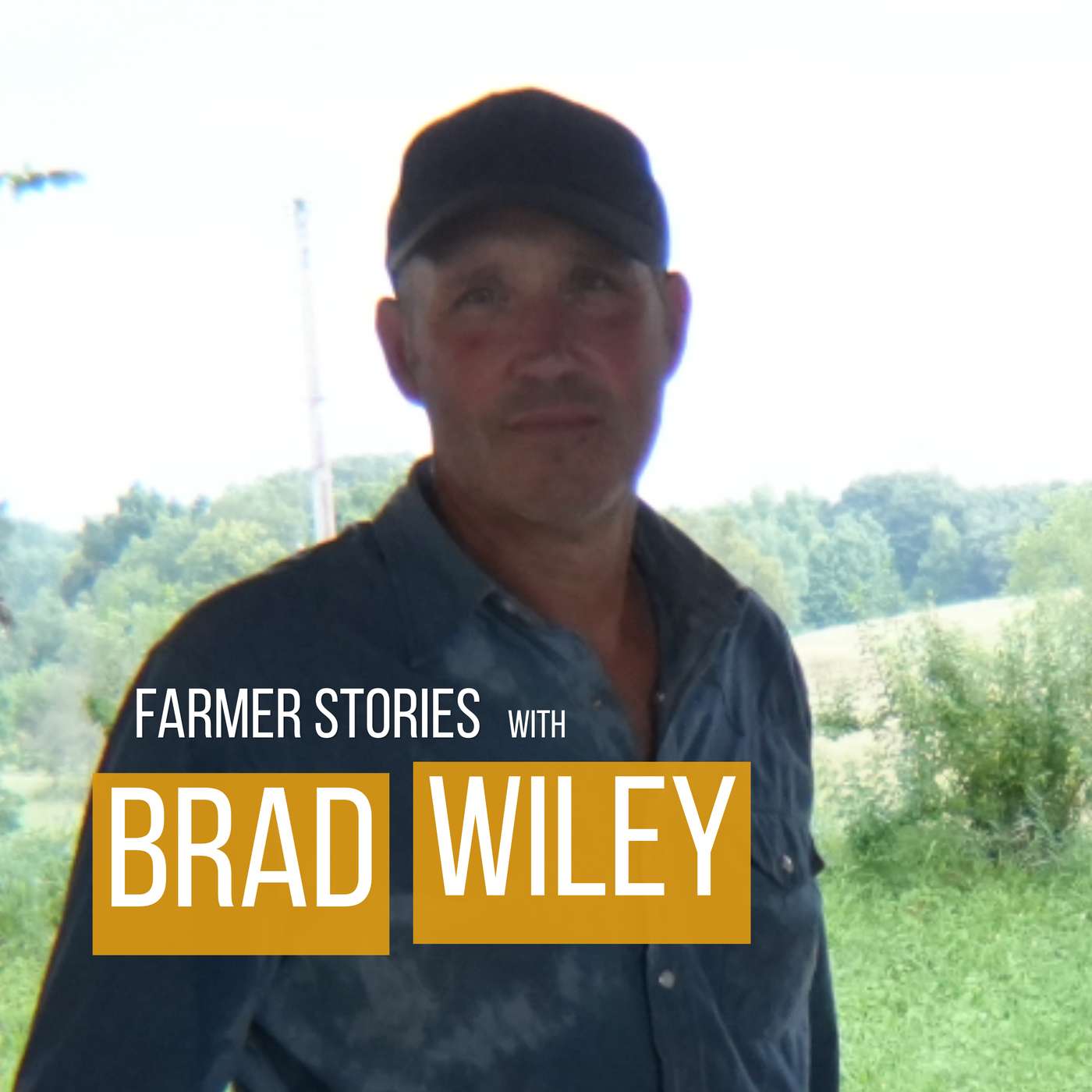
| 4/15/26 | ![]() Struggle Is What Makes Us | Brad Wiley✨ | farmingfamily legacy+4 | Brad Wiley | Otter Creek Farm | — | farmingfamily memory+5 | — | 24m 23s | |
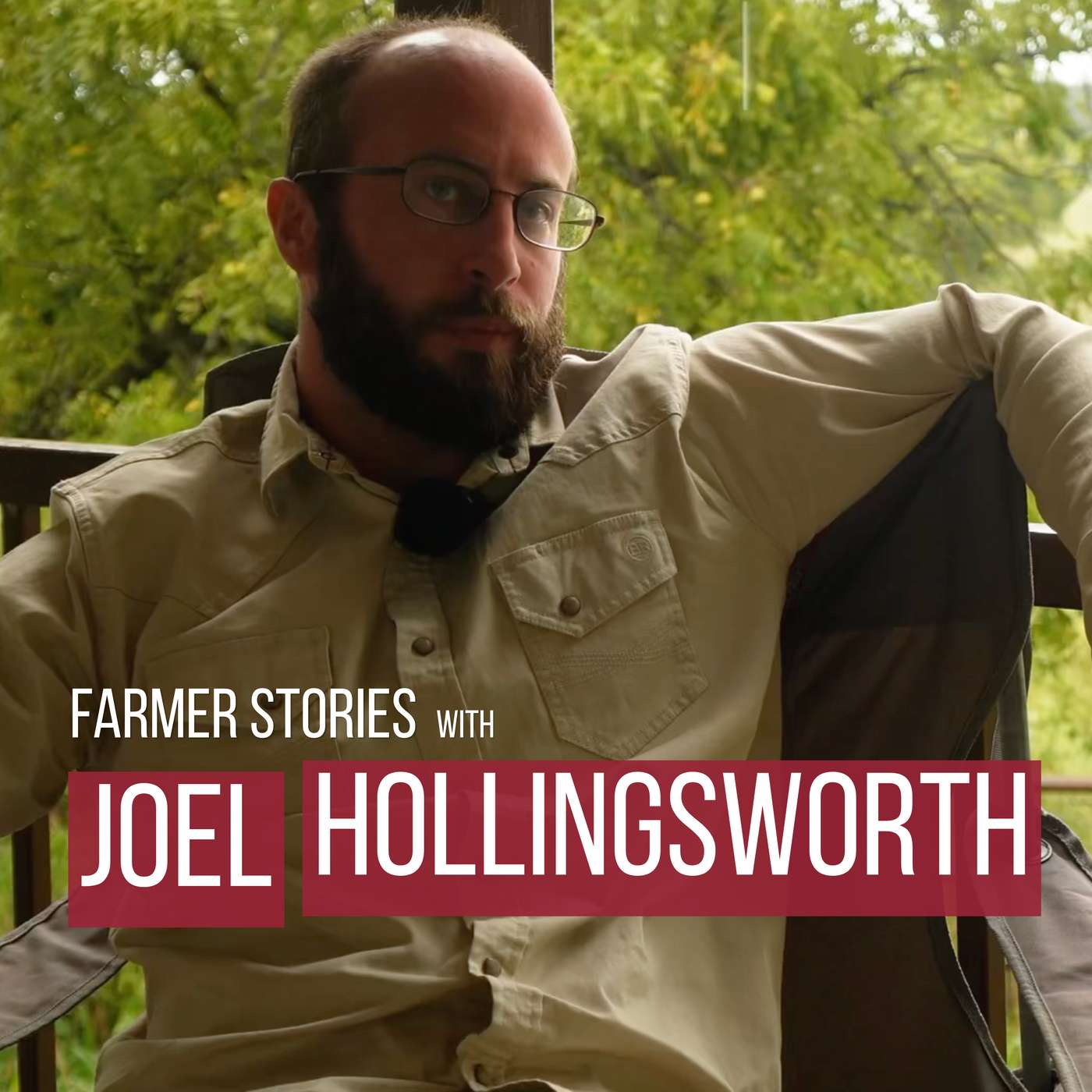
| 4/8/26 | ![]() We Need To Copy Oklahoma | Joel Hollingsworth✨ | manufacturing in Americaself-governance+4 | Joel Hollingsworth | Smoke River RanchThe Regenaissance | OklahomaAmerica+1 | Oklahomaself-governance+6 | — | 19m 15s | |
Want analysis for the episodes below?Free for Pro Submit a request, we'll have your selected episodes analyzed within an hour. Free, at no cost to you, for Pro users. | |||||||||
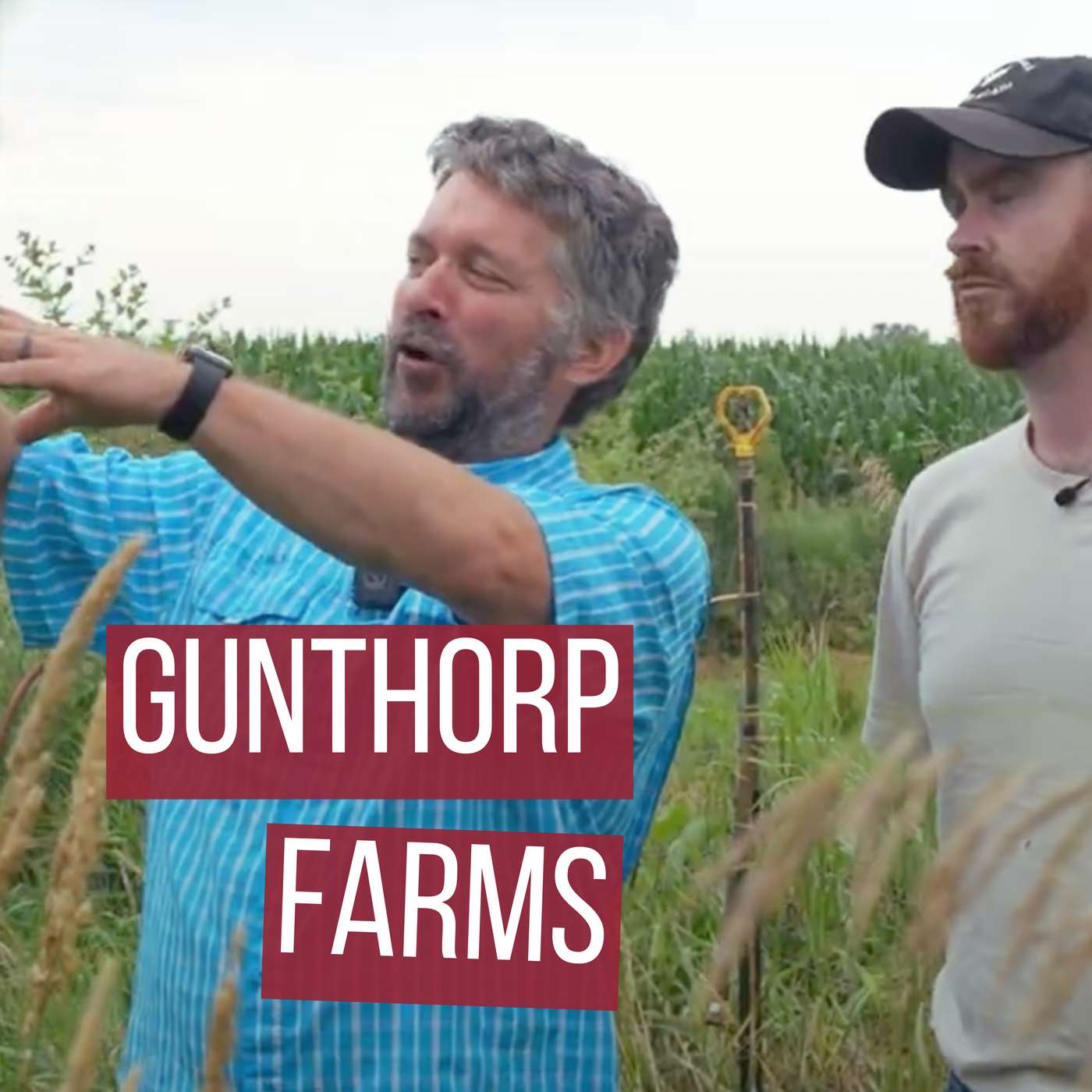
| 4/1/26 | ![]() Touring A USDA-Inspected On-Farm Processing Facility - How Farms Are Treated Differently Based On Size (live Farm Tour) - Gunthorp Farms | #113✨ | on-farm processingpork and poultry operation+4 | — | Gunthorp FarmsUSDA | Indiana | USDA-inspected processingpaddock grazing+4 | — | 1h 25m 37s | |
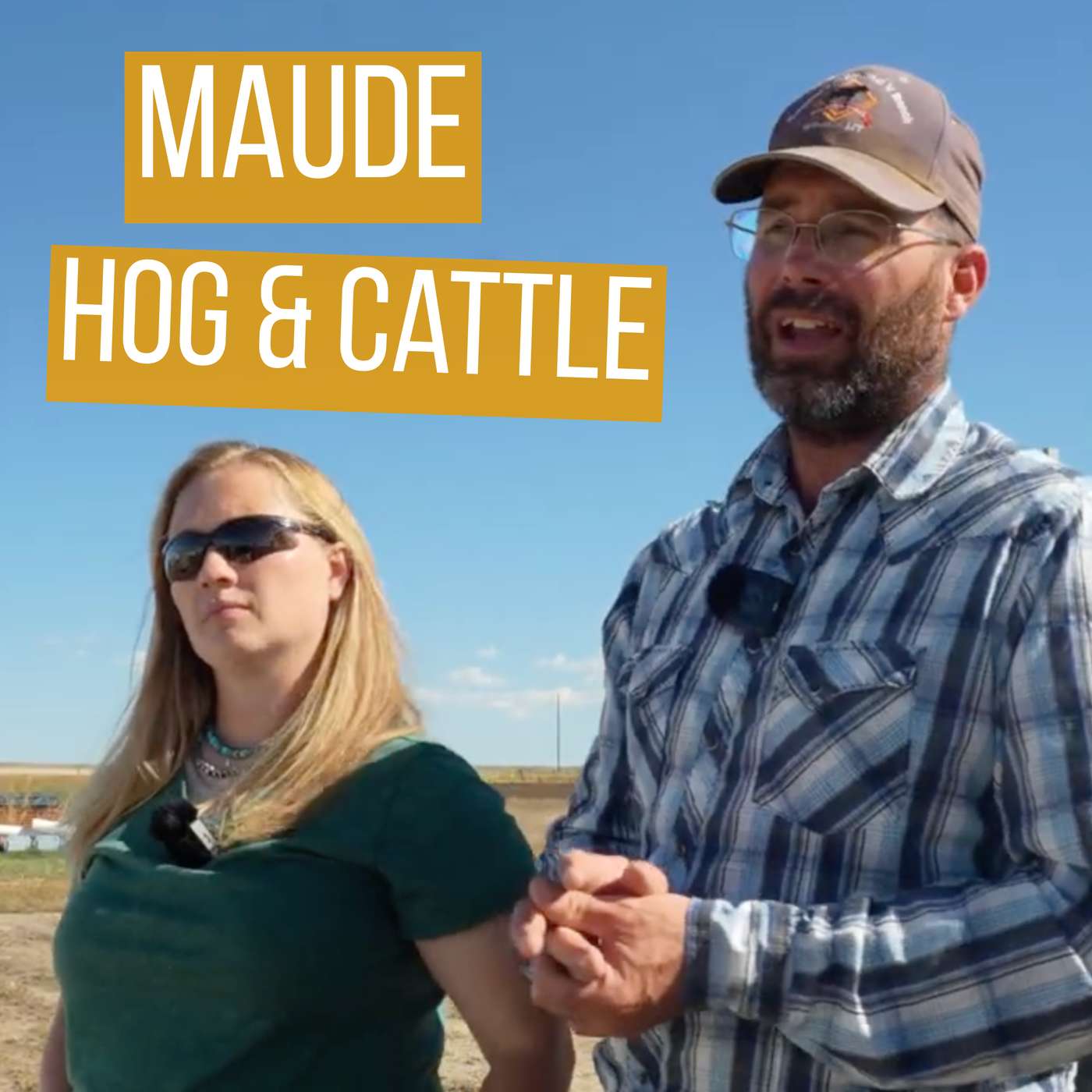
| 3/25/26 | ![]() The Maude Family Ranch - Beef, Pork, and 115 Years of Tradition (Live Farm Tour) - Maude Hog & Cattle | #112✨ | direct-to-consumer beef and porkcattle finishing+5 | Charles MaudeHeather Maude | Maude Hog & Cattle | South Dakota | ranchinglivestock+8 | — | 41m 25s | |
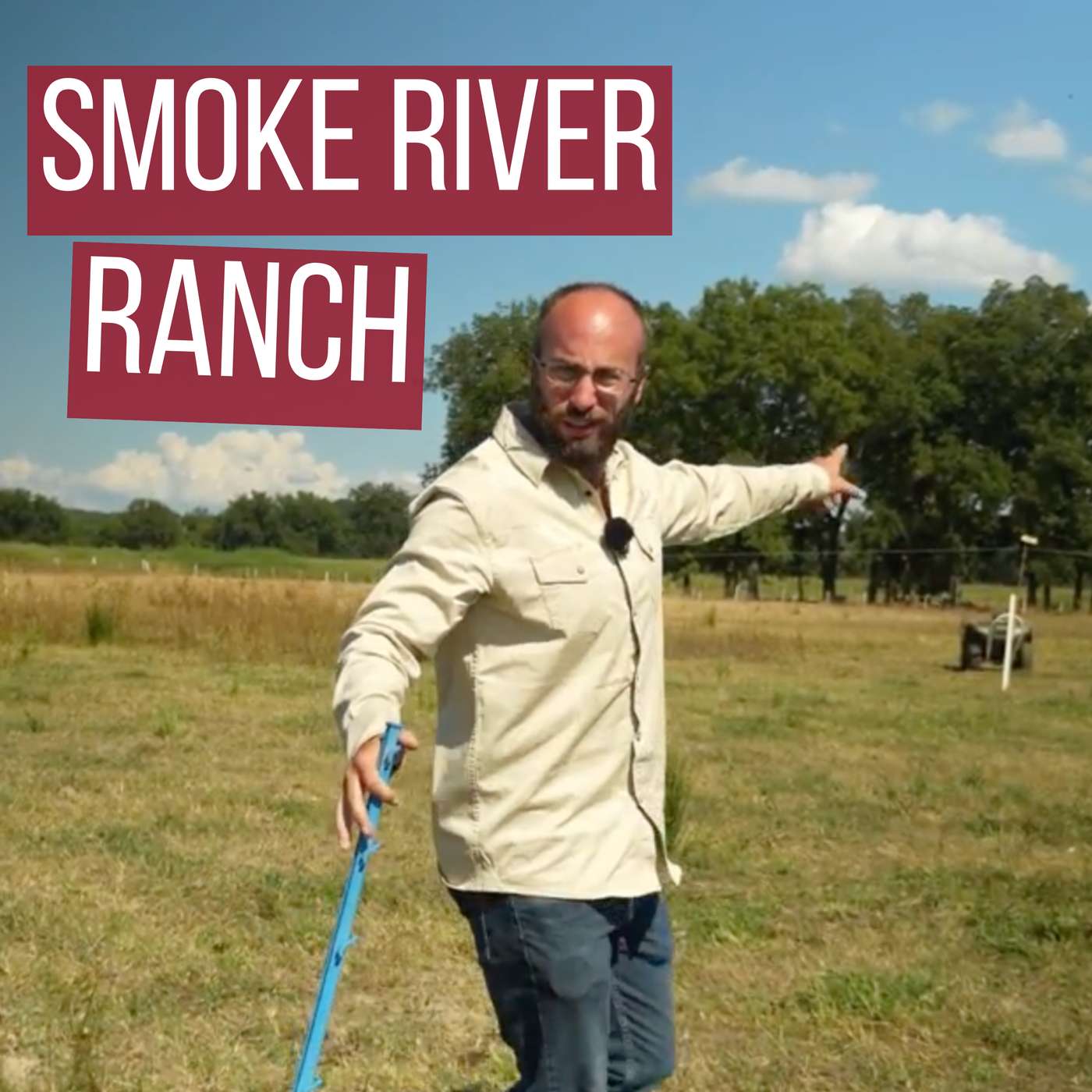
| 3/18/26 | ![]() Zombie Apocalypse Cows and the Future of American Ranching (Live Farm Tour) - Smoke River Ranch | #111✨ | regenerative ranchingmob grazing+4 | Joel HollingsowrthDavid+1 | Smoke River RanchIvy League | rural Mexico | regenerative agriculturecattle ranching+4 | — | 46m 45s | |
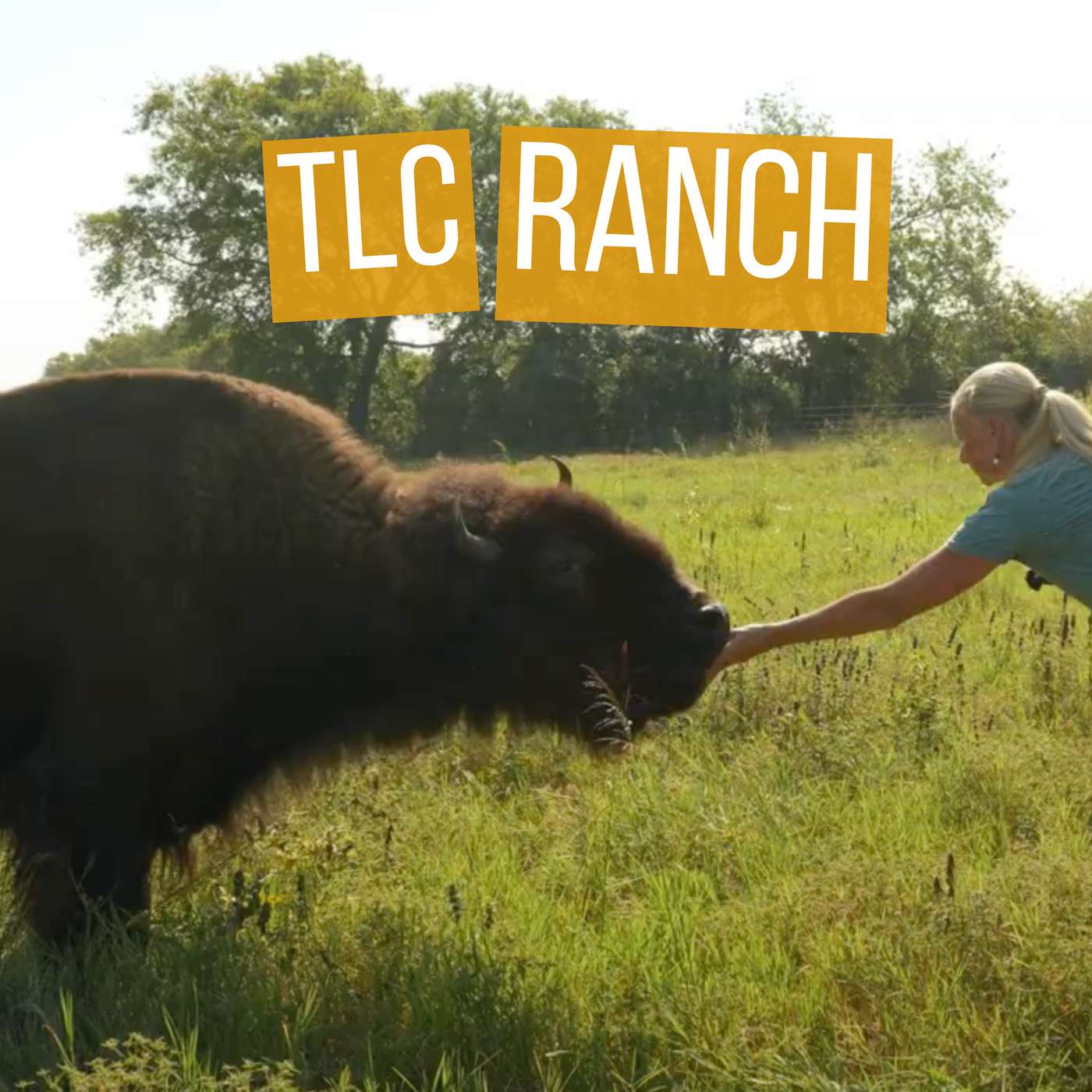
| 3/11/26 | ![]() Building a Regenerative Ranch Around Bison (Live Farm Tour) - TLC Ranch | #110✨ | regenerative agriculturebison ranching+3 | Cindy Sheffield | TLC Ranch | Southern Oklahoma | bisonregenerative ranch+3 | — | 30m 20s | |
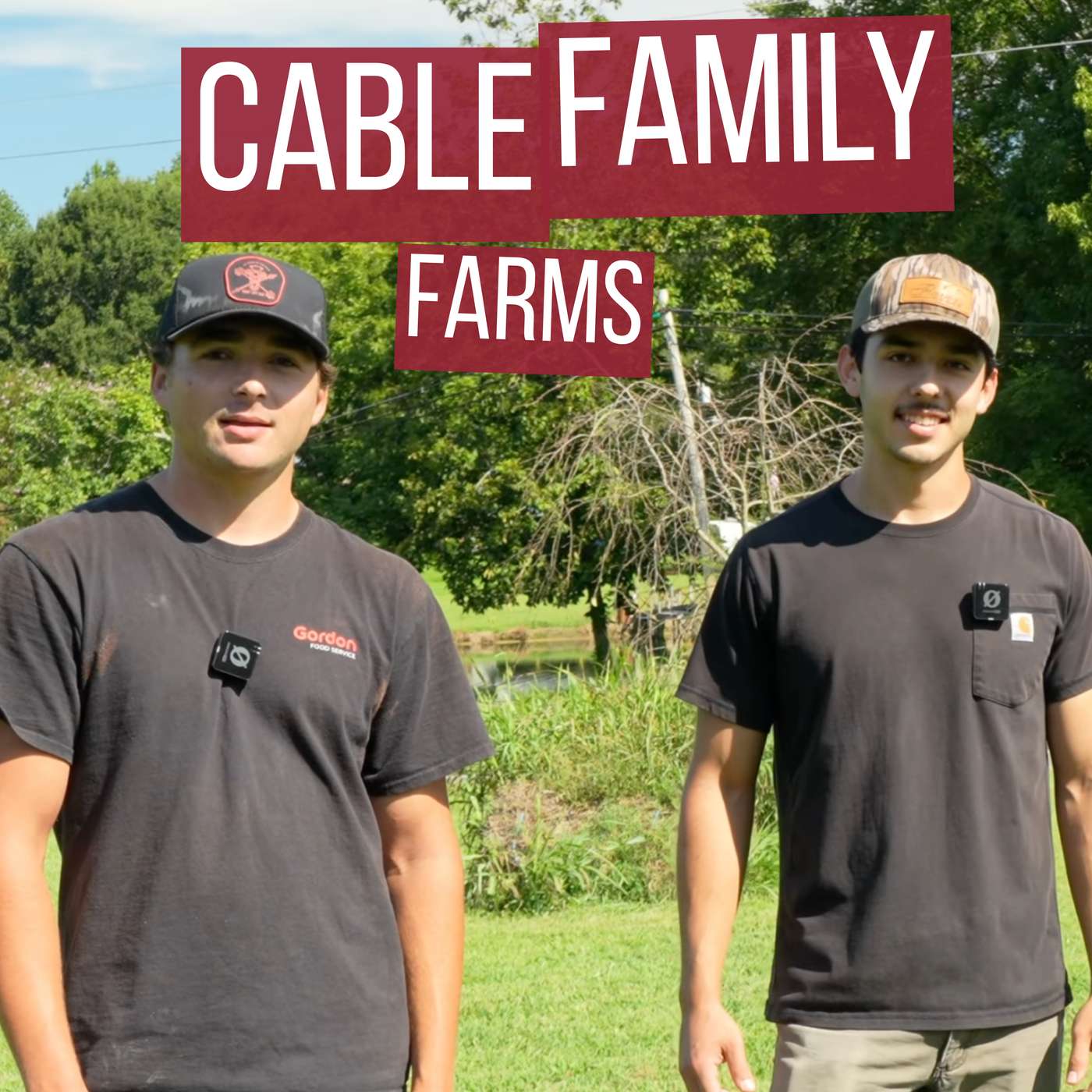
| 3/4/26 | ![]() Does Being Organic Matter? (Live Farm Tour) - Cable Family Farm | #109✨ | no-till farmingsustainable agriculture+4 | CadenPatrick | Cable Family Farm | Piedmont, North Carolina | no-till market gardenpasture-raised eggs+4 | — | 37m 21s | |
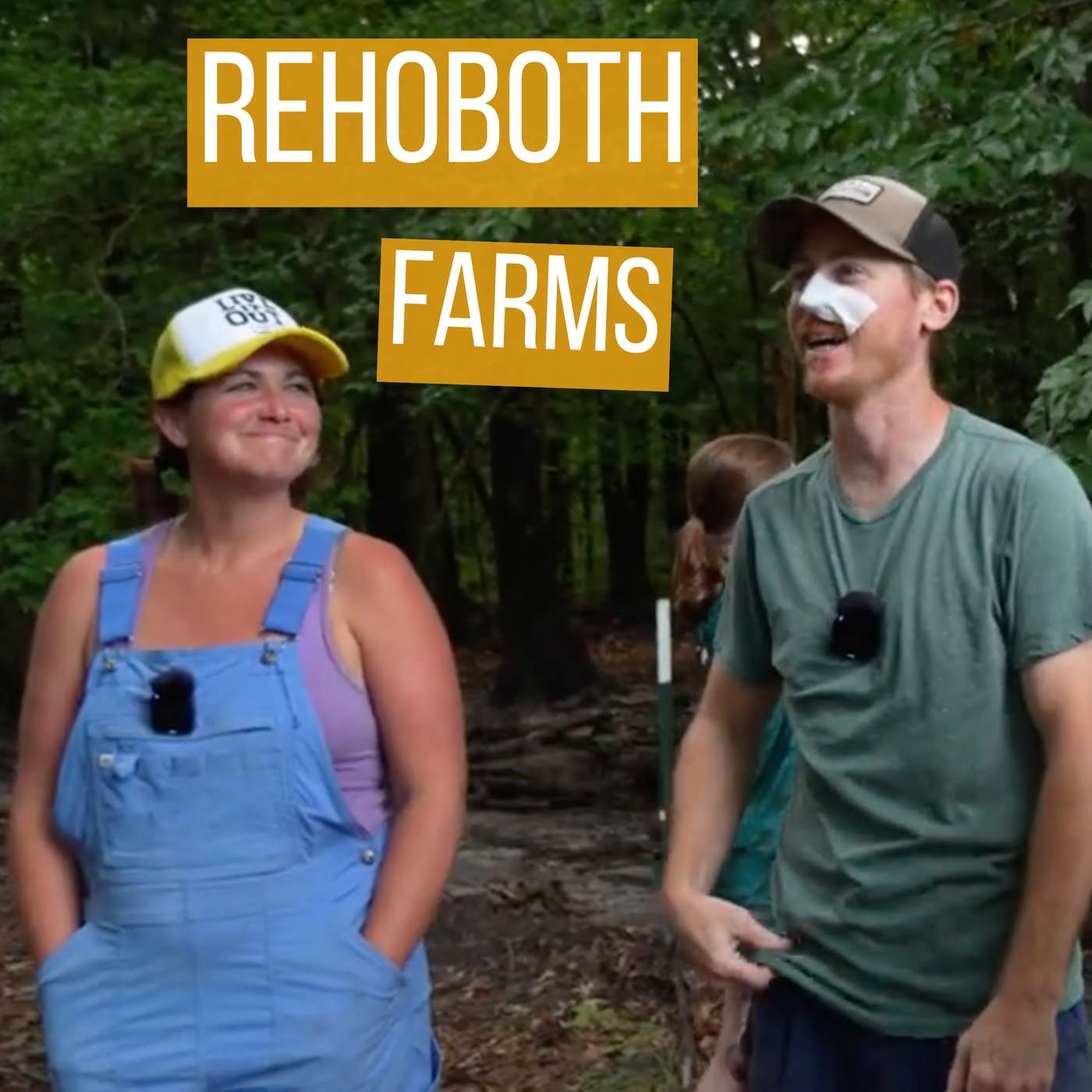
| 2/25/26 | ![]() Developing Outdoor Pig Genetics, Regenerating Grass Through Nitrogen Cycling, & Natural Parasite Control (Live Farm Tour) - Rehoboth Farms | #108✨ | outdoor pig geneticsregenerative agriculture+4 | JoshJessica | Rehoboth Farms | — | regenerative grazinglocal food+3 | — | 1h 24m 55s | |
| 2/18/26 | ![]() Direct-To-Consumer Raw Milk, Soil Temperature & Biology, Grass Recovery, Grazing Management, & Species Diversity (Live Farm Tour) - Triple E Farms | #107✨ | Direct-to-consumer raw milkGrazing management+5 | Tony Eash | Triple E FarmsMennonite community | West Virginia | raw milkgrazing management+5 | — | 59m 14s | |
| 2/11/26 | ![]() Vermont 4th Gen Maple Farm: Syrup Quality, Tree-tapping, Forest Management, & Vermont's Unique History (Live Farm Tour) - Baird Farm | #106 | This one was fun. Jacob and Jenna tour us through Baird Farm, a fourth-generation Vermont maple farm operating since 1918. They walk me through the sugarbush, tubing systems, and sugarhouse, and how its all made/stored/sold and its history. Fascinating stuff - hope you get something out of it. Key TopicsModern maple syrup production vs traditional bucket methodsThe maple sugaring season and weather dependenceReal maple syrup vs imitation and blended productsForest management, biodiversity, and tree healthGenerational farming and maintaining a family-run operationWhat You’ll LearnWhy maple syrup is produced in a short late-winter window, not year-roundHow modern maple syrup is collected using tubing and vacuum systemsWhat tapping a maple tree involves and how trees are protected long-termHow much sap is required to make real maple syrupWhy Vermont consistently produces some of the highest maple yieldsConnect with Jason & Baird Farm:WebsiteInstagramFollow the tour on YouTubeConnect with Regenaissance:Website & MerchInstagramXSubstack (Ag News & History)Timestamps: 00:00:00 – Introduction and farm history 00:04:40 – Buckets vs modern maple tubing systems 00:07:10 – What maple syrup actually is (and isn’t) 00:12:00 – How maple tubing and vacuum systems work 00:16:40 – Tapping trees and protecting long-term tree health 00:22:00 – The maple syrup production window and season length 00:25:10 – Why Vermont dominates U.S. maple production 00:31:00 – Forest management, biodiversity, and resilience 00:38:20 – Labor, infrastructure, and modern maple realities 00:45:30 – Generational farming and transitioning the farm forward | 1h 36m 23s | ||||||
| 2/6/26 | ![]() How Ranches Stay Profitable Without Compromising Animal Welfare (Live Farm Tour) - Wrich Ranches | #105 | A walk-through tour of Wrick Ranches in western Colorado with rancher Jason Wrick, covering calf weaning, water systems, drought realities, regenerative grazing decisions, and how a working ranch stays financially viable through direct-to-consumer beef, on-farm retail, and diversified income streams.Key TopicsCalf weaning and animal welfare in real ranching conditionsWater rights, irrigation, and farming during long-term droughtHay reserves, soil fertility, and nutrient cycling through cattleRegenerative grazing within economic and regional constraintsDirect-to-consumer beef and building resilient rural businessesWhat You’ll LearnWhy calves must be weaned and how it’s managed responsiblyHow irrigation systems actually work on a western cattle ranchWhat drought means in practice for hay, water, and stocking ratesHow regenerative grazing must adapt to local climate and economicsWhy direct consumer support is critical for small ranch survivalConnect with Jason:WebsiteInstagramCheck out the farm tour episode on our YouTube Timestamps 00:00:00 Introduction to Rick Ranches and the ranch tour 00:01:45 Calf weaning and animal welfare misconceptions 00:07:45 Irrigation systems and on-farm water infrastructure 00:12:30 Colorado water rights and drought realities 00:14:45 Hay management and nutrient cycling strategy 00:18:15 Regenerative agriculture and regional context 00:21:30 Consumer support and direct-to-consumer beef 00:31:00 Farm store, trust-based sales, and community 00:38:30 Weddings, rentals, and diversified ranch income 00:41:00 Grazing management and closing reflections | 45m 25s | ||||||
| 1/28/26 | ![]() How a Fence Line Dispute Almost Tore a Family Apart - Charles & Heather Maude | #104 | Charles and Heather Maude are fifth-generation ranchers in South Dakota who farm home raised beef and pork direct-to-consumer. In this episode they describe their family history on the land, their early lives in agriculture, and the events that led to a criminal indictment by the United States Forest Service over a disputed boundary fence. The episode documents their personal background, the mechanics of Western land use, and a detailed account of how a civil land issue escalated into a federal criminal case.Key TopicsFederal criminal indictment over a land disputeHow the case escalated from civil to criminalLegal strategy and case dismissalImpact on family, finances, and rightsPrecedent for ranchers and landownersWhat You'll LearnHow a ranching family faced and beat a federal criminal indictmentHow a routine land boundary issue escalated into criminal chargesHow federal land enforcement works in practice for ranchersThe personal, financial, and legal costs of a criminal caseWhy this case matters for landowners and producersConnect with Charles & HeatherWebsiteInstagramFacebookTimestamps00:00:00 Why this story matters 00:03:00 Heather’s ranch upbringing 00:09:00 Charles’s family land history 00:15:00 Growing up ranching 00:24:00 Marriage and the Atlas Blizzard 00:33:00 Ranch community and shared labor 00:35:00 Forest Service fence dispute begins 00:41:00 Meetings with federal officials 00:52:00 Civil dispute turns criminal 01:05:00 Impact of the indictment 01:22:00 Washington D.C. and case dismissal 01:27:00 Media and political pressure 01:34:00 Precedent for landowners 01:50:00 Land stewardship and politics 02:08:00 Final reflections | 2h 10m 13s | ||||||
| 1/21/26 | ![]() Inside a 1,200-Acre Regenerative Operation (Live Farm Tour) - Rucker Farm | #103 | In this episode, we tour through Rucker Farm with Garrett Heydt to see how a large, leased regenerative operation actually works; covering hay, turkeys, water systems, minerals, and grazing decisions that shape animal health and land outcomes over time.Key Topics Rotational grazing on large, leased propertiesPasture-based turkey production and managementWater infrastructure, exclusion fencing, and environmental impactHay economics vs standing winter forageRegeneration as a long-term land ethicWhy You Should ListenClear explanation of rotational grazing at scale (30+ paddocks, leased land)Practical breakdown of hay vs standing forage economicsRare detail on pasture-raised turkey management and behaviorInsight into water systems, mineral strategy, and soil-and-water fundingA grounded philosophy of regeneration over sustainabilityConnect with Rucker FarmWebsiteInstagramFollow the tour on YouTubeTimestamps 00:00 Hay production and second cutting 02:00 Pasture-raised turkeys and grazing behavior 05:00 Predators, electric netting, and night radio strategy 06:30 Raising turkeys: brooders, socialization, survivability 07:45 Turkey processing timelines and sizing 12:00 Mobile brooders and farming on leased land 16:30 Cattle water systems and exclusion fencing 23:00 Minerals, salt, and late-pregnancy cow health 29:30 Hay costs vs grazing saved forage 37:30 Regeneration vs sustainability and rebuilding soil 48:00 Leaving the city and choosing farm life | 49m 54s | ||||||
| 1/14/26 | ![]() Soil-Health Principles And Adaptive Stewardship In Practice (Live Farm Tour) - Otter Creek Farm | #102 | Otter Creek Farm is located in upstate New York. First-generation farmer Elizabeth Collins walks through how herself and 5th generation farmer Brad Wiley rebuilt a former conventional dairy into a small, regenerative, animal-welfare-driven operation. The conversation moves from soil-health principles and rotational grazing to the practical realities of feed decisions, omega-3/6 tradeoffs, infrastructure design, and why consumer responsibility is central to fixing the food system. Key topics Soil-health principles and adaptive stewardship in practicePig rotation systems, wallows, and regeneration timelinesPastured poultry design, predator pressure, and welfare tradeoffsFeed sourcing, omega-3/6 ratios, and testing meat qualityConsumer power, decentralization, and reconnecting with farmersWhy listenSee how soil-health principles translate into daily, on-farm decisionsLearn how pigs, chickens, and cows are rotated to regenerate land without scaleUnderstand the real cost and nutritional tradeoffs of grain, minerals, and feed sourcingHear why labels fail—and what questions consumers should actually askGet an honest look at mistakes, losses, and learning in regenerative farmingWebsiteCome Stay At Otter Creek...InstagramFollow the tour on YouTubeTimestamps00:00:00 – Otter Creek Farm overview 00:04:30 – Animal welfare over scale 00:08:30 – Rotational pigs and regeneration 00:14:00 – Feed choices and omega-6s 00:18:10 – Meat testing results 00:22:40 – Limits of food labels 00:27:30 – Farm stays and education 00:33:40 – Mobile chickens and predators 00:40:10 – Breeding and epigenetics 00:46:30 – Farming mistakes and learning | 1h 49m 45s | ||||||
| 1/7/26 | ![]() Touring a Modern Regenerative Farm & It's Multi-Species Infrastructure (Live Farm Tour) - J&L Green Farm | #101 | This live farm tour back in August 2025 was at J&L Green Farm in Virginia, where Jordan Green walks us through the operational heart of the farm. From on-farm poultry processing and cold storage to multi-species shelter design and silvopasture development, the conversation is delves into why certain farming infrastructures and layouts exist, how animals are rotated, on-farm problems with certain infrastructure, and how design iterations have helped him reduce labor, improved animal welfare, and increased land productivity.Key TopicsOn-farm poultry processing layout and cold-chain controlMulti-species shelter systems and labor efficiencyPasture poultry genetics, heat stress, and shelter designMulti-species grazing: pigs, cattle, poultry, and soil healthSilvopasture development and long-term land productivityWhy You Should ListenHear how a regenerative farm works in practice.Learn how J&L Green Farm designs systems to reduce labor and scale.Understand real-world multi-species grazing.Hear lessons learned through trial and error.Gain a clear view of resilient land management.WebsiteInstagramFollow the tour on YouTubeTimestamps 00:00:00 – Arrival at J&L Green Farm and overview of the hub property 00:09:30 – Poultry processing setup, layout logic, and food safety flow 00:18:45 – Ice, chill-down, freezer capacity, and cold storage strategy 00:28:15 – Farm store setup, permits, and limited-hours retail model 00:37:45 – Customer ordering, fulfillment, shipping, and efficiency tradeoffs 00:47:00 – Brooder containers, chick cycles, and feed formulation 00:56:30 – Poultry genetics, growth rates, and pasture vs conventional models 01:06:00 – Mobile multi-species shelter system design and iteration process 01:15:30 – Heat management, airflow, labor efficiency, and daily moves 01:25:00 – Grazing rotation with poultry, cattle, and pigs on shared ground 01:34:30 – Silvopasture development, pigs as land-management tools 01:44:00 – Soil health outcomes, resilience, mistakes learned, and long-term vision | 1h 53m 42s | ||||||
| 12/31/25 | ![]() Inside a High-Elevation Colorado Pinot Noir Vineyard (Live Farm Tour) – Peony Lane Wine | #100 | Ben Justman takes me inside Peony Lane Wine in Paonia, Colorado for a live farm tour of one of America’s highest-elevation vineyard regions. He educates me on how grapes are grown, how vines survive harsh winters, how low-intervention wine is made, and why true place-based winemaking creates a totally different drinking experience. It’s interesting to see how he constantly adapts to the seasons, soil, weather, and other farming variables to keep the operation productive and high quality.Key TopicsHigh-elevation Colorado vineyard conditionsHow Pinot Noir grows in the West Elks AVATraditional vs modern wine pressingNeutral oak philosophy & fermentation choicesFreeze events, die-back, retraining, & resilienceWater, irrigation strategy, and soil connectionWhat You’ll Hear in This Farm TourVineyard walkthrough and climate explanationOld basket press vs modern bladder press demonstrationStainless tanks, oak barrels, and aging philosophyVine die-back, retraining, and freeze recoveryHow irrigation, soil depth, and vineyard management shape flavorHonest discussion of additives, hangovers, and “natural” wineWhy Colorado wine deserves far more recognitionWebsiteInstagramX 00:00:00 — Colorado vineyard & climate 00:01:00 — Old basket press 00:02:30 — New bladder press 00:03:30 — Tanks & barrels 00:05:00 — Pressing process 00:06:30 — Vineyard origin story 00:07:30 — Why this wine feels better 00:09:00 — Additives & labeling truth 00:10:30 — Wine, place & meaning 00:11:30 — Commodity vs real wine 00:14:30 — Vine growth & maturity 00:17:30 — Freeze damage & recovery 00:21:30 — Training vines 00:23:30 — Irrigation & soil depth 00:27:00 — Cutting back growth 00:28:30 — Lessons, learning, & commitment | 29m 28s | ||||||
| 12/24/25 | ![]() Inside a First-Generation Sheep Ranch Operation (Live Farm Tour) - Michael Greco | #99 | This on-the-ground episode explores Michael Grecos first-generation regenerative sheep operation, run entirely on leased land in New York’s Hudson Valley. We walk the pastures with Michael as he explains stocking strategy, grazing philosophy, shade management, lambing, predator protection, mineral systems, on-farm slaughter, and why sheep can make regenerative agriculture viable on smaller landscapes. Key TopicsWhy Michael chose sheep and how leased land shapes his operationDaily rotational grazing, density, rest periods, and pasture responseLambing, weaning, animal stress, shade, and heat managementGuardian dogs, predators, minerals, biochar, and health managementEthics, transparency, local food, and on-farm harvest philosophyWhat You’ll LearnWhy sheep economics differ from cattle and fit smaller northeastern landscapesHow paddock design, net fencing, and daily moves build soil and resiliencePractical realities of lambing, natural weaning, and dealing with rejection casesHow to think about ticks, rainfall, heat stress, shade, and pasture densityWhy buying local matters and why ranchers care deeply about animal welfareConnect with Michael:WebsiteInstagramFollow the tour on YouTubeTimestamps 00:00:00 – Meet Michael & the Hudson Valley Sheep Ranch 00:01:00 – Why Sheep? Cost, Scale, & Land Fit 00:03:00 – Leased Land & Grazing Philosophy 00:05:00 – Natural Weaning vs Forced Weaning 00:07:30 – Daily Moves, Density & Pasture Impact 00:10:00 – What a “Good” Grazed Paddock Looks Like 00:15:00 – Lamb Count, Losses & Culling Logic 00:17:30 – Guardian Dog & Predator Control 00:19:30 – Minerals, Biochar & Health Support 00:21:00 – Rumination & What Calm Sheep Look Like 00:23:00 – Lambing Timing & Spring Nutrition 00:28:00 – Shade, Heat Stress & Summer Management 00:30:30 – On-Farm Harvest & Ethics 00:36:00 – Visiting Farms & Transparency 00:37:30 – Rest Periods, Regrowth & Stockpiling 00:44:00 – Milkweed, Pollinators & “Poison Plant” Myth 00:47:00 – Mowing vs Not Mowing 00:48:00 – Scaling Plans & Future Growth | 49m 20s | ||||||
Showing 25 of 123
Sponsor Intelligence
Sign in to see which brands sponsor this podcast, their ad offers, and promo codes.
Chart Positions
10 placements across 10 markets.
Chart Positions
10 placements across 10 markets.