The Remarkable SaaS Podcast
For B2B SaaS founders who are done blending in. The Remarkable SaaS Podcast features unfiltered conversations with SaaS founders navigating the real challenges of building software that matters. Hosted by Ton Dobbe, auth...
AI overview.Ton Dobbe is an independent podcast creator and author of "The Remarkable Effect," known for his deep insights into the SaaS industry. His expertise lies in hel…
Insights from recent episode analysis
On the show
- Harpreet Singh1 ep
- Josh Ellars1 ep
- Ed Bradley1 ep
Also: Emeric Ernoult, Krishna Raj Raja, Louis Hoch, Scott Reynolds, Dean Mathews, Hewitt Tomlin, Bassem Hamdy, Jon Jorgensen, Andrei Pitis, Georgi Petrov, Pete Hunt, Alex Levin, Joseph Lee, Martin Gourdeau, Chad Gaydos, Burak Karakan, Tim Barker
Audience Interest
- B2B SaaS development challenges
- founder success stories
Podcast Focus
- conversations with SaaS founders
- traits of remarkable software companies
Publishing Consistency
- 400 episodes produced
- active for 8 years
Insights are generated by CastFox AI using publicly available data, episode content, and proprietary models.
Most discussed topics
Brands & references
Total monthly reach
Based on 2 signals.
Built from
By chart position
- 🇷🇴RO · Technology#72561 to 1.6K
- 🇸🇬SG · Technology#95333 to 963
- Per-Episode Audience
Est. listeners per new episode within ~30 days
894 to 2.6K🎙 ~2x weekly·414 episodes·Last published 1w ago - Monthly Reach
Unique listeners across all episodes (30 days)
1.8K to 5.2K🇺🇸71%🇷🇴18%🇸🇬11% - Active Followers
Loyal subscribers who consistently listen
983 to 2.8K145 real followers tracked across platforms
Market Insights
Platform Distribution
Reach across major podcast platforms, updated hourly
Total Followers
—
Total Plays
—
Total Reviews
—
* Data sourced directly from platform APIs and aggregated hourly across all major podcast directories.
| Date | Episode | Topics | Guests | Brands | Places | Keywords | Sponsor | Length | |
|---|---|---|---|---|---|---|---|---|---|
| 10/15/26 |  #420 – Adrian Moza on solving real problems instead of interesting ones | A story about learning from the customers who walked away. This episode is for SaaS CEOs who keep building features for their customers, but still lose them at renewal.Most SaaS roadmaps are focused on interesting problems, not real ones.Adrian Moza, CEO of Flipsnack, learned what that costs. He started as a developer 20 years ago, moved into support, then ran product before becoming CEO in 2022.When thousands of new templates brought customers who churned after one use, he realized Flipsnack wasn't Canva and never would be. Its job is to solve the problems customers really have.And this inspired me to invite Adrian to my podcast. We talk about what customers really want from your product. And how you can still lose big customers, even when they have no complaints about it. You'll hear how Adrian built a sales-led motion on top of PLG, without outside funding. In 2020, 15% of Flipsnack's customers were on the higher plans. Today it's 60%.We also zoom in on two of the 10 traits that define remarkable software companies:Offer something valuable and desirableAcknowledge you cannot please everyoneBoth are chapters in The Remarkable Effect.Adrian's story proves what makes a software company hard to replace: solving the problem customers can't ignore.Here's one of Adrian's quotes that captures why he moved Flipsnack beyond PLG:"I still believe in PLG as a motion, but it wasn't good for us because we were creating a nice-to-have product instead of a must-have."By listening to this episode, you'll learn:Why your go-to-market should change the day your product doesWhy moving upmarket needs hires who help you grow, not hires you growHow your lowest tier can fund the move upmarket and feed your pipelineHow one strategy turns twenty scattered marketing initiatives into resultsFor more information about the guest from this week:Guest: Adrian Moza, CEO of FlipsnackWebsite: flipsnack.comLinkedIn: Adrian Moza | 51m 04s | ||||||
| 10/7/26 | 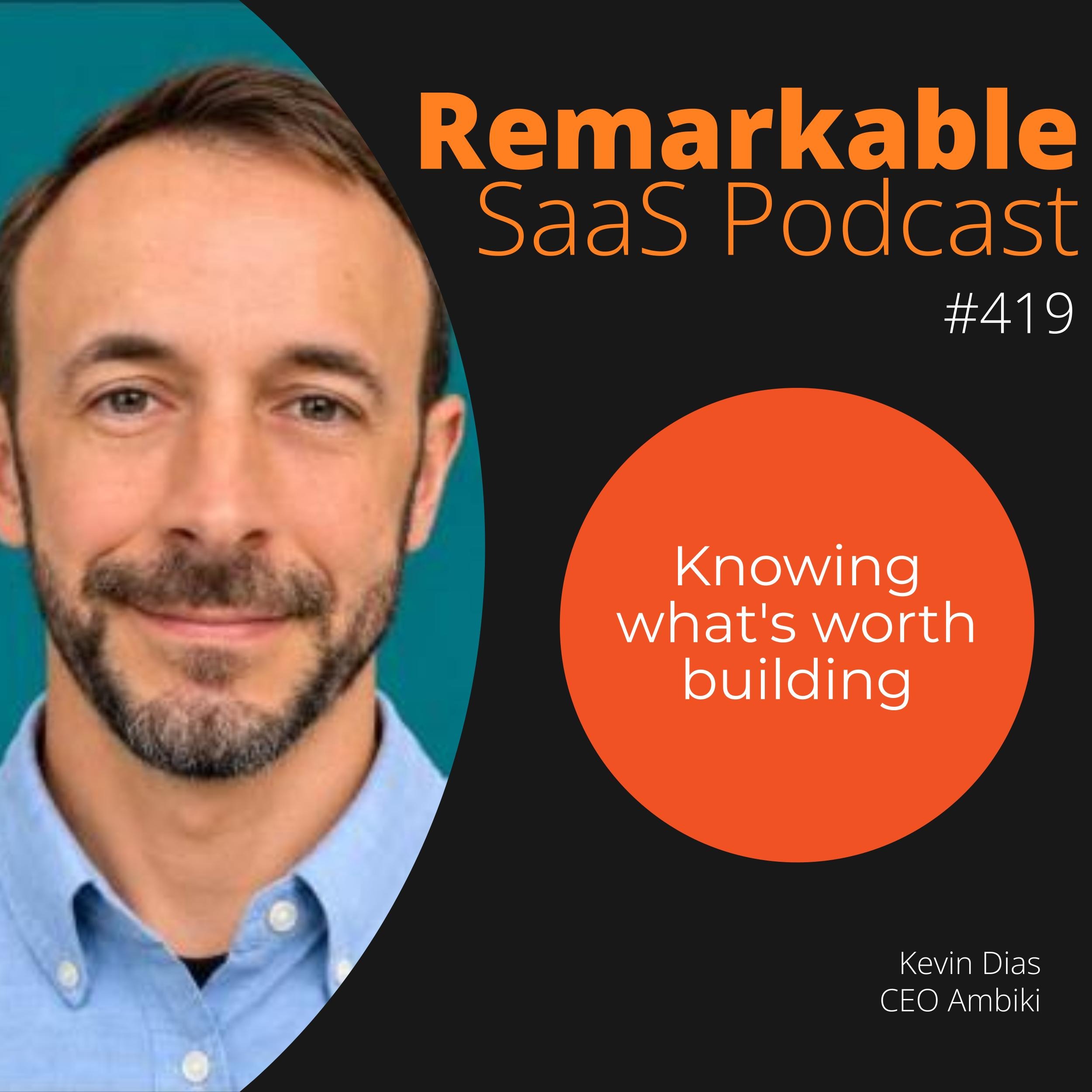 #419 – Kevin Dias on The Problem-First Method | A story about the real problem behind every feature request. This episode is for SaaS founders who build what customers ask for and still watch new features go unused.Customer requests are where good teams go wrong.Kevin Dias, founder of Ambiki, spent three years inside a Tennessee speech therapy practice, listening to therapists and building their software as he went. That software grew into Ambiki.While building Ambiki, he wrote a book around one question: what problem are we solving, and for whom? Every feature at Ambiki starts there. No solution allowed in the answer.And this inspired me to invite Kevin to my podcast. We talk about why defining the problem matters more now that AI makes building so fast, and the three forces that push teams past that step: customers, sales and investors. Kevin also shares why he keeps saying no to a much bigger market. You'll hear what he hands his board when they ask for a roadmap.We also zoom in on two of the 10 traits that define remarkable software companies:Master the art of curiosityAcknowledge you cannot please everyoneBoth are chapters in The Remarkable Effect.Kevin's story shows what remarkable companies do first. They pick the problem worth solving.Here's one of Kevin's quotes that captures his warning for teams building with AI:"Don't let the ability to quickly create features and prototypes become the evidence that you should build it. It's very easy to build it these days, but it doesn't mean you should."By listening to this episode, you'll learn:Why you can miss your customers' real problem when you copy a competitor's featureWhat changes when "what problem, for whom?" moves to the top of every feature documentHow your margin can grow when you put a smaller group of customers firstHow asking "solution or problem?" on support tickets trains a whole team to dig deeperFor more information about the guest from this week:Guest: Kevin Dias, founder of AmbikiWebsite: ambiki.comLinkedIn: linkedin.com/in/kevin-dias-ambikiBook: The Problem-First Method at problem-first-method.com | 47m 07s | ||||||
| 9/30/26 | 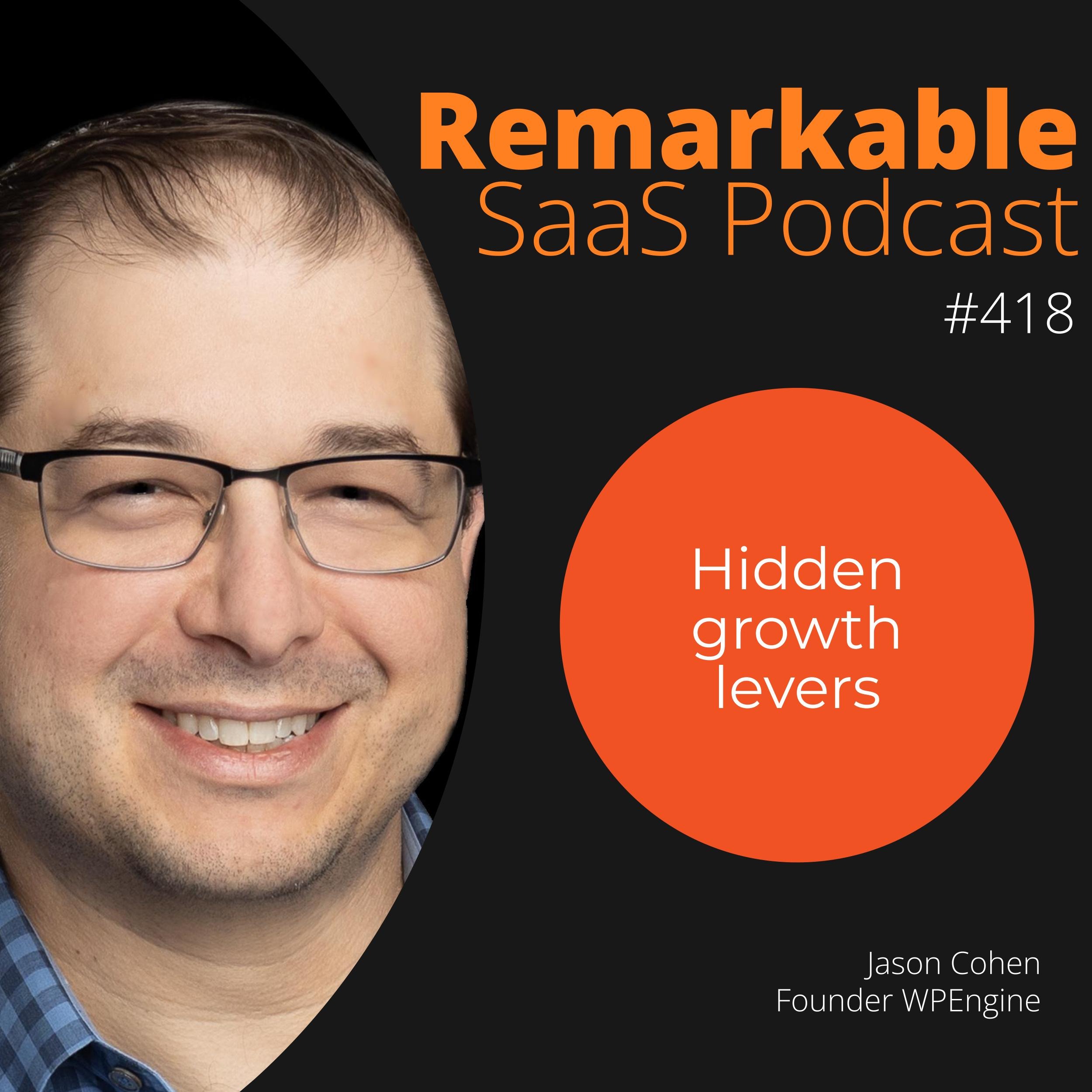 #418 – Jason Cohen on hidden multipliers | A story about the growth levers you can't see from inside. This episode is for SaaS founders who are working harder than ever and are not seeing the growth they aspired to.Most growth problems are hiding in plain sight.Jason Cohen is the founder of WP Engine and author of Hidden Multipliers. He has built four companies over 25 years, two of them now worth billions, and invested in sixty more.Across all of them he kept finding the same thing. A few small changes moved growth far more than everything else combined. Most companies never spot them.And this inspired me to invite Jason to my podcast. We explore why the biggest growth levers in a business stay invisible to the people running it. Jason shares what he learned about customers who cost you money, about pricing that works against you, and about strengths you never counted as strengths. You'll discover why the same product can be worth ten times more without changing a thing.We also zoom in on two of the 10 traits that define remarkable software companies:Acknowledge you cannot please everyoneSell the idea, not the productBoth are chapters in The Remarkable Effect.Jason's work proves that remarkable companies don't find more to do. They find the few things that decide everything.Here's one of Jason's quotes that captures why the answer is often already in front of you:"A lot of times people do know kind of what the answer is already, but they don't want to face it. They're scared to face it. It means they have to admit something they don't want to admit, or it means they have to do work they don't want to do."By listening to this episode, you'll learn:Why 10% of your customers decide whether the other 90% are profitableWhat changes when you name your weaknesses before the buyer finds themWhy your positioning is capping what you can chargeWhat decides whether your strongest trait helps or hurts the businessFor more information about the guest from this week:Guest: Jason Cohen, founder of WP Engine and author of Hidden MultipliersWebsite: hiddenmultipliers.com Personal site: asmartbear.com Free companion AI skills: skills.hiddenmultipliers.com | 58m 27s | ||||||
| 9/24/26 |  #417 – Eric Bidinger on the moat that grows while customers use it | A story about letting go of what everyone else protects. This episode is for SaaS CEOs who still believe their product is the thing competitors can't copy.Your product is the easy part to copy.Eric Bidinger is co-founder and CEO of Luca. Before that, seventeen years in private equity, where cash was the only number that counted.Those years of buying companies taught him what a business can really defend. So when founding Luca, he decided to defend something else.And this inspired me to invite Eric to my podcast.We explore what a software company can still defend when anyone can rebuild the product. Eric shares why he stopped worrying about that, what his customers build up that a competitor cannot copy, and why his best clients get far more out of the same product. You'll discover what he thinks will hold his company back (and it has nothing to do with technology).We also zoom in on two of the 10 traits that define remarkable software companies:Create new value possibilitiesMaster the art of curiosityBoth are chapters in The Remarkable Effect.Here's one of Eric's quotes that captures why he walked away from seventeen years in finance:"In finance you're obviously moving money from pocket A to pocket B, and then you're just taking a cut while the money is in transit, which can be quite lucrative, but also very nihilistic in a way. Unless you own the firm, you're really not building anything that's lasting."By listening to this episode, you'll learn:Why the part you guard is rarely the part a rival struggles to rebuildHow your customers build the advantage you cannot build yourselfWhat one word in your positioning decides who walks awayHow AI changes where a good hire still beats an average oneFor more information about the guest from this week:Guest: Eric Bidinger, co-founder and CEO of LucaWebsite: ask-luca.com | 52m 03s | ||||||
| 9/16/26 | 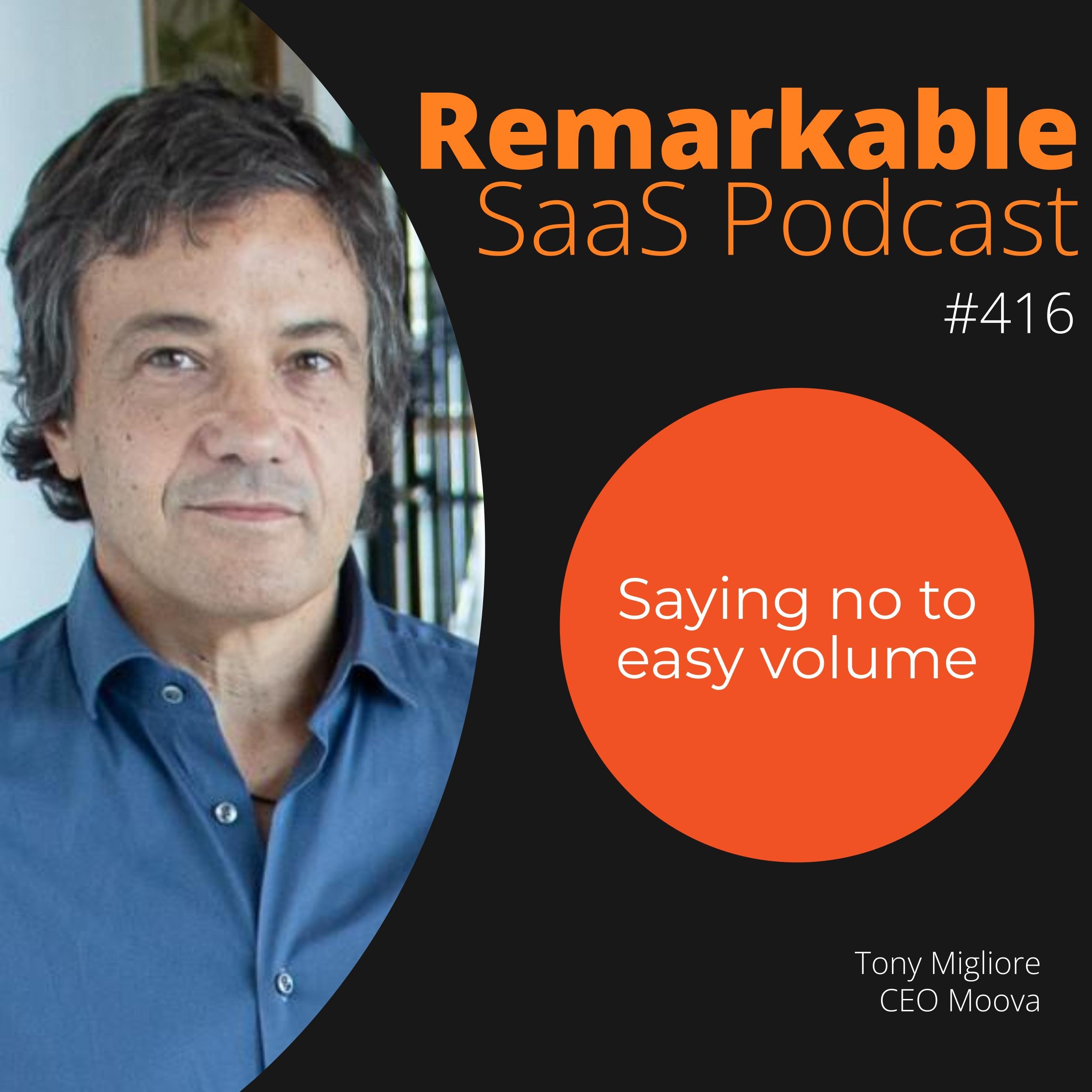 #416 – Tony Migliore on the growth that isn't worth having | A story about saying no to the volume everyone wants. This episode is for SaaS founders who assume a big market means there's enough room in it for them to take a share.Most software companies chase the biggest pile of volume.Tony Migliore has a different view. He's the founder and CEO of Moova, a last-mile delivery company in Latin America. Thirty years in logistics taught him where he has no right to win.So for Moova, he consistently turns down high-volume work priced at cents. He'd rather serve fewer retailers who need something the cheap operators cannot give them.This inspired me to invite Tony to my podcast. We explore why the biggest pool of volume is the worst place to compete. Tony shares how he decides where he can compete in a commodity market, and why some of his clients pay more than they have to.We zoom in on two of the ten traits of remarkable software companies: Offer something valuable and desirable Acknowledge you cannot please everyoneBoth are chapters in The Remarkable Effect.Here's one of Tony's quotes that captures how he decides where to compete:"Keep your eye much more sophisticated on who are your clients, who will be paying for your service, where you have the right to win, why they will be purchasing your technology instead of others. You need to keep a focus. Optimism is not a strategy" By listening to this episode, you'll learn:Why a big market says nothing about your right to winWhat your customer is really buying when your service looks like a commodityWhen volume starts costing you more than it paysHow domain knowledge outlives the technology you build onFor more information about the guest from this week:Guest: Tony Migliore, founder and CEO, Moova Website: moova.io and moovatech.ai | 48m 08s | ||||||
| 9/9/26 | founder mindsetproduct development+3 | Amarjot Singh | Skylark Labs | India | founderssoftware products+3 | — | 42m 18s | ||
| 9/2/26 | founder storiesmarket strategy+3 | Dima Gutzeit | LeapXpertThe Remarkable Effect | Hong Kong | horizontal productgo-to-market+3 | — | 46m 15s | ||
| 8/26/26 | competitione-commerce+3 | Cyril Golub | AmazonJinnify | — | Cyril GolubAmazon+5 | — | 55m 57s | ||
| 8/12/26 | company turnaroundSaaS growth+3 | Martin Payne | TextUs | — | SaaScompany growth+5 | — | 47m 15s | ||
| 7/8/26 | AI in product developmentfounder mindset+3 | Alex David | unSurveyG2+2 | — | AIfounders+5 | — | 45m 16s | ||
| 7/1/26 | market competitionsoftware innovation+3 | Mazy Dar | GoogleMicrosoft+2 | — | SaaSmarket strategy+3 | — | 53m 01s | ||
| 6/24/26 | ownership vs speeddifferentiation+4 | Renaud Charvet | Ringover | — | SaaSdifferentiation+6 | — | 46m 47s | ||
| 6/17/26 | sales strategySaaS differentiation+3 | Stan Markuze | Balance | — | SaaSsales cycle+3 | — | 43m 36s | ||
| 6/10/26 | SaaSbusiness strategy+4 | Martin Gourdeau | Vacation TrackerWorkleap | — | SaaS foundersniche product+6 | — | 52m 01s | ||
| 6/3/26 | SaaS growth strategiesuse-case fit+4 | Chad Gaydos | ProcurifySAP+3 | — | SaaSgrowth+6 | — | 44m 33s | ||
| 5/27/26 | SaaS foundersopinionated products+3 | Burak Karakan | BruinHelloFresh | — | SaaSfounders+5 | — | 57m 53s | ||
| 5/20/26 | software organizationSaaS founders+4 | Tim Barker | Attain IPSalesforce+3 | — | software org chartSaaS+5 | — | 50m 51s | ||
| 5/13/26 | SaaS growth strategiesfounder experiences+4 | Amos Bar-Joseph | Swan | — | SaaSfounders+8 | — | 40m 00s | ||
| 5/6/26 | bootstrappingfounder-led grit+3 | Joseph Lee | Supademo | — | SaaSbootstrapping+5 | — | 44m 41s | ||
| 4/29/26 | SaaS growthsales strategy+3 | Alex Levin | Regal | — | SaaSgrowth+4 | — | 42m 37s | ||
| 4/15/26 | CEO insightsbusiness lessons+3 | Harpreet SinghJosh Ellars+3 | LaunchableOpenGTM+3 | — | CEOsbusiness lessons+3 | — | 34m 35s | ||
| 4/1/26 | customer selectioncompetitive advantage+4 | Louis Hoch | Usio | United States | SaaScustomer rejection+5 | — | 46m 10s | ||
| 3/25/26 | SaaSsales+4 | Scott Reynolds | UpCodes | — | SaaS foundersconstruction regulations+4 | — | 45m 26s | ||
| 3/18/26 | SaaS growthcustomer success+4 | Dean Mathews | OnTheClock | — | SaaScustomer support+4 | — | 39m 49s | ||
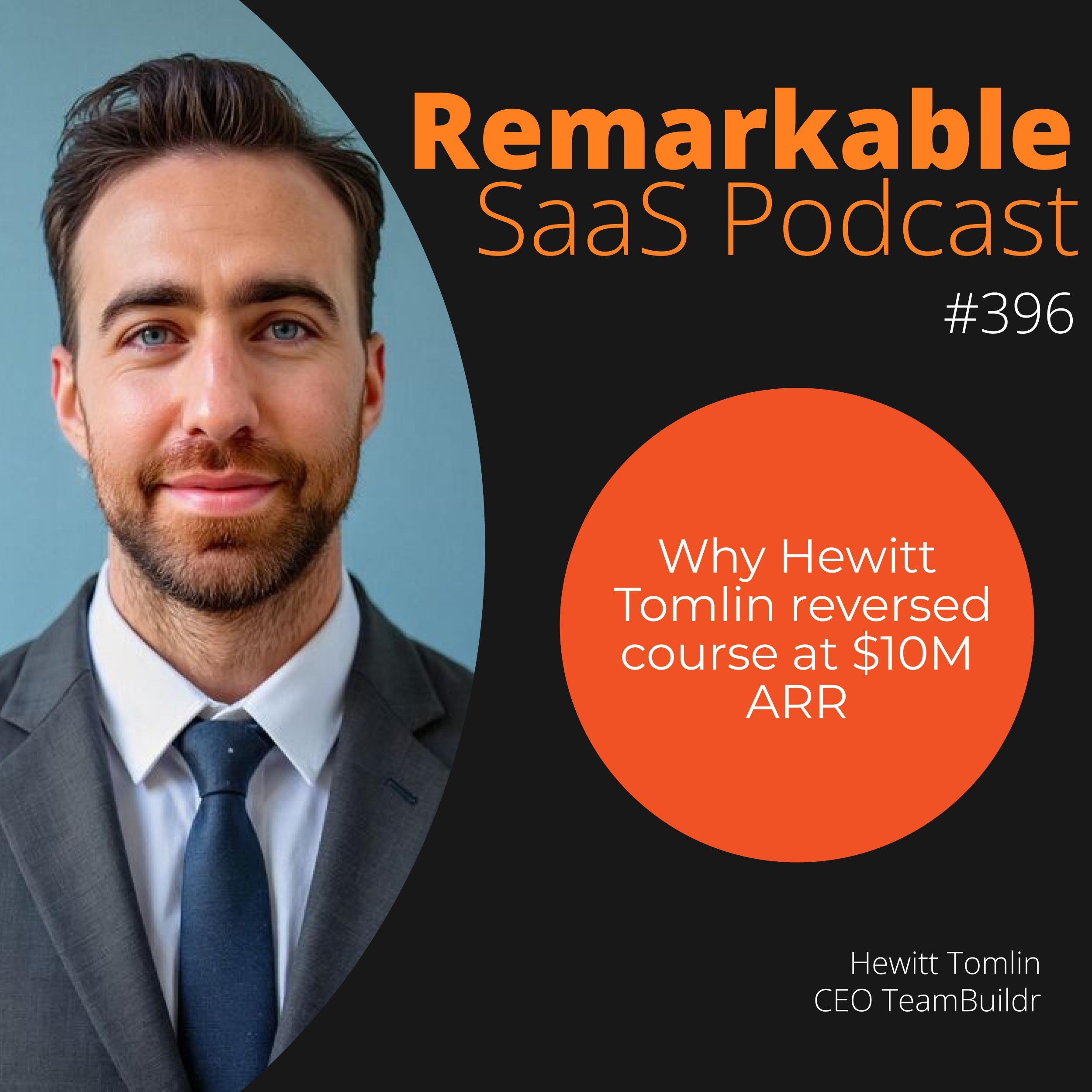
| 3/11/26 | SaaS strategybusiness growth+4 | Hewitt Tomlin | TeamBuildr | — | SaaSexpansion strategy+6 | — | 52m 28s | ||
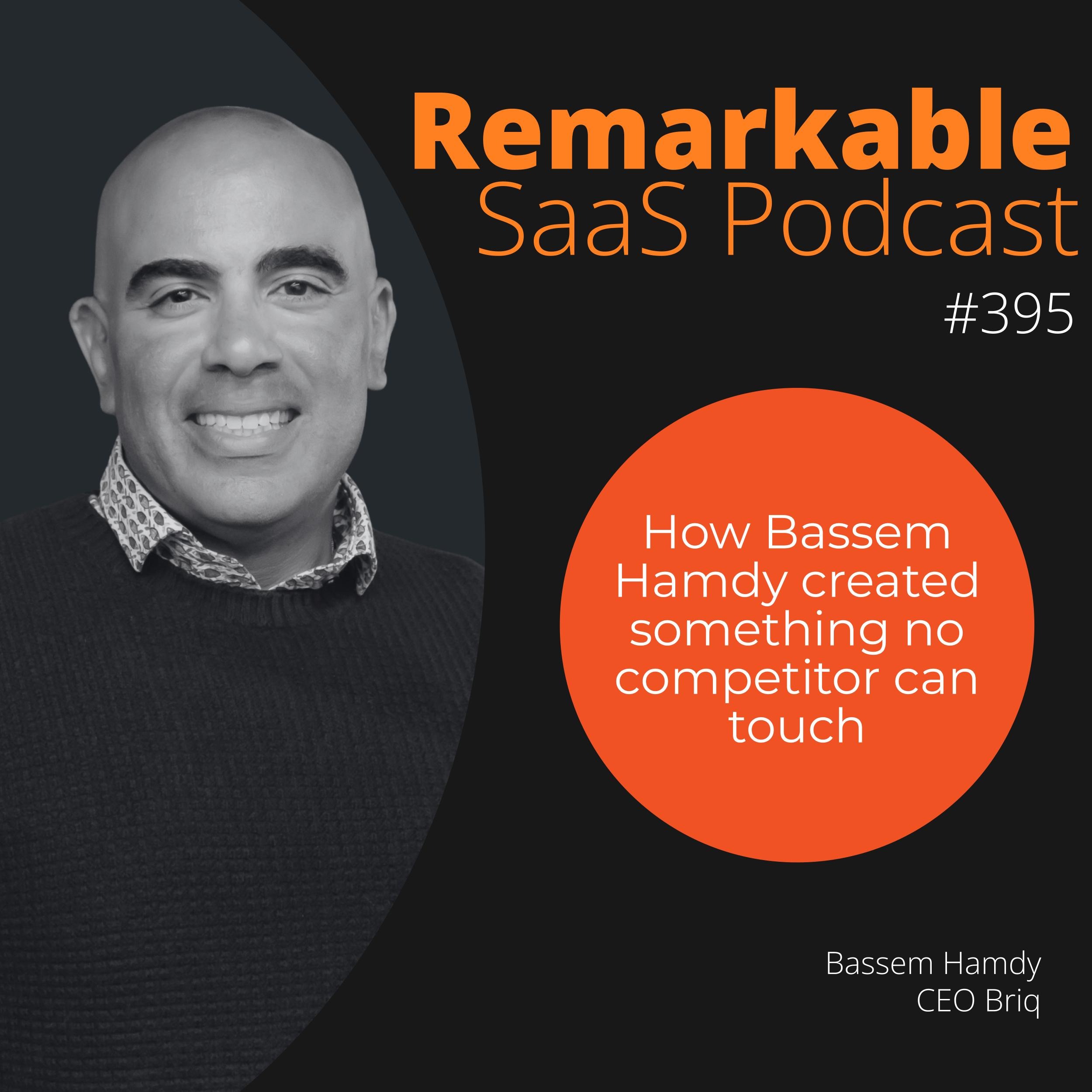
| 3/4/26 | SaaSproduct market fit+4 | Bassem Hamdy | Briq | — | SaaSproduct development+5 | — | 46m 45s | ||
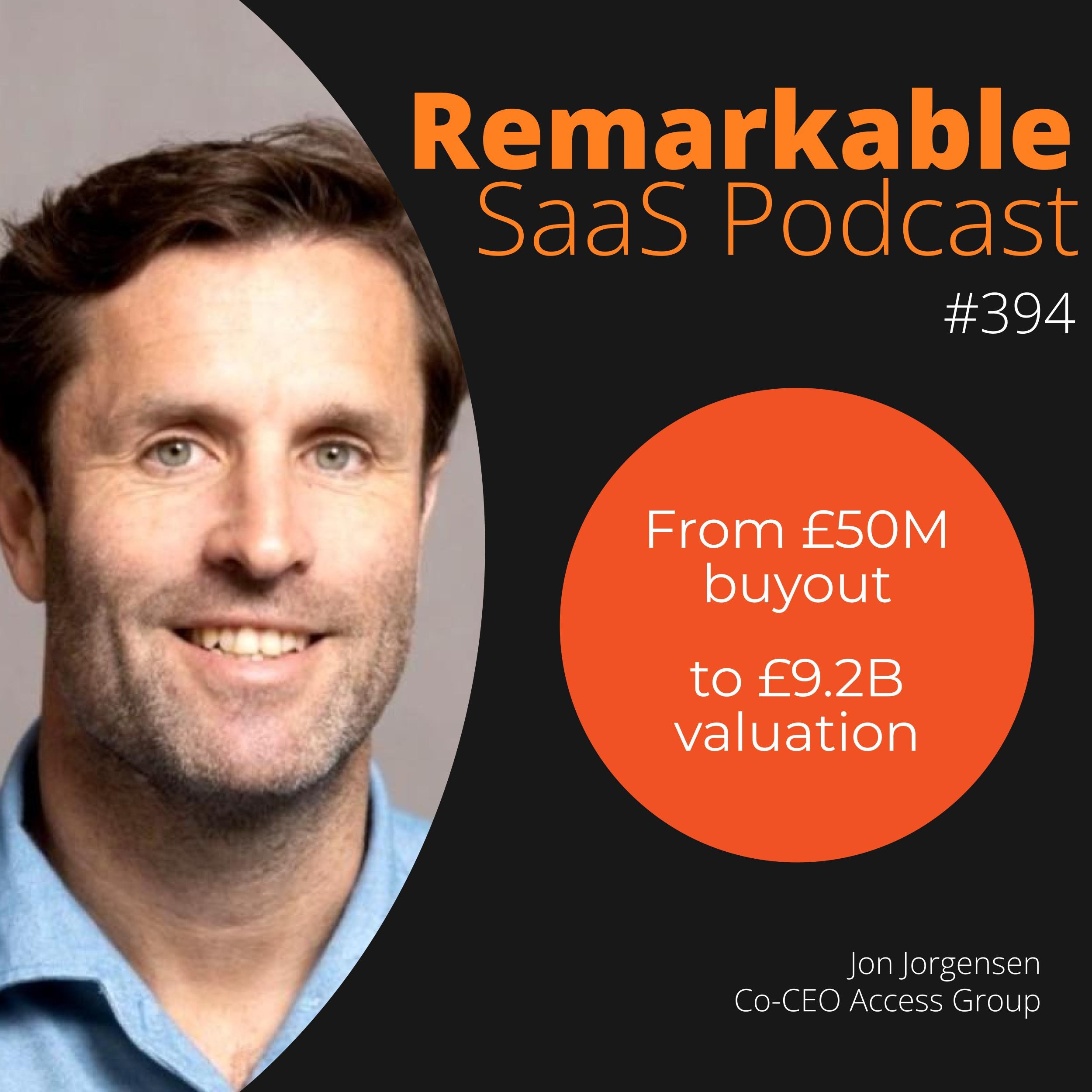
| 2/25/26 | business growthSaaS+4 | Jon Jorgensen | The Access GroupAccess Group | UK | Access GroupForever Business+6 | — | 51m 24s | ||
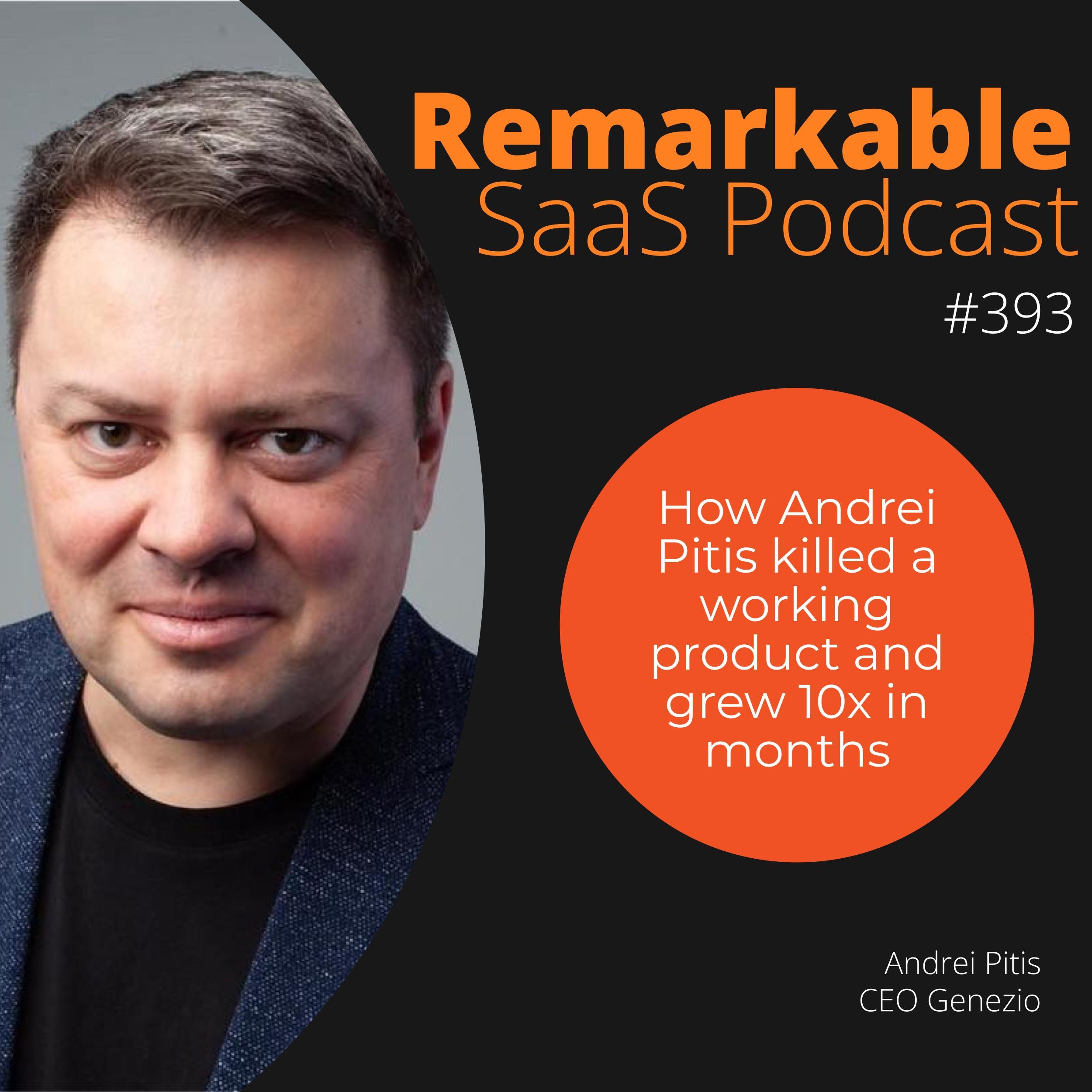
| 2/18/26 | startup growthproduct development+4 | Andrei Pitis | GenezioVector Watch+1 | — | SaaS founderstraction+5 | — | 53m 28s | ||
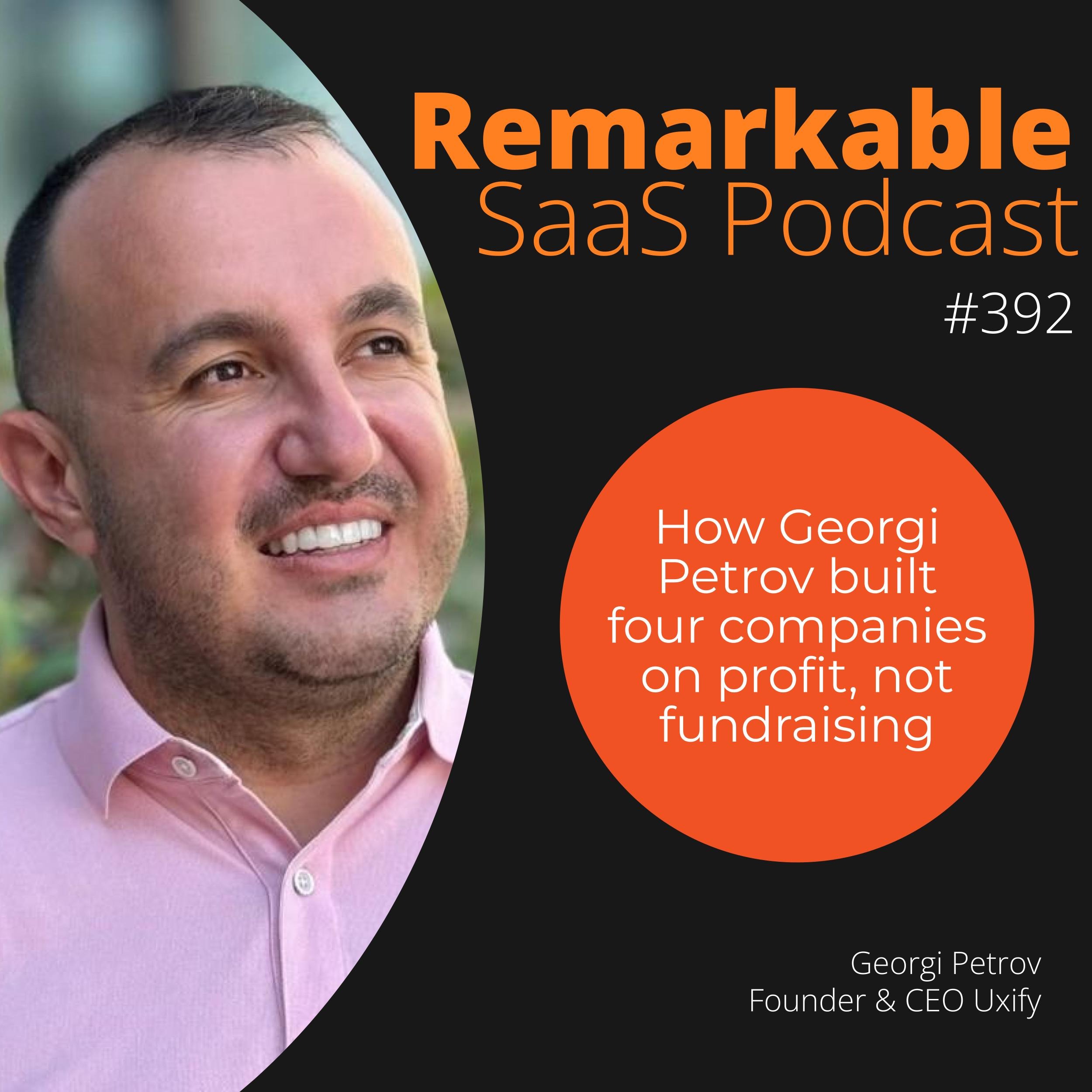
| 2/11/26 | SaaSprofit+4 | Georgi Petrov | UxifyWP Engine | — | SaaSEBITDA+5 | — | 46m 09s | ||
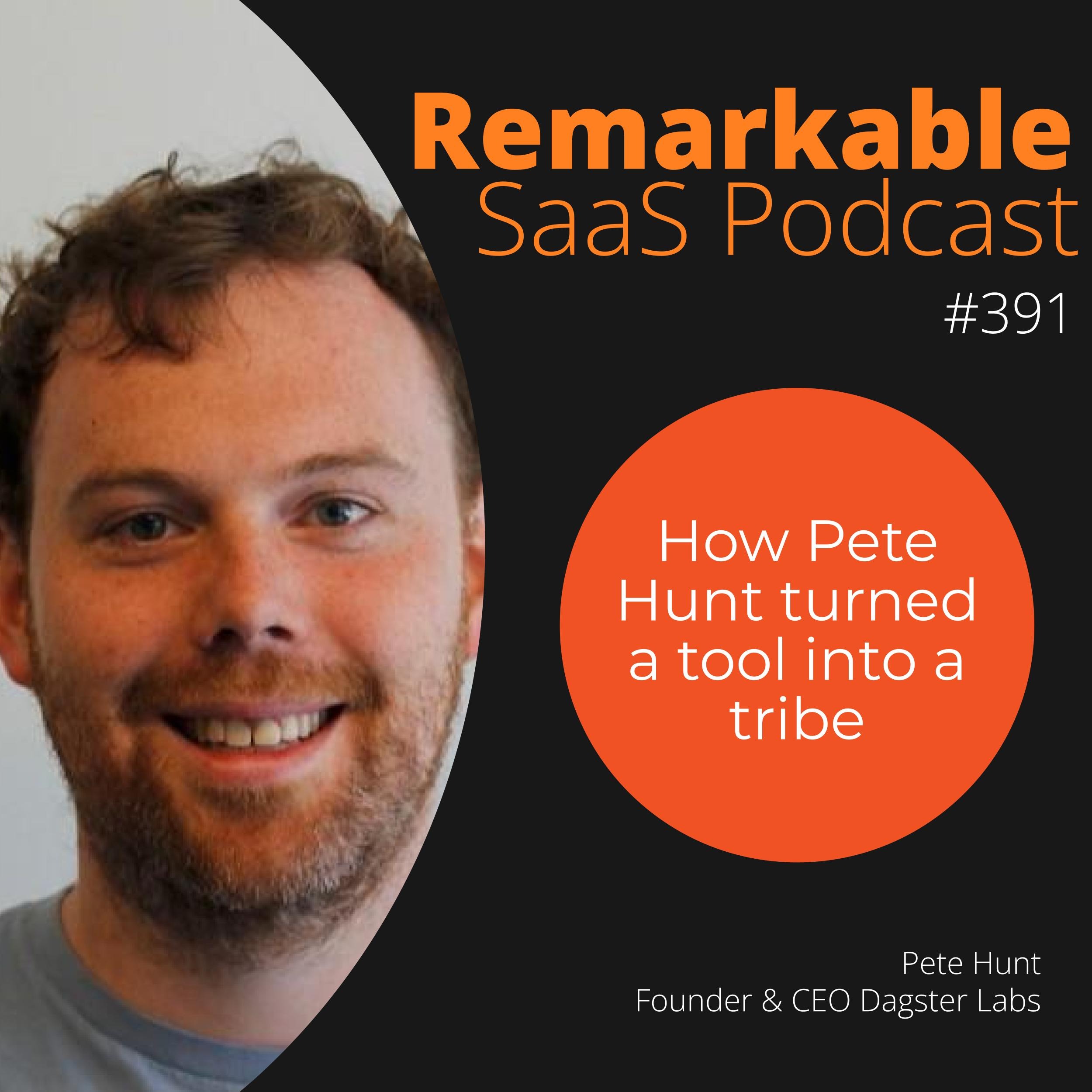
| 1/28/26 | SaaSproduct development+3 | Pete Hunt | Dagster Labs | — | SaaS foundersproduct values+3 | — | 39m 29s | ||



Showing 30 of 414
Pitch Fit is a Pro feature
See how bookable this show is for guests, which brands already advertise, the per-episode ad value, and the best-fit guest and sponsor profile. The numbers are blurred on the free plan.
How readily this show books outside guests like you.
How proven this show is for host-read sponsorships.
For Guests
ProFor Advertisers
ProUpgrade to Pro to unlock guest cadence, sponsor categories, fit scores, and per-episode ad value for this show.
Similar Audience Demographics
Podcasts that attract a similar listener profile

Distribution & Reach
About the show, platforms, and key insights.
Distribution & Reach
About the show, platforms, and key insights.
Ton Dobbe is an independent podcast creator and author of "The Remarkable Effect," known for his deep insights into the SaaS industry. His expertise lies in helping B2B SaaS founders differentiate their offerings and navigate the complexities of building impactful software companies. "The Remarkable SaaS Podcast" stands out for its focus on unfiltered conversations with SaaS founders, exploring the real challenges they face. Each episode delves into one of the ten traits that characterize remarkable software companies, emphasizing the importance of delivering genuine value and striving for uniqueness in a competitive landscape. The podcast attracts a dedicated audience of B2B SaaS founders and entrepreneurs seeking practical advice and inspiration. Listeners gain valuable insights from the diverse experiences of guests, whether they are scaling rapidly or still navigating initial hurdles, fostering a community dedicated to excellence in the SaaS space.
By the numbers
- Total followers: 145
- Total plays: 482
- Total reviews: 17
Platforms
TuneIn
- Followers: 39
Castbox
- Followers: 89
- Plays: 482
Podcast App
- Followers: 17
- Reviews: 17
Find them online
Audience
professionals
Key insights
What the show covers
- conversations with SaaS founders
- traits of remarkable software companies
- real challenges in software building
- valuable lessons from industry leaders
Audience interests
- B2B SaaS development challenges
- founder success stories
- software industry insights
- scaling business strategies
Platform reach
- specific platforms not detected
- unknown distribution channels
- potential for broad reach
- targeted audience engagement
Publishing consistency
- 400 episodes produced
- active for 8 years
- weekly or more episodes
- consistent content delivery
Chart history for The Remarkable SaaS Podcast
Peaked at #72 in RO, currently #72 in RO.
| Market | Genre | Peak | Current | Trend |
|---|---|---|---|---|
| RO | — | #72 | #72 | — |
| SG | — | #95 | #95 | — |
Chart Positions
2 placements across 2 markets.
Chart Positions
2 placements across 2 markets.