

Insights from recent episode analysis
Audience Interest
Podcast Focus
Publishing Consistency
Platform Reach
Insights are generated by CastFox AI using publicly available data, episode content, and proprietary models.
Most discussed topics
Brands & references
Total monthly reach
Estimated from 1 chart position in 1 market.
By chart position
- 🇰🇷KR · History#7110K to 30K
- Per-Episode Audience
Est. listeners per new episode within ~30 days
5K to 15K🎙 ~2x weekly·29 episodes·Last published 2w ago - Monthly Reach
Unique listeners across all episodes (30 days)
10K to 30K🇰🇷100% - Active Followers
Loyal subscribers who consistently listen
4K to 12K
Market Insights
Platform Distribution
Reach across major podcast platforms, updated hourly
Total Followers
—
Total Plays
—
Total Reviews
—
* Data sourced directly from platform APIs and aggregated hourly across all major podcast directories.
On the show
From 21 epsHost
Recent guests
No guests detected in recent episodes.
Recent episodes
(New, updated) History. Part 3 - 1066: The Fall of Anglo-Saxon England. (Transcript added).
Jun 10, 2026
31m 57s
(New, updated) History. Part 3 - 1066: The Fall of Anglo-Saxon Britain. (Transcript added).
Jun 10, 2026
Unknown duration
(New) Series 2 Episode 12 - Escape to the Low Countries: Richard Bernard, Thomas Helwys and the Gainsborough Congregation.
Jun 5, 2026
27m 29s
Series 2 Episode 11 - Exiled Paths: Nonconformity and Dissent in Kent. (Transcript added).
May 11, 2026
19m 46s
(New) History. Part 2 - The Fall of the Anglo-Saxons. England’s fate turns on the wind and the sea. (Transcript added).
Apr 15, 2026
27m 10s
Social Links & Contact
Official channels & resources
Official Website
Login
RSS Feed
Login
| Date | Episode | Topics | Guests | Brands | Places | Keywords | Sponsor | Length | |
|---|---|---|---|---|---|---|---|---|---|
| 6/10/26 | 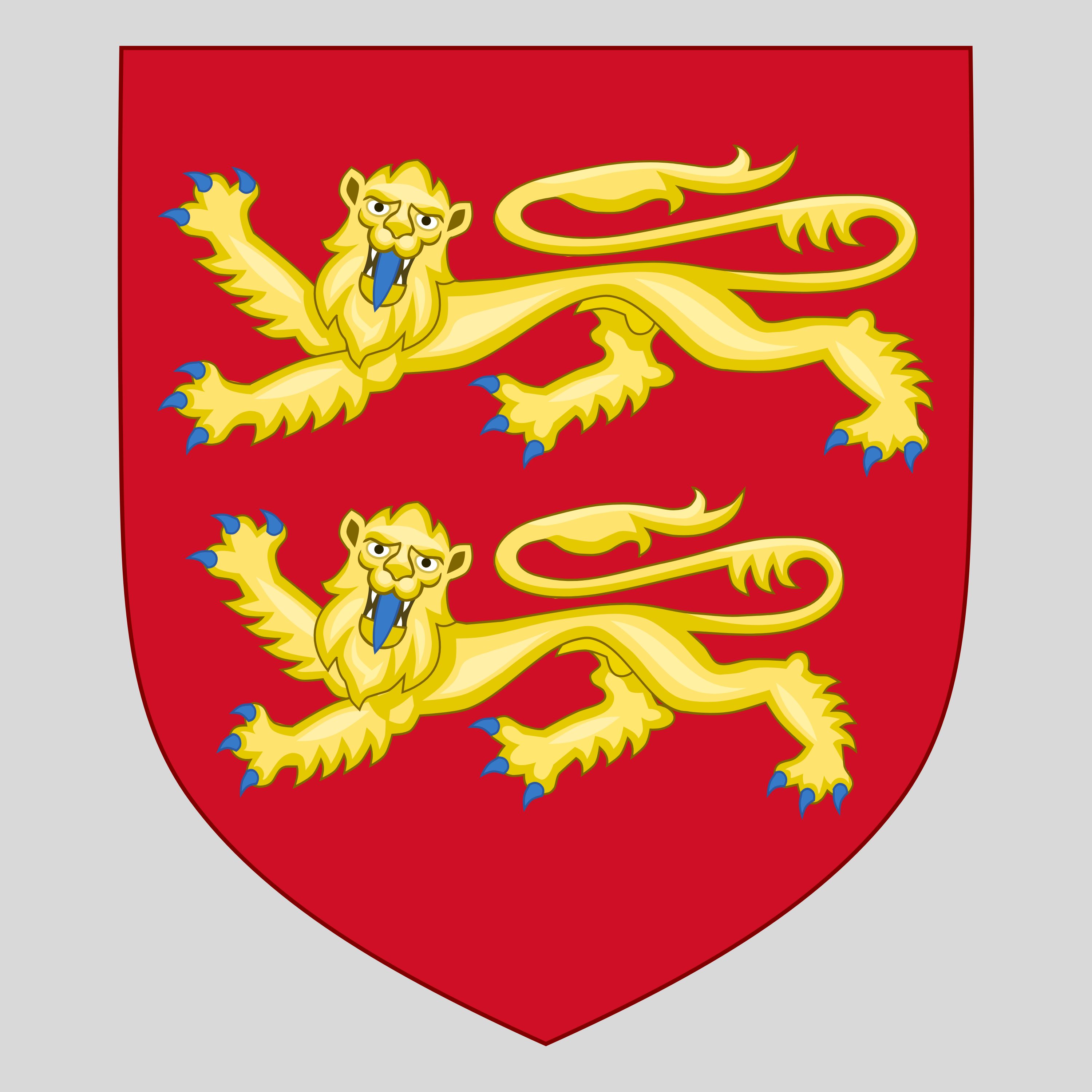 (New, updated) History. Part 3 - 1066: The Fall of Anglo-Saxon England. (Transcript added).✨ | Anglo-Saxon EnglandNorman Conquest+4 | — | Duchy of Normandycoat of arms | England | 1066William of Normandy+5 | — | 31m 57s | |
| 6/10/26 | (New, updated) History. Part 3 - 1066: The Fall of Anglo-Saxon Britain. (Transcript added). | Episode type Regular episode Season 1 Episode number 1 (New, updated) History. Part 3 - 1066: The Fall of Anglo-Saxon Britain. (Transcript added).© 20 26 The Rise of the Protestants., Author, Shaughan HoltWilliam of Normandy - arrives on England's south coastThis is the third episode in my four-part series exploring the story of Britain.The series was originally planned as a trilogy, but the further I travelled through Britain's past, the more there seemed to be worth telling. As a result, the story grew into four episodes, allowing us to explore some of these events in greater depth.In the previous episodes, we followed the arrival of the Romans, the rise of the Anglo-Saxon kingdoms, the age of the Vikings, and the struggles that helped shape early Britain.Now we come to one of the most famous years in English history: 1066.This is the story of William, Duke of Normandy, and of a conquest that would reshape England's rulers, language, culture, and identity for centuries to come.The artwork for this episode depicts the coat of arms traditionally attributed to William the Conqueror and the Duchy of Normandy.Historians often trace the succession of England's major dynasties as: Anglo-Saxons, Normans, Plantagenets, Tudors, and Stuarts. The Plantagenets were the royal dynasty that followed the Normans.Although Henry II was descended from the Norman kings through his mother, Empress Matilda, he brought to England a new French-Angevin ruling house from Anjou. The Angevins, named after the French region of Anjou, ruled England, Ireland, and large parts of France during the twelfth and early thirteenth centuries. Their most famous monarchs were Henry II, Richard I, better known as Richard the Lionheart, and King John.The influence of the Plantagenets can still be seen today. England's Royal Arms retain the three gold lions on a red background first adopted by Richard I in 1198 and later used by King John. While later monarchs made additions and alterations, the three lions remain one of the most enduring symbols of England, linking the modern nation to its Plantagenet past.The opening music is the Sarabande from Suite No. 11, composed by George Frideric Handel between 1703 and 1706.Originally written for solo harpsichord, the piece is now more widely known through its powerful orchestral and string arrangements. Its sombre character, stately rhythm, and striking simplicity have made it a favourite in film and television.In this episode, the Sarabande is heard twice: first during the opening 57 seconds of the narrative, and later from 6 minutes 20 seconds, where it accompanies the story of the 1066 battle of hastings, for a further 2 minutes and 6 seconds.The closing music is Air pour Madame la Dauphine, a celebrated Baroque composition by Jean-Baptiste Lully, written in 1685.Lully composed the work to commemorate the Truce of Ratisbon and to honour the French royal family. The "Dauphine" of the title was Maria Anna Victoria of Bavaria, wife of Louis, Grand Dauphin.This recording is © 2000 Deutsche Grammophon GmbH, Berlin, produced by Marita Prohmann and Sid McLauchlan.The piece begins at 29 minutes 50 seconds and continues through the closing moments of the episode for 2 minutes and 6 seconds.© 20 26 The Rise of the Protestants., Author, Shaughan Holt."All rights reserved. No part of this podcast may be reproduced, translated, distributed, or transmitted in any form or by any means, including photocopying, recording, or other electronic or mechanical methods, without the prior written permission of the copyright holder, except in the case of brief quotations embodied in critical reviews and certain other non-commercial uses permitted by copyright law".Requests regarding translation, licensing, or republication should be directed to: sholt@nashcom.co.ukAlso feel free to email me your thoughts at : sholt@nashcom.co.uk | — | ||||||
| 6/5/26 | 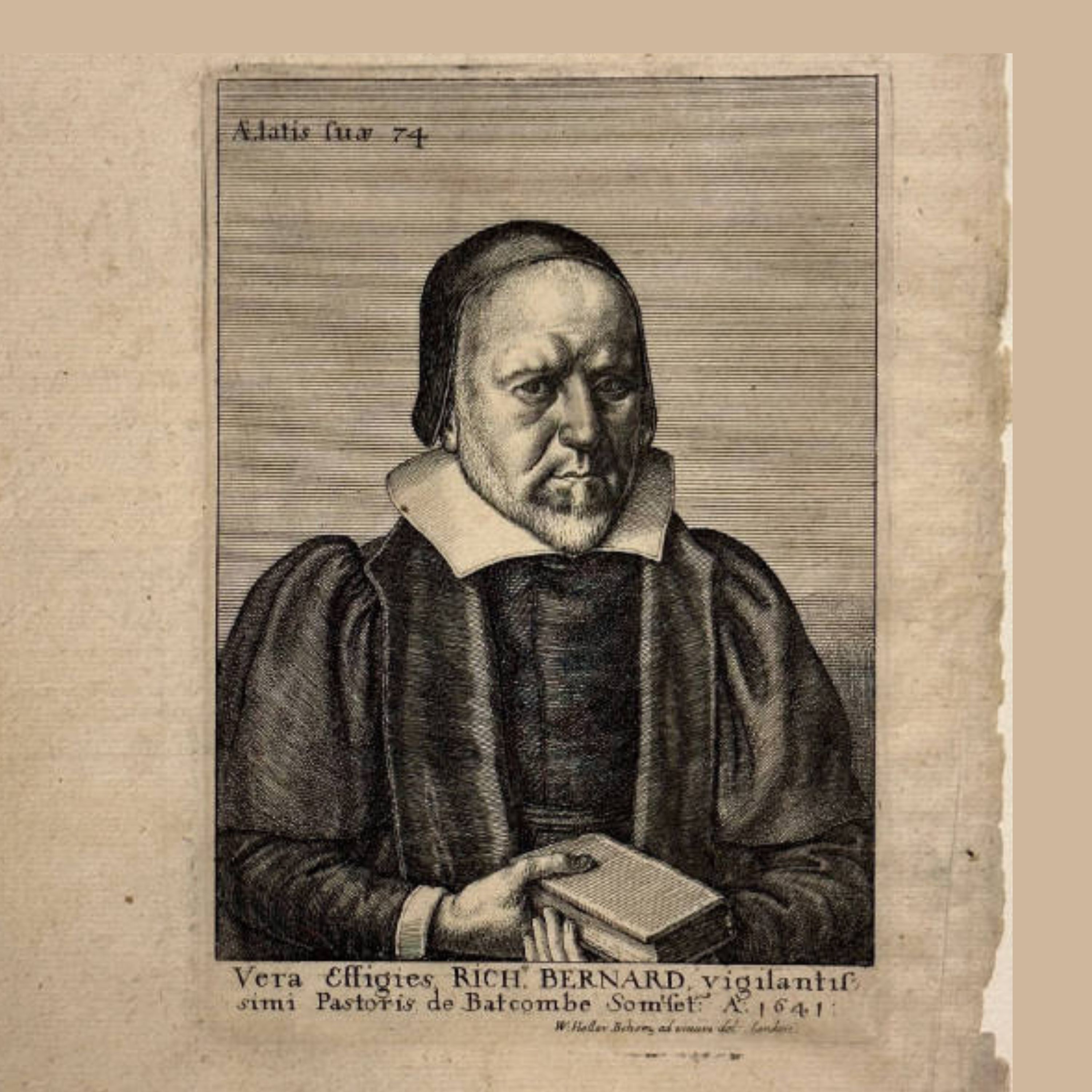 (New) Series 2 Episode 12 - Escape to the Low Countries: Richard Bernard, Thomas Helwys and the Gainsborough Congregation.✨ | PuritanismChurch of England+3 | — | Gainsborough Congregation | — | Richard BernardThomas Helwys+3 | — | 27m 29s | |
| 5/11/26 | 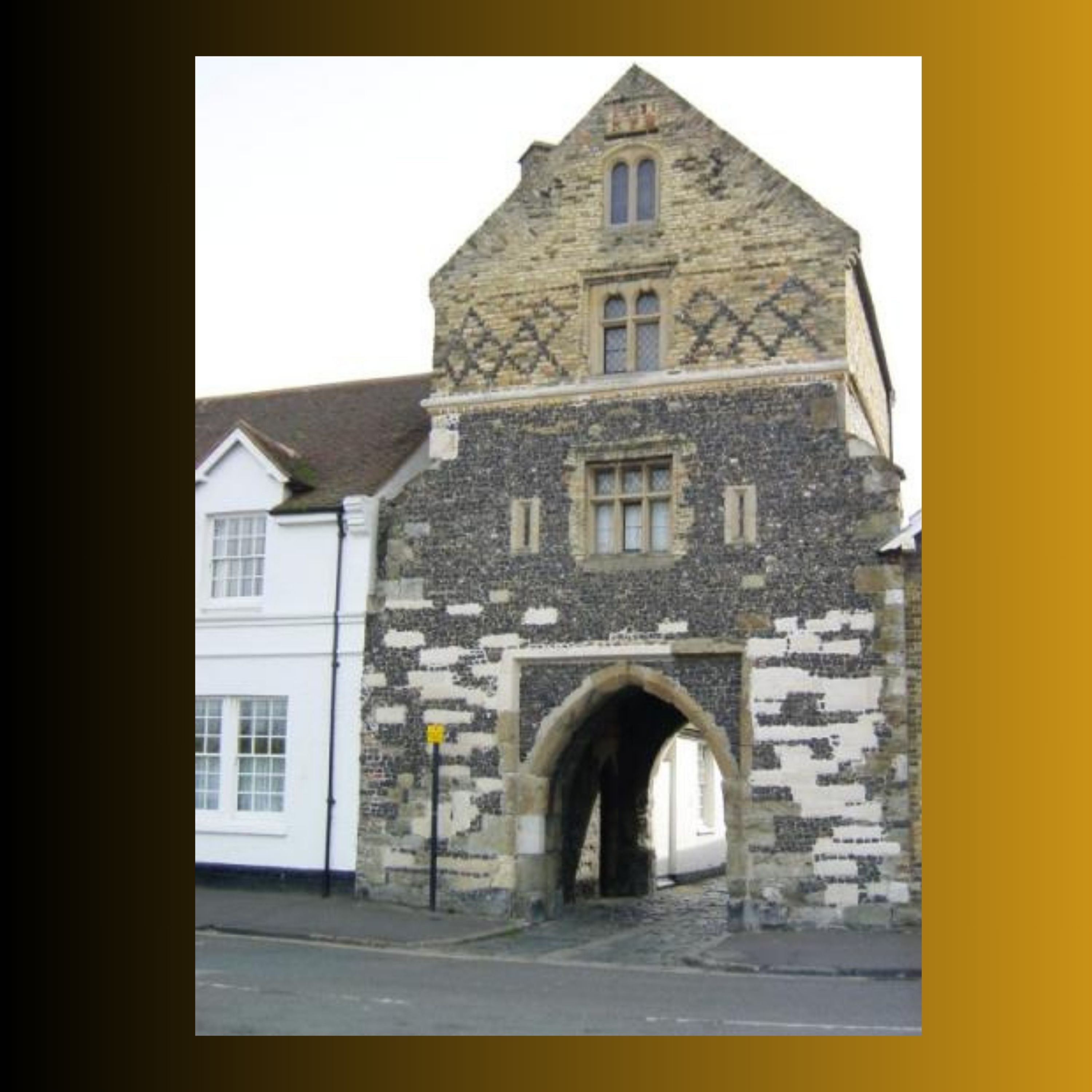 Series 2 Episode 11 - Exiled Paths: Nonconformity and Dissent in Kent. (Transcript added).✨ | NonconformityDissent+3 | — | Good Dog RecordsRoll the Old Chariot Along | KentSandwich+1 | ProtestantsKent+5 | — | 19m 46s | |
| 4/15/26 |  (New) History. Part 2 - The Fall of the Anglo-Saxons. England’s fate turns on the wind and the sea. (Transcript added).✨ | Viking AgeNorman invasion+3 | — | Mary at the CrossThe Crucifixion with the Virgin, Saint John, Saint Jerome, and Saint Mary Magdalene | National Gallery in Washington, DC | Viking AgeNorman invasion+3 | — | 27m 10s | |
| 4/15/26 | 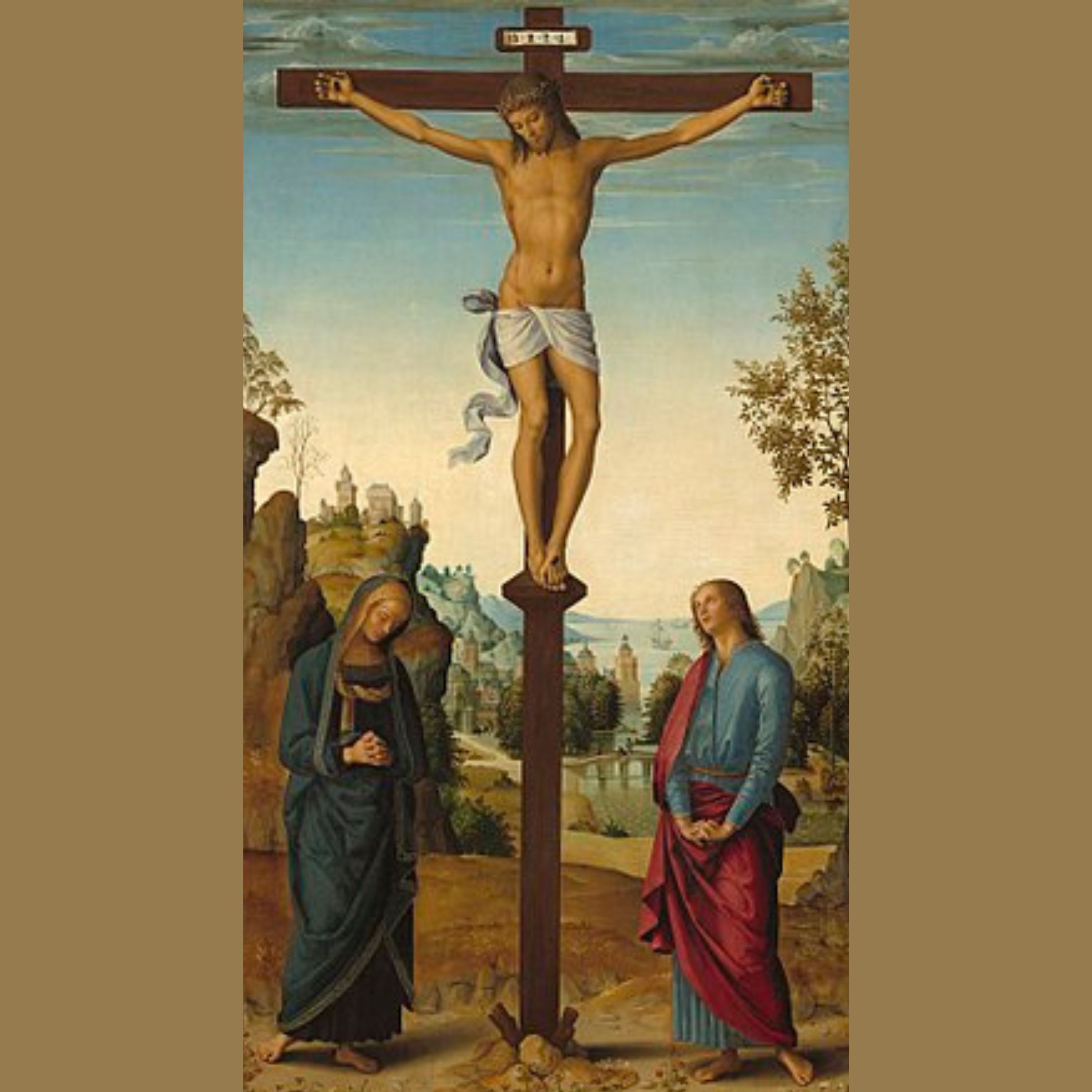 History. Part 2 - The Fall of the Anglo-Saxons. England’s fate turns on the wind and the sea. (Transcript added).✨ | Viking AgeNorman invasion+4 | — | Stabat MaterThe Crucifixion with the Virgin, Saint John, Saint Jerome, and Saint Mary Magdalene+1 | — | Viking AgeNorman invasion+5 | — | 27m 10s | |
| 4/2/26 |  (New) Series 2 Episode 10 -The Congregations of Gainsborough and Scrooby. (Transcript added).✨ | religious dissentSeparatists+3 | — | — | Gainsborough Old HallGainsborough+1 | Gainsborough Old HallJohn Smyth+3 | — | 35m 58s | |
| 4/1/26 |  Bonus Episode — The Appointment of Sarah Mullally (Transcript added)✨ | appointmentleadership+4 | — | NHSChurch of England+1 | — | Sarah MullallyArchbishop of Canterbury+5 | — | 6m 19s | |
| 4/1/26 |  Series 2 Episode 10 -The Congregations of Gainsborough and Scrooby. (Transcript added).✨ | religious dissentearly Separatists+3 | — | The Living Stones QuartetChurch of England+1 | Gainsborough Old HallGainsborough+1 | Gainsborough Old HallJohn Smyth+3 | — | 35m 58s | |
| 2/25/26 |  History. Part 1 - The Anglo-Saxon Path: Hardship and Faith. (Transcript added).✨ | Anglo-Saxon historyNorman conquest+4 | — | Bayeux Tapestry | EnglandNormandy | Anglo-SaxonBayeux Tapestry+6 | — | 31m 44s | |
Want analysis for the episodes below?Free for Pro Submit a request, we'll have your selected episodes analyzed within an hour. Free, at no cost to you, for Pro users. | |||||||||
| 11/2/25 |  Series 2 Episode 9 - The Deprivations of the Puritan Non-Conformists (Transcript added).✨ | Puritan Non-Conformistsreligious history+3 | — | Archbishop of CanterburyO Mistress Mine | — | PuritanNon-Conformists+5 | — | 25m 16s | |
| 5/30/25 |  Series 2 Episode 8 - The Lambeth Articles to Hampton Court, Part 2. From York to Canterbury, by way of Sturton-le-Steeple . (Transcript added).✨ | Lambeth ArticlesHampton Court+3 | — | Church of EnglandSt Peter and St Paul's Church | YorkCanterbury+1 | Lambeth ArticlesHampton Court+4 | — | 28m 57s | |
| 5/30/25 | 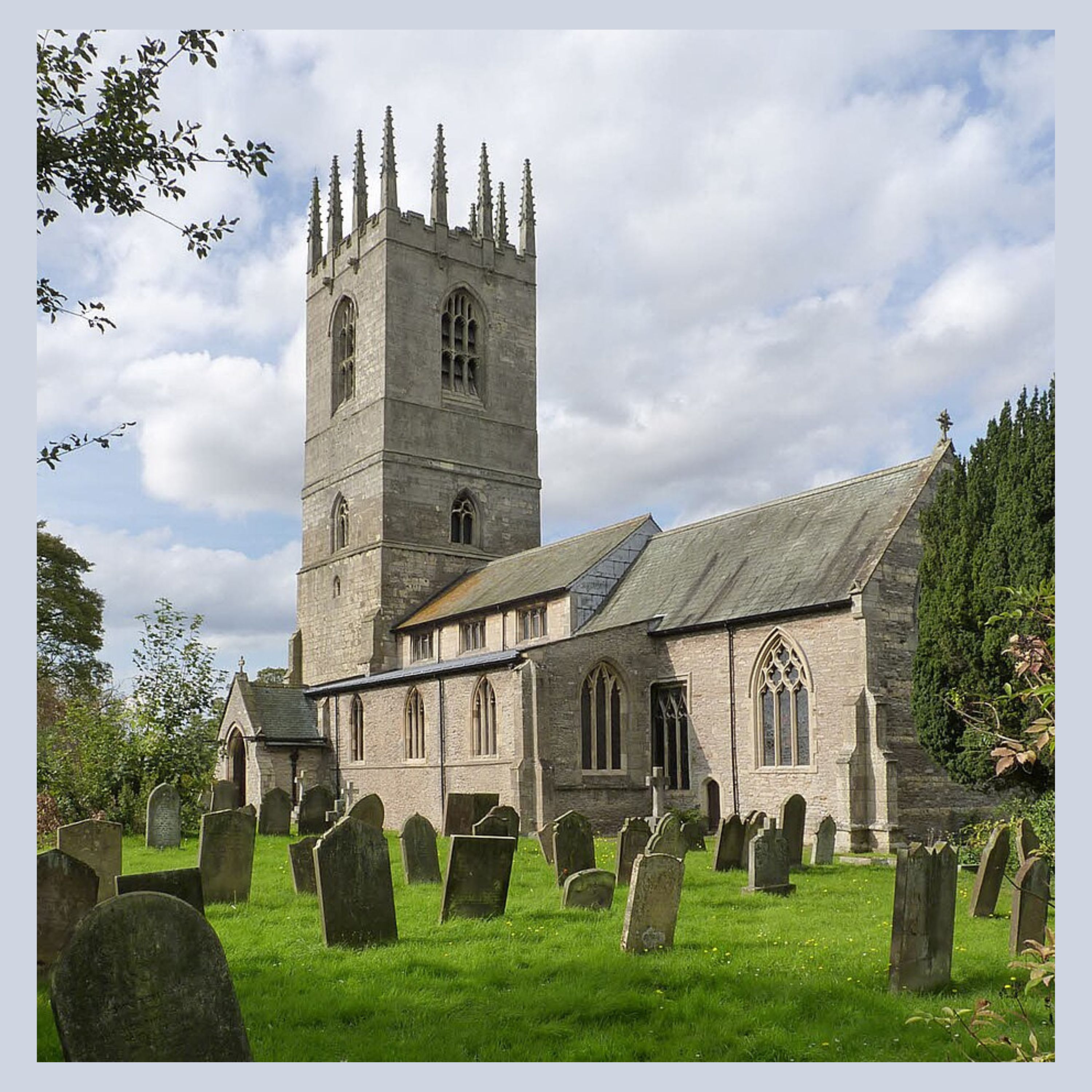 Season 2 Episode 8 - The Lambeth Articles to Hampton Court, Part 2. From York to Canterbury, by way of Sturton-le-Steeple . (Transcript added).✨ | Lambeth ArticlesHampton Court+5 | — | Church of EnglandSt Peter and St Paul's Church, Sturton-le-Steeple | YorkCanterbury+2 | Lambeth ArticlesHampton Court+8 | — | 28m 58s | |
| 5/29/25 |  Series 2 Episode 8 - The Lambeth Articles to Hampton Court; No Bishop – No King. Part 1. Britain, its beginnings, language and religion (Transcript added).✨ | religionhistory+3 | — | — | Lambeth PalaceBritain+3 | Lambeth ArticlesHampton Court+5 | — | 26m 33s | |
| 5/29/25 | 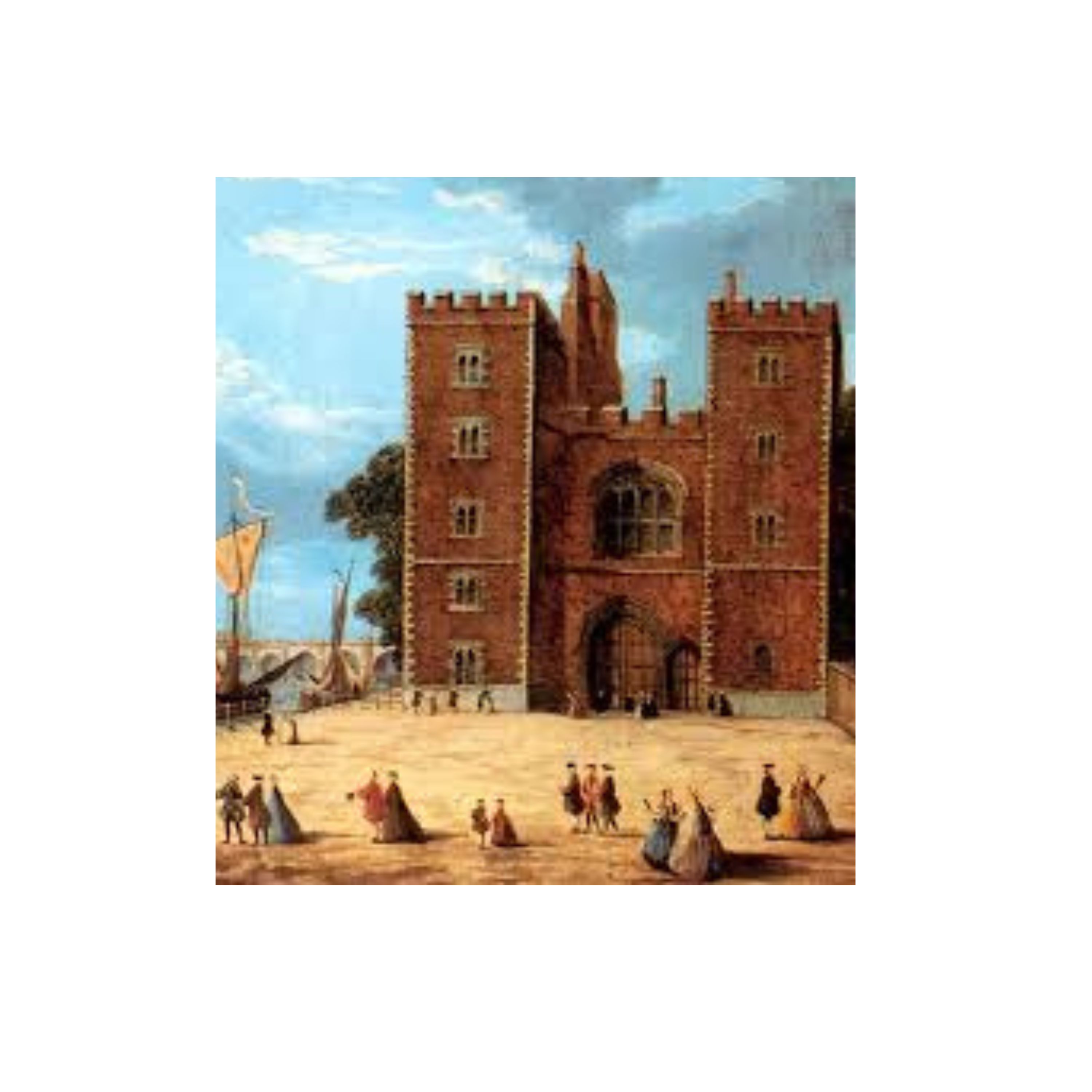 Season 2 Episode 8 - The Lambeth Articles to Hampton Court, No Bishop, No King!. Part 1. Britain and its beginnings, language and religion. (Transcript added).✨ | Lambeth ArticlesHampton Court+3 | — | Ars Choralis CoelnRhenish Hymns of Praise to the Virgin+1 | Lambeth PalaceBritain+3 | Lambeth ArticlesHampton Court+3 | — | 26m 33s | |
| 5/24/25 |  Series 2 Episode 7 - From Refugees to Millenary and the New King (Transcript added).✨ | refugeesmillenary+3 | — | Cambridge Chorale | Ely CathedralFens | refugeesmillenary+3 | — | 27m 07s | |
| 5/23/25 |  Series 2 Episode 6 - Exiles in Amsterdam (Transcript added).✨ | Reformed soteriologyArminianism+3 | — | The Canons of Dort | NetherlandsDordrecht | Canons of DortReformed theology+3 | — | 36m 09s | |
| 5/22/25 |  Series 2 Episode 5 - A Vengeful Archbishop (Transcript added).✨ | Archbishop of CanterburyJohn Whitgift+4 | — | Trinity College, Cambridge | — | John WhitgiftArchbishop+5 | — | 33m 09s | |
| 5/21/25 | 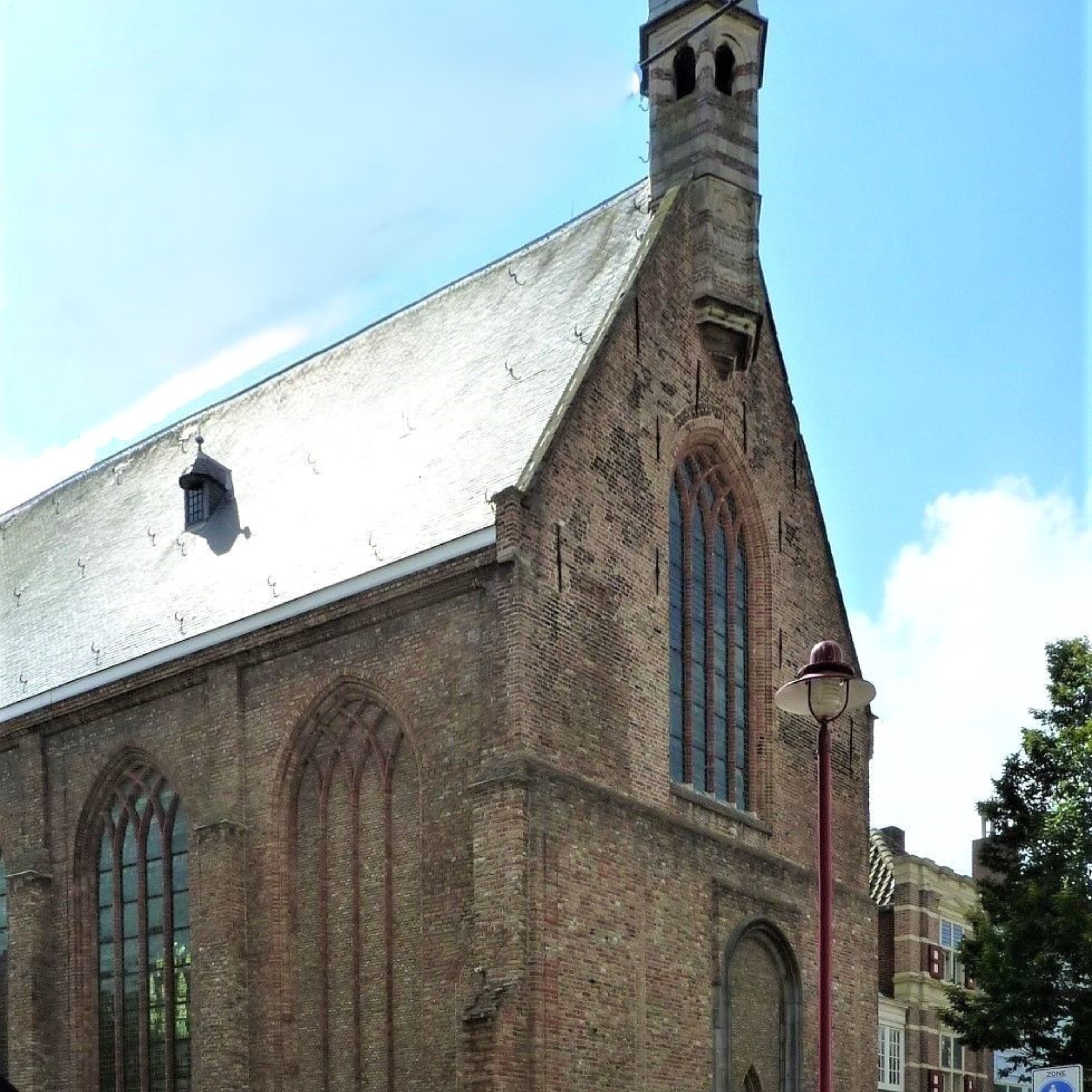 Series 2 Episode 4 - Imprisonments, within London's Jails (Transcript added). | Regular episode • Season 2 • Episode 4 • Series 2 Episode 4 - Imprisonments, within London's Jails (Transcript added).© 20 26 The Rise of the Protestants., Author, Shaughan HoltArtwork • The Gasthuiskerk is a Protestant church of the Christian Reformed Churches in Middelburg in the province of Zeeland .The church was built in 1493 as a chapel dedicated to Saint Barbara . The originally Roman Catholic hospital chapel was used by the residents of the abbey from 1568 to 1571 and was rented to English merchants from 1579 to 1589. The chapel was subsequently assigned to the Reformed Church in 1589 and in 1799 it became a Roman Catholic church again. In 1845 the building was sold to the Christian Separated Churches and in 1936 it was purchased by the Christian Reformed Churches.Music • My Sweetest Lesbia, composer: Thomas Campion, performed by Andreas Scholl.The poem, "My Sweetest Lesbia", is sometimes described as a translation. Its inspiration is the Latin poet Catullus's poem, Carmen V. The theme of the poem is; We must live now, because we don't have forever. Thomas Campion belongs to that fascinating tradition of medically-trained poets. He was a poet, composer, musical and literary theorist, and physician. Born in London in 1567, left Cambridge without a degree, briefly studied law, but ultimately graduated from the University of Caen with an MD. After practising medicine in London he later returned to the continent as a gentleman-soldier. He is believed to have died of the plague in London in 1620.© 20 26 The Rise of the Protestants., Author, Shaughan Holt."All rights reserved. No part of this podcast may be reproduced, translated, distributed, or transmitted in any form or by any means, including photocopying, recording, or other electronic or mechanical methods, without the prior written permission of the copyright holder, except in the case of brief quotations embodied in critical reviews and certain other non-commercial uses permitted by copyright law". Requests regarding translation, licensing, or republication should be directed to: sholt@nashcom.co.ukYour feedback matters, send me an email at sholt@nashcom.co.uk, with any comments, suggestions, or criticisms.I read every message. | — | ||||||
| 5/20/25 | 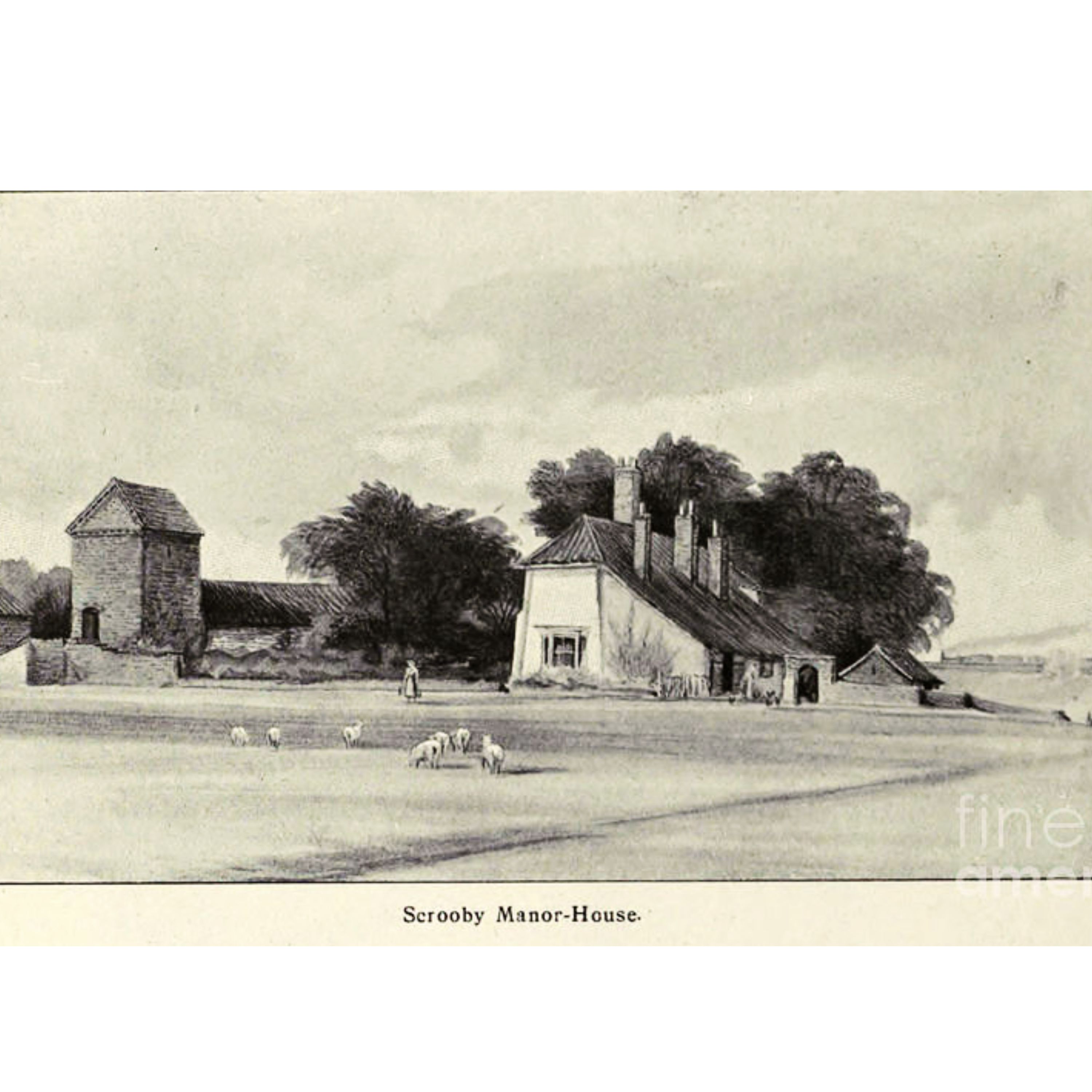 Series 2 Episode 3 - The Puritan presses are closed down (Transcript added). | Regular episode • Season 2 • Episode 3 • Series 2 Episode 3 - The Puritan presses are closed down (Transcript added).© 20 26 The Rise of the Protestants., Author, Shaughan Holt.Artwork • Scrooby Manor HouseMusic • At the Round Earth's Imagined Corners, Performed by The Aeolian Chorale.The poem "At the round earth's imagined corners", is one of English poet John Donne's(1572–1631) Holy Sonnets, where he explores the struggles and consolations of his Christian faith. The speaker in the poem tries to imagine Judgment Day and finds comfort in the idea of God's infinite mercy and forgiveness. Williametta Spencer, born on August 15, 1927, is an American composer best known for her award-winning choral work.© 20 26 The Rise of the Protestants., Author, Shaughan Holt."All rights reserved. No part of this podcast may be reproduced, translated, distributed, or transmitted in any form or by any means, including photocopying, recording, or other electronic or mechanical methods, without the prior written permission of the copyright holder, except in the case of brief quotations embodied in critical reviews and certain other non-commercial uses permitted by copyright law". Requests regarding translation, licensing, or republication should be directed to: sholt@nashcom.co.ukYour feedback matters, send me an email at sholt@nashcom.co.uk, with any comments, suggestions, or criticisms.I read every message. | — | ||||||
| 5/9/25 | 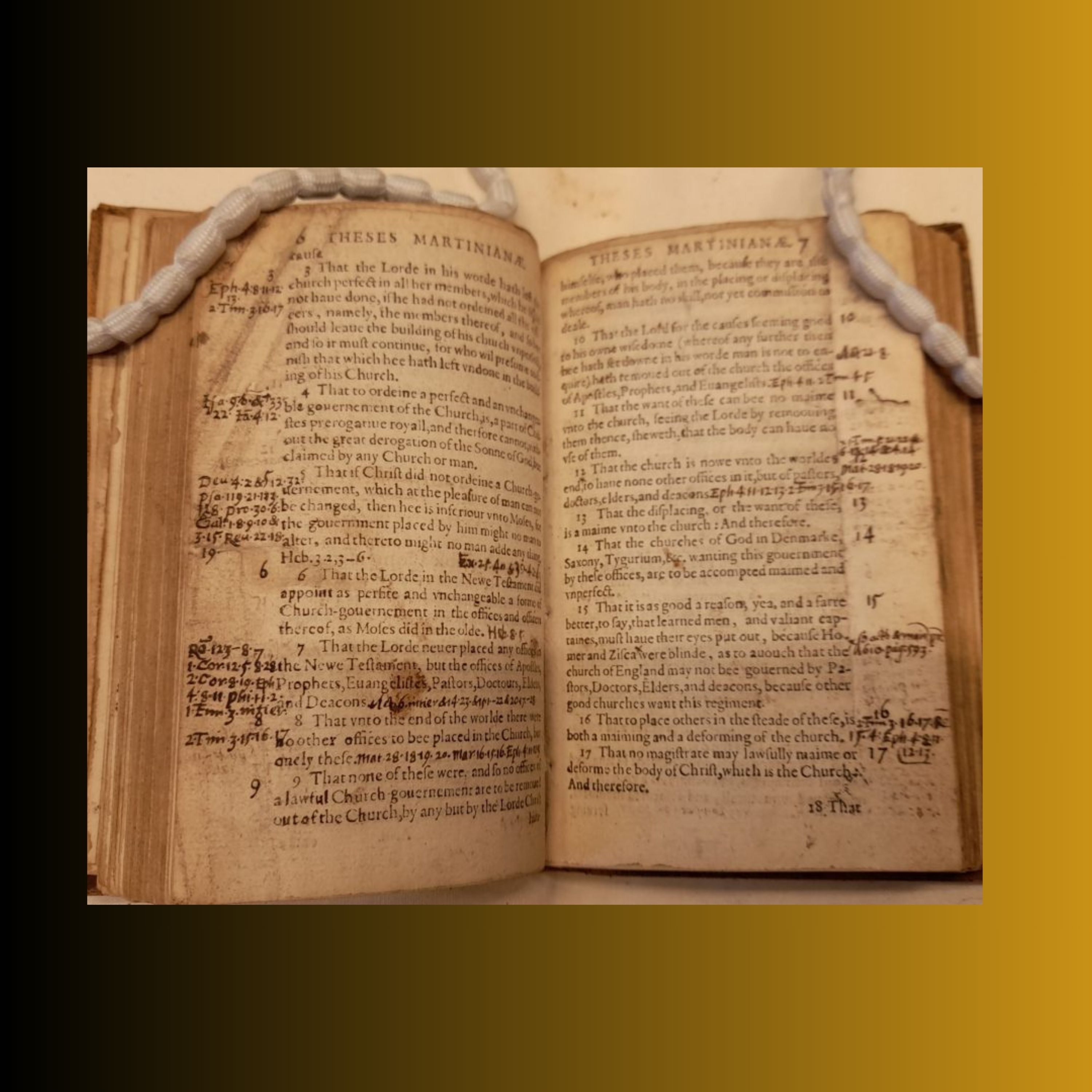 Series 2 Episode 2 - Martin Marprelate. Part 2, Progression (Transcript added). | Regular episode • Season 2 • Episode 2 • Series 2 Episode 2 - Martin Marprelate. Part 2, Progression (Transcript added).© 20 26 The Rise of the Protestants., Author, Shaughan Holt.Artwork • The Cambridge University Library copy of:The fifth Marprelate Tract "Theses Martinianæ", published 22 July 1589.Printed by John Hodgkins in Wolston Priory Warwickshire, at the residence of Roger Wigston. Exhaustive biblical references fill the margins, connecting passages with specific verses related to Christian brotherhood. Music • Bradley Johnson plays Monsieur's Almain by Daniel Bacheler, - on guitar. Guitar arrangement by Phillip Woodfield. 2013. Original Composer: Daniel Bacheler. 1572-1619. Original Instrument: Lute. Genre: Allemande, a popular dance form of the era. Historical Context: Bacheler was a prominent court musician, serving as groom of the privy chamber to Queen Anne of Denmark. The tune of "Monsieur's Almain" is thought to predate Bacheler's variations and appears in other settings by composers like Thomas Morley and William Byrd. This set of variations on a popular tune is found in Robert Dowland's Varietie of Lute Lessons. The title is thought to refer to Francis Duke of Alençon and, later Anjou, youngest son of Henry II of France and Catherine de Medici and brother of two French kings (Charles IX and Henry III). He paid suit to the English queen Elizabeth I and she referred to him on correspondence as ‘Monsieur’; Elizabeth also referred to Francis as 'The Frog’ - perhaps the origin of the title of John Dowland’s Frog Galliard. Episode Notes:For more than 4 centuries, scholars have been intrigued by the authorship of the Marprelate Tracts. From their very beginning, the publications aimed to protect, both authors and printers, by purposefully concealing their identities. A total of 7 anonymous Marprelate tracts, were secretly printed on a movable press, and transported across several counties in England, to avoid detection by the authorities, during Queen Elizabeth’s reign. From October 1588 to September 1589, the press operated in the homes of Puritan sympathisers, in many counties across England. © 20 26 The Rise of the Protestants., Author, Shaughan Holt."All rights reserved. No part of this podcast may be reproduced, translated, distributed, or transmitted in any form or by any means, including photocopying, recording, or other electronic or mechanical methods, without the prior written permission of the copyright holder, except in the case of brief quotations embodied in critical reviews and certain other non-commercial uses permitted by copyright law". Requests regarding translation, licensing, or republication should be directed to: sholt@nashcom.co.ukYour feedback matters, send me an email at sholt@nashcom.co.uk, with any comments, suggestions, or criticisms.I read every message | — | ||||||
| 5/9/25 |  Series 2 Episode 2 - Martin Marprelate. Part 1, Backdrop (Transcript added). | Regular episode • Season 2 • Episode 2 • Series 2 Episode 2 - Martin Marprelate. Part 1, Backdrop (Transcript added).© 20 26 The Rise of the Protestants., Author, Shaughan Holt.Artwork • The Cambridge University Library copy of:'The Protestation of Martin Marprelate’, 1589, the final instalment, in the seriesHastily created on an antiquated press hidden in a barn on a Coventry property, this last pamphlet was probably typeset by Martin’s collaborators, Job Throckmorton and John Penry. of Martin Marprelate'.Music • Daniel Bacheler: To Plead My Faith · The Consort of Musicke · Anthony RooleyMusic • Daniel Bacheler: To Plead My Faith • The Consort of Musicke • Anthony RooleyDaniel Bacheler, 1572 – 1619, was an English lutenist and composer. Daniel Bacheler served an apprenticeship with his uncle, Thomas Cardell, who was a lutenist and dancing-master in the court of Queen Elizabeth I. Bacheler worked for Sir Francis Walsingham, Robert Devereux, 2nd Earl of Essex, as a groom of the bed chamber for Queen Anne of Denmark, and the consort of James I. At the royal court he composed some fifty lute pieces. This is his only surviving song, set to the words of Robert Devereux, the Earl of Essex, 1565-160. Notes: In the late 1500’s in London, if you wanted to buy a good book, or some other publication, there was only one place to go: St. Paul’s Churchyard. Today, visitors standing at its north gate, see sloping paths and quiet gardens, but 435 years ago, this open space was packed with a dense maze of bookshops. Shops were tucked between buildings, wedged against the cathedral’s buttresses, and even wrapped around the walls. Everywhere you turned, there were books, and the people who loved them. In and around, these bustling stalls, groups of shoppers from long ago, rummaged through all manner of publications, while gossiping, and sharing the latest news. By the end of the 1580s, there was but one name, on everyone’s lips: Martin Marprelate. © 20 26 The Rise of the Protestants., Author, Shaughan Holt."All rights reserved. No part of this podcast may be reproduced, translated, distributed, or transmitted in any form or by any means, including photocopying, recording, or other electronic or mechanical methods, without the prior written permission of the copyright holder, except in the case of brief quotations embodied in critical reviews and certain other non-commercial uses permitted by copyright law". Requests regarding translation, licensing, or republication should be directed to: sholt@nashcom.co.ukYour feedback matters, send me an email at sholt@nashcom.co.uk, with any comments, suggestions, or criticisms.I read every message | — | ||||||
| 5/7/25 |  Series 2 Episode 1 - The killing of a Queen. - Shorter listen (Transcript added). | Regular episode • Season 2 • Episode 1 • Series 2 Episode 1 - The killing of a Queen. - Shorter listen (Transcript added).© 20 26 The Rise of the Protestants., Author, Shaughan Holt.Artwork • The Execution of Mary Queen of Scots at Fotheringhay Castle on 8 February 1587, drawn by Robert Beale (1541-1601), Clerk of the Privy Council to Queen Elizabeth I, who wrote the official record of the execution to which he was an eyewitness. The evening before the execution he had read-out to Mary her death warrant and informed her that she was to be executed the following morning. Key to numbers: George Talbot, 6th Earl of Shrewsbury and Henry Grey, 6th Earl of Kent are seated to the left (1 & 2) and Sir Amias Paulet, one of Mary's guards, is seated behind the scaffold (3) Music 1 • Christum wir sollen loben schon, 1586 · Württemberg Chamber Choir. Lyricist: Martin Luther. Composer: Lukas Osiander.Martin Luther initially adapted his melody from the Latin hymn melodies associated with 'A solis ortus cardine' by Caelius Sedulius to make it suitable for his German verse. The chorale text and melody first appeared in print in Erfurt 'Enchiridion' in 1524.Music 2 • Miserere Mei. Composer: Gregorio Allegri (c. 1582–1652) Composed for the Sistine Chapel Choir to be sung during the Tenebrae services of Holy Week."Miserere mei" is Latin for "Have mercy on me, O God," the opening words of Psalm 51. The phrase is most famously known from the Gregorio Allegri motet Miserere (c. 1630s), a sacred choral piece and known for its complex polyphony and use of a high, soaring vocal line.There are some writings which Seethe, with a barely concealed anger, even after more than four centuries.Two memoranda by Robert Beale, Clerk to the Privy Council under Queen Elizabeth the first, exemplify this; in them, he expresses his outrage at Elizabeth’s efforts to shift the blame for the death of Mary Queen of Scots.After agreeing to the assassination of Mary, Elizabeth would later blame Secretary of State William Davison and the Privy Council, for executing the very death warrant, she had signed.© 20 26 The Rise of the Protestants., Author, Shaughan Holt."All rights reserved. No part of this podcast may be reproduced, translated, distributed, or transmitted in any form or by any means, including photocopying, recording, or other electronic or mechanical methods, without the prior written permission of the copyright holder, except in the case of brief quotations embodied in critical reviews and certain other non-commercial uses permitted by copyright law". Requests regarding translation, licensing, or republication should be directed to: sholt@nashcom.co.ukYour feedback matters, send me an email at sholt@nashcom.co.uk, with any comments, suggestions, or criticisms.I read every message | — | ||||||
| 5/1/25 | 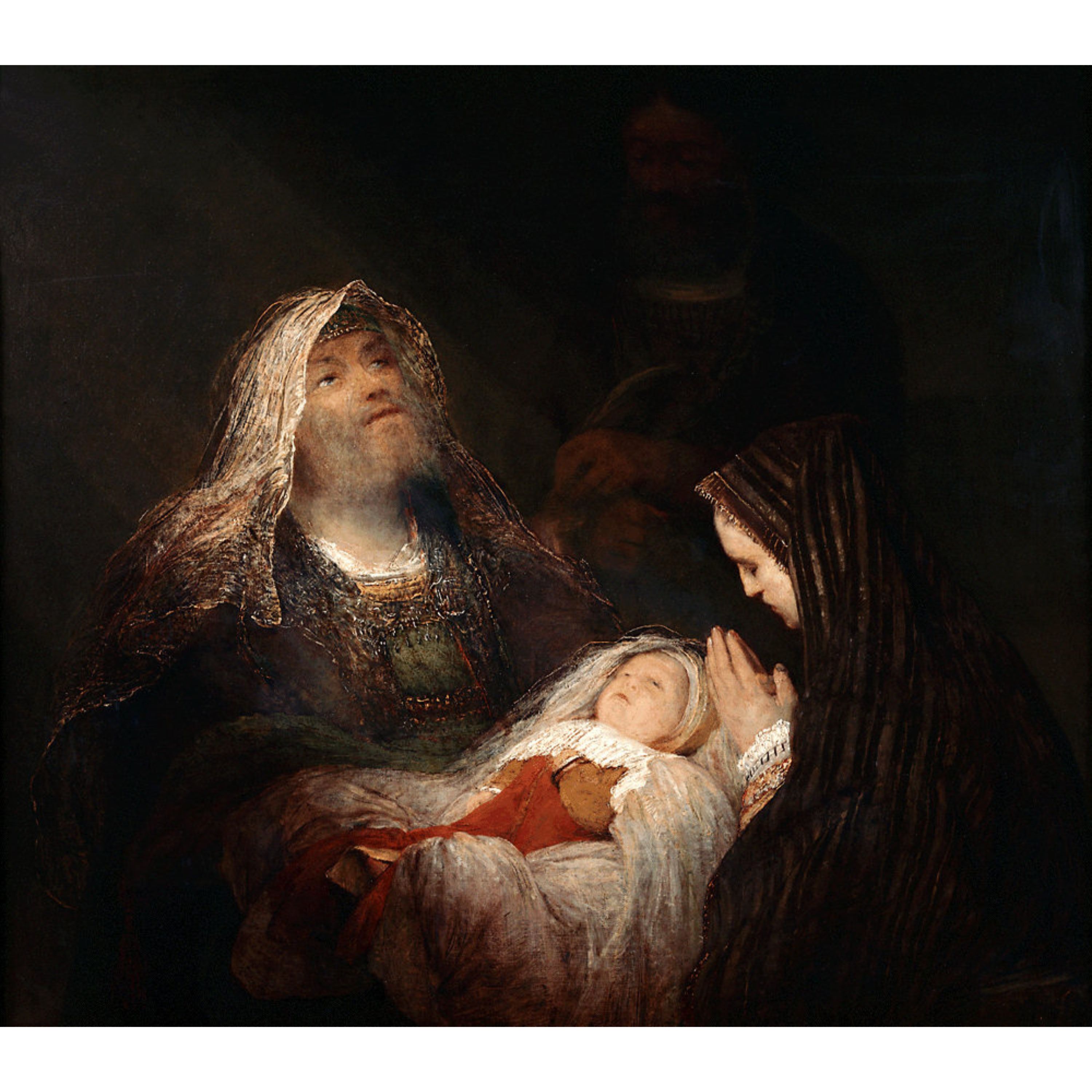 Trailer, series 2 • What to expect (updated). | Regular episode • Trailer • Trailer, series 2 • What to expect (updated).© 20 26 The Rise of the Protestants., Author, Shaughan Holt.Welcome, and thank you for joining me for series 2.In this podcast, we examine the emergence of Protestantism, its challenge to established traditions, its transformation of key beliefs, and its global impact.At the heart of our story are England’s Nonconformist and Separatist movements, and we’ll show why they matter in the wider Christian tradition.We examine how these movements changed Christian beliefs, shaped Western Christianity, and deepened the divide between Roman Catholicism and the new Protestant groups. Our journey unfolds chronologically, beginning in early 1500s Germany, where Martin Luther is cast out of the church, and concluding a century later, along the southern shores of England.Each episode, begins and ends with a short piece of music, that is relevant to the content presentedA complete transcript, also accompanies every episode.This series does not seek to persuade or promote any particular belief.Instead, the objective is to examine the events, ideas, and conflicts that shaped a pivotal period in European religious history.Throughout the series, you’ll meet early Puritans, Nonconformists and Separatists.These individuals confronted a hostile society, endured persecution, and frequently risked their lives to uphold their beliefs.Their actions contributed, to the foundation of religious freedom and individual rights, that are widely valued today.In the first 12 episodes, we examined the contributions of figures such as Beza, Vermigli, Calvin, Tyndale, Knox, and Robert Browne, who is often referred to as the father of Congregationalism.The subsequent twelve episodes begin in 1585, a period when the Protestant movement, was encountering significant challenges in Holland.From this point, we trace the events leading to the execution of Mary Queen of Scots, and examine the narrative of another significant figure, Martin, who is frequently overlooked.These events move the story from the time of Queen Elizabeth, to the troubled reign of King James I, Mary's only son.In the third series, commencing in 1607, we examine the challenges encountered by Puritan Nonconformists, as they transition from Puritanism to Separatism, and ultimately migrate to newly established English Separatist communities in Holland and Europe.Artwork • Simeon's Song of Praise by Aert de Gelder, around 1700–1710.This Dutch Baroque oil painting on canvas is now part of the Mauritshuis collection in The Hague.It shows the moment when the elderly Simeon recognises the infant Jesus as the Messiah.The painting depicts the biblical story from the Gospel of Luke, in which the prophet Simeon holds the infant Jesus in the temple and sings a song of praise.The Mauritshuis is internationally renowned for its distinguished collection of paintings by Dutch and Flemish artists from the period of Rembrandt and Vermeer.Music: The Nunc Dimittis, also known as, 'Now lettest thou depart,' was composed by Orlando Gibbons (1583-1625).This piece is featured in, 'The Best of Choral and Organ Works' by the Oxford Camerata. It is also called the Song or Canticle of Simeon. This canticle comes from the second chapter of the Gospel of Luke, verses 29 - 32.© 20 26 The Rise of the Protestants., Author, Shaughan Holt."All rights reserved. No part of this podcast may be reproduced, translated, distributed, or transmitted in any form or by any means, including photocopying, recording, or other electronic or mechanical methods, without the prior written permission of the copyright holder, except in the case of brief quotations embodied in critical reviews and certain other non-commercial uses permitted by copyright law". Requests regarding translation, licensing, or republication should be directed to: sholt@nashcom.co.ukYour feedback matters, send me an email at sholt@nashcom.co.uk, with any comments, suggestions, or criticisms.I read every message. | — | ||||||
| 12/31/24 |  Trailer, series 1 • What to expect. (updated). | © 20 26 The Rise of the Protestants., Author, Shaughan Holt.Hello, and welcome.This podcast looks at the rise of Protestantism, how it challenged old traditions, changed core beliefs, and started a transformation that changed the world.At the heart of this story are England’s Nonconformist and Separatist movements, whose influence echoes throughout the broader Christian tradition.By looking at these movements in the broader context of Christian history, we can see how they changed doctrine, shaped Western Christianity, and deepened the lasting split between Roman Catholicism and the new Protestant groups.This series follows a chronological timeline, beginning in early 16th-century Germany with Martin Luther’s excommunication, and concluding a century later, on England’s southern coast.Each episode starts and ends with a short piece of music, that fits its theme.A complete transcript accompanies each episode for your reference.The series does not seek to persuade listeners, or advocate, for any particular belief system.Instead, it aims to explore the events, ideas, and conflicts that shaped one of the most important times in European religious history.Throughout the series, the determination and conviction of early Puritans, Nonconformists, and Separatists are highlighted.These individuals challenged prevailing norms, endured persecution, and frequently risked their lives for their beliefs.Their courage, contributed to the foundation of religious freedom, and individual rights that are widely valued today.The first 12-episode series, highlights the contributions of figures such as Beza, Vermigli, Calvin, Tyndale, Knox, and Robert Browne, who is frequently referred to as the father of Congregationalism.The second 12-episode series begins in 1585, when the Protestant crusade in Holland begins to fall apart.From there, we follow the events, leading to the execution of Mary Queen of Scots, and discover the story of another important, though often overlooked Martin.These events take us from the reign of Elizabeth the First into the turbulent rule of King James, Mary’s only son.The third series, commencing in 1607, examines the struggles of Puritan Nonconformists as they transition from Puritanism to Separatism, and ultimately, migrate, to the emerging English Separatist communities, in Holland and Europe.The featured artwork, is Exsurge Domine, which translates as 'Arise, O Lord'.It is the cover page of the Papal Bull, made public, on 15 June 1520, by Pope Leo X.The document was promulgated, in response to Martin Luther's teachings, which conflicted with the Catholic Church's doctrines.The musical selection featured is, "Dies Irae", which means, The Day of Wrath.This piece is a Medieval Latin poem, most recognised for its use in the Roman Rite Requiem, for the Dead, and funeral Mass.© 20 26 The Rise of the Protestants., Author, Shaughan Holt."All rights reserved. No part of this podcast may be reproduced, translated, distributed, or transmitted in any form or by any means, including photocopying, recording, or other electronic or mechanical methods, without the prior written permission of the copyright holder, except in the case of brief quotations embodied in critical reviews and certain other non-commercial uses permitted by copyright law". Requests regarding translation, licensing, or republication should be directed to: sholt@nashcom.co.ukYour feedback matters, send me an email at sholt@nashcom.co.uk, with any comments, suggestions, or criticisms.I read every message. | — | ||||||
Showing 25 of 33
Pitch Fit is a Pro feature
See how bookable this show is for guests, which brands already advertise, the per-episode ad value, and the best-fit guest and sponsor profile. The numbers are blurred on the free plan.
How readily this show books outside guests like you.
How proven this show is for host-read sponsorships.
For Guests
ProFor Advertisers
ProUpgrade to Pro to unlock guest cadence, sponsor categories, fit scores, and per-episode ad value for this show.
Chart Positions
1 placement across 1 market.
Chart Positions
1 placement across 1 market.