
Insights from recent episode analysis
Audience Interest
Podcast Focus
Publishing Consistency
Platform Reach
Insights are generated by CastFox AI using publicly available data, episode content, and proprietary models.
Total monthly reach
Estimated from 3 chart positions in 3 markets.
By chart position
- 🇺🇸US · Careers#19300K to 1M
- 🇨🇦CA · Careers#46100K to 300K
- 🇫🇷FR · Careers#9710K to 30K
- Per-Episode Audience
Est. listeners per new episode within ~30 days
123K to 399K🎙 Daily cadence·18 episodes·Last published 3d ago - Monthly Reach
Unique listeners across all episodes (30 days)
410K to 1.3M🇺🇸75%🇨🇦23%🇫🇷2% - Active Followers
Loyal subscribers who consistently listen
164K to 532K
Market Insights
Platform Distribution
Reach across major podcast platforms, updated hourly
Total Followers
—
Total Plays
—
Total Reviews
—
* Data sourced directly from platform APIs and aggregated hourly across all major podcast directories.
On the show
Recent episodes
When Procedures Don’t Match Reality
May 26, 2026
Unknown duration
Trailer: Episode 16 “When Procedures Don’t Match Reality”
May 26, 2026
Unknown duration
Trailer: Episode 15 - When Safety Depends on Heroes
May 2, 2026
Unknown duration
When Safety Depends on Heroes
May 2, 2026
Unknown duration
When the Expert Becomes Untouchable: Authority vs. Challenge
Apr 18, 2026
Unknown duration
Social Links & Contact
Official channels & resources
Official Website
Login
RSS Feed
Login
| Date | Episode | Description | Length | ||||||
|---|---|---|---|---|---|---|---|---|---|
| 5/26/26 | 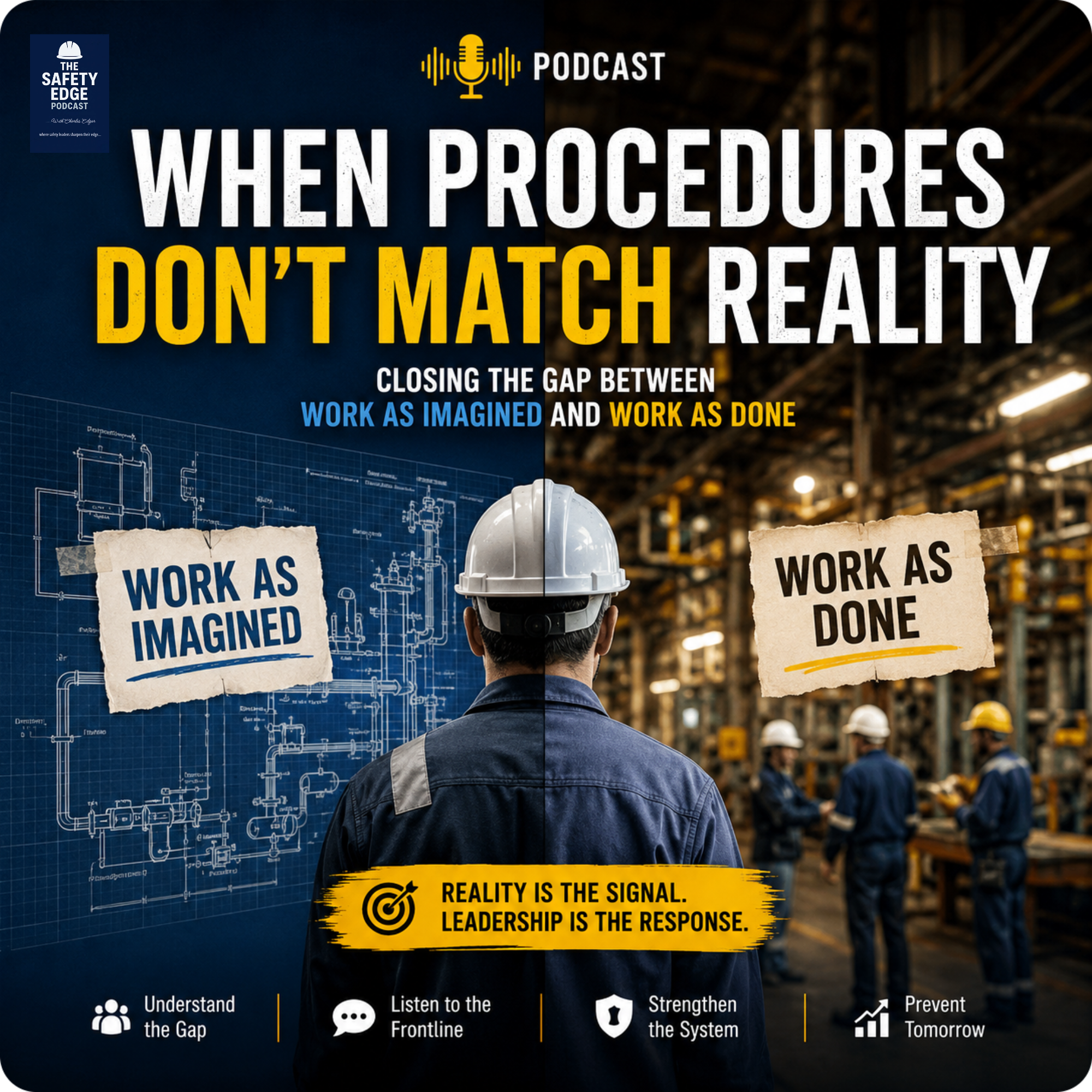 When Procedures Don’t Match Reality | When Procedures Don’t Match Reality | Work as Imagined vs. Work as DoneWhy do experienced workers sometimes adapt procedures or create unofficial ways of getting the job done?In this episode, we explore the gap between Work as Imagined and Work as Done — one of the most important concepts in modern safety and operational leadership.Procedures are designed to create consistency and control. But when operational realities change and systems fail to adapt, frontline workers often develop hidden adaptations just to keep work moving.The danger is not always the adaptation itself.The real risk begins when organizations stop learning from those adaptations.In this episode, we discuss:Why procedures lose credibility when they ignore operational realityHow organizational drift becomes normalizedWhy hidden adaptations are signals, not just rule violationsThe danger of blaming workers instead of understanding the systemHow psychologically safe conversations improve learningThe role of frontline supervisors in identifying weak signals before incidents occurHow proactive organizations strengthen what is working before failure happensKey TakeawaysGap between work as imagined and work as doneAdaptations create invisible riskChapters00:00 The Gap Between Procedure and Reality06:10 Normalized Deviance and System Design12:10 Normalization and Organizational DriftThis episode is valuable for:✔ Frontline Supervisors✔ Safety Professionals✔ Operations Leaders✔ HSE Managers✔ Industrial Workers✔ Leadership Teams focused on operational excellenceIf this episode resonated with you, share it with your team, and start the conversation about where work as imagined may no longer match work as done. Because sometimes, the conversations that prevent the next incident begin with a simple moment of reflection.#SafetyCulture #IndustrialSafety #Leadership #FrontlineLeadership #HSE #OperationalExcellence #HumanFactors #WorkAsDone #SafetyLeadership #ProcessSafety #WorkplaceSafety #LearningCulture #RiskManagement #OilAndGas #Manufacturing | — | ||||||
| 5/26/26 |  Trailer: Episode 16
“When Procedures Don’t Match Reality” | The conversation explores the gap between how work is imagined and how work is actually done, highlighting the unexamined risks in safety leadership. Charles Ebger, the safety leadership coach, introduces the concept of the safety edge and its importance in safety leadership.TakeawaysGap between imagined work and actual workImportance of the safety edge in safety leadershipChapters00:00 The Illusion of Control | — | ||||||
| 5/2/26 |  Trailer: Episode 15 - When Safety Depends on Heroes | When safety relies on heroes, the system is already under strain.This episode explores why repeated “save the day” moments often signal deeper gaps, and how strong individuals can unintentionally mask risk instead of removing it.The shift is simple but powerfulStop asking who fixed itStart asking why it needed fixingThat is the Edge | — | ||||||
| 5/2/26 | 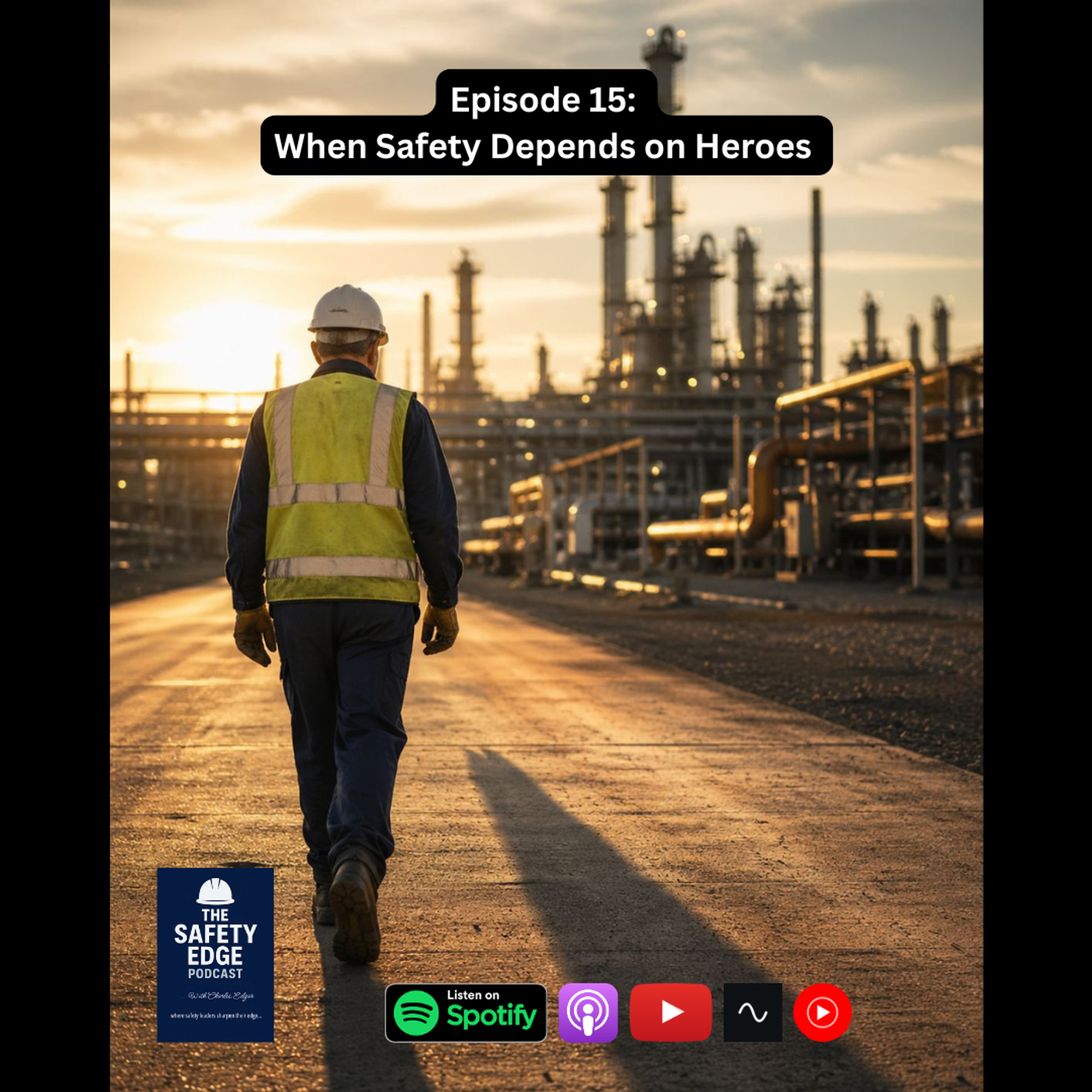 When Safety Depends on Heroes | The conversation explores the tension between individual efforts and system strength in the context of safety. It emphasizes the value of heroic effort but highlights the fragility of safety when it depends solely on individuals. The key focus is on building strong systems that reduce dependency on individuals and sustain safety through consistency.TakeawaysHeroic effort is valuable, but it's not a control measure.Consistency, not brilliance, is what sustains safety.Strong systems are designed to reduce dependency on individuals.Chapters00:00 The Moment of Choice: System Strength vs. Individual Efforts | — | ||||||
| 4/18/26 |  When the Expert Becomes Untouchable: Authority vs. Challenge | In high-stakes environments, experience is often trusted without question. But what happens when expertise goes unchallenged?In this episode, we take you inside a control room where a familiar situation unfolds. The senior engineer recognizes a pattern and moves quickly to act. The team follows. No hesitation. No discussion.But beneath the surface, something else is happening.Subtle signals. Unspoken concerns. Assumptions left untested.This episode explores the hidden risk not of expertise itself, but of untested expertise—and how easily teams can slip into silent alignment when confidence goes unquestioned.We unpack:Why experience can create blind spotsHow deference to authority can silence critical thinkingThe role of leaders in slowing down decisions to test assumptionsHow simple questions can surface risk before it escalatesAt the heart of it is a powerful shift:Not from trusting expertise… but from testing it together.Because when the expert becomes untouchable, the system becomes vulnerable.And in that moment—when someone chooses to ask the question that sparks curiosity—that is the edge. | — | ||||||
| 4/17/26 |  Trailer: When the Expert Becomes Untouchable | This episode explores the hidden risk not of expertise itself, but of untested expertise—and how easily teams can slip into silent alignment when confidence goes unquestioned.We unpack:Why experience can create blind spotsHow deference to authority can silence critical thinkingThe role of leaders in slowing down decisions to test assumptionsHow simple questions can surface risk before it escalatesAt the heart of it is a powerful shift:Not from trusting expertise… but from testing it together.Because when the expert becomes untouchable, the system becomes vulnerable.And in that moment—when someone chooses to ask the question that sparks curiosity—that is the edge. | — | ||||||
| 4/4/26 | 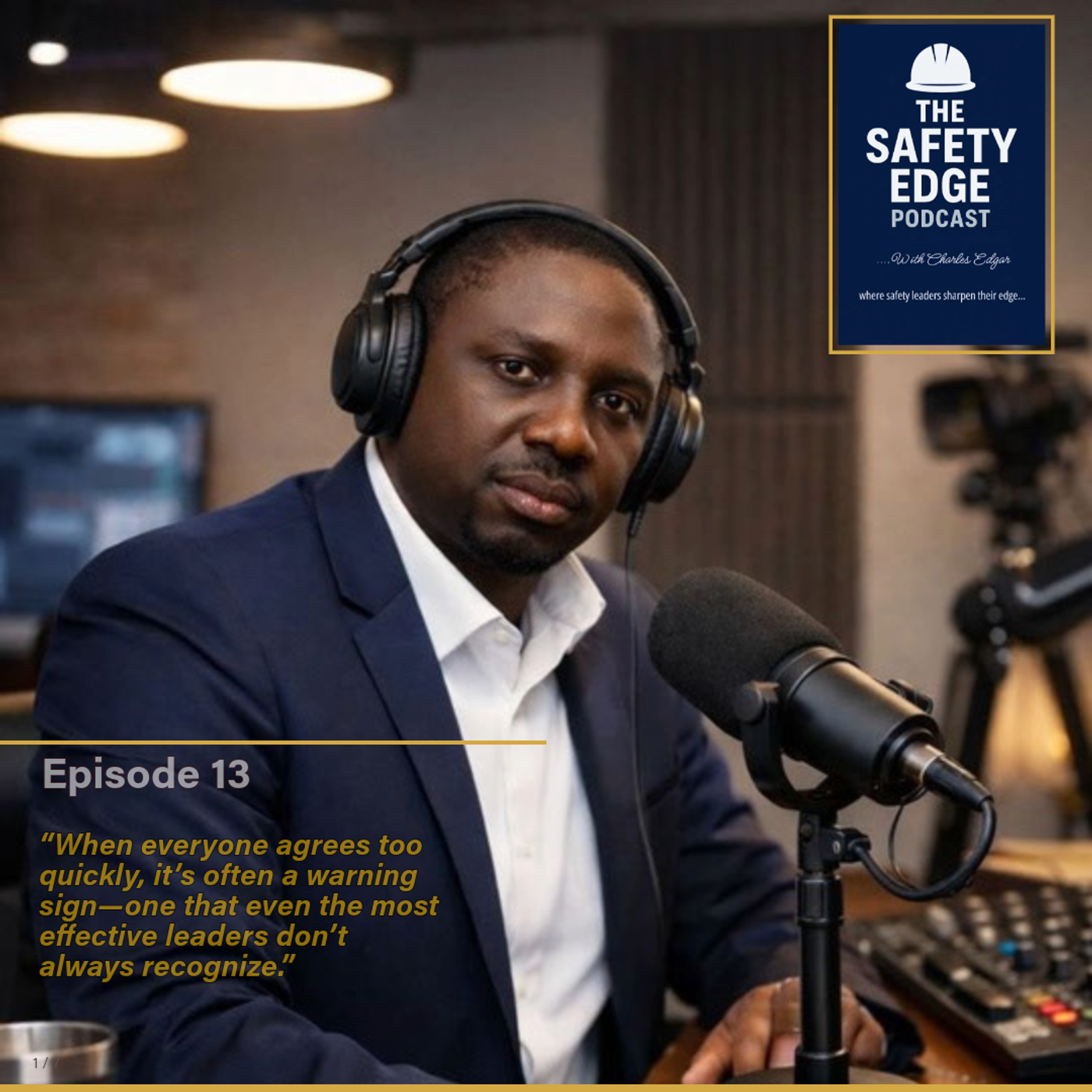 When Everyone Agrees Too Quickly | Do you often speak first in meetings?Have you considered how your influence might be quietly shaping agreement…., and potentially masking risk?In Episode 13 of my podcast, "When Everyone Agrees Too Quickly," I explore how authority bias, groupthink, and social proof can lead teams to agree with a supervisor during high-risk activities, without questioning the plan.The Problem:Authority Bias: Assuming the leader is always right.Groupthink: No one wants to be the one to disagree.Social Proof: If everyone agrees, it must be correct, right?The Solution:Encourage open dialogue and constructive dissent.Create a culture where questioning is welcomed.Recognize and address cognitive biases like authority bias, groupthink and social proof..The Takeaway:True alignment isn’t about agreeing quickly…, it’s about ensuring every voice is heard and every risk is considered.🎙️ Listen to Episode 13 to learn how to balance alignment with critical thinking on Spotify, Apple, YouTube, Riverside. ♻️ Repost this to help your network rethink the way they approach team alignment.Have you experienced groupthink or authority bias in your team? Share your thoughts below! | — | ||||||
| 3/22/26 |  Trailer: How Complacency Hides Risk | Most teams don’t ignore risk—they stop seeing it. Familiarity builds confidence, but it also erases awareness. What’s repeated becomes accepted… and what’s accepted becomes invisible.The problem isn’t rules—it’s perception. We adapt. We filter. We overlook what no longer stands out. The fix? Curiosity. Ask: What have we gotten used to? Because you can’t manage a risk you no longer see.🎙️ In this episode of The Safety Edge Podcast, I explore how teams lose sight of risk, and how leaders can make it visible again.If you lead in a high-risk environment, this one will challenge how you think about safety. | — | ||||||
| 3/21/26 |  How Complacency Hides Risk | In this episode of The Safety Edge Podcast, we explore how familiarity—often mistaken for confidence—can quietly erode risk awareness in high-risk operations. Through a realistic operational scenario, we examine how experienced teams can stop seeing hazards that have become “normal,” and why small deviations often go unchallenged. Discover why traditional rules and audits aren’t enough, how curiosity and simple questions can restore awareness, and how safety leaders can create environments where risk is visible, understood, and actively managed. | — | ||||||
| 3/7/26 |  When Experience Becomes the Risk | In this episode of The Safety Edge Podcast, we dive into a critical but often overlooked leadership challenge: how experience can sometimes increase risk rather than reduce it. Through a compelling workplace scenario, we explore the subtle ways that overconfidence, routine, and performative safety behaviors can quietly erode psychological safety, weaken trust, and limit real learning—even among highly experienced operators.Host Charles Edgar, a seasoned HSE leader with 25+ years in the global energy industry, unpacks strategies for leaders to balance experience with vigilance, foster authentic safety conversations, and cultivate a culture where learning is continuous and engagement is genuine.🎯 Key Takeaways:How experience can create blind spots and unsafe assumptionsRecognizing performative safety behaviors versus authentic accountabilityBuilding trust and psychological safety for all team membersPractical coaching strategies to prevent complacencyIf you’re a safety professional, frontline leader, or anyone invested in creating high-reliability teams, this episode will challenge how you think about experience, risk, and influence in the workplace.🔗 Listen now and join the conversation on proactive safety leadership! Follow for more - https://www.thesafetyedgeplatform.org/ | — | ||||||
Want analysis for the episodes below?Free for Pro Submit a request, we'll have your selected episodes analyzed within an hour. Free, at no cost to you, for Pro users. | |||||||||
| 3/6/26 |  SEASON 3: Expertise, Authority, and Group Dynamics | When does expertise stop protecting us?In high-risk industries like oil and gas, construction, and complex operations, experience is often seen as the ultimate defense. But authority, reputation, and group dynamics can create blind spots that affect safety decisions and culture.This season explores how overconfidence, authority gradients, and team dynamics influence safety, using real workplace scenarios and leadership insights. You’ll learn why strong safety performance depends not just on expertise, but on humility, disciplined systems, open communication, and psychological safety.Season 3 is for safety leaders, managers, and professionals who want to move beyond compliance and strengthen real-world safety outcomes. | — | ||||||
| 2/14/26 |  When Safety Conversations Become Performative | Authentic Leadership & Psychological Safety | In this episode of The Safety Edge Podcast, we explore how safety conversations can shift from genuine engagement to performative leadership. Through a real-world workplace scenario, we unpack the hidden risks of compliance-driven dialogue, the pressure to “look safe,” and how performative behaviors quietly erode psychological safety and weaken safety culture.We dive into why authentic safety conversations are critical for building trust, fostering engagement, and driving lasting safety performance. Whether you’re a safety leader, manager, or part of a high-risk team, this episode will help you recognize when safety dialogue becomes performative and how to restore authenticity to your workplace conversations.Key takeaways:How performative behaviors undermine real safety improvementSigns your team may be “performing” safety rather than practicing itPractical ways to foster psychological safety and honest feedbackThe leadership shift from appearance to authenticityTune in and learn how authentic leadership and meaningful dialogue can transform your safety culture and create environments where people truly speak up, learn, and grow.Keywords: safety conversations, performative leadership, psychological safety, safety culture, authentic leadership, safety podcast, workplace safety | — | ||||||
| 2/7/26 |  The Door Was Open, But the Space Wasn’t: Psychological Safety, Speaking Up & Safety Leadership | When leaders appear approachable but fail to create real space, silence can replace trust. In this episode of The Safety Edge Podcast, Charles Sampson explores psychological safety, speaking up at work, and safety leadership, showing how to build trust, dialogue, and engagement in high-risk workplaces. | — | ||||||
| 1/31/26 |  When Leaders Don’t Hear the Bad News | The episode explores the dilemma of speaking up in a culture of silence, where leaders face the challenge of addressing safety concerns in an environment resistant to bad news. It delves into the impact of coaching-based leadership and the strategies for creating a culture of trust and truth.TakeawaysCoaching-based leadership approachSilence as a response to conditionsChapters00:00 Insights and Reflections | — | ||||||
| 1/24/26 |  When Speaking Up Feels Riskier Than Staying Silent | In this episode, we explore the high-stakes dilemma faced by leaders when speaking up feels riskier than staying silent. We delve into the psychological dynamics of silence as a choice and the impact of leadership response on psychological safety. The coaching lens is applied to navigate the dilemma, emphasizing the importance of creating a safe space for honesty, voice, and learning.TakeawaysSilence as a choiceLeadership response shapes psychological safetyChapters00:00 The High-Stakes Dilemma06:11 Unpacking the Dilemma21:23 Coaching Lens32:49 Silence as a Choice | — | ||||||
| 1/17/26 |  When People Comply — But Don’t Speak Up | The podcast explores the impact of pressure on leadership, the power of silence, the role of psychological safety, and the importance of leadership signals in creating a culture of voice and contribution. It emphasizes the need to shift the conversation from blame to reflection and learning, and invites leaders to reflect on their organizational culture and make small changes to invite voice and contribution.TakeawaysLeadership under pressure impacts safety and judgment.Psychological safety and leadership signals play a crucial role in creating a culture of voice and contribution.Chapters00:00 Exploring Leadership Under Pressure08:27 The Importance of Silence16:01 The Impact of Hesitation21:51 Reflection and Action | — | ||||||
| 1/5/26 | 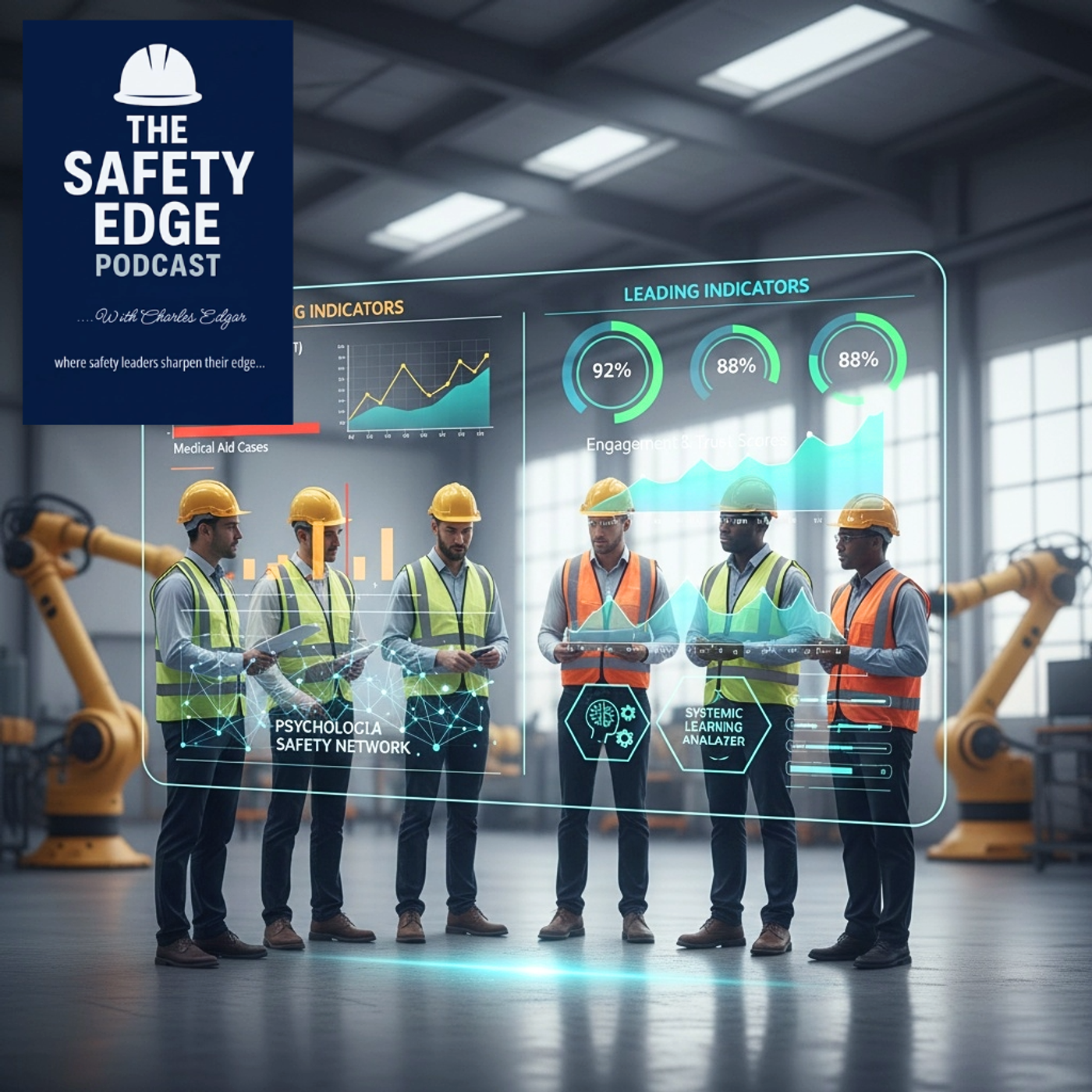 When Metrics Look Good but Risk Is Growing | Strong safety numbers feel reassuring — but they can also hide emerging risk.In Episode 5 of The Safety Edge, Charles Edgar explores how success can silence reporting, reduce learning, and create blind spots. Through live coaching dialogue, you’ll hear how reflective questions help leaders see beyond dashboards and restore awareness — without undermining performance.Reflection:What are your metrics not telling you? | — | ||||||
| 1/5/26 |  The Safety Edge Podcast Trailer | The Safety Edge podcast explores the leadership dilemmas faced by safety leaders and the importance of adopting a coaching mindset. It emphasizes honest conversations, real scenarios, and practical coaching questions for safety professionals, supervisors, and leaders navigating complexity, uncertainty, and pressure.TakeawaysLeadership dilemmasAdopting a coaching mindsetChapters00:00 The Real Dilemmas of Safety Leaders | — | ||||||
| 1/4/26 | 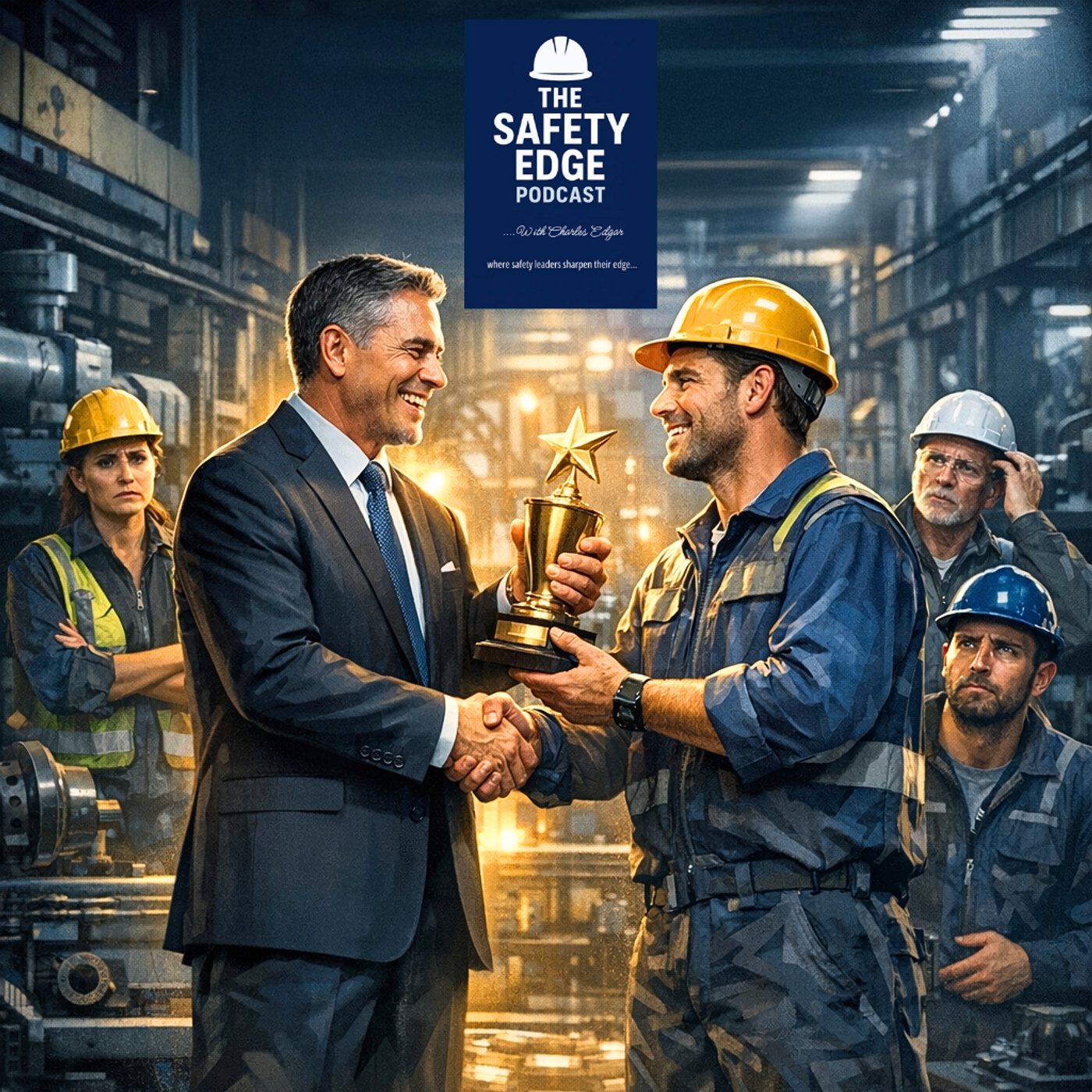 When Leaders Send Mixed Signals | What leaders say matters. But what they consistently reward matters more.In this episode of The Safety Edge Podcast, we explore how mixed leadership signals quietly shape culture — especially under pressure.Leaders often speak clearly about safety, learning, and speaking up. But when urgency rises, different behaviors get rewarded: speed over judgment, output over reflection, compliance over challenge. Teams notice — and they adapt.This episode examines the leadership dilemma between stated values and everyday reinforcement, and how a coaching mindset helps leaders realign behavior, restore trust, and strengthen culture when it matters most.🎧 Listen in to explore:Why rewarded behavior shapes culture more than stated valuesHow mixed signals erode trust and psychological safetyThe gap between leadership intent and leadership impactHow leaders can realign signals under pressure🎧 Listen now — and reflect on the signals your leadership sends when pressure is highest. | — | ||||||
| 1/4/26 | 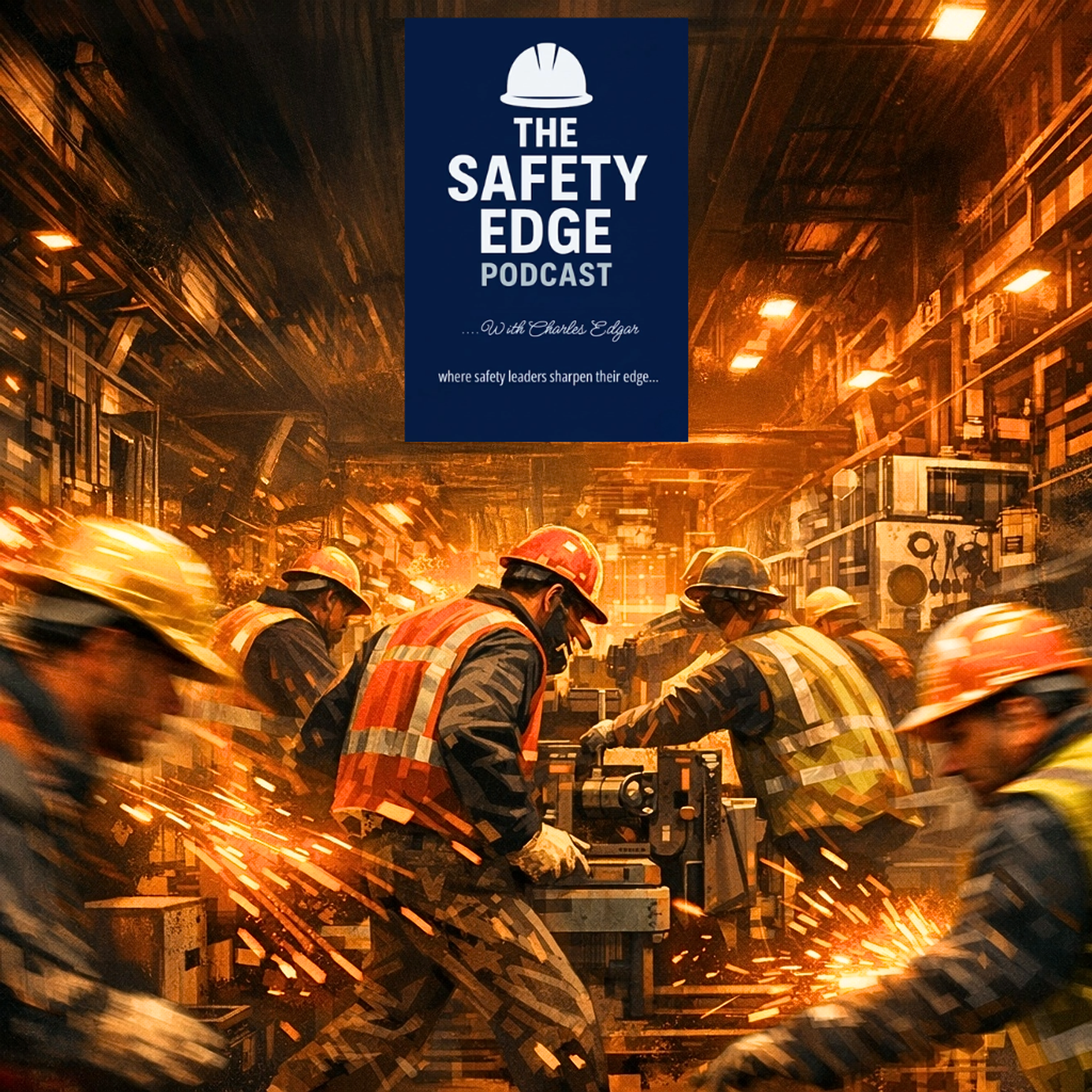 When Everyone Is Busy and No One Is Thinking | When pressure rises, activity often replaces attention.In this episode of The Safety Edge Podcast, we explore a high-potential near-miss and the leadership dilemma it creates:Do you move on because nothing happened — or do you pause and learn from what almost did?This episode examines how busyness compresses thinking, how assumptions go unchallenged under urgency, and why near-misses are signals — not interruptions.Through a coaching lens, we explore how leaders can slow the system just enough to protect judgment, turn recovery into prevention, and shape a culture that thinks under pressure.You’ll hear about:Why busyness is not neutralHow near-misses quietly build catastrophic riskThe leadership choice between momentum and reflectionWhy resilient organizations protect thinking under pressure🎧 Listen in — and reflect on how you respond when everything looks “under control.” | — | ||||||
| 1/4/26 | 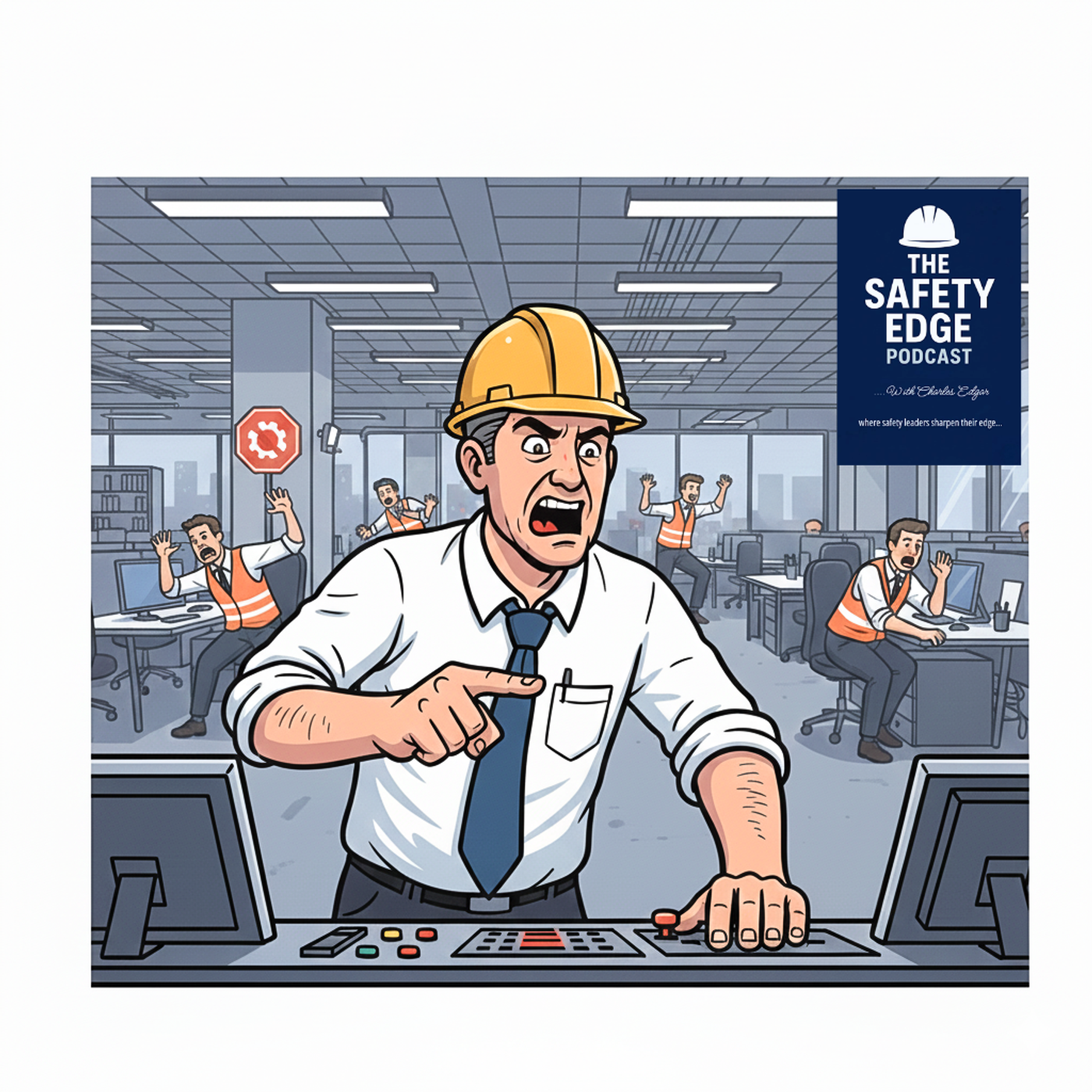 When Leaders React Instead of Respond | Pressure reveals leadership — especially in tense moments.In this episode of The Safety Edge Podcast, we explore what happens when leaders react instead of respond, and how the tension between emotion and regulation shapes safety, culture, and learning.Using a realistic operational scenario, we unpack how impulsive reactions can escalate stress and silence teams, while thoughtful, regulated responses open the door to insight, trust, and better decisions.This episode is for leaders navigating urgency, competing demands, and high-stakes environments — where a pause can make all the difference.You’ll hear about:Reacting vs. responding under pressureEmotional regulation in real-world operationsHow leadership behavior shapes culture long after the moment passes🎧 Listen in — and reflect on how you show up when emotions run high. | — | ||||||
| 1/4/26 | 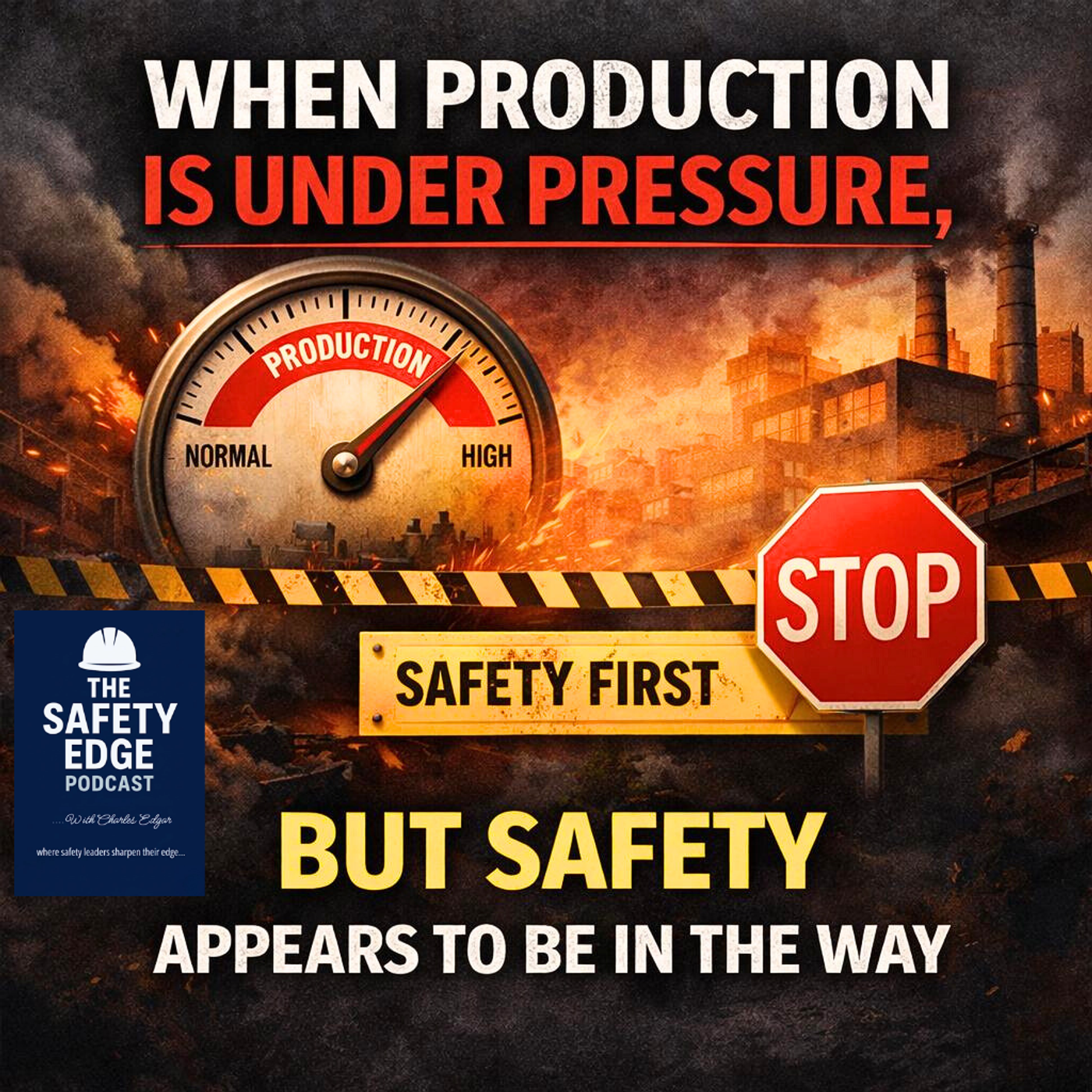 When Production Is Behind and Safety Is in the Way | When Production Is Behind and Safety Is in the WayProduction pressure is rising.The permit is approved.The paperwork is complete.But the thinking has quietly faded.In this first episode of The Safety Edge, Charles explores a real safety leadership dilemma: what to do when work is behind schedule and safety controls start to feel like obstacles.This episode examines:Why pressure is one of the most underestimated risk factorsHow compliance can exist without real risk awarenessWhy common safety responses often backfireHow a coaching mindset helps slow thinking — without stopping workYou’ll hear practical coaching questions safety leaders can use to restore awareness, ownership, and better decision-making under pressure.Key reflection:Where are people complying — but no longer really thinking? | — | ||||||
Showing 22 of 22
Sponsor Intelligence
Sign in to see which brands sponsor this podcast, their ad offers, and promo codes.
Chart Positions
3 placements across 3 markets.
Chart Positions
3 placements across 3 markets.