Why Some Dreams Feel Real – The Science of Vivid Dreaming
From The Science Behind Dreams by Audioboom
December 9, 2025 · 7 min · Episode 29
About this episode
This episode explores the science behind why some dreams feel intensely real and immersive.
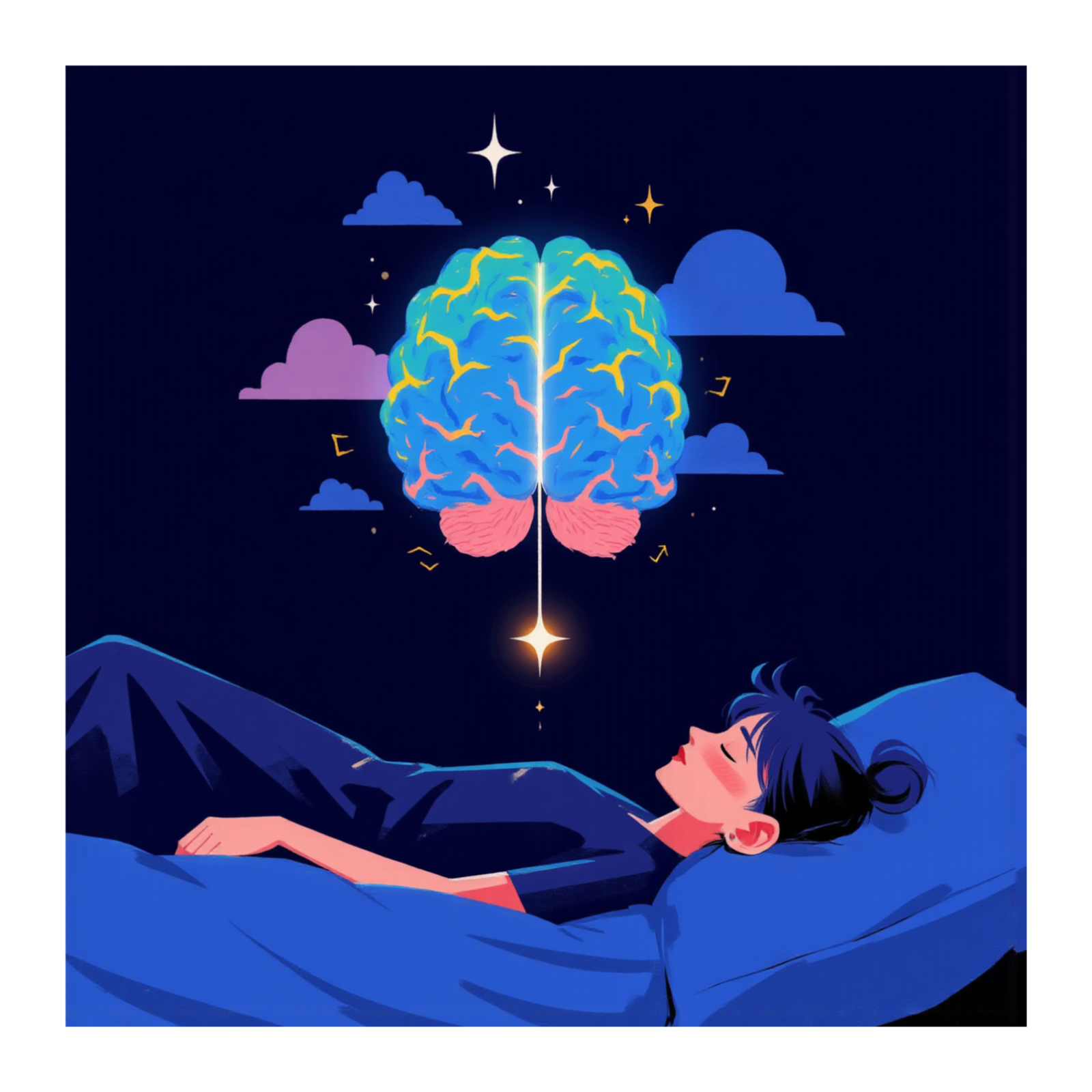
This episode explains why certain dreams feel intensely real, emotional, and immersive. During REM sleep—the stage where vivid dreaming occurs—the brain’s visual areas , emotional centers , and memory networks become highly active, while the logical prefrontal cortex partially shuts down. This creates the perfect illusion of reality: strong emotion, rich sensory detail, and lowered critical thinking. Vivid dreams often involve powerful emotions such as fear, love, desire, or grief. The brain recreates sights, sounds, textures, and movement without external input, making dream experiences feel lifelike. Memories also blend into dreams, giving them familiar settings or faces. Nightmares feel especially real because the amygdala intensifies fear. Lucid dreams and false awakenings can feel even more realistic, as consciousness enters the dream with heightened clarity. Stress, trauma, or major life transitions also increase dream intensity. In essence, dreams feel real because the brain treats them like real experiences—activating sensation and emotion while suspending logic—making the dream world vivid, believable, and unforgettable.
Topics covered
- vivid dreaming
- REM sleep
- brain activity
- emotions
- nightmares
- lucid dreams
Keywords
- vivid dreams
- REM sleep
- brain
- emotions
- nightmares
- lucid dreams
- fear
- memory
More episodes of The Science Behind Dreams
- Dreams as Messages – When the Mind Speaks in Symbols · January 21, 2026 · 7 min
- Dreams and Identity – Who We Are When We Sleep · January 15, 2026 · 7 min
- Stress Dreams – When the Mind Can’t Put Down the Weight · January 7, 2026 · 8 min
- Reconnecting with Your Dreams – Restoring the Lost Conversation · December 31, 2025 · 6 min
- When Dreams Go Silent – Why Some People Stop Remembering Dreams · December 23, 2025 · 6 min
- Shared Dreams – When Minds Seem to Meet in Sleep · December 15, 2025 · 7 min
Explore listener stats, chart rankings, contacts and more on the The Science Behind Dreams podcast page.