Insights from recent episode analysis
Audience Interest
Podcast Focus
Publishing Consistency
Platform Reach
Insights are generated by CastFox AI using publicly available data, episode content, and proprietary models.
Most discussed topics
Brands & references
Total monthly reach
Estimated from 1 chart position in 1 market.
By chart position
- 🇺🇸US · Education#9330K to 100K
- Per-Episode Audience
Est. listeners per new episode within ~30 days
9K to 30K🎙 Daily cadence·83 episodes·Last published 5d ago - Monthly Reach
Unique listeners across all episodes (30 days)
30K to 100K🇺🇸100% - Active Followers
Loyal subscribers who consistently listen
12K to 40K
Market Insights
Platform Distribution
Reach across major podcast platforms, updated hourly
Total Followers
—
Total Plays
—
Total Reviews
—
* Data sourced directly from platform APIs and aggregated hourly across all major podcast directories.
On the show
From 17 epsHost
Recent guests
Recent episodes
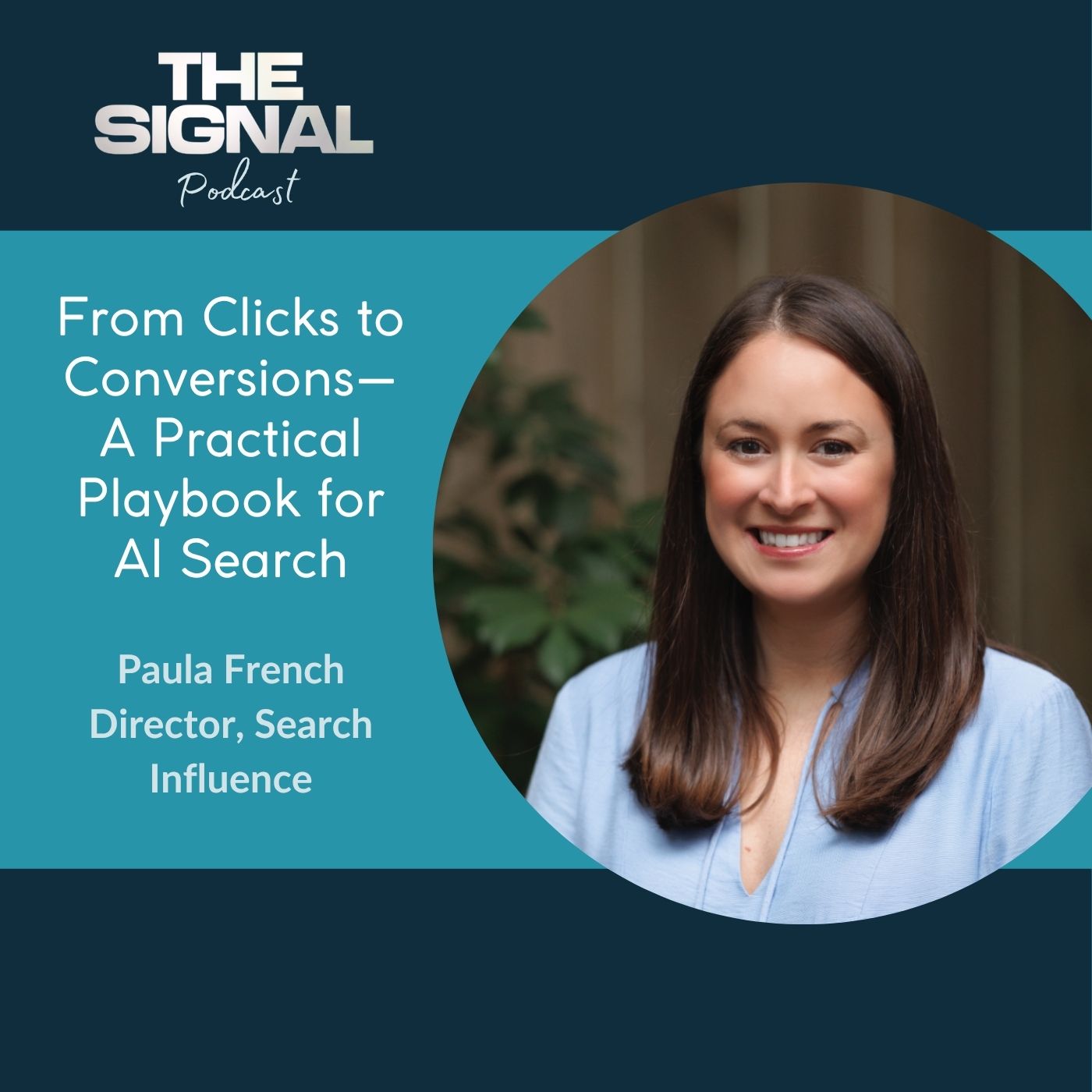
Ep. 92 - Paula French: From Clicks to Conversions—A Practical Playbook for AI Search
Jun 19, 2026
Unknown duration
Ep. 91 - Mallory Willsea: Activity vs. Strategy—Why Higher Ed Marketing Measures the Wrong Things
Jun 12, 2026
31m 34s
Ep. 90 - Haley Platt: Breaking the Information Barrier: How First-Gen Students Navigate College
Jun 5, 2026
30m 36s
Ep. 89 - Leslie Weller: How AI Site Search Turns Student Discovery Into a Competitive Advantage
May 29, 2026
31m 49s
Ep. 88 - Brian Clark: Building RISD's Digital Future at Scale
May 22, 2026
30m 08s
Social Links & Contact
Official channels & resources
Official Website
Login
RSS Feed
Login
| Date | Episode | Topics | Guests | Brands | Places | Keywords | Sponsor | Length | |
|---|---|---|---|---|---|---|---|---|---|
| 6/19/26 | ![]() Ep. 92 - Paula French: From Clicks to Conversions—A Practical Playbook for AI Search | Your traffic is down. Your inquiries are flattening. But your applications haven't dropped. What's happening? The front door just moved—and most higher ed marketers haven't noticed. In this episode, Jeff Dillon welcomes Paula French, Director of Sales and Marketing at Search Influence, a digital marketing agency with more than 16 years of experience helping institutions stay visible online. Paula co-authored a groundbreaking study with UPCEA titled AI Search in Higher Education: How Prospects Search in 2025, and the findings are reshaping how colleges should think about discovery, trust, and ROI. Paula shares the data: one in three prospects now trusts AI tools for program search, 79% are reading Google's AI overviews, and more than half say they trust institutions cited there. But here's the catch—those prospects are showing up to your website already informed, which means they never registered as a click or an inquiry. The metrics marketers have relied on for two decades are breaking down. The good news? AI has the power to connect students with niche programs in ways Google never could. Paula walks through real examples—including how Tufts University recovered lost traffic by optimizing for AI—and offers a practical six-month playbook for institutions with limited budgets. She also tackles the hard questions: Where should you focus when you're spread thin? How do you measure success when the funnel is no longer a funnel? And why Q&A sections might be the "easy button" for AI visibility. For any enrollment marketer, digital strategist, or institutional leader trying to make sense of a post-AI search landscape, this episode is required listening. Key Takeaways AI Search Is Mainstream, Not Fringe: One in three prospects now trusts AI tools for program search, and 50% are using AI as part of their search process. This isn't early adoption anymore—it's the new normal. 79% of Prospects Are Reading Google's AI Overviews: And more than half say they trust institutions cited in those overviews. If your institution isn't being cited, you're not even in the consideration set. Your Traffic Will Drop—But That Doesn't Mean Interest Dropped: Prospects are showing up to your website already informed. They never registered as a click or an inquiry. Marketers who rely on top-of-funnel metrics alone will panic unnecessarily. AI Search Is SEO Plus, Not a Replacement: Everything you're doing for organic search helps AI visibility, and everything you do for AI helps organic rankings. It's a layering effect, not a channel shift. Focus on 1–5 Programs: Spreading yourself thin across dozens of programs is a losing strategy. Institutions that focus on a small set of programs, build a repeatable playbook, and execute consistently will see movement much faster. Consistency Across Channels Creates Patterns AI Can Read: If you talk about a program four different ways across your website, LinkedIn, and YouTube, AI will have a blurry picture. If you say the same thing consistently, AI learns to repeat it back to users. The Tufts Example: Recovering Traffic Through AI Optimization: Tufts recovered lost traffic by (1) writing content more directly for AI with clear program descriptions at the top of the page, and (2) adding detailed Q&A sections that answered the nuanced questions prospects are asking AI engines. Q&A Is the "Easy Button" for AI Visibility: When you write in Q&A format, you're forced to get detailed about what prospects are actually asking. AI engines expect that level of detail now—high-level content won't cut it. AI Can Connect Niche Programs That Google Never Could: People are now having highly specific, conversational search... | — | ||||||
| 6/12/26 | ![]() Ep. 91 - Mallory Willsea: Activity vs. Strategy—Why Higher Ed Marketing Measures the Wrong Things✨ | higher education marketingdigital marketing+4 | Mallory Willsea | Higher Ed IconsHigher Ed Pulse Podcast | St. Michael's College | higher educationmarketing strategy+6 | — | 31m 34s | |
| 6/5/26 | ![]() Ep. 90 - Haley Platt: Breaking the Information Barrier: How First-Gen Students Navigate College✨ | first-generation studentscollege navigation+3 | Haley Platt | Síembra Mobile | — | first-generation studentscollege applications+5 | — | 30m 36s | |
| 5/29/26 | ![]() Ep. 89 - Leslie Weller: How AI Site Search Turns Student Discovery Into a Competitive Advantage✨ | AI in educationsite search+4 | Leslie Weller | SearchStaxThe Chronicle of Higher Education+1 | — | AI site searchstudent discovery+5 | — | 31m 49s | |
| 5/22/26 | ![]() Ep. 88 - Brian Clark: Building RISD's Digital Future at Scale✨ | digital governancehigher education+3 | Brian Clark | DrupalRhode Island School of Design | — | digital experiencecontent management+3 | — | 30m 08s | |
| 5/15/26 | ![]() Ep. 87 - Grant Greenwood: How to Automate What Actually Matters in Enrollment✨ | enrollment managemented tech+4 | Grant Greenwood | McMurry UniversityCardCapture | — | enrollmentAI hype cycle+5 | — | 35m 46s | |
| 5/8/26 | ![]() Ep. 86 - Arjun Arora: From Enterprise AI to Education—Why the Best Tech Solves Human Problems✨ | AI in educationstudent success+3 | Arjun Arora | Advisor AI | Fortune 500higher ed | AI solutionsstudent inquiries+3 | — | 31m 20s | |
| 5/1/26 | ![]() Ep. 85 - Jay Gonzalez: Guaranteeing ROI — How Curry College Is Reinventing the College Business Model✨ | higher educationcollege business model+4 | Jay Gonzalez | Curry CollegeNeurodiversity Center for Excellence+1 | — | ROIcollege degree+5 | — | 30m 27s | |
| 4/24/26 | ![]() Ep. 84 - Betheny Gross: The Real Opportunity for AI in Higher Education✨ | AI in higher educationstudent support+3 | Dr. Betheny Gross | STUWGU Labs | — | AIhigher education+5 | — | 28m 59s | |
| 4/17/26 | ![]() Ep. 83 - Mitchell Borges: Why Students Trust Strangers More Than Your University✨ | student trustsocial media influence+4 | Mitchell Borges | ASUCDUC Davis | — | student enrollmentInstagram+4 | — | 28m 39s | |
Want analysis for the episodes below?Free for Pro Submit a request, we'll have your selected episodes analyzed within an hour. Free, at no cost to you, for Pro users. | |||||||||
| 4/10/26 | ![]() Ep. 82 - Jaime Hunt: AI Is Not the Wild West, Higher Ed Needs a Strategy✨ | higher education marketingenrollment strategies+5 | Jaime Hunt | Solve Higher EdOld Dominion University+2 | — | higher educationmarketing+5 | — | 29m 06s | |
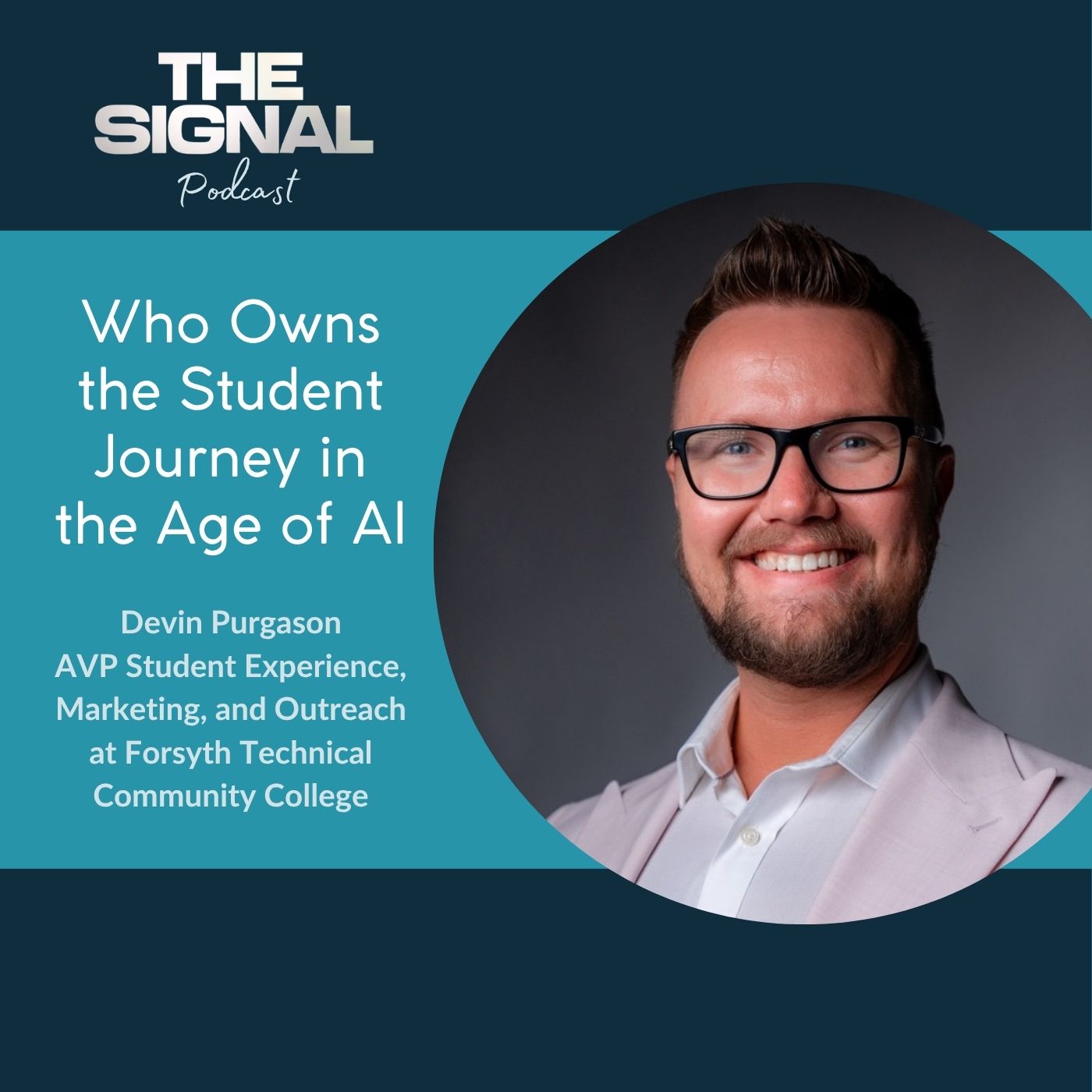
| 4/3/26 | ![]() Ep. 81 - Devin Purgason: Who Owns the Student Journey in the Age of AI✨ | student experiencecommunity colleges+3 | Devin Purgason | Forsyth Technical Community College | — | student journeycommunity colleges+3 | — | 27m 47s | |
| 3/27/26 | ![]() Ep. 80 - Higher Ed Is on Fire. We Need a Better Signal.✨ | higher educationtechnology+3 | — | The SignalEdTech Connect+1 | — | higher educationtechnology+3 | — | 6m 00s | |
| 3/20/26 | ![]() Ep. 79 - Valerie Fox: The New Front Door to Graduate Enrollment✨ | graduate enrollmenthigher education+4 | Val Fox | EABBose | — | graduate programsenrollment growth+5 | — | 31m 40s | |
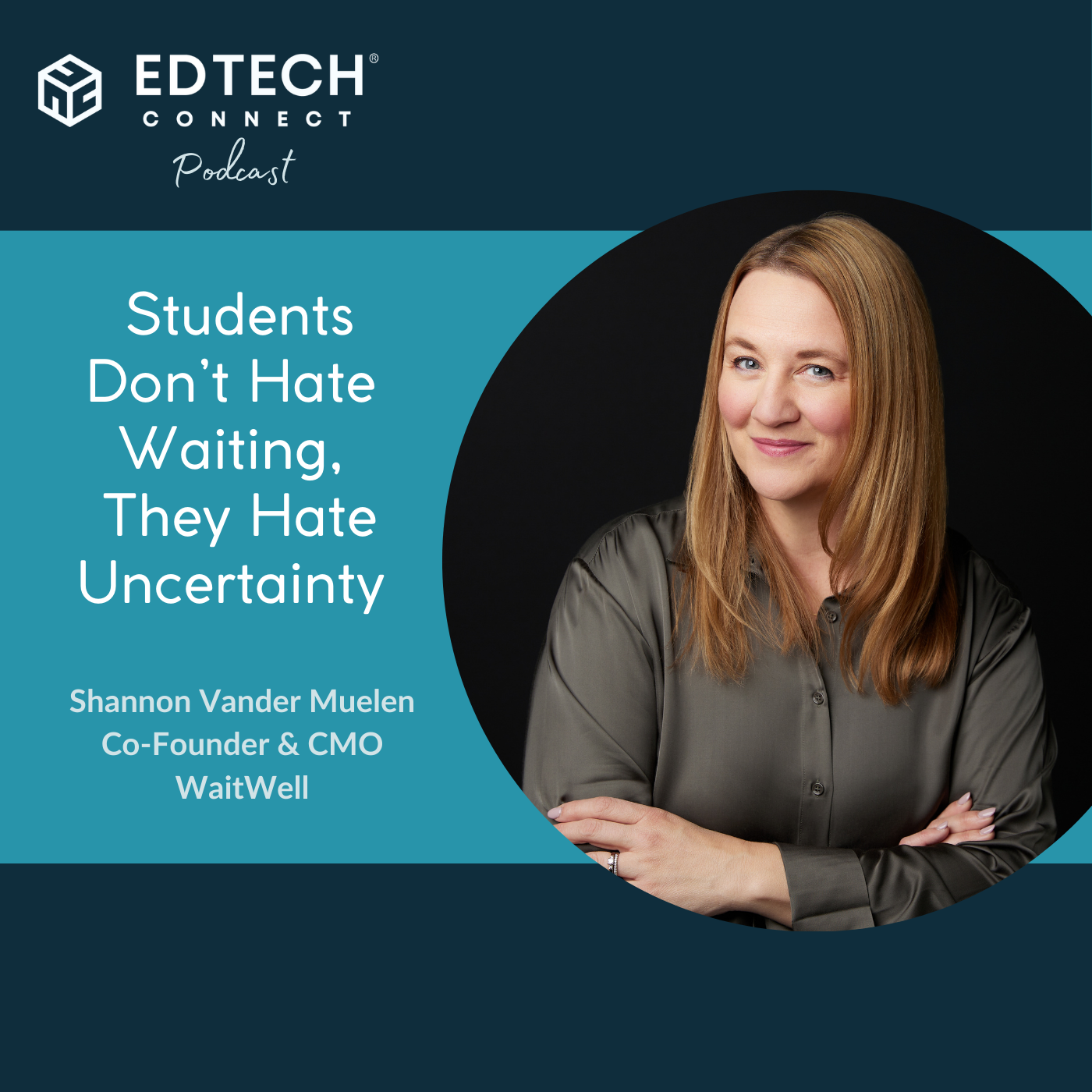
| 3/13/26 | ![]() Ep. 78 - Shannon Vander Muelen: Students Don’t Hate Waiting They Hate Uncertainty✨ | student servicestechnology in education+3 | Shannon Vander Meulen | WaitWell | — | waitingstudent affairs+3 | — | 25m 14s | |
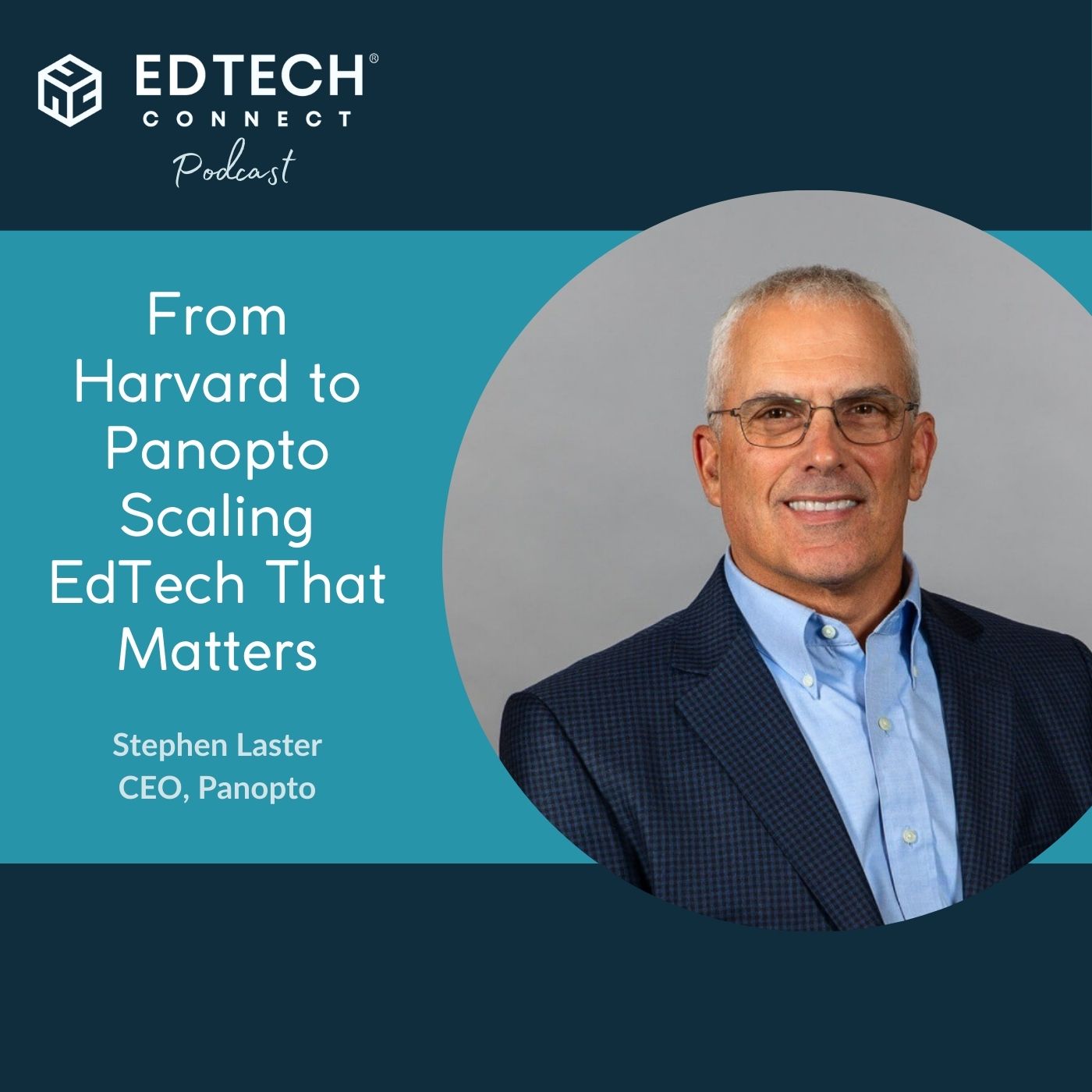
| 3/6/26 | ![]() Ep. 77 - Stephen Laster: From Harvard to Panopto - Scaling EdTech That Matters✨ | EdTechdigital education+4 | Stephen Laster | Apple IIPanopto+4 | — | dyslexiaAI in education+4 | — | 25m 16s | |
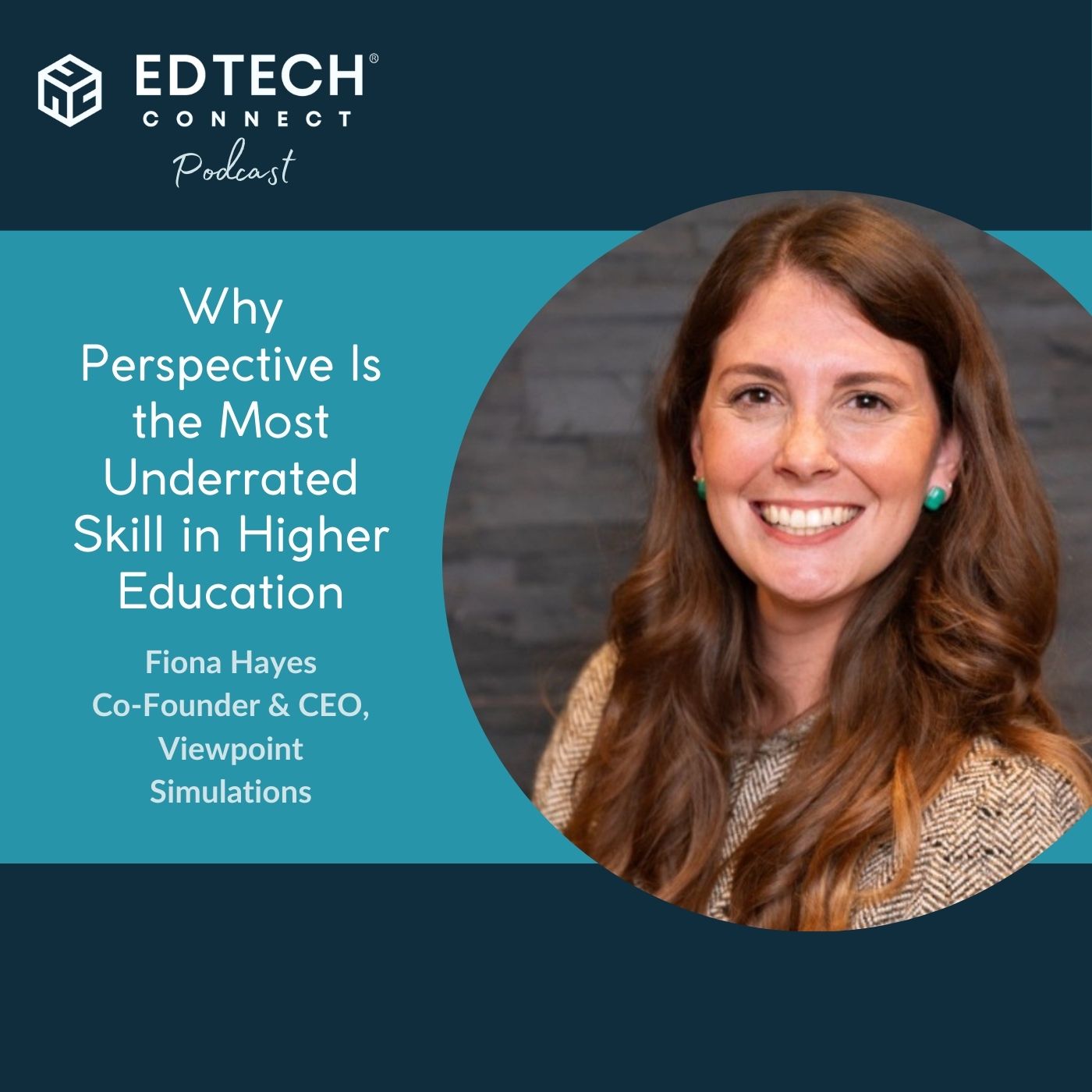
| 2/27/26 | ![]() Ep. 76 - Fiona Hayes: Why Perspective Is the Most Underrated Skill in Higher Education✨ | experiential learningedtech+4 | Fiona Hayes | Viewpoint SimulationsHarvard+2 | — | experiential learningedtech startup+5 | — | 21m 50s | |
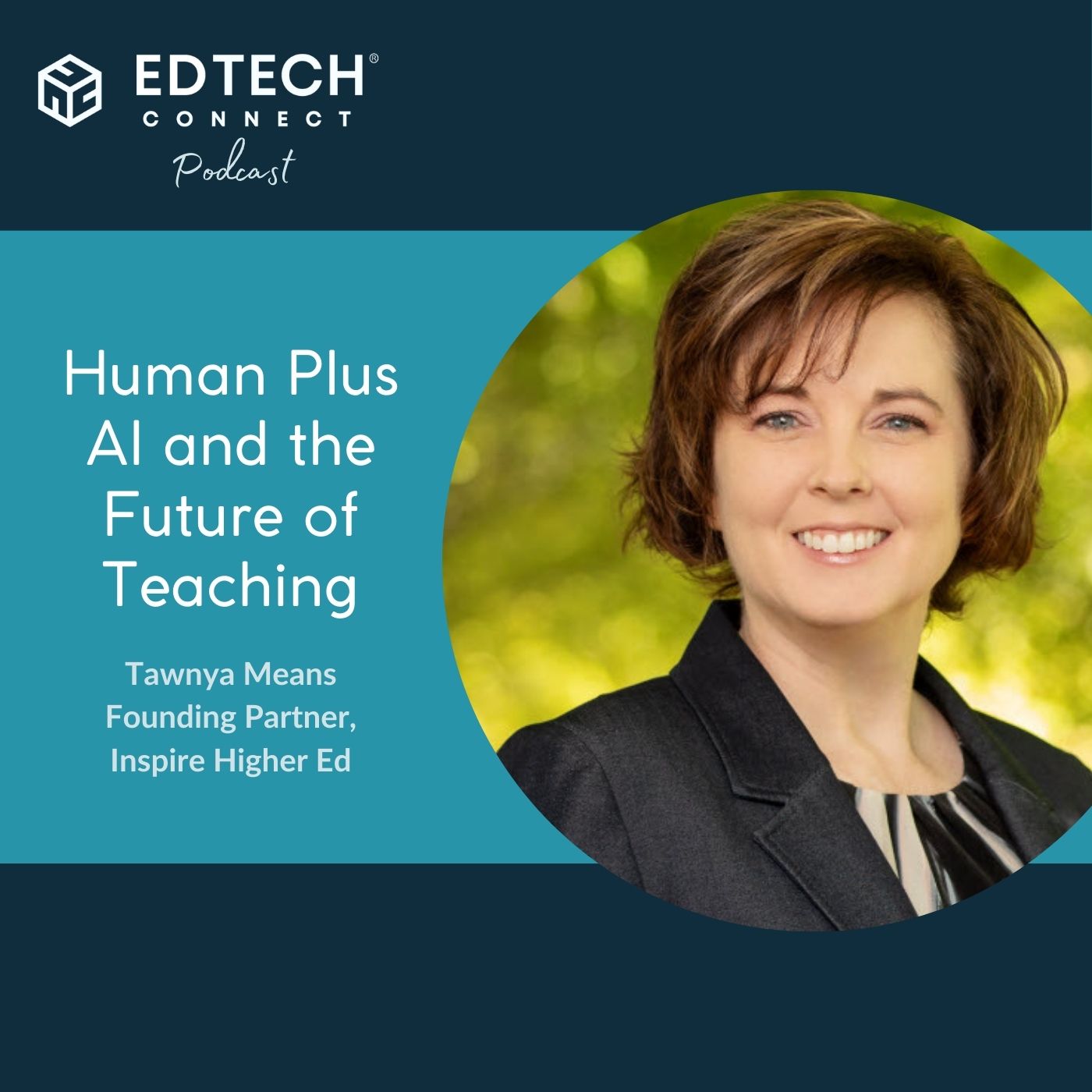
| 2/20/26 | ![]() Ep. 75 - Tawnya Means: Human Plus AI and the Future of Teaching✨ | AI in educationdigital transformation+4 | Tawnya Means | Inspire Higher Ed | — | AIeducation+6 | — | 33m 02s | |

| 2/13/26 | ![]() Ep. 74 - Charity Stutzman: Future Proofing Student Wellbeing with Data Driven Prevention | Charity Stutzman, Senior Director of Higher Education Strategy at Vector Solutions, unpacks the groundbreaking findings from the latest Campus Prevention Network National Insights Report. With over 15 years in student affairs—including as Assistant Dean of Students at the University of Texas at Arlington—Charity brings a frontline perspective to a dramatic cultural shift: students are increasingly choosing not to drink, driven by mental health, finances, and a desire for control. They dive into what this means for prevention work, the rise of cannabis use, and how campuses can move from fear-based messaging to support, belonging, and skill-building. Charity also shares how tools like AlcoholEdu and CannabisEdu provide real-time data to help institutions respond proactively, and why tying student wellbeing directly to career readiness is the future of higher ed strategy. For anyone in student affairs, prevention, or institutional leadership, this conversation is an essential look at the data reshaping student success. Key Takeaways A Rapid Cultural Shift is Underway – The number of students abstaining from alcohol has jumped significantly in just two years, with 64% of incoming students citing negative health consequences as a reason—up from 55% in 2023. Younger students are driving this change, breaking long-held stereotypes about college drinking culture. Prevention Must Shift from Risk Reduction to Reinforcement – With more students already making healthy choices, campuses should focus on reinforcing positive behaviors, building skills, and creating environments that support wellbeing—not just warning about risks. Cannabis Use Presents a Dual Challenge & Opportunity – As cannabis becomes legal and socially normalized, institutions need to provide education on safety, mental health connections, and risk reduction, tailored to their state and campus environment. Protective Factors Are Stacking Up – Students are prioritizing mental health, tight friend groups, financial pressure, and academics—making not drinking a logical choice. Campuses can leverage this by promoting healthy hubs like campus recreation centers. See Students as Whole Individuals – Support must move beyond isolated behaviors to address the mix of stress, identity, finances, and academic pressure. This requires breaking down silos and adopting a case-management approach to student care. Data-Driven Tools Enable Real-Time Insight – Platforms like Alcohol EDU and Cannabis EDU give campuses real-time data, benchmarking, and tailored pathways (e.g., for abstainers or survivors), helping them spot trends and adjust support before issues escalate. Upskill Faculty & Staff for Holistic Support – Faculty and staff should be trained to engage students across the eight dimensions of wellness and refer them appropriately, creating safe, supportive touchpoints throughout the student journey. Be Ready to Pivot Quickly – Higher ed moves slowly, but today’s student trends shift fast. Institutions need mechanisms to adapt policies, programs, and resources swiftly—even when outcomes are uncertain—to stay relevant and responsive. Find Charity Stutzman: LinkedIn https://www.linkedin.com/in/charity-stutzman-9a4a1121/ Vector Solutions https://www.vectorsolutions.com/ And find EdTech Connect here: Web: https://edtechconnect.com/ | — | ||||||
| 2/6/26 | ![]() Ep. 73 - Ben Tasker: Living in the AI Between Times | Ben Tasker, an expert in AI, workforce readiness and skills-based learning, shares his unique journey from higher education to industry, exploring how AI is reshaping learning and work during what he calls the "AI between times"—a transitional era of rapid change and "uh-oh moments." They dive into why AI amplifies human capability rather than replacing it, how institutions can ethically integrate AI, and the urgent need to shift from time-based degrees to skills-based outcomes. Whether you're in higher ed, corporate training, or just thinking about the future of learning, this conversation offers actionable insights and a hopeful vision for an AI-enabled, accessible, and human-centered education system. Key Takeaways We’re in the "AI Between Times": A transitional period where AI is rapidly evolving, but the full "AI future economy" hasn’t arrived. This phase will include both breakthroughs and "uh-oh moments," like failed automation and deepfake risks. AI Amplifies, Doesn’t Replace: Companies that lay off staff for AI often hire them back (and more) when point solutions fail. Successful organizations combine AI adoption with upskilling, leading to 52% higher profitability. Shift from Time-Based to Skills-Based Learning: Traditional degree timelines are too slow for AI-paced change. Microcredentials, project-based learning, and skills validation are becoming critical for workforce readiness. Embed AI Responsibly & Early: Ethical AI and governance should be established before implementation. This includes transparency, accountability, fairness, and cross-functional steering committees to mitigate risks. AI in Education: Risk & Opportunity: While AI poses risks (e.g., student over-reliance, misinformation), embedding AI tools into learning platforms can accelerate learning, provide 24/7 tutoring, and improve outcomes—like students learning coding 8 weeks faster. Human-Centered AI Projects Succeed: The most successful AI initiatives—whether in healthcare, education, or enterprise—integrate human elements: understanding user needs, ethical considerations, and real-world impact. Start with a Personal Learning Plan: Educators and leaders should begin their AI journey by mapping their current skills, identifying desired skills, and using AI as a tool for personalized learning and productivity. The Future is Accessible & Personalized: AI will make education more accessible, personalized, and continuous. Institutions must adapt to stay relevant, embedding AI across curricula and focusing on competency over credit hours. Find Ben Tasker: LinkedIn https://www.linkedin.com/in/bentaskerai/ National Grid https://www.nationalgrid.com/ And find EdTech Connect here: Web: https://edtechconnect.com/ | — | ||||||
| 1/30/26 | ![]() Ep. 72 - Michelle Craig: What Colleges Need to Know Before Gen Alpha Arrives | Jeff Dillon sits down with Michelle Craig, Director of Marketing and Commercial Operations at AppsAnywhere, to explore the seismic shifts happening in higher education as Generation Alpha prepares to enter college. With two decades of experience at companies like Blackboard, QS Unisolution, and Job Teaser, Michelle shares insights from her groundbreaking research into Gen Alpha—students born between 2010 and 2025. They discuss how this "Generation AI" is already using tools like ChatGPT, why 56% expect hybrid learning to be the norm, and the critical challenges institutions face around equity, access, and digital transformation. From rethinking IT strategy to marketing in the EdTech space, this conversation is a must-listen for anyone preparing for the future of student success. Key Takeaways Generation Alpha is “Generation AI” – The first Gen Alpha students will enter higher ed in 2028. Born alongside the iPad and Siri, they are early adopters of AI, with 73% already using or planning to use AI tools. However, they are also acutely aware of tech's downsides, with 72% worried about online safety and data security. Hybrid Learning is the New Baseline – 56% of Gen Alpha believes higher education should be offered in a hybrid format. They expect flexibility to learn anytime, anywhere, driven by personal circumstances like work schedules and the normalization of remote environments. Tech Equity is a Defining Challenge – 96% of Gen Alpha expects institutions to provide the devices and software needed to succeed. Equity isn't just an ideal—it's an operational necessity. Institutions must centralize IT, use data to optimize resources, and ensure access is agnostic of device or location. Institutions Must Set Clear AI Guidelines – With AI use already common in K-12, colleges need to establish clear policies on acceptable use, provide approved AI tools in centralized platforms (like Apps Anywhere), and offer guidance to prevent confusion around plagiarism or cheating. Student Satisfaction Will Hinge on Seamless Digital Experiences – Gen Alpha’s expectations for digital experiences include fast performance, easy navigation, and high-speed Wi-Fi as a given. Institutions will be judged on their ability to deliver consistent, high-quality interactions across physical and digital spaces. Marketing in EdTech Requires Patience & Partnership – Selling to higher ed is not like selling to startups. Buying cycles are longer, stakeholders are layered, and success depends on building long-term partnerships, co-designing solutions, and aligning with institutional mission—not just pushing product. The Pace of Change is Accelerating – Digital transformation in higher ed is happening faster than ever. Institutions must become more agile, data-informed, and student-centric to keep up with technological and generational shifts. Centralization and Agnostic Systems Are Key – To support diverse device ecosystems (BYOD) and evolving software needs, IT departments should aim for centralized, agnostic platforms that provide equitable access, reduce waste, and simplify management. Find Michelle Craig: LinkedIn https://www.linkedin.com/in/michelle-craig-4a186312/ AppsAnywhere https://www.appsanywhere.com/ And find EdTech Connect here: Web: https://edtechconnect.com/ | — | ||||||
| 1/23/26 | ![]() Ep. 71 - Jen Jenkins: What Online Universities Can Teach Campus Leaders About Digital Experience | Jen Jenkins, Director of Digital Experience at Western Governors University, brings a unique background that spans theater arts, healthcare content strategy, and higher ed—all centered on understanding user needs. She shares how her work at University of Utah Health shaped her approach to empathy-driven content, and how she now applies those lessons to WGU’s student-obsessed, competency-based model. Jen dives into the challenges of aligning academics with content strategy, how SEO is shaping degree offerings, and why institutions must move toward omni-channel consistency. She also unpacks the technical shifts every content professional must understand—from bot traffic to headless CMS—and offers practical advice for universities and healthcare organizations ready to rethink their digital presence. Whether you’re in content, marketing, or digital strategy, this conversation is packed with actionable insights for a human-first digital future. Key Takeaways Content Strategy in Healthcare vs. Higher Ed – Both involve high-stakes, life-changing decisions. Healthcare content focuses on easing anxiety and building emotional comfort, while higher ed content is about empowerment and selling a future. WGU’s Model is Built for Access & Flexibility – As a fully online, competency-based university, WGU serves over 200,000 students by allowing them to test through material they already know—making education accessible regardless of location or schedule. SEO Informs Academic Program Development – Search behavior doesn’t just drive traffic; it helps identify demand for new degrees and ensures content meets users where they are, using the language they actually search for. Consistency Across Channels is Non-Negotiable – With the rise of generative AI and omni-channel touchpoints, brand messaging must be unified everywhere—from websites to AI-generated answers—to build trust and clarity. Content Teams Need Technical Literacy – Content professionals must understand analytics, algorithm changes, bot traffic, and content delivery infrastructure (like CDNs) to protect performance and adapt quickly. Pod-Based Collaboration Breaks Down Silos – Jen’s team uses a “pod” model with content leads, writers, SEO specialists, UX experts, and analysts working together instead of siloed, man-to-man efforts. Headless CMS Enables Omni-Channel Agility – While challenging to implement, a headless content management system allows content to flow seamlessly across platforms and future-proofs digital experiences for evolving student needs. Start with an Audit & Clear Priorities – Before revamping digital strategy, institutions should conduct a full content and user audit, identify priority audiences, and align resources to both “keep the lights on” and drive toward future goals. Find Jen Jenkins: LinkedIn https://www.linkedin.com/in/jenjenkins/ Western Governors University https://www.wgu.edu/ And find EdTech Connect here: Web: https://edtechconnect.com/ | — | ||||||
| 1/16/26 | ![]() Ep. 70 - Sharon Harrison: How AI Support is Becoming the New Front Door of Higher Education | In this episode of EdTech Connect, host Jeff Dillon sits down with Sharon Harrison, CMO at Gravyty, to explore the dramatic evolution of AI in higher education. Sharon, who played a key role in unifying the leading platforms Ivy.ai and Ocelot under the Gravyty brand, traces the journey from the early days of simple "chat boxes" to today's sophisticated conversational AI agents. They discuss how this technology has shifted from a novelty to mission-critical infrastructure, helping schools tackle urgent challenges like summer melt, the enrollment cliff, and 24/7 multilingual support. Sharon shares surprising use cases, from addressing student food insecurity with empathy to uncovering actionable recruitment insights from chatbot data. The conversation dives deep into practical questions: How do you measure true ROI beyond simple deflection counts? What does "hybrid AI" really mean for seamless student support? And, crucially, what guardrails must institutions have for data privacy, accessibility, and bias? For any campus leader wondering where to start with AI, this episode is a masterclass in strategy, integration, and impact. Key Takeaways AI Has Evolved from "Chat Box" to Core Infrastructure: Conversational AI in higher ed has rapidly progressed from a simple FAQ tool ("chat box") to a virtual assistant, and is now moving toward autonomous AI agents. This shift, accelerated by COVID and the enrollment cliff, makes AI a strategic necessity, not a novelty. The "Why" is Democratizing Access & Solving Urgent Pain Points: The most powerful AI use cases solve critical institutional pain points while democratizing access. Examples include providing 24/7 support for time-pressed families completing FAFSA, offering shame-free access to basic needs resources, and proactively engaging at-risk students before they fall through the cracks. True ROI is Measured in Impact, Not Just Volume: Success metrics must go beyond "questions answered." Institutions should focus on deflected calls translated into staff hours and salary savings, increased application submission rates, shortened student worker onboarding, and uncovering demographic insights for targeted recruitment. "Hybrid AI" is the Key to Safe, Effective Conversations: Modern chatbots use a hybrid algorithm that blends retrieval-based AI (for accurate, curated answers from the institution's knowledge base) with generative AI (for a natural, conversational flow). This approach provides guardrails, ensures brand-aligned tone, and prevents hallucinations. Integration Over Replacement: Successful AI doesn't replace existing systems (CRM, SIS, LMS); it sits on top of them. The goal is to unify fragmented data, make legacy investments more valuable, and provide a seamless, single point of contact for the student across all campus silos. Critical Guardrails: Ask "How," Not Just "If": When vetting AI vendors, leaders must ask how the AI works. Key safeguards include ensuring the AI is grounded only in the institution's content (not the open web), verifying current VPAT/accessibility compliance and SOC 2 certification, and thoroughly understanding data privacy and FERPA adherence. Drive Adoption to Realize Value: Simply deploying a chatbot isn't enough. Institutions must proactively drive student adoption through social media campaigns, commercials, and integration into student workflows to achieve the deflection and engagement metrics that deliver ROI. Start with an Internal Audit: For smaller institutions or those just beginning, the best first step is an internal audit. Discover what tools and systems already exist across campus departments. Leveraging existing, vetted contracts can speed up procurement and ensure smoother int... | — | ||||||
| 1/9/26 | ![]() Ep. 69 - Gerry White: From Shakespeare to Cyborgs Teaching the Human Side of Humanity | In this episode of EdTech Connect, host Jeff Dillon sits down with Gerry White, an award-winning educator and Dean of Academic Technology at ECPI University whose career defies easy categorization. Gerry’s journey spans from English literature and music to AI development and robotics, and he brings this interdisciplinary passion to every project. They discuss his AI-powered tutoring platform, MyTutorPlus, which creates a personalized "Iron Man"-style knowledge map for learners. Gerry also shares the surprising origins of Project Virgil—a school safety initiative using quadrupedal robots—and his work with local police. The conversation dives deep into why the fusion of code and quill (technology and humanities) is more critical than ever, how to teach students not just to use AI but to ask the right questions, and why maintaining human agency and ethics is non-negotiable in our tech-driven future. For any educator wondering how to keep humanity at the center of innovation, this conversation is a guide to creative, ethical, and interdisciplinary thinking. Key Takeaways The Most Valuable Skill is the Ability to Pivot: In an AI-driven future, the single most important skill educators can instill in students is adaptability. The workforce will change rapidly, and the ability to learn new tools and shift directions will be more valuable than any specific technical knowledge. AI Enhances Subject Matter Experts: Like a photographer using precise camera terminology in Midjourney, subject matter experts (musicians, writers, etc.) can use AI as a superpower. Their deep knowledge allows them to craft highly effective prompts and prototypes, elevating their work rather than replacing it. Teach the Art of the Question: In the age of AI, learning to ask the right, specific questions is a foundational skill. This ancient art of inquiry is now a critical technical competency, as the quality of the output is directly tied to the quality and precision of the input prompt. Human Agency is a Choice We Must Actively Make: There's a danger in "ceding our agency" to technology. Gerry argues that we must consciously decide what we want AI to be and build that world. This requires ongoing discussion, ethical design, and involvement from everyone, especially those building the tools. "Hybrid" Models Keep Humanity Central: The goal of technology should be to automate tasks and leave "the human things to the humans." Whether in education via AI tutors that free up teachers for personal connection, or in safety projects like robots that are human-controlled, the ideal model leverages tech to enhance, not replace, human interaction. Interdisciplinary Thinking Solves Real Problems: Gerry's projects—from an AI tutor born from a music idea to a safety robot developed with criminal justice students—show that the most innovative solutions happen at the intersection of disciplines (arts, humanities, tech, government). Breaking down silos is essential. The Path to Adoption is Hands-On Modeling: For school leaders, the best way to integrate AI is to model its use and provide hands-on experimentation. Administrators and teachers should try the tools themselves, demonstrate live in meetings and classrooms, and empower early adopters to share their discoveries. Technology Should Bridge Gaps, Not Widen Them: A core mission is to use AI and emerging tech like AR to democratize access and preserve human connection. This means building tools that serve underrepresented communities and creating experiences (like AR grave markers) that deepen our understanding of history and each other. Find Gerry White: LinkedIn | — | ||||||
| 1/2/26 | ![]() Ep. 68 - France Hoang: Designing AI Ready Systems that put People Before Platforms | France Hoang, a former White House Counsel, Army Special Forces veteran, and now the co-founder and CEO of Boodlebox, brings a unique perspective forged by a lifetime of service and leadership, now focused on one of education's most urgent questions: How do we get the human-AI relationship right? They dive into why the traditional educational model—information, struggle, assessment—is fundamentally disrupted by AI, and the dangers of students outsourcing their critical thinking. France outlines the three pillars of being "AI ready" and explains why educators are more important than ever, not less. He shares powerful stories from campuses using Boodlebox to create transparent, ethical AI collaborations, resulting in zero academic integrity cases and dramatically improved student comfort with AI. For any leader wondering how to move from simply providing AI access to truly transforming teaching and learning, this conversation is a masterclass in strategy, ethics, and human-centric innovation. Key Takeaways The Goal is a Partnership, Not Just a Tool: AI in education should aim to create a human-AI partnership that extends and amplifies human potential, allowing students and professionals to spend 80% of their time on high-value creative and critical work, not administrative drudgery. Educators Are More Important Than Ever: In the age of AI, the educator's role is not diminished but elevated. They are the essential source for building domain expertise (being better than the AI), teaching responsible AI enablement, and fostering the durable human skills (critical thinking, creativity, collaboration) that AI cannot replicate. AI Readiness is a People Problem, Not a Platform Problem: True institutional AI readiness is not about buying software or providing access (students already have that). It's a cultural and pedagogical transformation that requires partnership, piloting, peer-to-peer learning, and a multi-year rollout focused on integrating AI thoughtfully into teaching and learning. Reintroduce "Productive Struggle": Since AI tools are designed for ease and productivity, educators must intentionally design learning environments that reintroduce challenge. Platforms like Boodlebox allow for guardrails and transparency, letting teachers see the process of how students use AI as a thought partner, not just the final product. Start with Pilots and Use Cases, Not Campus-Wide Rollouts: The most successful AI adoption starts small. Identify a high-impact use case, partner with a group of pioneering faculty, and let success grow organically through peer influence. Avoid the "solution in search of a problem" approach of broad, untargeted rollouts. Measure Human Impact, Not Just Usage: While metrics like logins are important, true success should be measured by qualitative human outcomes aligned with the institution's mission. This includes changes in student confidence, job interview success stories, ethical AI use, and the quality of collaborative problem-solving. Equitable Access is a Foundational Concern: There is a real risk of a "digital divide" where students who can pay for premium AI tools get better outcomes. Institutions have a responsibility to provide equitable, high-quality AI access to all students to ensure opportunity is based on merit and work, not on financial resources. The Future is Personalized, Differentiated, and Portable: AI enables a future where learning is personalized at scale (like a TA for every student), differentiated by discipline (e.g., AI simulations for history, data analysis for chemistry), and portable—allowing students to take a curated toolkit of their AI-augmented academic work with them into their careers as a lifelong learning resource.... | — | ||||||
Showing 25 of 92
Pitch Fit is a Pro feature
See how bookable this show is for guests, which brands already advertise, the per-episode ad value, and the best-fit guest and sponsor profile. The numbers are blurred on the free plan.
How readily this show books outside guests like you.
How proven this show is for host-read sponsorships.
For Guests
ProFor Advertisers
ProUpgrade to Pro to unlock guest cadence, sponsor categories, fit scores, and per-episode ad value for this show.
Chart Positions
1 placement across 1 market.
Chart Positions
1 placement across 1 market.