
Insights from recent episode analysis
Audience Interest
Podcast Focus
Publishing Consistency
Platform Reach
Insights are generated by CastFox AI using publicly available data, episode content, and proprietary models.
Total monthly reach
Estimated from 5 chart positions in 5 markets.
By chart position
- 🇦🇺AU · Food#1315K to 30K
- 🇰🇷KR · Food#1671K to 10K
- 🇲🇾MY · Food#2410K to 30K
- 🇸🇬SG · Food#593K to 10K
- 🇹🇭TH · Food#177500 to 3K
- Per-Episode Audience
Est. listeners per new episode within ~30 days
14K to 58K🎙 Weekly cadence·76 episodes·Long inactive - Monthly Reach
Unique listeners across all episodes (30 days)
20K to 83K🇦🇺36%🇲🇾36%🇰🇷12%+2 more - Active Followers
Loyal subscribers who consistently listen
5.8K to 25K
Market Insights
Platform Distribution
Reach across major podcast platforms, updated hourly
Total Followers
—
Total Plays
—
Total Reviews
—
* Data sourced directly from platform APIs and aggregated hourly across all major podcast directories.
On the show
Recent episodes
75: On 'Singaporean chicken curry' and moving beyond singularity | Vasunthara Ramasamy, Culinary Teacher & Masterchef Singapore
Apr 11, 2022
1h 29m 51s
74: Making sustainability and reducing food wastage mainstream | Preston Wong, CEO and lead innovator of Treatsure
Mar 28, 2022
47m 08s
73: Supporting farmers and discovering the diversity of Southeast Asian produce | Evelyn Yap, Chef & Founder of Happivore
Mar 19, 2022
40m 17s
72: The book publisher who goes to the wet market | Edmund Wee, Publisher & CEO of Epigram Books
Mar 6, 2022
53m 51s
71: The ungroundedness and homesickness of overseas Singaporeans | Christopher Ng, blogger of Christopher’s Asian Delicacies
Feb 19, 2022
1h 03m 21s
Social Links & Contact
Official channels & resources
Official Website
Login
RSS Feed
Login
| Date | Episode | Description | Length | ||||||
|---|---|---|---|---|---|---|---|---|---|
| 4/11/22 | 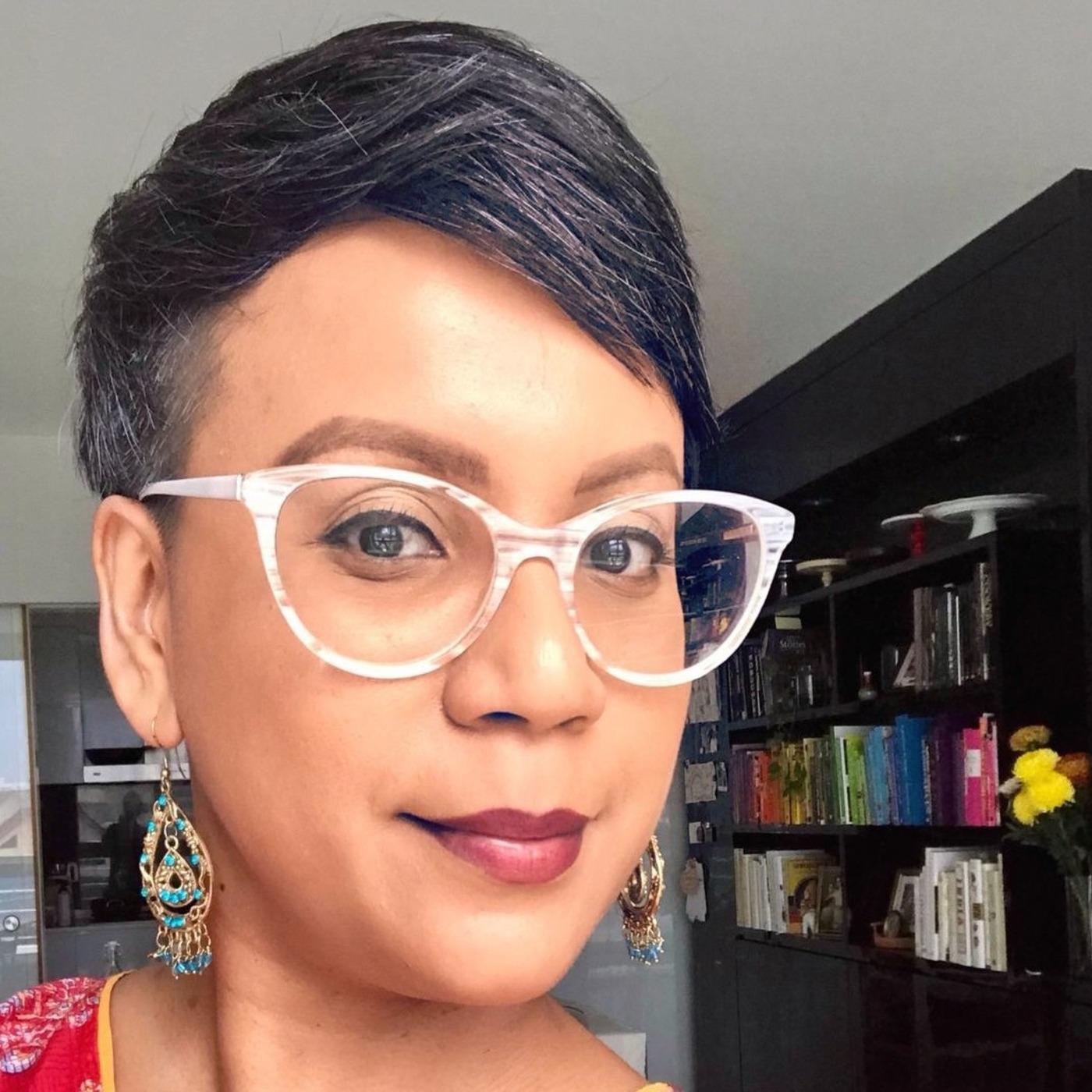 75: On 'Singaporean chicken curry' and moving beyond singularity | Vasunthara Ramasamy, Culinary Teacher & Masterchef Singapore | Vasunthara Ramasamy: "There are so many styles of chicken curry; there is even a white chicken curry. If Clarissa cooked that, people would say that that is not a Singaporean chicken curry. So what is Singaporean chicken curry? Do we have one? The consensus is that we can never have a national dish because it is very hard to represent Singapore. But why seek for singularity when you are so diverse? Why do we seek such homogenous experiences with Indian food?"Vasunthara Ramasamy, Culinary Teacher and Masterchef Singapore Season 2 Contestant, shares about feeling pride as a Singaporean Indian, plus: *No-grind thosai* *How we can bring Indian home dishes to the masses* *Singaporean Indian food as a diasporic cuisine* *How Singaporean history impacted Indian food in Singapore* *Sardine curry* *Caste and Indian food culture* *Sense of inferiority that Singaporean Indians feel towards their food* *How the palate of Singaporean Indians differ from Indians in India* *Fish head curry* *Caste in Singapore* *Homogenization of Indian food in Singapore and Malaysia* *The rise of curry powder* *The case for making your own curry powder and spice blends* *Grinding your own turmeric powder and asafoetida* *Preconceived idea that Indian cuisine is not on par with European cuisine* *The need for more champions of Indian food* *Singaporean chicken curry saga* *Fear of failure as Singaporeans* *Home-cooking* *Her Masterchef journey*Singapore Noodles: http://sgpnoodles.com/ @sgpnoodlesNewsletter: http://sgpnoodles.substack.com/ | 1h 29m 51s | ||||||
| 3/28/22 | 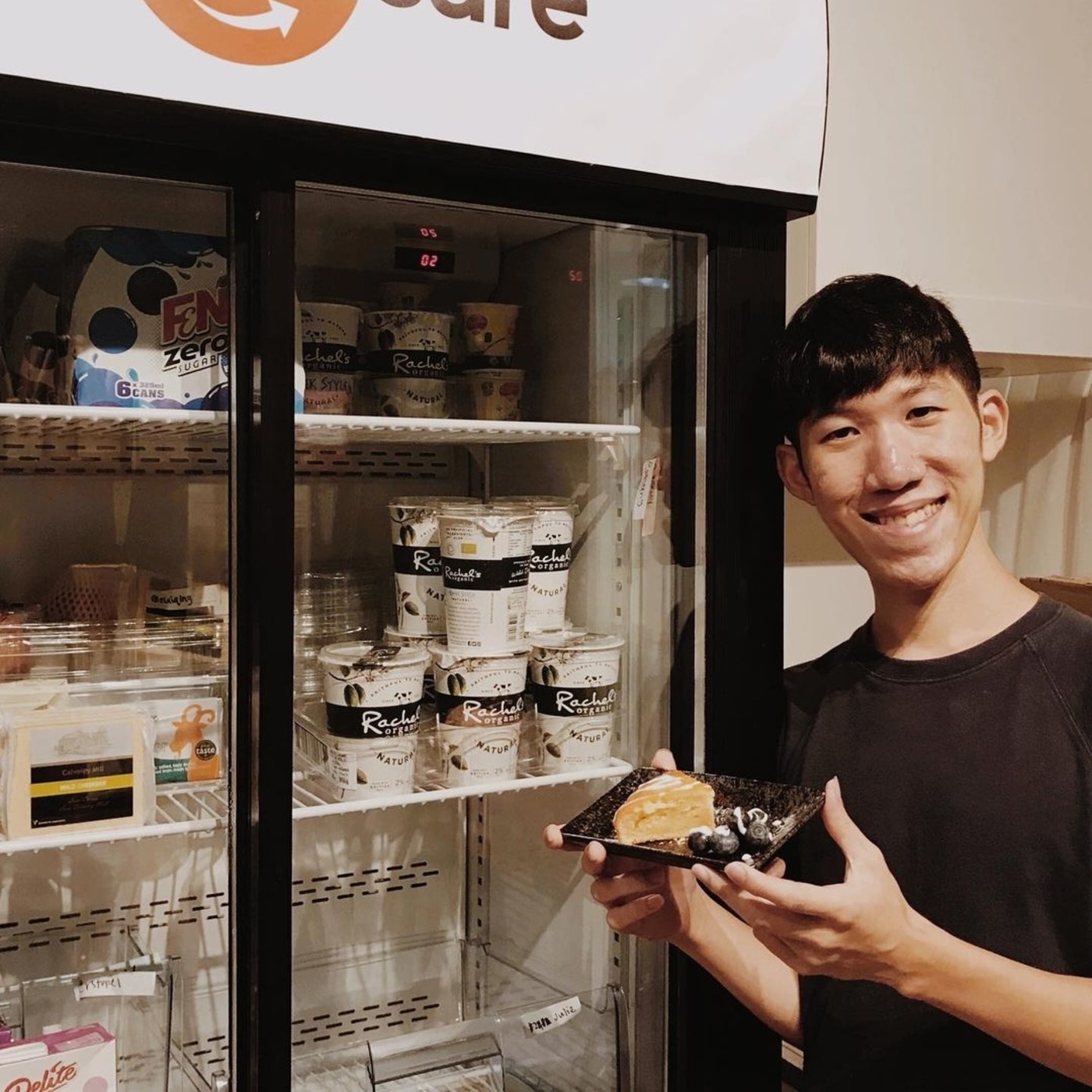 74: Making sustainability and reducing food wastage mainstream | Preston Wong, CEO and lead innovator of Treatsure | Preston Wong: "The goal should always be to make the message of sustainability and reducing food wastage as mainstream as possible. What point is there if it is just within that echo chamber of eco-conscious people? For us, we can break that barrier because price is not a big issue unlike other sustainable merchandise that may face challenges of accessibility due to price point issues. I would think that surplus food is a good bridge and show people that things can be affordable, and yet can be good stuff if you look beyond the exterior and short-dated condition of the item."Preston Wong, CEO and lead innovator at Treatsure, shares about how his business tackles the problem of food waste, plus: *Reducing wastage from buffet lines* *The difficulties that buffet restaurants and hotels face in estimating the amount of food to prepare* *Grocery wastage* *Collaborations between partners and artisans to convert waste to new products* *Building a community* *The importance of education* *What keeps him going* *Using technology to reducing waste* *Why develop an app*Singapore Noodles: http://sgpnoodles.com/ @sgpnoodlesNewsletter: http://sgpnoodles.substack.com/ | 47m 08s | ||||||
| 3/19/22 | 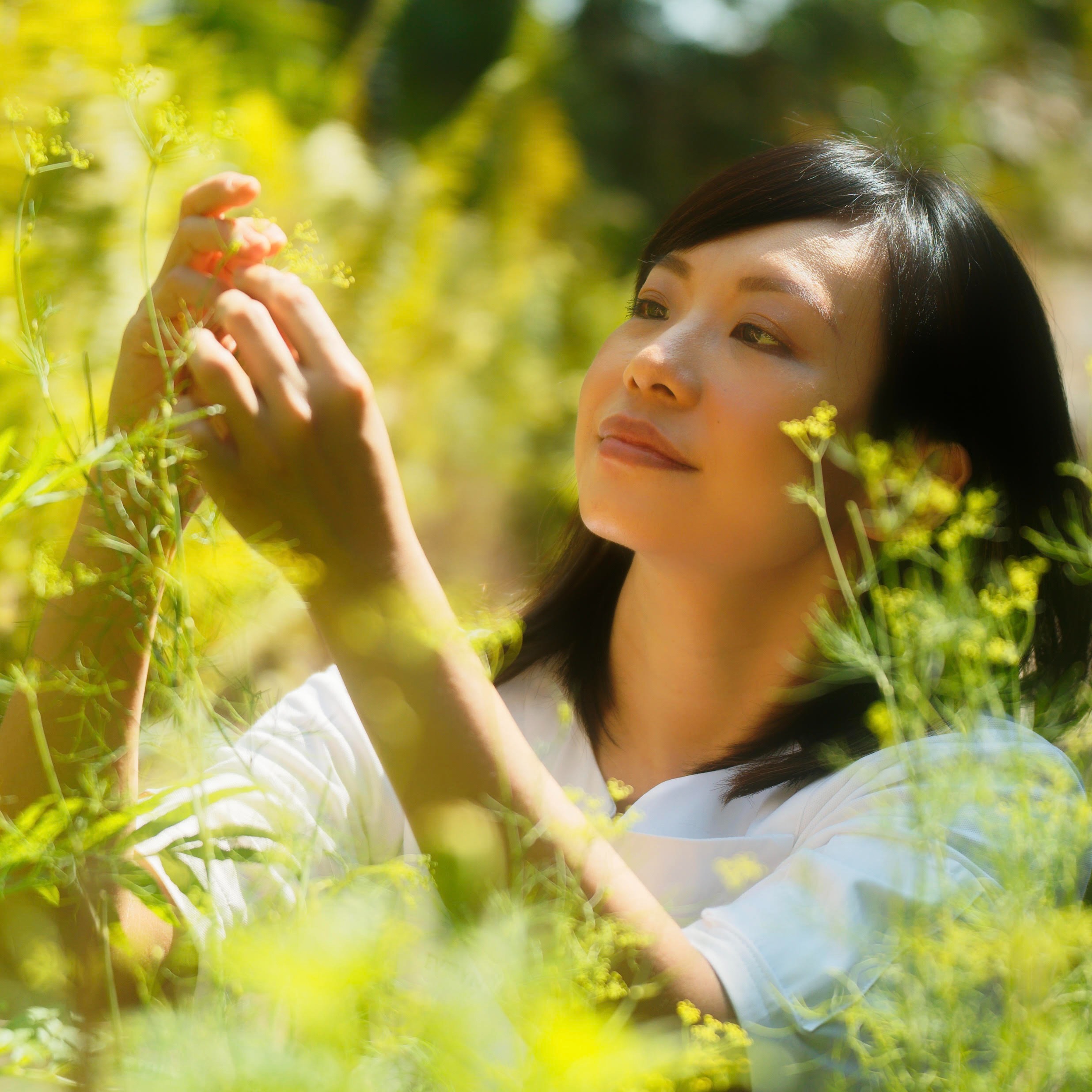 73: Supporting farmers and discovering the diversity of Southeast Asian produce | Evelyn Yap, Chef & Founder of Happivore | Evelyn Yap: “Singapore is not an agricultural country. That limits the kind of produce we get, but also, we don’t know what is out there because our habits have changed to shopping at supermarkets, as opposed to wet markets, which stock more diverse produce.” Evelyn Yap, chef & founder of Happivore, shares about her journey as a chef supporting farmers, plus: *How Rustic Canyon shaped the way she cooked* *Supporting farmers in Thailand* *How her experience in Thailand has impacted her as a cook* *Exposure to regional produce* *Favourite Asian vegetables* *Mental health* *How her Singaporean roots influenced her* *Fusion food* *Tips for making vegetables delicious* *Framework for learning how to use a new vegetable* Singapore Noodles: http://sgpnoodles.com/ @sgpnoodlesSingapore Noodles newsletter: http://sgpnoodles.substack.com/ | 40m 17s | ||||||
| 3/6/22 | 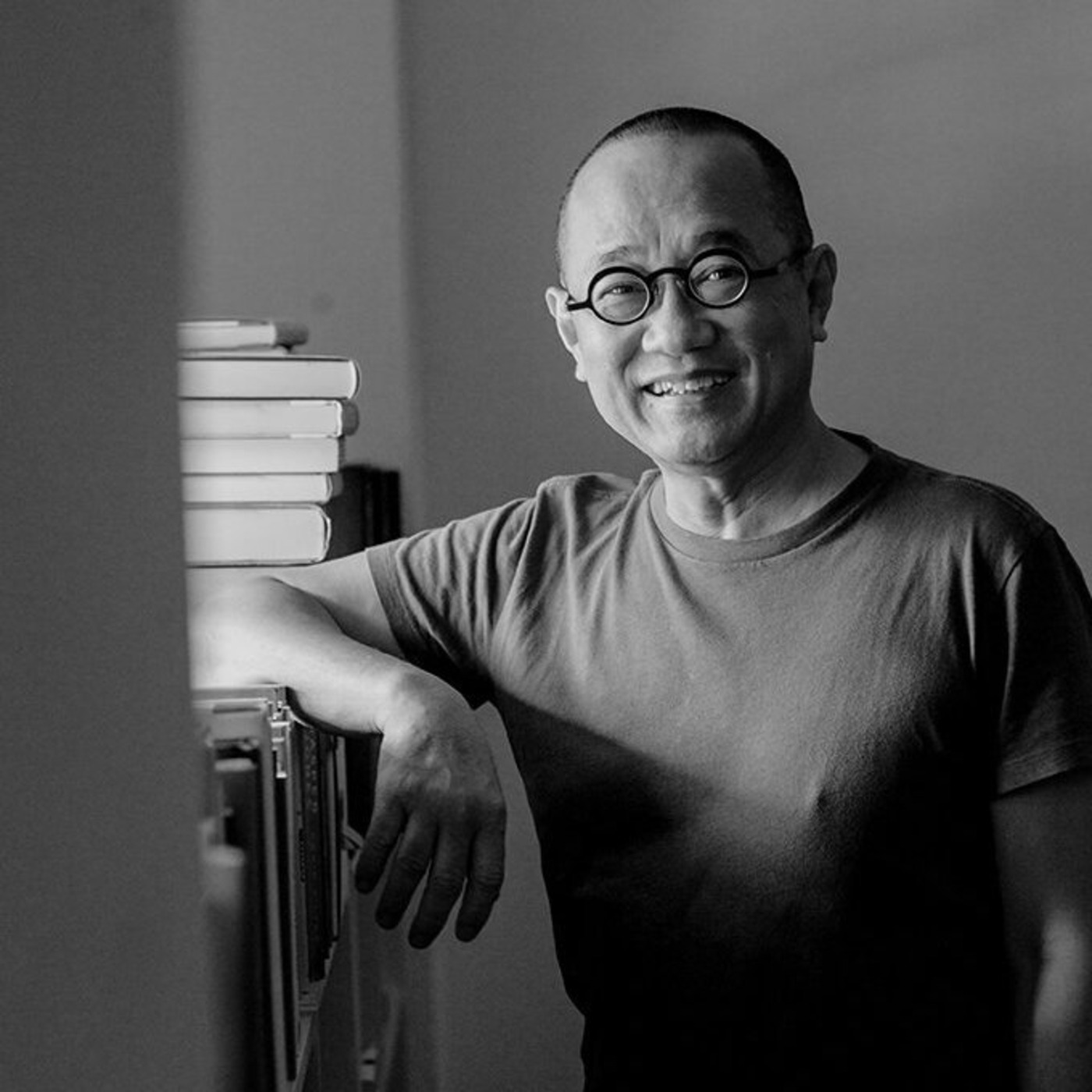 72: The book publisher who goes to the wet market | Edmund Wee, Publisher & CEO of Epigram Books | Edmund Wee: “We don’t get a lot of chances to form relationships with people in our lives – we’re busy, we’re working. And you have to go shopping for your food. You either shop on Red Mart or the supermarket. Why do those two when there’s a third alternative, where you can do your marketing and at the same, you form relationships. Why not? It is so wonderful! So, it’s a no brainer for me to decide to go to the wet market. It is obvious to me to do so.” Edmund Wee, publisher & CEO of Epigram Books, shares his insights on the book publishing industry, plus: *Wet market tips* *How Epigram started publishing cookbooks* *Epigram’s focus on Singapore and Singaporean stories* *Process of making a book* *Selection process* *Margins in the book publishing business* *Is print dead?* *Why read a book or cookbook?* *Why go to the market* *How wet markets can be improved* *Will wet markets survive?* Shop Wet Market to Table via Epigram: https://epigrambookshop.sg/products/wet-market-to-table-a-modern-approach-to-fruit-and-vegetablesSingapore Noodles: http://sgpnoodles.com/ @sgpnoodlesSingapore Noodles newsletter: http://sgpnoodles.substack.com/ | 53m 51s | ||||||
| 2/19/22 | 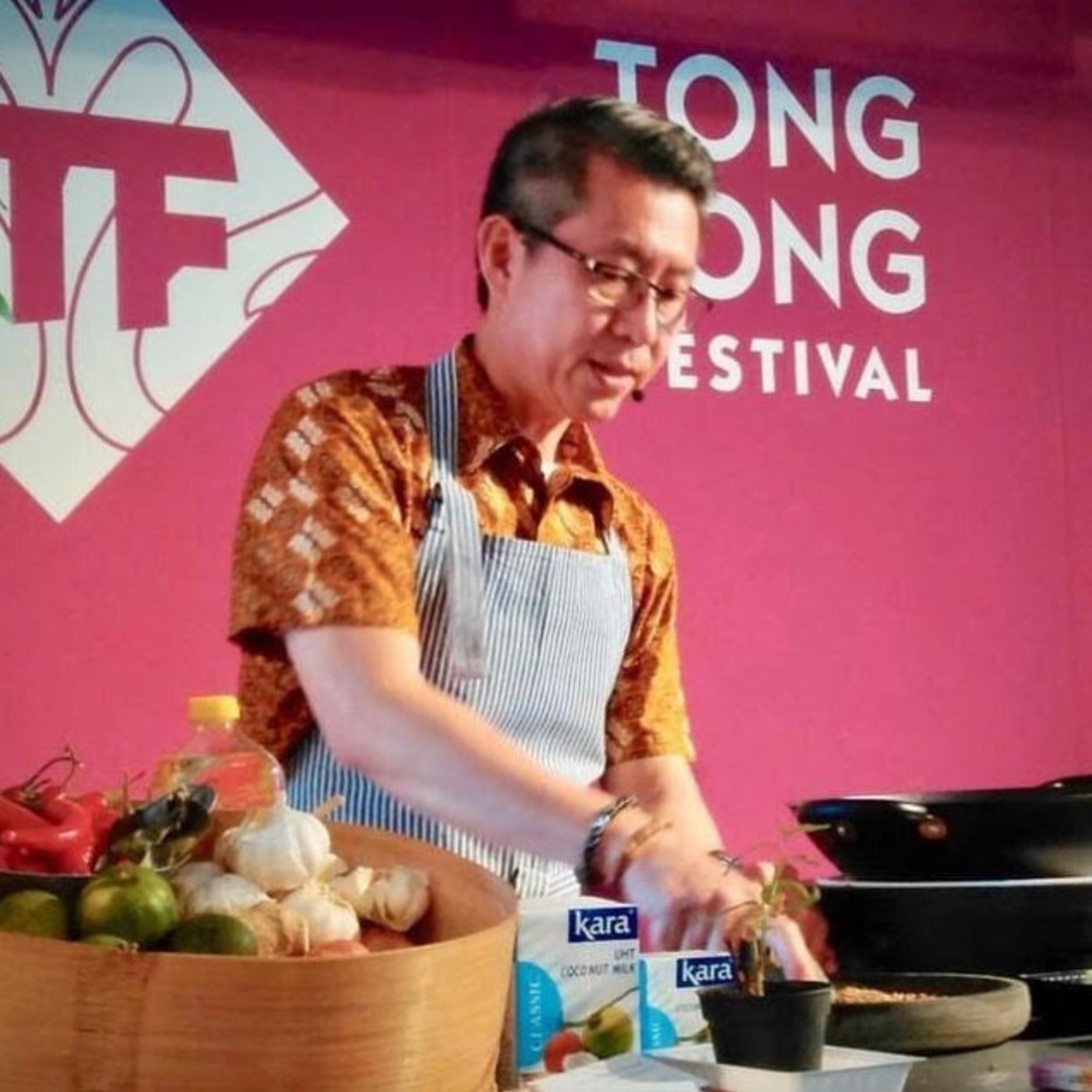 71: The ungroundedness and homesickness of overseas Singaporeans | Christopher Ng, blogger of Christopher’s Asian Delicacies | Christopher Ng: “It is heartwrenching every time I go back to Singapore, because I see the difference. And it is a significant marked difference every year. I try to go to the places that are familiar to me, but even those places are changing rapidly although certain places are still familiar, I wonder how long they are going to last.” Christopher Ng, the blogger behind Christopher’s Asian Delicacies, shares about his relationship with food growing up, plus: *Lakeview market* *The ungroundedness as an overseas Singaporean* *Kueh lapis* *Agak-agak approach* *The demise of home-baking and kueh-making in Singapore* *COVID’s role in preserving Singapore food culture* *Perceptions of Singaporean food culture* *Mastery in the kitchen* *The way the older generation instruct* *Food as love* *Singapore’s diverse food culture and crossovers* *Hae bee hiam* Christopher Ng’s blog: https://delicacies070.blogspot.com/Singapore Noodles: http://sgpnoodles.com/ @sgpnoodlesSingapore Noodles newsletter: http://sgpnoodles.substack.com/ | 1h 03m 21s | ||||||
| 2/8/22 | 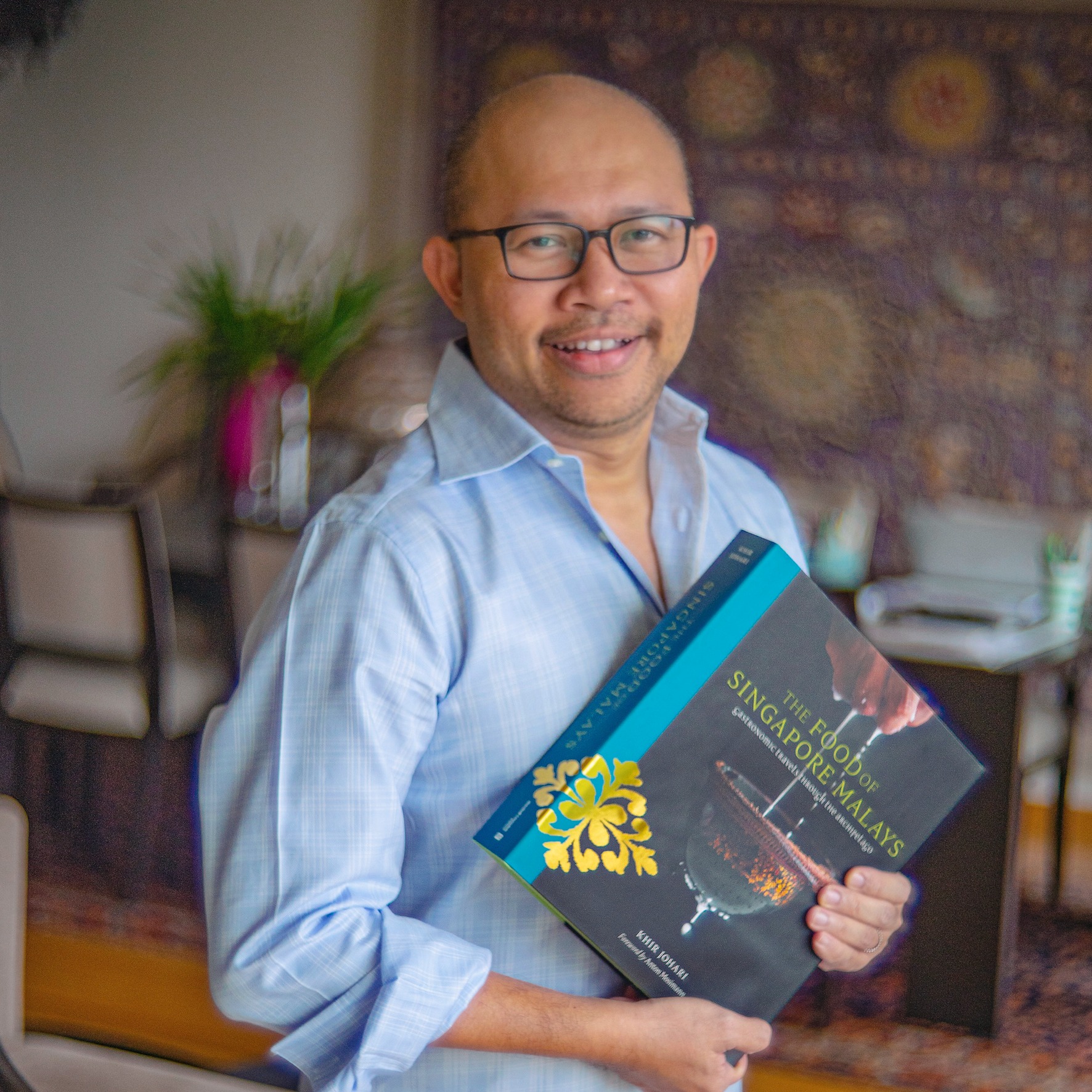 70: The diversity, beauty, and healthfulness of the Malay diet | Khir Johari, researcher and author of The Food of Singapore Malays | Khir Johari: “When we look at our understanding of Malay food, it is typically based on a narrow window, and that is the hawker centre. If you get a chance to visit Malay homes (your Malay neighbours or friends), that is where you get to see things that you don’t normally experience… Reading and travelling help to inform, and with that, you’ll come to understand the diversity and beauty of Malay food, and look at it as a very healthy diet. Any food you eat in excess is bad, regardless of your background, ethnicity, or geography.” Khir Johari, author of The Food of Singapore Malays, shares about his new book, plus: *Who are the Malays* *How his interest in Singaporean Malay food began* *Lack in documentation of Malay gastronomy* *Mee siam* *Impact of urbanization and globalization on Singaporean Malay food* *Foraging in Malay food culture* *Ulam and seafood in the Malay diet* *Ways of cooking with greens* *Connecting with nature* *Concept of Peranakan in Singapore* *What can be problematic about the way Peranakan food is marketed these days* *Food as medicine* *Growing up years* *Kampong glam then and now* *Extinct dishes* *How we can embody the Malay ethos towards food in this modern day and age* *Hope for Singaporean food culture* Khir Johari: https://www.thefoodofsingaporemalays.com/ @khir19Singapore Noodles: http://sgpnoodles.com/ @sgpnoodlesSingapore Noodles newsletter: http://sgpnoodles.substack.com/ | 36m 27s | ||||||
| 2/3/22 | 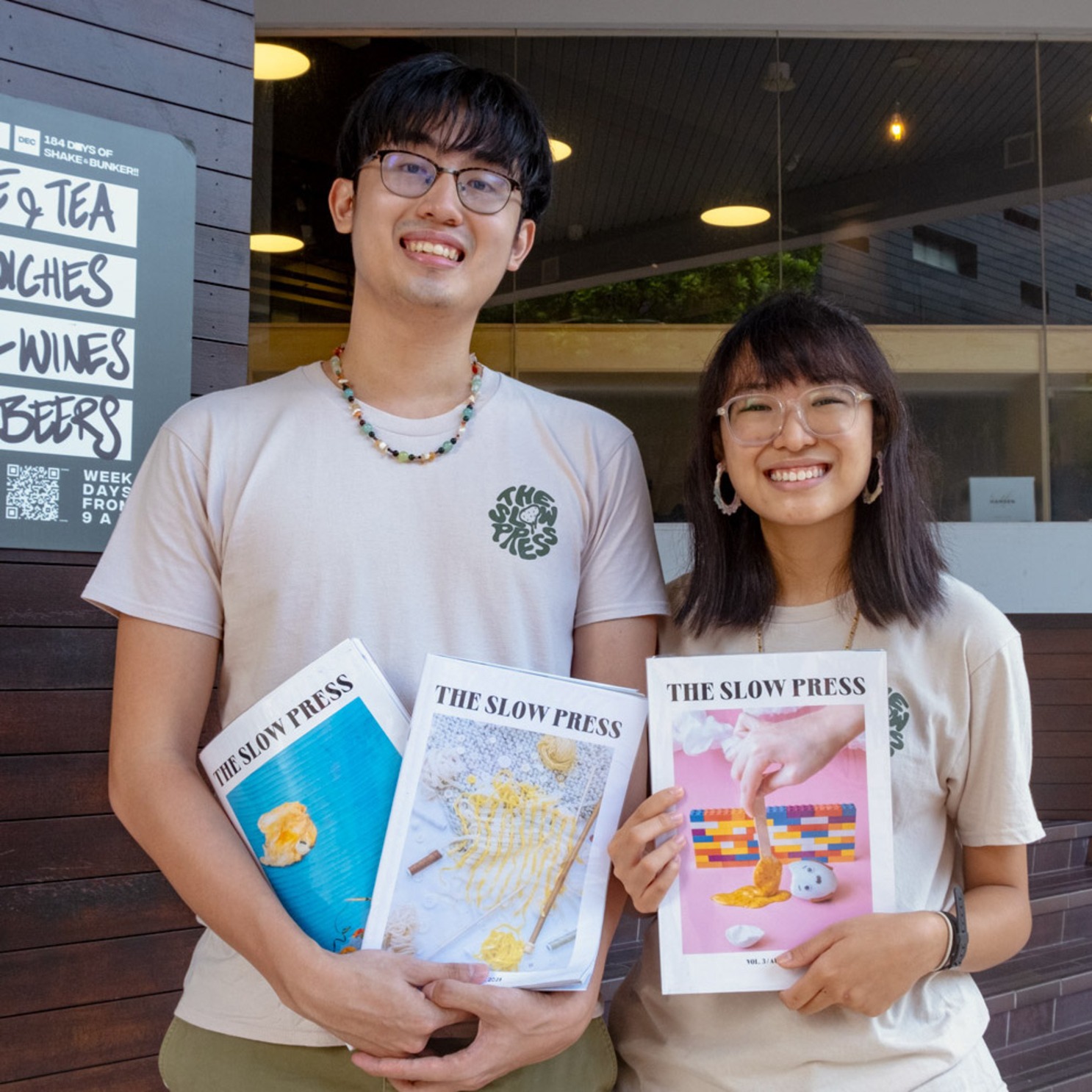 69: Building the bridge between traditional food culture and Gen Zs | Christy Chua and Tan Aik, founder & editorial director and editor-in-chief of The Slow Press | Christy Chua and Tan Aik: “Through my interviewing experience in school or at The Slow Press, I feel that sometimes when we talk to older hawkers or business owners, they might be quite unwilling to share about what they do. Sometimes they would dismiss it as, ‘I do this everyday, nothing new. It’s just normal going to work. I come here, fry some noodles and go home.’ They’d literally tell me that. I’m sure there’s a story but I can’t seem to dig it out of them, and that leads me to think, ‘Are those profiles being featured on mainstream media like Our Grandfather Story? Are those profiles that are willing to be videoed the only stories that will live on?’ Christy Chua and Tan Aik, founder & editorial director and editor-in-chief of The Slow Press, an independent food zine, share about the niche that The Slow Press is filling, plus: *Why focus on homecooked food content* *How media shapes the food preferences of the young* *Mission of The Slow Press* *Why do print?* *Featuring Filipino community and cuisine* *How their interest and curiosity in Singaporean food began* *Getting Gen Zs interested in local food stories* *Challenges in ‘preserving’ and documenting local food culture* The Slow Press: https://www.theslowpresszine.com/Singapore Noodles: http://sgpnoodles.com/ @sgpnoodlesSingapore Noodles newsletter: http://sgpnoodles.substack.com/ | 51m 15s | ||||||
| 1/26/22 | 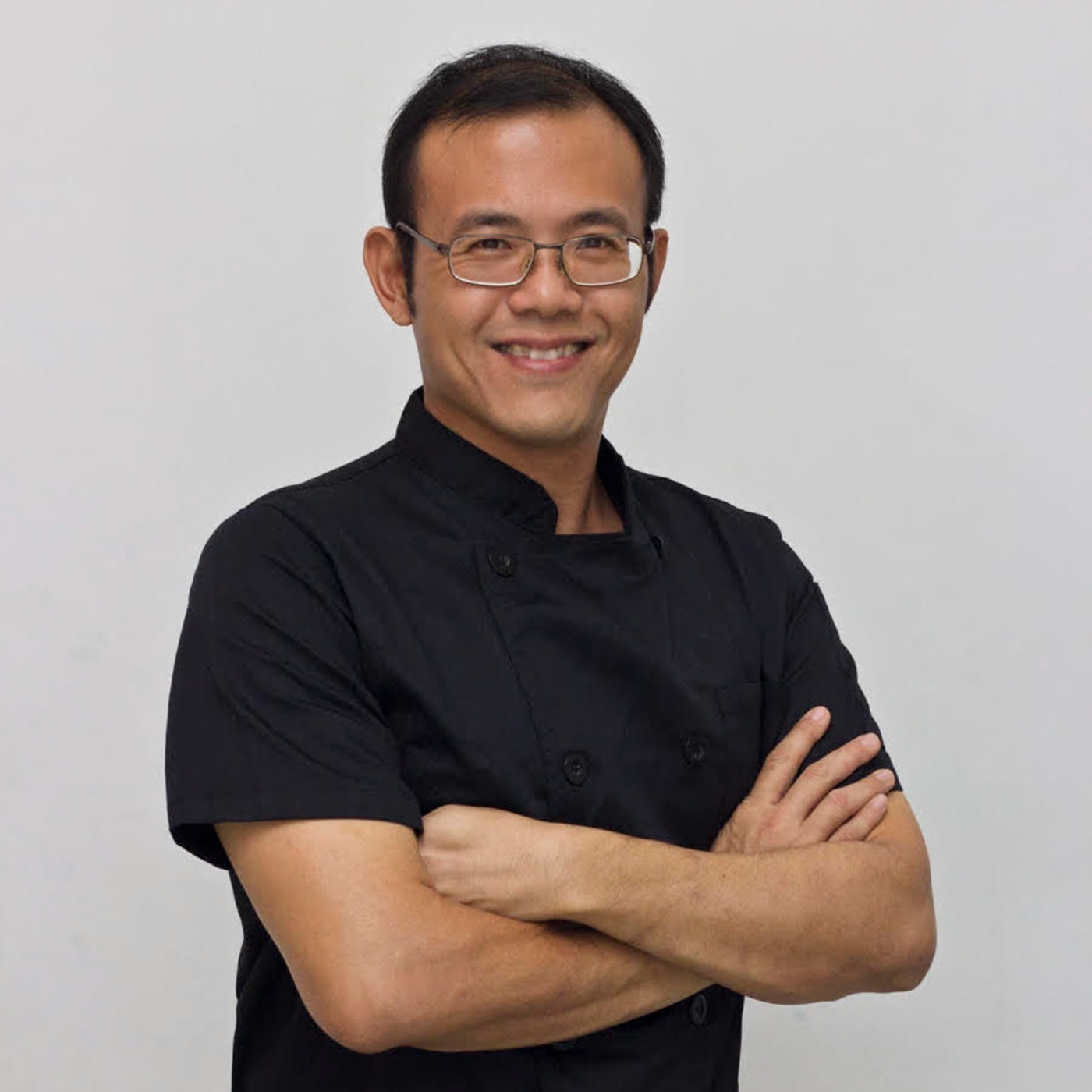 68: An impassioned argument for home-cooking | Christopher Tan, writer, author of The Way of Kueh, and culinary instructor | Christopher Tan: “I think what everyone needs to realise is that we all have a say in how the food culture of our country evolves. We all have a stake, we all have a say, and we are all culture makers. Your national food culture is not something that you should have to order in. It should be something that you stand in, you cook, you practice, and you live out. Your heritage is your anchor, your compass, and your passport from which you go and explore other places, but you hold your passport. I very much hope that the younger generations will take up home-cooking as an activity, as a hobby, not as a luxury but as a necessity…” Christopher Tan, writer, author of The Way of Kueh, and culinary instructor shares about the importance of home-cooking, plus: *Growing-up years in the UK* *How Singaporean food culture has shifted* *Motivation behind writing The Way of Kueh* *Agak-agak* *Challenges of kueh-making* *Parallels and differences between Western pastries and desserts, and kueh* *Vegetables in Asian desserts* *Why make kueh* *Social media, mastery, and repetition* *The shift from kampungs to HDBs* *‘Authentic’ and ‘traditional’* Christopher Tan: @thewayofkueh Singapore Noodles: http://sgpnoodles.com/ @sgpnoodlesSingapore Noodles newsletter: http://sgpnoodles.substack.com/ | 1h 08m 27s | ||||||
| 1/20/22 | 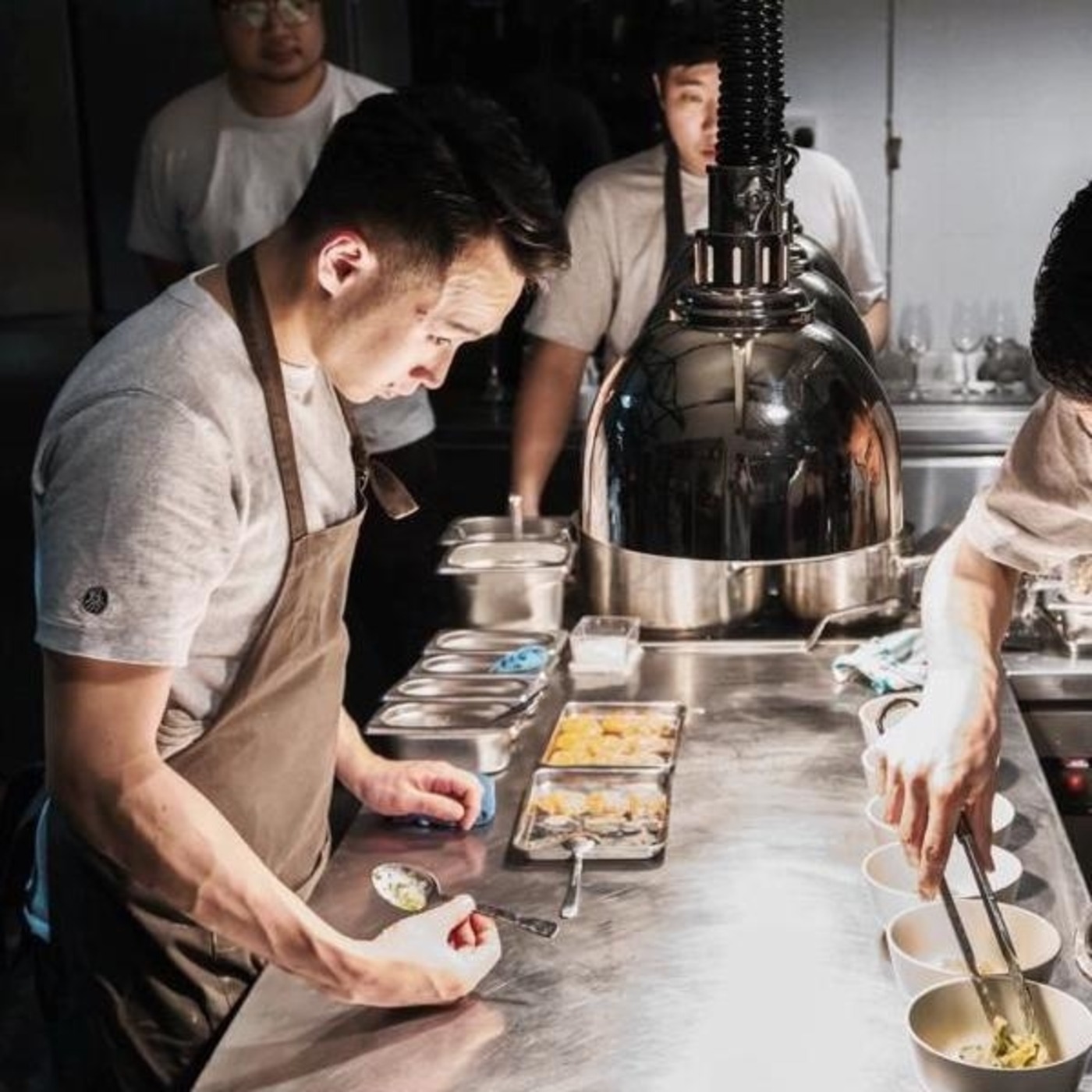 67: Embracing sustainability in a local food context | Desmond Shen, chef and founder of Tiffin Bicycle Club and Alter Native | Desmond Shen: “We basically tried not to throw anything away, and I think one of the steps to do that is to name the thing by its part, instead of just calling it ‘waste’. If you are trimming carrots, you take away the carrot head, end, and peel – and you call that that. You don’t call it ‘trim’, you just call it ‘carrot peel’. What are we going to do with the carrot peel? What are we going to do with the carrot tops? What are we going to do with the end bits of the carrot… Especially with meat, there are so many parts that you throw away – in a chicken, you have the cockscomb, the windpipe. Once you start calling it ‘waste’, you tend to not regard it.” Desmond Shen, chef and founder of Tiffin Bicycle Club and Alter Native, shares about his food influences growing up, plus: *Decision to be a chef* *His interest in Asian flavours* *Creative process of pushing Singaporean flavours forward* *The importance of eating out and embracing kitchen failures* *Motivation behind starting Tiffin* *Reducing plastic and food waste* *His vegetarian menu* *Favourite technique for making vegetables delicious* *Challenges and considerations of serving food in a tiffin* *The Tiffin experience* *His upcoming project, Alter Native* Desmond Shen: @tiffin.bicycle.clubSingapore Noodles: http://sgpnoodles.com/ @sgpnoodlesSingapore Noodles newsletter: http://sgpnoodles.substack.com/ | 1h 02m 00s | ||||||
| 1/13/22 | 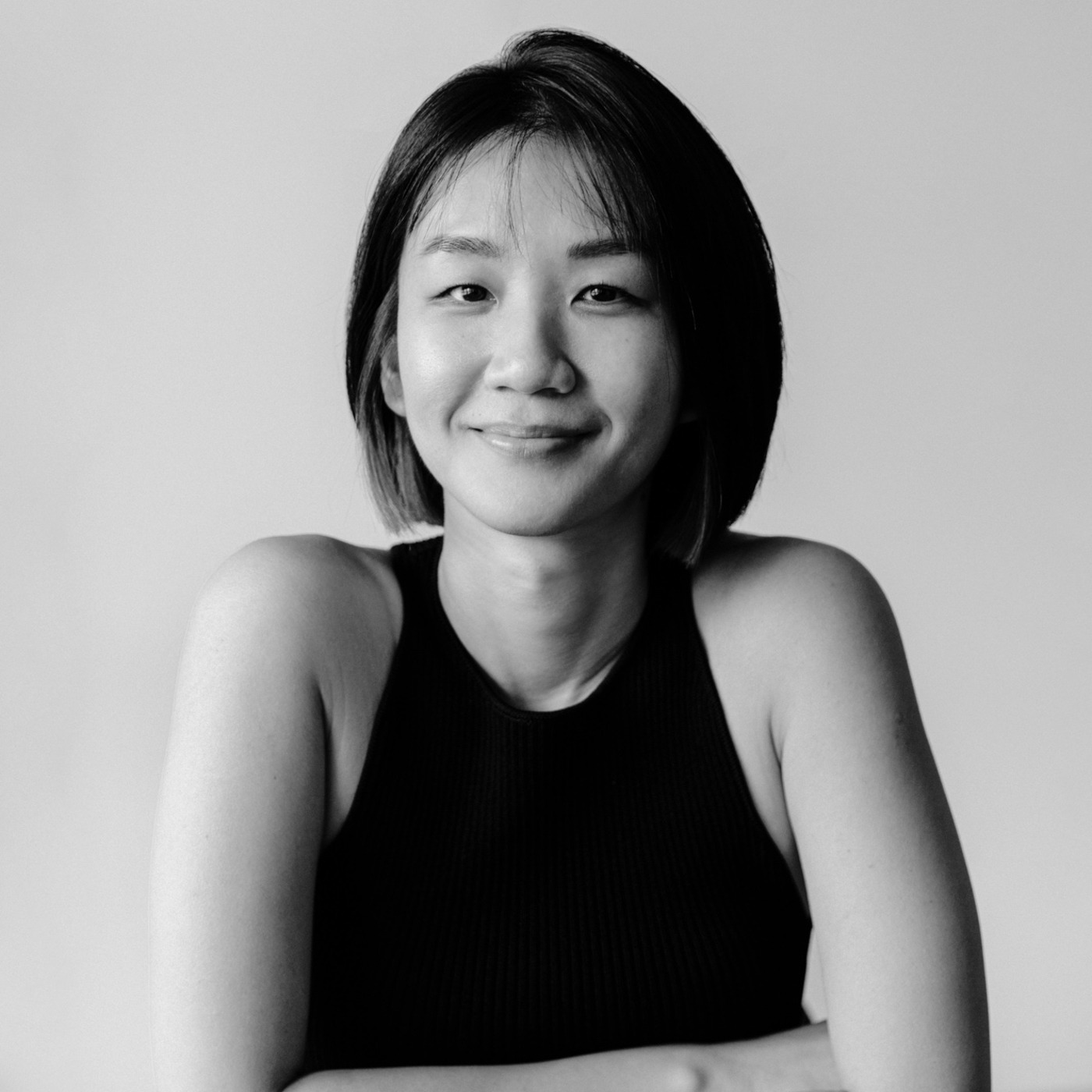 66: What Singapore’s prison cooking culture reveals about the human spirit | Sheere Ng, author of When Cooking Was A Crime and co-founder of In Plain Words | Sheere Ng: “Our understanding of inmates is they are either repentant or incorrigible. It’s black and white. But I think that the masak shows them to be abit more multifaceted, showing them to be loyal but ill-disciplined, angry but funny as well. I learnt something from trying to understand masak, and I simply wanted to tell that story…”Sheere Ng, author of When Cooking Was A Crime and co-founder of In Plain Words shares about the twists and turns in her career, plus: *How her love for food began* *Her journey into food writing* *Her experience as a food editor of Makansutra* *Working in the hospitality industry* *Where she got the idea for writing about prison food culture* *Why inmates cook in prison* *Food that Singaporean inmates were cooking in prison* *How writing the book helped her understand inmates better* *How she decided on food writing* *The importance of satisfying her curiosities and doing food research* *Challenges as a food researcher* *The importance of bilingualism* *What is Singaporean food* Sheere Ng’s book: https://inplainwords.sg/when-cooking-was-a-crime/Singapore Noodles: http://sgpnoodles.com/ @sgpnoodlesSingapore Noodles newsletter: http://sgpnoodles.substack.com/ | 45m 06s | ||||||
Want analysis for the episodes below?Free for Pro Submit a request, we'll have your selected episodes analyzed within an hour. Free, at no cost to you, for Pro users. | |||||||||
| 1/5/22 |  65: Rediscovering the vanishing art of fermentation | Rebecca Koh of Midnight Fermentary and Midnight Food Co. | Rebecca Koh: “Asian ferments used to be passed down by the word of mouth – from grandma to the mother, and from the mother to the daughters. If one generation decides, “I do not want to learn it”, then that's it… When I wanted to learn how to make rice wine, my maternal grandma had already passed on, so there's no way I could ask. I had to call my aunt and ask, “Is there anyone in Singapore you know who knows how to do it?”. And she said, “No, not in Singapore, but in Malaysia, maybe I can find out from you.” So that's why in Singapore, it is literally like a vanishing art. You can hardly find someone who can really teach you how to do it properly, step-by-step.” Rebecca Koh of Midnight Fermentary and Midnight Food Co., shares how fermentation helped her cope with insomnia, plus: *Different colours of glutinous rice wine* *Difference between red yeast rice and white wine cakes* *Process of making glutinous rice wine* *Superstitions/ science of fermentation* *Home-brewing shops in Singapore* *Fermentation fridges and storing wine under the bed* *Enjoying glutinous rice wine and lees* *The value of fermenting your own food* *What’s within the reach of a home fermenter* *Why there are chemicals in commercial ferments* *Why is there a lack of documentation for Asian ferments* *Where should a beginner start* Rebecca Koh: @midnightfermentary @midnightfoodcoSingapore Noodles: http://sgpnoodles.com/ @sgpnoodlesSingapore Noodles newsletter: http://sgpnoodles.substack.com/ | 30m 33s | ||||||
| 12/30/21 |  64: Answering your questions, and looking ahead to 2022 | I reflect on 2 years of Singapore Noodles, answer your questions and share about my plans for the platform in 2021, plus: *How I decide on guests to feature on the podcast* *Behind-the-scenes of the podcast* *How I stay inspired in the kitchen* *How being married improved my cooking* *My upcoming cookbook* *The Singapore Noodles Membership* Singapore Noodles: http://sgpnoodles.com/ @sgpnoodlesSingapore Noodles newsletter: http://sgpnoodles.substack.com/ | 17m 40s | ||||||
| 12/20/21 |  63: The kuehs that bring a family together | Gladys Foo, founder of Kuehdys Foo | Gladys Foo: “When we made love letters pre-pandemic, we all will go over to my mom’s place to help out. I come from a family of six siblings, so we have everybody in the different areas. I am in charge of rolling it, my elder sis is in charge of removing the love letters from the mould to pass it to me, one of my sis is in charge of monitoring it, my second sis is in charge of scooping it. My brother is the firewatcher to ensure that the fire is consistent… My siblings and I, we have a very special bond because we grew up with very little, and so the bonding is there. The sacrifice that all my siblings made for one other – we really appreciate it… That’s why we have a lot of these family activities. It’s that family closeness that brings everyone together, and so does the cooking.”Gladys Foo, founder of Kuehdys Foo, shares about her kueh-making business started, plus: *Her growing up years* *Love letters, nian gao, and yibua* *Factors contributing to the slow death of traditional kueh-making* *Why eating kueh is typically seen as an ‘old person thing’**The importance of homecooking and exposing children to traditional food* *COVID and the resurgence of heritage food and other upsides* *The communal aspect of kueh-making* *Origins of Hainanese cuisine* *Her family’s version of roast pork belly* *Chicken poop kueh and art buah* Gladys Foo: @kuehdysfooSingapore Noodles: http://sgpnoodles.com/ @sgpnoodlesSingapore Noodles newsletter: http://sgpnoodles.substack.com/ | 56m 49s | ||||||
| 12/14/21 | 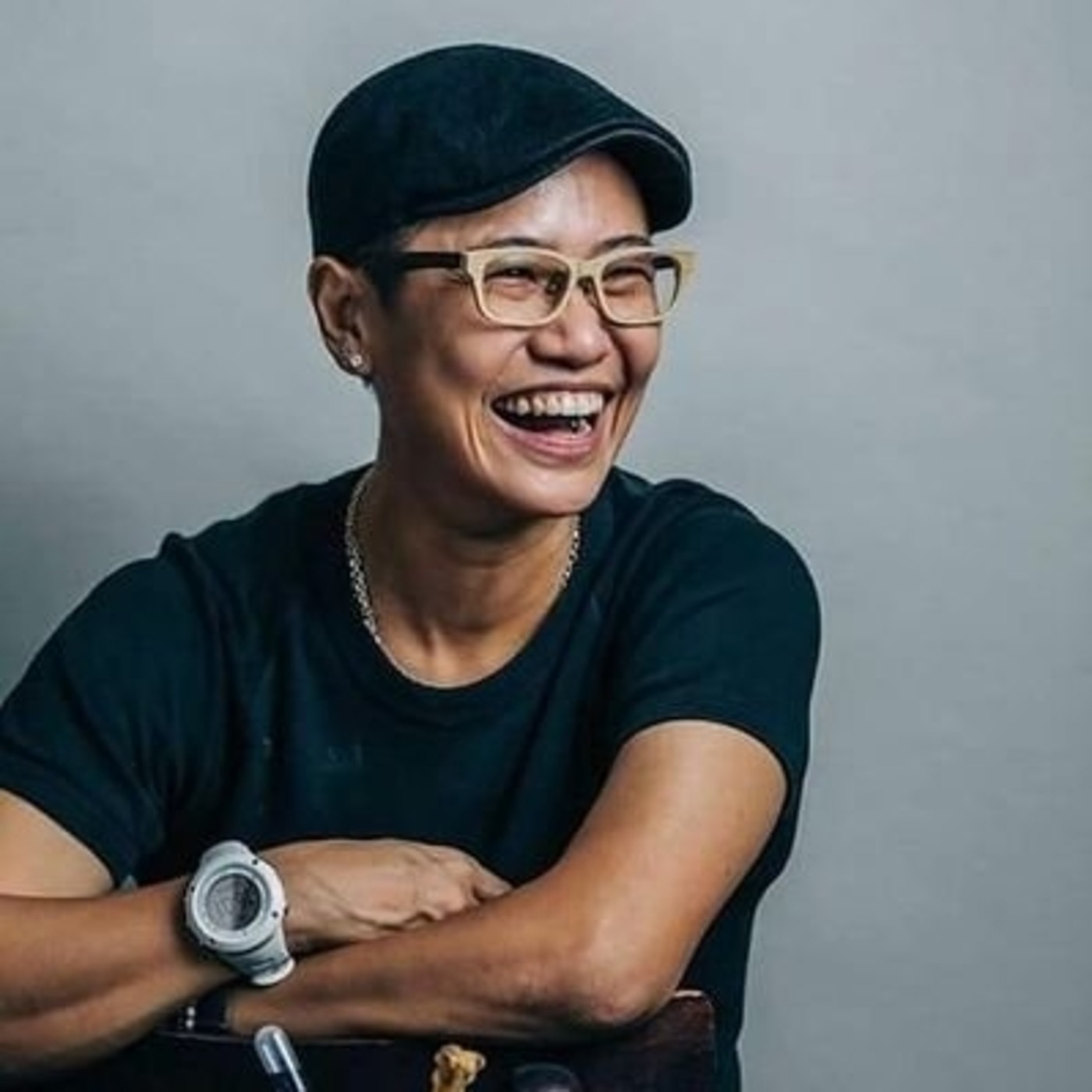 62: The past, present, and future of hawker food | Shen Tan, hawker, chef, and founder of OG Lemak & Ownself Make Chef | Shen Tan: “Passion doesn’t feed people – it doesn’t pay your CPF, it doesn’t pay your mortgage, it doesn’t pay for medical insurance. Singaporeans who say we are losing our hawker heritage, are, on the other hand, complaining on socials that ‘standards drop, so expensive, so little’. They can count, ‘Only got three prawns, only got two pieces of pork ribs.’ You have to ask yourself why? It is not the hawkers’ job to feed you guys for very little money. I was asked a question recently: How do Singapore’s hawkers put out the food at such low prices? It’s because they are subsidizing with their salaries!” Shen Tan, hawker, chef, and founder of OG Lemak & Ownself Make Chef, shares about her journey of transitioning from the corporate world to hawker life, plus: *Stereotypes and expectations of hawkers* *The baggage of family recipes and why ‘old’ is not necessarily better* *Nasi lemak and the twice-steaming method* *Her approach to healthful eating* *Evolution of hawker food* *Innovation in the heritage food space* *Reasons why heritage dishes vanish* *How hawker profit margins are stifling the growth of hawker culture* *Social media and hawkers* *Advice to aspiring hawkers* *Cloud kitchens* *Argument for embracing local vegetables* *How we can encourage hawker food to be more nutrient dense and healthy* Shen Tan: https://www.oglemak.com/ https://ownselfmakechef.com/ @chefshentan Singapore Noodles: http://sgpnoodles.com/ @sgpnoodlesSingapore Noodles newsletter: http://sgpnoodles.substack.com/ | 51m 37s | ||||||
| 12/3/21 | 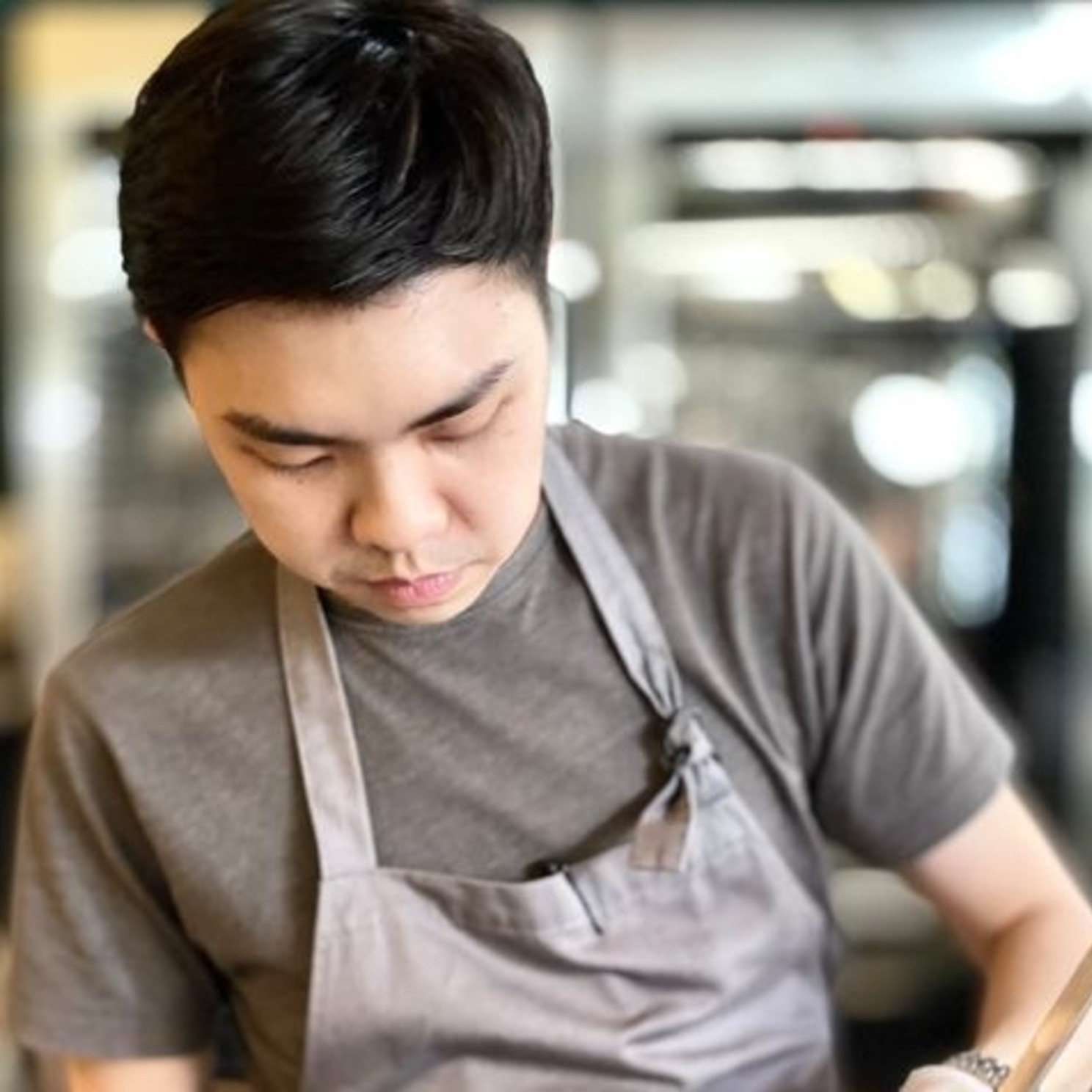 61: Modernizing heritage food to remind us of our roots | Marcus Leow, head of product development at Naked Finn | Marcus Leow: “If there ever is a lao po bing (wife biscuit) in a more modern flavour, I honestly don’t think that’s bastardizing a recipe. I would say that that’s a way of keeping up with times and moving forward, but at the same time, reminding us of our roots… Like with kueh, you have so many flavours nowadays but the ones that get sold out are the traditional flavours – like regular kueh salat but done very well. Even for ang ku kueh or bingkah ubi, the original flavours are still the best. So even though there is a lot of modernizing of flavours, as long as it is part of the conversation, we are still going on the right track.” Marcus Leow, head of product development at Naked Finn, shares about his Peranakan heritage, plus: *Kueh-making vs pastry* *Using vegetables in kueh* *The journey towards embracing his heritage* *Buah keluak and belimbing* *Applying techniques to keep heritage dishes and snacks alive* *Learning about new heritage ingredients* *His hopes for Singaporean food* *Favourite eats in Singapore* Singapore Noodles: http://sgpnoodles.com/ @sgpnoodlesSingapore Noodles newsletter: http://sgpnoodles.substack.com/ | 45m 29s | ||||||
| 11/22/21 | 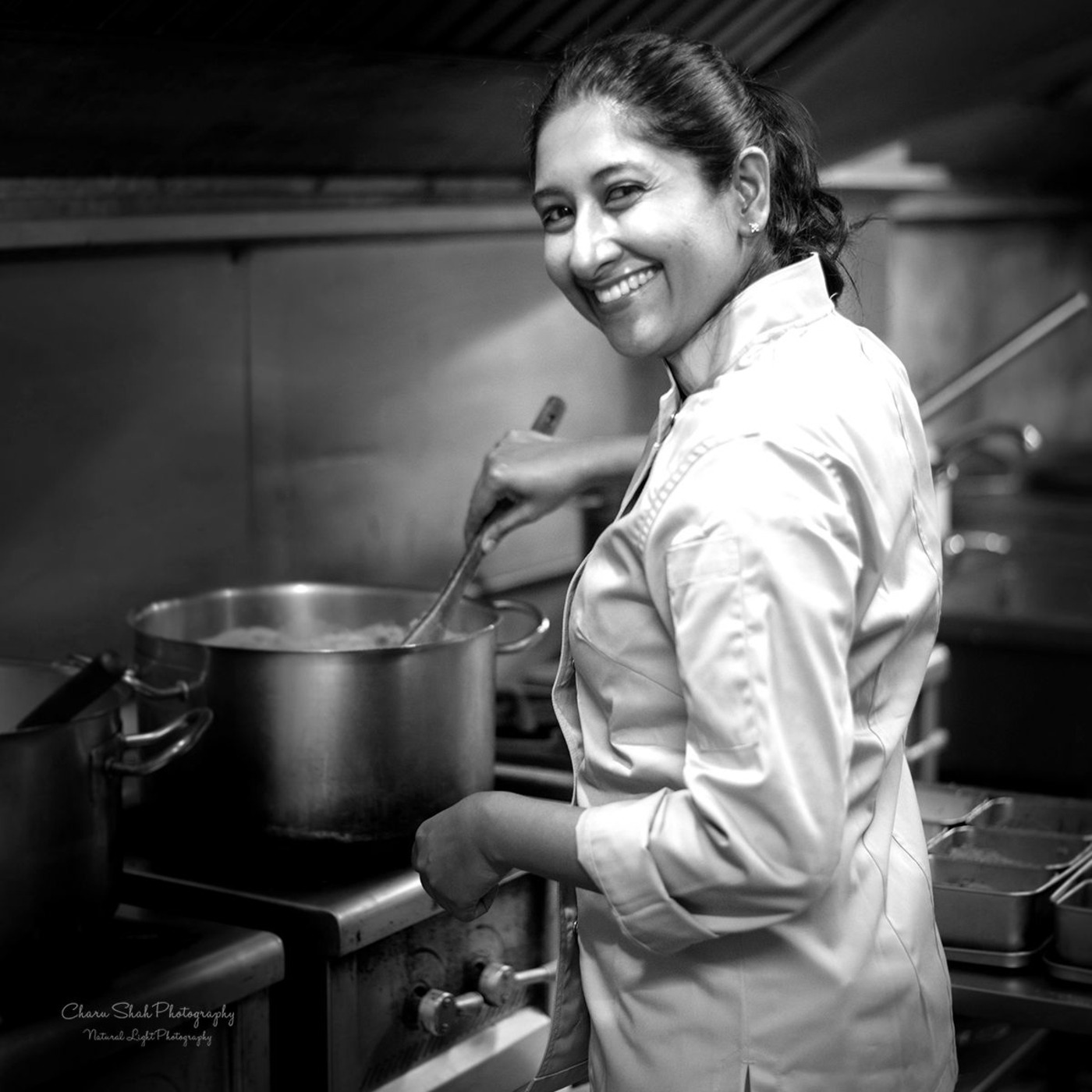 60: What we can learn from India’s approach to vegetables | Sowmiya Venkatesan, founder of Kechil Kitchen | Sowmiya Venkatesan: “In chicken rice, chicken is the primary flavour. Your rice has the chicken flavour, your chicken has the chicken flavour, and the stock has the chicken flavour, because it is a celebration of the chicken. Whereas in India, the first thing you’d do for any meat dish is dumb down the meatiness of the meat. Whether it is a fish, mutton, or chicken, the first thing that they would do is marinate it. They would add lemon or spices so that fish doesn’t smell fishy, a chicken doesn’t taste like chicken – so it is a completely different approach from a cuisine perspective. Therefore, I understand and appreciate how difficult it can be [for Singaporeans to go vegetarian] because here, the primary flavour, is the meat. So if [one is] asked to make a dish without the meat, then [he or she does not] know what to do.” Sowmiya Venkatesan, founder of Kechil Kitchen, shares about the nuances in Indian cooking, plus: *Roti prata in Singapore vs paratha in India* *Things that people misunderstand about Indian cuisine* *How living in Singapore has impacted her approach to Indian cooking* *Tempering in Indian cuisine* *Cooking fats of India* *The concept of meat substitutes, or the lack thereof, in India* *Soya chaap, chunks, nuggets, and granules* *The recent shift in attitudes towards vegetarianism* *Envisaging delicious vegetarian dishes* *Concentrating umami* *Black salt* *Vegetable desserts of India* *Why Singaporeans find vegetable cookery so tricky* Singapore Noodles: http://sgpnoodles.com/ @sgpnoodlesSingapore Noodles newsletter: http://sgpnoodles.substack.com/ | 43m 54s | ||||||
| 11/15/21 | 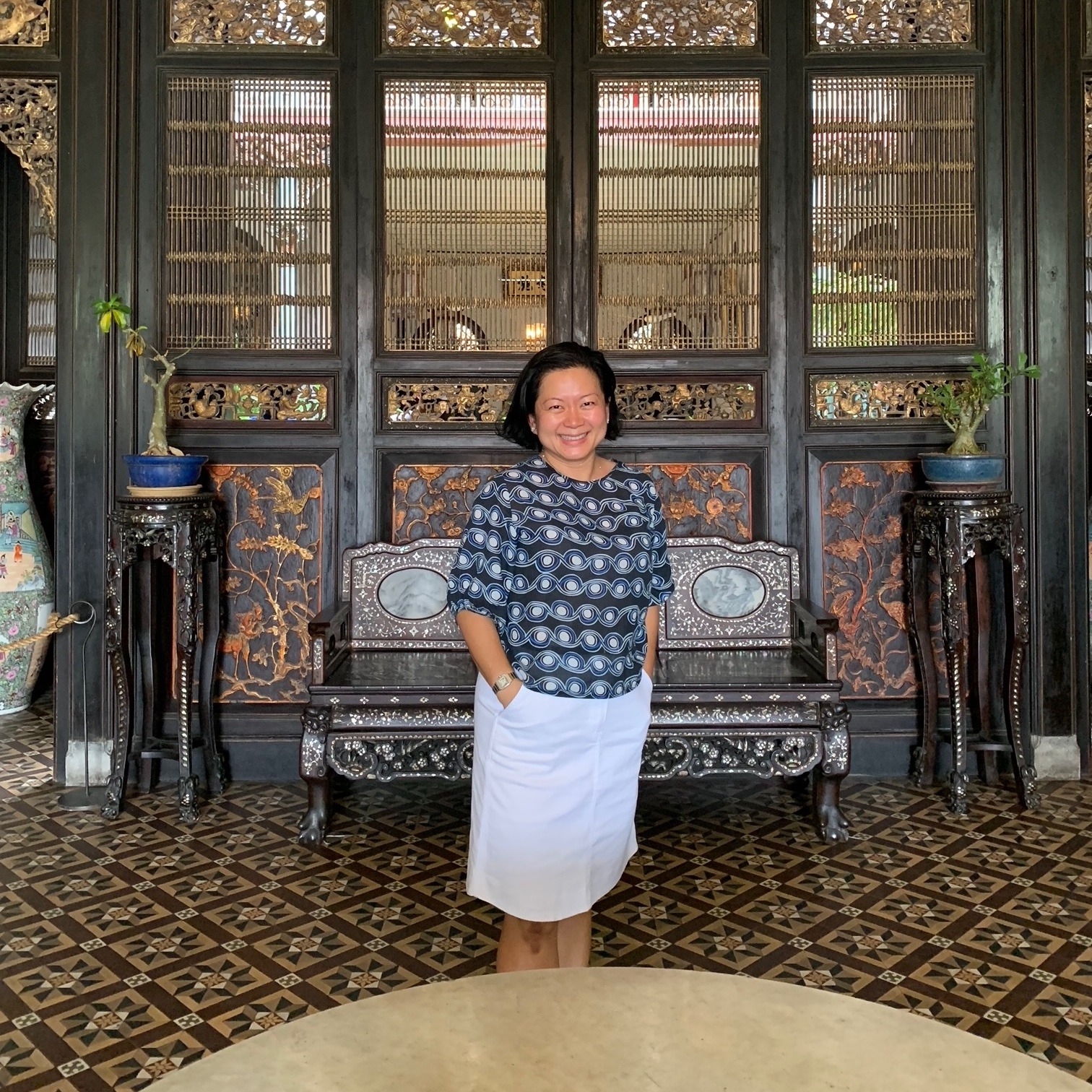 59: In memory of a Nonya mother and a fading generation of professional housewives | Sharon Wee, author of Growing Up in a Nonya Kitchen | Sharon Wee: “I always thought my mom deserves a book of her own, and I thought, why not a full-fledged cookbook… Peranakans are very guarded about their cooking secrets and recipes. I was going up against older sisters and relatives who weren’t sure if I should be doing this, sharing this publicly. You can ask a lot of families – they would feel that way. You can ask them, ‘How do you make that achar’, and they’ll say, ‘Cannot tell you – it’s a family secret!’ But I took a leap of faith – I actually wrote them down because I felt like if I didn’t do that, over time, we would forget how the achar was crunchy in the first place, or the different things that they did.” Sharon Wee, author of ‘Growing Up in a Nonya Kitchen’ shares about her journey of learning to cook and connecting with her heritage, plus: *The way that vegetables were viewed in the past* *Motivations behind writing her cookbook* *Challenges encountered while writing her cookbook* *Saffron and evaporated milk in nasi briyani* *Reconciling health concerns with the Peranakan diet* *The fading generation of professional housewives and its impact on Singaporean food culture* *Her mantra of ‘practice makes perfect’* *The argument for cooking at home* *Keeping traditions alive in her new home* *How can heritage cuisine be preserved*Singapore Noodles: http://sgpnoodles.com/ @sgpnoodlesSingapore Noodles newsletter: http://sgpnoodles.substack.com/ | 43m 16s | ||||||
| 11/8/21 | 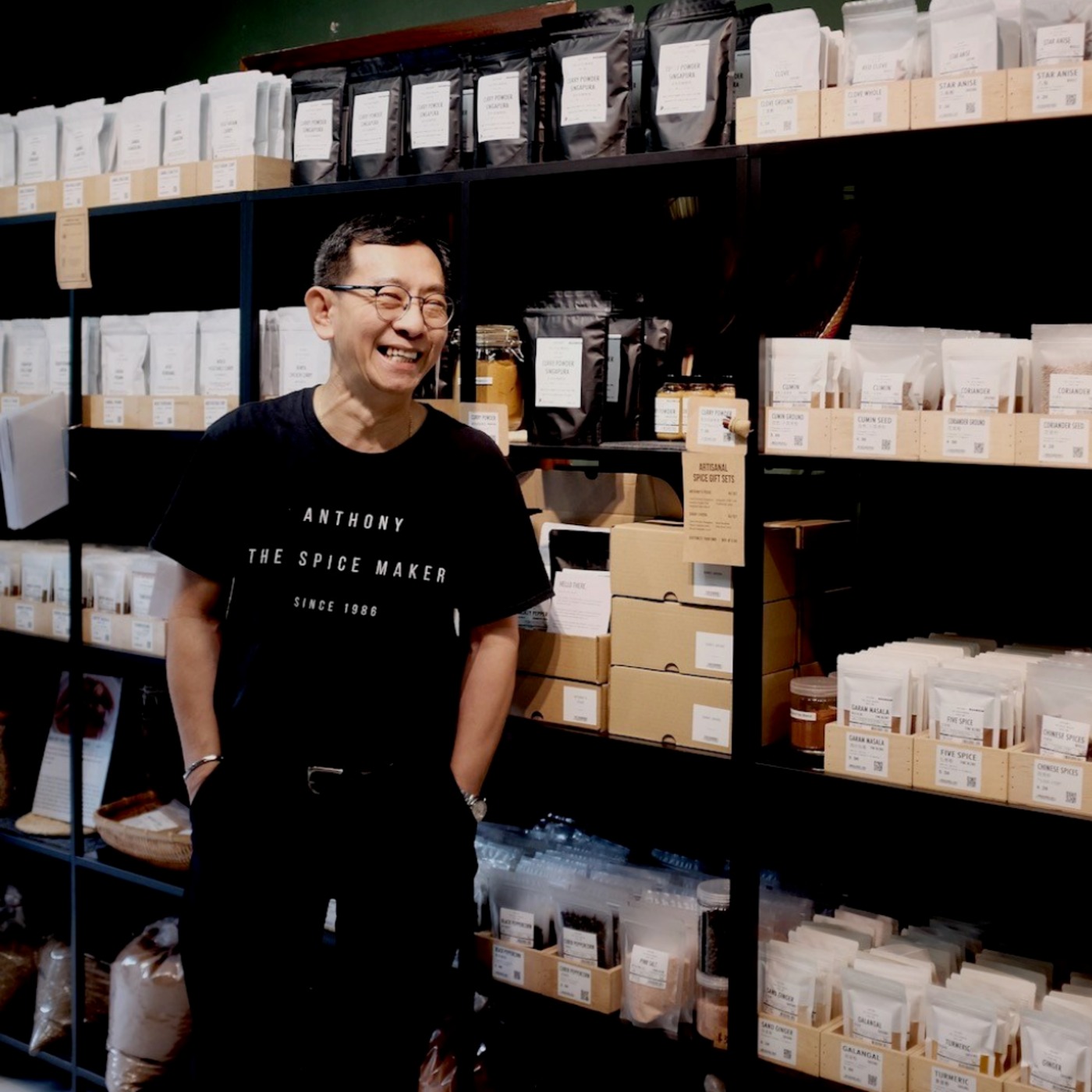 58: Modernizing the spice-blending trade | Anthony Leow, Founder of Anthony the Spicemaker | Anthony Leow: “In the past, grannies used to pound their own spices, but when they were old, they couldn’t pound spices anymore. While making spice blends for them, we were, at the same time, learning the secret recipes from all these old grannies, because they were actually very good and experienced at cooking. This is how we picked up the trade and kickstarted our business.” Anthony Leow, founder of Anthony the Spicemaker, a spice shop at the wet market, shares about how his business began, plus: *Why he chose to set up shop at the wet market* *Chinatown market* *Modernizing the business* *Challenges faced* *Thoughts on whether wet markets would survive*Singapore Noodles: http://sgpnoodles.com/ @sgpnoodlesSingapore Noodles newsletter: http://sgpnoodles.substack.com/ | 28m 03s | ||||||
| 11/2/21 | 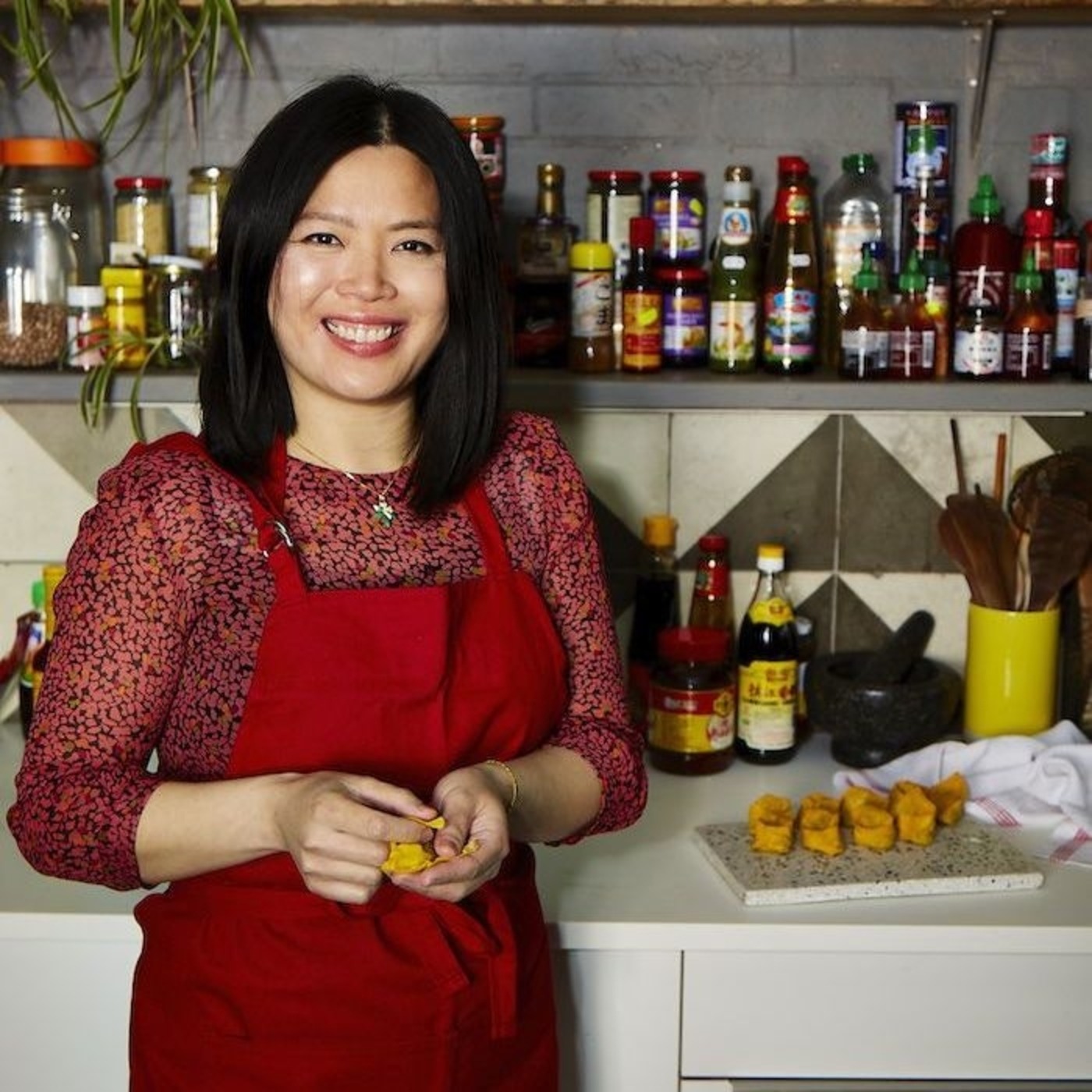 57: On finding joy and feeding your soul | Mandy Yin, founder of Sambal Shiok and author of Sambal Shiok | Mandy Yin: “It’s better to have tried and figured out you don’t like something. It’s not failure, it’s really not. Sometimes you have to go through an incredibly bad, difficult time to understand that’s not what you need to do, and you take a different route. One door closes, another opens. I do think there’s merit in following your passion, but also in understanding your limits and knowing when to cut your losses… Life is for living.” Mandy Yin, founder of the restaurant Sambal Shiok and author of the cookbook Sambal Shiok, shares about her experiences learning how to cook Malaysian food from her mother, plus: *The problem with the word ‘authentic’* *Her journey learning how to make heritage food* *Beginnings of Sambal Shiok – pop up to a restaurant* *Veganizing laksa* *Iban cuisine* *Importance of recognizing diversity in Malaysian food culture* *Making Malaysian cuisine accessible* Sambal Shiok: https://www.sambalshiok.co.uk/ @sambalshiok Singapore Noodles: http://sgpnoodles.com/ @sgpnoodlesSingapore Noodles newsletter: http://sgpnoodles.substack.com/ | 39m 02s | ||||||
| 10/25/21 | 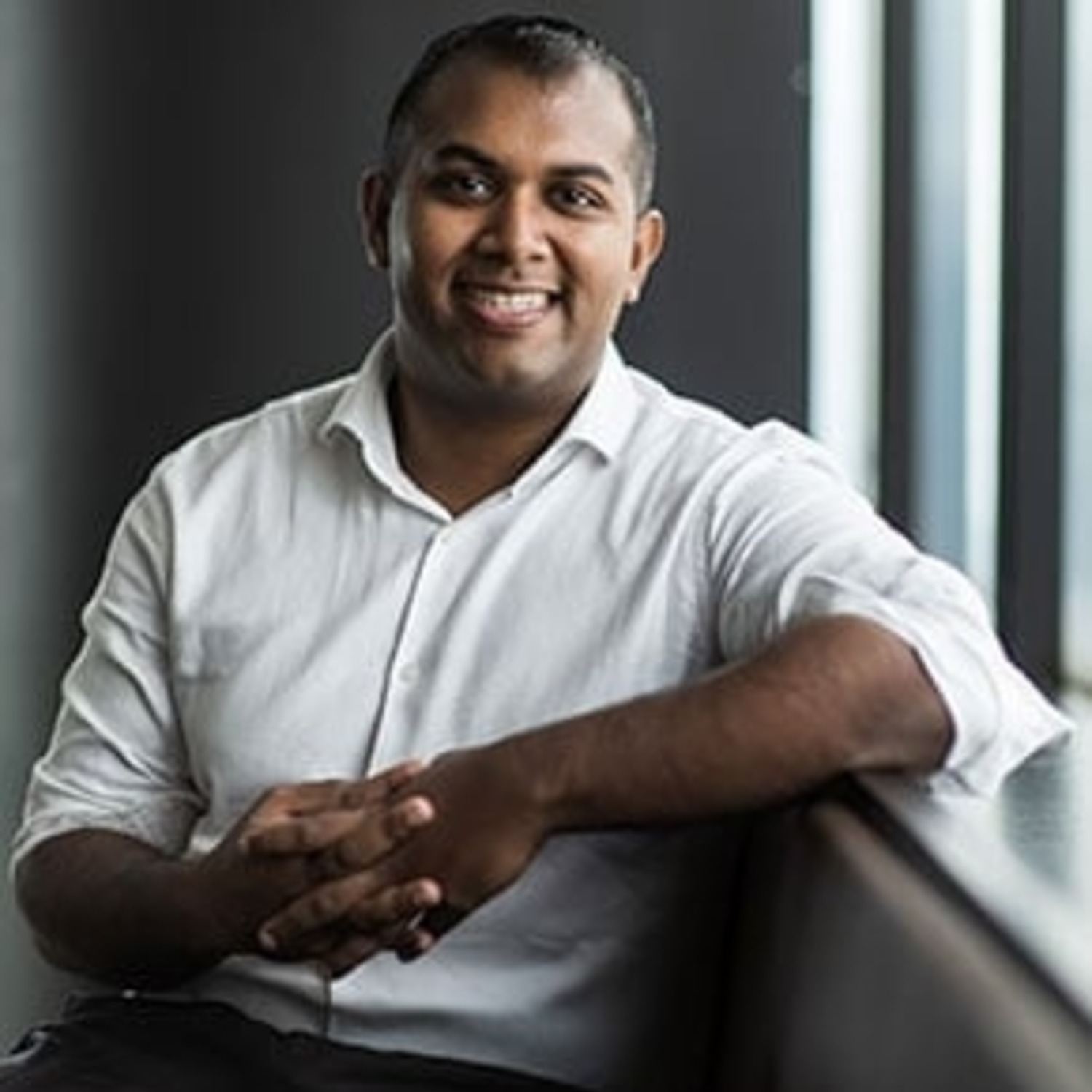 56: Creating more seats at the table of Singaporean food culture | Rovik Jeremiah Robert, founder of The Hidden Good, and co-host of the SGExplained podcast | Rovik Jeremiah Robert: “When we draw those lines, we end up ostracizing or excluding a lot of groups who are in Singapore who are making an influence regardless of what we think, and we also lose an opportunity for our food to evolve. To an extent, I can empathize, because as a young nation, identity is determined by some level of boundary-drawing, to say this is who we are, and this is who we’re not. But I also think that for food, “Why?” – food is such an exciting space to have innovation and experimentation. I think we need to ask ourselves critical questions on what really does it mean to be Singaporean. In my personal take, it cannot just be CMIO for the next 50 years.” Rovik Jeremiah Robert of The Hidden Good and SGExplained podcast talks about the overarching mission of his work, plus: *Expanding our understanding of diversity* *The importance of the intangible* *Hawker pricing and providing value* *Role of content creators in creating sustainability for the hawker trade* *Why going beyond Chinese-Malay-Indian-Others is important for the growth of Singaporean food culture* *Fine dining and street food* *Imagining a more inclusive Singapore* SGExplained podcast: https://open.spotify.com/show/4f3ErNGtWmtoG6Ht8jvZzE?si=7e1826e9d0bb4d37 Singapore Noodles: http://sgpnoodles.com/ @sgpnoodlesSingapore Noodles newsletter: http://sgpnoodles.substack.com/ | 45m 08s | ||||||
| 10/20/21 | 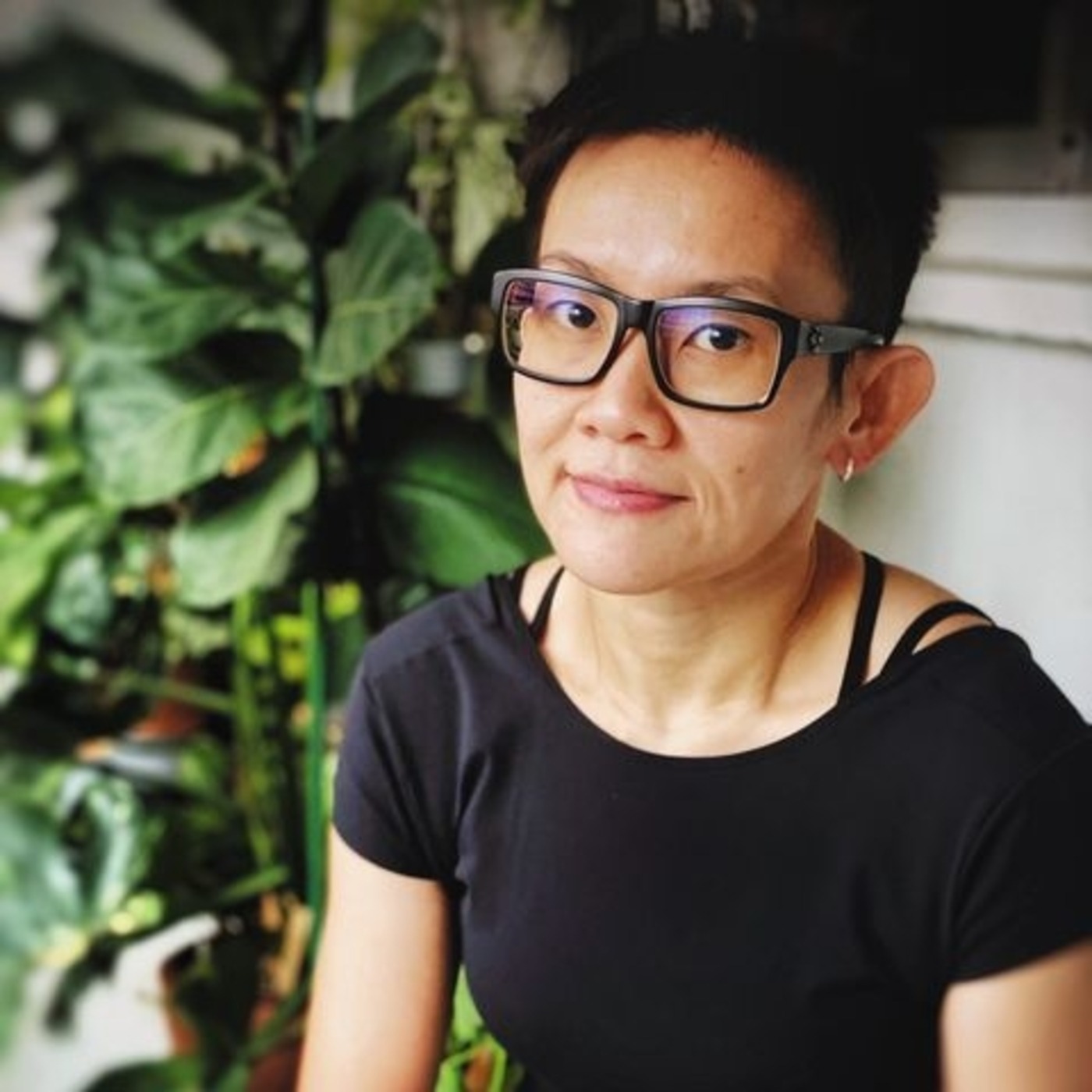 55: Losing the sense of smell and rediscovering the joys of cooking | Chang Pick Yin of @pickyin | Chang Pick Yin: “After I had my surgery, I couldn’t smell. Zero sense of smell. You can’t imagine how it feels like until you experience it, because can you imagine being in a kitchen and you can’t smell… At this point, because I can’t smell and therefore I can’t taste very well, the process of eating is different and diminished, so I take more joy in the process of cooking.” Chang Pick Yin of @pickyin shares about her changing relationship with food, plus: *Learning how to cook* *How her blog came about* *Photographing local food* *Exposure to South Indian food* *Appreciation of heritage food* *Losing her sense of smell* Singapore Noodles: http://sgpnoodles.com/ @sgpnoodlesSingapore Noodles newsletter: http://sgpnoodles.substack.com/ | 48m 30s | ||||||
| 10/11/21 |  54: Transforming vegetables through culinary creativity and ingenuity | Gan Chin Lin of @tumblinbumblincrumblincookie | Gan Chin Lin: “When it comes to substituting meat products, a lot of people can only imagine the didacticism of swapping one protein for another protein, but I think that it really expands your horizons when you think about taste and experience and how a substance reacts to heat over a duration of time… It’s really interesting to see the diverse ways people try to reimagine certain memories of food. I wouldn’t say that they are replicating meat wholesale; I think there’s a certain extent to which these recipe-makers and cooks know that this is not the real thing, but it’s just so clever and creative the way different ingredients and what we have in our fridge can be recombined, and you get closer to a memory and I think that that part is what counts, because that part is what counts and that is in itself, as nourishing as what you eat.” Gan of @tumblinbumblincrumblincookie, shares about how her personal relationship with food, plus: *Asia’s history with vegetarianism* *Privilege and food choices* *Culinary ingenuity when it comes to transforming vegetables* *Constraints with vegan baking* *Ethnicity, religion, and our relationship with animals and animal products* *The porousness of authenticity* *Food education in Singapore and TAF Club* *Hopes for Singaporean food culture* Singapore Noodles: http://sgpnoodles.com/ @sgpnoodlesSingapore Noodles newsletter: http://sgpnoodles.substack.com/ | 47m 02s | ||||||
| 10/2/21 |  53: Rethinking consumption and making better food choices | Woo Qiyun, Founder of The Weird and Wild | Woo Qiyun: “Keep Cup is designed for an Australian audience. So many of these reusable cups are not designed to be culturally sensitive or culturally specific, so I’ve always been worried. I’ve even emailed Keep Cup, saying, “Your cups do not fit the way that Singaporean or tropical countries drink bubble tea for example. It does not make sense for our context. Your silicone cups don’t always fit our uncle pouring the kopi because they are so unstable. There can be alternatives if we think about it from a Singaporean angle, or if someone here were to design it to suit our need, understanding certain nostalgic elements, because I can totally imagine the same experience but designed with a better material, while retaining the essence of it all.” Woo, founder of The Weird and Wild, shares about how her instagram page came about, plus: *The power of social media and illustrations* *Keep cup and cultural context* *Generational gap* *Veganizing Singaporean favourites* *Meat substitutes* *Baking vegan substitutes* *Cosmetic filtering of food* *Difficulties of shopping for food sustainably in Singapore* *Seasonality of fruit* *Environmentally-conscious businesses to support* Singapore Noodles: http://sgpnoodles.com/ @sgpnoodlesSingapore Noodles newsletter: http://sgpnoodles.substack.com/ | 51m 18s | ||||||
| 9/27/21 |  52: Making cooking accessible without compromising on flavour | Lace Zhang, Author of Around the Dining Table and Three Dishes One Soup | Lace Zhang: “During Chinese New Year, I saw my maternal grandmother, the only one who could cook the Chinese New Year feast for everyone. She was piling the table up with her signature dishes like her ngoh hiong and her kong bak bao. In that room with three or four generations, I took a look around. She was standing there, saying that she was really happy that everyone’s gathered around. I saw that amongst everyone there, no one has learnt how to cook her food from her. No one else really had interest in cooking but I was the only one who enjoyed being in the kitchen, so I started questioning myself: ‘Why am I learning about foods of other culture and not my own?’” Lace, author of the cookbooks Around the Dining Table and Three Dishes One Soup, shares about how her interest in heritage food began, plus: *Porridge kueh* *The influence of her dad and Aunty Alicia* *Her dad’s pineapple tarts* *Cookbook writing* *Good starting points for beginner cook* *Homemade chicken essence* Singapore Noodles: http://sgpnoodles.com/ @sgpnoodlesSingapore Noodles newsletter: http://sgpnoodles.substack.com/ | 29m 32s | ||||||
| 9/20/21 |  51: A deep dive into mooncakes and Chinese pastry | Yeo Min, founder of Pastories | Yeo Min: “In my generation, very few of my friends eat Chinese pastries. They don’t really buy Chinese pastries to eat… A lot of the people who ask me if I am selling snowskin mooncakes are actually around my age. They would ask why I am selling traditional mooncakes, “I don’t think this kind of old taste would be what me or my friends would eat.” I felt a bit sad because I think that maybe it’s because they have not tried these traditional pastries from many different shops. There are some that maybe are not suited for our palates, but there are some that are honestly really good, but maybe they don’t give them a chance.” Yeo, founder of Pastories, shares about how her interest in Chinese pastry began, plus: *Chinese laminated pastry* *Differences between Western and Chinese puff pastry* *Why Chinese pastry is a looser term than Western pastry* *Homemade golden syrup and the role of sugar inversion* *The use of alkali in Cantonese mooncakes* *The collision of sweet and savoury* *Youth perception of traditional mooncakes* - Pastories: @pastoriessgSingapore Noodles: http://sgpnoodles.com/ @sgpnoodlesSingapore Noodles newsletter: http:s//sgpnoodles.substack.com/ | 35m 54s | ||||||
Showing 25 of 76
Sponsor Intelligence
Sign in to see which brands sponsor this podcast, their ad offers, and promo codes.
Chart Positions
5 placements across 5 markets.
Chart Positions
5 placements across 5 markets.