
Insights from recent episode analysis
Audience Interest
Podcast Focus
Publishing Consistency
Platform Reach
Insights are generated by CastFox AI using publicly available data, episode content, and proprietary models.
Total monthly reach
Estimated from 6 chart positions in 6 markets.
By chart position
- 🇦🇺AU · Life Sciences#1565K to 30K
- 🇺🇸US · Life Sciences#1595K to 30K
- 🇧🇷BR · Life Sciences#1451K to 10K
- 🇪🇸ES · Life Sciences#1881K to 10K
- 🇳🇱NL · Life Sciences#1931K to 10K
- Per-Episode Audience
Est. listeners per new episode within ~30 days
9.4K to 65K🎙 Weekly cadence·43 episodes·Long inactive - Monthly Reach
Unique listeners across all episodes (30 days)
14K to 93K🇦🇺32%🇺🇸32%🇧🇷11%+3 more - Active Followers
Loyal subscribers who consistently listen
4.0K to 28K
Market Insights
Platform Distribution
Reach across major podcast platforms, updated hourly
Total Followers
—
Total Plays
—
Total Reviews
—
* Data sourced directly from platform APIs and aggregated hourly across all major podcast directories.
On the show
Recent episodes
The Human Brain’s Greatest Invention: The Neuroscience of Language
Jul 19, 2024
1h 07m 37s
How Music Shapes Our Brain and Identity
Jun 27, 2024
1h 02m 32s
Where is NOW in the Brain? The Neuroscience of Time (The Social Brain Ep. 40)
Jun 10, 2024
1h 00m 59s
Adolescence: The Brain's Quest for Identity and Independence
May 13, 2024
1h 09m 24s
How The Brain Evolved from Single Celled Organisms
Apr 23, 2024
1h 14m 44s
Social Links & Contact
Official channels & resources
Official Website
Login
RSS Feed
Login
| Date | Episode | Description | Length | ||||||
|---|---|---|---|---|---|---|---|---|---|
| 7/19/24 |  The Human Brain’s Greatest Invention: The Neuroscience of Language | Something fascinating is happening as you watch this video. You are effortlessly converting a series of sounds into meaningful thoughts. To do that, your brain has to take a sound wave–a collection of frequencies streaming into your ears–and somehow extract from it a specific message that I’m trying to convey to you right now. Just as mysteriously, you could mute this video and turn on subtitles and get the same message. As a literate person, you effortlessly take in strings of visual shapes and decode them into meaningful information. As humans, we take language for granted and it’s an indispensable part of our daily lives. We rarely stop to think about how weird it is that we spend a huge amount of our time listening to other people make sounds or staring at symbols on a page. It’s even rarer that we ask ourselves how we do any of that. In this episode, we’ll talk about all this while exploring some of the neuroscience of language. | 1h 07m 37s | ||||||
| 6/27/24 |  How Music Shapes Our Brain and Identity | Imagine a world without music—a world devoid of melody, rhythm, and harmony. Music is not just a form of entertainment; it's a profound element of human existence that transcends cultural boundaries and historical epochs. From the ancient flutes carved by our ancestors to the digital symphonies of today, music has been a constant companion in our journey as a species. But what makes music so extraordinary?The answer lies within the intricate pathways of our brain. Music has a unique ability to evoke powerful emotions, bring back distant memories, and even heal our bodies. It connects the auditory regions of our brain with those responsible for movement, allowing us to dance, play instruments, and sing in harmony. This connection is so profound that even animals like songbirds and dolphins exhibit remarkable musical abilities, hinting at the deep evolutionary roots of our musicality.Moreover, music's impact on our brains goes beyond mere enjoyment. It enhances our cognitive functions, improves our language skills, and strengthens our social bonds. Group music-making activities, from drum circles to choirs, synchronize our brain waves, fostering a sense of unity and belonging. Music therapy has shown incredible promise in treating neurological disorders like Parkinson's and Alzheimer's, offering hope and comfort where traditional medicine often falls short. | 1h 02m 32s | ||||||
| 6/10/24 |  Where is NOW in the Brain? The Neuroscience of Time (The Social Brain Ep. 40) | Time is a limited resource and, in some ways, it’s our only resource in life. But what is time and why does it seem to flow at the rate it does? Why is it that our subjective sense of time can change so dramatically depending on the situation and our state of mind? How does the brain measure and experience time? In this episode, we will explore these questions from a neuroscientific angle and come to some mind-boggling conclusions both about the nature of time and how our brains work. | 1h 00m 59s | ||||||
| 5/13/24 | 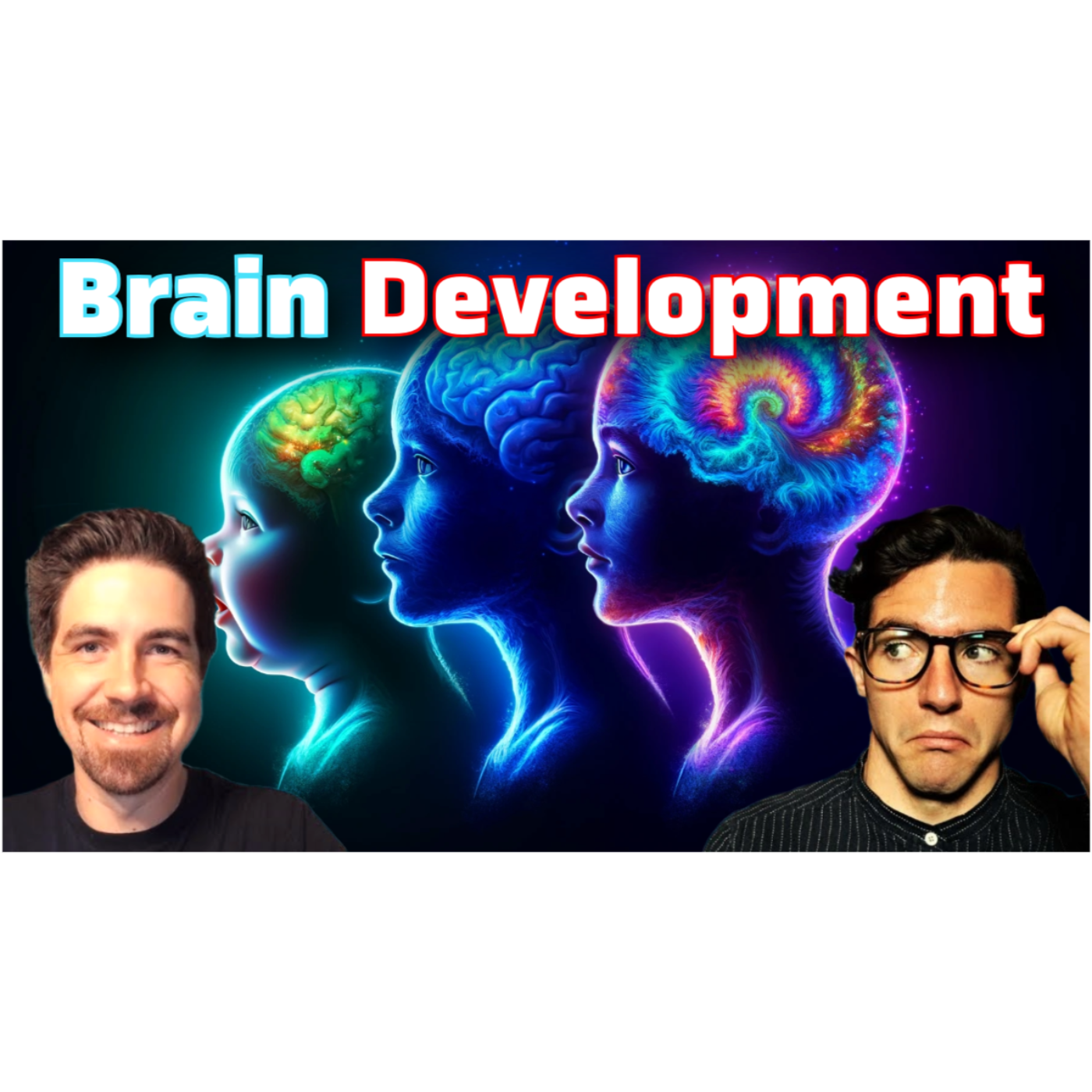 Adolescence: The Brain's Quest for Identity and Independence | The narrative surrounding adolescence often paints a picture of turmoil and defiance, suggesting a stage of life fraught with challenges and rebellion. It's a portrayal that resonates deeply in our cultural consciousness, framing these formative years as something to be merely survived rather than embraced. Yet, beneath this surface of stereotypes lies a profound transformation—a critical period of brain development that sets the stage for adulthood. Today, we delve into the complex world of the adolescent brain, a subject that, despite its common portrayal, is far more nuanced and significant than often appreciated. Adolescence is not merely about hormonal surges or social struggles; it's a time when the brain undergoes extensive optimization and specialization. It's a phase marked by intense learning, self-discovery, and the blossoming of passions, preparing our young minds for the challenges and opportunities of adult life. This period of growth is not unique to humans. Across the animal kingdom, adolescence is a crucial transition from dependency to independence, characterized by increased novelty-seeking, heightened emotional states, and a surge in social and creative explorations. These changes reflect a universal process of maturation and adaptation that is vital for survival and thriving in a complex world. Our discussion today challenges the simplistic view of adolescence as a time of mere rebellion and seeks to highlight the importance of supporting our youth during this transformative stage. By nurturing their growth and understanding the intricacies of their development, we not only honor their journey but also contribute to the well-rounded adults they will become. Join us as we explore the incredible dynamism of the adolescent brain, debunk myths, and celebrate the profound impact of this pivotal life stage. | 1h 09m 24s | ||||||
| 4/23/24 | 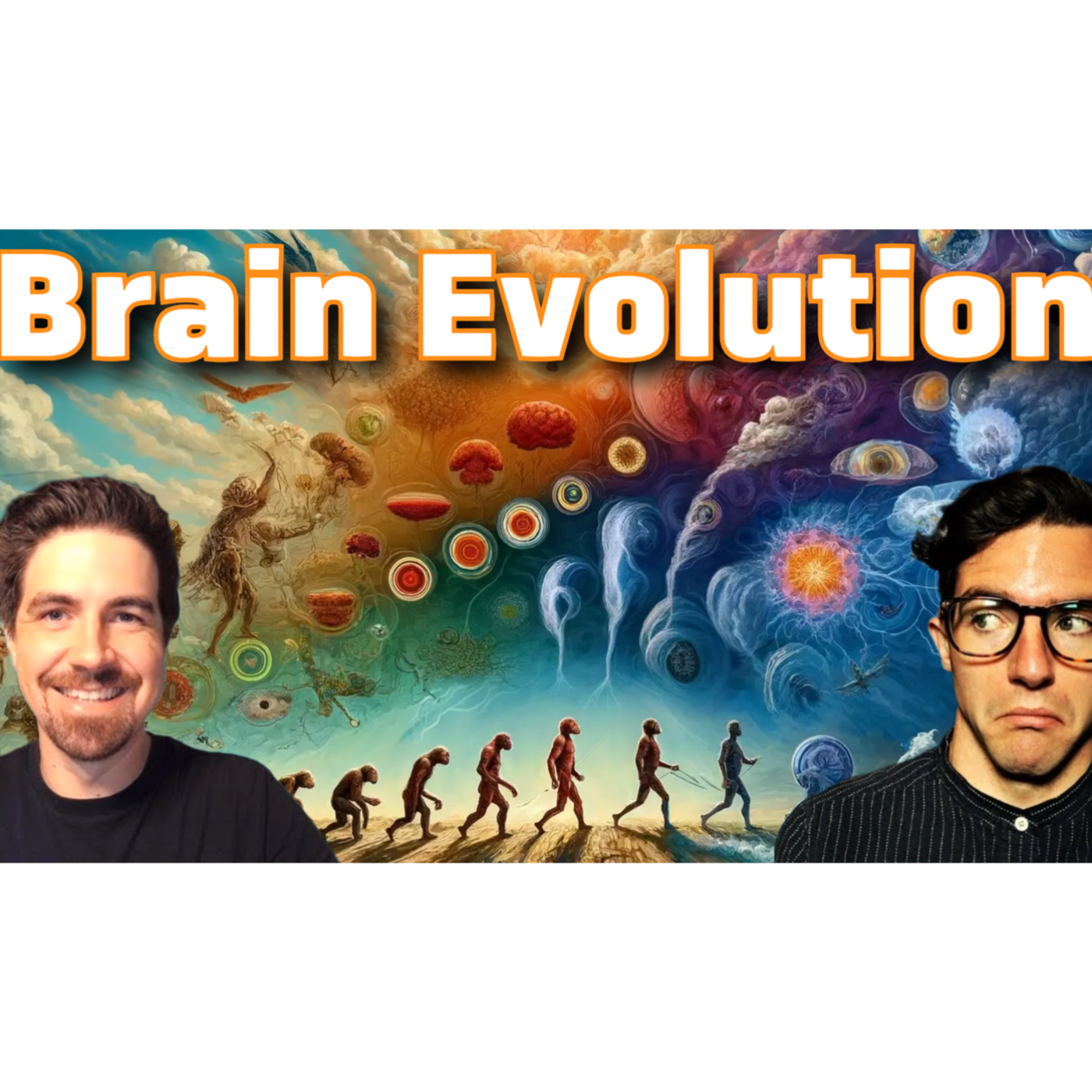 How The Brain Evolved from Single Celled Organisms | Right now, you are in possession of the most complex thing in the known universe: Your brain. The question is, how could this amazingly advanced biological computer have come about through natural forces? In this episode of The Social Brain, we’re traveling hundreds of millions of years into the past to answer that question. We’ll describe in broad strokes the evolution of single celled organisms all the way to the most intelligent creatures on the planet. | 1h 14m 44s | ||||||
| 4/9/24 |  Deciphering Depression: The Role of Serotonin | The rise in depression diagnoses in recent decades is staggering. It's estimated that 1 in 7 in US alone have turned to antidepressants in their quest for relief. This journey often begins with a narrative many of us are familiar with: the theory of a chemical imbalance in our brains. The idea that our brains are somehow "broken" and that these medications can correct that imbalance has been a cornerstone of psychiatric treatment for over 30 years. However, this theory is not without its challenges. Recent studies have questioned the simplicity of the chemical imbalance narrative, suggesting that depression cannot be pinned down to just serotonin levels. This has sparked a heated debate within the scientific community, with some researchers defending the theory and others calling for a reevaluation of our understanding of depression and its treatment. Our discussion today is not an indictment of these treatments but a call to broaden our perspective. Depression is a multifaceted condition, influenced by a myriad of factors, including our environment, personal experiences, and yes, our biology. But to reduce it solely to a matter of chemical imbalances does a disservice to the complexity of human emotions and experiences. The narratives of "broken brains" needing "chemical corrections" may overlook the resilience of the human mind and the capacity of our brains to adapt and find strategies to cope with stress. | 1h 04m 44s | ||||||
| 3/18/24 | 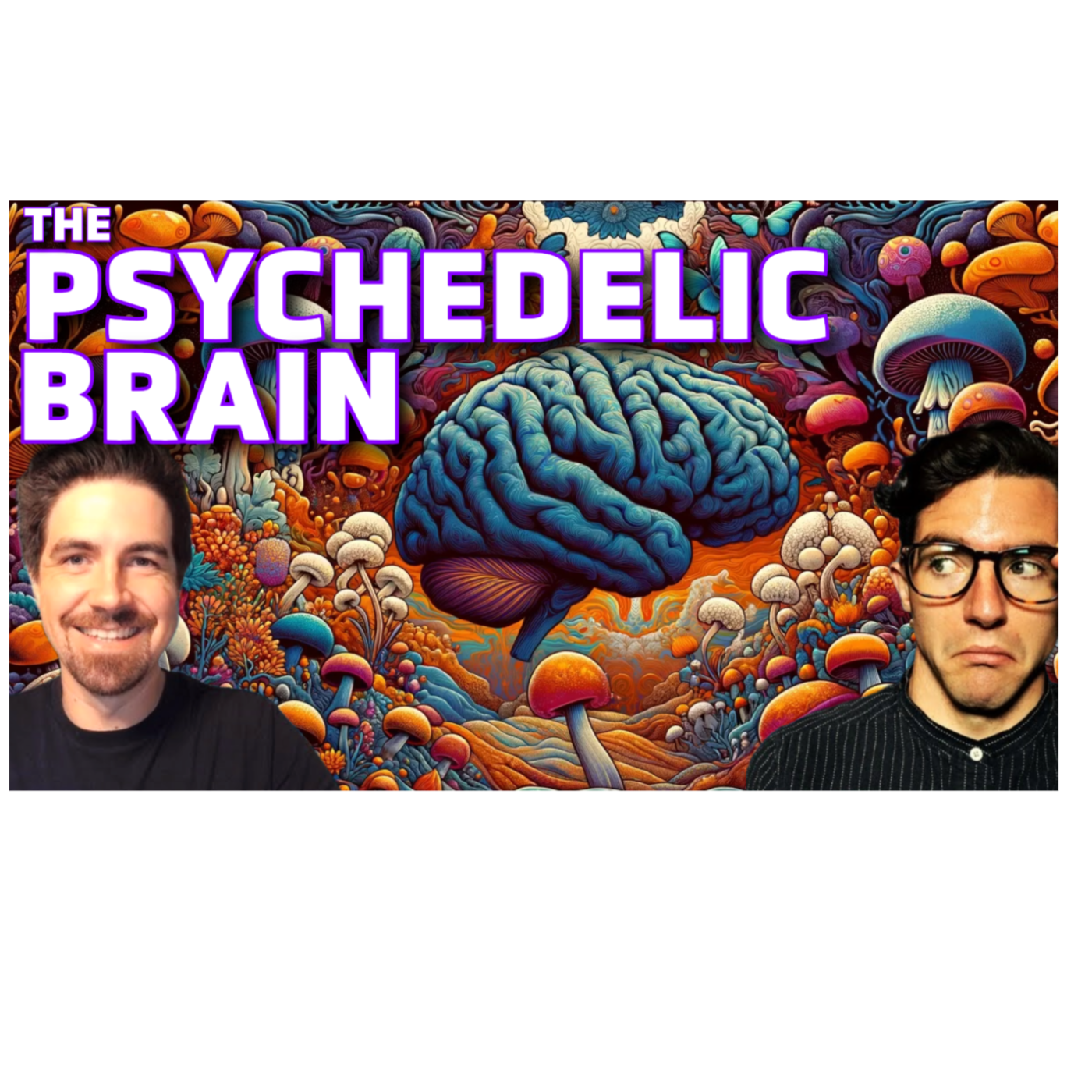 Revealing the Mind: The Neuroscience of Psychedelics | Psychedelics powerfully alter the brain by tapping into the serotonin system. In this episode, we’ll discuss how psychedelics affect the brain and what the existing literature suggests about their therapeutic potential. | 1h 11m 52s | ||||||
| 2/26/24 | 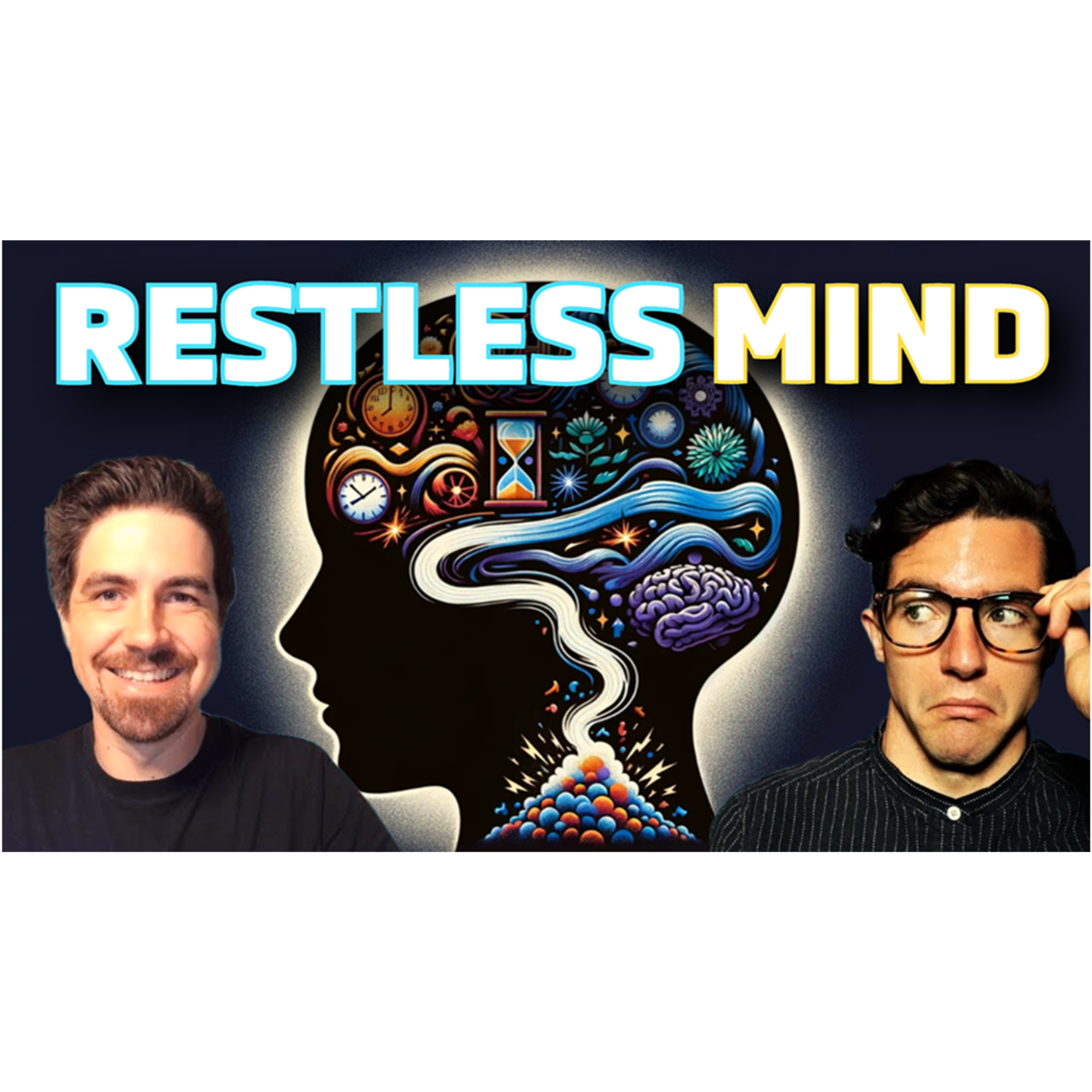 The ADHD Brain: Beyond Distractions | You've noticed it—the drift of your attention, the challenge of staying on task. We all experience this but for some of us this can reach extremes and fall under the category of ADHD, a complex neurological condition that's often misunderstood. We're not just talking about a child who can't sit still in class; this is about a diverse spectrum of experiences affecting people of all ages, in every aspect of life. But what really is ADHD? It's a term that's become common in our dialogue, yet it encompasses a vast range of symptoms: the impulsivity, the disorganization, the extraordinary bursts of creativity, and the struggle to keep up with life's everyday demands.This intricate dance of cognition and behavior, once simply labeled as a lack of willpower, is now recognized as a unique wiring of the brain, influenced by genetics, environment, and even societal expectations. It's intriguing and vital to understand how ADHD brains navigate the world differently, how they are not just a challenge to be managed, but also a reservoir of untapped potential and insight.In this episode, we're diving deep into the neuroscience of ADHD. We'll explore the latest research that sheds light on how ADHD brains work, the innovations in treatment and management, and most importantly, how those with ADHD can leverage their unique strengths. It's not just about diagnosing or coping with ADHD; it's about redefining our understanding of this condition and recognizing the value of neurodiversity in our lives. Let's embark on this journey together and uncover the full spectrum of what it means to live with ADHD. | 1h 33m 26s | ||||||
| 2/15/24 | 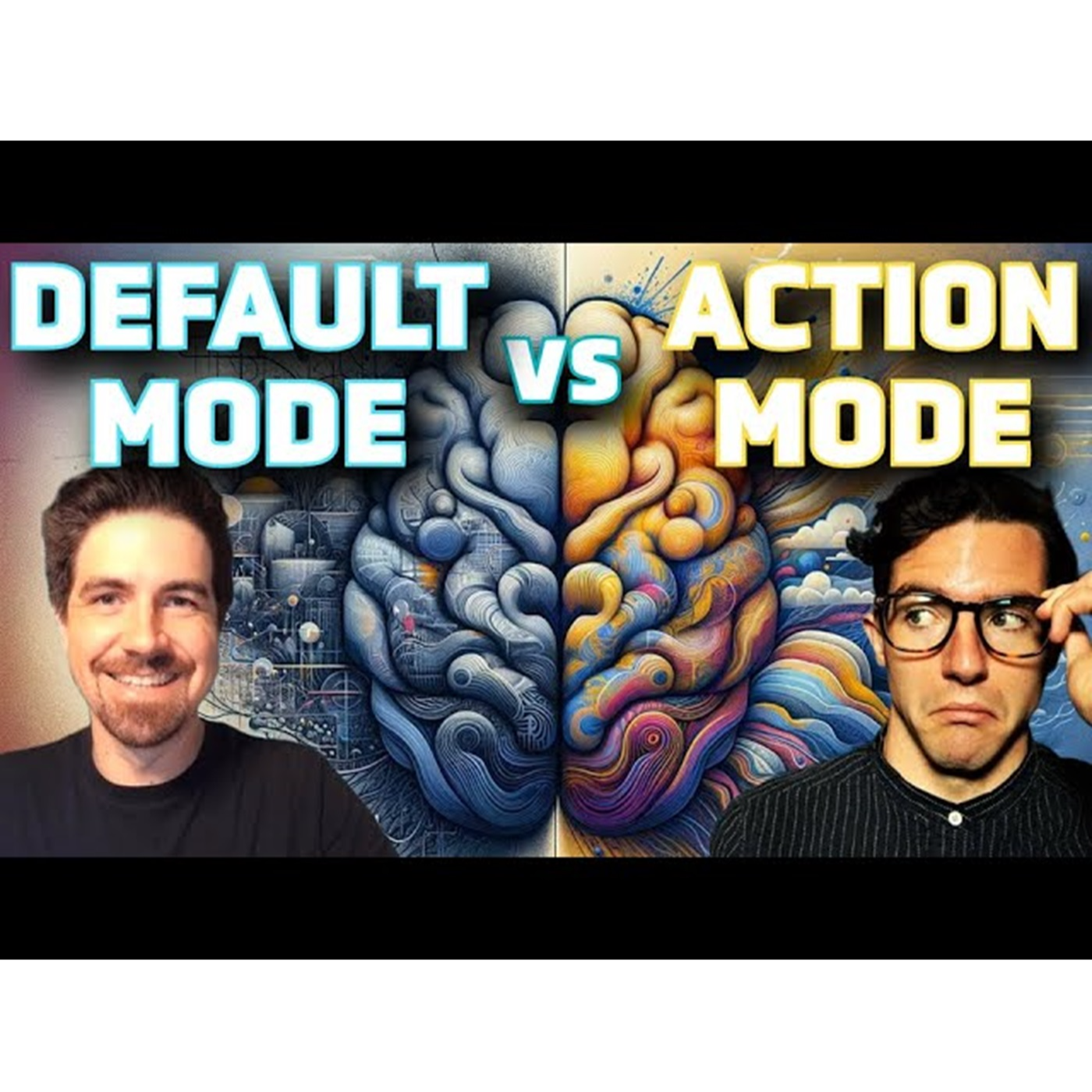 A Balanced Mind: The Default Mode & Other Networks | Have you ever noticed that when you aren’t doing anything specific, you often start thinking about yourself, your past, other people, or maybe your future? That’s your brain’s default mode network in action. And when your attention gets pulled back to the task you’re working on, a whole another set of networks comes online. In this episode, we’ll explain what these networks do, and why they’re so important for optimizing cognition. | 1h 10m 28s | ||||||
| 1/29/24 | 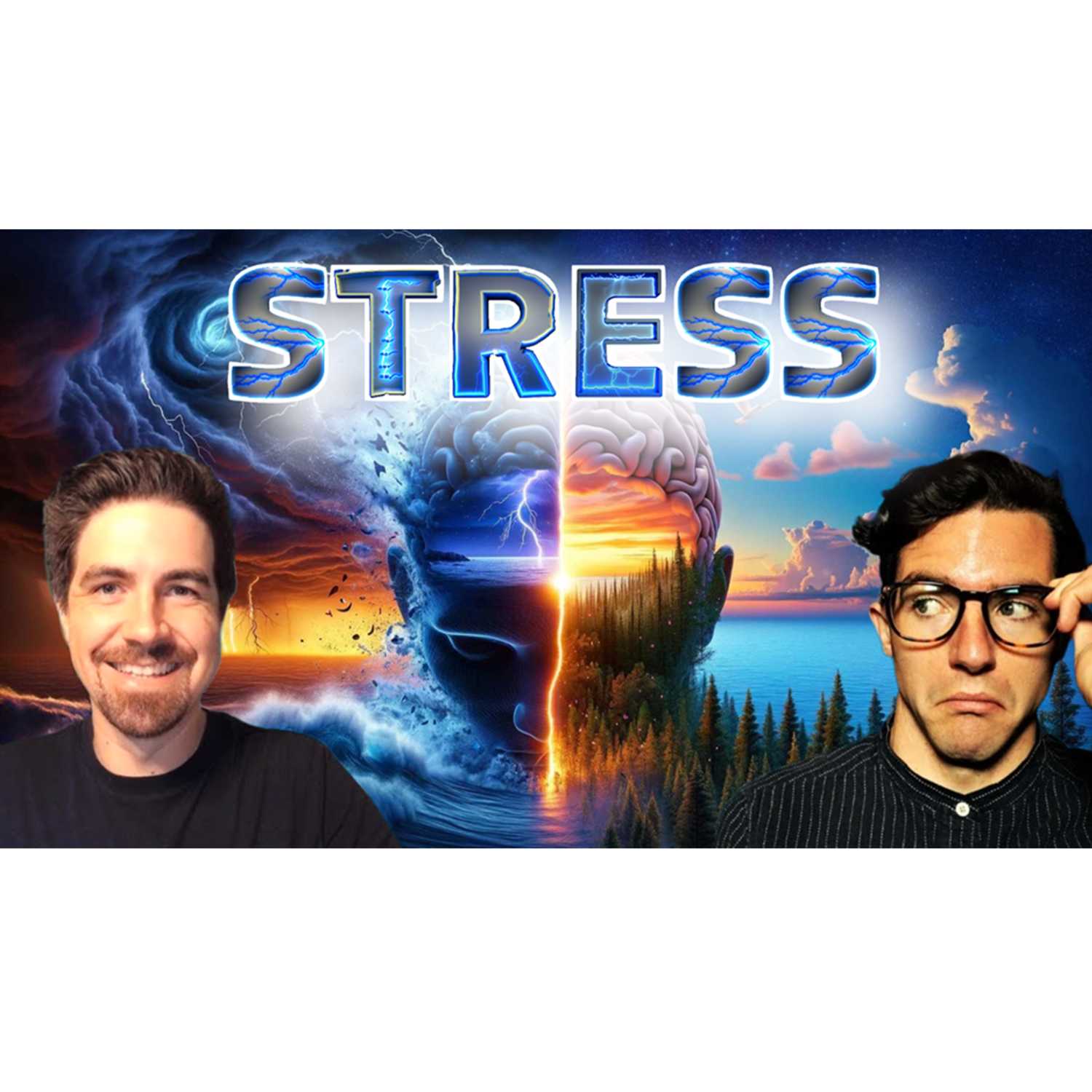 From Panic to Peace: The Brain's Stress Response | You've felt it—the rush of your heartbeat, the quickening of your breath. It's stress, an integral part of our modern lives. We're not fleeing from predators on the savannah, yet our bodies react as if we are, triggered by the challenges and pressures of today's world. But what really is stress? It's a term we toss around daily, but it manifests in countless ways: the tension in a strained relationship, the worry over unpaid bills, the panic of a looming deadline. This powerful response, once a survival mechanism, is now activated by our thoughts, our environment, our lifestyle. It's fascinating and somewhat alarming how our physiology, a system designed for physical survival, is now so intricately tied to our psychological experiences. How is this affecting our health, our brain function, and our overall well-being? In this episode, we're diving deep into the science and the mystery of stress. We'll explore how this ancient response is operating in a modern context and, most crucially, how we can harness the power of our minds to manage and mitigate the impact of stress on our lives. It's not just about understanding stress; it's about empowering ourselves to maintain health and well-being in a world where stress is seemingly ubiquitous. Let's unravel these questions together, and find out just how much control we really have. | 1h 08m 21s | ||||||
Want analysis for the episodes below?Free for Pro Submit a request, we'll have your selected episodes analyzed within an hour. Free, at no cost to you, for Pro users. | |||||||||
| 1/16/24 | 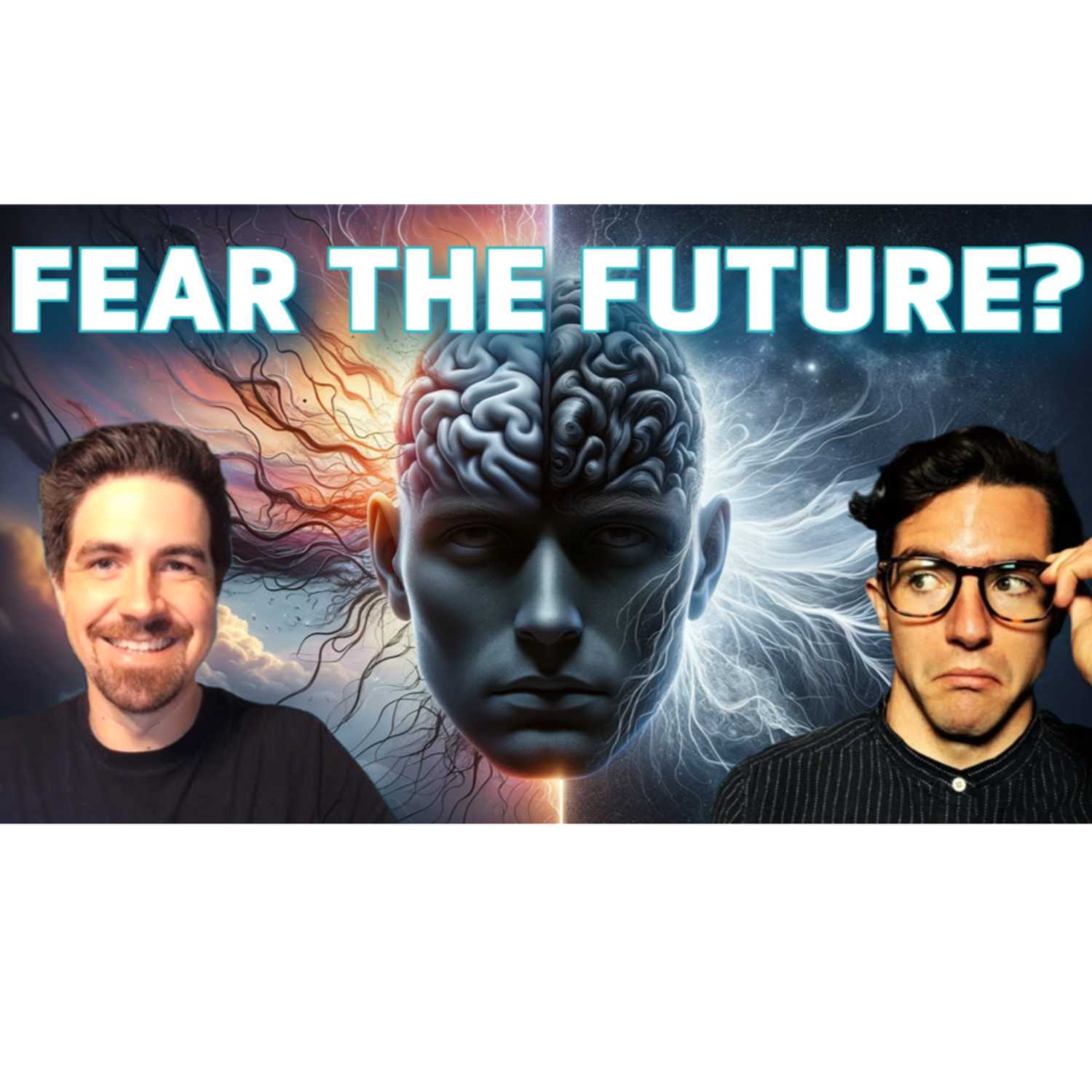 Worry and Peace: Easing The Brain’s Anxiety | At first glance, it seems silly to fear things that haven’t happened or may never happen. What is the point of getting worked up over something you may have no control over? Odd as it seems, the truth is, most of us do this on a regular basis. It’s a normal process that occurs in the brain and one you are probably deeply familiar with: anxiety.In this episode, we’ll see that while not all anxiety is bad, it very often causes us to suffer unnecessarily. We’ll see how this occurs in the brain and how we can take control of this response and live more peaceful lives. | 1h 11m 17s | ||||||
| 12/21/23 | 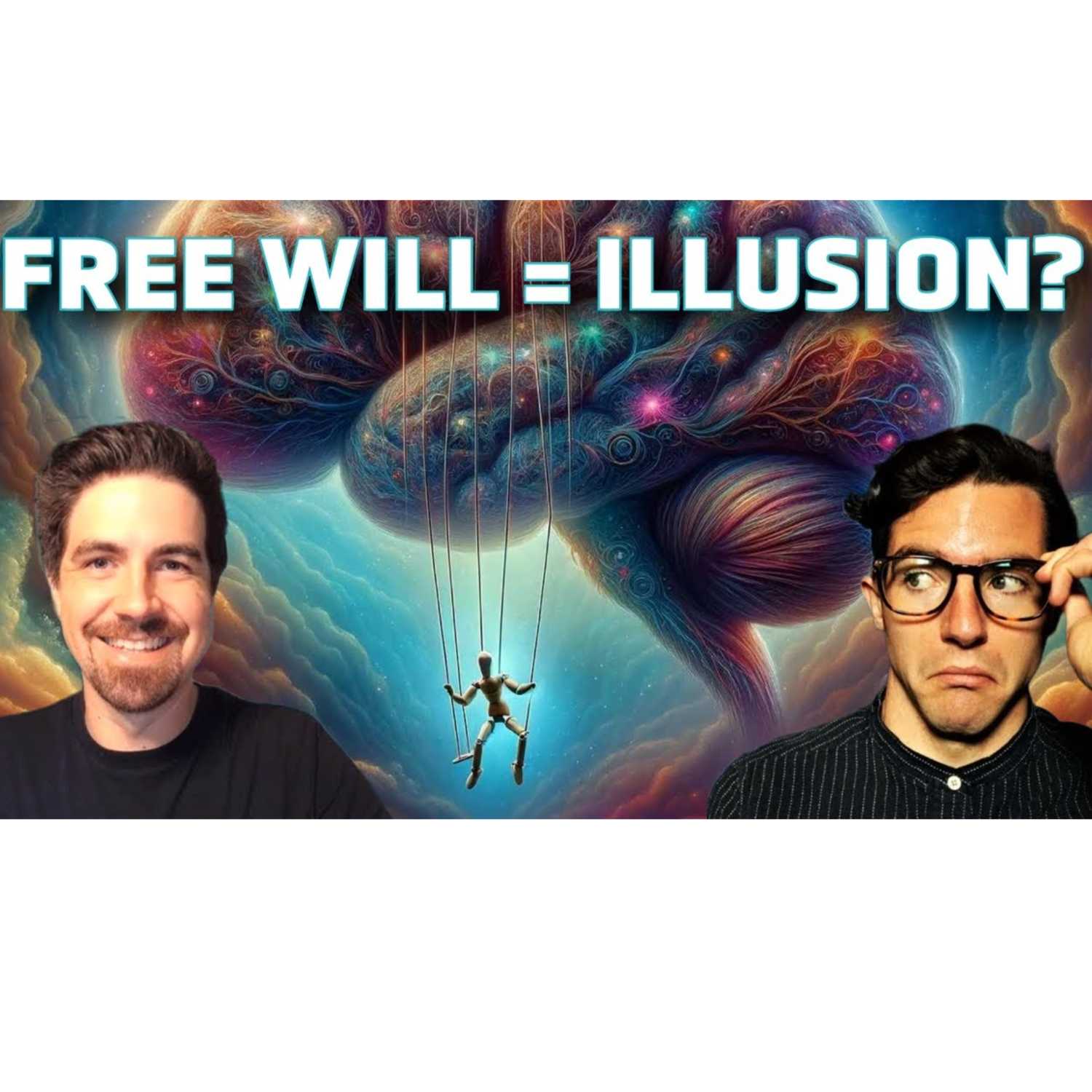 Are Your Choices Predetermined? Neuroscience and Free Will | Are we the architects of our destiny, or merely puppets dancing on the strings of unseen forces? This tantalizing question lies at the heart of the free will debate, a realm where philosophy and science intertwine in a complex dance of possibilities and perspectives. Imagine a world where every decision you believe you make freely is actually the end product of a prewritten script, directed by the subconscious mechanisms of your brain. The notion that freewill might be an illusion, a narrative crafted by our neural circuits, shakes the very foundations of our belief in personal autonomy. Yet, this deterministic view is being increasingly challenged by a convergence of emerging scientific pursuits. Compatibilism offers a middle ground, suggesting that free will coexists within deterministic processes, reframing our agency while acknowledging the influence of various factors. Evolutionary perspectives shed light on how decision-making abilities may have developed as adaptive functions, hinting at a complexity in human cognition that transcends mere deterministic reactions. Additionally, quantum mechanics introduces elements of unpredictability and indeterminism at a fundamental level, opening new avenues for the existence of free will in a not entirely predetermined universe. As we ponder these evolving theories, they invite us to reconsider our views on ethics, responsibility, and personal growth, challenging our understanding of human agency and decision-making. This intellectual journey into the landscape where science and philosophy converge not only unravels mysteries of the human will but also prompts us to rediscover our role in shaping our destinies. | 1h 12m 43s | ||||||
| 11/30/23 |  Decoding the Neuroscience of Consciousness | Consciousness is probably the most perplexing mystery in all of science, and right now there is no consensus among neuroscientists about how the brain produces it. Yet, it appears that the solution may soon emerge, and it’s possible that it already has. | 1h 04m 36s | ||||||
| 10/26/23 |  Interpersonal Conflict and the Brain: Process and Strategies | Have you ever noticed that conflict is an unavoidable part of our lives? It seems that regardless of where we are or what we do, conflict has a way of finding us. Our initial instincts may be to avoid it at all costs, to brush it under the rug and pretend like it doesn't exist. But conflict is not something to be feared or avoided. It is instead a powerful source of growth and development. Conflict is like a signal. It's a signal that something is not quite aligned, that there is a disconnect between our goals, our values, and the structures that govern our lives. It's a signal that our current way of doing things needs to be readjusted to accommodate the needs of everyone involved. In essence, conflict is a catalyst for change. When we are all on the same page, when our goals are aligned and our values are in harmony, there is no conflict. We are able to work together, to cooperate, and to build something greater than ourselves. But when our goals become out of balance, when our perspectives clash, we enter into a competitive stance. This shift triggers threat responses in our bodies and brains, fundamentally changing the way we process information and how we perceive others. This is why conflict often feels impossible to resolve. In the heat of the moment, we misperceive each other's intentions, inferring malice where none exists. We believe that we have completely different goals when, in reality, it's just a matter of perspective. We even take things personally when someone is simply concerned with the process rather than attacking us as individuals. Think about it - some of the greatest advancements in history have stemmed from conflicts. Innovations, breakthroughs, and progress have all arisen as a result of people challenging the existing norms and pushing boundaries. Conflict, when approached with open-mindedness and a willingness to listen, can be a catalyst for positive change and growth. So, how do we embrace conflict as a positive force in our lives? It starts with a shift in mindset. We must recognize that conflict is not something to be avoided or feared. We need effective communication to resolve conflicts. It is important to create a safe and respectful space where all parties are able to express their thoughts and feelings without fear of judgment or retribution.Listening actively, seeking to understand, and practicing empathy can go a long way in finding common ground and reaching resolution. | 1h 07m 00s | ||||||
| 10/5/23 |  The Power Struggle: Neuroscience of Status and Hierarchies | Have you ever stopped to consider the power dynamics at play in your daily life? Think about it for a moment. From the moment we wake up, we find ourselves navigating through a web of power and status. It's there in our relationships, both personal and professional, guiding our interactions and shaping our behavior. It's even present in our own minds, influencing our thoughts and decisions without us even realizing it. It's a word that may evoke images of dominance, control, and oppression, but power is so much more than that. It's a force that intricately weaves its way into the tapestry of our lives, shaping our experiences and impacting our well-being, both mentally and physically. Think about the goals you set for yourself. The pursuit of power, in its various forms, often lies at the heart of those aspirations. Whether it's striving for a promotion at work, seeking recognition from our peers, or even vying for the upper hand in a disagreement with a friend, our desire to wield power often drives us forward. But power isn't solely about competition and dominance. There is also a cooperative side to power - a force that enables us to work together, to create, and to build meaningful connections. It can be the catalyst for collaboration, innovation, and positive change and it can empower us to lift others up. Yet, so much of this power goes unnoticed, operating in the background of our everyday lives. We often act on autopilot, unaware of the subtle power dynamics at play. Our brains, wired to perceive and respond to power, are constantly processing information about status and hierarchy, shaping our behavior and reactions. In this episode, we delve into the fascinating world of power dynamics and explore the ways in which power and status affect our brain and our health. We uncover the hidden influences that hold sway over our relationships, our decisions, and our well-being. From the unconscious biases that dictate our perceptions to the impact of power on our physical and mental health, we unravel the complexities of power and its far-reaching consequences. | 1h 13m 22s | ||||||
| 9/21/23 |  Neuroscience of Persuasion: Strategies for Changing Minds and Behaviors | There are two options for getting anyone to do anything: You can violently force them oryou can peacefully persuade them. The first option is almost always unethical. So, if you’re an ethical person, your only option for changing people’s behavior is persuasion. Persuasion tends to get a bad wrap, as it’s commonly seen as a tool used only for psychological manipulation. Of course, people can use persuasion for unethical purposes, but the ability to use something for evil is true for all useful tools. Persuasion, or the ability to convince or change someone’s mind, is one of the most important tools in modern life. To get a job, you have to persuade your potential employer to hire you. To sell a product, get more clients, or otherwise increase your business, you have to persuade potential customers to buy from you. If you’re a therapist or coach, you have to persuade your clients to change their thoughts, feelings, and behaviors. To create any kind of meaningful change in society, you have to persuade large numbers of people to see the world as you do. | 1h 05m 29s | ||||||
| 9/7/23 |  The Neuroscience of Empathy: Mimicking the Minds of Others | In a world where our lives are becoming increasingly fast-paced and technology-driven, the importance of empathy cannot be overstated. It is the glue that holds our communities together, the bridge that connects us to one another's experiences, and the foundation on which we build meaningful relationships. Empathy is the heartbeat of society, and without it, we risk losing our very essence.But here's the troubling truth – empathy, it seems, is on the decline. As we go about our days, isolated in our own bubbles despite being surrounded by people, we miss out on the opportunities for genuine connection. Instead, we find ourselves engaging in anonymous interactions online, where emotions are often reduced to pixels on a screen.This digital distance creates a chasm that hinders the exchange of empathy, leaving us devoid of the emotional resonance that can only be felt in person.Furthermore, our world is becoming increasingly polarized and tribal. Our empathy, once reserved for those within our immediate community, is increasingly limited to thosein our own ideological bubble. We struggle to bridge the empathy gap between different groups, leading to a rise in hostility, misunderstanding, and even violence. The consequences of this decline in empathy are far-reaching, not just for our mental well-being, but also for our physical health.But fear not! Neuroscience has provided us with insights into the neural mechanisms underlying empathy. In this episode, we dive into the neuroscience behind these empathy circuits, exploring how they operate and intertwine with our memory systems. We delve into the ways in which our brains model the minds of others, enabling us to predict their intentions, assess potential threats, and navigate social interactions. We unpack the intricate dance between cognitive and affective empathy, shedding light on the profound impact they have on our lives and relationships and also acknowledge the darker side of low empathy. Conditions such as antisocial personality disorder and autism highlight the consequences of impaired empathy, where individuals struggle to connect with and understand the emotions and experiences of others. These conditions remind us of the vital role empathy plays in our social fabric and the potential consequences when it is compromised. So, join us on this fascinating exploration of the neuroscience of empathy and theory of mind. Together, we can cultivate and nurture empathy, reigniting the flame of compassion that will guide us towards a future filled with understanding, connection, and harmony. | 1h 12m 49s | ||||||
| 8/17/23 |  The Brain Under Covers: The Science of Sleep | Sleep presents a paradox. It seems both perfectly natural and utterly mysterious. We love sleep and often can’t get enough of it, yet most of us have no idea what it is. But the paradoxes don’t stop there. All living creatures evolved to survive and avoid danger. Yet, animals of all kinds seem to simply shut down for several hours at a time, leaving themselves vulnerable to predation. What could be so important about sleep that animals evolved such a vulnerability? Not only that, but while we’re asleep we inhabit impossible worlds. They’re logically inconsistent, yet also perfectly understandable. While we’re dreaming, we rarely know that we’re dreaming. Yet, once we wake up, it’s immediately obvious that what we were experiencing just moments ago was completely absurd and couldn’t possibly be real. Nevertheless, during dreams it’s not uncommon to solve complex problems that would seem to require our (otherwise absent) powers of rationality. Other times, however, we seem not to dream at all or at least to not remember our dreams. How is it that our brains seem to effortlessly switch between these strange states of cognition back to normal waking cognition? What is sleep? What is its evolutionary function? What are dreams? Why do we only sometimes remember them? | 1h 08m 12s | ||||||
| 8/10/23 |  Using the Past to Predict the Future: A New Neuroscience of Memory | Much of the groundbreaking research in neuroscience has revolutionized our understanding of memory. Contrary to previous beliefs, memory is not stored in a specific location within the brain but rather in the intricate circuits that processed the original experience. In essence, memory is not just a system but a memory of systems. This discovery highlights how memory is an integral part of information processing, allowing for both generalization and specificity, and enabling us to make predictions about the future. Our brains are not solely devoted to comprehending the world around us; instead, they actively seek to navigate through it. Our memory serves as a fundamental tool in this endeavor, ensuring our survival and guiding our actions. This new understanding of memory prompts us to explore its implications in the context of human interactions. As social beings, we constantly engage with others and our brains have evolved to predict what the others around us are going to do next. These prediction circuits, which are deeply ingrained in our neural wiring, allow us to assess their intentions, potential threats, assistance, and even mating prospects. In this episode, we delve into the neuroscience to examine the mechanisms behind these prediction circuits and we try to unravel how they manifest in the behaviors we witness in our complex world. Most importantly, we explore strategies and techniques to take advantage of the ways in which our brains learn to navigate the world. | 1h 02m 40s | ||||||
| 7/26/23 |  AMA #2: Lizard brain, seeking and pleasure circuits, meditation and intrusive thoughts | We're back with another Ask Us Anything! On this episode of The Social Brain, we will be addressing questions about all things #neuroscience sent to us by viewers like you.I want to know the difference between the limbic brain and the reptilian brain. Are they the same or [do they] operate differently?Can you discuss the interplay between the desire circuitry and pleasure circuits, is there an overlap? Could you discuss the nuclei? What circuits act in opposition to these circuits?About to go on a 10-day vipassana meditation silent retreat. Was wondering what the likely effects are of spending 10 days meditating / making the most of it?Why do I have intrusive thoughts?Where in the brain would you go on the magic school bus and why?What are some resources for learning about neuroscience? | 1h 07m 35s | ||||||
| 7/11/23 |  Us vs Them: The Tribal Brain | As humans, we are constantly interacting with others, both in person and online. In order to make snap decisions about how to interact with these people, our brains have evolved to create mental shortcuts that allow us to quickly categorize them. Our brain is wired to predict, and we put these prediction circuits to work every time we engage in one of these interactions. What are their intentions? Are they a threat? Can they help me? Are they a potential mate? This can be incredibly adaptive and helpful in some circumstances, but it can also lead to bias and misattribution. At its extreme, this can result in disgust, hatred, and even violence. The us vs them mentality served us great as a tribal species but in today’s interconnected complex world we must put in work to overcome these unconscious categorization processes. In this episode, we will explore the neuroscience and biology of these mechanisms. We will look at how they manifest in the behaviors we see in the divided world we live in. And most importantly, we will explore how to overcome and override these behaviors so that we can encourage the emergence of a more accepting and heterogeneous world. | 1h 01m 21s | ||||||
| 6/27/23 |  Visualization & The Brain: Using Neuroscience to Boost Performance | We spend a lot of time inside our own heads–thinking, reminiscing, ruminating, predicting, and imagining. All of this is occurring as a result of brain activity, and we can learn to direct our inner experience to help reshape our brains, hone our abilities, and become the best versions of ourselves. There are limitations to the power of mental practice and visualization, which we will talk about. But the truth is that most people aren’t using this ability to its full potential, either because they don’t believe in it or they use it sub-optimally. Consider the fact that all of your behaviors, thoughts, and abilities are only possible because of your brain’s pattern of wiring and activation at any given moment. By deliberately activating certain patterns of activity while suppressing others, you can enhance your abilities, get better at setting and achieving goals, and even become a happier person. In this episode, we’ll dive into the science of mental imagery and visualization, the best practices for using it in daily life, and how to avoid the potential pitfalls. | 1h 03m 33s | ||||||
| 6/15/23 |  Connecting the Mind and Body: Collective Cellular Intelligence | As modern humans, we often get stuck ruminating on abstract cognitive thoughts and thereby neglect our relationship with our bodies. In doing so, we forget that the brain evolved to take care of its body. The only reason that neurons and “you” exist is because all of the other cells that pump your blood and move you through the world needed help coordinating their actions. None of this is done in English, but instead through heat, pressure, sensation and perception. We need a new way of thinking about the ways in which our body speaks, and we listen. In this episode, we will delve into the cybernetic approach of control, understanding how biology has evolved so that all of our cells -- from the tiniest single-celled creature to the most complex multi-celled organism – behave according to overarching goals. We as the “mind” are simply at the top of this control hierarchy, balancing the forces of each cell striving to achieve its own goal, as well as the emergent collective goals that arise as these cells work together. By understanding this, we learn to respect the massive potential of our minds to regulate and care for the many biological systems that make us up. | 1h 04m 29s | ||||||
| 6/12/23 |  AMA #1: Triune Brain, Glial Cells, Serotonin and Dopamine and much more! | You asked, we're here to answer! On this episode of The Social Brain, we will be addressing questions about all things neuroscience sent to us by viewers like you. Be sure to join in and leave any questions you have for future AMA episodes in the comments or the live chat! | 1h 04m 18s | ||||||
| 5/30/23 | 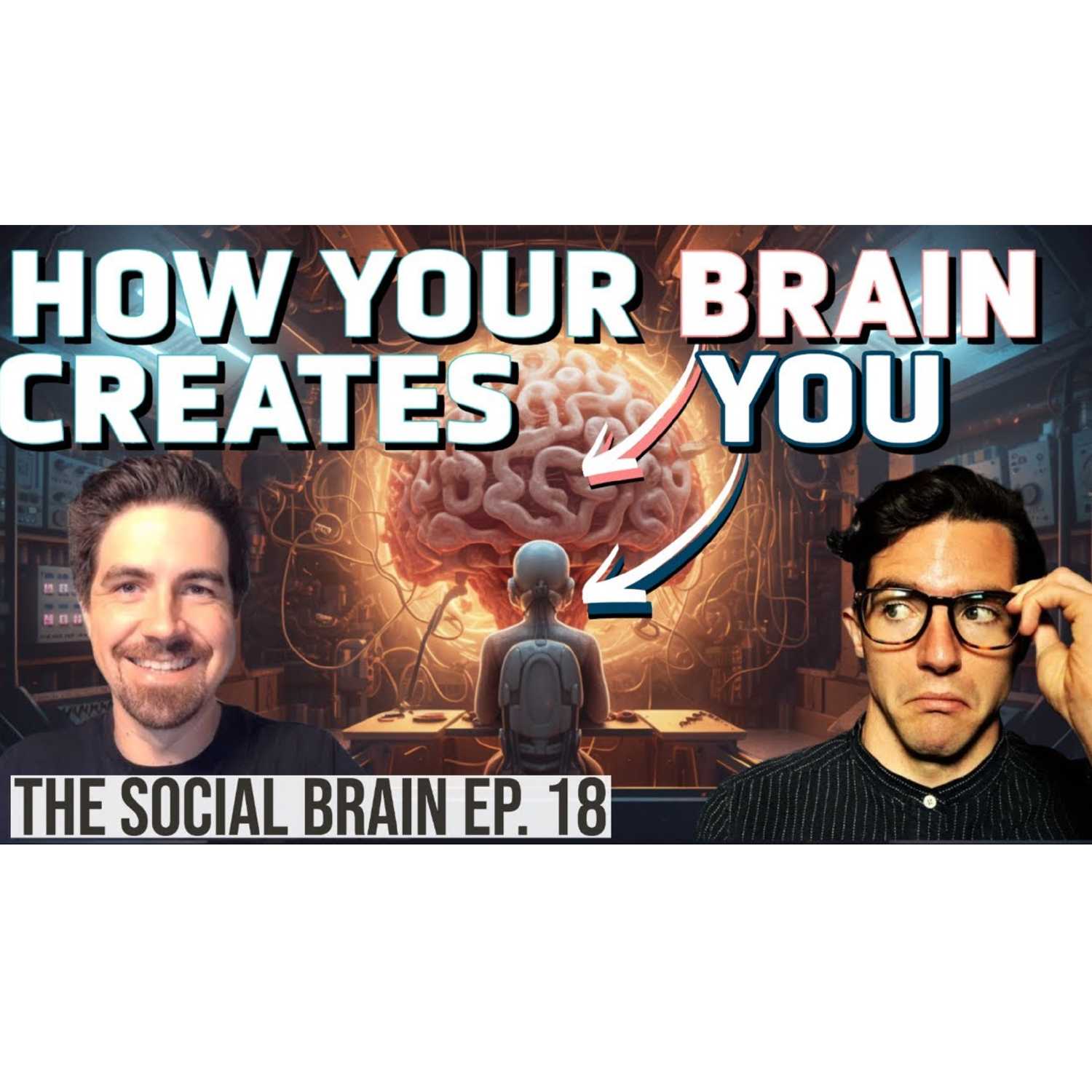 Crafting Who We Are: Examining the Neuroscience of Self | We have all sought to become the best versions of ourselves, understanding who we are and what we want to become. But how do humans have such a strong sense of self? Philosophers have deliberated on this topic for centuries, yet recent advances in cognitive science and neuroimaging have enabled us to glimpse into the brain's role in creating this representation. We understand how the brain develops through adolescenceand starts to specialize as we move into adulthood, placing a strong emphasis on self-relevant information. With this knowledge, we can use identity to bring about meaningful changes to our lives and ultimately become more self-aware. In this episode, we will dive into the neuroscience of the self, exploring how the brain processes self-referent information, the role of identity in our evolution and development, and how identity can be used to make significant changes. Join us on this journey to uncover the neuroscience of the self, and its relationship with identity and identity development. | 1h 01m 43s | ||||||
Showing 25 of 43
Sponsor Intelligence
Sign in to see which brands sponsor this podcast, their ad offers, and promo codes.
Chart Positions
6 placements across 6 markets.
Chart Positions
6 placements across 6 markets.