
Insights from recent episode analysis
Audience Interest
Podcast Focus
Publishing Consistency
Platform Reach
Insights are generated by CastFox AI using publicly available data, episode content, and proprietary models.
Most discussed topics
Brands & references
Est. Listeners
Insufficient chart data. Estimates will improve as the show charts.
- Per-Episode Audience
Est. listeners per new episode within ~30 days
N/A🎙 ~2x weekly·17 episodes·Last published 4d ago - Monthly Reach
Unique listeners across all episodes (30 days)
N/A - Active Followers
Loyal subscribers who consistently listen
N/A
Market Insights
Platform Distribution
Reach across major podcast platforms, updated hourly
Total Followers
—
Total Plays
—
Total Reviews
—
* Data sourced directly from platform APIs and aggregated hourly across all major podcast directories.
On the show
From 12 epsHost
Recent guests
Recent episodes
20: Summer Camps in the USSR
Jun 21, 2026
Unknown duration
19: Alex Tokmin: Books, Freedom, and Life Beyond the USSR
Jun 7, 2026
1h 04m 20s
18: Victory Day: Not Just History, But Memory
May 9, 2026
25m 28s
17: Money and Economy after the Fall of the USSR - From Rubles to Chaos
Apr 21, 2026
28m 20s
16: How Money Worked in the USSR - From Rubles to Survival
Mar 29, 2026
46m 01s
Social Links & Contact
Official channels & resources
Official Website
Login
RSS Feed
Login
| Date | Episode | Topics | Guests | Brands | Places | Keywords | Sponsor | Length | |
|---|---|---|---|---|---|---|---|---|---|
| 6/21/26 | 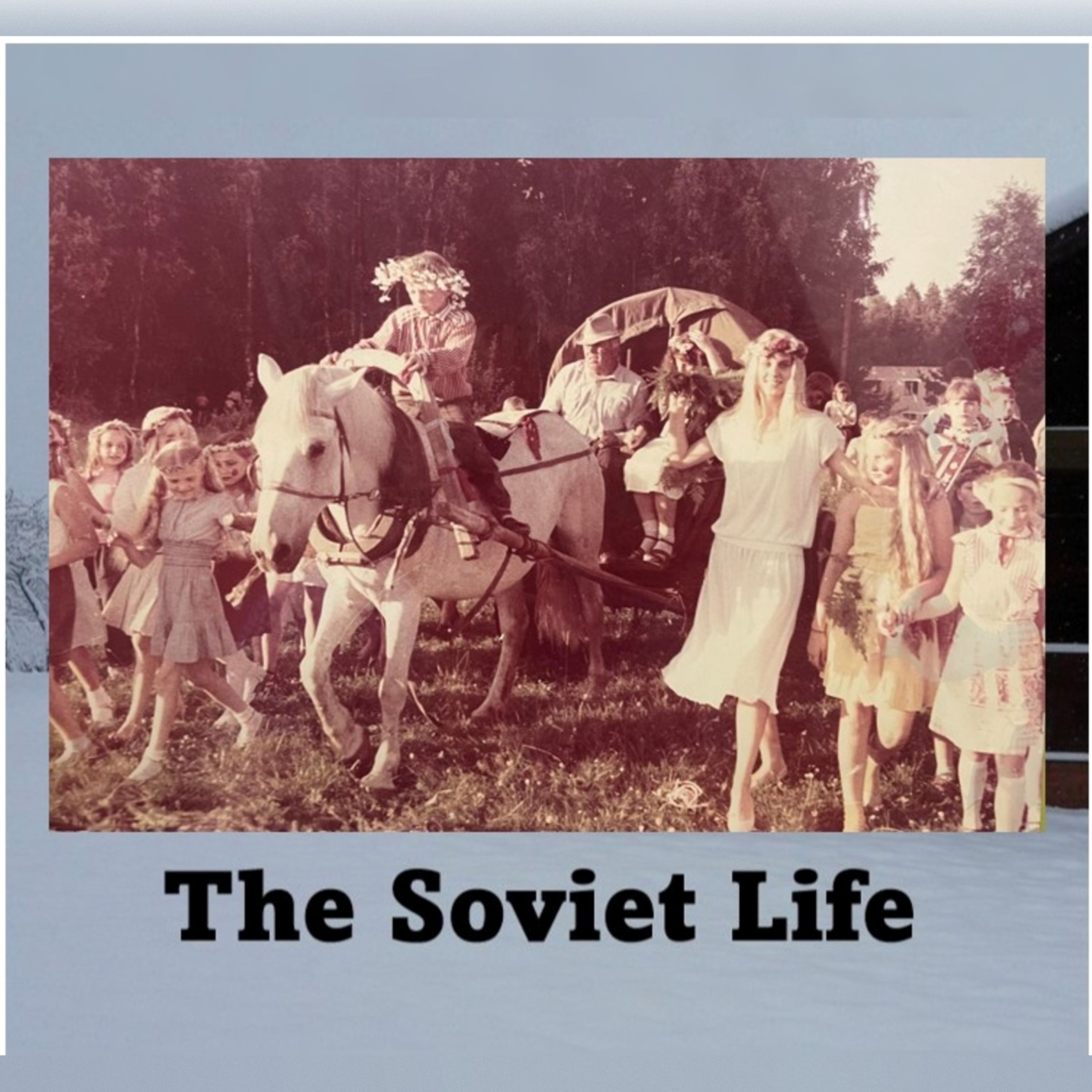 20: Summer Camps in the USSR | In this episode of The Soviet Life, host Kate Saba explores the fascinating world of Soviet summer camps and the lasting impact they had on generations of children across the Soviet Union. Drawing from both historical context and personal experience, Kate examines how these camps were designed not only as places for recreation, but also as institutions that promoted community, independence, discipline, and shared cultural values.Listeners will learn about the structure of camp life, daily routines, traditions, and the role camps played in shaping childhood experiences throughout the USSR. Kate also discusses some of the most famous camps, including Artek, and explains why attending these prestigious camps was considered a dream for many Soviet children.The episode further explores how summer camps evolved after the collapse of the Soviet Union, what traditions survived the transition, and how Russian-speaking communities in the United States and Western countries continue to preserve aspects of this cultural heritage through diaspora camps today. Through a thoughtful comparison of Soviet and Western camp models, Kate reflects on what these institutions reveal about society, childhood, and the values passed from one generation to the next.Key topicsThe purpose and ideology of Soviet summer campsStructure and daily routines of Soviet campsFamous camps like Artek and their significancePost-Soviet changes in camp culture and structureRussian-speaking camps in America and cultural preservationSound Bites"Camps served to promote fitness, discipline, and Soviet values.""Artek was the crown jewel of Soviet childhood.""Camps reflected society's view of childhood and future citizens."Chapters00:00 - Introduction to Soviet Summer Camps03:48 - The Purpose of Soviet Camps03:57 - Structure and Daily Life in Soviet Camps18:44 - Famous Soviet Camps: Artek and Others22:07 - Post-Soviet Camp Evolution26:05 - Comparing Soviet and American Camps28:01 - Russian-Speaking Camps in America31:36 - Reflections on Childhood and HeritageFollow The Soviet Life for more stories that connect history, culture, and real human experiences from the former Soviet world. Reach out to Kate at Kate@thesovietlife.com. | — | ||||||
| 6/7/26 |  19: Alex Tokmin: Books, Freedom, and Life Beyond the USSR✨ | Soviet Unionimmigration+4 | Alex Tokmin | literature | Soviet UnionUnited States | Soviet Unionimmigration+5 | — | 1h 04m 20s | |
| 5/9/26 | 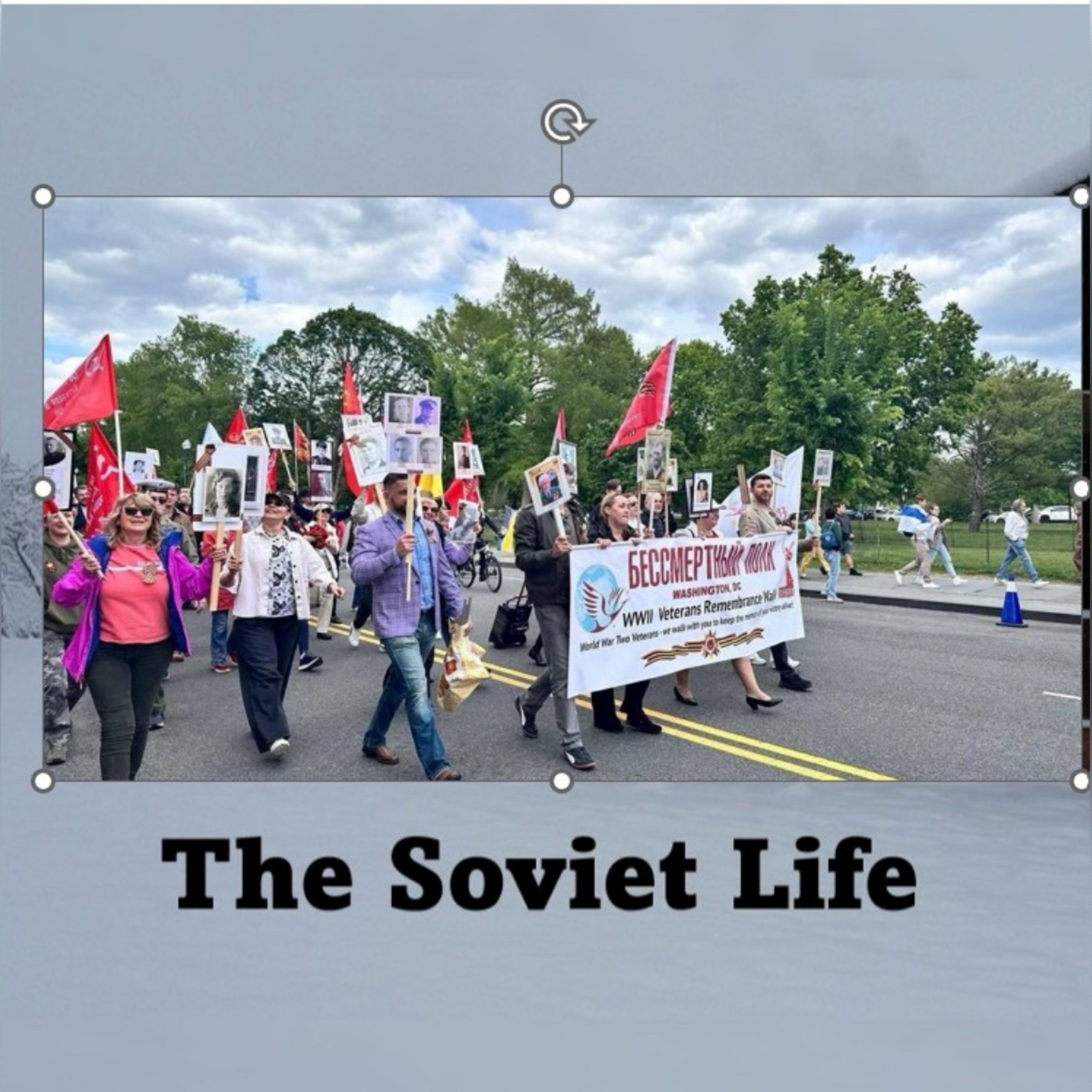 18: Victory Day: Not Just History, But Memory✨ | Victory Daymemory+4 | — | World War II | Washington, D.C. | Victory Daymemory+5 | — | 25m 28s | |
| 4/21/26 |  17: Money and Economy after the Fall of the USSR - From Rubles to Chaos✨ | collapse of the Soviet Unionhyperinflation+4 | — | RublesSoviet Union+1 | — | Soviet Unionhyperinflation+7 | — | 28m 20s | |
| 3/29/26 |  16: How Money Worked in the USSR - From Rubles to Survival✨ | economymoney+4 | — | — | USSR | USSRrubles+5 | — | 46m 01s | |
| 3/5/26 |  15: Growing up in Soviet Moldova - Anna’s Story✨ | growing up in MoldovaSoviet Union+5 | Anna Kochug | — | MoldovaUnited States+1 | Soviet Moldovacultural identity+6 | — | 45m 25s | |
| 2/19/26 |  14: More Than Medals - The Soviet Olympic Machine✨ | Soviet Olympic historynational pride+5 | — | USSR | — | Soviet UnionOlympics+6 | — | 26m 21s | |
| 2/9/26 |  13: Red Echoes: The Soviet Legacy in Venezuela✨ | Soviet influenceVenezuela+4 | — | Cuba | VenezuelaSoviet Union | Soviet UnionVenezuela+6 | — | 28m 54s | |
| 1/20/26 |  12: The Heart of Soviet Celebrations - Traditions and Memories✨ | Soviet holiday traditionscultural values+4 | — | — | — | Soviet Unionholiday traditions+6 | — | 22m 13s | |
| 12/24/25 |  11: Winter Holidays in the Soviet Union: Christmas Without Christmas✨ | winter holidaysSoviet Union+4 | — | — | Soviet UnionNew Year | Soviet holidaysChristmas+5 | — | 23m 13s | |
Want analysis for the episodes below?Free for Pro Submit a request, we'll have your selected episodes analyzed within an hour. Free, at no cost to you, for Pro users. | |||||||||
| 11/30/25 |  10: My Life in the USSR: In Conversation with Elizabeth Milner✨ | Soviet lifecultural differences+5 | Elizabeth Milner | — | USSRIron Curtain | Soviet Unionchildhood+6 | — | 58m 42s | |
| 11/10/25 |  9: Failing Is Not an Option: the Alex Matusevich Story✨ | immigrant experiencecultural differences+4 | Alex Matusevich | — | BelarusUnited States+1 | Soviet educationresilience+6 | — | 59m 33s | |
| 9/14/25 | 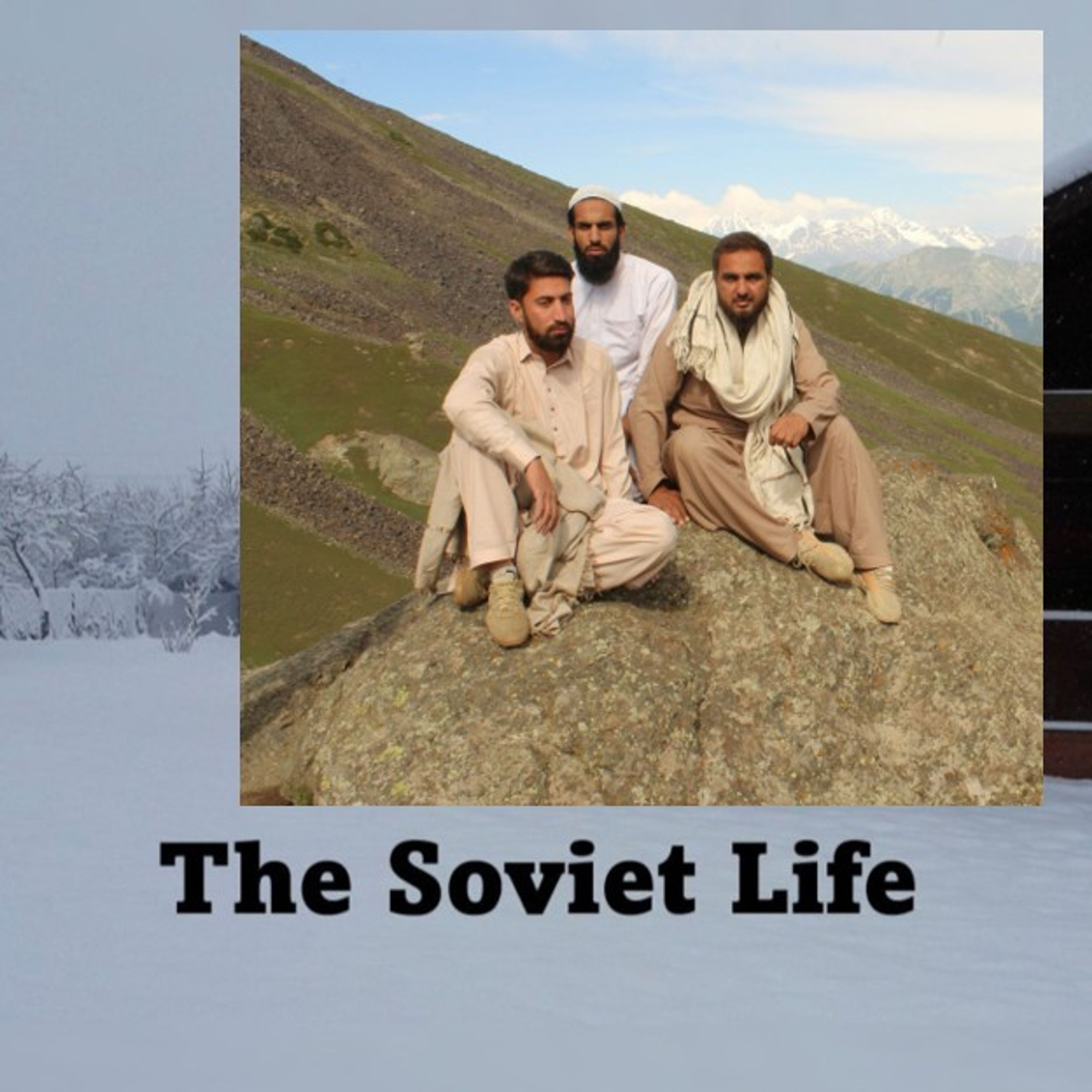 8: From Kabul to America: One Man’s Journey Through the Soviet-Afghan War✨ | Soviet-Afghan Warrefugee experience+4 | Mr. Khalid | USSR | AfghanistanPakistan+1 | Soviet invasionAfghanistan+7 | — | 44m 11s | |
| 8/23/25 | 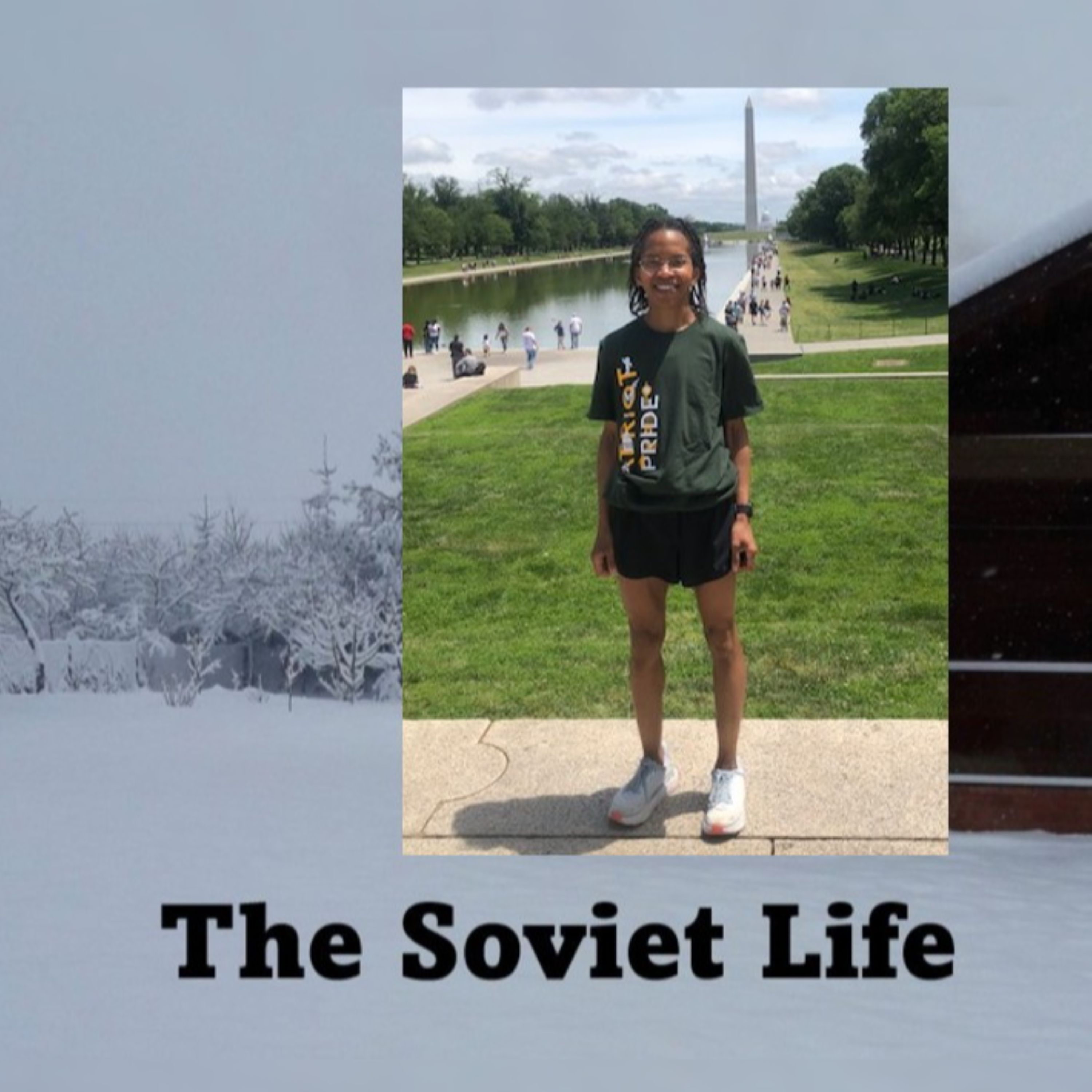 7: Discovering the Soviet Union with Professor Cathy Ross | In this episode of The Soviet Life Podcast, host Kate Saba sits down with Professor Cathy Ross, who first visited the Soviet Union in 1989 as part of a student ambassador program. Cathy shares what it was like to walk into a world so different from her own and how, despite Cold War tensions, she was met with surprising warmth, generosity, and unforgettable hospitality.They dive into her experiences of Russian daily life: long lines for goods, the importance of literature and poetry in schools, and the unique rhythm of meals that stretched into hours of conversation. Cathy reflects on the deep sense of community she witnessed in the USSR, where sharing resources and helping neighbors wasn’t just kindness, it was survival.And here’s something you won’t want to miss: Cathy talks about an unusual, almost unbelievable way Soviet schools were kept clean. It’s so different from what we’re used to in American schools that you’ll want to listen through to hear exactly how it worked. This conversation is more than just a look back at the Soviet Union, it’s about the value of slowing down, savoring connection, and finding common humanity across cultures.Key TakeawaysCathy’s first trip to the USSR was in 1989 with a student ambassador program.She was struck by the warmth and generosity of the people she met.Hospitality in Russia is not optional - it’s a way of life.Literature and poetry held a central place in Soviet education.Russians dressed formally for outings, unlike the more casual American style.Sharing and helping neighbors reflected a collective mindset.Soviet food preparation was labor-intensive but filled with care and tradition.Standing in long lines was a daily part of life.Cathy believes understanding Russian culture is especially important today.Connect with Us:Be sure to subscribe, share this episode with friends, and leave a review if you enjoyed it. Have a question or your own story to share? Reach out to Kate at kate@thesovietlife.com. | — | ||||||
| 8/7/25 | 6: Recap - Lessons, Surprises, and What's Next | In this solo episode, host Kate Saba opens up about the personal journey behind The Soviet Life podcast. She shares what inspired her to begin, what she’s learned along the way, and how this project has evolved into a space for collective memory, cultural connection, and meaningful storytelling. Kate reflects on the joys and challenges of podcasting, the emotional impact of hearing (and telling) Soviet-era stories, and her hopes for the podcast’s future. Whether you’re a long-time listener or just joining, this episode offers a powerful behind-the-scenes look at the mission and heart of The Soviet Life. Why the Podcast BeganResponding to curiosity about life in the Soviet Union after immigrating to the U.S. in 1996Realization that sharing personal and community stories fosters empathy and understandingThe decision to stop waiting for the “perfect time” and just startThe Vision Behind The Soviet Life Creating a living archive of real Soviet and post-Soviet experiencesBridging cultural gaps beyond politics, especially in light of current tensionsShifting the focus from a personal story to a shared narrative from across the former USSRLessons LearnedThe hard but fulfilling work of podcastingDiscovering the deep nostalgia many older generations feel toward aspects of Soviet lifeUnderstanding why some are hesitant to share — a desire to look forward, not backUnexpected Challenges and Surprises Difficulty in finding guests willing to speak openly due to personal and political concernsThe emotional depth and resilience revealed in each interviewChallenges with translating Russian-language episodes accurately and affordablyFacebook content blocks in Russia affecting podcast visibilityUpcoming PlansLaunching a new short-format series: Shorts: My Soviet LifeCreating themed episodes on topics like Soviet humor, money, and educationTranslating and releasing Russian-language interviewsAiming for biweekly episode releasesAttending her first podcasting convention to improve content and sound qualityPlease share your thoughts and stories about growing up in the Soviet Union or navigating cultural identity abroad, reach out at kate@thesovietlife.com. | — | ||||||
| 7/23/25 | 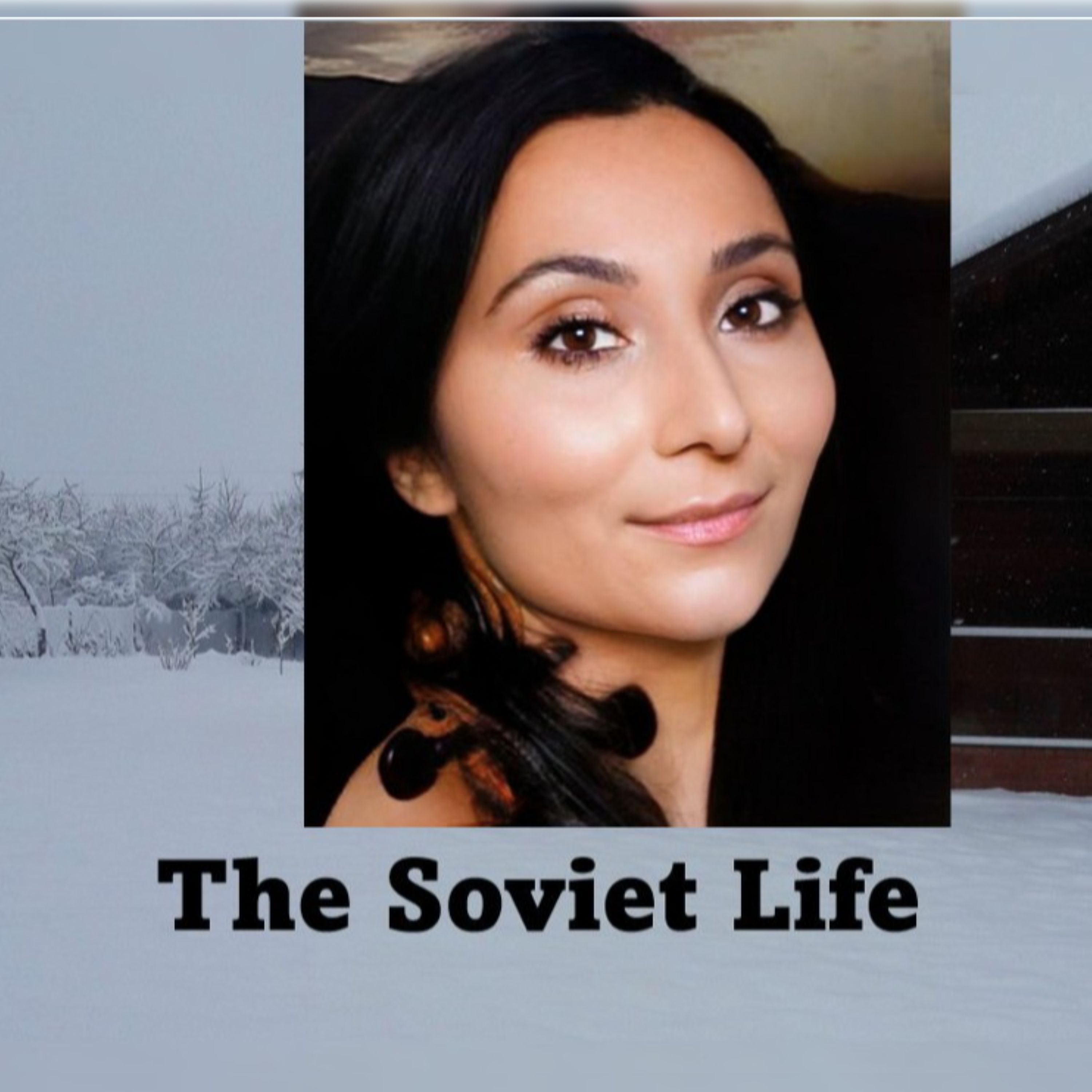 5: From Soviet Strings to American Dreams: Monika's Armenian Journey | In this heartfelt episode of The Soviet Life, host Kate Saba sits down with Monika Dorosheff-Chamasyan, a classically trained violinist and educator who grew up in Soviet Armenia. Together, they explore what it was like to live through the Soviet era, the collapse of the regime, and the resilience it took to adapt and thrive afterward.Monika opens up about her music education under the Soviet system, bartering for survival in post-collapse Armenia, and what it meant to bring her talents to the United States—eventually founding a thriving violin studio - Oak Hill Strigs. She also reflects on family history, the legacy of genocide, and her first impressions of America.Through Monika’s lens, this episode offers a personal glimpse into the strength of the Armenian people, the power of culture, and the enduring spirit of those who bridge past and present across continents.Key Takeaways:Soviet Armenia was rich in culture and education, particularly in the arts, but life under the regime was tightly controlled and deeply influenced by Soviet ideology.Music education in the USSR was rigorous and valued, helping Monika develop a deep appreciation for discipline, technique, and the role of art in society.The collapse of the Soviet Union led to widespread economic instability, with families like Monika's turning to bartering and alternative means to survive.Monika’s immigration to the United States brought cultural contrast, especially in education, lifestyle, and opportunities—revealing both challenges and personal growth.Building a violin studio in the U.S. was not just a career step, but a way to honor her upbringing, share the values instilled through her training, and offer a distinctive approach to music education through the Suzuki method.The legacy of Armenian resilience—shaped by genocide, diaspora, and political upheaval—continues to influence Monika’s worldview and her commitment to community.Cultural identity and artistic expression are central to healing, preserving history, and building bridges between generations and countries.Despite hardships, there were positive aspects of Soviet life, such as access to high-quality education and strong community values, which still inform Monika's outlook today.Monika encourages listeners to visit Armenia, experience its rich heritage firsthand, and connect with the story of a people who have endured and thrived. Episode Chapters: 00:55 – Armenia’s Deep Cultural Roots - brief intro of Armenia 04:20 – Childhood in Soviet Armenia 10:51 – Music Education Under the USSR 17:42 – Adapting to American Teaching Styles 22:02 – Life After the Soviet Collapse 24:57 – Family History and the Armenian Genocide 27:43 – Resilience in Post-Soviet Armenia 30:38 – Monika’s First Impressions of America 34:15 – Building a Life in the U.S. 38:22 – Culture, Purpose, and Artistic Drive 40:29 – What the USSR Got Right 42:01 – Diaspora, Family, and Global Armenian Identity 42:52 – How Armenia Is Doing Today 47:17 – A Warm Invitation to Visit ArmeniaPlease share your thoughts and stories about growing up in the Soviet Union or navigating cultural identity abroad, reach out at kate@thesovietlife.com. Follow us and leave a review to support the podcast. Also check out Monika's studio - Oak Hills Strings - www.oakhillstrings.com | — | ||||||
| 7/3/25 |  4: Anna Viktorovna Biroukova - Two Weeks Before the Fall: A Soviet Farewell | In this episode of The Soviet Life, host Kate Saba speaks with Anna Viktorovna Biroukova, who offers a heartfelt and insightful look at her life growing up in Moscow during the Soviet era—and the unexpected journey that led her to the United States just before the USSR’s collapse.Anna Viktorovna Biroukova arrived in the U.S. just two weeks before the collapse of the Soviet Union and shares the surprising and emotional story of how she learned about the USSR’s fall. Anna shares vivid childhood memories of a close-knit community, free education, and a sense of stability that defined her early years. and reflects on how the country has evolved since. From the warmth of Soviet neighborhoods to the challenges of preserving cultural identity abroad, Anna’s story is both deeply personal and universally resonant. Whether you lived through the Cold War or are just curious about life behind the Iron Curtain, this episode is full of thoughtful reflections and lived history.Key Takeaways:Anna arrived in the U.S. just before the Soviet Union collapsed, experiencing confusion and fear in the wake of sudden change.Growing up in Moscow, she enjoyed a happy childhood filled with strong community ties and educational opportunities.The Soviet Union provided key social benefits, such as free education and healthcare.Anna reflects on the evolving political and cultural landscape in Russia today.She emphasizes the importance of preserving cultural identity while living abroad.Episode Chapters:Arrival in the U.S. and the Collapse of the Soviet UnionInitial Reactions to the Soviet Union’s CollapseGorbachev, Politics, and Changing NarrativesChildhood Memories and Life in MoscowFamily, Neighbors, and Community LifeSchool, Sports, and Soviet Youth ActivitiesParenting and Cultural ExpectationsEducation and Social Support SystemsChanges in Russia Observed Over TimeNavigating Life in the U.S. and Cultural IdentityPerspectives on War, Politics, and MediaEmbracing Heritage: Pride in One’s RootsPlease share your thoughts and stories about growing up in the Soviet Union or navigating cultural identity abroad, reach out to me at kate@thesovietlife.com. Follow us and leave a review to support the podcast! | — | ||||||
| 6/26/25 |  3: Dr. Joshua - Reflections from Pushchino: Science, Tea, and Soviet Echoes | In this episode of The Soviet Life, host Kate Saba welcomes Dr. Joshua, a U.S. scientist who traveled to Russia during his high school years shortly after the fall of the Soviet Union. Through his time in the research town of Pushchino, Dr. Joshua witnessed firsthand the resilience, resourcefulness, and warmth of post-Soviet scientific life. He shares fascinating stories of working with Professor Pachatnikov — who built his own lab equipment from scratch — recalling the wedding of his Russian mentors, and observing the lasting cultural pride and camaraderie that still shaped everyday life. From communist parades and Chekhov to samovars and borscht, this episode is a heartfelt and thoughtful journey through post-Soviet science, culture, and memory.Key Takeaways:Dr. Joshua visited Pushchino, a science town near Moscow, for a research program during high school.He observed both the limited resources and the immense ingenuity of Soviet-trained scientists. Despite aging facilities, labs were alive with collaboration, social rituals, and mutual respect.Professor Pachatnikov built his own flow cytometer from scratch—symbolizing creativity and perseverance.Dr. Joshua recounted a funny story related to the wedding of his two Russian mentors while abroad, highlighting personal bonds.He noted the deep-rooted patriotism tied to WWII, known locally as the Great Patriotic War.Exposure to Soviet literature, especially Chekhov, left a lasting impact.The Russian tea culture, with samovars, honey cake (Medovik), and borscht, offered comfort and connection.Dr. Joshua’s daughter, Ishara, now continues the love of literature through her own show, Ishara’s Reading Podcast.Episode Highlights:"I couldn’t believe they were sending high school students to do research in Russia!""Professor Pachatnikov built his own flow cytometer—that’s ingenuity.""You walked into the lab, and the first thing you’d see was everyone having tea.""Their camaraderie and social bonds were stronger than anything I’d seen.""I still remember the taste of borscht and honey cake."Connect with Us:Be sure to subscribe, share this episode with friends, and leave a review if you enjoyed it. Have a question or your own story to share? Reach out to Kate at kate@thesovietlife.com.Also, don’t miss Ishara’s Reading Podcast, a delightful show started by Dr. Joshua’s daughter that celebrates storytelling and reading for young listeners: Ishara's Reading Podcast | — | ||||||
| 6/19/25 | 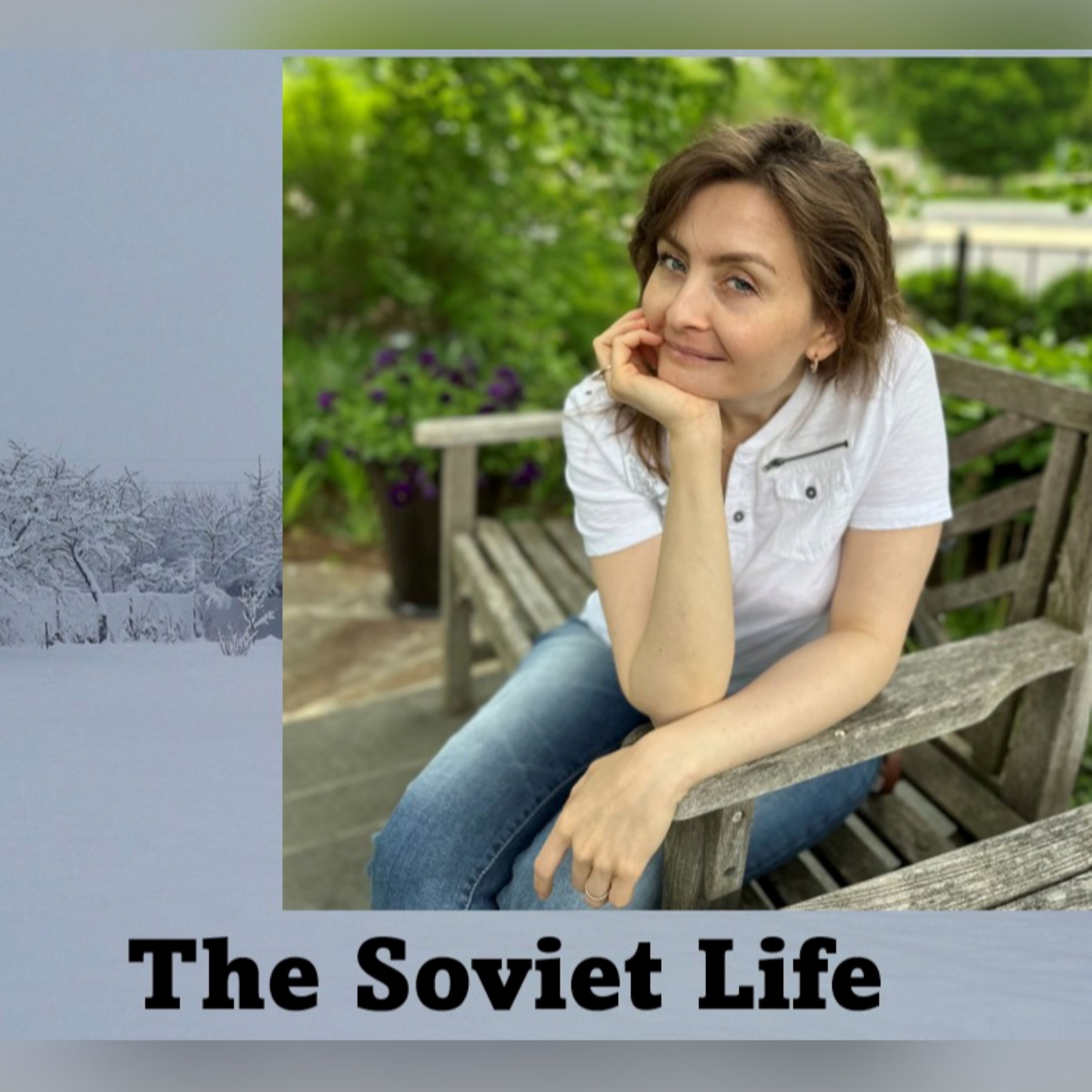 2: Aisha Alladinov - the Soviet Muslim | In this deeply personal and moving episode of The Soviet Life, we sit down with Aisha Aladinov to explore her powerful story of growing up in the Soviet Union. From her family's forced deportation and cultural identity struggles to her reflections on modern-day Crimea, Aisha offers a rare, firsthand account of life shaped by Soviet policies, personal sacrifice, and resilience. She also shares her experience of being Muslim under a regime that sought to erase religious expression—offering insight into both the fear and quiet defiance that defined her spiritual journey.Topics Covered:Growing Up in the Soviet Union: Daily life, expectations, and the social environmentFamily History and Deportation Experiences: The trauma and legacy of displacementEducation in the Soviet Union: Schooling, indoctrination, and opportunitiesLife Challenges and Family Sacrifices: Coping with hardship and survivalCorruption and Inequality in the Soviet System: The hidden price of loyaltyCultural Identity and Religion: The challenge of preserving Muslim faith and identity in a secular, repressive stateReflections on Crimea and Current Events: A personal perspective on geopolitical shiftsThe Human Cost of Conflict: Aisha’s insights on suffering and resilienceReflections on the Soviet Union’s Collapse: What was lost—and what was gainedChildhood Memories in Soviet Times: Nostalgia, laughter, and lessons learnedCultural Divides: City vs. Country: Contrasting experiences within the USSRFamily Dynamics and Emigration: Decisions, distances, and diasporaNostalgia for Soviet Structure: What people miss—and whyEducation and Healthcare in the Soviet Era: Pros, cons, and mythsCurrent Challenges in Post-Soviet States: Ongoing transitions and hopeConnect with Us:Got a question or story to share? Email us at kate@thesovietlife.comSubscribe to The Soviet Life on Apple Podcasts, Spotify, or wherever you listen. | — | ||||||
| 6/10/25 |  1: Dr. Olga Terekhina and President Bush Handshake | In this special episode of The Soviet Life, host Kate sits down with Dr. Olga Terekhina for a powerful and personal conversation about growing up and coming of age in the Soviet Union. From her childhood experiences and the Soviet education system to navigating faith under communism, Olga offers a nuanced, deeply human perspective on what everyday life was really like behind the Iron Curtain.She reflects on family dynamics, the impact of the USSR’s economic collapse, and how ideology shaped work ethic and personal values. We also explore leisure, culture, and some of the misconceptions about Soviet life — including a surprising story about meeting President George W. Bush.What You'll Hear in This Episode:Dr. Terekhina’s personal journey from Soviet citizen to U.S. residentChildhood memories and the reality of growing up in the USSRThe role of education and enforced belief systemsPracticing religion in a state that promoted atheismDivorce, family structure, and gender roles in Soviet societyThe collapse of the Soviet economy and its human tollThe work ethic shaped by Soviet ideologyInsightful reflections on how those times shaped identity and resilienceThe hidden world of corruption and backdoor networkingMoments of fun, culture, and leisure despite constraintsCommon myths and misconceptions about Soviet lifeThe unforgettable experience of meeting President BushWhy Listen:Whether you're curious about life under communism, interested in Cold War history, or just love hearing real-life stories of strength and adaptation, this episode offers a window into a world that shaped millions — told through the eyes of someone who lived it.Please reach out to me at kate@thesovietlife.com - I would love to hear from you! | — | ||||||
| 6/10/25 | Trailer - Introducing The Soviet Life Podcast | Step behind the Iron Curtain and into the everyday lives of those who lived in the Soviet Union during its final decades. In The Soviet Life, host Kate — who grew up in Belarus in the 1970s and '80s — shares personal stories, interviews, and reflections on what it was really like to live under the Soviet regime.From ration lines to quiet moments of joy, from whispered dreams of freedom to the shock of its arrival, this podcast is a heartfelt journey through history — one that’s still deeply felt today.In this trailer episode, Kate introduces the series and shares what inspired her to start this podcast. You’ll hear about:Life behind the scenes of Soviet propagandaThe everyday struggles and small victories of Soviet citizensWhat it meant to seek freedom — and what happened when it finally cameThe legacy of the USSR in today’s post-Soviet worldWhether you experienced it yourself or are simply curious, The Soviet Life offers eye-opening, deeply human stories that bring the past to life.👉 Don’t miss our first full episode coming up — featuring Dr. Terekhina, who grew up in the USSR and has an incredible story of resilience, discovery, and transformation.Please, reach out to me at kate@thesovietlife.com - I would love to hear from you! | — | ||||||
Showing 21 of 21
Pitch Fit is a Pro feature
See how bookable this show is for guests, which brands already advertise, the per-episode ad value, and the best-fit guest and sponsor profile. The numbers are blurred on the free plan.
How readily this show books outside guests like you.
How proven this show is for host-read sponsorships.
For Guests
ProFor Advertisers
ProUpgrade to Pro to unlock guest cadence, sponsor categories, fit scores, and per-episode ad value for this show.