
Insights from recent episode analysis
Audience Interest
Podcast Focus
Publishing Consistency
Platform Reach
Insights are generated by CastFox AI using publicly available data, episode content, and proprietary models.
Total monthly reach
Estimated from 1 chart position in 1 market.
By chart position
- 🇨🇦CA · Entrepreneurship#1755K to 30K
- Per-Episode Audience
Est. listeners per new episode within ~30 days
1.5K to 9K🎙 Daily cadence·82 episodes·Last published today - Monthly Reach
Unique listeners across all episodes (30 days)
5K to 30K🇨🇦100% - Active Followers
Loyal subscribers who consistently listen
2K to 12K
Market Insights
Platform Distribution
Reach across major podcast platforms, updated hourly
Total Followers
—
Total Plays
—
Total Reviews
—
* Data sourced directly from platform APIs and aggregated hourly across all major podcast directories.
On the show
Recent episodes
This Founder Left Washington To Defend Canada's Arctic - Eliot Pence
May 27, 2026
56m 57s
Som Seif on Why Canadians Are Afraid of the Wrong Thing
May 11, 2026
1h 02m 06s
Buy a Business, Don't Start One? Steven Wang on Canada's Entrepreneurship Revolution
May 4, 2026
58m 29s
Teaching Students to Embrace Failure | AJ Tibando
Apr 21, 2026
1h 09m 16s
How AI is Rewriting Venture Capital - Karim Gillani (Luge Capital)
Apr 14, 2026
1h 19m 01s
Social Links & Contact
Official channels & resources
Official Website
Login
RSS Feed
Login
| Date | Episode | Description | Length | ||||||
|---|---|---|---|---|---|---|---|---|---|
| 5/27/26 |  This Founder Left Washington To Defend Canada's Arctic - Eliot Pence | Former Anduril executive Eliot Pence left Washington DC to build the defense company Canada never had. Here's why he came back — and what's at stake. | 56m 57s | ||||||
| 5/11/26 |  Som Seif on Why Canadians Are Afraid of the Wrong Thing | Som Seif has spent two decades disrupting Canadian financial services — first with Claymore, one of Canada's earliest ETF companies, then as co-founder of Wealthsimple, and now as CEO of Purpose Unlimited, a platform spanning asset management, wealth management, SMB lending, and retirement solutions. In this conversation on the StartWell Podcast, he gets candid about the mindset holding Canadians back, what's broken in how we build wealth, and why he's more energized right now than at any point in his career. | 1h 02m 06s | ||||||
| 5/4/26 |  Buy a Business, Don't Start One? Steven Wang on Canada's Entrepreneurship Revolution | Steven Wang, Rhodes Scholar, Harvard-trained lawyer, and CEO of Venture for Canada, joins Qasim Virjee at StartWell to talk about what it really takes to future-proof the next generation of Canadian workers, why the country has an experience gap (not a talent gap), and why buying a small business might be one of the most underrated entrepreneurial moves of our time. | 58m 29s | ||||||
| 4/21/26 |  Teaching Students to Embrace Failure | AJ Tibando | Canada has no shortage of talent - but according to AJ Tibando, we have a mindset problem.As CEO of Shift Canada, AJ is leading a national effort to reshape how young people think about risk, failure, and entrepreneurship. Starting with students as early as grade five, Shift’s programs challenge one of the most deeply ingrained barriers in Canadian culture: the fear of getting it wrong.In this conversation, AJ breaks down why traditional education systems often unintentionally discourage experimentation. When students are rewarded for being right instead of trying, they learn to avoid risk altogether. That mindset doesn’t just stay in the classroom - it follows them into careers, limiting innovation at a national level.Shift Canada is tackling this head-on by normalizing failure as part of the learning process. By creating “permission structures” where students can try, fail, and try again without judgment, they unlock creativity, confidence, and real problem-solving ability.But this isn’t just about education - it’s about economic competitiveness. AJ connects the dots between cultural attitudes toward risk and Canada’s ability to produce founders, builders, and bold thinkers.This episode is a sharp reminder that innovation doesn’t start in boardrooms - it starts much earlier. And if Canada wants to compete globally, it needs to rethink how it prepares the next generation. | 1h 09m 16s | ||||||
| 4/14/26 |  How AI is Rewriting Venture Capital - Karim Gillani (Luge Capital) | Karim Gillani has had a front-row seat to some of the most important shifts in technology and finance over the past two decades. From early days in mobile payments to leading M&A at companies like Xoom and PayPal, and now as a co-founding General Partner at Luge Capital, his perspective on venture capital is shaped by real operational experience.In this conversation, Karim breaks down how the rules of building and investing in startups are changing - fast. | 1h 19m 01s | ||||||
| 4/6/26 |  Stuck at $200M Revenue? This Might Be Your Best Move (Naseem Saloojee on SPACs) | Naseem Saloojee, co-founder of Suma Capital, breaks down one of the most misunderstood opportunities in today’s market: SPACs - and why they may be making a comeback.In this conversation, we explore how founders, investors, and operators can navigate a market where traditional venture funding has slowed, IPO timelines have stretched, and liquidity has become harder to access.Naseem shares how his team is identifying overlooked companies - profitable, growing businesses that no longer fit the venture hype cycle - and helping them access public markets in a different way.We also unpack:What an “independent sponsor” actually doesWhy mid-market companies are stuck in today’s funding environmentHow public markets differ from private capitalWhat makes a company a strong SPAC candidateThe future of Canadian companies accessing U.S. capital markets | 58m 41s | ||||||
| 3/24/26 |  The Truth About E-Commerce Rollups - Ghassan Halazon of EMERGE | *Recorded at StartWell - Toronto's campus for corporate meetings & events: https://startwell.coGhassan Halazon, Founder and CEO of EMERGE Commerce, joins the StartWell Podcast for a candid conversation about what it really takes to build and operate e-commerce businesses at scale. From his early days leaving Wall Street to launch one of Canada’s biggest daily deals businesses, to building EMERGE into an e-commerce brand portfolio, Ghassan shares hard-won lessons from acquisitions, public markets, debt, restructuring, and the discipline required to survive volatile markets.This episode digs into the reality behind e-commerce rollups, why diversified portfolios can break down in consumer businesses, and how EMERGE refocused around fewer, stronger verticals. Ghassan also explains why brand loyalty, community, and customer trust matter more than ever - and why most people should think twice before launching “just a nice little e-commerce store.” | 1h 06m 52s | ||||||
| 3/19/26 |  How Founders Should Think About Partnerships - Chris Lavoie | *Recorded at StartWell, Toronto's campus for corporate meetings & events: https://startwell.co/Partnerships are no longer a side function - they’re becoming one of the most important growth channels in modern B2B.In this episode of the StartWell Podcast, Chris Lavoie - founder of Partnership Mastermind - breaks down why partnerships are having a resurgence, what most companies get wrong when building partner programs, and how partner professionals can ramp faster with better training, community, and real-world practice. | 45m 56s | ||||||
| 3/17/26 |  How to Make Any Offsite More Persuasive - Behavioral Science with Ben Wise & Darren Chiu | *Recorded at StartWell - Toronto's campus for corporate meetings & events: https://startwell.coBen Wise and Darren Chiu are the founders of Captivate - a newsletter and training platform that turns behavioral science into practical tools for persuasion, communication, and change. In this conversation, we dig into the line between ethical persuasion and manipulation, why emotion drives decision-making more than logic, and how leaders can use simple tactics to run better meetings and offsites.If you plan internal offsites, sales kickoffs, or team gatherings, this episode is a playbook: how to prime people before they arrive, how to open the day so you don’t lose the room, and how “labeling” emotions can instantly reduce tension and increase buy-in. We also explore persuasion in advertising, why small conversion lifts matter at scale, and how AI is best used as a thought partner - not as your voice. | 46m 43s | ||||||
| 3/12/26 |  The Founder OS - Talent, Culture, and Why Startups Plateau - Joseph Fung | *Recorded at StartWell - Toronto's campus for corporate meetings & events: https://startwell.coJoseph Fung is a 5x founder and CEO with a simple obsession - building places where great people can do their best work.In this conversation, Joseph walks through the real arc of entrepreneurship: bootstrapping companies to the brink, learning how exits actually happen, and why the hardest part isn’t 0-to-1 - it’s building something with longevity. We dig into his journey from an early white-label CMS business (built while in engineering at Waterloo) to TribeHR’s acquisition, and the lessons he learned inside a much bigger machine afterward.Then we get into the messy reality of workforce development and talent - why most companies underinvest in employee growth, why “culture” only matters if it speeds up decisions under stress, and why software companies live or die by alignment and knowledge transfer.We also unpack Uvaro’s pivot from tooling to outcomes, the challenge of government procurement cycles, and how 2025’s macro uncertainty created a sudden squeeze between banks and delayed contracts.And yes - after shutting down a 60+ person company, Joseph went to China for two months of Shaolin-area kung fu training to reset his body, his mind, and his relationship with productivity. | 1h 06m 38s | ||||||
Want analysis for the episodes below?Free for Pro Submit a request, we'll have your selected episodes analyzed within an hour. Free, at no cost to you, for Pro users. | |||||||||
| 3/10/26 |  How Sherpa Built the Infrastructure Behind Global Travel - Max Tremaine | *Recorded at StartWell - Toronto's campus for corporate meetings & events: https://startwell.coMax Tremaine is the cofounder and CEO of Sherpa - the travel infrastructure company helping millions of travellers every week understand what they need to cross borders, apply for eVisas as an add-on inside travel bookings, and validate documents for airlines and travel operators.In this conversation on the StartWell Podcast, Max breaks down how a painful personal travel problem turned into a global B2B platform - and why the travel world is shifting from “visa-free” to “pre-clearance everywhere” (eVisas, ETAs, and arrival systems). We also dig into the COVID-era inflection point that helped Sherpa scale from a couple airline integrations to dozens, the realities of selling into airlines and travel ecosystems, and why “hiring a bunch of people” is rarely the shortcut founders think it is.We also get practical about AI - not as hype, but as a real operational advantage. Max shares how Sherpa uses LLMs to spot changes in government systems earlier and reduce response times from weeks to hours, while still keeping humans accountable for architecture and trade-offs. | 57m 53s | ||||||
| 3/4/26 |  Public Policy for Founders - A Conversation with Morva Rohani | In this StartWell Podcast episode, lobbyist Morva Rohani breaks down public policy for founders, the reality of regulation in Canada, and why understanding government priorities can become a competitive advantage. | 55m 20s | ||||||
| 3/2/26 |  Why Big Law Is Broken - And How Goodlawyer Is Fixing It | Goodlawyer CEO Brett Colvin explains why Big Law incentives are broken, how fractional general counsel works, and how scaling companies can modernize legal support with embedded in-house talent. | 1h 06m 20s | ||||||
| 2/26/26 | 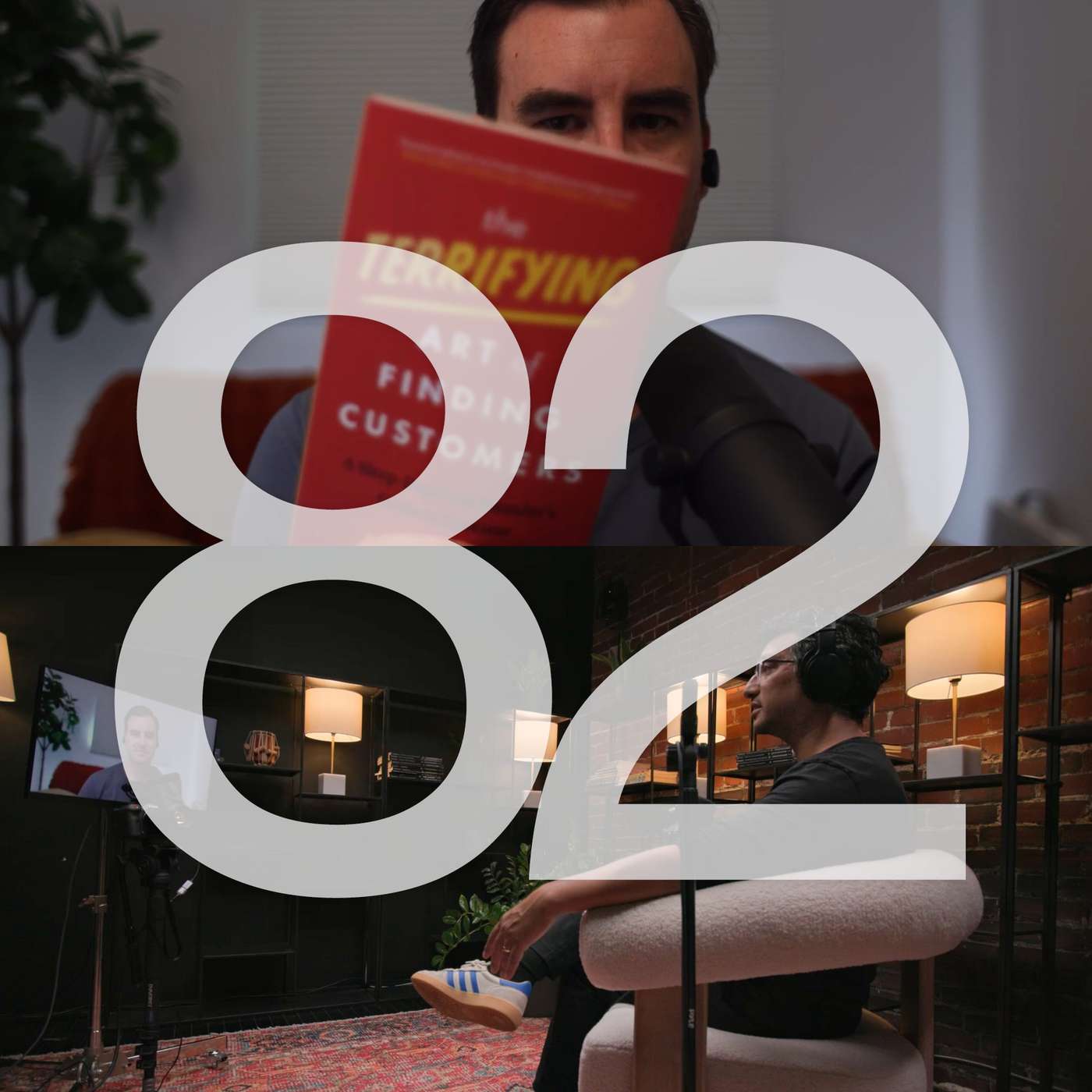 Why Founders Hate Sales (and Why It’s Usually Not a Sales Problem) - Collin Stewart | Collin Stewart has spent the last decade-plus helping founders find customers - but in this conversation, he’s not selling tactics. He’s selling sequence.We talk about Collin’s book, The Terrifying Art of Finding Customers, and why he wrote it in the first place: he didn’t want to regurgitate another “sales development playbook.” Instead, he wanted to name the part founders don’t want to face - that the hardest, most terrifying work isn’t outreach. It’s discovering whether a real, urgent, expensive pain actually exists in the market.Collin shares the classic founder failure mode in one phrase: “show up and throw up” - demoing everything you built before you’ve earned the right to talk about solutions. He learned this the hard way building Voltage CRM: plenty of people told him the idea was “cool,” then none of them would pay. That mistake becomes the foundation for the book’s thesis: the deeper the pain and dissatisfaction you uncover, the easier selling becomes downstream.Then comes the proof point that reframed everything for him: product-market fit strength is a multiplier. Collin tells the story of running campaigns for Uber and seeing performance so extreme it couldn’t be explained by tactics alone - it was demand. From there, we explore product-market fit as a spectrum (not a checkbox), and how founders confuse product-customer fit with product-market fit - finding “Bob,” the one buyer who loves you, instead of a market that needs you.We finish with practical selling discipline (buyer-verified pipeline stages, MEDDICC-style qualification), plus where AI actually helps today: research, signals, and internal enablement - not mass-generated messaging. | 1h 18m 53s | ||||||
| 2/19/26 |  Why Leaders Need a “Third Space” - Christine Song on Building 5 to 9 Society | What if “networking” is broken - and leadership is lonelier than we admit?In this episode, Christine Song (Founder, 529 Society) breaks down why big conference rooms and name tags don’t create real relationships - and why she believes leaders need a third space outside of work to talk honestly, pressure-test decisions, and build trust without politics.Christine shares how a single LinkedIn post led to 600 applicants in 30 days, why she chose to keep 529 Society intentionally small (and vetted), and how she designs intimate, high-trust dinners and operator-founder-investor cohorts across Canada. We also dig into what founders often miss when they only spend time with other founders, how “character” becomes a business advantage, and why IRL connection is becoming more valuable as online trust erodes.If you’re a founder, exec, operator, investor, or builder who’s tired of performative networking and wants a more real peer network - this one will land and you'll probably want to join her community. | 1h 20m 51s | ||||||
| 2/19/26 |  Smart Girl, Dumb Questions: Why Curiosity is Important for Podcasters - with Nayeema Raza | Nayeema Raza believes that success comes from embracing authentic curiosity rather than chasing algorithms. For this episode of the StartWell Podcast, Nayeema joined us in studio in Toronto to discuss her lens on hosting her own show (Smart Girl, Dumb Questions), and what the modern media landscape looks like from her perspective as a journalist, filmmaker and podcaster. | 1h 18m 53s | ||||||
| 11/20/25 |  PR vs Marketing: How Founders Really Build Trust in 2026 – with Katie Zeppieri | In this episode, Qasim sits down with Katie Zeppieri, founder and CEO of The Mic Drop Agency, a PR and marketing firm working with venture-backed tech startups, reality TV talent and authors across North America. From her new base in Austin, Katie helps founders and executive teams tell their stories, earn trust, and grow faster.The conversation starts by untangling a common misconception: PR is not a guaranteed lead machine. Katie positions PR clearly in the brand awareness and reputation bucket. One launch or one media hit won’t move the needle on its own. Instead, PR is about showing up consistently in the right places so your market becomes familiar with you—and that familiarity compounds into trust.AI has changed the game too. Drafting a press release or basic content can now be done with tools like ChatGPT, but that only gets you part of the way. The real value of an agency lies in strategy and execution: crafting the right angle, timing the announcement, pre-pitching journalists, and tying earned coverage into broader marketing and paid efforts.Katie also talks about the rise of founders as media channels. People often discover a company through its leaders first, so she walks through how to choose your thought-leadership pillars and pick formats that suit you—whether that’s video, newsletters, op-eds, or podcasts.Through a case study with insurtech entrepreneur James Benham, Katie shows how long-term PR, speaking, and owned content can help a founder successfully enter a new vertical and become a recognized authority.The episode closes on a powerful theme: treat content as a sales and relationship engine, not just a broadcast. Repurpose every shoot, test formats using data, and think like an investor about where your time and marketing dollars go. | 43m 08s | ||||||
| 8/17/25 |  Understanding Burnout: A Deep Dive with Duncan So | This episode of the StartWell Podcast delves into the complexities of burnout, distinguishing it from acute stress and exploring the impact of chronic stress on mental health. Duncan So shares personal experiences and insights on recognizing the signs of burnout, the role of workplace culture, and the importance of community support in recovery. Innovative approaches to mental well-being and the intersection of technology and wellness are also discussed, emphasizing the need for a shift towards fulfilling work environments that prioritize emotional health. | 1h 31m 26s | ||||||
| 8/11/25 |  Building Float: Ruslan Nikolaev on Disrupting Canadian Fintech | In this episode of the StartWell Podcast, Ruslan Nikolaev, co-founder of Float, shares the journey of building a fintech startup aimed at revolutionizing financial management for Canadian businesses. We discuss challenges he faced in the financial landscape, the importance of data in making financial decisions, and the need for localized solutions in Canada. The conversation also touches on the supportive startup ecosystem in Canada and the future of Float as it continues to innovate and expand its offerings! | 1h 09m 45s | ||||||
| 8/11/25 |  Peter Hwang's Entrepreneurial Journey: From College Football to Business | For this episode of the StartWell Podcast, Peter Hwang shares his entrepreneurial journey - starting from his first business right out of university to navigating various challenges in the startup landscape. We discuss the impact of economic downturns, particularly the 2008 financial crisis, and the lessons learned from such experiences. Peter emphasizes the importance of resilience, community support, and understanding market trends in building successful businesses. He also introduces his venture advisory studio, which aims to support startups in navigating the complexities of entrepreneurship. The talk includes a discussion on rising costs of living in Canada and the implications for individuals and entrepreneurs. Peter's passion for solving problems he sees in the grocery business setup the motivation for founding a company called Tre'dish and we discover why he's excited to still be an entrepreneur - years after finding success through exits from previous ventures. | 1h 30m 57s | ||||||
| 4/29/25 |  Joshua Zerkel On Why 'Community' Is Essential For GTM Success | This episode of the StartWell Podcast explores the multifaceted nature of community building in business as we sit down virtually with Joshua Zerkel; a community-led growth and engagement leader who has done amazing work for technology companies operating at massive scale; including Asana and Evernote.Expect to hear Josh and StartWell founder/CEO Qasim Virjee share their personal journeys which led to work building communities, perspectives on the recent rise of online communities as marketing tools, differentiation between persona-based and company-based communities and a whole lot more.We highlight the necessity of creating value for community members and the implications of community dynamics in the future of work. We consider the importance of community in professional development - especially as the modern workplace evolves so fluidly. The conversation also delves into mentorship plus how to leverage 'content' for community engagement, integrating community into the customer journey, and the necessity of adapting marketing strategies to foster community building. We end with some recommended tools for developing communities online. | 1h 05m 44s | ||||||
| 4/8/25 |  Scott Knox From The ICA On Why Brands Need More Canada | This conversation is a deep dive into the Canadian creative industry's untapped potential and challenges. Scott Knox, President and CEO of the Institute of Canadian Agencies (ICA), discusses their "Brands Need More Canada" initiative.Canadian agencies excel at delivering integrated campaigns with smaller budgets compared to larger markets like New York or London. This efficiency, combined with Canada's diverse workforce, makes it an ideal testing ground for global brands.We spend a little time introducing our "Canadians Create" video podcast series, which is a StartWell production being made in partnership with the ICA. The series aims to showcase the depth of thinking and capability within Canadian agencies to a global audience - by telling the stories behind case studies of excellent Canadian creative work. | 49m 29s | ||||||
| 4/8/25 | 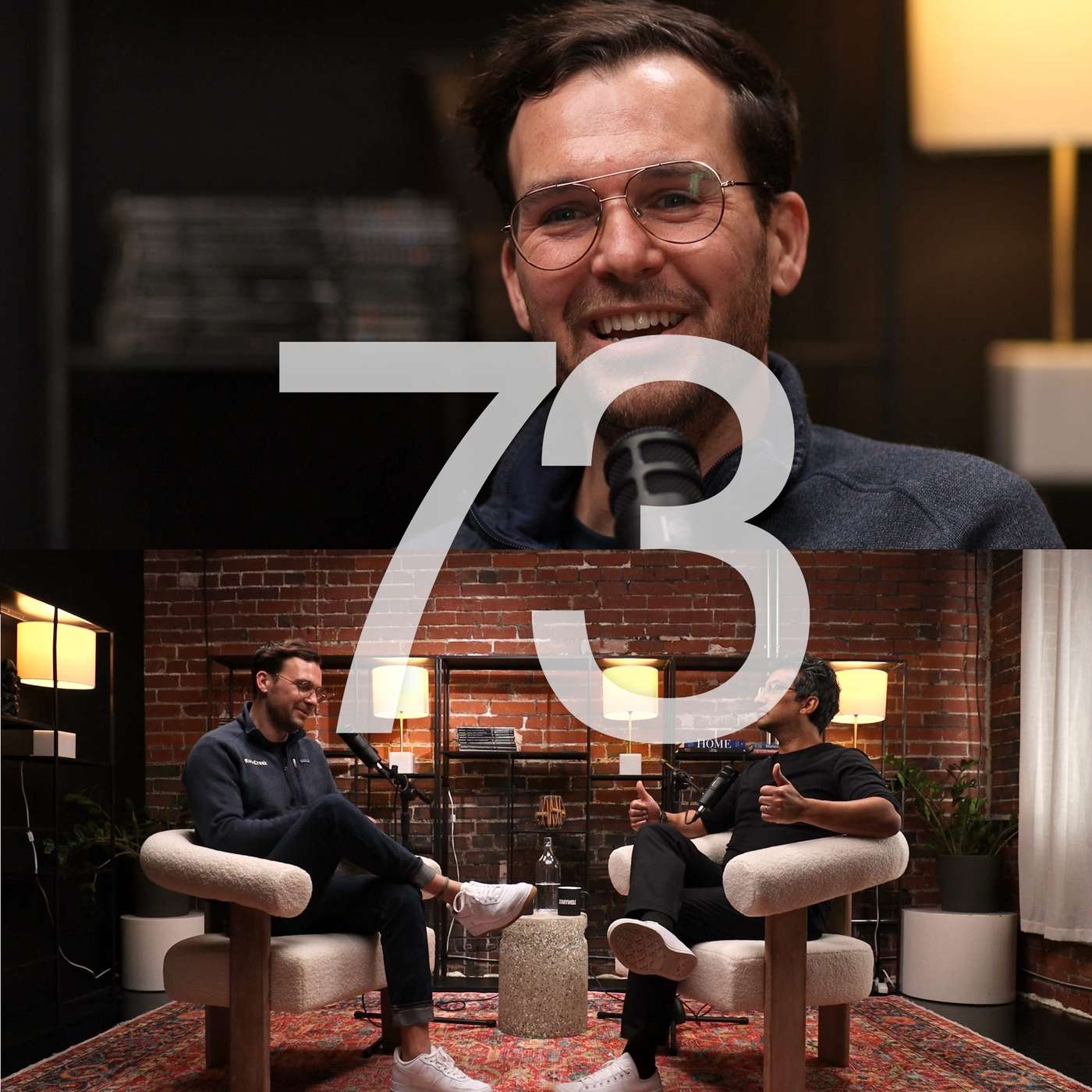 Perspective on Toronto's Fintech Ecosystem with Nik Milanović | In this episode of the StartWell Podcast, we sat down with Nik Milanović, founder of This Week in Fintech (the world's largest fintech community with 160,000 subscribers.)Nik discusses the company's first Toronto meetup event and shares insights about fintech ecosystems in Canada, highlighting how Canadian markets are often overlooked by US investors despite having significant potential and talent.For their first ever Toronto fintech meetup, This Week in Fintech received 450 attendee applications - and only had 150 spots available. Nik believes that Toronto is has a healthy fintech (and tech) ecosystem and this event proved it.In addition to talking about his company and events, we discussed the importance of in-person connections as well as where trust can evolve in the workplace.If you're part of fintech, or interested in this space - we recommend watching this episode and checking out Nik's website. | 29m 02s | ||||||
| 1/29/25 |  Subversive Marketing's New Handbook, "Just Evil Enough" - Alistair Croll | You're in for a fascinating conversation about rethinking startup strategy with Alistair Croll. For this episode of the StartWell Podcast, we dive deep into his new book "Just Evil Enough," which took seven years to write and challenges everything you thought you knew about building successful startups.This isn't your typical business chat. Alistair brings an incredibly fresh perspective on why startups need to stop obsessing over product features and start focusing on what really matters - getting attention and converting it into profitable demand. He's got over 163 case studies backing this up, from clever marketing hacks to brilliant system disruptions.What we love about this discussion is how Alistair breaks down why the timing for this message couldn't be better. With AI and cloud computing making it easier than ever to build products, he argues that distribution and marketing are now the real differentiators. You'll hear some fantastic examples, including a wild story from the 1300s about a castle siege that perfectly illustrates the power of strategic bluffing in business.The conversation gets particularly interesting when we talk about value chain disruption and how companies like IKEA have revolutionized their industries by simply reassigning steps in their process. We also explore why startups must fundamentally disagree with the status quo - otherwise, what's the point?The book itself is a bit of a rebel - it's got secret Morse code messages, Easter eggs, and a design that looks like classified documents. It's clear Alistair and his co-author practiced what they preach by making the book itself subversive.Whether you're a startup founder, working in tech, or just interested in innovative business strategies, this conversation will challenge your thinking about how to stand out in today's market. Expect to walk away with a completely new perspective on what it really takes to succeed in the startup world - hint: it's not another feature update. | 1h 09m 33s | ||||||
| 1/24/25 | 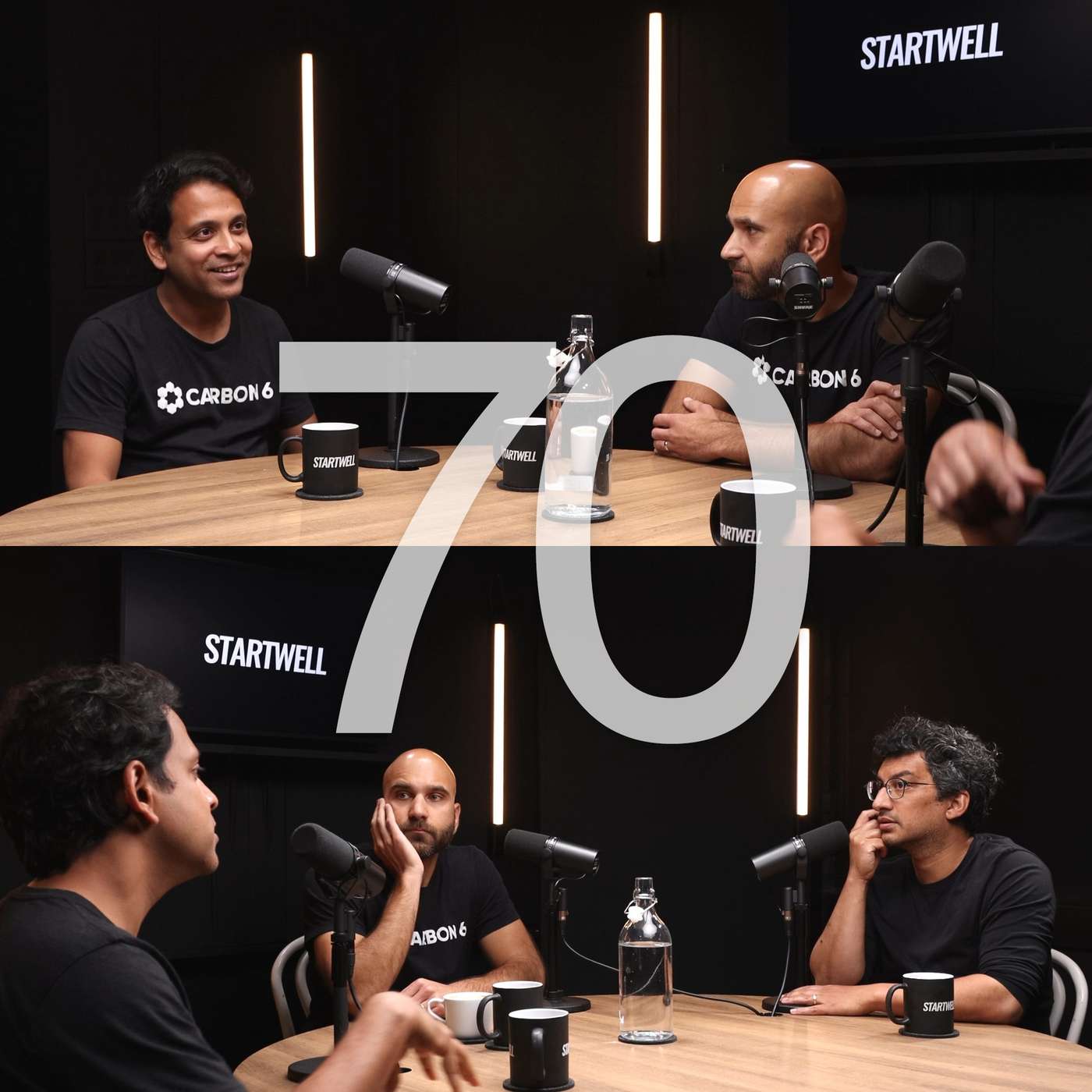 Carbon6: How This Amazon Seller Software Company Achieved 7x Growth | Success Story | For this second conversation with Carbon6 - 2 years after we last had them in studio, you'll get an insider's look at one of the most dynamic success stories in the Amazon seller software space. Carbon6's journey from ambitious startup to industry powerhouse unfolds through candid discussions with its co-founders, who share both the triumphs and challenges of building a tech company through acquisition and organic growth.The discussion kicks off with a look back at Carbon6's original mission: creating the ultimate toolkit for Amazon sellers by acquiring and combining existing software solutions. But what makes this story particularly compelling is how the company pivoted and evolved. You'll learn how they transformed from a pure acquisition strategy to building their own products and fostering strategic partnerships, all while growing their revenue 7x and maintaining profitability.The conversation takes you behind the scenes of building a unified company culture, as the founders share how they successfully integrated multiple acquired companies into one cohesive organization. There's a particularly interesting segment about their innovative technical architecture – a "central spine" that allows them to efficiently integrate new acquisitions and products.You'll get practical insights into managing rapid growth, as the team discusses scaling to 140 employees across multiple global locations while maintaining a strong company culture. The founders are refreshingly honest about the challenges they faced, including the shift from being "guys with a dream" to running a mature, profitable enterprise growing at 100% year-over-year.What makes this conversation especially valuable is the balance between high-level strategy and practical details. Whether you're interested in M&A, tech entrepreneurship, or the Amazon seller ecosystem, there's something here for you. The founders share specific examples of how they structured their teams, approached partnerships, and made key decisions about resource allocation. | 1h 14m 10s | ||||||
Showing 25 of 86
Sponsor Intelligence
Sign in to see which brands sponsor this podcast, their ad offers, and promo codes.
Chart Positions
1 placement across 1 market.
Chart Positions
1 placement across 1 market.