Insights from recent episode analysis
Audience Interest
Podcast Focus
Publishing Consistency
Platform Reach
Insights are generated by CastFox AI using publicly available data, episode content, and proprietary models.
Most discussed topics
Brands & references
Est. Listeners
Based on iTunes & Spotify (publisher stats).
- Per-Episode Audience
Est. listeners per new episode within ~30 days
10,001 - 25,000 - Monthly Reach
Unique listeners across all episodes (30 days)
25,001 - 75,000 - Active Followers
Loyal subscribers who consistently listen
15,001 - 40,000
Market Insights
Platform Distribution
Reach across major podcast platforms, updated hourly
Total Followers
—
Total Plays
—
Total Reviews
—
* Data sourced directly from platform APIs and aggregated hourly across all major podcast directories.
On the show
From 11 epsHost
Recent guests
Recent episodes
The Cornerstones of Direct Marketing with Joel Salatin Part 2 of 3 (remastered)
Apr 29, 2026
31m 12s
Breaking Tradition to Develop Sustainable Practices By Lydia Kyle
Apr 22, 2026
7m 17s
Trees as Tools — Grazing with Purpose with Austin Unruh
Apr 15, 2026
25m 01s
The Basis of Sound Genetics by Allen Williams Part 3 of 3 (remastered)
Apr 8, 2026
35m 38s
Putting Yourself in Control of Your Ranch by Stan Parsons
Apr 1, 2026
58m 04s
Social Links & Contact
Official channels & resources
Official Website
Login
RSS Feed
Login
| Date | Episode | Topics | Guests | Brands | Places | Keywords | Sponsor | Length | |
|---|---|---|---|---|---|---|---|---|---|
| 4/29/26 | ![]() The Cornerstones of Direct Marketing with Joel Salatin Part 2 of 3 (remastered)✨ | direct marketingconsumer behavior+4 | Joel Salatin | — | — | direct-to-consumerproduct line expansion+4 | — | 31m 12s | |
| 4/22/26 | ![]() Breaking Tradition to Develop Sustainable Practices By Lydia Kyle✨ | sustainable practicesregenerative grazing+3 | Lydia Kyle | Lazy JM Ranch | Idaho | regenerative grazingsustainable ranching+3 | — | 7m 17s | |
| 4/15/26 | Trees as Tools — Grazing with Purpose with Austin Unruh✨ | agroforestrylivestock nutrition+3 | Austin Unruh | Trees for GraziersThe Grazier’s Guide to Trees | — | treesgrazing+6 | — | 25m 01s | |
| 4/8/26 | The Basis of Sound Genetics by Allen Williams Part 3 of 3 (remastered)✨ | geneticsgrazing management+4 | Allen Williams | — | — | genetic selectiongrazing practices+4 | — | 35m 38s | |
| 4/1/26 | Putting Yourself in Control of Your Ranch by Stan Parsons✨ | livestock business modeleconomic viability+3 | Stan Parsons | — | — | cash flowgross margin+3 | — | 58m 04s | |
| 3/18/26 | Resilience Through the Storm: Lessons from a Historic Ice Storm with Allen Williams✨ | regenerative agricultureextreme weather+4 | Allen Williams | — | Mississippi | ice stormregenerative farming+3 | — | 38m 01s | |
| 3/11/26 | The Cornerstones of Direct Marketing with Joel Salatin Part 1 of 3✨ | direct marketingregenerative agriculture+3 | Joel Salatin | The Stockman Grassfarmer PodcastThe Stockman Grassfarmer | — | direct marketingregenerative agriculture+5 | — | 37m 06s | |
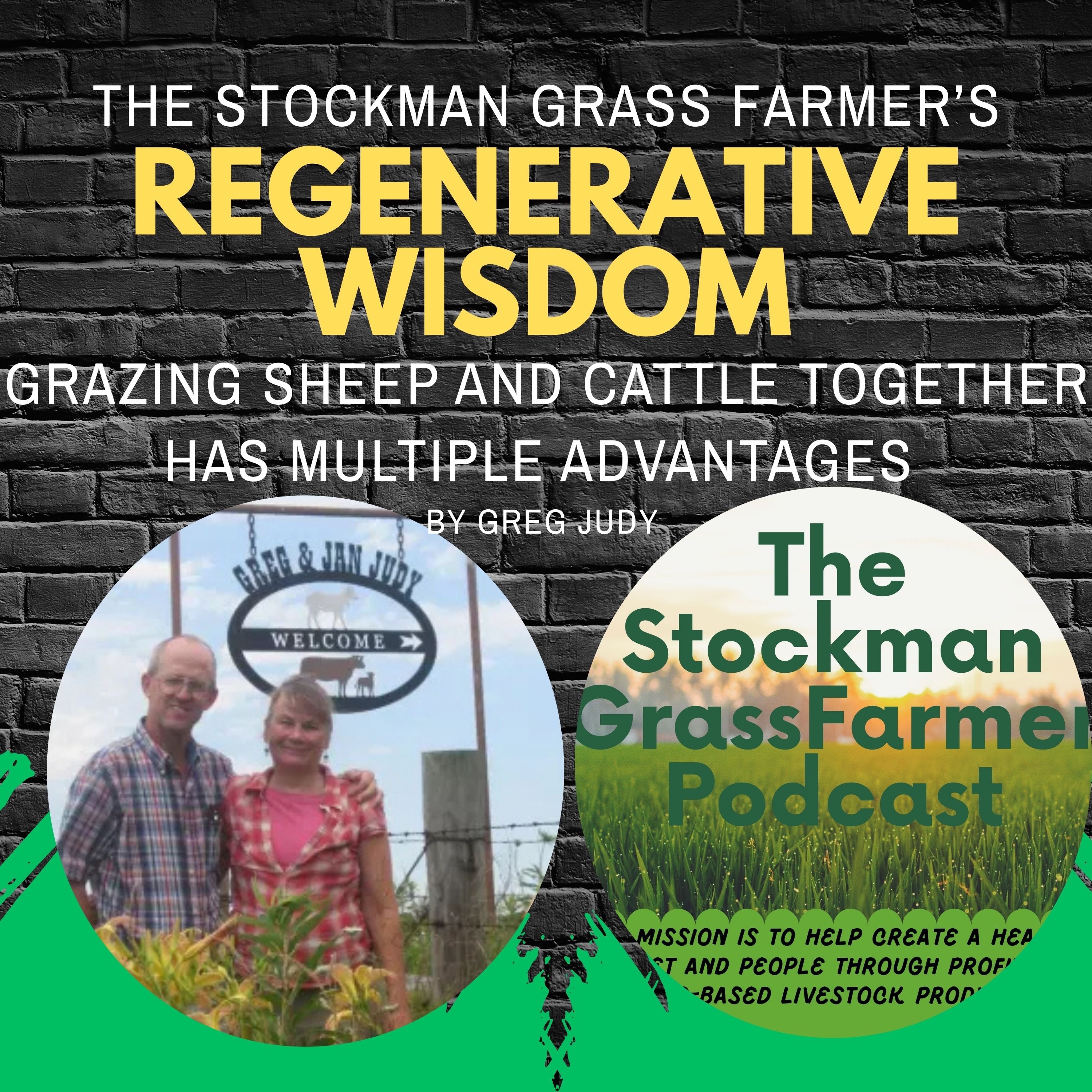
| 3/4/26 | Grazing Sheep and Cattle Together Has Multiple Advantages By Greg Judy✨ | multi-species grazingsheep and cattle integration+3 | Greg Judy | South Poll | Clark, Missouri | grazingsheep+5 | — | 9m 09s | |
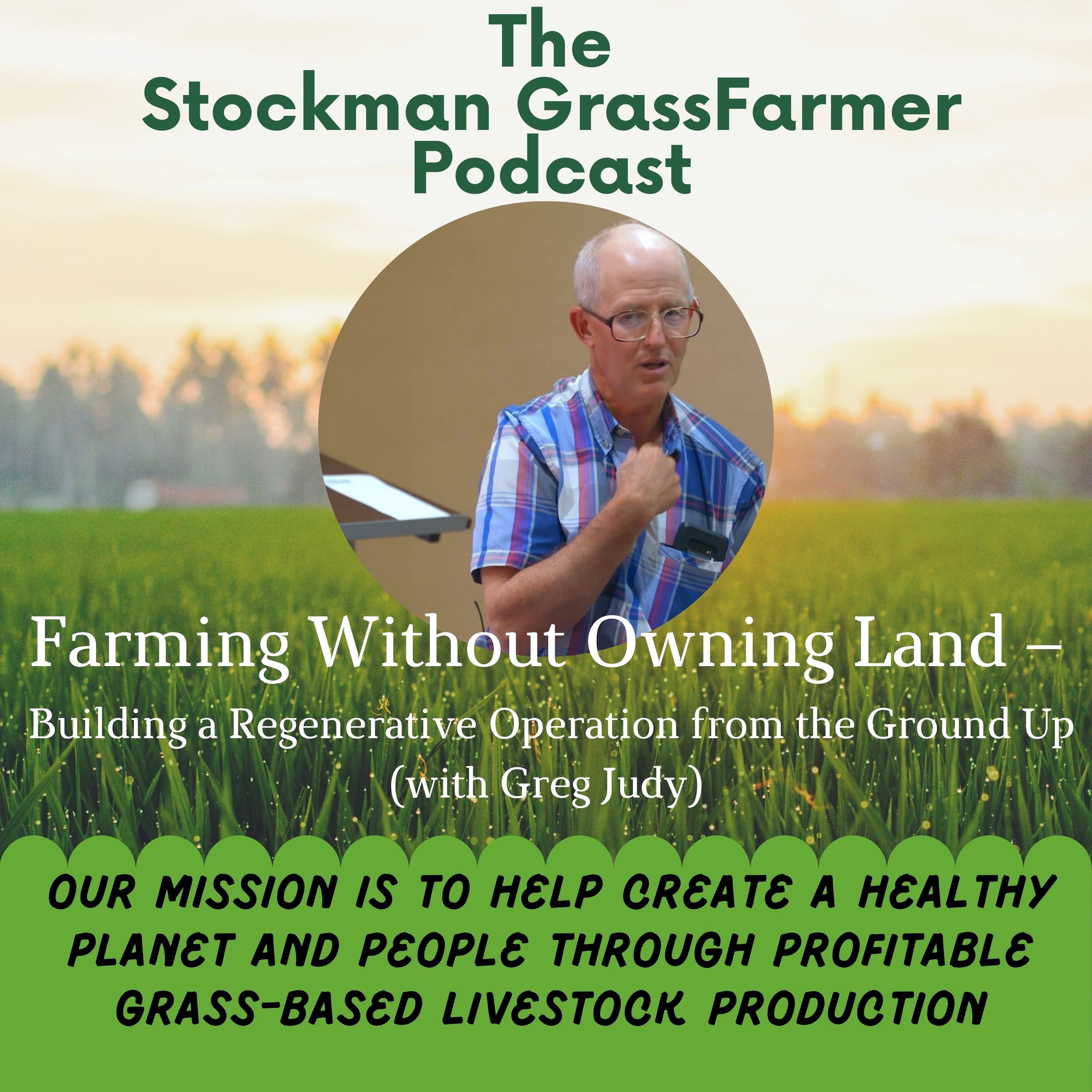
| 2/25/26 | Farming Without Owning Land – Building a Regenerative Operation from the Ground Up✨ | farming without landregenerative agriculture+4 | Greg Judy | — | — | farmingland leasing+5 | — | 1h 15m 23s | |
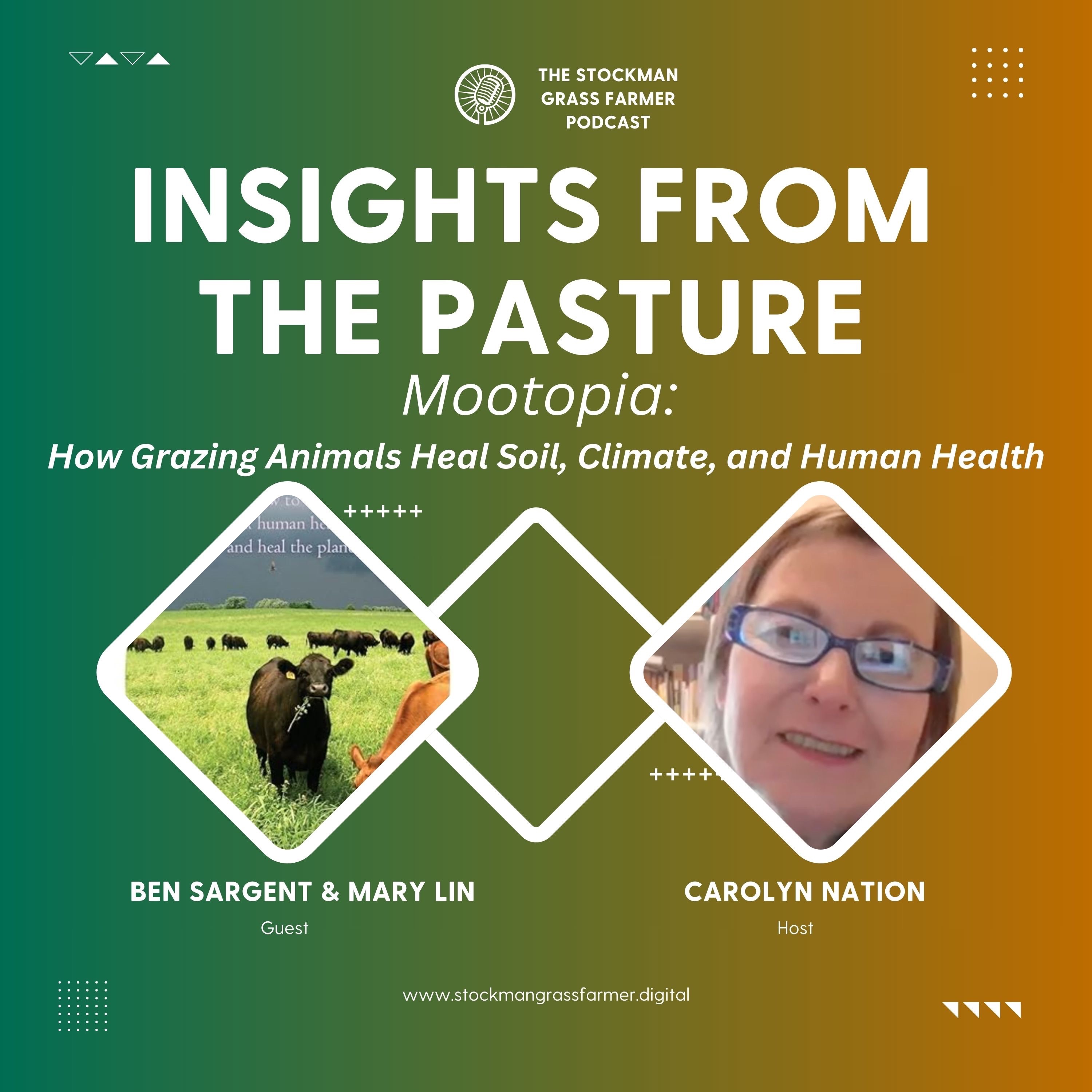
| 2/18/26 | Mootopia: How Grazing Animals Heal Soil, Climate, and Human Health✨ | regenerative grazingsoil health+4 | Ben SargentMary Lin | Colorado food co-opMootopia: How to Easily Fix Human Health and Heal the Planet | — | grazing animalssoil fertility+4 | — | 50m 05s | |
Want analysis for the episodes below?Free for Pro Submit a request, we'll have your selected episodes analyzed within an hour. Free, at no cost to you, for Pro users. | |||||||||
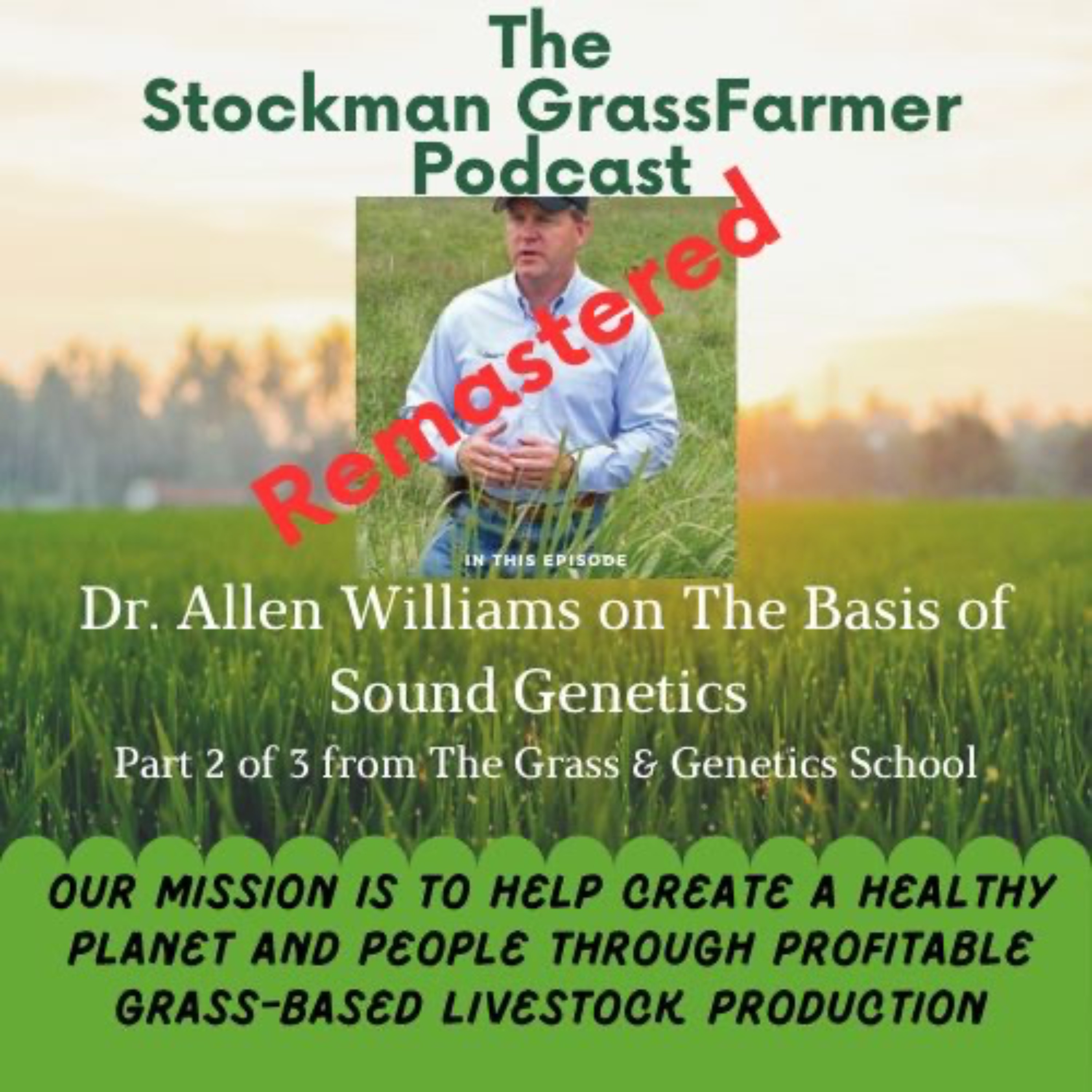
| 2/4/26 | The Basis of Sound Genetics with Dr. Allen Williams (remastered)Part 2 of 3✨ | livestock geneticsregenerative agriculture+4 | Dr. Allen Williams | — | — | geneticssoil biology+5 | — | 31m 42s | |
| 1/28/26 | Solar Grazing & Agrovoltaics: Growing Power While Growing Food | In this episode, Rebekah Pierce, author of Agri-Energy: Growing Power, Growing Food, joins Carolyn Nation to share her hands-on experience with agrovoltaics—the practice of grazing livestock under solar panels. Rebekah currently manages seven solar grazing sites across four counties in upstate New York, transforming underutilized land into productive agricultural systems while providing vegetation management for solar companies. The conversation explores how solar grazing works in practice, how farmers can find and secure contracts, and why sheep have become the go-to species for these systems. Rebekah also addresses common concerns around farmland loss, food safety, and soil health, offering a grounded, farmer-first perspective on integrating renewable energy with agriculture. 🔑 Key Points Covered: Getting Started with Solar GrazingRebekah explains how she landed her first solar grazing contract in 2022 and how farmer-to-farmer connections opened the door to rapid growth. Finding Opportunities in the Solar IndustrySolar grazing requires “detective work”—from tracking construction projects and attending town board meetings to navigating the divide between solar builders and maintenance companies. Land Use, Soil Health, and Public ConcernsMany solar sites are built on non-prime or previously degraded land. Through managed rotational grazing, these areas can improve significantly while remaining in agriculture for 20–40 years. Livestock Compatibility with Solar SitesSheep are the most practical option today, but Rebekah discusses emerging possibilities for cattle, poultry, and other livestock as panel designs evolve. Farming Under the PanelsBeyond grazing, farmers are growing vegetables, hay, sweet corn, tomatoes, peppers, and even cranberries under and around solar arrays as equipment and layouts adapt. Economics Without SubsidiesPayments for vegetation management come directly from solar companies, providing steady income that has been transformative for Rebekah’s first-generation farm. Safety, Food Quality, and Environmental RealityRebekah addresses concerns about contamination, panel materials, and food safety, pointing to research showing no issues with meat from solar-grazed sites. 🌱 Actionable Insights: Start tracking local solar projects by attending town meetings and monitoring planning notices. Build relationships with solar developers, operations companies, and cooperatives like United Agrovoltaics. Consider sheep as a low-barrier entry point for solar grazing systems. Use intensive rotational grazing to improve soil health while meeting vegetation management requirements. Stay persistent—solar grazing contracts often require repeated follow-ups and long timelines. 📌 Resources & Links: Agri-Energy: Growing Power, Growing Food by Rebekah Pierce United Agrovoltaics Cooperative 👉 Subscribe to the Stockman Grassfarmer Podcast for more real-world conversations on regenerative agriculture, innovative land use, and building resilient farm businesses. | 21m 03s | ||||||
| 1/21/26 | What Have We Learned over Twenty Years Producing Grass-Finished Beef? by Dr. Anibal Pordomingo | In this episode, Dr. Anibal Pordomingo shares hard-earned insights from more than two decades researching, producing, and refining grass-finished beef systems in the Argentine Pampas. Drawing from direct experience with chefs, markets, and consumers, the conversation explores what truly defines quality in pasture-finished beef—and why perception, preparation, and consistency matter just as much as production practices. Dr. Pordomingo challenges common assumptions about marbling, breed, age, and appearance, emphasizing that the eating experience ultimately determines success. The episode bridges pasture management with culinary realities, highlighting how grazing decisions, genetics, finishing timelines, and post-harvest handling shape tenderness, flavor, and reliability. 🔑 Key Points Covered: What “Quality” Grass-Finished Beef Really MeansHow chefs and consumers define quality—and why visual traits alone are unreliable indicators. Fat, Marbling, and MoistureThe critical role of intramuscular fat in grilling performance, tenderness, and flavor, even in grass-finished systems. Seasonality and Consistency ChallengesWhy pasture-finished beef is inherently more variable than grain-fed, and how producers can manage that risk. Aging, Freezing, and HandlingBest practices for dry aging, freezing, and chilling to preserve eating quality and avoid moisture loss. Cooking Methods MatterHow heat, searing, salt, and slow cooking influence outcomes—and why chefs adapt techniques to the meat they’re given. Genetics and Harvest TimingThe importance of early-maturing, easy-marbling genetics and harvesting at two and a half years or younger for consistent tenderness. Hamburger Is Not an AfterthoughtWhy ground beef quality plays a major role in consumer perception and overall carcass value. Story vs. Eating ExperienceWhy farm stories and stewardship help—but can never compensate for poor flavor or texture. 🌱 Actionable Insights: Prioritize tenderness, juiciness, and flavor over appearance when making finishing and harvest decisions. Manage pasture and finishing timelines tightly—grass-finishing leaves little margin for prolonged low gains. Use genetics that support marbling and natural tenderness in forage-based systems. Pay close attention to post-harvest handling, aging, and freezing methods to protect quality. Remember that one great steak—or hamburger—can determine whether a consumer chooses grassfed beef again. 📌 For more insights, resources, and current specials, visit us here:👉 stockmangrassfarmer.digital 👉 Tune in with your favorite podcast app to the Stockman Grassfarmer Podcast and explore practical, experience-driven lessons on grazing, beef quality, and building resilient grass-based systems—straight from the pasture. | 8m 40s | ||||||
| 1/14/26 | Becoming a Farm Builder by Jordan Green | Recorded at: SGF’s First Gathering at Polyface (2021) In this episode, Jordan Green shares the foundational mindset and practical decision-making required to become a true farm builder. Recorded at SGF’s first-ever Gathering at Polyface, the conversation reflects on the realities of building a farm business through economic uncertainty, market shifts, and long-term growth challenges. Drawing from his experience as a Polyface apprentice, Marine Corps veteran, and diversified farmer alongside his wife Laura, Jordan explores how focus, simplification, and resilience shaped their farming journey—from the late-2000s economic crisis through the COVID-era disruptions. This episode emphasizes building systems that endure rather than chasing short-term wins. 🔑 Key Points Covered: What It Means to Be a Farm BuilderThe difference between operating a farm and intentionally building a long-term, resilient farm business. Lessons from Economic DownturnsHow the 2008 financial crisis and pandemic-era challenges reshaped Jordan’s approach to risk and growth. Simplification as a Growth StrategyWhy narrowing enterprise focus can strengthen profitability and sustainability. Choosing the Right EnterprisesMatching farm enterprises to land capability, labor capacity, and lifestyle goals. Building Through UncertaintyDeveloping adaptability and decision-making frameworks that hold up when conditions change. 🌱 Actionable Insights: Build your farm with a long-term vision rather than reacting to short-term pressures. Simplify enterprises to reduce risk and improve operational clarity. Align your business decisions with your personal and family goals. Embrace adaptability as a core strength, not a weakness. Focus on systems that support resilience through economic and market cycles. 📌 For more insights and resources, be sure to visit us for our latest specials, live events, and monthly magazine:👉 stockmangrassfarmer.digital 👉 Tune in with your favorite podcast app to the Stockman Grassfarmer Podcast and explore real-world lessons from producers building farms that last. | 1h 20m 06s | ||||||
| 1/7/26 | Multi-Species Grazing Foundations with Greg Judy (Remastered) Part 1 of 3 | In this remastered episode of the Stockman Grassfarmer Podcast, we revisit a foundational session from the Multi-Species Grazing School, led by renowned grazier Greg Judy. This episode is Part 1 of 3 from the first module of the complete Multi-Species Grazing course, and it sets the philosophical and practical groundwork for building resilient, profitable grazing systems through diversity. Greg shares his personal journey from financial struggle to becoming debt-free through custom grazing, leasing land strategically, and embracing practices others were unwilling to try. The conversation dives deep into why single-species systems break down, how plants and animals work together to heal soil, and how livestock can replace machinery for brush, weed, and parasite control. This episode challenges conventional thinking and reframes “problems” like weeds, brush, and invasive species as opportunities—when managed correctly. 🔑 Key Points Covered: Why Multi-Species Systems WorkDiversity strengthens grazing systems by improving soil biology, forage quality, and overall resilience. From Custom Grazing to Debt-Free RanchingGreg’s journey of keeping money on the farm, leasing land wisely, and building equity without debt. Understanding Weeds as Soil IndicatorsWeeds exist for a reason—often signaling soil deficiencies rather than being the core problem. Turning Problem Plants into FeedHow plants like Sericea lespedeza can become high-quality forage with proper timing and management. Using Animals Instead of MachinesSheep, cattle, pigs, and goats as “solar-powered tools” for brush control, parasite management, and fertility cycling. Parasite Control Through Species DiversityWhy cattle and sheep break parasite cycles—and why goats require different management. Tree and Brush Management StrategiesPractical methods for controlling woody species while preserving valuable shade and long-term landscape assets. Profitability Without GuiltWhy making money is essential for staying on the land—and how profit and stewardship go hand in hand. 🌱 Actionable Insights: Focus on building diversity—both plant and animal—to strengthen soil and forage systems. Use livestock impact instead of mechanical mowing to solve vegetation problems. Match grazing species to specific forage and problem plants. Rethink weeds as indicators, not enemies. Keep money on the farm and be willing to do what others won’t. 📌 Want to Go Deeper?This episode is Part 1 of 3 from the first module of the complete Multi-Species Grazing course. 👉 For just $37, unlock the complete Multi-Species Grazing School with Greg Judy and learn how to build healthier pastures, diversify income, and cut input costs. This 10+ hour on-demand course streams instantly and lets you learn at your own pace—risk-free with our 100% money-back guarantee. www.stockmangrassfarmer.digital/msg-tiny 🌱 For more insights, resources, and current specials, visit:👉 stockmangrassfarmer.digital 🎧 Tune in with your favorite podcast app to the Stockman Grassfarmer Podcast and keep learning—wherever the pasture takes you. | 33m 49s | ||||||
| 12/24/25 | Ten Tips for Meat Vendors Attending a Farmers’ Market by Danielle Devota | In this episode of The Stockman Grassfarmer Podcast, Danielle Devota shares practical, boots-on-the-ground lessons from her first full season selling meat at a farmers’ market. Drawing from her experience raising grassfed beef, pasture-raised chicken, and forest-raised pork, Danielle walks through the real considerations behind moving from selling meat shares to offering retail cuts—and what that shift meant for customer relationships, cash flow, and long-term planning. The episode explores the realities of small-scale, regenerative meat sales, including product availability, butcher scheduling, pricing confidence, and market logistics. Rather than offering theory, Danielle provides clear, experience-driven insights that can help producers decide if farmers’ markets fit their operation—and how to do them better if they do. 🔑 Key Points Covered: Why Retail Meat Changed EverythingHow offering smaller quantities expanded Danielle’s customer base and created more consistent cash flow. Seasonality & Product AvailabilityEducating customers on why certain cuts—and meats—aren’t always available year-round. Choosing the Right Market CommitmentTesting markets before committing, picking timeframes that fit forage and production cycles, and knowing when to skip low-return days. Cut Selection & Inventory StrategyFocusing on staple cuts first and letting customer demand guide future offerings. Market Costs & Labor RealityBeing honest about booth fees, equipment, time investment, and the true cost of having multiple people at the stand. Booth Placement & VisibilityWhy consistency matters—and how advocating for your space helps retain regular customers. Pre-Orders & Customer FlowUsing pre-orders to manage inventory and create momentum at the booth. Email List Building at MarketsTurning face-to-face interactions into long-term customer relationships. Creative Displays for Frozen MeatUsing signage, photos, and chalkboards to make frozen products easier to understand and sell. Standing by Your PricingPreparing for price objections and confidently communicating the value of pasture-raised, regeneratively produced meat. 🌱 Actionable Insights: Start with a limited product lineup and expand only after demand is proven. Use farmers’ markets as both a sales channel and a customer education opportunity. Protect your time and cash flow by evaluating each market day as a business decision. Capture customer contact information every chance you get. Remember—not everyone is your customer, and that’s okay. 📌 For more insights and resources, be sure to visit us for our latest articles, podcast episodes, specials, and educational offerings:👉 stockmangrassfarmer.digital 👉 Tune in with your favorite podcast app to The Stockman Grassfarmer Podcast and learn from producers navigating real-world grazing, marketing, and livestock challenges—straight from the pasture. | 8m 29s | ||||||
| 12/17/25 | Marketing Livestock by Bud Williams | In this episode, Bud Williams shares a timeless, experience-driven perspective on livestock marketing that challenges conventional thinking and expands how producers view profitability. Rather than focusing solely on selling animals, Bud explains why true marketing success comes from a whole-system approach that includes buying decisions, grazing management, inventory control, cash flow, and understanding market cycles. Drawing from decades of hands-on experience, Bud breaks down commodity cash markets, futures, and direct marketing—while emphasizing that profit is made at the time of purchase, not by hoping for higher prices later. This classic presentation remains as relevant today as ever, offering practical wisdom for producers navigating volatile markets and long-term business sustainability. Bud details how market cycles truly work, why declining markets often create the best opportunities, and how poor pricing discipline across the industry leads to instability. He also explains why scale isn’t required for profitability—clarity, discipline, and smart decision-making are. 🔑 Key Points Covered: What Marketing Really Means: Marketing goes far beyond buying and selling—it includes animal care, grazing land management, feed use, cash flow, and inventory control. Profit Is Made When You Buy: Why waiting to “make money when you sell” is a losing mindset—and how smart buying creates margin. Understanding Market Cycles: The traditional cattle cycle still exists, but modern markets create shorter, faster cycles that savvy producers can use to their advantage. Selling High and Buying Low—On Purpose: Why maintaining cash and grass inventory matters more than expanding herd numbers in hot markets. Cash, Grass, and Inventory Management: Viewing grass, money, livestock, and equipment as inventory—and knowing when not to buy at all. Futures and Risk Protection: Why most producers should avoid futures unless they truly understand them—and how they were originally designed to protect producers. Why Profitability Doesn’t Require Scale: How wise management consistently outperforms size in livestock businesses. 🌱 Actionable Insights: Focus on making profit at the time of purchase—not by predicting future prices. Maintain inventory in grass and cash, especially when livestock prices are high. Sell animals early when drought or market pressure is coming—before everyone else does. Avoid increasing herd size during peak markets; build reserves instead. Minimize equipment purchases and protect cash flow to stay flexible. Produce what the market wants—not just what you prefer to raise. 📌 For more insights and resources, be sure to visit us here for our latest specials and exclusive offers: 👉 stockmangrassfarmer.digital 👉 Tune in with your favorite podcast app to The Stockman Grassfarmer Podcast and learn practical, real-world livestock marketing wisdom straight from one of the most influential thinkers in grazing and animal management. | 1h 02m 06s | ||||||
| 12/10/25 | Breeding Season Options By Mike Stockton | In this episode of The Stockman Grassfarmer Podcast, Mike Stockton shares a clear, experience-driven look at common breeding season strategies and the decision-making process behind selecting the right approach for your operation. Drawing from his own work raising direct-market beef on leased land, Mike explains how calving timing and breeding method choices affect labor, cash flow, genetics, and long-term herd resilience. Rather than promoting a single “best” system, this episode focuses on options—helping producers evaluate what works best for their land, resources, and goals. Mike also details why he chose artificial insemination to access adapted genetics affordably, inspired by leaders like Kit Pharo, Greg Judy, Jaime Elizondo, and Gabe Brown. 🔑 Key Points Covered Three Common Calving Systems Year-round, spring, and fall calving — with practical pros and cons for each based on forage availability, climate, labor, and marketing flexibility. Why Spring Calving Gets Attention in Regenerative Systems Aligning peak nutritional demand with abundant grass to reduce costs and improve calf health. Fall Calving as a Heat-Management Strategy How cooler temperatures support breed-back success and market timing advantages. Bull Options Explained Renting a bull, buying a bull, or using artificial insemination — including cost, flexibility, genetics, and management considerations. Using AI to Access Adapted Genetics Mike’s experience sourcing South Poll genetics locally and keeping breeding costs under $50 per calf. Breeding Decisions for Direct-Marketed Beef Why body condition, fertility, and longevity matter when selling beef directly to customers. 🌱 Actionable Insights Match your calving season to forage growth and climate to reduce feed costs and stress on cows. Consider AI if you have a small herd or leased land and want access to high-quality adapted genetics without owning a bull. Remember that the bull contributes 50% of your herd’s genetics — invest thoughtfully. Use breeding decisions as a long-term strategy to build herd value and resilience. Don’t be afraid to test a new approach each year and evaluate the results. 📌 For more insights and resources, be sure to visit us here for our latest specials and exclusive offers: 👉 stockmangrassfarmer.digital 👉 Tune in with your favorite podcast app to The Stockman Grassfarmer Podcast and explore practical grazing and livestock management lessons straight from the pasture. | 6m 13s | ||||||
| 12/3/25 | Goals & Objectives with Jim Gerrish (remastered) | 🌱 Grassroots of Grazing — Now Just $37! 🌱 Unlock Jim Gerrish’s foundational grazing school at a tiny, can’t-miss price. With 8+ hours of practical, proven strategies, this course gives you the tools to improve forage production, extend your grazing season, and manage your pastures with confidence. Whether you're new to grazing or refining an established system, Grassroots of Grazing delivers the clarity and direction every grazier needs — all for just $37. Start transforming your pasture today. www.stockmangrassfarmer.digital/gog-tiny-offer >>> 🎙️ Episode Title: Goals & Objectives with Jim Gerrish📝 Featured Speaker: Jim Gerrish In this episode of the Stockman Grassfarmer Podcast, we explore the vital importance of setting clear, actionable goals for your farming or ranching operation with expert insights from Jim Gerrish. Whether you’re focused on business growth or lifestyle improvements, Jim emphasizes the need for SMART goals—Specific, Measurable, Attainable, Relevant, and Time-bound—and shares his personal journey of balancing lifestyle ambitions with a successful consulting business. 🔑 Key Points Covered: The power of setting well-defined goals and how to apply the SMART framework. Aligning goals within multi-generational or family-run operations. The importance of balancing lifestyle objectives with financial planning and ranch improvement. Clear communication between management and labor to ensure seamless operation. How to differentiate between strategic goals and tactical objectives, and why both are critical for long-term success. Whether you're fine-tuning your current plans or starting from scratch, this episode will inspire you to take actionable steps toward achieving both your personal and business goals. 🌱 Tune in now and start shaping the future of your farming operation today! Ready to take your regenerative ranching to new heights? Learn more here: https://www.stockmangrassfarmer.digital/profile Be sure to explore the links for our monthly magazine, upcoming live events, and latest specials. Grassfarming is a 24-7 job and you can’t always get away. So we’ve put together this podcast, so that you can listen while you work (or whatever you’re doing) but always on your schedule. Whenever and where ever you want. | 37m 06s | ||||||
| 11/26/25 | Regenerative Insights with Steve Kenyon & Carolyn Nation | In this episode we're flipping the script as host Steve Kenyon of Greener Pastures Ranching leads a special Wednesday Night Networking conversation featuring Carolyn Nation, co-owner of The Stockman Grass Farmer magazine. This wide-ranging discussion explores the history of the iconic publication, the legacy of Alan Nation, the evolution of regenerative grazing education, and the real-world challenges of custom grazing and landowner relationships today. The episode offers a candid look at how WNN began during COVID, why it continues to thrive in its sixth season, and how informal, producer-led learning is shaping the regenerative agriculture community across North America. Steve and Carolyn blend storytelling, history, business insights, and practical advice for graziers navigating today’s changing land access and livestock markets. Carolyn shares the remarkable story behind SGF — from Alan’s early journalism days to the pivotal New Zealand trip that transformed the magazine into the leading voice of grass-based agriculture. Steve expands on his own journey with SGF, his experiences as a custom grazier, and the human relationship dynamics that make or break grazing enterprises. 🔑 Key Points Covered: The Roots of the Wednesday Night Networking SeriesHow WNN began during COVID, why it has lasted six seasons, and the unique peer-to-peer learning format that keeps producers coming back. The Origin Story of The Stockman Grass FarmerHow a trip to New Zealand and one farmer’s comment about being a “grass farmer” dramatically reshaped the magazine’s mission. Alan Nation’s LegacyReflections on Alan’s journalism career, his influential books, his global impact on grazing thought, and how SGF continues to share his insights through “Alan’s Obs.” The Evolution of SGF’s Education PlatformFrom print to events like “The Gathering,” to digital content, podcasts, and business schools co-led by Steve and Joel Salatin. Realities of Custom GrazingThe importance of the Animal Keepers Act in Canada, navigating difficult customer and landowner personalities, and why reliability matters more than the highest-paying clients. Land Ownership & Leasing ChallengesHow generational transitions complicate grazing arrangements and strategies for working with landowners unfamiliar with agriculture. Economics of Land Leasing & Grazing RatesWhy lease rates vary so drastically, what drives market shifts, and why maintaining long-term relationships often outweighs raising prices. Supporting the Regenerative CommunityCarolyn’s invitation for producers to contribute articles and share their experiences for the benefit of the wider grazing community. 🌱 Actionable Insights: Build relationships intentionally — the people you work with matter as much as the land or livestock. Protect your operation legally with tools like the Animal Keepers Act or liens when appropriate. Focus on reliable customers and landowners rather than chasing the highest price. Share your story — real-world grazing experience helps strengthen the entire community. Leverage education and peer networks like WNN for continuous learning and support. 📌 For more insights and resources — including SGF courses, digital content, magazines, and our latest specials — visit: 👉 stockmangrassfarmer.digital 👉 Tune in on your favorite podcast app to The Stockman Grassfarmer Podcast for more real-world grazing wisdom from the leaders shaping today’s regenerative movement. | 1h 15m 32s | ||||||
| 11/19/25 | Otter Creek Farm Transitioning to Regenerative, Grassfed, Diversified Operation By Becky Gillette | In this episode, Brad and Elizabeth of Otter Creek Farm share their journey transitioning a multi-generation New York farm from a conventional model to a diversified, regenerative, fully grassfed operation. The episode explores how they rebuilt their systems around animal welfare, soil health, transparency, and community connection, and why direct marketing became the heartbeat of their business. Brad and Elizabeth walk through the decisions that shaped their operation — from abandoning commodity markets to developing a robust meat share program, pursuing Animal Welfare Approved and Certified Grassfed certifications, and introducing farm stays to deepen customer relationships. Their story highlights the practical realities, challenges, and rewards of regenerative farming in a cold-weather climate. 🔑 Key Points Covered: The Transition to Regenerative Farming: Why Otter Creek moved away from conventional practices and toward a holistic, humane, grass-based system. The Power of Meat Shares: How selling directly to customers through a subscription-like share model transformed their income stability and customer loyalty. Certifications That Matter: The impact of AGW’s AWA and Certified Grassfed programs on marketing, animal care, and customer trust. Winter & Drought Management: Strategies the farm uses to maintain animal health, protect soil, and ensure feed availability in tough seasons. Diversification for Stability: Why they added farm stays, poultry, and thoughtful enterprise mix — and what they don’t do anymore (like haying). Marketing Through Transparency: How newsletters, education, on-farm experiences, and storytelling help customers feel connected to their food and the farm’s mission. 🌱 Actionable Insights: Build customer trust with clear communication and behind-the-scenes access — it strengthens loyalty and supports premium pricing. Consider a meat share or subscription model to gain early-season cash flow and predictable revenue. Don’t hesitate to collaborate with neighboring farms to reduce workload, outsource weaker enterprises, or expand offerings responsibly. Use certifications strategically — the right ones can reinforce your values and enhance your branding. Design your enterprise mix around what you do best, what the land supports, and what brings both profitability and joy. 📌 For more insights and resources, be sure to visit us here for our latest specials and exclusive offers: 👉 stockmangrassfarmer.digital 👉 Tune in with your favorite podcast app to The Stockman Grassfarmer Podcast and discover powerful real-world lessons from farmers and experts leading today’s regenerative movement. | 7m 38s | ||||||
| 11/12/25 | David Will: Serengeti Grazing and the Power of Dung Beetles | In this episode of The Stockman Grassfarmer Podcast, Texas rancher David Will shares his firsthand experience implementing Serengeti grazing—also known as High Density Zero Rotational Grazing (HDZR)—on his 65-acre ranch. After the devastating 2011 drought, David set out to find a grazing system that could thrive even under extreme stress. Inspired by Mr. Sabino Cortez Jr., he began experimenting with compost applications, irrigation, and concentrated grazing on just one acre. The results were remarkable—rapid manure decomposition, vigorous grass growth, and record weight gains, including a young bull that gained 600 pounds in 190 days on a single acre. The episode explores how this system transforms soil fertility through the natural activity of dung beetles, compost microbes, and mineral balance—proving that regenerative solutions can turn challenges into lasting resilience. 🔑 Key Points Covered: Origins of Serengeti Grazing: How David discovered the method through Sabino Cortez Jr. and why the claims initially sounded too good to be true. Drought as Catalyst: The 2011 Texas drought that motivated David to rethink grazing for long-term resilience. Implementation Process: How compost, irrigation, and patient observation led to a thriving one-acre system. The Role of Dung Beetles: Why eliminating medications toxic to beetles is critical for manure cycling and fertility. Grass Management: The importance of species like Bermuda and Bahia grass and maintaining ideal sward height. Economic and Practical Benefits: How the system sustains herds during drought and increases profitability through efficient land use. 🌱 Actionable Insights: Ensure cattle are medication-free for at least six months before starting to protect dung beetle populations. Apply about five tons of compost per acre to build soil life and fertility. Supplement with sea salt to boost plant and animal health. Use well-aggregated or sandy soils for best results and test drainage before beginning. Consider Serengeti grazing as a drought-management tool or a way to rebuild productivity on limited acreage. 📌 For more insights and resources, visit us at stockmangrassfarmer.digital for our latest specials, full courses, and details on how to subscribe to our monthly magazine. 👉 Tune in on your favorite podcast app—just search The Stockman Grassfarmer Podcast—and discover how one rancher’s determination reshaped his pastures from the ground up. | 27m 41s | ||||||
| 11/5/25 | Harnessing No-Till Planting in Pasture-Based Systems By Russ Wilson | In this episode, Russ Wilson explores the adaptation of no-till practices to pasture-based systems — showing how this crop-origin technique can revitalize and diversify your forages while improving soil function and reducing labor. Russ shares his personal transition from conventional to no-till methods, breaking down what worked, what didn’t, and the big lessons that reshaped his approach to regenerative grazing. 🔑 Key Points Covered: Breaking Weed Cycles – How no-till can help interrupt persistent weeds like fescue, Johnsongrass, and knapweed. Boosting Forage Production – Why annual forages add grazing days and reduce dependence on stored feeds. Building Soil Health – From less compaction to more water infiltration and microbial activity. The Power of Simplicity – Russ’s revelation that planting without tillage saved time, labor, and cost. Practical Insights for Interseeding – When and how to use no-till to reseed thin or damaged pastures without starting over. 🌱 Actionable Insights: Evaluate your pastures annually to identify areas that could benefit from interseeding or renovation. Consider no-till as a low-labor, high-efficiency option to expand grazing days and soil resilience. Explore local conservation districts or neighbors with no-till drills to reduce equipment barriers. 📌 For more insights and resources visit us at stockmangrassfarmer.digital . 👉 Tune in on your favorite podcast app to The Stockman Grassfarmer Podcast and discover how no-till planting can unlock both productivity and ecological balance in your pastures. | 7m 52s | ||||||
| 10/29/25 | Looking at the Ecosystem Processes in the Field (Part 3) with Jim Gerrish | In this episode, Jim Gerrish (along with Joel Salatin) walks the pastures and pond banks of Polyface Farm, discussing how to balance grass, water, and livestock in a resilient grazing system. Jim explains how biological timing drives feed quality, why mechanical brush-hogging isn’t always worth it, and how to use stock density as your main management lever. Joel reflects on the financial realities of hay-making, customer consistency, and the long-term payoffs of soil recovery and water design. They also explore the ecological lessons behind land recovery—from erosion scars to thriving ponds—and how understanding nature’s laws can help graziers make better decisions every day. 🔑 Key Points Covered: Foxtail and Forage Quality: Why plant maturity—not species—is the real driver of nutrition. Livestock as Land Managers: Using grazing pressure and timing instead of machines. Hay as Insurance: How Joel views hay inventory as both a hedge and a marketing necessity. Functional Water Cycles: Slower-filling ponds as a sign of better soil infiltration. Integrated Livestock Systems: Chickens, dung beetles, and soil microbes working together. Land Recovery & Ecology: Lessons from transforming degraded land into a thriving landscape. Sheep for Slope Management: Using lighter animals to protect steep areas around ponds. 🌱 Actionable Insights: Let livestock—not machines—be your main pasture management tool. Observe forage maturity closely to time grazing for peak nutrition. Think of hay as both a financial buffer and a promise to your customers. Design water systems that protect against erosion and build resilience. Recognize that regeneration is a process—soil biology and diversity take time to rebuild. | 26m 27s | ||||||
| 10/22/25 | Four Hard Lessons Learned Starting a Farm from Scratch By Mark Shephard | In this episode, Mark Shepard shares the humbling — and humorous — journey of building a regenerative farm from the ground up in northern New York. Through trial and error, he’s learned four hard lessons that every beginning farmer should hear before jumping in with both boots. From mismatched leases and overfed pigs to undersized sheep and a rotten stock trailer, Mark’s reflections reveal what it truly takes to start from scratch — and keep going. 🔑 Key Points Covered: Finding Land: How to navigate difficult landowner relationships and find the right collaborative match. Pigs Require Inputs: Why raising your own breeders doesn’t always pencil out — and how to learn from emotional attachments. Sheep Selection: The importance of carcass size, genetics, and breed management for long-term success. Stock Trailers & “Tuition”: The expensive lessons hidden underneath the surface — literally. 🌱 Actionable Insights: Keep looking for landowners who share your values — the right fit is worth the wait. Be realistic about inputs and economics before scaling livestock. Select breeds for function and environment, not just reputation. Consider every mistake a form of “tuition” on the road to mastery. 📌 For more insights and resources, visit stockmangrassfarmer.digital to access hundreds more from leaders in regenerative agriculture. 👉 Tune in to The Stockman Grassfarmer Podcast on your favorite podcast app and discover more stories of resilience, renewal, and lessons learned from the pasture. | 8m 10s | ||||||
Showing 25 of 105
Sponsor Intelligence
Sign in to see which brands sponsor this podcast, their ad offers, and promo codes.
Chart Positions
6 placements across 6 markets.
Chart Positions
6 placements across 6 markets.