

The Story Isn’t Over: History from the Margins
by Ramblings of a Sikh
Is this your podcast?Insights from recent episode analysis
Audience Interest
Podcast Focus
Publishing Consistency
Platform Reach
Insights are generated by CastFox AI using publicly available data, episode content, and proprietary models.
Est. Listeners
Insufficient chart data. Estimates will improve as the show charts.
- Per-Episode Audience
Est. listeners per new episode within ~30 days
N/A🎙 ~2x weekly·104 episodes·Last published 1w ago - Monthly Reach
Unique listeners across all episodes (30 days)
N/A - Active Followers
Loyal subscribers who consistently listen
N/A
Market Insights
Platform Distribution
Reach across major podcast platforms, updated hourly
Total Followers
—
Total Plays
—
Total Reviews
—
* Data sourced directly from platform APIs and aggregated hourly across all major podcast directories.
On the show
Recent episodes
Queen Victoria Had a Punjabi Goddaughter. This Is Her Family’s Story at Kensington Palace
May 1, 2026
Unknown duration
Chandi Di Var Explained: It's Not What You Think
Apr 11, 2026
Unknown duration
Inside Sikh Studies, Empire & How Religion Gets Misunderstood | Professor Eleanor Nesbitt
Mar 25, 2026
Unknown duration
The Coconut Placard Case: What Happened to Marieha Hussain?
Mar 4, 2026
Unknown duration
How a British Sitarist Took Indian Classical Music to the Royal Albert Hall
Jan 28, 2026
Unknown duration
Social Links & Contact
Official channels & resources
Official Website
Login
RSS Feed
Login
| Date | Episode | Description | Length | ||||||
|---|---|---|---|---|---|---|---|---|---|
| 5/1/26 |  Queen Victoria Had a Punjabi Goddaughter. This Is Her Family’s Story at Kensington Palace | Queen Victoria was Empress of India. She was also godmother to the children of the man whose kingdom she helped destroy. Victoria called him “your affectionate friend.”But as Polly Putnam tells me, it was a strange relationship between conqueror and conquered.Polly is the Collections Curator at Historic Royal Palaces, the historian behind Netflix’s Bridgerton, and the curator of The Last Princesses of Punjab — her 31st exhibition, and the hardest one she has ever done. She did not want to tell this story from above. She wanted South Asian voices in the room.In this episode, we cover why Sophia sold suffragette newspapers outside Hampton Court, why Bamba had snowballs thrown at her on the way to medical school, why Catherine told a Jewish refugee fleeing the Nazis, “I’ll be that person,” why Duleep Singh died with a Bible at his bedside despite taking Sikh initiation, and the revelation that almost everything in this family’s London history happened in Kensington, including the birth of the women’s suffrage movement itself. | — | ||||||
| 4/11/26 |  Chandi Di Var Explained: It's Not What You Think | Most people think Chandi Di Var is simply a celebration of divine vengeance, a straightforward battle between good and evil. But what if we have been reading it wrong?In this episode, we explore the deeper meaning of Chandi Di Var, Chandi Charitar I, and Chandi Charitar II, asking why the moral universe in these compositions is far less clean or predictable than many assume. As discussed in the conversation, gods behave badly and demons speak uncomfortable truths, forcing us to rethink easy assumptions about morality, myth, and spiritual struggle.This is a discussion about Sikh theology, the Dasam Granth, myth, symbolism, and moral philosophy. It looks at how these compositions work, what they are trying to do, and why they continue to provoke debate.If you are interested in Sikh theology, Dasam Granth interpretation, Chandi Di Var analysis, or deeper conversations on myth, symbolism, and the moral complexity of Sikh scripture, this episode is for you.Timestamps00:00 — What do people commonly get wrong about this story and what it is actually trying to achieve?12:44 — Why are there three separate compositions, Chandi Di Var, Chandi Charitar I, and Chandi Charitar II, and how do they differ or overlap?21:21 — You state explicitly in the text that you are not promoting any agenda. Why make that declaration?29:32 — What role do moral inversion and the collapse of principles play in shaping the story?36:08 — How should we read this as an internal journey as much as a cosmic one, not just an external myth but something personal?41:04 — Time in this story is cyclical. There is no happily ever after. What does it mean to accept that?44:54 — What is the biggest assumption you had to rethink while working on this project?57:36 — If Chandi is not about defeating an external enemy but an internal ego that returns every day, what does the text ultimately ask the reader to do?59:49 — Where can people get a copy?1:01:28 — There was confusion about Chandi among Sikhs even in the precolonial period. What was that about?1:08:16 — Tell us about your involvement in the art and creative direction.1:17:51 — Do you treat images like hieroglyphics, as another form of language?1:21:41 — What was the process behind creating the original artwork that accompanies the translation?1:26:04 — What do you hope people take away from this work? | — | ||||||
| 3/25/26 |  Inside Sikh Studies, Empire & How Religion Gets Misunderstood | Professor Eleanor Nesbitt | Religion at school always felt too neat. Boxes. Definitions. “This is what Sikhs believe.” But real life is never that tidy.In this episode, I sit down with Professor Eleanor Nesbitt, Emeritus Professor of Religions and Education at the University of Warwick, co-founder of the Punjab Research Group and author of Sikhism: A Very Short Introduction, to explore what the textbooks miss.We talk about why lived religion rarely fits a single definition, and how Sikh, Hindu and Punjabi families often practice differently, even within the same household. We also discuss the limits and failures of GCSE-style Religious Education, and what Britain looked like after Empire during the first waves of migration.Professor Nesbitt reflects on what she learned while teaching in India in the 1970s, and on the emergence of Sikh Studies as an academic field in the UK. We also explore where academic research still struggles, why open debate matters, and the gaps that future scholars still need to fill.Along the way, she shares the story of how one pen friend changed the course of her life. | — | ||||||
| 3/4/26 |  The Coconut Placard Case: What Happened to Marieha Hussain? | In this episode, I speak with Marieha Hussain about the story behind the Coconut Placard Case.We begin with her early life and identity as a Muslim South Asian woman in post-9/11 Britain, before turning to the protest that led to a police investigation, a criminal trial, and ultimately her acquittal.We unpack what really happened at the pro-Palestine march, and why a satirical placard featuring Rishi Sunak and Suella Braverman triggered such a rapid police response.Marieha explains how an anonymous right-wing blog came to play a role in the case, and how the word “coconut”, widely understood within South Asian communities, was reframed by the state as a hate crime.Our conversation explores the tension between free speech and hate speech, the policing of protest in the UK, the emotional toll of being prosecuted, and the role community solidarity played throughout the trial.Marieha also reflects on what this case reveals about activism, racism, and state power, as well as the advice she would give to others considering speaking out. | — | ||||||
| 1/28/26 |  How a British Sitarist Took Indian Classical Music to the Royal Albert Hall | What does it mean to make ancient music feel new again?In this episode of The Story Isn’t Over, Ramblings of a Sikh sits down with sitar maestro Jasdeep Singh Degun, a Leeds-born virtuoso reshaping the soundscape of British Indian classical music.From his early training within the NADA Yatra tradition to headlining the BBC Proms at the Royal Albert Hall, Jasdeep reflects on the tension between tradition and innovation, growing up British Asian, and the quiet confidence it takes to reimagine classical forms on your own terms.🎶 How do you honour centuries of raag while making it speak to a new generation?🎤 What happens when South Asian identity, classical training, and mainstream recognition collide?🌍 Why does Indian classical music deserve a central place in Britain’s cultural institutions?Whether you’re a musician, a cultural critic, or simply curious about what it takes to blend heritage with bold reinvention, this is a conversation not to miss. | — | ||||||
| 1/10/26 |  Punjabi Men's Mental Health with Taraki Founder Shuranjeet Singh | In this episode I sit down with Shuranjeet Singh, founder of Taraki and one of the leading voices on Punjabi mental health in the UK.We have an open and grounded conversation about masculinity, youth, community trauma and why mainstream mental health systems often fail South Asian communities. Shuranjeet reflects on leaving a career at Oxford, the power of lived experience and how grassroots work can create forms of healing that institutions cannot.This episode explores stigma, identity and what meaningful, community led mental health support actually looks like. A thoughtful listen for anyone interested in mental health, South Asian experiences and culturally rooted approaches to care. | — | ||||||
| 12/20/25 |  The Lost Heer: What's the Real History of Women in Colonial Punjab? Harleen Singh | In this conversation with Harleen Singh — author of The Lost Heer — we dive into the forgotten voices of Punjabi women.From widowed rulers who stood against invaders and the British, to the folk songs, recipes and textiles that carried memory and resistance through colonial Punjab. Harleen Singh's work brings these overlooked stories back into the centre of South Asian history.The Lost Heer challenges how we think about gender, power and the past — and this episode gives you a glimpse of that powerful re-telling. | — | ||||||
| 11/29/25 |  WWII’s Hidden Aftermath: How Victory Betrayed Millions | Historian Phil Craig | In 1945, the world celebrated Allied victory in World War II — but across Asia, the war didn’t end. It simply changed shape, sparking new battles for freedom and the end of empire.In this episode, historian Phil Craig joins Ramblings of a Sikh to discuss his new book, 1945: The Reckoning, the final volume in his acclaimed trilogy on the Second World War. Through the intertwined stories of five people — an Indian nationalist, a loyalist soldier, a nurse in famine-stricken Bengal, a doctor at Belsen, and a POW in Taiwan — Craig shows how “liberation” became a reckoning.Why did British generals re-arm Japanese troops in Vietnam?How did two Indian brothers, fighting on opposite sides, embody a nation at war with itself?And what does it mean to say victory betrayed millions?From the Bengal famine to the collapse of empire, this conversation explores how 1945 fractured families, toppled empires, and shaped the modern world we live in.📘 Watch till the end for a discussion on how the promises of freedom made in 1945 still echo in today’s geopolitics. | — | ||||||
| 10/31/25 | 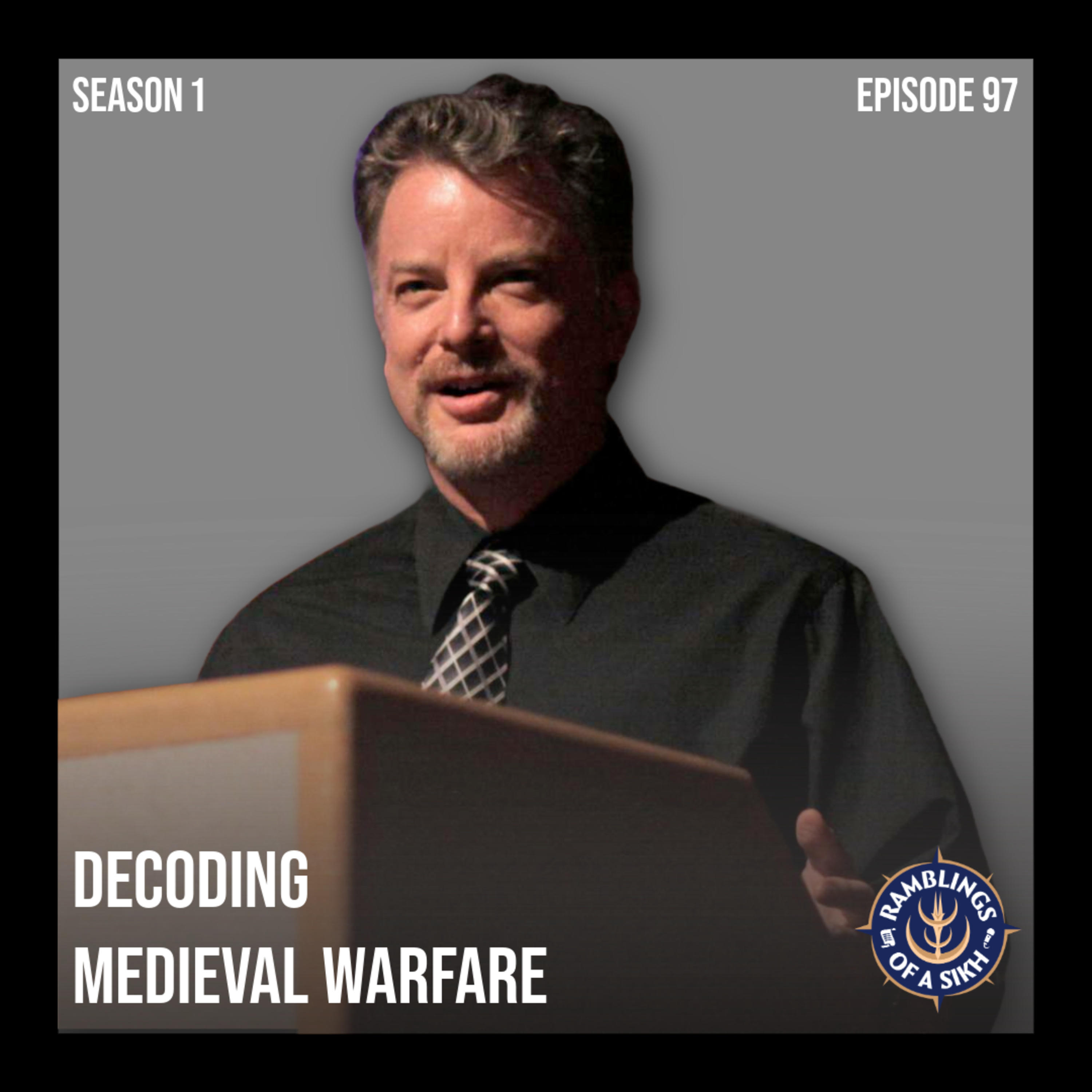 Decoding Medieval Warfare | Professor Stephen Morillo | In this fascinating episode, we are joined by Professor Stephen Morillo, a renowned historian and leading expert on medieval warfare. Together, we explore the strategies, cultures, and justifications that shaped how wars were fought during the medieval era. From the clash of swords to the march of armies, Professor Morillo reveals how medieval warfare was influenced by cultural beliefs, subsistence methods, and geopolitical structures.This insightful discussion examines major cultural divides — such as the contrast between the nomadic horse cultures of the steppes and the sedentary agricultural societies — while unpacking the customs and rules that governed warfare across regions.If you are passionate about medieval history, military strategy, or the cultural forces that defined the way wars were waged, this is an episode you will not want to miss. | — | ||||||
| 10/11/25 | 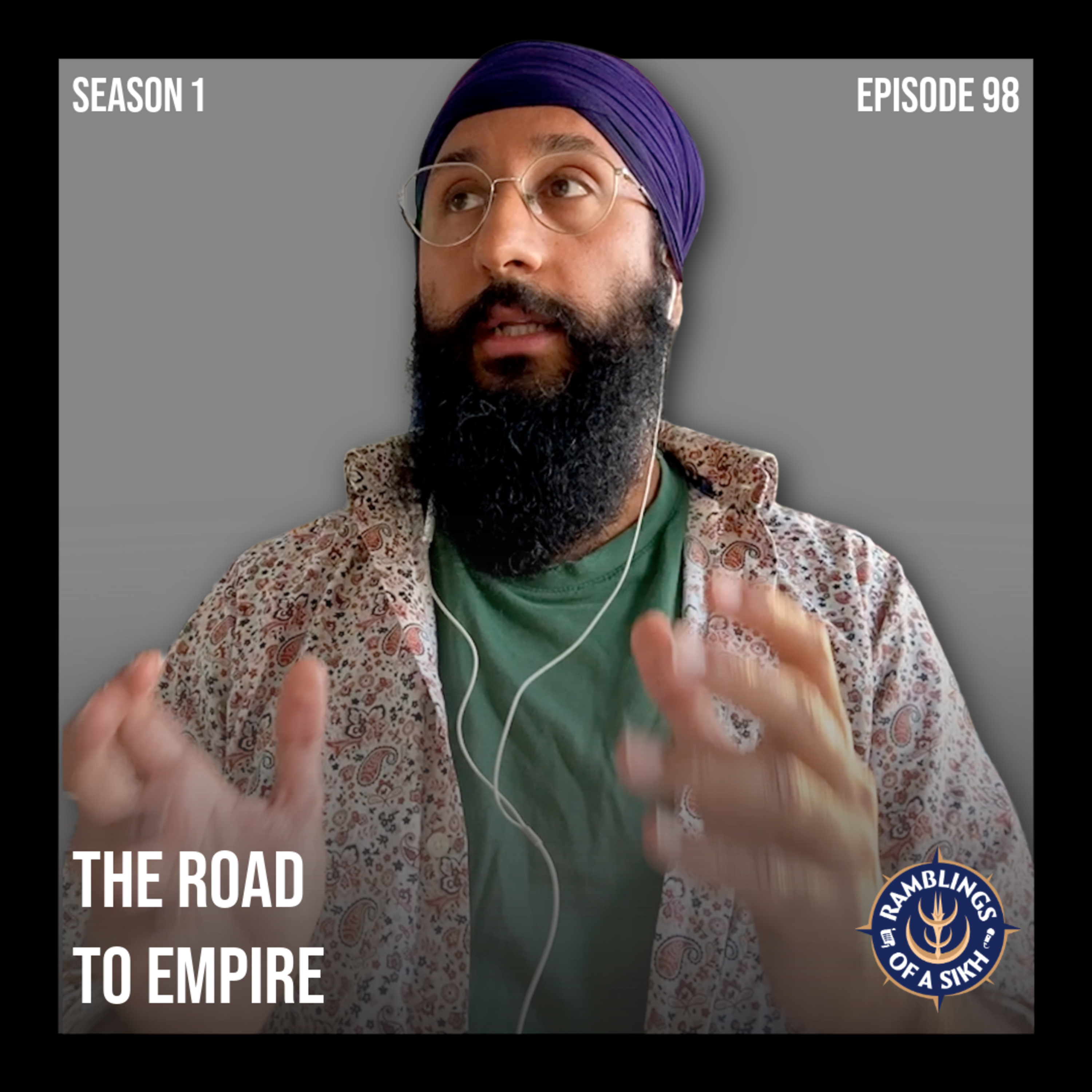 The Road To Empire with Satnam Singh | What if the Sikh Empire wasn’t born on the battlefield, but in the library? 📚In this teaser for our Road to Empire podcast with author Satnam Singh, we explore the intellectual and political foundations of the Khalsa before the rise of Maharaja Ranjit Singh. From the Anandpur court of Guru Gobind Singh to the literature of the Mughal and Sanskrit worlds, this conversation reveals how stories, ideas, and philosophies shaped Sikh ideas of sovereignty.We discuss how the Khalsa balanced rahit (discipline) and rajniti (politics), how translations from Persian and Sanskrit influenced Sikh thought, and why the Sikhs were fighting not just battles — but for an idea of Raj that empires could never destroy. | — | ||||||
Want analysis for the episodes below?Free for Pro Submit a request, we'll have your selected episodes analyzed within an hour. Free, at no cost to you, for Pro users. | |||||||||
| 9/30/25 | 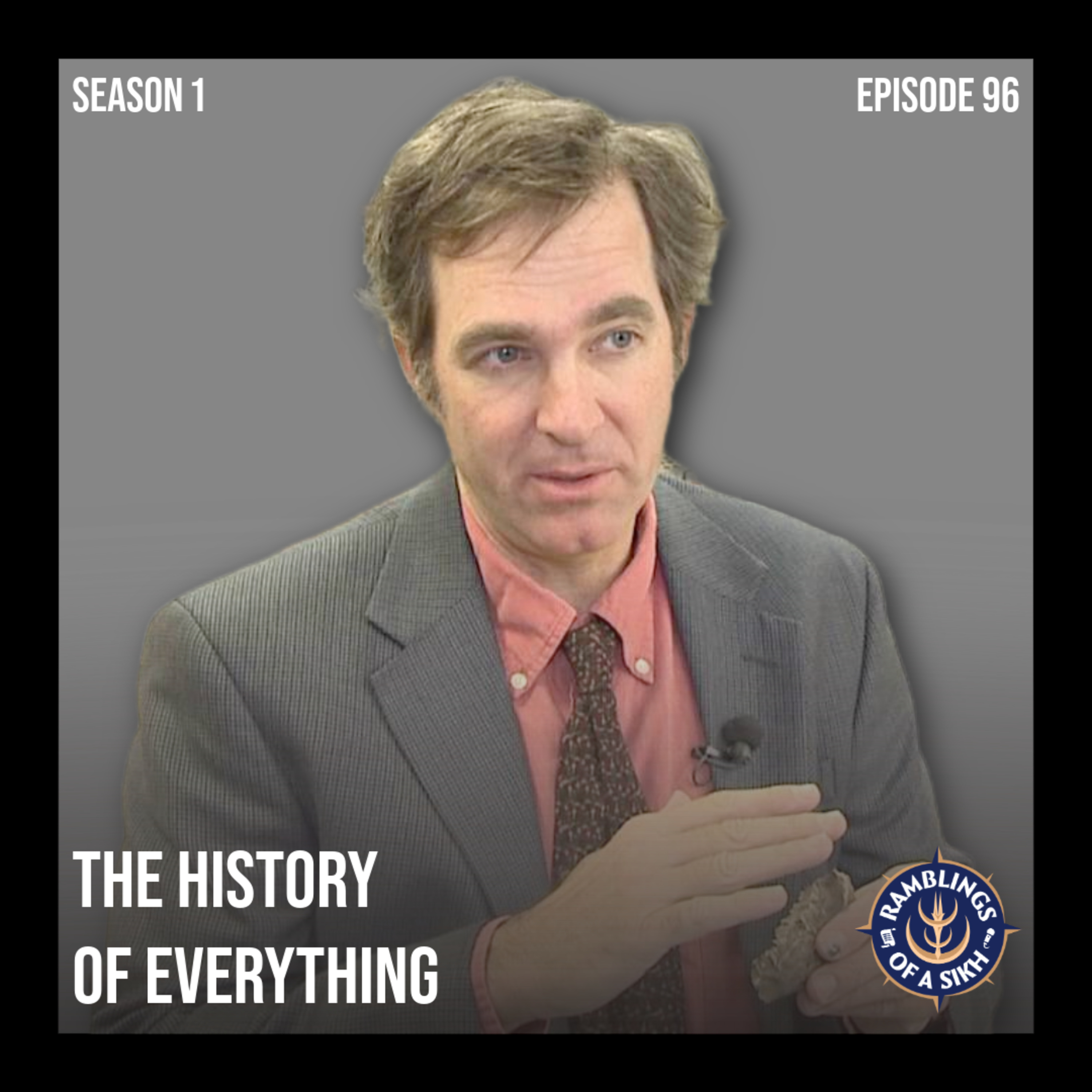 The History of Everything? | Professor Brian Villmoare | Join us for a fascinating conversation with Professor Brian Villmoare, Associate Professor of Anthropology at the University of Nevada, Las Vegas, as we explore the grand narrative of the universe.Drawing from his book The Evolution of Everything: The Patterns and Causes of Big History, Professor Villmoare examines the interconnectedness of the cosmos, life, and human societies. This episode challenges the traditional view that history is shaped solely by great figures or singular ideas, instead highlighting the gradual transformations in technology, culture, and society that have woven the fabric of our existence.Discover how the evolution of the universe — from the Big Bang to the rise of human civilisation — has followed patterns that reveal the hidden forces shaping our world. If you are intrigued by the mysteries of the cosmos, life, and the story of humanity, this is a must-watch. | — | ||||||
| 9/13/25 | 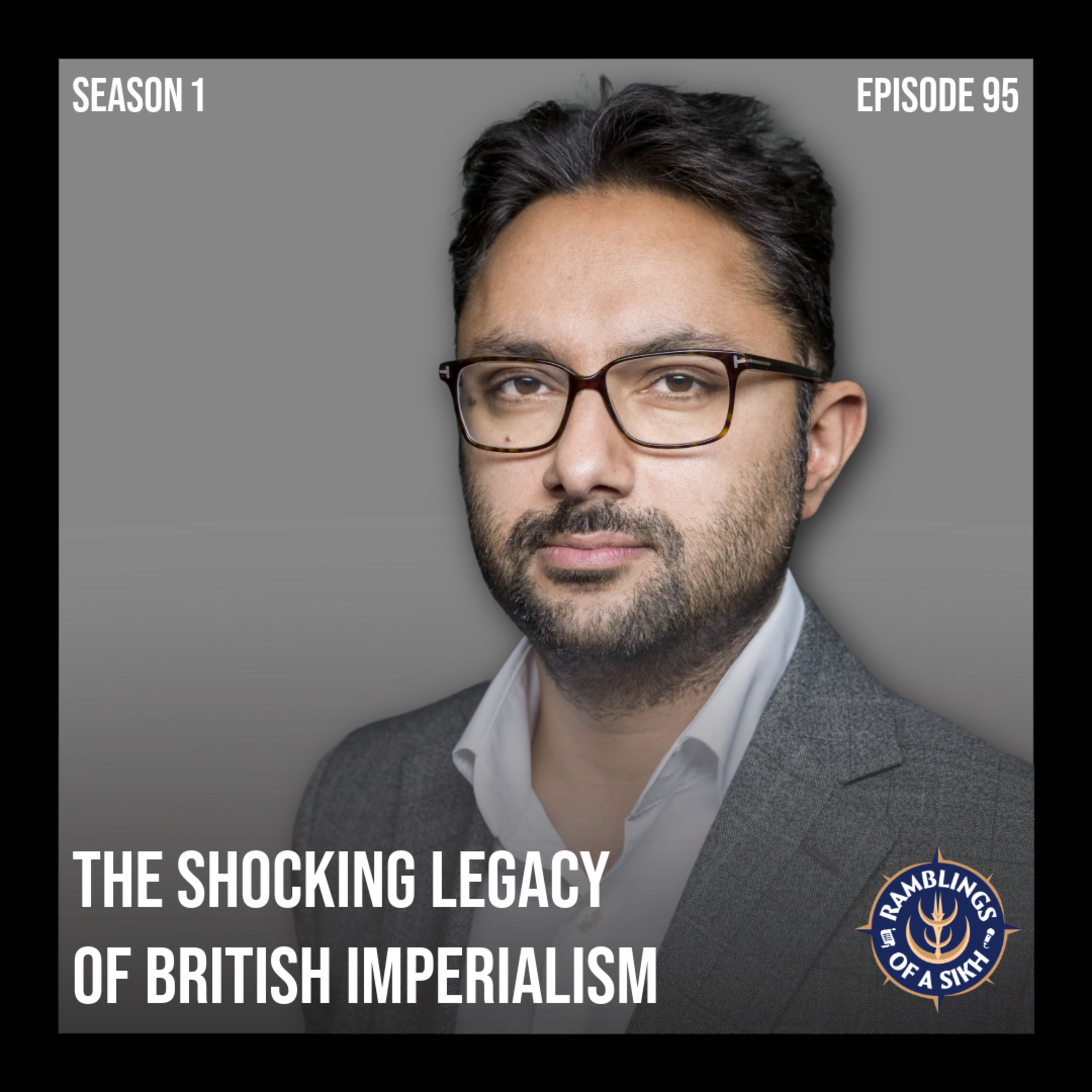 The Shocking Legacy of British Imperialism EXPOSED | Join Sathnam Sanghera on a transformative journey to uncover the hidden truths of British imperialism — a controversial legacy that continues to shape global dynamics and modern society. Inspired by his acclaimed book EmpireWorld, Sanghera confronts the far-reaching consequences of imperialism, emphasizing the critical role of historical accountability, decolonization, and cross-cultural perspectives.In this powerful exploration, Sanghera delves into the darker aspects of the British Empire’s history, exposing its enduring impact on social justice, cultural identity, and ethnic narratives. Through a lens of decolonial thought and historical awareness, he offers a nuanced perspective on the empire’s influence on contemporary issues, including race relations, colonial legacies, and the ongoing fight for equity and justice.This thought-provoking video challenges viewers to rethink their understanding of imperialism, shedding light on often-overlooked stories and fostering crucial conversations about the importance of confronting the past to build a more equitable future. With unflinching honesty, Sanghera highlights the lasting impacts of colonialism, sparking insights into how we can embrace a more inclusive and accurate understanding of history. | — | ||||||
| 7/26/25 | 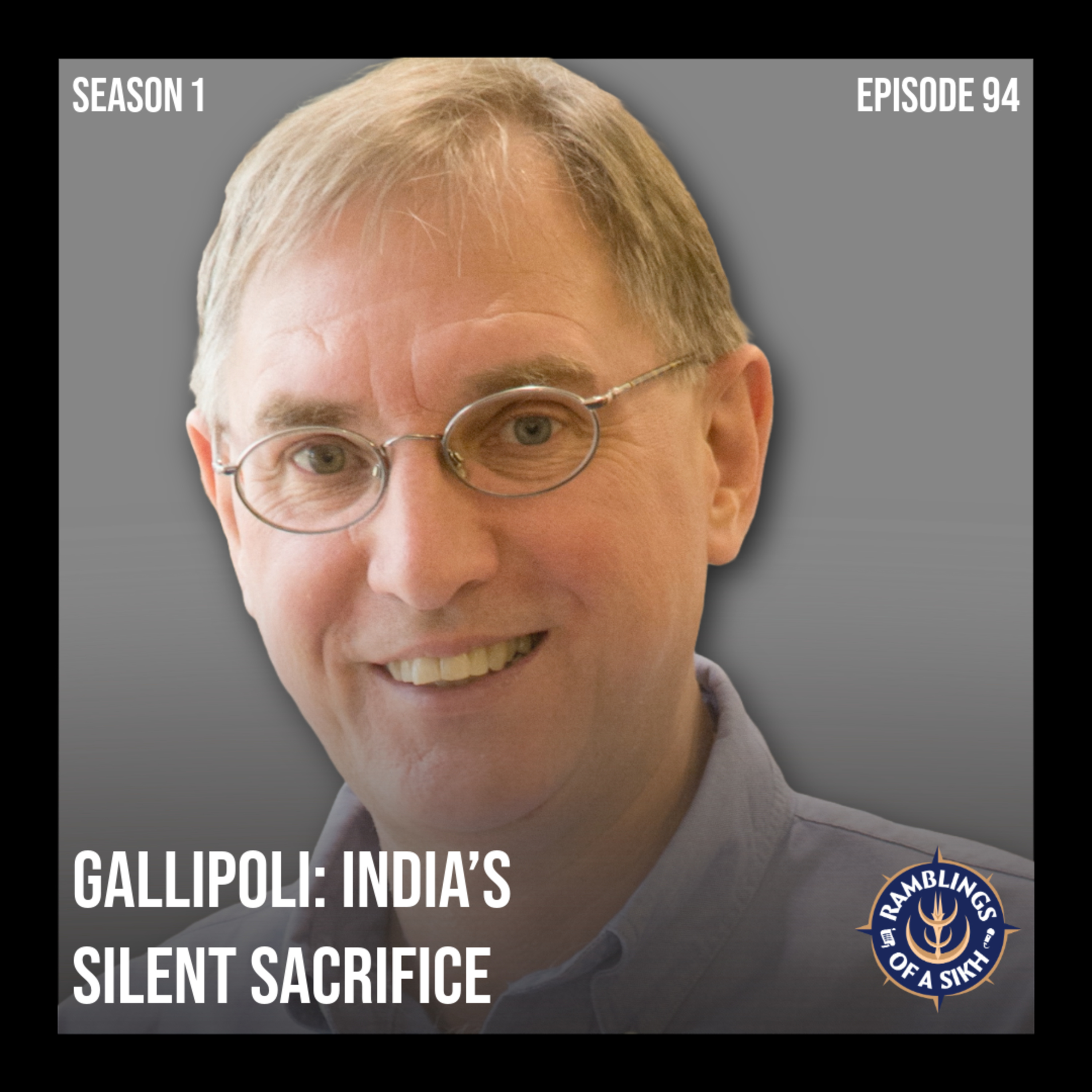 Gallipoli's Darkest Secret: What Happened to Indian Soldiers During WWI | Professor Peter Stanley | Discover the untold story of Indian soldiers during the Gallipoli Campaign of World War I in this fascinating discussion with Professor Peter Stanley, one of Australia’s leading military historians.This video explores the sacrifices, challenges, and hidden histories of over 16,000 Indian soldiers who served in one of the most brutal battles of WWI.Learn about their role in the first major amphibious operation of modern warfare—and how their contributions, often overlooked, helped shape the course of history.Dive deep into this riveting topic, brought to you by Ramblings of a Sikh, and gain a unique perspective on this historic event.Subscribe for more insights into military history, cultural heritage, and hidden narratives. | — | ||||||
| 7/15/25 |  What G.S. Nawepindiya's Music Career Can Teach You About Sikh History? | ★ Join the Ramblings of a Sikh YouTube Channel ★ ★ Support this podcast on Patreon ★ ★ Buy this podcast a coffee ★Join us for an exclusive interview with G.S. Nawepindiya, where he shares insights into his vibrant Punjabi music career and the rich heritage of Sikh culture.In this conversation, he reveals the creative process behind his latest album and offers his thoughts on the evolution of Punjabi music. With captivating discussions about Sikh history, his personal experiences, and the cultural influence of his music, this video is a must-watch for Punjabi music lovers, history enthusiasts, and fans of G.S. Nawepindiya. | — | ||||||
| 6/20/25 |  The Fascinating Truth About India's Multiple Partitions! 🌏 | Sam Dalrymple joins me for a powerful conversation about his book Shattered Lands: Five Partitions and the Making of Modern Asia, where he unpacks how India went through multiple partitions, not just the 1947 split.We explore the Partition of Bengal, the Partition of Punjab, the role of the Muslim League, and the mass migrations that followed. From the politics of Jinnah, Nehru, Gandhi, and Mountbatten to the creation of Pakistan and the eventual liberation of Bangladesh, this episode dives deep into the people, borders, and decisions that shaped the subcontinent and so much more.Sam argues that 1947 was just one moment in a much longer story of borders being drawn, redrawn, and broken apart.Each event, from the partition of Burma to other lesser known divisions, has left lasting scars. We discuss the historical context and consequences of these partitions, including the 1937 separation of Burma, the forgotten detachment of the Gulf states and Yemen, and how princely state politics quietly shaped much of today’s India Pakistan border.We also dive into the creation of Bangladesh in 1971, which Sam calls the real moment the modern map of South Asia was made.What makes this episode special is how personal and human the history feels. Sam shares stories from Project Dastaan, the emotional process of reconnecting families across divided lands, and how even nationalist narratives often unravel when you ask someone about their childhood best friend from “the other side.”This is history through memory, migration, and moments that still shape the region today.Watch the full conversation and let me know in the comments: Which partition do you think left the deepest mark?🛒 Pick up a copy of Shattered Lands from my bookshop:👉 ramblingsofasikh.co.uk | — | ||||||
| 6/5/25 |  The Dark Secrets of Museum Exhibits: Theft, Forgery, and Repatriation | 🎙️ How Much Museum Art Was Legally Acquired? 🤔Join us for an eye-opening conversation with Prof. Erin Thompson — the world’s first professor of Art Crime at John Jay College (CUNY).We explore:– How museums acquire and label stolen artifacts– The secret world of forgery, smuggling & sacred object theft– Museum cover-ups and colonial legacies– The ethics of repatriation and controversial monuments💬 Prof. Thompson (@artcrimeprof) is a leading voice in museum ethics and cultural heritage protection. She’s worked on major repatriation cases and helped expose how looted objects make their way into museum collections.📚 Her book Smashing Statues: The Rise and Fall of America’s Public Monuments dives into the politics of monuments and the fight over their removal.🔔 Subscribe for more deep dives into history, art, and heritage theft. | — | ||||||
| 5/15/25 |  Not Brown Enough. Not White Enough. Jassa Ahluwalia on Growing Up Mixed | In this powerful episode, we sit down with actor, writer, and advocate Jassa Ahluwalia to dive deep into the experiences that shaped his new book, Both, Not Half. From growing up mixed-race in Leicester to challenging the entertainment industry’s narrow perceptions, Jassa shares how he turned cultural complexity into a strength. 🌍✨ | — | ||||||
| 3/29/25 |  Before the Windrush | John Belcham | 🔍 Exploring Liverpool’s Complex Racial HistoryDive into the heart of Liverpool’s historical and contemporary race relations with our in-depth discussion featuring Emeritus Professor John Belchem from the University of Liverpool.📖 Drawing from his extensive research and his book Before the Windrush, Professor Belchem uncovers the racial dynamics of early 20th-century Liverpool, offering a compelling analysis of the city’s cosmopolitan past and evolving challenges of racism.🌍 What You’ll Learn:✔️ The role of Liverpool in the transatlantic slave trade✔️ The formation of one of the UK’s oldest Black communities✔️ How historical legacies shape modern race relations✔️ Liverpool’s ambivalent embrace of diversity over timeFrom colonial influences to present-day multiculturalism, this video sheds light on the untold stories and critical moments that continue to shape the city’s identity.🎥 Join us on this thought-provoking journey through Liverpool’s past to better understand its impact on race relations today. | — | ||||||
| 2/15/25 |  The Training of the Indian Army in WWII | Alan Jefferys | 🎙️ A Deep Dive into the Indian Army’s WWII Training with Dr. Alan JeffreysIn this enlightening discussion, we sit down with Dr. Alan Jeffreys, Head of Collections at the Imperial War Museum and author of Approach to Battle: Training the Indian Army During the Second World War, to explore the crucial yet often overlooked aspect of training the Indian Army during World War II.Dr. Jeffreys delves into the methods, training manuals, and doctrines that shaped the Indian Army, highlighting its significant role in global warfare, particularly in Southeast Asia.With nearly 30 years of expertise studying the Indian Army, he sheds light on its pivotal contributions in campaigns like Malaya and Burma, often underrepresented in historical narratives. This conversation uncovers how training evolved and the lasting impact it had during and after WWII.🔍 If you’re passionate about WWII history, military strategies, or the Indian Army’s role in the global conflict, this video offers a unique perspective! | — | ||||||
| 12/21/24 |  What Secrets Lie Hidden Inside the Maharaja Ranjit Singh Exhibition? | ★ Join the Ramblings of a Sikh YouTube Channel ★ ★ Support this podcast on Patreon ★ ★ Buy this podcast a coffee ★Discover the legendary life of Maharaja Ranjit Singh, the iconic Sikh warrior and king, in this insightful video featuring co-curator Davinder Singh Toor.🎥 Take a journey through the exclusive exhibition at the Wallace Collection, highlighting: The life and legacy of the Lion of Punjab Opulent treasures of the Sikh Empire Stories of valour and leadershipDive into the rich history of the Sikh Empire, exploring its epic battles, strategic military brilliance, and the intricate craftsmanship of its artifacts. This exhibition celebrates Ranjit Singh’s enduring contributions to Sikh heritage and leadership. | — | ||||||
| 12/7/24 |  Magic Singh: Secrets, Challenges, and Mind-Blowing Tricks | ★ Join the Ramblings of a Sikh YouTube Channel ★ ★ Support this podcast on Patreon ★ ★ Buy this podcast a coffee ★Dive into the mesmerizing world of @magicsingh, the magician who has taken the globe by storm with his captivating blend of traditional and modern magic.In this exclusive interview, we peel back the layers of intrigue surrounding Magic Singh's most iconic tricks, uncover the challenges he faces in the limelight, and reveal the unforgettable moments that have defined his illustrious career.With over 2 million followers on TikTok and a global fanbase, Magic Singh's journey from a magic-obsessed child to a world-renowned illusionist is nothing short of spellbinding. Watch as he shares his inspirations, the evolution of his craft, and performs two mind-blowing tricks that will leave you in awe.Don't miss the chance to get up close and personal with the man behind the magic – Magic Singh.Subscribe and hit the bell icon to catch the latest magic revelations and performances that continue to enchant audiences worldwide. | — | ||||||
| 11/23/24 |  Sri Sarbloh Granth with Jvala Singh | ★ Join the Ramblings of a Sikh YouTube Channel ★ ★ Support this podcast on Patreon ★ ★ Buy this podcast a coffee ★In this episode, we are honored to be joined by Jvala Singh, a lecturer at UC Berkeley, creator of The Suraj Podcast, author of “54 Punjabi Proverbs,” and PhD holder. Together, we delve into the Sri Sarbloh Granth.We begin with an overview of the Sri Sarbloh Granth, discussing its origins, languages, and chapters. We explore the historical context and debates surrounding its authorship, examining arguments for and against attributing it to Guru Gobind Singh Ji, and consider other possible authors. We also explore differences among manuscripts and connections to the Sri Guru Granth Sahib Ji and Dasam Granth.Additionally, we discuss the Sarbloh Granth’s influence on Sikh practices and beliefs, and its role in shaping the Sikh community.Join us for a deep dive into the Sri Sarbloh Granth, revealing its significance and impact on Sikh literature and culture in an enlightening and thought-provoking conversation. | — | ||||||
| 11/2/24 |  The Kaurs of 1984 with Sanam Sutirath Wazir | ★ Join the Ramblings of a Sikh YouTube Channel ★ ★ Support this podcast on Patreon ★ ★ Buy this podcast a coffee ★Explore the Untold Stories of Sikh Women Who Survived the 1984 GenocideIn this exclusive interview with Sanam Sutirath Wazir, we delve into the harrowing experiences of Sikh women during the 1984 Sikh genocide in India. This insightful conversation explores the devastating impact of Operation Bluestar and the anti-Sikh violence, revealing the trauma and resilience of women who lived through it.Hear firsthand accounts that highlight the often overlooked voices of Sikh women and the generational effects of this conflict on families. This powerful video uncovers the erasure of women’s stories in history and their strength in the face of unimaginable hardship.A must-watch for those interested in Sikh history, the 1984 genocide, women's survival stories, and human rights violations. | — | ||||||
| 10/19/24 |  The Truth About 3HO Boarding Schools | Deslippe & Stukin | ★ Join the Ramblings of a Sikh YouTube Channel ★ ★ Support this podcast on Patreon ★ ★ Buy this podcast a coffee ★In this episode, we are joined by Stacy Stukin, a Los Angeles-based journalist, and Philip Deslippe, a PhD candidate in the Department of Religious Studies at the University of California, Santa Barbara. They discuss their comprehensive investigative work on the abuse within the 3HO organization and its associated boarding schools. The conversation addresses various forms of abuse, including physical, emotional, and sexual abuse, offering a deep dive into the troubling practices within 3HO’s boarding schools. Stukin and Deslippe share insights from their years of research, highlighting the rigorous process of evidence collection and analysis. This episode sheds light on the dark aspects of 3HO, providing listeners with a critical understanding of the organization’s history and the impact on its members. | — | ||||||
| 10/5/24 |  From Bengal Famine To The Green Revolution & India’s Food Security | Prof. Benjamin Siegel | ★ Join the Ramblings of a Sikh YouTube Channel ★ ★ Support this podcast on Patreon ★ ★ Buy this podcast a coffee ★In this episode we're joined by Professor Benjamin Siegel from Boston University discusses the evolution of Indian agriculture and food security. The conversation spans significant historical events such as the Bengal Famine of 1943 and the Green Revolution, shedding light on their profound impacts on India’s social and political landscape. Professor Siegel delves into the intricacies of food policy, land reforms, and the ongoing challenges posed by climate change. This episode offers a deep dive into the critical issues shaping India’s agricultural history and their global implications, providing listeners with valuable insights into the complexities of food security and policy. | — | ||||||
Showing 25 of 102
Sponsor Intelligence
Sign in to see which brands sponsor this podcast, their ad offers, and promo codes.