
Insights from recent episode analysis
Audience Interest
Podcast Focus
Publishing Consistency
Platform Reach
Insights are generated by CastFox AI using publicly available data, episode content, and proprietary models.
Most discussed topics
Brands & references
Total monthly reach
Estimated from 2 chart positions in 2 markets.
By chart position
- 🇦🇺AU · Technology#1975K to 30K
- 🇵🇭PH · Technology#923K to 10K
- Per-Episode Audience
Est. listeners per new episode within ~30 days
2.4K to 12K🎙 Daily cadence·22 episodes·Last published 2d ago - Monthly Reach
Unique listeners across all episodes (30 days)
8K to 40K🇦🇺75%🇵🇭25% - Active Followers
Loyal subscribers who consistently listen
3.2K to 16K
Market Insights
Platform Distribution
Reach across major podcast platforms, updated hourly
Total Followers
—
Total Plays
—
Total Reviews
—
* Data sourced directly from platform APIs and aggregated hourly across all major podcast directories.
On the show
From 10 epsHost
Recent guests
No guests detected in recent episodes.
Recent episodes
How Minneapolis Ended Up in My Car
Jun 23, 2026
Unknown duration
Radio Had a Plan to Beat Spotify. It Didn't Work.
Jun 16, 2026
Unknown duration
The Hidden Flaws in Streaming Audio Metrics
Jun 8, 2026
Unknown duration
How A UK Radio Broadcast Controls Household Heating
Jun 1, 2026
Unknown duration
Why Podcasting Metrics Matter: Understanding the RSS Enclosure Tag
May 25, 2026
Unknown duration
Social Links & Contact
Official channels & resources
Official Website
Login
RSS Feed
Login
| Date | Episode | Topics | Guests | Brands | Places | Keywords | Sponsor | Length | |
|---|---|---|---|---|---|---|---|---|---|
| 6/23/26 | 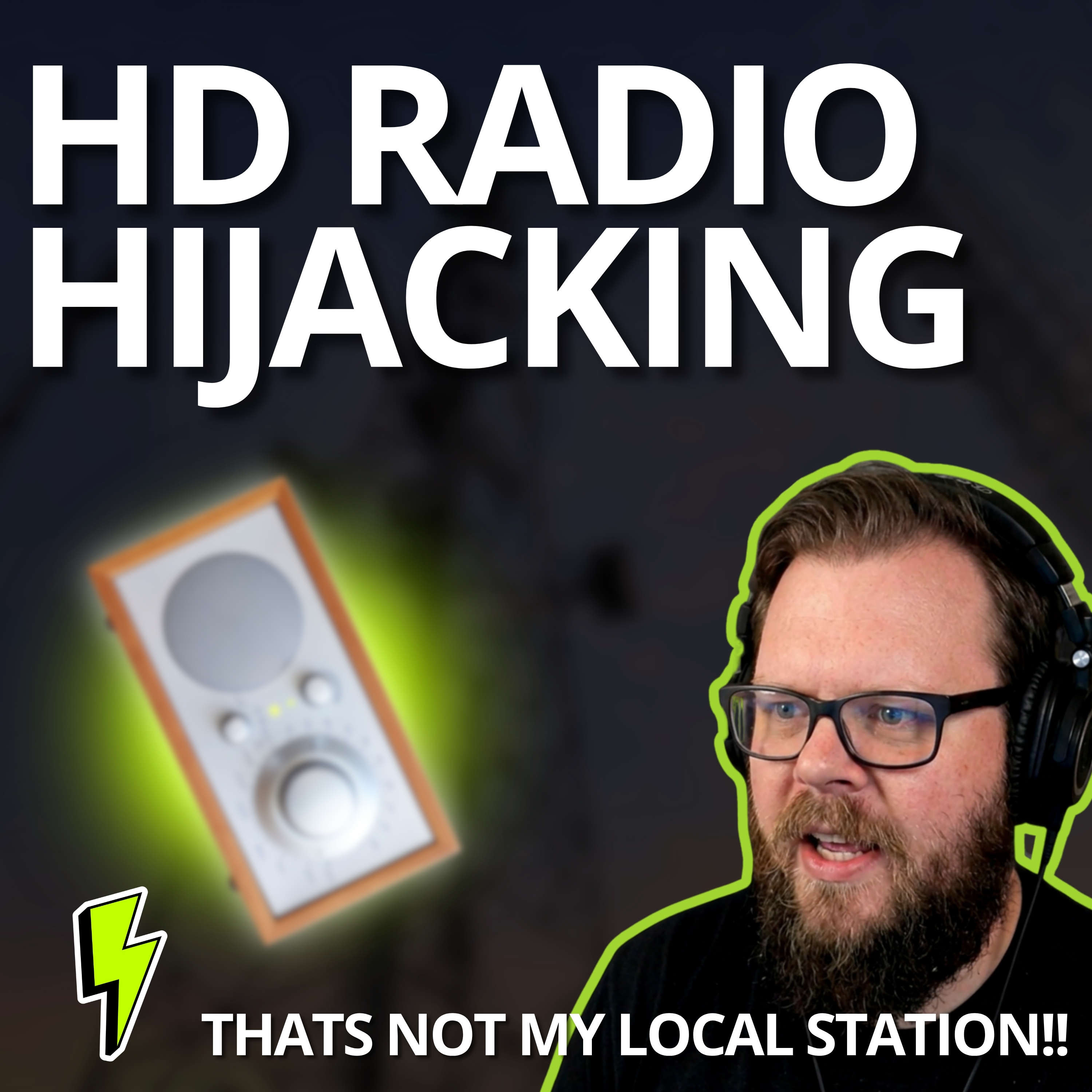 How Minneapolis Ended Up in My Car | The episode explores the concept of HD radio hijacking, its technical aspects, real-life examples, regulatory impact, and its effect on LPFMs and primary stations. It sheds light on the challenges faced by stations without digital signals and the need for regulatory reform.TakeawaysHD radio hijacking is a real and impactful phenomenonRegulatory changes are needed to address the challenges of HD radio hijackingChapters00:00 Introduction to HD Radio Hijacking07:29 Co-Channel Stations and HD Radio16:39 Regulatory Impact of HD Radioviews. | — | ||||||
| 6/16/26 |  Radio Had a Plan to Beat Spotify. It Didn't Work. | The podcast delves into the history, implementation, challenges, and future of HD radio, exploring its promise, limitations, and the impact of internet services on its fate. It also discusses the content strategy, data services, and the evolution of AM-HD, providing insights into the current state and future possibilities of HD radio.TakeawaysHD radio faced challenges in adoption and implementation, impacting its ability to fulfill its promise.The evolution of data services and content strategy in HD radio reflects the changing landscape of radio broadcasting.Chapters00:00 The Story of HD Radio11:27 Challenges and Limitations of HD Radio18:10 AM-HD and Future Possibilities | — | ||||||
| 6/8/26 | 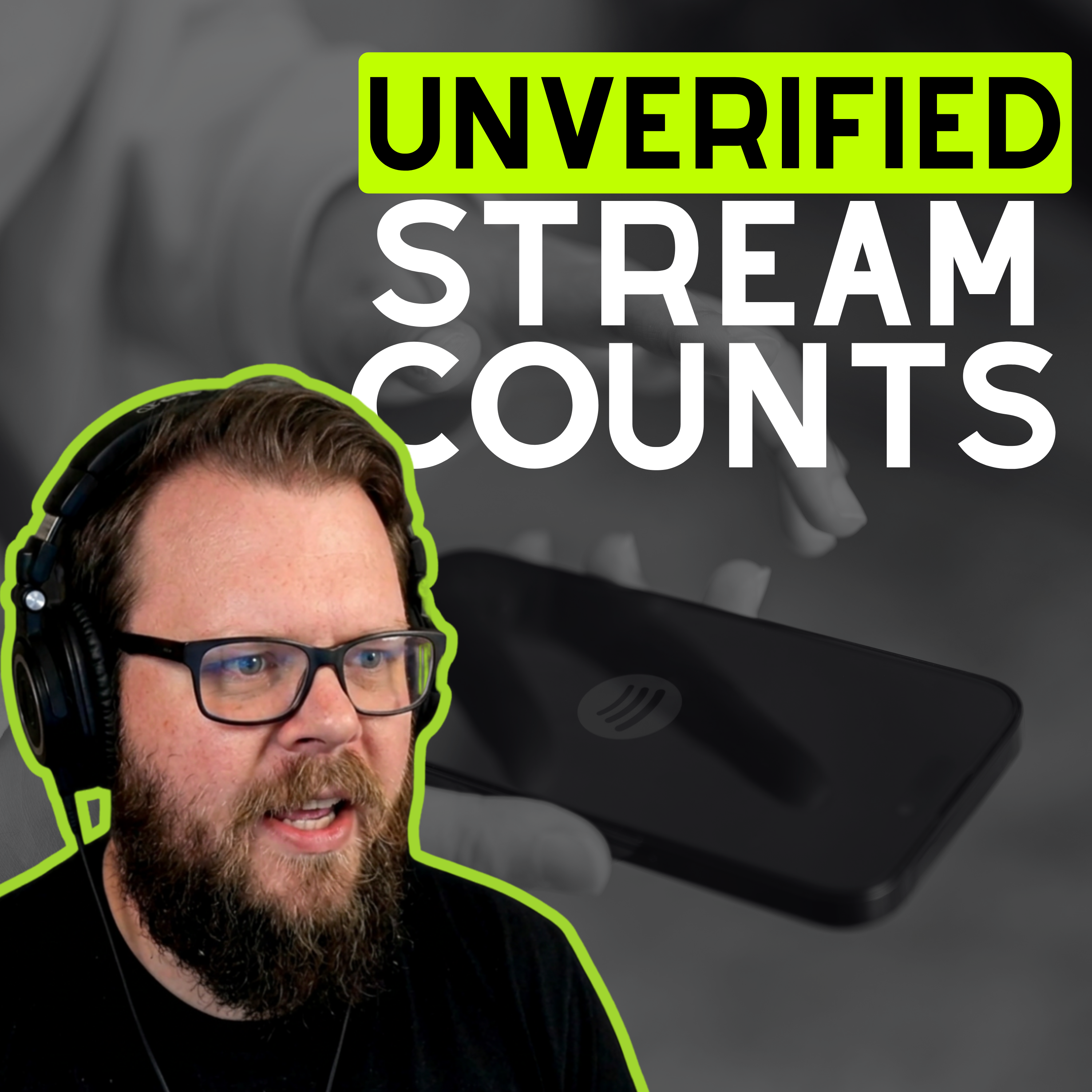 The Hidden Flaws in Streaming Audio Metrics | The podcast explores the challenges and limitations of streaming audio metrics, highlighting the lack of independent verification and the selective use of data by streaming platforms. It also compares streaming metrics to broadcast radio and discusses the impact on royalty pools and reclassification of premium subscriptions.TakeawaysStreaming metrics lack independent verificationStreaming platforms control how streams are classified and pricedChapters00:00 The Mystery of Podcast Metrics05:08 Defining a Stream on Spotify10:36 Reclassification of Premium SubscriptionSubscribe & ListenApple Podcasts - https://tylerwoodward.me/appleSpotify - https://tylerwoodward.me/spotifyiHeartRadio - https://tylerwoodward.me/iheartradioAmazon Music - https://tylerwoodward.me/amazonTuneIn - https://tylerwoodward.me/tuneinPandora - https://tylerwoodward.me/pandoraOvercast - https://tylerwoodward.me/overcastDeezer - https://tylerwoodward.me/deezerRSS - https://tylerwoodward.me/rssConnect & FollowWebsite - https://tylerwoodward.me/Facebook - https://tylerwoodward.me/facebookThreads - https://tylerwoodward.me/threadsInstagram - https://tylerwoodward.me/instagramTikTok - https://tylerwoodward.me/tiktokBluesky - https://tylerwoodward.me/blueskySubstack - https://tylerwoodward.me/substackRiverside - https://tylerwoodward.me/riversideNoteThis podcast, blog, and social accounts are personal. All opinions and observations are my own and do not reflect my employer's views. | — | ||||||
| 6/1/26 | 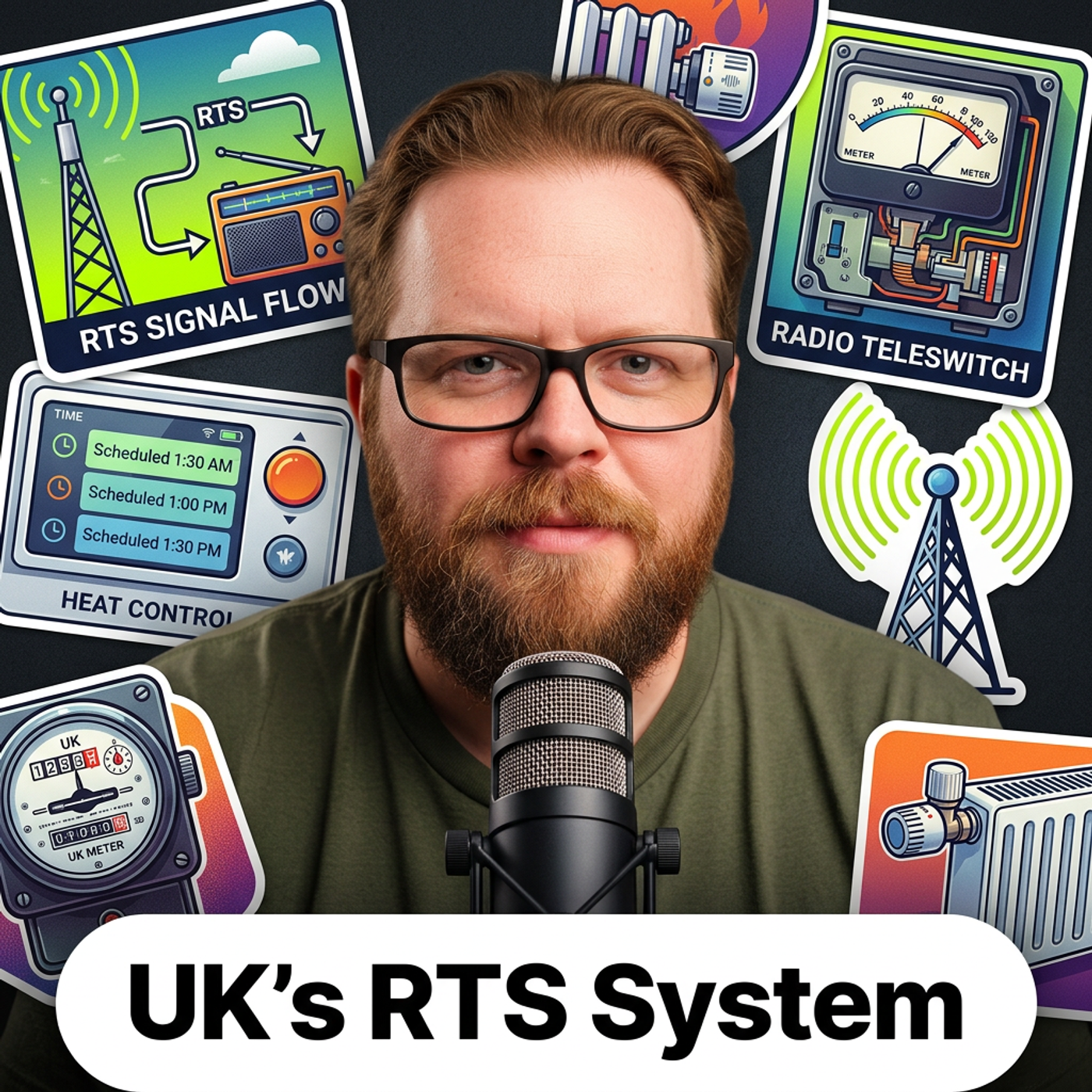 How A UK Radio Broadcast Controls Household Heating | The conversation explores the concept of hidden data signals and focuses on the Radio Teleswitch Service (RTS) in the UK. It compares the UK approach with US systems and discusses the shutdown of the RTS after over 40 years of operation.TakeawaysHidden data signalsRadio Teleswitch Service (RTS)Chapters00:00 Introduction to Hidden Data Signals09:14 US Approach vs. UK ApproachSubscribe & ListenApple Podcasts - https://tylerwoodward.me/appleSpotify - https://tylerwoodward.me/spotifyiHeartRadio - https://tylerwoodward.me/iheartradioAmazon Music - https://tylerwoodward.me/amazonTuneIn - https://tylerwoodward.me/tuneinPandora - https://tylerwoodward.me/pandoraOvercast - https://tylerwoodward.me/overcastDeezer - https://tylerwoodward.me/deezerRSS - https://tylerwoodward.me/rssConnect & FollowWebsite - https://tylerwoodward.me/Facebook - https://tylerwoodward.me/facebookThreads - https://tylerwoodward.me/threadsInstagram - https://tylerwoodward.me/instagramTikTok - https://tylerwoodward.me/tiktokBluesky - https://tylerwoodward.me/blueskySubstack - https://tylerwoodward.me/substackRiverside - https://tylerwoodward.me/riversideNoteThis podcast, blog, and social accounts are personal. All opinions and observations are my own and do not reflect my employer's views. | — | ||||||
| 5/25/26 |  Why Podcasting Metrics Matter: Understanding the RSS Enclosure Tag | The Hidden Structure of Podcasting: Why It MattersTurns out, the core of podcasting isn't just about the content — it's about a tiny XML tag that nobody owns but everyone depends on. That one tag keeps the entire industry running, yet it leaves questions about measurement and control hanging in the air.In this episode:The origins of RSS and the enclosure tagWhy no one owns the main infrastructureHow platforms like Spotify tried to control the mediumThe complexity of measuring listens versus downloadsWhat's new with Podcasting 2.0 and open extensionsThe implications for independence and platform riskTimestamps:00:00 - The mystery of podcast download counts00:21 - The birth of RSS and the enclosure tag00:51 - How the enclosure tag revolutionized podcasting02:04 - Who built the podcasting infrastructure? Nobody owns it.03:56 - The basics of how podcast feeds work04:37 - The difference between downloads and listens06:14 - Radio vs podcast measurement methods07:07 - How server logs improve download accuracy08:07 - Spotify's big spend to control the medium09:12 - The failure of platform-dependent exclusivity10:29 - What's new with Podcasting 2.011:41 - The ongoing struggle to measure audience engagement12:28 - The importance of openness for independence | — | ||||||
| 5/18/26 |  Understanding RDS: The Hidden Backbone of FM Radio | You press your ear to the radio and wonder what’s buried in the static. Turns out, there’s a tiny data protocol still riding shotgun inside FM signals after all these years—RDS and RBDS. It’s the reason your car’s dashboard knows what’s playing, and it’s holding up a lot more than most folks realize.Key topics:History of RDS/RBDSTechnical workings of RDS/RBDSImpact of RDS on modern radio and vehiclesTimestamps:00:00 Introduction to RDS and RBDS06:41 The Role of RDS in FM Radio13:24 Future of RDS and Its Importance | — | ||||||
| 5/15/26 | 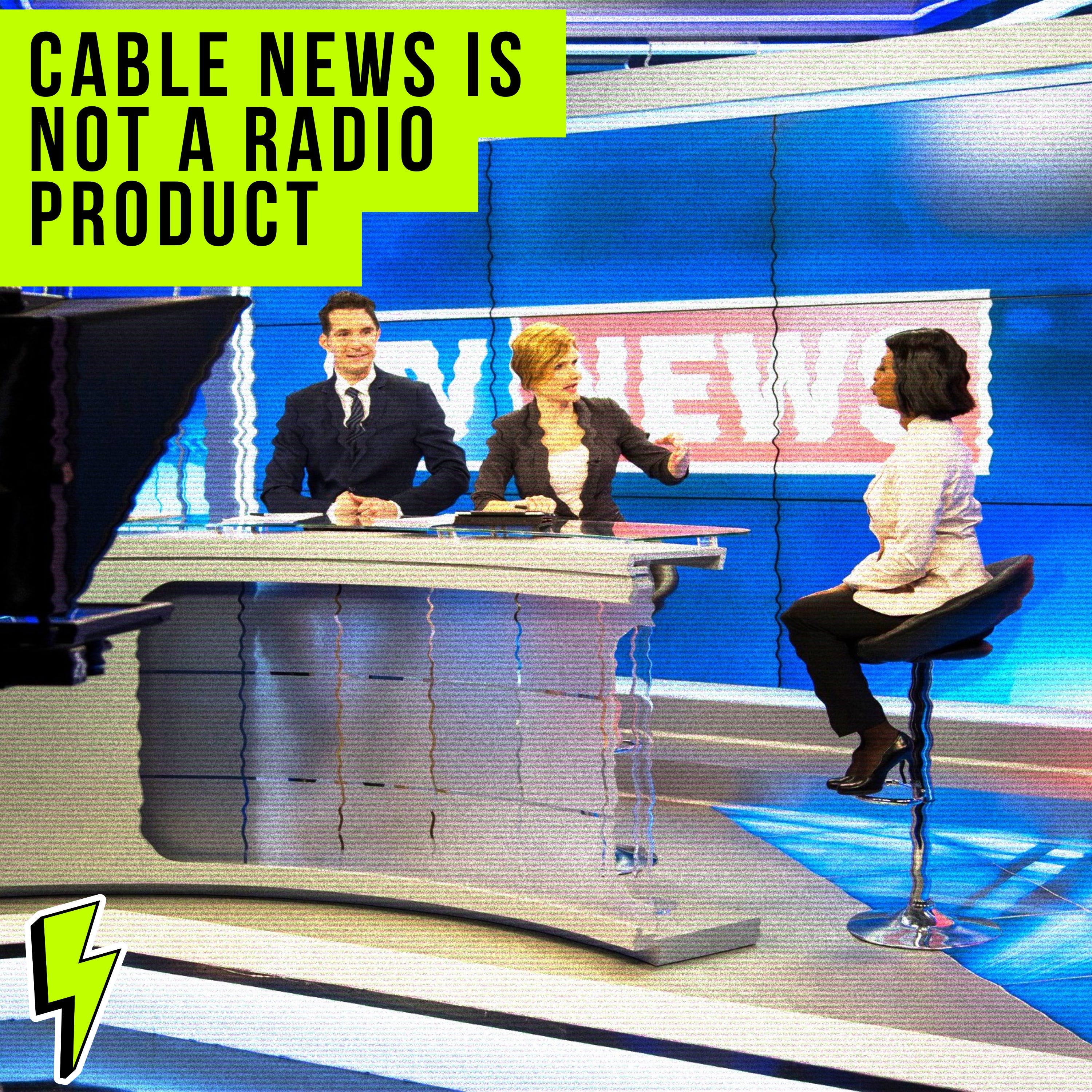 Cable News Is Not a Radio Product | This is my opinion as someone who works in broadcasting and spends probably too much time thinking about radio. Take it for what it is.Cable news channels have the infrastructure, the staff, the brand recognition, and the content volume to build genuinely compelling audio products. They have people who know how to talk and news gathering operations most radio stations can only dream of.Instead, they route the 24/7 TV audio feed to a streaming platform and call it done.CNN is on TuneIn. Fox News is on SiriusXM. MSNBC has a linear feed on TuneIn. You can listen to all of them. But listening to TV without the picture isn't the same thing as audio, and the fact that you can technically do it doesn't make it a radio product.Real audio is built around the assumption that you cannot see anything. The writing accounts for it. The pacing accounts for it. When something visual happens, someone describes it. When there's a graphic, someone reads it. When there's a clip, the anchor sets it up so you know what you're about to hear and why it matters. None of that is complicated, but all of it is deliberate.TV assumes you're watching. When an anchor says "as you can see here" and pauses while a map fills the screen, audio listeners get silence and no idea what they were supposed to be seeing. When a breaking news chyron goes up, nobody reads it aloud because everyone in the studio assumes you can see it.That's not a small problem. That's the whole product.The proof that it can be done differently isn't hard to find. WTOP in Washington D.C. has been running commercial all-news radio since 1969. Traffic and weather on a regular cycle, written for listeners, paced for listeners, ads sold against all of it. It consistently ranks as the highest-rated station in the D.C. market -- not the highest-rated news station, the highest-rated station period -- and has the Murrow Awards to back it up.The BBC and CBC get brought up in conversations like this because they did the same thing at a larger scale. BBC Radio and CBC Radio were built as distinct operations from their television sides, written and produced specifically for listeners. CBC Radio has been commercial-free since 1974. Those funding models are real differences, and anyone who says they don't matter is wrong. But WTOP is right there as evidence that the commercial-free argument is a deflection. The question was never about the funding model. It was about whether you treat audio as its own discipline or as a TV byproduct.If the business case for a fully produced commercial feed is still a tough sell, SiriusXM and TuneIn already have the infrastructure for tiered models. That's not a novel idea. Neither the production problem nor the monetization problem is actually hard to solve.MSNBC is worth noting because they're doing both things simultaneously. Their podcast operation is legitimate. Rachel Maddow Presents: Ultra earned an Edward R. Murrow Award in 2025, and those narrative series are produced for ears, not repurposed from TV. The criticism isn't about that work. It's specifically about the live 24/7 feed that gets dumped on a streaming platform and called radio.The national news audio space isn't crowded. Public radio serves a different mission. There's real room for a cable news operation to build something audio-first. The audience exists. The content pipeline exists. The talent exists. What's missing is the decision to treat the live feed as something other than a TV byproduct.Nobody is choosing TuneIn CNN because it's a great radio product. They're there because it's available and the brand is familiar. That's inertia, not a product strategy.WTOP has been answering this question since 1969. Cable news just hasn't bothered to ask it. | — | ||||||
| 5/11/26 | 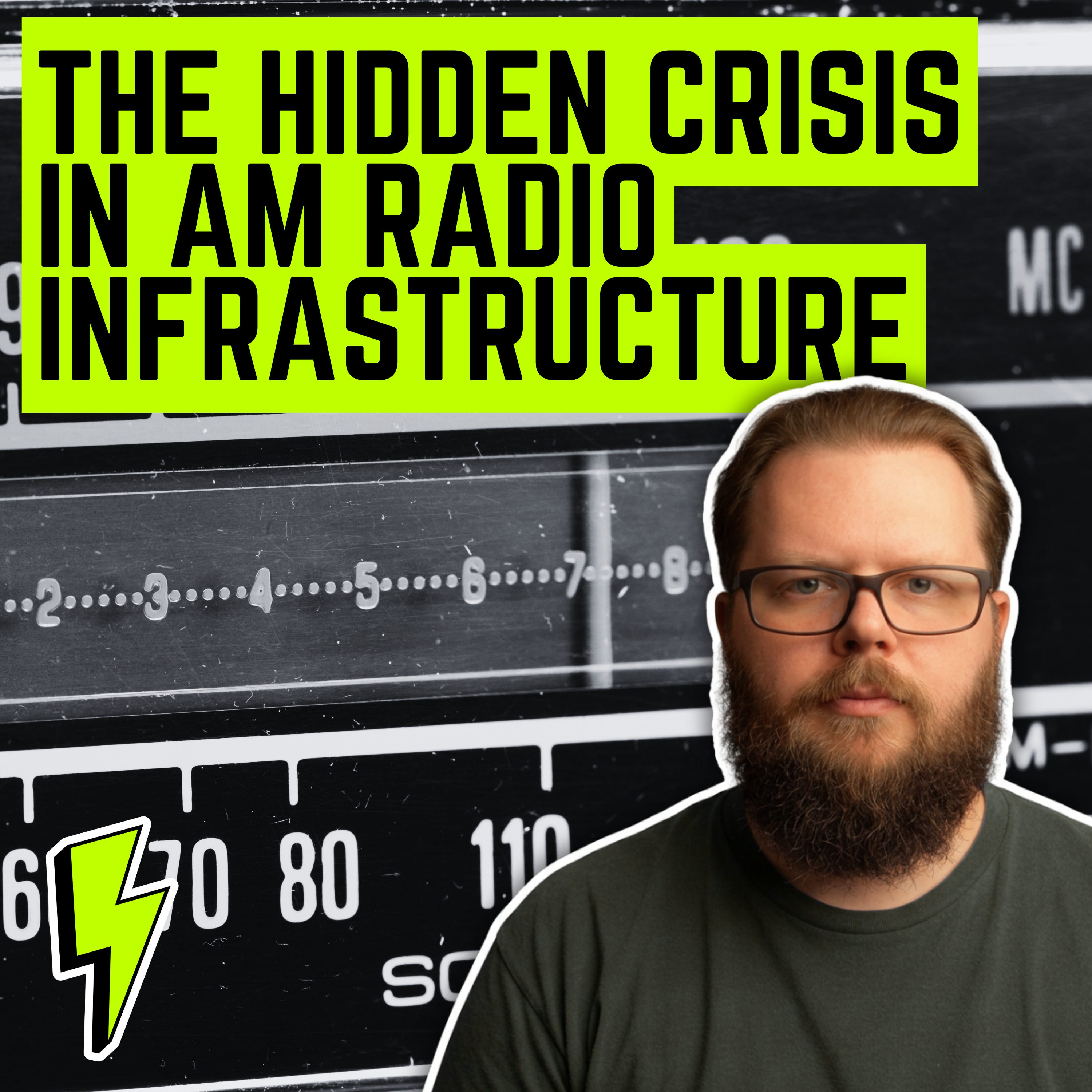 What’s Really Happening to AM Radio: The Infrastructure Side No One Talks About | The fight over AM radio isn’t about whether you listen to it — it’s about what happens when the infrastructure it relies on looks like a pile of scrap metal. Despite a steady decline in licenses and increasingly valuable real estate, AM's role in emergency warning and national security remains critical. But for how much longer?You’ll discover how radio towers are worth more than their signals, why copper theft gets more dangerous for stations, and what’s really behind the push to yank AM from new cars. The story isn’t about consumer habits. It’s about infrastructure, national safety, and whether this relic can survive the next ten years or get turned into a parking lot.The federal government and emergency responders say AM radio is vital — when the internet goes down, it’s still on. But private companies are choosing real estate over airwaves, and big bills to save AM are sitting in Congress waiting for a vote. In a world obsessed with bandwidth, AM is proving it’s still a lifeline when things get bad.If you care about national security, emergency preparedness, or how an entire industry collapses while the government talks about “modernizing,” this is your window into what’s really happening under the hood. AM isn’t dead yet — but it might be dead soon if nobody pays attention. | — | ||||||
| 5/7/26 | 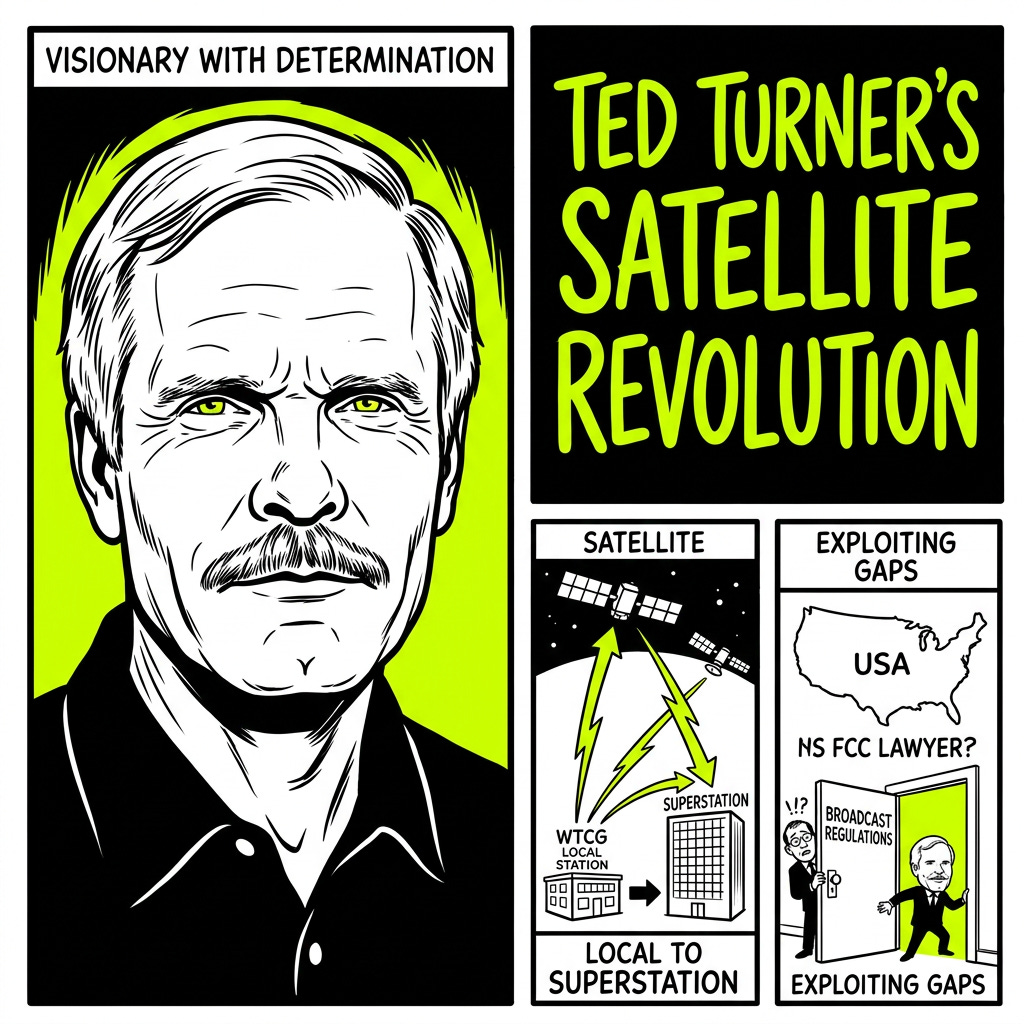 Ted Turner Didn’t Just Build a Network. He Exploited a Satellite Loophole.✨ | broadcast technologymedia history+5 | — | Satcom 1CNN+3 | AtlantaVero Beach, Florida+2 | Ted TurnerCNN+5 | — | 6m 00s | |
| 5/4/26 | 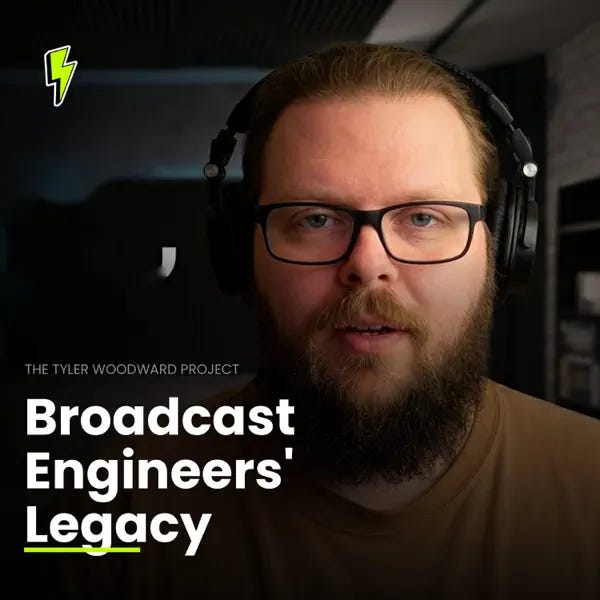 Why Broadcast Engineers Are Vanishing from Radio Stations✨ | broadcast engineeringlocal radio+4 | — | Society of Broadcast Engineers | Americalocal radio | broadcast engineerslocal radio+7 | — | 15m 25s | |
Want analysis for the episodes below?Free for Pro Submit a request, we'll have your selected episodes analyzed within an hour. Free, at no cost to you, for Pro users. | |||||||||
| 4/27/26 | 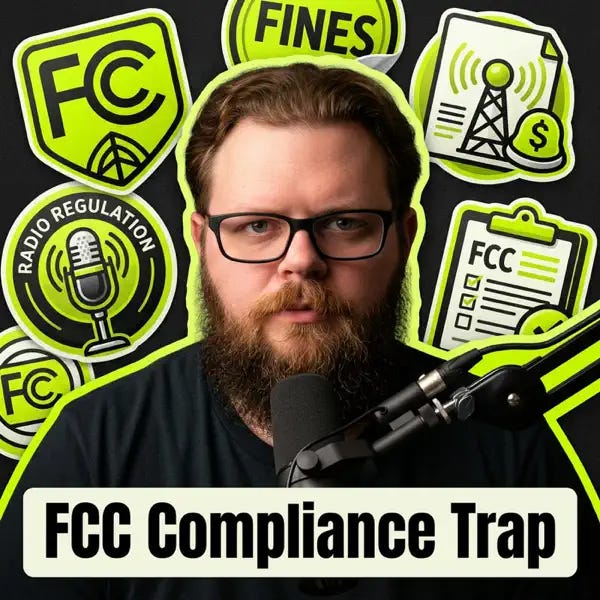 Why the FCC’s Public File Can Cost Your Radio Station Thousands✨ | FCC regulationsradio compliance+3 | — | FCCradio station | — | FCCpublic file+4 | — | 15m 31s | |
| 4/16/26 |  The Cross-Platform File Transfer Tool Broadcast Engineers Actually Need✨ | file transfercross-platform+4 | — | LocalSendAirdrop+6 | — | file transferLocalSend+6 | — | 18m 08s | |
| 4/13/26 |  How Crowd Congestion and Building Materials Sabotage Your Cell Phone Signal✨ | cell phone signalcrowd congestion+4 | — | TargetWalmart+3 | — | cell phone signalcrowd congestion+5 | — | 16m 22s | |
| 4/9/26 | 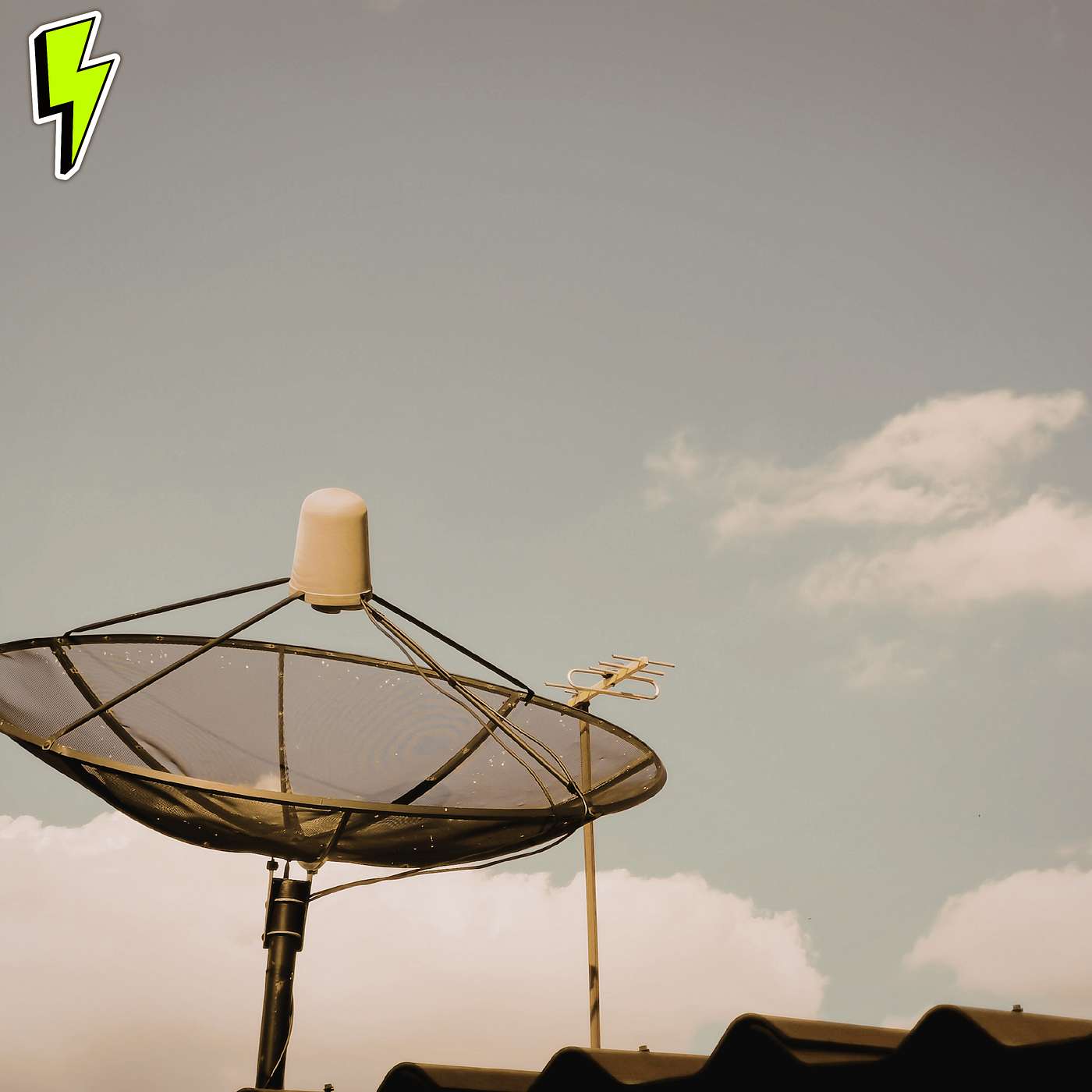 Millions Are Unknowingly Broadcasting Private Data Over Satellites And Here’s How To Fix It✨ | satellite dataprivacy+3 | — | UC San DiegoUniversity of Maryland | — | satellite backhaulvoice calls+5 | — | 23m 53s | |
| 4/6/26 | 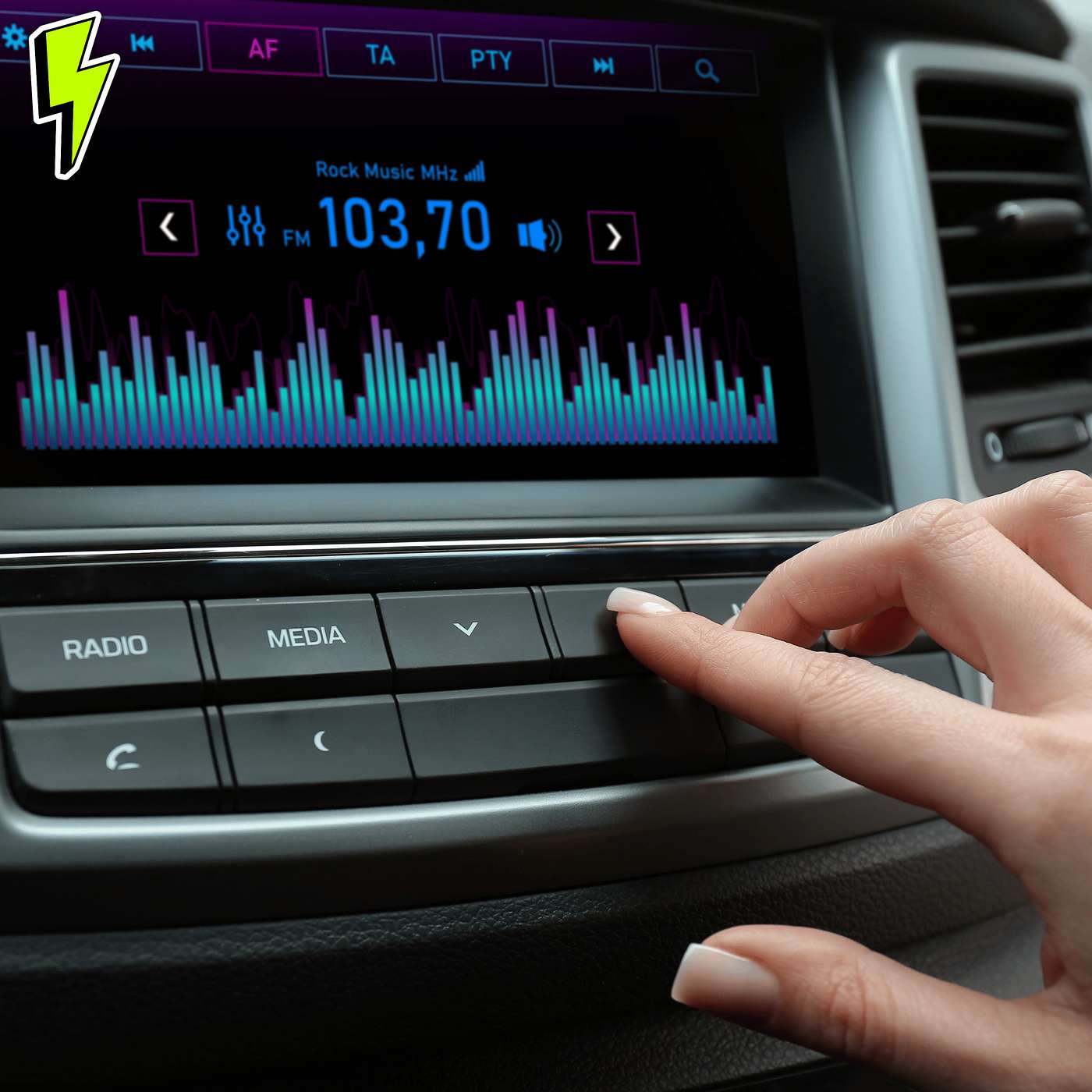 Local Radio Stations Are Going Dark, and Streaming Isn't the Real Reason✨ | local radiomedia consolidation+4 | — | AM and FM radiolocal radio stations+5 | — | local radiomedia consolidation+5 | — | 18m 56s | |
| 4/2/26 | 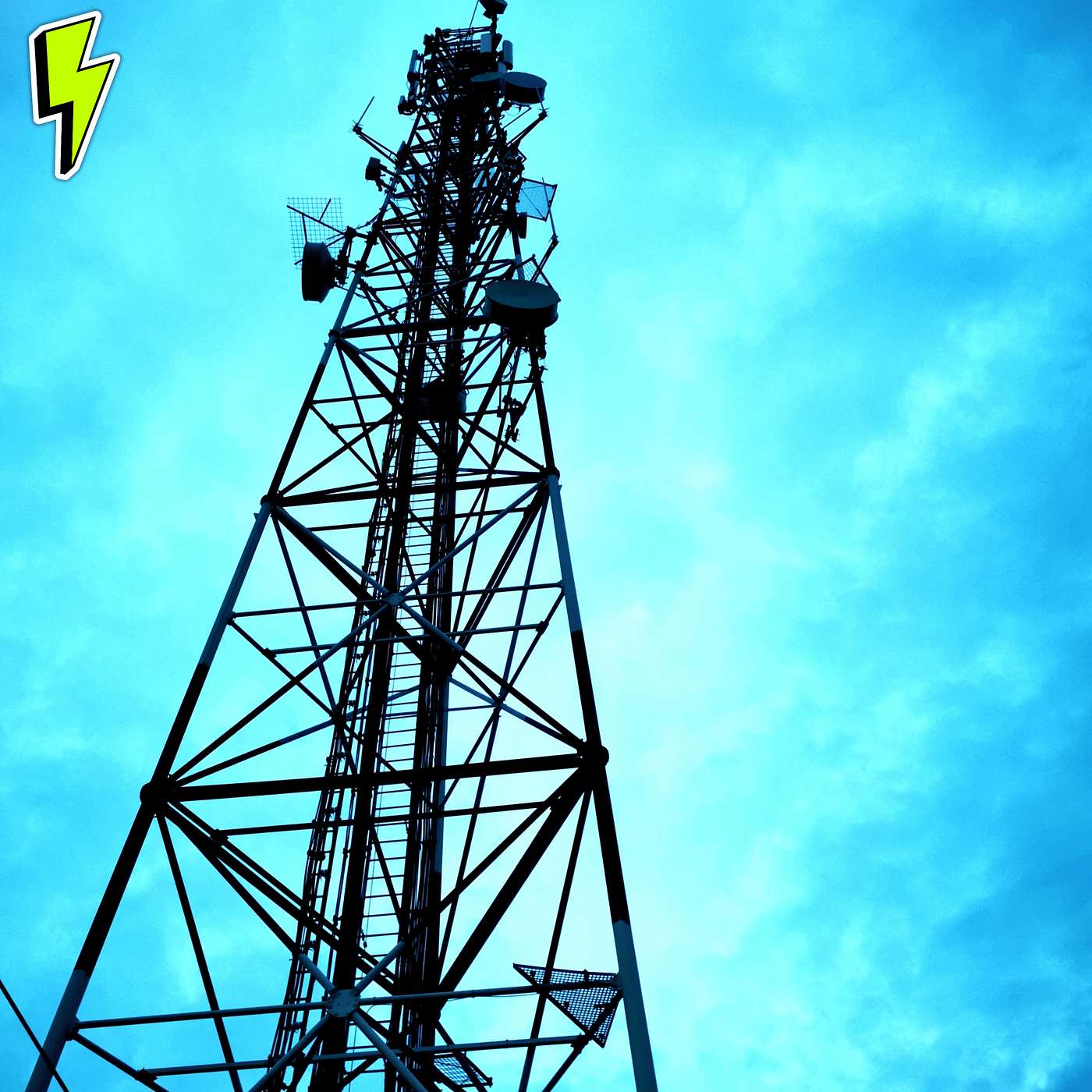 MaxxCasting Technology and the FM Radio Coverage Problem Nobody Talks About✨ | FM radiobroadcast engineering+4 | — | GeoBroadcast SolutionsGatesAir+3 | — | FM radiocoverage map+5 | — | 14m 32s | |
| 3/30/26 | 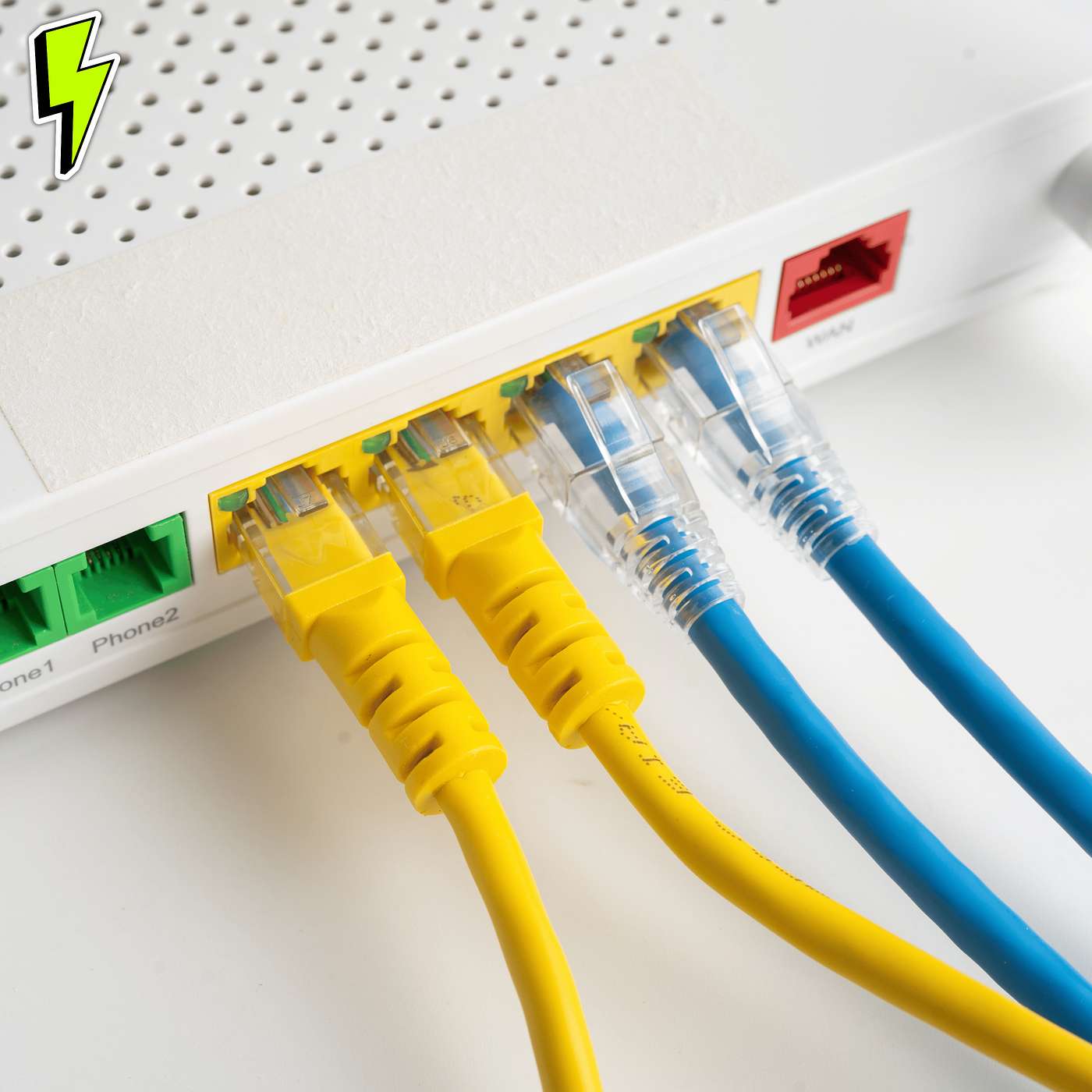 Broadcast Network Security After the FCC Router Covered List✨ | broadcast network securityFCC regulations+4 | — | WireGuardDell+3 | Brookings, South DakotaNew Jersey | FCC router banbroadcast facility+7 | — | 20m 40s | |
| 3/26/26 |  I Built a Networking Cheat Sheet Because Nothing Else Worked✨ | networkingtechnology+3 | — | Ugly’s Electrical ReferenceCisco+3 | — | networking cheat sheetCisco IOS command+5 | — | 18m 04s | |
| 3/23/26 |  CBS News Radio Shuts Down | A nearly 100-year-old American radio news network is about to go dark and we’re all supposed to treat it like background noise. CBS News Radio ends May 22, with roughly 700 affiliates impacted and the radio news team eliminated, and I can’t shake how backwards this feels: not a relic being retired, but a working system being switched off because it stopped fitting a spreadsheet.I break down why network radio news isn’t about being flashy or “exclusive.” The top-of-hour newscast is infrastructure. Local stations build clocks, staffing, and listener habits around it, and when it’s reliable it makes a station sound like a real community service instead of a stream with a transmitter attached. That’s why the usual corporate talking points about “challenging economic realities” and “shifting programming strategies” don’t fully explain what’s happening, especially alongside Paramount’s broader cuts and high-level strategy resets.Then there’s the part that really burns trust: reports that some affiliates didn’t get a meaningful heads-up before the press release dropped. Radio is a relationship business, and when partners find out in public, the message is clear: you’re downstream. I also dig into the human cost of layoffs, the union’s blunt reaction, and the bigger question this raises for local journalism, broadcast radio, and media leadership.If this hit a nerve, subscribe wherever you listen, share the episode with a radio friend, and leave a review. What’s the “unsexy” piece of infrastructure you depend on every day that would break everything if it vanished? | — | ||||||
| 3/19/26 |  Getting Tested For Autism And ADHD At 40 | I hit a point where rereading the same sentence three times stopped being funny and started being exhausting. I’m almost 40, and I finally decide to get evaluated for ADHD and autism because “just try harder” is not a plan, especially when focus, working memory, and noise in my head turn everyday tasks into a grind.I rewind to school, back when neurodivergence was poorly understood and kids like me got parked under vague labels like “specific learning disability” without real answers. Then I fast forward to parenting: my son’s autism and ADHD diagnosis makes me notice the patterns I’ve been carrying for decades, from zigzag attention to locking onto interests to the constant sense that everyone else got a manual I never received.The turning point shows up while studying for the Cisco CCNA. Technical learning is tough on its own, but it is a different game when your brain feels like eight radio stations competing at once. I talk about the quiet moment where I realize this is not laziness or a character flaw, why I finally message my doctor, and what scares me about the evaluation, including the possibility of being told I’m “fine” or grieving a late diagnosis. I also share what I’m hoping for: options, language, better study strategies, and the simple relief of not carrying it alone.If adult ADHD symptoms or an adult autism evaluation have been on your mind, listen along and see what resonates. Subscribe, share this with someone who needs it, and leave a review so more people can find the conversation. | — | ||||||
| 3/16/26 |  How Paywalling Song Words Hurts Access | They didn’t just tweak a feature—they blurred the words to your favorite songs and called it premium. We dive into YouTube Music’s decision to cap free lyric views and sell the “unblur,” and we unpack why charging for basic comprehension is the wrong kind of innovation. From the first time a warning counter appears to the full-screen upsell, we trace the play-by-play of how a working feature gets downgraded to manufacture demand.We lay out the business logic behind the move—licensing costs, conversion goals, and the familiar insidification playbook—and then show better paths that don’t punish listeners. Think karaoke-style synced lyrics, offline lyric packs, translations, annotations, and shareable lyric cards. These are real premium features that create value without walling off access. The core case is simple: don’t monetize the ramp; monetize the elevator. Keep plain text lyrics free as the accessibility baseline.Centering accessibility changes the stakes. For deaf and hard of hearing listeners, lyrics are not a bonus; they are access, like captions for video. Paywalling words rations inclusion and tells some users that understanding the song depends on their ability to pay. We share community stories, explain how this choice lands in real life, and offer practical steps you can take now: submit in-app feedback using accessibility language, leave clear reviews, and point out why lyrics are comprehension, not a luxury.If this resonates, help us amplify it: subscribe, share this episode with someone who cares about accessibility and product design, and leave a review with your take on what should be free and what counts as a real premium feature. | — | ||||||
| 3/13/26 |  Why Ending Weather Radio Canada Makes Storm Alerts Less Reliable | Canada is about to pull the plug on Weather Radio Canada, and the timing could not feel worse. When the world is getting more fragile, not less, taking a nationwide VHF weather radio service offline isn’t just a budget line item. It’s the removal of a simple, durable layer of emergency communication that keeps working when the fancy stack starts to crack.I break down what Weather Radio Canada is, how those 162 MHz VHF transmitters function as a quiet 24/7 public safety backbone, and why replacing them with apps, websites, and phone-based Alert Ready messaging is a risky bet in real storms. If you’ve lived through a blizzard, an ice storm, a hurricane, or any multi-day outage, you know the failure tree: power drops, towers drain their backup, backhaul links fail, fiber gets taken out, and suddenly the “widely available technologies” are not widely available at all. A weather website is one power strip away from useless. A push notification is one overloaded LTE sector away from never arriving.We also talk about who actually loses when VHF weather radio goes dark, and it’s not only remote northern communities. It’s older folks who expect a SAME-capable radio to scream during a warning, truckers and farmers monitoring weather bands, and volunteer groups that quietly use weather radio as a backup feed. The bigger question I keep coming back to is simple: what does redundancy really mean in 2026, especially with climate change driving more extreme weather and longer outage windows?If this hits a nerve, subscribe, share the episode, and leave a review. Then tell me what you think: what should a resilient emergency alert system include when the power is out for days? | — | ||||||
| 3/9/26 | 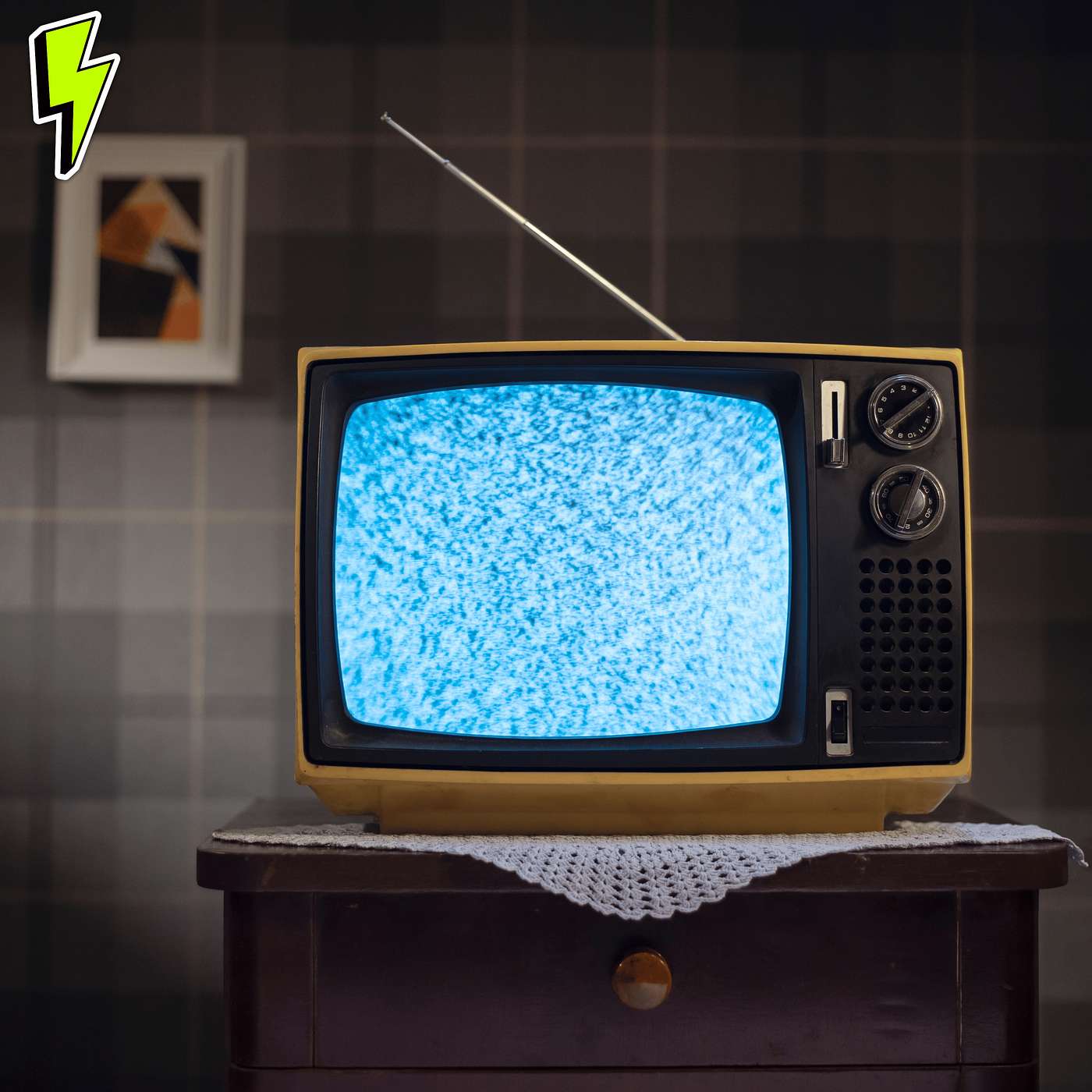 We Used To Doomscroll On Cable And It Was Called The TV Guide Channel | Ever get stuck staring at a scrolling list and promise yourself “just one more cycle”? We revisit Channel 99—the TV guide channel that turned waiting into a habit—and reveal the surprisingly sophisticated system that powered it. This is a story of local headends, satellite data, and the Commodore Amiga quietly rendering your entire lineup as broadcast video, 24/7, with the occasional guru meditation crash peeking through the veil.We walk through how an electronic program guide became a full-time channel, why Tampa’s scroll felt different from New York’s, and how the format evolved from full-screen listings to the split-screen era where promos and trailers played above the crawl. Along the way, we explore the psychology that made the loop so sticky: no search, no jump, no filters—just the looped promise that your channel would come back, plus the constant nudge of recommendations before recommendation engines had profiles or algorithms.Then we track the shift from Preview to the TV Guide Channel in 1999, as set-top boxes got smarter and faster. The guide button brought interactivity to your hands: jump by time, filter for sports or movies, and skip the wait entirely. Once the friction dropped, the linear scroll faded from utility to branding, while the real guide moved into the box UI and, later, into apps on phones and smart TVs. The big takeaway: television has been software for a long time, built on real-time rendering and uptime engineering that rarely gets credit, and usability wins when speed beats simplicity.If you remember missing your channel and waiting like it was a small punishment, you were feeling the machinery of media at work. Subscribe for more deep dives that mix nostalgia with the systems behind it, share with a friend who grew up on cable, and leave a quick review to help others find the show. | — | ||||||
| 3/2/26 | 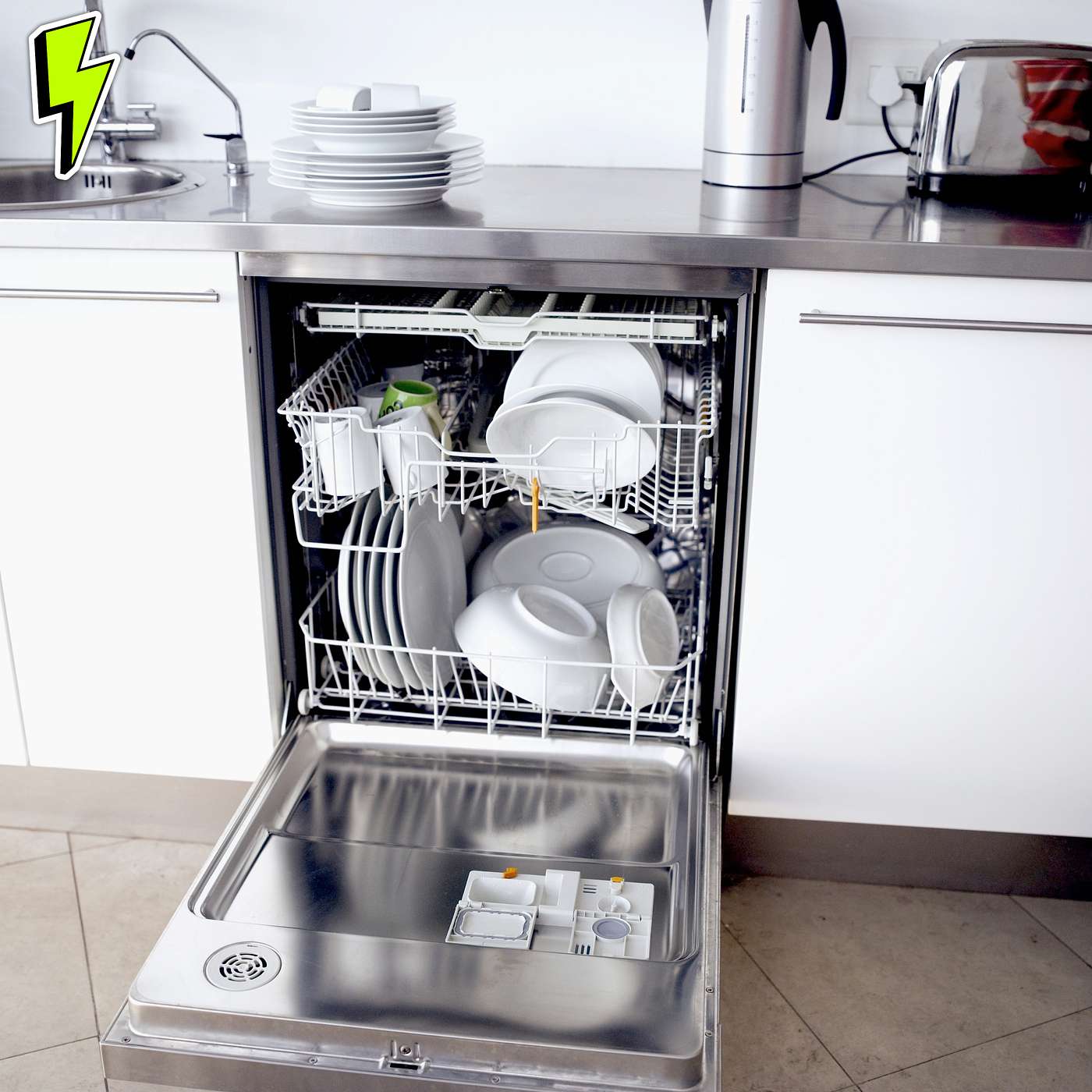 Your Oven Doesn’t Need Wi‑Fi, Unless It Wants Your Wallet | Your dishwasher doesn’t need a firmware update to clean plates, and your oven shouldn’t require an account to roast dinner. We dig into the gap between promised convenience and the quiet reality of connected appliances: data collection, feature gating, and the steady creep of ads into places they don’t belong. As a broadcast engineer and Linux nerd, I break down what Wi‑Fi actually adds to your home, where it crosses the line, and how to keep the benefits without turning your kitchen into an ad platform.We start by separating three very different ideas that get lumped into “smart.” Optional convenience can be useful—notifications when laundry is done or a fridge door is left open. Maintenance and support can genuinely improve with remote diagnostics and targeted fixes. The third category is the problem: core features locked behind connectivity, accounts, or cloud services. Independent testing shows many appliances send megabytes of data home every week, and companion apps can include a startling number of third‑party trackers, building a timeline of your daily life.You’ll hear concrete examples of how this goes sideways: a high‑end oven that needed Wi‑Fi to unlock convection roast and smart fridge screens that double as ad surfaces. We talk about incentives, business models, and why toggles that exist today can vanish tomorrow. Most importantly, we share a practical, step‑by‑step playbook: decide if you need connectivity at all, connect only for warranty diagnostics, isolate devices on guest networks, minimize app permissions, and stop paying premiums for embedded screens that age poorly and invite ads. The shopping rule of thumb is simple—prefer appliances that work fully offline, with connectivity as an optional add‑on, not a gate to core functions.If you care about privacy, reliability, and value per dollar, this conversation gives you the tools to make better choices and configure what you already own with confidence. Subscribe, share with a friend who’s shopping for a new appliance, and leave a review with your smartest dumb device story—we might feature it next week. | — | ||||||
| 2/16/26 |  Why Smart TVs Track You And How To Stop It | Your TV is not just a screen. It’s an ad tech computer with a giant display, hungry for your viewing data. We pull back the curtain on how smart TVs fingerprint what’s on screen with automatic content recognition, log app usage and button presses as telemetry, and stitch together identities with advertising IDs, emails, and payment details. From the moment a setup wizard pushes Wi‑Fi and account creation, the platform begins shaping your living room into a marketplace optimized for ads, promoted content, and ongoing monetization.We unpack the core mechanics in plain language. ACR can recognize what you watch even over HDMI, from cable boxes to game consoles, while microphones for voice search add risk when paired with unclear settings and always-on connectivity. We connect the dots to the business model: thin margins on panels, real money in platforms. That’s why opt-out toggles are buried, renamed, or reset after updates, and why meaningful consent often feels like a scavenger hunt. The Vizio settlement shows these concerns aren’t hypothetical, and we explain why Roku’s simplicity still comes with frustrating limits on true opt-out and persistent attempts to re-enable personalization.Then we get practical. The most reliable fix is structural, not menu-based: keep the TV offline. Treat the panel as a screen and move streaming to a separate, replaceable device where you control updates, permissions, and ad personalization. If you must connect the TV, isolate it on a guest network or VLAN, and use tools like Pi-hole or NextDNS to reduce tracking traffic, understanding that DNS blocks are partial and platforms adapt. The goal is leverage: unplug the smart part when it gets creepy, swap a small box instead of a big screen, and stop household profiling at the network boundary.If this resonated, subscribe for more hands-on privacy strategies, share the episode with a friend who just bought a “deal” of a TV, and leave a quick review to help others find the show. | — | ||||||
Showing 25 of 32
Pitch Fit is a Pro feature
See how bookable this show is for guests, which brands already advertise, the per-episode ad value, and the best-fit guest and sponsor profile. The numbers are blurred on the free plan.
How readily this show books outside guests like you.
How proven this show is for host-read sponsorships.
For Guests
ProFor Advertisers
ProUpgrade to Pro to unlock guest cadence, sponsor categories, fit scores, and per-episode ad value for this show.
Chart Positions
2 placements across 2 markets.
Chart Positions
2 placements across 2 markets.