
Insights from recent episode analysis
Audience Interest
Podcast Focus
Publishing Consistency
Platform Reach
Insights are generated by CastFox AI using publicly available data, episode content, and proprietary models.
Most discussed topics
Brands & references
Est. Listeners
Insufficient chart data. Estimates will improve as the show charts.
- Per-Episode Audience
Est. listeners per new episode within ~30 days
N/A🎙 ~2x weekly·100 episodes·Last published 2d ago - Monthly Reach
Unique listeners across all episodes (30 days)
N/A - Active Followers
Loyal subscribers who consistently listen
N/A
Market Insights
Platform Distribution
Reach across major podcast platforms, updated hourly
Total Followers
—
Total Plays
—
Total Reviews
—
* Data sourced directly from platform APIs and aggregated hourly across all major podcast directories.
On the show
From 16 epsHost
Recent guests
Recent episodes
Unlocking the Power of Relevance in SEO and Link Building with Bradley Benner
Jun 22, 2026
Unknown duration
Why Human Judgment Still Scales: Joel Miller on AI, SEO, and Owned Audiences
Jun 15, 2026
Unknown duration
Matt Slaymaker: Surprising Reason Why Small Businesses Often Fail with Ads
Jun 3, 2026
51m 50s
Drew Dorenfest: How a Hollywood Video Editor Built an SEO Business from Scratch
Jun 3, 2026
31m 05s
Grant Simmons: Entity Optimization, the LLM petri dish & more
Jun 1, 2026
59m 23s
Social Links & Contact
Official channels & resources
Official Website
Login
RSS Feed
Login
| Date | Episode | Topics | Guests | Brands | Places | Keywords | Sponsor | Length | |
|---|---|---|---|---|---|---|---|---|---|
| 6/22/26 | 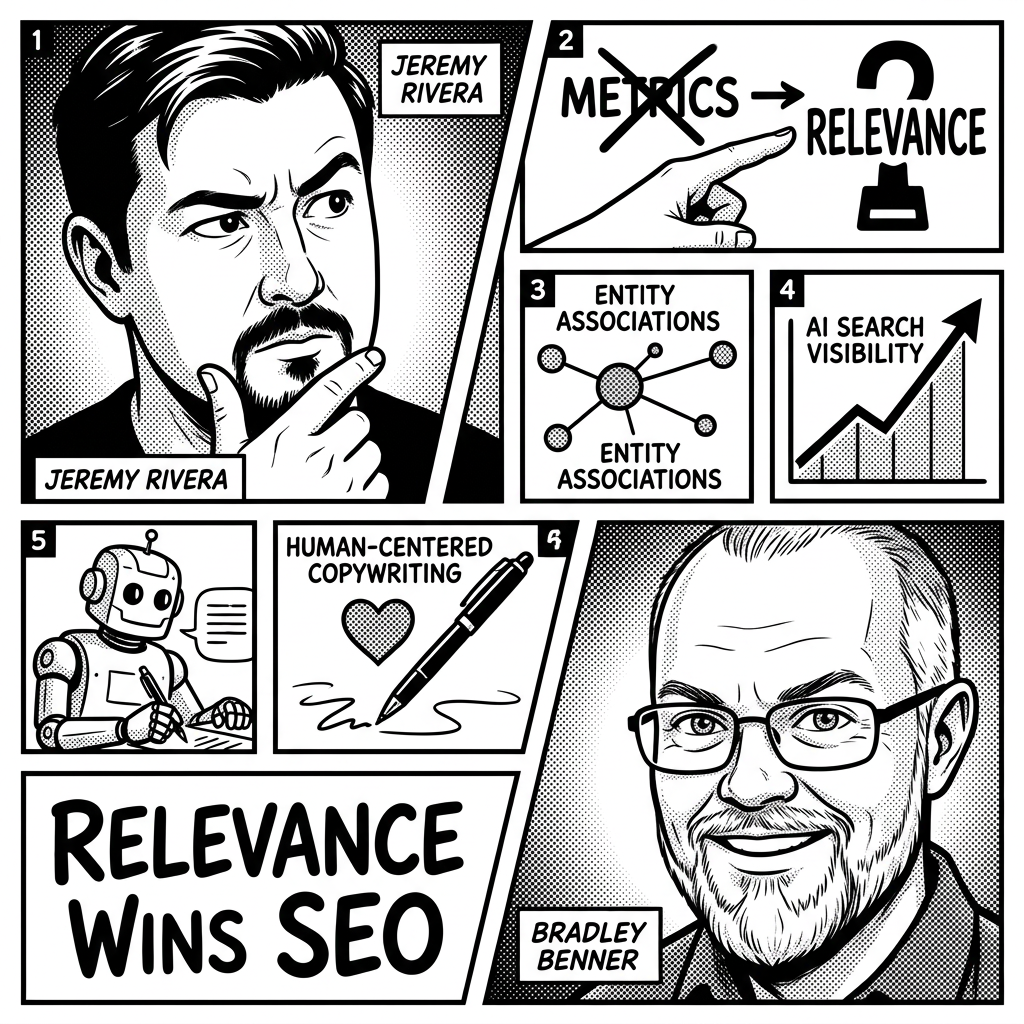 Unlocking the Power of Relevance in SEO and Link Building with Bradley Benner | Semantic Links with Bradley Benner Watch: https://youtu.be/AUf1U_klNCM Previous interview: https://unscriptedseo.com/building-relevent-links-agencies-with-bradley-benner/ Unlocking the Power of Relevance in SEO and Link Building with Bradley Benner Discover how relevance outranks traditional metrics in modern SEO strategies, especially in the era of AI and large language models (LLMs). Bradley Benner shares deep insights into relevance-driven link building, AI-driven process automation, and the evolving landscape of search engine optimization.In this episode: The importance of relevance over metrics like Domain Authority (DA) and Trust Flow in link building How AI models interpret links and mentions for search visibility Strategies for creating strong entity associations through contextual links The role of structured and unstructured citations in AI search algorithms The impact of AI tools on SEO workflows and systems development Best practices for optimizing on-page elements for both algorithms and human visitors The shift from spammy SEO tactics to more sustainable, human-focused copywriting Timestamps: 00:00 - Introduction to Bradley Benner and his background in local SEO and AI applications 00:30 - Bradley’s evolution from contractor to SEO entrepreneur 01:01 - The growth of Semantic Mastery and Semantic Links 01:31 - The significance of relevance in link building and SEO 02:51 - How AI models interpret links and mentions 03:37 - Automating processes with AI and the importance of well-defined workflows 04:58 - The role of relevance in today's link-building strategies 06:28 - Using transcripts and AI for process mapping and SOP development 07:55 - Flexing AI to optimize workflows instead of rigid processes 09:28 - The shift in local SEO and the importance of relevance over traditional metrics 10:23 - The changing landscape of AI dominance in search and its implications 11:14 - Relevance as the cornerstone of off-page SEO in AI-driven search engines 12:07 - Moving beyond thousands of backlink metrics to focus on relevance 13:40 - Ethical considerations and outdated SEO practices 14:42 - The importance of creating and reinforcing entity associations 15:54 - Optimizing page elements using semantic triples for better relevance 17:33 - The significance of contextual relevance in link placement 18:32 - The three layers of relevance in backlink profiles 19:24 - How large language models leverage mentions and relevance over traditional link equity 20:48 - Using citations and mentions as signals for search algorithms 22:02 - The influence of high authority and localized mentions for AI visibility 23:16 - The future of link building and relevance in the AI era 24:21 - The positive impact of LLMs on justify investments in link building 25:08 - Traditional marketing techniques meet AI-driven SEO 26:03 - Practical tips for human-centered optimization and content structureResources & Links: Semantic Mastery Semantic Links Cursor AI Platform Claude AI Google Search Traffic & AI Insights | — | ||||||
| 6/15/26 |  Why Human Judgment Still Scales: Joel Miller on AI, SEO, and Owned Audiences | Joel Miller is the co-founder of The SkyFloor, a digital agency he has run alongside his identical twin brother since 2008. The SkyFloor works across industries — churches, retail, education, and service organizations — with a philosophy centered on long-term partnerships and outcome-driven strategy rather than one-off deliverables. Joel writes regularly on digital strategy and business growth at theskyfloor.com/ideas. What We Cover Why the highest-value work any agency or consultant does is enabling clients to become who they want to be — and why AI can't replicate that A real-world custom GPT case study: how 30–40 hours of human listening made AI call analysis actually work What AI Overviews are doing to organic click-through rates, ad keyword availability, and SERP composition Why owned audience channels — especially email — are now the most durable marketing asset in a Google-disrupted world The AI slop problem and why authentic human presence is becoming the scarcest commodity online Episode Highlights Joel opens by reframing what The SkyFloor actually sells: not services, but outcomes. He describes their team as problem solvers who work backward from what a client wants to become — whether that's a more efficient church, a retail brand competing online, or an education company ready to grow beyond referrals. That outcome-first philosophy maps onto what Jeremy calls the pyramid of value: executing a tactic at the base, saving time in the middle, and enabling the client to become who they want to be at the top. As Joel puts it, the human ingenuity required to genuinely partner with a client is still a distinctly human task — one AI cannot replicate at the top of that pyramid. The conversation gets practical fast with Joel's sales call analysis case study. A client had lead conversion problems, and rather than feeding transcripts into a model, Joel listened to 30–40 hours of incoming calls himself — catching tone, the weight of a specific pause, the difference between enthusiasm and polite deflection. Once he'd mapped those human-observed patterns, he built a custom GPT framework and connected it to CallRail for automatic call scoring. The human defines the problem; AI scales the execution. Joel was equally candid about LLM limitations: ask an LLM for an answer and you've already biased the output. It is an answer engine, not an objective analyst — and the good prompt engineers know how to work around that tendency. "An audience can't just be taken away if it's your audience, no matter what Google does next." Joel is watching AI Overview impact in real time across his client accounts: impressions holding or growing, clicks down ~40%, and SERP layouts restructured so that for many queries, organic results appear nowhere above the fold. The composition is now AI Overview, then local pack, then sponsored results — organic is buried or absent. On the paid side, keyword categories that used to reliably trigger ad placements have been absorbed by overview content. His adaptation: heavier investment in high-intent near-me queries that still trigger standard ad slots, and a shift away from treating search volume as the primary planning input toward full SERP composition audits. The most durable advice from the episode is Joel's audience ownership argument. He's actively steering clients toward email lists and direct subscriber relationships — assets that t... | — | ||||||
| 6/3/26 | 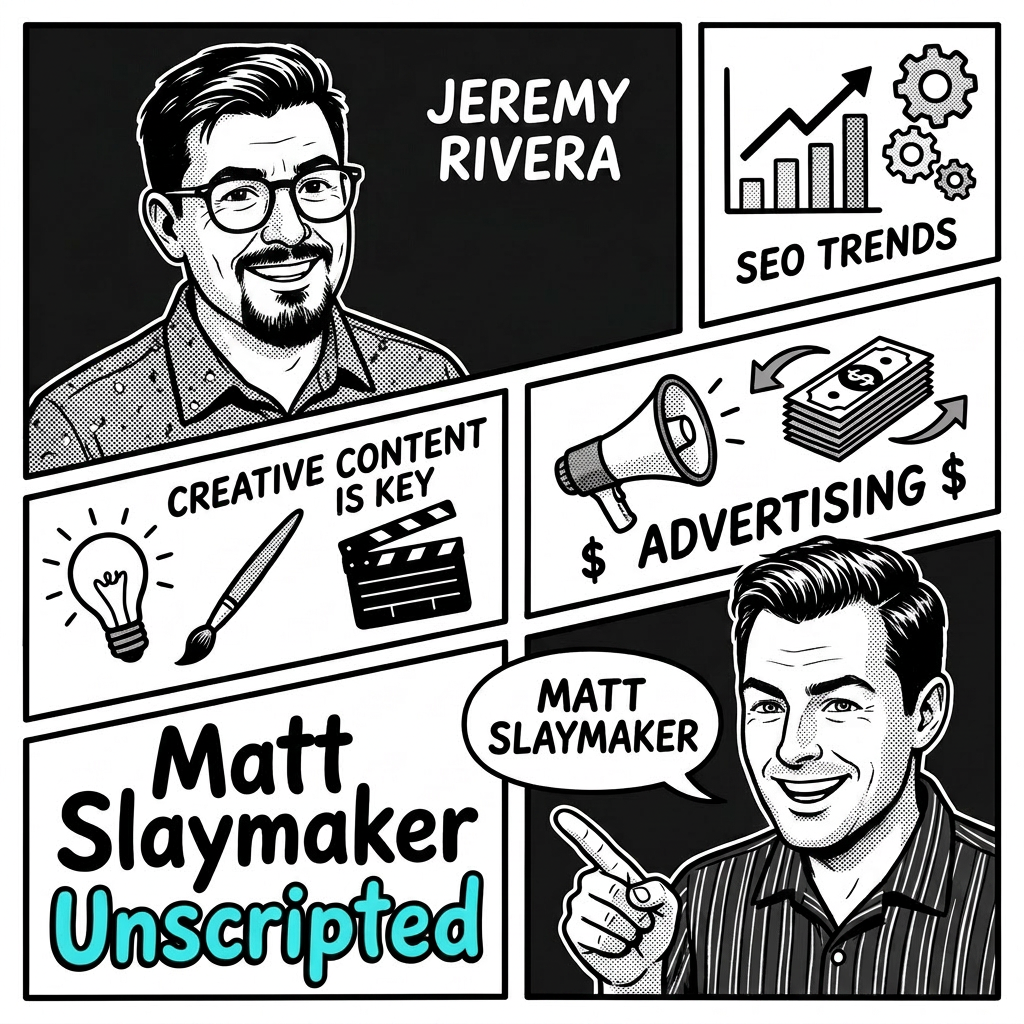 Matt Slaymaker: Surprising Reason Why Small Businesses Often Fail with Ads✨ | small business advertisingdigital marketing strategies+4 | Matthew Slaymaker | Call RailWhat Converts+2 | — | small business adsdigital advertising+5 | — | 51m 50s | |
| 6/3/26 | 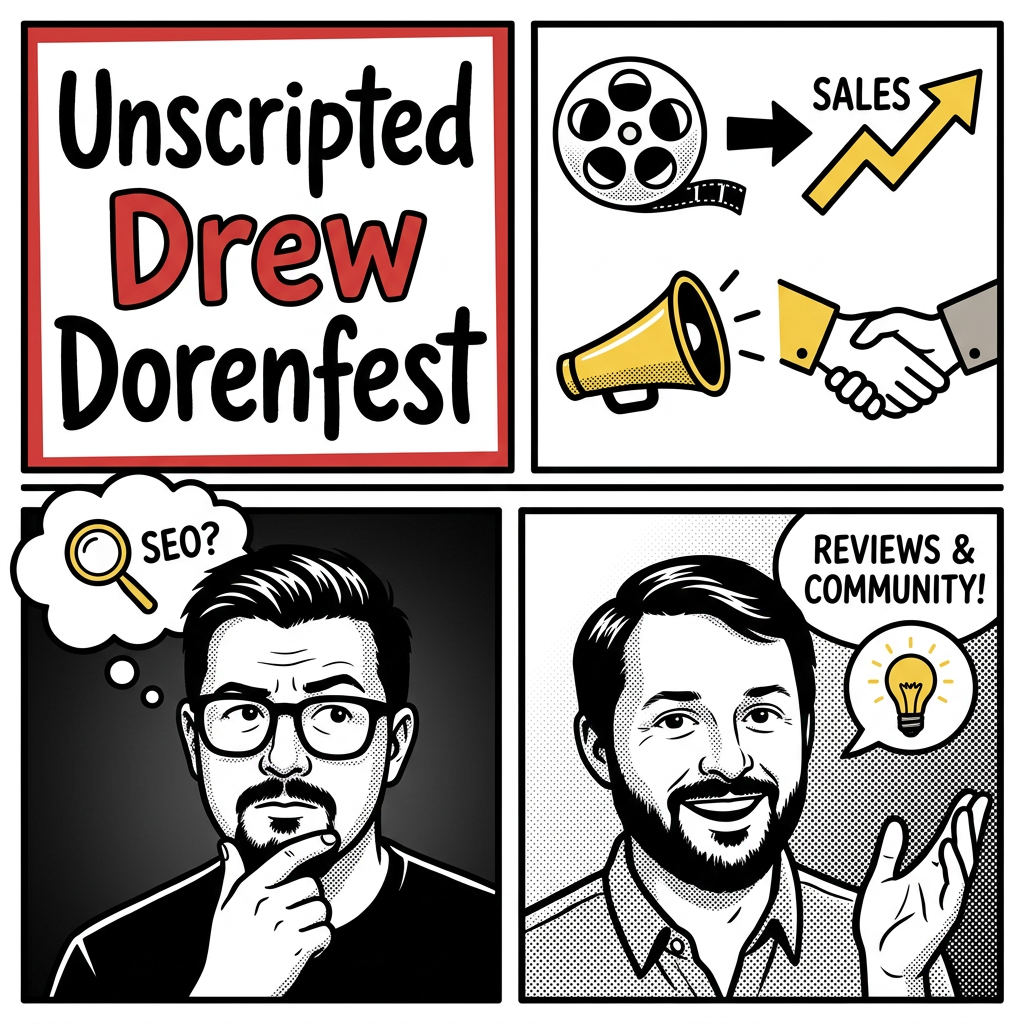 Drew Dorenfest: How a Hollywood Video Editor Built an SEO Business from Scratch✨ | SEO strategieslocal SEO+4 | Drew Dorenfest | Go High LevelClient Magnet CRM | — | SEOlocal SEO+5 | — | 31m 05s | |
| 6/1/26 | 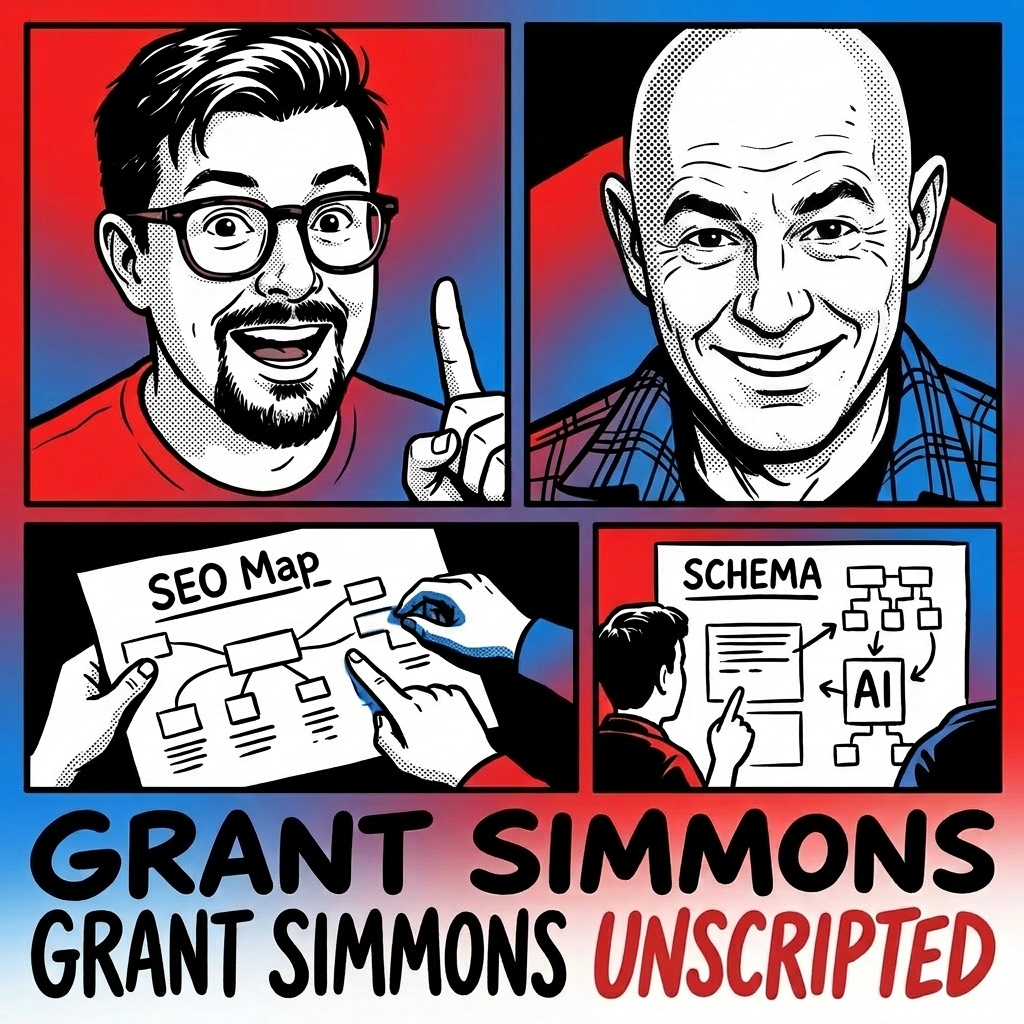 Grant Simmons: Entity Optimization, the LLM petri dish & more✨ | entity optimizationSEO strategies+5 | Grant Simmons | GoogleHomes.com+2 | — | entity SEOschema markup+8 | — | 59m 23s | |
| 5/28/26 | 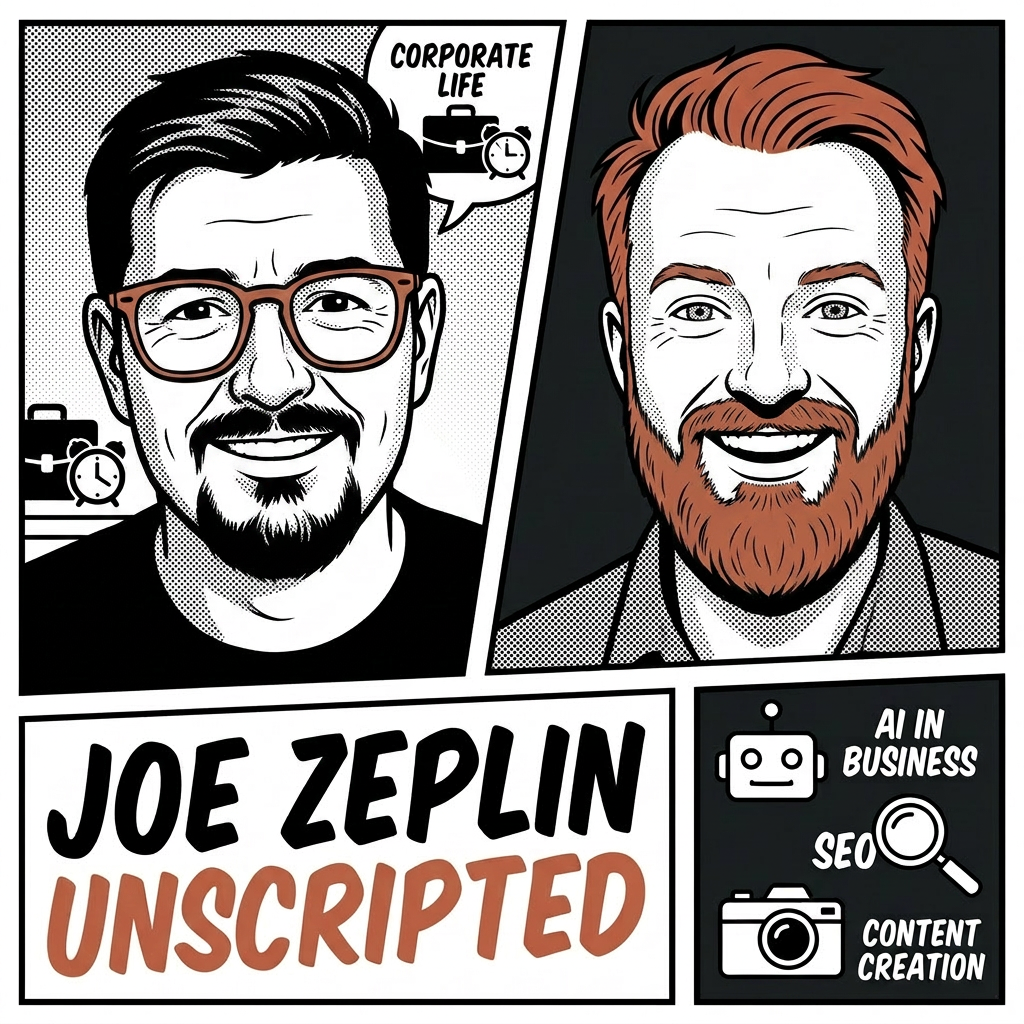 Joe Zeplin Went From Corpo To Youtuber & So Can You✨ | career transitionsAI tools+5 | Joe Zeppelin | YouTubeTikTok+2 | — | career transitionAI automation+5 | — | 1h 05m 22s | |
| 5/27/26 | 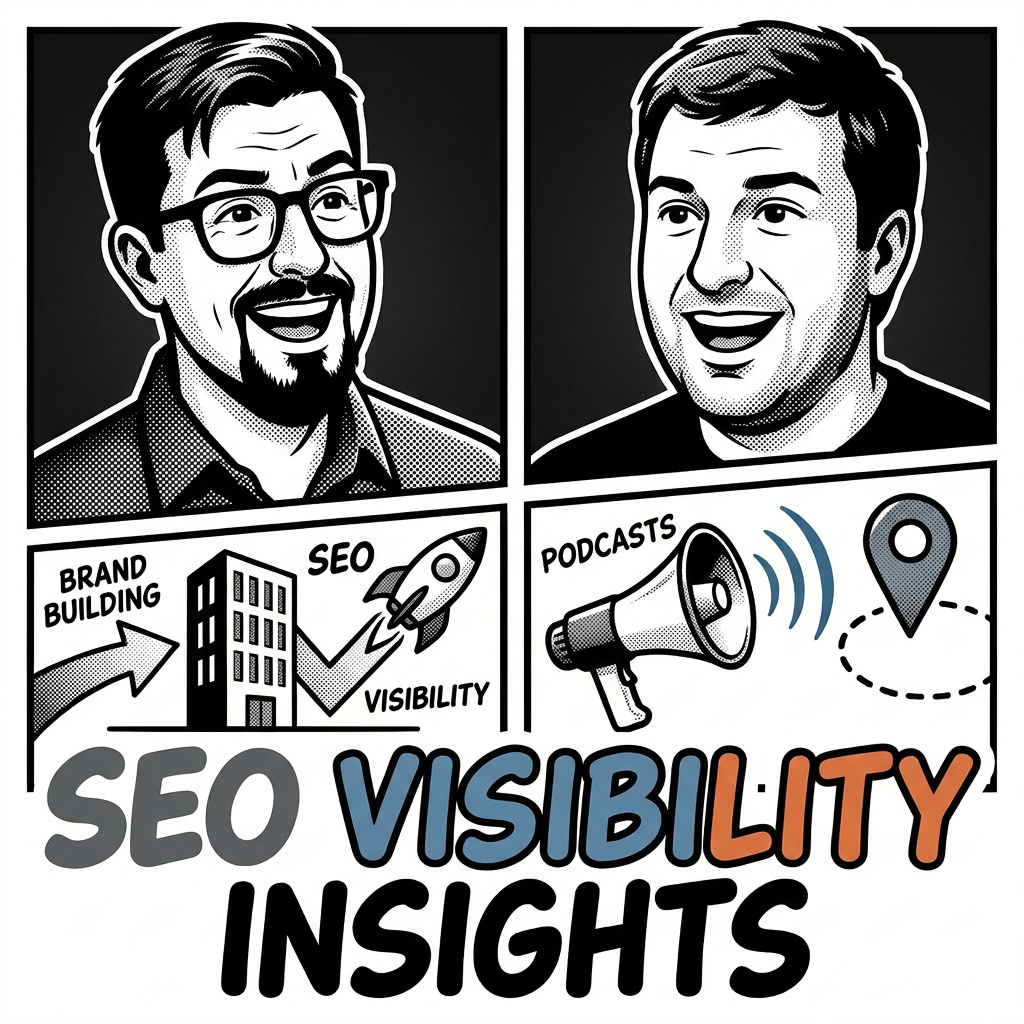 Greg Digneo on Why Visibility Is the New SEO (And What That Means for Your Agency)✨ | SEObrand visibility+5 | Greg Daniel | ClaudeChatGPT+1 | — | SEOvisibility+5 | — | 48m 26s | |
| 5/5/26 | 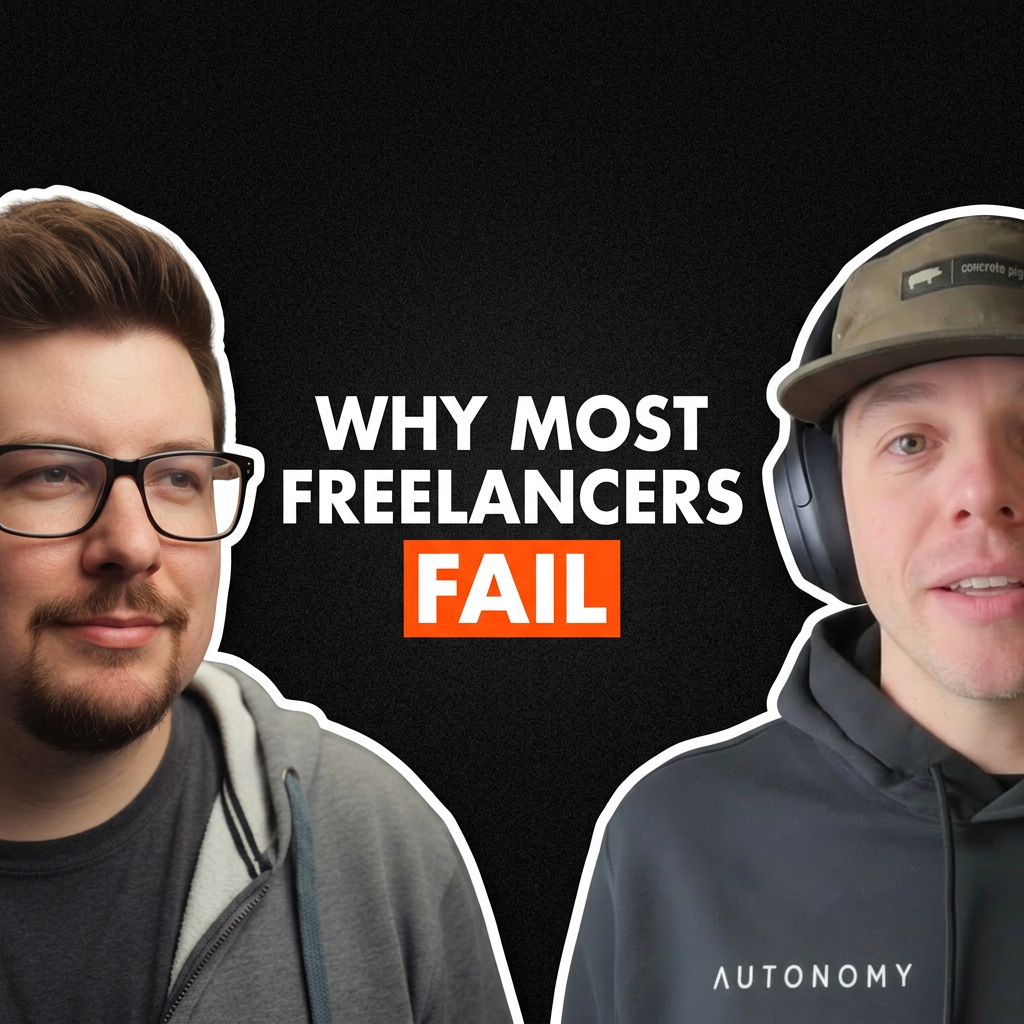 Why Most Freelancers Fail at Scaling✨ | freelancingagency growth+5 | Colby Wegter | — | — | scalingself-scale+5 | — | 44m 17s | |
| 5/4/26 |  Brittany Trafis: AI Search as a New Channel Beyond SEO✨ | AI in digital marketingSEO transformation+5 | Brittany Trafis | AI-native marketing agencysmall businesses | — | AIdigital marketing+8 | — | 37m 22s | |
| 5/4/26 | 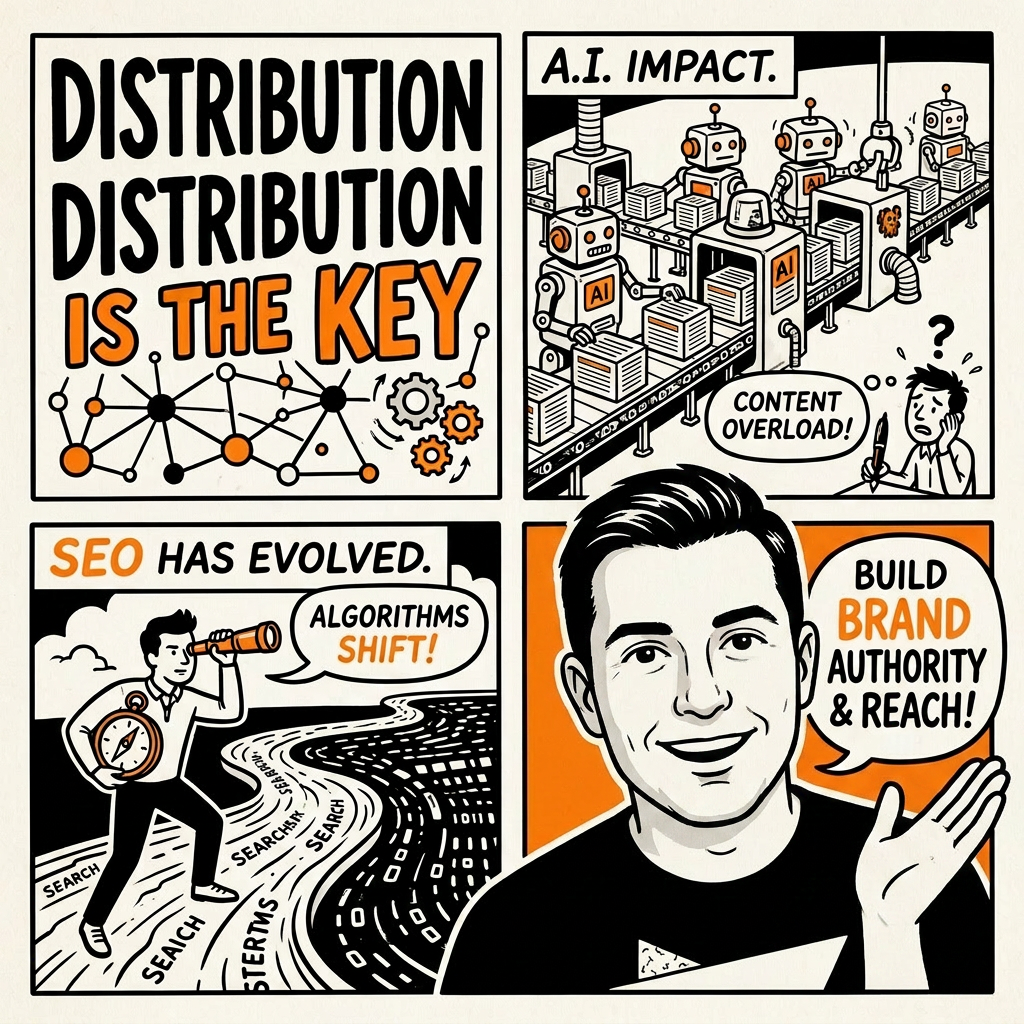 Distribution Is the Only Remaining Moat When Execution Becomes Infinite — Nick Eubanks on What Survives the AI Era✨ | SEO changesAI impact on execution+4 | Nick Eubanks | Traffic Think TankSEMrush+1 | EUU.S. | SEOAI+7 | — | 40m 16s | |
Want analysis for the episodes below?Free for Pro Submit a request, we'll have your selected episodes analyzed within an hour. Free, at no cost to you, for Pro users. | |||||||||
| 4/29/26 |  Going International on SEO with Christina Spaulding✨ | international SEOmultilingual content+4 | Christina Spaulding | DeepL | USSpanish | international SEOmultilingual SEO+5 | — | 32m 09s | |
| 4/22/26 |  Small Business Marketing, Local SEO & the AI Frontier✨ | small business marketinglocal SEO+4 | Tom Malesic | EZ Marketing | — | small businesslocal SEO+5 | — | 28m 05s | |
| 4/8/26 | 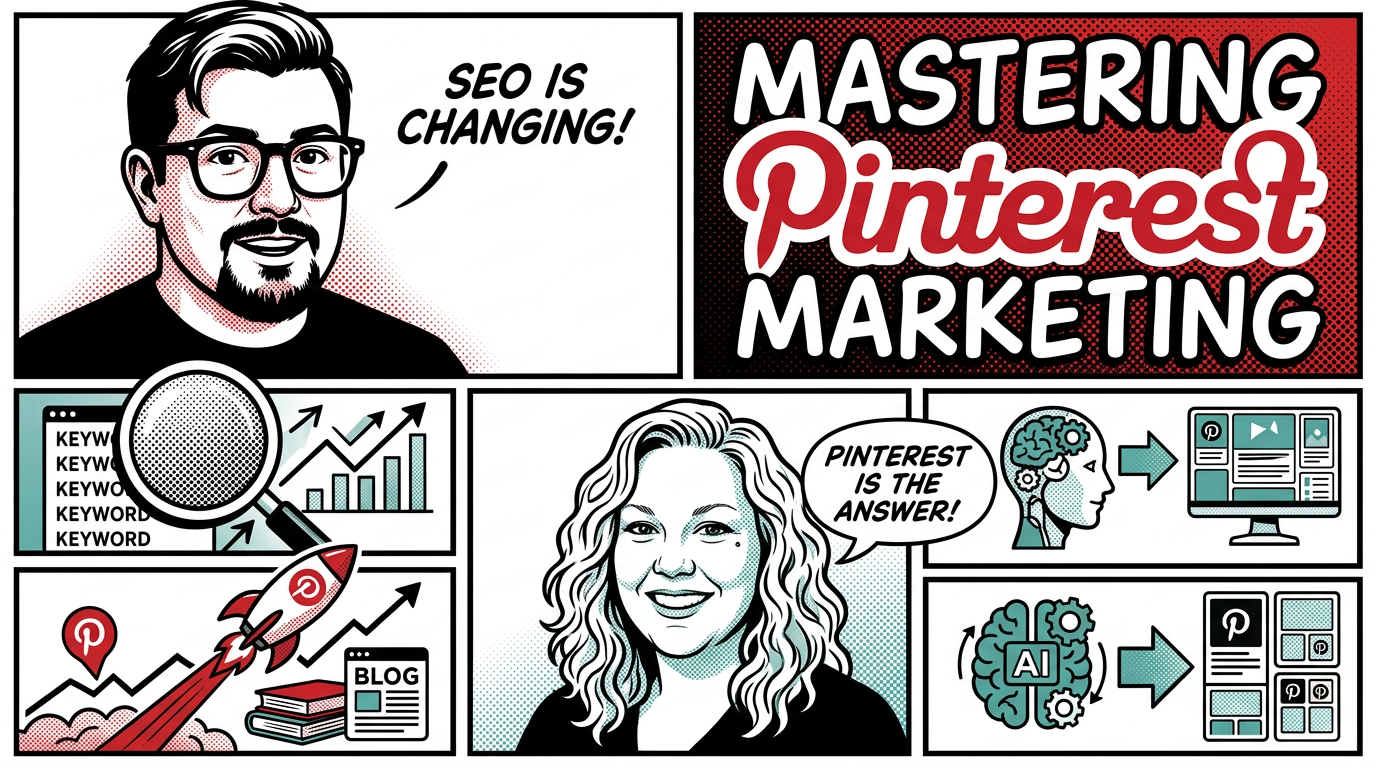 Julia Bocchese: Pinterest, AI Search & SEO for Small Businesses✨ | SEOPinterest strategy+3 | Julia Bocchese | Julia Renee Consulting | PhiladelphiaGoogle+2 | SEOPinterest+5 | — | 29m 25s | |
| 4/6/26 | 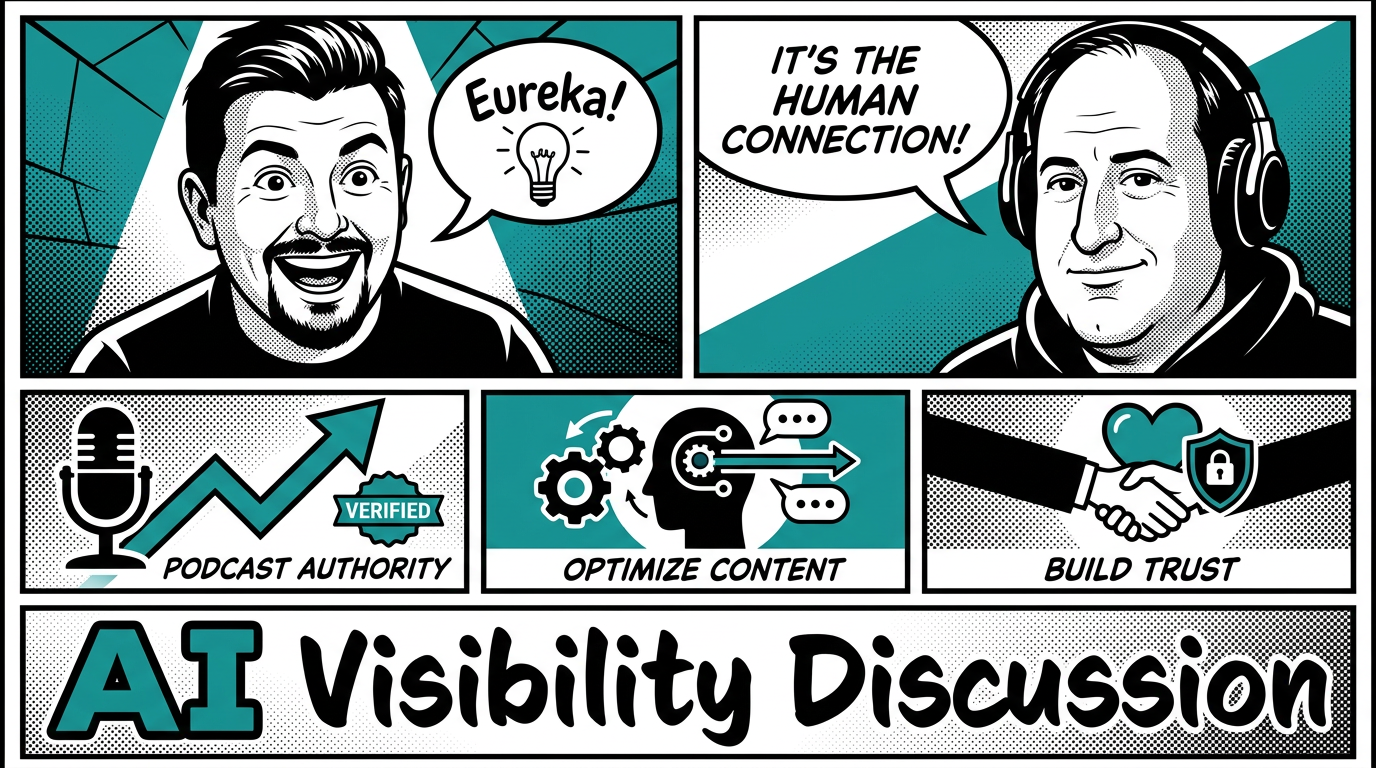 AI Visibility, Entity Engineering & the Podcast SEO Strategy No One's Using with Jason Wade of Ninja Ai✨ | AI visibilityentity engineering+4 | Jason Wade | Ninja AI | — | AI visibilityentity optimization+4 | — | 42m 22s | |
| 3/30/26 | 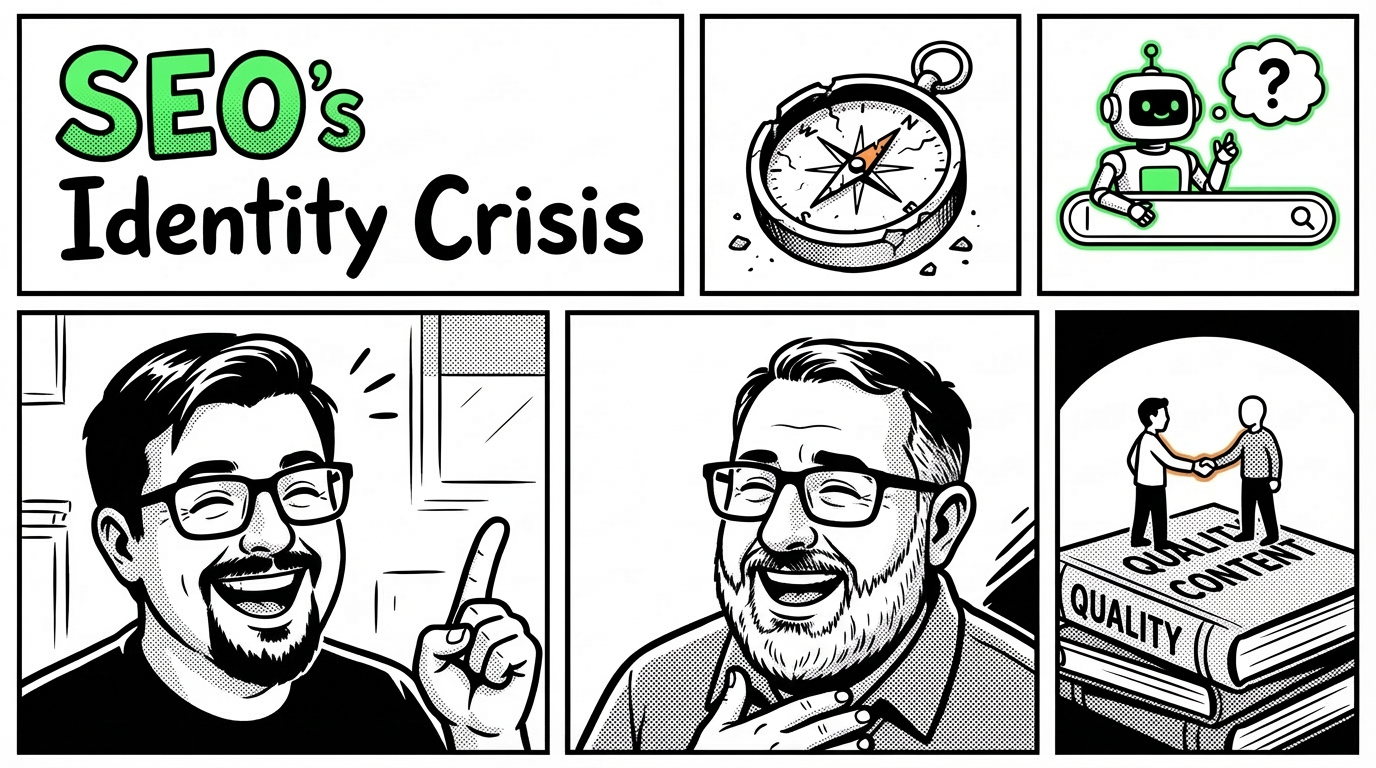 Stephan Bajaio: SEO's Identity Crisis Is Entirely Our Own Fault✨ | SEO identity crisisindustry narrative+4 | Stephan Bajaio | Vibe LogicConductor | — | SEOidentity crisis+4 | — | 54m 47s | |
| 3/25/26 | 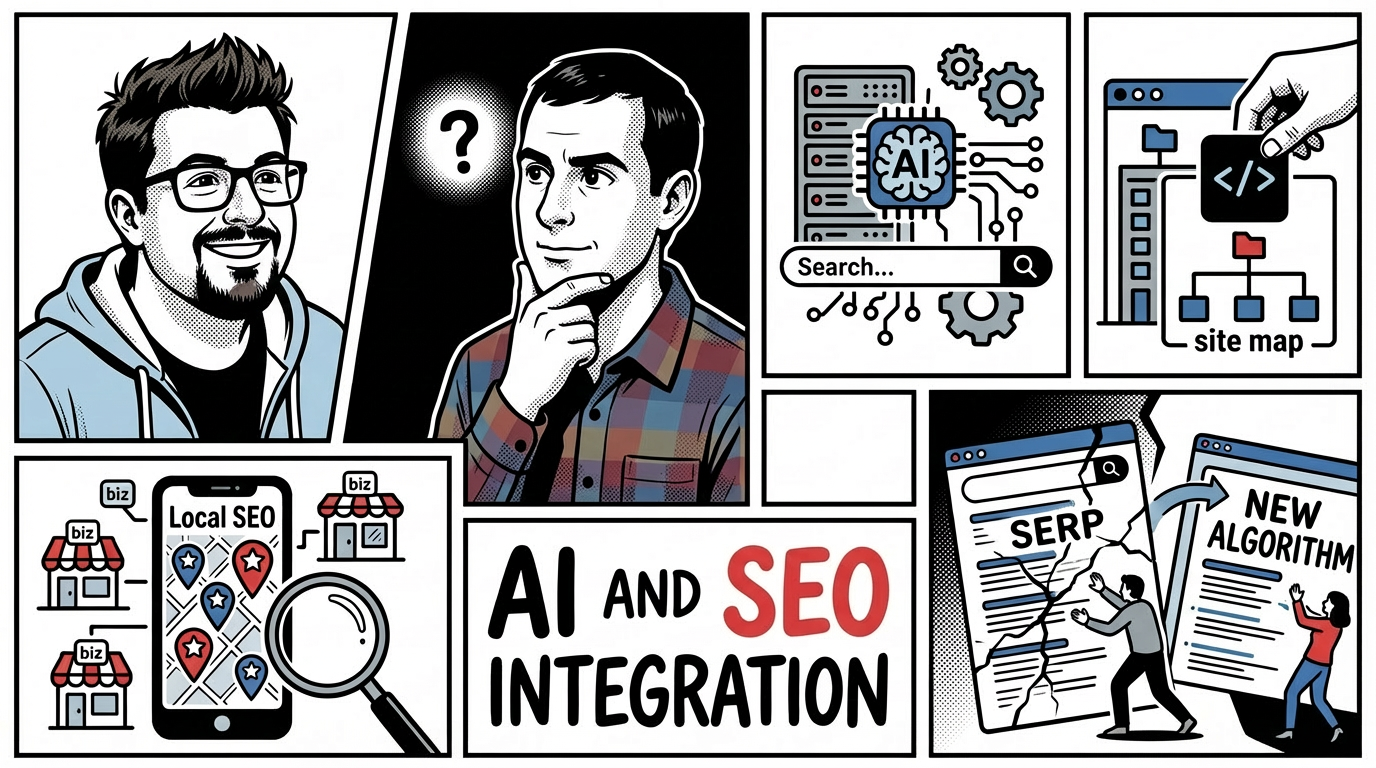 Schema, AI Search & Holistic SEO — With Brandon Leibowitz of SEO Optimizers✨ | AI searchschema markup+4 | Brandon Leibowitz | SEO OptimizersGoogle Search Console+1 | Los Angeles | AI searchschema markup+5 | — | 17m 36s | |
| 3/24/26 | 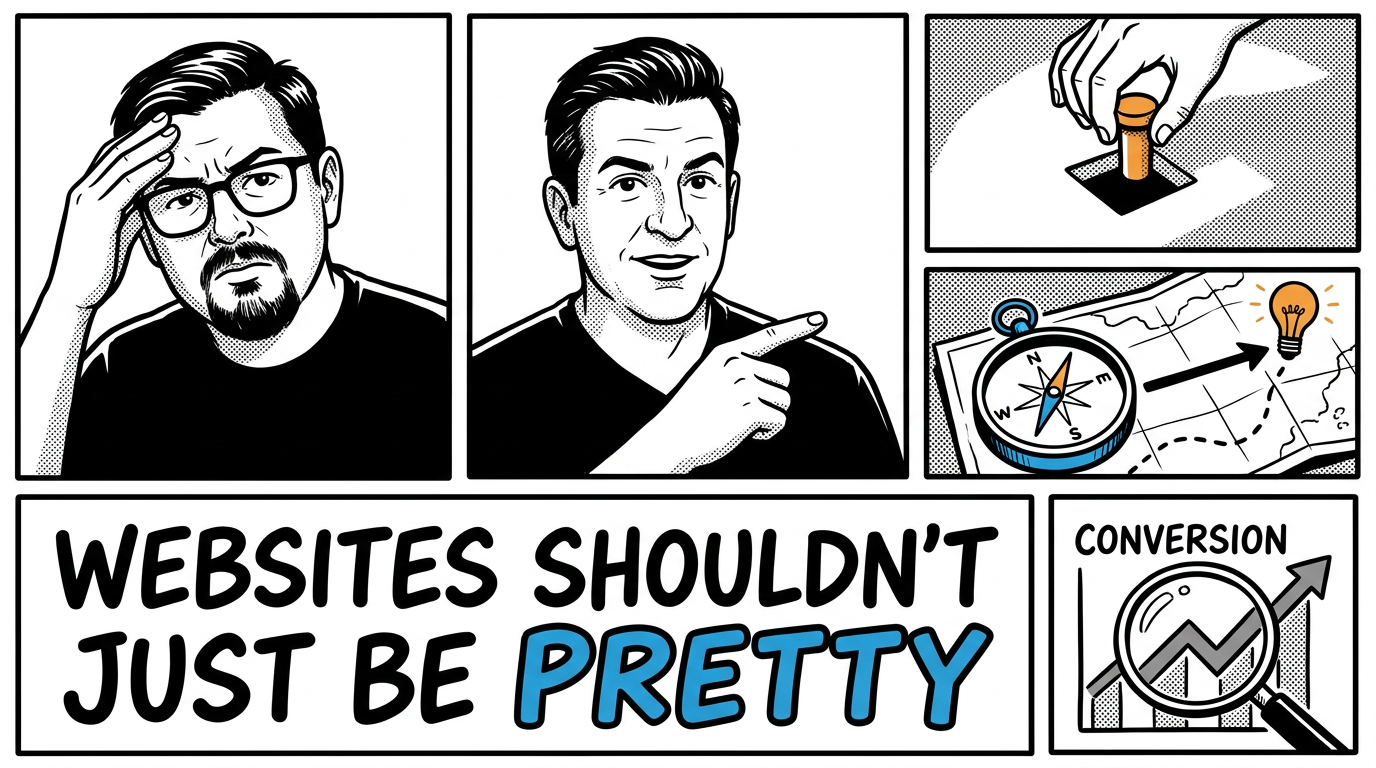 Why Your Pretty Website Is Costing You Customers — With Greg Merrilees✨ | website designconversion optimization+5 | Greg Merrilees | Next Level Website DesignStudio1 Design+3 | — | website relevanceconversion-focused design+5 | — | 34m 17s | |
| 3/24/26 | 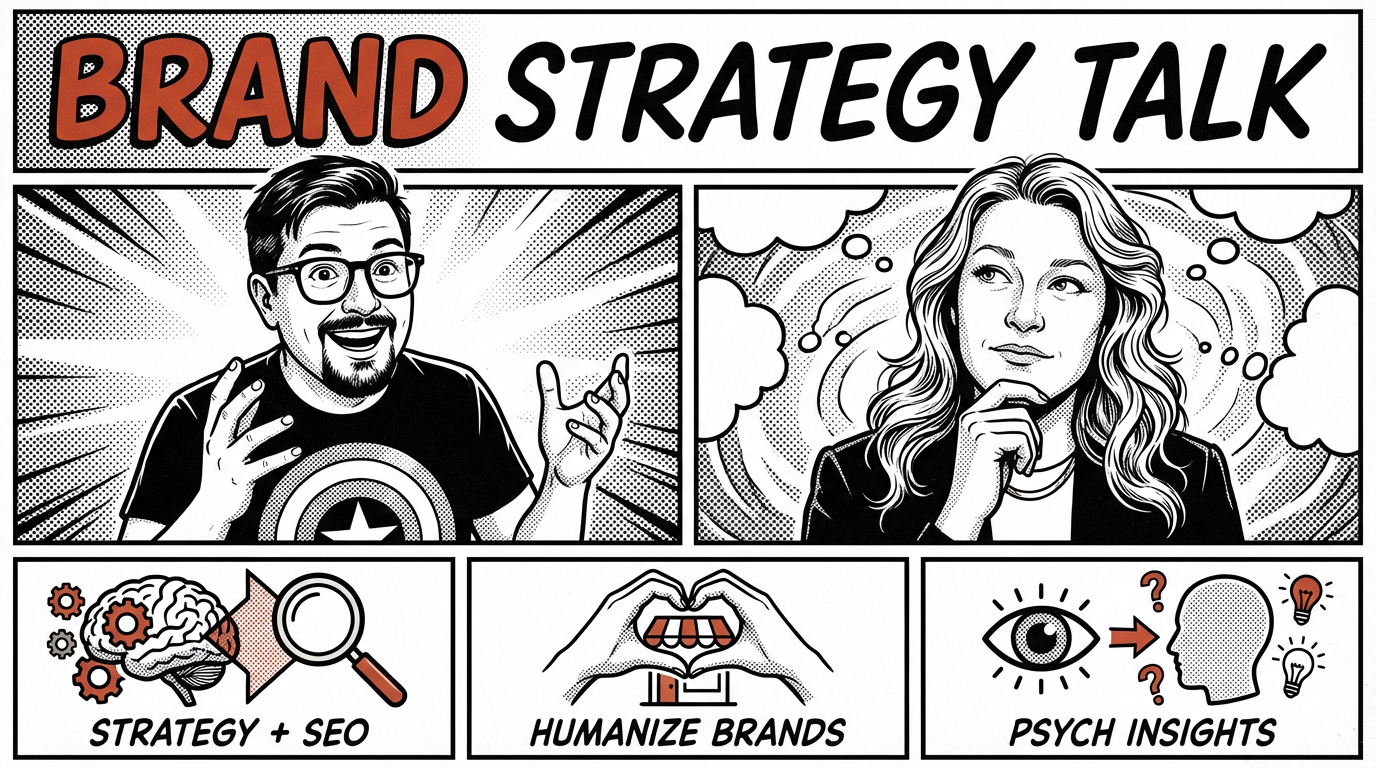 Charlie Birch on Where Brand Strategy Meets SEO: What Every Founder Needs to Know✨ | brand strategySEO+4 | Charlie Birch | Humaniz CollectiveSpacebar Collective | — | brand identitySEO strategy+5 | — | 32m 12s | |
| 3/16/26 | 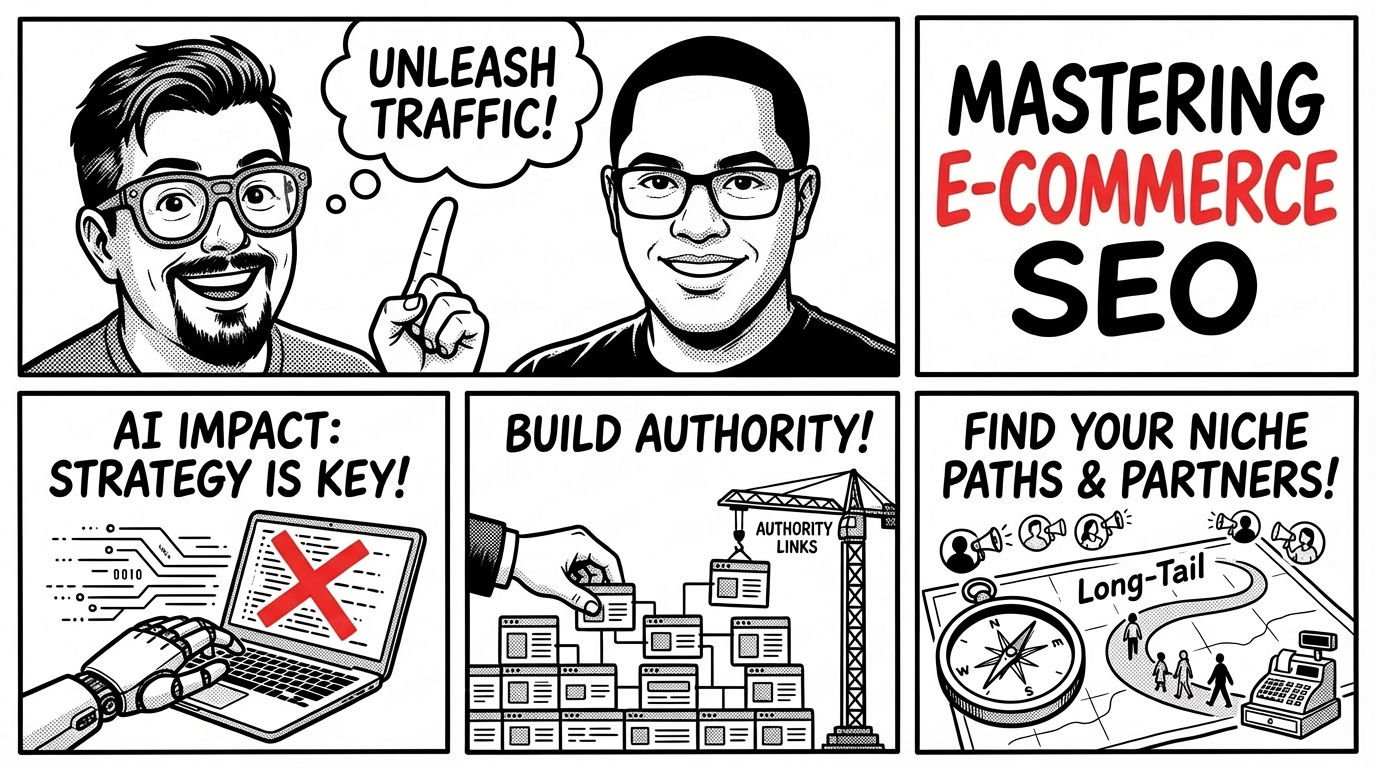 Enterprise E-Commerce SEO, Long-Tail Pages & AI Visibility with Paul Baterina of REVOLVE | In this episode of the Unscripted SEO Podcast, Jeremy Rivera sits down with Paul Baterina, Senior SEO Manager at REVOLVE — a publicly traded fashion e-commerce brand with over 260,000 products. Paul has been at REVOLVE for 13 years, making him one of the rarest SEOs in the industry: a specialist who went deep on one brand instead of bouncing across industries. What We Cover Why long-tail category pages became REVOLVE's most provable SEO strategy — and how Paul sold it to C-suite The 3-product rule for deciding when a category page is worth creating vs. when to kill it Why luxury fashion brands resist text-heavy SEO content — and how to work with that, not against it The honest state of AI/LLM visibility for a major e-commerce brand: $58K/month in LLM-driven revenue and what that actually means How to reverse-engineer LLM citations to find the best places to get your brand mentioned Link context signals — why what's around a link matters as much as the link itself Bill Slawski's patent analysis work and how it connects to Koray Tugberk's topical authority framework A live SEO test showing a 25% lift in organic traffic from adding content to long-tail pages Resources & Links REVOLVE (revolve.com) — Paul's employer and the e-commerce brand discussed throughout Unscripted SEO Podcast — Subscribe for more unscripted SEO conversations Jeremy Rivera — Host — About your host Keyword Clusters Based on SERP Data — SEO Arcade — Understanding how Google groups related queries Opportunity Sizing in SEO — SEO Arcade — How to quantify SEO wins for C-suite White-Label Link Building Services — SEO Arcade — Community-based and podcast-based link building Podcast-Based Content & Link Building — SEO Arcade — The full PAASS service SEO By The Sea — Bill Slawski's Google patent research (search "Bill Slawski SEO By The Sea") Find Paul Baterina LinkedIn: https://www.linkedin.com/in/paul-baterina-079ab629/ Twitter: https://x.com/paulbaterina Slack: SEO Community & Asians In Search (run by George Nguyen) Conferences: SearchLove San Diego | — | ||||||
| 2/27/26 | 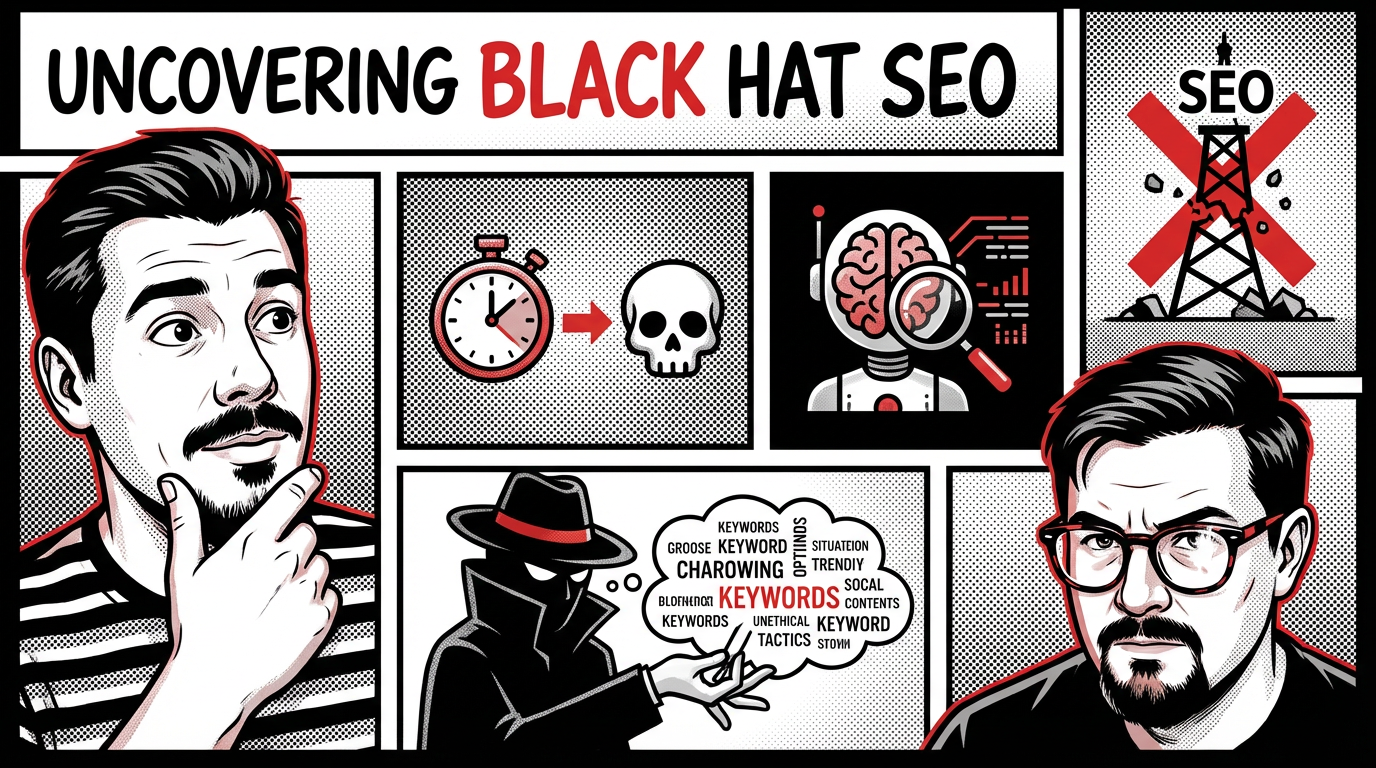 Timothy Malmros on Black Hat SEO, Drop Domains & the Canonical Trick | Unscripted SEO Podcast ️ Listen: unscriptedseo.com Guest: Timothy Malmros on LinkedIn Full Episode dialog with Timothy Malmros exposing blackhat SEO on SEO Arcade Guest Bio Timothy Malmros is a former gambling affiliate SEO with nearly two decades in the industry. After retiring from active affiliation, he turned his focus to investigating and documenting black hat SEO techniques — particularly in the gambling and sweepstakes space — through detailed posts on LinkedIn. His work offers a rare, transparent look at how spam tactics actually function, why they succeed, and why Google takes so long to stop them.In his own words: "Finished 12th grade. Got fired from Mcdonalds. Moved to Israel back in 2005. Applied to 20 jobs, got one reply and started working as a ”live person” human chatbot in an online casino. Promoted to affiliate manager 10 months later, did that for a bit over a year. Decided, lets try to become an affiliate, if I after a year can earn 3000 euro a month I wont go back to school. Sold my company in 2016 to gaming innovation group, joined as director of seo as employee nr 6 for gig media. Gig media grew to 200+ people and became a bit to pc for me, quit in 2018, rebuilt going hard on grey hat SEO then decided to take a break from the stress of SEO in November 2024 and basically retire but quickly got bored and started writing articles instead." Follow Timothy's ongoing research: linkedin.com/in/timothy-m-59a216b/ Episode Summary In this episode, Jeremy Rivera sits down with Timothy Malmros — a former gambling affiliate SEO turned black hat investigator — for a wide-ranging, candid conversation about how spam evolves, why Google keeps losing the spam war, and what the rise of AI really means for the internet's content ecosystem. Timothy shares his hands-on research into drop domains and the canonical trick, a modern black hat method that combines expired high-authority domains with spam link bombardment and canonical redirects to game Google's rankings in the gambling and sweepstakes space. The conversation expands into Trust Rank theory, click metric manipulation, the collapse of the anti-spam team, and the disturbing implications of AI-generated content replacing original human publishing. A refreshingly honest, technically deep episode for anyone who wants to understand what's actually happening beneath the surface of modern search. Key Topics Covered How black hat SEO evolved from hidden white-text links and site counter injection to the sophisticated drop domain / canonical trick What the canonical trick is and how it creates an infinite $10 ranking loop using expired high-authority domains Why gambling markets reveal emerging black hat techniques before any other niche Trust Rank theory and the Medic update — distance from seed sites and why Healthline beat Dr. Josh Axe overnight Why some drop domains work and others don't — the mixed signals Timothy is still investigating The dismantling of Google's anti-spam team and its connection to the ChatGPT competitive threat HCU as the reintroduction of Panda/Penguin — and whether it's algorithmic or hybrid Google creating then killing its own monsters — from recipe sites to AI overviews Click metric manipulation: Android bot farms with VPN rotation and what fake branding actually looks like Rank tracker visits inflating GSC impressions — and why Google finally cut off 100-page results Reddit as a... | — | ||||||
| 2/9/26 |  Benas Leonavicius on AI Search Optimization, Scaling Freelance SEO, and Why Keynote Speakers Need Basic SEO | Benas Leonavicius Freelance SEO Consultant & Agency Builder Website | LinkedIn | Substack Benas Leonavicius has spent 10 years in the SEO trenches—from working with large e-commerce sites to navigating the bureaucratic nightmare of enterprise SaaS SEO. Now he's building an agency focused on keynote speakers, authors, and coaches, where basic SEO fundamentals deliver outsized results. In this conversation, we dive deep into: Why AI search optimization is the new frontier (and why tracking is nearly impossible) How to actually appear in ChatGPT and AI overviews The shift from website-centric to entity-centric SEO Why SaaS companies are terrible clients for freelance SEO scalability The #1 thing keynote speakers get wrong (hint: they don't mention their keywords) Whether new people should enter SEO in 2025 If you're a freelancer trying to scale, a speaker trying to get found, or anyone wondering how AI is changing search—this episode is for you. Key Topics Discussed AI Search Optimization (11:11 - 21:03) The biggest challenge with AI search: tracking is nearly impossible How ChatGPT and Perplexity source their answers (training data + tiered Google searches) Why speaker bureaus and listicles dominate AI search results for keynote speakers The 25% consistency problem: AI gives different answers to different users Backlinks, PR, mentions, and social media as the foundation of AI visibility How to reverse-engineer AI sources by simply asking ChatGPT what it referenced The SaaS SEO Nightmare (03:47 - 07:34) Why SaaS companies limit freelancer scalability (1-2 clients max per month) The JIRA ticket trap: submitting tickets just to edit meta descriptions Managing multiple stakeholders with competing priorities How product changes constantly disrupt long-term SEO strategy Why Benas stopped taking SaaS clients despite their lucrative budgets Keynote Speaker SEO Opportunities (02:14 - 03:47, 25:19 - 28:10) Why 90% of speakers have zero SEO optimization The differentiation trap: avoiding keywords to sound unique The highest ROI fix: adding proper meta titles with target keywords Why speakers already have strong websites—they just don't know it Talk Thrive Agency: Benas's keynote speaker SEO service Content vs. Links vs. Technical SEO (07:34 - 09:07) Why Benas focuses on on-page content optimization Link building feels "solved" and basic in 2025 Technical SEO's limitations for most businesses Finding the middle ground between all three domains AI Content Creation Reality Check (09:07 - 11:11) ChatGPT as "your most popular but least trained customer support rep" (Matt Brooks, SEOteric) Why Benas doesn't jump on new AI tools immediately Using AI as a brainstorming and first draft tool, not a final solution The hallucination and authenticity problem with over-reliance Entity SEO vs. Website SEO (15:21 - 20:08) How LLMs use training databases and tiered search results Getting third-party content ranked, even when it's not on your site Why digital visibility is shifting from website-centric to entity-centric Direct traffic increasing as people find brands through AI, not clicks Impressions mattering more than clicks (the Instagram-ification of search) Should You Freelance in SEO Today? (21:03 - 23:24) Why... | — | ||||||
| 2/6/26 |  Jeremy Yang on Paid Ads Strategy and the SEO-SEM Divide | In this episode, Jeremy Rivera sits down with Jeremy Yang, founder of Digital Goliath, to explore the often-siloed world of paid advertising and how it intersects with SEO. Managing over $450,000 in monthly ad spend, Jeremy Yang shares brutal truths about Google Ads setup mistakes, the death of exact match keywords, and why most businesses fail at Meta advertising before they even start. From offshore Google support nightmares to the "bullets in the chamber" framework for platform selection, this conversation reveals what seven years of hands-on PPC experience teaches you about digital marketing that no certification ever will. Guest Jeremy Yang Founder, Digital Goliath Website | LinkedIn Jeremy founded Digital Goliath seven years ago and currently manages about $450,000 per month in ad spend across Google Ads and Meta platforms. Based in Sydney, Australia, he works with small to mid-sized businesses and white labels for larger agencies, specializing in high-accountability, hands-on campaign management. Key Topics Discussed The SEO-SEM Divide (00:00 - 05:00) Why paid ads and SEO teams rarely communicate Operational intensity differences between channels Knowledge-sharing culture in PPC vs. SEO communities Why Google gives advertisers more data than SEOs get Google Ads Setup Nightmares (05:00 - 10:00) The fox guarding the henhouse: letting Google set up your campaigns Offshore vs. onshore Google support experiences Most common setup errors (cramming everything into one campaign) Why following scripts doesn't work in modern PPC The Death of Exact Match (10:00 - 15:00) How Google Ads has shifted to theme-based campaigns Everything is "broad-ish" now regardless of match type settings Competitor brands sneaking into your keyword auctions Performance Max and the return of negative lists ROAS-based campaign structuring for e-commerce Display Ads: Remarketing Only (15:00 - 20:00) Why display should only be used for remarketing The spammy site problem and how to exclude them Diminishing returns on display, YouTube, and discovery feeds Strategic use of minimal display budgets ($10-20) for brand presence Platform Selection Framework (20:00 - 30:00) "How many bullets you got in the chamber?" - the content asset question Meta is about burnout: why you need consistent creative production When to go 80% Google, 20% Bing (service businesses without video) When Meta makes sense (businesses with UGC and video capabilities) Real-world example: Bubble.com Casting (children's modeling agency) Cost Realities Nobody Discusses (30:00 - 35:00) High-CPC industries: $200/click for tow trucks, $150/click for credit cards Why $30/click for lawyers isn't unusual Budget requirements for competitive industries When to rely on Performance Max vs. traditional search campaigns SEO Value Proposition for Small Business (35:00 - 45:00) If you run out of ad budget, your campaign's over SEO builds appreciable assets that compound over time The upscale effect vs. the burn rate of paid ads Working with ads teams to target expensive keywords organically Client filtering: not every client is worth acquiring AI Overviews and the Future of Search (45:00 - 55:00) ChatGPT ads platform: $60-80 CPMs for businesses spending $1M+ The "charge and forget" model vs. nuanced ad platforms AI overview impact: 25-40% traffic loss for publisher sites The mea... | — | ||||||
| 2/5/26 |  Content Marketing Mastery with Cauveé: How to Build Your Personal Brand Empire | Summary In this episode of the Unscripted SEO podcast, Keith Breseé and Cauveé, the inspiration engineer, delve into the intricacies of content marketing. They discuss the importance of platforms like Substack and Beehive for community building, the necessity of finding one's niche, and the long-term strategies required for effective content creation. The conversation also covers the significance of understanding market gaps, leveraging influencer marketing, and the role of paid advertising. Additionally, they emphasize the importance of crafting effective hooks, storytelling, and utilizing AI tools for content creation. The episode concludes with insights on building relationships and the long game in personal branding. Takeaways Substack is a powerful tool for building a community. Decide whether to follow trends or focus on your passion. Always provide value in your content to generate leads. Content creation is a long-term commitment. Reverse engineer your content strategy from your goals. Understand your market and conduct competitor analysis. Influencer marketing can significantly boost visibility. Paid advertising can help in gaining traction. Mastering hooks and storytelling is crucial for engagement. Building relationships is key to long-term success. | — | ||||||
| 2/5/26 |  Kyle Merrick: The Golden Rule Applies To How You Approach YOUR Business | What happens when a marketing coach who's also an actor sits down to talk about authenticity in business? You get one of the most unfiltered conversations about trust, AI, and human connection in marketing that we've had on this show. Kyle Merrick doesn't pull punches. As the founder of Anarchy For A Day and a marketing veteran with nearly a decade of agency experience, he's seen it all—and he's not afraid to call BS on what's broken in modern marketing. In this episode, we dive deep into the tension between performance and authenticity, why AI-generated content is killing trust, and how businesses can differentiate themselves in commodified markets. Kyle brings a unique perspective as both a marketer and an actor, understanding how to build believability while staying within boundaries. This conversation gets heated, philosophical, and practical all at once. If you're tired of the same sanitized marketing advice, this episode is for you. Key Topics Discussed Trust & Authenticity in Marketing (00:00-10:02) Why marketers have a trust problem The challenge of discerning real vs. fake in the digital age How social media has groomed us to accept mixed messages The importance of delivery over content AI vs. Human Connection (10:02-22:31) Why AI-generated marketing content fails to build trust The role of podcasting as a "safe space" for authentic conversation How LLM tools confidently lie (and why that's dangerous) The laziness trap: when efficiency kills effectiveness The Coloring Book Analogy (22:31-27:39) Finding authenticity within corporate boundaries How to differentiate without going "cray-cray" Showing customer pain points authentically The golden rule applied to business communication Market Understanding & Differentiation (27:39-37:23) Why most businesses don't truly understand their marketplace How to differentiate in commodified industries The importance of speaking your customer's language Interviewing clients as a core marketing strategy Consistency & Long-Term Thinking (37:23-40:15) Why consistency beats overnight success How search engines and humans reward sustained effort Understanding where your audience actually spends time Building trust through reliable, authentic communication Notable Quotes "No marketer is really trustworthy until you actually get to know them. So I'm not even going to try to pitch myself on that." "I don't give a shit about anything your business has to say if you're using AI. Let me see the people behind it, even if they're paid actors." "Human to human podcast. This is the very important bit." "Having been in business for myself for a decade now, it's like, this is the only kind of conversation I actually value because I know it's real, because you can sense the pain behind my words." "People don't truly understand their marketplace. Go talk to the people that you're trying to serve or provide solutions to or sell a product to, whatever. Get to know them, their world." "I always think about it like a coloring book. The lines are really what is within bound and reason for what is going to be believable." "If you want real conversation, dish it out. Maybe that's the best answer to how can we get more genuine conversation in corporate marketing. Fucking do it. It ain't that hard." "Business is still human. And if we're not accounting for that human factor, I wish you the best." "Consistency is key. You need to be doing it a while for these different robotic entities to deem, 'All right, well, you're human and you do this.'"... | — | ||||||
| 1/22/26 | 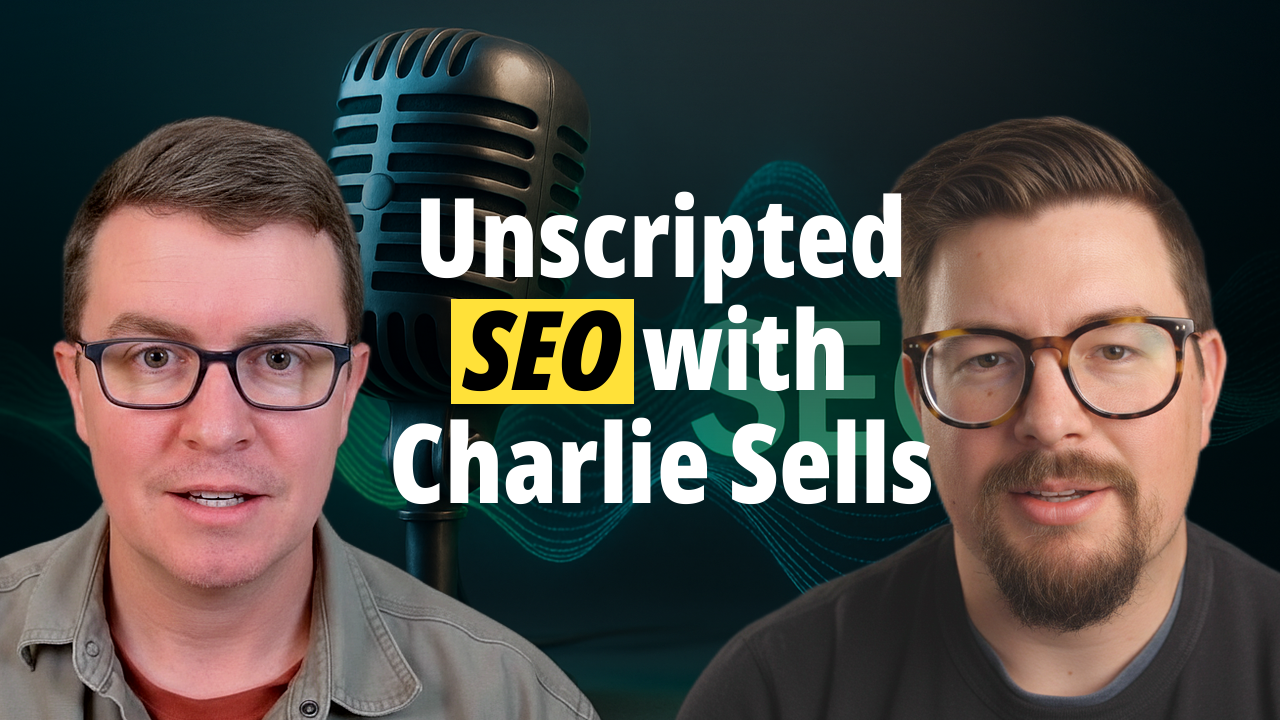 Charlie Sells on Brand Building and SEO Strategy | Charlie Sells brings 15 years of experience in brand messaging and positioning to discuss how small businesses can cut through complexity and build authentic brands that show up in search. Key Topics Covered Service Business Branding Charlie explains why service-based businesses should "stay hyper local" rather than trying to compete regionally. His advice for finding your competitive advantage? "Don't try to be bigger. Don't try to be flashier. Don't try to be anything other than who you are." Working with a Florida event staffing company, Charlie discovered their retention rate was in the 80-90% range. "They're the most trusted name in conference and event staff"—that became their differentiator, not trying to be the biggest. The Two-Part Brand Audit Framework Charlie always looks for two things: "Are we being really consistent? Every touchpoint of our brand—does it look the same, does it sound the same, does it feel the same on a sales call, social media, website, emails, in-person interactions?" Second: "Are you really leaning into your unique competitive advantage?" Branded vs. Non-Branded Search From his time at Dave Ramsey's Ramsey Solutions, Charlie learned a crucial lesson: "If they will get their branded terms right, then you can focus on the non-branded terms." He warns that "shiny object syndrome is rampant amongst entrepreneurs" who chase non-branded traffic while neglecting the basics. His blunt take: "Search engines are the yellow pages today. You want to make it easy for somebody to just find you like that." The Website Problem Charlie's most surprising piece of advice for clients: "If the weight of your business lands on your website, you have a problem." Why? Your website is just one piece of your ecosystem. "If everything in your ecosystem is speaking the same language, then it's going to work." But when there's "no cohesive experience, no ecosystem," that's when brands struggle. Technical SEO Still Matters Charlie shares a story about his staffing client who had keywords "in the graphic at the top of our page. In a designed graphic that can't be crawled, that had no alt text. I'm like, 'Nobody cares about that and Google's not recognizing it.'" The lesson? "You have to plant a flag in the ground and say, here I am, and make it easy for people to find you." Is SEO Dead? Charlie's take on the AI/LLM disruption: "I don't think traditional SEO is dead still. I think it still matters." While LLMs are changing search, "somebody is still looking for what you have" and "it still matters that you match intent more than anything else." His strategy for the AI era? "I'm pushing folks to go way more grassroots and find ways to get on podcasts with niche audiences that are actually in their ICP." Charlie's Two Essential Switches When onboarding clients, Charlie always starts with: Mindset of Curiosity: "You've got to have a mindset of curiosity. If you are certain, if you are dead set, if you are rigid in your thinking about your brand, then this is not going to go well." His favorite question: "What is it like to be on the receiving end of your brand?" Hold It With an Open Hand: "We've got to zoom out and not just think end of the month, end of the quarter. We've got to think about if where we want to be a year from now is our goal. What has to be true between now and then?" Redirecting Good Ideas One of Charlie's most valuable skills is helping clients understand placement: "Just because it doesn't belong here doesn't mean it doesn't belong somewhere." A direct-to-camera video might be perfect for an email sequence but wrong for the homepage. Resources Mentioned | — | ||||||
Showing 25 of 100
Pitch Fit is a Pro feature
See how bookable this show is for guests, which brands already advertise, the per-episode ad value, and the best-fit guest and sponsor profile. The numbers are blurred on the free plan.
How readily this show books outside guests like you.
How proven this show is for host-read sponsorships.
For Guests
ProFor Advertisers
ProUpgrade to Pro to unlock guest cadence, sponsor categories, fit scores, and per-episode ad value for this show.