The Unspeakeasy With Meghan Daum
by Meghan Daum
Is this your podcast?On the show
From 15 epsHost
Recent guests
Recent episodes
Inconvenient Truths, Campus Myths, and the Vagrancy Crisis with Heather Mac Donald
Oct 19, 2026
1h 18m 44s
When Sex Is Everywhere but Love Feels Like a Lost Cause feat. Sarah Hepola
Oct 5, 2026
1h 49m 27s
Who Has the Right to Sleep on the Sidewalk? feat Emma Pettit
Sep 23, 2026
1h 21m 27s
Can a Republican Zionist Butch Lesbian Get Elected to the West Hollywood City Council? Tanya Tsikanovsky
Sep 9, 2026
1h 22m 19s
Why Cities Let Addicts Live On the Streets, with journalist Michael Powell
Aug 24, 2026
1h 17m 10s
Insights from recent episode analysis
Audience Interest
Podcast Focus
Publishing Consistency
Platform Reach
Insights are generated by CastFox AI using publicly available data, episode content, and proprietary models.
Most discussed topics
Brands & references
Total monthly reach
Based on the show's feed history.
Built from
By chart position
- 🇬🇷GR · Society & Culture#9216K to 196K
- Per-Episode Audience
Est. listeners per new episode within ~30 days
16K to 196K🎙 Weekly cadence·264 episodes·Last published today - Monthly Reach
Unique listeners across all episodes (30 days)
32K to 392K🇺🇸71%🇬🇷29% - Active Followers
Loyal subscribers who consistently listen
18K to 216K
Market Insights
Platform Distribution
Reach across major podcast platforms, updated hourly
Total Followers
—
Total Plays
—
Total Reviews
—
* Data sourced directly from platform APIs and aggregated hourly across all major podcast directories.
Social Links & Contact
Official channels & resources
Official Website
Login
RSS Feed
Login
| Date | Episode | Topics | Guests | Brands | Places | Keywords | Sponsor | Length | |
|---|---|---|---|---|---|---|---|---|---|
| 10/19/26 |  Inconvenient Truths, Campus Myths, and the Vagrancy Crisis with Heather Mac Donald | Meghan's guest this week is author, legal scholar, and Manhattan Institute fellow Heather Mac Donald, whose fearless reporting on cultural sacred cows has long made her essential reading. Meghan has followed Heather's work for nearly two decades and brought her on to confront two complex issues where dominant public narratives frequently collide with reality. Together, they look at the recent high-profile sexual assault allegations at Cornell University alongside the escalating crisis of street homelessness in major American cities. Beneath both topics lies a troubling common thread: the tendency of media and institutional bureaucracies to ignore inconvenient facts in favor of ideological storylines. In this conversation, they examine: The Cornell Rape Narrative vs. Initial Facts: How omitted text messages, campus consent bureaucracy, and selective media coverage distorted the timeline and facts of a controversial fraternity encounter. The Reality of Street Homelessness: Why housing-first policies and harm-reduction strategies routinely fail to address the root drivers of severe addiction, mental illness, and shelter resistance. Institutional Incentive Structures: How both the campus rape bureaucracy and the vagrancy advocacy industry rely on perpetuating crises to sustain their funding and authority. Want to support the show and join our off-the-record community hangouts? Become a paid subscriber to The Unspeakeasy on Substack. 👉 https://www.theunspeakablepodcast.com 🎙️ About Our Guest Heather Mac Donald is a contributing editor to City Journal, a fellow at the Manhattan Institute, and a widely published journalist. She is the author of several influential books on criminal justice, immigration, campus culture, and higher education, including The Diversity Delusion and When Race Trumps Merit. You can follow her work and commentary on X. 👉 https://x.com/HMDatMI 🏡 Housekeeping & Links 🎏 New format: the "official" podcast will publish every other week. On the weeks in between, Meghan will do a Substack livestream — exact date and time may vary. The livestream itself is open to all, but the recording will be posted for paying subscribers only. So it's never been a better time to upgrade your subscription! 👉 https://www.theunspeakablepodcast.com/subscribe 📜 For the first time ever—and for a limited time on a limited basis— offering full-length manuscript consultation. Info here. 👉 https://www.theunspeakablepodcast.com/p/full-manuscript-consultation-now 🏍️ Meghan is hosting Zoom hangouts for Founding Members. The next hangout will happen November 29. If you're not yet a Founding Member, you can upgrade your subscription here. 👉 https://www.theunspeakablepodcast.com/subscribe 📺 Visit The Unspeakeasy on YouTube. 👉 https://www.youtube.com/@TheUnspeakablePodcast | 1h 18m 44s | ||||||
| 10/5/26 |  When Sex Is Everywhere but Love Feels Like a Lost Cause feat. Sarah Hepola | This is the free shorter version of a premium episode. Become a paid subscriber to The Unspeakeasy on Substack to access the full version. 👉 https://www.theunspeakablepodcast.com Meghan's guest this time is author, essayist, and friend of the pod Sarah Hepola, who returns to celebrate her long-awaited memoir, The Only Thing There is to Want. Having survived early drafts, financial close-calls, and late-night meltdowns together, Meghan was eager to sit down with Sarah to trace the book's arduous six-year journey to publication and explore its honest take on romantic solitude. Together, they chart the cultural shift from Gen X dating norms to today's hyper-connected, yet deeply lonely, mating landscape. From the "ambiguous loss" of childlessness to the surprisingly sweet dynamics of older women dating younger men, this episode explores what happens when post-feminist independence meets the messy, unpredictable urge for partnership in midlife. This conversation covers: The Craft and Chaos of Memoir: How Sarah navigated a six-year writing ordeal, DoorDash rejections, and major draft overhauls to capture the delicate anatomy of three defining relationships. Modern Fertility and the "Ambiguous Loss" of Singledom: A frank look at shifting marriage statistics, biological clocks, and how media myths surrounding late-in-life motherhood led a generation astray on IVF. Hypersexualization, Internet Brain, and New Mating Rules: Why modern dating apps, online gender wars, and changing standards around intimacy have turned modern courtship into a confusing battlefield for both men and women. Want to support the show and join our off-the-record community hangouts? Become a paid subscriber to The Unspeakeasy on Substack. 👉 https://www.theunspeakablepodcast.com 🎙️ About Our Guest Sarah Hepola is an essayist, journalist, podcaster, and New York Times best-selling author. She wrote the acclaimed memoir Blackout: Remembering the Things I Drank to Forget as well as The Only Thing There is to Want. Her writing on culture, addiction, relationships, and modern womanhood has appeared in The Atlantic, The New York Times, Salon, Texas Monthly, and Slate. 🏡 Housekeeping & Links Sarah Hepola's Book: The Only Thing There is to Want 👉https://sarahhepola.com/the-only-thing-there-is-to-want Sarah Hepola's Website: 👉 https://sarahhepola.com Sarah Hepola's Instagram: 👉 https://www.instagram.com/thesarahhepolaexperience Join The Club: Become a paid subscriber to The Unspeakeasy on Substack to unlock monthly hangouts for Founding Members. 👉 https://www.theunspeakablepodcast.com Unspeakeasy Retreats: Off-the-record, curated conversations in beautiful settings. Registration for this fall's Small Gathering for Big Ideas in New York's Hudson Valley is now open. 👉 https://tinyurl.com/573a9vnu Meghan's Writing Workshops: Featuring a coed summer Zoom course and a 3-night women's writing retreat in upstate NY this fall. Is one right for you? 👉 https://www.theunspeakablepodcast The Audiobook: Meghan's most recent book, The Catastrophe Hour, is out now. It's narrated by Meghan herself, in case you still haven't heard enough of her voice. 👉 https://tinyurl.com/ystzc5yz | 1h 49m 27s | ||||||
| 9/23/26 |  Who Has the Right to Sleep on the Sidewalk? feat Emma Pettit | Meghan's guest is Emma Pettit, a former Chronicle of Higher Education reporter who moved into audio this year at Longview, the new independent media outlet founded by veteran podcast creator Andy Mills. Her new three-part series, Street Fight, looks at a conflict playing out on sidewalks across the country: the rights of people living on the street versus the rights of everyone else. Emma traces the tramps and hobos who followed the Civil War and the Skid Row "bum era" that lasted into the 1970s. She explains why the problem looked so different by the 1980s, when the asylums had emptied, cheap housing had been zoned away, and crack had arrived. Meghan and Emma talk about the 1987 case of Joyce Brown, a woman who lived on a Manhattan heating grate. Mayor Ed Koch had her involuntarily committed, and the NYCLU fought him in court, arguing that she wasn't crazy, just homeless. She won her release, and Ronald Reagan later cited her case as proof of American freedom. From there the conversation moves to a topic Meghan has covered a lot lately: Los Angeles and the present day. Emma interviewed Estela Lopez, a past guest on The Unspeakeasy, about how Skid Row went from desperate to horrifying. They discuss the court rulings in Jones v. City of Los Angeles, Martin v. Boise, and Grants Pass v. Johnson that left cities unsure whether they could enforce anti-camping laws at all. They also examine what "available shelter beds" really means, how the new supply of methamphetamine and fentanyl has changed the street population, and why Meghan thinks we need to stop lumping every kind of homelessness together. This conversation covers: From Hobos to Encampments: The evolution of street life in America, the deinstitutionalization of public psychiatric care, and how hyper-potent modern street drugs transformed the landscape. The Joyce Brown Precedent: How a 1980s court battle over a homeless woman sleeping on a Manhattan heating grate set the template for modern legal paralysis. Rights, Wrongs, and Sidewalks: The fallout of court rulings like Martin v. Boise, the limitations of the "Housing First" framework, and what genuine compassion actually requires. Want to support the show and join our off-the-record community hangouts? Become a paid subscriber to The Unspeakeasy on Substack. 👉 https://www.theunspeakablepodcast.com 🎙️ About Our Guest Emma Pettit is a reporter and audio producer at Longview. Before stepping into audio with her three-part podcast series Street Fight, she spent a decade in print journalism, serving as a senior reporter for The Chronicle of Higher Education where she covered campus politics, faculty disputes, and institutional meltdowns. She began her journalism career at the Arkansas Democrat-Gazette after graduating from Villanova University. 🏡 Housekeeping & Links Listen to Emma's full audio series Street Fight on Longview: 👉 https://www.longview.report/series/street-fight Join The Club: Become a paid subscriber to The Unspeakeasy on Substack to unlock monthly hangouts for Founding Members. 👉 https://www.theunspeakablepodcast.com Unspeakeasy Retreats: Off-the-record, curated conversations in beautiful settings. Registration for this fall's Small Gathering for Big Ideas in New York's Hudson Valley is now open. 👉 https://tinyurl.com/573a9vnu Meghan's Writing Workshops: Featuring a coed summer Zoom course and a 3-night women's writing retreat in upstate NY this fall. Is one right for you? 👉 https://www.theunspeakablepodcast The Audiobook: Meghan's most recent book, The Catastrophe Hour, is out now. It's narrated by Meghan herself, in case you still haven't heard enough of her voice. 👉 https://tinyurl.com/ystzc5yz | 1h 21m 27s | ||||||
| 9/9/26 |  Can a Republican Zionist Butch Lesbian Get Elected to the West Hollywood City Council? Tanya Tsikanovsky | Another episode about local politics that's really about so much more. Meghan's guest is Tanya Tsikanovsky, a candidate for West Hollywood City Council. (West Hollywood is part of greater Los Angeles but functions as its own municipality.) Tanya came out at 14 and founded her high school's first Gay-Straight Alliance, was a die-hard liberal Democrat, and later worked on Hillary Clinton's 2016 campaign in Iowa. But everything changed after the attacks of October 7th, 2023, when she says her Zionism cost her friendships, a rec-league invitation, and access to LGBT community spaces. She eventually did something she never could have imagined: registered to vote as a Republican. Now she's entered politics herself. They talk about West Hollywood's small-city politics, why Tanya opposes new bike lanes on Fountain Avenue (a surprisingly contentious issue), the difference between "safety ambassadors" and actual law enforcement, and a West Hollywood care team's success getting an unhoused, mentally ill woman into treatment and housing. They also get into Prop 47, the limits of housing-first policy, and the DSA's growing influence in LA city politics. They close on a topic Meghan's listeners have heard her discuss a lot lately: the seeming intractability of chronic street homelessness, including animal abuse and neglect on Skid Row and in other encampments around the city. Want to support the show and join our off-the-record community hangouts? Become a paid subscriber to The Unspeakeasy on Substack. 👉 https://www.theunspeakablepodcast.com 🏡 Housekeeping & Links Visit Tanya Tsikanovsky's YouTube channel. 👉 https://www.youtube.com/@Highlyjewish Follow Tanya Tsikanovsky on social media @HighlyJewish or learn more about her campaign online. 👉 https://tanyaforchange.org Join The Club: Become a paid subscriber to The Unspeakeasy on Substack to unlock monthly hangouts for Founding Members. 👉 https://www.theunspeakablepodcast.com Unspeakeasy Retreats: Off-the-record, curated conversations in beautiful settings. Registration for this fall's Small Gathering for Big Ideas in New York's Hudson Valley is now open. 👉 https://tinyurl.com/573a9vnu Meghan's Writing Workshops: Featuring a coed summer Zoom course and a 3-night women's writing retreat in upstate NY this fall. Is one right for you? 👉 https://www.theunspeakablepodcast The Audiobook: Meghan's most recent book, The Catastrophe Hour, is out now. It's narrated by Meghan herself, in case you still haven't heard enough of her voice. 👉 https://tinyurl.com/ystzc5yz | 1h 22m 19s | ||||||
| 8/24/26 |  Why Cities Let Addicts Live On the Streets, with journalist Michael Powell | Meghan's guest this week is journalist Michael Powell, a staff writer at The Atlantic and longtime former New York Times reporter whom she has admired for years for his willingness to report on thorny, third-rail cultural topics. She talked with him about his recent reporting on chronic street homelessness, drug addiction, and the real-world consequences of progressive governance. Specifically, they discussed how the "harm reduction" model plays out in cities like Burlington and Seattle, and why mainstream media newsrooms have become so hesitant to cover complex cultural realities. This conversation covers: The Reality of "Harm Reduction": How an approach born during the AIDS crisis expanded into policies that enable public fentanyl use while leaving working-class neighborhoods to deal with the fallout. Navigating the "Third Rail" Beat: What Michael learned covering sensitive cultural flashpoints—from campus racial controversies to gender sports eligibility—at The New York Times. Ideology vs. Lived Experience: The disconnect between well-meaning policy rhetoric and the daily struggles of local residents, parents, and small business owners. The Culture of Modern Newsrooms: Why institutional conformity, luxury beliefs, and fear of social media backlash stifle honest journalism—and why independent inquiry matters. Read Michael Powell's writing for The Atlantic: 👉 https://www.theatlantic.com/author/powell-michael 🎙️ About Our Guest Michael Powell is a staff writer at The Atlantic. Prior to joining The Atlantic in 2023, he spent sixteen years at The New York Times, serving as a national reporter, metro columnist, sports columnist, and coverer of cultural "third rail" issues. Before his career in journalism, he worked as a cab driver, doorman, and tenant organizer, and previously reported for The Washington Post, The Bergen Record, and The Burlington Free Press. 🏡 Housekeeping & Links Michael Powell's writing for The Atlantic: 👉 https://www.theatlantic.com/author/powell-michael Join The Club: Become a paid subscriber to The Unspeakeasy on Substack to unlock monthly hangouts for Founding Members. 👉 https://www.theunspeakablepodcast.com Unspeakeasy Retreats: Off-the-record, curated conversations in beautiful settings. Registration for this fall's Small Gathering for Big Ideas in New York's Hudson Valley is now open. 👉 https://tinyurl.com/573a9vnu Meghan's Writing Workshops: Featuring a coed summer Zoom course and a 3-night women's writing retreat in upstate NY this fall. Is one right for you? 👉 https://www.theunspeakablepodcast The Audiobook: Meghan's most recent book, The Catastrophe Hour, is out now. It's narrated by Meghan herself, in case you still haven't heard enough of her voice. 👉 https://tinyurl.com/ystzc5yz | 1h 17m 10s | ||||||
| 8/10/26 |  Evan Barker on Nothing Left, the Dark Art of Political Fundraising, and the Fracturing Left | Meghan's guest this week is Evan Barker, a former progressive operative, fundraising strategist, and author of Nothing Left: Confessions of a Democratic Operative. Meghan was eager to sit down with Evan after following her journey from a working-class Midwestern Obama campaign volunteer to a high-powered consultant who ultimately grew disillusioned with the modern Democratic machine. Together, they pull back the curtain on what actually goes on inside campaign "call time," how wealthy donor advisors hijacked progressive priorities, and why the party's relentless focus on identity politics alienated the very working-class voters it claims to represent. In this conversation, they dive into: The Brutal Reality of Political "Call Time": What it's like to sit beside candidates for eight hours a day begging billionaires for cash, using psychological tricks, and maneuvering past corporate gatekeepers. How Identity Politics Captured the Donor Base: How wealthy donors, young staffers, and ideological consultants created race-based funding mandates and cultural litmus tests that backfired across the country. Behind the Scenes at the DNC Spectacle: Evan's bizarre encounters chaperoning TikTok influencers, dodging Chicago vasectomy vans, and realizing the party's messaging was completely detached from everyday economic strain. Marrying MAGA Populism with Bernie Sanders Economics: Why a working-class party offering real health reform alongside common-sense border control could dominate American politics—if the two-party monopoly ever allows it. Grab Evan's book Nothing Left: Confessions of a Democratic Operative and check out her work: 👉 https://www.evanbarker.net 🎙️ About Our Guest Evan Barker is an author, political strategist, and former Democratic campaign operative. Raised in a union family in the Midwest with a rare genetic lung condition, she got her start in politics volunteering for Barack Obama's 2008 campaign before rising through the ranks to direct high-dollar fundraising for progressive candidates across the country. A first-generation college graduate, she served as a director at the campaign consulting firm Left Rising, raising millions of dollars before publicly breaking with the progressive movement. She is the author of Nothing Left: Confessions of a Democratic Operative. 🏡 Housekeeping & Links Connect with Evan Barker: Grab a copy of her book Nothing Left and check out her latest writing. 👉 https://www.evanbarker.net Join The Club: Become a paid subscriber to The Unspeakeasy on Substack to unlock monthly hangouts for Founding Members. 👉 https://www.theunspeakablepodcast.com Unspeakeasy Retreats: Off-the-record, curated conversations in beautiful settings. Registration for this fall's Small Gathering for Big Ideas in New York's Hudson Valley is now open. 👉 https://tinyurl.com/573a9vnu Meghan's Writing Workshops: Featuring a coed summer Zoom course and a 3-night women's writing retreat in upstate NY this fall. Is one right for you? 👉 https://www.theunspeakablepodcast.com The Audiobook: Meghan's most recent book, The Catastrophe Hour, is out now. It's narrated by Meghan herself, in case you still haven't heard enough of her voice. 👉 https://tinyurl.com/ystzc5yz | 1h 02m 10s | ||||||
| 7/29/26 |  Anne Frank Examines Her White Privilege: the Musical feat. PJ Adzima | After a decade of ideological conformity, is American theater ready to laugh at itself again? This week Meghan is joined by Broadway star, comedian, and producer PJ Adzima, founder of Stage Time NYC and producer of Slam Frank—a mind-melting new musical that reimagines The Diary of Anne Frank through "an intersectional, multi-ethnic, genderqueer, Afro-Latin hip-hop lens." (You read that right.) Slam Frank was conceived by composer and lyricist Andrew Fox, who was stunned and inspired by a Twitter thread in which someone asked, "Did Anne Frank ever examine her white privilege?" (You also read that right.) A play within a play about a progressive theater company twisting itself into knots trying to stay on the right side of history, the show has provoked both walkouts and rave reviews—including in The New York Times. (Again, you read that right.) PJ and Meghan discuss the transformation of the theater world over the past decade, the legacy of The Book of Mormon (in which he starred for many years), the "Dear White American Theater" manifesto, and why he believes great art cannot be created by checking ideological boxes. They also talk about what happens when artists prioritize pleasing everyone over having a point of view—and why live performance still matters in an era dominated by algorithms and social media. PJ was recently added as a guest at The Unspeakeasy's Small Gathering for Big Ideas retreat, Oct 19-21 in Kingston, NY. He joins fellow speakers John McWhorter and Lisa Marchiano. Spaces are filling fast. Info here. Slam Frank opens off-Broadway at New York's Orpheum Theater in September. Guest Bio: PJ Adzima starred on Broadway in The Book of Mormon and is the founder of Stage Time, an underground-style variety theater company and artist collective in New York City. He is also producer of Slam Frank. 🏡 Housekeeping & Links Join The Club: Become a paid subscriber to The Unspeakeasy on Substack to unlock monthly hangouts for Founding Members. 👉 https://www.theunspeakablepodcast.com/ Unspeakeasy Retreats: Off-the-record, curated conversations in beautiful settings. Registration for this fall's Small Gathering for Big Ideas in New York's Hudson Valley is now open. 👉 https://tinyurl.com/573a9vnu Meghan's Writing Workshops: Featuring a coed summer Zoom course and a 3-night women's writing retreat in upstate NY this fall. Is one right for you? 👉 https://www.theunspeakablepodcast.com The Audiobook: Meghan's most recent book, The Catastrophe Hour, is out now. It's narrated by Meghan herself, in case you still haven't heard enough of her voice. 👉 https://tinyurl.com/ystzc5yz | 1h 08m 35s | ||||||
| 7/13/26 | cultural critiqueAmerican exceptionalism+4 | Jenny Holland | The New York TimesSaving Culture From Itself | BelfastNorthern Ireland+1 | Jenny HollandMeghan Daum+7 | — | 1h 18m 24s | ||
| 6/30/26 | Jungian psychologyarchetypes+3 | Lisa Marchiano | This Jungian Life | Kingston, New York | Jungian analysisarchetypes+5 | — | 1h 07m 58s | ||
| 6/17/26 | biographyJudy Blume+3 | Mark Oppenheimer | The UnspeakeasyJudy Blume: A Life+1 | — | Judy BlumeMark Oppenheimer+3 | — | 1h 04m 58s | ||
Want analysis for the episodes below?Free for Pro Submit a request, we'll have your selected episodes analyzed within an hour. Free, at no cost to you, for Pro users. | |||||||||
| 5/27/26 | Los Angeles mayor's racehomelessness+3 | Adam Miller | CornerstoneBetter Angels | Los Angeles | Los Angelesmayor+6 | — | 1h 12m 40s | ||
| 5/21/26 | gender politicsfeminism+5 | Phoebe Maltz Bovy | The Canadian Jewish NewsThe Globe and Mail+6 | — | heterosexual womenTumblr-era feminism+5 | — | 1h 16m 44s | ||
| 5/5/26 | politicshomelessness+3 | Spencer Pratt | — | Los AngelesPacific Palisades | Spencer PrattLos Angeles+5 | — | 45m 04s | ||
| 4/27/26 | wokenessfree speech+4 | Brendan O'Neill | SpikedVibe Shift: The Revolt Against Wokeness, Greenism and Technocracy | — | wokenessfree speech+4 | — | 1h 06m 16s | ||
| 4/14/26 | GLP-1 weight-loss drugsthinness arms race+3 | Hadley Freeman | The Sunday TimesGood Girls: A Story and Study of Anorexia | — | GLP-1weight loss+5 | — | 1h 01m 35s | ||
| 4/7/26 | street homelessnesslawlessness crisis+3 | Estela Lopez | LA Downtown Industrial Business Improvement District | Los AngelesSkid Row | homelessnessSkid Row+5 | — | 1h 16m 01s | ||
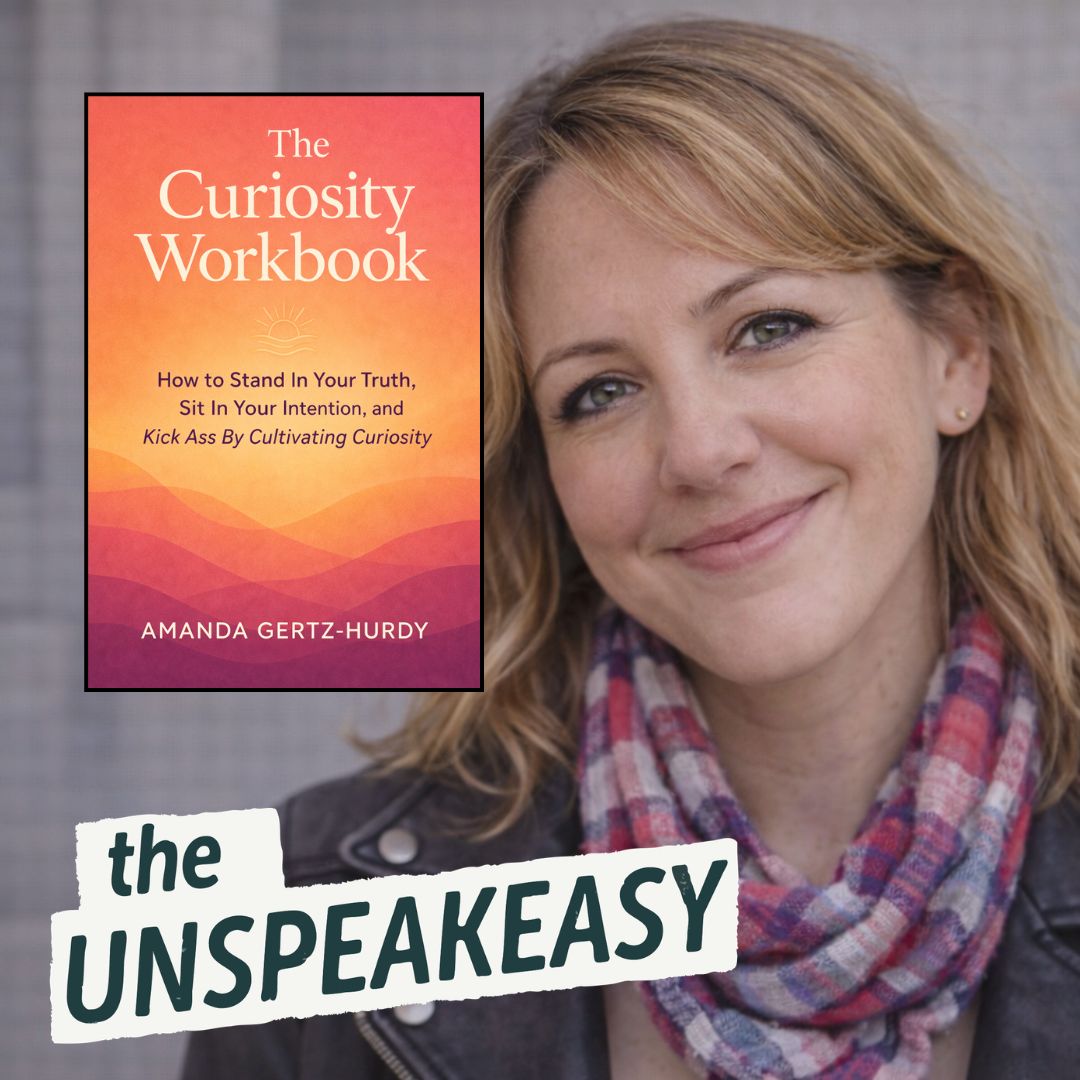
| 4/1/26 | curiositymindfulness+3 | Amanda Gertz-Hurdy | The Curiosity Workbookmyfecalmatters.biz | — | curiosity practicemindset coach+3 | Fecalicity | 16m 14s | ||
| 3/23/26 | immigrationliterature+3 | Lionel Shriver | A Better LifeSelfish, Shallow and Self-Absorbed: Sixteen Writers On the Decision Not To Have Kids | — | Lionel ShriverA Better Life+5 | — | 1h 08m 40s | ||
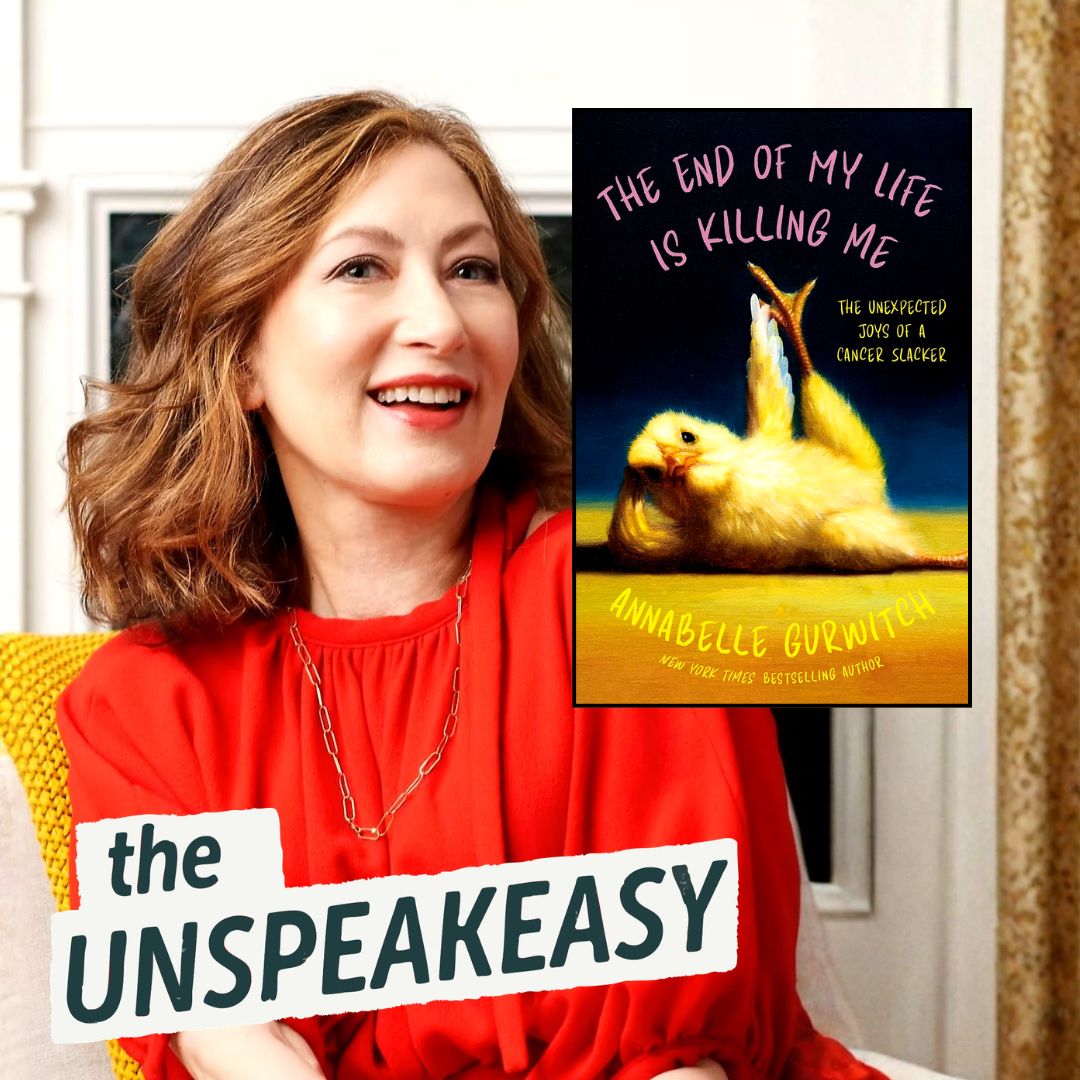
| 3/16/26 | cancerhumor+4 | Annabelle Gurwitch | International Association for the Study of Lung CancerThe New Yorker+7 | — | cancerhumor+5 | — | 1h 05m 45s | ||
| 3/2/26 | homelessnesssynthetic drugs+5 | Sam Quinones | DreamlandThe Least of Us+1 | — | homelessness crisissynthetic drugs+6 | — | 1h 21m 30s | ||
| 2/23/26 | Epstein filespedophilia+3 | Sarah Haider | — | — | EpsteinGhislaine Maxwell+4 | — | 1h 26m 40s | ||
| 2/19/26 | media ethicspodcast production+3 | — | New York TimesInteresting Times+1 | — | podcasteditorial decisions+6 | — | 31m 59s | ||
| 2/10/26 | 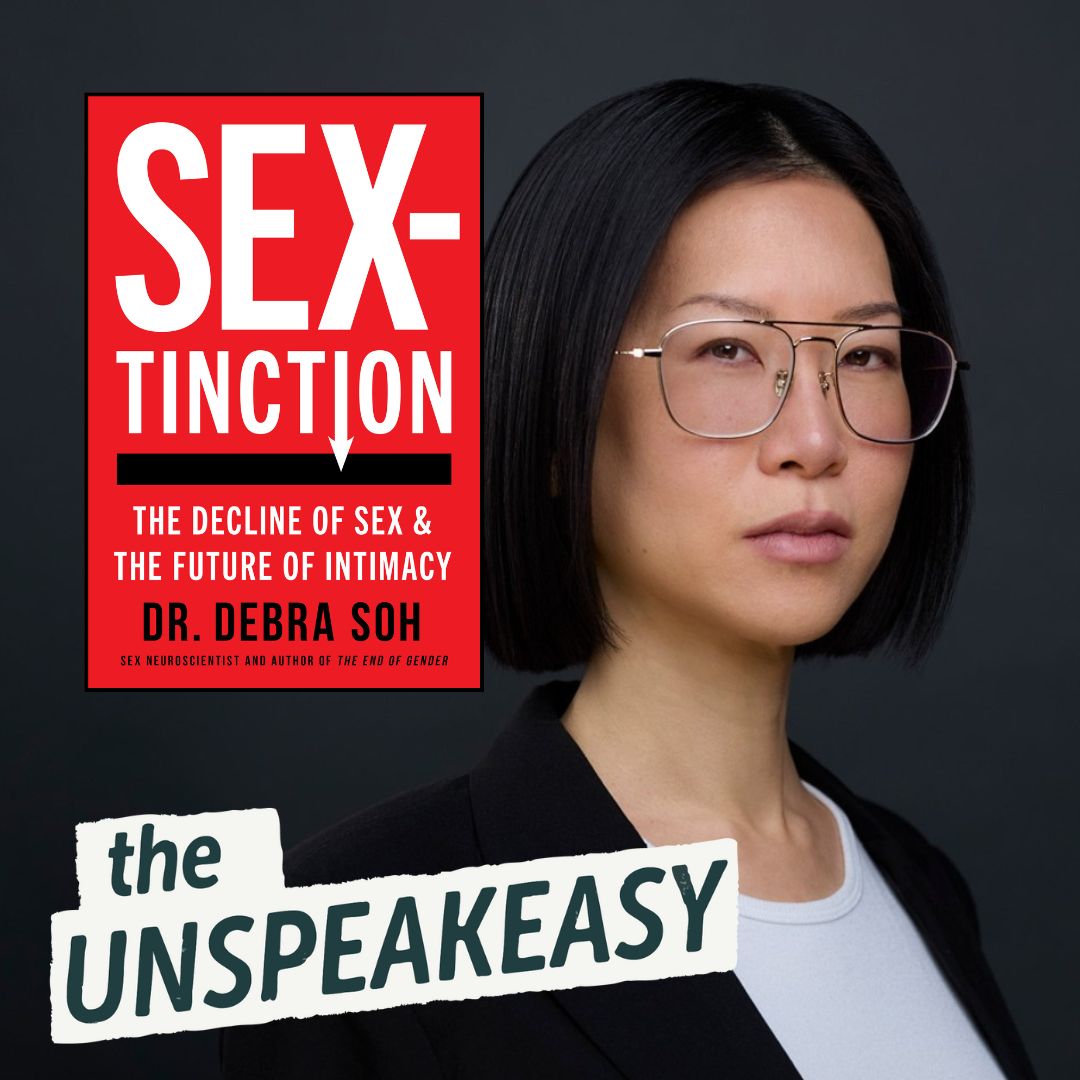 Is Sex With Another Human A Thing Of The Past? with Dr. Debra Soh | Is it really true that no one—or at least no one under 30—is having sex anymore? In this episode, Meghan talks with neuroscientist, author, and former sex researcher Dr. Debra Soh about her new book Sextinction: The Decline of Sex and the Future of Intimacy, a data-packed look at why millennials and Gen Z are having less sex than any cohort on record despite living in the most sexually permissive culture in history. From declining testosterone and endocrine disruptors to porn, dating apps, kink culture, sex dolls, and the rise of AI boyfriends and girlfriends (she tried a few), Debra argues that technology has become the new contraception—reshaping not just sexual behavior but intimacy itself. They also discuss hypergamy, hookup culture backlash, "sex positivity" overreach, and whether the future holds a rebellion back toward real-life connection and analog pastimes. Guest Bio Dr. Debra Soh is a neuroscientist who specializes in human sexuality and biological explanations for behavior. Her previous book, The End of Gender, was published in 2020. | 1h 11m 07s | ||||||
| 2/2/26 |  A Post-Truth World Is Not Acceptable, with Michael Shermer | In this episode, Meghan talks with science writer and professional skeptic Michael Shermer about his new book Truth: What It Is, How to Find It, and Why It Still Matters, and about why agreeing on basic facts has become so difficult, even when everyone is looking at the same video. They discuss Minneapolis, ICE raids, viral "exposé" culture, the transgender movement, the lab leak theory, the Jeffrey Epstein case, the way activism distorts institutions that are supposed to care about evidence, and why humans are much better at defending beliefs than revising them. Note that this episode was recorded on January 20, four days before the killing of Alex Pretti during ICE protests in Minneapolis. We discuss the killing of Renee Good. Guest Bio Michael Shermer is the Founding Publisher of Skeptic magazine and the host of the podcast The Michael Shermer Show. For 30 years he taught college and university courses in critical thinking, and for 18 years he was a monthly columnist for Scientific American. He is the author of Why People Believe Weird Things and The Believing Brain, Why Darwin Matters, The Science of Good and Evil, The Moral Arc, Heavens on Earth, Giving the Devil His Due, and Conspiracy: Why the Rational Believe the Irrational. His new book is Truth: What it is, How to Find it, Why it Still Matters. Follow him on X @michaelshermer. | 1h 02m 42s | ||||||
| 1/16/26 |  How Young White Men Got Screwed, with Jacob Savage | Jacob Savage, author of the ultra-viral Compact essay "The Lost Generation," was digital media's man of the month in December. Meghan interviewed him on December 26 for a special episode for paying subscribers, and here it is now from behind the paywall. Jacob's argument in a nutshell, is this: Starting around 2014, the push to diversify hiring in elite institutions, particularly academia, journalism/book publishing and entertainment, hit millennial white men hardest. Despite talent, hardwork, and even privileged connections, many were denied professional opportunities solely because of identity. Many were left stuck, sidelined, or quietly drifting. Jacob describes his path after graduating from Princeton in 2006 and sampling a few different fields before trying to become a television writer in Hollywood. Spoiler: it didn't work out well. Was his mistake his insistence that, as he writes, "the world treat me fairly, when the world was loudly telling me it had no intention of doing so"? Or were the systemic forces that conspired against him part of a larger movement that will have negative downstream consequences for generations to come? Guest Bio: Jacob Savage writes from Los Angeles. | 1h 03m 55s | ||||||





Showing 25 of 264
Pitch Fit is a Pro feature
See how bookable this show is for guests, which brands already advertise, the per-episode ad value, and the best-fit guest and sponsor profile. The numbers are blurred on the free plan.
How readily this show books outside guests like you.
How proven this show is for host-read sponsorships.
For Guests
ProFor Advertisers
ProUpgrade to Pro to unlock guest cadence, sponsor categories, fit scores, and per-episode ad value for this show.
Similar Audience Demographics
Podcasts that attract a similar listener profile


Chart history for The Unspeakeasy With Meghan Daum
Peaked at #92 in GR, currently #92 in GR.
| Market | Genre | Peak | Current | Trend |
|---|---|---|---|---|
| GR | — | #92 | #92 | — |
Chart Positions
1 placement across 1 market.
Chart Positions
1 placement across 1 market.