
Insights from recent episode analysis
Audience Interest
Podcast Focus
Publishing Consistency
Platform Reach
Insights are generated by CastFox AI using publicly available data, episode content, and proprietary models.
Est. Listeners
Based on iTunes & Spotify (publisher stats).
- Per-Episode Audience
Est. listeners per new episode within ~30 days
1 - 1,000 - Monthly Reach
Unique listeners across all episodes (30 days)
1 - 5,000 - Active Followers
Loyal subscribers who consistently listen
1 - 500
Market Insights
Platform Distribution
Reach across major podcast platforms, updated hourly
Total Followers
—
Total Plays
—
Total Reviews
—
* Data sourced directly from platform APIs and aggregated hourly across all major podcast directories.
On the show
Recent episodes
Max Fulham on ventriloquism, the ‘GUH’ sound, and the fame-hungry relative he can’t escape
Apr 30, 2026
59m 26s
Xnthony on Madonna, Kitchkock and Oliver Cromwell
Apr 23, 2026
53m 45s
Just good to introduce her character with Laura Wyatt O'Keefe
Apr 16, 2026
50m 35s
A pig bite on stage, fire juggling, and teaching Adam the apple fork trick with Jon Udry
Apr 9, 2026
59m 53s
Ashley Luke Lloyd on Billy Elliot, Dreams Girls and understudy nightmares!
Apr 2, 2026
43m 19s
Social Links & Contact
Official channels & resources
Official Website
Login
RSS Feed
Login
| Date | Episode | Description | Length | ||||||
|---|---|---|---|---|---|---|---|---|---|
| 4/30/26 | 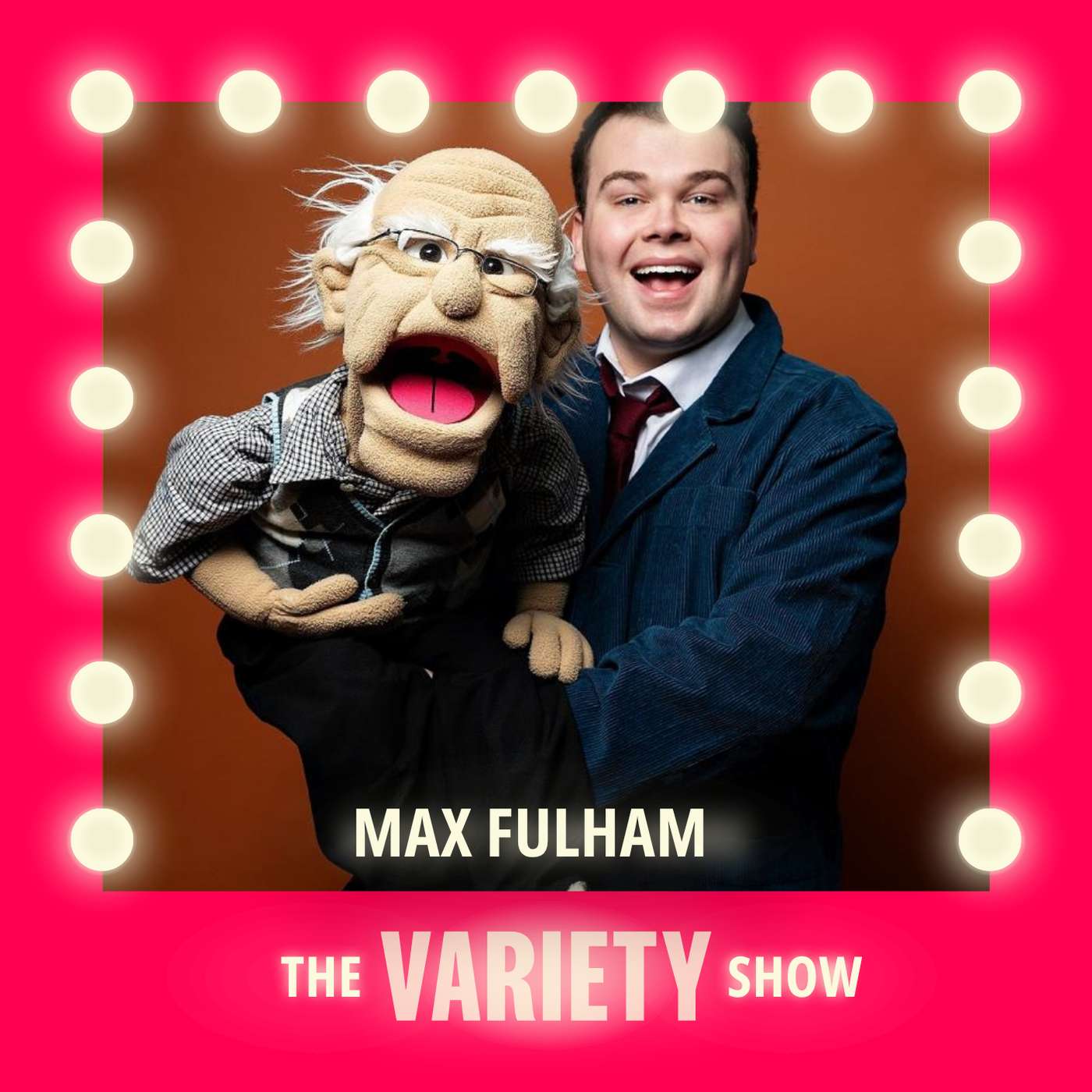 Max Fulham on ventriloquism, the ‘GUH’ sound, and the fame-hungry relative he can’t escape Max Fulham on ventriloquism, the ‘GUH’ sound, and the fame-hungry relative he can’t escape | To stay updated on future episodes, follow us on:TikTokInstagramYouTubeMax Fulham is a comedian and ventriloquist who has been performing professionally since his teenage years. Known for his sharp improvisation, playful comedy and inventive use of puppets and everyday objects, Max has built a distinctive career on the comedy circuit and beyond.His work combines classic ventriloquism technique with modern stand-up, character comedy and a deep love of puppetry. From comedy clubs and Edinburgh Fringe to major theatre stages, Max brings a fresh, funny and highly skilled approach to one of variety entertainment’s most misunderstood art forms.Episode summaryIn this episode of The Variety Show Podcast, Adam Sternberg talks with comedian and ventriloquist Max Fulham about how a childhood Christmas puppet unexpectedly became the start of a career.Max reflects on growing up between East London, Essex, Scotland and Surrey, discovering performance through singing, dancing, magic and puppets, and teaching himself ventriloquism by watching videos online and practising in front of a bedroom mirror.The conversation explores the craft behind ventriloquism, from lip control and difficult sounds to character creation, puppetry, improvisation and the hidden acting involved in making a puppet feel alive. Max also introduces some of his puppets, including a restored vintage ventriloquist figure and his character Eugene.Adam and Max discuss comedy clubs, Edinburgh Fringe, surprise support slots for Engelbert Humperdinck, the importance of play, and the reality of turning a passion into a profession. They also talk about arts education, creativity in schools, and why live performance remains deeply human in an increasingly digital world.Funny, thoughtful and full of insight, this episode reveals the skill, discipline and joy behind modern ventriloquism.In this episodeGetting a first puppet at nine years oldGrowing up across East London, Essex, Scotland and SurreyDiscovering performance, comedy and puppetryTeaching himself ventriloquism through YouTubeChoosing performance over universityHow ventriloquism actually worksCreating puppet characters and voicesVintage ventriloquist figures and puppet historyComedy clubs, Edinburgh Fringe and support slotsArts education, AI and advice for performers | 59m 26s | ||||||
| 4/23/26 | 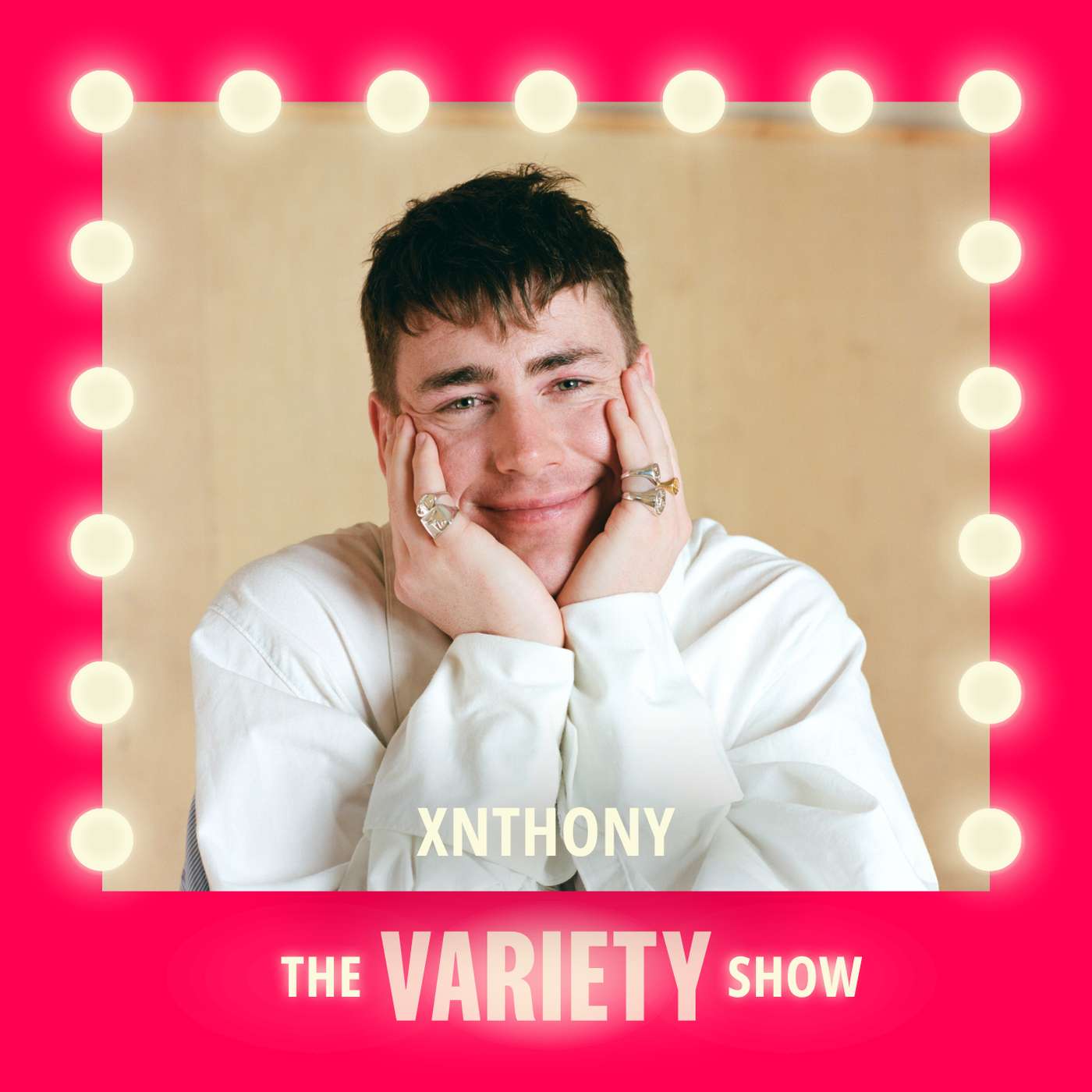 Xnthony on Madonna, Kitchkock and Oliver Cromwell Xnthony on Madonna, Kitchkock and Oliver Cromwell | To stay updated on future episodes, follow us on:TikTokInstagramYouTubeXnthony is an Irish writer, performer and producer whose work spans musical theatre, cabaret, performance art and live interdisciplinary performance. Originally from Roscommon, Ireland, he has built a distinctive career creating bold, pop-infused work that blends history, identity, politics and humour.His projects often explore queerness, Irish culture, community life and the ways pop music can be used as a storytelling tool. Over the years, he has developed work through fringe theatre, cabaret venues and large-scale arts support in Ireland, building a reputation for theatrical ideas that are playful, provocative and original. His acclaimed work includes Oliver Cromwell Is Really Very Sorry, and he is also developing new projects including Lourdes and Troll Farm.Episode summaryIn this episode of The Variety Show Podcast, Adam Sternberg talks with writer, performer and producer Xnthony about the winding path that led him from rural Roscommon to a career in experimental theatre, cabaret and musical storytelling.Xnthony reflects on growing up in an adopted family, discovering creativity through music, drama and community arts, and learning to overcome intense stage fright as a teenager. He shares what it was like coming out at 16 in rural Ireland, and how queerness, difference and a sense of otherness shaped the way he sees the world and makes work.The conversation explores the realities of building a life in the arts without formal theatre training, from early performance art pieces in post-crash Ireland to fringe shows, survival jobs and years of developing projects with limited resources. Xnthony also speaks passionately about the importance of public arts funding, class access in the creative industries, and why Ireland has become such a strong force in producing world-class artists.Adam and Xnthony also discuss pop music as dramaturgy, the influence of artists such as Madonna, Goldfrapp, French and Saunders and Kenneth Williams, and the creative power of cabaret as a live form. They dive into the origins of Oliver Cromwell Is Really Very Sorry, a pop musical that reimagines one of the darkest figures in Irish history, and talk about Xnthony’s upcoming work Lourdes, which examines faith, miracles and theatrical spectacle.Funny, honest and full of insight, this episode is a fascinating look at identity, ambition, art-making and what it really takes to build a creative life on your own terms. | 53m 45s | ||||||
| 4/16/26 | 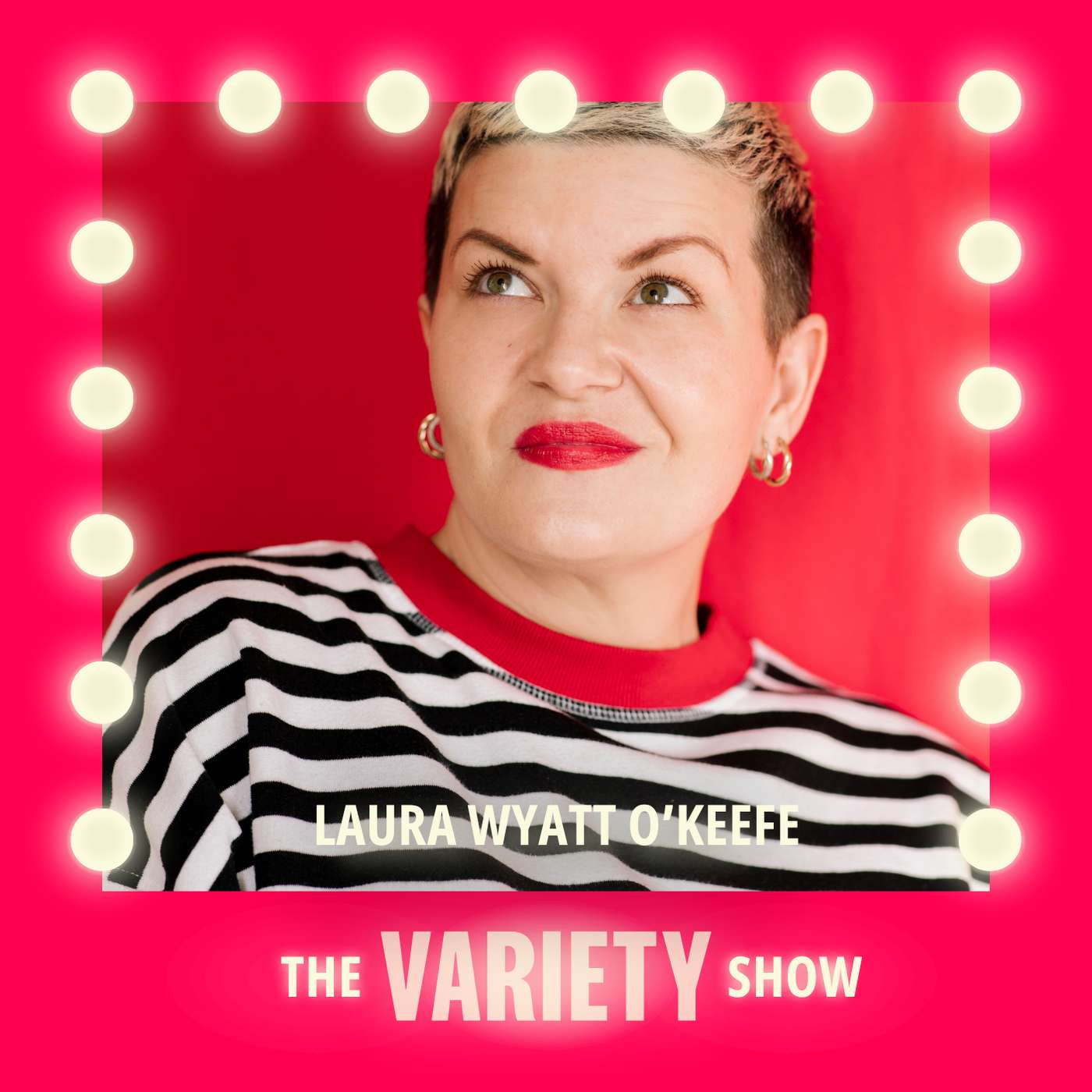 Just good to introduce her character with Laura Wyatt O'Keefe Just good to introduce her character with Laura Wyatt O'Keefe | To stay updated on future episodes, follow us on:TikTokInstagramYouTubeArtist bioLaura Wyatt O’Keeffe is a multi-award-nominated Irish theatre-maker, actor, drag king and DJ whose work spans theatre, cabaret, live art and immersive performance. Raised in Cork and trained at East 15 Acting School, she has built a career creating and performing work that blends storytelling, ritual, humour and audience interaction. Her practice moves between conventional acting, devised theatre and drag performance, often exploring identity, community, belief and connection. Through her drag king character Father Jesse, Laura reimagines Irish Catholic ritual through a queer, comic and deeply human lens, bringing performance into theatres, clubs and other unexpected spaces.Episode summaryIn this episode of The Variety Show, Adam Sternberg speaks with Laura Wyatt O’Keeffe about her path from childhood theatre in Cork to acting, theatre-making and drag performance. Surrounded by rehearsal rooms from an early age through her playwright and director aunt, Laura grew up watching stories being built from the inside and began performing herself while still very young. She reflects on how those early experiences shaped her understanding not only of acting, but of audience, structure and the wider world of performance.The conversation follows her journey through university and drama school, where she trained as an actor while also beginning to make her own work. Laura speaks candidly about ambition, fame, funding and the difficult balance between artistic vision and practical survival, as well as the privileges that time, money and access can bring to making great work.A major turning point came during and after the pandemic, when Laura found herself drawn more strongly to drag and cabaret than to traditional theatre. Through her drag king character Father Jesse, an Irish Catholic priest delivering mass in unexpected settings, she discovered a form that allowed for deeper audience interaction, humour, ritual and shared experience. Together, Adam and Laura explore religion, performance, community, queer identity and the power of art to help audiences recognise themselves in unfamiliar worlds. The episode closes with an Irish language lesson and a discussion of Laura’s work beyond performance, including an opera-based breathing programme supporting people with long Covid.Timestamps00:00 Introduction to Father Jesse and the themes of ritual, identity and connection00:01 Laura Wyatt O’Keeffe’s career across theatre, drag and DJing00:02 Growing up in Cork and being surrounded by theatre from childhood00:04 Early performing experiences and learning by watching rehearsal rooms00:09 The Irish arts scene, cultural identity and support for artists00:11 University, East 15 and developing as an actor and maker00:17 Fame, resources and the realities of sustaining an artistic career00:19 The pandemic, drag, cabaret and discovering a new performance language00:23 Audience impact, live connection and why interaction matters00:26 Creating Father Jesse and using drag to explore religion, ritual and queerness00:31 Performing for different audiences and challenging assumptions00:38 Returning to acting and balancing long-form theatre with drag00:39 Irish language lesson and lighter moments00:40 Work beyond the stage, including opera and long Covid breathing sessions00:44 Artistic influences, storytelling and what performance can doIf you want, I can also reduce these timestamps to 10 to match the format you used for the other episode. | 50m 35s | ||||||
| 4/9/26 |  A pig bite on stage, fire juggling, and teaching Adam the apple fork trick with Jon Udry A pig bite on stage, fire juggling, and teaching Adam the apple fork trick with Jon Udry | To stay updated on future episodes, follow us on:TikTokInstagramYouTubeIf you have any comments about the podcast or are a performer who wants advice please do email info@thevarietyshowpodcast.co.ukArtist bioJon is a Cornwall-born stand-up comedian and juggler whose work combines technical circus skill with sharp comic timing, improvisation and audience interaction. He began juggling at the age of six after becoming obsessed with diabolo, balance tricks and circus props, and soon turned that passion into performances, workshops and paid work while still a child. After initially training as an electrician, Jon took the leap into performance full-time as a teenager and built a career across street shows, cabaret, comedy clubs, theatres, cruise ships and international touring. Known for blending virtuoso juggling with warmth, risk and self-aware humour, he has developed a style that challenges assumptions about what a juggling show can be.Episode summaryIn this episode of The Variety Show, Adam Sternberg talks with comedian and juggler Jon about growing up in Cornwall, discovering juggling as a child, and turning an unusual obsession into a full-time career. Jon reflects on learning diabolo, juggling clubs and balance tricks from a young age, practicing through school lunchtimes, and performing in assemblies long before he had any real sense of what a professional life in juggling might look like.He shares stories of growing up as the “oddball” who was happy to spend hours practicing while others played football, being encouraged by supportive parents, and learning from local clowns, magicians and street performers. The conversation traces his path from early paid workshop jobs and a brief apprenticeship as an electrician to a life-changing opportunity with Gandini Juggling that pushed him to move to London and try performing professionally.Along the way, Jon discusses the difference between technical skill and building a genuinely entertaining show, why comedy and juggling belong together, and how mistakes, drops and jeopardy can actually strengthen live performance. He also talks about the misconceptions people have about juggling, the grind behind the glamour, and the strange realities of life on the road. The episode ends with Jon teaching Adam a simple juggling-based fork-and-apple trick, which becomes one of the podcast’s most satisfying small victories.Timestamps00:00 Intro, Jon’s comic style, and a preview of performance disasters00:01 Growing up in Cornwall and starting juggling at six00:03 Diabolos, juggling props, school performances and becoming the “oddball”00:08 Supportive parents, early paid workshops, and learning from local clowns and magicians00:18 Leaving an electrical apprenticeship and taking the leap into full-time performing00:21 How Jon built a show, found his voice, and learned that personality matters more than tricks alone00:24 Deliberate drops, live jeopardy, and why failure can make performance better00:27 Inspirations, juggling’s image problem, and some of Jon’s wildest performance stories00:35 The A–Z tour, performing in unusual places, and Jon teaches Adam a fork-and-apple trick00:41 Practice, world records, women in juggling, advice for performers, and the realities of the job | 59m 53s | ||||||
| 4/2/26 | 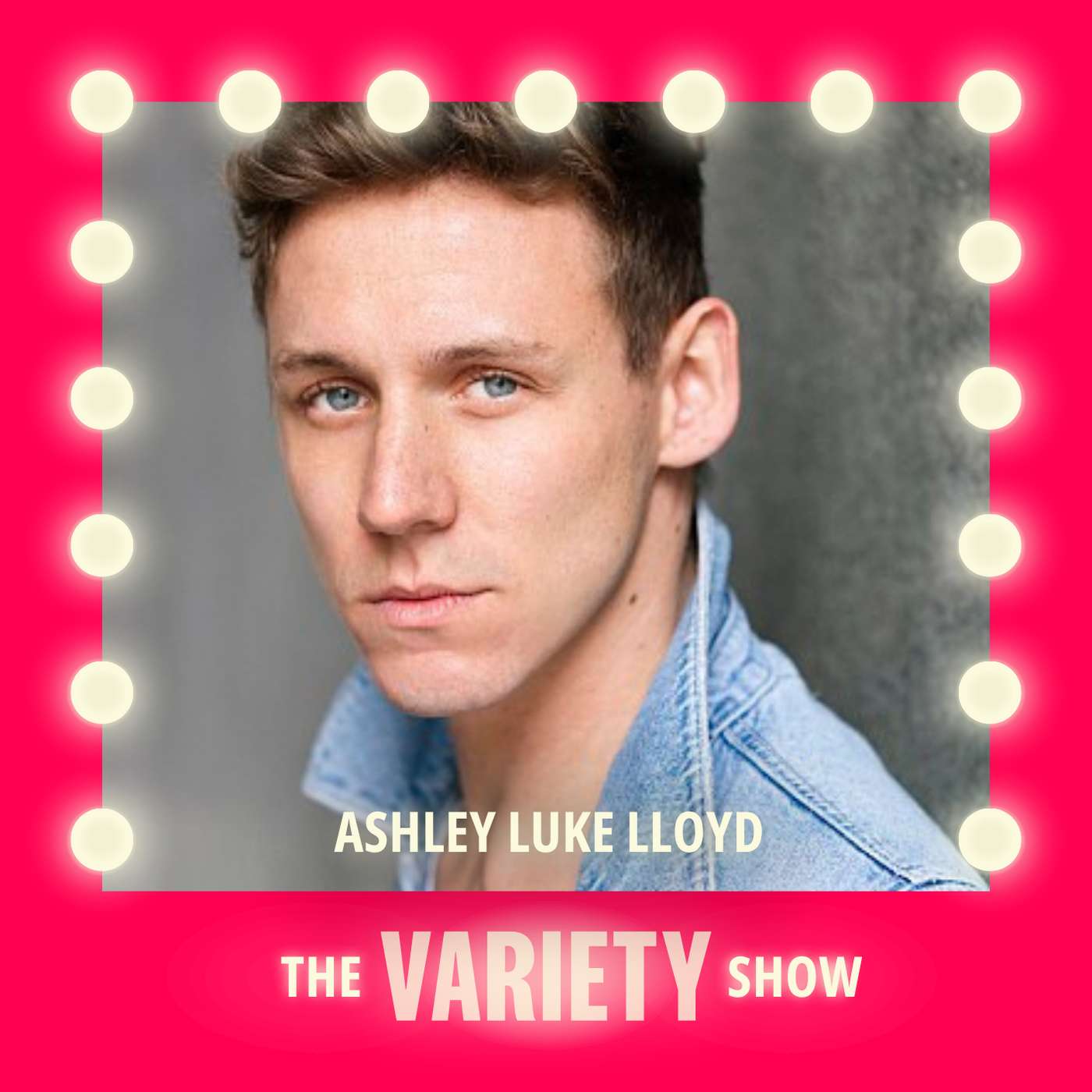 Ashley Luke Lloyd on Billy Elliot, Dreams Girls and understudy nightmares! Ashley Luke Lloyd on Billy Elliot, Dreams Girls and understudy nightmares! | To stay updated on future episodes, follow us on:TikTokInstagramYouTubeIf you have any comments about the podcast or are a performer who wants advice please do email info@thevarietyshowpodcast.co.ukArtist bioAshley Luke Lloyd is a Blackpool-born actor, singer, dancer, choreographer and writer whose career began in childhood on major UK stages and has since spanned West End musicals, touring productions, film, teaching and choreography. He started performing professionally at a young age after being cast in Whistle Down the Wind, touring the UK for four years, and later joined the original cast of Billy Elliot as Michael. Since then, his theatre credits have included Dreamgirls, Jesus Christ Superstar, Saturday Night Fever and Legally Blonde, alongside screen work in films including I Could Never Be Your Woman, working with names such as Michelle Pfeiffer, Paul Rudd, Sissy Spacek, Elton John and Tim Curry. Alongside performing, Ashley continues to teach young people in Blackpool and remains a passionate advocate for arts access, regional talent and the power of storytelling.Episode summaryIn this episode of The Variety Show, Adam Sternberg talks with Ashley Luke Lloyd about growing up in Blackpool, discovering theatre through sheer childhood energy, and building a career that has taken him from child stardom to West End productions, film sets and choreography. Ashley reflects on his first break in Whistle Down the Wind, the unusual realities of being a child performer, and what it was like to appear in the original stage production of Billy Elliot at a time when the show was reshaping conversations around masculinity, class and dance.He shares vivid stories from backstage life, including performing eight shows a week as a child, learning from theatre impresario Bill Kenwright, meeting Elton John, and later working on film projects with Michelle Pfeiffer, Paul Rudd and Tim Curry. The conversation moves beyond career highlights into bigger questions about auditions, rejection, live performance, why theatre remains different from film, and why storytelling matters more to Ashley than fame.Ashley also speaks passionately about arts education, the class barriers facing young performers, and the need to keep creative opportunities open to children from working-class backgrounds and regional communities. The episode closes with a playful segment in which Ashley teaches Adam a small piece of Billy Elliot-inspired choreography and a dramatic line reading from one of his horror films. | 43m 19s | ||||||
| 3/12/26 | 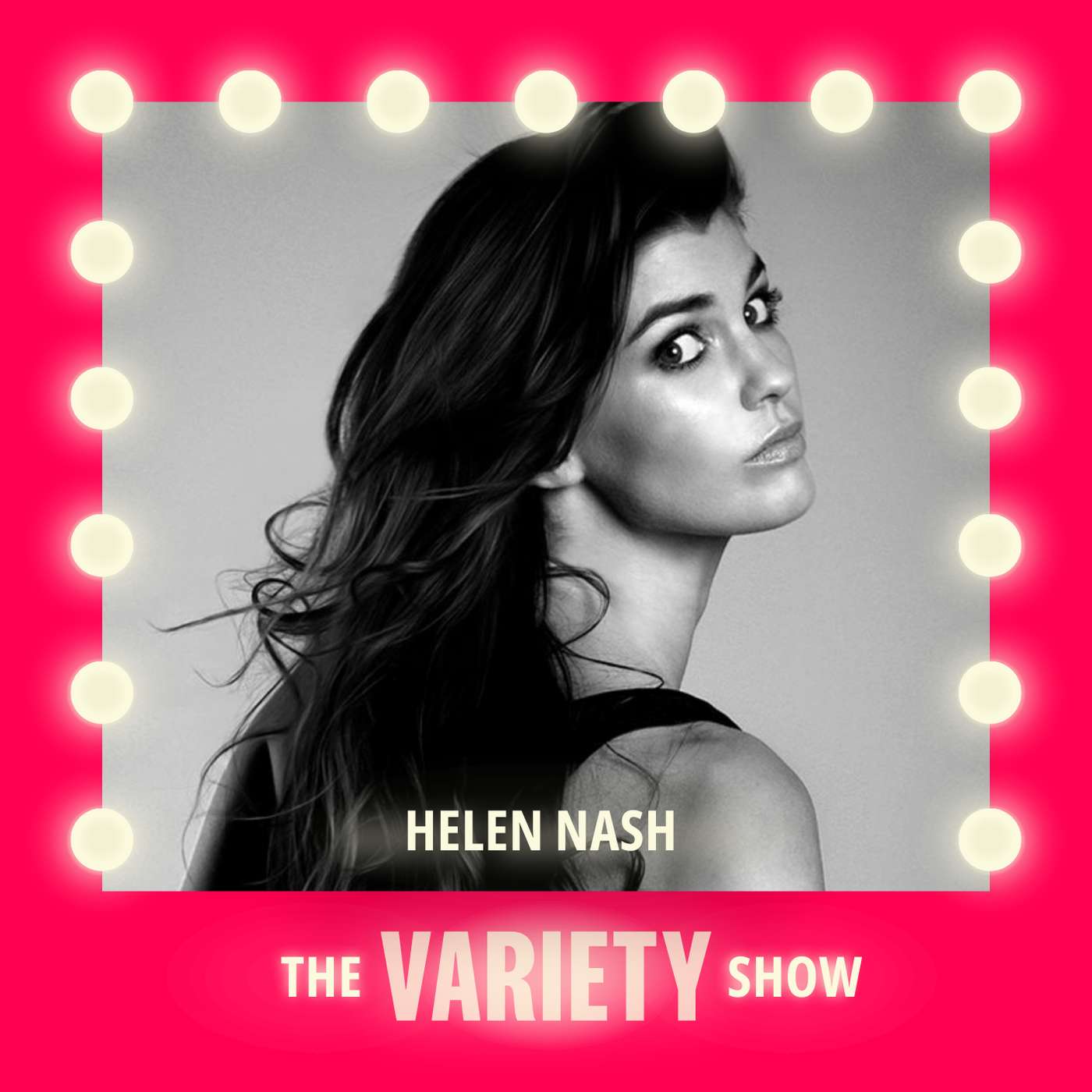 From Robbie Williams to Escala: a journey shaped by dedication and practice - Helen Nash From Robbie Williams to Escala: a journey shaped by dedication and practice - Helen Nash | To stay updated on future episodes, follow us on:TikTokInstagramYouTubeIf you have any comments about the podcast or are a performer who wants advice please do email info@thevarietyshowpodcast.co.ukArtist bioHelen Nash is a Cornish-born pianist and cellist whose career spans live television, orchestral performance, crossover string work, and high-profile collaborations across classical and popular music. Raised in rural Cornwall, she began piano and cello as a child and later studied cello at the Royal Welsh College of Music & Drama. After an early break playing for Robbie Williams, Helen built a varied freelance career performing with artists including Andrea Bocelli and Cher, while also appearing on major television shows such as The Graham Norton Show and Britain’s Got Talent. As a member of Escala, she has helped bring string music to wider audiences through inventive arrangements and outreach work, while continuing to reflect on arts access, education, and the realities of sustaining a life in music.Episode summaryIn this episode of The Variety Show, Adam Sternberg talks with pianist and cellist Helen Nash about growing up in rural Cornwall, finding music early, and building a career that moves between classical training, live television, and crossover performance. Helen shares how an unusual combination of family influences, countryside life, and a chance encounter with a local cello teacher led her into music, even though no one in her immediate family was a professional performer.She reflects on studying cello seriously, stepping away from it after music college, and then being drawn back in through an unexpected mix of songwriting, freelance opportunities, and high-profile gigs. From playing for Robbie Williams at the Royal Variety Performance to joining Escala and working across television and live events, Helen describes a career that has often developed organically rather than through one fixed plan. The conversation also explores the pressures of practice, the realities behind the glamour of performance, the value of music education, and the growing barriers facing young people who want to enter the arts. Helen closes by arguing that the arts remain essential to human life, even in an age shaped by AI and rapid technological change. | 34m 05s | ||||||
| 3/5/26 | 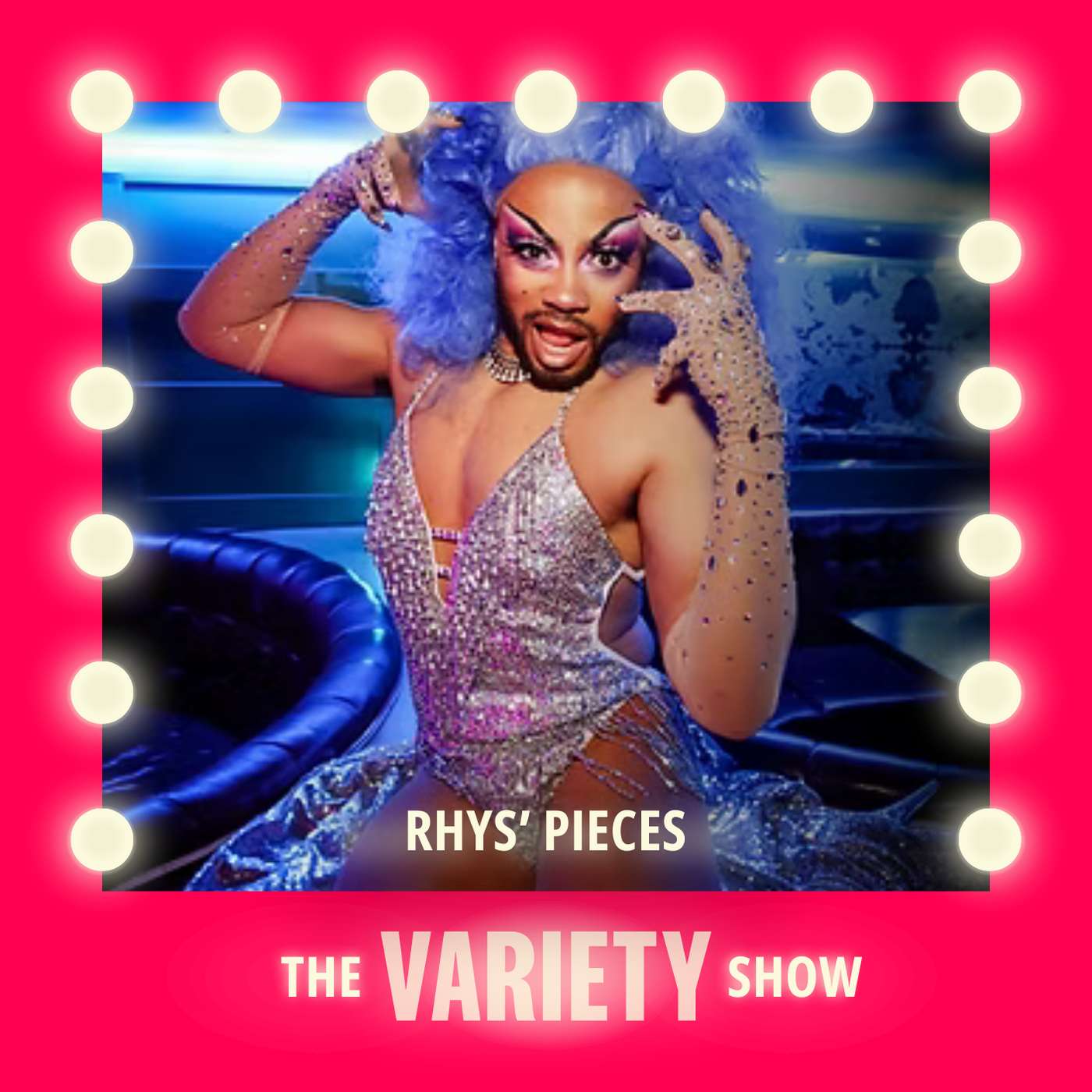 Rhys' Pieces on Politics in performance, genderf*ck, and teaching Adam how to twerk! Rhys' Pieces on Politics in performance, genderf*ck, and teaching Adam how to twerk! | To stay updated on future episodes, follow us on:TikTokInstagramYouTubeIf you have any comments about the podcast or are a performer who wants advice please do email info@thevarietyshowpodcast.co.ukArtist bioRhys’ Pieces is an East London cabaret performer, drag artist, and host known for high-energy, genre-blending performances that combine lip sync, spoken word, movement, comedy, and political commentary. Born in Romford and raised in Hackney by a single mother, Rhys grew up navigating intersecting identities as a mixed-race, queer, working-class performer who also attended a more privileged school environment. Beginning with spoken word and rap performance before moving into drag and cabaret, Rhys became part of London’s alternative queer performance scene through institutions such as Duckie, the Royal Vauxhall Tavern, and The Glory. Over more than a decade on stage, they have performed across cabaret clubs, theatre venues, drag competitions, and community events, developing a distinctive style that plays with gender, identity, satire, and audience interaction.Episode summaryIn this episode of The Variety Show, Adam Sternberg talks with cabaret performer and drag artist Rhys’s Pieces about identity, performance, and finding a creative voice in London’s queer nightlife scene. Rhys shares their upbringing in East London, growing up mixed-race with a white mother and absent father, and how early interests in drama, literature, and performance helped shape their artistic outlook.The conversation traces Rhys’s unconventional journey into cabaret. After early ambitions in acting, struggles with auditions, and a period of feeling lost during university, a workshop with the legendary queer club night Duckie introduced them to the world of cabaret performance. From there Rhys began developing acts that mixed spoken word, rap, lip sync, dance, and performance art, eventually creating the persona Rhys’s Pieces as a way to express the many parts of their identity.They discuss the history and meaning of cabaret as an art form rooted in satire, community, and audience interaction, as well as the importance of spaces like the Royal Vauxhall Tavern in nurturing alternative performance scenes. The conversation also explores wider topics including class and opportunity in the arts, the impact of drag culture and shows like Drag Race, and how live performance remains uniquely human in a world increasingly shaped by technology and AI.The episode closes with a light-hearted moment as Rhys attempts to teach Adam how to twerk, before offering advice to young performers about confidence, self-belief, and creating work that reflects who you truly are.Timestamps00:00 Intro and meeting Rhys’s Pieces00:01:24 Growing up in East London and early performance interests00:03:25 Identity, school life, and navigating race, class, and queerness00:05:22 Early cultural influences from Riverdance to pop music00:07:43 From acting ambitions to spoken word and rap performance00:12:49 Discovering cabaret through Duckie and London’s queer nightlife00:15:02 What cabaret means and its roots in satire and audience interaction00:18:18 The drag journey and creating the persona Rhys’s Pieces00:26:36 Class, identity, and opportunities in the arts00:32:01 Twerking lesson and advice for young performers | 45m 55s | ||||||
| 2/25/26 |  Perfect pitch, Hugh Laurie and uniting against AI with Harry the Piano Perfect pitch, Hugh Laurie and uniting against AI with Harry the Piano | To stay updated on future episodes, follow us on:TikTokInstagramYouTubeIf you have any comments about the podcast or are a performer who wants advice please do email info@thevarietyshowpodcast.co.ukArtist bioHarry the Piano is a West London–born pianist, improviser, and musical director known for his virtuosic, genre-blending live performances. Raised in Shepherd’s Bush in a vicarage household with no television, he began playing piano at four after an upright was donated to his family. Classically trained to Grade 8 by 14, Harry developed a parallel obsession with improvisation and jazz, inspired by Oscar Peterson. Over a varied career he has performed with artists including David Bowie, Will Smith, and Beyoncé, appeared as a resident pianist on major UK television shows including The Big Breakfast and Johnny Vaughan Tonight, and built a reputation for spontaneous audience-request performances that fuse classical, jazz, pop, and film music in any style. His YouTube channel has attracted millions of views, and he regularly works as a composer, arranger, and educator in schools.Episode summaryIn this episode of The Variety Show, Adam Sternberg sits down with pianist and improviser Harry the Piano to explore a career built on spontaneity, skill, and versatility. Harry reflects on growing up in Shepherd’s Bush with no television, discovering the piano at four, and developing perfect pitch while balancing classical training with a love of jazz improvisation. He shares how early gigs in West End restaurants and clubs led to television work, performing alongside global stars, and becoming a resident pianist on major chat shows.Harry explains how his signature live act evolved from club performances where guests would challenge him to play any tune in any style, a format that became the foundation of his theatre shows. The conversation moves through encounters with Hugh Laurie and Dame Edna, the realities of fame, and why he prefers a creative life without celebrity pressure. They also discuss AI in music, the importance of live performance, the decline of arts funding in state schools, and why improvisation unlocks confidence in young musicians. Harry closes with practical advice for aspiring performers, from identifying your strengths to understanding how the industry really works.Timestamps00:00 Intro and Harry’s upbringing in Shepherd’s Bush00:02 Early piano lessons, improvisation, and perfect pitch00:04 School shows and discovering a love for arranging00:06 University in Sheffield, jazz bands, and musical direction00:09 Oscar Peterson inspiration and learning by ear00:12 First paid gigs in the West End and club circuit00:16 TV work, The Big Breakfast, and playing with global stars00:20 Hugh Laurie, Dame Edna, and celebrity encounters00:26 AI, live performance, and the future of music00:30 Arts education, improvisation in schools, and career advice | 40m 20s | ||||||
| 2/19/26 |  Drumming traditions, Travis Barker, and Settling the Ringo Debate with Richard Enion Drumming traditions, Travis Barker, and Settling the Ringo Debate with Richard Enion | To stay updated on future episodes, follow us on:TikTokInstagramYouTubeIf you have any comments about the podcast or are a performer who wants advice please do email info@thevarietyshowpodcast.co.ukArtist bioRichard Enion is a Midlands-based drummer and entrepreneur who blends live percussion with facilitation and business. Raised in a small village near Burton on Trent, he started drumming after being inspired by a school assembly performance and later trained formally for several years in Derby. Alongside playing drum kit in bands, Richard built a career delivering large-scale drumming workshops for companies, using rhythm as a tool for connection, stress relief, and shared achievement. He appeared on Dragon’s Den, accepted an on-air offer, and later chose not to take the deal, while still benefiting from the experience and exposure.Episode summaryIn this episode of The Variety Show, Adam Sternberg talks with drummer and entrepreneur Richard Enion about how rhythm became both a musical path and a business. Richard shares his early life near Burton on Trent, his first drum kit at 12, and the school assembly moment that sparked everything. He explains how he moved from playing in bands to running corporate drumming workshops, building sessions that take groups from zero to a full performance and helping people feel safe, energised, and present. Richard also tells the story of travelling in the Caribbean, trusting a gut instinct that landed him a drumming gig, and how that period led directly to buying djembe drums and launching the team-building side of his work. The conversation covers why drumming can feel meditative and communal, what happens when participants are hesitant or have been drinking, and why arts access in schools matters. Richard then talks through his Dragon’s Den journey, including pushing back after being told there was no slot, the eventual pitch, the offer, and the decision not to sign. The episode ends with Richard teaching Adam basic stick rudiments and sharing advice for young musicians on starting with whatever you have, then doing the practice that builds real skill.00:00 Intro and Richard’s background near Burton on Trent00:02 First drum kit and the school assembly inspiration00:04 Lessons, rudiments, and learning the fundamentals00:08 Caribbean drumming detour and trusting the instinct to ask00:10 From bands to djembe workshops and the start of team building00:11 What a corporate drumming session looks like and why it works00:14 Handling reluctant participants and the alcohol factor00:15 Drumming as focus, stress relief, and shared “medicine”00:21 Arts in schools and inspiring young people through music00:21 Dragon’s Den, the offer, and why Richard walked away00:27 Adam learns stick basics: singles, doubles, and paradiddles00:33 Human energy vs electronic tools and AI concerns00:36 Advice for young drummers: start anywhere, then practice hard | 0m 09s | ||||||
| 2/12/26 | 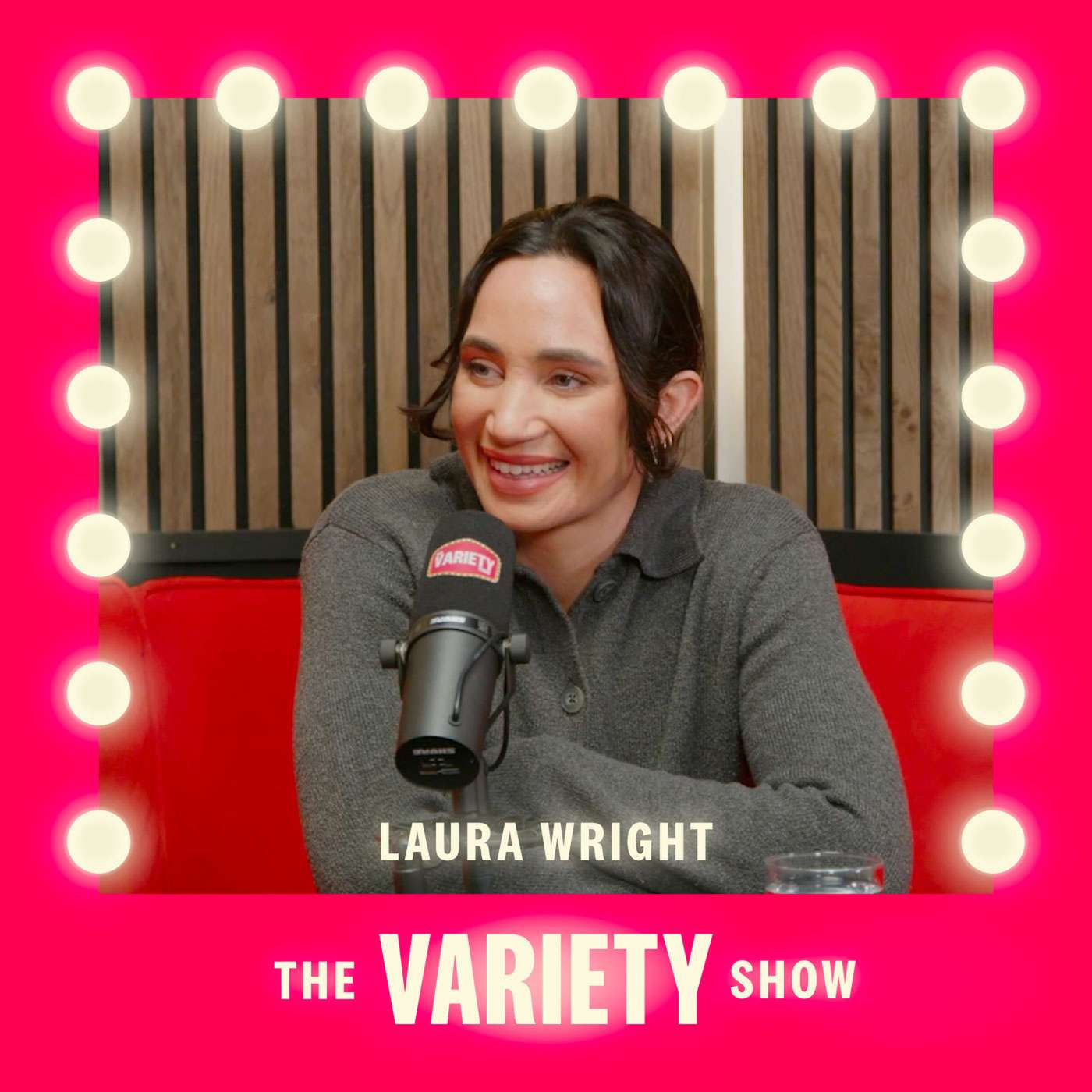 On Work Ethic, Mics Cutting Out & How New Singers Cut Through the Noise with Laura Wright On Work Ethic, Mics Cutting Out & How New Singers Cut Through the Noise with Laura Wright | To stay updated on future episodes, follow us on:TikTokInstagramYouTubeIf you have any comments about the podcast or are a performer who wants advice please do email info@thevarietyshowpodcast.co.ukArtist bioLaura Wright is a British singer and recording artist best known for classical and choral repertoire, crossover performances, and live appearances at major sporting events. She began singing young, learning by ear and developing a natural instinct for harmony through family car journeys. Laura won BBC Songs of Praise Young Chorister of the Year as a teenager, which led to national performances and recording opportunities, including being in the classical-crossover group All Angels. She later trained at the Royal College of Music, building the technique and stamina needed for a long career. Alongside concerts and recordings, Laura is closely associated with stadium anthems and ceremonial performances, and she supports the growth of women’s sport through music.Episode summaryIn this episode of The Variety Show, Adam Sternberg talks with singer Laura Wright about the early moments that shaped her voice, from harmonising in the car as a child to performing in high-pressure live settings. Laura shares how winning Young Chorister of the Year opened doors to broadcast performances and major opportunities, then led into All Angels and eventually formal training at the Royal College of Music. They discuss nerves and breath control, what happens when live performances go wrong, and how emotion and grief can affect the voice over time. Laura also explains how her love of sport became part of her career, from singing at landmark matches to supporting women’s sport, and she reflects on fame, reviews, and staying grounded.00:00 Intro to Laura Wright00:01:04 Early memories of singing, harmonies, and musical upbringing00:04:10 The moment Laura realised singing could move people emotionally00:07:40 Young Chorister of the Year and the first big break00:12:25 Nerves, breath control, and the risk of live performance00:15:00 When things go wrong: mic failures and adapting in the moment00:18:34 All Angels, touring young, and the realities of the industry00:22:00 Royal College of Music, training, and the opera question00:31:04 Sport, stadium anthems, and women’s sport00:46:15 Vocal warm-ups, Adam’s lesson, and advice for young performers | 51m 51s | ||||||
Want analysis for the episodes below?Free for Pro Submit a request, we'll have your selected episodes analyzed within an hour. Free, at no cost to you, for Pro users. | |||||||||
| 2/5/26 | 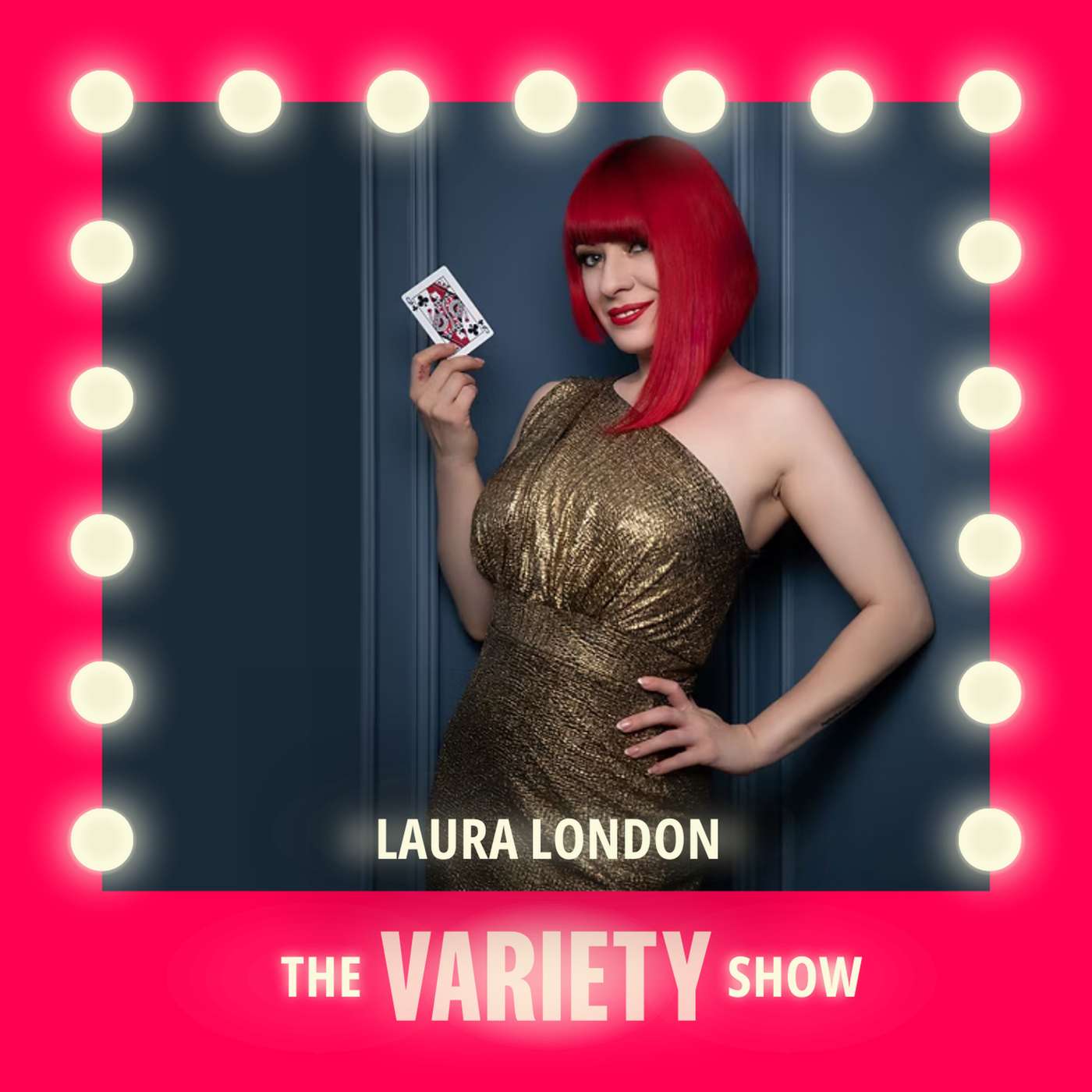 On having ADHD, West End Life & the Moment She Knew She’d Be a Magician On having ADHD, West End Life & the Moment She Knew She’d Be a Magician | To stay updated on future episodes, follow us on:TikTokInstagramYouTubeIf you have any comments about the podcast or are a performer who wants advice please do email info@thevarietyshowpodcast.co.ukArtist bioLaura London is a Westminster-born magician and close-up performer known for sharp sleight of hand, storytelling-led shows, and deep knowledge of magic history. Diagnosed with ADD (now ADHD) as a child, she found focus through performance—first inspired by a kids’ party trick at eight, then shaped by formative mentorships including Hungarian legend George Kovari, iconic British magician Fay Presto, and manager Jenny Dunster. A former youngest female member of The Magic Circle at the time of her admission, Laura works internationally across theatres, private events, and corporate settings, and is passionate about advancing magic through study, practice, and respect for the craft rather than labels or shortcuts.Episode summaryIn this episode of Variety, Adam Sternberg meets magician Laura London at The Magician’s Table in Bermondsey for a candid, funny, and wide-ranging conversation about how a chaotic childhood in London’s nightlife world led to a life in magic. Laura talks about being born in Westminster, spending early years around entertainers and rock ’n’ roll energy through her mum’s nightclub, and the shock of losing that world as a child. Diagnosed young with ADD/ADHD and told she might struggle in conventional school and work, Laura explains how creativity became her anchor—after seeing the classic “Run Rabbit Run” at age eight and realizing it wasn’t the trick that mattered, but the joy it created.Laura traces the path from magic-shop afternoons at Davenports to meeting George Kovari, across the road, then leaving school and home at 15 and using magic to survive—sometimes literally trading performances for food. She shares what it felt like entering The Magic Circle as a young punk-looking newcomer, and the moment Fay Presto intervened, mentored her, and opened doors to her first serious paid work. The conversation turns to women in magic: the long history of overlooked pioneers, why Laura avoids the label “female magician,” and how representation is shifting through TV, the internet, and changing expectations for what girls can do.They also dig into the difference between close-up and stage magic, why presentation matters more than method, and the idea of “real magic”—not supernatural belief, but the rare performance moment that stays with someone forever. Laura describes performing internationally and how audiences vary by culture, why reading a room matters at corporate events, and how a nightmare Edinburgh Fringe malfunction forced her to improvise in front of some of the world’s best magicians. The episode ends with Adam attempting a card spring under Laura’s instruction, followed by a tease of Laura’s upcoming new show (not all cards this time), developed with Jonathan Goodwin. | 40m 23s | ||||||
| 1/29/26 | 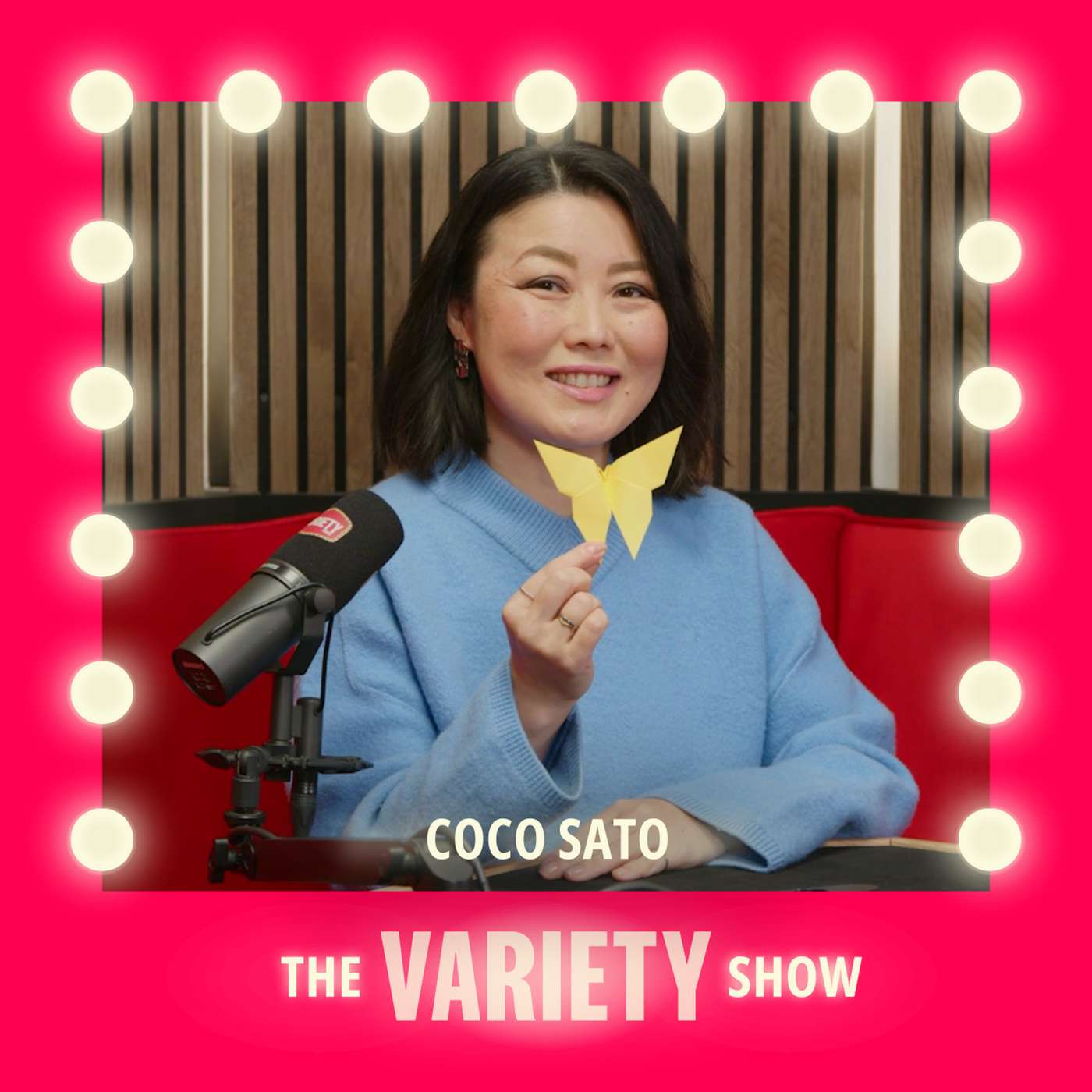 How Coco Sato Built a Career in Origami Art How Coco Sato Built a Career in Origami Art | To stay updated on future episodes, follow us on:TikTokInstagramYouTubeIf you have any comments about the podcast or are a performer who wants advice please do email info@thevarietyshowpodcast.co.ukArtist bio Coco Sato is a Tokyo-born origami artist, educator, and performer who reimagines traditional paper folding as large-scale sculpture, installation, and live performance. With a background in printmaking and photo media, she approaches origami as both a visual art form and a choreographed, audience-driven experience. Her work spans workshops for children and families, festival performances using giant paper and full-body movement, and collaborations that connect origami with STEM ideas like geometry and engineering.Episode summary In this episode of Variety, Adam Sternberg sits down with origami artist Coco Sato to explore how a simple sheet of paper can become sculpture, performance, and even a tool for teaching maths. Coco shares origami’s roots in Japanese history, from folded poetic letters and gift-wrapping traditions to its modern identity as a widely taught childhood pastime in Japan.Coco traces her own path from studying paper-based art and photography to building a career after becoming a mother, when she shifted toward teaching and discovered that scaling up origami made it more visible, physical, and performative. She describes moving from small demonstrations to giant outdoor festival work, where the folding itself became the art. They also discuss the difference between precision sculpture and live performance, the minimal tools required, and the real-world problems origami faces, including weather, soggy paper, and the challenges of giving clear instructions in the moment.Adam learns two simple folds on camera, a butterfly and a cat, and Coco explains why origami can be therapeutic, how it trains focus and concentration, and how it can reshape how people see creativity in everyday materials. The conversation also touches on origami’s links to STEM, including geometry basics, collaborations with mathematicians, and real-world engineering applications like compact folding methods used in space-related design. Finally, Coco reflects on AI, where it can mimic the look of folds in advertising without being physically possible, and offers advice for young artists: stay flexible, say yes to opportunities, take risks, and do the scary thing that leads somewhere new.00:00 Behind the scenes setup and intro to Coco Sato00:00:42 What origami is and its origins in Japanese poetic letters00:02:24 Coco’s background, Tokyo and Yokohama, creativity at home00:03:55 From childhood play to paper-based art and 3D folded photo work00:07:08 Motherhood, teaching, and discovering large-scale origami00:08:18 Giant origami, choreography, performance vs sculpture00:11:18 Minimal tools and Coco makes Adam a paper bow tie00:17:47 Origami butterfly tutorial on camera00:22:30 Adam learns an origami cat and Coco’s philosophy on perception00:28:00 STEM links, folding limits, things going wrong, AI, and advice for artists | 38m 05s | ||||||
| 1/22/26 | 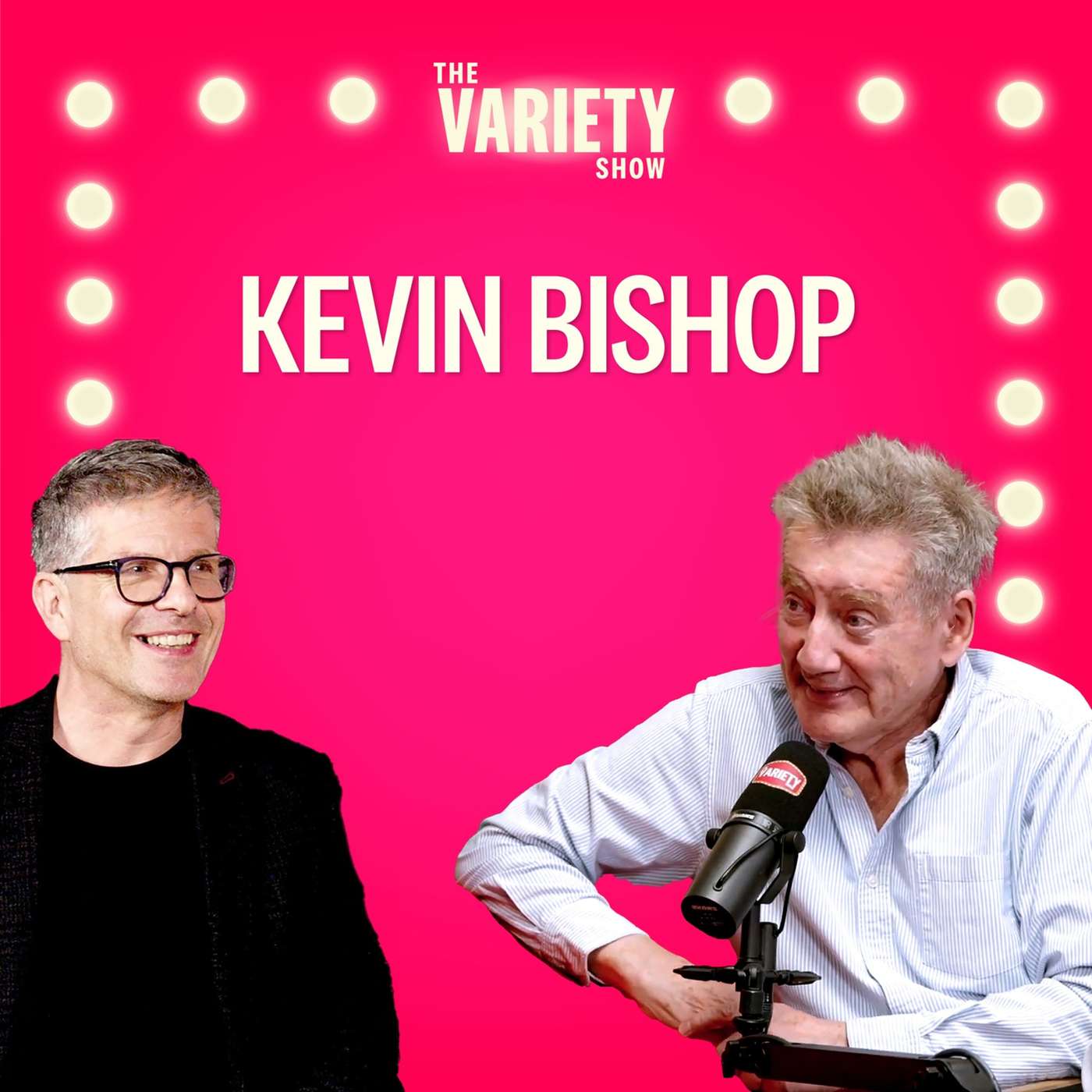 French & Saunders, Eurovision, and saving Rowan Atkinson from a royal hiccup with Kevin Bishop French & Saunders, Eurovision, and saving Rowan Atkinson from a royal hiccup with Kevin Bishop | To stay updated on future episodes, follow us on:TikTokInstagramYouTubeIf you have any comments about the podcast or are a performer who wants advice please do email info@thevarietyshowpodcast.co.ukArtist bio Kevin Bishop is a veteran television producer and director whose career spans decades at the BBC. Starting behind the scenes in theatre and variety, he went on to work with some of Britain’s most iconic performers, directing and producing shows including French and Saunders, A Bit of Fry and Laurie, The Kenny Everett Show, Wogan, the Royal Variety Show, and the Eurovision Song Contest. Across his career, he has overseen hundreds of live broadcasts and worked closely with stars ranging from Victoria Wood and Elton John to Liza Minnelli, Terry Wogan, and Shirley Bassey.Episode summary In this episode of Variety, Adam Sternberg sits down with legendary TV producer and director Kevin Bishop for a rare behind-the-scenes look at British television history. Kevin reflects on his early love of theatre, his first backstage jobs, and the winding path that led him to the BBC, where he helped shape some of the most influential comedy and variety shows of the last 50 years.The conversation covers Kevin’s experiences working with comedy greats like Victoria Wood, French and Saunders, Fry and Laurie, Roy Bremner, and Larry Grayson, as well as producing and directing ten Royal Variety Shows. Kevin breaks down how acts were chosen, how running orders were built, and why egos were rarely a problem. He also shares memorable moments involving Elton John, Liza Minnelli, Shirley Bassey, Rowan Atkinson, and Bob Monkhouse.Adam and Kevin then turn to Eurovision, including the UK’s 1997 win, the challenge of hosting the contest in Birmingham in 1998, the last-ever Eurovision with a live orchestra, and the night Dana International won in a moment that helped redefine representation on the world stage. The episode wraps with reflections on the BBC, the meaning of variety entertainment, and Kevin’s question for a future guest.00:00 Introduction and Kevin Bishop’s career overview01:00 Working with comedy legends and spotting future stars02:25 Early passion for theatre and first backstage jobs04:00 Breaking into television and first producing roles06:08 Queen Mother’s 90th birthday gala and Royal Variety Shows07:56 Booking acts and running order decisions10:07 Rehearsals, live orchestras, and handling big stars11:31 Starstruck moments and working with Larry Grayson13:54 Live TV pressure, mistakes, and editing fixes15:37 Wogan, Eurovision, the BBC, and the meaning of variety | 29m 05s | ||||||
| 1/15/26 |  Judge the Poet on living the artists way and why creatives shouldn't fear AI Judge the Poet on living the artists way and why creatives shouldn't fear AI | To stay updated on future episodes, follow us on:TikTokInstagramYouTubeIf you have any comments about the podcast or are a performer who wants advice please do email info@thevarietyshowpodcast.co.ukArtist bioJudge the Poet is a London-born spontaneous improvised poet who has been creating rhyming poems on the spot for over three decades. A performer and writer with a background in English literature, he has taken his act around the world, appearing on TV, performing at private and public events, and writing his own book of poetry. His work blends quick-thinking craft with audience-reading empathy, turning live moments into tailored poems that tell real stories.For more on Judge the Poet visit:https://www.instagram.com/judgethepoet/Episode summaryIn episode 2, Adam Sternberg welcomes Judge the Poet for a deep dive into the unusual art and business of improvised poetry. Judge opens by demonstrating his spontaneous poet skill, asking Adam for three random prompts, Christmas, entertainment, and pink, then instantly shaping them into a coherent rhyming poem.From there, Judge shares how he has been making up poems since primary school, how he trained his craft like a musician or athlete, and how he built a career the hard way by knocking on doors, taking low-paid early gigs, and growing through word of mouth. They explore the two sides of performance, technical skill and stagecraft, plus the reality of resilience, instability, and why live entertainment matters, especially post-COVID.The conversation also tackles poetry’s image problem in schools, why poetry should be felt like music rather than solved, and how rhyme and rhythm pull language into the heart. They also discuss AI, why it can imitate poems but cannot truly read the room. Judge closes by improvising a final poem that sums up the episode’s themes, poetry, variety, and AI.10 YouTube chapters (timestamps)00:00 Cold open poem and quick intro00:45 Who Judge is and what a spontaneous poet does01:50 Live demo setup and how the game works02:12 Demo poem using Christmas, entertainment, and pink03:32 What makes it more than a party trick, story and meaning04:11 Judge’s background, London to Devon to English Lit in Yorkshire06:00 Origins and practice, childhood poems and building the craft09:00 Making a living, knocking on doors, sales, and word of mouth growth11:40 Performing styles, close-up tables vs stage, tailoring to the room13:28 Poetry, arts value, education, rhyme, and accessibility30:31 Adam tries improv poetry, then AI vs human creativity, and closing poem | 39m 49s | ||||||
| 1/8/26 |  Bounder & Cad on woke culture, Putin, and a special gig at 10 Downing St Bounder & Cad on woke culture, Putin, and a special gig at 10 Downing St | To stay updated on future episodes, follow us on:TikTokInstagramYouTubeIf you have any comments about the podcast or are a performer who wants advice please do email info@thevarietyshowpodcast.co.ukArtist bio Bounder & Cad are a London-based musical comedy duo known for sharp, lyrical satire set to classic crooner, jazz, and operatic styles. Formed at the University of Cambridge, the pair blend close harmony singing with original parody songs that skewer politics, power, culture, and modern absurdities—always punching up. Regular performers at venues including Crazy Coqs, they draw inspiration from Noël Coward, Flanders & Swann, Dudley Moore, and Kit & The Widow, combining musical virtuosity with wit, warmth, and theatrical flair.Episode summary In this episode of Variety, host Adam Sternberg welcomes musical comedy duo Bounder & Cad for a wide-ranging conversation following a bold opening performance skewering Vladimir Putin. The pair trace their origins from university choirboys and jazz crooners to becoming a fully-fledged satirical act, sharing stories of May Balls, their first original parody song about Prince Harry, and a last-minute, near-missed debut gig at 10 Downing Street.They unpack their approach to satire—why they prefer timeless absurdity over partisan politics, how they balance provocation with kindness, and why comedy works best when it releases tension rather than fuels anger. The episode also dives into creative partnership, disagreement, privilege, performance mishaps, and the importance of humor as a coping mechanism. It wraps with a playful operatic finale: a comic English-language take on La donna è mobile, featuring Adam joining them on stage.Don’t miss out on how we plan to bring this podcast to life with Variety Live shows.🎵 Original title music written by Peter O'Donnell and produced by Chris Burgess.Join Adam Sternberg next time for another captivating glimpse into the world of live entertainment. | 28m 16s | ||||||
| 12/18/25 | 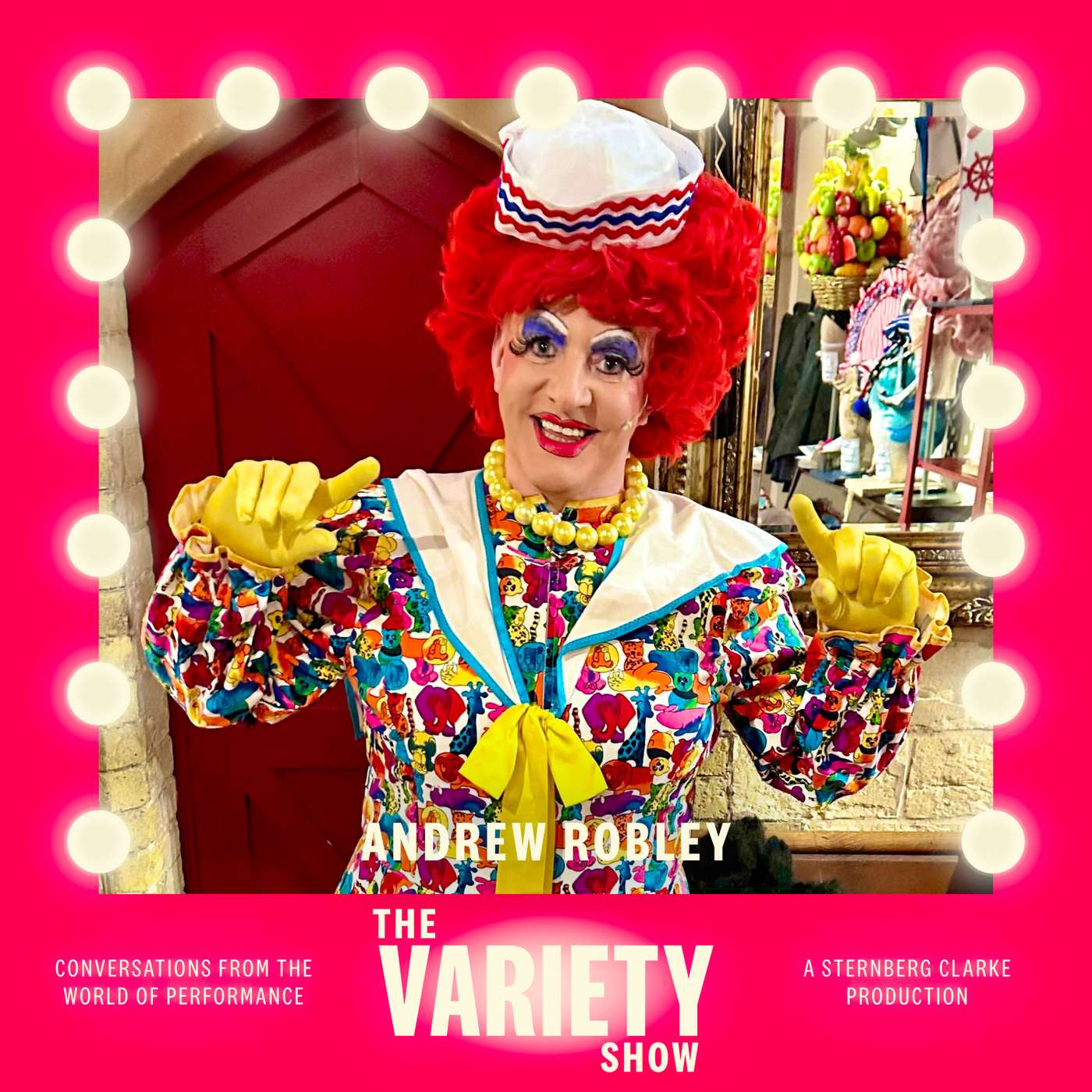 Andrew Robley - the pantomime dame with unlimited sass Andrew Robley - the pantomime dame with unlimited sass | To stay updated on future episodes, follow us on:TikTokInstagramYouTubeIf you have any comments about the podcast or are a performer who wants advice please do email info@thevarietyshowpodcast.co.ukArtist bio Andrew Robley is a British musical-theatre performer and singer from Carlisle who began his career as a cathedral chorister, later winning a BBC “Search for a Star” competition and going on to play leading-man roles in shows like Grease (Danny Zuko) and classic musicals including Carousel and Oklahoma!. He’s now a regular performer at London’s Brick Lane Music Hall, where he’s become best known for his work as a pantomime dame—an unexpectedly demanding, fast-paced role he grew into after years as a principal boy/leading man.For more on Andrew Robley visit:👉https://www.instagram.com/andrew.robleyEpisode summary In this Christmas special of Variety, host Adam Sternberg chats with Andrew about his unusual route into panto: from choirboy beginnings and a brief detour as a chef, to musical theatre leading roles, and finally being thrust into dame duties at the last minute when another performer was injured. Andrew breaks down what makes pantomime unique—ad-libbing, timing, audience interaction, and relentless quick-changes—plus the character work, voice choices, slapstick, and how panto traditions are evolving (and enduring). The episode also features a playful spoken “duet” of Sonny Boy and wraps with details of Andrew’s upcoming run at Brick Lane Music Hall in Jack and His Giant Stalk (over-16s), followed by a family version later.Don’t miss out on how we plan to bring this podcast to life with Variety Live shows.🎵 Original title music written by Peter O'Donnell and produced by Chris Burgess.Join Adam Sternberg next time for another captivating glimpse into the world of live entertainment. | 42m 33s | ||||||
| 12/11/25 |  The Rolling Clones on Rock N' Roll without fame and if the Beatles have better songs The Rolling Clones on Rock N' Roll without fame and if the Beatles have better songs | To stay updated on future episodes, follow us on:TikTokInstagramYouTubeIf you have any comments about the podcast or are a performer who wants advice please do email info@thevarietyshowpodcast.co.ukArtist BioAaron Clark (“Keith Ripoff”) and Alex Larke (“Mock Jagger”) are the long-time twin engines of premier Rolling Stones tribute act The Rolling Clones. Growing up in neighboring Hertfordshire towns, both were shaped by early musical influences: Aaron gigging from age 11 with a Stones riff book smuggled into lessons, Alex trading a teenage go-kart racing career (he once raced Jenson Button) for frontman life after being dubbed a “modern-day Mick Jagger” in the local press. United by a deep love of the Stones’ catalogue, obsessive attention to detail, and a shared refusal to live the actual Stones’ lifestyle (these days it’s post-gig tea, not Jack Daniel’s), they’ve spent well over a decade touring the world, from French town squares to theatres and Middle Eastern stages, bringing Mick-and-Keith swagger to audiences of every age.For more on The Rolling Clones visit:👉https://www.instagram.com/rollingclonesEpisode SummaryIn this episode, they talk about how they fell in love with the Rolling Stones, why they think the Stones out-rock the Beatles, and what it really takes to “become” Mick and Keith on stage night after night. They share stories of massive gigs, weird audiences, fire alarms killing the PA mid-show, and one particularly drunk early gig where “Mick” fell off the stage and was rescued by the man who played Bungle from Rainbow. We hear how the Rolling Clones evolved from cabaret act to a high-energy modern live-Stones experience, why Aaron convinced Alex to stop drinking on stage, and why tribute work turned out to be a “golden ticket” to make a living in music without fame. Don’t miss out on how we plan to bring this podcast to life with Variety Live shows.🎵 Original title music written by Peter O'Donnell and produced by Chris Burgess.Join Adam Sternberg next time for another captivating glimpse into the world of live entertainment. | 40m 00s | ||||||
| 12/4/25 | 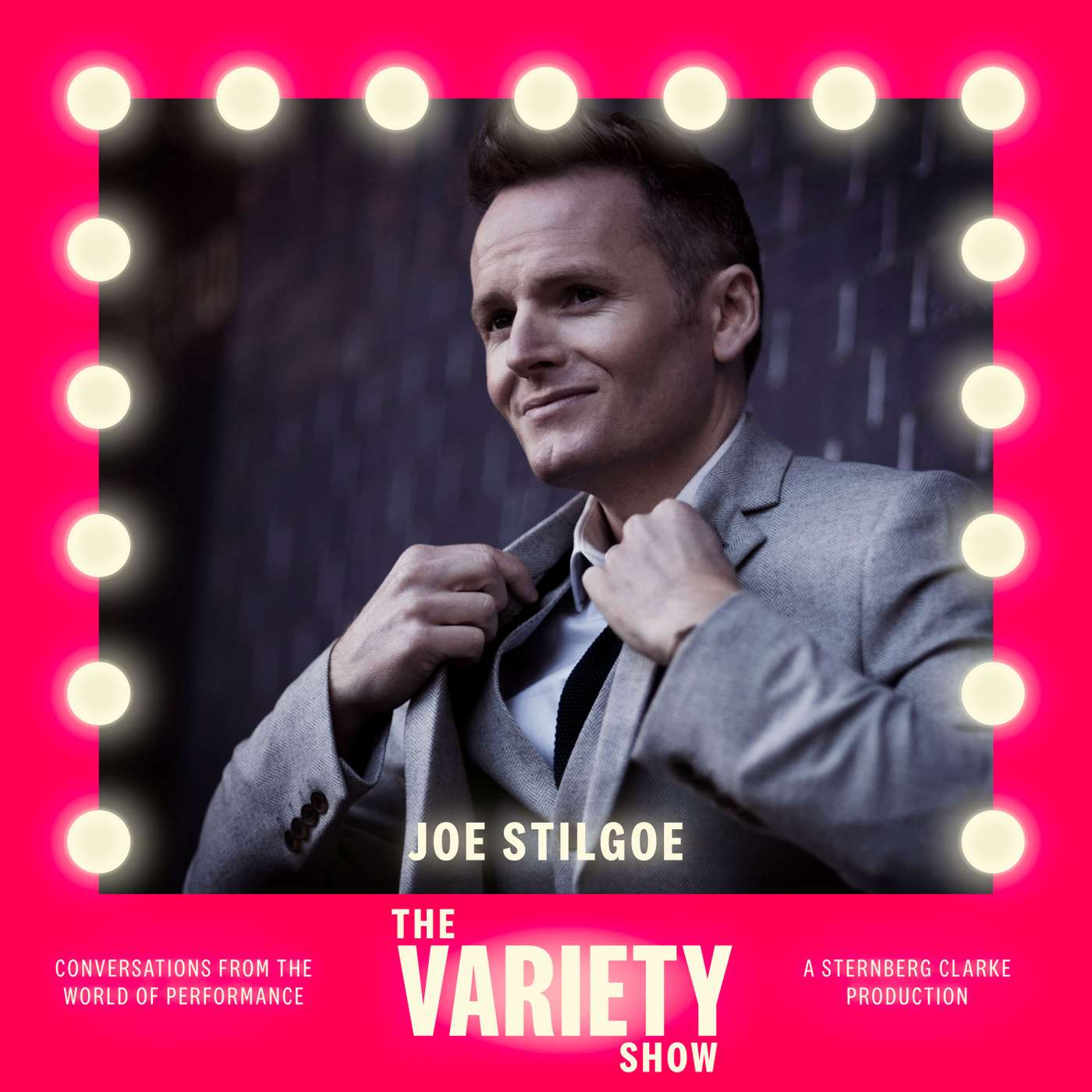 Joe Stilgoe on campaigning for the future of British jazz Joe Stilgoe on campaigning for the future of British jazz | To stay updated on future episodes, follow us on:TikTokInstagramYouTubeIf you have any comments about the podcast or are a performer who wants advice please do email info@thevarietyshowpodcast.co.ukArtist BioJoe Stilgoe is an acclaimed British pianist, singer, composer and all-round musical entertainer, known equally for his virtuosic musicianship and his theatrical flair. With five UK jazz chart-topping albums, Joe moves effortlessly between jazz, cabaret, theatre and improvisation, whether performing at Ronnie Scott’s, collaborating with orchestras, or creating bespoke shows that blend humour, spontaneity and dazzling musicality. A gifted improviser, he’s renowned for transforming audience suggestions into brilliantly inventive medleys, as well as for his work as a musical theatre writer and performer. His career spans Disney cruise ships to royal performances, radio and TV appearances, and an ever-evolving presence on the UK jazz and theatre scenes.For more on Joe Stilgoe visit:👉https://www.instagram.com/thejoestilgoeEpisode SummaryIn this rich and entertaining conversation, Joe takes us through his musical upbringing—opera-singing mother, legendary father, and a Surrey childhood filled with sound—before charting his journey from university uncertainty to Disney cruise contracts, jazz education, and eventually the London scene. He dives into the craft of improvisation, the joys and dangers of live performance, his theatre work (including High Society at the Old Vic), and some unforgettable moments—like a royal gig where no one would shout out a song request. Joe also speaks passionately about the fragile state of UK jazz clubs and his campaign to support and protect them. Full of humour, stories, musical quirks, and heartfelt advocacy, this episode is a celebration of live performance and the vibrant, unpredictable world Joe Stilgoe inhabits.35:01–37:48 — Demonstration and discussion of the mouth-trumpet solos38:48–40:17 — The parlor-trick clapping game he learned from his mum41:05–44:44 — Performing at the Queen & Prince Philip’s 70th anniversary, the awkward silence after asking for song suggestions, and King Charles requesting “Scriabin’s Third Piano”49:13–52:43 — Getting fired during intermission of Footloose because of the keyboard patchesDon’t miss out on how we plan to bring this podcast to life with Variety Live shows.🎵 Original title music written by Peter O'Donnell and produced by Chris Burgess.Join Adam Sternberg next time for another captivating glimpse into the world of live entertainment. | 58m 36s | ||||||
| 11/27/25 | 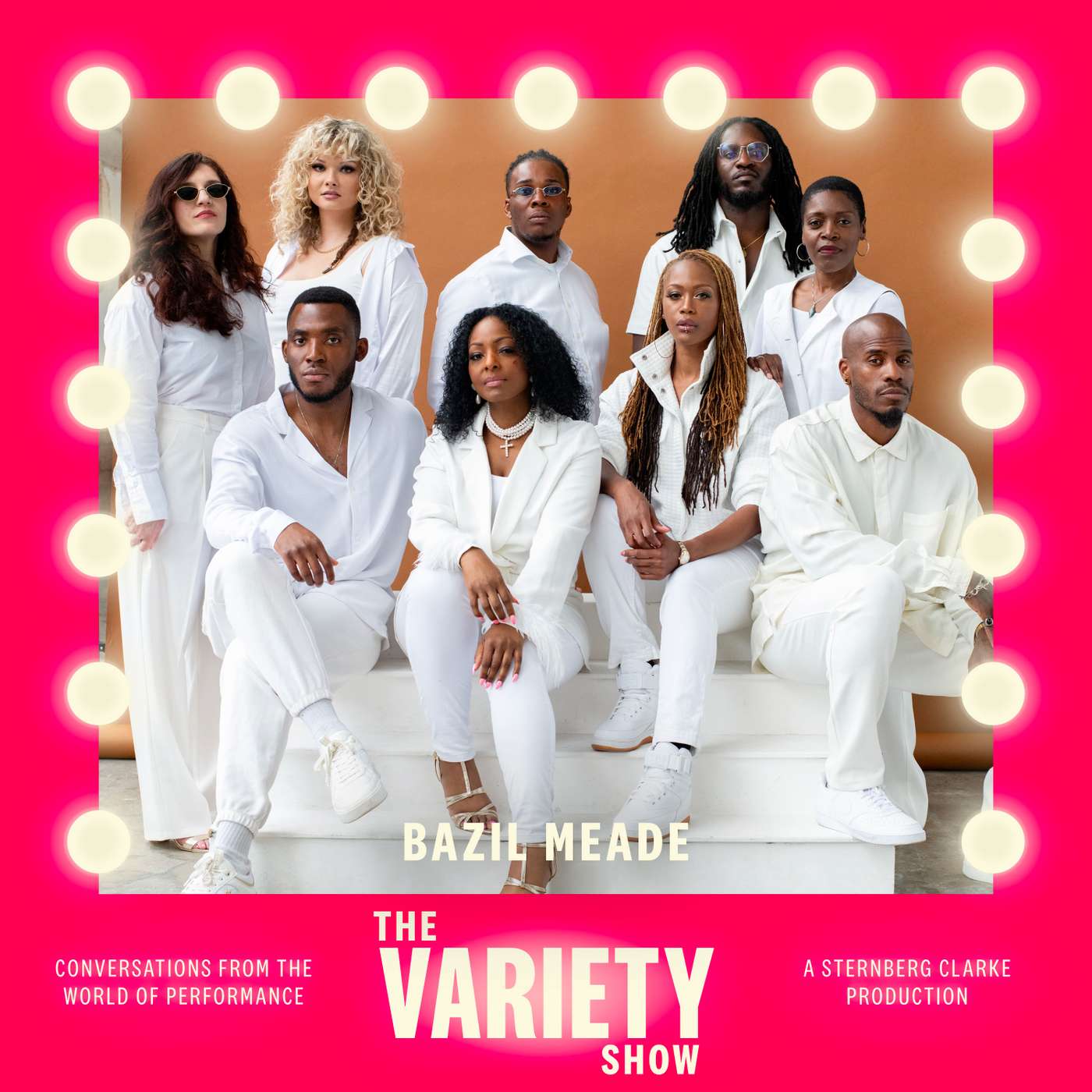 Reverend Bazil Meade on working with Madonna, Luther Vandross and if white people can sing gospel. Reverend Bazil Meade on working with Madonna, Luther Vandross and if white people can sing gospel. | Join us on this captivating journey into the fascinating world of live entertainment. Host Adam Sternberg brings you engaging conversations with remarkable entertainers, from magicians and jugglers to aerial artists and contortionists. Discover the unique stories behind their extraordinary careers, the challenges they have faced, and the motivations that drive them. If you are passionate about live entertainment or simply curious about the lives of extraordinary performers, this podcast is a must-listen.Episode HighlightsIn this episode, Adam welcomes Reverend Bazil Meade, founder of the London Community Gospel Choir, widely recognised as a pioneering force in British gospel music. Bazil traces his path from a childhood on the Caribbean island of Montserrat to becoming one of the most influential figures in UK choral music. He shares moving and sometimes dramatic stories about migration, racism, faith, early musical mentorship, the formation of LCGC in the early 1980s and its rapid rise to performing on global stages and collaborating with major artists including Paul McCartney, George Martin, Luther Vandross, Foreigner and Madonna. Basil also breaks down the sound, history and emotional heart of gospel, the distinction between spirituals and modern gospel music, and how improvisation, movement and community inform the choir’s world-renowned style. We hear candid reflections on creativity, the transition to handing leadership to his children, unforgettable stage moments and a live lesson in singing that leads Adam to his first gospel duet.Key Discussion PointsOrigins and Early Life in Montserrat: Born in Montserrat in the Caribbean, raised in a small wooden house and living largely off the land and the sea.Migration to the UK and Culture Shock: Travelled alone at age nine on a two week boat journey to Southampton, experiencing seasickness, unfamiliar food and the tight communal conditions typical of early Windrush-era ships.Early Musical Influences and Church Community: Grew into music through church life in Hackney and Dalston Lane.A Dramatic Escape and New Beginnings: Recounted a frightening confrontation with his stepfather that led him to flee the house, land in Leicester Square and impulsively leave for Germany with a group selling encyclopedias to US bases.Founding the London Community Gospel Choir: Co founded LCGC in 1982 with Lawrence Johnson, John Francis and Delroy Powell.Weekly Rehearsals and National Influence: Wednesday rehearsals began in the early years and continue to this day.Gospel: History, Sound and Soul: Explains the origins of Negro spirituals in slavery, the emotional weight of songs reflecting suffering, longing and coded expressions of hope.Improvisation, Movement and Choir Culture: Contrasts gospel with classical choral traditions, emphasising freedom, spontaneity and connection.Collaborations with Major Artists: Shares vivid stories from working with Paul McCartney on Give My Regards to Broad Street and with producer George Martin who had Montserrat ties.Recounts multiple recording and rehearsal sessions with Madonna, describing her intense focus, high standards and direct creative involvement.Reflects on an unforgettable collaboration with Luther Vandross, praising his warmth, respect and genuine connection with the choir.Passing the Baton to the Next Generation: Bazil’s children, Leon and Venetta, now lead LCGC. He speaks honestly about the challenge of stepping back after four decades, learning to let go and trusting a new creative vision.New Music and British Gospel Identity: Previews tracks from the upcoming LCGC album written by Leon and collaborators.Live Performance Moments and Things Going Wrong: Reflects on the occasional onstage mishaps, including brain fog during complex a cappella sections and how professionalism lies in carrying on seamlessly.Interactive SegmentBazil demonstrates vocal lines from God Has Smiled On Me, explaining how he teaches gospel phrasing, why certain keys colour the music differently and how singers follow emotional cues rather than written notation.Get in TouchFor more on Bazil Meade visit: 👉https://www.instagram.com/bazil.meade/?hl=enTo stay updated on future episodes, follow @ItsTheVarietyShow on: TikTok InstagramYouTubeDon’t miss out on how we plan to bring this podcast to life with Variety Live shows.🎵 Original title music written by Peter O'Donnell and produced by Chris Burgess. Join Adam Sternberg next time for another captivating glimpse into the world of live entertainment. | 52m 15s | ||||||
| 11/20/25 |  Katharine Arnold on choosing art over the 9-5, handling heights and advice for future circus performers. Katharine Arnold on choosing art over the 9-5, handling heights and advice for future circus performers. | Join us on this captivating journey into the fascinating world of live entertainment. Host Adam Sternberg brings you engaging conversations with remarkable entertainers, from magicians and jugglers to aerial artists and contortionists. Discover the unique stories behind their extraordinary careers, the challenges they’ve faced, and the motivations that drive them. If you’re passionate about live entertainment or simply curious about the lives of these extraordinary performers, this podcast is a must-listen.Episode HighlightsIn this episode, Adam welcomes circus artist, director and producer Katharine Arnold, an aerialist with two decades of experience who has performed with La Clique and Cirque du Soleil and appeared as Mary Poppins in the Olympic opening ceremony. Katharine traces her path from a Brixton childhood and early ballet training to discovering trapeze at university. She explains the decision to leave a sensible office job at Bloomberg for life on tour, the variety of company experiences from collaborative outdoor shows to large scale revue productions, and the creative process behind her own company show Sophie’s Surprise 29th Birthday Party. Katharine shares candid stories about major surgery, recovery and returning to performance, the thrill of live risk, a hilarious rigging mishap involving a cable tie and her hair, and her views on sexualisation, costume and creative freedom. We also hear about training routines, the practical differences between small cabaret shows and huge productions like Cirque du Soleil, the challenges facing the London cabaret scene, and why she believes showmanship, narrative and audience interaction matter.Key Discussion PointsOrigins and Early Training: Born and raised in Brixton; ballet from age three; school plays and early love of music and movement.Discovering Circus at University: Performing arts degree at Middlesex University with a physical theatre focus; Fevered Sleep visit brought circus equipment and a first taste of trapeze.Adult Classes and Formal Training: Evening trapeze classes at Circus Space, now the National Centre for Circus Arts; the choice to pursue circus alongside a degree.Career Turning Point: Working at Bloomberg briefly for financial security then auditioning for Giffords Circus and choosing the touring, performative life.First Companies and Variety of Work: From Giffords to an outdoor rock and roll flying trapeze show with live music, to Berlin’s Friedrichstadt Palast revue show, illustrating the spectrum from collaborative creation to highly directed large-scale productions.Working with Major Companies: Reflections on Cirque du Soleil as aspirational and legitimising; differences between being in original creative casts and joining established productions.Creating Sophie’s Surprise 29th Birthday Party: The concept of an immersive, comedic ensemble show where one audience member becomes Sophie; influences from Punchdrunk and late 90s, early 2000s pop culture; audience games, karaoke and direct interaction.Choreography and Music First Process: Katharine describes how music often drives her choreographic choices and how she builds acts around musicality.Act Construction and Subversion: Examples include the plastic surgery parody act that unexpectedly morphs into a moving hoop piece set to a Postmodern Jukebox cover of Creep.Injury and Recovery: Open account of major abdominal surgery during the pandemic to remove a tumour and the long rehabilitation that followed, plus the emotional impact of thinking performance might be over.Training and Maintenance: The difference between building strength as a beginner and maintaining show fitness during contracts; the importance of loving training.Live Performance Risks and Technology: Why live shows have more frisson than recorded work; preference for manual human lifting systems over motors because of tech failures.Height, Trust and Rigging: Comfort with heights combined with healthy respect; the duet-like relationship between performer and lifter when being lifted by another person.Anecdote: The Cable Tie Mishap: A cable tie snagged Katharine’s hair into a swivel during a hoop act, leaving her stuck at height until colleagues brought her down and unclipped her, turning a scary moment into a memorable live story.Costume, Character and Ageing in Performance: Shift from glam lycra to character-driven acts and conceptual costumes, such as an aerial Zimmer frame, Queen of England parody and a blow-up corgi prop.Industry Changes and Funding Challenges: Observations on fewer cabaret-hiring venues since 2016, the effects of the pandemic and cost of living on audiences, and how UK funding lags behind countries such as France, Canada and Australia.Creating a British Circus Company: Motivation to establish a high-quality British company; the realities of self-funding and building sustainable work.Advice for Aspiring Performers: Be prepared for hard work and obsession, love training, immerse yourself in the world, and understand the industry is harder now than a decade ago.Lockdown Pivot and Teaching: Rehabilitation led to teaching, directing and continued creative work; notes on the ongoing importance of choreographing, directing and community.Audience Interaction and Improvisation: How undercutting expectations, mixing comedy with emotion and letting imperfections show can make live entertainment more memorable.Interactive SegmentKatharine demonstrates the importance of core strength with an exercise of getting up from the floor without using your hands. More difficult than it sounds!Get in TouchFor more on Katharine Arnold, visit: 👉https://www.instagram.com/katharinearnoldTo stay updated on future episodes, follow @ItsTheVarietyShow on: TikTok InstagramYouTubeDon’t miss out on how we plan to bring this podcast to life with Variety Live shows.🎵 Original title music written by Peter O'Donnell and produced by Chris Burgess. Join Adam Sternberg next time for another captivating glimpse into the world of live entertainment. | 35m 17s | ||||||
| 11/13/25 | 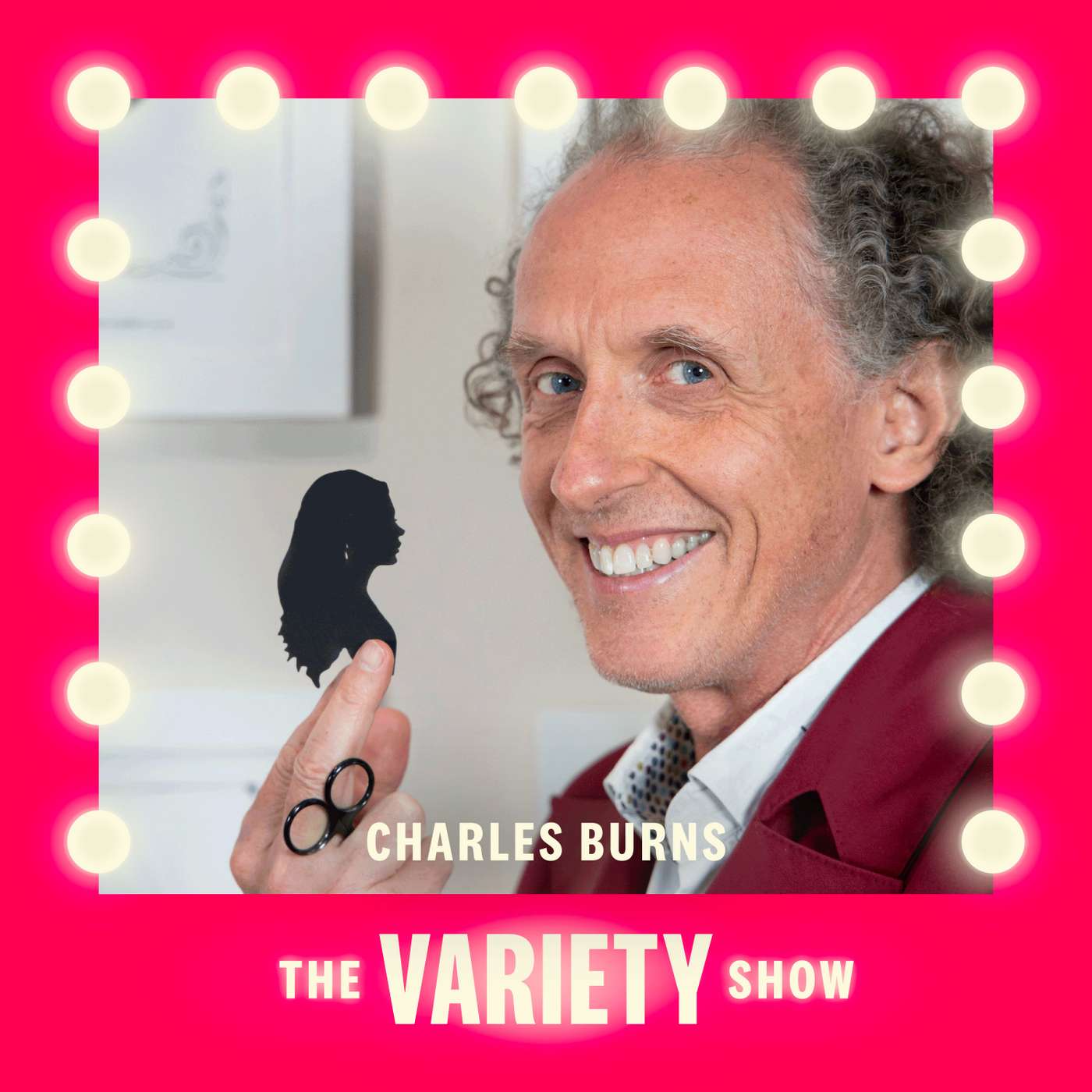 Charles Burns on royal silhouettes, Covent Garden origins, and the art of performing with scissors Charles Burns on royal silhouettes, Covent Garden origins, and the art of performing with scissors | Join us on this captivating journey into the fascinating world of live entertainment. Host Adam Sternberg brings you engaging conversations with remarkable entertainers, from magicians and jugglers to aerial artists and contortionists. Discover the unique stories behind their extraordinary careers, the challenges they've faced, and the motivations that drive them. If you're passionate about live entertainment or simply curious about the lives of these extraordinary performers, this podcast is a must-listen.Episode HighlightsIn this episode, Adam welcomes silhouette artist Charles Burns a performer–artist whose entire show fits into a pocket: paper and scissors. From a bruising boarding-school experience to art college and the Covent Garden piazza, Charles charts how drawing led him to live silhouette cutting, why imperfection makes entertainment memorable, and what it felt like to interrupt Queen Elizabeth II (successfully!) to cut Her Majesty’s profile. He explains his mirror-free, one-line cutting technique, the psychology of likeness, why some people “don’t look like themselves” in profile, and how lockdown sparked his global Zoom silhouette studio. We also hear about AI silhouettes, Disney’s influence on the American style, and an 18th-century automaton “artist” with a human under the table.Key Discussion PointsOrigins & Early Training: Growing up in Somerset; boarding at Ampleforth; bullying; sanctuary in the art room with sculptor-teacher John Bunting; discovering that drawing was the foundation.Art Education: Foundation at Exeter; time at the École des Beaux-Arts (Lyon); degree at Wolverhampton; art as communication vs. art-therapy.Artist vs Performer: Why most artists perform (and most performers create art); Charles sits “on the cusp,” literally performing portraits in front of an audience.Covent Garden Beginnings: Late-1980s street portraitist; a visiting Spanish cutter inspires the switch to silhouettes.Technique & Tools: Pocketed papers, white backing sheet, cutting largely in one continuous line; right-profile preference for a right-handed cutter; rotating the paper, not the scissors.Work & Temperament: “One of nature’s self-employed”; office life felt like returning to school politics.Neurodiversity: Son’s diagnosis led to Charles’s own autism-spectrum diagnosis in his 40s; reframing meticulous preparation as a strength.Everyone Can Draw: Fear often comes from bad early teaching; skill = motivation + hard work; drawing as the base of all visual art.Royal Encounter: Cutting Queen Elizabeth II at a Ritz Golden Jubilee party—nerves, etiquette, and simply stepping in; other high-profile sitters mentioned by Adam include Nelson Mandela and President Clinton.Capturing Likeness: Children who won’t sit still; poor lighting at events; self-image vs. profile reality; audiences often “rescue” a likeness because they see you as others do.Entertainment Over Perfection: Some silhouettes are better than others—human variability is part of the show; the joy of imperfection and the retelling (magicians’ lesson).Live Demonstration: Charles cuts Adam’s silhouette on-air—narrating chest→chin→nose→glasses→hair; occasional “back-cutting” fixes; speed builds with warm-up.Human vs. Machine: Low-tech authenticity matters; guests often expect equipment and are astonished it’s “just scissors.”AI & Automation: Experiments with AI-generated silhouettes; yes, a laser could cut them—but the human performance is the art; tale of an 18th-century “automaton” secretly powered by a cutter under the table.Styles & Scenes: Why the U.S. has many more cutters (thanks to Disneyland’s Main Street silhouette studios); “American style” vs Charles’s “ruthless realism.”Essence Over Flattery: Beyond likeness to the sitter’s essence—portraiture as communication.Audience Reactions: Some find silhouettes slightly “sinister” (shadow, black paper); consent matters—not everyone wants one.Interactive SegmentLive Silhouette Cut: Charles performs a full, narrated silhouette of Adam, demonstrating one-line cutting, paper rotation, and quick on-the-fly corrections.Get in TouchFor more on Charles Burns, visit: 👉https://www.instagram.com/silhouettist/?hl=enTo stay updated on future episodes, follow @ItsTheVarietyShow on: TikTok InstagramYouTubeDon’t miss out on how we plan to bring this podcast to life with Variety Live shows.🎵 Original title music written by Peter O'Donnell and produced by Chris Burgess. Join Adam Sternberg next time for another captivating glimpse into the world of live entertainment. | 47m 54s | ||||||
| 11/6/25 | 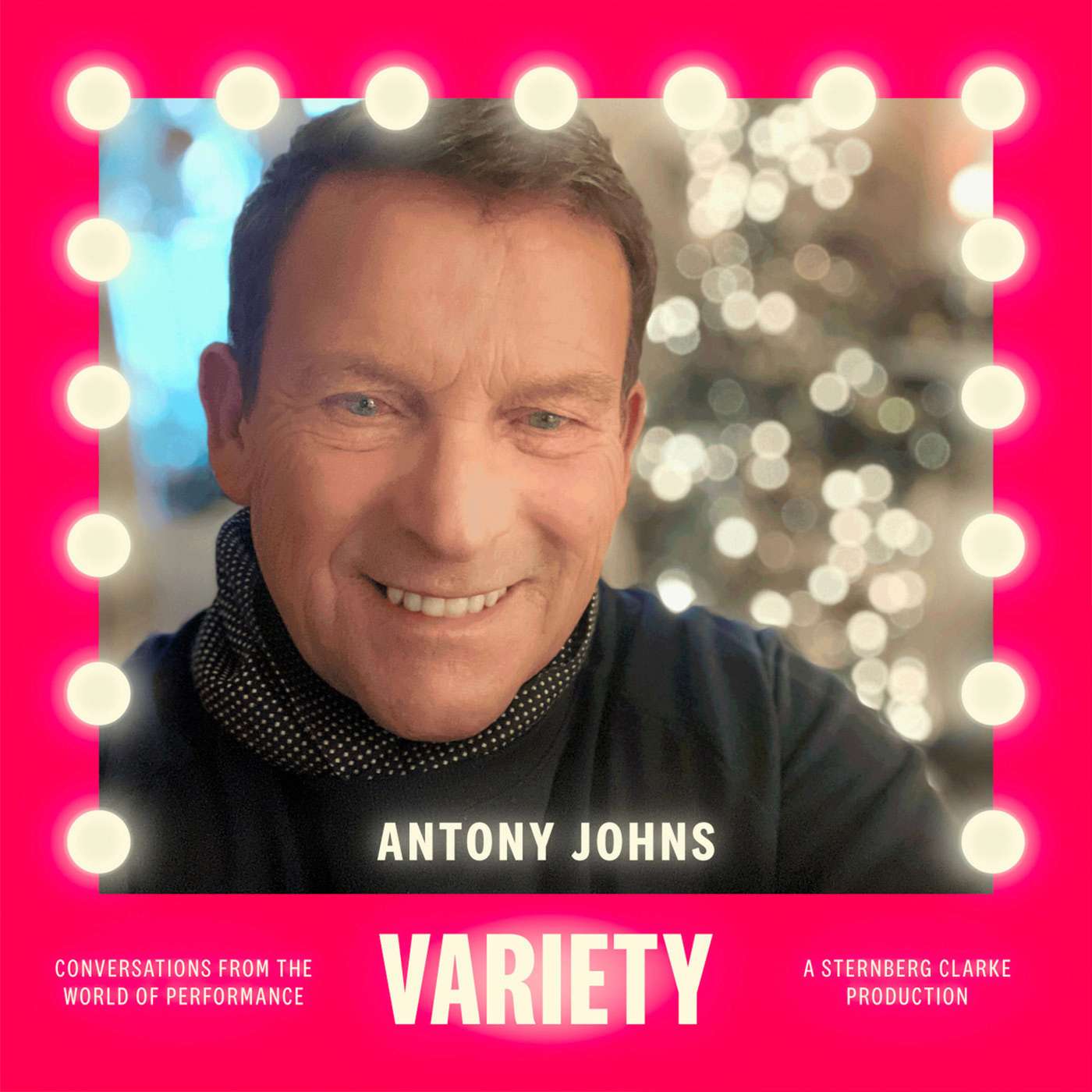 Antony Johns on rehearsing with no mirrors, dancing with Angela Lansbury, and choreographing 2000 horses for The Queen Antony Johns on rehearsing with no mirrors, dancing with Angela Lansbury, and choreographing 2000 horses for The Queen | Join us on this captivating journey into the fascinating world of live entertainment. Host Adam Sternberg brings you engaging conversations with remarkable entertainers, from magicians and jugglers to aerial artists and contortionists. Discover the unique stories behind their extraordinary careers, the challenges they've faced, and the motivations that drive them. If you're passionate about live entertainment or simply curious about the lives of these extraordinary performers, this podcast is a must-listen.Episode Highlights In this episode, Adam welcomes dancer, choreographer, and creative polymath Anthony Johns. From childhood tap shoes in Portsmouth to BBC studios, West End stages, Pinewood sets, and arena-scale royal spectaculars, Anthony’s life traces six decades of British variety at its most glittering and gritty. He shares priceless lessons from mentors, the power of ballet as the “maths and English” of dance, and the old-school craft of performing to the whole house - not the mirror.Key Discussion PointsOrigins & Early Training: Growing up with two sisters who danced; a childhood accident, shyness, and finding confidence through classes. Tap at five, jazz soon after, and secretly at first - ballet, the technical foundation he calls essential “poise, posture, and strength.”First Stage Sparks: Local festivals, “Hello, Dolly!” solos, and a family who took him to everything from lavish musicals to the Royal Ballet; memories of Nureyev, Antoinette Sibley, and Anthony Dowell.West End Breakthrough: Cast at 13 in Gypsy (1973) with Angela Lansbury and Bonnie Langford at the Piccadilly Theatre; the realities of child-performer licenses, nightly commutes from Epsom, and matron Mrs Langford’s mantra: scan the audience and sparkle.The Performer’s Gaze: Why mirrors can stunt stagecraft; learning routines faster without them; the difference between today’s mirror-trained focus and the old pros who “bring you in.”Film Set Education: Bugsy Malone at Pinewood custard-pie chaos, backstage legends (hello, Chitty’s Child Catcher cage), and candid on-set memories of Jodie Foster and fellow young stars.TV & The Young Generation: Joining the BBC’s Young Generation at 16; working on New Year spectaculars with Dame Vera Lynn, Shirley Bassey, Petula Clark, and more; later presenting children’s TV segments and choreographing for BBC training shoots.Choreography Philosophy: Let instinct lead often the first idea to music is the truest; concept-driven work and designing the whole picture (movement, costumes, mood).“Forbidden Blackpool”: A bold, pre-burlesque, Moulin-Rouge-tinted concept show built around a keyhole motif; role reversal with boys in feathers, girls in suits; Anthony’s own costume designs and nightclub-cabaret vibe inside a large theatre.Defining Variety: From comics and dancers to sopranos and specialty acts “educational but entertaining” and how Sunday night Light Entertainment once shaped family rhythm.Dougie Squires & 43 Years of Life and Work: Meeting at 18; a partnership that spanned TV series, stage tours, and later the Royal pageants.Royal Spectacles: From the Queen’s 40th at Earl’s Court (Cameron-scale stages, thousands of horses, and Salad Days for Her Majesty) to Windsor galas with Helen Mirren and Tom Cruise; priceless Evelyn Laye waving anecdote.The Working Life: Why long runs weren’t for him after rapid-turnover TV; keeping the mind alive with new routines; passion over mortgage-logic.Advice to Young Performers: Perform from the heart, cultivate generosity, learn every backstage craft you can (even sewing a zipper), and remember your job is to make the star and the audience shine.Generation Dance: The reunion that became a community monthly class at Dance Attic bringing together alumni aged 30 to 78; friendship, fitness, and the enduring power of dance.Interactive Segment The Sugar Babies Slap Routine: Anthony teaches Adam a seated percussion-dance sequence inspired by the vaudeville musical Sugar Babies, a crisp pattern of shoulders → thighs → “headache” (forehead) → down, with crossing variations and a satisfying rhythmic build. It’s simple, silly, and seriously catchy when done in a line.Get in TouchFor more on Antony Johns, visit: 👉https://www.instagram.com/antonyjohns1/To stay updated on future episodes, follow @ItsTheVarietyShow on:TikTokInstagramYouTubeDon’t miss out on how we plan to bring this podcast to life with Variety Live shows.🎵 Original title music written by Peter O'Donnell and produced by Chris Burgess. Join Adam Sternberg next time for another captivating glimpse into the world of live entertainment. | 44m 45s | ||||||
| 10/30/25 | 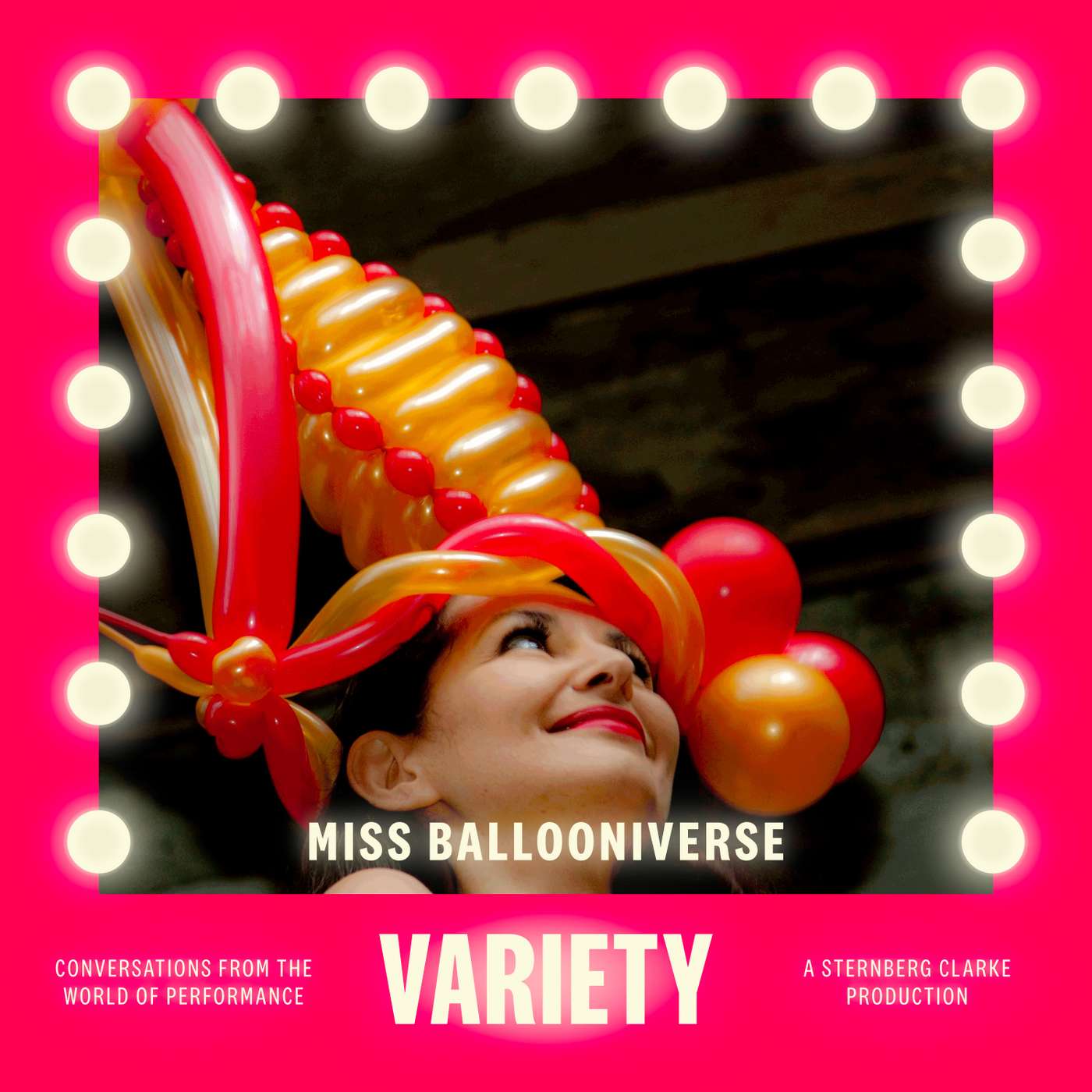 Miss Ballooniverse on the Aztecs, Balloon College, and Why She Carries a Castration Device with Her at All Times Miss Ballooniverse on the Aztecs, Balloon College, and Why She Carries a Castration Device with Her at All Times | Join us on this captivating journey into the fascinating world of live entertainment. Host Adam Sternberg brings you engaging conversations with remarkable entertainers, from magicians and jugglers to aerial artists and contortionists. Discover the unique stories behind their extraordinary careers, the challenges they've faced, and the motivations that drive them. If you're passionate about live entertainment or simply curious about the lives of these extraordinary performers, this podcast is a must-listen.Episode HighlightsIn this episode, Adam Sternberg welcomes Natalie Haverstock, internationally acclaimed balloon artist and performer, better known by her stage name Miss Ballooniverse. A natural entertainer with roots in acting and comedy, Natalie has transformed the humble balloon into an art form blending creativity, humour, and craftsmanship into something truly extraordinary. From teaching balloon-making to global audiences online, to dazzling celebrity guests at high-end events, her story is as uplifting as her creations.Adam and Natalie explore her colourful journey from the theatre stage to the balloon stage, the art behind every twist and fold, and the resilience required to reinvent oneself in an ever-changing creative industry.Key Discussion PointsA Musical Start: Growing up in North West London, Natalie was surrounded by creativity, her father was a violinist who even appeared in Fiddler on the Roof. Though she trained in classical acting at Rose Bruford College, comedy and improvisation soon became her passion.Improvisation & Performance: As the former Artistic Director of London Theatre Sports, Natalie honed her quick wit and stage presence, tools that would later prove essential to her success as a performer.Discovering Balloons: A chance introduction to a balloon agency in 2008 sparked her unexpected new career. What began as a side hustle quickly became a full-fledged art form as Natalie discovered the power of balloons to connect, amuse, and amaze audiences.From Beginner to Master: Her trip to Belgium’s Millennium Jam convention transformed her skills and inspired her signature style from wearable balloon dresses to Jeff Koons-inspired creations.Art Meets Psychology: Natalie shares how balloon modelling, like acting or magic, is all about reading the room and evoking emotion proving that every squeal of delight is part of the performance.The Celebrity Connection: From Britain’s Got Talent to private charity galas, Natalie’s balloon caricatures of famous faces have charmed stars like Simon Cowell and delighted crowds around the world.Adapting Through Adversity: During the pandemic, Natalie pivoted to virtual workshops, teaching balloon art to teams and families across continents proving that joy is still possible through a screen.Balloons Without Borders: From Dubai to London, her craft transcends language and culture. As she puts it, “Laughter is the same in every language and balloons are a universal symbol of fun.”The Aztec Connection: Ever the curious creator, Natalie even shares how ancient civilizations inflated animal intestines as early balloon art connecting history, humour, and creativity.Performance Over Perfection: While technique matters, Natalie insists her real art lies in the performance: “It’s 60% entertainment, 40% balloons.”Interactive SegmentThe Balloon Dog Lesson: Natalie gives Adam a hilarious hands-on crash course in balloon art, guiding him through the twists and turns of crafting the classic balloon dog. The result may not win awards, but it brings laughter and lessons in equal measure.Behind the Tools: In a moment of trademark eccentricity, Natalie reveals one of her most unusual tools, a veterinary castration device repurposed to stuff confetti and toys into balloons. Her accountant, she jokes, still hasn’t recovered.Get in TouchFor more on Miss Ballooniverse’s live shows and workshops, visit: 👉 https://www.instagram.com/missballooniverseTo stay updated on future episodes, follow @ItsTheVarietyShow on: TikTok Instagram YouTubeDon’t miss out on how we plan to bring this podcast to life with Variety Live shows.🎵 Original title music written by Peter O'Donnell and produced by Chris Burgess. Join Adam Sternberg next time for another captivating glimpse into the world of live entertainment. | 33m 08s | ||||||
| 10/23/25 | 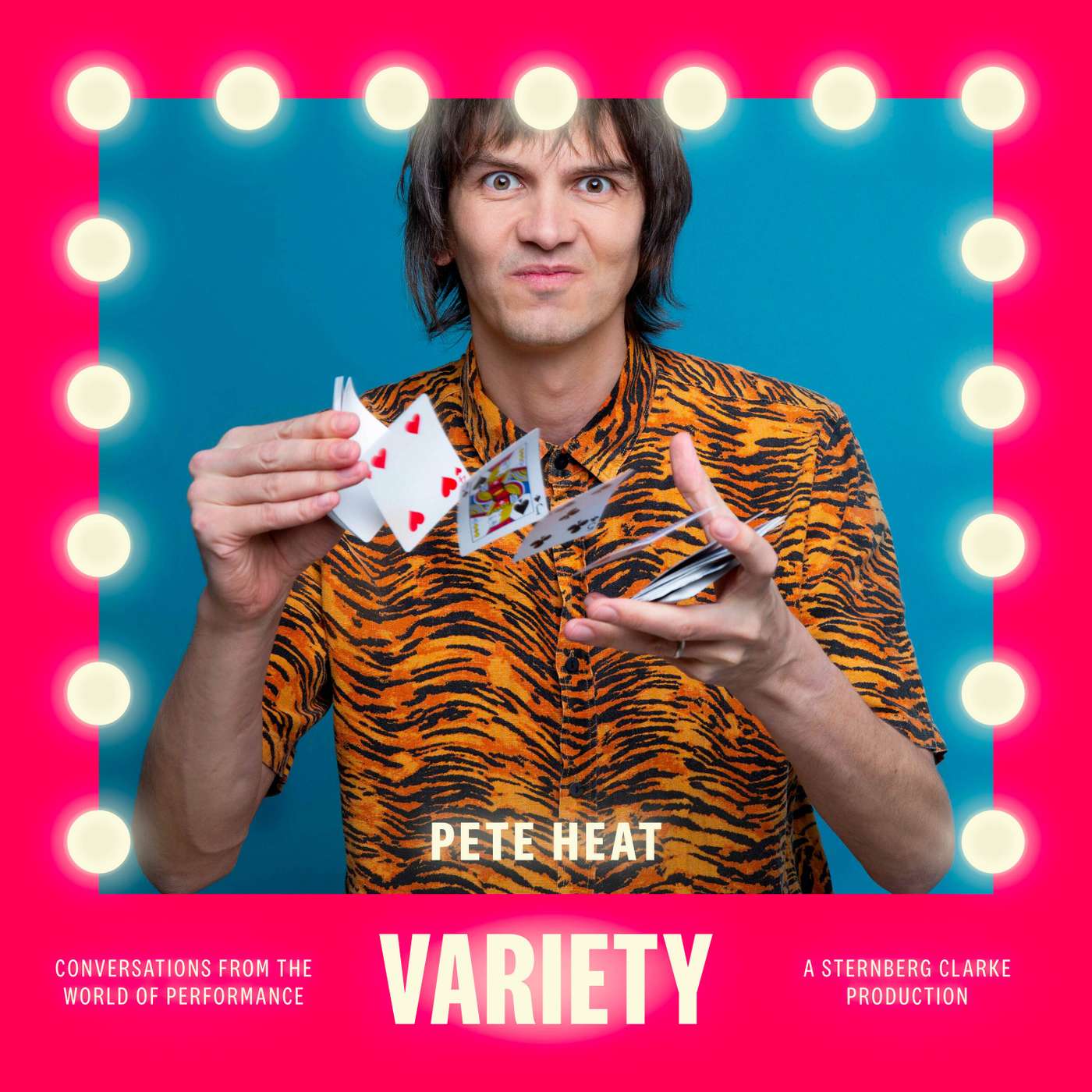 Pete Heat on the Philosophy of Magic, taking the alternative route, and Training Jude Law Pete Heat on the Philosophy of Magic, taking the alternative route, and Training Jude Law | Join us on this captivating journey into the fascinating world of live entertainment. Host Adam Sternberg brings you engaging conversations with remarkable entertainers, from magicians and jugglers to aerial artists and contortionists. Discover the unique stories behind their extraordinary careers, the challenges they've faced, and the motivations that drive them. If you're passionate about live entertainment or simply curious about the lives of these extraordinary performers, this podcast is a must-listen.Episode HighlightsIn this episode, Adam Sternberg welcomes Pete Heat, one of the UK’s most exciting magicians and comedians. Known for his unique blend of sharp wit and astonishing sleight of hand, Pete has performed around the world, from intimate close-up shows to large-scale stage performances. He’s worked behind the scenes in television and even taught magic to Jude Law for his role as Dumbledore in the Fantastic Beasts films.Adam and Pete explore how a childhood fascination turned into a global career, the fine balance between art and illusion, and why a good magic trick is as much about psychology as it is about skill. Pete also opens up about the creative process behind developing new tricks, handling unpredictable audiences, and how he accidentally became known as “the rock & roll magician.”Key Discussion Points• The Early Spark: Pete recalls his uncle performing a coin trick at Christmas that ignited his lifelong obsession with magic — blending his analytical mind with his love for art and performance.• From Coventry to the World Stage: How a homemade showreel filmed around East London helped launch Pete’s television career and set him on a path to performing globally.• The Rock & Roll Magician: Pete shares how his look, timing, and presence — combined with the indie energy of mid-2000s London — helped shape his unique identity in the world of magic.• Behind the Trick: A fascinating breakdown of how magicians create new illusions — from the initial concept (“What if I could push a glass through a table?”) to working out how to make the impossible look possible.• When Things Go Wrong: Why a magician’s best weapon is improvisation — and how every mistake can be turned into a moment of wonder.• Cultural Reactions: From prayer beads in Bahrain to raucous applause in New York, Pete reveals how different cultures respond to magic around the world.• Teaching Dumbledore: The story behind how Pete ended up teaching Jude Law magic for Fantastic Beasts — and how that encounter boosted his career overnight.• On Fame and Fulfilment: Pete candidly discusses ambition, art, and the delicate balance between creative passion and the desire for wider recognition.Interactive Segment• The Riffle Shuffle Lesson: Pete gives Adam a hands-on masterclass in shuffling cards — with results that might not qualify him for the Magic Circle just yet.• Signature Trick: Pete performs his classic card routine live on the podcast — a trick that has, quite literally, taken him around the world.Get in TouchFor more on Pete’s performances and live shows, visit: 👉https://www.instagram.com/peteheatTo stay updated on future episodes, follow @VarietyPodcastOfficial on:TikTokInstagram YouTube Don’t miss out on how we plan to bring this podcast to life with Variety Live shows.🎵 Original title music written by Peter O'Donnell and produced by Chris Burgess.Join Adam Sternberg next time for another intriguing episode of Variety. | 50m 50s | ||||||
| 10/16/25 | 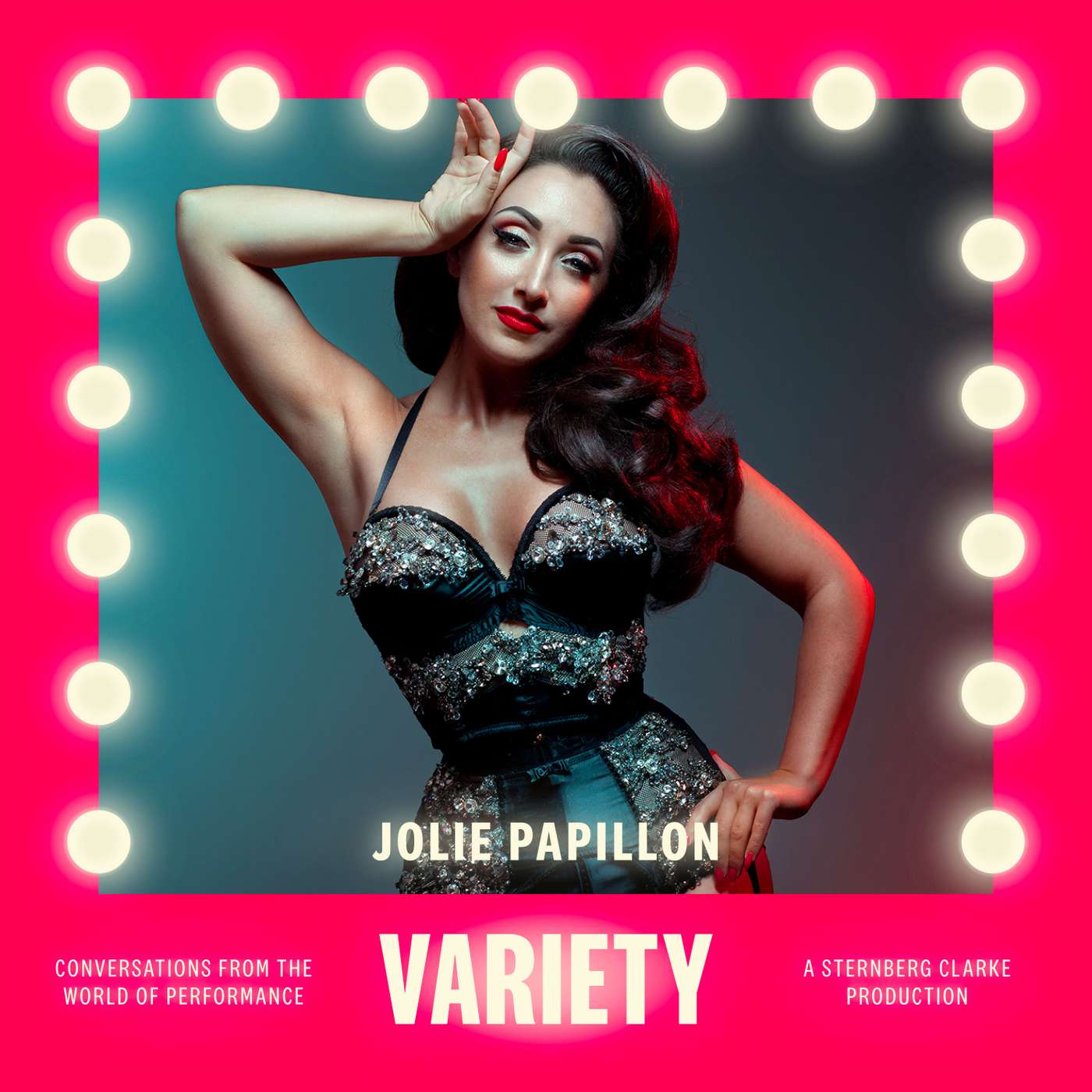 Jolie Papillon: From Ballet to Burlesque and the Art of Captivating Audiences Jolie Papillon: From Ballet to Burlesque and the Art of Captivating Audiences | Welcome to episode 1 of the Variety podcast. I have been lucky enough to have worked with some amazing acts over many years. But for me, what has always been fascinating are the stories they have told me before they went on stage - what led them to be a performer, the difficulties they have faced, the hilarious situations they have faced when the act goes badly wrong. I always thought that a peek behind the curtain was as interesting as what went on the stage - that’s why I’ve worked hard to bring this podcast to you today. I hope you enjoy it and let us know your thoughts below.– Adam SternbergEpisode HighlightsIn this episode, Adam Sternberg sits down with Jolie Papillon, one of the UK's leading burlesque artists. Originally from Rimini, Italy, Jolie shares her journey from training at top theatre and dance schools in Europe to becoming a celebrated burlesque performer in the UK. Adam and Jolie delve into the variety of reactions from audiences, the misconceptions about burlesque, and the significance of embracing authenticity in performance.Key Discussion Points:• Early Inspirations: Jolie talks about her upbringing in Rimini, her musical family background, and her early experiences in performance.• Discovering Burlesque: Learn how Jolie stumbled upon the world of burlesque and cabaret, and how she created her stage persona, Jolie Papillon, for a burlesque competition.• The Art of Striptease: Jolie discusses the artistry involved in burlesque, from choreography and costume design to the importance of performance and audience interaction.• Challenges and Triumphs: Hear Jolie's stories of overcoming stage mishaps, dealing with audience reactions, and performing in diverse cultural settings, including in Saudi Arabia.• Evolving Perceptions: Explore how burlesque is viewed today and the impact of mainstream influences, such as Taylor Swift's "Life of a Showgirl" album.Interactive Segment:Glove Peeling 101: Jolie shares a playful demonstration of the art of glove peeling, highlighting the intricacies involved in this classic burlesque move.Get in touch:For more insights into Jolie's world visit : Jolie’s InstagramStay updated on future episodes! Find us at @VarietyPodcastOfficial on:TikTokInstagram YouTube Join Adam Sternberg next time for another episode of Variety. Thank you for tuning in!Original title music written by Peter O'Donnell and produced by Chris Burgess. | 43m 48s | ||||||
Showing 25 of 26
Sponsor Intelligence
Sign in to see which brands sponsor this podcast, their ad offers, and promo codes.
Chart Positions
2 placements across 2 markets.
Chart Positions
2 placements across 2 markets.