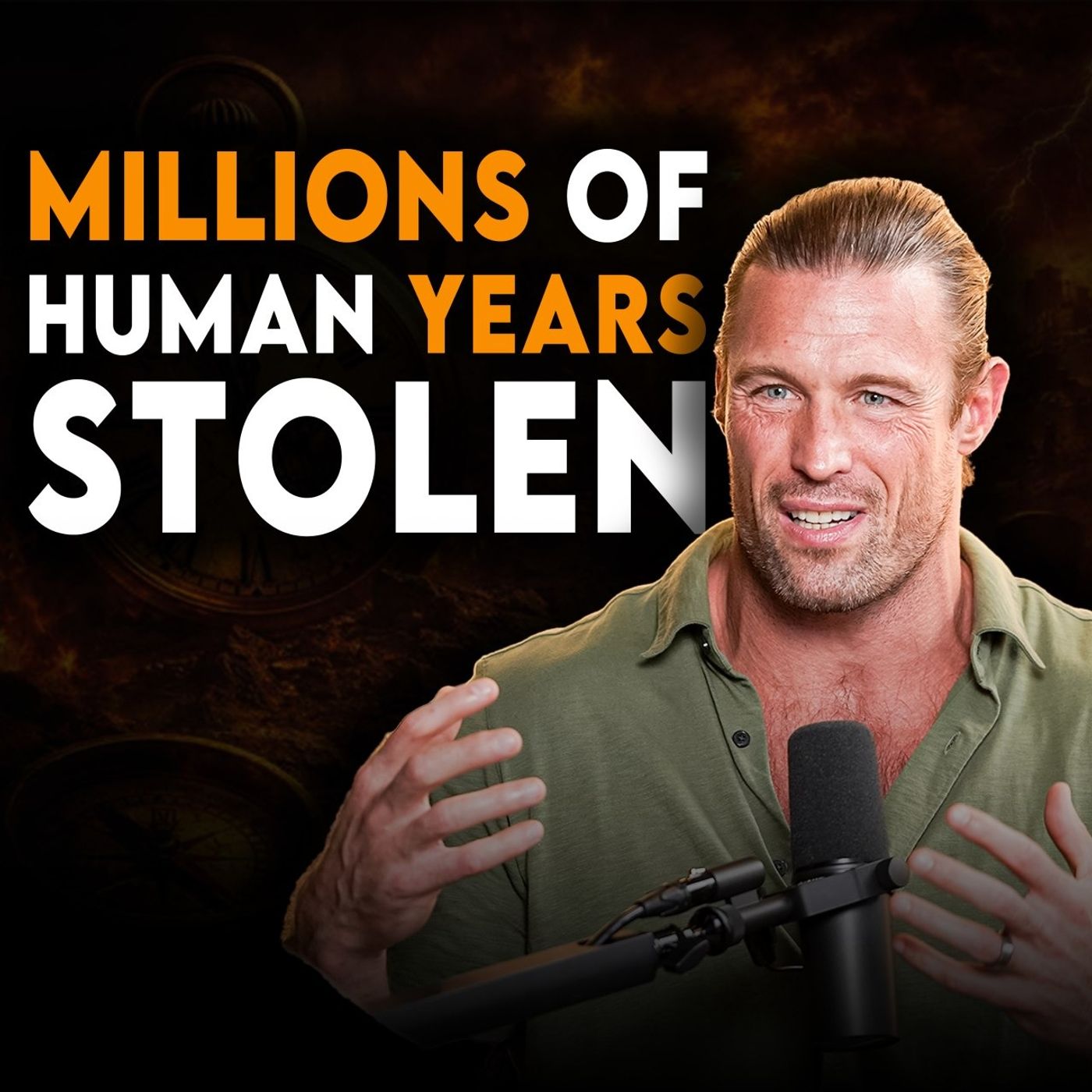
The Hidden Math Behind How Inflation Steals Millions of Years of Human Labor w/ Deepak Sharma
About this episode
The episode explores the impact of inflation on human labor and the deeper forces shaping human behavior and institutions.
What if 100 million years of human labor were stolen in a single policy decision — and almost no one noticed? In this conversation, Robert Breedlove joins Deepak Sharma — entrepreneur, media founder, and host of the It's Not That Deep podcast — for a wide-ranging exploration of money, freedom, and the hidden architecture of human behavior. The conversation moves from the nature of money as pure optionality and the language of human action, to the mechanics of fractional reserve banking as legalized fraud, to the staggering math behind how the Covid-era money printing effectively stole 2 million lifetimes of productive labor from savers. Robert and Deepak also go deep on the psychology of scarcity and abundance, manifestation and meditation as tools for reprogramming behavior, the male drive to create and compete, and why the human superpower of programmability is either your greatest weapon or your greatest vulnerability. This conversation explores the deeper forces shaping human behavior, institutions, and the future of civilization.
Explore listener stats, chart rankings, contacts and more on the The "What is Money?" Show podcast page.