Insights from recent episode analysis
Audience Interest
Podcast Focus
Publishing Consistency
Platform Reach
Insights are generated by CastFox AI using publicly available data, episode content, and proprietary models.
Most discussed topics
Brands & references
Total monthly reach
Estimated from 3 chart positions in 3 markets.
By chart position
- 🇮🇳IN · Leisure#1121K to 10K
- 🇮🇱IL · Leisure#963K to 10K
- 🇨🇿CZ · Leisure#146500 to 3K
- Per-Episode Audience
Est. listeners per new episode within ~30 days
2.3K to 12K🎙 ~2x weekly·110 episodes·Last published 1w ago - Monthly Reach
Unique listeners across all episodes (30 days)
4.5K to 23K🇮🇳43%🇮🇱43%🇨🇿13% - Active Followers
Loyal subscribers who consistently listen
1.8K to 9.2K
Market Insights
Platform Distribution
Reach across major podcast platforms, updated hourly
Total Followers
—
Total Plays
—
Total Reviews
—
* Data sourced directly from platform APIs and aggregated hourly across all major podcast directories.
On the show
From 13 epsHost
Recent guests
Recent episodes
Ivan Van Norman — From Broke Graduate to Geek & Sundry, the Reality of Scaling an Indie Studio, and Embracing Content Innovation (#106)
Jun 18, 2026
1h 22m 09s
Zvi Mowshowitz—From the Magic Pro Tour to Wall Street, the Logic of Bookmaking, and the Future of AI Ethics (#105)
Jun 5, 2026
1h 44m 37s
Nate Heiss — Removing Ego from Design, The Magic of Roguelikes, and Building Across Digital and Tabletop (#104)
May 21, 2026
1h 31m 15s
Mark Rosewater — Designing for Emotion, Embracing Complexity, and 28 Years of Iteration (#103)
May 7, 2026
1h 52m 10s
Ross Thompson—Real-World Marketing, Influencer Strategy, and Building Community That Lasts (#102)
Apr 23, 2026
1h 12m 41s
Social Links & Contact
Official channels & resources
Official Website
Login
RSS Feed
Login
| Date | Episode | Topics | Guests | Brands | Places | Keywords | Sponsor | Length | |
|---|---|---|---|---|---|---|---|---|---|
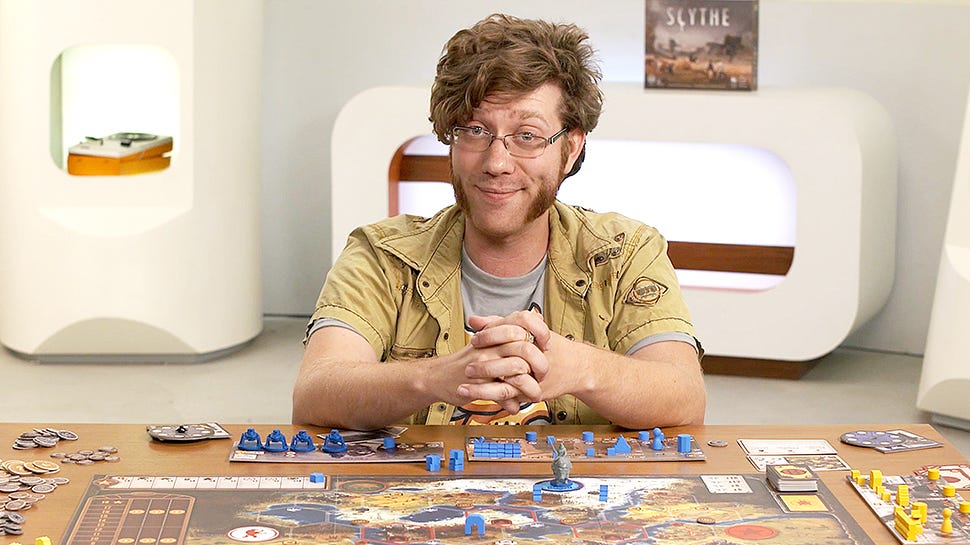
| 6/18/26 | ![]() Ivan Van Norman — From Broke Graduate to Geek & Sundry, the Reality of Scaling an Indie Studio, and Embracing Content Innovation (#106) | About Ivan Van NormanIvan Van Norman is a true powerhouse of indie tabletop publishing and media innovation, bringing over 15 years of deep industry expertise to the table. Our paths cross all the way back to the very first year Gen Con introduced Entrepreneur’s Alley, where our tiny 10x10 booths were literally shoved into the back corner of the convention hall, facing a wall right next to the food court. While I was out there hawking the first print run of Ascension, Ivan was launching Hunters Entertainment. Since then, Ivan has carved out an incredible track record, serving as an executive producer and host at Geek & Sundry during the wild dawn of the web-streaming boom, helping lay the early foundational blocks for massive cultural phenomena like Critical Role, and co-owning Hunters Entertainment. He’s the publisher behind brilliant, boundary-pushing projects like the silent, text-messaging RPG Alice Is Missing. In this episode, we discuss the brutal realities of transitioning from a broke creator to a successful studio owner, how shifting mediums completely transform the mechanics of storytelling, and why your graveyard of discarded ideas is secretly your greatest design asset.Ah-ha! Justin’s Takeaways* Everybody Prepares You for Failure, Nobody Prepares You for Success: When you’re broke and just starting out, you are completely free to take massive risks because you have absolutely nothing to lose. However, the moment an indie project hits it big, the landscape completely flips. Ivan shares a wild reality check about running his first hit Kickstarter as a sole proprietor and suddenly getting hit with a massive personal tax bill he didn’t see coming. Success brings structural obligations to payroll, to investors, and to an audience that wants you to repeat your tricks.* The Medium is the Mechanic: If you want your creative stories to break through the modern cultural noise, you have to design explicitly for the technology where your audience actually lives. Felicia Day and Geek & Sundry did it by leveraging the wild west of early YouTube and Twitch to unlock long-form TTRPG streaming. Alice Is Missing did it by turning a standard smartphone group text into an intensely emotional narrative engine. During our chat, Ivan’s insights actually inspired me start work on a brand-new design concept right at the table: how to build an ultra-short-form video RPG engineered entirely for Shorts, Reels, and Twitch.* Less Money Equals More Radical Execution: Starting out broke right out of college gives you a massive, counterintuitive edge, because without a cash cushion, you are forced into a level of radical execution you just can't fake. Ivan and I launched right in a brutal recession, building display tables out of inventory boxes and dragging ammo cans down the hot streets of Indianapolis. That said, the real secret to surviving over the long haul as a serial entrepreneur is a beautiful touch of amnesia. We are naturally wired to avoid pain, and if you perfectly remembered the bone-deep exhaustion and near-failures of a launch, you'd never take a big risk again. You need that selective memory loss to trick yourself into thinking "this next launch will be smooth" just to find the sheer audacity to stand at the starting line again. It acts as a psychological shock absorber, wiping away the baggage of past failures so you can always approach a blank sheet of paper with total confidence. This is a public episode. If you'd like to discuss this with other subscribers or get access to bonus episodes, visit justingarydesign.substack.com/subscribe | 1h 22m 09s | ||||||
| 6/5/26 | ![]() Zvi Mowshowitz—From the Magic Pro Tour to Wall Street, the Logic of Bookmaking, and the Future of AI Ethics (#105)✨ | AI ethicssports betting+4 | Zvi Mowshowitz | Wizards of the CoastJane Street+1 | — | AI alignmentsports betting+4 | — | 1h 44m 37s | |
| 5/21/26 | ![]() Nate Heiss — Removing Ego from Design, The Magic of Roguelikes, and Building Across Digital and Tabletop (#104)✨ | game designdigital vs. physical design+4 | Nate Heiss | Plants vs. Zombies HeroesWizards of the Coast+3 | — | game designNate Heiss+6 | — | 1h 31m 15s | |
| 5/7/26 | ![]() Mark Rosewater — Designing for Emotion, Embracing Complexity, and 28 Years of Iteration (#103)✨ | game designemotional impact+4 | Mark Rosewater | Mood SwingsMagic: The Gathering+4 | — | game designemotional impact+4 | — | 1h 52m 10s | |
| 4/23/26 | ![]() Ross Thompson—Real-World Marketing, Influencer Strategy, and Building Community That Lasts (#102)✨ | marketing strategycommunity building+3 | Ross Thompson | Star Wars: LegionMarvel Crisis Protocol+3 | — | marketingcommunity+4 | — | 1h 12m 41s | |
| 4/2/26 | ![]() Drew Corkill — Design Solo Game Systems, Speed, and Shipping at Scale (#101)✨ | game designsolo games+4 | Drew Corkill | Think Like a Game Designer CourseSolo Game of the Month+1 | — | solo game designtabletop games+3 | — | 1h 02m 14s | |
| 3/18/26 | ![]() 50 Episodes of Game Design Wisdom✨ | game designrole-playing games+4 | Keith BakerMonty Cook+5 | — | — | game design wisdomEberron+5 | — | 1h 56m 45s | |
| 2/17/26 | ![]() Eric Lang — Designing for Payoff, Ritual Play, and Returning to Your Roots (#100)✨ | tabletop gaminggame design+3 | Eric Lang | Blood RageRising Sun+2 | — | tabletop gamesgame mechanics+3 | — | 1h 23m 55s | |
| 1/29/26 | ![]() Theresa Duringer — UI as Game Design, Onboarding Without Friction, and the Ethics of AI (#99)✨ | UI designgame design+3 | Theresa Duringer | AscensionDominion+3 | San Francisco | UIgame design+5 | — | 1h 19m 10s | |
| 1/15/26 | ![]() Jaimie Wolanski — Tough Truths, Retail Realities, and How Games Create Connection (#98)✨ | game industryretail+3 | Jaimie Wolanski | ShopkinsCatan+6 | — | game designretail strategies+3 | — | 1h 00m 04s | |
Want analysis for the episodes below?Free for Pro Submit a request, we'll have your selected episodes analyzed within an hour. Free, at no cost to you, for Pro users. | |||||||||
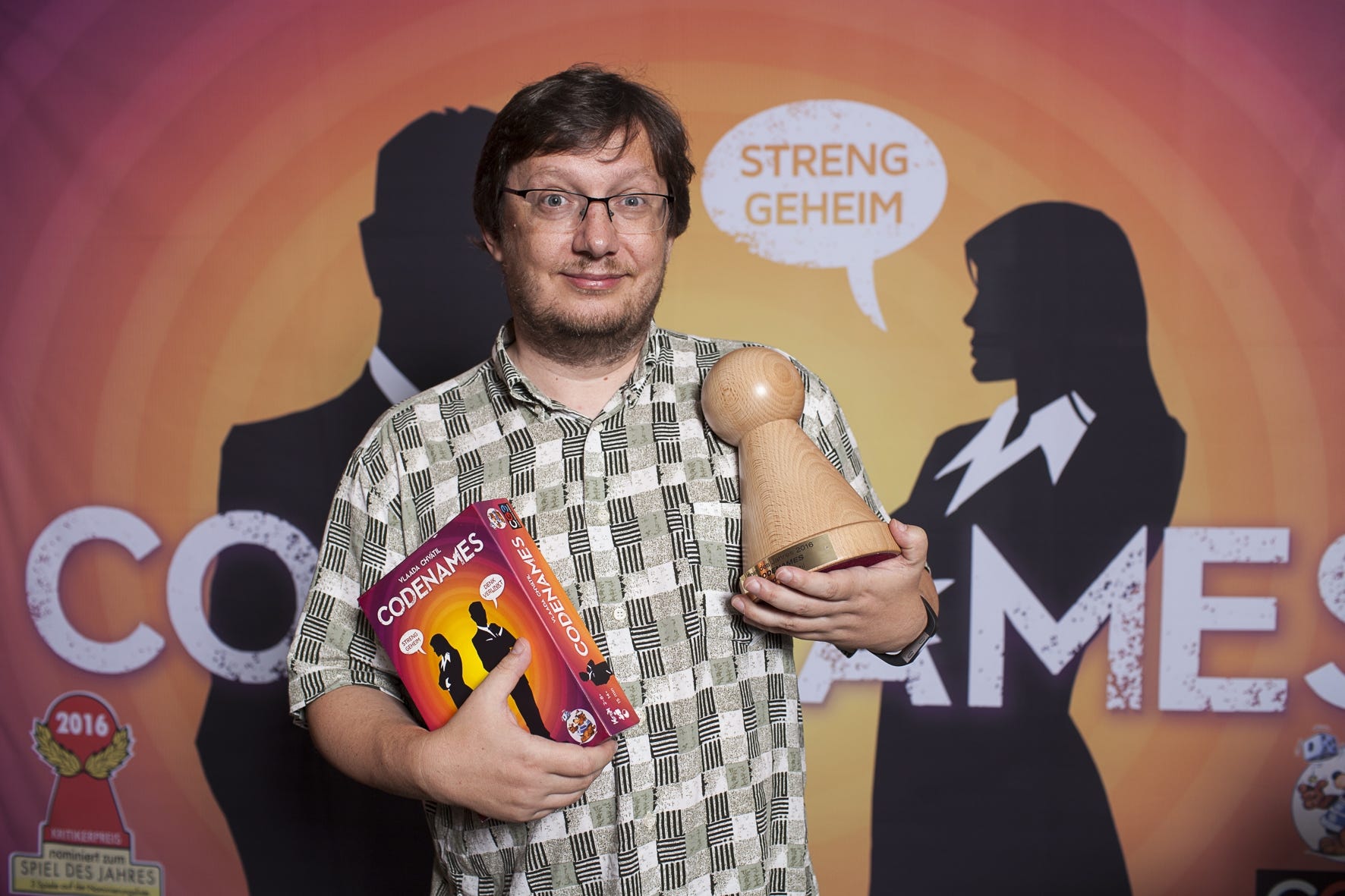
| 12/18/25 | ![]() Vlaada Chvátil — Designing for Joy, Building Great Games, and Letting Quality Do the Marketing (#97)✨ | game designcreativity+5 | Vlaada Chvátil | Czech Games EditionThrough the Ages+2 | — | game designCzech Games Edition+6 | — | 1h 10m 42s | |
| 12/4/25 | ![]() Carly McGinnis — Startup Scrappiness, Trusting Your Team, and the Rhythm of Leadership (#96)✨ | leadershipteam dynamics+4 | Carly McGinnis | Exploding Kittens | — | Carly McGinnisExploding Kittens+5 | — | 1h 22m 42s | |
| 11/18/25 | ![]() Kyle Thiermann — Deadlines, Mentors, Curiosity, and the Craft of Connection (#95)✨ | creativitysurfing+4 | Kyle Thiermann | Men’s HealthSurfer+5 | — | creativitysurfing+4 | — | 1h 17m 11s | |
| 11/6/25 | ![]() Touko Tahkokallio — Curiosity, Physics, and the Power of Mental Playtesting (#94)✨ | game designplaytesting+4 | Touko Tahkokallio | SupercellStellar Core+4 | — | game designplaytesting+6 | — | 1h 14m 01s | |
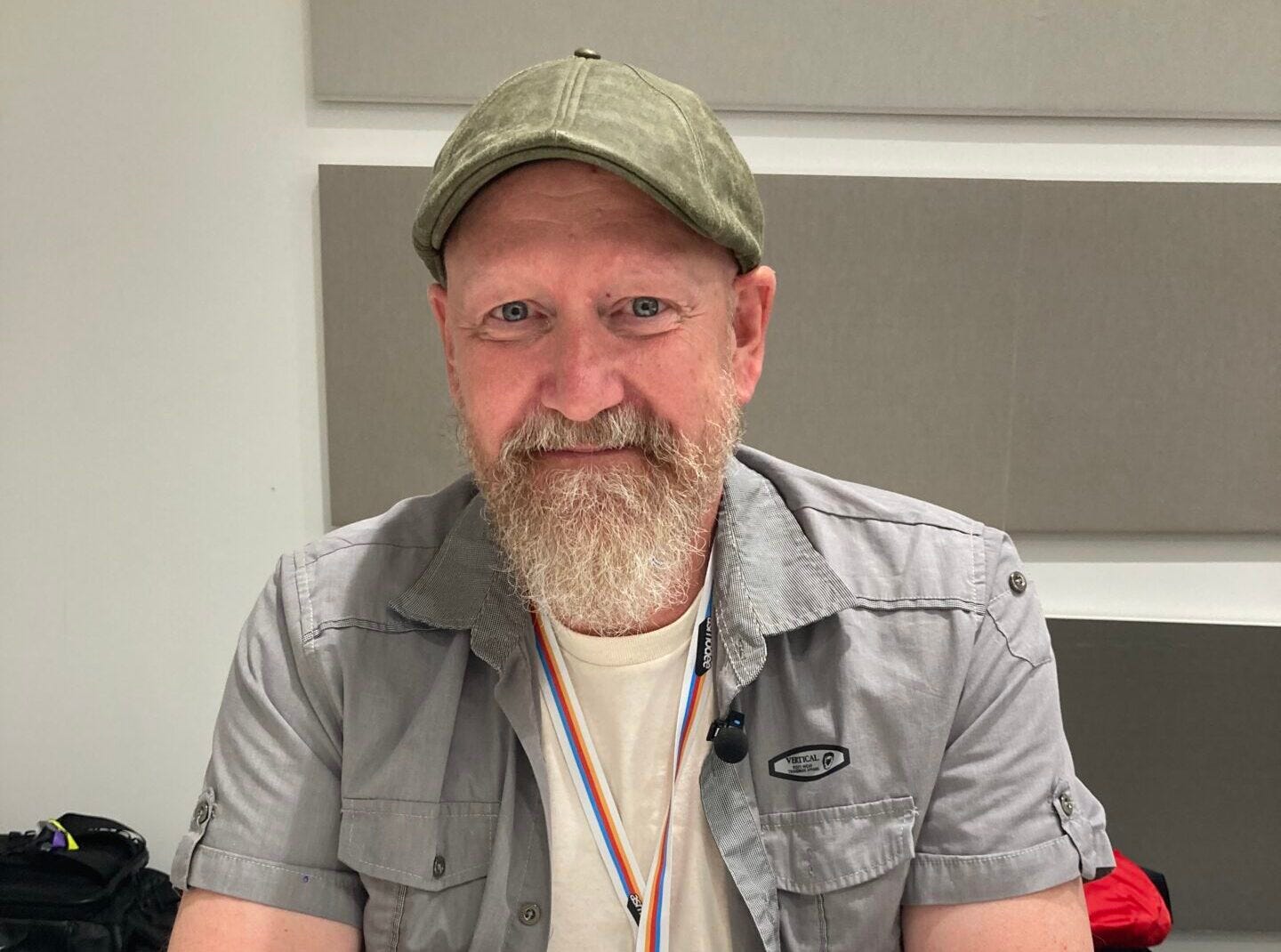
| 10/16/25 | ![]() Jordan Weisman — From Battletech to Shadowrun: The Power of Curiosity and Collaboration (#93) | About this EpisodeThis episode is a little different from the usual Think Like a Game Designer conversation. Instead of a freeform discussion, I came prepared with a curated list of questions to guide the conversation, giving us a structured look into Jordan’s creative process, his philosophies on innovation, and the lessons he’s learned over decades of building worlds. The result is a fast-paced, insight-packed episode that feels like sitting in on a masterclass in game design.About Jordan WeismanJordan Weisman is a legendary figure in interactive entertainment, whose career spans tabletop games, video games, theme parks, and beyond. As the creator of Battletech, Shadowrun, and Crimson Skies, and the founder of iconic companies like FASA and WizKids, Jordan has shaped generations of players and creators alike. His work is defined by boundless curiosity, fearless experimentation, and a lifelong commitment to collaborative storytelling.In this episode, Jordan and I explore what it means to think small, fail boldly, and keep learning no matter how much success you’ve had. We discuss how curiosity drives innovation, why emotional courage is more important than financial risk, and how respect—for yourself, your team, and your audience—is at the heart of great creative work. Whether you’re just starting your design journey or looking to rekindle your passion after decades in the industry, Jordan’s insights offer a masterclass in staying creative for life.Think Like A Game Designer is a reader-supported publication. To receive new posts and support my work, consider becoming a free or paid subscriber.Justin’s QuestionsWhat’s something that you’re passionate about outside of your career, and what do you love about it? (00:01:33)* During the pandemic, he rediscovered model building and diorama crafting, a childhood hobby that brings him therapeutic joy.* He enjoys it because it’s tangible, visual storytelling where you can actually see progress, a much different process than game design, which often feels abstract or slow.What do you love about that kind of model building and creating? (00:04:05)* It aligns with Jordan’s love of world-building and storytelling when creating small, detailed scenes that tell a story visually.* It’s satisfying because each session produces visible progress, reinforcing creativity and immersion.What is advice that you would give to someone that’s just starting out in your industry? (00:04:06)* Think small. Beginners often aim for massive projects like the ones they admire.* Start with something you can finish using your own limited resources.* Completion and execution teach more than ideas ever will.* Focus on learning through doing, not imagining.Now let’s flip to the other side of the equation: what do you see as an important lesson that industry veterans need to learn? Or put another way, what advice do you think your older self might give to you? (00:06:30) * Avoid hubris. Experience can blind you. Everything you know might be wrong.* Listen to young minds. Youth brings creativity because it hasn’t learned what’s supposedly impossible.* Over time, past failures make people too cautious; veterans must keep their beginner’s mindset.* Innovation demands courage to look foolish publicly; fear of embarrassment kills creativity.* Stay humble, keep experimenting, and reassess old assumptions regularly.Are there any practices or rituals or ways that you try to keep yourself in that beginner’s mind? How can one get the advantages of experience and minimize the disadvantages? (00:08:09)* You must be willing to “go face first into the mud.”* As he said in the previous question, public embarrassment is the price of innovation.* Surround yourself with young thinkers, question assumptions, and resist dismissing ideas based on past failures.* Always check whether past lessons still apply, because markets and contexts change. Jordan gives an example of a failed company born from his overconfidence, where he didn’t re-research the market because he assumed he already knew it.What do you consider the most important skills to cultivate for your profession, and how do you cultivate these skills? (00:15:13)* Endless curiosity: Study adjacent fields like comics, fiction, tech—anything that feeds creative cross-pollination.* Build a box: Instead of “thinking outside the box,” define constraints clearly to evaluate ideas. For example: He designed Mage Knight by creating a checklist of problems (ease of entry, low cost, retailer needs) and solving within that “box.”* He values self-education: when he didn’t know toy manufacturing, he paid a small company to teach him the process.So let’s get to the areas where the industry or you have been dead wrong. What common advice do you hear about your industry that is dead? (00:24:26)* “Nothing is ever dead.” Genres, mechanics, and IPs always come back (vinyl, RPGs, etc.) * When people say something’s over, it’s actually ready for reinvention.* He used to believe in-person collaboration was essential, but remote work proved him wrong.* He often misjudged products (like thinking Funko Pops would flop).* Absorb wisdom but not edicts.* Success and failure are cyclical, making timing and humility matter more than certainty.What books, articles, or learning resources have had the biggest impact on you? And if there are any key takeaways that stuck with you that come to mind? (00:30:53)* Mentions Reed Hastings’ book (Netflix culture) and Creativity, Inc. by Ed Catmull (Pixar). The value here is the small-team principles and leadership lessons, though he’s skeptical of the “find five geniuses” model.* His biggest lessons came from mentors, not books: Mark Miller (creator of Traveller): taught him kindness and professionalism. His father, Mort Weissman: joined FASA, ran the business side, and kept it alive.* He emphasizes mentorship, respect, and kindness as lasting business principles.What is the right way to find a partner? (00:33:14)* Finding a partner is like finding a life mate: talk about goals, work habits, expectations.* Negotiate the “prenup” early, meaning you should decide how you’ll split if things go wrong.* Avoid the naive approach he took (asking friends at the table).What about systems, software, and tools that have had a big impact on your workflow?(00:38:18)* Internal tool: his “box” process for evaluating ideas.* Software: Slack (no internal email, all communication centralized), Google Docs (collaboration), ClickUp/Jira (task tracking).* Avoid “Not Invented Here” syndrome: don’t build tools you can buy.* Focus on your core innovation; outsource or use existing solutions for everything else.* Reuse mechanics unless your innovation demands new ones.* Let your team choose tools bottom-up instead of enforcing top-down.What’s your favorite project, and what lessons did you learn from it? (00:45:46)* His favorite is always the one he’s working on now, but emotionally, Shadowrun and Crimson Skies stand out. Shadowrun came from trying to differentiate from Cyberpunk and combining fantasy with cyberpunk via the Mayan calendar. Crimson Skies was born from personal burnout after his wife pushed him to rediscover his passion. It led to reinvention and eventually Microsoft’s acquisition of his company.* His lesson here is that passion and reinvention are crucial; listen to loved ones and know when to move on from stale success.You can find the previous episode with Jordan below: This is a public episode. If you'd like to discuss this with other subscribers or get access to bonus episodes, visit justingarydesign.substack.com/subscribe | 52m 30s | ||||||
| 9/23/25 | ![]() Jonathan Grant — Critics, Experiments, Secrets, and the Business of Play (#92) | About JonathanJonathan Grant is a creative director at Zynga, founder of Orbital Games, and co-host of We Thought It Would Be Easy with Jordan Weisman. His career spans startups, acquisitions, and AAA environments, where he’s pitched ideas in Zynga boardrooms, built risky new projects, and collaborated with legends of the industry. Jonathan’s work is defined by his willingness to experiment, his honesty about failure, and his belief that great games hide secrets waiting to be discovered. In this episode, we dive into what it means to make the right bets, how to use criticism to grow, and why experimentation and mystery are essential tools in game designThink Like A Game Designer is a reader-supported publication. To receive new posts and support my work, consider becoming a free or paid subscriber.Ah-ha! Justin’s Takeaways* Your Critics Are Right About You: Jonathan challenges us to let go of ego by acknowledging that criticism often contains truth. Instead of fighting it, use it as fuel to grow. Accepting this mindset helps designers take risks, embrace feedback, and move forward without fear of failure.* The Power of Experimentation: At Zynga, Jonathan saw firsthand how structured experimentation can refine ideas—sometimes running a dozen tests at once. The key lesson: experimentation validates and sharpens vision, but it should never replace it. Use data to guide improvement, not dictate creativity.* The Purpose of Gameplay is to Hide Secrets: Jonathan believes the most memorable games invite players to discover hidden layers. Secrets create mystery, turning mechanics into worlds worth revisiting. As designers, we should craft experiences that reward curiosity, giving players reasons to return again and again. Show Notes"Pain isn’t bad. Damage is bad." (00:17:57)This framing really resonated with me. Creative projects often hurt, the late nights, the tough feedback, the near-misses, but that’s not the same as damage. Damage is when you burn out, ruin relationships, or risk your financial stability. Learning to distinguish between the two is essential. Pain can be a teacher or a compass; damage is a warning sign."Your critics are right about you." (00:27:14)It’s a hard truth, but Jonathan is right. The ego wants to believe that critics don’t understand us, yet their words often hold a kernel of truth. When I apply this mindset, I can let go of defensiveness and see criticism as fuel for growth. Its a reminder to use feedback to sharpen both my work and myself."The thing that Zynga was incredible at was experimentation… sometimes a dozen experiments at once." (00:50:37)At Zynga, experiments weren’t random, instead they were structured, frequent, and scaled. As a designer, I take from this that experimentation should validate vision, not replace it. Numbers can guide us toward sharper solutions, but they can’t generate the spark that makes a game truly special."Philosophically, the purpose of gameplay is to hide secrets." (01:08:29)I love this idea. Secrets are what keep players coming back: hidden interactions, unexpected depth, and little discoveries that reward curiosity. A great tip for RPG game masters is to place a secret in every location so players always have something to unravel, with each secret offering a way to draw them back on track. In my own designs, I’ve found that the best games aren’t the ones that reveal everything up front, but the ones that invite players into a world where there’s always more to discover. That sense of mystery is what makes play feel alive. This is a public episode. If you'd like to discuss this with other subscribers or get access to bonus episodes, visit justingarydesign.substack.com/subscribe | 1h 13m 58s | ||||||
| 9/9/25 | ![]() Elan Lee — Building Exploding Kittens, Marketing as Design, Retail Pitches, and Playing to Sell (#91) | About ElanElan Lee (@elanlee) is the co-creator and chief executive officer of Exploding Kittens, a leading gaming and entertainment company. Under his leadership, Exploding Kittens has expanded its portfolio to nearly 30 different games with more than 60 million games sold in more than 50 countries since its founding in 2015.Before founding Exploding Kittens, Lee was the chief design officer at Xbox Entertainment Studios, where he led the Interactive Entertainment Portfolio. Prior to that, he was the founder and chief creative officer of Fourth Wall Studios and co-founder of 42 Entertainment. He began his career at Microsoft Games Studios as a lead designer on the original Xbox.Lee has won a Primetime Emmy for the series Dirty Work; Game Innovator of the Year for Exploding Kittens; a Peabody Award for the world’s first alternate reality game, The Beast; and an IndieCade Trailblazer Award for a distinguished career in interactive entertainment, among others.In this episode, Elan and I discuss into how his company built their rigorous playtesting culture, why marketing is inseparable from product design, and how pitching to Target and Walmart is just another kind of game. Whether you’re trying to break into retail, sharpen your viral marketing instincts, or simply design games people can’t stop playing, this conversation will give you both insight and inspirationAh-ha! Justin’s Takeaways* Execution is the Superpower: From manufacturing to social media strategy, Elan’s team treats execution as part of game design. Elan explains why 80% of his company are marketers, producers, and logistics experts, all aligned around making games irresistible to discover and play.* Marketing is Product Design: At Exploding Kittens, marketers have veto power. A game might be hilarious to play in the room, but if it can’t be captured in a five-second social video, the game never makes it out of the room. Elan shares how his team tests hundreds of games at design retreats, then filters them through a marketing lens to ensure the product is not only fun but also instantly communicable and shareable.* Play to Sell: When pitching to Target or Walmart, Elan doesn’t “sell” games—he plays them. He gets buyers into the experience, proving the fun directly. This approach yields extraordinary success rates, with most of Exploding Kittens’ pitched games picked up for retail. Elan reframes pitching as playing with new friends, making joy the ultimate sales tool.Show Notes"She said, ‘I just want you to take a moment and take a breath and realize you built this thing.’" 00:04:46It’s easy as creators to focus on what’s broken or what needs fixing (I know I fall into this mindset myself) but sometimes the most powerful thing you can do is step back, practice gratitude, and recognize how far you’ve come. Elan’s wife reminded him of this during a board meeting, and it’s a lesson all of us can use to cultivate more joy in our creative journey."It doesn’t matter if it’s the best game in the world. If they don’t know how to sell it, it is not worth wasting our time on." 00:15:15Sometimes as game designers, we feel like the job ends once the mechanics click. Marketing can seem like an afterthought, but the truth is that it’s part of product design. Elan bakes this into his process by giving his marketing team veto power at design retreats. It’s a powerful reminder: if you want your game to succeed, you must think not only about how it plays but also about how it will be discovered. For Elan, that means asking whether a game can be sold in five seconds on social media. He shares stories of projects he loved that never made it to market because his team couldn’t find a way to sell them. This strategy is tied directly to reaching the casual gameplay audience, which demands this very specific approach."All I do is I talk to my friends about how much fun they are about to have, and then I prove it." 00:32:25Elan’s approach to pitching games is radically simple: instead of talking, play the game and let the experience do the work. Whether you’re pitching to Target or teaching your prototype at a convention, the best way to win people over is to let them feel the joy for themselves. Hearing this made me rethink my own approach, as I’ve often been guilty of trying to “sell” too much instead of simply playing.“[Poetry for Neanderthals] is, in its purest form, a tool set to let you talk to other people in the room." 01:04:01Elan describes his games as tool sets that let players entertain each other, which is why games like Poetry for Neanderthals or Codenames can stay fun even after dozens of plays. My philosophy takes a different angle: I aim to design games that last a lifetime, so my team thinks deeply about what the 100th play will feel like, something Elan admits he never has to think about with his own games, designed for his casual gaming audience.Whether your players stick around for ten plays or a hundred, the real secret is the same: Whether they’re crushing their opponents with clever plays or laughing together as they stumble through ridiculous challenges—great games create space for players to shine. This is a public episode. If you'd like to discuss this with other subscribers or get access to bonus episodes, visit justingarydesign.substack.com/subscribe | 1h 17m 32s | ||||||
| 8/21/25 | ![]() Justin Gary — 5 Lessons From 15 Years (#90) | At Gen Con this year, we kicked off Ascension’s 15-year anniversary celebration. I had the chance to meet so many fans who have been part of this community for over a decade; the experience was both humbling and rewarding.We just launched the Gamefound Campaign for the Ascension 15th Anniversary Collector’s Edition and I’ve been reflecting on the incredible journey that brought us here. What began as a casual prototype I created to play with friends between rounds of Magic tournaments has grown into a game that connects millions of players around the world.Here are the five most important lessons I've learned, each has transformed Ascension from a prototype to a global phenomenon.Lesson 1: Prototype and Iterate FastWhen I first started working on Ascension, I never expected it to become the success it is today. It was 2009, and I had just quit my job to start my own game company. The funny thing about starting a company is that until you’re making money and collaborating with others, the difference between “CEO/Game Designer” and “guy sitting on his couch” is mostly a matter of attitude.At the time, I had spent over a hundred hours playing the deckbuilding game Dominion. This game pioneered the genre, offering the fun of deckbuilding without the hassle of collecting cards. As a Magic: The Gathering Pro, I loved that it delivered the joy of constructing a deck without buying packs or managing a collection. Eventually, however, the game became predictable. Because each setup of available cards was fixed from the start, I rarely needed to change my strategy. I also found that the game took too long to set up, impacting the ratio of fun to busy work in a way I thought could be improved.The secret to creating Ascension was simple: remove the things from Dominion that get in the way of fun.My first prototype was literally just a shuffled pile of Dominion cards, which instantly cut 20 minutes off setup time. Mind you, this prototype wasn’t good, but it gave me a quick sense of how the gameplay might feel, and I could see a spark of something great there. My next prototype was nothing more than sharpie scribbles on blank cards. Since my prototypes were quick and ugly, I had no problem throwing them out and making rapid changes. That freedom allowed Ascension to go from idea to store shelves in under 18 months.The lesson: Your first prototype should be so ugly you're embarrassed to show it to anyone. That embarrassment is freedom—freedom to fail fast, change everything, and find the fun without falling in love with your first ideas.Lesson 2: When in Doubt, Cut it outMost new designers try to solve problems by adding things to their games. The correct answer is almost always to cut instead.Ascension started by cutting Dominion’s purchase and play restrictions. This streamlined the game and gave players more choices each turn, but also required me to add a second resource [power] to keep tension high. This change was just the start, the biggest cut came much later in development.Ascension’s signature innovation was the ever changing center row, which dramatically increased the variety in each game. At the same time, this mechanic also created the risk of a stalled board state, meaning that if players weren’t able to buy anything from the center, nothing would change and the game would drag on. My original solution was a “conveyor belt” mechanic, where, at the end of each turn, the rightmost card was banished and everything slid down. This guaranteed movement and created tension as cards neared the edge.The problem was that players kept forgetting to slide the cards down. Every. Single. Game.I tried everything: special cards that interacted with the conveyor belt, giant reminder text on the board, entire mechanics to make sliding feel essential. Nothing worked. Then one playtester asked the question that should have been obvious but I was blind to: "What if we just cut that rule?"We shuffled up, played without it, and never looked back. The game was cleaner, faster, and more fun. Did the board stall occasionally? Yes, but we could mitigate that by subtly adjusting card costs and adding banish effects players could buy when needed. In this case, the conveyor belt cure was far worse than the occasional stalled board disease.The lesson: Every mechanic costs mental energy. When facing a design challenge, always ask first: "What can I eliminate to solve this problem?" Remember, "dead now" doesn't mean "dead forever." Cut mechanics make great expansion content later.Lesson 3: Perfect Your Pitch Through RepetitionEvery game needs a killer hook, and the only way to find it is through repetition. Brutal, exhausting repetition.I learned this the hard way at my first Gen Con booth, where we sold the first copies of Ascension 15 years ago. Over the course of the show, you pitch the game a hundred times. You refine, adjust, and figure out what works. By the end, I could pitch and demo Ascension in my sleep. I knew exactly how to get someone hooked, and the moment I no longer needed to be there (for Ascension, it’s usually turn three, when players start seeing the new cards they purchased and get excited about improving their decks).Whenever possible, use things your audience already knows as a reference, combine two familiar concepts, or give a twist to something they’ve seen before. You need to get information about your target audience and customize the pitch to them. Once they’re hooked, you can guide them into a demo and, hopefully, into buying the game and sharing it with friends.In 2010, if I knew my audience played Magic, my go-to pitch was:“Imagine all the fun of drafting card packs in Magic, all with just one lifetime purchase.”If they were familiar with Dominion, an effective pitch was:“Ascension is like Dominion, but with a fun fantasy theme and you can play an entire game in the time it takes to set up a game of Dominion.”If they weren’t familiar with either game category, I would usually start with a more theme forward pitch:“Ascension is a 30 minute card game where you recruit mighty heroes and weapons to defeat monsters and earn honor.”At first, pitching this way feels awkward. You have to train yourself to read the audience, adapt, and take feedback from their reactions. The best games also make it easy for players to teach friends, and those people become your best marketers. The more you practice pitching and running live demos, the more it will shape your design choices, helping you create games that are not only fun to play, but also fun to learn and teach.The lesson: Practice pitching your game early and often. Alex Yeager’s 2-2-2 demo framework is a fantastic tool for game designers (you can hear more about it on my podcast with Alex here). Whether you need a two-sentence pitch, a two-minute overview, or a two-player demo, tailoring the level of detail to your audience is key. This approach prevents overwhelming your audience with too much information at once while still providing a clear and concise introduction to your game.Lesson 4: Know Your Core Tension and Protect ItEvery great game revolves around one central tension that hooks players.* In Uno, you're trying to empty your hand without unlocking your opponents' cards.* In chess, you protect your king while threatening your opponent's king.* In poker, you want to win the pot but must risk chips without knowing what others hold.* In Magic: The Gathering, the one-land-per-turn restriction forces agonizing tradeoffs about which spells to cast.For Ascension, the core tension is this: adapting to an ever-changing market while your opponents threaten to snatch the exact cards you need.The game sings when there are multiple exciting cards supporting your strategy, but your opponent might grab them first. Every choice matters because the board state is temporary. Purchasing a Mechana construct early makes each successive mechana construct better, but if your opponent cuts you off from the cards you need then your strategy could fall apart.Understanding this core tension has guided 15 years of expansions. Every new mechanic is built to enhance this central dynamic, but never replace it. Our newest expansion, Ascension Legends, turns faction choice into a higher-stakes decision than ever with the Legendary Track system. As you climb each faction's track, you unlock powerful bonuses. Suddenly, that “meh” Lifebound hero becomes essential because it pushes you toward a game-breaking legendary power. Multi-faction cards become contested treasures. The tension ratchets up, but the heart of Ascension remains intact.In the 15th anniversary campaign, I’ve designed an entirely new card type that impacts every game called Chronicles. Chronicle cards were an interesting challenge to design, because I wanted to make something that honored Ascension’s history, impacts every game, and could work with whatever expansion(s) you chose to play it with. But I’ve always believed constraints breed creativity and these constraints were no exception. There are 17 Chronicle cards available in this campaign. At the start of the game, you can select any two of them and set them beside the center row. Each one adds a new game rule or unique cards to the game. Each of these 17 cards was designed to highlight one of our previous expansions and compress its impact on the core tension into a single effect. Because they are promos and players can opt in to which ones they want to play with, I also felt more free to make more powerful abilities that I would never put into a normal set. For example, one card representing Darkness Unleashed, where we first introduced transforming cards, adds the rule: “At the start of the game, each player removes one Apprentice and one Militia from their Starting Deck and Transforms them into one Mystic and one Heavy Infantry.” These cards are a great way to radically shake up the game and have some fun reevaluating old cards and strategies in the light of new mechanics. You can learn more about the new card type in our update here.The lesson: Identify your game's core tension in one or two sentences. Write it down. Frame it. Before adding any new mechanic, ask: "Does this enhance or dilute our core?" As your game inevitably grows more complex, staying true to its core ensures it evolves in the right direction.Think Like A Game Designer is a reader-supported publication. To receive new posts and support my work, consider becoming a free or paid subscriber.Lesson 5: Create Space for Community and ConnectionAt GenCon, a father approached me with his 11-year-old daughter in tow."I just wanted to thank you," he said. "Ascension has become our special thing. We play together almost every night, and it's given us this amazing way to connect."His daughter beamed and jumped into the conversation, eager to tell me about her favorite faction (lifebound) and the strategies she'd discovered.What struck me wasn’t just their enthusiasm—it was the math. She wasn’t even born when Ascension first released in 2010. Yet here she was, fifteen years later, experiencing the same joy of discovery that’s captivated players from day one. That’s when I realized we hadn’t just created a game—we’d built something that bridges generations.From the beginning, Ascension was deliberately designed to feel less confrontational than other strategy games. You're not attacking other players—you're all racing toward your own goals while your opponent does the same. Only the shared center row and occasional monster effect encourage direct competition.This makes Ascension approachable to partners, friends, and family members who might be intimidated by more aggressive games. I’ve heard from hundreds of players who say Ascension was their entry point into tabletop gaming. Even the partner of a hardcore gamer can enjoy Ascension because even when you lose, you still get to build something cool and feel progression throughout the game.This design philosophy has created a community where parents can genuinely enjoy playing with their children, where couples can bond over evening games, and where someone whose only card game experience is Uno can sit down and have fun within minutes. The rules are simple enough to teach quickly, but the strategy is deep enough to reward returning players.The secret to lasting community is making everyone feel welcome at the table. Even competitive card games like Magic have benefited enormously from more social formats like Commander which allow new players to enjoy the experience without as much direct conflict. Even for SolForge Fusion, the game I co-created with Richard Garfield as a very competitive game, we created a campaign mode and storyline tournaments that make players allies against a common cause, helping them root for each other and take on challenges that are less directly antagonistic with other players.The lesson: Your game's community will outlive any individual player if you design it to include rather than exclude, to welcome rather than intimidate, and to create shared positive experiences rather than zero-sum conflicts. Think about how your design allows players of different skill levels to enjoy the journey together. The best victories are the ones you can celebrate with the person across the table, not at their expense.Fifteen years ago, I was just a guy on a couch with a dream and a Sharpie. Today, Ascension connects hundreds of thousands of players across the world—parents and children, partners and friends, veterans and newcomers. As we launch our 15th anniversary campaign on Gamefound, featuring exclusive anniversary editions and the brand-new designs, I'm not just grateful for the game we've built. I'm grateful for the community you've helped us create.I am beyond grateful for the community that has supported the last 15 years, and I can’t wait to continue to grow together over the next 15!Join our 15th anniversary celebration at Gamefound and get exclusive anniversary rewards available nowhere else.— Justin Gary This is a public episode. If you'd like to discuss this with other subscribers or get access to bonus episodes, visit justingarydesign.substack.com/subscribe | 21m 36s | ||||||
| 8/7/25 | ![]() Tim Ferriss — Designing Coyote, Playing to Learn, Publishing Truths, and Saying "No" (#89) | About Tim FerrissTim Ferriss is a category of one. His innovative approach to life and business has helped him to launch 5 New York Times Bestellers, build one of the most influential podcasts in the world with over one billion downloads, become an early stage investor in companies like Uber, Facebook, Shopify, Duolingo and more. His #1 New York Times Bestselling Book, The 4-Hour Work Week, was part of the inspiration for me to quit my job and start my own company (you can here more of that story in my appearance on Tim’s podcast here). And now he has taken all of those skills and brought them to game design with the release of Coyote. We dive deep on all of these topics and learn how Tim selects and approaches each new arena he seeks to conquer. Tim deliver’s on many insights that will apply to you regardless of your creative field.Think Like A Game Designer is a reader-supported publication. To receive new posts and support my work, consider becoming a free or paid subscriber. This is a public episode. If you'd like to discuss this with other subscribers or get access to bonus episodes, visit justingarydesign.substack.com/subscribe | 2h 30m 56s | ||||||
| 7/24/25 | ![]() Cole Wehrle — Cute Creatures, Brutal Games, Asymmetric Design, and Subverting Expectations (#88) | About ColeCole Wehrle is one of the most innovative minds in board game design today. Cole is a partner at Leder Games, but best-known as the creator of Root, the woodland war game that redefined asymmetric play. Cole’s work reaches far beyond cute meeples and clever mechanics, with a background in history and a career in academia, Cole approaches game design as a way to explore systems of power, narrative ambiguity, and the complexity of human behavior. In this episode, Cole and I dive deep into the tension between control and chaos, discussing how historical research fuels good design, and why the best games ask players to grapple with uncomfortable truths. Whether you’re designing your first prototype or searching for deeper meaning in your work, this conversation will challenge you to think differently about what games can do. This is a public episode. If you'd like to discuss this with other subscribers or get access to bonus episodes, visit justingarydesign.substack.com/subscribe | 1h 15m 36s | ||||||
| 7/10/25 | ![]() Amy Lowe — Finding Your X Factor, Marketing with Heart, and Serving the Right Players (#87) | About AmyAmy Lowe is a marketer, strategist, and lifelong nerd whose career spans over two decades helping brands connect with audiences in meaningful ways. Though she’s worked across industries, Amy found her passion in the tabletop gaming space as the marketing and communications manager for the Game Manufacturers Association (GAMA). Now she’s bringing hard-won insights about brand strategy, customer research, and authentic positioning to help game publishers and designers not just sell more games—but build sustainable, trusted brands. In this episode, we explore why marketing isn’t just promotion but the vital bridge between your company and your community, how to identify your X factor, and why the courage to lean into your authentic voice is the key to long-term success. Whether you’re launching your first game or trying to grow a studio, Amy’s wisdom will give you a roadmap for connecting with players in real, human ways. This is a public episode. If you'd like to discuss this with other subscribers or get access to bonus episodes, visit justingarydesign.substack.com/subscribe | 1h 07m 57s | ||||||
| 6/24/25 | ![]() Derek Sivers — Embracing Simplicity, Owning Your Weirdness, and Designing a Life with Intent (#86) | About Derek SiversDerek Sivers has worn many hats, musician, entrepreneur, author, and philosopher, but his work maintains a single throughline: a relentless pursuit of living deliberately. He first found success by founding CD Baby, an indie music platform that revolutionized digital distribution before he sold it for over $20 million and donated most of the proceeds. Since then, he’s become a bestselling author of books like Anything You Want, Hell Yeah or No, and Useful Not True, each filled with punchy, poetic wisdom earned from experience. In this episode, we explore how to treat your life like a design problem, why marketing is part of the art, and how vulnerability and weirdness aren’t liabilities—they’re the keys to resonance. Whether you’re building a company, making games, or just trying to figure out how to live a more meaningful life, this conversation will challenge your assumptions and invite you to take that first small but deliberate step. This is a public episode. If you'd like to discuss this with other subscribers or get access to bonus episodes, visit justingarydesign.substack.com/subscribe | 1h 30m 48s | ||||||
| 6/12/25 | ![]() Dominic Crapuchettes — Designing for Constraints, Rebuilding After Failure, and Finding the Magic in Games (#85) | Dominic Crapuchettes is the founder of North Star Games and the designer of massive hits like Wits & Wagers, Say Anything, and the Evolution series—games that have sold over 4.5 million copies. In this episode, Dominic opens up about the rise and fall of North Star, from building a 30-person team and landing six SKUs at Target, to watching the company go bankrupt and eventually buying it back. He shares what he’s learned from those hard-won lessons, including how to build frothing fan communities, how to design with audience constraints in mind, and why brand and hook matter as much as gameplay. We also dive into his most ambitious project yet: Nature, a new modular game system launching at Gen Con that aims to bring the magic of collectible games to families and casual players alike. Whether you're a founder, designer, or someone trying to follow your passion while staying afloat, this is an episode you won’t want to miss.Think Like A Game Designer is a reader-supported publication. To receive new posts and support my work, consider becoming a free or paid subscriber. This is a public episode. If you'd like to discuss this with other subscribers or get access to bonus episodes, visit justingarydesign.substack.com/subscribe | 1h 08m 56s | ||||||
| 5/27/25 | ![]() SolForge Fusion Shadows Over Solis | CHECK OUT SHADOWS OVER SOLIS TODAY ON GAMEFOUND5 Quick Lessons About Crowdfinding* Crowdfunding has changed: You need to bring your own audience and community. Success now requires months of preparation, including playtesting, reviews, and pre-launch marketing.* De-risk your campaign: Validate your product ahead of time (e.g., with digital play), use scalable local manufacturing, and print to order to reduce financial risk.* Offer meaningful, manageable exclusives: Make backers feel special with unique experiences or digital rewards that don’t overcomplicate fulfillment or inflate costs.* Lead with gratitude and humility: Crowdfunding is hard and full of uncertainty. Transparency, community connection, and willingness to own mistakes are vital for long-term support.* Build and contribute to community: Share not just your products, but your journey, learnings, and stories. That’s how you create lasting relationships and grow a global community around your games. This is a public episode. If you'd like to discuss this with other subscribers or get access to bonus episodes, visit justingarydesign.substack.com/subscribe | 9m 07s | ||||||
| 5/15/25 | ![]() Kohji Nagata — Building Parallel, Designing with Obsession, and Falling in Love with Your Creations (#84) | Kohji Nagata has worn many hats—software developer, musician, podcast creator—but today he’s best known as Head of Design and co-founder of Parallel Studios, where he helped launch the massively successful Web3 trading card game Parallel. What started as a passion project has become a genre-defining phenomenon, valued at one point at half a billion dollars. Kohji approaches design from a deep philosophical place, wrestling with fear of failure, perfectionism, and the drive to always improve. In this episode, he and Justin explore the creative tension between success and self-doubt, dissect the mechanics of resource systems in TCGs, and dig into the role of AI in the future of game design. Whether you're an aspiring creator or a veteran designer, this conversation offers a rare window into the mind of someone building at the frontier of games and technology. This is a public episode. If you'd like to discuss this with other subscribers or get access to bonus episodes, visit justingarydesign.substack.com/subscribe | 1h 29m 42s | ||||||
Showing 25 of 115
Pitch Fit is a Pro feature
See how bookable this show is for guests, which brands already advertise, the per-episode ad value, and the best-fit guest and sponsor profile. The numbers are blurred on the free plan.
How readily this show books outside guests like you.
How proven this show is for host-read sponsorships.
For Guests
ProFor Advertisers
ProUpgrade to Pro to unlock guest cadence, sponsor categories, fit scores, and per-episode ad value for this show.
Chart Positions
3 placements across 3 markets.
Chart Positions
3 placements across 3 markets.