

Insights from recent episode analysis
Audience Interest
Podcast Focus
Publishing Consistency
Platform Reach
Insights are generated by CastFox AI using publicly available data, episode content, and proprietary models.
Total monthly reach
Estimated from 10 chart positions in 10 markets.
By chart position
- 🇬🇧GB · Non-Profit#11M to 3M
- 🇦🇺AU · Non-Profit#6330K to 100K
- 🇸🇪SE · Non-Profit#5410K to 30K
- 🇫🇷FR · Non-Profit#1441K to 10K
- 🇳🇱NL · Non-Profit#1971K to 10K
- Per-Episode Audience
Est. listeners per new episode within ~30 days
326K to 984K🎙 Daily cadence·301 episodes·Last published today - Monthly Reach
Unique listeners across all episodes (30 days)
1.1M to 3.3M🇬🇧91%🇦🇺3%🇸🇪1%+7 more - Active Followers
Loyal subscribers who consistently listen
434K to 1.3M
Market Insights
Platform Distribution
Reach across major podcast platforms, updated hourly
Total Followers
—
Total Plays
—
Total Reviews
—
* Data sourced directly from platform APIs and aggregated hourly across all major podcast directories.
On the show
Recent episodes
Reflections on CIoF’s final Fundraising Convention
Jun 10, 2026
Unknown duration
How to collect the data you need for impact reporting
Jun 5, 2026
Unknown duration
How Stonewall’s chief is navigating turbulence
Jun 3, 2026
Unknown duration
Lawfare, trustee whistleblowing and how Reform UK could affect the voluntary sector
May 29, 2026
Unknown duration
What the RHS Chelsea Flower Show’s charity gardens can teach us about philanthropy
May 22, 2026
Unknown duration
Social Links & Contact
Official channels & resources
Official Website
Login
RSS Feed
Login
| Date | Episode | Description | Length | ||||||
|---|---|---|---|---|---|---|---|---|---|
| 6/10/26 |  Reflections on CIoF’s final Fundraising Convention | Lucinda Rouse is joined by Andy Ricketts and Emily Harle to discuss their highlights from the final edition of the Chartered Institute of Fundraising’s Fundraising Convention, which took place in London on 4 and 5 June.Emily chooses a panel discussion that focussed on the need to break down siloes between different fundraising channels. She also shares lessons about brokering successful partnerships with corporate donors.Andy talks about some of the small changes that charities can translate into easy fundraising wins, such as including a heart on fundraising materials to encourage more donations. He also discloses his most memorable convention moments from over the years.Find out more about the Third Sector Conference on 23 and 24 June.Tell us what you think of the Third Sector Podcast! Please take five minutes to let us know how we can bring you the most relevant, useful content. To fill in the survey, click here. Hosted on Acast. See acast.com/privacy for more information. | — | ||||||
| 6/5/26 |  How to collect the data you need for impact reporting | Lucinda Rouse and Dami Adewale are joined by Sarah Derbyshire, chief executive of the orchestral music charity Orchestras Live, to discuss the organisation’s path to data maturity.Sarah explains the importance of having data systems that are designed to show the stories behind the numbers, and how a data audit can help reduce the information collected by charities.She also provides insight into the charity’s income-generating impact measurement tool, the Social Value Engine, which helps other social impact organisations with their evaluation work.Tell us what you think of the Third Sector Podcast! Please take five minutes to let us know how we can bring you the most relevant, useful content. To fill in the survey, click here. Hosted on Acast. See acast.com/privacy for more information. | — | ||||||
| 6/3/26 |  How Stonewall’s chief is navigating turbulence | Lucinda Rouse and Emily Harle discuss snippets from a recent interview Emily conducted with Simon Blake, chief executive of Stonewall.Simon explains how the LGBT rights charity has refined its clarity of purpose with a renewed focus on advocacy, stressing the importance of closed-door meetings over “noisy” tactics.He provides insight into how Stonewall is supporting the mental health and wellbeing of its staff following a restructure, including by taking time to celebrate the charity’s achievements.Find out more about the Third Sector Conference.Tell us what you think of the Third Sector Podcast! Please take five minutes to let us know how we can bring you the most relevant, useful content. To fill in the survey, click here. Hosted on Acast. See acast.com/privacy for more information. | — | ||||||
| 5/29/26 |  Lawfare, trustee whistleblowing and how Reform UK could affect the voluntary sector | Lucinda Rouse is joined by Third Sector colleagues Emily Harle, Dami Adewale and Andy Ricketts to talk about three significant sector stories from the past month.Emily describes recent cases of so-called “lawfare” affecting Scope and the 10,000 Interns Foundation, both of which have been threatened with legal action on potentially vexatious grounds.Dami provides insight into the resignation of ex-British Psychological Society trustee Nigel MacLennan from his post as chair of Playground Proms, after a tribunal rejected his claim to whistleblowing protections in a dispute with the BPS. And Andy considers why charities working under a Reform UK-led council seem so reluctant to speak about their experiences, and what any future government led by the party could mean for the sector.Tell us what you think of the Third Sector Podcast! Please take five minutes to let us know how we can bring you the most relevant, useful content. To fill in the survey, click here. Hosted on Acast. See acast.com/privacy for more information. | — | ||||||
| 5/22/26 |  What the RHS Chelsea Flower Show’s charity gardens can teach us about philanthropy | Lucinda Rouse visits the RHS Chelsea Flower Show as grantmaker Project Giving Back marks its fifth and final year of supporting “gardens for good causes” at the event.She hears from PGB chief executive Hattie Ghaui about how its approach has encouraged participating charities to experiment and take risks in their public engagement and storytelling.She visits four of the PGB-funded gardens and speaks to Matthew van Duyvenbode, co-chief executive of Trussell; Kit Stoner, chief executive of the Bat Conservation Trust; YoungMinds’ garden designer Charlie Chase and chief executive Abigail Ampofo; and Paul Jackson-Clark, director of fundraising and experience at Parkinson’s UK.Tell us what you think of the Third Sector Podcast! Please take five minutes to let us know how we can bring you the most relevant, useful content. To fill in the survey, click here. Hosted on Acast. See acast.com/privacy for more information. | — | ||||||
| 5/15/26 |  Why it’s important to ‘meet people where they are’ to encourage behaviour change | Lucinda Rouse and Emily Harle are joined by Andy Glyde, strategy and insight lead at Bowel Cancer UK, and Phillipa Williams, strategy director at the behaviour change and communications agency Claremont.Andy describes the development process for Bowel Cancer UK’s recent campaign to encourage more people to report symptoms of bowel cancer to their GP. He explains how the campaign sought to bridge the gap between having an awareness of the symptoms and taking action when identified.Phillipa recounts how the campaign trod the line between instilling a sense of urgency to act without causing fear and paralysis in its target audience. She shares her tips for securing board approval for a new campaign or approach.Tell us what you think of the Third Sector Podcast! Please take five minutes to let us know how we can bring you the most relevant, useful content. To fill in the survey, click here.Subscribe to the Third Sector Podcast on Apple Podcasts or on Spotify. Hosted on Acast. See acast.com/privacy for more information. | — | ||||||
| 5/8/26 | 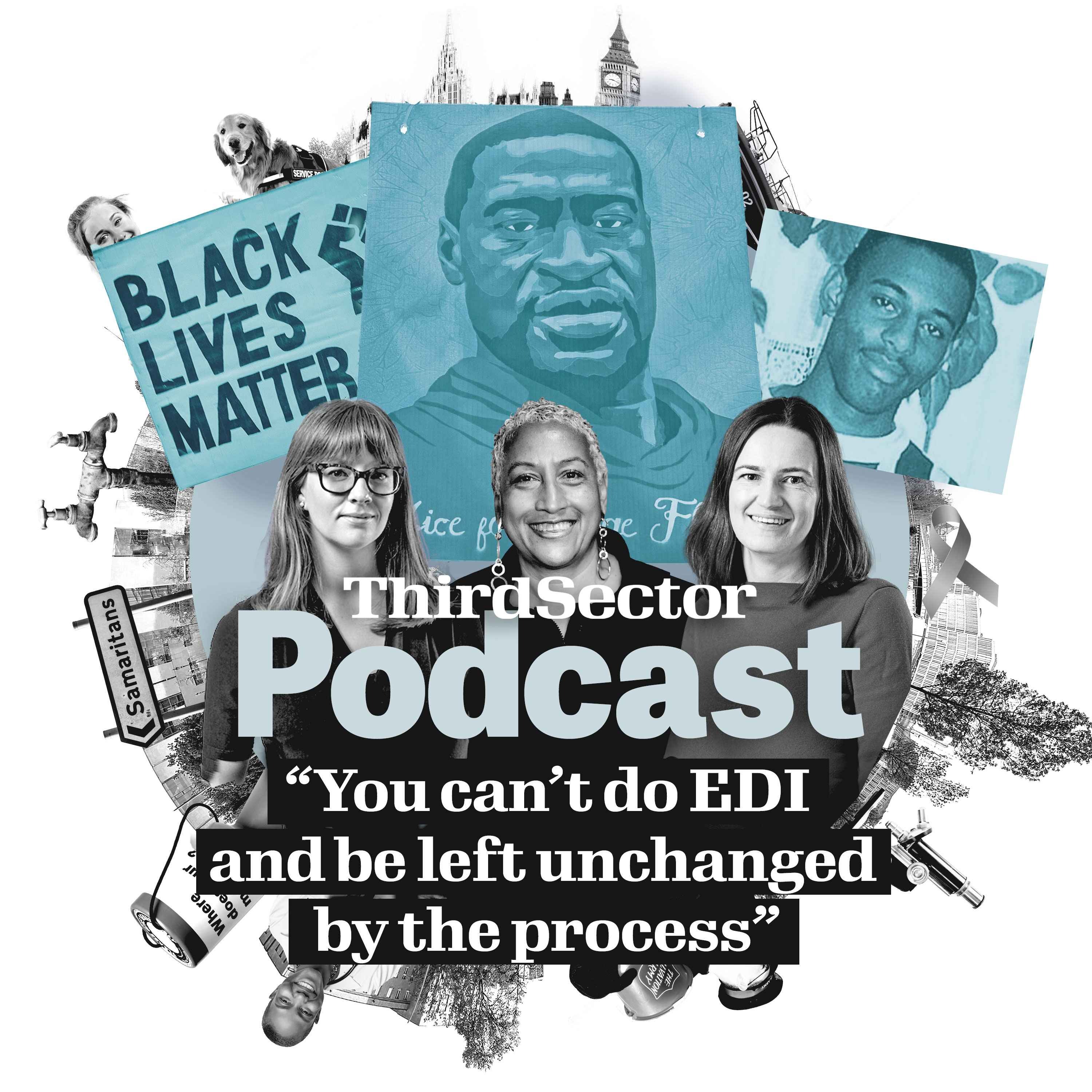 How to undertake meaningful anti-racism work | Lucinda Rouse and Emily Burt are joined by Joy Warmington, chief executive of the equality charity Brap.Joy highlights some of the limitations of standard equity, diversity and inclusion approaches and explains why adopting a flexible and responsive mindset is preferable to following an EDI toolkit. She shares her optimism that racism will be eliminated in the future and provides tips for charity leaders seeking to place their anti-racism commitments at the heart of their operations.Listen to The Quiet Revolution.Tell us what you think of the Third Sector Podcast! Please take five minutes to let us know how we can bring you the most relevant, useful content. To fill in the survey, click here. Hosted on Acast. See acast.com/privacy for more information. | — | ||||||
| 5/1/26 |  Feminist leadership, conflicts of interest and a legacy boom | Host Lucinda Rouse is joined by Third Sector colleagues Emily Burt, Andy Ricketts and Emily Harle to talk about three significant sector stories from the past month.Emily Harle shares her reflections from an event run by the Women in Charity Network, including the need for female leaders to make space for their more junior counterparts.Emily Burt provides context to Third Sector’s recent findings about legacy trends across 100 major charities. She and Lucinda share clips from a video discussion with Alex McDowell, vice-chair of Remember a Charity, which is included in The Legacy Map. And Andy considers the circumstances surrounding new regulatory guidance on conflicts of interest, after the Charity Commission reported an increase in cases.Listen to When Charity Goes Wrong.Tell us what you think of the Third Sector Podcast! Please take five minutes to let us know how we can bring you the most relevant, useful content. To fill in the survey, click here. Hosted on Acast. See acast.com/privacy for more information. | — | ||||||
| 4/24/26 |  How the British Heart Foundation is tackling a disease of inequality | Lucinda Rouse and Emily Harle are joined by Charmaine Griffiths, chief executive of the British Heart Foundation.Charmaine outlines the BHF’s new commitments on equality, diversity and inclusion and explains why they are important in furthering the charity’s mission to fight heart disease.She talks about changes to the organisation’s recruitment process to encourage more diverse applications and explains how the BHF is tackling the low level of female representation in medical and research settings focused on heart health.Tell us what you think of the Third Sector Podcast! Please take five minutes to let us know how we can bring you the most relevant, useful content. To fill in the survey, click here. Hosted on Acast. See acast.com/privacy for more information. | — | ||||||
| 4/20/26 |  Why Coram has absorbed four charities in a year | Lucinda Rouse and Emily Harle discuss snippets from a recent interview Emily conducted with Carol Homden, chief executive of the children’s charity Coram.Carol explains the rationale behind the Coram Group’s recent amalgamation with four charities while avoiding duplication and competing processes.She shares her views on the merits of chief executives holding senior board positions to gain an appreciation of governance responsibilities.Tell us what you think of the Third Sector Podcast! Please take five minutes to let us know how we can bring you the most relevant, useful content. To fill in the survey, click here. Hosted on Acast. See acast.com/privacy for more information. | — | ||||||
Want analysis for the episodes below?Free for Pro Submit a request, we'll have your selected episodes analyzed within an hour. Free, at no cost to you, for Pro users. | |||||||||
| 4/17/26 |  Why fundraising should be everybody’s business | Lucinda Rouse and Andy Ricketts are joined by Rebecca Fell, chief executive of the refugee support charity the International Care Network, and the fundraising specialist Atul Kumar.Atul puts forward the case for why project managers should play a part in funding bids. He shares his tips on how to write successful proposals for trusts and foundations funding, including the importance of a strong project name.Rebecca explains how ICN approaches fundraising in the absence of any dedicated fundraising staff. She reveals the challenges of fundraising for a cause that is becoming increasingly politicised.Tell us what you think of the Third Sector Podcast! Please take five minutes to let us know how we can bring you the most relevant, useful content. To fill in the survey, click here. Hosted on Acast. See acast.com/privacy for more information. | — | ||||||
| 4/10/26 |  Partnering with peers to get through tough times | Lucinda Rouse and Dami Adewale are joined by Saskia Lightburn-Ritchie, chief executive of the domestic abuse support charity MyCWA.Saskia recounts how a long-standing commitment to partnership and collaboration, which forms one of the charity’s three key missions, strengthened its ability to execute a £500,000 emergency appeal when it lost a significant council contract.She explains why it is so important to place the domestic abuse survivors the charity supports at the centre of any partnership discussions, and how MyCWA is able to withdraw from negotiations that are not in survivors’ best interests with no hard feelings.Tell us what you think of the Third Sector Podcast! Please take five minutes to let us know how we can bring you the most relevant, useful content. To fill in the survey, click here. Hosted on Acast. See acast.com/privacy for more information. | — | ||||||
| 4/2/26 | 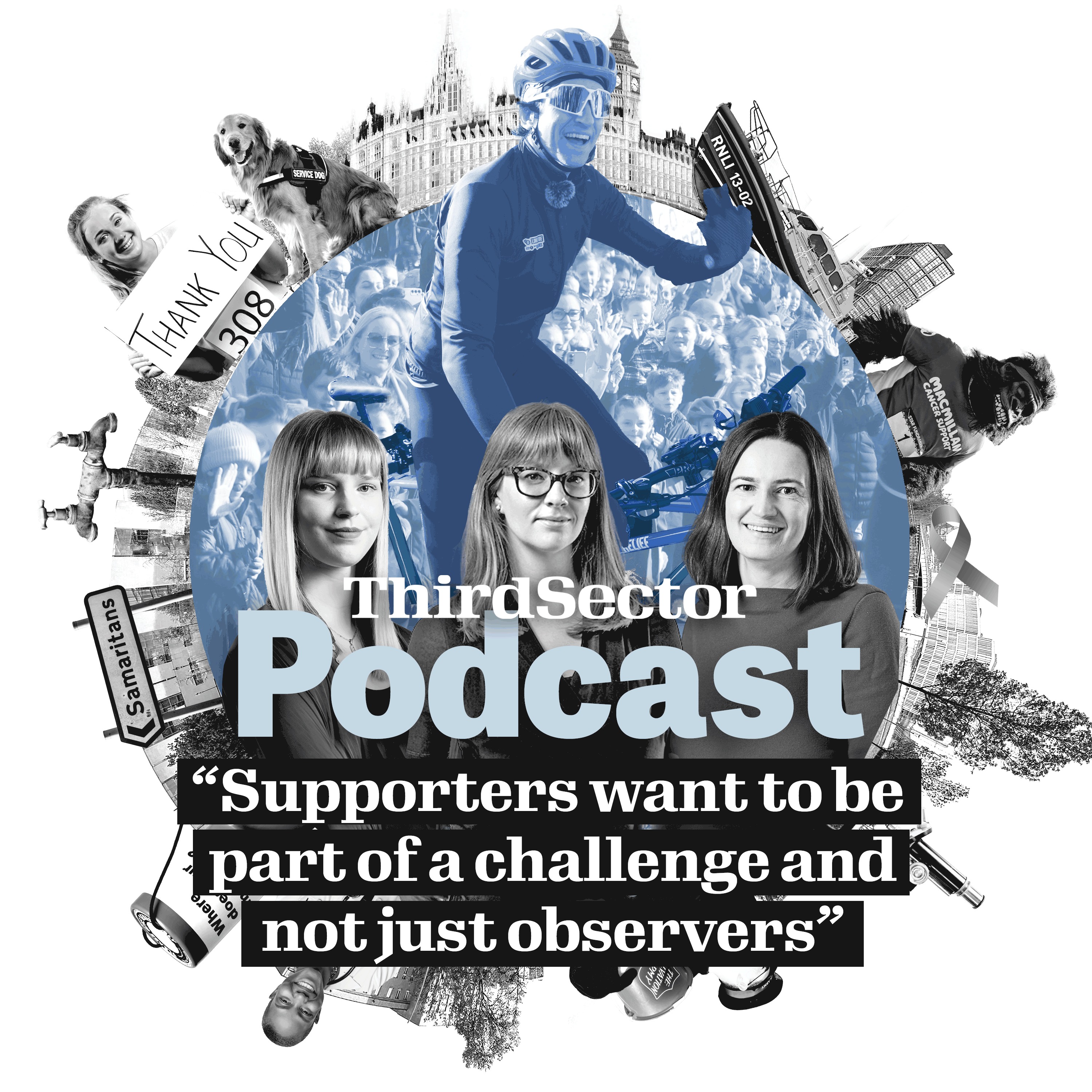 Small charity infrastructure, donation decline and an AI fundraising experiment | Lucinda Rouse is joined by Third Sector colleagues Emily Burt and Emily Harle to reflect on three significant sector stories from the past month.Emily Burt shares her perspective on concerns raised by small charity representatives following the news of a restructure at the National Council for Voluntary Organisations.Lucinda considers the findings of the Charities Aid Foundation’s UK Giving Report, and asks whether falling levels of individual donations point to the need for a strategic shift in fundraising.And Emily Harle provides details of an experimental AI agent that has raised £500 for a London Marathon runner.Tell us what you think of the Third Sector Podcast! Please take five minutes to let us know how we can bring you the most relevant, useful content. To fill in the survey, click here. Hosted on Acast. See acast.com/privacy for more information. | — | ||||||
| 3/30/26 | 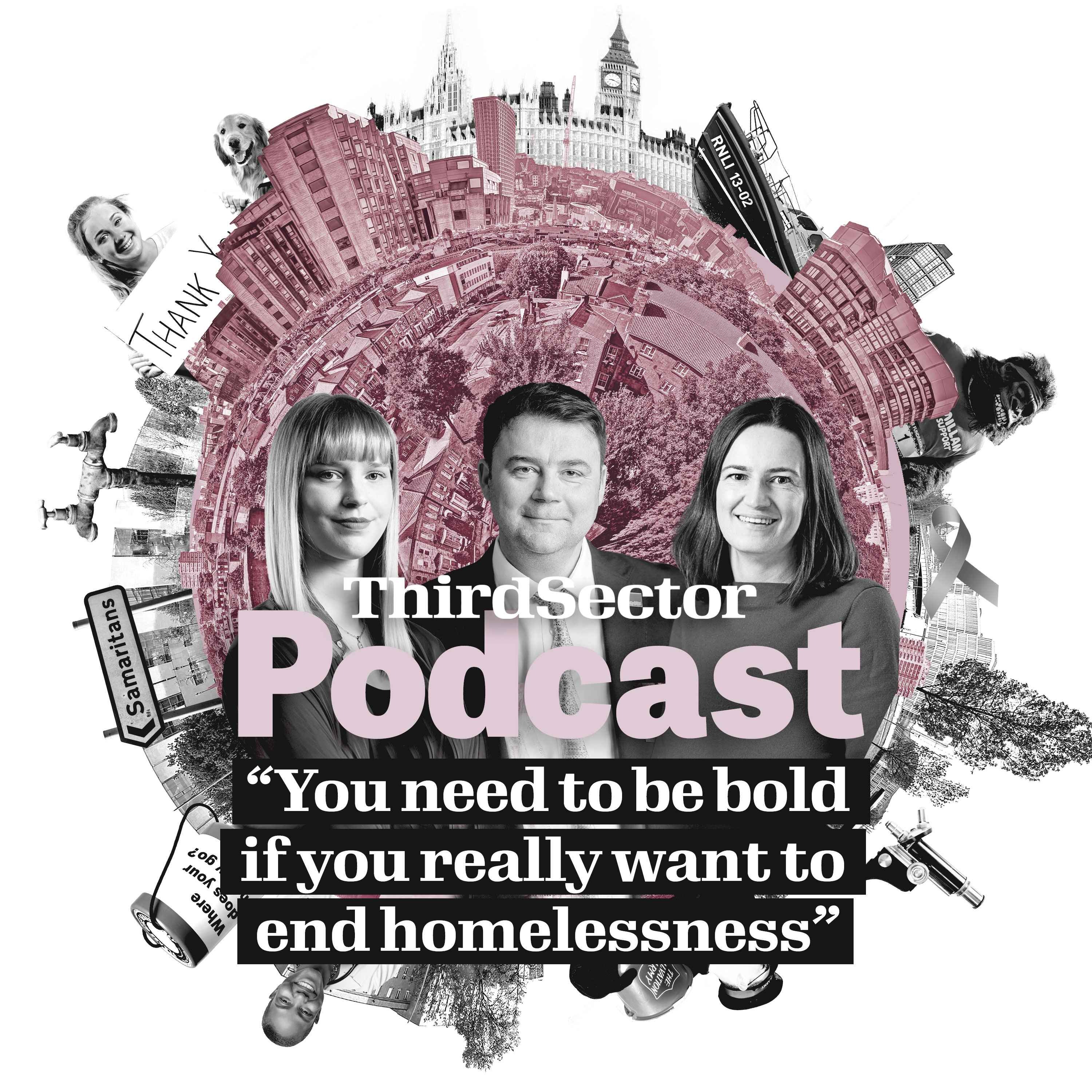 Crisis chief on becoming a landlord and why charitable status may lack appeal | Lucinda Rouse and Emily Harle discuss snippets from a recent interview Emily conducted with Matt Downie, chief executive of the homelessness charity Crisis.Matt provides insight into Crisis’ plan to buy a thousand homes in the next decade and become a landlord for people experiencing homelessness.He shares his view that the voluntary sector is entering a ‘third wave’, which will require businesses and wider society to play a part in solving social problems, and questions the value that charitable status offers to social purpose organisations.Tell us what you think of the Third Sector Podcast! Please take five minutes to let us know how we can bring you the most relevant, useful content. To fill in the survey, click here. Hosted on Acast. See acast.com/privacy for more information. | — | ||||||
| 3/27/26 |  How to approach safeguarding concerns | **Content warning: This episode contains references to suicide and sexual abuse**Lucinda Rouse and Dami Adewale are joined by safeguarding specialist Joanna Nicolas and Sebastian Rocca, founder and chief executive of the LGBTQI refugee support organisation Micro Rainbow.Joanna identifies some of the most common safeguarding challenges facing voluntary organisations, which principally stem from the power imbalance between a charity’s trustees, staff and volunteers and its service users.Sebastian describes how Micro Rainbow is approaching safeguarding in the face of increasing hostility towards the groups it supports. He explains why he no longer perceives the identification of a safeguarding issue to be a failure on the part of the organisation.Tell us what you think of the Third Sector Podcast! Please take five minutes to let us know how we can bring you the most relevant, useful content. To fill in the survey, click here. Hosted on Acast. See acast.com/privacy for more information. | — | ||||||
| 3/20/26 | 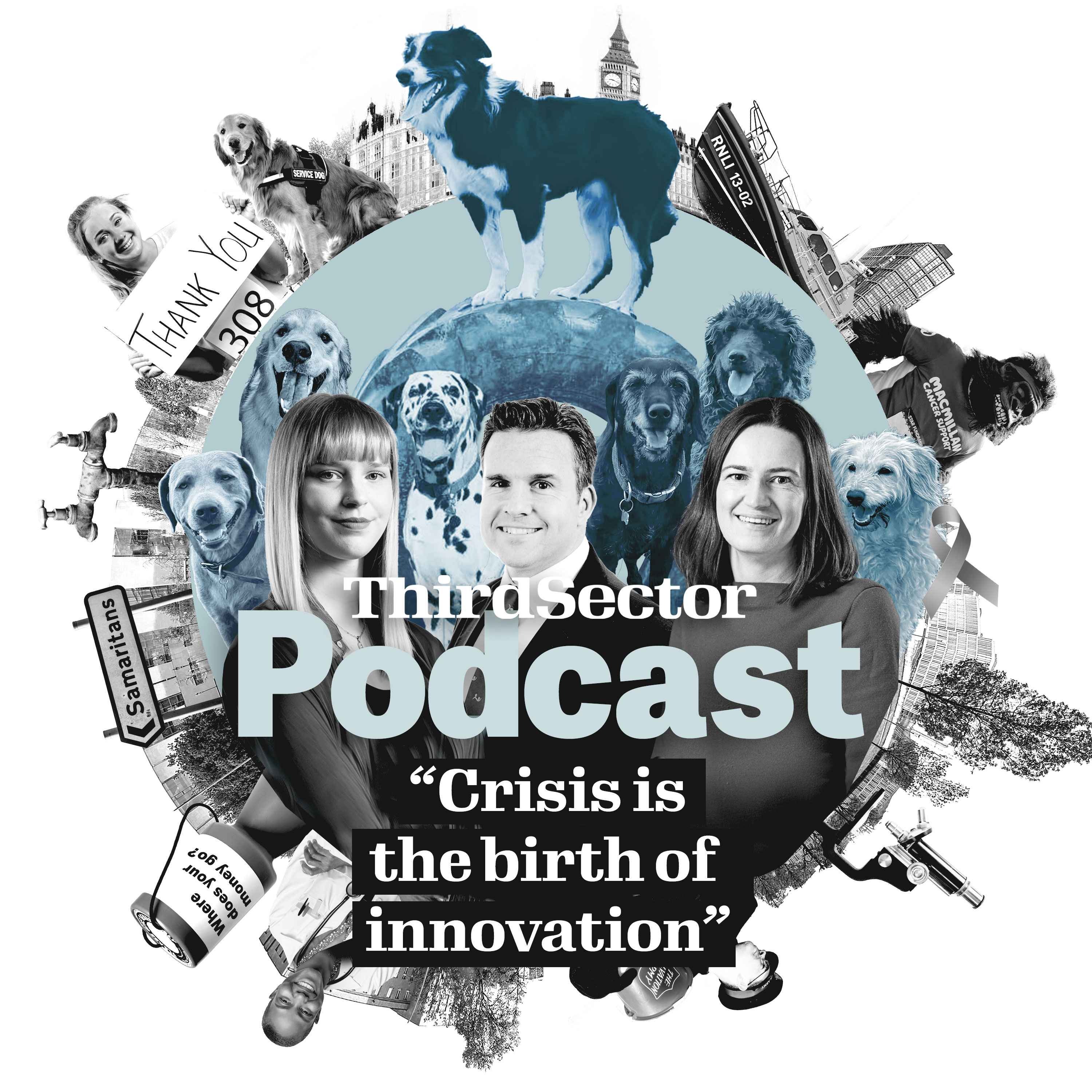 How to build new income streams and secure board buy-in for left-field ideas | Lucinda Rouse and Emily Harle are joined by Stephen Roberts, chief executive of North Devon Hospice, to discuss the organisation’s response to some of the challenges facing the hospice sector.Stephen explains why the charity is aiming to reduce its dependence on legacies and how it encourages innovation in its fundraising work.He stresses the importance of factoring local need into ideas for new income opportunities, which has led to the opening of a lucrative dog-walking field on land belonging to the hospice. He shares his tactics for gaining trustee approval for new ideas and describes how a focus on positive psychology has improved the culture at North Devon Hospice.Tell us what you think of the Third Sector Podcast! Please take five minutes to let us know how we can bring you the most relevant, useful content. To fill in the survey, click here. Hosted on Acast. See acast.com/privacy for more information. | — | ||||||
| 3/13/26 | 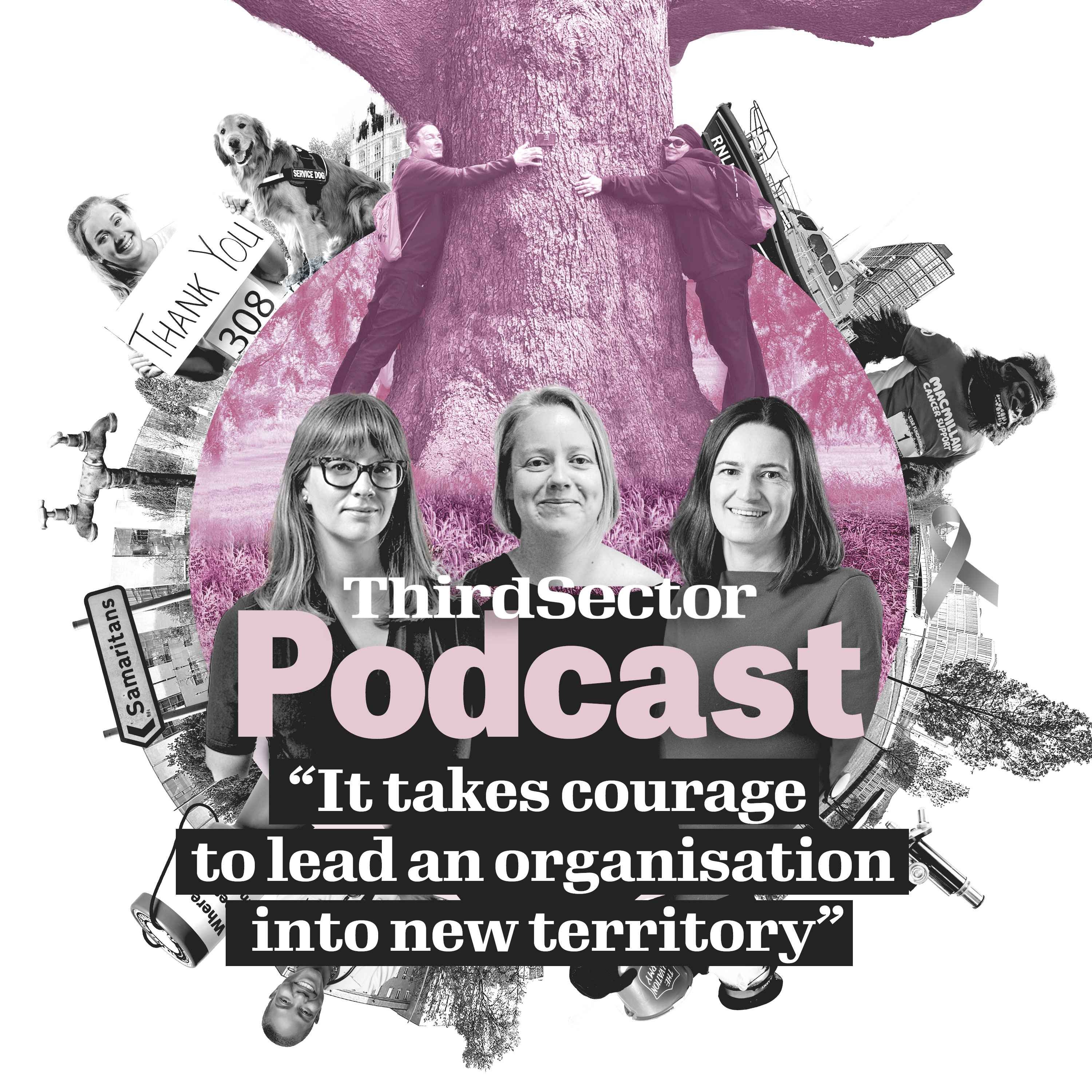 How to scale your impact when local authority funding shrinks | Lucinda Rouse and Emily Burt are joined by Emma Turner, chief executive of Mind in Croydon.Emma lays bare the operational realities of meeting soaring service demand in the face of cuts to local authority and integrated care system budgets, which form the bulk of Mind in Croydon’s income.She explains how the charity has formed partnerships with other local organisations at the instigation of commissioners, enabling all parties to innovate and find new solutions to collective challenges.Tell us what you think of the Third Sector Podcast! Please take five minutes to let us know how we can bring you the most relevant, useful content. To fill in the survey, click here. Hosted on Acast. See acast.com/privacy for more information. | — | ||||||
| 3/6/26 |  Remembering an HIV charity pioneer | Lucinda Rouse and Emily Burt are joined by Richard Angell, chief executive of the Terrence Higgins Trust, and Rupert Whitaker, psychiatrist, immunologist and co-founder of the charity. They discuss the legacy of fellow co-founder Martyn Butler, who died on 21 February, remembering the use of his home telephone number as the charity’s first support line in the early 1980s.Rupert shares his memories of Martyn as an organiser and driving force in the organisation’s early days and reflects on the ebbs and flows of their involvement with the THT over 44 years.Richard shares his perspective on the role played by both co-founders in keeping the THT at the cutting edge, rather than falling into the common trap for charity founders of idealising times past.Tell us what you think of the Third Sector Podcast! Please take five minutes to let us know how we can bring you the most relevant, useful content. To fill in the survey, click here. Hosted on Acast. See acast.com/privacy for more information. | — | ||||||
| 2/27/26 |  Schrödinger’s air ambulance, AI summaries and unions for charity workers | Host Lucinda Rouse is joined by Third Sector colleagues Emily Burt, Emily Harle and Andy Ricketts to reflect on three significant sector stories from the past month.Emily Burt draws attention to recent cases of charities declining to voluntarily recognise workers’ unions. She questions the likely trajectory for union action in the sector in the face of increasingly challenging working conditions.Andy outlines different ways that charities are attempting to inform AI-generated Google search summaries and explains why this is important.And Emily Harle provides context to regulatory investigations into Stoke Air Ambulance, which advertised free helicopter rides for volunteers and supporters despite having no provision for air transportation at the time.Tell us what you think of the Third Sector Podcast! Please take five minutes to let us know how we can bring you the most relevant, useful content. To fill in the survey, click here. Hosted on Acast. See acast.com/privacy for more information. | — | ||||||
| 2/20/26 |  A whistlestop AI tour for small charities | Andy Ricketts and Dami Adewale are joined by John Fitzgerald, digital evolution project manager at the Scottish Council for Voluntary Organisations.John describes some of the easy-to-use AI tools that can improve efficiency in working life and shares examples of charities that are already employing them effectively.He warns of data privacy issues associated with using free services and the risk of “buzzword bingo” when AI is leaned on heavily in funding applications.Tell us what you think of the Third Sector Podcast! Please take five minutes to let us know how we can bring you the most relevant, useful content. To fill in the survey, click here. Hosted on Acast. See acast.com/privacy for more information. | — | ||||||
| 2/13/26 |  How to raise money through livestreaming | Lucinda Rouse and Emily Burt are joined by Emily Cotter, marketing, PR and communications officer at Leeds Mind, and Col Grist, co-founder and creative director of the digital agency Few and Far.Emily provides insight into Leeds Mind’s experience of livestream fundraising as it prepares to host the fourth edition of its Get Together Through Gaming online event in March.Col explains why he considers the UK voluntary sector to be behind the curve in the livestream fundraising space compared with counterparts in the US. He suggests ways that charities can effectively approach and engage established streamers for fundraising purposes.Tell us what you think of the Third Sector Podcast! Please take five minutes to let us know how we can bring you the most relevant, useful content. To fill in the survey, click here. Hosted on Acast. See acast.com/privacy for more information. | — | ||||||
| 2/6/26 |  Sector salaries, City & Guilds pay-outs and CIC complaints | Lucinda Rouse is joined by Third Sector colleagues Emily Harle, Dami Adewale and Andy Ricketts to reflect on three significant sector stories from the past month.Dami recounts the circumstances surrounding a regulatory inquiry into the sale of City and Guilds’ commercial arm to a Greek-owned certification company.Andy provides his take on the findings of Third Sector’s recent Charity Pay Study, which identifies the sector’s top earners. And Emily assesses the implications of a growing number of complaints about street fundraisers from community interest companies for the reputation of charitable fundraisers more broadly.Tell us what you think of the Third Sector Podcast! Please take five minutes to let us know how we can bring you the most relevant, useful content. To fill in the survey, click here. Hosted on Acast. See acast.com/privacy for more information. | — | ||||||
| 1/30/26 |  What charities can learn from the Salt Path exposé | Lucinda Rouse and Emily Harle are joined by Chloe Hadjimatheou, narrative editor at the Observer, who conducted an award-winning exposé of the main characters in the bestselling memoir The Salt Path.Chloe details the steps she took to interrogate some of the assertions made in the book after receiving a tip-off, including the circumstances of an apparent terminal diagnosis.She suggests ways in which charity leaders can work to uncover the truth when claims surrounding prospective celebrity ambassadors seem out of the ordinary, but stresses the importance of approaching the people in question in the first instance. Tell us what you think of the Third Sector Podcast! Please take five minutes to let us know how we can bring you the most relevant, useful content. To fill in the survey, click here. Hosted on Acast. See acast.com/privacy for more information. | — | ||||||
| 1/26/26 |  Why two chief executives can be better than one | Emily Harle and Emily Burt discuss snippets from a recent interview with Hannah Bond and Taahra Ghazi, the new co-chief executives of ActionAid UK.Hannah speaks of the value of a co-chief executive model in supporting feminist leadership and ensuring the best possible decisions are made for an organisation.Taahra acknowledges the loneliness encountered by many single chief executives and describes the co-chief model as a way of preventing burnout.She also talks about the charity’s anti-racism work, which has included the formation of a dedicated decolonisation unit.Tell us what you think of the Third Sector Podcast! Please take five minutes to let us know how we can bring you the most relevant, useful content. To fill in the survey, click here. Hosted on Acast. See acast.com/privacy for more information. | — | ||||||
| 1/23/26 | 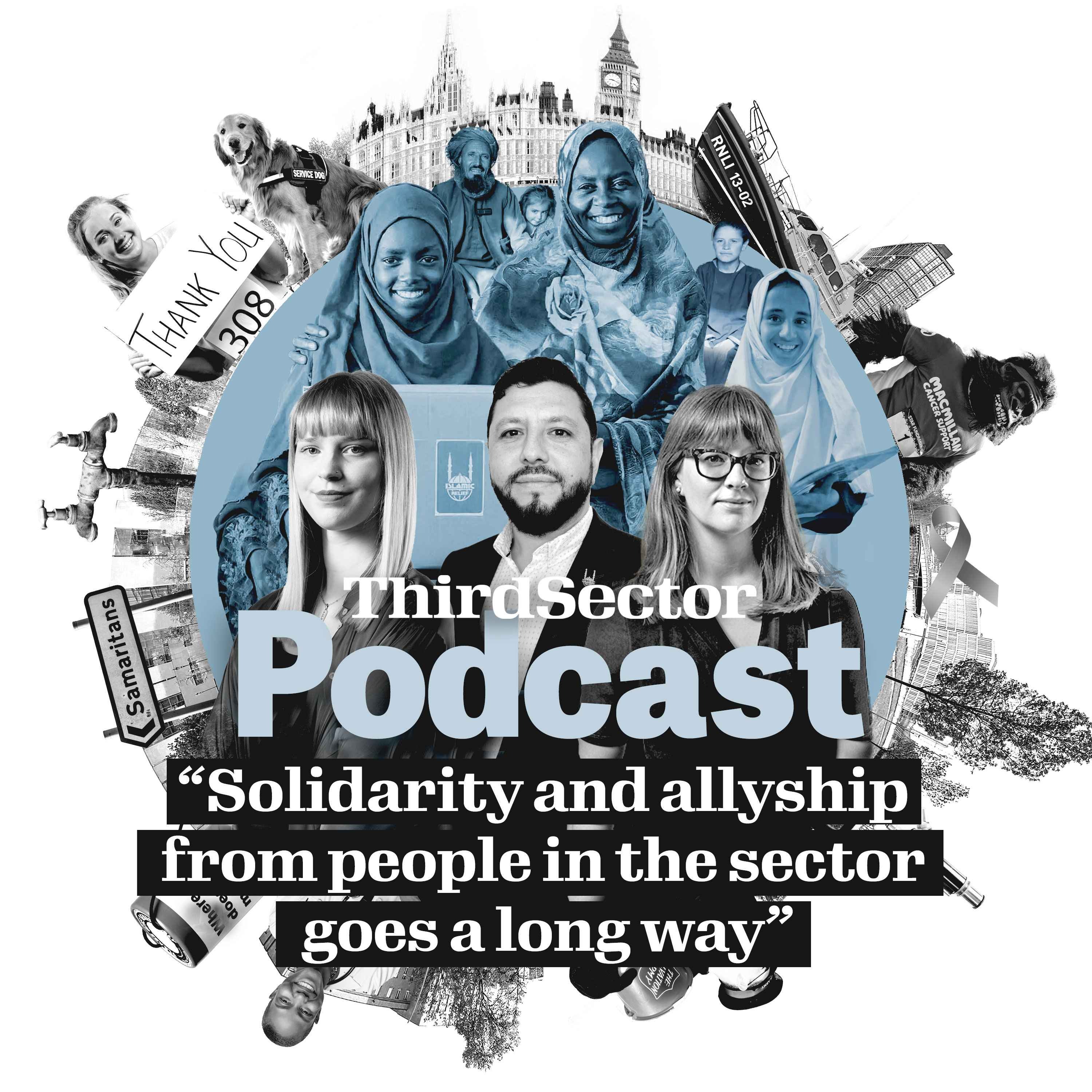 How Islamic Relief UK is responding to Islamophobia | Emily Burt and Emily Harle are joined by Zia Salik, interim director of Islamic Relief UK, to talk about the rising levels of Islamophobia and racism targeting the charity.Zia describes the measures being taken to support staff in the face of growing online and face-to-face hostility, and the need to plan for an increased risk of attacks during the month of Ramadan.He stresses the need for organisations and people in positions of power to take a public stand against racism and Islamophobia, as well as the value of solidarity and allyship from others in the sector. Tell us what you think of the Third Sector Podcast! Please take five minutes to let us know how we can bring you the most relevant, useful content. To fill in the survey, click here. Hosted on Acast. See acast.com/privacy for more information. | — | ||||||
Showing 25 of 311
Sponsor Intelligence
Sign in to see which brands sponsor this podcast, their ad offers, and promo codes.
Chart Positions
10 placements across 10 markets.
Chart Positions
10 placements across 10 markets.