Insights from recent episode analysis
Audience Interest
Podcast Focus
Publishing Consistency
Platform Reach
Insights are generated by CastFox AI using publicly available data, episode content, and proprietary models.
Most discussed topics
Brands & references
Est. Listeners
Insufficient chart data. Estimates will improve as the show charts.
- Per-Episode Audience
Est. listeners per new episode within ~30 days
N/A🎙 Weekly cadence·89 episodes·Last published 2d ago - Monthly Reach
Unique listeners across all episodes (30 days)
N/A - Active Followers
Loyal subscribers who consistently listen
N/A
Market Insights
Platform Distribution
Reach across major podcast platforms, updated hourly
Total Followers
—
Total Plays
—
Total Reviews
—
* Data sourced directly from platform APIs and aggregated hourly across all major podcast directories.
On the show
From 12 epsHosts
Recent guests
Recent episodes
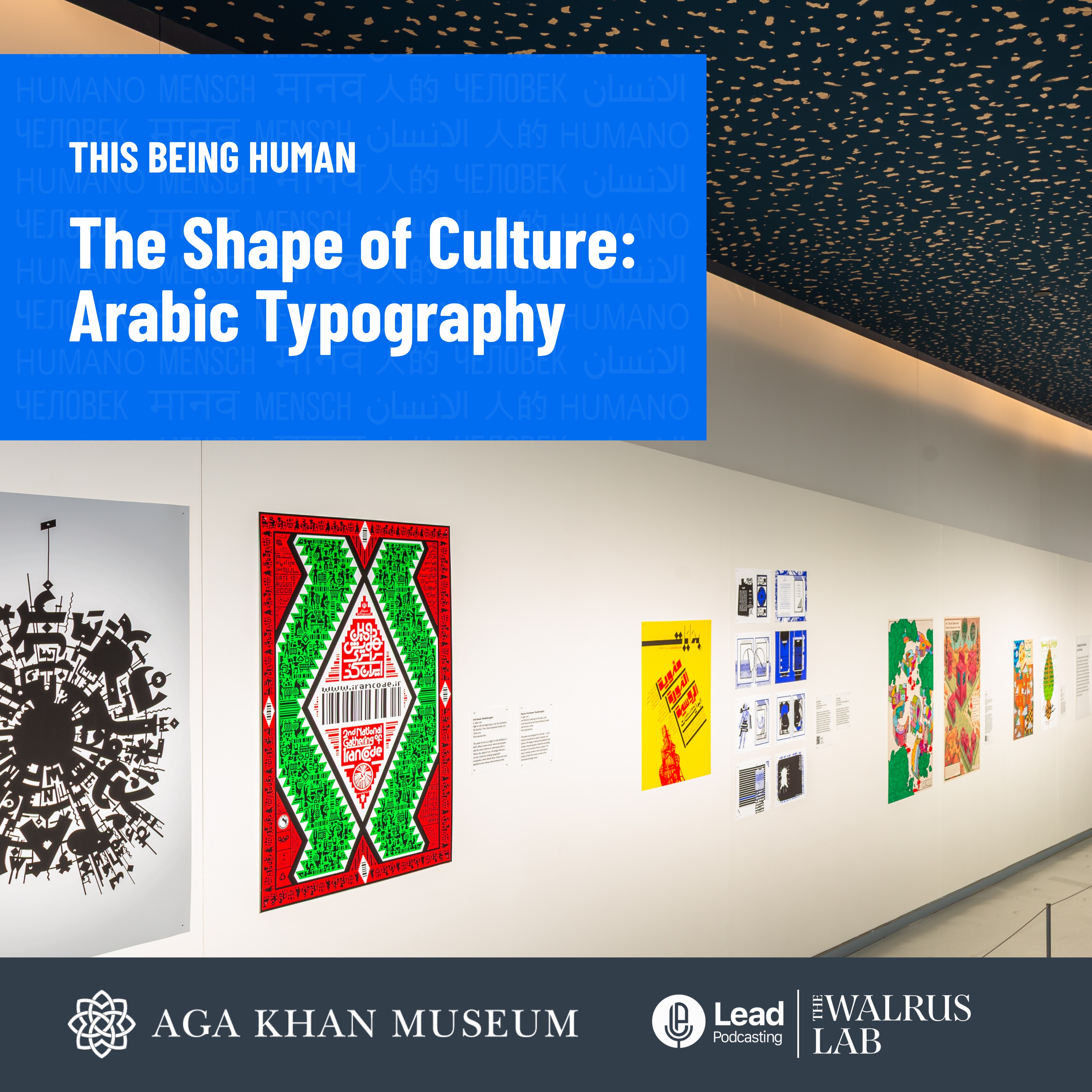
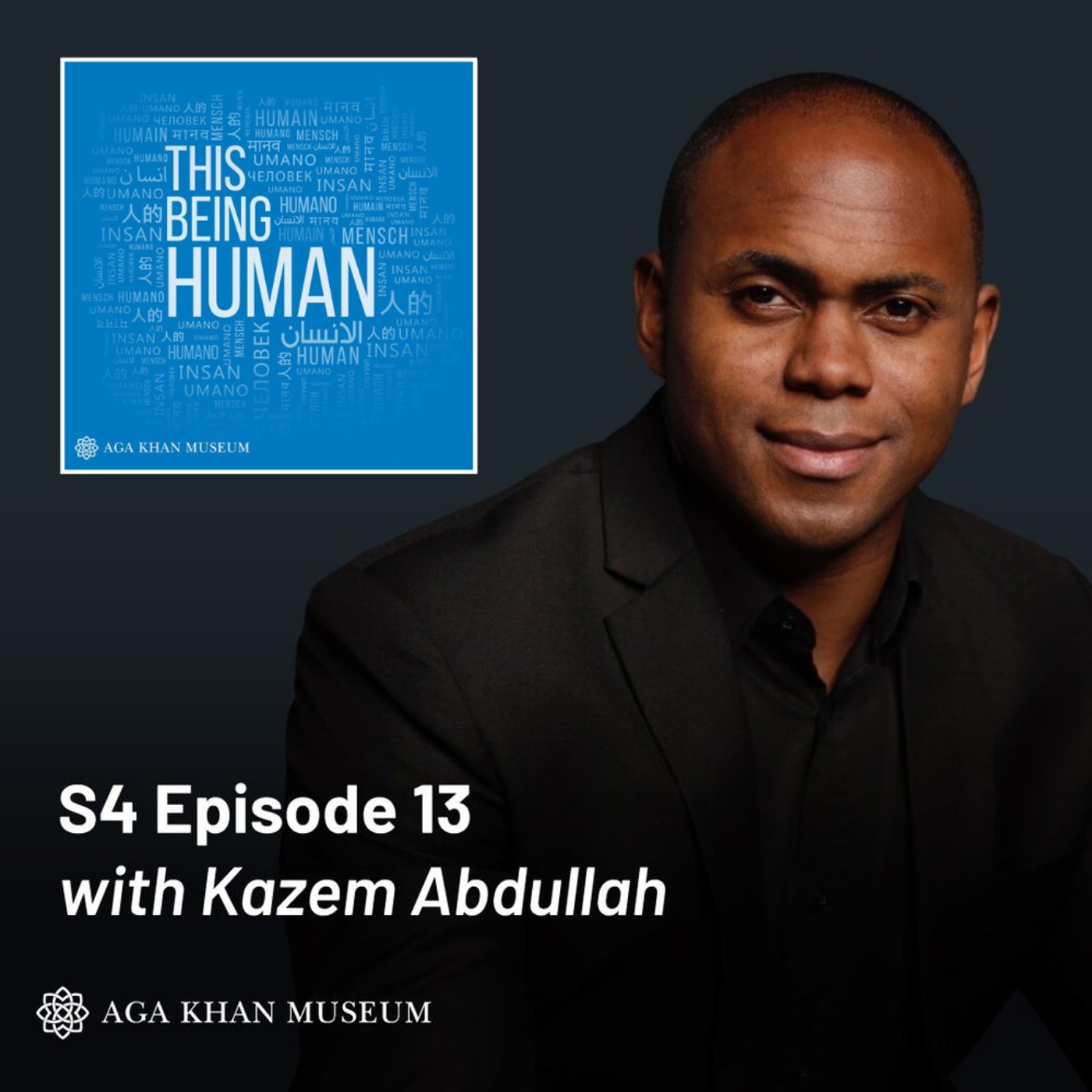
The Shape of Culture: Arabic Typography with Dr. Huda Smitshuijzen AbiFarès
Jun 23, 2026
Unknown duration
Dreaming Your Own Museum with Ohida Khandakar
May 26, 2026
27m 41s
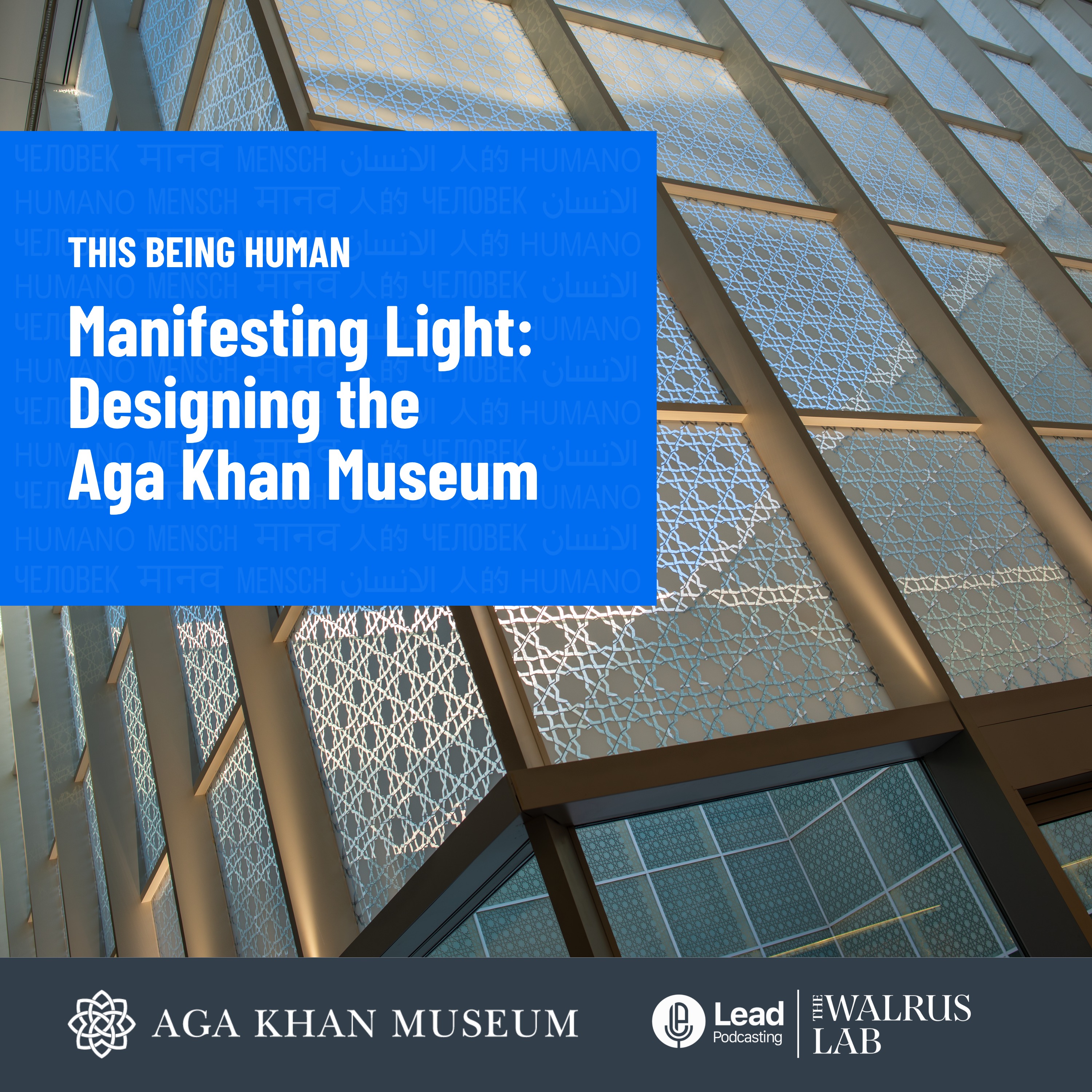
Manifesting Light: Designing the Aga Khan Museum
Apr 28, 2026
31m 52s
Season 5 Teaser
Apr 21, 2026
1m 26s
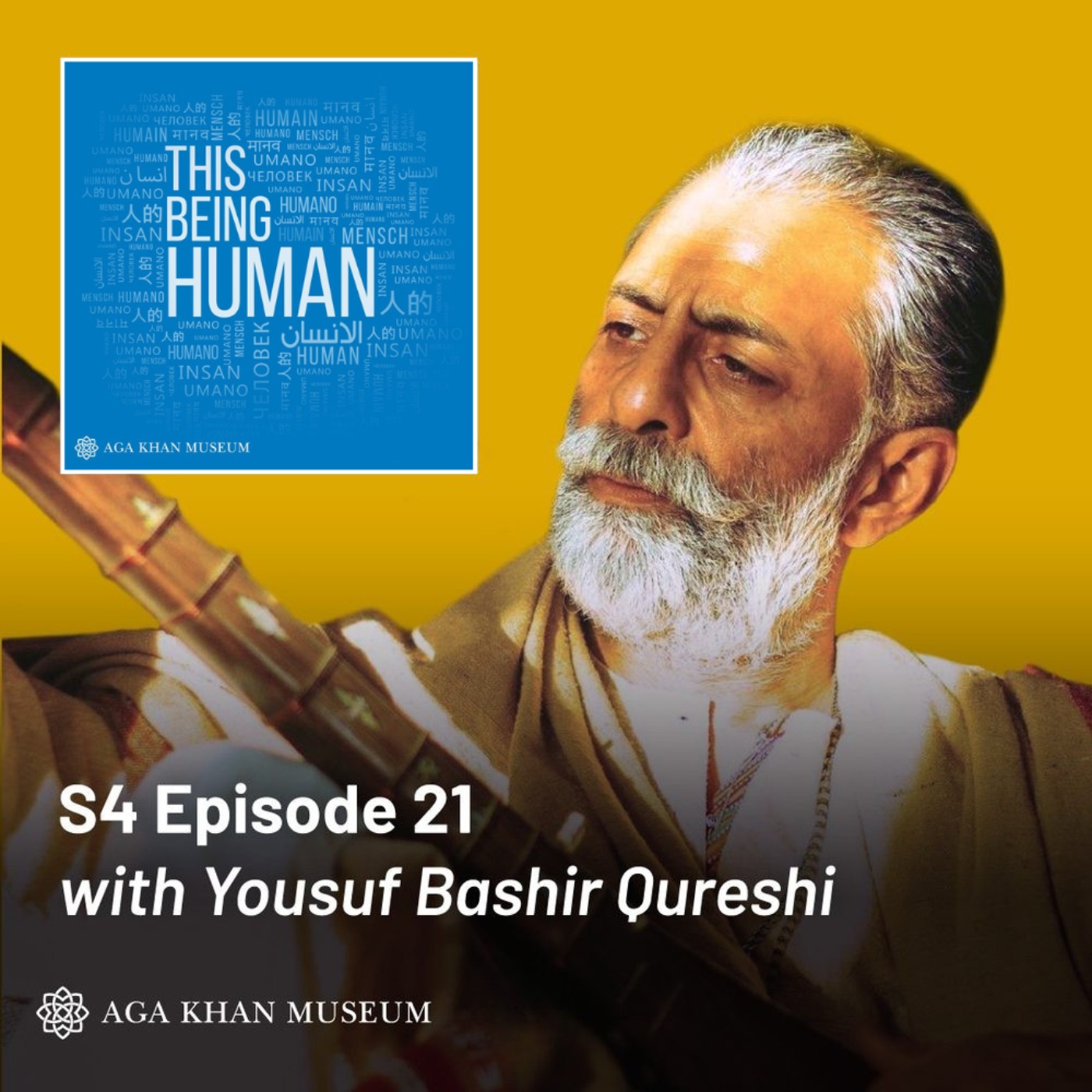
Beyond Boundaries with Pakistani Artist Yousuf Bashir Qureshi
Dec 17, 2024
41m 15s
Social Links & Contact
Official channels & resources
Official Website
Login
RSS Feed
Login
| Date | Episode | Topics | Guests | Brands | Places | Keywords | Sponsor | Length | |
|---|---|---|---|---|---|---|---|---|---|
| 6/23/26 | ![]() The Shape of Culture: Arabic Typography with Dr. Huda Smitshuijzen AbiFarès | When Dr. Huda Smitshuijzen AbiFarès moved from Beirut to study in the United States, she found herself doing something she'd never had to do before: explaining her own visual culture to people who'd never seen it. That challenge changed everything. It sent her deep into the history of Arabic typography—how it grew from calligraphic tradition, was codified by ninth-century philologists in Baghdad, and is now being reimagined through algorithms and animation. And it gave her a lifelong mission: to show the world a side of SWANA creative culture that rarely makes it into the conversation.In this episode, host Mai Habib sits down with Dr. Smitshuijzen AbiFarès to go behind the scenes of her exhibition Inner Structures, Outer Rhythms, explore what makes Arabic letterforms so uniquely expressive, and make the case that contemporary graphic design from the SWANA region is one of the most direct living continuations of Islamic artistic heritage.*The Museum wishes to thank Nadir and Shabin Mohamed for their founding support of This Being Human.*Links & Resources:This was just one example of Muslim art that sparked curiosity and a great conversation. There is so much more to see at the Aga Khan Museum. Support the museum's vision to impact lives and contribute to more inclusive and peaceful societies. Go to agakhanmuseum.org to plan your visit or make a donation.Can't make it in person? Explore the 3D virtual tour of Inner Structures, Outer Rhythms from anywhere in the world.Check out more episodes in full video.Key Moments0:00 Introduction to This Being Human and the world of Arabic typography1:20 Dr. Smitshuijzen AbiFarès' background and how studying abroad sparked her passion for typography3:07 Defining typography, and how it differs from calligraphy and hand lettering5:59 How the Arabic script connects cultures across the SWANA region and beyond8:58 The Quran as connector: Arabic, Islam, and the preservation of a shared script11:51 What makes Arabic letterforms uniquely readable across wildly different styles13:36 Behind the scenes of Inner Structures, Outer Rhythms: vision, work, and journey18:11 How the exhibition adapted to audiences in Qatar, Germany, and Toronto21:10 Why sparking new conversations—not delivering answers—was the ultimate goal27:55 The future of Arabic typography: algorithms, animation, and a script that endures Hosted on Acast. See acast.com/privacy for more information. | — | ||||||
| 5/26/26 | ![]() Dreaming Your Own Museum with Ohida Khandakar✨ | museumart+4 | Ohida Khandakar | Aga Khan MuseumVictoria and Albert Museum+1 | — | Dream Your MuseumOhida Khandakar+5 | — | 27m 41s | |
| 4/28/26 | ![]() Manifesting Light: Designing the Aga Khan Museum✨ | architectureIslamic design+4 | Gary Kamemoto | Aga Khan MuseumMaki and Associates+1 | — | Aga Khan MuseumGary Kamemoto+5 | — | 31m 52s | |
| 4/21/26 | ![]() Season 5 Teaser✨ | Muslim artglobal cultures+4 | — | Aga Khan MuseumThe Walrus Lab | — | podcastAga Khan Museum+5 | — | 1m 26s | |
| 12/17/24 | ![]() Beyond Boundaries with Pakistani Artist Yousuf Bashir Qureshi✨ | artmusic+4 | Yousuf Bashir Qureshi | Aga Khan MuseumThe Walrus Lab+2 | — | Yousuf Bashir Qureshiart+5 | — | 41m 15s | |
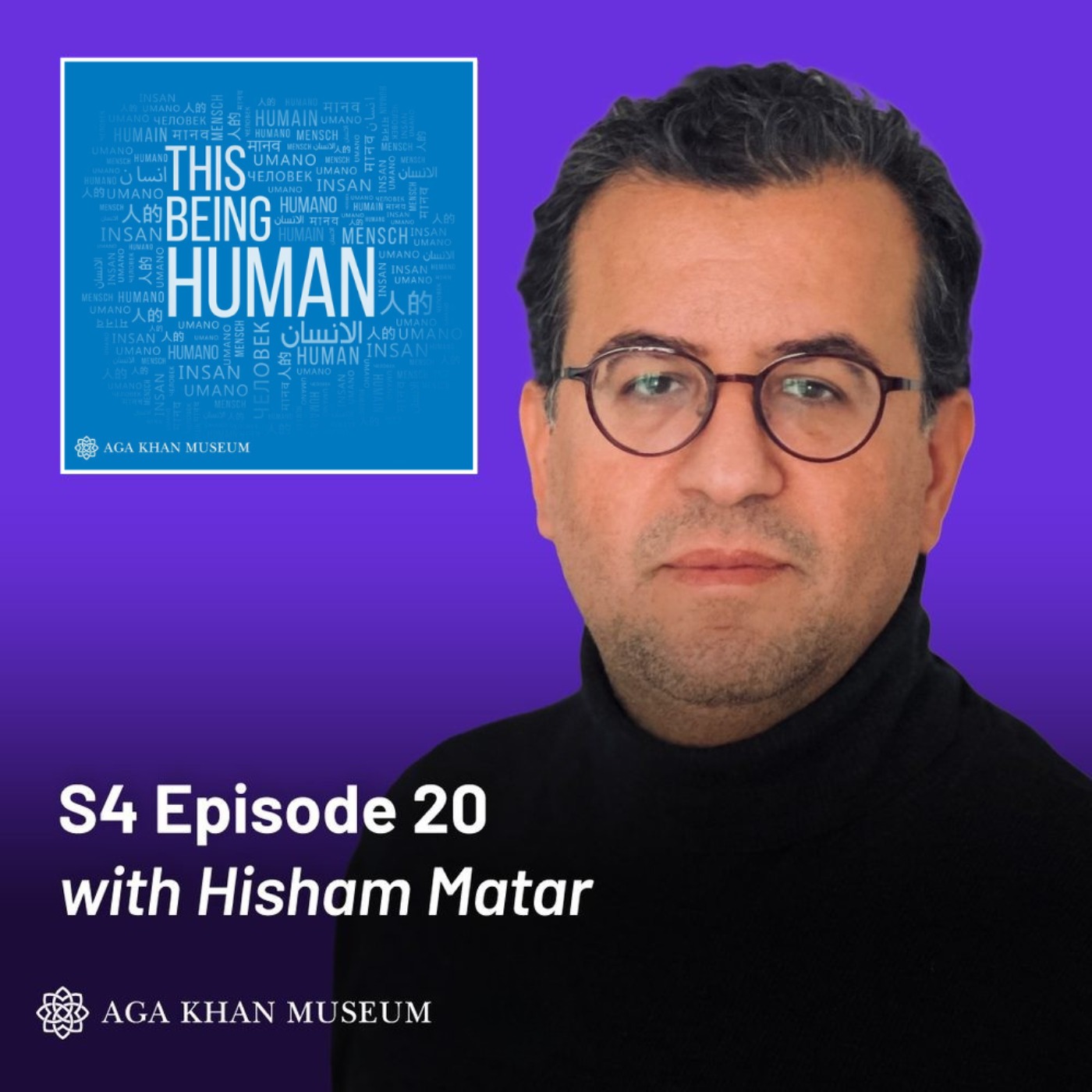
| 12/3/24 | ![]() Hisham Matar on Friendship and Writing from the Margins✨ | friendshipexile+4 | Hisham Matar | Aga Khan MuseumThe Walrus Lab+2 | — | Hisham MatarMy Friends+6 | — | 36m 25s | |
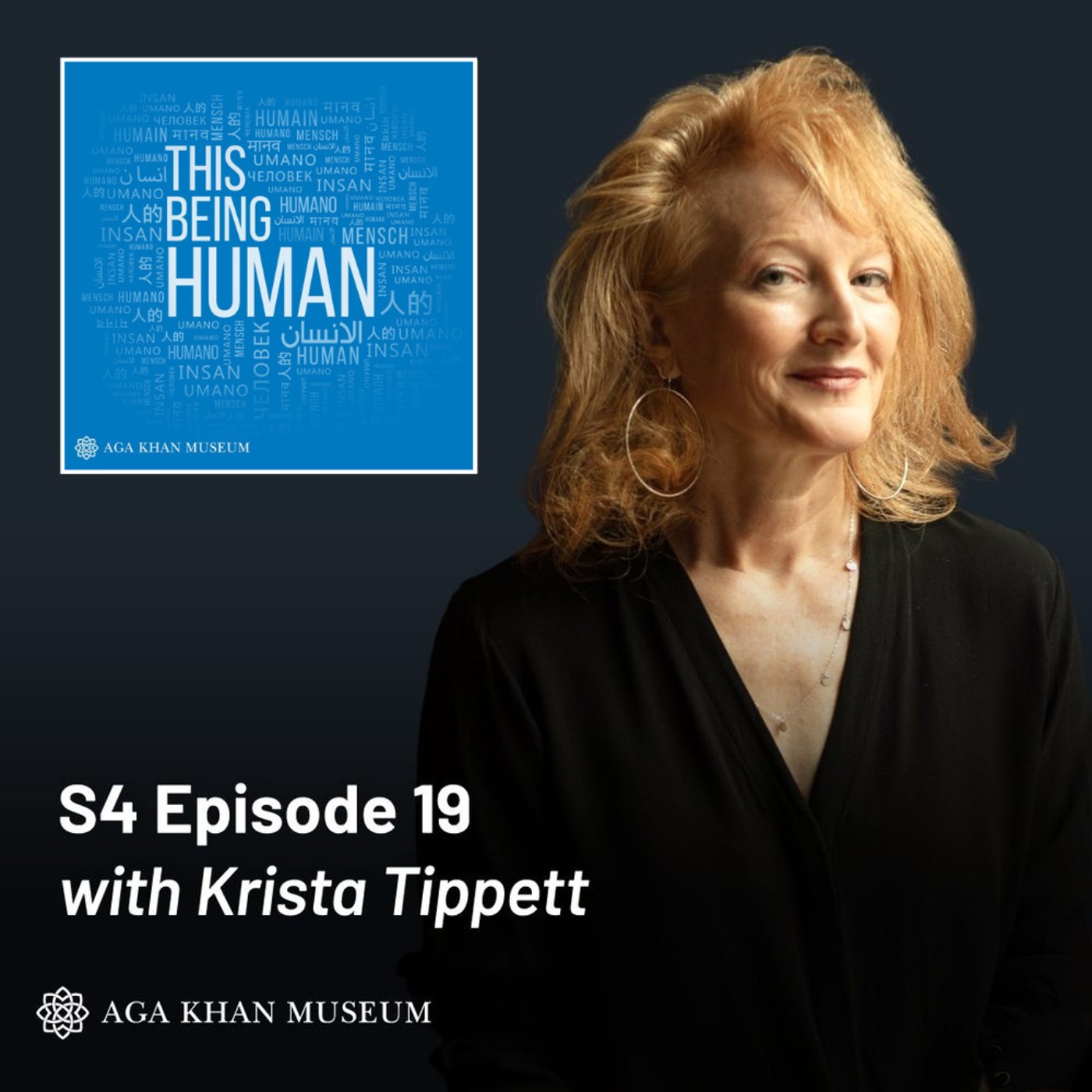
| 11/19/24 | ![]() Krista Tippett on Wisdom, Love, and the Art of Deep Listening✨ | wisdomlove+4 | Krista Tippett | On BeingAga Khan Museum+3 | — | wisdomlove+5 | — | 42m 48s | |
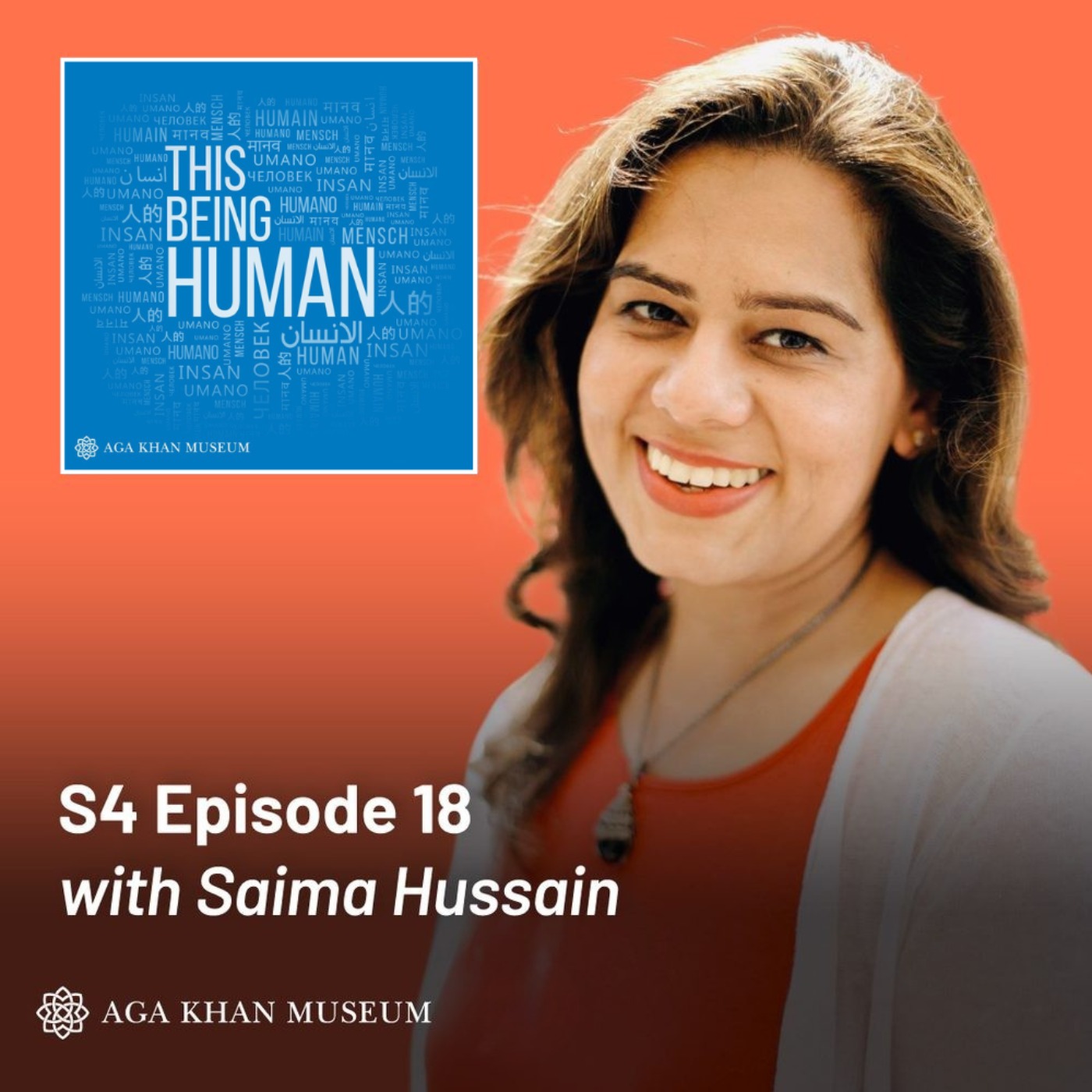
| 11/5/24 | ![]() Stories That Shape Us: Saima Hussain on Libraries, Identity, and Heritage✨ | librariesidentity+4 | Saima Hussain | Aga Khan MuseumThe Walrus Lab+2 | PakistanCanada | librariesidentity+6 | — | 33m 50s | |
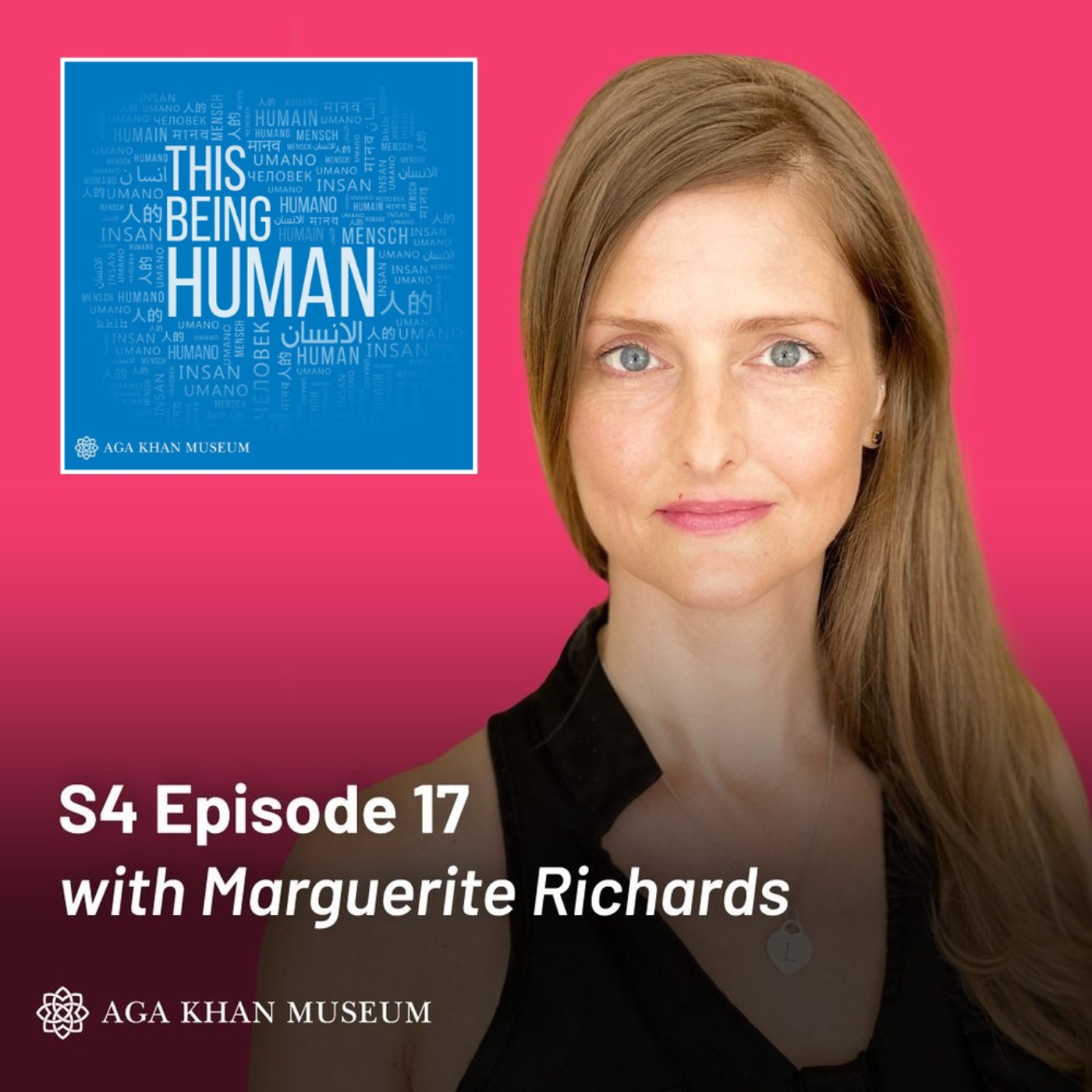
| 10/22/24 | ![]() Finding Joy and Connection in Storytelling with Marguerite Richards✨ | storytellingidentity+4 | Marguerite Richards | Aga Khan MuseumThe Walrus Lab+4 | — | storytellingmemoir+4 | — | 35m 29s | |
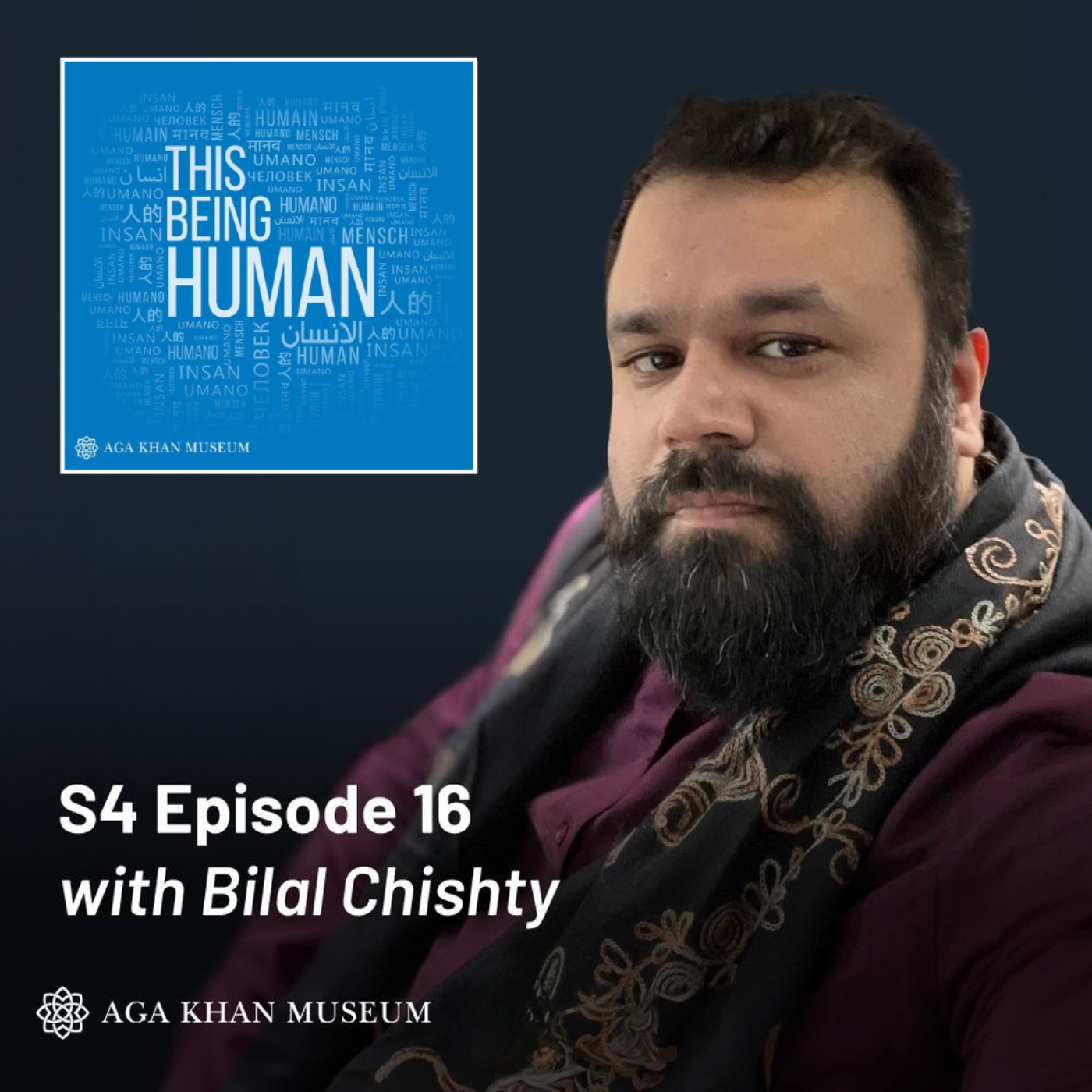
| 10/8/24 | ![]() The Legacy of Qawwali with Bilal Chishty✨ | QawwaliSufi music+5 | Bilal Chishty | Aga Khan MuseumThe Walrus Lab+3 | — | QawwaliSufi+7 | — | 40m 46s | |
Want analysis for the episodes below?Free for Pro Submit a request, we'll have your selected episodes analyzed within an hour. Free, at no cost to you, for Pro users. | |||||||||
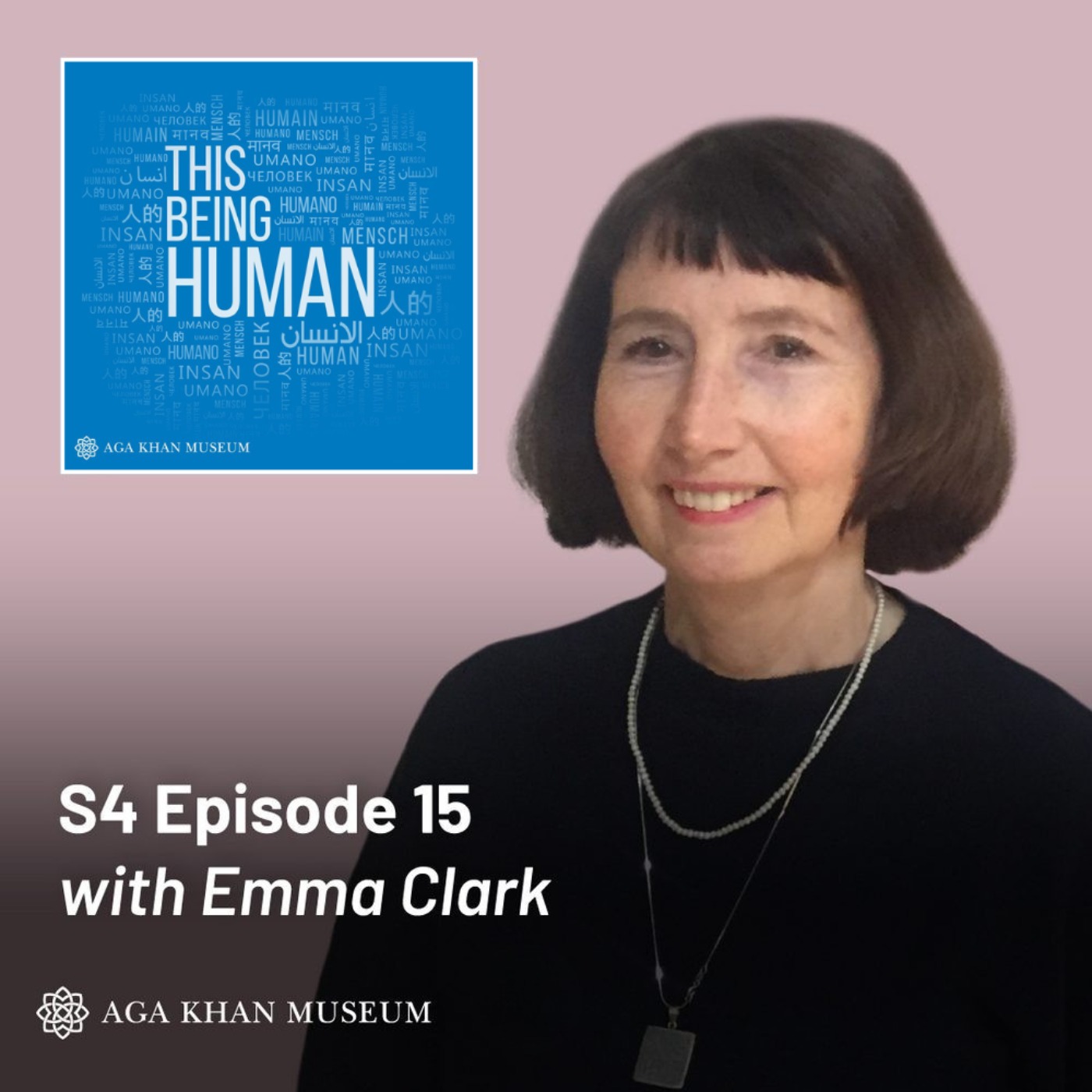
| 9/24/24 | ![]() Gardens of the Soul: Emma Clark on the Sacred Art of Islamic Gardens✨ | Islamic gardensSufism+4 | Emma Clark | Royal College of ArtAga Khan Museum+1 | — | Islamic gardensSufism+4 | — | 27m 08s | |
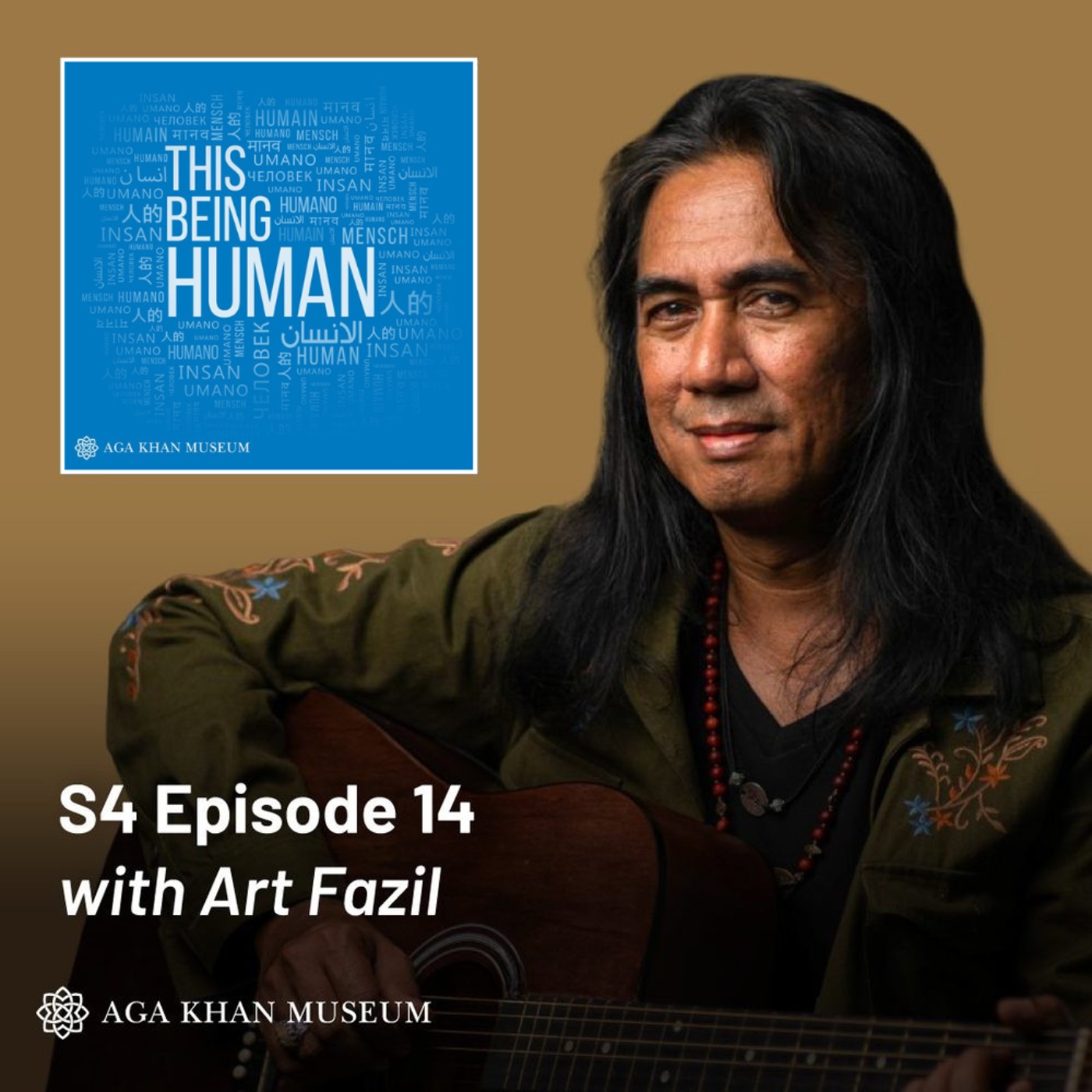
| 9/10/24 | ![]() Art Fazil's Revival of the Folk Music of Nusantara✨ | Nusantarafolk music+4 | Art Fazil | Aga Khan MuseumThe Walrus Lab+1 | — | Nusantarafolk music+5 | — | 32m 16s | |
| 8/27/24 | ![]() Kazem Abdullah: Conducting Change in Classical Music✨ | classical musicconducting+3 | Kazem Abdullah | Aga Khan MuseumThe Walrus Lab+4 | Aachen, Germany | Kazem Abdullahclassical music+5 | — | 33m 00s | |
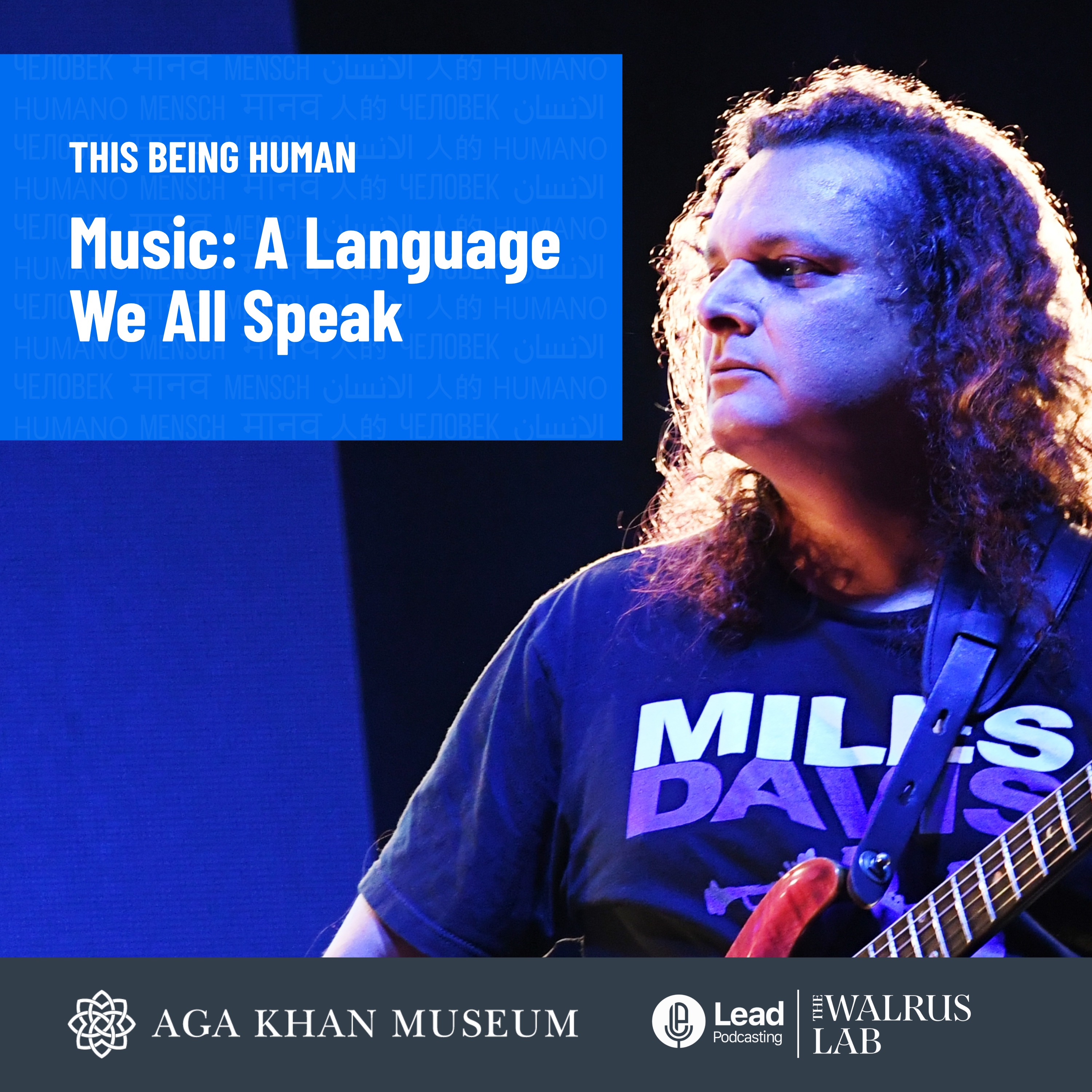
| 8/9/24 | ![]() Nasir Sirikhan’s Philosophy of Dance | Nasir Sirikhan and Abdul-Rehman Malik discuss Nasir's viral wedding dance video and the joy and connection it brought to millions of viewers. They talk about the origins of QuickStyle and how Nasir, Suleiman, and Bilal met and formed their dance crew. Nasir shares the emotional journey of performing and the camaraderie among the group. They also discuss the influence of hip-hop and their love for music in their dance style. Nasir Sirikhan, a member of the dance crew Quick Style, discusses his background growing up in Oslo as a Thai Pakistani kid and the diverse cultural influences he experienced. He explains how Quick Style Studio was born and how they decided to build community by teaching dance to young students. Nasir Sirikhan discusses the power of dance to connect people and break down barriers. He shares his experiences of witnessing love and unity in different cultures and how it has shaped his perspective. Nasir also reflects on his personal growth as a dancer and artist, emphasizing the importance of curiosity and finding his own unique style. He describes dance as a spiritual practice that allows him to connect with his emotions and find strength and hope in difficult times. Nasir and Abdul-Rehman Malik discuss the significance of movement in human expression and the role of dance in bringing joy and inspiration to the world.The Museum wishes to thank Nadir and Shabin Mohamed for their founding support of This Being Human. Hosted on Acast. See acast.com/privacy for more information. | — | ||||||
| 7/30/24 | ![]() Faig Ahmed Melts Tradition with His Mind-Bending Rugs | In this episode we sit down with renowned contemporary artist Faig Ahmed, celebrated for his revolutionary approach to traditional Azerbaijani carpet weaving. Faig’s work transcends cultural and artistic boundaries, creating a unique dialogue between the ancient and the modern.We delve into his artistic journey, exploring the inspirations and creative processes behind his avant-garde masterpieces. Faig shares how he deconstructs and reimagines centuries-old patterns, blending historical craftsmanship with contemporary artistry to challenge our perceptions of tradition and modernity.Join us for an enlightening conversation as we uncover the profound cultural significance of Faig’s work and the message he hopes to convey through his transformative pieces.The Museum wishes to thank Nadir and Shabin Mohamed for their founding support of This Being Human. Hosted on Acast. See acast.com/privacy for more information. | — | ||||||
| 7/16/24 | ![]() Aanchal Malhotra Collects Stories of Partition | In this episode of This Being Human, Abdul-Rehman Malik sits down with Aanchal Malhotra, author and oral historian, to explore the emotional legacies of the partition of India and Pakistan. Aanchal shares personal stories, insights from her books "Remnants of Separation, In the Language of Remembering, and The Book of Everlasting Things, and reflects on the importance of documenting personal histories. Join us as we delve into the human side of history and its impact on our present and future.To learn more about Aanchal's work, you can check out aanchalmalhotra.com or museumofmaterialmemory.com.To fill out our listener survey, go to agakhanmuseum.org/tbhsurvey.If you enjoyed this episode and want to learn more, go to agakhanmuseum.org/thisbeinghuman.The Museum wishes to thank Nadir and Shabin Mohamed for their founding support of This Being Human. Hosted on Acast. See acast.com/privacy for more information. | — | ||||||
| 7/2/24 | ![]() How Deeyah Khan Faces Hate With Humanity (Live!) | In this episode of "This Being Human," we sit down with Deeyah Khan, an acclaimed filmmaker and activist renowned for her transformative documentaries. Deeyah shares her remarkable journey from being a music artist to becoming a powerful voice against extremism through film. Growing up as a Norwegian of Pakistani descent, she faced significant cultural and racial challenges that shaped her worldview and ignited her passion for storytelling. Deeyah recounts her transition from music to filmmaking, driven by a desire to address critical social issues and humanize those often seen as enemies.Deeyah delves into her profound experiences engaging with white supremacists and jihadis, offering an unfiltered look at the roots of their beliefs and the power of empathy. Her films, including encounters with former extremists, have not only shed light on the psychology of hate but have also sparked moments of transformation for her subjects. Through heartfelt dialogue and unwavering courage, Deeyah's work demonstrates the possibility of change and understanding even in the most polarized situations.Throughout the conversation, Deeyah reflects on the importance of empathy, love, and humanizing others as acts of defiance and resistance. She discusses the personal impact of her work, including how motherhood has deepened her commitment to creating a better world. This episode offers a powerful exploration of art as activism and the enduring hope that comes from seeing beyond hatred to our shared humanity. Join us as we uncover the stories behind Deeyah Khan's impactful films and her unwavering belief in the transformative power of empathy.To learn more, visit deeyah.comTo fill out our listener survey, go to agakhanmuseum.org/tbhsurvey.If you enjoyed this episode and want to learn more, go to agakhanmuseum.org/thisbeinghuman.The Museum wishes to thank Nadir and Shabin Mohamed for their founding support of This Being Human. Hosted on Acast. See acast.com/privacy for more information. | — | ||||||
| 6/18/24 | ![]() dina Amin's Treasure Trove of Trash | In this episode of This Being Human we sit down with dina Amin, an innovative stop motion artist from Cairo, Egypt. dina shares her unique journey from studying Industrial Design in Malaysia to creating her acclaimed Instagram series, 'Tinker Friday.' Through 'Tinker Friday,' she combines her design expertise with animation to reveal the hidden intricacies of everyday objects, shedding light on consumerism in a captivating and educational way. We delve into the foundation of dina's Tinker Studio, where she produces imaginative stop motion videos for a diverse range of clients, including Vice TV and Sony Alpha. dina discusses the creative process behind her work, how she has overcome challenges, and the satisfaction of bringing discarded items to life through storytelling. Her multidisciplinary approach, blending product design with animation, offers a fresh perspective on art and cultural commentary. Throughout the conversation, dina reflects on how her cultural background influences her work and shares valuable advice for aspiring artists. Join us for an insightful discussion that unveils the magic of stop motion and the power of reimagining the ordinary.To fill out our listener survey, go to agakhanmuseum.org/tbhsurvey.If you enjoyed this episode and want to learn more, go to agakhanmuseum.org/thisbeinghuman.The Museum wishes to thank Nadir and Shabin Mohamed for their founding support of This Being Human. Hosted on Acast. See acast.com/privacy for more information. | — | ||||||
| 6/4/24 | ![]() Data Dreams: The Artistic Universe of Refik Anadol | In this episode we delve into the artistic universe of Refik Anadol, a Turkish-American new media artist renowned for his innovative use of data-driven machine learning algorithms in art. From his early days in Istanbul to his advanced studies and creative endeavors in Los Angeles, we explore the formative experiences that shaped his pioneering approach to digital art. Refik discusses his groundbreaking projects like "Machine Hallucination" and "Virtual Depictions," revealing how he transforms abstract data into immersive, sensory experiences that challenge traditional notions of art and space. The episode also highlights his cultural collaborations and the impact of his work on global art narratives, all while contemplating the evolving role of artists in our technology-driven world. Join us as we journey through Refik Anadol's vision, where data not only informs but also inspires the future of artistic expression.To fill out our listener survey, go to agakhanmuseum.org/tbhsurvey.If you enjoyed this episode and want to learn more, go to agakhanmuseum.org/thisbeinghuman.The Museum wishes to thank Nadir and Shabin Mohamed for their founding support of This Being Human. Hosted on Acast. See acast.com/privacy for more information. | — | ||||||
| 5/21/24 | ![]() Alia Syed's Career In Experimental Filmmaking | On this episode of This Being Human, we speak with Alia Syed, a British experimental filmmaker whose work has been shown all around the art world for the last 25 years. Born in 1964 in Swansea to a Welsh mother and Indian father, Alia uses her film cameras to meditate on issues of subjectivity and narrative, identity and memory. Her films have been shown at numerous institutions around the world including BBC Arts Online, the Museum of Modern Art, New York ; Museo National Centro de Arte Reina Sofia, Madrid ; XV Sydney Biennale ; Tate Modern, as well as several solo exhibitions at the Talwar Gallery in New York and New Delhi.To fill out our listener survey, go to agakhanmuseum.org/tbhsurvey.If you enjoyed this episode and want to learn more, go to agakhanmuseum.org/thisbeinghuman.The Museum wishes to thank Nadir and Shabin Mohamed for their founding support of This Being Human. Hosted on Acast. See acast.com/privacy for more information. | — | ||||||
| 5/7/24 | ![]() The Sci-Fi Sufism of Saks Afridi | Saks Afridi is an artist who refers to his work as ,scfi-fi sufism., His pieces include prayer rugs depicting UFOs, visual art that blends images of circuitry with classic Islamic design, and an extensive, multi-disciplinary project based on a mythological world that he calls Space Mosque. Saks talks about blending the spiritual with the speculative, why the idea of prayer factors into so much of his work, and how his day job in advertising informs his art practice.To fill out our listener survey, go to agakhanmuseum.org/tbhsurvey.If you enjoyed this episode and want to learn more, go to agakhanmuseum.org/thisbeinghuman.The Museum wishes to thank Nadir and Shabin Mohamed for their founding support of This Being Human. Hosted on Acast. See acast.com/privacy for more information. | — | ||||||
| 4/23/24 | ![]() Amir Sulaiman's Journey From Poet to Screenwriter | In this episode of This Being Human we delve deep into the profound significance of poetry in modernity through the lens of renowned poet and artist, Amir Sulaiman. Hailing from Rochester, New York, Amir's poetic journey has traversed continents, resonating with audiences globally. From his exploration of existential inquiries to the unraveling of universal themes such as love, spirituality, and human connection, Amir's verse serves as a sacred mirror reflecting the complexities of the human soul. Traversing continents with Amir's poetic resonance and universal appeal, we explore how poetry serves as a bridge, transcending cultural boundaries and uniting hearts across the expanse of our shared humanity, and how personally it's led him to collaborate with other celebrated artists like Ramy Youssef, Dave Chappelle, and Robert Glasper. As we contemplate the future of poetry in the digital age, Amir envisions its continued relevance as a guiding light amidst the complexities of modern life, serving as a compass for the human spirit amidst the noise and chaos of contemporary society.To fill out our listener survey, go to agakhanmuseum.org/tbhsurvey.If you enjoyed this episode and want to learn more, go to agakhanmuseum.org/thisbeinghuman.The Museum wishes to thank Nadir and Shabin Mohamed for their founding support of This Being Human. Hosted on Acast. See acast.com/privacy for more information. | — | ||||||
| 4/9/24 | ![]() Kiran Ahluwalia on blending cultures and making music | Kiran Ahluwalia is a true innovator-her songs blend the music of India with influences from Mali and western blues, rock, R&B and jazz to create a sound unlike any other artist. Over the last two decades, Kiran has studied under masters of classical Indian music and collaborated with iconic North African artists, most notably the iconic desert blues group Tinariwen. On this episode, she talks about her new single, Pancake, her decision to leave her career in Canada to study music in India, and her family's experience of the partition of India.To fill out our listener survey, go to agakhanmuseum.org/tbhsurvey.If you enjoyed this episode and want to learn more, go to agakhanmuseum.org/thisbeinghuman.The Museum wishes to thank Nadir and Shabin Mohamed for their founding support of This Being Human. Hosted on Acast. See acast.com/privacy for more information. | — | ||||||
| 3/26/24 | ![]() Jude Chehab Made A Beautiful Film about her Mother | Meet Jude Chehab, the rising-star filmmaker whose debut documentary “Q” is making waves in the industry! Named one of Vogue Magazine’s top documentaries of 2023, “Q” paints a mesmerizing portrait of her mother’s relationship to an all-female religious group in Lebanon. It has won multiple awards including Best New Documentary Director at the Tribeca Film Festival, a Cinema Eye Honor, and earned Jude her spot on DOCNYC’s ’40 under 40′ list. This week on the podcast, Jude tells us how she learned to weave a story that retains some level of mystery, but is grounded in humanity, as she learned from one of her film teachers, the legendary Iranian director Abbas Kiarostami.You can learn more about Jude's work at www.judechehab.com.To fill out our listener survey, go to agakhanmuseum.org/tbhsurvey.If you enjoyed this episode and want to learn more, go to agakhanmuseum.org/thisbeinghuman.The Museum wishes to thank Nadir and Shabin Mohamed for their founding support of This Being Human. Hosted on Acast. See acast.com/privacy for more information. | — | ||||||
| 3/12/24 | ![]() Haroon Siddiqui's Love Letter to Canada | Haroon Siddiqui has had many titles. Reporter, columnist, editor... the list goes on. He can now add author to his resume with the release of his memoir "My Name is Not Harry". It's a profound reflection on his career, Canadian values, his immigrant superpowers and the role he believes luck, or perhaps divine destiny, has played in his incredible life.To fill out our listener survey, go to agakhanmuseum.org/tbhsurvey.If you enjoyed this episode and want to learn more, go to agakhanmuseum.org/thisbeinghuman.The Museum wishes to thank Nadir and Shabin Mohamed for their founding support of This Being Human. Hosted on Acast. See acast.com/privacy for more information. | — | ||||||
Showing 25 of 97
Pitch Fit is a Pro feature
See how bookable this show is for guests, which brands already advertise, the per-episode ad value, and the best-fit guest and sponsor profile. The numbers are blurred on the free plan.
How readily this show books outside guests like you.
How proven this show is for host-read sponsorships.
For Guests
ProFor Advertisers
ProUpgrade to Pro to unlock guest cadence, sponsor categories, fit scores, and per-episode ad value for this show.