This Week in Space (Audio)
by TWiT
Is this your podcast?Insights from recent episode analysis
Audience Interest
Podcast Focus
Publishing Consistency
Platform Reach
Insights are generated by CastFox AI using publicly available data, episode content, and proprietary models.
Most discussed topics
Brands & references
Total monthly reach
Estimated from 33 chart positions in 33 markets.
By chart position
- 🇺🇸US · Astronomy#9300K to 1M
- 🇨🇦CA · Astronomy#12300K to 1M
- 🇦🇺AU · Astronomy#13300K to 1M
- 🇬🇧GB · Astronomy#19300K to 1M
- 🇩🇪DE · Astronomy#33100K to 300K
- Per-Episode Audience
Est. listeners per new episode within ~30 days
1.2M to 3.9M🎙 ~2x weekly·10 episodes·Last published 4d ago - Monthly Reach
Unique listeners across all episodes (30 days)
2.4M to 7.8M🇺🇸13%🇨🇦13%🇦🇺13%+30 more - Active Followers
Loyal subscribers who consistently listen
717K to 2.3M
Market Insights
Platform Distribution
Reach across major podcast platforms, updated hourly
Total Followers
—
Total Plays
—
Total Reviews
—
* Data sourced directly from platform APIs and aggregated hourly across all major podcast directories.
On the show
From 22 epsHosts
Recent guests
Recent episodes
TWiS 225: Get a Grip! - New Technologies for Orbital Salvage
Aug 28, 2026
Unknown duration
TWiS 224: The Science of Artemis - What We'll Do on the Moon
Aug 21, 2026
Unknown duration
TWiS 223: The Lunar Domain - Our Future on the Moon with Dr. Scott Pace
Aug 14, 2026
Unknown duration
TWiS 222: How to Invade Earth in 22 Easy Steps - With Rich Edwards
Aug 7, 2026
Unknown duration
TWiS 221: Starship Can Float? - Roman Space Telescope Ready to Launch!
Jul 31, 2026
Unknown duration
Social Links & Contact
Official channels & resources
Official Website
Login
RSS Feed
Login
| Date | Episode | Topics | Guests | Brands | Places | Keywords | Sponsor | Length | |
|---|---|---|---|---|---|---|---|---|---|
| 8/28/26 | TWiS 225: Get a Grip! - New Technologies for Orbital Salvage | The mitigation of orbital debris is an increasingly serious problem that has not gotten enough attention, but this is changing. Commercial companies are addressing orbital debris, and one of them, KMI Space, has flown its experiments aboard the International Space Station, performing over 170 individual rendezvous-and-grab operations. The results are very promising, and the company is moving ahead with ever more ambitious designs. Adam Kall of KMI joins us to discuss their work on the ISS, the goals of the company, and how nature—via the humble octopus and gecko lizards—may have provided the answers for this vexing problem. Headlines: SpaceX to Build Major Starbase Louisiana with Ambitious Launch Plans Falcon 9 Retirement Looms as Starship Prepares to Take Over Recovery and Future of Starship Flight 13 Discussed Roman Space Telescope Launch Previewed Lunar Eclipse Recap and Next Major Eclipse Forecast Trump Announces New US Space Academy Main Topic: KMI Space's REACH Technology and In-Orbit Relocation KMI Space's Origin Story and Path to the Space Industry The REACCH Gripper: Gecko and Octopus-Inspired Robotic Arms How REACCH Grips and Moves Tumbling Satellites and Debris Real-World ISS Demonstrations and Operational Challenges Pivot from Debris Removal to Satellite Relocation as a Service Business Model: Transparent Pricing and Customer Targeting Future Vision: In-Orbit Collection, Refueling, and Recycling Stations National Security Implications and Force-Appropriate Applications Technical Details: Materials, Propulsion, and Size Consideration Hosts: Rod Pyle and Tariq Malik Guest: Adam Kall Download or subscribe to This Week in Space at https://twit.tv/shows/this-week-in-space. Join Club TWiT for Ad-Free Podcasts! Support what you love and get ad-free audio and video feeds, a members-only Discord, and exclusive content. Join today: https://twit.tv/clubtwit | — | ||||||
| 8/21/26 | TWiS 224: The Science of Artemis - What We'll Do on the Moon | It has been said that the Moon is a harsh mistress, and nowhere is this more apparent than at the lunar south pole. That is, however, where the Artemis program is headed, and we need to figure out how to best explore the region. Dr. David Kring of the Universities Space Research Association's Lunar and Planetary Institute joins us to explore the where, whys, and hows of the Artemis Program's lunar exploration plans, and the answers--and risks--that await us. Headlines: Starship Flight 12 Survives Indian Ocean Landing nd Long Sea Journey China's Chang'e 7 Lunar Hopper Mission Targets Permanently Shadowed Terrain US National Space Transportation Policy Aims for 1,000 Launches Per Year by 2030 Main Topic: The Science and Planning of the Artemis Lunar Program Criteria and Studies for Selecting Artemis Landing Sites South Pole Resource Advantages: Continuous Solar Power and Potential Volatiles Scientific Promise of the Schrödinger Impact Basin vs. South Pole Mandate The Value of Lunar Sample Return for Transformational Science Unique Terrain and Operational Challenges of the Lunar South Polar Region Training, Mobility, and the Role of Human Exploration versus Robotics Impact Cratering's Role in Life's Origins and Earth's Early History Considerations for Lunar Base Location and Hazards Training Programs for Scientists and Astronauts Preparing for Artemis Host: Rod Pyle Co-Host: Fredrick (Rick) Jenet Guest: Dr. David Kring Download or subscribe to This Week in Space at https://twit.tv/shows/this-week-in-space. Join Club TWiT for Ad-Free Podcasts! Support what you love and get ad-free audio and video feeds, a members-only Discord, and exclusive content. Join today: https://twit.tv/clubtwit | — | ||||||
| 8/14/26 | TWiS 223: The Lunar Domain - Our Future on the Moon with Dr. Scott Pace | We're headed for a space renaissance, and it will be focused on the Moon. The US, China, and international partners of both are vying to land people there and construct a permanent lunar base. Meanwhile, NASA is evolving to embrace commercial enterprise unlike any time in its past, and American lunar efforts are lagging. What are the stakes? Does it matter who returns humans there first? What does the future of lunar commerce look like? Dr. Scott Pace, the Director of the Space Policy Institute at George Washington University, joins us. Main Topic: The Evolving Lunar Domain and US Space Policy • Dr. Scott Pace's space policy background and legacy • Policy continuity from Trump to Biden and the focus on implementation • Artemis program direction and geopolitical influences • The importance of commercial and international partnerships • NASA's commercial contract successes and limitations • Need for an off-ramp from SLS as commercial heavy lift matures • Differentiating between short-term wins and long-term infrastructure goals in lunar strategy • Tension between NASA centers and commercial LEO station development • Challenges and prospects for lunar landers from SpaceX and Blue Origin • Recommendations for NASA's future focus: tough technical problems, integration, and talent • The cultural and inspirational necessity of human presence in space despite advancing AI and robotics Host: Rod Pyle Co-Host: Dale Skran Guest: Dr. Scott Pace Download or subscribe to This Week in Space at https://twit.tv/shows/this-week-in-space. Join Club TWiT for Ad-Free Podcasts! Support what you love and get ad-free audio and video feeds, a members-only Discord, and exclusive content. Join today: https://twit.tv/clubtwit Sponsors: threatlocker.com/twit rippling.ai/twis | — | ||||||
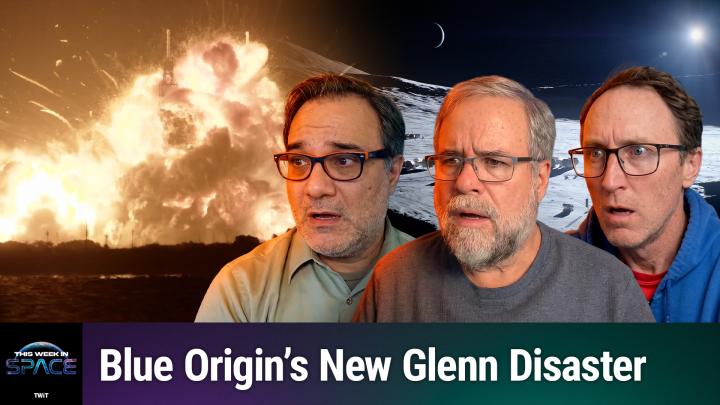
| 8/7/26 | TWiS 222: How to Invade Earth in 22 Easy Steps - With Rich Edwards | We've all seen the movies... the aliens come to Earth, the aliens overcome the inferior humans, and the aliens fall prey to something dumb they overlooked, like microbes, Windows 95, or most absurdly, water. From the 1950s through yesterday, some of the best movies we've seen were about the invasion of our planet. They can be clever, scary, or even downright dumb, but they are all fun. Veteran space writer Rich Edwards joins us to give advice on how to repel the invaders! Headlines: Department of Defense drops new batch of UFO/UAP files Blue Origin traces New Glenn rocket explosion to faulty oxygen valve SpaceX's first public earnings call reveals key financials and hints at Starship's future Total solar eclipse set to cross Europe; safety tips and gear recommendations Main Topic: How to Invade Earth in Sci-Fi—22 Dos and Don'ts with Rich Edwards The enduring appeal and adaptability of War of the Worlds Why alien invaders always go for major landmarks (and why it's all for show) Critique of aliens with impractical invasion strategies—water allergies and cocky attitudes Pop culture's obsession with alien disguises, conspiracy plots, and gradual infiltration Deep dive into Invasion of the Body Snatchers, Day of the Triffids, and the power of slow, stealthy takeovers Starting small: Alien invasions in isolated towns and subtle conquests The strategic use of time travel in alien invasion movies, with Star Trek: First Contact Why James Cameron's Aliens remains a sci-fi invasion classic decades later What makes a satisfying alien invasion ending—and the pitfalls of lazy resolutions Hosts: Rod Pyle and Tariq Malik Guest: Richard Edwards Download or subscribe to This Week in Space at https://twit.tv/shows/this-week-in-space. Join Club TWiT for Ad-Free Podcasts! Support what you love and get ad-free audio and video feeds, a members-only Discord, and exclusive content. Join today: https://twit.tv/clubtwit Sponsor: helixsleep.com/space | — | ||||||
| 7/31/26 | TWiS 221: Starship Can Float? - Roman Space Telescope Ready to Launch! | Rod Pyle is out this week, so Rick Jenet of the National Space Society joins Tariq Malik this week to talk about SpaceX's Starship Flight 13, which deployed new Starlink V3 satellites and stunned viewers when the ship survived reentry intact enough to float in the ocean for days afterward. They also discuss NASA's Roman Space Telescope, now just a month from launch, and an in-progress emergency effort to save the ailing Swift Space Observatory using a servicing spacecraft that is itself now experiencing technical trouble. Finally, they look into Boeing's continued Starliner delays and India's first successful private orbital launch via Skyroot Aerospace's Vikram-1 rocket. Tune in! Headlines: SpaceX Starship Flight 13 Splashdown and Recovery Efforts Starlink V3 Satellite Deployment Updates SpaceX Wins $1.6 Billion Space Force Contract NASA's Roman Space Telescope Countdown and Origin Story Urgent Swift Space Observatory Rescue Mission Faces Technical Setbacks Boeing Starliner Faces More Delays and Uncertainty India's First Commercial Rocket Launch Enters Global Market Artemis II Astronaut Questions South Pole as Lunar Landing Target Astronomers Detect Possible First-Ever Exomoon Upcoming SpaceX Falcon 9 Impact Experiment on the Moon Preview: August Almost Total Solar Eclipse and Night Sky Events Host: Tariq Malik Co-Host: Fredrick (Rick) Jenet Download or subscribe to This Week in Space at https://twit.tv/shows/this-week-in-space. Join Club TWiT for Ad-Free Podcasts! Support what you love and get ad-free audio and video feeds, a members-only Discord, and exclusive content. Join today: https://twit.tv/clubtwit | — | ||||||
| 7/24/26 | TWiS 220: First on Mars - The 50th Anniversary of Viking 1 | This week, we cover how Starship Flight 13 finally prepares to launch amid a legal battle over SpaceX's proposed land swap at Starbase, plus a Chinese Long March 3B rocket gets struck by lightning during liftoff, yet still delivers its satellite safely. Then, guests Dr. Pascal Lee and astrobiologist Dr. Penny Boston join the show to mark the 50th anniversary of Viking 1's landing on Mars and revisit the mission's groundbreaking life-detection experiments and the decades-long controversy over what they actually found. The conversation traces Mars exploration from the earliest Mariner flybys through Viking's ambiguous, still-debated results—later explained by perchlorates in the Martian soil—and the fierce scientific rivalry the findings sparked. Join us! Headlines: SpaceX Starship Flight 13 faces engine and weather delays ahead of launch SpaceX land swap proposal sparks conservation group lawsuit over Rio Grande Valley wildlife preserve Chinese Long March rocket survives dramatic lightning strike during launch Main Topic: 50th Anniversary of Viking Mars Landers—Search for Life on Mars The evolution of Mars exploration from telescopes to Viking lander Early Mars missions: Mariner flybys, Soviet attempts, and breakthroughs in orbital imaging Viking 1 and 2: Ambitious design, life-detection experiments, and landing impact Mixed public and scientific reactions to Viking's first iconic Mars surface images Technical overview of the Viking biology experiments and their controversial results The unresolved debate: Did Viking detect life or chemical reactions on Mars? Personal accounts of key scientists, scientific disputes, and the "Wolf Trap" experiment that never flew Lessons from Viking: Limitations of technology, extremophile discoveries, and shifting strategies for detecting life The scientific case for seeking life in Martian caves and subsurface environments Critique of current and future Mars missions: Perseverance rover findings and value of Mars Sample Return Exploring planetary protection, contamination risks, and the challenges of certifying Martian samples= Key takeaways for future missions—bold searches, new technologies, and the ongoing quest for answers Hosts: Rod Pyle and Tariq Malik Guests: Pascal Lee and Dr. Penelope Boston Download or subscribe to This Week in Space at https://twit.tv/shows/this-week-in-space. Join Club TWiT for Ad-Free Podcasts! Support what you love and get ad-free audio and video feeds, a members-only Discord, and exclusive content. Join today: https://twit.tv/clubtwit Sponsor: rippling.ai/twis | — | ||||||
| 7/18/26 | SpaceXNASA+5 | — | Starlink HDspace solar power+5 | New JerseyPluto+2 | SpaceXNASA+8 | — | 1h 13m 22s | ||
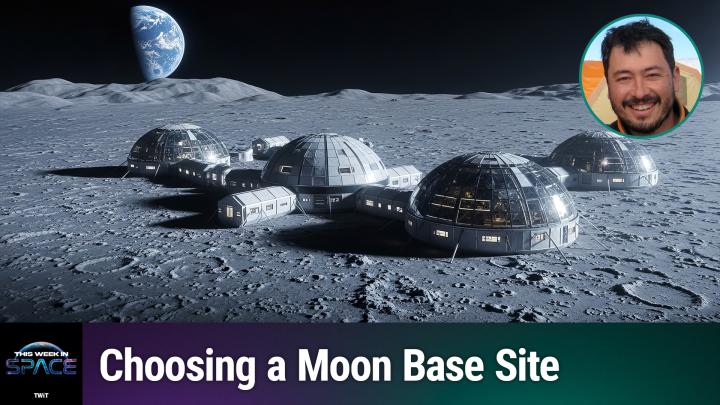
| 7/10/26 | moonbase planslunar exploration+4 | Dr. Pascal Lee | NASAChina+1 | moonsouth polar regions+1 | moonbaseNASA+6 | — | 1h 10m 52s | ||
| 7/3/26 | American space effortsspace missions+4 | — | NASAIndependence Day | — | spaceflightNASA+7 | — | 1h 18m 05s | ||
| 6/26/26 | Dark MatterParticle Physics+5 | Dr. Daniel Whiteson | CERNUC Irvine+2 | — | dark matterextraterrestrial intelligence+7 | — | 1h 10m 55s | ||
| 6/19/26 | UFOsAI+4 | Dr. David Brin | NASADisclosure Day+3 | — | Disclosure DayDavid Brin+5 | — | 1h 06m 22s | ||
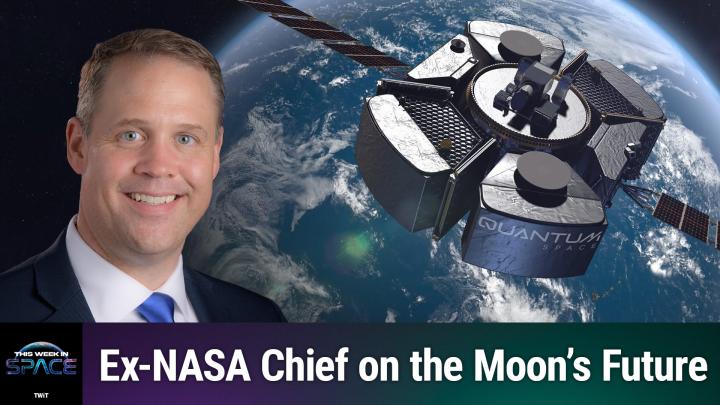
| 6/12/26 | NASA leadershipArtemis program+4 | Jim Bridenstine | NASASpaceX+4 | — | NASAJim Bridenstine+6 | — | 1h 09m 08s | ||
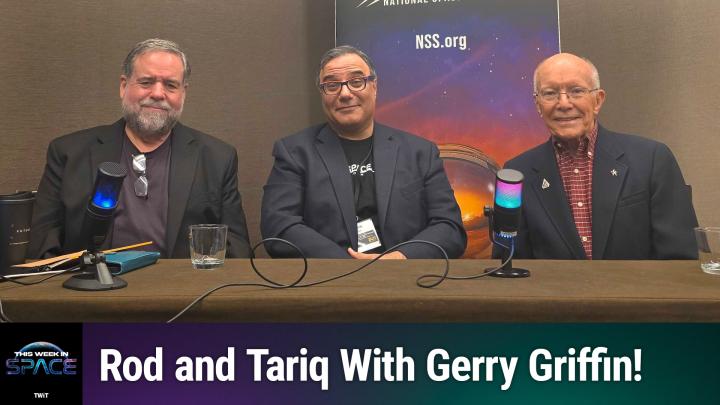
| 6/5/26 | Jerry Griffin's Legacy in Space ExplorationApollo Missions+5 | Gerry Griffin | NASAJohnson Space Center+1 | McLean, VirginiaLunar Orbit+1 | Gerry GriffinApollo missions+8 | — | 1h 22m 34s | ||
| 5/29/26 | NASA's Artemis Moon BaseLunar Exploration Plans+4 | Mike Wall | NASABlue Origin+2 | LC36Manhattanhenge+2 | Blue OriginNew Glenn+8 | — | 1h 02m 33s | ||
| 5/22/26 | Oysters in SpaceBioregenerative Life Support+5 | Jacob Scoccimerra | Monolith SpaceHarrisburg University of Science and Technology+2 | — | oystersMars+8 | — | 1h 08m 58s | ||
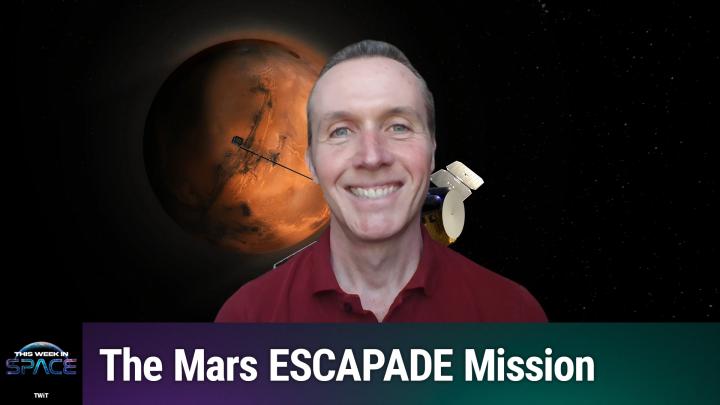
| 5/15/26 | Mars ESCAPADE MissionAtmospheric loss on Mars+5 | Dr. Robert Lillis | NASAMaven+3 | MarsEarth+1 | MarsESCAPADE+6 | — | 57m 21s | ||
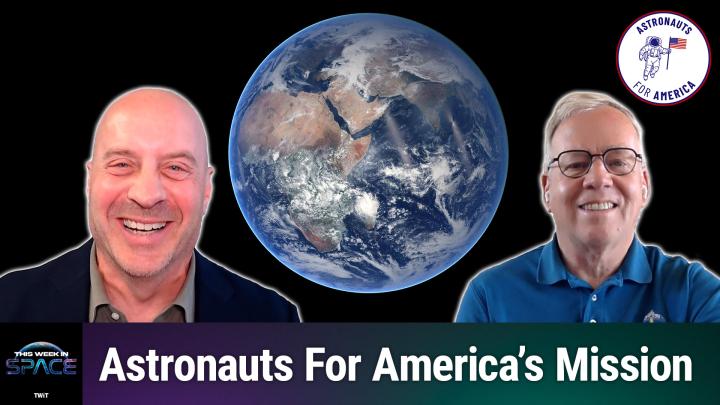
| 5/8/26 | Astronauts for AmericaPolitical Polarization+4 | Garrett ReismanSteve Lindsey | NASAAstronauts for America+2 | Mars | astronautspolitical polarization+5 | — | 1h 09m 41s | ||
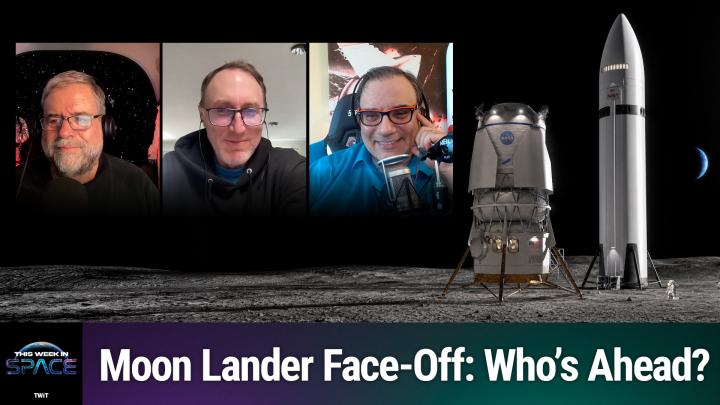
| 5/1/26 | Lunar LandersArtemis Program+4 | Mike Wall | NASASpaceX+1 | MoonEarth+2 | SpaceXBlue Origin+7 | — | 1h 06m 26s | ||
| 4/24/26 | NASA budget cutsscience missions+4 | Jenniter Vaughn | NASAThe Planetary Society+2 | Uranus | NASA budgetscience funding+6 | — | 1h 01m 17s | ||
| 4/17/26 | Communicating the Discovery of Extraterrestrial LifePublic Trust and Misinformation+3 | Brianne Suldovsky | SpaceXPortland State University | — | alien lifeextraterrestrial+6 | — | 1h 02m 30s | ||
| 4/10/26 | Artemis II MissionLunar Flyby+5 | — | ApolloNASA | Kennedy Space CenterJohnson Space Center+2 | Artemis IIlunar flyby+7 | — | 1h 14m 03s | ||
| 4/3/26 | NASA changesArtemis 2 mission+3 | — | NASA | HoustonFlorida | NASAArtemis 2+5 | — | 1h 02m 16s | ||
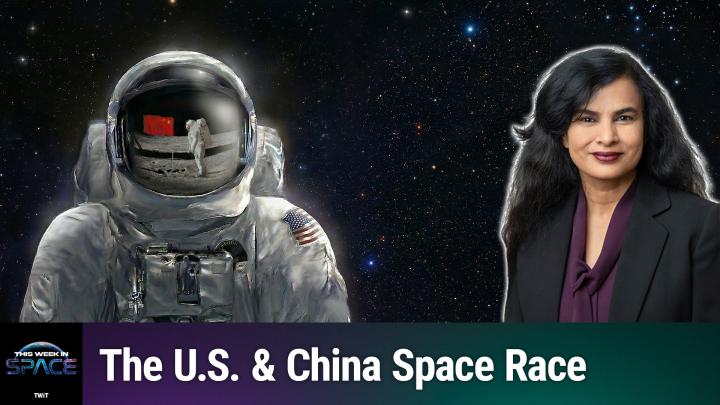
| 3/27/26 | U.S.-China CompetitionLunar Exploration+4 | Dr. Namrata Goswami | Johns Hopkins UniversityNASA+3 | lunarcislunar space | space racelunar program+6 | — | 56m 27s | ||
| 3/20/26 | Artemis II Launch UpdateSpace Exploration+4 | Mike Wall | NASABlue Origin+2 | KSCLC-39B | Artemis IINASA+6 | — | 1h 03m 07s | ||
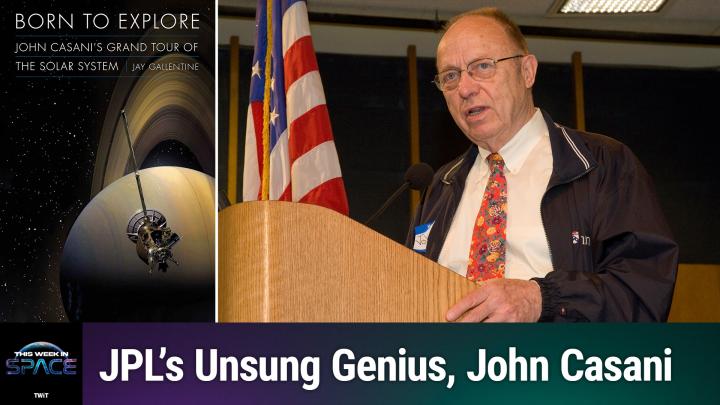
| 3/13/26 | deep space explorationrobotic missions+4 | Jay Gallentine | NASAJPL+1 | — | space explorationrobotics+6 | — | 1h 10m 44s | ||
Showing 25 of 10
Pitch Fit is a Pro feature
See how bookable this show is for guests, which brands already advertise, the per-episode ad value, and the best-fit guest and sponsor profile. The numbers are blurred on the free plan.
How readily this show books outside guests like you.
How proven this show is for host-read sponsorships.
For Guests
ProFor Advertisers
ProUpgrade to Pro to unlock guest cadence, sponsor categories, fit scores, and per-episode ad value for this show.
Chart history for This Week in Space (Audio)
Peaked at #4 in South Africa, top 10 in 6 of 40 tracked markets, currently #4 in South Africa.
| Market | Genre | Peak | Current | Trend |
|---|---|---|---|---|
| South Africa | — | #4 | #4 | — |
| NG | — | #7 | #7 | — |
| Brazil | — | #8 | #8 | — |
| United States | — | #9 | #9 | — |
| BE | — | #10 | #10 | — |
| CL | — | #10 | #10 | — |
| New Zealand | — | #11 | #11 | — |
| Canada | — | #12 | #12 | — |
| TH | — | #12 | #12 | — |
| Australia | — | #13 | #13 | — |
| Norway | — | #13 | #13 | — |
| IL | — | #13 | #13 | — |
| Sweden | — | #14 | #14 | — |
| PT | — | #15 | #15 | — |
| Ireland | — | #16 | #16 | — |
| Denmark | — | #16 | #16 | — |
| United Kingdom | — | #19 | #19 | — |
| TR | — | #19 | #19 | — |
| Japan | — | #19 | #19 | — |
| AT | — | #20 | #20 | — |
Chart Positions
40 placements across 33 markets.
Chart Positions
40 placements across 33 markets.