Insights from recent episode analysis
Audience Interest
Podcast Focus
Publishing Consistency
Platform Reach
Insights are generated by CastFox AI using publicly available data, episode content, and proprietary models.
Most discussed topics
Brands & references
Est. Listeners
Insufficient chart data. Estimates will improve as the show charts.
- Per-Episode Audience
Est. listeners per new episode within ~30 days
N/A🎙 ~2x weekly·69 episodes·Last published 1w ago - Monthly Reach
Unique listeners across all episodes (30 days)
N/A - Active Followers
Loyal subscribers who consistently listen
N/A
Market Insights
Platform Distribution
Reach across major podcast platforms, updated hourly
Total Followers
—
Total Plays
—
Total Reviews
—
* Data sourced directly from platform APIs and aggregated hourly across all major podcast directories.
On the show
From 11 epsHost
Recent guests
Recent episodes
Life Maxxing in the AI Era
Jun 13, 2026
33m 32s
Why Great Products Fail And How to Shorten the Adoption Curve
May 9, 2026
44m 10s
Beyond Vibe Coding: The AI Software Factory
Apr 18, 2026
37m 26s
From Agency Hustle to an Exit: The AI-Native GTM Playbook
Apr 4, 2026
36m 16s
AI in GTM: Hype, Hope, and What Actually Works
Mar 28, 2026
54m 46s
Social Links & Contact
Official channels & resources
Official Website
Login
RSS Feed
Login
| Date | Episode | Topics | Guests | Brands | Places | Keywords | Sponsor | Length | |
|---|---|---|---|---|---|---|---|---|---|
| 6/13/26 | ![]() Life Maxxing in the AI Era✨ | burnoutleadership+4 | Dave Guttman | Guttman Media | — | burnoutleadership failure+7 | — | 33m 32s | |
| 5/9/26 | ![]() Why Great Products Fail And How to Shorten the Adoption Curve✨ | product adoptionmarket behavior+3 | Holley Miller | medical devicespharmaceuticals+3 | — | adoption curvedisgusters+3 | — | 44m 10s | |
| 4/18/26 | ![]() Beyond Vibe Coding: The AI Software Factory✨ | AI in software developmentArchitectural Decision Records+3 | John Kennedy | Actual AIAWS+2 | — | AIsoftware factories+3 | — | 37m 26s | |
| 4/4/26 | ![]() From Agency Hustle to an Exit: The AI-Native GTM Playbook✨ | agency modelAI-driven GTM+4 | Johann Nogueira | ThriveStack AI | — | AIGTM+5 | — | 36m 16s | |
| 3/28/26 | ![]() AI in GTM: Hype, Hope, and What Actually Works✨ | AI in go-to-marketbuyer expectations+4 | Molly BowdenJonathan Carford+1 | ThriveStackMomentum | — | AIgo-to-market+6 | — | 54m 46s | |
| 3/14/26 | ![]() Product Got Easier. Distribution Got Brutal.✨ | SaaS growthAI in business+3 | Matthew Whyatt | techtorque.co | — | SaaSAI+7 | — | 38m 03s | |
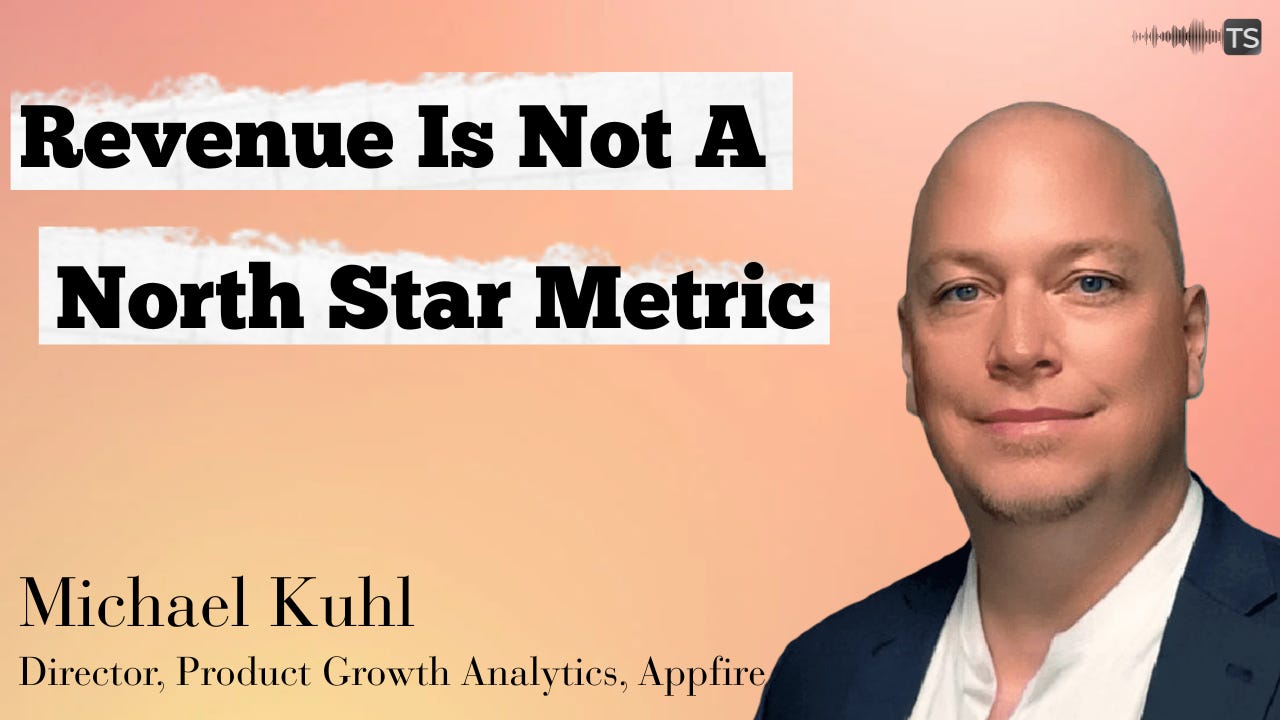
| 2/7/26 | ![]() Revenue is not a North-Star metric✨ | revenue growthactivation journey+3 | Michael Kuhl | AppFire | — | revenuechurn+5 | — | 45m 23s | |
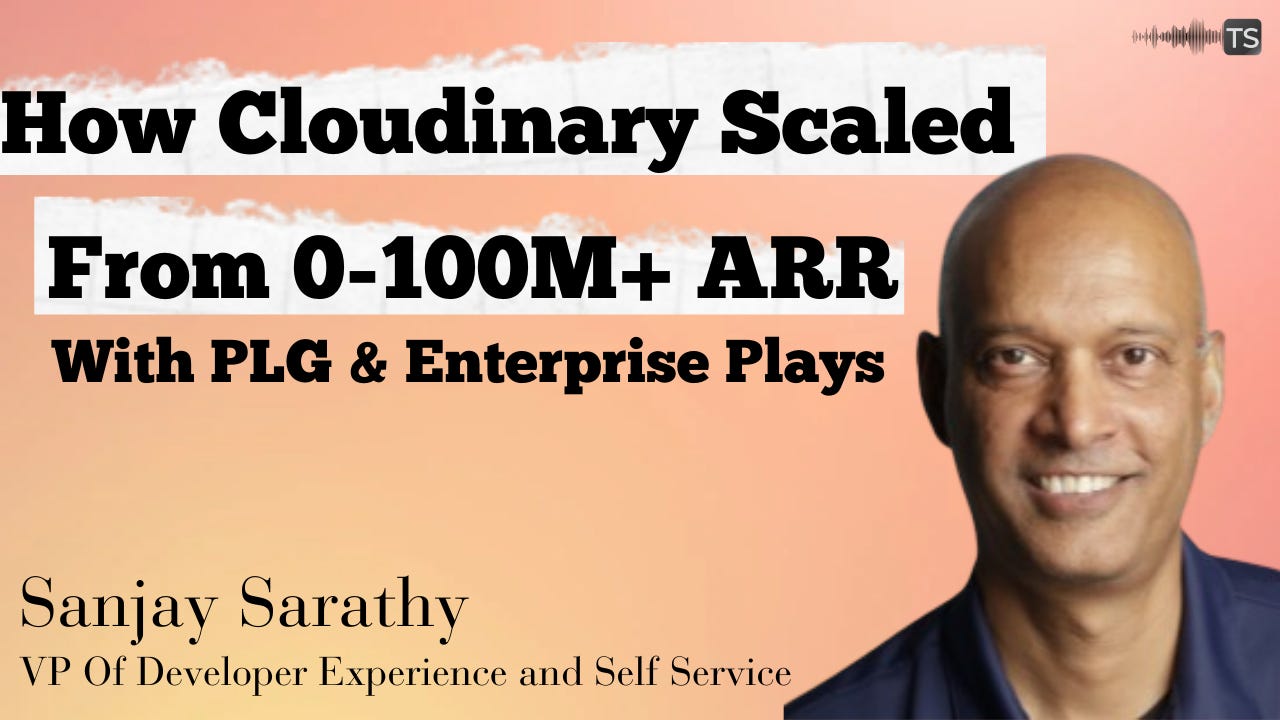
| 1/31/26 | ![]() How Cloudinary scaled from 0-$100M+ ARR✨ | SaaSproduct-led growth+3 | Sanjay Sarathy | Cloudinary | — | CloudinarySaaS+5 | — | 49m 29s | |
| 1/24/26 | ![]() GTM Growth Audit - by Marlena Sarunac✨ | GTM Growth AuditSaaS companies+4 | Marlena Sarunac | ThriveStackCompany Advice | San Francisco | GTM Growth AuditSaaS+7 | Demand & ExpandHYBRIDGTM | 41m 08s | |
| 11/22/25 | ![]() Rethinking the Funnel: How B2B Growth is Being Rewritten by AI✨ | B2B growthAI in marketing+4 | John Neeson | SiriusDecisionsThriveStack AI | — | B2Bdemand waterfall+5 | — | 37m 59s | |
Want analysis for the episodes below?Free for Pro Submit a request, we'll have your selected episodes analyzed within an hour. Free, at no cost to you, for Pro users. | |||||||||
| 11/15/25 | ![]() The Growth Operating System — Building Alignment, Activation, and Accountability✨ | growth operating systemproduct-led growth+3 | Andrew Capland | HubSpotWistia | — | growthalignment+5 | — | 39m 46s | |
| 11/8/25 | ![]() Why We Buy: The Hidden Psychology of Conversions | Chris Silvestri — a software-engineer-turned-conversion-copywriter — shares how understanding human psychology, UX, and messaging consistency can transform a SaaS website from a brochure into a persuasive buying experience.He breaks down why “words alone don’t convert,” how today’s buyer journey starts before they reach your website, and what modern founders must know about message-market fit.Key Insights* Words alone don’t convert — clarity and structure do.Copy works only when paired with the right visual hierarchy and UX flow.* Your website is a confirmation engine, not a sales pitch.Buyers already have formed opinions from AI, peers, and reviews before they arrive.* Positioning → Messaging → Copy is the true sequence.Define who you help and how you’re different before writing a single word.* Emotion drives decisions.People move either away from pain or toward desired outcomes — know which one motivates your ICP.* Friction kills conversions.Poor clarity, decision fatigue, and inconsistent CTAs reduce sign-ups more than pricing ever does.Actionable Takeaways* Map your buyer’s conversation before writing your homepage. Match what they already believe and expect.* Design “micro-yeses.” Every section should answer: Is this for me? Do I trust them? What happens next?* Be consistent across channels. Inconsistent messaging confuses not just humans but also AI search and LLMs.* Don’t oversimplify. Be clear, not generic — clarity means using the right words for the right audience.* Find product–market fit before message–market fit. Only then can you meaningfully shape your narrative.Resources Mentioned* Conversion Alchemy – Chris’s consulting practice blending psychology, UX, and copywriting.* Bob Mesta – Co-creator of Jobs-to-Be-Done framework.* Forrester’s “Buying Networks” research – On how peer groups and AI shape B2B decisions.* “The User Illusion” – Book on cognition and cognitive load in communication.* Moz SEO case study – Simplifying positioning from “All-in-One” to “The Simplest SEO Tool.”For Founders & MarketersIf your website explains what you do but not why it matters to your buyer’s brain, you’re missing conversions.Great messaging isn’t written — it’s designed for how humans decide.Loved the episode?Subscribe to ThriveCast for more behind-the-scenes stories from the builders shaping the future of SaaS. This is a public episode. If you would like to discuss this with other subscribers or get access to bonus episodes, visit www.hybridgtm.com | 43m 34s | ||||||
| 9/20/25 | ![]() Freemium in the Age of AI: Myth, Model, or Growth Engine? | In this week’s ThriveStack webinar, we sat down with Dave Boyce—author, product-led growth (PLG) advocate, and seasoned operator—to unpack the realities of freemium in SaaS. With AI transforming business models and unit economics, the debate around whether freemium accelerates growth or drains resources has never been more relevant. Dave shared lessons from his own journey from sales-led to PLG, and the hard truths behind monetization, activation, and product-market fit in today’s SaaS landscape.Key Insights* Freemium is just one monetization model. It’s not a silver bullet but part of a broader PLG strategy that includes free trials, reverse trials, and self-service onboarding.* Product-market fit comes before scaling. Freemium won’t save a product that hasn’t achieved early user success and retention.* Activation is everything. The first user impact (“first impact moment”) must happen before you ask for money; otherwise, monetization attempts backfire.* Marketing still matters. PLG doesn’t eliminate marketing—it shifts focus toward growth loops, viral mechanics, and blended acquisition strategies.* Established companies struggle with PLG. Legacy sales-led orgs face cultural and operational resistance, but adjacent plays (e.g., self-service renewals, expansion features) offer practical entry points.Actionable Takeaways* Start with founder-led selling. In early stages, hustle for feedback before chasing signups at scale.* Instrument activation. Define and track the “first impact” moment that signals true product-market fit.* Align monetization with value delivery. Trigger paywalls only after customers experience impact.* Experiment relentlessly. Treat failed freemium experiments as data points—iterate quickly to find what sticks.* Incentivize sales teams correctly. Remove channel conflict by giving quota credit for PLG-driven expansions.* Layer PLG adjacently in mature orgs. Start with renewals or expansions before tackling top-of-funnel freemium.Resources Mentioned* Dave Boyce’s new book on Freemium and PLG (launching August 26, available on Amazon).* PLG MBA Program (referenced as part of Dave’s background).* ThriveStack Customer Analytics – for tracking activation, retention, and growth loops.* Case studies of Dropbox, MongoDB, Clickhouse, Timescale, MotherDuck, and others on freemium and PLG strategies.If you’re a SaaS founder or growth leader navigating the tension between scaling fast and building to last, you’ll want to catch this conversation.🎧 Loved the episode?Subscribe to ThriveCast for more behind-the-scenes stories from the builders shaping the future of SaaS. This is a public episode. If you would like to discuss this with other subscribers or get access to bonus episodes, visit www.hybridgtm.com | 56m 20s | ||||||
| 9/6/25 | ![]() Future of SaaS, Investments and Innovations: A Fireside Chat with Dave Hersh | ThriveStack and Dave HershAug 20, 2025In this fireside chat, Gururaj Pandurangi sits down with Dave Hersh, founding CEO of Jive Software and now a coach to startup founders and leaders. From scaling Jive from bootstrapped beginnings to IPO, to guiding today’s SaaS teams through turbulent markets, Dave shares a candid look at what’s broken in venture-backed growth, what founders should focus on instead, and how to align both investors and customers without losing sight of purpose.We explore his founder journey, the tension between investor pressure and customer needs, the waste of premature scaling, and why he believes emotional-market fit—the resonance a product has with its users—matters just as much as product-market fit.Listen now on Apple, Spotify, Castbox, Google, and YouTube.“Growth without profit, without purpose, can become toxic. The real challenge is building something that grows and endures.”— Dave Hersh, Founding CEO of Jive SoftwareKey Insights⚖️ Investor Pressure vs. Customer NeedsWhy short-term expectations often distort long-term product and strategy decisions—and how founders can rebalance.💸 The Waste in Venture CapitalGrowth-at-all-costs has left many companies fragile. Dave explains how to recognize premature scaling before it’s too late.❤️ Emotional-Market FitBeyond functionality, companies win when they create loyalty and resonance with customers at an emotional level.🚀 Coaching Conscious LeadersAfter Jive, Dave dedicated his time to helping founders navigate growth without burning out themselves—or their companies.Actionable Takeaways* For Founders: Don’t let investor expectations define your roadmap; customer outcomes should.* For Growth Leaders: Emotional resonance is the moat—look beyond metrics to why people truly care.* For Investors: Hypergrowth isn’t a strategy; durability is.* For SaaS Teams: Build models that balance profit with growth from day one.Resources Mentioned* Jive Software IPO journey* Conscious leadership frameworks* ThriveStack Customer Analytics: www.thrivestack.aiIf you’re a SaaS founder or growth leader navigating the tension between scaling fast and building to last, you’ll want to catch this conversation.🎧 Loved the episode?Subscribe to ThriveCast for more behind-the-scenes stories from the builders shaping the future of SaaS. This is a public episode. If you would like to discuss this with other subscribers or get access to bonus episodes, visit www.hybridgtm.com | 50m 05s | ||||||
| 8/16/25 | ![]() Product Activation: Key Drivers and Growth Leaks | In SaaS, getting sign-ups is only half the battle. The real challenge lies in ensuring those users activate — reaching the moment when they first experience real value from your product. This milestone, often called the “aha moment”, is a key predictor of whether users will stay, convert to paid, and grow with your product.In this conversation, growth advisor Andrew Capland shares his perspective on what activation really means, why so many companies get it wrong, and how to identify and fix the leaks that silently drain your growth.Listen now on Apple, Spotify, Castbox, Google and YouTube."Activation is the output. If we do a great job with onboarding and the new user experience, the result should be that new accounts activate — and that’s the signal they’re likely to become active, paying customers."— Andrew CaplandKey Insights* Activation ≠ Onboarding: Onboarding is the process; activation is the outcome.* Value First: The “aha moment” — when a user truly understands your product’s value — is the turning point for retention and monetization.* Trackable Signals: Activation should be tied to measurable events that correlate with long-term use and conversion.* Common Leaks: Poor onboarding flows, unclear value propositions, and friction points can delay or prevent activation.* Fix with Experiments: Identify leaks, measure impact, and run iterative experiments to improve time-to-value.Actionable Takeaways* Define your activation metric — Identify a clear, measurable event that signifies users have reached their first value.* Map the journey to activation — Understand every step from sign-up to “aha” and identify friction points.* Audit your onboarding flow — Remove unnecessary steps, clarify value, and guide users toward the activation event quickly.* Segment your analysis — Look at activation rates by acquisition channel, persona, or plan to uncover hidden leaks.* Run targeted experiments — Test changes to onboarding, messaging, or product experience and measure their impact on activation rates.A huge thank you to Andrew Capland for joining us and sharing his deep expertise on activation and growth.If you want to explore more of Andrew’s work, check out his website Deliver Value Faster, where he shares actionable frameworks, courses, and resources to help SaaS teams accelerate user activation and long-term growth.Resources* “Value First” Onboarding framework - by Andrew Capland* The Growth Operating System - by Andrew Capland🎧 Loved the episode?Subscribe to ThriveCast for more behind-the-scenes stories from the builders shaping the future of SaaS. This is a public episode. If you would like to discuss this with other subscribers or get access to bonus episodes, visit www.hybridgtm.com | 54m 50s | ||||||
| 7/12/25 | ![]() From BigQuery to MotherDuck: Reinventing the Data Warehouse with Jordan Tigani | In this episode, we chat with Jordan Tigani, co-creator of BigQuery and now CEO of MotherDuck, a next-gen, serverless analytics platform built on top of DuckDB. Jordan walks us through his journey from leading engineering and product at Google to building a lean, developer-first company that’s challenging the assumptions of modern data infrastructure. We explore his pivot from enterprise-heavy go-to-market models to a bold product-led growth (PLG) approach, his views on usage-based pricing, open-source collaboration, and what AI hasn't done for the data world—yet.Listen now on Apple, Spotify, Castbox, Google and YouTube.Most big data workloads are actually start small. You just don’t need massive infrastructure to do great analytics.— Jordan Tigani, CEO, MotherDuckKey Insights* Big Data is Overrated: Most companies don't actually need "big data" infrastructure. The vast majority of workloads, even at large organizations, are run over small data.* Why MotherDuck Exists: Inspired by the elegance and power of DuckDB, Jordan saw an opportunity for a cloud-native, serverless experience that could scale down as easily as it scales up.* The PLG vs. Sales Balance: While MotherDuck began with a PLG motion, Jordan shares why they now employ a hybrid strategy—PLG to drive adoption, sales to deepen engagement and expansion.* Open Source Partnerships Done Right: DuckDB Labs owns a co-founder equity stake in MotherDuck, ensuring tight alignment and seamless collaboration—without code forking or IP conflicts.* Usage-Based Pricing = Real-Time Value Alignment: Tying revenue to actual usage helps MotherDuck scale quickly, but also makes forecasting tricky. Jordan discusses how they manage this trade-off.* AI Hasn’t Changed Everything (Yet): Despite the AI boom, Jordan believes its impact on the data infrastructure layer is still emerging. However, he sees internal applications—especially enrichment and ops—as low-hanging fruit.Actionable Takeaways* For Data Founders: If you're building for developers, your product must deliver immediate value—because you won’t get a second chance in PLG.* For Open Source Builders: Consider strategic partnerships like MotherDuck’s—sharing upside with core maintainers can lead to long-term stability and innovation.* For Growth Teams: Don’t ignore the long tail. Winning developer love at the grassroots can be a wedge into enterprise later.* For Revenue Leaders: A blended GTM motion (PLG + sales-assist) allows you to capture low-touch users while accelerating high-touch deals. Invest in enrichment early.* For AI Skeptics: You don’t need to “become an AI company” overnight. Focus on where AI truly adds operational or user-facing leverage today—and stay adaptable.Resources Mentioned:* MotherDuck: www.motherduck.com* PLG Model Calculator: https://www.thrivestack.ai/gtm-maturity* Big Data is Dead by Jordan Tigani: https://motherduck.com/blog/big-data-is-dead/ If you're tired of bloated, expensive data warehouses and want a faster, leaner, developer-first alternative—check out MotherDuck.🎧 Loved the episode?Subscribe to ThriveCast for more behind-the-scenes stories from the builders shaping the future of SaaS. This is a public episode. If you would like to discuss this with other subscribers or get access to bonus episodes, visit www.hybridgtm.com | 47m 59s | ||||||
| 2/5/25 | ![]() #49 — Scaling Smart: Lessons from Christian Nielsen on Bootstrapping a PLG SaaS | In this Thrivecast episode, Gururaj P hosts Christian Nielsen, the Chief Product Officer and co-founder of uQualio, a Copenhagen-based SaaS company revolutionizing video learning. Christian shares actionable strategies and lessons from uQualio's journey as a bootstrapped, product-led growth (PLG) business.From pricing and onboarding to abuse prevention, Christian explains how uQualio tackled challenges that SaaS founders often face. This episode is packed with insights for startups looking to scale effectively, keep operations lean, and prioritize customer experience.Listen now on Apple, Spotify, Castbox, Google and YouTube.Key Insights and Actionable Takeaways:* Start Small, Validate Early:* uQualio started by reaching out directly to early customers, selling the idea before the product was fully ready.* Action: Leverage existing networks and prioritize learning from early adopters. Validate your product’s value proposition with real users before scaling.* Optimize for Self-Service:* Christian emphasized the importance of creating a lean organization focused on automation rather than building a large sales team.* Action: Invest in a seamless self-serve onboarding experience to lower customer acquisition costs (CAC) and enable users to experience the product value quickly.* Prevent Abuse Before It Happens:* To protect resources and ensure fair usage, uQualio implemented measures like blocking malicious domains, requiring real email addresses, and limiting premium features to paid accounts.* Action: Use tools and processes to filter temporary email addresses, spam accounts, and bots during signup to reduce costs and improve user quality.* Leverage PLG to Align Growth with Pricing Models:* uQualio’s low-cost, pay-as-you-go pricing model required a high volume of customers. PLG was the natural choice to scale efficiently.* Action: If your pricing model is low-cost and high-volume, ensure your PLG strategy focuses on driving activation and retention through in-product experiences.* Prioritize User Experience for Retention:* A significant shift for uQualio was realizing that a poor UX could hinder conversions. They refined their onboarding to highlight “aha” moments within the first 30 minutes.* Action: Map the customer journey and ensure users hit a clear value milestone early in their interaction with your product. Test and iterate based on drop-off points.* Tailor Marketing to the Right Audience:* Early marketing efforts targeted companies that lacked video expertise. These customers often abandoned trials, leading to wasted resources. Refining ICP (Ideal Customer Profile) improved conversion rates.* Action: Analyze your audience’s readiness for your product. Use filters (e.g., companies already using video) to ensure you’re engaging with the right leads.* Combine Automation with Personal Touch:* uQualio combined automated email sequences with manual outreach to personalize interactions for high-quality leads.* Action: Automate repetitive tasks but step in with tailored messaging for high-potential prospects. Use CRM integrations to track user actions and guide outreach.* Educate Instead of Selling:* Christian highlighted the importance of providing value upfront through educational content, webinars, and resources rather than aggressively pitching the product.* Action: Develop content that addresses customer pain points and adds value. Position your product as a solution within that context rather than pushing it directly.Standout Moment:"If your product doesn’t guide users to an ‘aha moment’ quickly, they won’t return. UX isn’t just design; it’s the engine for driving adoption and retention." – Christian NielsenResources Mentioned:* uQualio: www.uqualio.com* PLG Model Calculator: https://www.thrivestack.ai/gtm-maturity* The 4-Hour Workweek by Timothy FerrissFor More Insights:Subscribe to Thrivecast to learn from founders who are redefining how startups scale and succeed. This is a public episode. If you would like to discuss this with other subscribers or get access to bonus episodes, visit www.hybridgtm.com | 56m 10s | ||||||
| 1/19/25 | ![]() #48 — Ignite Startups: Gururaj Pandurangi on Product-Led Growth and Startup Strategies | Originally posted on the Ignite Podcast, this episode features Gururaj Pandurangi, a 3x founder, as he unpacks the gritty realities and golden lessons of building and scaling startups. You can tune into the full conversation on Apple Podcasts or Spotify.In a recent episode of the Ignite Podcast, serial entrepreneur and cloud security veteran Gururaj Pandurangi shared invaluable insights into the challenges and opportunities of scaling SaaS businesses. As the founder of ThriveStack, Guru brings over two decades of experience in cloud computing, cybersecurity, and B2B SaaS, making his advice a goldmine for founders navigating the complex landscape of product-led and sales-led growth strategies.The Journey to ThriveStackGuru’s entrepreneurial path is both inspiring and instructive. After contributing to foundational projects at Microsoft, including Bing and early versions of Azure, he transitioned to startups, successfully founding and exiting multiple ventures.His first company, Avid, focused on disaster recovery in the cloud, a novel concept at the time. By leveraging partnerships with companies like Accenture and AWS, Guru turned a basic proof of concept into a thriving business that ultimately attracted acquisition offers. This experience highlighted the power of partner-led growth and laid the foundation for his future ventures.The pivotal moment came when Guru recognized the inefficiencies in scaling enterprise sales without a robust product-led growth (PLG) framework. This realization led to the birth of ThriveStack, a platform designed to simplify and scale customer acquisition and retention for SaaS companies through seamless self-serve enablement and insightful analytics.Key Takeaways for SaaS FoundersLeverage Partnerships StrategicallyGuru’s early success hinged on aligning with key players like Microsoft and AWS. These partnerships not only provided credibility but also opened doors to enterprise customers. Founders should consider similar alliances to accelerate growth and establish market trust.Balance Product-Led and Sales-Led GrowthThriveStack was born out of the challenge of integrating PLG and sales-led growth. Guru emphasizes the importance of starting with founder-led sales to validate the product and then layering in scalable PLG models. This dual approach ensures efficient customer acquisition and expands opportunities for high-value sales.Focus on Self-Serve EnablementSelf-serve models are not just about convenience; they’re a gateway to scalable growth. ThriveStack simplifies this process by bundling tools for onboarding, trial management, and customer insights, allowing SaaS companies to focus on refining their core offerings.Use Data to Drive DecisionsThriveStack’s analytics capabilities provide actionable insights into user behavior, enabling companies to identify potential churn, expansion opportunities, and high-value accounts. Founders should prioritize tools that offer granular visibility into their customer journey.The ThriveStack EdgeThriveStack addresses a critical gap in the SaaS ecosystem: the high cost and complexity of integrating PLG frameworks. By consolidating 15-18 tools into one platform, ThriveStack reduces operational overhead and accelerates time-to-value for SaaS startups. From authentication and trial management to product-led growth analytics, ThriveStack offers a comprehensive solution for scaling efficiently.Guru’s vision for ThriveStack is rooted in his experiences, particularly the costly retrofitting of PLG capabilities at his previous company. This firsthand understanding drives the platform’s focus on making PLG accessible to seed and Series A startups, ensuring they can compete effectively without massive capital outlays.Advice for Aspiring SaaS LeadersGuru’s parting advice is clear: founders must prioritize building a product that customers truly need before investing heavily in growth strategies. Early wins through founder-led sales are essential for understanding market fit and validating the value proposition. Once a baseline is established, integrating PLG motions can unlock exponential growth while maintaining capital efficiency.By combining the best of PLG and sales-led approaches, SaaS companies can achieve sustainable growth, reduce customer acquisition costs, and maximize lifetime value. ThriveStack’s innovative tools and Guru’s seasoned insights make this episode of the Ignite Podcast a must-listen for SaaS founders and growth leaders.Explore MoreFor those interested in learning more, visit ThriveStack or connect with Gururaj Pandurangi on LinkedIn. Whether you’re a seed-stage startup or an established player, Guru’s strategies offer a roadmap to thrive in the competitive SaaS landscape.👂🎧 Watch, listen, and follow on your favorite platform: https://tr.ee/S2ayrbx_fL🙏 Join the conversation on your favorite social network: https://linktr.ee/theignitepodcastChapters:* Introduction and Gururaj Pandurangi's Background (00:01 - 02:14)* From Microsoft to Startups (02:14 - 06:32)* Building Avid and Securing Its First Acquisition (06:32 - 11:23)* Launching a Cloud Consulting Firm (11:23 - 17:28)* Challenges of Enterprise Sales (17:28 - 21:09)* Integrating Product-Led Growth at Zscaler (21:09 - 28:15)* The Role of PLG in SaaS Startups (28:15 - 33:51)* The Vision Behind ThriveStack (33:51 - 38:46)* Scaling SaaS Startups with ThriveStack (38:46 - 43:47)* Advice for SaaS Founders and Closing Thoughts (43:47 - 48:51) This is a public episode. If you would like to discuss this with other subscribers or get access to bonus episodes, visit www.hybridgtm.com | 48m 52s | ||||||
| 1/11/25 | ![]() #47 — Bootstrapping to Scaling Revenue to Exit: GTM Conversation with Gururaj Pandurangi, 3x Founder | Originally posted on the Stratyve podcast, this episode features Gururaj Pandurangi, a 3x founder, as he unpacks the gritty realities and golden lessons of building and scaling startups. You can tune into the full conversation on Apple Podcasts or Spotify.For founders navigating the complex maze from an idea to a thriving company, this episode is a treasure trove of practical insights. Gururaj shares his candid experiences—from bootstrapping in the early days, finding innovative ways to scale revenue, and ultimately guiding his ventures to successful exits.The conversation explores a wide range of topics: the art of staying lean while scaling, crafting GTM strategies that evolve with your company, and how to align teams for maximum impact. Whether you're an operator, founder, or just someone fascinated by the startup ecosystem, this episode delivers a masterclass in perseverance, strategy, and growth.Let’s dig into the journey.The Startup Struggle is RealBuilding a startup isn’t glamorous. It’s messy, unpredictable, and often unforgiving. The early days often feel like a high-stakes gamble, with limited resources and constant market uncertainties testing every decision.What keeps the wheels turning? Resilience and an unrelenting focus on the problem at hand. The bootstrapping phase isn’t just about financial discipline; it demands creative problem-solving and an ability to thrive in chaos. It’s a crucible that shapes founders and their teams, teaching them to stay scrappy while keeping long-term goals in sight.Amid the chaos, one lesson stands out: the power of clarity. Breaking big, daunting goals into smaller, achievable tasks can help a team stay grounded and maintain momentum, no matter how unpredictable the journey becomes.Scaling Revenue: The Art of MomentumMomentum in scaling revenue isn’t about doing more; it’s about doing what matters most. Every founder eventually faces the question: How do you grow without breaking what you’ve built?* It starts with discipline: Staying lean isn’t just a cost-saving tactic—it’s a mindset. By focusing on what drives the most impact, startups can scale without losing their agility.* The customer comes first: Growth isn’t just about acquiring more users; it’s about building trust and long-term relationships. Listening to feedback, adapting to needs, and delivering value consistently are non-negotiables.* Know when to pivot: What works in one phase might not work in the next. Recognizing the signs and making tough calls early can save valuable time and resources.This phase is a balancing act. Short-term wins may feel urgent, but keeping the long-term vision intact is what ensures meaningful, sustainable growth.Building a Winning GTM PlaybookA great GTM strategy isn’t static—it evolves with the company, much like a living organism adapting to its environment. Early-stage GTM is scrappy and experimental, focused on uncovering product-market fit. But as the business scales, it demands a more structured and precise approach.One standout insight: the importance of iteration over perfection. Rigid strategies often fail to account for the realities of rapidly shifting markets. Instead, a flexible framework allows teams to test, learn, and refine continuously. For instance, aligning the timing of product launches with customer buying cycles can significantly amplify impact.Equally critical is integrating customer insights into decision-making. Numbers alone don’t tell the full story. Gururaj’s approach involved pairing data with real conversations—uncovering the nuances of customer pain points and aspirations. These insights then became the backbone of everything from pricing strategies to feature prioritization.Execution, however, is the ultimate test. Misalignment between sales, marketing, and product teams is one of the most common pitfalls, often leading to inconsistent messaging and wasted efforts. A solution that worked? Building bridges between functions by creating shared goals and embedding cross-functional collaboration into the daily rhythm. For example, weekly syncs focused on customer learnings ensured that every team spoke the same language and worked toward a unified vision.In essence, a winning GTM playbook thrives on adaptability, insight-driven decisions, and flawless execution. When these pieces align, scaling becomes more than just achievable—it becomes repeatable.Lessons from ExitsFor many founders, an exit marks the culmination of years of effort—a moment of validation and transformation. But the reality is far more nuanced. Exits are as much about preparation and timing as they are about the eventual transaction.One key lesson: start planning early. Preparing for an exit doesn’t mean chasing buyers; it means building a business that’s attractive to them. Strong financials, clear processes, and a well-documented growth story lay the groundwork for successful negotiations.Another overlooked insight is the importance of alignment between stakeholders. Founders, investors, and team members often have differing priorities, and navigating these dynamics can be challenging. Creating a transparent communication process, where everyone understands the goals and expectations, minimizes friction and sets the stage for a smoother transition.Exits also bring emotional complexity. For Gururaj, the decision to sell wasn’t just about business metrics—it was deeply personal. Founders often tie their identities to the companies they build, making it difficult to let go. Balancing personal and professional goals during this period requires self-awareness and a clear vision of life beyond the exit.In hindsight, one thing stands out: exits aren’t the end—they’re a transition. Whether stepping into a new role, launching another venture, or taking time to recharge, the exit is a bridge to the next chapter. The most successful founders approach it with intention, ensuring they extract value not just for the business but for themselves and their teams.ConclusionScaling a startup from its scrappy beginnings to a successful exit is anything but a straight line. It’s a journey marked by resilience, iteration, and an unrelenting focus on the customer. From navigating the chaos of the early days to crafting scalable GTM strategies and preparing for an exit, each phase requires founders to evolve alongside their businesses.This episode offered a window into the strategies and lessons that shaped Gururaj’s path as a 3x founder. Whether it’s the art of staying lean while scaling, aligning teams for seamless execution, or balancing the emotional complexities of an exit, the insights shared resonate deeply with anyone building something meaningful. This is a public episode. If you would like to discuss this with other subscribers or get access to bonus episodes, visit www.hybridgtm.com | 0m 46s | ||||||
| 12/21/24 | ![]() #46 — Stop being lazy, Innovate with AI, ft. Sam Mallikarjunan | Artificial Intelligence (AI) is transforming sales and marketing, equipping businesses with tools to innovate, uncover insights, and connect with customers like never before. It’s no longer about just saving time; it’s about creating new possibilities. In this context, we draw insights from Sam Mallikarjunan, an experienced marketer, entrepreneur, and AI advocate whose career spans impactful roles at HubSpot and as the co-founder of agent.ai. His perspectives offer a roadmap for leveraging AI to unlock new opportunities and overcome challenges in a rapidly evolving landscape.Listen now on Apple, Spotify, Castbox, Google and YouTube.Breaking Down Barriers with AIAI is breaking down traditional barriers to technology, making powerful tools accessible to everyone. Small businesses, once limited by resources, can now use AI to streamline operations or analyze customer behavior with ease. This democratization of technology is leveling the playing field, allowing businesses of all sizes to compete and innovate.Think of a small coffee shop owner using AI to predict customer preferences based on past purchases. It’s not just about having data; it’s about turning that data into actionable insights that drive growth. By automating routine tasks, AI frees up time for businesses to focus on creative problem-solving and long-term strategy.Case in Point: Consider a marketing team previously bogged down by manual data analysis. By deploying AI, they can now identify patterns faster, enabling smarter decision-making and giving them time to craft more engaging campaigns.Efficiency vs. Effectiveness: Finding the Sweet SpotAI is often seen as a tool for efficiency, but its true power lies in driving effectiveness. Automating tasks like sending bulk emails or updating spreadsheets is helpful, but the real breakthrough is in creating personalized and meaningful interactions.For example, instead of sending generic promotions, a retailer could use AI to tailor offers based on individual customer behavior. Imagine receiving a discount for your favorite product right before you planned to buy it—that’s effectiveness in action. Businesses that prioritize these high-impact applications of AI stand out in a crowded marketplace.Avoiding the Trap of MediocrityAI offers immense potential, but it’s not without risks. The temptation to scale existing processes without rethinking them can lead to mediocrity. To truly leverage AI, businesses need to challenge the status quo.Rethink Workflows: Instead of generating more sales emails, use AI to deeply understand customer pain points and craft messages that resonate. Or, instead of automating customer service replies, deploy AI to anticipate issues and proactively provide solutions. The goal should be to elevate, not just replicate, existing processes.The Power of Hybrid ApproachesWhile AI can handle a lot, it shines brightest when paired with human insight. This hybrid approach combines the efficiency of automation with the creativity and empathy of people.Dynamic Teams in Action: Picture an AI system managing routine customer inquiries while human agents step in for complex or sensitive issues. This setup ensures customers get the speed they need without losing the personal touch. A live chat system powered by AI, for example, can handle multiple conversations simultaneously while routing more nuanced queries to a skilled representative.Interactive Scenarios: Businesses could also use AI to draft responses, with humans fine-tuning them to ensure they align with brand values and tone. This collaborative model brings out the best in both.Lessons from Real-World Wins and ChallengesAI is already reshaping industries, but its application isn’t without hurdles. Success stories abound, like live chat systems boosting productivity or prospecting tools identifying high-value leads. Yet, missteps—like irrelevant automated messages—highlight the importance of thoughtful implementation.Avoiding Common Pitfalls:* Keep a human oversight loop to ensure authenticity.* Use AI outputs as a starting point, not the final answer.* Align AI applications with your brand’s voice and customer expectations.What’s Next for AI in Business?The future of AI in sales and marketing lies in its ability to push boundaries. Businesses must move beyond basic automation to embrace AI as a tool for innovation. This means rethinking traditional models and exploring new possibilities.Opportunities to Watch:* Co-creating content with customers using AI.* Predicting market trends with precision to stay ahead of competitors.* Offering hyper-personalized customer experiences that feel intuitive and effortless.The baseline for what customers expect is rising, and businesses that adapt quickly will lead the charge.Closing ThoughtsAI is not just a tool for efficiency; it’s a driver of transformation. By combining automation with human creativity, businesses can create experiences that truly stand out. The key lies in using AI thoughtfully—not just to do more, but to do better.The question isn’t whether you should adopt AI, but how you’ll use it to dream bigger and innovate smarter. Where will AI take your business next?Key Timestamps:00:00 Introduction to Sam Mallikarjunan02:54 The Journey from Cigar to SaaS05:56 Democratizing AI with Agent.ai09:01 Building a Marketplace for AI Agents11:49 The State of AI in Sales and Marketing15:04 Innovation in Large vs. Small Companies18:01 Empowering Individual Contributors with AI20:45 The Future of AI in Business24:47 AI's Impact on Customer Support and Engagement25:58 The State of AI in Sales and Marketing26:42 AI's Role in Enhancing Human Communication29:20 Navigating the Spam Crisis in Sales31:00 Strategies for Effective Outreach34:54 The Future of Outbound vs Inbound Marketing37:18 AI in Fast vs Slow Sales Cycles40:09 The Hybrid Approach to Sales Strategies41:45 The Future of AI in Sales and Marketing46:15 Learning from AI FailuresWhere to Find the Guest:Community: agent.ai CommunityLinkedIn: Sam MallikarjunanWhere to Find the Host:LinkedIn: Gururaj Pandurangi This is a public episode. If you would like to discuss this with other subscribers or get access to bonus episodes, visit www.hybridgtm.com | 43m 11s | ||||||
| 12/14/24 | ![]() #45 — PR does not mean just Press Release, ft. Doyle Albee | In this episode, Doyle Albee, CEO of Comprise, shares how startups can leverage PR strategies to establish brand authority and credibility. Doyle explains why PR is no longer just about press releases and highlights the importance of tailored messaging to stand out in today’s crowded media landscape.Listen now on Apple, Spotify, Castbox, Google and YouTube.PR Today- What It Is and What It Isn’tPR has moved far beyond the era of simply drafting press releases and distributing them widely. Doyle explains that modern PR is about creating a cohesive narrative that reflects the identity of a business across all its communication channels. A press release might still be a tool in the toolbox, but it’s no longer the main strategy. Today, PR is about telling stories that resonate with the right audience, establishing trust, and positioning your brand as a credible authority in your space.Establishing Brand AuthorityBuilding brand authority is the cornerstone of effective PR, and Doyle emphasizes its importance for businesses of all sizes. Key takeaways:* Consistency builds trust: If your press release says one thing but your website or social media communicates another, it creates confusion and diminishes credibility.* Unified messaging matters: Every interaction, from media coverage to your online presence, should reinforce the same narrative about your brand.* Think beyond the press release: PR isn’t just about making announcements; it’s about positioning your company as an authority people trust.By aligning all communication channels, businesses can create a strong and credible brand image that resonates with their audience.Why PR Is EssentialPR isn’t just about getting your name in the news; it’s about building trust and credibility with your audience. Doyle explained this with a simple yet powerful comparison:Advertising says, “I’m great.” PR gets others to say, “They’re great.”The real magic of PR lies in third-party validation. A journalist’s article or an industry feature carries far more weight than self-promotion. Doyle also emphasized:* A single news story can be leveraged for months—repurpose it for social media, email campaigns, and sales materials.* Small wins in niche outlets often lead to bigger opportunities, including features in mainstream publications.For businesses, PR is an investment in their long-term reputation and authority. Done right, it becomes a tool to turn external validation into lasting growth.PR for StartupsStartups face unique challenges when it comes to PR, and Doyle highlights how to approach it strategically:* Start with Expertise* Instead of leading with announcements, startups should focus on showcasing their unique perspective on industry trends. Positioning yourself as an expert builds trust and opens the door to meaningful conversations.* Targeted, Not Widespread* Blasting press releases to hundreds of journalists often yields little impact. Doyle advises targeting a select few reporters in relevant industries who are likely to resonate with your message.* Small Budgets, Big Wins* Startups don’t need to spend heavily to get noticed. A well-placed story in a niche publication can have as much impact as broader coverage in mainstream outlets, especially when you’re trying to reach decision-makers.PR for startups isn’t about shouting the loudest—it’s about finding the right audience and starting the right conversations.Tailored MessagingOne-size-fits-all doesn’t work anymore. Doyle explains how PR is most effective when it’s tailored to specific audiences and their unique interests.Think about it: a tech journalist covering AI will want different information than a business reporter focusing on startups. That’s why creating multiple versions of your message—each designed to resonate with its intended audience—is crucial.For example:* Tech journalists might care about the technical breakthroughs your product offers.* Business reporters are more interested in how it impacts the market or solves big problems.Tailored messaging allows startups to connect deeply with their audience, ensuring every piece of communication lands where it matters most. It’s not about saying more—it’s about saying the right thing, in the right way, to the right people.Comprise’s Approach to PRDoyle shared how Comprise has redefined PR with a process-driven approach that goes far beyond traditional methods. Here’s how they help businesses build credibility and scale communication:* Start Small, Think Big* For startups with limited budgets, Comprise focuses on impactful efforts like building a media list of key journalists and creating tailored pitches for industry-specific coverage.* Integrated Services* PR isn’t just press coverage; it’s aligning every communication channel. Comprise offers services ranging from SEO optimization and social media management to contributed articles and website development.* Authority Through Data* They leverage data and storytelling to position companies as thought leaders. For instance, turning raw data into bite-sized insights can make your story more appealing to journalists and audiences alike.* Longevity of Coverage* Coverage isn’t just about the initial hit; it’s about repurposing articles, quotes, and mentions across platforms to extend their impact.By combining strategic planning with creative execution, Comprise ensures that every business they work with gets PR that delivers measurable results.ConclusionPR isn’t just about publicity—it’s a strategy to build trust, credibility, and authority over time. As Doyle Albee shared, successful PR means moving beyond one-size-fits-all press releases to create tailored messages that resonate with specific audiences. For startups, it’s an opportunity to establish expertise and connect with key players in their industry.Through a thoughtful and integrated approach, PR becomes more than a tool—it’s an investment in your brand’s long-term reputation. Whether you’re just starting out or scaling up, Doyle’s insights are a reminder that impactful communication starts with the right story, shared in the right way, to the right audience.Key Timestamps:00:00 Introduction to PR and Comprise05:18 Establishing Brand Authority in PR10:53 Leveraging PR for Startups16:40 The Importance of Tailored Messaging22:11 Comprise's Service Offerings28:02 Conclusion and Key TakeawaysWhere to Find the Guest:LinkedIn: Doyle AlbeeEmail: doyle@comprise.agencyWhere to Find the Host:LinkedIn: Gururaj Pandurangi This is a public episode. If you would like to discuss this with other subscribers or get access to bonus episodes, visit www.hybridgtm.com | 36m 26s | ||||||
| 10/19/24 | ![]() RevOps: Trends and Practices | RevOps (Revenue Operations) is more than just a buzzword—it's a critical function for companies looking to streamline their revenue-generating processes. In a recent ThriveStack webinar, Peter Wheeler hosted an insightful discussion with James McKay (Founder, Venn), Matt Rocha (Director of RevOps, B2B Catalyst), and Gururaj Pandurangi (Founder, ThriveStack). Together, they explored the evolving landscape of RevOps, its role in go-to-market (GTM) strategies, and how businesses are sailing over the shift from sales-led to product-led growth.What is RevOps?At its core, RevOps (Revenue Operations) unifies sales, marketing, and customer success into a single operational system. The discussion emphasized how RevOps helps companies shift from siloed operations to a more integrated approach, ensuring that every part of the revenue-generating engine is aligned. By consolidating responsibilities such as sales ops, marketing ops, and enablement into one framework, RevOps allows businesses to scale more efficiently while maintaining clarity and alignment across teams. It's clear that RevOps is no longer a luxury—it’s a crucial function for businesses seeking sustainable growth.RevOps in GTM MotionsWhen it comes to executing go-to-market (GTM) strategies, RevOps serves as the backbone for aligning cross-functional teams. The discussion highlighted several key roles that RevOps plays in this alignment:* Unifying teams: RevOps ensures that sales, marketing, and customer success work in sync, breaking down silos and creating a seamless flow of information between departments.* Accountability across the board: By standardizing data, tools, and processes, RevOps provides transparency into each team’s performance, holding everyone accountable for their part in the GTM strategy.* Adapting to changing conditions: RevOps makes it easier for teams to pivot when market conditions shift, enabling quicker adjustments to strategy while maintaining focus on growth goals.* Efficient scaling: With RevOps managing the framework, businesses can scale operations more effectively, avoiding the inefficiencies that typically arise from disconnected teams and unclear processes.RevOps transforms GTM efforts from isolated initiatives into a cohesive strategy, ensuring that the entire customer journey is optimized for success.Shifting from Sales-Led to Product-Led GrowthThe shift from sales-led growth to product-led growth (PLG) has transformed how businesses approach revenue generation. Traditionally, sales teams would guide the customer journey from the first interaction to the deal closure. However, with PLG becoming more popular, this process is now being driven by the product itself, often without the need for a sales team in the early stages.Key points discussed include:* Customer-driven adoption: In PLG, users interact with the product directly, allowing them to experience its value firsthand. This shift places more emphasis on product quality and user experience.* Earlier RevOps involvement: Unlike the sales-led model, where RevOps typically comes in during the scaling phase, PLG requires RevOps to play a role much earlier. Data, analytics, and tools need to be aligned from the start to measure success and drive growth.* Blurring lines between teams: The distinction between sales, product, and marketing becomes less rigid as PLG encourages closer collaboration. RevOps acts as the glue, ensuring that teams work together effectively to support the product-led motion.The transition to PLG represents a major opportunity for businesses, and RevOps plays a key role in making this shift successful.Tools, Systems, and IT's Role in RevOpsAs companies grow, managing tools and systems becomes increasingly complex. RevOps often relies on multiple technologies, but there’s been a notable shift: more responsibility for these systems is now being taken over by IT departments.While IT can handle the maintenance and servicing of tools, it often comes at the expense of speed and flexibility. RevOps teams, who need to move quickly with experiments and short-term adjustments, sometimes find their agility reduced when IT controls these systems.Integrating multiple systems—like CRMs, marketing automation platforms, and customer success tools—is crucial. RevOps needs to ensure that these tools work together seamlessly, allowing data to flow freely between teams for better decision-making.The challenge for RevOps is finding the balance between technical expertise and operational needs. With IT managing tool ownership, RevOps must focus on optimizing these systems while ensuring they support broader business goals.Challenges and Recommendations for RevOps ImplementationImplementing RevOps successfully comes with its own set of challenges, especially in rapidly scaling businesses. One key challenge is determining when to bring in RevOps—whether it’s from the start or during growth phases.A few key challenges identified were:* Overlapping roles: In many organizations, the boundaries between sales, marketing, and customer success blur, making it difficult for RevOps to clearly define its scope and priorities.* Data complexity: Managing and unifying data from different systems remains a significant obstacle. Without clear data pipelines, teams can struggle to make informed decisions, reducing the effectiveness of RevOps.* Stakeholder management: As RevOps spans multiple teams, managing expectations and priorities across different stakeholders requires strong leadership and communication skills.To overcome these challenges, the discussion emphasized the importance of starting with clear alignment on goals. RevOps should be positioned as a strategic partner rather than just a support function, ensuring that it plays a central role in driving both growth and efficiency.ConclusionRevOps is transforming how companies align their sales, marketing, and customer success teams to drive revenue growth. As the shift from sales-led to product-led growth becomes more prominent, RevOps is playing a critical role earlier in the process. Key takeaways include:* Unifying teams and processes for better efficiency and transparency.* Adapting quickly to market changes with the right tools and data.* Overcoming challenges like role overlap, data complexity, and stakeholder management with strong alignment and leadership.As RevOps continues to evolve, companies that invest in it early will be better positioned to scale efficiently. This is a public episode. If you would like to discuss this with other subscribers or get access to bonus episodes, visit www.hybridgtm.com | 1h 00m 00s | ||||||
| 10/12/24 | ![]() #44 — Product-Led Playbook, ft. Wes Bush | In a lively discussion, three voices in the SaaS world came together to talk about the future of product-led growth (PLG): Wes Bush, the bestselling author of Product-Led Growth and the creator of the PLG system; Vincent Young, VP at Dealfront and author of Product-Led Sales; and Peter Wheeler, a product growth expert. With Wes Bush preparing to release his new book- The Product-Led Playbook, the session explored the complexities and challenges that come with adopting a PLG approach. The conversation was a reality check for many—a closer look into why PLG isn't just a buzzword, but a strategic shift that comes with its own hurdles.The speakers tackled everything from onboarding pains and pricing transparency to navigating the fine line between product-led and sales-led approaches. If you’ve ever wondered why only a small percentage of PLG companies achieve significant self-serve revenue or why onboarding can make or break your product, you’ve come to the right podcast!Listen now on Apple, Spotify, Castbox, Google and YouTube.Understanding PLG ChallengesWes Bush brought an honest perspective to the session, highlighting the reality of implementing a product-led growth (PLG) strategy. Despite the buzz, PLG isn't an easy path. Wes noted that only around 5% of PLG companies break through to reach more than $10 million in self-serve revenue.The reason? It’s not a lack of demand. 97% of buyers want to try before they buy. But while the market clearly favors self-serve models, many SaaS builders struggle to deliver on this effectively.A key issue is distinguishing between the buyer and the user. Buyers seek to understand the product before purchasing, while users are the ones interacting with it daily. This distinction often leads to what Wes calls "cross-wiring trends," where the market clamors for self-serve, but the experience falls short for both buyers and users.Wes’s upcoming book explores these challenges—whether it’s onboarding, retaining users, or scaling effectively. For him, this is about more than a framework; it’s about pinpointing why so many PLG businesses struggle to balance market demand and product execution.The Importance of OnboardingOnboarding is often a make-or-break moment in a product-led growth (PLG) strategy. It starts right from the first brand interaction—be it an ad, landing page, or blog post. But onboarding isn't just an initial experience; it's a continuous journey where users are guided to understand and find value as more features are added.One striking point from the discussion was that most companies lose around 40-60% of users after their first experience. This shows how critical it is to make a strong first impression. The focus should be on guiding users quickly and effectively to ensure they stick around.The panel also discussed the differences between sales-led and product-led onboarding. In sales-led models, the process relies on manual guidance from a sales team. However, in PLG, the product must stand on its own—the user needs to intuitively find value without hand-holding.Pricing and Packaging in PLGTransparent pricing can be both an asset and a challenge for product-led growth (PLG).While clear pricing helps users quickly grasp a product's value, it can become tricky as monthly fees increase. How transparent should you be when prices rise to $1,000 or more? Is there a point where transparency stops being helpful?The discussion touched on the land and expand strategy—a core part of PLG. Users start with one use case, then gradually explore more features. This sounds simple, but planning for such expansions can be difficult. Pricing progression needs to feel natural, allowing users to upgrade without facing overwhelming costs.A crucial aspect of this is identifying value metrics—the elements that users value most, such as per contact or overall usage. When pricing aligns with these metrics, users are more likely to move from free to paid plans. Tiered pricing that scales with usage creates a smooth transition, making upgrades feel less like a jump and more like a natural progression.Ultimately, pricing and packaging aren’t just about numbers—they need to align seamlessly with how users experience and find value in your product.Sales vs. Product-led Dichotomy* Speed vs. Scalability: Sales-led approaches are faster to start. Direct conversations with potential customers help validate the product quickly. In contrast, PLG requires more upfront effort but offers better scalability, with the product driving growth instead of a growing sales team.* Manual Effort vs. Self-Serve Experience: In sales-led models, the process is often manual. Sales reps guide customers through the journey, making it easier to tailor experiences but harder to scale. PLG focuses on building a self-serve experience where users can discover and use the product independently.* Revenue Growth vs. Customer Learning: Sales-led models can secure revenue quickly by closing high-touch deals, which helps refine the product. However, product-led growth emphasizes continuous user learning and improving the product experience, making it easier to onboard and retain users over time.* Choose One or Blend Both?: For early-stage startups, starting with a sales-led approach helps identify target users and use cases quickly. As the product matures, PLG tactics can be layered on to facilitate scaling and lower customer acquisition costs (CAC).Building a Product-Led Organization: Key Elements* Clarify Your Strategy to WinThe importance of a clear strategy came up frequently. The focus isn't just on having a product but knowing exactly how to win in your space. For example, defining how your product stands out—whether it's through a self-serve model, transparent pricing, or superior onboarding—is essential.* Onboarding: More Than Just SignupsOnboarding was a major focus of the discussion, with a consensus that it begins the moment users interact with your brand. The aim is to guide users to value quickly and keep doing so as new features are added, making the process an ongoing journey.* Pricing and Packaging Aligned with ValueThe conversation highlighted the need for pricing that grows with the user. Instead of arbitrary jumps in cost, the pricing model should align with usage or value metrics, allowing a smooth transition as users find more value in your product.* Balance Sales-Led and Product-Led TacticsWhile PLG is the ultimate goal for many SaaS companies, there was an acknowledgement that a sales-led approach often helps gather feedback and understand the market early on. The transition to PLG should be strategic, leveraging sales-led insights to build scalable, user-friendly onboarding and pricing.* Iterate Based on User BehaviorIt was clear that PLG requires constant iteration. By tracking how users engage with the product, companies can refine the onboarding experience, adjust pricing, and improve overall value to drive growth.Key Timestamps* (00:00) - Introduction* (01:50) - Wes Bush’s PLG Journey* (03:45) - PLG Companies' Struggles* (08:00) - The Role of Onboarding* (10:14) - Sales-Led vs. Product-Led Growth* (20:40) - Pricing Transparency Debate* (22:22) - Land and Expand Strategy* (37:00) - Final Thoughts & Wes’s BookConclusionPLG offers a promising path but comes with challenges. A strong strategy, smooth onboarding, and value-aligned pricing are crucial. Start with a sales-led approach to gather feedback, then scale effectively with PLG. Continuously improve by analyzing user behavior and refining the product experience. For more insights, check out Wes Bush’s new book- Amazon: The Product-Led Playbook This is a public episode. If you would like to discuss this with other subscribers or get access to bonus episodes, visit www.hybridgtm.com | 38m 46s | ||||||
| 10/5/24 | ![]() PLG + Sales are better together | Balancing Product-Led Growth (PLG) with traditional sales efforts can be challenging but rewarding. With insights from Amplitude’s Franciska Dethlefsen, the session explored how self-serve and sales motions can work together without compromise. Hosted by Gururaj Pandurangi and Peter Wheeler, the discussion highlighted Amplitude’s journey to integrate PLG and sales seamlessly, with collaboration and timing as key themes.Understanding Product-Led Sales (PLS) Without the JargonFranciska Dethlefsen broke down Product-Led Sales (PLS) as the practice of driving sales through the product itself. She explained that it’s not just about getting users to sign up for a free trial—PLS aims to use the product experience to create qualified leads.Amplitude’s approach to PLS is simple: use the product as a channel to generate and qualify sales opportunities. For instance, they utilize product usage data to identify which users are ready for deeper engagement, whether that means a demo, a trial extension, or support with setup.As Peter Wheeler noted, the term “product-led sales” might be misleading—it’s more like "product-assisted sales." The product becomes a powerful tool to assist and enable the sales process, providing context to the sales team on when and how to approach a user.When and How to Reach Out to UsersTiming is everything in user outreach. Early interventions—like contacting a user immediately after sign-up—can often miss the mark and make users feel pressured.The key is to qualify leads before intervening. Distinguish between high-potential enterprise users who may need early sales support, and smaller users who benefit from independent exploration. Focusing on product signals—such as usage patterns or specific actions—can guide when to engage effectively.It’s about offering value at the right moment, not hard-selling. By monitoring user behavior, outreach becomes more helpful and timely, aligning with user intent and readiness.Amplitude’s Path to Building a Balanced PLG and Sales MotionAmplitude’s transition to a balanced PLG and sales strategy involved a cultural shift. Moving from a primarily sales-led model to one that incorporates PLG required building collaboration between growth and sales teams. The change wasn’t just structural—it was about ensuring both teams saw the value in working together.Early on, the focus was on establishing trust. Instead of seeing the self-serve model as a threat to larger deals, the sales team recognized that product-led users often ended up being stronger leads. This alignment allowed them to reach out to users at the right time, with a clear understanding of user intent and needs.Additionally, managing concerns around cannibalization—where self-serve might seem to undercut traditional sales efforts—was crucial. By focusing sales efforts on larger accounts and leaving smaller users to a self-serve experience, Amplitude successfully integrated both motions, ensuring no missed opportunities and a more efficient approach to growth.Getting Users to Activate ThemselvesActivation plays a key role in any PLG strategy. At Amplitude, activation means users can set up and explore the product independently, without needing support.Steps to Improve Onboarding:* Expand Low-Code/No-Code Options: Amplitude made it easier for non-technical users to connect data sources like GA4 or HubSpot.* Reduce Friction for Quick Wins: The team focused on helping users reach their "aha" moment faster, simplifying setup to enable early value.* Offer Pre-Built Templates: Providing ready-made templates for dashboards and metrics let users gain quick insights, making the product feel immediately useful.These steps deepened user engagement and ensured a smooth self-activation process.How Growth Teams Scale User ActivationAmplitude’s growth team focused on creating a seamless self-activation journey. Rather than relying on direct sales interactions, they leaned into scalable strategies:The team first experimented with onboarding flows, tweaking them to improve how quickly users could access and experience value. They knew that early wins were crucial, so they tested and refined how users were introduced to core features.To reduce barriers, Amplitude introduced low-code/no-code solutions. Users could connect their data sources—such as GA4 and HubSpot—without technical obstacles, accelerating their onboarding and activation process.Lastly, they built in product guidance, encouraging users to discover deeper features on their own. These prompts nudged users to explore and make use of more advanced functionalities, enhancing both engagement and long-term retention.By focusing on these steps, the growth team scaled activation effectively across a wide user base.Maximizing Value from Free UsersFree users can significantly contribute to product growth, but they come with their own set of considerations. Here’s a look at the pros and cons of engaging and maintaining a free user base:Pros:* Brand Advocacy & Community Building: Free users often become brand advocates, spreading the word organically and bringing new users to the product.* Potential Pipeline for Conversions: While they may start as free users, many eventually convert to paid plans, especially when they see sustained value.* Product Feedback & Data: Free users provide valuable feedback and usage data, helping refine the product experience for everyone.Cons:* Costs of Maintaining Free Plans: Supporting free users requires resources, including infrastructure and support, which can be a significant investment without direct returns.* Lower Conversion Rates: Not all free users convert to paid plans, which can mean many may use resources without contributing to revenue.* Complexity in User Segmentation: It can be challenging to balance offering enough value to free users while differentiating the experience for paying customers.The net effect? The value of community-building and potential conversions often outweighs the downsides, but maintaining a free plan needs to be strategic and sustainable.Aligning Sales and Product for PLG SuccessHere’s a step-by-step guide to achieving alignment:* Build Transparency: Create open channels for sharing user data and insights between product and sales teams. This ensures both sides understand how users interact with the product and where opportunities lie.* Leverage Product Usage Data: Use data to qualify leads and identify high-potential accounts. Sales teams should have access to metrics like activation rates, feature adoption, and user behavior to approach leads at the right time.* Refine Team Roles: Adjust job descriptions to reflect a balance between PLG and sales motions. Roles should be flexible enough to support self-serve journeys while providing personalized touchpoints for qualified leads.* Build a Supportive Tech Stack: Implement tools that allow seamless access to user data and collaboration between teams. The right infrastructure helps both product and sales work toward common goals and track the impact of their efforts.* Create Mutual Wins: Highlight successes where product-led growth translates into sales opportunities. Celebrating these wins builds trust between teams and encourages continued collaboration.Additionally, focus on setting shared targets that encourage both teams to work toward common outcomes. Aligning key performance indicators (KPIs) ensures that sales and product teams share accountability for growth, fostering a unified approach to achieving PLG goals.Final Thought“It’s a much better sales conversation when you talk to an activated user in an activated account that loves the product. Different types of sales conversations—they go quicker, and you don’t need to demo. It’s a whole different sales motion.” – Franciska Dethlefsen This is a public episode. If you would like to discuss this with other subscribers or get access to bonus episodes, visit www.hybridgtm.com | 53m 18s | ||||||
| 9/28/24 | ![]() The Role of a Startup Community for Early-Stage Startups | Today, we’re exploring what makes startup communities powerful engines for early-stage founders. In our recent webinar, Aviel Ginzburg—an experienced founder and investor—shared his thoughts on building strong, supportive ecosystems. Aviel has journeyed from software engineer to VC, offering insights on what makes a startup community thrive: connections, mentorship, and the spark of serendipity that can change everything.Setting the Scene: Startup Communities and SerendipityStartup journeys are rarely linear. And, as Aviel Ginzburg pointed out, it’s often serendipity—those unplanned encounters and unexpected opportunities—that shapes an entrepreneur's path. However, not all communities foster these kinds of moments equally.Places like Silicon Valley have perfected the art of the "chance meeting," with daily meetups, networking events, and collaborative workspaces. Seattle, on the other hand, faces unique challenges. Despite being home to significant tech talent, it often lacks the spontaneous interactions that drive connection and growth.For Aviel, his experience moving from New York to Seattle was eye-opening. Unlike the Bay Area, where networking is as natural as breathing, building a meaningful community in Seattle took intentional effort and the willingness to reach out. It meant going beyond comfort zones, showing up at events, and, most importantly, understanding that every conversation could open new doors.The Gaps in the Seattle Ecosystem: A Quick BreakdownWhat’s missing in Seattle's startup scene? It’s not talent—Seattle is packed with some of the best tech minds in the world. The challenge lies in connection and culture. Here's how Aviel breaks it down:* Talent, but Not Enough Founders: Seattle attracts tech talent primarily for big players like Amazon and Microsoft. Many individuals come for the stability of working on established products, but fewer are motivated to take the leap into creating new categories or founding startups.* Risk-Averse Culture: Historically, Seattle has roots in Nordic culture, which brings a certain level of conservatism. The result? An environment where taking big leaps into the unknown, such as starting a company, feels less natural compared to more risk-tolerant cultures.* Fragmented Connections: Unlike San Francisco, where chance meetings and startup events happen daily, Seattle’s community is more spread out. The startup ecosystem has been siloed, making it harder for emerging founders to connect with potential mentors, investors, or even co-founders.Takeaway: Building a community that facilitates serendipitous connections is crucial for startup growth. It’s not about forcing a culture change but creating more spaces and opportunities for people to connect organically.The Anatomy of a Thriving Startup CommunityAccording to Aviel, building a successful startup community means having the right mix of people playing specific roles. Here’s what it takes:* Givers & Takers: A strong community needs active contributors who are willing to share their time, advice, and support (the "givers") and founders eager to learn and implement (the "takers"). The key is balance—no pure takers, as it drains the community's energy.* Enablers: This includes investors who do more than just write checks—they open doors, provide resources, and act as connectors to drive growth. Aviel prefers the term “enablers” over “investors” because it encompasses the broader role they play in a startup’s journey.* Connectors: These individuals or spaces bring people together. Connectors could be events, co-working spaces, or even online communities where founders, mentors, and enablers converge to share experiences and spark opportunities.* Active Participation: Observers, or “tourists,” can be counterproductive to a community. They attend events without contributing, potentially sapping energy and engagement from those who are actively building and giving back.Core belief: A thriving community is an energy engine, where everyone is contributing, learning, and evolving together. Each role is vital, and it’s the interplay of these dynamics that sustains growth and connection.Accelerators, Incubators, and Studios: What’s right for you?Accelerators: Speeding Up the JourneyFor startups that have a defined idea and are ready to push forward, accelerators are the fast lane. They provide mentorship, funding, and a network to help startups move quickly to validate or pivot their ideas. Time is of the essence, and accelerators give founders the urgency and resources to find success—or learn from failure—faster.Incubators: Nurturing Ideas from Seed to GrowthIf you’re in the early, conceptual phase, incubators act like greenhouses. They provide an environment to explore, test, and nurture ideas before they’re ready to become full-fledged startups. The incubator's role is to provide foundational support, helping ideas evolve through mentorship and collaboration.Studios: Co-Pilots in BuildingA startup studio operates differently—it’s where experienced builders team up with founders to create companies. Studios often start with validated ideas and provide both hands-on support and resources to help founders build and scale quickly. They are an excellent fit for second-time founders or those who want to leverage existing expertise.The Common Thread: Saving TimeEach of these support structures focuses on the same crucial goal: saving time. By providing mentorship, access to networks, and the right environment to grow, they allow founders to either speed up their path to market or pivot more effectively when needed.A New Approach to Building CommunityImagine a community where founders, operators, and experienced entrepreneurs share the same space, creating connections that fuel growth. That’s the vision Aviel Ginzburg has for Foundations in Seattle—a space designed to unite people at every stage of their startup journey.* Early-Stage Founders: Those who have just left their corporate jobs or are fresh out of startup accelerators. They’re building from the ground up, seeking camaraderie, and feeding off each other’s energy.* Operators at Series A to C Companies: Entrepreneurs who are scaling their businesses, looking to step away from their daily operations to gain fresh perspectives and connect with others on a similar path.* Successful Exits & Seasoned Entrepreneurs: Founders who’ve been through the journey and are ready to give back, investing their time, energy, and insights to help the next generation succeed.A Space for SerendipityFoundations isn’t about rigid programs or structured mentorship—it’s about shared space, organic conversations, and creating those “magic moments” when people come together. The goal is to provide a physical place where rhythms meet: founders bouncing ideas off seasoned entrepreneurs, connections forming naturally, and a sense of community that energizes and supports its members.Although Foundations is set to officially launch at the end of the month, it’s already bringing together some of the brightest minds in the Seattle startup scene. Aviel’s belief is simple: if you bring the right people together, magic happens.Challenges and OpportunitiesIn any startup community, there’s always a balancing act between challenges and opportunities. Here’s how Aviel describes the current dynamics of the Seattle scene:Challenge: a. Finding the Right Giver-Taker BalanceFor a thriving startup community, the right balance of contributors (givers) and learners (takers) is crucial. Aviel emphasizes that Seattle faces a shortage of active “givers”—people who not only have the experience but are willing to actively mentor, connect, and invest in others. Without this balance, communities struggle to sustain the flow of knowledge, support, and growth.b. Siloed Efforts and Disconnected EventsSeattle is full of startup events, investor meetups, and individual programs, yet many of these operate in silos. This fragmentation makes it hard for founders to know where to turn for support and mentorship. Unlike a unified community that connects founders with the right resources, Seattle’s ecosystem can feel like scattered islands of opportunity.Opportunity: A Unified, Connected Ecosystem!Despite the challenges, the potential for growth is immense. Aviel’s vision for Foundations aims to be that unifying force, breaking down barriers between siloed events and creating a more cohesive, collaborative network. By bringing people together—whether they’re fresh founders, investors, or experienced entrepreneurs—the hope is to create a startup community that fosters serendipity and builds stronger connections.Takeaway: It’s a journey, but with intentional efforts to connect, support, and mentor, the Seattle startup ecosystem can evolve into a thriving, unified community that supports every founder’s journey.Final ThoughtsA startup's journey is never a solo endeavor—it’s the people, connections, and shared experiences that shape its path. Whether you’re a founder looking for guidance, an investor ready to support the next generation, or an entrepreneur who’s been through the journey before—there’s always room to contribute to a stronger, more vibrant startup ecosystem. And who knows? The next conversation you have could be the one that opens up a world of possibilities. This is a public episode. If you would like to discuss this with other subscribers or get access to bonus episodes, visit www.hybridgtm.com | 59m 04s | ||||||
Showing 25 of 71
Pitch Fit is a Pro feature
See how bookable this show is for guests, which brands already advertise, the per-episode ad value, and the best-fit guest and sponsor profile. The numbers are blurred on the free plan.
How readily this show books outside guests like you.
How proven this show is for host-read sponsorships.
For Guests
ProFor Advertisers
ProUpgrade to Pro to unlock guest cadence, sponsor categories, fit scores, and per-episode ad value for this show.