

Insights from recent episode analysis
Audience Interest
Podcast Focus
Publishing Consistency
Platform Reach
Insights are generated by CastFox AI using publicly available data, episode content, and proprietary models.
Most discussed topics
Brands & references
No brand mentions extracted.
Est. Listeners
Insufficient chart data. Estimates will improve as the show charts.
- Per-Episode Audience
Est. listeners per new episode within ~30 days
N/A🎙 Weekly cadence·24 episodes·Last published 1mo ago - Monthly Reach
Unique listeners across all episodes (30 days)
N/A - Active Followers
Loyal subscribers who consistently listen
N/A
Market Insights
Platform Distribution
Reach across major podcast platforms, updated hourly
Total Followers
—
Total Plays
—
Total Reviews
—
* Data sourced directly from platform APIs and aggregated hourly across all major podcast directories.
On the show
From 1 epsHost
Recent guests
No guests detected in recent episodes.
Recent episodes
Episode 1.24 – Exodus
May 3, 2026
30m 34s
Episode 1.23 – The Taiping Heavenly Family
Dec 22, 2025
Unknown duration
Episode 1.22 – Long Live the Heavenly King
Jul 20, 2025
Unknown duration
Episode 1.21 – The Emperor Is Dead
Jan 19, 2025
Unknown duration
Episode 1.20 – The Voice of God
Sep 29, 2024
Unknown duration
Social Links & Contact
Official channels & resources
Official Website
Login
RSS Feed
Login
| Date | Episode | Topics | Guests | Brands | Places | Keywords | Sponsor | Length | |
|---|---|---|---|---|---|---|---|---|---|
| 5/3/26 | 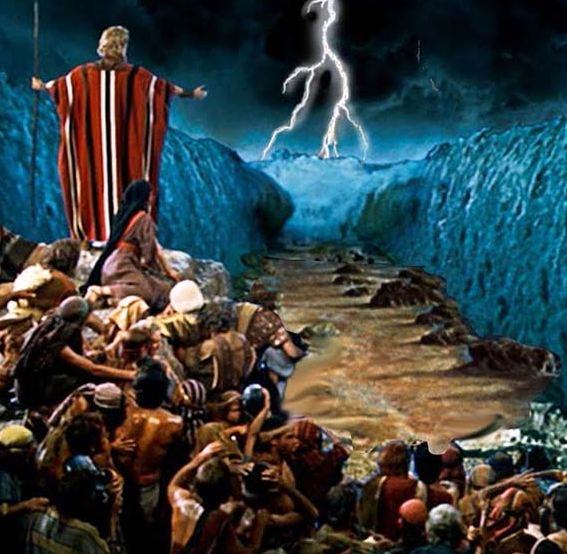 Episode 1.24 – Exodus✨ | Taiping RebellionHong Xiuquan+5 | — | — | Thistle MountainNanjing+3 | Taiping RebellionHong Xiuquan+7 | — | 30m 34s | |
| 12/22/25 | Episode 1.23 – The Taiping Heavenly Family | Painting of a wealthy Qing family. Integrating tens of thousands of new adherents, while planning and launching an insurrection against the Qing, put strain on Taiping society and pushed them to reorganize their society in novel ways. In this episode we’ll look at how the Taiping navigated these challenges in the lead up to their first battles with the Qing government and declaration of the Taiping Heavenly Kingdom. The shape into which Taiping society formed was mediated by their cultural expectations and mores, by what they read in the Bible, and by the idiosyncrasies of Hong Xiuquan himself. | — | ||||||
| 7/20/25 | Episode 1.22 – Long Live the Heavenly King | In 1850, Guangxi was wracked by all kinds of social maladies and natural disasters – corrupt officials, disease and epidemics, ethnic conflict, drought, and all kinds of organized and less organized crime. In this tempest the Society of God Worshipers grew stronger than ever and transformed into an insurrectionist, revolutionary movement, The Taiping Tianguo, the Kingdom of Heavenly Peace, with Hong Xiuquan as it’s Heavenly King. In this episode, things finally boil over and the Heavenly Kingdom is finally declared after the God Worshipers & Qing soldiers come to blows. | — | ||||||
| 1/19/25 |  Episode 1.21 – The Emperor Is Dead | The Xianfeng Emperor, showing off a set of his yellow imperial robes. The Daoguang Emperor died in 1850. He has been the Qing Emperor for the past dozen episodes and his actions (or lack thereof) helped set the stage for the cataclysmic decade that will be the 1850s. But he didn’t live to see it. Instead, the Qing Empire was left to his teenage son. In this episode, we’ll take a look at the state of the Qing Empire and see how global forces combined with poor imperial policies to create the massive financial crisis and economic depression that beset China during the 1840’s. | — | ||||||
| 9/29/24 | 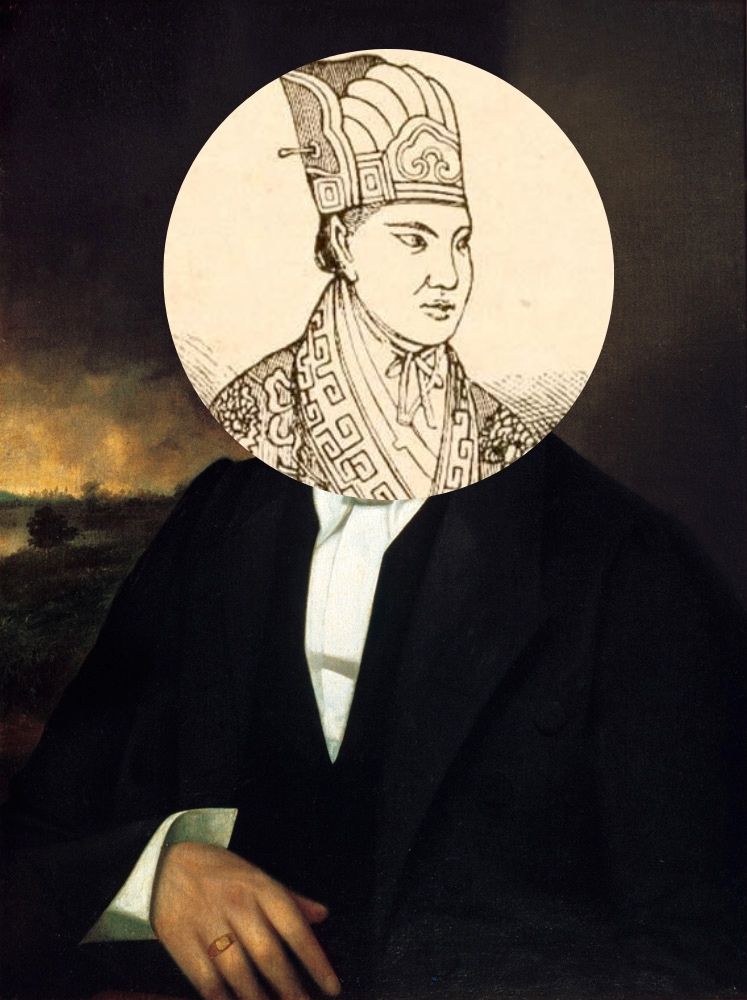 Episode 1.20 – The Voice of God | God doesn’t speak to just anyone. Communicating with the divine is mediated by clerics, sacred texts, by long and complicated rituals. Many traditions, such as Christianity, put a special emphasis on the written word, recordings of revelations from prophets, aeons, or the divine itself. So what happens when God talks to someone who isn’t “supposed” to hear him? What distinguishes new divine revelation from blasphemy? How can you be sure it’s God speaking and not a devil or demon? Not a charlatan faking a religious experience for their own ends? The emergence of new divine revelation that challenges or reinterprets the existing theology has happened in many traditions. In this episode we’re going to begin the story of how the God Worshipers – and then the Taiping – handled it when God began speaking regularly at Thistle Mountain. | — | ||||||
| 5/25/24 |  Episode 1.19 – Radicalization | (Painting of the missionary Robert Morrison, who was successful and popular enough to have his portrait painted. The same can not be said for Issachar Roberts). On the surface, Hong Xiuquan’s life in 1845 and 1846 was unremarkable. He was in his early thirties, married with young children. His job as a school teacher had been secured through a mix of qualifications & family connections. And then 1847 happened. By the beginning of 1848 Hong was a wanted man, actively leading a growing & radical religious community and writing about his intentions to assume imperial power over the largest empire on earth. So what the hell happened in 1847? That’s the question this episode attempts to answer. | — | ||||||
| 2/26/24 |  Episode 1.18 – The Taiping Testament | Taiping church service, around 1860. While Feng Yunshan was building up the God Worshipers in Guangxi Province in 1845 and 1846, Hong Xiuquan living was back in his hometown of Guanlubu, Guangdong province working as a school teacher. He also spent his time elaborating on the nature of God, his relationship to humankind, and how the Chinese people had been deceived by demons and spirits. These writings were later collected into the “Taiping Testament”. In this episode we’re going to explore the Testament and see how it laid the foundation for what will become the Taiping political project, which resulted in a full insurrection against the ruling Qing dynasty a few years later. | — | ||||||
| 12/10/23 |  Episode 1.17 – Society of God Worshipers | This is a statue of a deity in Fujian province, with offerings placed in front of it. Feng Yunshan preached and spread Shangdi’s good word. For nearly 3 years, he worked tirelessly to grow the movement that worshiped God and recognized Hong Xiuquan as Jesus’ younger brother. In this episode we’re going to learn what worshipping Shangdi meant, how it related to other practices in the area, and see increasingly violent iconoclasm that will help lead to full scale insurrection and the establishment of the Taiping Heavenly Kingdom. | — | ||||||
| 5/28/23 |  Episode 1.16 – Thistle Mountain | Not exactly Thistle mountain, but an example of what the area north/north-west of Guiping, Guangxi looks like. In this episode, we look at the region where the Society of God Worshipers took root and grew, and what life was like there in the second half of the 1840’s. Pirates, bandits, secret societies, and everyday people trying to scratch out a living in a Qing “backwater”. This “internal frontier” was the place where Hong’s Christian beliefs took root & grew into the nucleus of what would become the Taiping Heavenly Kingdom. | — | ||||||
| 12/27/22 |  Episode 1.15 – Smashing Idols | Posthumous portrait of Liang Fa, author of “Good Words for Exhorting the Age” Hong Xiuquan finally lost his faith in ever becoming a Confucian scholar in the aftermath of the Opium War. After reading a set of Christian pamphlets composed by the Chinese writer Liang Fa, he discovered the meaning of his heavenly vision and his life’s new mission: To save his brothers and sisters from the demonic influences of the old gods & spirits. | — | ||||||
Want analysis for the episodes below?Free for Pro Submit a request, we'll have your selected episodes analyzed within an hour. Free, at no cost to you, for Pro users. | |||||||||
| 7/29/22 |  Episode 1.14 – Hong’s Opium War | The story of the Opium War is usually told as part of a wider narrative of European colonial expansion, and the beginning of a “century of humiliation” from the perspective of the modern Chinese state. Last episode, we covered the main narrative of the war, a kind of “Great Man” history last episode. But it’s easy to forget that the fighting and loss of the Opium War had far-reaching consequences for tens of millions of everyday people living in the Qing Empire. Hong Xiuquan was one of those ordinary people affected by the war, but drew very different conclusions from the hostilities than many of his neighbors. Hong saw in the British a people who followed a powerful God, one that two millennia of imperial ideology had replaced with false idols and demon worship. Worship of Confucius & Buddhist Bodhisattva, the practice of dark Daoist magic – these had led the people of China away from the all-powerful Father of Heaven who the authors of the Classics had called Shangdi. In Shangdi and his Heavenly Kingdom Hong found truth and order in the chaos and turmoil that surrounded him in the aftermath of the Opium War. | — | ||||||
| 3/21/22 |  Episode 1.13 – The Opium War | The idea of the Opium War carries a great deal of meaning in modern memory. For many flavors of Chinese nationalist, it is the beginning of their century of humiliation at the hands of exploitive foreigners. For the British, it is another milestone on the road to the heights of Empire. But that is how it all looks in retrospect. For those who directed the armies of the war, and those who fought in it, the engagement was a confusing mess, where neither side seemed to have much understanding of what the other side wanted or why it was fighting the way it did. In this episode, we’ll go through the main war, the classic leaders & battles, to understand as best we can what those who directed the war’s engagements thought they were doing and why. | — | ||||||
| 10/3/21 | Episode 1.12 – Drug Bust | Lin Zexu In 1839, Lin Zexu makes history’s largest drug bust when he secured more than 1,600 tons of opium from European traders in Guangzhou. At first it was a triumph against the plague of imported opium. But unfortunately for Lin & the Qing Empire, that opium was technically owned by Queen Victoria and the British government. In response to the seizure, the Opium War was on. | — | ||||||
| 6/26/21 | Episode 1.11 – Food Poisoning | “Canton Factories” in Guangzhou, c1830 Qing dynasty “foreign policy” operated quite differently than it is commonly understood today, or as it was understood by contemporary states in Europe and West Asia. Going all the way back to the Han, Chinese dynasties tried to fit what we think of as foreign policy into the principles of Confucian hierarchy and submission. When British traders began arriving in large numbers in 18th century, the Qing tried to accommodate them in a way the British would tolerate as a price of doing business. In the wake of Napoleon’s defeat and a rising “free trade” ideology in the 1830’s, the balance of power and mutual toleration started to shift decisively. | — | ||||||
| 4/5/21 | Episode 1.10 – Faith and Free Trade | This episode looks at the rise of the East India Trade Company through the triangle trade between British India, Qing China, and the British Isles. Opium fueled the Company’s rise. It took a combination of opium smugglers, Free Trade ideogues, and 19th century Christian missionaries working together to bring their reign in Guangzhou to an end. | — | ||||||
| 2/12/21 | Episode 1.9 – Legalize It | In the second episode of the “mini season” on the Opium War, we’ll look at how the highest officials of the Qing Empire debated the problem of opium in the 1820’s and 1830’s. Specifically, what was the best way to prevent trading of Chinese silver for foreign opium? Some advocated harsh crackdowns, while others wondered why not just legalize it? | — | ||||||
| 11/9/20 | Episode 1.8 – Less Money More Problems | The name “Opium War” was first given to the war by a British newspaper opposed to the conflict. It was a derogatory label that implied the great British Empire, emancipator of slaves, was being lowered to doing the bidding of a bunch of British drug dealers selling opium mostly grown in British-controlled regions of India by a giant, private corporation. In this episode, we’ll discuss how the war might just as easily go by the less catchy name “Silver Crunch War of 1839”. A global silver shortage combined with the unique vulnerabilities of the Qing economy to the resulting increase in silver prices will drive the Daoguang Emperor to crack down on a bunch of unruly British drug dealers. *Image by: Numismática Pliego – Numismática Pliego, CC BY-SA 3.0 | — | ||||||
| 9/2/20 | Episode 1.7 – The Vision | In this episode, a young Hong Xiuquan fails the provincial exam in Guangzhou for the third time. The experience breaks him, and his family fears for his life. It’s then, as his family fears he might be dying, that a group of small children in golden robes, a host of angels, and a giant rooster come to whisk him away on a journey that will change his life forever. | — | ||||||
| 7/27/20 | Episode 1.6 – Portrait of God’s Son as a Young Man | In this episode, we get to know Hong Xiuquan and the world he grew up in. Hong’s early life was defined by his experience as a Hakka in Southern China, aspiring to join the ranks of the Confucian scholar-officials. | — | ||||||
| 6/9/20 | Episode 1.5 – Not Your Uncle’s White Lotus | The White Lotus Rebellion at the end of the 18th century foreshadows the later crisis of the mid-19th century. | — | ||||||
| 5/10/20 | Episode 1.4 – Rise of the Qing | The Qianlong Emperor This episode we’ll look at the rise of the Qing, China’s last imperial dynasty. We’ll look at some of the major decisions Qing rulers made in the dynasty’s first 150 years. The reigns of Kangxi, Yongzheng, and Qianlong will rule China for a combined 140 years, during which it was the most powerful and populous state on earth. But it’s also in this period that many of the seeds of its calamitous 19th century were sown. | — | ||||||
| 4/14/20 | Episode 1.3 – Ming China and the Silver Mountain | At the beginning of the 17th century the Ming empire was the largest and most powerful on earth. But in a newly global world they soon found themselves tied to the whims of global trade and a silver mountain half way around the world. | — | ||||||
| 3/30/20 | Episode 1.2 – The Voyages of Zheng He | This episode we’re going to take a bit of a scenic detour to learn about early policies of Ming expansionism and the tremendous voyages of Zheng He. | — | ||||||
| 3/12/20 | Episode 1.1 – What is China? | Popular conceptions of Chinese history usually follow the lead of Confucian ideology that held that China was the eternal “Middle Kingdom”, always existing in its essential essence at the center of the world. Dynasties may rise and fall, but China remains China, a country that has been around for more than two thousand years. Well, that’s wrong. It’s what they wanted you to believe. But it’s wrong. Since we’re going to be spending most of season 1 in the Chinese Qing empire, it’s important to understand how this myth is wrong and learn a more about China. In this episode we’ll learn about China’s geography, languages, and take a lightning tour of China’s early dynastic history. Maps! “Core” Chinese Provinces, circa 1800 Skinner’s Eight Regions of China. These made up the core centers of economic activity and population density, bisected by “interior hinterlands”. Modern provinces of the People’s Republic of China + Taiwan. At it’s greatest extent toward the end of the Qianlong era in 1790, the Qing Empire was about 25% larger. | — | ||||||
| 3/11/20 |  Episode 1.0 – Introduction | “From the cry of a tiny insect, one can hear the sound of a vast world.” – Zhang Daye Tiny Insect is a history podcast about the creation of the modern world. It takes a global perspective to tell the story of the world between 1206 and 1914. From the beginning of one era of global catastrophe, to the beginning of another. This episode is an overview of what I want the show to be about. | — | ||||||
Showing 25 of 25
Pitch Fit is a Pro feature
See how bookable this show is for guests, which brands already advertise, the per-episode ad value, and the best-fit guest and sponsor profile. The numbers are blurred on the free plan.
How readily this show books outside guests like you.
How proven this show is for host-read sponsorships.
For Guests
ProFor Advertisers
ProUpgrade to Pro to unlock guest cadence, sponsor categories, fit scores, and per-episode ad value for this show.