

Insights from recent episode analysis
Audience Interest
Podcast Focus
Publishing Consistency
Platform Reach
Insights are generated by CastFox AI using publicly available data, episode content, and proprietary models.
Most discussed topics
Brands & references
Total monthly reach
Estimated from 6 chart positions in 6 markets.
By chart position
- 🇨🇦CA · Nature#10030K to 100K
- 🇦🇺AU · Nature#1555K to 30K
- 🇪🇸ES · Nature#8410K to 30K
- 🇳🇱NL · Nature#1431K to 10K
- 🇵🇹PT · Nature#141500 to 3K
- Per-Episode Audience
Est. listeners per new episode within ~30 days
14K to 53K🎙 Daily cadence·151 episodes·Last published today - Monthly Reach
Unique listeners across all episodes (30 days)
47K to 176K🇨🇦57%🇦🇺17%🇪🇸17%+3 more - Active Followers
Loyal subscribers who consistently listen
19K to 70K
Market Insights
Platform Distribution
Reach across major podcast platforms, updated hourly
Total Followers
—
Total Plays
—
Total Reviews
—
* Data sourced directly from platform APIs and aggregated hourly across all major podcast directories.
On the show
From 11 epsHosts
Recent guests
Recent episodes
Ep. 286 : Considering Plantain
Jun 25, 2026
Unknown duration
285 : Migration of Vegetation Post Glaciation in Southern Ontario
Jun 5, 2026
59m 23s
Ep. 285 : Migration of Vegetation Post Glaciation in Southern Ontario
Jun 5, 2026
Unknown duration
Ep. 284 : Annika Wilcox, Salamanbro
Apr 20, 2026
46m 34s
Ep. 283 : Hibernacula and Brown Snakes
Apr 13, 2026
52m 02s
Social Links & Contact
Official channels & resources
Official Website
Login
RSS Feed
Login
| Date | Episode | Topics | Guests | Brands | Places | Keywords | Sponsor | Length | |
|---|---|---|---|---|---|---|---|---|---|
| 6/25/26 | 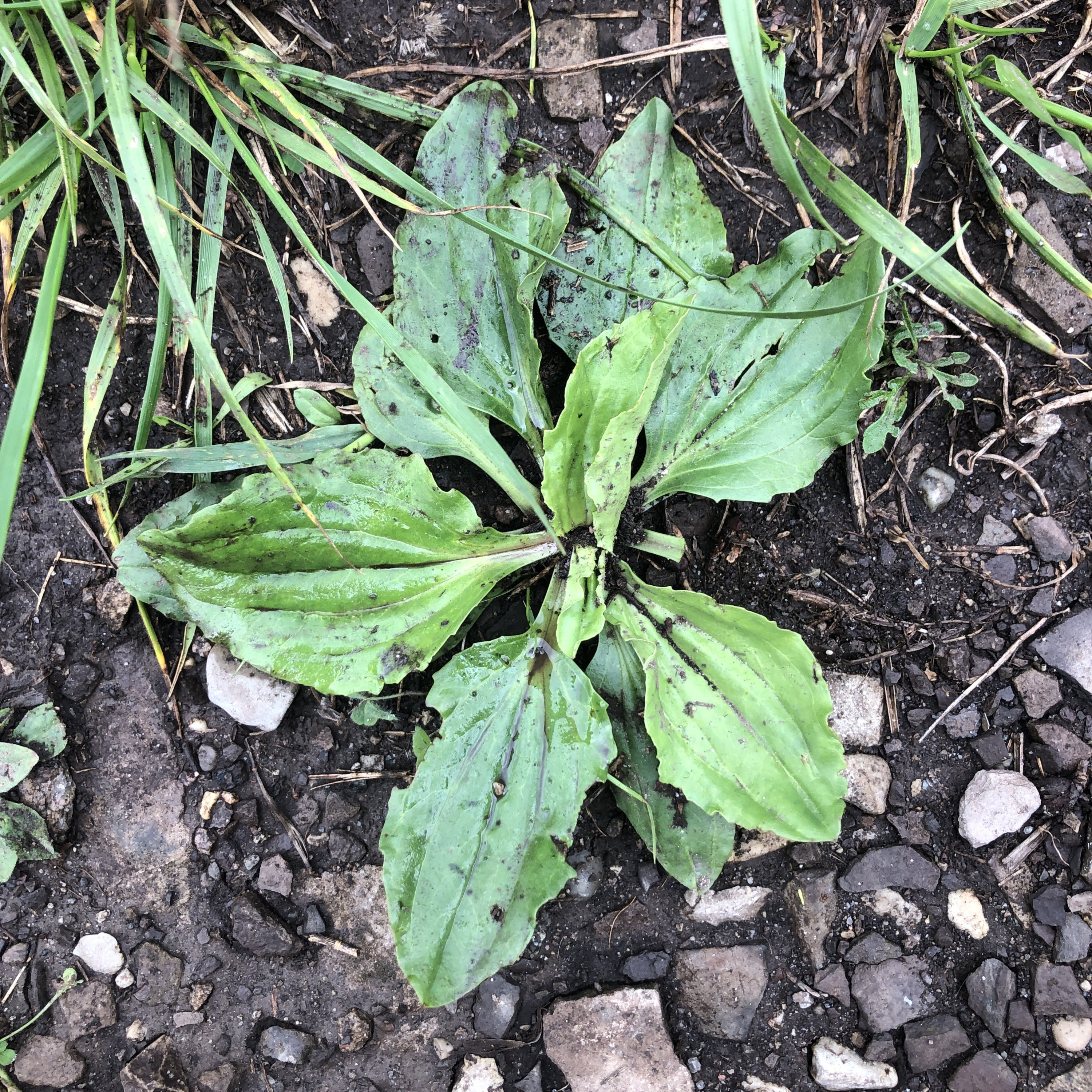 Ep. 286 : Considering Plantain | When we see certain things everyday, we start to encounter them with routine and we can sometimes begin to overlook them. They become mundane and the magic is forgotten. This is tricky in human-human relationships as well as human-plant relationships. Sometimes it is good to remember the qualities that got us stoked in the first place, that filled us with awe and wonder, and bring us back into good relationship with those we once desired to know more and saw as significant in our lives.This is one of the reasons why I wanted to do an episode reorienting to Plantain; turning back towards a treasured companion on the bumpy trail of life. Many of us are very familiar with this plant, but perhaps we also take them for granted, their being ever present and underfoot with a pretty nondescript flower. But Summer is here, and the season is full of bumps and bites. Now is the time to turn again to our trusted friend along the path and reacquaint ourselves once more.Hope you enjoy the show.To learn more : Field Manual of Michigan Flora by Anton Reznicek and Edward Groesbeck Voss. University of Michigan Press, 2012.Nine Herbs Charm - Anglo-Saxon poem featuring PlantainBraiding Sweetgrass by Robin Wall Kimmerer. Milkweed Editions, 2013.Invasive Plant Medicine by Timothy Lee Scott. Healing Arts Press, 2010.American Wildlife Plants: A Guide to Wildlife Food Habits by Arthur C. Martin, et al. Dover, 1951.Population Dynamics of the Perennial Herbs Plantago Major L. and P. Rugelii Decne by Wayne R. Hawthorn and Paul B. Cavers.NorthEast Medicinal Plants by Liz Neves. Timber Press, 2020.Botany in a Day by Thomas J. Elpel. Hops Press, 2013.The Book of … Field and Roadside by John Eastman and Amelia Hansen. Stackpole Books, 2003. | — | ||||||
| 6/5/26 | 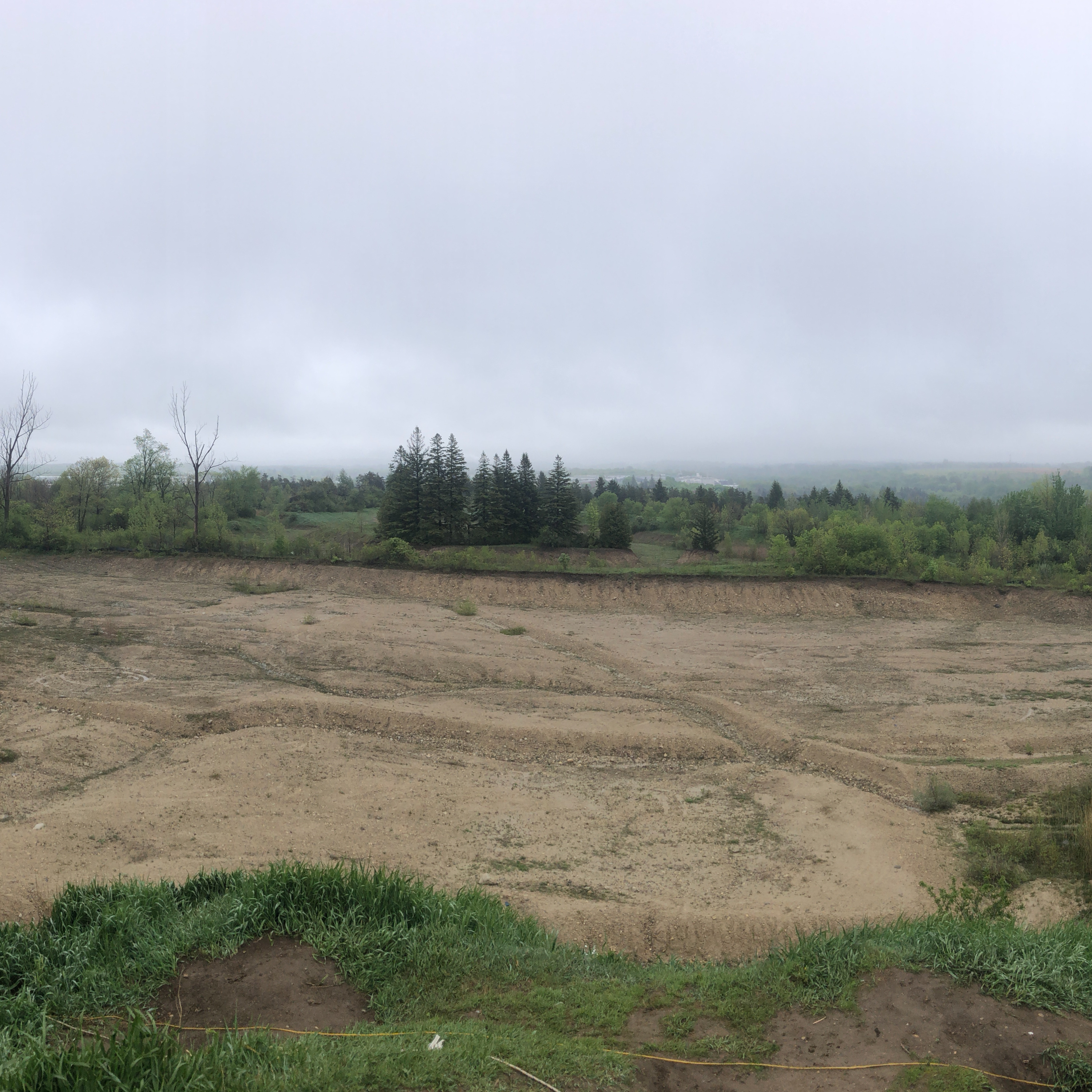 285 : Migration of Vegetation Post Glaciation in Southern Ontario✨ | vegetation migrationpost glaciation+4 | — | After the Ice AgeOntario Forests : A Historical Perspective+2 | — | glaciationtrees+5 | — | 59m 23s | |
| 6/5/26 | Ep. 285 : Migration of Vegetation Post Glaciation in Southern Ontario | I have been out with my students a lot in the past month and a half and it seems that every time we go out we are looking to the trees and shrubs that are growing in disturbed areas and likening these disrupted habitats to post glacial landscapes. Some of my students are able to recognize the similarities between an urban construction/destruction site, and some are still picking it up. I always do my best to explain what I am seeing, I still don’t know much and wanted to go a little bit deeper, as always. For this show I share some of what I am learning about the migration of trees and different flora through southern Ontario after the glaciers receded. On top of this, I wanted to note how these development sites also hold hope, and set examples for wild rejuvenation through random ecological assemblages and novel ecosystems in the face of uncertain futures of changing climates and infrastructure degradation.Please appreciate the fun title as well.To learn more : After the Ice Age by E. C. Pielou. University of Chicago Press, 1991.Ontario Forests : A Historical Perspective by K. A. Armsom. Fitzhenry and Whiteside, 2001.Wild Urban Plants of the NorthEast (2nd ed.) by Peter Del Tredici. Cornell University Press, 2020.Legacy : A Natural History of Ontario edited by John B. Theberge. McClelland & Stewart, 1989.glaciationtreesOntariopost-glaciationdisturbancenovel ecosystemsinvasive | — | ||||||
| 4/20/26 | 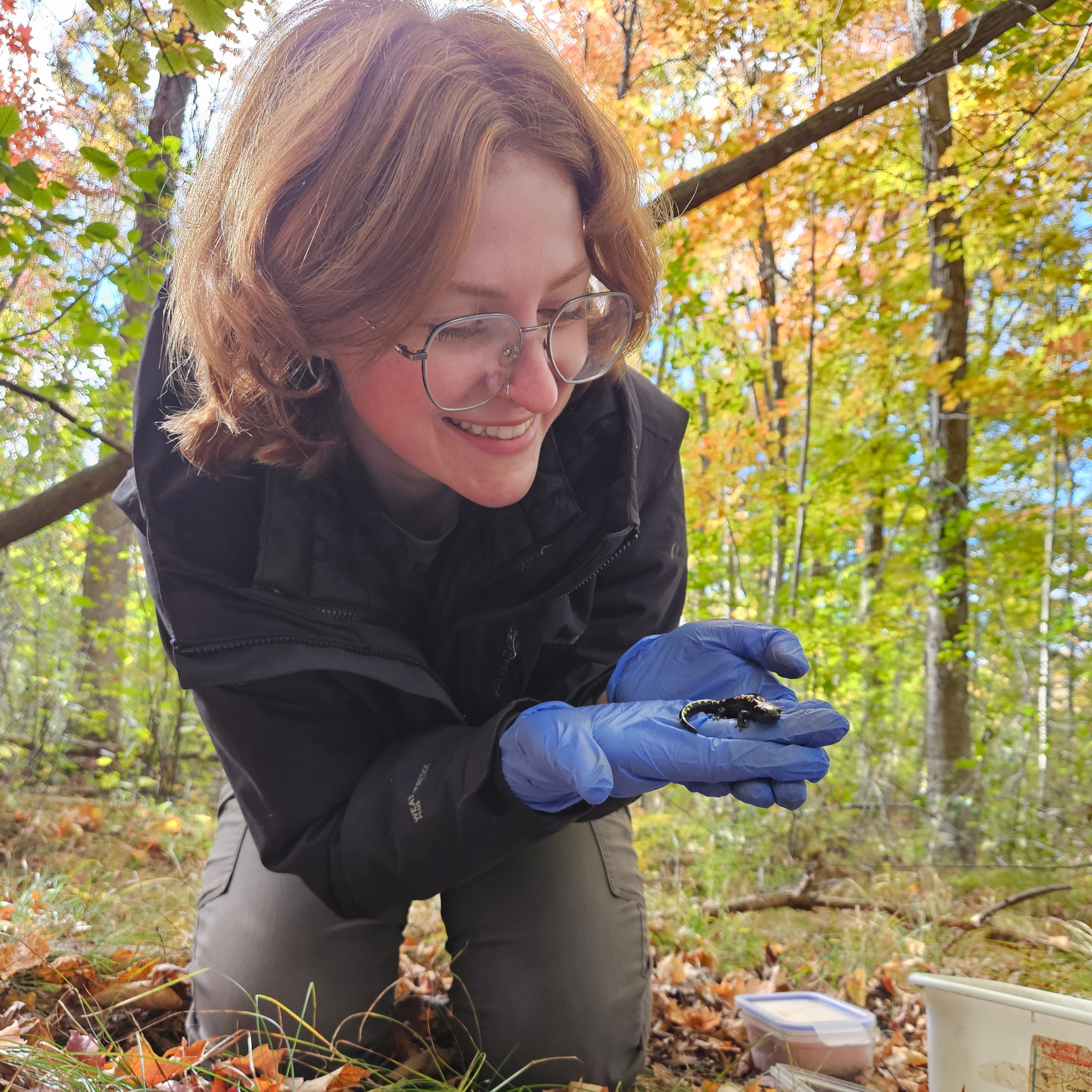 Ep. 284 : Annika Wilcox, Salamanbro✨ | salamandersmigration+3 | Annika Wilcox | Ep. 282 : Spotted Salamander Migration | Order Urodela | salamandersmigration+3 | — | 46m 34s | |
| 4/13/26 | 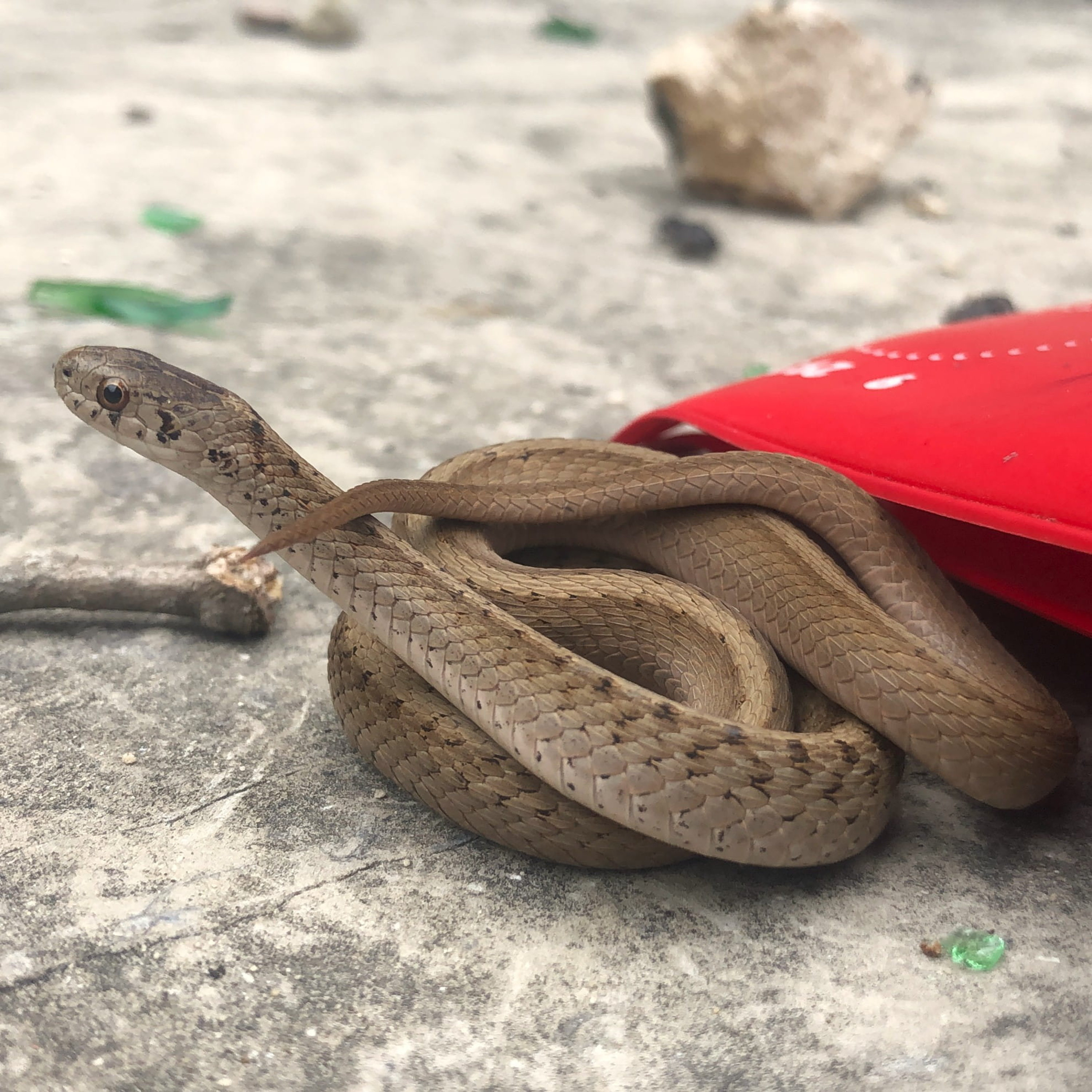 Ep. 283 : Hibernacula and Brown Snakes✨ | snakeshibernacula+3 | — | The Snakes of Ontario : Natural History, Distribution, and StatusAmphibians and Reptiles of the Great Lakes Region | Eastern White CedarOntario | snakeshibernacula+5 | — | 52m 02s | |
| 4/6/26 | 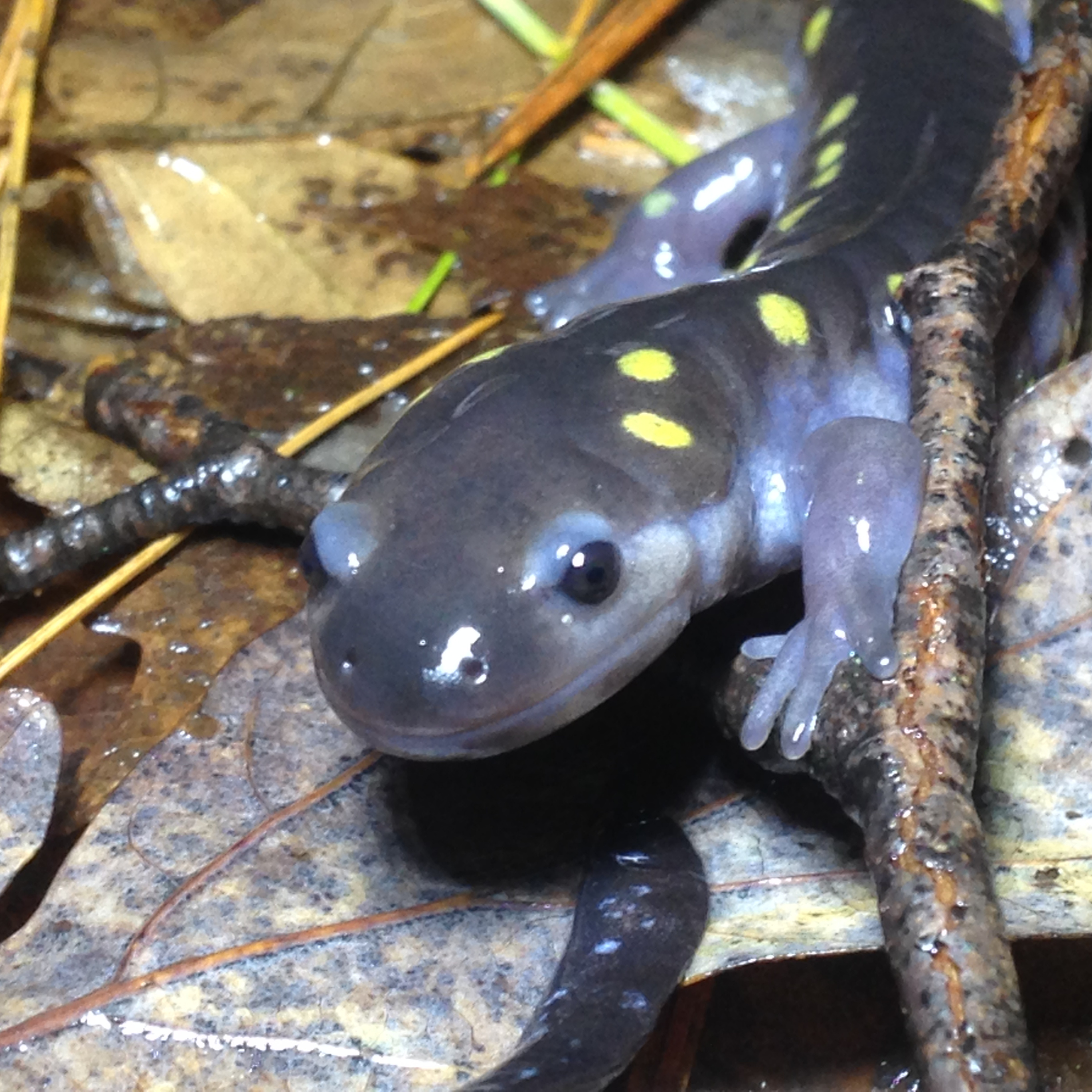 Ep. 282 : Spotted Salamander Migration✨ | salamander migrationnature exploration+4 | NatDani | MetamorphosisWading Right In+2 | — | salamandermigration+5 | — | 40m 41s | |
| 2/23/26 | 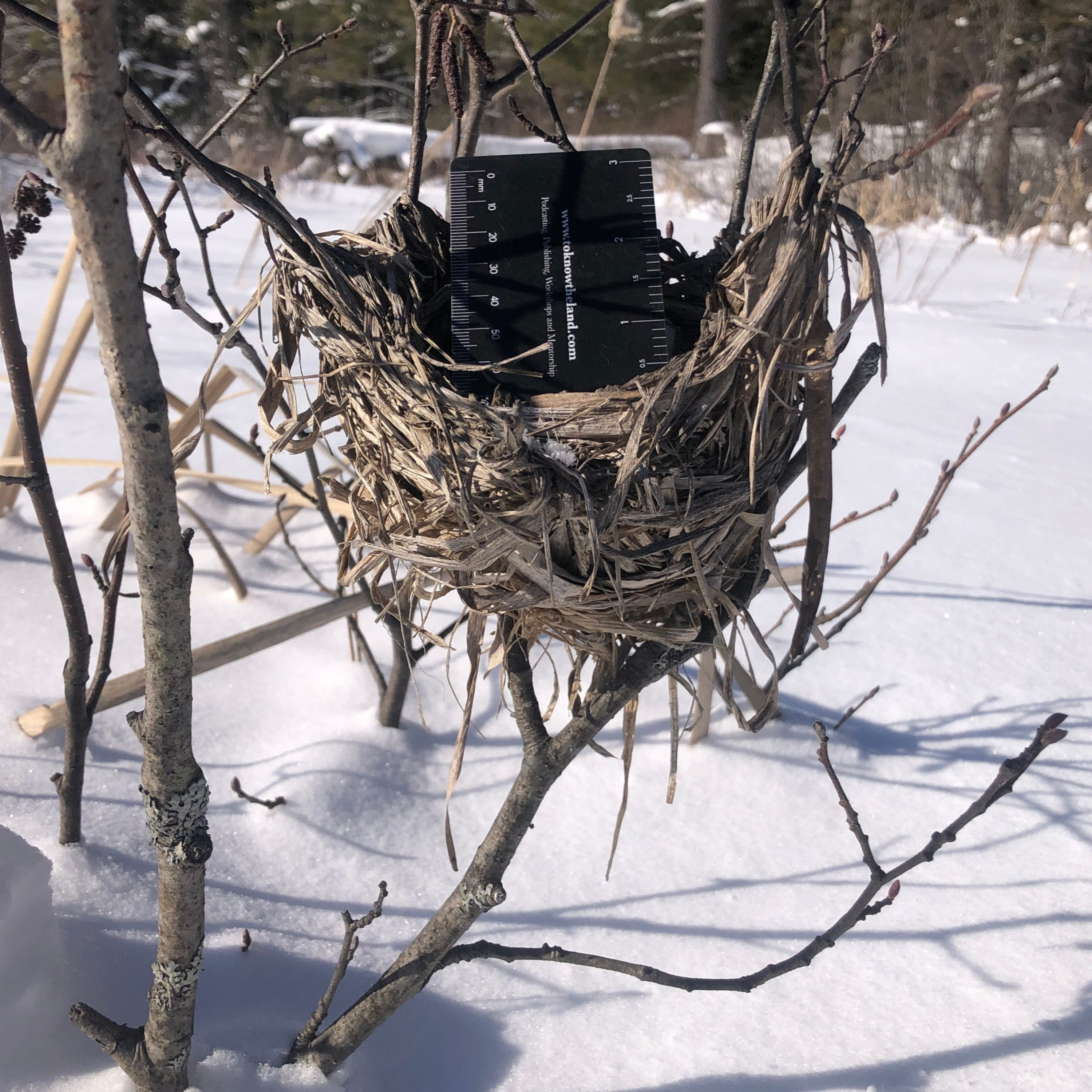 Ep. 281 : Red-winged Blackbird Nest in Algonquin Park✨ | birdwatchingnature discovery+4 | — | A Field Guide to the Nests, Eggs and Nestlings of North American BirdsPeterson Field Guide to Eastern Birds’ Nests+2 | Algonquin ParkLake of Two Rivers+1 | Red-winged Blackbirdnest discovery+4 | — | 43m 02s | |
| 12/29/25 |  Ep. 280 : Holiday Tracking Stories✨ | holiday trackinganimal signs+5 | — | Peterson Field Guide to North American Bird NestsField Manual of Michigan Flora+4 | — | animal trackingCoyote+5 | — | 49m 53s | |
| 12/15/25 |  Ep. 279 : Winter Solstice✨ | Winter Solsticecelebrations+4 | — | — | — | Winter Solsticecelebration+5 | — | 39m 34s | |
| 12/1/25 | 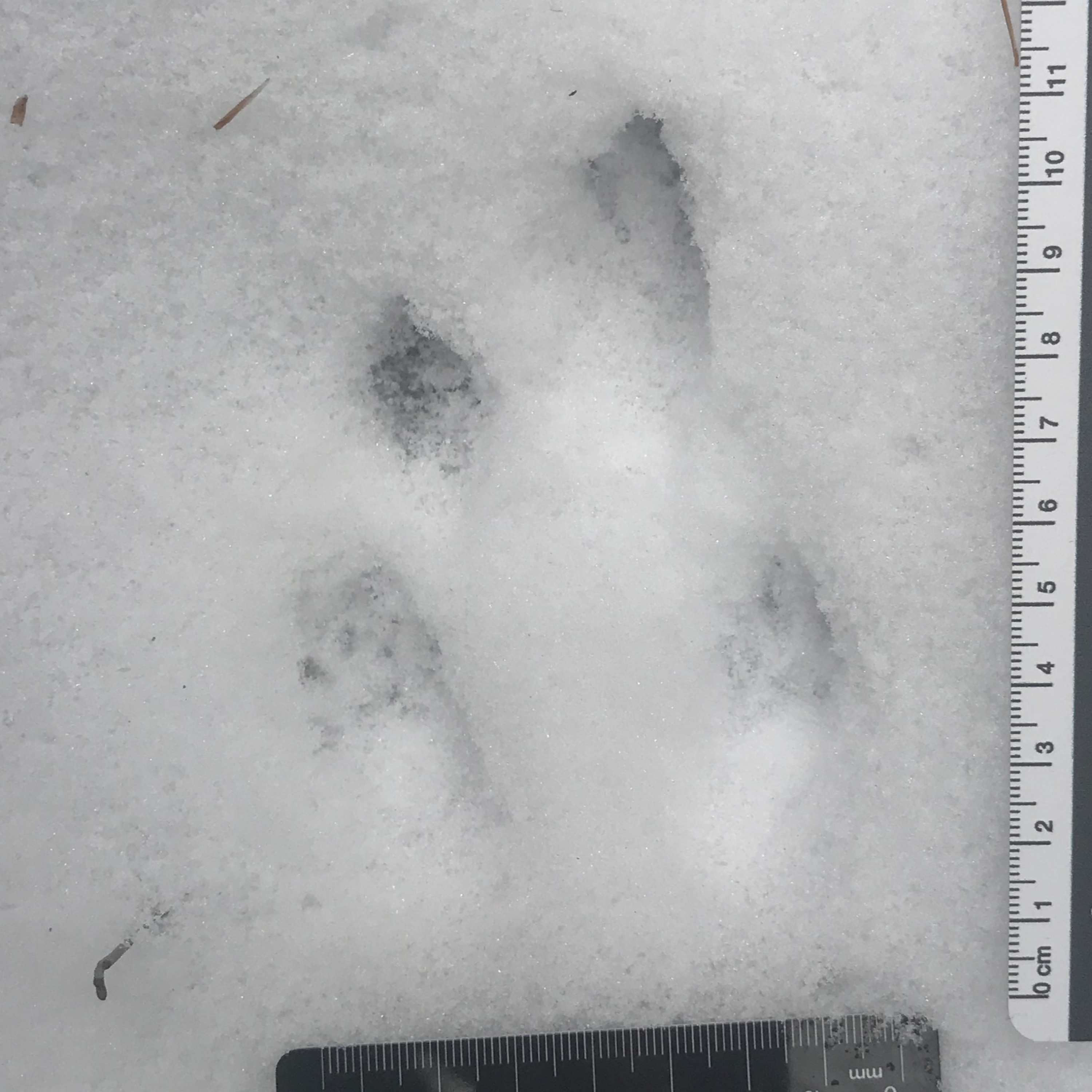 Ep. 278 : Getting to know the Southern Flying Squirrel✨ | Southern Flying Squirrelwildlife tracking+4 | — | The Friends of Algonquin ParkMammal Tracks and Sign+3 | — | Southern Flying Squirreltracking+4 | — | 47m 48s | |
Want analysis for the episodes below?Free for Pro Submit a request, we'll have your selected episodes analyzed within an hour. Free, at no cost to you, for Pro users. | |||||||||
| 11/17/25 | 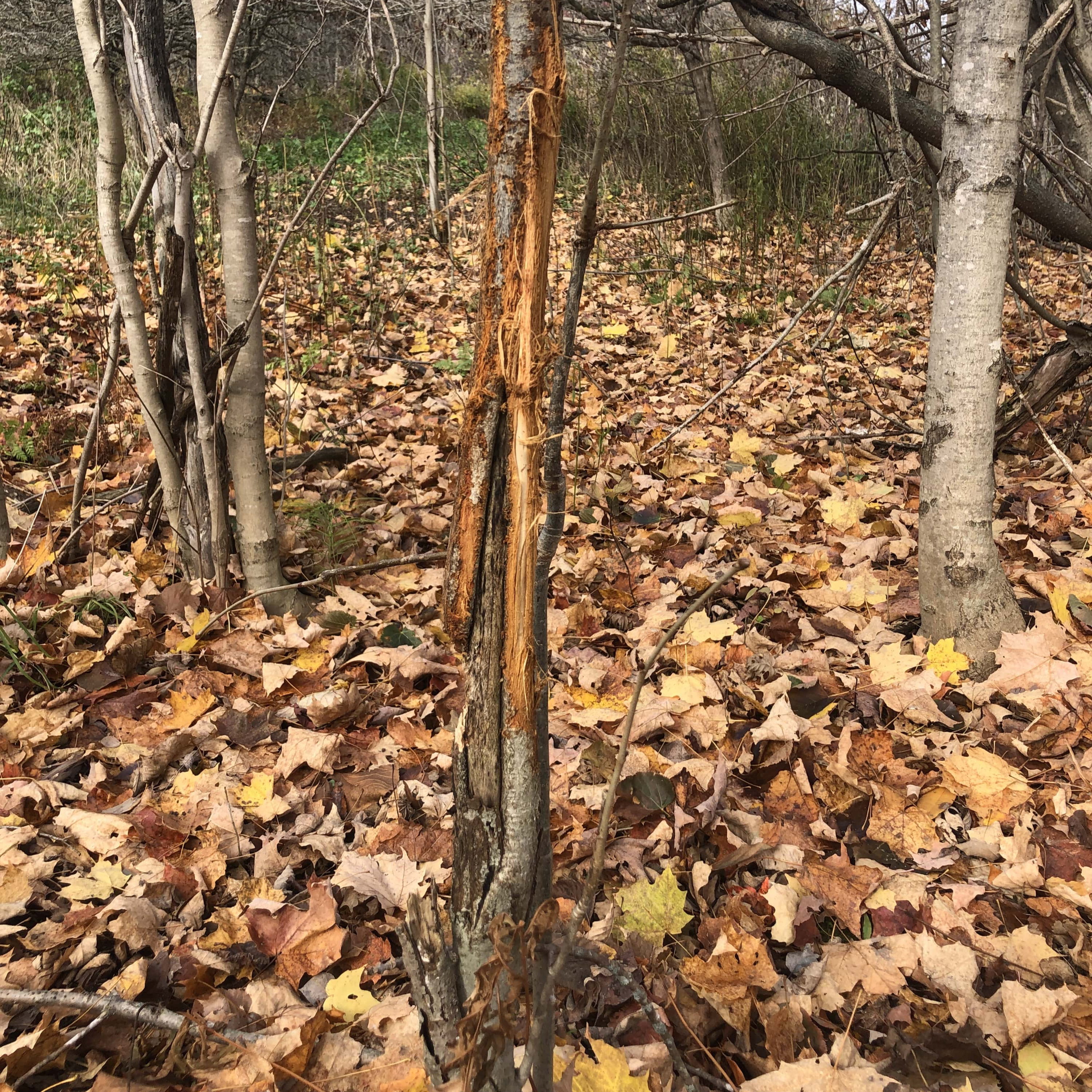 Ep. 277 : Signs of the White-tailed Deer Rut✨ | White-tailed Deerrut signs+3 | — | Earth TracksFriends of Algonquin Park+7 | — | White-tailed Deerrut+3 | — | 51m 11s | |
| 10/20/25 | 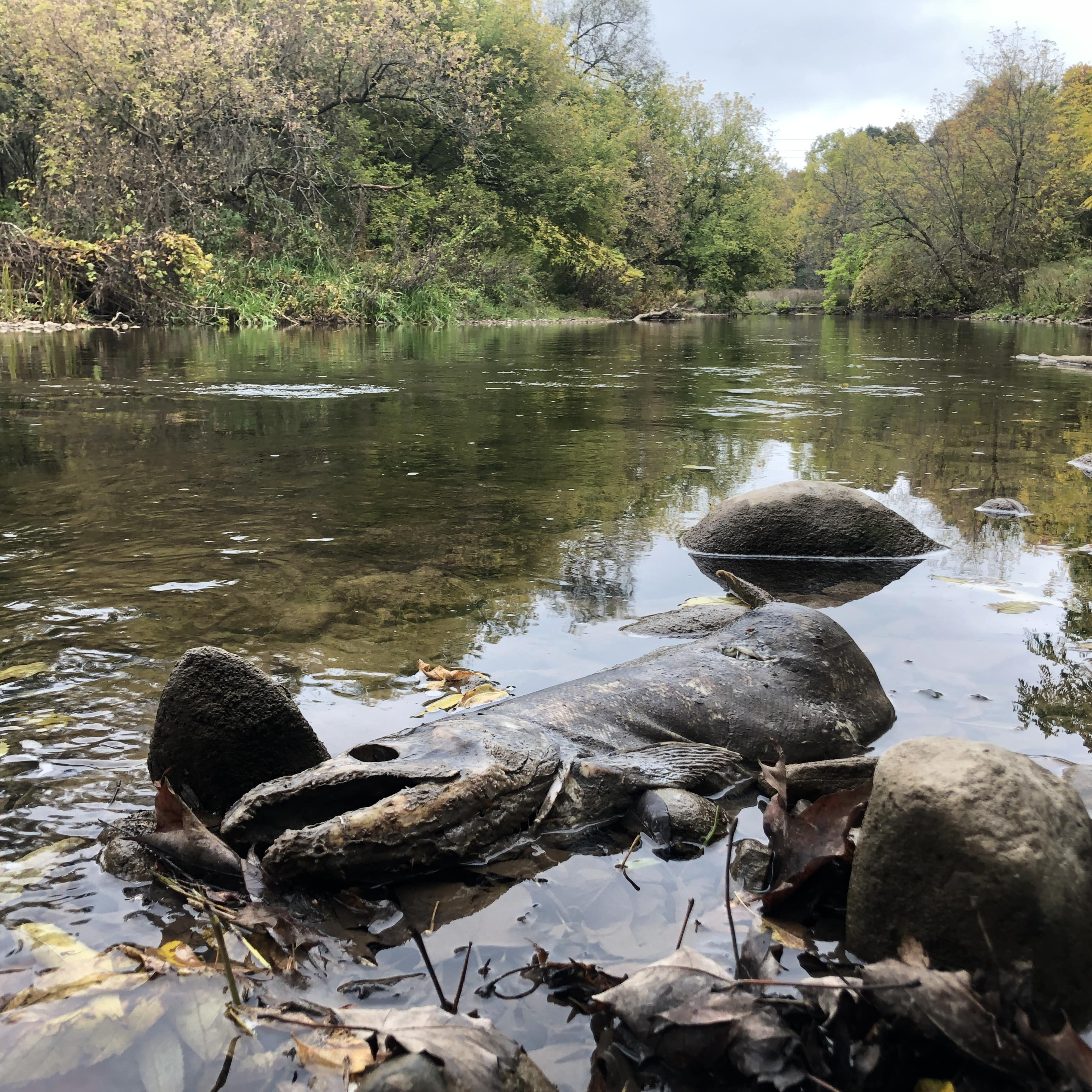 Ep. 276 : Chinook Salmon along the Credit River✨ | Chinook Salmonmigration+4 | — | Royal Ontario MuseumFreshwater Fishes of Ontario+2 | Credit River | Chinook SalmonCredit River+4 | — | 58m 43s | |
| 9/22/25 | 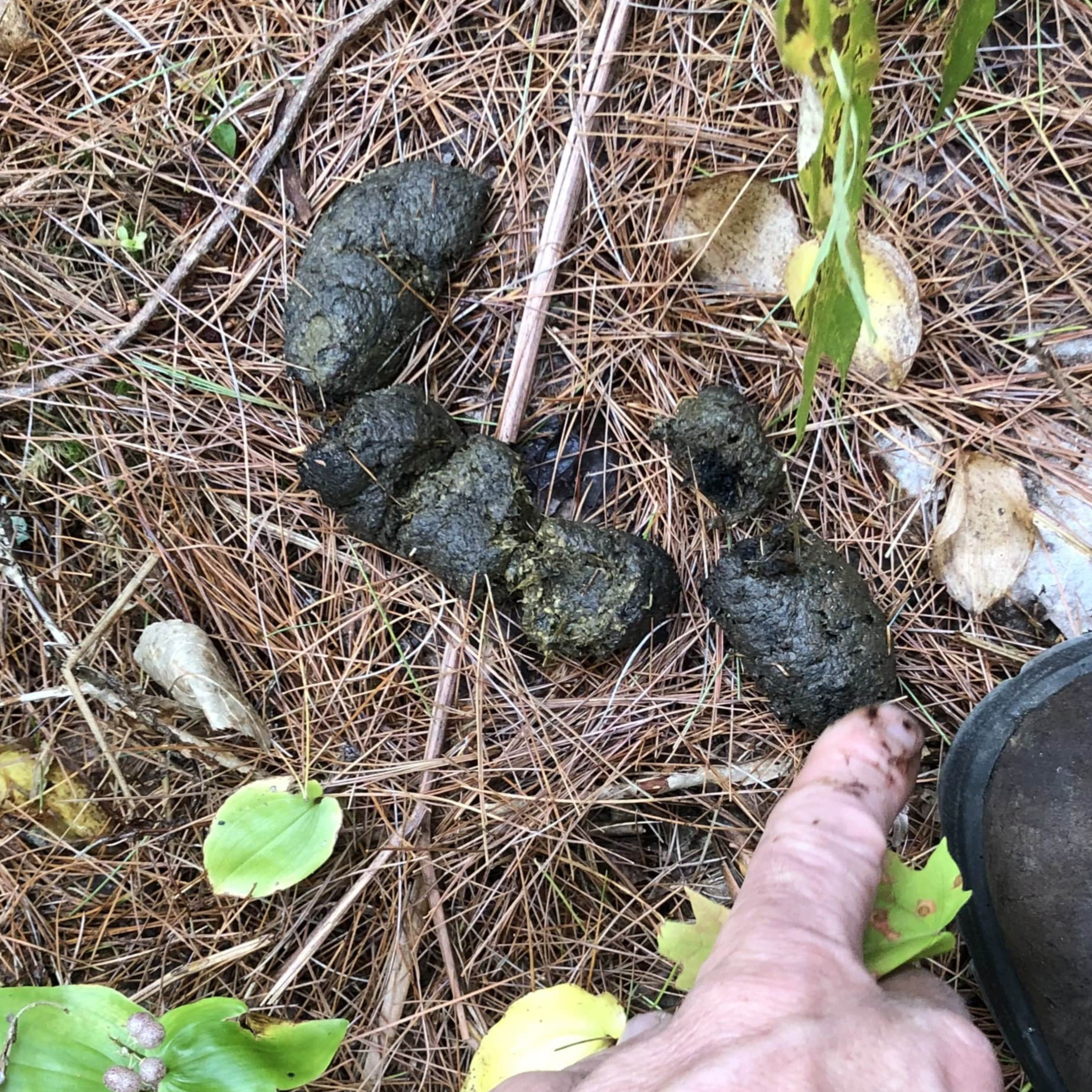 Ep. 275 : Once Upon a Bear Scat✨ | Black Bearsscat tracking+3 | — | Tracker Certification North AmericaTowards A Better Understanding of Scat Tracking the American Black Bear+3 | GuelphParry Sound | bear scatBlack Bears+6 | — | 45m 29s | |
| 9/10/25 | 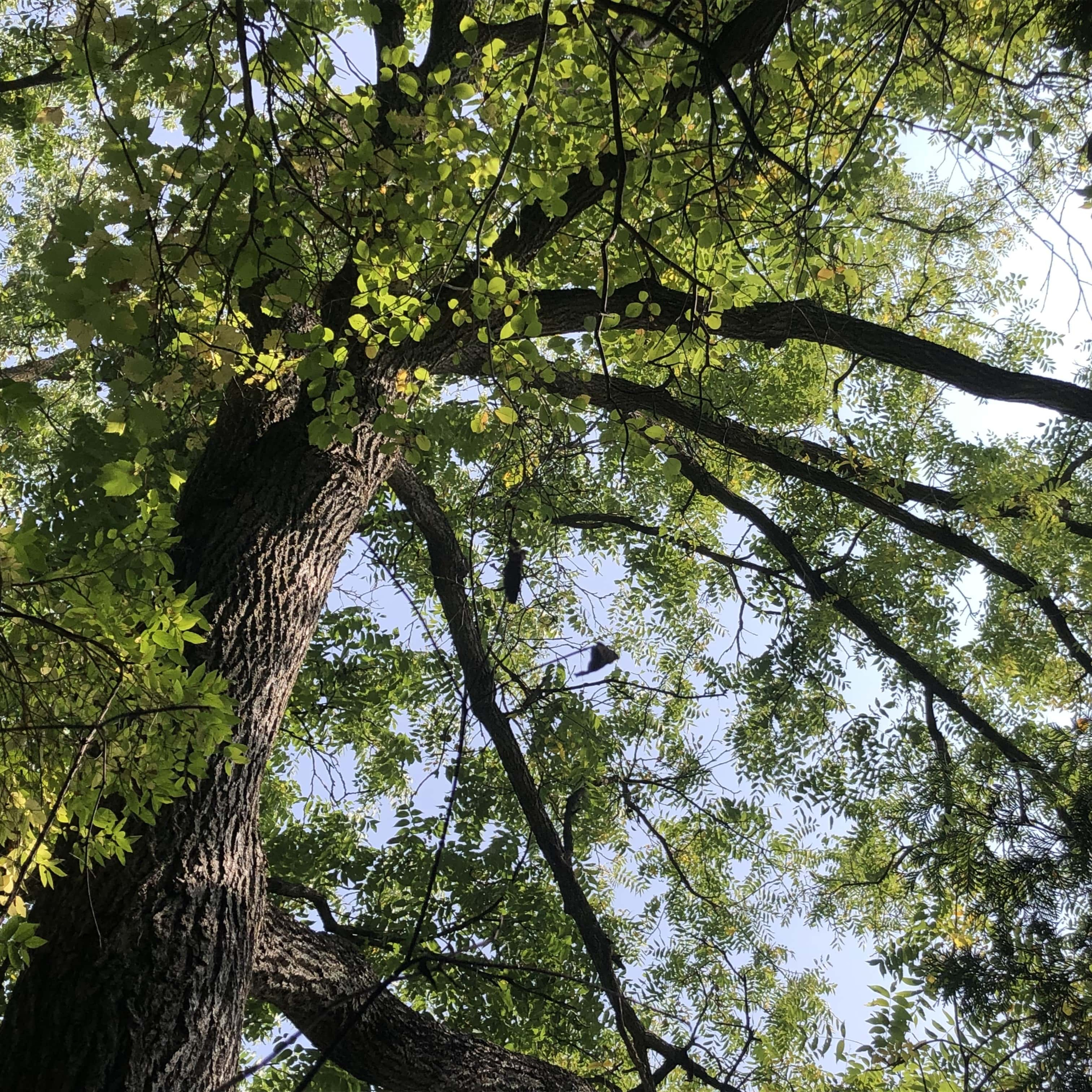 Ep. 274 : Black Walnut, again. | I am in love with Black Walnut (Juglans nigra) and I want shout all about it throughout the late Summer, early Autumn season. They are big, beautiful, and bountiful with their tennis ball sized fruit with bright green husks and nuts snug deep inside. Slowly colonizing the sunlit fields and edges, home to all sorts of creatures both large and small, these towering monuments tell of the abundance of the land. They are amazing allies in healing, mentors in boundaries, relative buffet in mast years, and year round marker of beauty. Who doesn’t want to sing their praises!For this show I really tried to dig into some ecological functions, and really just lean into why I love them so much.Maybe by the end of the show, you’ll love them a little more too?To learn more : Ep. 167 : Black WalnutEp. 228 : Walnut Husk Maggot FlyTrees of the Carolinian Forest by Gerry Waldron. Boston Mills Press, 2003. The Book of … Forest and Thicket by John Eastman and Amelia Hansen. Stackpole Books, 1992.Wild Urban Plants of the NorthEast (2nd ed.) by Peter Del Tredici. Cornell University Press, 2020.Bark: A field guide to trees of the NorthEast by Micheal Wojtech. University Press of New England, 2011.Arboretum America by Diana Beresford-Kroeger. University of Michigan Press, 2003.Wild Plant Culture by Jared Rosenbaum. New Society Publishers, 2023.Manual of Ornithology by Noble S. Proctor & Patrick J Lynch. Yale University Press, 1998. | — | ||||||
| 9/1/25 | 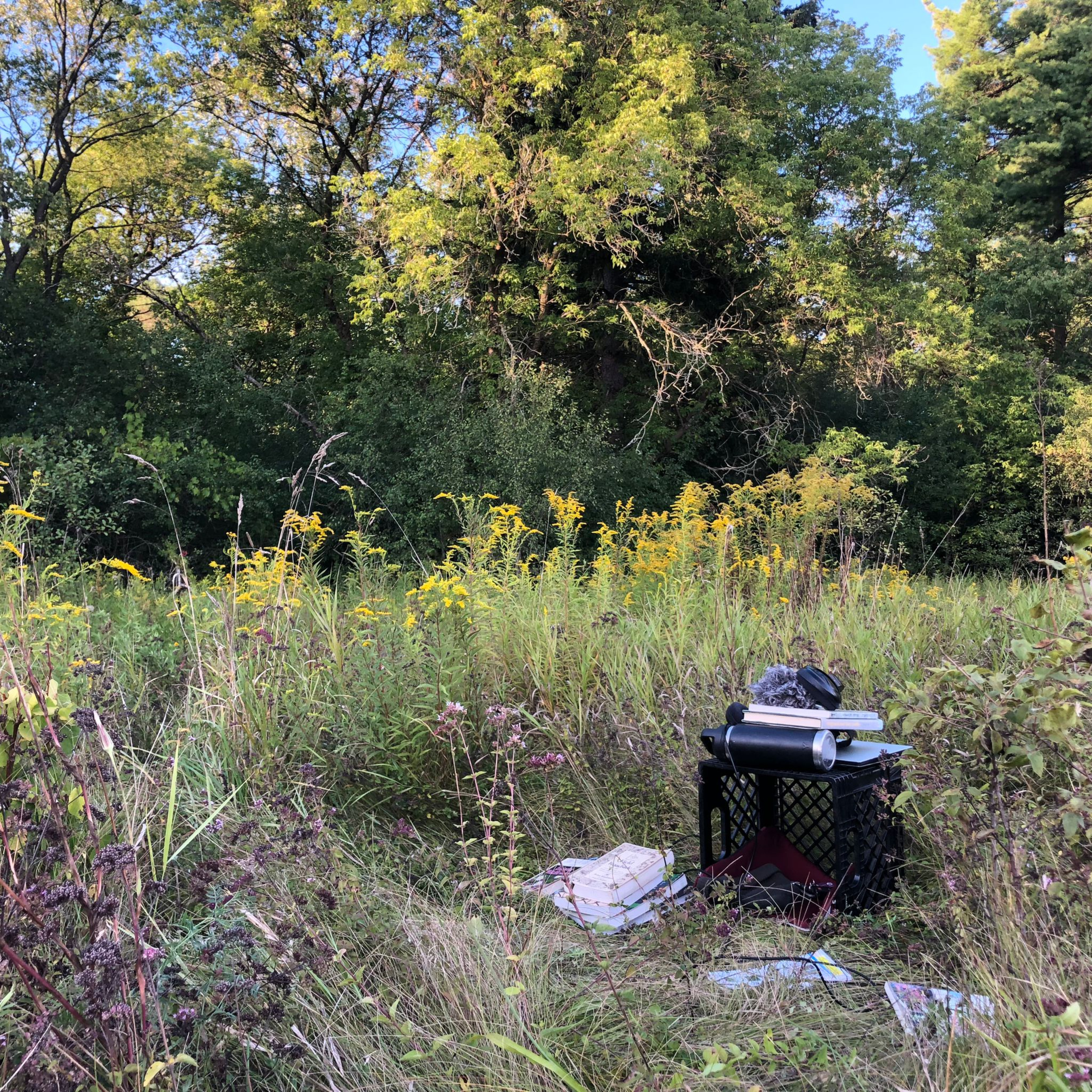 Ep. 273 : Canada Goldenrod | Recently I was talking with one of my adult programs about successional and keystone species. Successional species are those early plants which come into disturbed landscapes, helping to knit the ecological neighbourhood back together. They are quick to come and quick to go, providing the land with nutrients to heal and grow. Keystone species are those species who are provide for many other forms of life. Their work in sustaining the community around them is vast relative to their abundance. They provide food and the place to eat it. The make space for life to thrive and sustain. If the keystone suddenly goes missing than the community make up will drastically change, often for the worse. Goldenrods, especially those which make up the Canada Goldenrod complex are some of the most important successional an keystone species in my area. Over the years I have investigated Goldenrod on different levels, from the technical and scientific to the intuitive and relational. Both vantage points have served in getting to know these amazing and powerful plants better. I decided to head out with a makeshift milkcrate studio to sit with the Goldenrod, Bumblebees and Crickets and make a show together. I hope this helps shed a warm golden glow on these essential components of the Great Lakes bioregion.To learn more :The Asters, Goldenrods and Fleabanes of Grey and Bruce Counties. Owen Sound Field Naturalists, 2000.Wild Urban Plants of the NorthEast (2nd ed.) by Peter Del Tredici. Cornell University Press, 2020.Newcomb's Wildflower Guide by Lawrence Newcomb and Gordon Morrison. Little, Brown, 1977.Stokes Nature Guide to Enjoying Wildflowers by Donald & Lillian Stokes. Little, Brown 1985. Summer Wildlflowers of the NorthEast by Carol Gracie. Princeton University Press, 2020.NorthEast Medicinal Plants by Liz Neeves. Timber Press, 2020.The Book of … Field and Roadside by John Eastman and Amelia Hansen. Stackpole Books, 2003. | — | ||||||
| 8/25/25 | 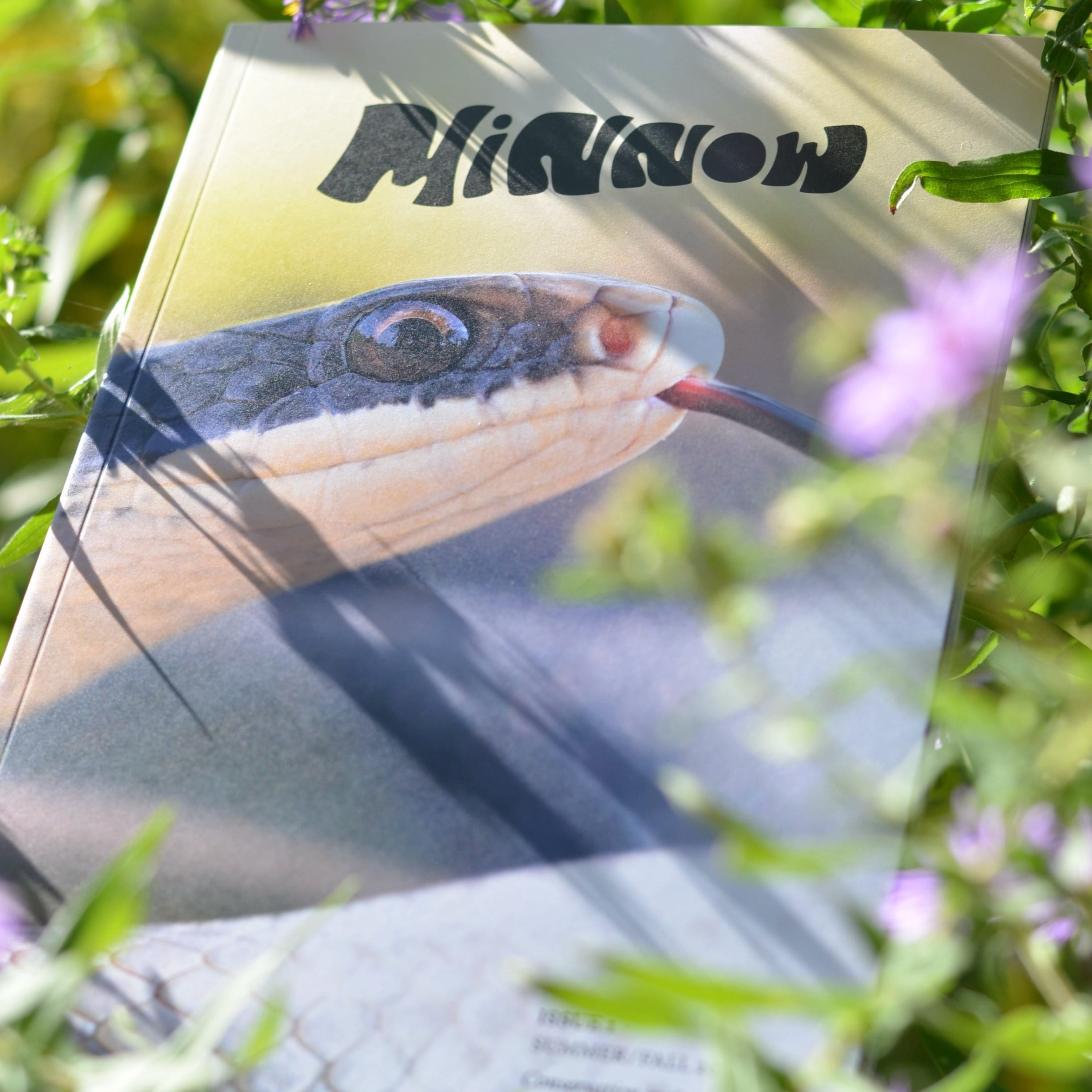 Ep. 272 : Minnow Magazine | Sisters Alex and Tasha Sawatzky’s knowledge of and growing appreciation for the land they lived on was tangible and real, so how could they tell the stories of the species they were coming to know and love, while also countering the dread of our modern world? They decided to start Minnow, a magazine about ecology, conservation and all sorts of species we share a home with. This magazine project has become a bit of a community space for the sisters and others to write of their own knowledge and care for the land, inviting in readers to deepen their own sense of connection and community with the other-than-human world. There are articles cover the gamut of interesting and sometimes threatened species in the Great Lakes region, including Redside Dace, Piping Plover, Hart’s Tongue Fern, and the lovely Chimney Swift. With two issues launched, and a third underway, Minnow has become a bit of a deal amidst friends of mine who are intimately involved with the land. I had to do an interview to learn more. And big thanks to Nava for bridging the gap.To learn more :Minnow Magazine instagram pageMinnow Magazine website with ordering infoMinnow Magazine mailing list | — | ||||||
| 7/29/25 | 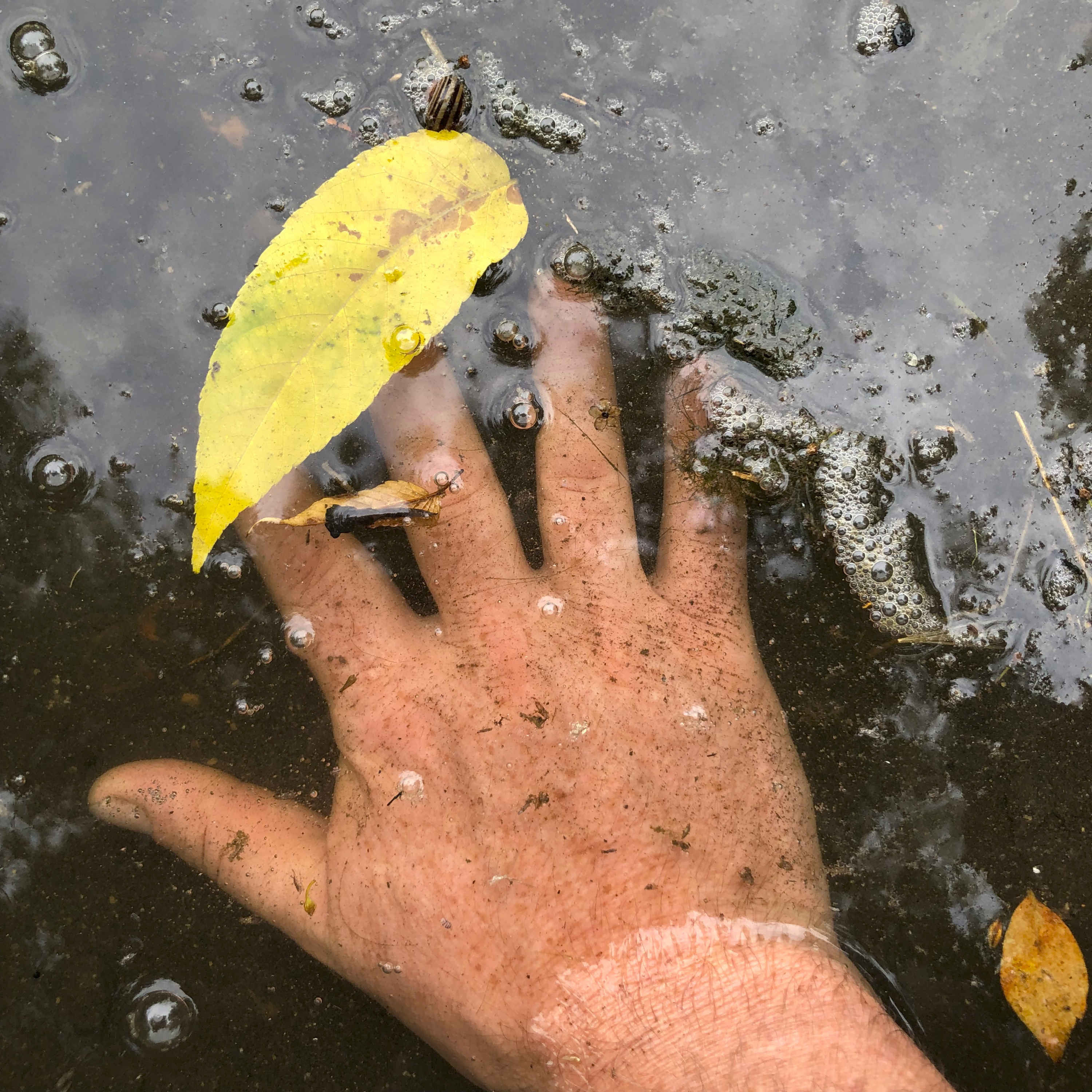 Ep. 271 : Sensual engagement with the land | Sight is the dominant sense in humans, followed close behind by hearing and perhaps touch. Many of us have cut ourselves off from the natural world by “gating” our senses, only using what is needed to navigate an urbanized, mechanical, constructed and conditioned environment, and we end up isolating ourselves, and leaving the more than human world behind.In times of ecological, political, and climate horror, I wonder at how we can remain connected with the wilder places we love? How do we engage with the land with all of our bodies and minds, working and practicing the gifts we have inherited from millions of years of evolution? To learn more :Plant Intelligence and the Imaginal Realm by Stephen Harrod Buhner. Bear & Company, 2014.Reconnecting with Nature by Micheal J Cohen, Ed. D. Ecopress, 1997.Spell of the Sensuous by David Abram. Vintage, 1997. | — | ||||||
| 7/23/25 | 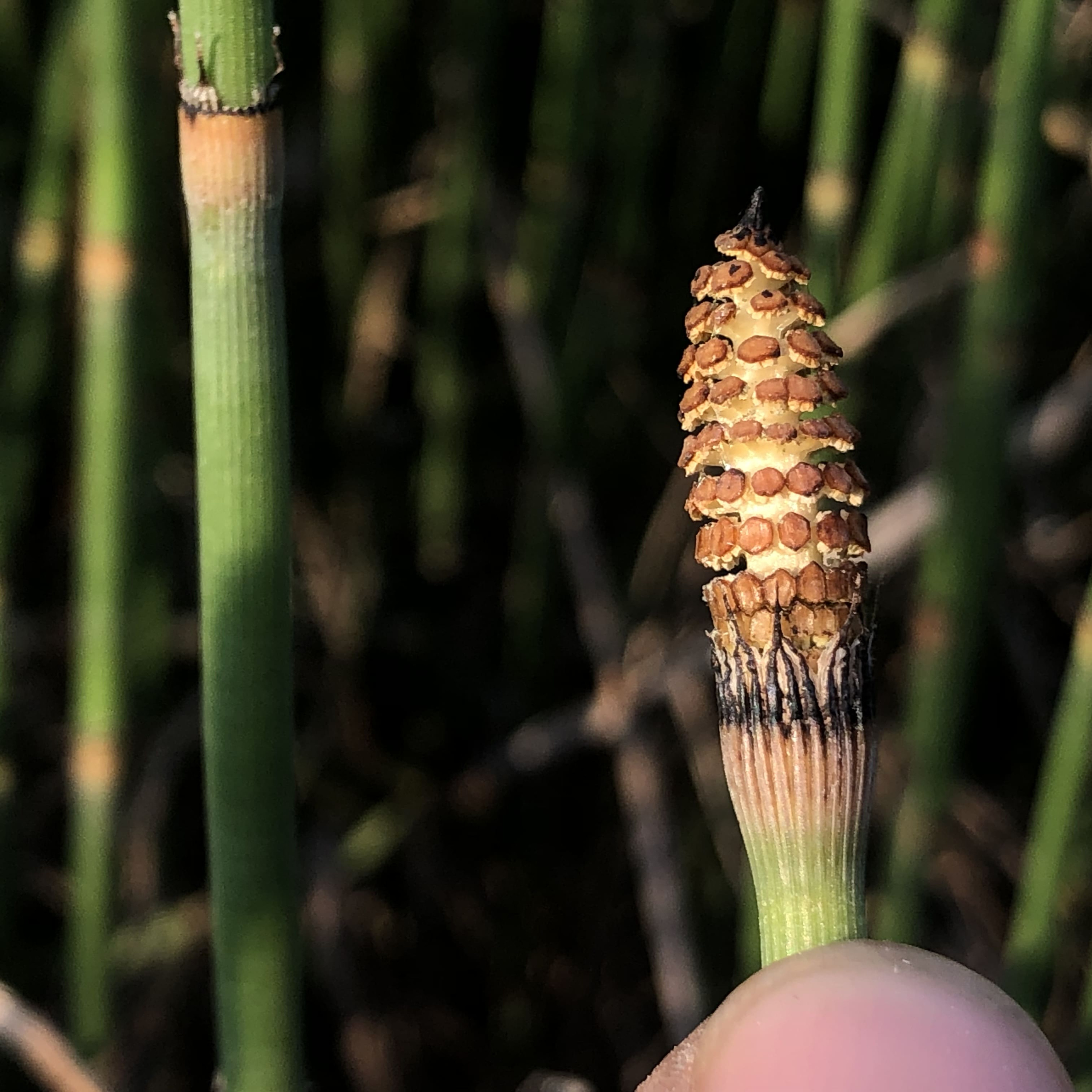 Ep. 270 : Rough Horsetail | An ancient plant of the genus Equisetum, (the only extent genera of the family Equisetaceae, and only living member of the order Equisetales), Horsetails are some of the most primitive of fern species, being closely related to the Calamites of the Carboniferous era some three hundred million years ago. Inspired by a fun workshop I got to host, along with such an amazing history of evolution though incredible cataclysmic epochs, chock full of climate upheaval, I really wanted to learn more about these amazing plants. Many of the Equisetum genera are now extinct yet there are about 9 species in my area, and of the species which persist in the area, I will be focusing mostly on Rough Horsetail.I hope you enjoy the show.To learn more : Michigan Ferns & Lycophytes by Daniel D. Palmer. University of Michigan Press, 2018.Ferns, Spikemosses, Clubmosses, and Quillworts of Eastern North America by Emily B. Sessa. Princeton University Press, 2024.Peterson Field Guide to Ferns by Boughton Cobb. Houghton Mifflin, 1963.The Flora of Wellington County by Richard Frank and Allan Anderson. Wellington Historical Society, 2009.A Natural History of Ferns by Robbin C. Moran. Timber Press, 2004. | — | ||||||
| 6/2/25 | 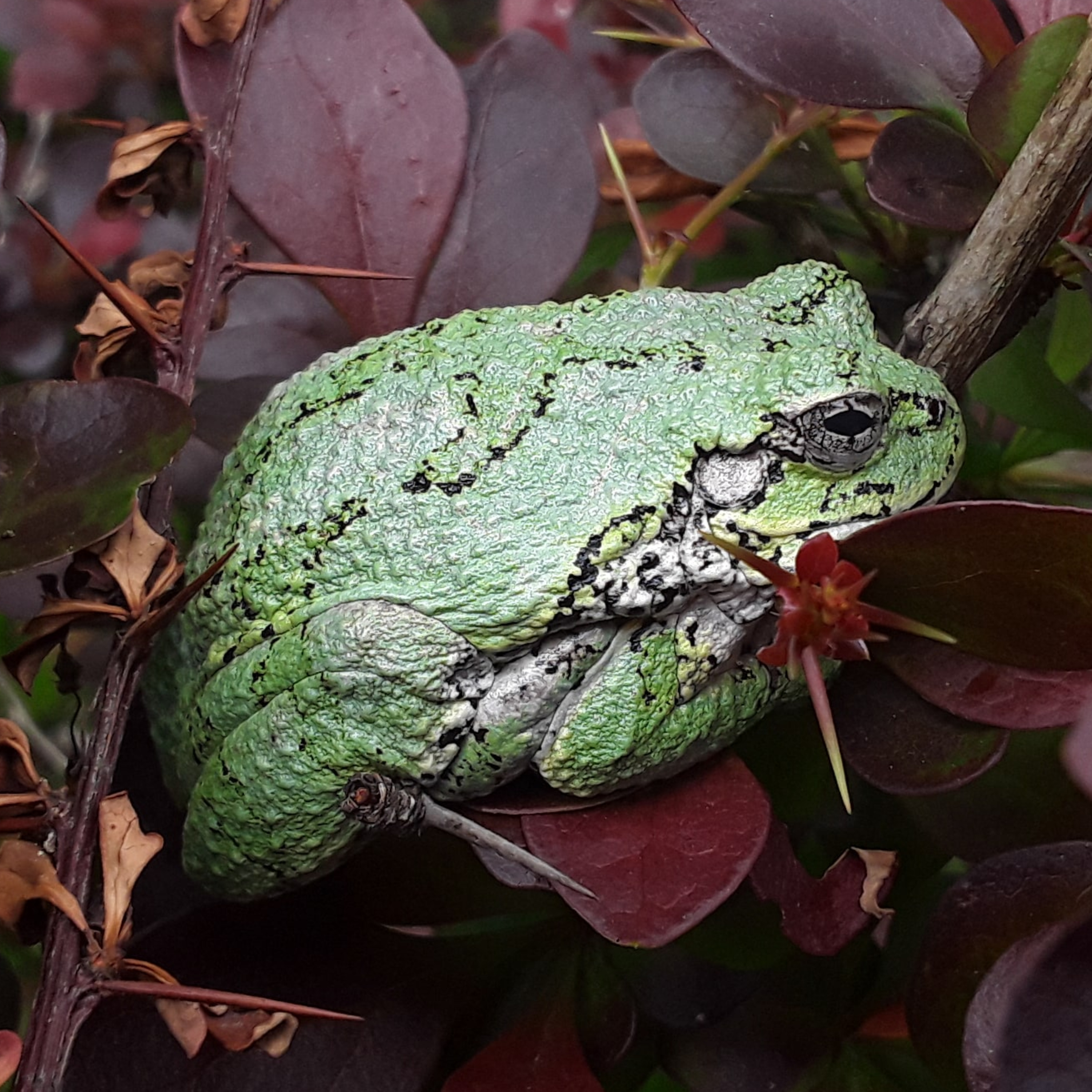 Ep. 269 : Listening to the Grey Treefrogs | Grey Treefrogs (Hyla versicolor) are my favorite frog species at the moment. They are cute little colour changing, antifreeze laden, Lichen-Spirits who really belt it out when trying to find a date. I have been hearing them pretty much nightly lately, screaming their short trill all over nearly every wetland I encounter as long as it is fairly adjacent to trees. Because of their powerful calls permeating my late night waking life, I have been wanting to take a deeper dive. Hope you enjoy!To learn more :The Dermal Chromatophore Unit by Joseph T. Bagnara, John D. Taylor and Mac E. HadleyMetamorphosis by Peter B. Mills. Self-published, 2016.Energetics of vocalization by an anuran amphibian (Hyla versicolor) Taigen, T.L., Wells, K.D. J Comp Physiol B 155, 163–170 (1985). https://doi.org/10.1007/BF00685209Familiar Amphibians & Reptiles of Ontario by Bob Johnson. Natural Heritage, 1989.Reptiles and Amphibians of Toronto : Biodiversity Series pamphlet (pdf)Amphibians and Reptiles of the Great Lakes Region by James H. Harding & David A. Mifsud. University of Michigan Press, 2017.After the Ice Age by E. C. Pielou. University of Chicago Press, 1991. | — | ||||||
| 5/12/25 | 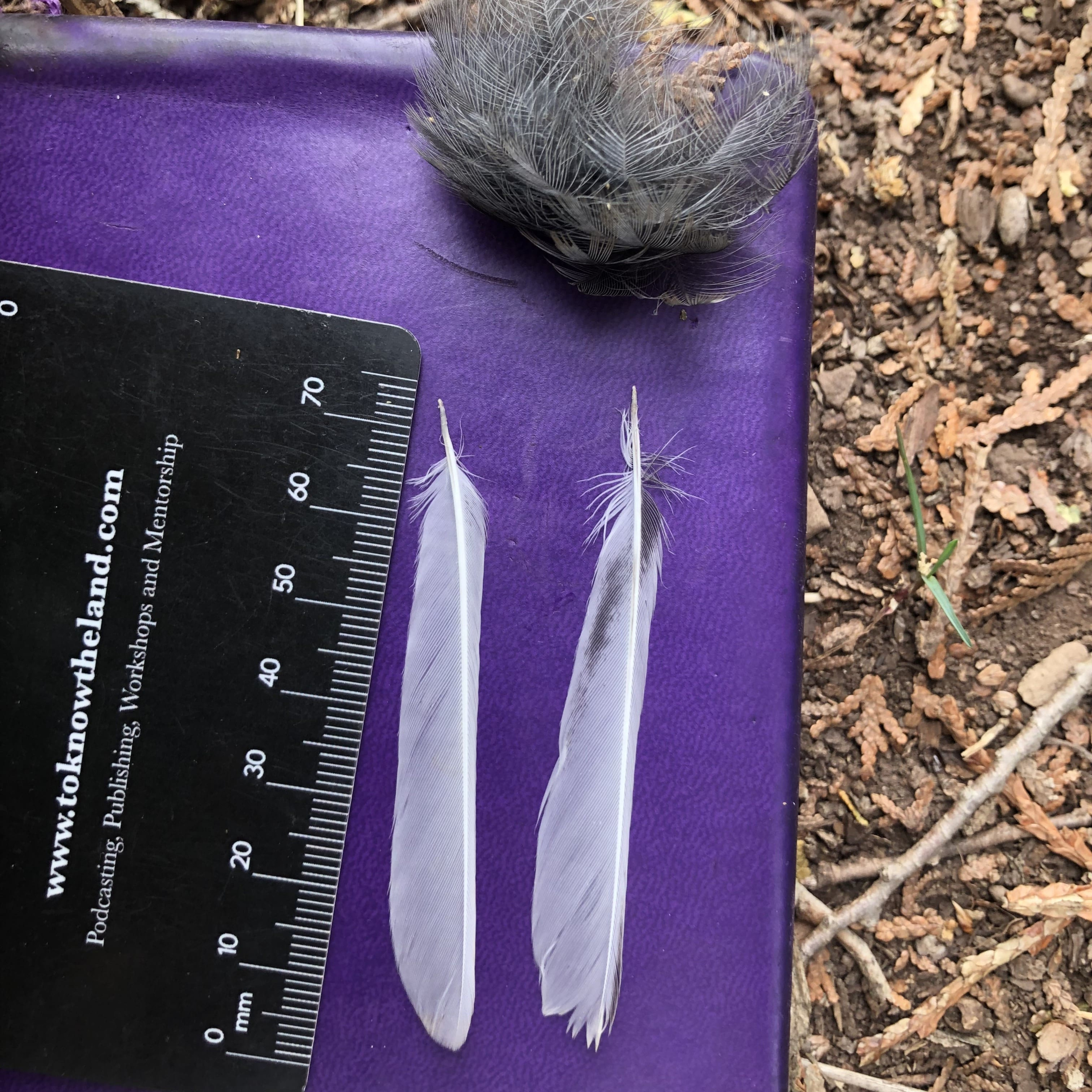 Ep. 268 : Do Deer Mice Eat Birds? | It started with a little hole at the base of an Eastern White Cedar (Thuja occidentalis) tree, and a couple of seeds. Who had collected and consumed the contents of the seeds? What about the feathers? And the boney remnants of bill?Join me as I go deep down a Deer Mouse (Peromyscus maniculatus) hole. To learn more : Mammal Tracks and Sign by Mark Elbroch and Casey McFarland. Stackpole Books, 2019.Natural History of Canadian Mammals by Donna Naughton. Canadian Museum of Nature and University of Toronto Press, 2012.Bird Feathers by David Scott and Casey McFarland. Stackpole Books, 2010.Animal Skulls by Mark Elbroch. Stackpole Books, 2006. | — | ||||||
| 4/7/25 | 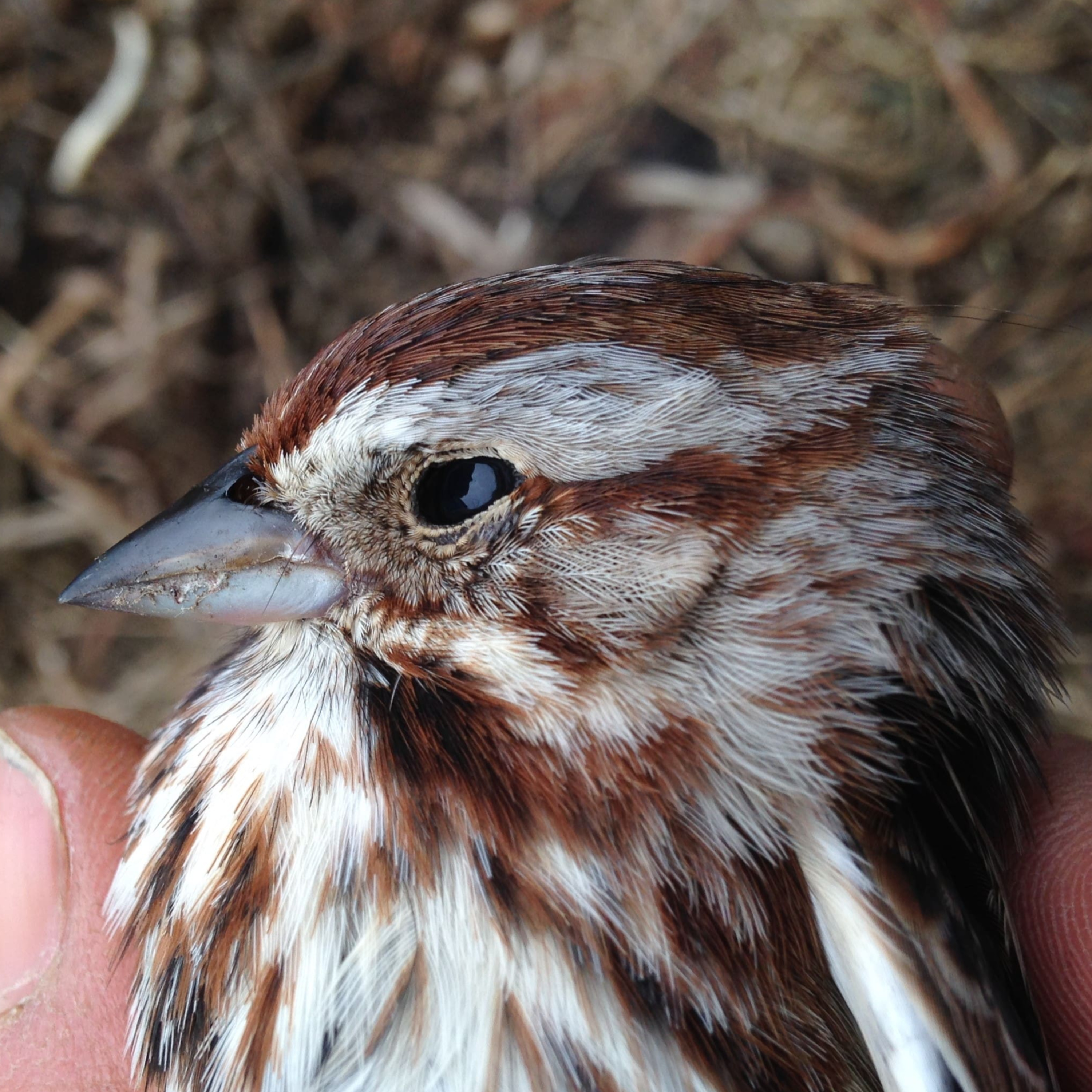 Ep. 266 : Getting to know Song Sparrows | I have been excited about Song Sparrows (Melospiza melodia) for a while. Theirs was one of the first complex songs I learned to identify, and being such a common neighbour on the landscape it’s hard to go a few days without hearing them, even in Winter, but especially in the Spring.While out today, I came across a couple Song Sparrow tracks in the silt newly laid down by the receding Eramosa River flood waters and it pricked my interest to dig in a little deeper to this common figure in my life. To learn more :Song Sparrow tracks on InaturalistBird Tracks and Sign by Mark Elbroch and Eleanor Marks. Stackpole Books, 2001.Bird Song : Identification Made Easy by Ernie Jardine. Natural Heritage, 1996.Peterson Field Guide to North American Bird Nests by Casey McFarland, Mathew Monjello & David Moskowitz. HMH, 2021.Baby Bird Identification : A North American Guide by Linda Tuttle-Adams. Cornell University Press, 2022.Birds of Forest, Yard, & Thicket by John Eastman. Stackpole Books, 1997. | — | ||||||
| 3/24/25 | 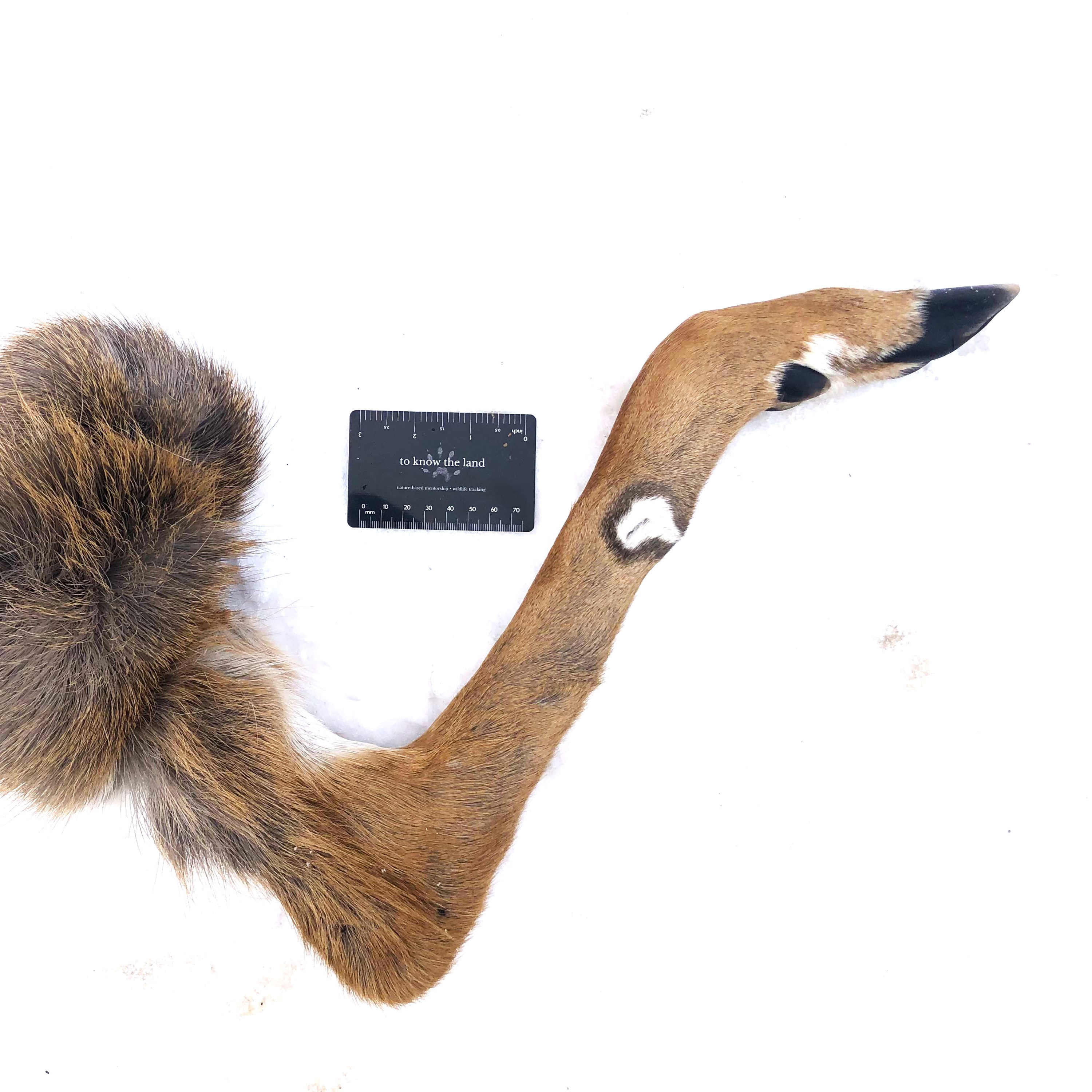 Ep. 265 : The Legs of the White-tailed Deer | I have found sign of three dead White-tailed Deer in the past three weeks. One, killed by Coyotes. Another, hit by a vehicle, found on the side of the highway. And also, I found a White-tailed Deer leg while trailing a Coyote. All of these encounters have been teaching me a lot about the legs of the deer and I wanted to look a little bit deeper into these moments, and to share the stories. I go on to detail what I have been learning about the legs, especially in the context of the hind legs, about the glands located there. Of course, you can read the blog post, or you can learn a little bit more from listening to the show. Enjoy!To learn more:Glands on a White-tailed Deer Leg blog postThe Deer of North America by Leonard Lee Rue III. The Lyons Press, 1997.Deer (The Wildlife Series, Book 3) edited by Duane Gerlach, Sally Atwater & Judith Schnell. Stackpole Books, 1995.Deer of the Southwest by James R. Heffelfinger. Texas A&M University Press, 2006.Biology and Management of White-tailed Deer Edited by David G. Hewitt. CRC Press, 2011.What The Toes Show - A question of deer hooves - another blog postMammal Tracks and Sign by Mark Elbroch and Casey McFarland. Stackpole Books, 2019. | — | ||||||
| 3/17/25 | 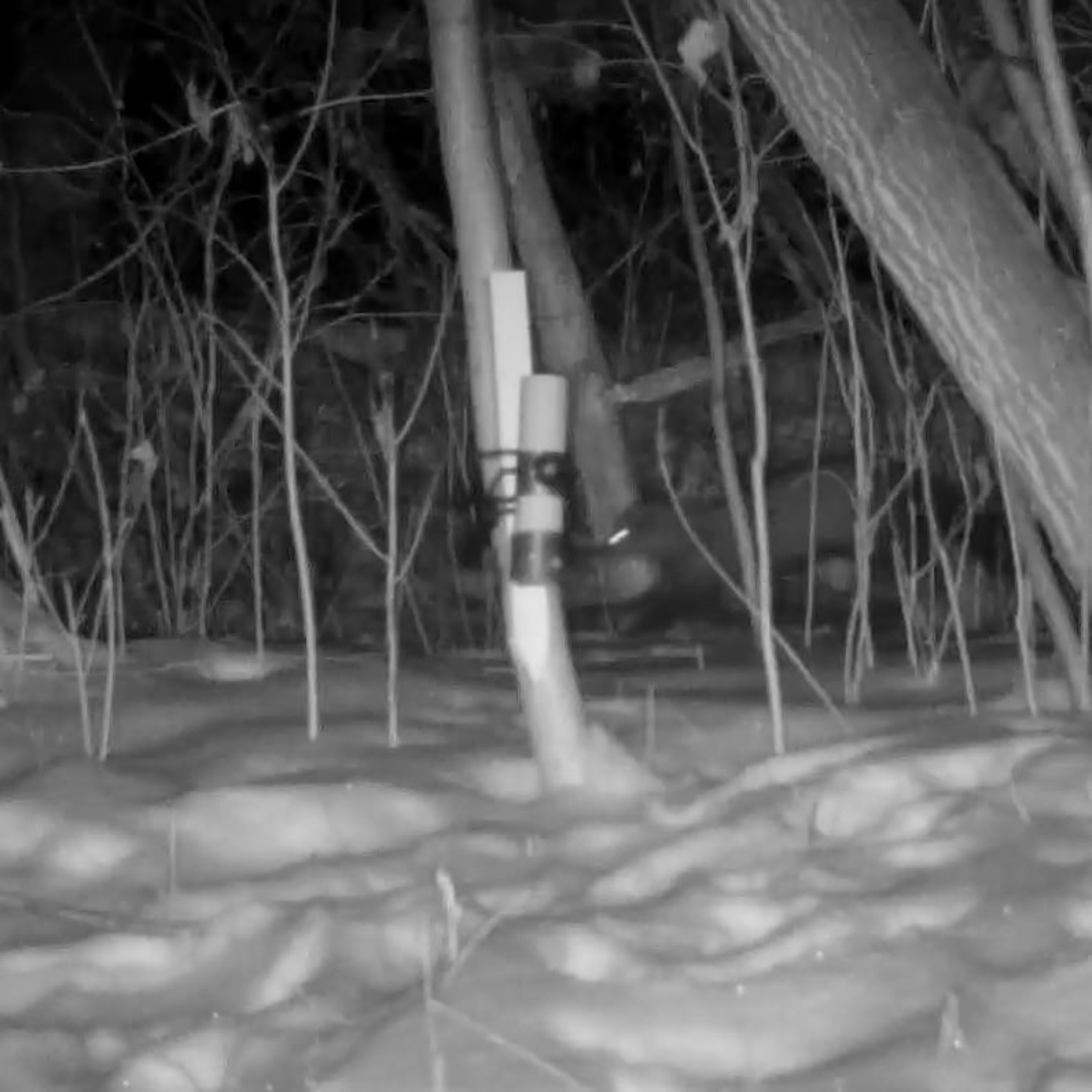 Ep. 264 : A Fisher in Edmonton with Sage Raymond | Fishers aren’t known as an urban adapted species. They tend to avoid our built up landscapes and prefer landscapes of mature forests comprised of appropriate denning habitat such as old trees with cavities and lots of course woody debris (think of big piles of dead branches and fallen logs), characteristics not usually found in urban forests. Because of this Fishers avoid our cities… or so we thought.Sage Raymond is a researcher who studies urban adapted Coyotes in Edmonton. While out checking some trail cams intended to catch Coyotes on the landscape, she happened across a Fisher trail in the snow, in a small wooded area along the North Saskatchewan River. Later confirmed with footage from one of the remote cameras, Sage realized that this was a very unusual circumstance. Thankfully she wrote a paper about it and I had to read it, and, again, thankfully, she agreed to talk about her findings on the show. There is a link to the paper below.To learn more:Ep. 159 : Tracking Urban Adapted Coyote Ecologies with Sage RaymondSage Raymond’s Research Gate profileSage Raymond’s instagramFisher Use of an Ecological Corridor Near the City Center of Edmonton, Canada, A City of Over One Million People by Sage Raymond and Colleen Cassady St. Clair. Urban Naturalist, No. 77 (2025).Pictorial Guide of Important Fisher Habitat Structures in British Columbia (pdf) | — | ||||||
| 2/24/25 | 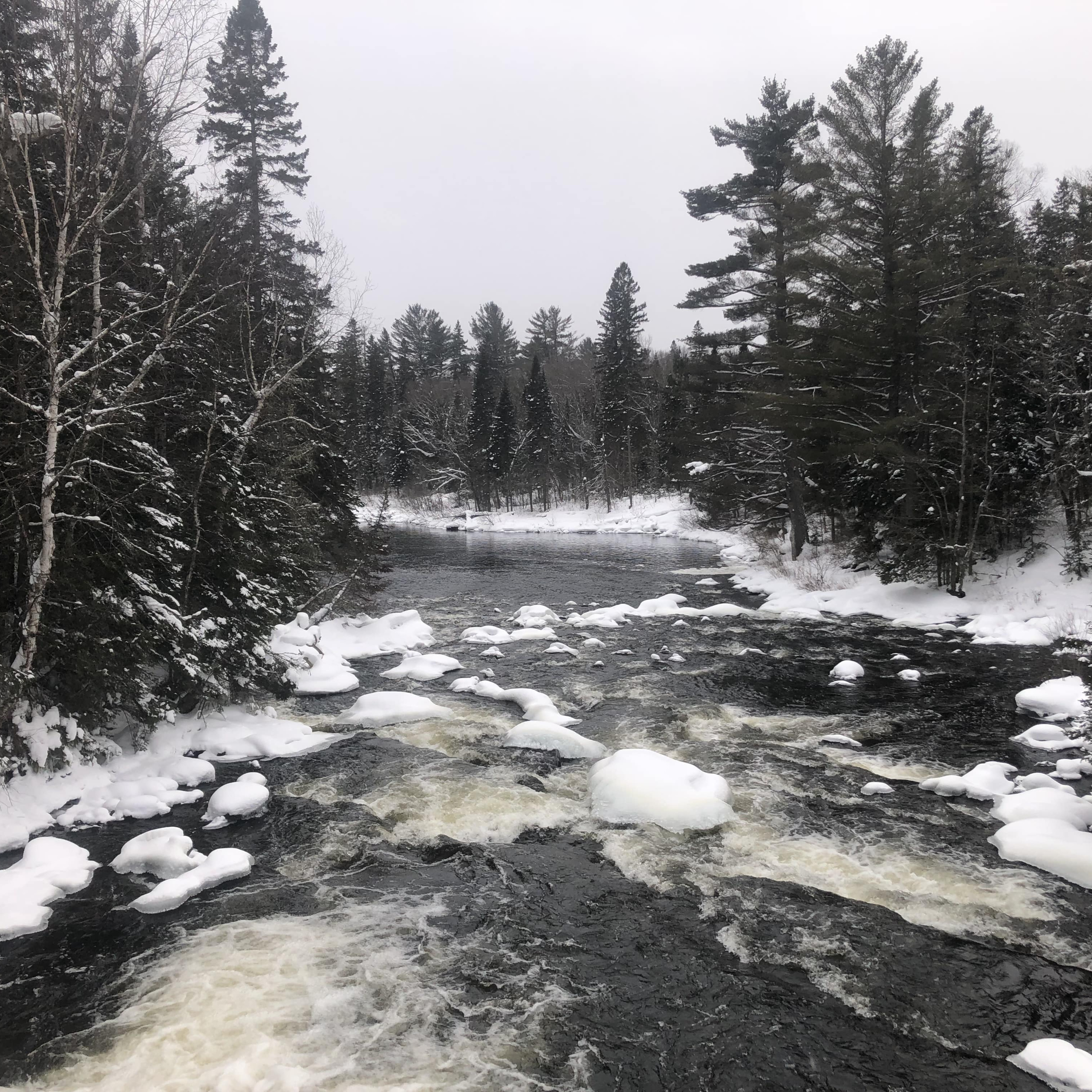 Ep. 263 : Winter Wildlife Tracking Trip in Algonquin Park, 2025 | As I mentioned on the previous show about the Lynx trailing trip, I was planning on heading up to Algonquin Park to trail Moose, Algonquin Wolves, Martens, Snowshoe Hare, Flying Squirrels, and whomever else’s trails we may come across. Well, I went and it was great. So good that I wanted to offer a bit of a report back from the trip and tell some stories of what we saw. This is the 24th year of this trip, and I am so grateful to get to not only be there, but to be helping lead the week. Kid me would be stoked… hell, adult me is still stoked!Big thanks to Alexis for being a great colleague and mentor, and to everyone who came. It was a blast.To learn more :Algonquins of Ontario overview of land claimMore information on the trip from EarthTracks.ca | — | ||||||
| 2/17/25 |  Ep. 262 : Birds at Rest with Roger Pasquier | I have had a lot of conversations with biologists and ornithologists over the years, trying to learn about how different animals sleep. Are the functions of sleep in humans similar to similar animals? What about different kinds of animals, like insects, or birds?More recently I have seen the Canada Geese along the Eramosa River where I live, standing or sitting still on the frozen river and wondered what’s up with the one-legged standing? When I got to thinking about birds resting, roosting and sleeping, I realized that I had a bunch of questions. Sometimes a book comes along with some good insight into the subjects I am wondering about, and at this moment, it was Roger Pasquier, and his new book Birds at Rest: The Behavior and Ecology of Avian Sleep, which helped to answer many of my questions. I arranged for an interview was very glad to talk to him. Do small songbirds have any special adaptations for sleeping through long freezing winter nights? Does photoperiod change the amount of time birds sleep? How does the changing climate affect birds at rest? Do birds dream?Roger Pasquier has taken the time to collect the information from a ton of various studies into avian rest and sleep and consolidated them into a useful and interesting book, and then taken the time to discuss some of this research on the show. Again, I am forever grateful to the folks who can help us, me, learn to better know the land. To learn more :Birds at Rest : The Behavior and Ecology of Avian Sleep by Roger F. Pasquier. Princeton University Press, 2025. | — | ||||||
Showing 25 of 110
Sponsor Intelligence
Sign in to see which brands sponsor this podcast, their ad offers, and promo codes.
Chart Positions
6 placements across 6 markets.
Chart Positions
6 placements across 6 markets.