
Insights from recent episode analysis
Audience Interest
Podcast Focus
Publishing Consistency
Platform Reach
Insights are generated by CastFox AI using publicly available data, episode content, and proprietary models.
Most discussed topics
Brands & references
Total monthly reach
Estimated from 2 chart positions in 2 markets.
By chart position
- 🇨🇱CL · Documentary#993K to 10K
- 🇷🇴RO · Documentary#119500 to 3K
- Per-Episode Audience
Est. listeners per new episode within ~30 days
1.8K to 6.5K🎙 ~2x weekly·135 episodes·Last published 2d ago - Monthly Reach
Unique listeners across all episodes (30 days)
3.5K to 13K🇨🇱77%🇷🇴23% - Active Followers
Loyal subscribers who consistently listen
1.4K to 5.2K
Market Insights
Platform Distribution
Reach across major podcast platforms, updated hourly
Total Followers
—
Total Plays
—
Total Reviews
—
* Data sourced directly from platform APIs and aggregated hourly across all major podcast directories.
On the show
From 12 epsHost
Recent guests
Recent episodes
Trusted Philantrophy
Jun 25, 2026
Unknown duration
Understanding the Trust-Law Dynamic: Insights on Legitimacy
Jun 17, 2026
Unknown duration
Why Trust Matters
Jun 3, 2026
29m 49s
The Trust We Assume, the Consent We Feel
May 19, 2026
21m 50s
San Francisco: Where Progress Meets Distrust
May 6, 2026
23m 38s
Social Links & Contact
Official channels & resources
Official Website
Login
RSS Feed
Login
| Date | Episode | Topics | Guests | Brands | Places | Keywords | Sponsor | Length | |
|---|---|---|---|---|---|---|---|---|---|
| 6/25/26 | 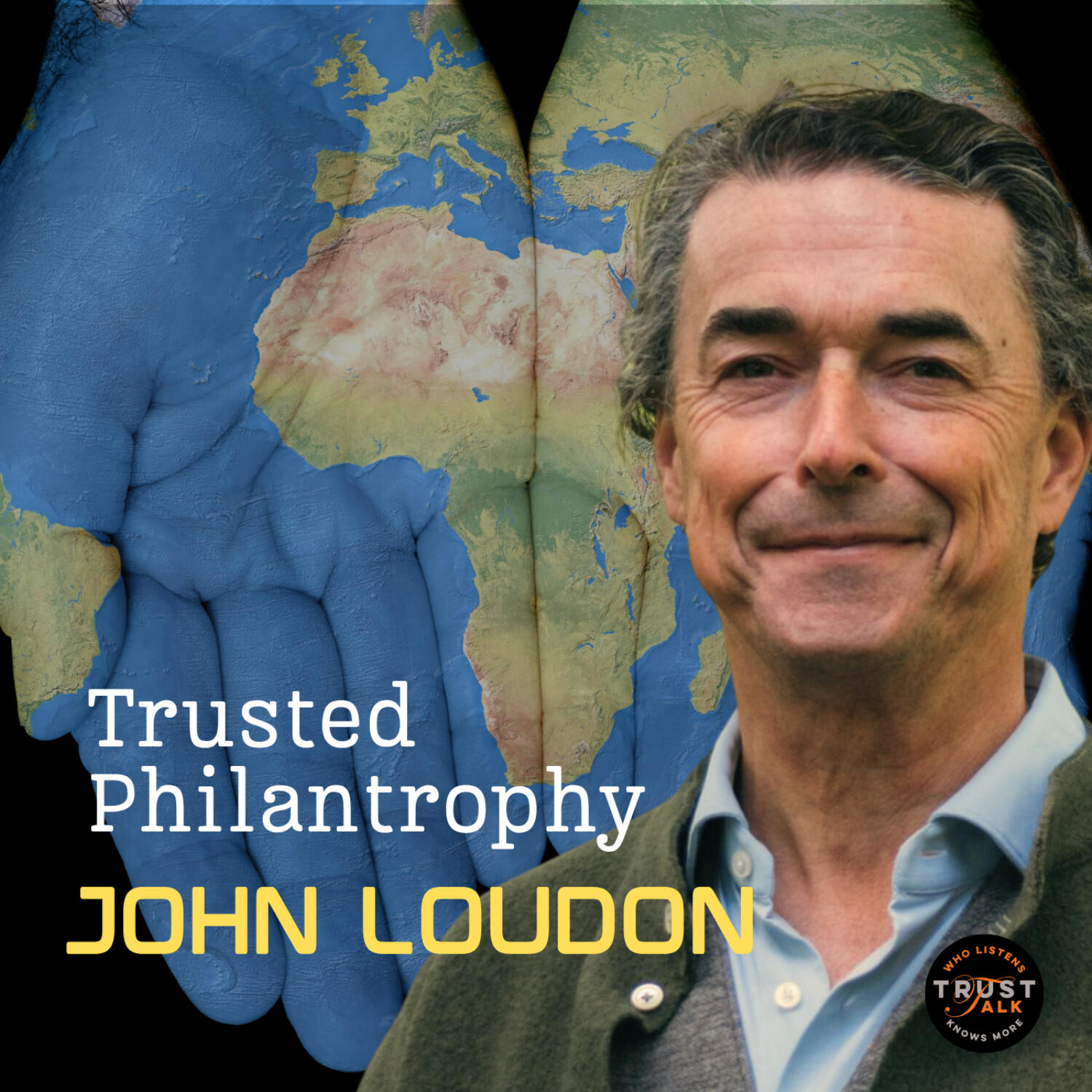 Trusted Philantrophy | Most people think philanthropy is about money. John Loudon, Executive Director of the COmON Foundation and one of the best-known philanthropists in conservation and nature preservation, with a career spanning three decades across Europe and Africa, thinks it is about trust. In this episode, we talk about what happens when trust is missing from giving, how philanthropy becomes distant, data-driven, and ultimately ineffective. And what it looks like when trust is genuinely present. John brings two stories to illustrate this. One from Malawi, where a community that had been depleting a national park for survival became its guardian angels once their real need - water - was met. Trust made that possible. And one from the Baviaanskloof in South Africa, where 125 years of goat farming had turned a valley into a near-desert, and where two years of conversation among farmers, guided by Otto Scharmer's Theory U, brought it back to life. The solutions came from within. Nobody arrived with a plan. Nobody needed to — because trust was already in the room. John also introduces a concept most funders have never heard of — Key Transformative Indicators — and explains why he measures success not in outputs but in signs of change. Why is giving harder than fundraising? And why the most important thing an outside organization can do when it arrives in a struggling community is put away its plan, start listening, and earn the trust that makes everything else possible. | — | ||||||
| 6/17/26 | 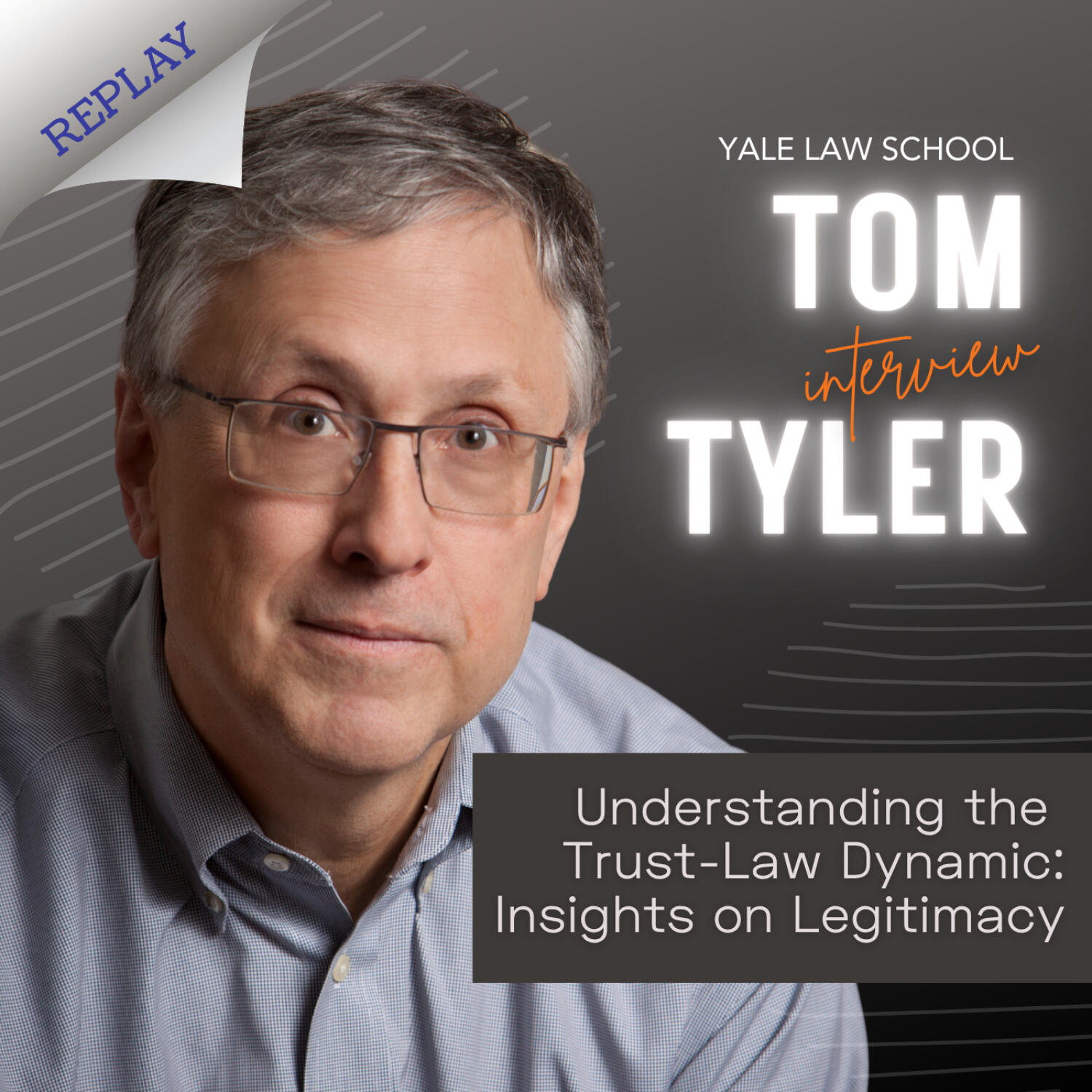 Understanding the Trust-Law Dynamic: Insights on Legitimacy | In this replay of a 2023 interview, Severin de Wit speaks with Tom Tyler, professor of law and psychology at Yale and founding director of the Justice Collaboratory. A psychologist teaching in a law school — a rare combination — Tyler argues that legal systems are built on assumptions about human nature that are seldom tested against what psychologists actually know. His research points to something striking: people comply with the law more because they trust it than because they fear it. And what builds that trust is not whether you win or lose your case, but how you were treated along the way — whether you were heard, treated with respect, and felt the process was fair. This is the idea of procedural justice, and it has both a decision-making side (voice, neutrality, consistency) and a relational side (dignity, sincerity, genuine attention to people's concerns). The conversation ranges across criminal justice, civil and administrative law, prisons, and policing, including how police officers who feel fairly treated by their own superiors go on to treat the public more fairly. Tyler explains why a system built on fear requires policing forever, while one built on trust makes communities stronger: people cooperate, testify, engage with their neighbours, and invest in where they live. He also has warm words for the Netherlands, citing the Ombudsman's adoption of procedural justice principles and the influence of empirical research on Dutch policy — and a challenge for the legal world everywhere: take empiricism seriously as a tool for improvement. A thoughtful, evidence-based case for why trust isn't just a different model of legal authority, but a superior one. [ Due to the holiday season, we are publishing this interview again. It was first published on September 6, 2023, as episode 76] | — | ||||||
| 6/3/26 | 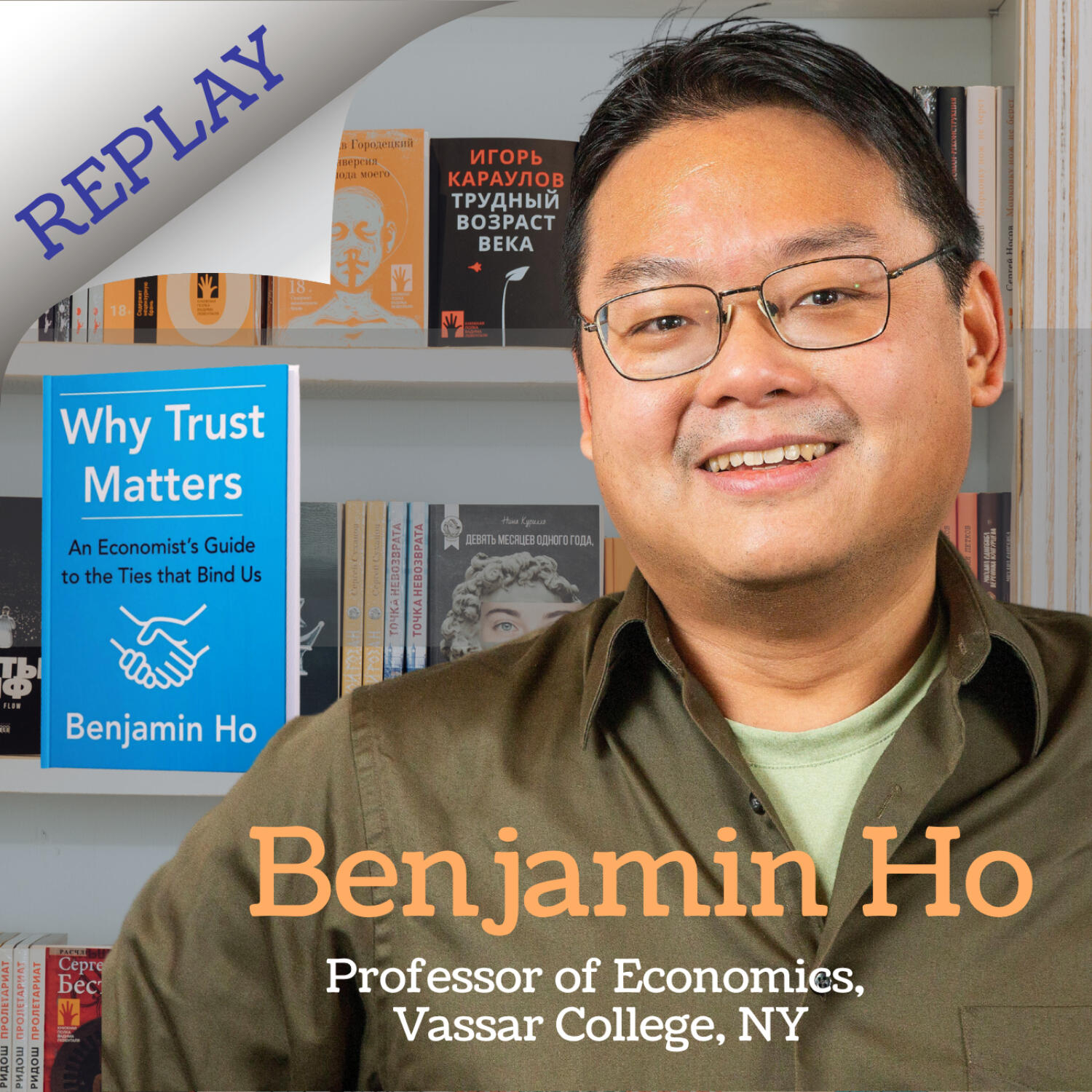 Why Trust Matters✨ | trusteconomics+5 | Benjamin Ho | Vassar CollegeWhy Trust Matters: An Economist's Guide to the Ties That Bind Us | Paris | trusteconomics+7 | — | 29m 49s | |
| 5/19/26 | 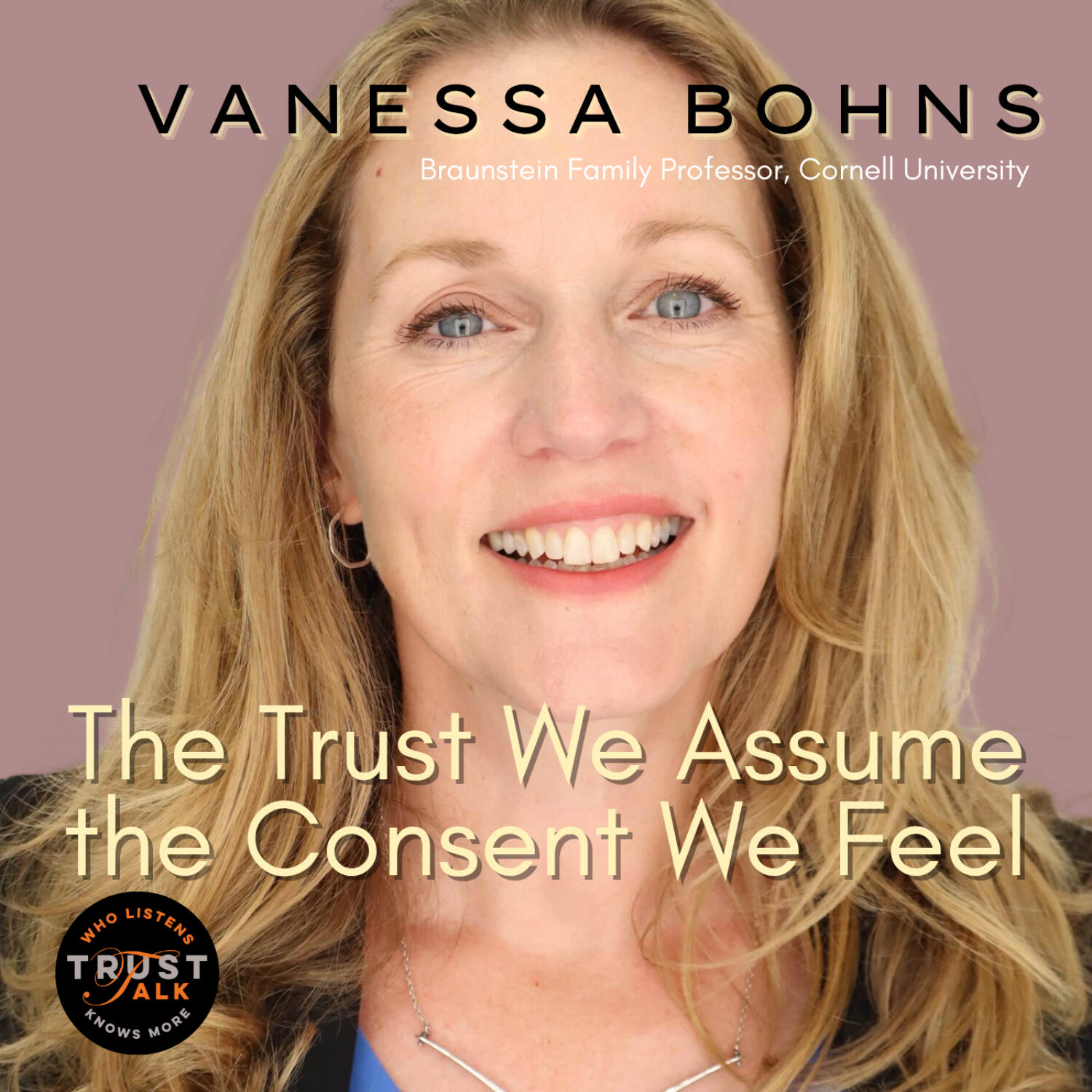 The Trust We Assume, the Consent We Feel✨ | trustconsent+3 | — | Countrywide FinancialMoody's | — | trustconsent+5 | — | 21m 50s | |
| 5/6/26 | 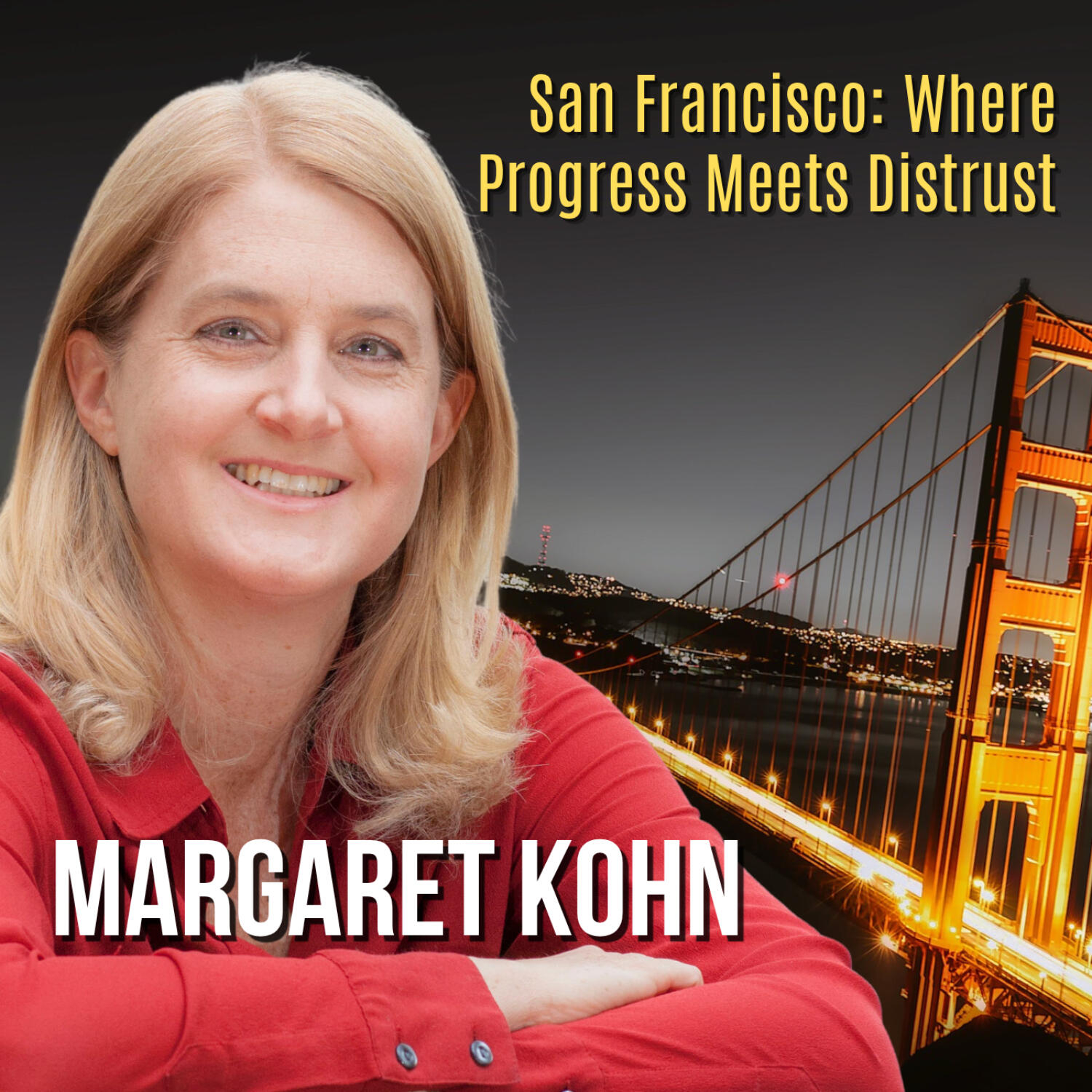 San Francisco: Where Progress Meets Distrust✨ | trustpolitics+5 | unknown | American leftAmerican right | San FranciscoKansas+1 | trustdistrust+5 | — | 23m 38s | |
| 4/23/26 | 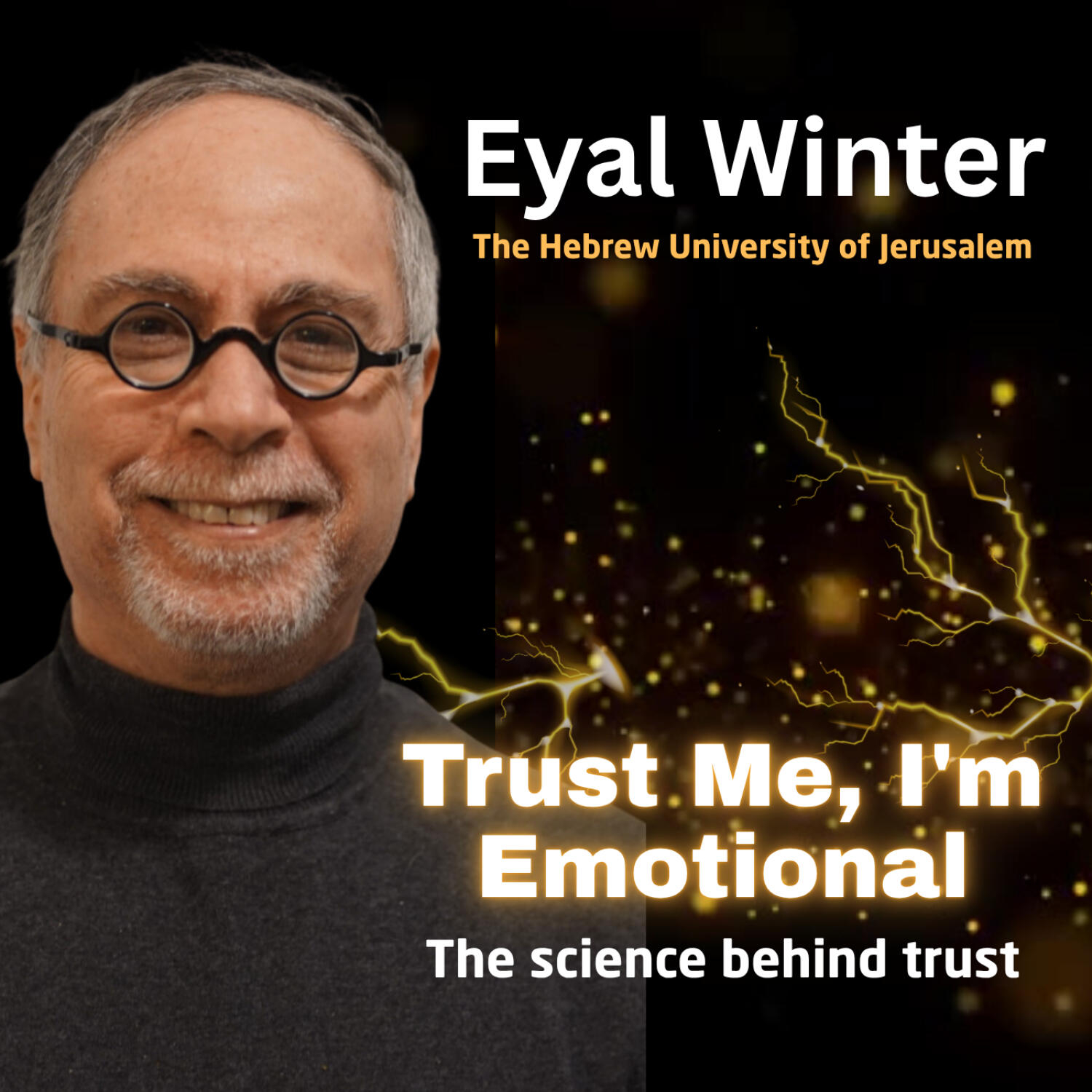 Trust Me, I'm Emotional✨ | emotionstrust+4 | Eyal Winter | Hebrew University of JerusalemFeeling Smart: Why Our Emotions Are More Rational Than We Think | — | trustemotions+5 | — | 20m 02s | |
| 4/8/26 | 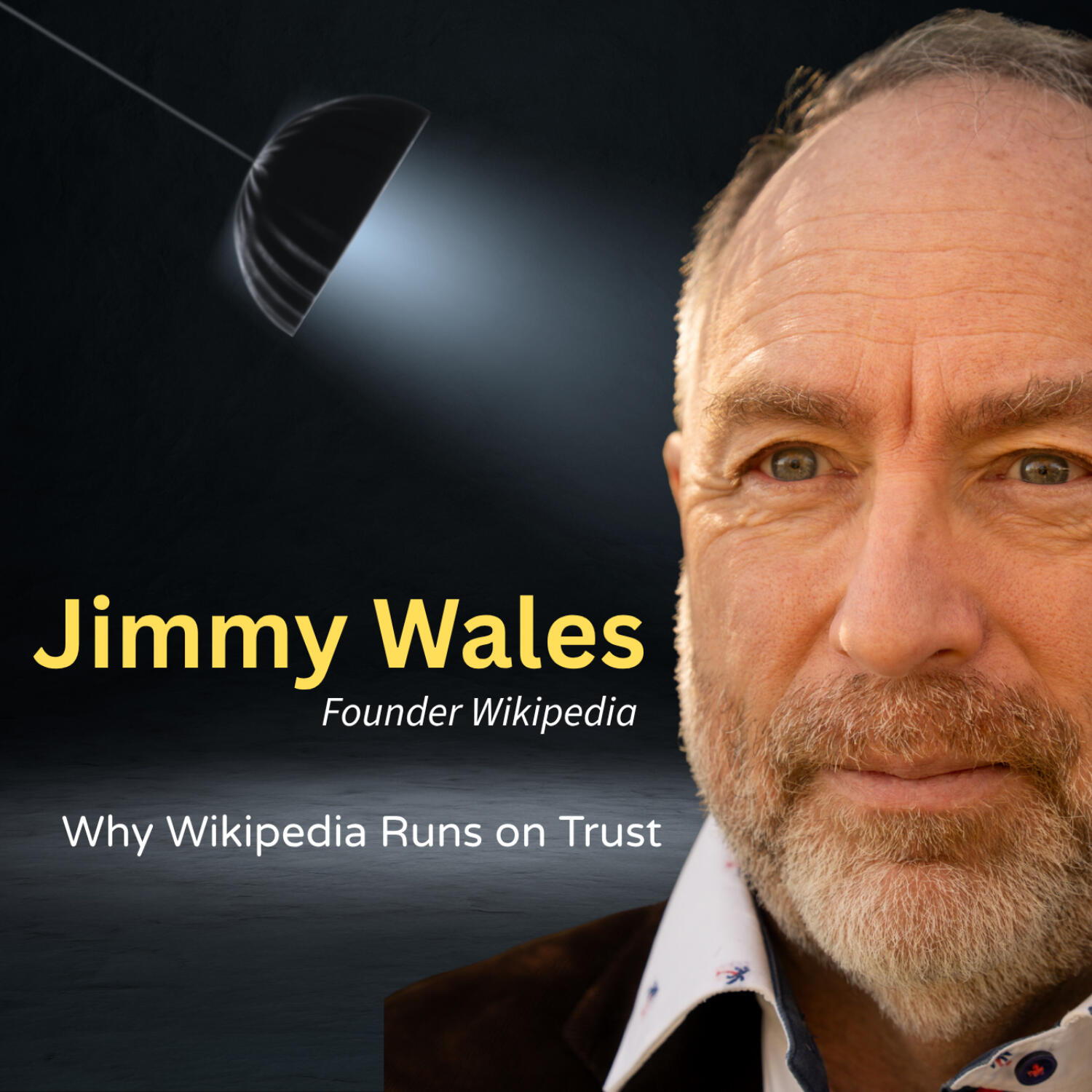 Why Wikipedia Runs on Trust✨ | trustWikipedia+4 | Jimmy Wales | WikipediaThe Seven Rules of Trust | — | trustWikipedia+5 | — | 19m 47s | |
| 3/26/26 | 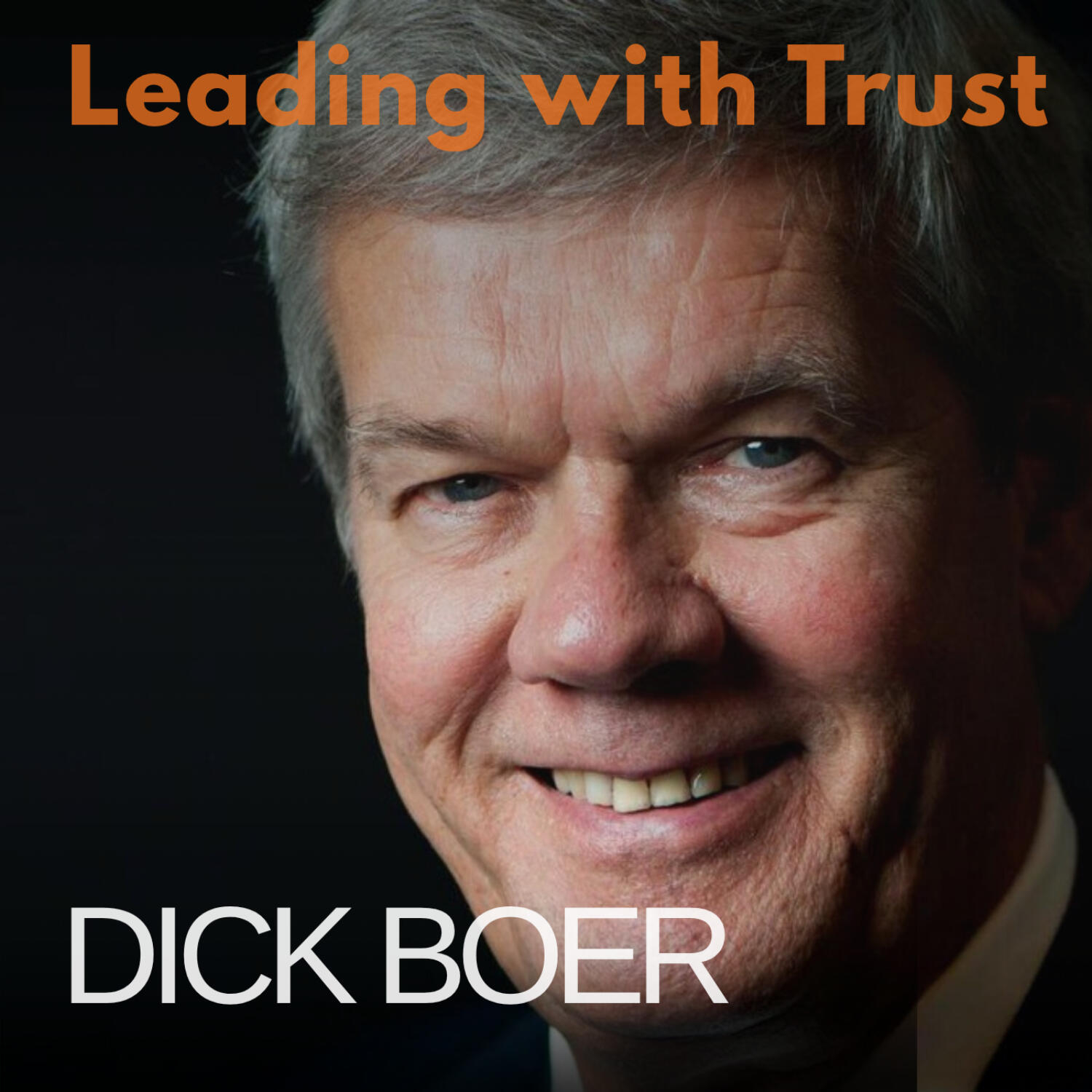 Leading with Trust✨ | trustleadership+4 | Dick Boer | Ahold Delhaize | — | trustleadership+5 | — | 24m 11s | |
| 3/4/26 | 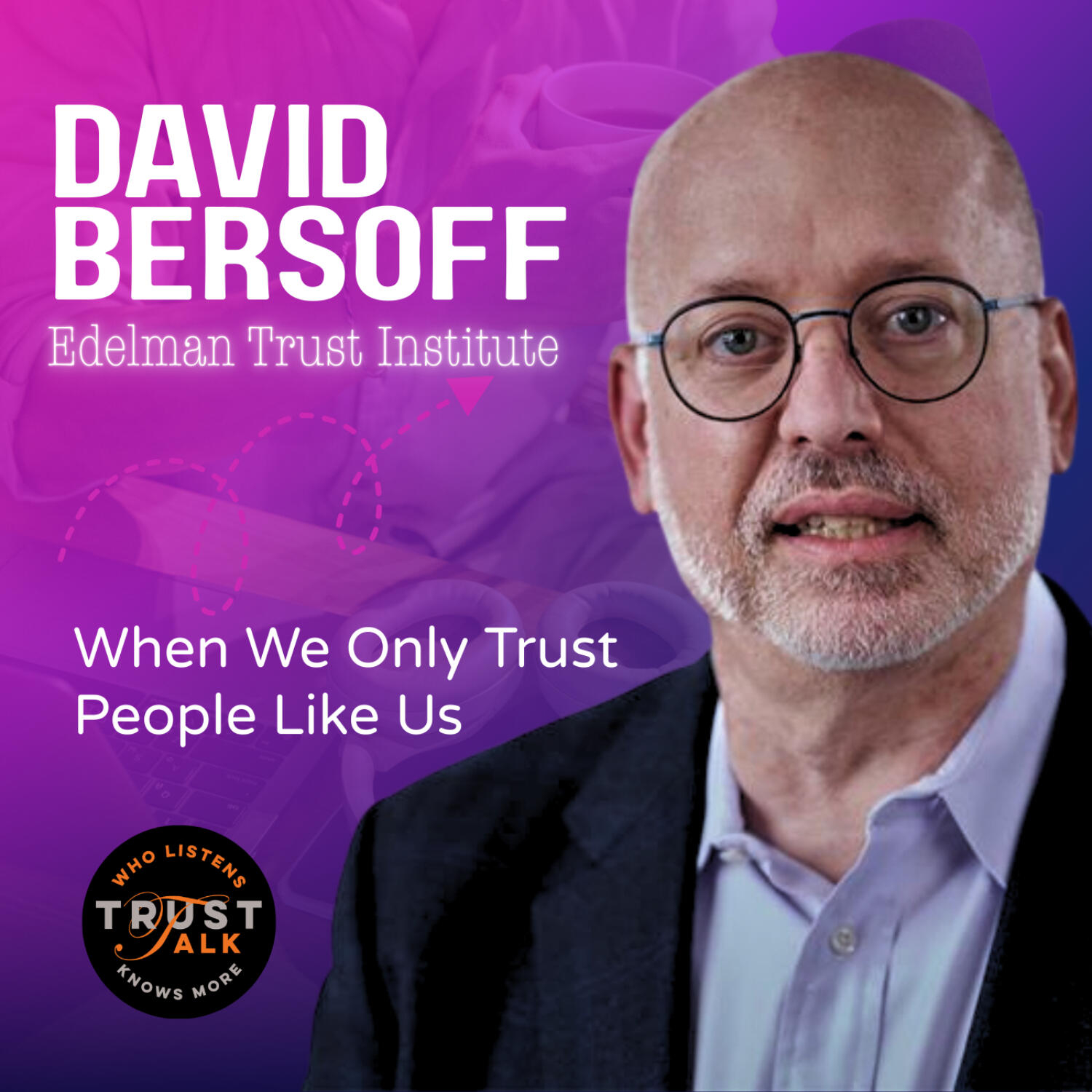 When We Only Trust People Like Us✨ | trustdemocracy+3 | David Bersoff | Edelman Trust Institute | — | trustinsularity+3 | — | 27m 11s | |
| 2/19/26 | 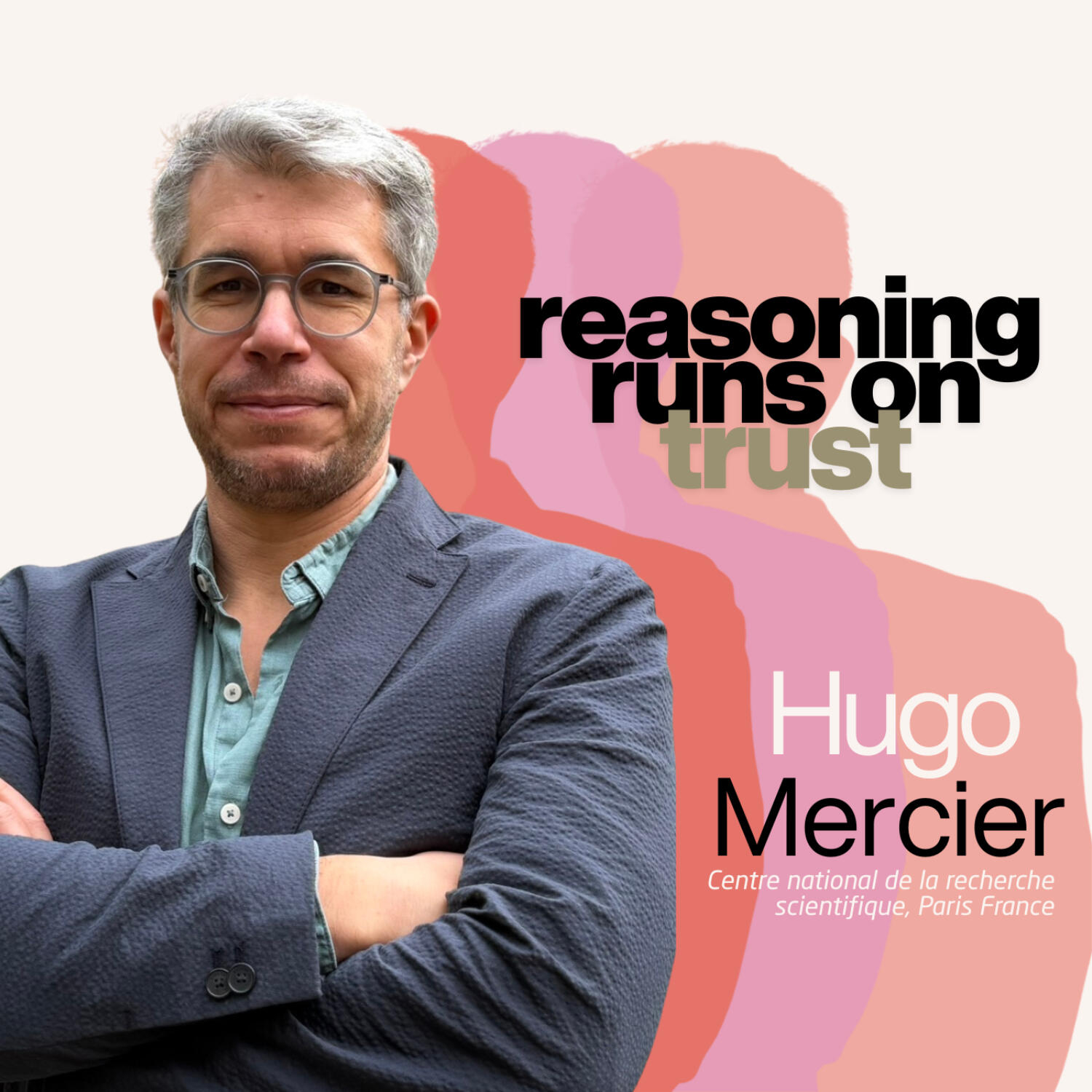 Reasoning Runs on Trust✨ | human reasoningtrust+4 | Hugo Mercier | CNRSThe Enigma of Reason | — | reasoningtrust+5 | — | 21m 27s | |
Want analysis for the episodes below?Free for Pro Submit a request, we'll have your selected episodes analyzed within an hour. Free, at no cost to you, for Pro users. | |||||||||
| 2/4/26 | 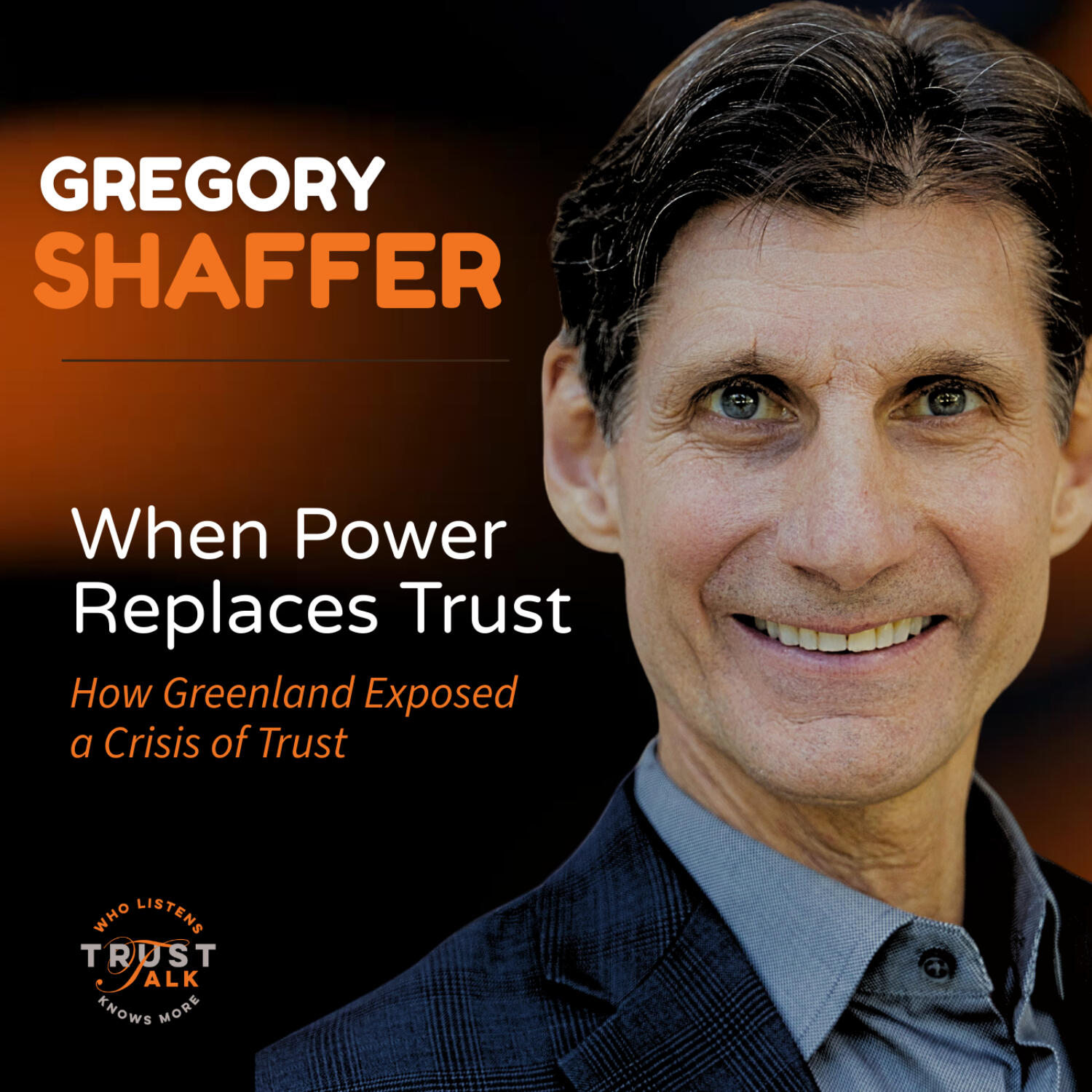 When Power Replaces Trust✨ | international relationstrust+4 | Gregory Shaffer | Georgetown | United StatesDenmark+1 | trustinternational law+5 | — | 23m 17s | |
| 1/22/26 | 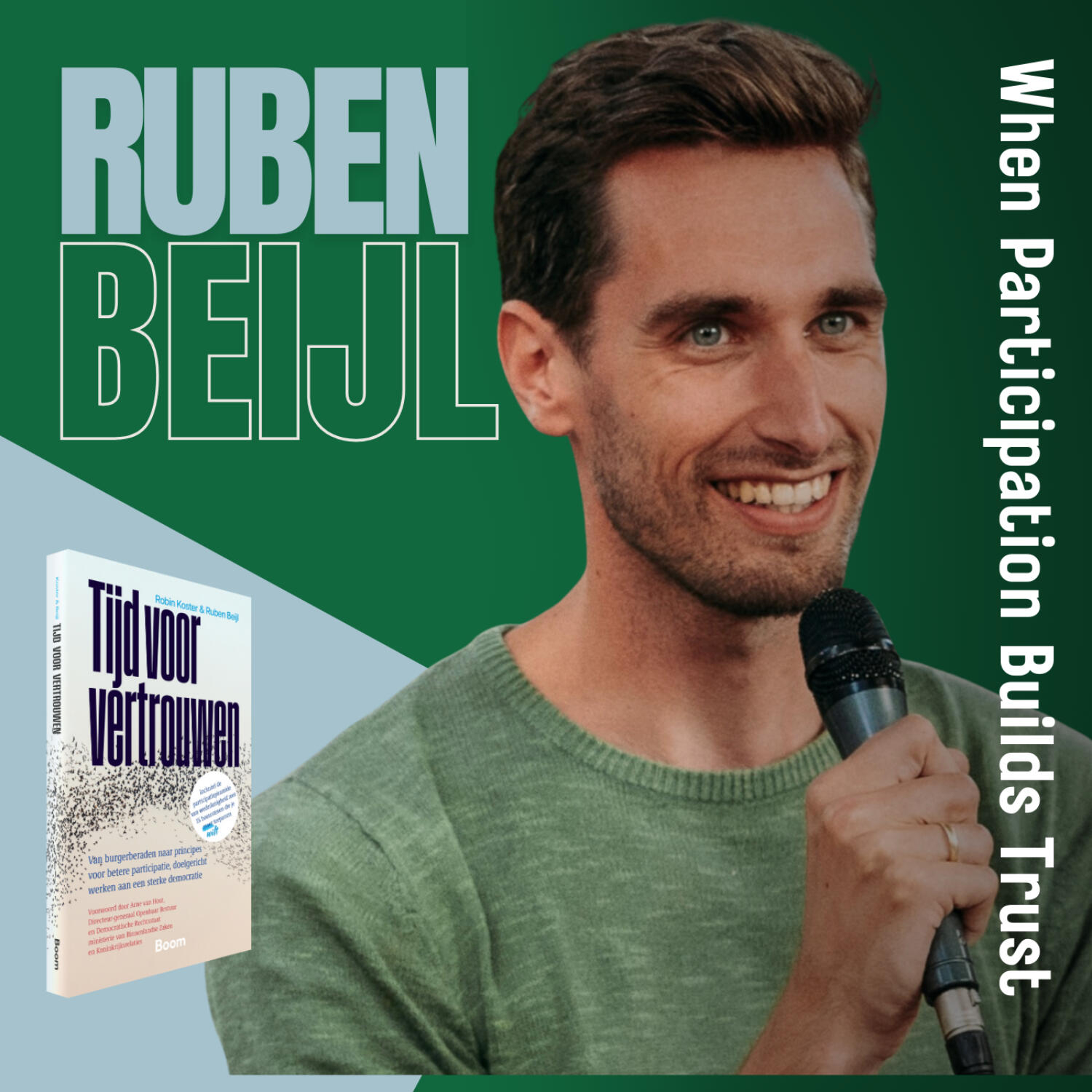 When Participation Builds Trust✨ | trustparticipation+3 | Ruben Beijl | Time for Trust (Tijd voor Vertrouwen) | — | trustparticipation+5 | — | 20m 26s | |
| 1/9/26 | 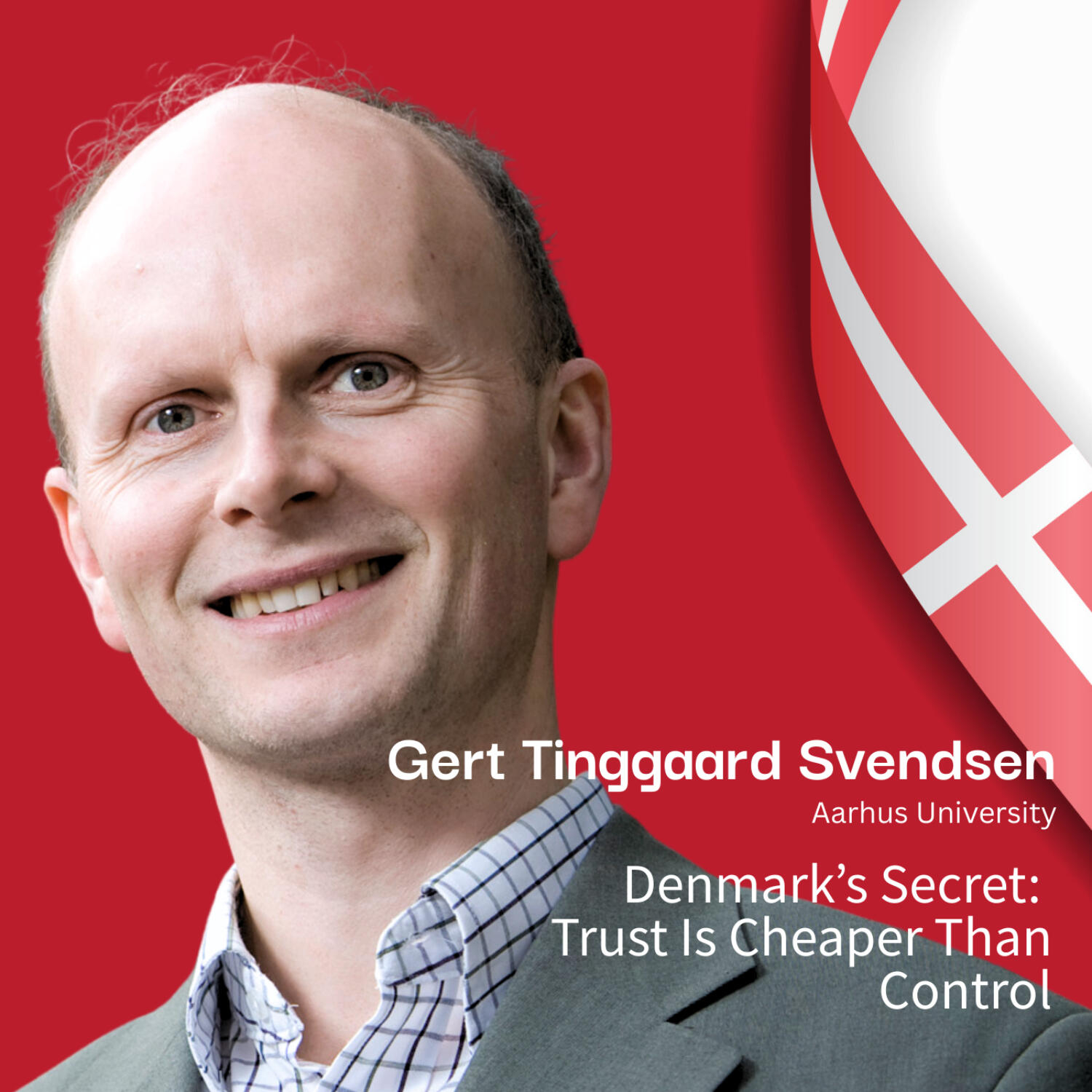 Denmark’s Secret: Trust Is Cheaper Than Control✨ | trustsociety+4 | Gert Tinggaard Svendsen | — | DenmarkNetherlands | trustDenmark+5 | — | 26m 14s | |
| 12/24/25 | 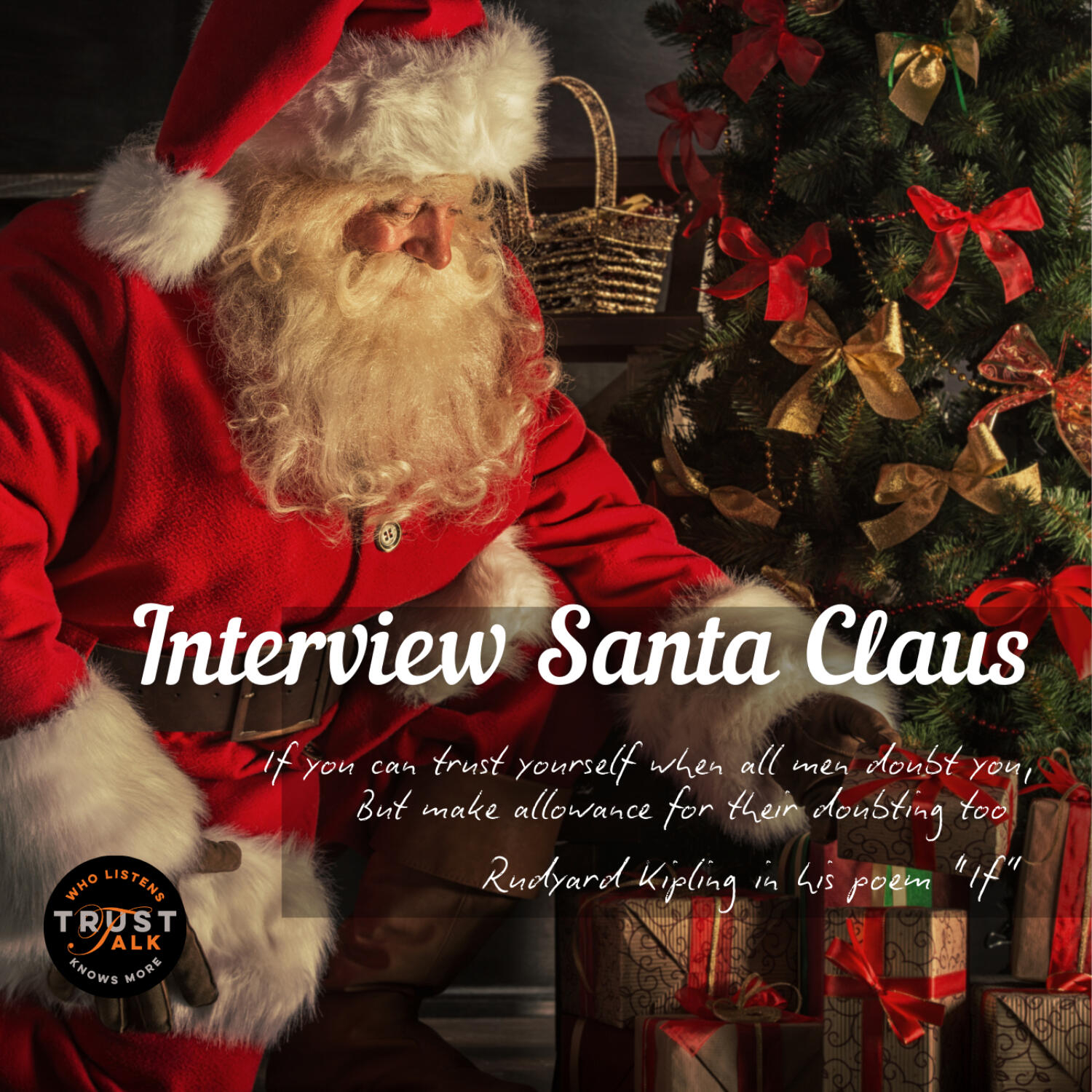 A Season for Trust✨ | trustdoubt+3 | Santa Claus | If | — | trustSanta Claus+4 | — | 10m 55s | |
| 12/16/25 | 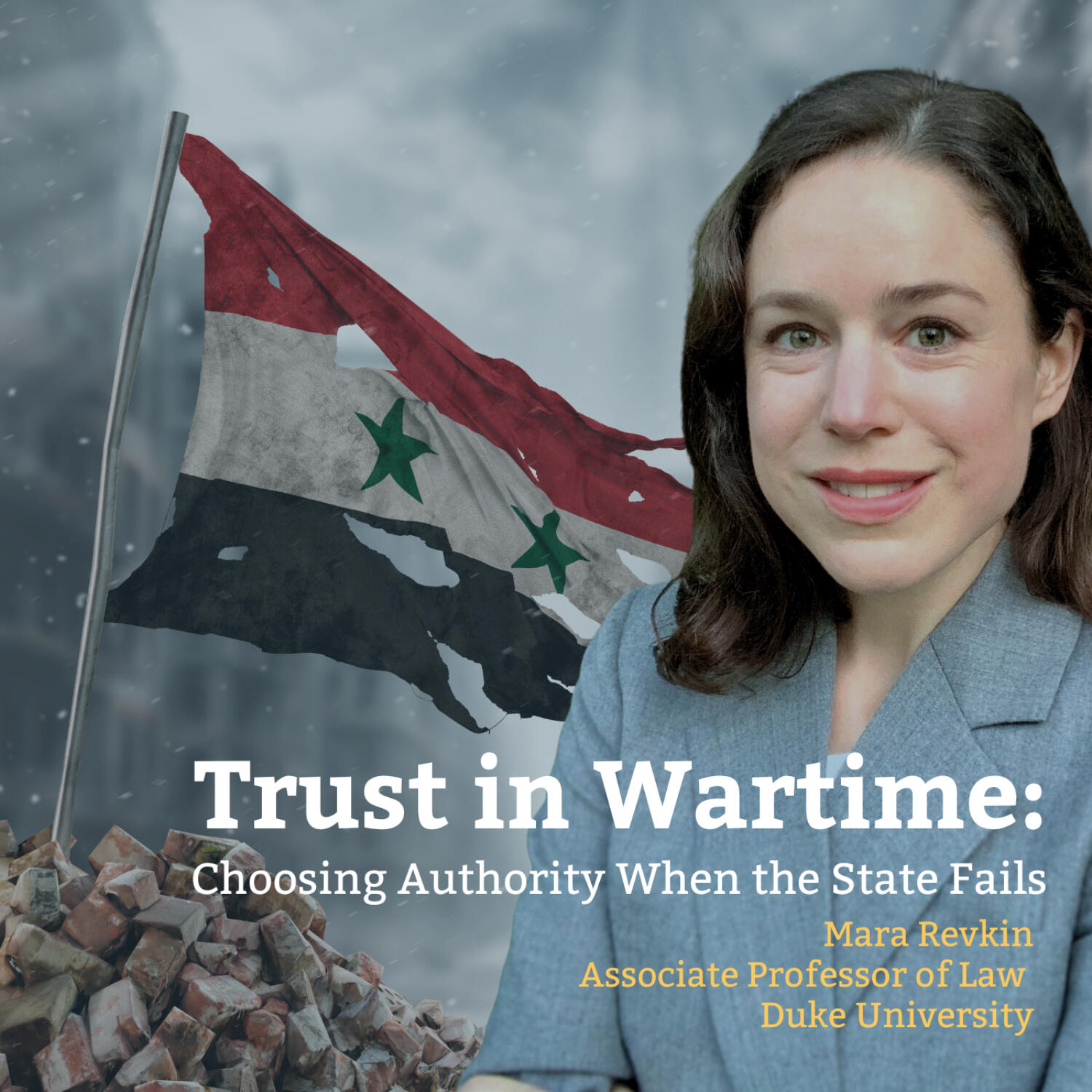 Trust in Wartime: Choosing Authority When the State Fails | Our guest, Mara Revkin, a leading scholar of governance and justice in conflict zones, talks about how civilians make trust decisions when the state collapses and armed groups take control. Drawing on fieldwork and survey research in places such as Mosul, this conversation challenges the idea that trust in wartime is driven by ideology or belief. Instead, it shows how trust under extreme conditions is often pragmatic. Civilians compare dangerous alternatives and look for the authority that appears more predictable, less arbitrary, and more likely to follow its own rules. The episode explores why predictability and procedural fairness can matter more than political values or formal freedoms. Even harsh systems of rule may generate compliance when courts function quickly, corruption is limited, and rules are applied consistently. This does not produce genuine legitimacy, but it can feel safer than alternatives marked by chaos or bribery. We also discuss how civilians navigate situations of competitive governance, where states and armed groups both claim authority. Trust becomes relative rather than absolute and is shaped by everyday experiences with justice, security, and basic services. This form of trust is fragile and erodes quickly when governance becomes more coercive or unpredictable. The conversation examines how military conduct affects civilian perceptions during active conflict. Civilians judge armed actors by perceived intent, proportionality, and communication. Harm that is poorly explained or left uncompensated can undermine trust, even when unintended, while material compensation often matters more than apologies alone. Finally, the episode turns to post-conflict justice and reintegration. Externally imposed solutions often struggle to gain trust when communities are excluded from their design. While rehabilitation, apologies, and compensation can help rebuild social relations, there are limits shaped by the severity of past harm and time. A central insight runs throughout the episode: trust in wartime is not about shared values or moral approval, but about survival and predictability when every option is risky. | — | ||||||
| 11/30/25 | 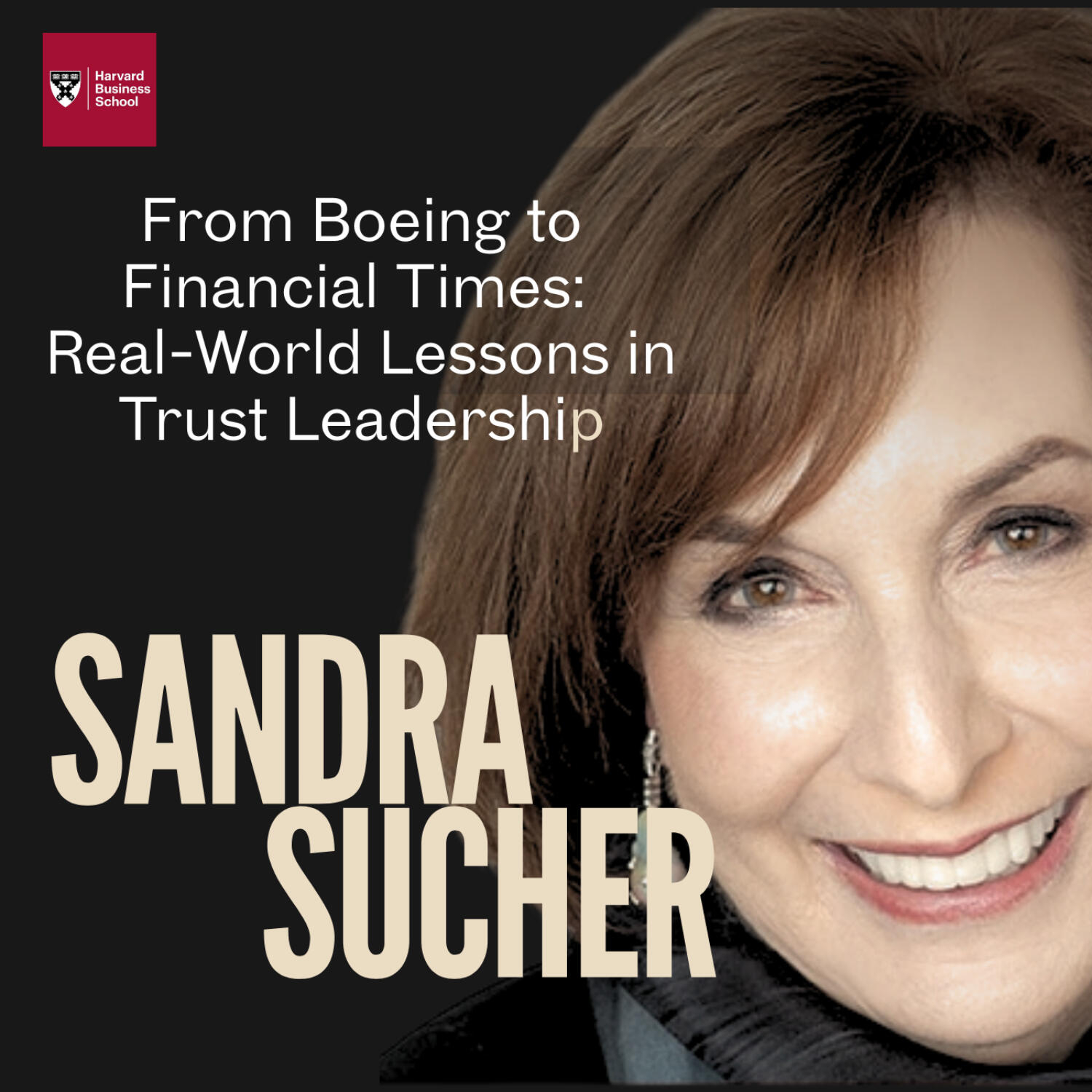 From Boeing to Financial Times: Real-World Lessons in Trust Leadership | Trust isn’t tested in calm moments; it’s exposed when leaders face uncertainty, conflicting demands, and real human consequences. This episode traces that reality across multiple organizations and industries. We look at Boeing, where leaders underestimated the depth and duration of a crisis that reshaped global aviation trust. We examine Nokia’s Bochum layoffs, a case that shows how a single restructuring decision can destroy trust not only with employees but with governments and the public. We also dive into Twiddy’s pandemic playbook, where open communication became a lifeline; Itochu’s long-term social commitments, which contrast sharply with Western quarterly pressures; and the Financial Times’ transparent approach to generative AI, setting a new benchmark for media trust. Together, these cases reveal patterns: leaders often misjudge crises, overlook human impact, and underestimate how long it truly takes to repair trust, yet the organizations that get it right show that trust can be a real competitive advantage. | — | ||||||
| 11/13/25 | 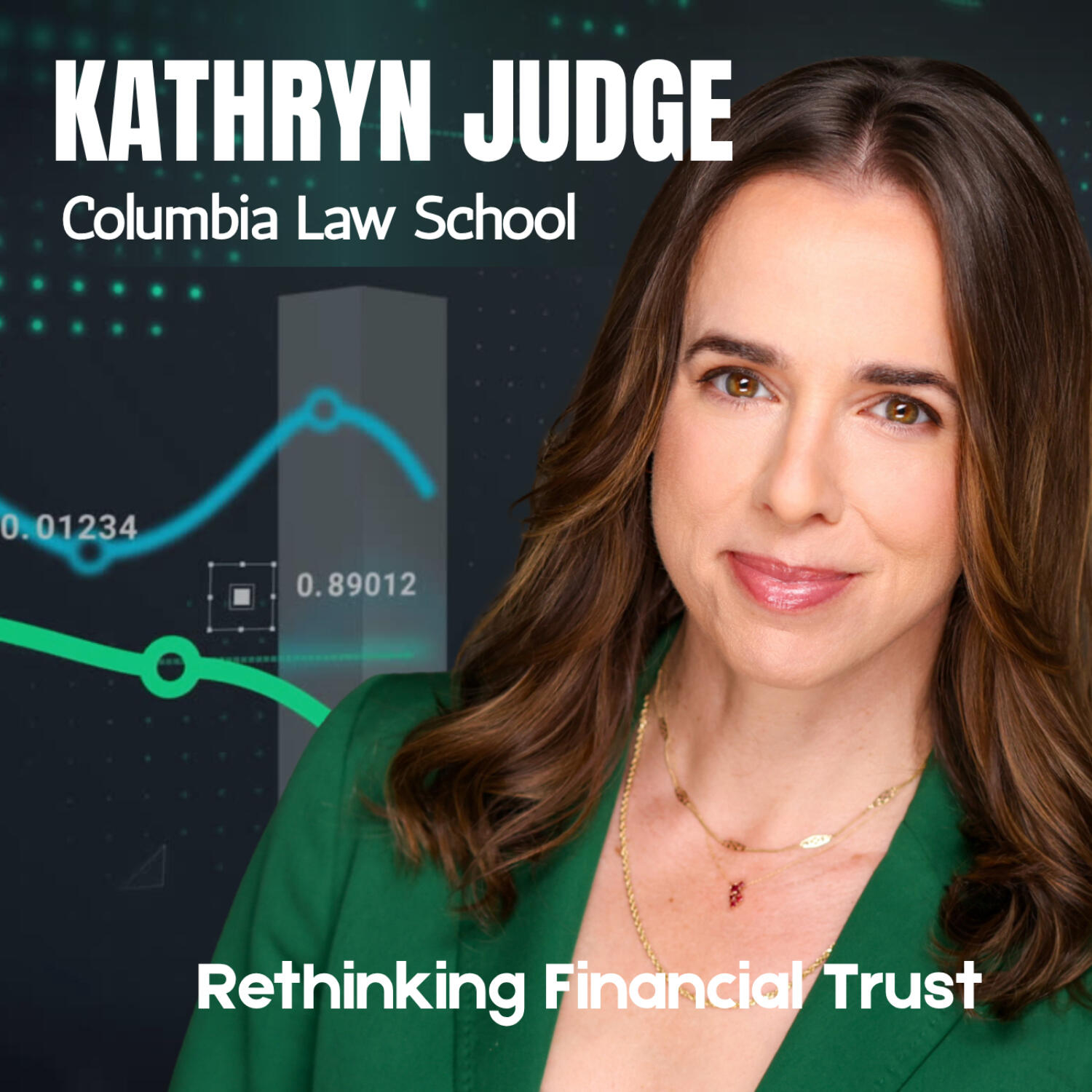 Rethinking Financial Trust | Our guest, Kathryn Judge from Columbia Law School, explores how trust quietly sustains the financial system and why it becomes most visible when things start to break. She explains that in finance, trust means acting despite incomplete information. Depositors often have little insight into the health of their bank, yet they continue to keep money there, relying on signals, habits, and confidence. When that confidence falters, trust does not fade slowly. It snaps, as seen in the rapid bank runs of 2023. Judge points out that technology accelerates these reactions, while strong relationships, particularly in community banking, can still hold panic at bay. We examine how post-2008 rules improved resilience but also created expectations that governments will always intervene. That expectation has its own dangers. If markets believe support is guaranteed, discipline erodes, and when the government reaches its limits, panic can spread even faster. Kathryn stresses that credible transparency paired with the ability to act remains essential. She highlights the successful stress tests after the financial crisis as a rare example where disclosure built trust instead of shaking it. Balance sheet strength, liquidity, and established human relationships continue to be powerful stabilizers. We discuss the current political environment and the pressures facing central banks. The Federal Reserve’s independence, she notes, has always been fragile, designed to avoid short-term political influence over monetary policy. Once doubt about that independence grows, long-term inflation expectations and sovereign credibility can shift, which households eventually feel in the form of higher prices, interest rates, and economic uncertainty. Kate Judge also touches on her work on the middleman economy, describing how long supply chains and platform-based systems create efficiency but reduce direct connection. Efficiency comes with fragility, and the loss of human connection makes trust harder to form and easier to lose. Toward the end of the conversation, we move to Europe and the debate over Eurobonds. She explains that shared debt across EU member states could deepen trust and strengthen the financial system if supported by genuine political commitment. At the same time, linking national financial destinies increases scrutiny and potential friction. Trust and vulnerability rise together, and success would depend on a shared willingness to stand together in good times and in crisis. Her core message is straightforward: trust makes finance work until the moment it breaks, and rebuilding it is far harder than maintaining it. Real stability comes from credible commitments, transparency paired with action, and deeper human and institutional relationships. | — | ||||||
| 10/23/25 | 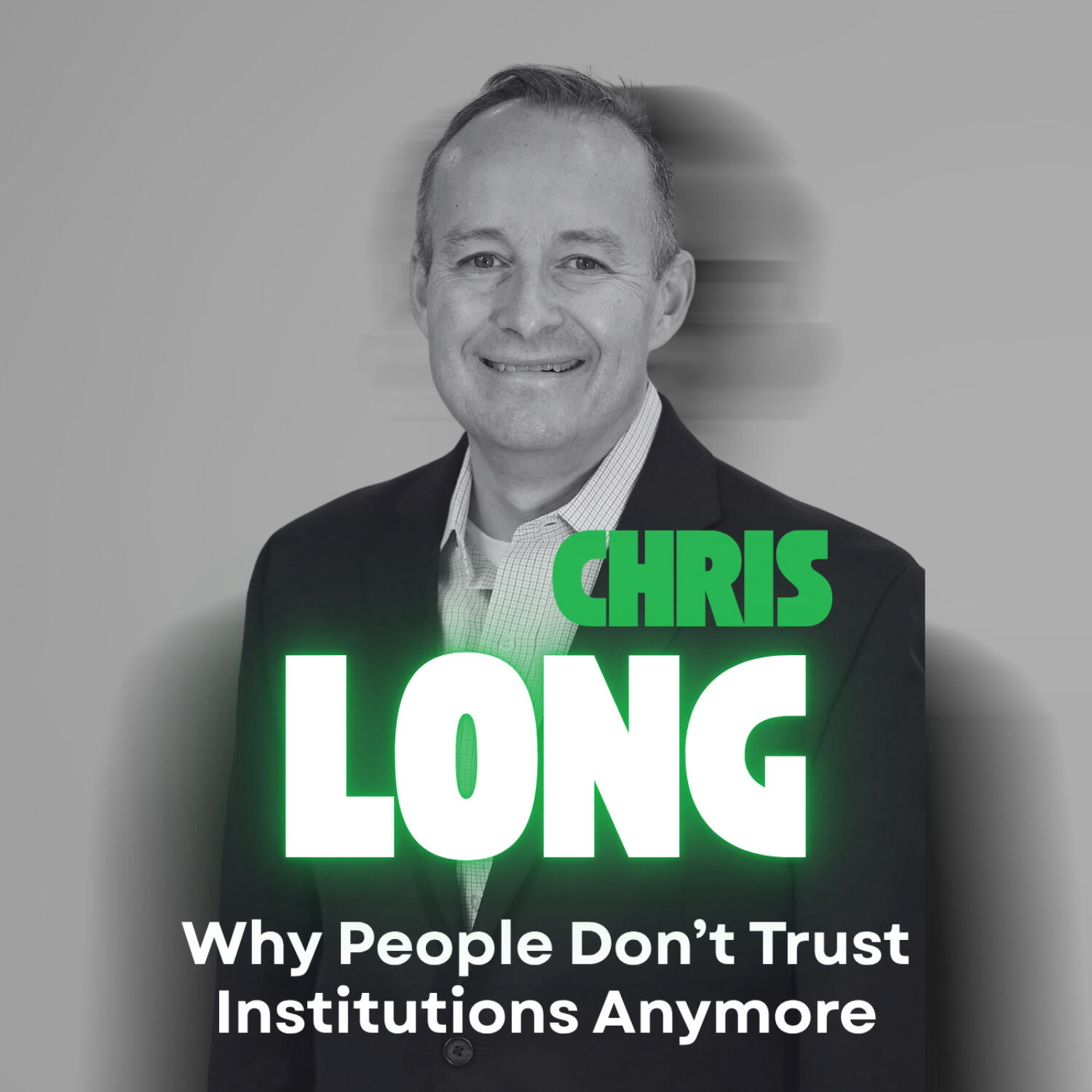 Why People Don’t Trust Institutions Anymore | Trust in institutions, says Chris Long, professor at St. John’s University in New York City and a leading scholar on trust, control, and institutional contradictions, erodes when there’s a gap between what organizations say and what they actually do. These “institutional contradictions”, when stated values and real-world behaviour diverge, create confusion and cynicism among citizens and employees alike. In this conversation, Chris explores why such contradictions are so damaging, how they emerge, and what leaders can do to repair the trust that’s lost as a result. He refers to striking examples: from the Dutch childcare benefits scandal (het Toeslagenschandaal), where automated systems falsely labeled thousands of families as fraudsters, often targeting those with foreign-sounding names, to the Volkswagen emissions case, Germany’s Wirecard collapse, and earlier accounting scandals such as Arthur Andersen. These moments, he argues, are not just technical failures but moral ones: “Institutions must first acknowledge what went wrong, in detail, and explain the logic that led to it. Only then can corrective actions sound credible.” They show how technology, bureaucracy, and misaligned incentives can devastate public trust together. Chris also discusses the fine line between control and trust inside organizations. After Covid, many leaders demanded employees return to the office without consultation, framing control as discipline rather than dialogue. Absolute trust, he insists, grows when people are given a voice and when leaders show vulnerability, asking for people’s opinions, and showing how those opinions shape their decisions. From the Tylenol crisis of the 1980s to modern corporate and political scandals, Chris’s message is consistent: trust is rebuilt only through visible accountability, transparency, and shared ownership of mistakes. | — | ||||||
| 10/9/25 | 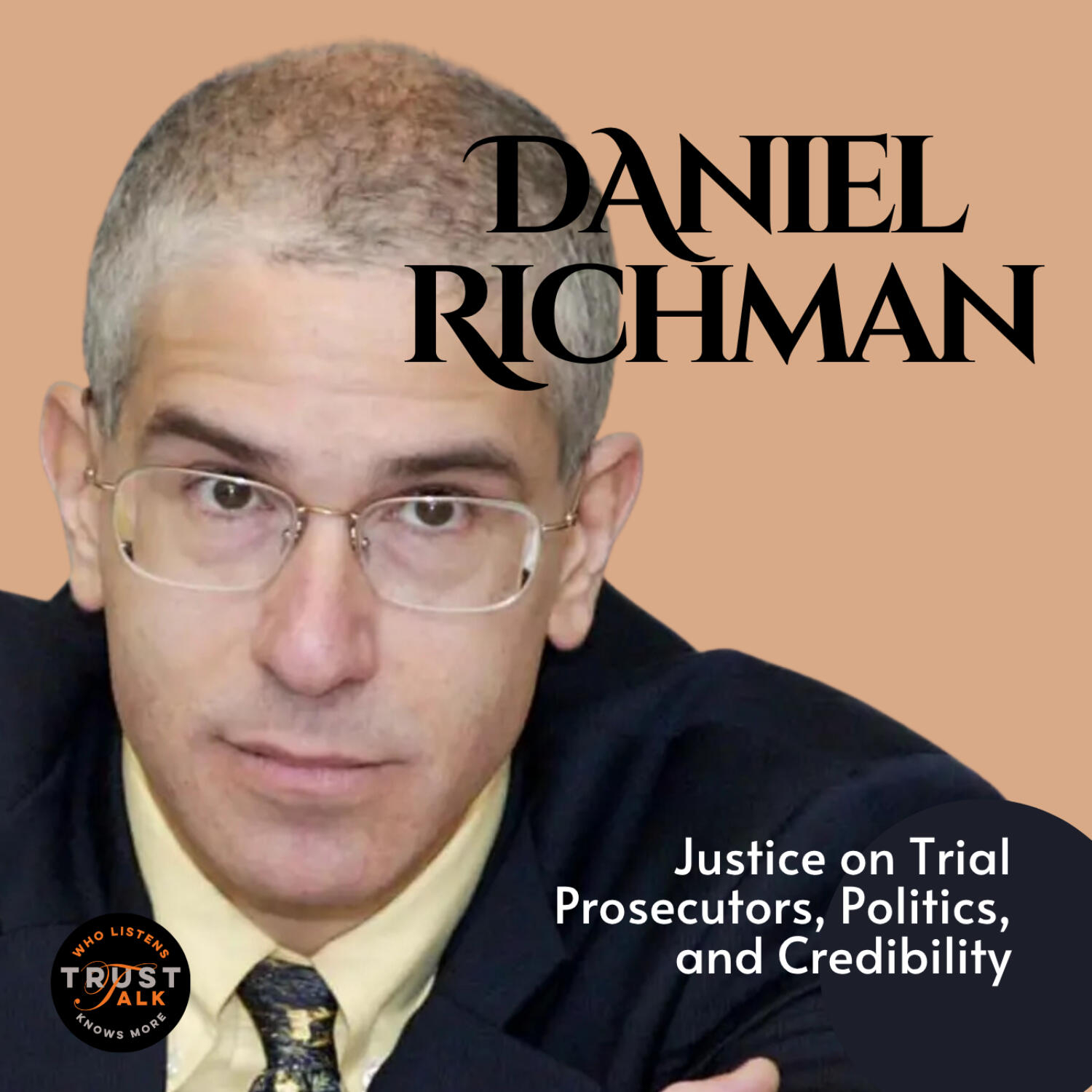 Justice on Trial, Prosecutors, Politics and Credibility | Few people stand closer to the intersection of politics and justice than prosecutors. In this episode, former federal prosecutor and Columbia Law School professor Dan Richman discusses why public trust is both the backbone of the justice system and its most fragile component. He explains how prosecutors have a uniquely delicate role in a democracy: they help build public trust, yet depend on that same trust to do their job. When politics begins to influence decisions about who is charged and who isn’t, the credibility of the entire system is at risk. Drawing on his New York Times op-ed, Dan reflects on how the Justice Department’s credibility weakened during the Trump years as prosecutors and FBI agents faced political pressure and courtroom integrity gave way to partisanship. He discusses how prosecutorial choices shape people’s sense of fairness, why complete transparency isn’t always possible, and how difficult it is to remain accountable without turning justice into a political issue. This conversation offers a clear and honest examination of what happens when trust in law enforcement begins to erode, and why the integrity of prosecutors is crucial to maintaining any democracy grounded in the rule of law. | — | ||||||
| 9/24/25 | 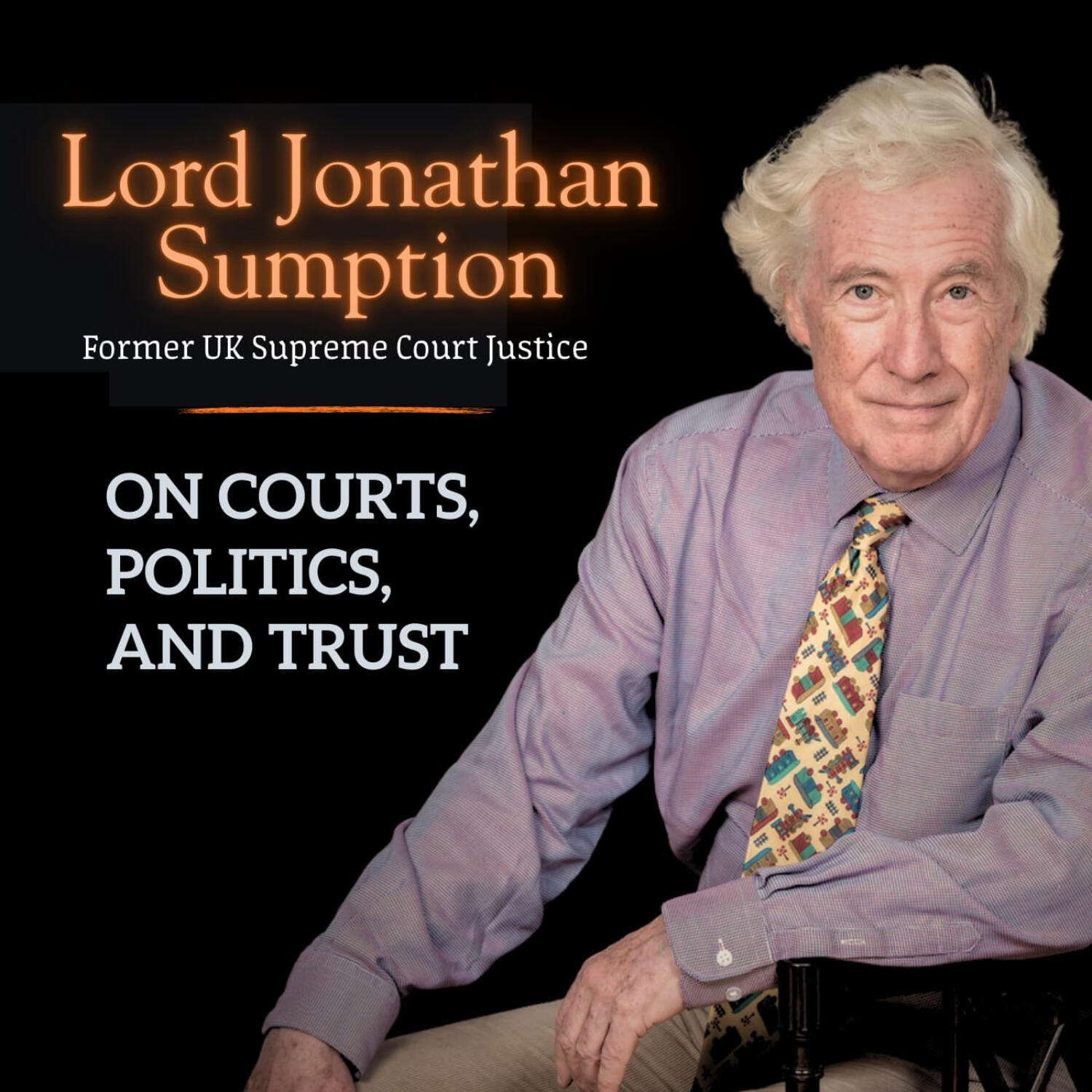 On Courts, Politics and Trust | Our guest in this episode is Lord Jonathan Sumption, former Justice of the UK Supreme Court, acclaimed historian, and one of Britain’s leading public voices on law and democracy. The conversation explores the uneasy boundary between law and politics. Sumption reflects on the long history of the U.S. Supreme Court as a political actor, from the Lochner era’s resistance to worker protections, through clashes with Roosevelt’s New Deal, to the landmark Brown v. Board of Education decision on school segregation. He examines the controversies of Roe v. Wade and its recent reversal, warning that both decisions undermined trust in different ways. Lord Sumption also considers how courts respond when politics fails, the role of judicial appointments in shaping independence, and why democracies today struggle with expectations they cannot meet. Despite widespread skepticism, he insists that neutrality is not a myth: judges can set aside personal opinions, and trust in courts depends on their ability to do so. This episode offers a sobering yet hopeful look at the fragile balance between courts, politics, and public trust and why defending judicial neutrality is essential for the future of democracy. | — | ||||||
| 9/10/25 | 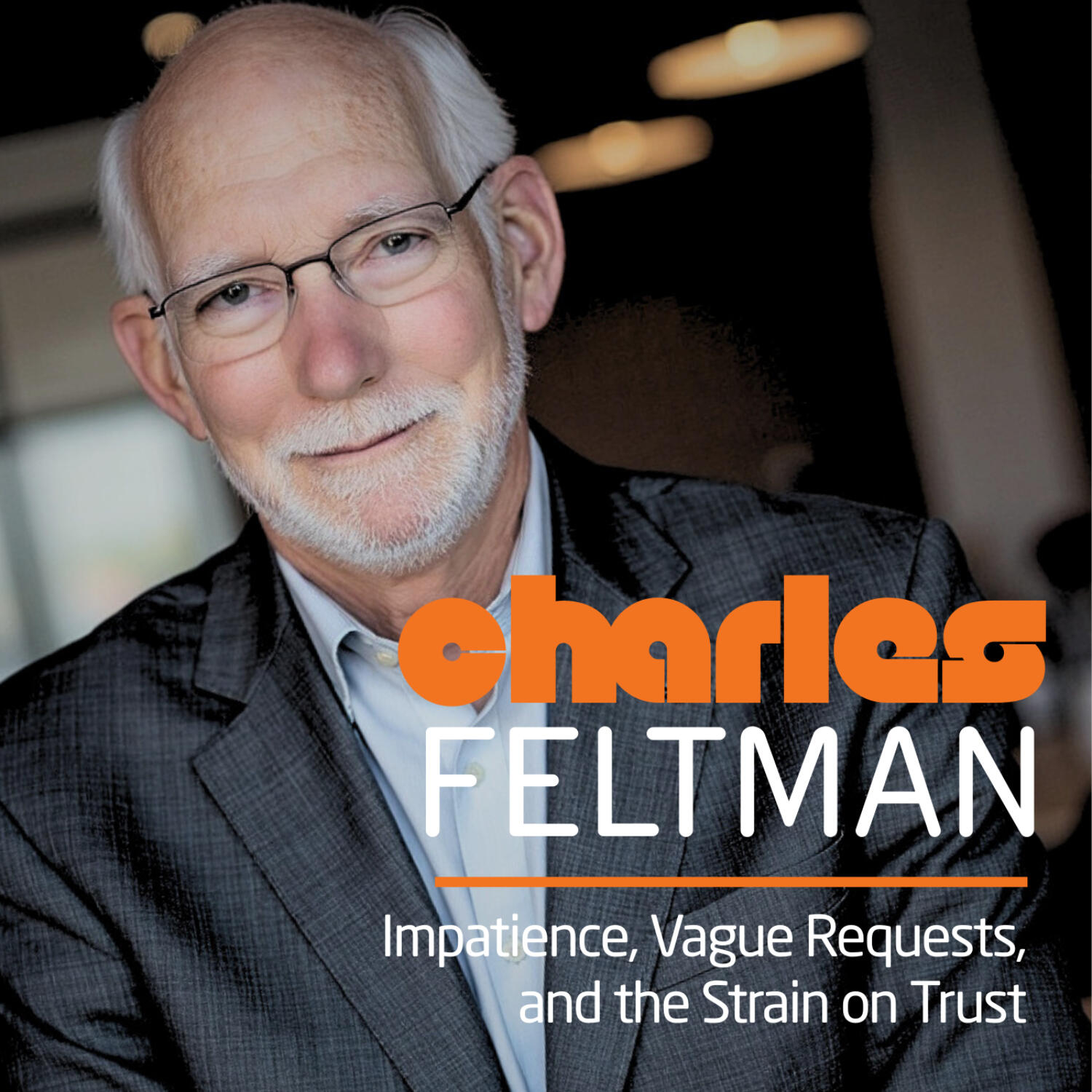 Impatience, Vague Requests, and the Strain on Trust | Our guest is Charles Feltman, founder of Insight Coaching and author of The Thin Book of Trust. Charles has spent decades helping leaders and teams strengthen their ability to lead through trust. He explains how trust is not built in theory but in everyday situations where it can grow or erode, in vague requests, unclear feedback, or the rush to move too fast at work. His framework is simple: trust rests on care, sincerity, reliability, and competence. Miss one, and trust wobbles, though care, knowing someone has your back, often matters most. Charles shares how slowing down just enough to clarify commitments can prevent broken promises, how disagreements can become opportunities rather than breakdowns, and how anxiety often primes us for distrust unless we pause to “trust wisely.” This conversation is full of practical insights you can use right away, showing that trust is built, or lost, in the small choices we make every day. | — | ||||||
| 7/30/25 | 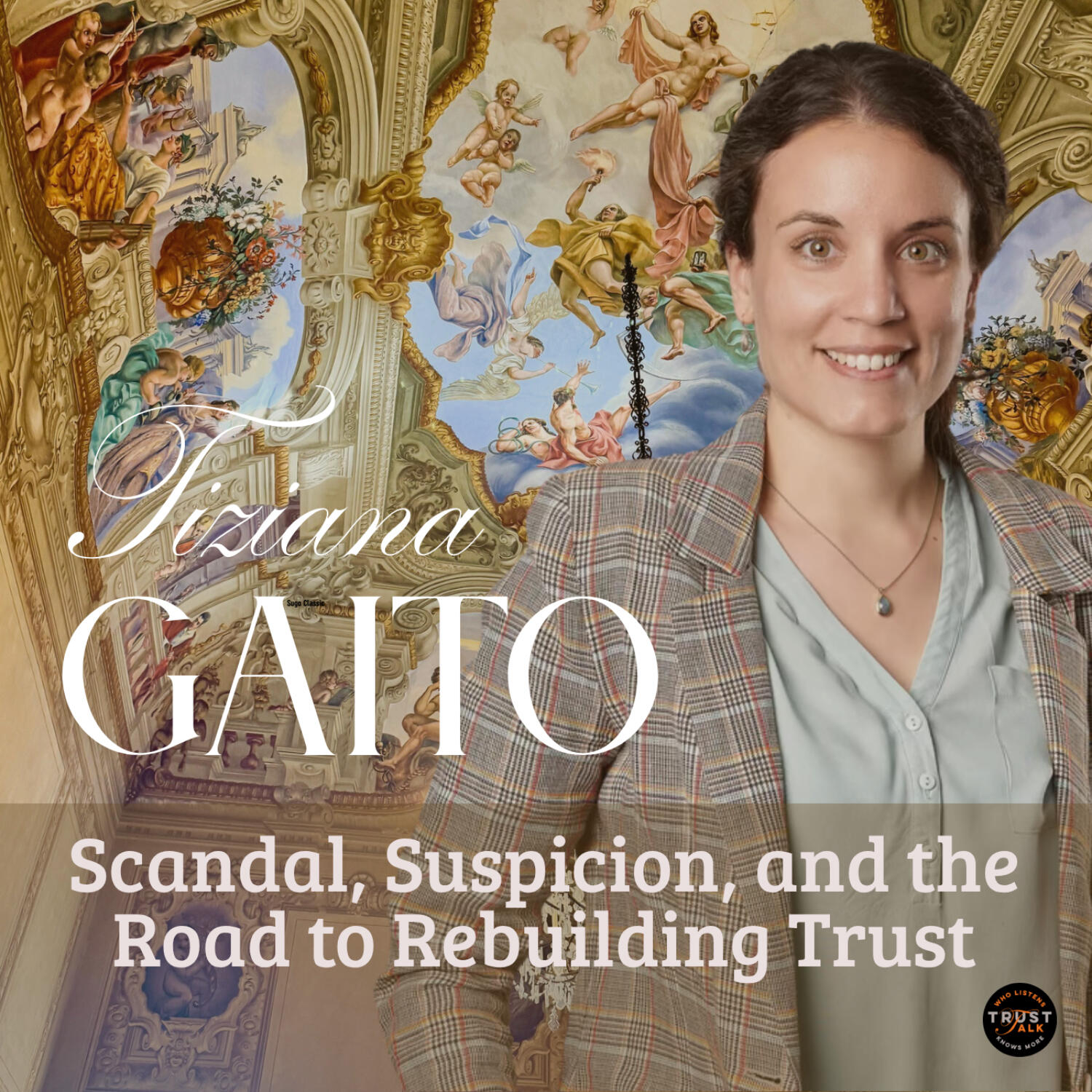 Scandal, Suspicion, and the Road to Rebuilding Trust | My guest, Tiziana Gaito explores what happens when a company caught in a sustainability scandal loses the trust of its stakeholders, and isn’t even believed when trying to make amends. Rather than offering a simple story of repair, it delves into the deeper dynamics of distrust: how it forms, why it lingers, and what makes it fundamentally different from trust that’s merely been shaken. The conversation traces the organization’s journey through a prolonged period of mutual suspicion, showing how clashing values and perceived malevolence fueled tensions on both sides. Traditional approaches to trust repair proved ineffective, as stakeholders questioned the company’s intentions and withdrew from dialogue altogether. It was only when a credible third party stepped in, neutral and trusted by both sides, that limited re-engagement became possible. Even then, what emerged wasn’t full trust, but a fragile acceptance marked by continued scrutiny and doubt. Along the way, the episode reveals why internal coherence is crucial to external credibility, why front-stage communication must be matched by backstage relational work, and why, in moments of deep distrust, listening often matters more than messaging. It’s a candid look at the emotional and organizational complexity of restoring broken relationships. | — | ||||||
| 7/10/25 | 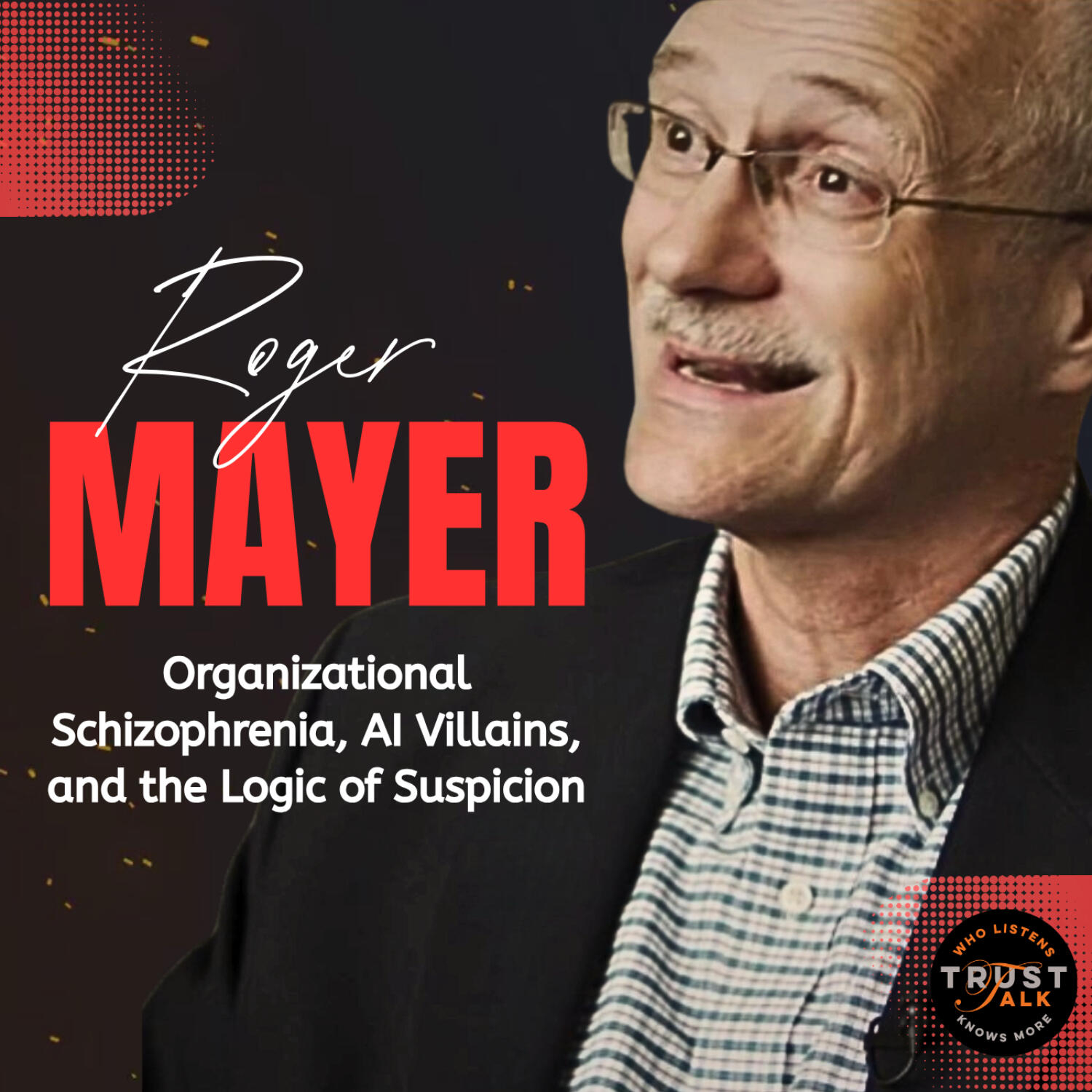 Organizational Schizophrenia, AI Villains, and the Logic of Suspicion | Our guest today is Roger Mayer, one of the most influential scholars in the field of trust and co-creator of a widely cited model of organizational trust. After attending Roger's presentation at the FINT Conference in Genoa, Italy, podcast host Severin de Wit sat down with him for a conversation on the evolving nature of trust and the surprising role that suspicion plays within it. The conversation begins with two striking images from Mayer’s FINT talk: HAL 9000, the eerily calm AI from the movie "2001: A Space Odyssey", and the Shoggoth, a chaotic, shapeshifting creature recently adopted as a meme in AI circles. Mayer uses these metaphors to illustrate a central dilemma: as AI systems become more powerful and autonomous, how do we trust something we don’t fully understand? Mayer introduces the concept of state-level suspicion, based on research by Bobko, Barelka, and Hirshfield. He explains that suspicion isn’t just a gut feeling; it’s a cognitive state involving uncertainty, heightened awareness, and the perception of possible harm. Far from being purely negative, suspicion may serve as a protective and even constructive force in complex organizational settings. A major focus of the episode is what Mayer calls Organizational Dissociative Identity Disorder (ODID). In this phenomenon, organizations send conflicting signals to employees, behave inconsistently, or act as if they have “multiple personalities.” Whether caused by mergers, mission drift, or rogue internal actors, ODID can undermine trust and leave employees feeling destabilized. Roger discusses how AI can further complicate this dynamic when its decision-making processes are opaque or misaligned with human expectations. Roger Mayer previously appeared on TrustTalk in our March 13, 2024 episode, where we explored the foundations of his trust model. In this follow-up conversation, we focus on the emerging tensions between trust, technology, and organizational coherence. | — | ||||||
| 6/26/25 | 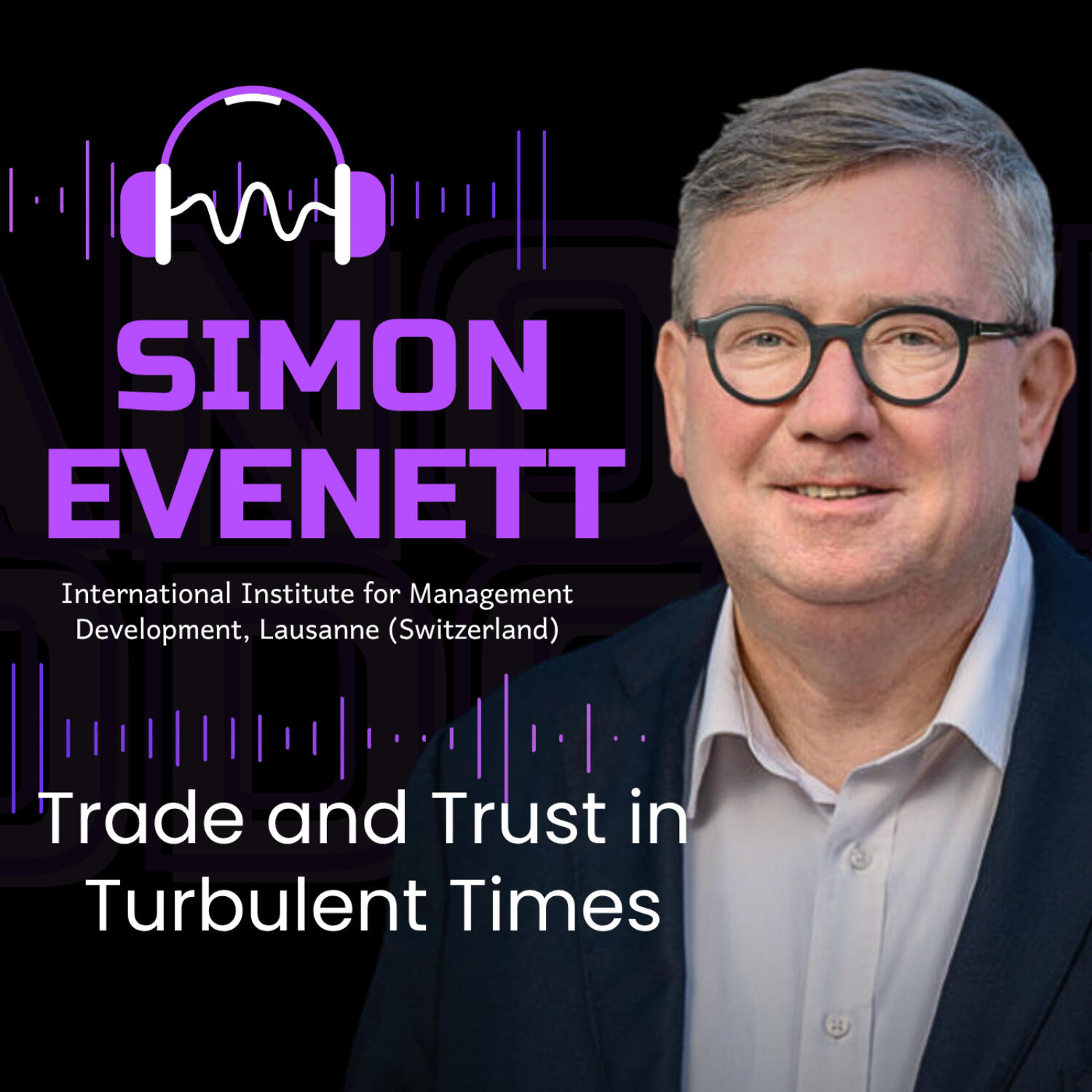 Trade and Trust in Turbulent Times | What happens to global trade when nations stop trusting each other? Our guest, Simon Evenett, Professor of Geopolitics and Strategy at IMD and co-chair of the World Economic Forum’s Global Future Council on Trade and Investment, offers a compelling look at how trust—or the erosion of it—is transforming the global trading system. He explains that international commerce has always depended on a degree of trust, even with rules in place. Since no rulebook is ever complete, trust and reputation step in to keep the system functioning. Evenett reflects on the shift from trade as a cooperative force to trade as a geopolitical weapon. Governments increasingly use export controls and trade restrictions to serve foreign policy and national security goals, and global institutions like the WTO are struggling to keep up. The WTO, once a cornerstone of global trade, is now weakened, especially in areas where rules on export controls are thin or unenforceable. He also examines the fallout from recent U.S. policies, particularly the “America First” agenda, which has eroded trust in the U.S. as a reliable trading partner. On the business side, Evenett notes that companies operating across borders are placing a growing premium on reliability. In today’s unpredictable world, trust has become a competitive advantage. While some global trade remains essential—such as in raw materials—many firms are beginning to favor regional supply chains where political stability and trust are stronger. Evenett believes that rebuilding global trust won't necessarily require new institutions but rather a government recommitment to stable, predictable trade policies. He sees promise in smaller coalitions of like-minded countries forming “oases of stability” in an otherwise fragmented trade landscape. His closing advice to future policymakers: spend more time understanding how businesses work. Trade policy detached from commercial realities risks is doing more harm than good. | — | ||||||
| 6/12/25 | 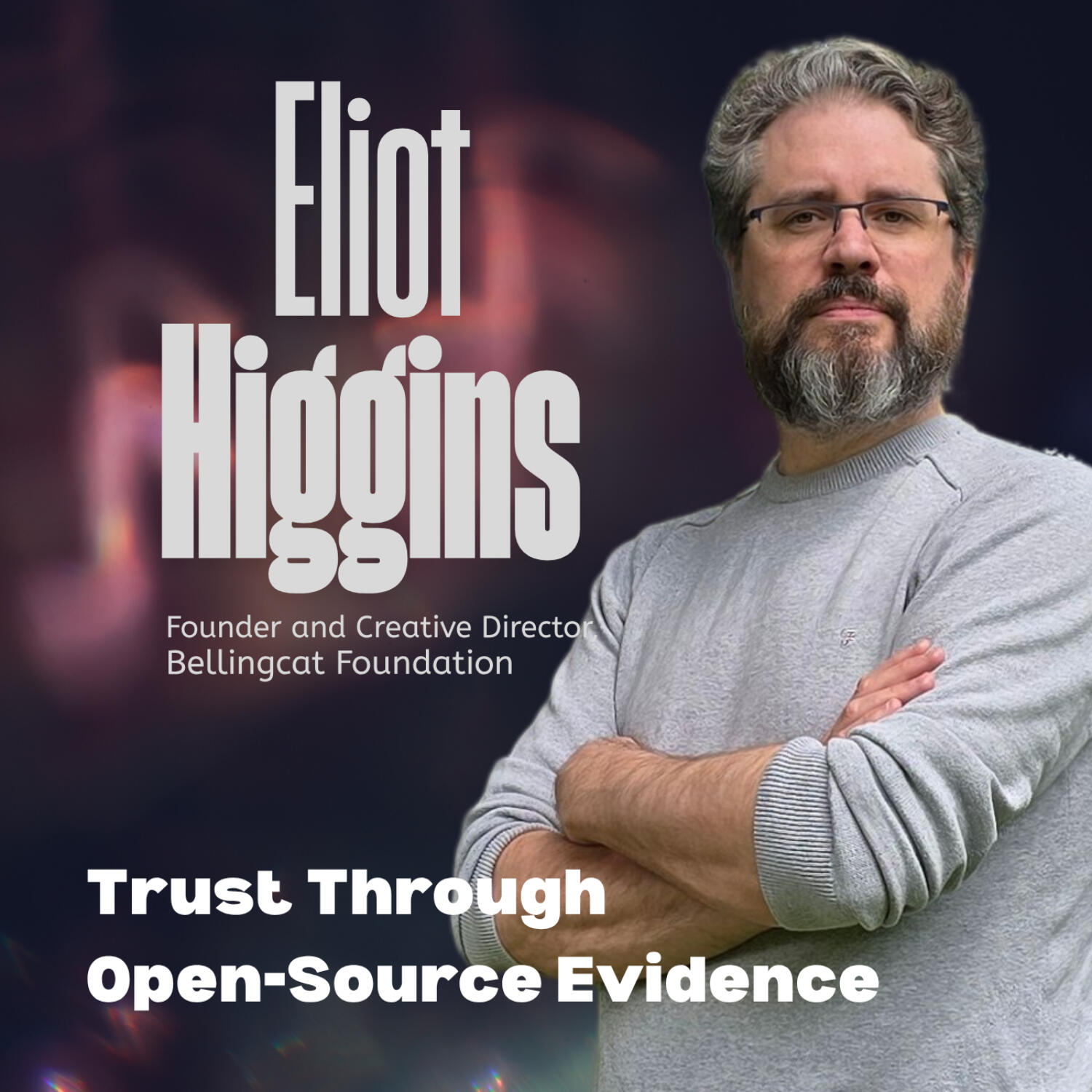 Trust Through Open-Source Evidence | Our guest today is Eliot Higgins, founder of Bellingcat, the groundbreaking open-source collective that has transformed investigative journalism. From uncovering the truth behind the downing of MH17 to documenting war crimes and exposing global disinformation campaigns, Bellingcat demonstrates how ordinary citizens, equipped with digital tools, can challenge the narratives of the powerful. Eliot recounts his unconventional path into investigative journalism, his motivations for launching Bellingcat, and the organization’s mission to make evidence-based inquiry accessible to all. He reflects on the fragile state of public trust, the manipulation of truth in the digital age, and the ethical tightrope walked by journalists today. This conversation dives into the challenges of verifying facts in a landscape shaped by AI, deepfakes, and engagement-driven algorithms—and offers a hopeful vision for how transparency, critical thinking, and a new generation of citizen investigators can safeguard the future of democratic discourse. A must-listen for anyone passionate about the power and purpose of investigative journalism in turbulent times. | — | ||||||
Showing 25 of 141
Pitch Fit is a Pro feature
See how bookable this show is for guests, which brands already advertise, the per-episode ad value, and the best-fit guest and sponsor profile. The numbers are blurred on the free plan.
How readily this show books outside guests like you.
How proven this show is for host-read sponsorships.
For Guests
ProFor Advertisers
ProUpgrade to Pro to unlock guest cadence, sponsor categories, fit scores, and per-episode ad value for this show.
Chart Positions
2 placements across 2 markets.
Chart Positions
2 placements across 2 markets.