Insights from recent episode analysis
Audience Interest
Podcast Focus
Publishing Consistency
Platform Reach
Insights are generated by CastFox AI using publicly available data, episode content, and proprietary models.
Most discussed topics
Brands & references
Est. Listeners
Insufficient chart data. Estimates will improve as the show charts.
- Per-Episode Audience
Est. listeners per new episode within ~30 days
N/A🎙 Daily cadence·88 episodes·Last published today - Monthly Reach
Unique listeners across all episodes (30 days)
N/A - Active Followers
Loyal subscribers who consistently listen
N/A
Market Insights
Platform Distribution
Reach across major podcast platforms, updated hourly
Total Followers
—
Total Plays
—
Total Reviews
—
* Data sourced directly from platform APIs and aggregated hourly across all major podcast directories.
On the show
From 15 epsHosts
Recent guests
Recent episodes
The Meta–Cred–Kunal Shah deal, stripped to its fewest assumptions
Jun 25, 2026
1h 10m 08s
Agents changed everything about hiring except the outcome
Jun 18, 2026
1h 14m 20s
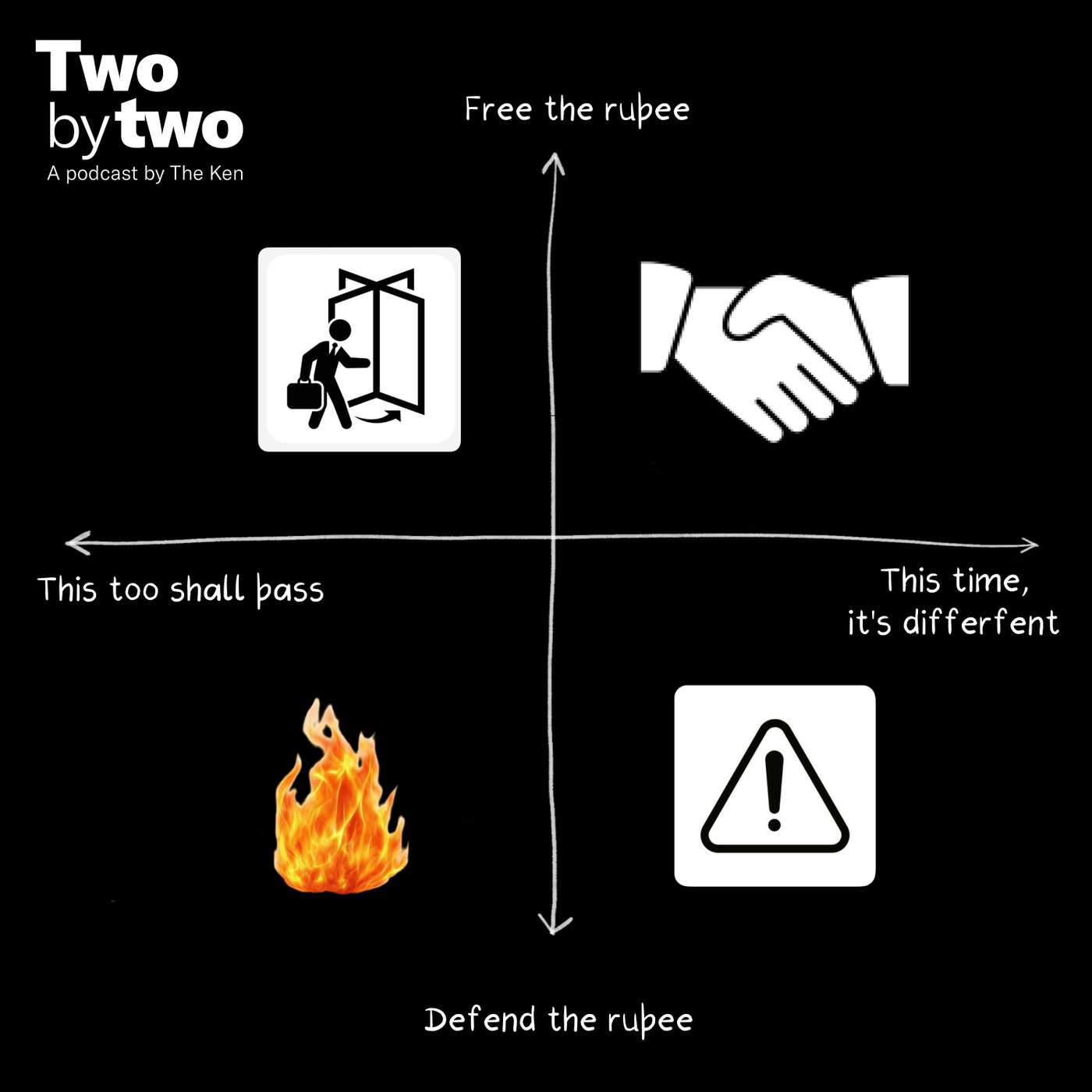
‘Free the rupee. Let it go’—How to save the market from investors
Jun 11, 2026
1h 10m 23s
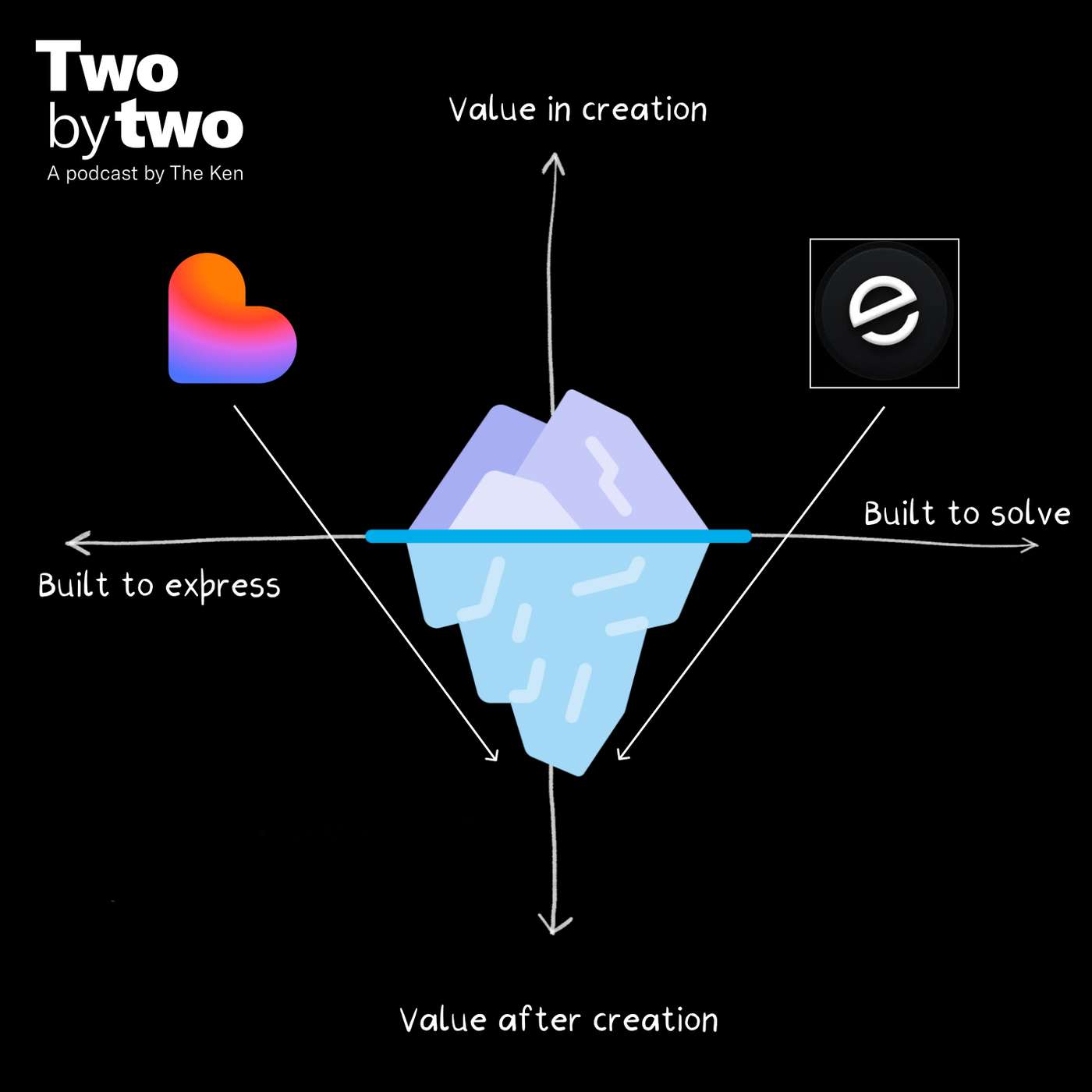
Where are Emergent’s users?
Jun 4, 2026
1h 22m 55s
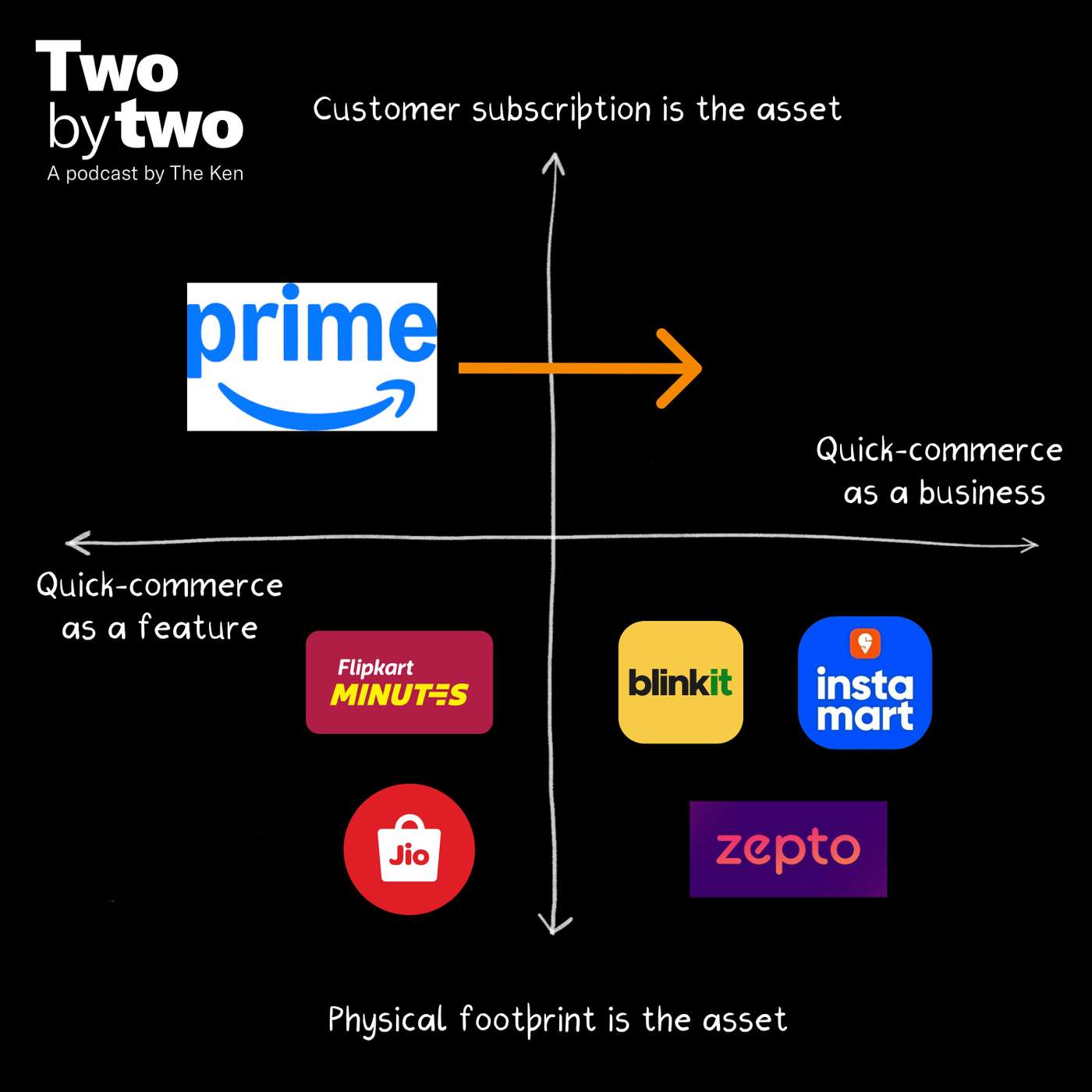
Amazon’s quick-commerce wildcard is Prime
May 28, 2026
1h 10m 22s
Social Links & Contact
Official channels & resources
Official Website
Login
RSS Feed
Login
Resolving iTunes ID\u2026 if this persists, the podcast may not be indexed on Apple Podcasts.
| Date | Episode | Topics | Guests | Brands | Places | Keywords | Sponsor | Length | |
|---|---|---|---|---|---|---|---|---|---|
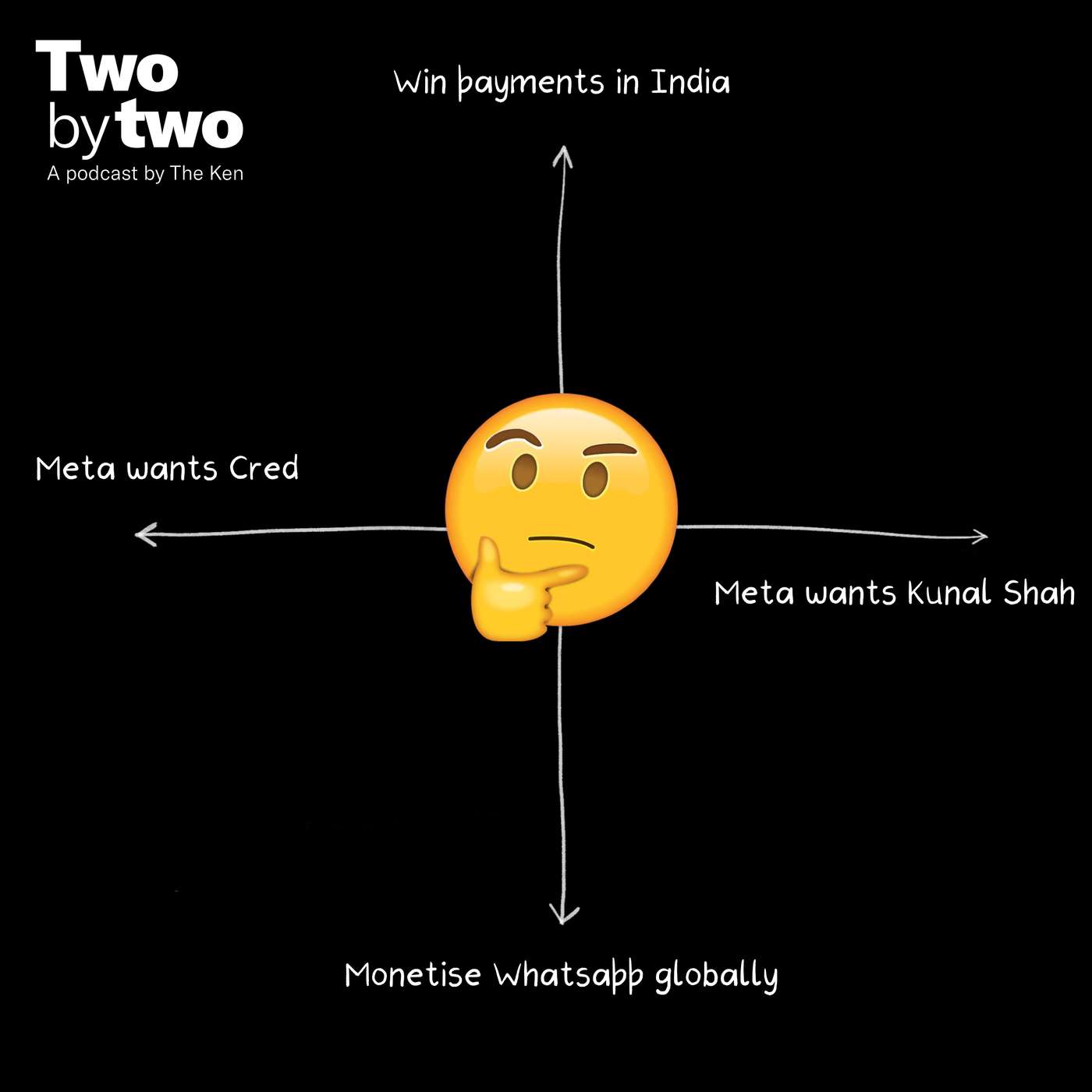
| 6/25/26 | ![]() The Meta–Cred–Kunal Shah deal, stripped to its fewest assumptions | In the 48 hours since Meta announced it was putting $900 million into Cred and taking Kunal Shah to run WhatsApp globally, you've probably read a dozen confident explanations of what it all means. Praveen and Rohin don't have one. That's the point of this episode.Because the people who actually know aren't talking, investors have liquidation preferences to protect. Operators have relationships on both sides. Insiders have NDAs. So instead of adding a 13th theory, this episode refuses to start with one.The only tool is Occam's Razor: when explanations compete, take the one that needs the fewest new assumptions, and make the grander stories earn their place. And Praveen and Rohin come into this episode, both having done their own reporting first calls to investors, operators, and ex-Cred and ex-Meta people — and try to figure out the most commonsensical answer to the calculation between Meta, Cred and Kunal Shah.Then they work through their questions, one at a time: What is Meta actually paying for? The headline says an investment in Cred. But strip away the press-release language and ask what the $900 million is really doing — buying a fast-growing fintech, or buying one founder and giving his backers a graceful exit?Is this about Indian payments? The dominant read is that Meta has finally woken up to UPI. But WhatsApp already has the licences, Cred has almost no UPI share, and even the market leaders can't monetise it. So is India the prize here, or are we just assuming it because we're sitting in it?What happens to Cred now? Kunal Shah stays a shareholder, but he's no longer driving it. Once the founder who gave the company its aura — and its valuation — steps away, what's left? A profitable, regulated, lending-first fintech spoken of in the same breath as everyone else? Why would Kunal Shah take this job? And finally, who actually wins and loses from this deal?Every answer gets tested and countered. Then, at the very end, they break their own rule and tell you exactly what they think. References* The Ken — “Where is Kunal Shah? Ask most Cred employees” (July 2024) — https://the-ken.com/story/where-is-kunal-shah-ask-most-cred-employees/* The Ken — Two by Two: Why Stripe could not become the Stripe of India: https://the-ken.com/podcasts/two-by-two/why-couldnt-stripe-become-the-stripe-of-india/ * Bloomberg — https://www.bloomberg.com/news/articles/2026-06-23/meta-s-cox-sought-shah-s-whatsapp-advice-then-made-him-leader | 1h 10m 08s | ||||||
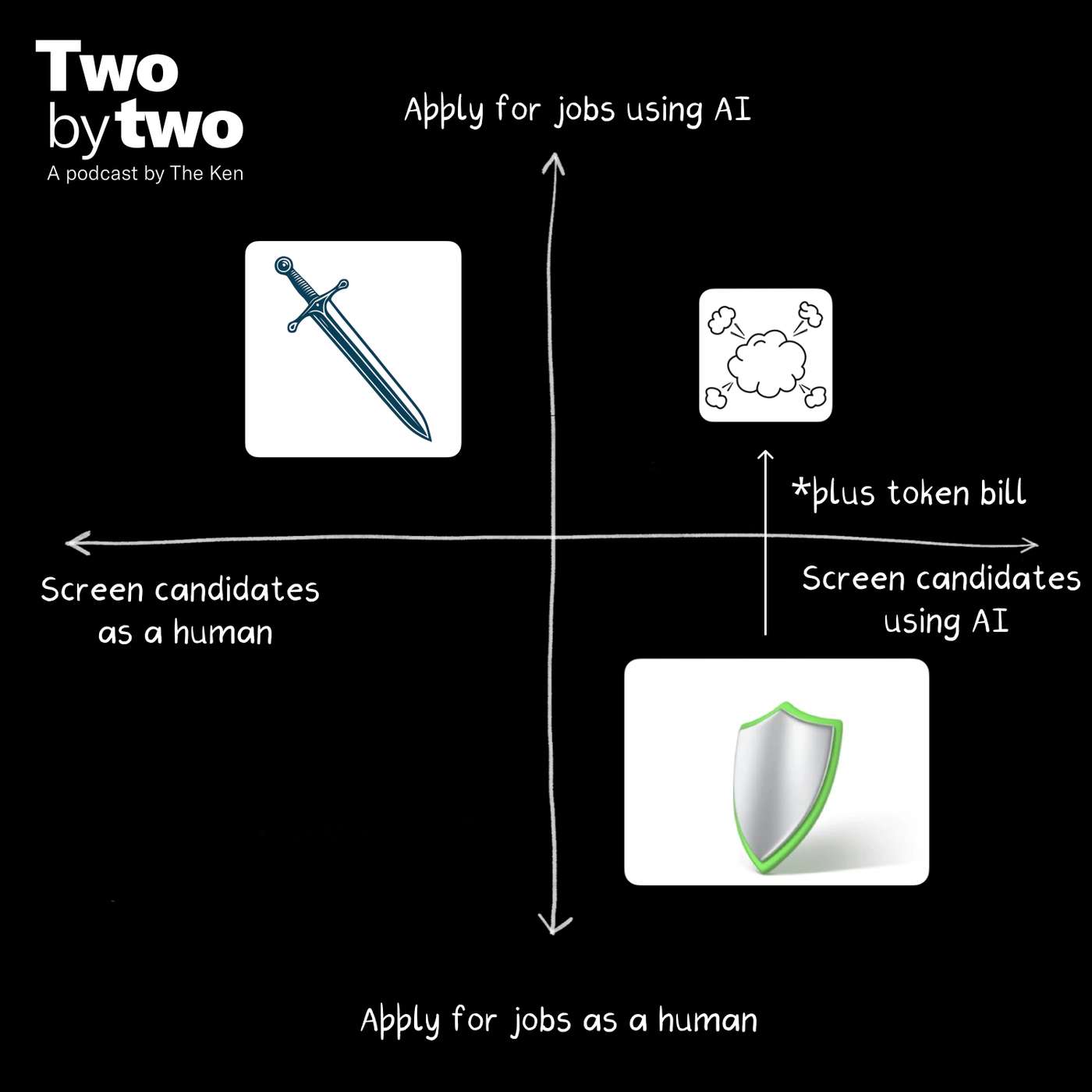
| 6/18/26 | ![]() Agents changed everything about hiring except the outcome | The newest way to build a new AI product is to say, “X is broken, and we fixed it using AI”. Well, hiring was probably broken, but AI didn’t change the outcome. Instead, it made it into an arms race where candidates are sold AI tools which help them apply to companies and roles en masse in an automated way. On the other side, recruiters who have increasingly gotten tired of the same AI-generated answers, resumes and artefacts that have been generated by AI have resorted to deploying AI systems to filter out candidates and get what they are looking for. And AI companies sit on both sides of the transaction, billing tokens while hiring outcomes come back to exactly where they were.The answer to fix hiring isn’t in deploying AI better, but in creating processes that abandon it altogether, or at the very least use it sparingly. Hiring needs to be more like a “love-marriage” with the candidate working with you as a live-in relationship. Instead, agents have made it more like an “arranged marriage”, where candidates have agents who create their profile, and agents who evaluate other profiles, before humans even meet each other. Instead of relatives and parents, the machines are doing the role and getting paid for it.Praveen takes this position and argues it against two founders who have gone all-in on incorporating machines and agents to "solve" for hiring. On the company side, Aakash Dharmadhikari, Co-founder of Realfast.ai, has adopted the approach where every candidate must spin up an agent and apply using it on their MCP for all technical and non-technical roles. On the candidate side, Saumil Tripathi, CEO of Grapevine, has created an agentic product called TAL, which helps candidates match and apply for jobs en masse.In this episode, both of these founders defend their approaches and argue that they have, in fact, solved hiring in their own ways, with better outcomes for companies and candidates.Guests: Aakash Dharmadhikari, Co-founder, Realfast.ai · Saumil Tripathi, CEO, Grapevine | 1h 14m 20s | ||||||
| 6/11/26 | ![]() ‘Free the rupee. Let it go’—How to save the market from investors✨ | Indian economymarket stability+4 | Anupam ManurDeepak Shenoy | RBI | IndiaIndian markets | rupeeSIP+7 | — | 1h 10m 23s | |
| 6/4/26 | ![]() Where are Emergent’s users?✨ | consumer AIstartup growth+3 | — | EmergentKhosla Ventures+10 | India190 countries | Emergentconsumer AI+6 | — | 1h 22m 55s | |
| 5/28/26 | ![]() Amazon’s quick-commerce wildcard is Prime✨ | quick commerceAmazon Now+4 | Vishal Gahlaut | AmazonBlinkit+3 | — | quick commerceAmazon Now+5 | — | 1h 10m 22s | |
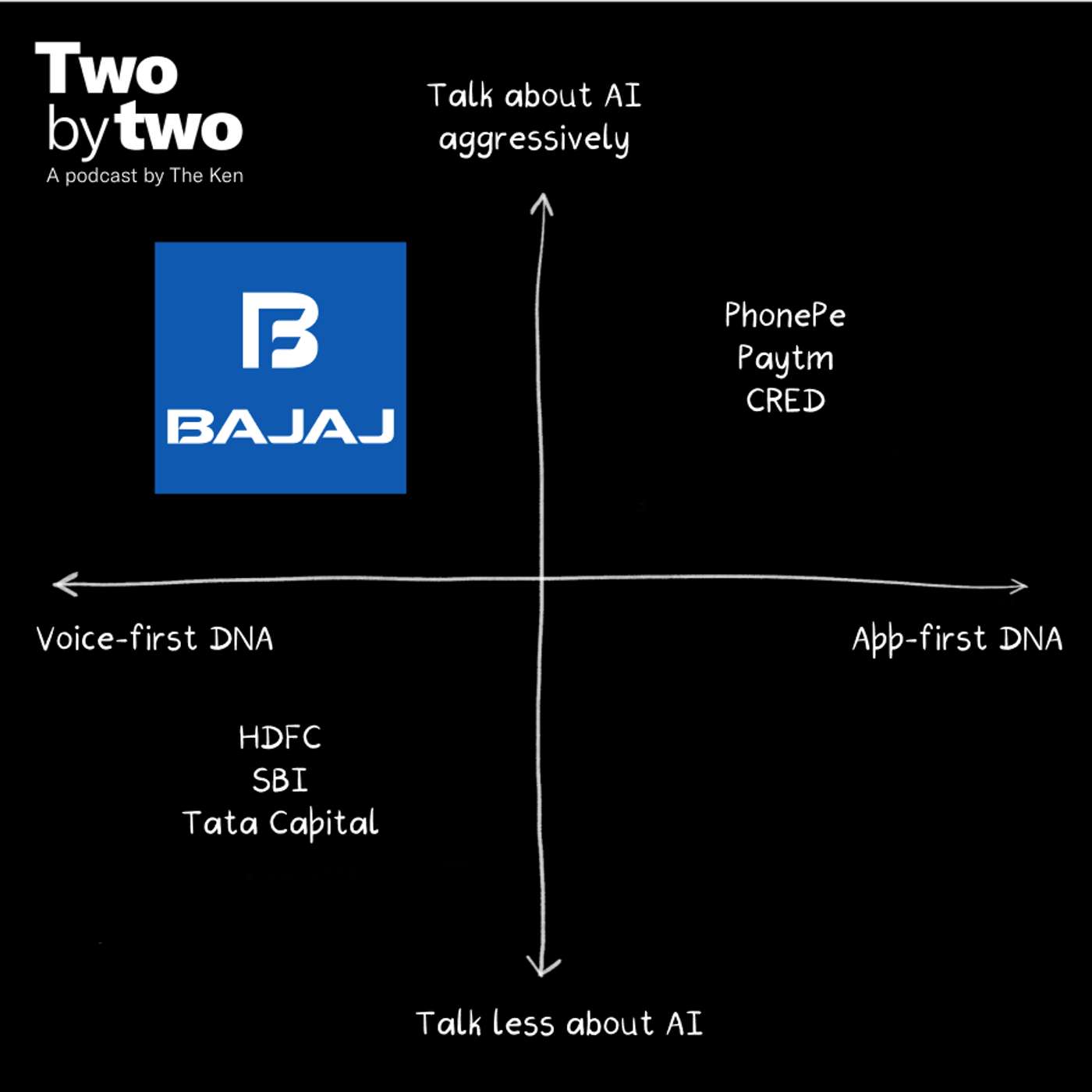
| 5/21/26 | ![]() Everyone bet on PhonePe and CRED. Bajaj Finance got there first.✨ | AI in financeBajaj Finance+4 | Seetharaman GVasuta Agarwal | Bajaj FinancePhonePe+3 | — | Bajaj FinanceAI+8 | — | 1h 17m 50s | |
| 5/14/26 | ![]() Groww beat every odd to get here. What beats it next?✨ | fintechinvestment+4 | Anand Kalyanaraman | GrowwFlipkart+5 | — | GrowwFlipkart+7 | — | 1h 04m 28s | |
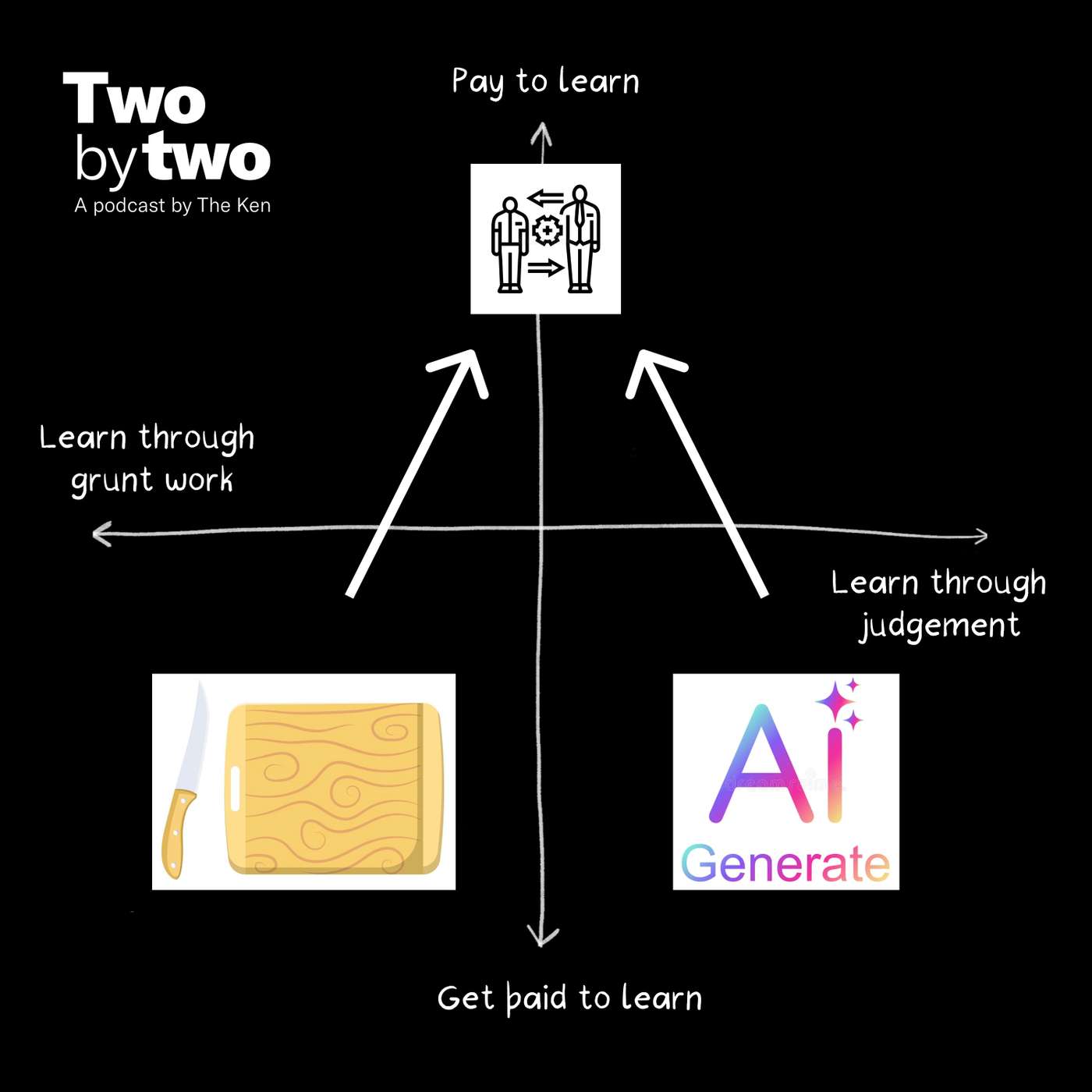
| 5/7/26 | ![]() Should young designers pay senior designers to teach them?✨ | design educationapprenticeship model+4 | Jay DattaShreyas Satish | DesignupOwnpath+4 | — | young designerssenior designers+5 | — | 1h 15m 13s | |
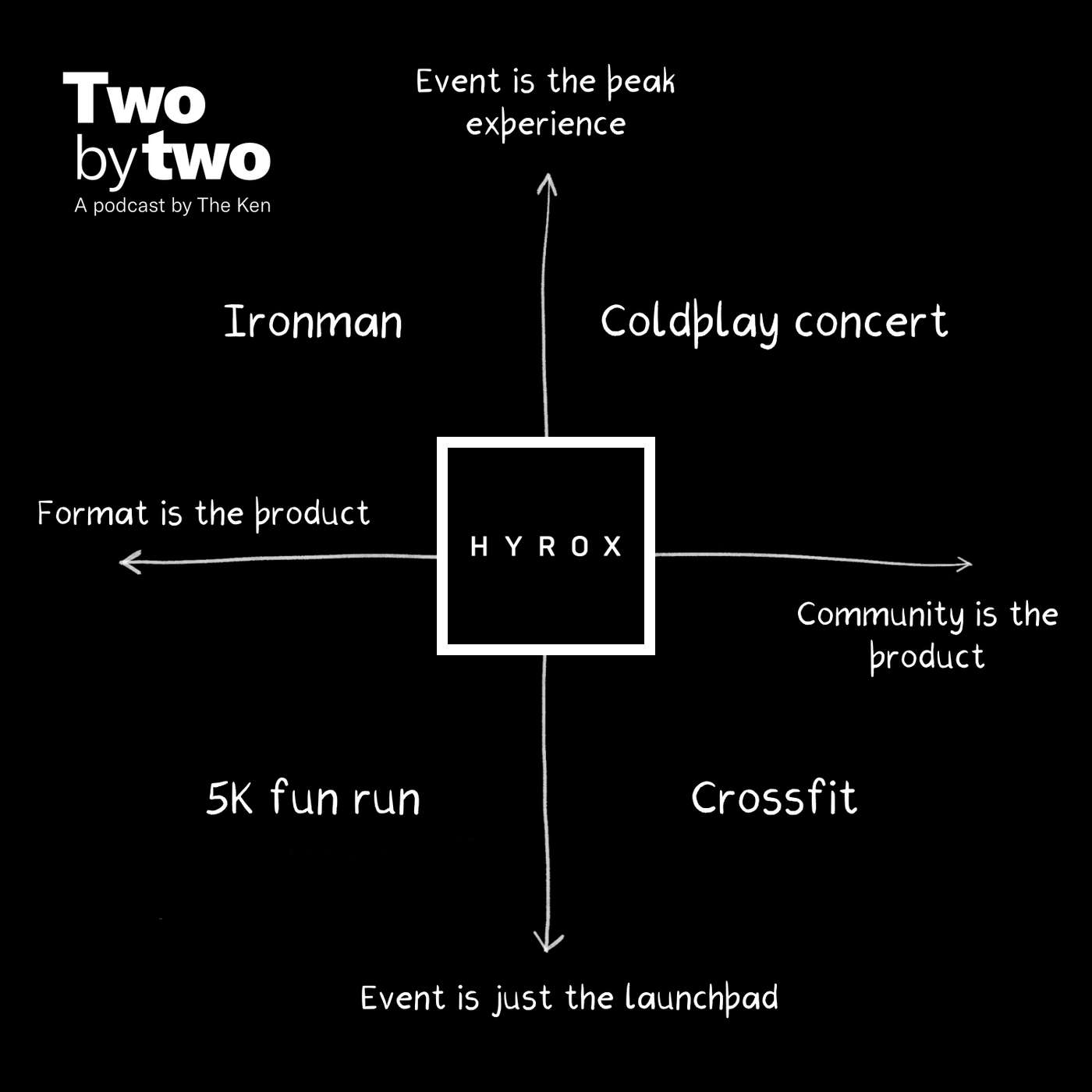
| 4/30/26 | ![]() Hyrox gave India a finish line. What happens after you cross it?✨ | fitness eventsHyrox+4 | Prasanna Akela | HyroxPUMA | Bangalore International Exhibition CentreIndia+2 | Hyroxfitness+8 | — | 1h 08m 42s | |
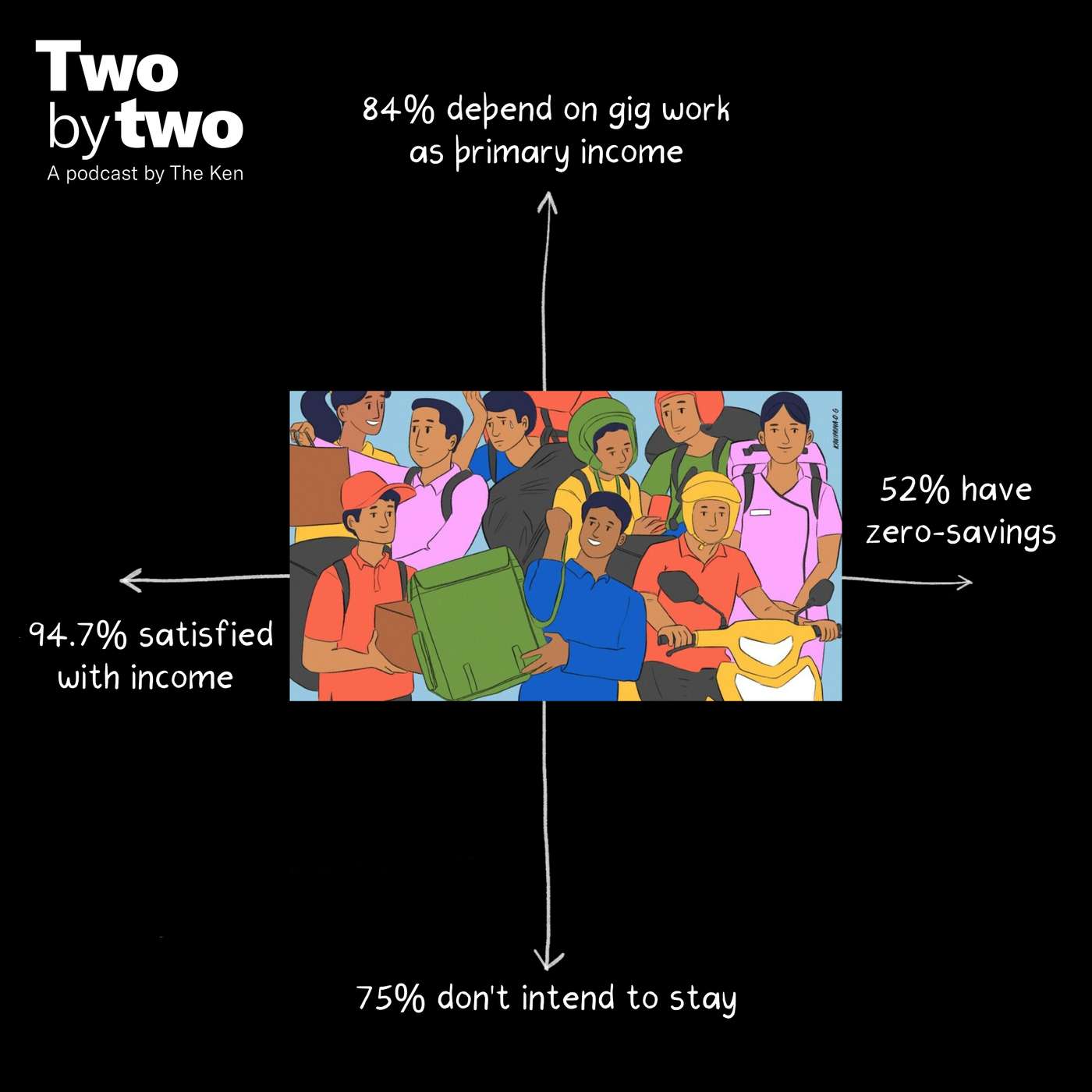
| 4/23/26 | ![]() Why do India’s gig workers love a job they’re desperate to leave?✨ | gig economyworker satisfaction+5 | Sid Pai | UK & Co.Two by Two+1 | IndiaBengaluru | gig workersIndia+7 | — | 1h 14m 11s | |
Want analysis for the episodes below?Free for Pro Submit a request, we'll have your selected episodes analyzed within an hour. Free, at no cost to you, for Pro users. | |||||||||
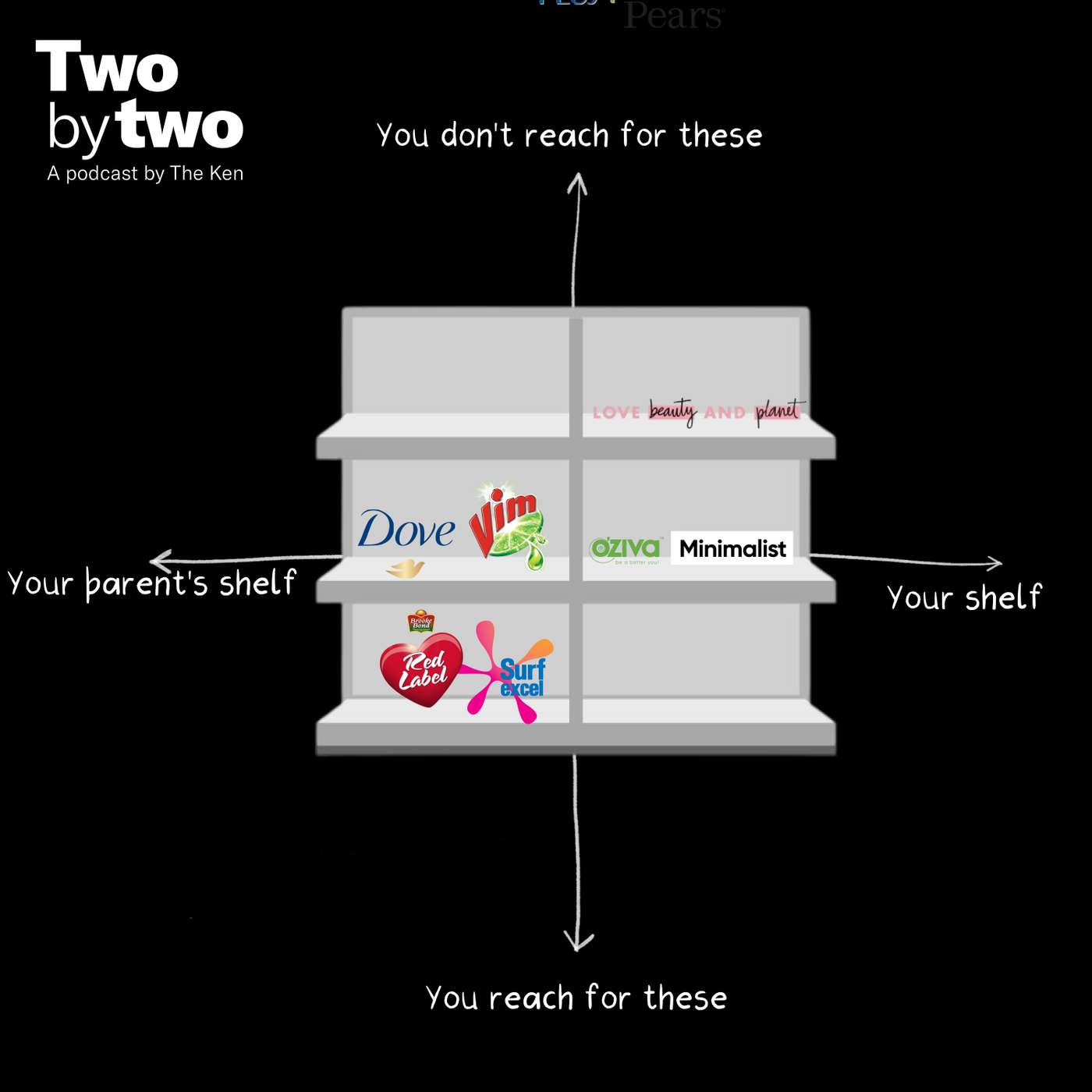
| 4/15/26 | ![]() Are HUL's best days behind it?✨ | Hindustan Unileverbrand performance+3 | Seetharaman GSandeep Nair | Surf ExcelBrooke Bond+12 | — | Hindustan UnileverFMCG+3 | — | 1h 06m 02s | |
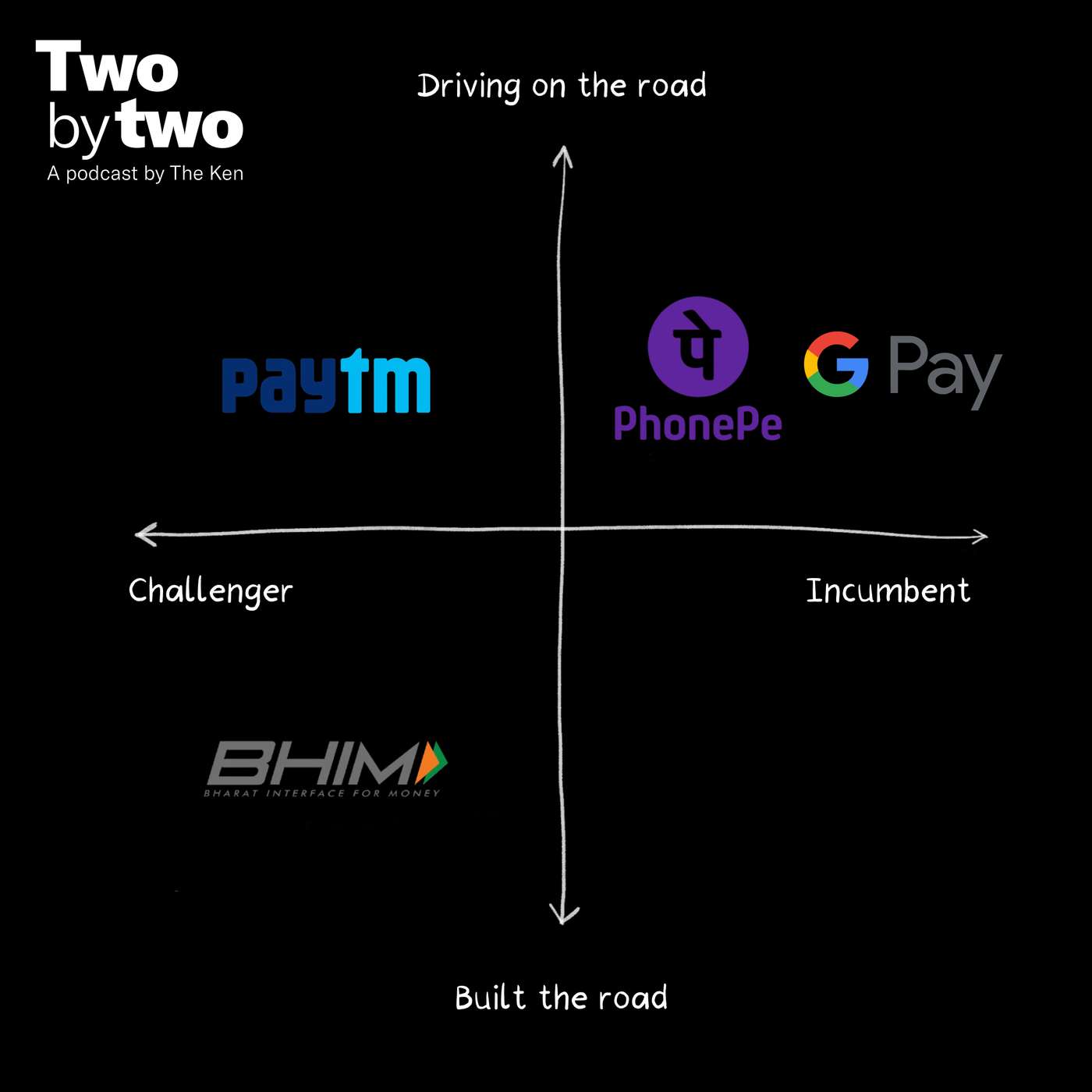
| 4/9/26 | ![]() Can NPCI’s BHIM take on the giants it created?✨ | UPIdigital payments+4 | Arundhati RamanathanAbhishek Madan | NPCIBHIM+4 | — | BHIMNPCI+4 | — | 1h 04m 05s | |
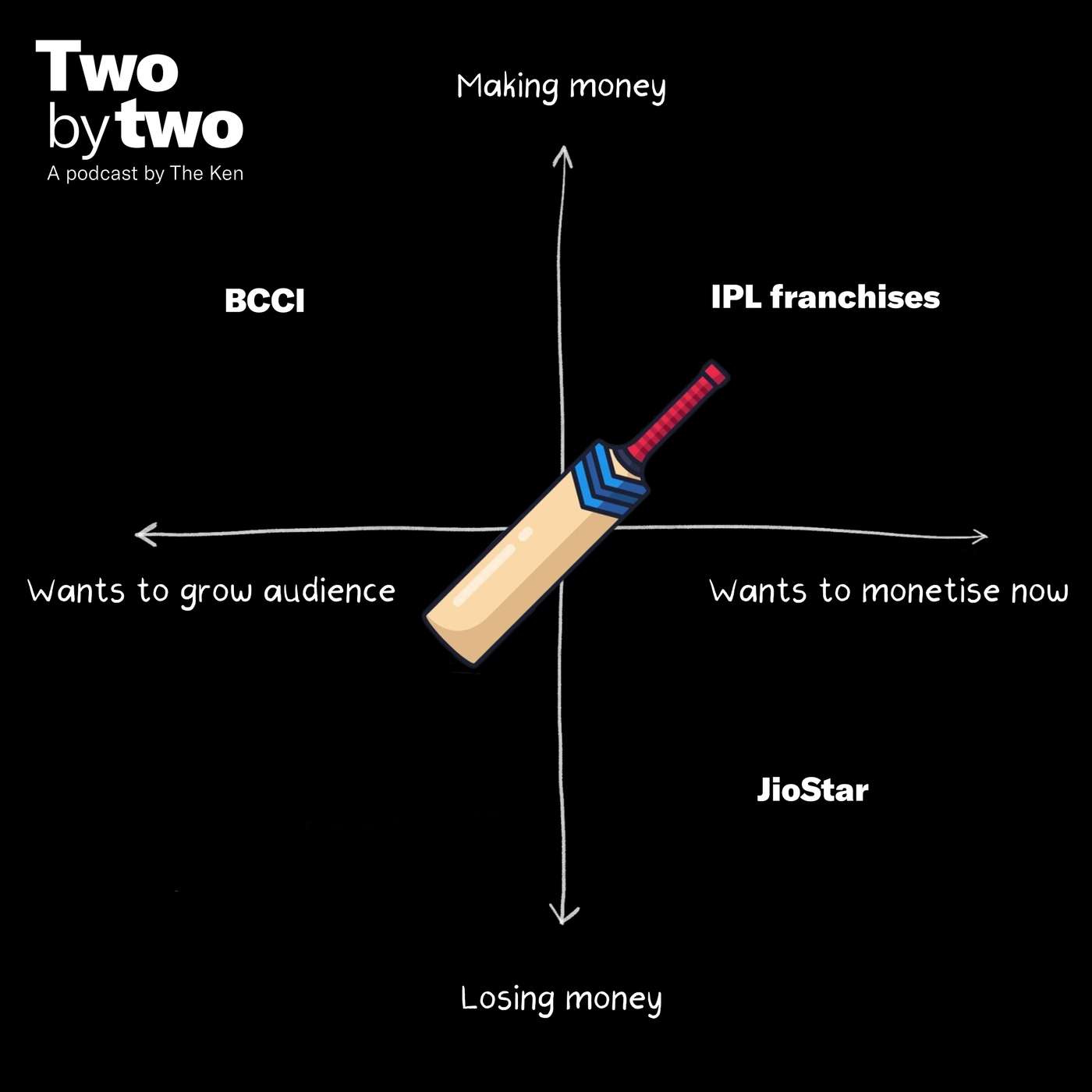
| 4/2/26 | ![]() 19 years on, is IPL still too big to fail? Sharda Ugra answers✨ | IPLcricket journalism+3 | Sharda Ugra | RCBRajasthan Royals+4 | — | IPLSharda Ugra+4 | — | 1h 09m 39s | |
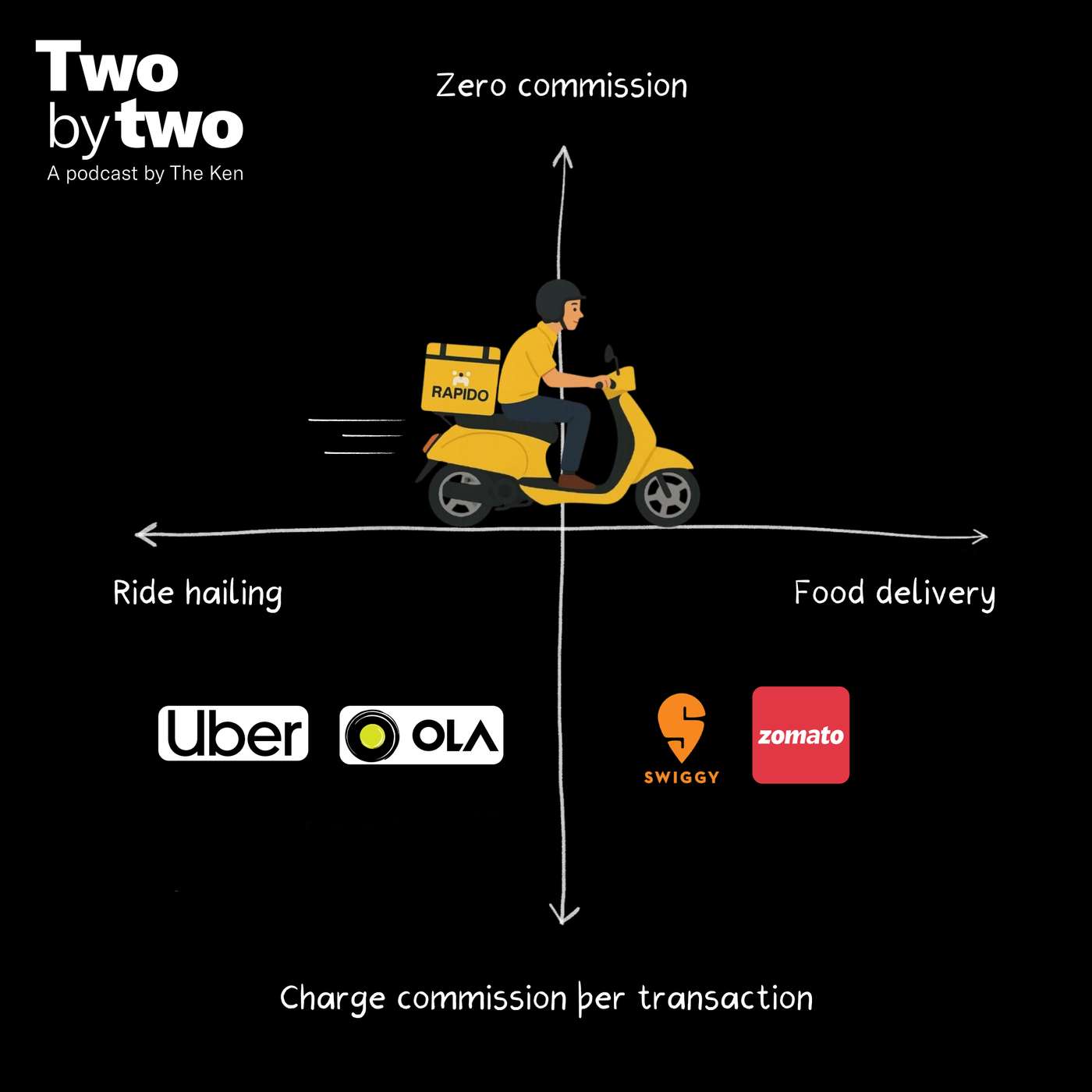
| 3/26/26 | ![]() Rapido broke the Uber-Ola duopoly. Can it now break the Swiggy-Zomato one?✨ | food deliverybusiness competition+4 | Kunal KhattarGautam Balijepalli | RapidoSwiggy+4 | India | Rapidofood delivery+8 | — | 56m 56s | |
| 3/19/26 | ![]() The Middle East war will cost India. How much and for how long? Ft. Mohit Satyanand✨ | Middle East warIndia's economy+4 | Mohit Satyanand | IndiaTrump | Middle EastStrait of Hormuz+1 | Middle East warIndia+5 | — | 1h 05m 58s | |
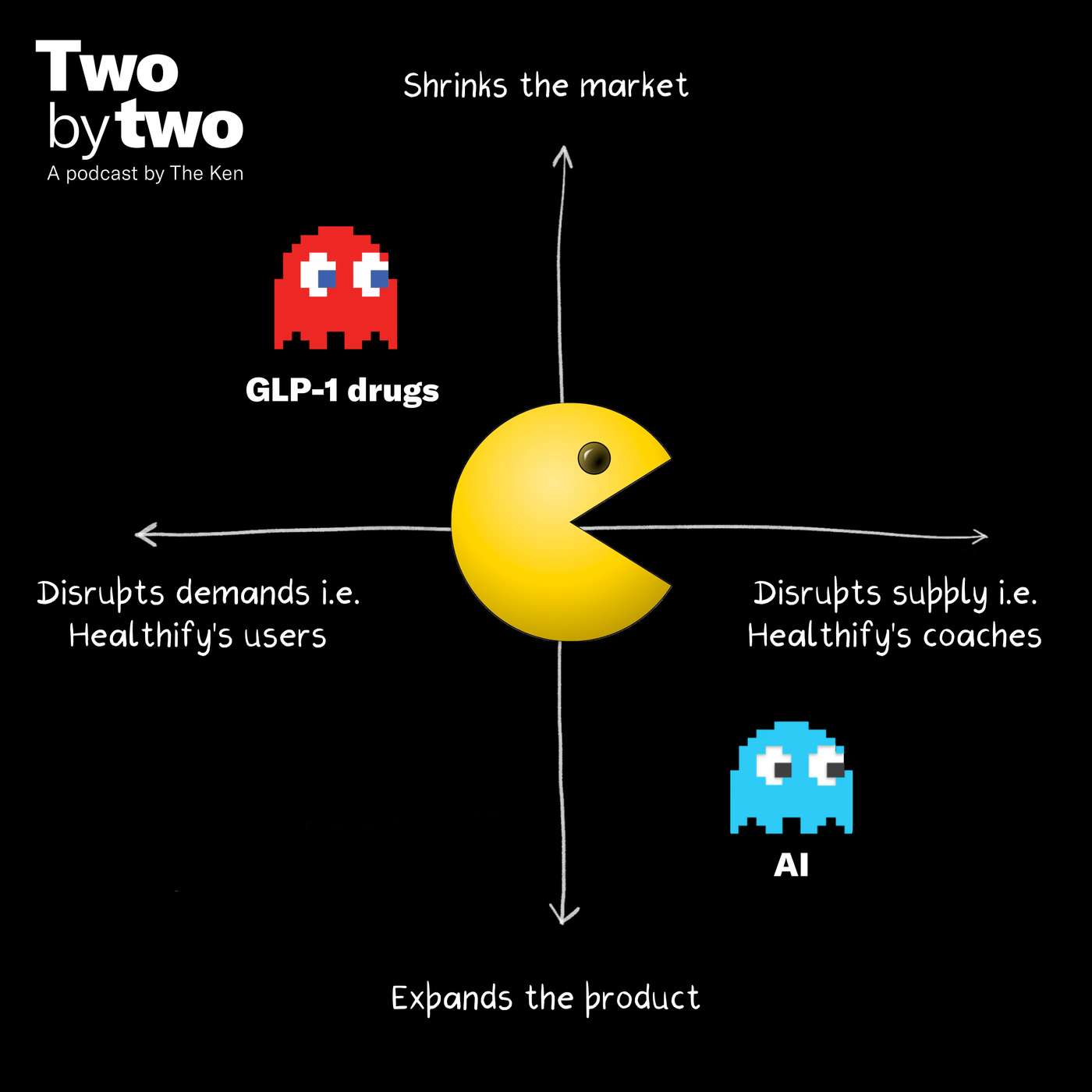
| 3/12/26 | ![]() Healthify swallowed its disruptors. But can it digest them?✨ | AI in businesshealth and wellness+3 | Tushar VashishtProfessor R Srinivasan | OzempicHealthify+1 | — | HealthifyAI coach+5 | — | 1h 02m 50s | |
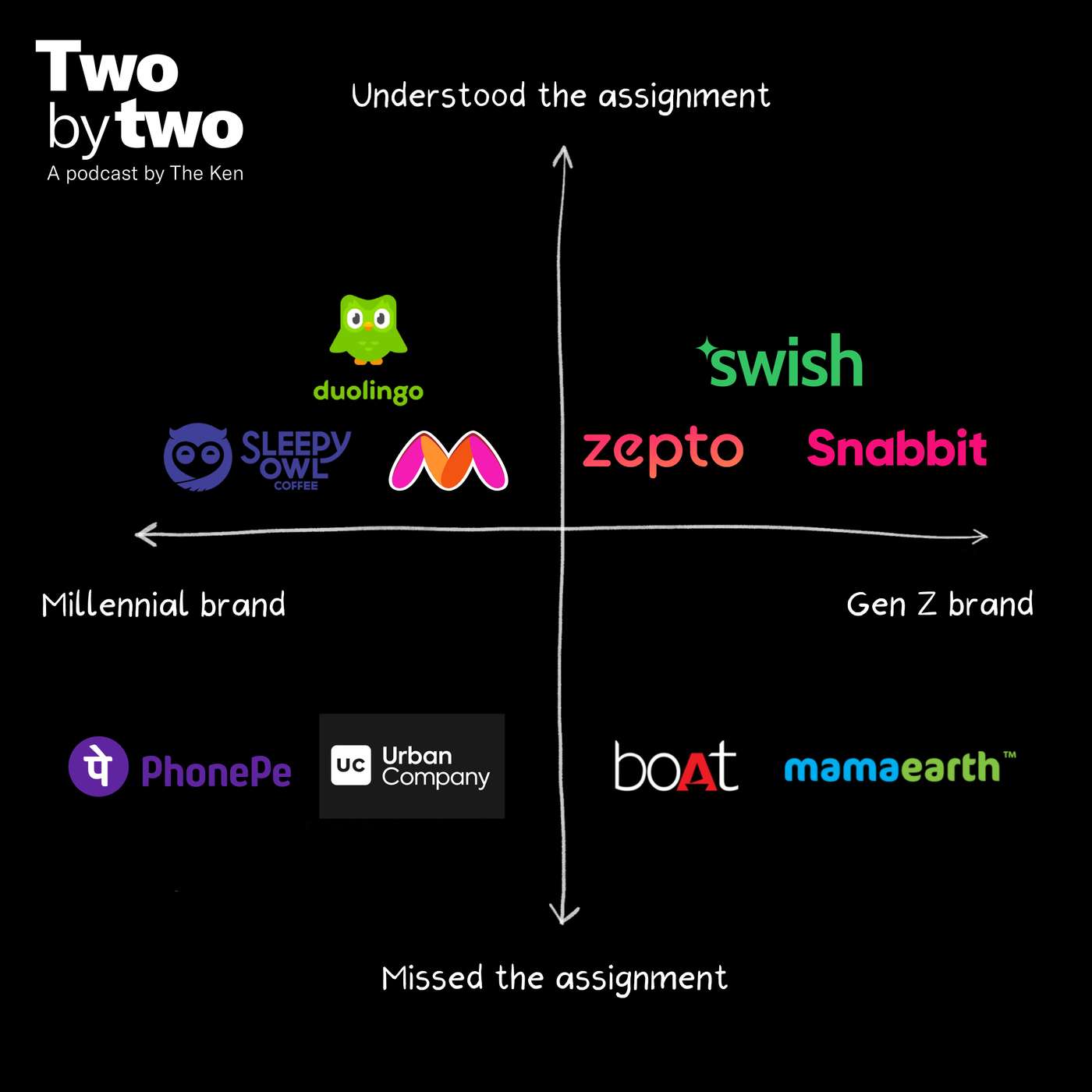
| 3/5/26 | ![]() Did Gen Z hand consumer brands a blueprint to beat the giants?✨ | Gen Z consumer behaviorbrand loyalty+3 | Adarsh Menon | Fireside VenturesSleepy Owl+3 | India | Gen Zconsumer brands+5 | — | 59m 02s | |
| 2/26/26 | ![]() What Peak XV's partner exodus says about VC economics | Quick question: Would you give someone your money for ten years if they promised you'd get back roughly what an FD would give you? And they'd also take 2% of your money every single year, no matter what happens, plus 20% of any profits at the end.You'd laugh them out of the room, right? Well, that's venture capital.Peak XV lost three of its partners. Ashish Agarwal who backed Groww, Ishan Mittal who invested in Razorpay and Tejasvi Sharma who bet on Cred. These guys crushed it and they still walked out over "disagreements on economics and payouts."That's when we realized: this isn't a Peak XV problem but a VC industry problem that nobody wants to admit. So we brought in Mayank Bansal, a hedge fund manager who pulled the actual numbers: Crisil data, Peak XV's fund performance, small cap index returns, FDs. All of it. Joining us is also Arundhati Ramanathan, deputy editor at The Ken, who's been tracking these partner exits closely.Mayank's take? "What is happening in the VC industry currently is they are charging the profit shares of that Medallion fund while returning less than index funds, which is blasphemous."Most Indian VC funds are charging 36% profit share to deliver 12% returns while a small cap index fund gave 13.35% over the same period which you can withdraw anytime. So why do the smartest investors in the world keep putting money into this? Why does two and twenty still exist?Fair warning, this episode is number-heavy. We've linked the reports in the show notes so you can follow along. But the punchline is simple: venture capital in India might just be an overpriced underperforming asset class nobody's willing to admit is broken.Listen to find out why the exits are just beginning.____Additional resources:1. Accel India's fund returns (Newcomer, paywalled)2. Crisil's AIF Benchmarks Report3. Indian VCs’ boss wants them to take a pay cut by Arundhati Ramanathan4. India's VCs are getting disrupted… by India's tax-payers by Praveen Gopal Krishnan5. The invisible whale that capsized India’s leaky options boats- Two by Two episode 51____This episode was produced by Uddantika Kashyap.If you liked this episode, share it with your friends, family and colleagues. And if you have thoughts on the discussion, write to us at twobytwo@the-ken.com. | 1h 19m 55s | ||||||
| 2/19/26 | ![]() What a global investor really thinks about India's next decade | If you are in your 20s or 30s in India right now, things probably feel a little weird. The headlines say the country is a rocket ship, but your reality might be hiring freezes and stagnant salaries.To understand why, we sat down with someone who actually moves the money. Since the 1990s, Rohit Chopra, portfolio manager/analyst at Lazard Asset Management, has managed billions of dollars across emerging markets: from Brazil to Korea to China and India. He doesn't look at the Indian market with pride or pessimism but with one question: is this the best place on Earth for his clients' money right now?In this episode of Two by Two, Rahel Philipose and Rohin Dharmakumar dig into Rohit’s playbook. They discuss how he identifies "the Holy Grail" of businesses, why capital has been leaving India recently, and which sectors will actually define the next decade. If you have ever wanted to sit across from a global fund manager and get the uncomfortable truth about where India really stands, this is the conversation you’ve been waiting for.______This episode was produced by Uddantika Kashyap and mixed and mastered by Rajiv CN, our resident sound engineer.If you liked this episode, share it with your friends, family and colleagues. And if you have thoughts on the discussion, write to us at twobytwo@the-ken.com. | 58m 25s | ||||||
| 2/12/26 | ![]() Ranking TCS, Infosys, Wipro, HCL: Who thrives and who survives in the AI era? | Last week, nearly ₹2 lakh crore vanished from Indian IT stocks in just four days. A big reason was Anthropic's new product, Claude Cowork. Suddenly investors were confronted with an unsettling reality: what if the work Indian IT has long depended on is now the easiest to automate?For almost 20 years, India's IT giants have been unstoppable compounding machines. They built empires worth hundreds of billions of dollars by doing one thing very well: renting out smart people by the hour to write code and run technology for Western clients. But when code starts to write itself, what happens to these companies?Conversations about IT services usually lump all these firms together, as if they are the same business with different logos. In this episode, we break them apart. We ask a simple but uncomfortable question: in an AI-first world, who thrives and who gets left behind? We take five of the biggest IT services firms in India's orbit—TCS, Infosys, Wipro, HCL Tech and Cognizant—and rank them on who is best placed right now for what's coming next. Spoiler: the answer is not what the last 20 years of market-cap tables would suggest.To do this, we brought in two people who have lived this industry from the inside.Krishnakumar Natarajan co-founded Mindtree in 1999 and built it into a multi-billion dollar global IT services firm. He later chaired NASSCOM and now runs Mela Ventures, where he backs early-stage deep tech and enterprise startups.Vivek Kant spent over two decades in IT services across Tech Mahindra and Cognizant, then moved to the other side of the table as CTO at Bajaj Markets and as an advisor at Boston Consulting Group. He still codes 3-4 hours a day using AI. You can check out his blogs here.The board is set. The King, the Rook, the Knight, and the Bishop. The question is: who makes the first move?_________This episode of Two by Two was produced by Uddantika Kashyap and mixed and mastered by Rajiv CN, our resident sound engineer. If you liked this episode, share it with your friends and colleagues. And if you have thoughts on the discussion, write to us at twobytwo@the-ken.com. | 1h 18m 10s | ||||||
| 2/5/26 | ![]() Who is the entry-level software engineer now? | Software engineering as we knew it is over and the entry-level job has vanished. So what do you tell someone graduating today?This question splits even the experts. Arnav Gupta, Engineering Manager at Meta and co-founder of Coding Blocks, argues the knowledge must compress. He says that the future belongs to those who adapt fast and embrace the AI tools. Meanwhile Abhay Saraf, Director at Bushel Technologies and ex-Microsoft, pushes back hard. He believes you cannot build a calculator and stop teaching multiplication. The fundamentals matter more than ever, even if it takes longer to learn them.Together with co-hosts Praveen Gopal Krishnan and Rahel Philipose, they break down what skills actually matter now, why typing still beats voice coding, and whether engineering college should be two years or ten. The answers might surprise you._____Similar episode:Episode 6 Is the golden era of the (software) engineer over?This episode of Two by Two was produced by Uddantika Kashyap and mixed and mastered by Rajiv CN, our resident sound engineer.If you liked this episode, share it with your friends and colleagues. And if you have thoughts on the discussion, write to us at twobytwo@the-ken.com. | 1h 20m 24s | ||||||
| 1/29/26 | ![]() PhonePe dominates payments but loses money. Now what? | PhonePe leads nearly half of India's UPI transactions, but as it gears up for a $1.3 billion IPO, a tough question looms: can a company built to defend its lead ever learn to make real profit?In this episode, Rohin Dharmakumar argues that PhonePe's dominance might actually be a strategic trap. With zero-margin transactions and shifting regulations, the next ten years cannot look like the last. To win, PhonePe must decide whether it's willing to risk its crown to become a bold market creator. Will it evolve into an aggressive disruptor like Zomato, or remain a safe, boring utility like PayPal?Joining co-hosts Rohin Dharmakumar and Praveen Gopal Krishnan is Arundhati Ramanathan, Deputy Editor at The Ken and resident fintech expert. Arundhati recently published a story on January 26 titled 'Should PhonePe be worth more than Paytm's $7.9B?' which dives deep into the company's valuation puzzle. We also introduce a new voice to the 2x2 team: Rahel Philipose joins as our third co-host to help unravel the cultural and strategic shifts required for PhonePe's survival.This episode of Two by Two was produced by Uddantika Kashyap mixed and mastered by Rajiv CN, our resident sound engineer.If you liked this episode, please share it with your friends and colleagues. And if you have thoughts on the discussion, write to us at twobytwo@the-ken.com.----------Additional resources:- Platform ambitions: The story of how Ispirit lost its true north by Rohin Dharmakumar- The unlikely story of BHIM, the upsetter of plans by Arundhati Ramanathan- Naryana Health's Viren Shetty on learning 'how much insurance is about selling and how little about health' by Seema Singh- Two by Two episode 1: Will Flipkart become Phonepe before Phonepe becomes flipkart? | 1h 06m 58s | ||||||
| 1/22/26 | ![]() With Noice, Swiggy picks the 3rd path in quick commerce | Swiggy has launched Noice, a private label brand that's popping up across categories on Instamart. But is this a genuine brand-building play or just another experiment destined for Swiggy's product graveyard?In this episode, co-hosts Praveen Gopal Krishnan and Rohin Dharmakumar are joined by Sandeep Nair, co-founder of brand strategy consultancy David & Who and former Swiggy marketing director, and Mrunmayi Oke, SVP of Strategy at Zilo and former head of business at Dunzo. Together, they debate whether Noice is Swiggy's answer to Kirkland or closer to Amazon Solimo with ‘truck-style’ packaging.The conversation explores short-term performance metrics and long-term brand building, why most private labels fail, what makes retailers like Costco and Aldi succeed, and whether Swiggy has the organizational discipline to stick with this strategy. They also discuss the economics of private labels and what it takes to build a brand that consumers actually trust.____This episode of Two by Two was produced by Uddantika Kashyap and mixed and mastered by Rajiv CN, our resident sound engineer.If you liked this episode, please share it with your friends and colleagues. And if you have thoughts on the discussion, write to us at twobytwo@the-ken.com.____Additional reading:1. Swiggy used to be a playground for innovation. Now, it’s a graveyard by Gaurav Bagur2. Pepsi’s biggest bottler is pouring more cola to fight Reliance’s Campa by Aakriti Bhalla3. Two by Two episode 5- Swiggy needs to reclaim its past glory4. Two by Two episode 26- Zomato, Swiggy, and the rise of the 10-minute "dark" cafe5. Two by Two episode 45- Are we seeing the unbundling of quick commerce?6. Two by Two episode 72- Can Urban Company avoid BigBasket’s fate? | 1h 21m 02s | ||||||
| 1/15/26 | ![]() Can Urban Company avoid BigBasket’s fate? | Urban Company has spent years building trust as the go-to platform for home services. But a new generation of founders is now using the Zepto playbook to target its most profitable segments. On Two by Two this week, Praveen Gopal Krishnan and Rohin Dharmakumar are joined by Arpit Agarwal, a partner at Blume Ventures.The conversation explores the wedge strategy: how specialized startups like Snabbit and Dazzl are driving deep into specific categories like household help and beauty services. Arpit explains why horizontal giants are often wired like sloths, making it difficult for them to stay nimble when a fast moving dragonfly startup attacks a single category.The hosts also discuss the operational shift from scheduled slots to instant supply. They look at how these new players are treating human labor as an engineering problem, using heat maps and demand prediction to promise services in minutes. But can you actually standardize a home cleaning or a cooking service without losing quality?It is a deep dive into the battle for your living room and whether efficiency will eventually take over brand loyalty._______This episode of was produced by Uddantika Kashyap and mixed and mastered by Rajiv CN, our resident sound engineer.If you liked this episode of Two by Two, please share it with your friends, colleagues, and anyone else who might be interested. And if you have thoughts on the discussion, write to us at twobytwo@the-ken.com. We’d love to hear from you. | 1h 12m 40s | ||||||
| 1/8/26 | ![]() How can restaurants scale sustainably? | Running a successful restaurant is hard. Scaling one without losing what made it special is even harder.This week on Two by Two, hosts Praveen Gopal Krishnan and Rohin Dharmakumar talk to two people who are deep in that fight: Sameer Seth, founder and CEO of Hunger Inc. Hospitality (The Bombay Canteen, O Pedro, Veronica's, Papa's, Bombay Sweet Shop), and Karan Kapur, Executive Director of K Hospitality Group (Copper Chimney, Bombay Brasserie, The Irish House).The conversation starts with why restaurants are so difficult to scale. Real estate is expensive and hard to find. Tastes change across cities as India isn't one market, it's several. And unlike other businesses, restaurants have to produce and serve the product at the exact same moment, which makes consistency brutal.Sameer and Karan walk through the transition every restaurateur has to make: from artist (creating the magic of the first restaurant) to scientist (building systems that let you do it again and again without losing the soul). They talk about diversification and why Sameer kept all his brands in Mumbai while expanding formats. Also why Karan thinks the big inflection point won't come until India's GDP per capita hits $5,000, which he estimates will be around 2032.They then discuss micro-dining. Pappas serves just 12 people, four times a week, and it works because Veronica's next door serves 300 and pays the rent. They talk about why Bombay Sweet Shop started as a Willy Wonka-style mithai factory. And they tackle the bigger question in the end: in an age where everything comes to your door in 10 minutes, what will keep people going out to restaurants?_____This episode was produced by Uddantika Kashyap and mixed and mastered by Rajiv CN, our resident sound engineer.If you liked this episode of Two by Two, please share it with your friends, family and colleagues who would be interested in listening. And if you have more thoughts on the discussion, we'd love to hear your arguments as well. You can write to us at twobytwo@the-ken.com or comment below. | 1h 11m 04s | ||||||
Showing 25 of 98
Pitch Fit is a Pro feature
See how bookable this show is for guests, which brands already advertise, the per-episode ad value, and the best-fit guest and sponsor profile. The numbers are blurred on the free plan.
How readily this show books outside guests like you.
How proven this show is for host-read sponsorships.
For Guests
ProFor Advertisers
ProUpgrade to Pro to unlock guest cadence, sponsor categories, fit scores, and per-episode ad value for this show.