
Insights from recent episode analysis
Audience Interest
Podcast Focus
Publishing Consistency
Platform Reach
Insights are generated by CastFox AI using publicly available data, episode content, and proprietary models.
Most discussed topics
Brands & references
Est. Listeners
Insufficient chart data. Estimates will improve as the show charts.
- Per-Episode Audience
Est. listeners per new episode within ~30 days
N/A🎙 Weekly cadence·77 episodes·Last published 3d ago - Monthly Reach
Unique listeners across all episodes (30 days)
N/A - Active Followers
Loyal subscribers who consistently listen
N/A
Market Insights
Platform Distribution
Reach across major podcast platforms, updated hourly
Total Followers
—
Total Plays
—
Total Reviews
—
* Data sourced directly from platform APIs and aggregated hourly across all major podcast directories.
On the show
From 1 epsHost
Recent guests
Recent episodes
SPRC In conversation with Rahul Rao: Statues, idols and why we love the idea of an animate object
Jun 22, 2026
Unknown duration
SPRC In conversation with Gavan Titley
May 1, 2026
39m 17s
SPRC In Conversation with Sita Balani
Apr 14, 2026
Unknown duration
SPRC In Conversation with Keir Milburn and Kai Heron: Part 3
Feb 17, 2026
Unknown duration
SPRC In Conversation with Keir Milburn and Kai Heron: Part 2
Feb 17, 2026
Unknown duration
Social Links & Contact
Official channels & resources
Official Website
Login
RSS Feed
Login
| Date | Episode | Topics | Guests | Brands | Places | Keywords | Sponsor | Length | |
|---|---|---|---|---|---|---|---|---|---|
| 6/22/26 |  SPRC In conversation with Rahul Rao: Statues, idols and why we love the idea of an animate object | A conversation about Rahul Rao’s book, ‘The Psychic Lives of Statues’. The conversation considers the agitation caused by attempts to remove celebratory statues of figures involved in the violence of the Atlantic Slave trade or of colonialism. Are statues made into ‘idols’ by people who want to defend these histories? How should we understand the sudden ‘coming alive’ of these previously forgotten and unnoticed representations of the human form? What can we learn from the distinctive erection of statues by corporate or state projects in our time and should we view these recent attempts to mark and control space through statues as a continuation of the spatial and representation tactics of European colonialism?The conversation was recorded in July 2025.Speakers: Gargi Bhattacharyya and Rahul Rao. Hosted on Acast. See acast.com/privacy for more information. | — | ||||||
| 5/1/26 |  SPRC In conversation with Gavan Titley✨ | free speechrace+5 | Gavan Titley | Maynooth UniversityPolity Press+1 | — | free speechrace+5 | — | 39m 17s | |
| 4/14/26 |  SPRC In Conversation with Sita Balani | Luke de Noronha welcomes Sita Balani, Senior Lecturer in English at Queen Mary University of London and the author, most recently, of Deadly and Slick: the Sexual Life of Race in Britain (Verso Press, 2023). They discuss Sita’s recent writings on culture wars, melodrama as a mode of political communication, and the difference between the ordinary and normal. This conversation was recorded in November 2025Speakers: Luke de Noronha and Sita BalaniProducer: Trisha HartEditor: James Fox Hosted on Acast. See acast.com/privacy for more information. | — | ||||||
| 2/17/26 | 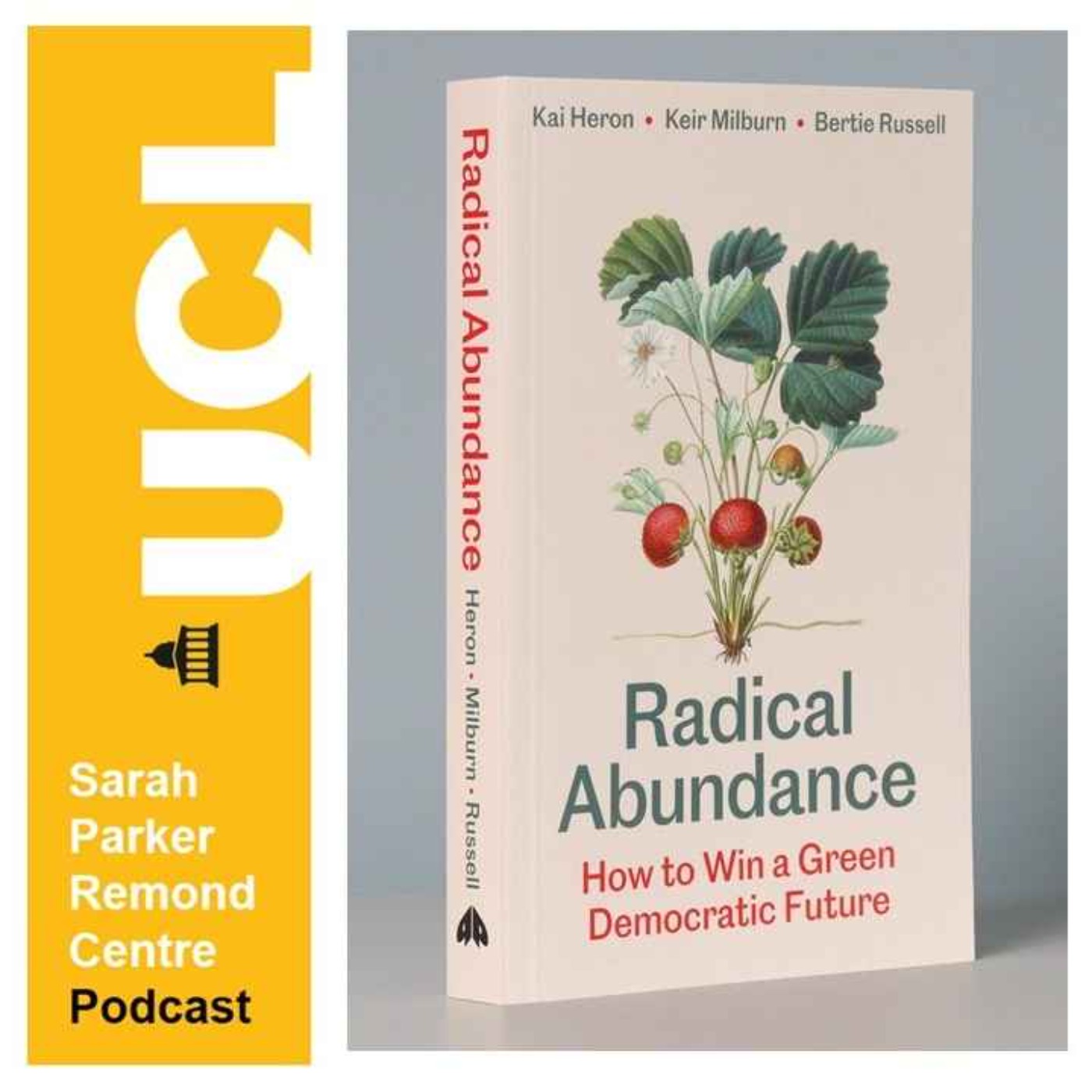 SPRC In Conversation with Keir Milburn and Kai Heron: Part 3 | Radical Abundance – understanding the reconfiguration of the global economy and how we might survive itKeir Milburn and Kai Heron in conversation with Gargi Bhattacharyya. This conversation was recorded in the summer of 2025 and discusses the changing role and approach of the United States and the extreme hardships arising from climate catastrophe as triggers to re-imagine the global economy.The conversation was recorded before the publication of Kai and Keir’s excellent and celebrated book, ‘Radical Abundance’, but the themes of the conversation echo the preoccupations of the book.There was a lot to discuss here – as a result we have split the conversation into three sections for ease of listening. Hosted on Acast. See acast.com/privacy for more information. | — | ||||||
| 2/17/26 | 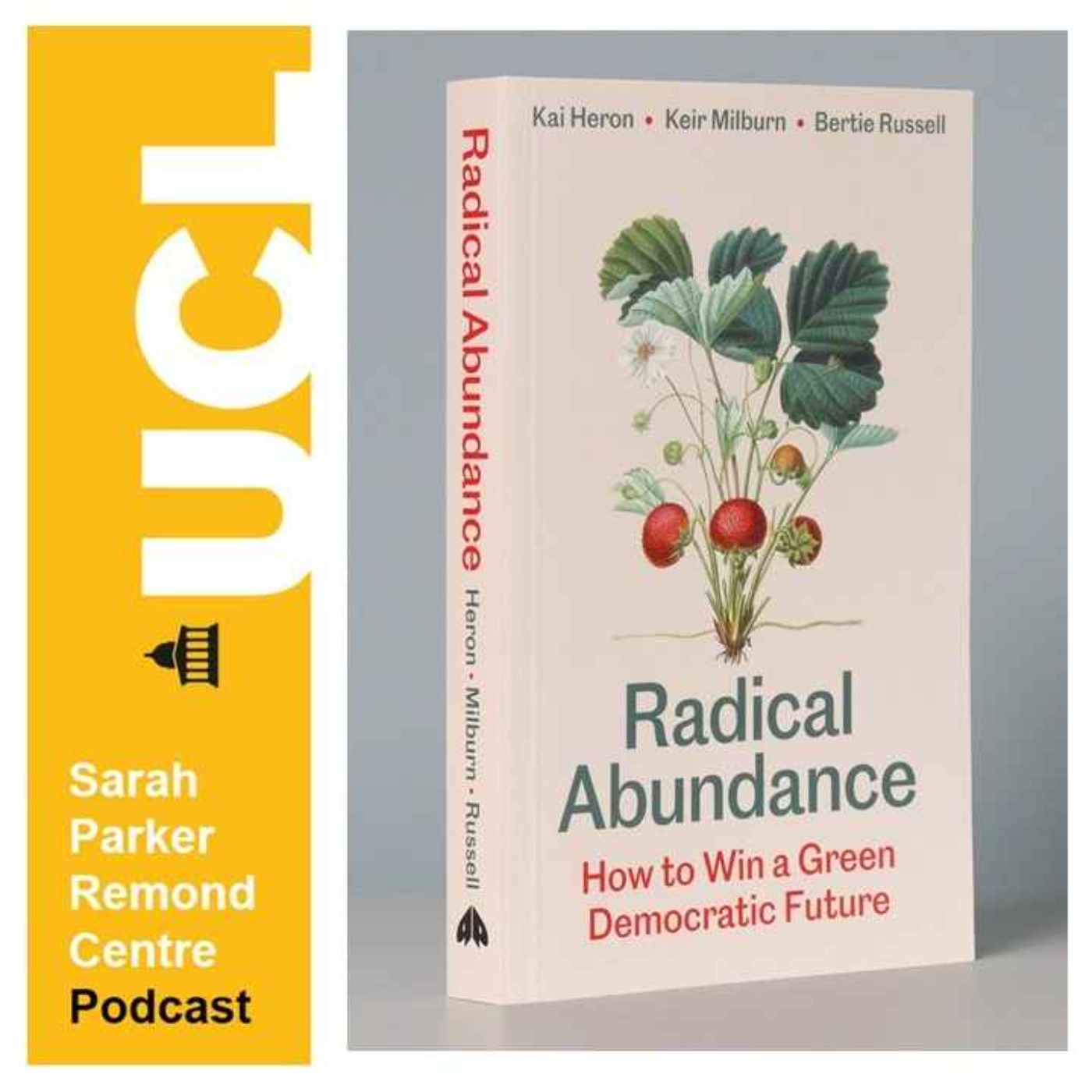 SPRC In Conversation with Keir Milburn and Kai Heron: Part 2 | Radical Abundance – understanding the reconfiguration of the global economy and how we might survive itKeir Milburn and Kai Heron in conversation with Gargi Bhattacharyya. This conversation was recorded in the summer of 2025 and discusses the changing role and approach of the United States and the extreme hardships arising from climate catastrophe as triggers to re-imagine the global economy.The conversation was recorded before the publication of Kai and Keir’s excellent and celebrated book, ‘Radical Abundance’, but the themes of the conversation echo the preoccupations of the book.There was a lot to discuss here – as a result we have split the conversation into three sections for ease of listening. Hosted on Acast. See acast.com/privacy for more information. | — | ||||||
| 2/17/26 | 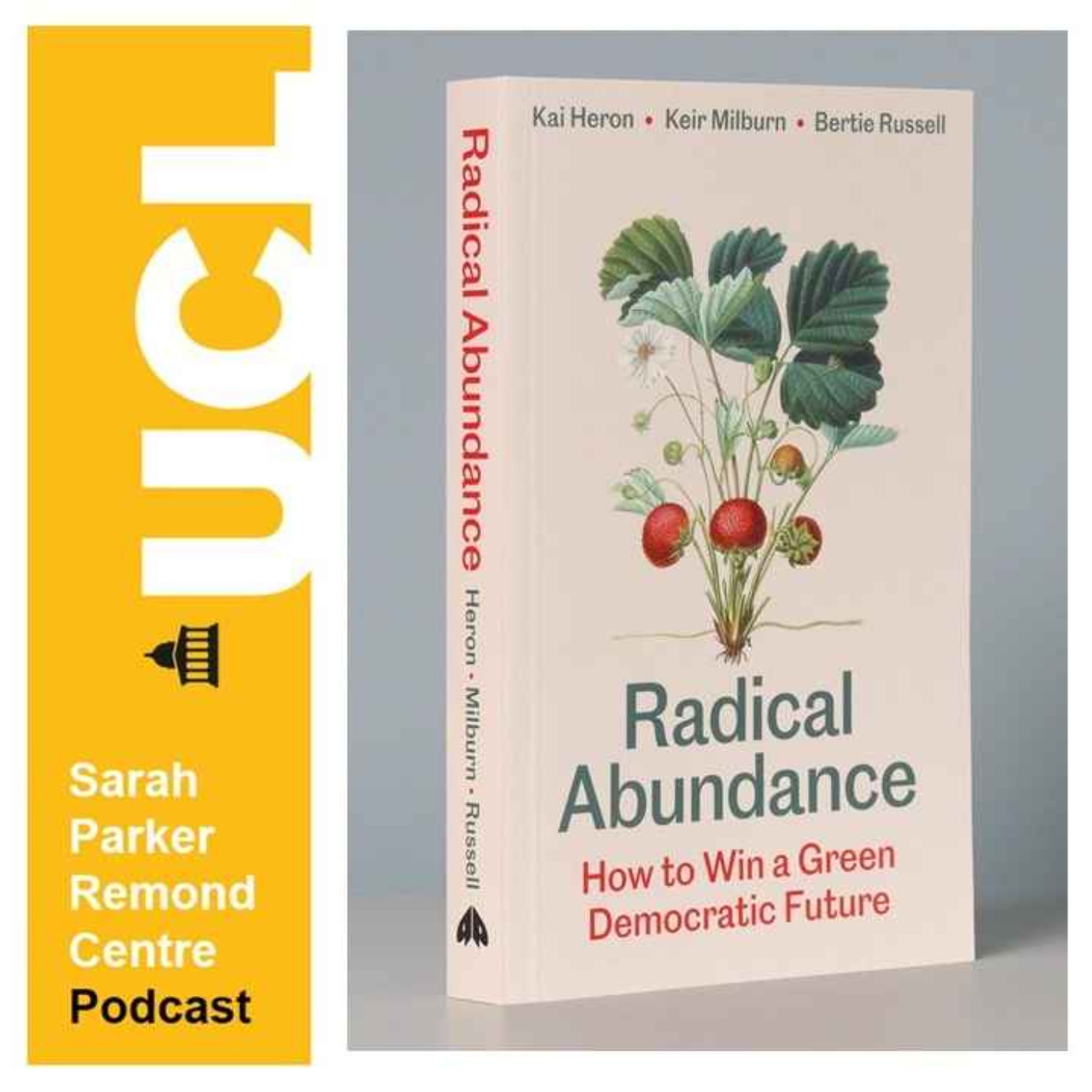 SPRC In Conversation with Keir Milburn and Kai Heron: Part 1 | Radical Abundance – understanding the reconfiguration of the global economy and how we might survive itKeir Milburn and Kai Heron in conversation with Gargi Bhattacharyya. This conversation was recorded in the summer of 2025 and discusses the changing role and approach of the United States and the extreme hardships arising from climate catastrophe as triggers to re-imagine the global economy.The conversation was recorded before the publication of Kai and Keir’s excellent and celebrated book, ‘Radical Abundance’, but the themes of the conversation echo the preoccupations of the book.There was a lot to discuss here – as a result we have split the conversation into three sections for ease of listening. Hosted on Acast. See acast.com/privacy for more information. | — | ||||||
| 11/17/25 | 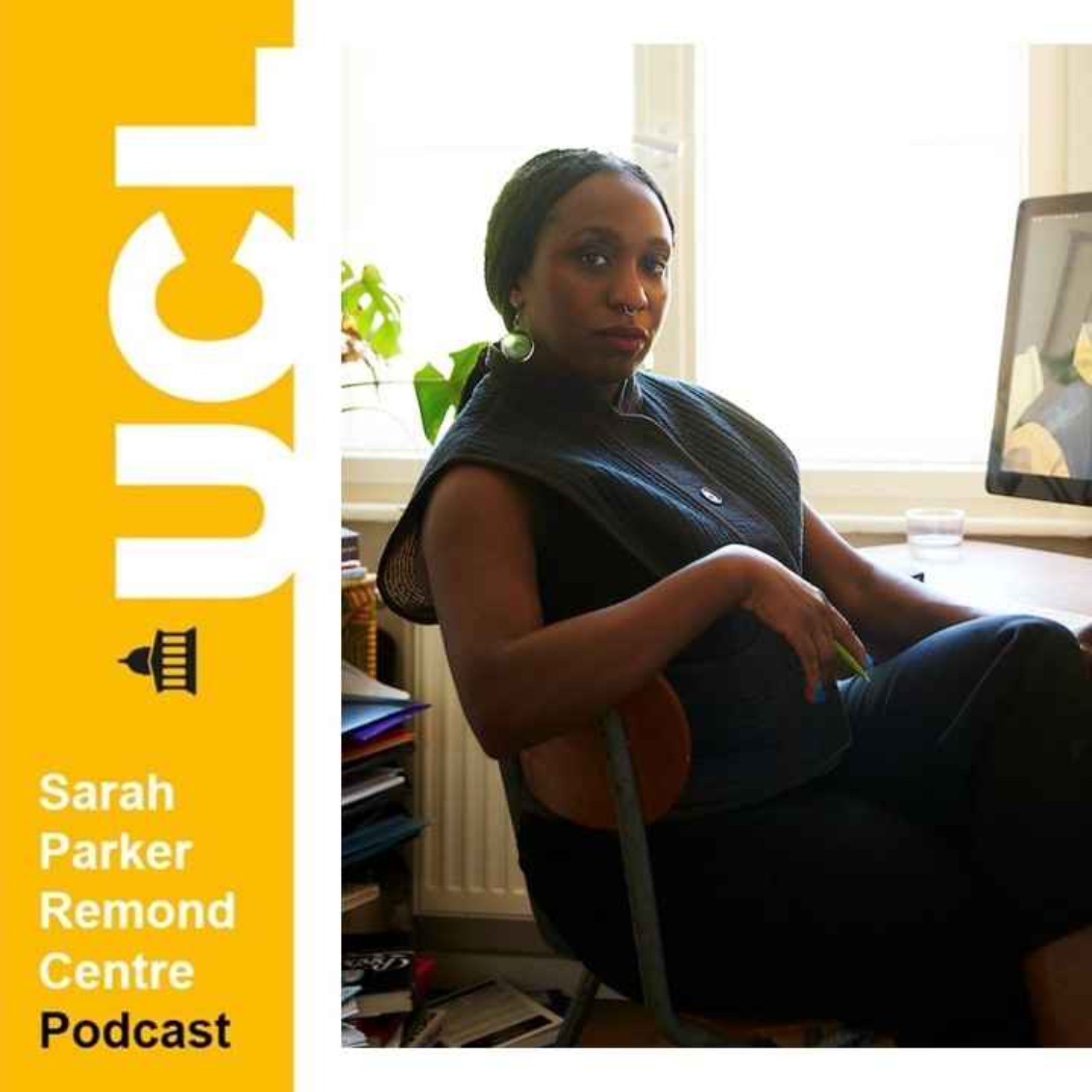 SPRC In Conversation with Edna Bonhomme | Gala Rexer talks to Edna Bonhomme, culture writer, historian of science, journalist, and author of “A History of the World in Six Plagues: How Contagion, Class, and Captivity Shaped Us, from Cholera to COVID-19” (2025). The conversation covers theoretical and methodological questions about the relationship between confinement and disease, Edna’s anti/inter-disciplinary approach to writing, health and illness in literature, and how the intersectional fight for prison abolition relates to struggles for health equality. This conversation was recorded in June 2025Speakers: Dr Gala Rexer, Leverhulme Fellow at the University of Warwick and Honorary Research Fellow at the SPRC // Dr Edna Bonhomme Producer: Gala Rexer and Trisha HartEditors: James Fox Hosted on Acast. See acast.com/privacy for more information. | — | ||||||
| 9/5/25 |  In conversation with Subhadra Das: Ten Lies, Ten Questions | In this podcast, Subhadra Das answers ten questions on ten lies that make up Western Civilisation. The conversation covers looting, the value of art, the history of statistics, remaking public history, repatriating stolen objects, and what museums and institutions could be doing with their zombies.Subhadra Das is a writer, historian, broadcaster and comedian who looks at the relationship between science and society. She specialises in the history and philosophy of science, particularly the history of scientific racism and eugenics. For nine years she was Curator of the Science Collections at University College London. She has written and presented podcasts and stand-up comedy shows, curated museum exhibitions, and has appeared on radio and TV. She is now working on a book about the golden age of detective fiction and the history of eugenics.Lara Choksey is Lecturer in Colonial and Postcolonial Literatures at UCL English, and Associate Faculty at the UCL Sarah Parker Remond Centre. Hosted on Acast. See acast.com/privacy for more information. | — | ||||||
| 6/6/25 |  In Conversation: Geopolitics, catastrophe and trying to comprehend the world | Discussion of Gargi’s research and the new module designed to open conversations about how we might understand the interplay between global politics and the global economy in this moment of rapid realignment.Speakers:Gargi Bhattacharyya, Paige Patchin, Luke de Noronha Hosted on Acast. See acast.com/privacy for more information. | — | ||||||
| 6/6/25 |  In Conversation: The politics of health in a time of climate crisis | Discussion of Paige’s research on questions of health, racism and why we must learn to understand the languages of the biological and the pharmaceutical if we are to grasp emerging technologies of racialisation.Speakers:Paige Patchin, Luke de Noronha, Gargi Bhattacharyya Hosted on Acast. See acast.com/privacy for more information. | — | ||||||
Want analysis for the episodes below?Free for Pro Submit a request, we'll have your selected episodes analyzed within an hour. Free, at no cost to you, for Pro users. | |||||||||
| 6/6/25 |  In Conversation: Movement, bodies and the question of race-making | Discussion of Luke’s research and why thinking about movement and bordering allows us understand emerging machineries of (perhaps) racialised violence.Speakers:Luke de Noronha, Paige Patchin, Gargi Bhattacharyya Hosted on Acast. See acast.com/privacy for more information. | — | ||||||
| 5/23/25 | 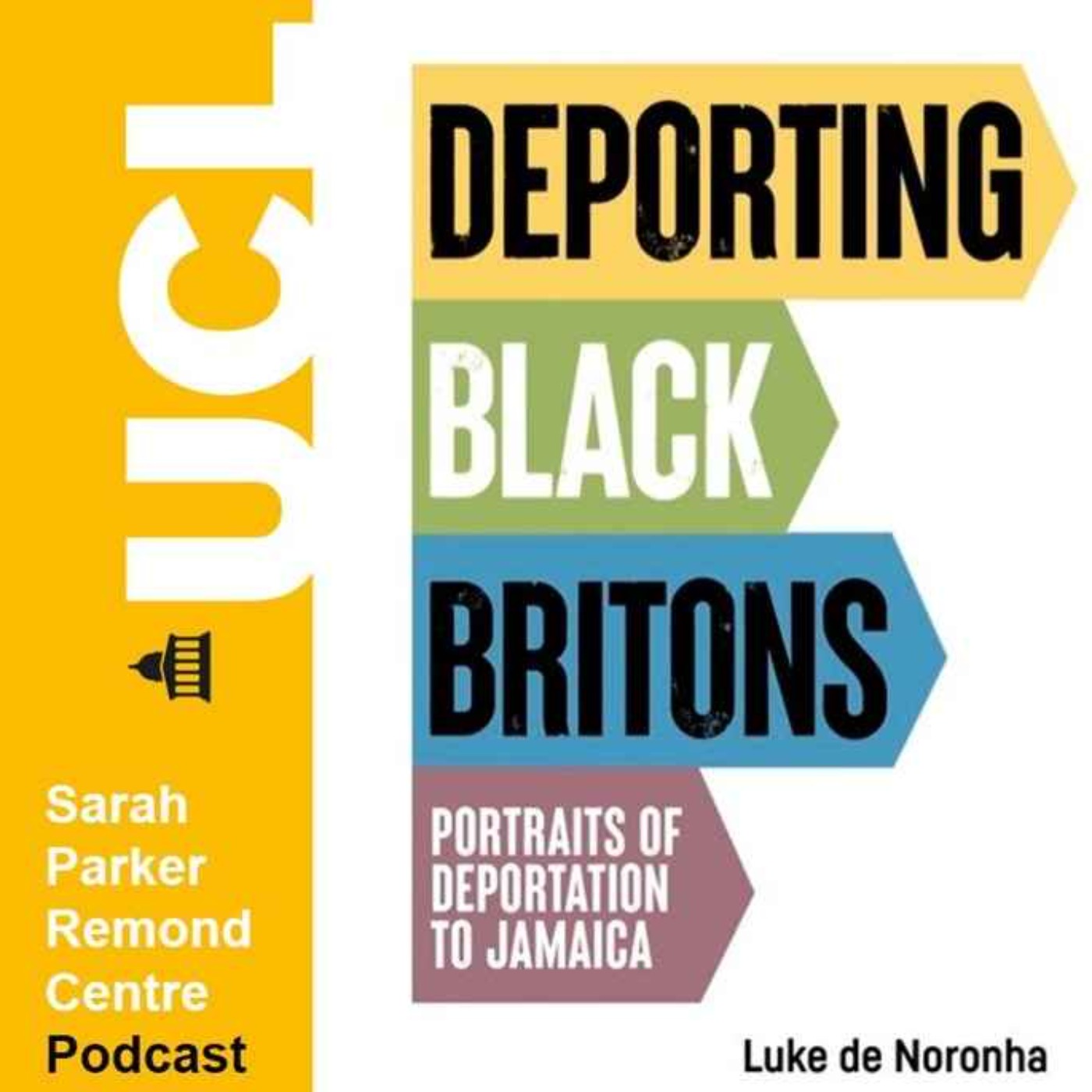 Short Takes: Deporting Black Britons – 5 Years On | In this Short Takes, Luke reads the preface to the paperback edition of Deporting Black Britons: Portraits of Deportation to Jamaica, published with Manchester University Press in June 2025. Hosted on Acast. See acast.com/privacy for more information. | — | ||||||
| 5/2/25 | 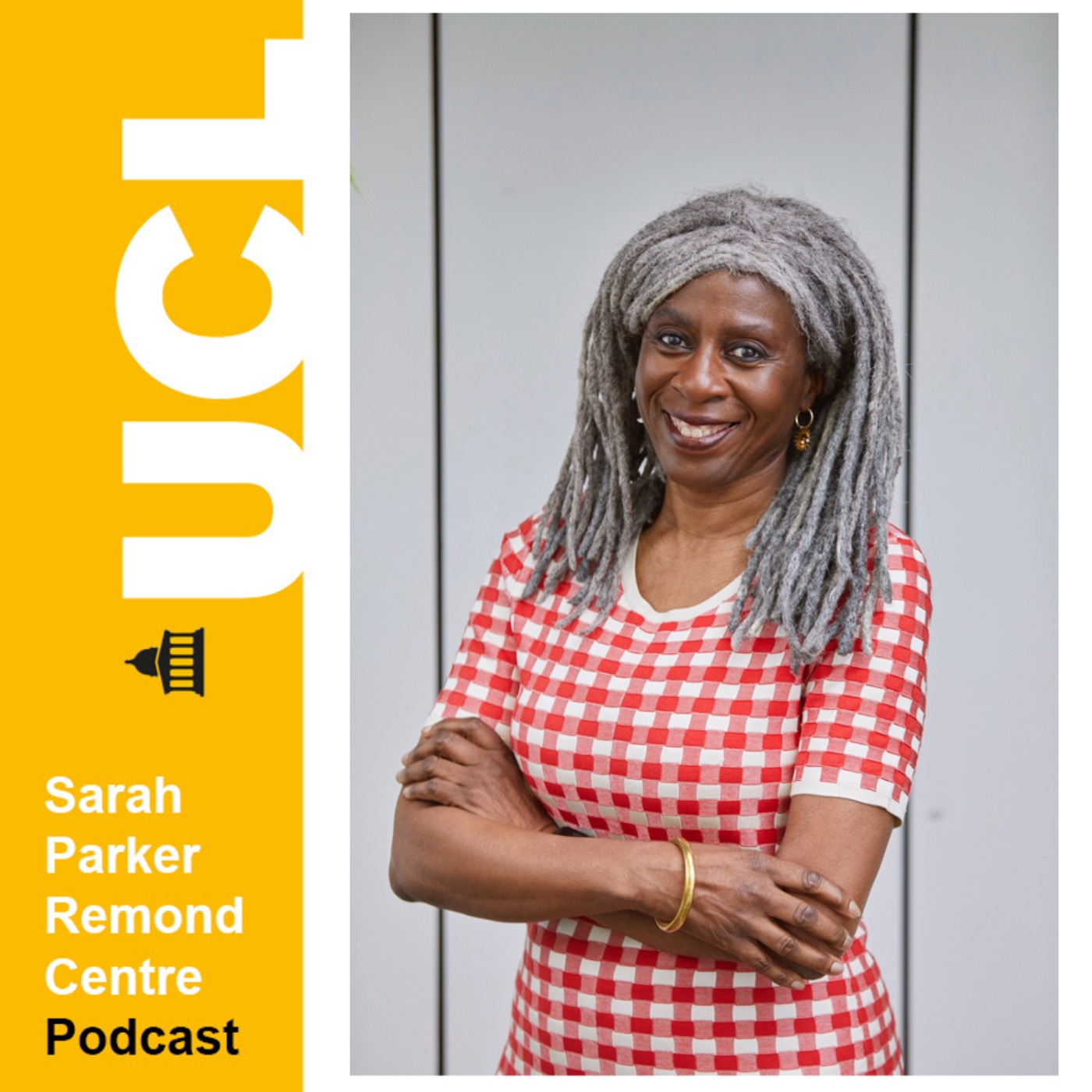 In conversation with Baroness Lola Young of Hornsey | Dr Clive Chijioke Nwonka is joined by Baroness Lola Young of Hornsey. Lola Young became one of the first Black Women members of the House of Lords in 2004. Raised in foster care in north London, she studied at the New College of Speech and Drama, then worked as an actress, before becoming Professor of Cultural Studies at Middlesex University. Later, she worked in arts administration before receiving an OBE in 2001 for services to Black British History, and becoming an independent crossbench member of the House of Lords. She is active in campaigns on modern slavery and ethical fashion. Her new book, Eight weeks: Looking Back, Moving Forwards, Defying the Odds (Penguin 2024) is a deeply moving memoir that tells the remarkable life story of Baroness Young from her childhood in foster care the House of Lords. Here, Clive and Lola they discuss her latest book, its themes and some of the ideas and experiences that have shaped Lola’s writing, scholarship, and public life. Hosted on Acast. See acast.com/privacy for more information. | — | ||||||
| 10/28/24 |  In conversation with Vron Ware and Jim Scown | Vron Ware and Jim Scown join Lara Choksey for a conversation about the histories that connect soil to colonialism and imperialism, and why these connections matter for agricultural production now and in the future. Vron and Jim reflect on links between militarism and the English countryside, online far-right content and the decline of rural mental health services, and what nineteenth-century soil science might tell us about national identity. Discussing Vron’s book, Return of a Native (Repeater 2022), and their shared interest in the organic chemist Justus von Liebig, the conversation addresses the many scales operating in our sense of the local, from the parochial to the planetary. Hosted on Acast. See acast.com/privacy for more information. | — | ||||||
| 10/3/24 | 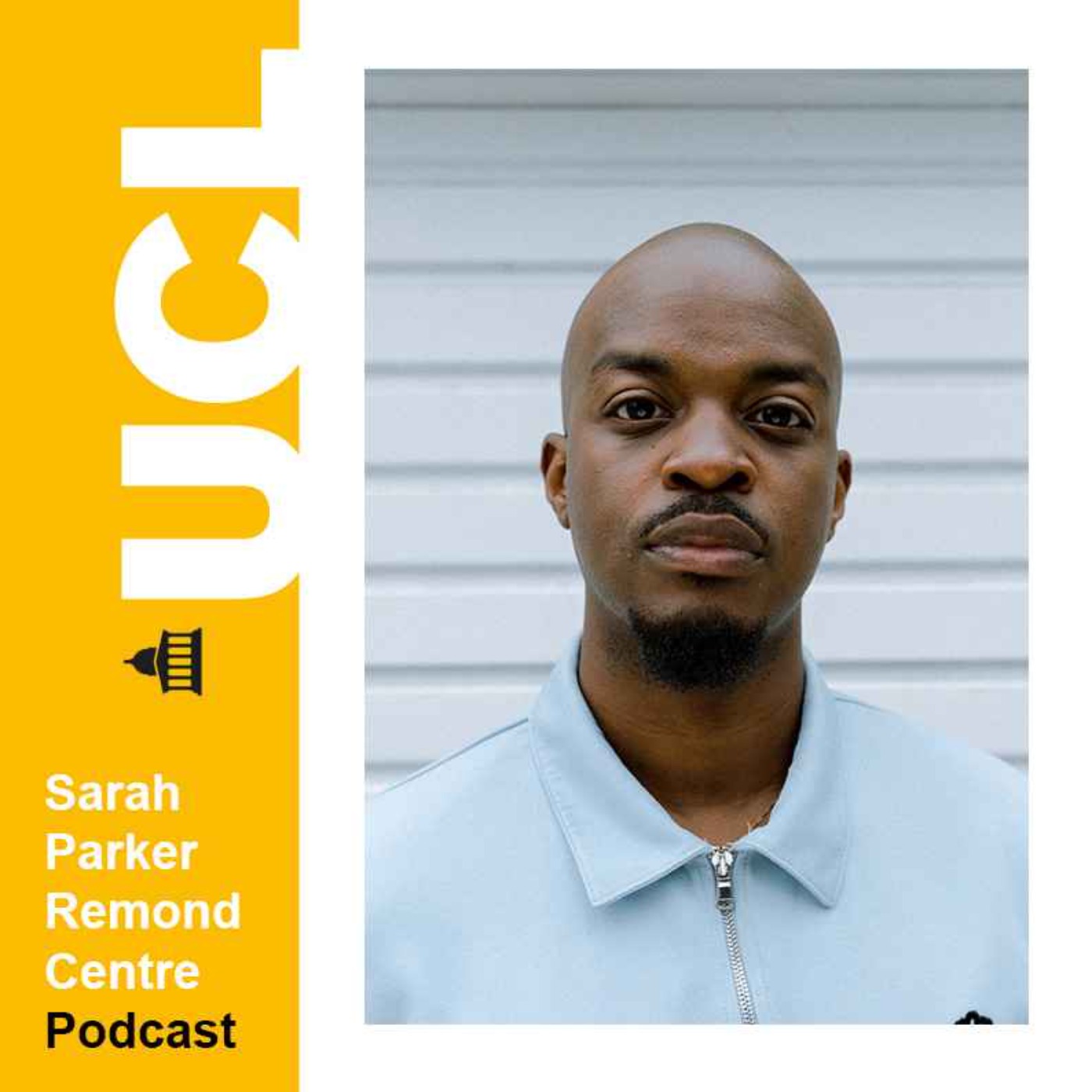 In conversation with George the Poet | Clive Chijioke Nwonka is joined by George the Poet. George is a spoken word artist, poet, rapper, podcast host and author, who has gained a following of over millions through his commentary and creative work addressing systemic injustice in the UK. Here, we discuss his latest book, Track Record, a fascinating memoir in intellectual exploration of race, belonging, music and injustice. Throughout this podcast, they’ll be discussing George’s latest book, its themes, their shared experiences growing up in North West London, and some of the ideas that formed and shaped George’s writing and intellectual work.Speakers: George the Poet, spoken-word artist, poet and podcast host of Have You Heard George’s Podcast // Dr Clive Chijioke Nwonka, Associate Professor in Film, Culture and Society and Faculty Associate in the UCL Sarah Parker Remond Centre. Hosted on Acast. See acast.com/privacy for more information. | — | ||||||
| 8/13/24 | 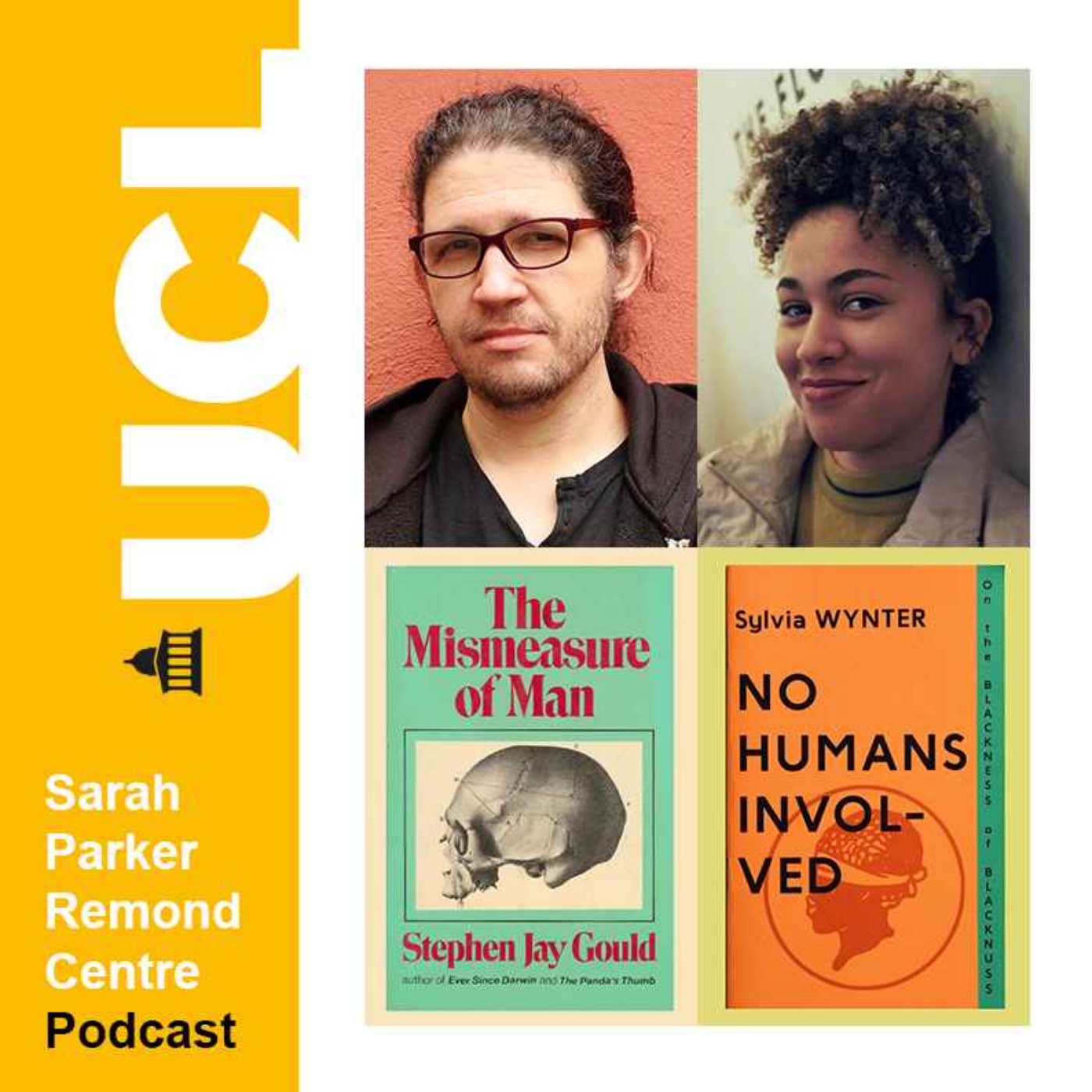 In conversation with Ben Woodard and Camille Crichlow | Lara Choksey welcomes Ben Woodard and Camille Crichlow for a conversation on scientific racism, drawing together the work of evolutionary biologist Stephen Jay Gould and decolonial theorist Sylvia Wynter. Focusing on two key works, Gould's The Mismeasure of Man (1981) that debunks the statistical methods and cultural beliefs of biological determinism, and Wynter's open letter to her colleagues on the 1992 Los Angeles Race Riots, 'No Humans Involved' (1994), the discussion ranges across fudged data, AI facial surveillance, the pseudo-science of white supremacy, and why a concept of the human beyond the purely biological matters.Ben Woodard is an affiliated fellow at the ICI in Berlin. He received his PhD in Theory and Criticism from Western University in 2016. He regularly lectures at the Melbourne School of Continental Philosophy, the School of Materialist Research, and the New Centre for Research and Practice. He has two forthcoming books: Uninhabited: Science Fiction and the Decolonial (Zero Books) and F.H. Bradley and the History of Philosophy: Animating a Lost Idealism (Edinburgh University Press). Camille Crichlow is a PhD candidate at the UCL Sarah Parker Remond Centre for the Study of Racism and Racialisation. Her research interrogates how the historical and socio-cultural narrative of race manifests in contemporary algorithmic surveillance technologies. Her PhD project traces the historical expansion of biometric facial surveillance, considering both its present and historical iterations within evolving regimes of racial thinking. Lara Choksey is Lecturer in Colonial and Postcolonial Literatures in UCL English, and Faculty Associate in the UCL Sarah Parker Remond Centre.This conversation was recorded on 2 July 2024.Speakers: Dr Lara Choksey, Ben Woodard and Camille CrichlowProducer: Dr Lara Choksey and Kaissa KarhuEditors: Kaissa Karhu Hosted on Acast. See acast.com/privacy for more information. | — | ||||||
| 7/17/24 |  In conversation with Alexandre White | Gala Rexer and a group of Race, Ethnicity, and Postcolonial Studies master students, Aisha Rana-Deshmukh, Gabriel Rahman, Julia Snow, and Alex Eaglestone, welcome Alexandre White, Assistant Professor of Sociology at Johns Hopkins University and author of Epidemic Orientalism (Stanford University Press, 2023). Dr. White discusses health and illness through the lens of racial and sexual boundaries in Victorian and contemporary horror and figures of the monstrous, the role of health regulations in the making of racial difference in the Middle East, and a humanistic approach to sociology and history.This conversation was recorded on 17th June 2024. Speakers: Dr Gala Rexer, Leverhulme Early Career Fellow, University of Warwick // Dr Alexandre White, Johns Hopkins University // students of the MA in REPS cohort: Aisha Rana-Deshmukh, Gabriel Rahman, Julia Snow, and Alex EaglestoneProducer: Dr Gala Rexer and Kaissa KarhuEditors: Kaissa Karhu Hosted on Acast. See acast.com/privacy for more information. | — | ||||||
| 8/30/23 |  In conversation with Xine Yao | Gala Rexer welcomes Xine Yao, Associate Professor at UCL and author of Disaffected: The Cultural Politics of Unfeeling in Nineteenth-Century America (Duke University Press, 2021). Reflecting on how Disaffected has travelled as a book, a theory, and a method over the past two years, Xine speaks about what thinking though and with the fields of Black studies, Indigenous studies, Asian diasporic studies, and queer of colour critique does to our understanding of race, gender, and affect, and how we approach literary and cultural text as theory. They discuss how their citational practices shape teaching and scholarship, and explore the modes of affective disobedience that engender counter-intimacies and new forms of decolonial solidarity. This conversation was recorded on 19th July 2023. Speakers: Dr Gala Rexer, Lecturer at the Sarah Parker Remond Centre // Dr Xine Yao, University College LondonProducer: Dr Gala Rexer and Trisha HartEditors: Kaissa Karhu Hosted on Acast. See acast.com/privacy for more information. | — | ||||||
| 7/27/23 |  In conversation with Akwugo Emejulu | Gala Rexer welcomes Akwugo Emejulu, Professor of Sociology at the University of Warwick and author of Fugitive Feminism (Silver Press, 2022). Discussing the figure of the fugitive from a Black feminist perspective, Akwugo addresses questions about solidarity and coalitional work, strategies of counter-storytelling and playing with new forms of writing, and discusses the difficulties of staying in the liminal space of fugitivity as a mode of experimentation, ambivalence, and disidentification from the figure of the Human. This conversation was recorded on 6th July 2023. Speakers: Dr Gala Rexer, Lecturer at the Sarah Parker Remond Centre // Professor Akwugo Emejulu, University of WarwickProducer: Dr Gala Rexer and Trisha HartEditors: Kaissa Karhu Hosted on Acast. See acast.com/privacy for more information. | — | ||||||
| 3/29/23 | 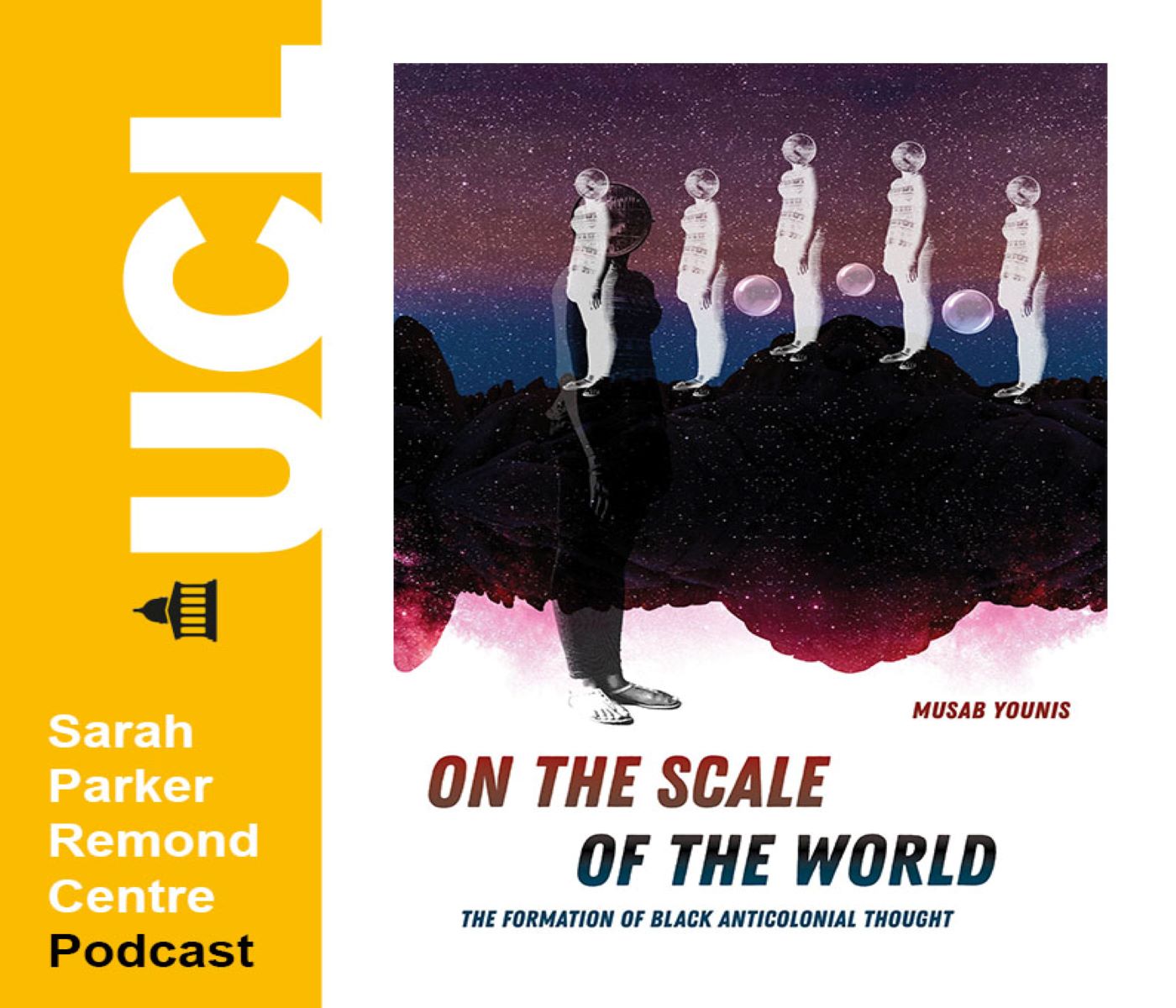 In conversation with Musab Younis | Luke de Noronha welcomes Musab Younis, senior lecturer in politics and international relations at Queen Mary, University of London, and author of On the Scale of the World: The Formation of Black Anticolonial Thought (University of California Press, 2022). Musab traces the themes and arguments of his important new book, which examines the reverberations of anticolonial ideas that spread across the Atlantic between the two world wars. Musab gathers the work of writers and poets, journalists and editors, historians and political theorists whose insights speak urgently to contemporary movements for liberation. This conversation was recorded on 13th January 2023. Speakers: Dr Luke de Noronha, Lecturer in Race, Ethnicity & Postcolonial Studies Producer: Dr Luke de Noronha Editors: Kaissa Karhu Hosted on Acast. See acast.com/privacy for more information. | — | ||||||
| 3/13/23 |  In conversation with Maya Mikdashi | Gala Rexer welcomes Maya Mikdashi, Associate Professor in the Department of Women’s, Gender, and Sexuality Studies and Lecturer in the Middle East Studies Program at Rutgers University, to talk about her book Sextarianism: Sovereignty, Secularism and the State in Lebanon (Stanford, 2022). Maya reflects on the multi-disciplinary genealogy of her book, and describes what it means to take different fields (anthropology, gender studies, and Middle East studies) seriously. This conversation also engages with the relationship between geopolitics, epistemology, and methodology, and with the making and unmaking of categories when we ask the same question from different locations. Maya also talks about doing ethnography and archival work, and our own investment in meaning and the desire to fix truth as scholars. This conversation was recorded on 27th January 2023. Speakers: Dr Gala Rexer, postdoctoral fellow at the Sarah Parker Remond Centre // Maya Mikdashi, Associate Professor in the Department of Women’s, Gender, and Sexuality Studies at Rutgers University. Producer: Lucy Stagg and Dr Gala Rexer Editors: Kaissa Karhu Hosted on Acast. See acast.com/privacy for more information. | — | ||||||
| 1/27/23 |  In conversation with Maurice Stierl | Luke de Noronha welcomes Maurice Stierl, researcher at Osnabrück University in Germany and author of Migrant Resistance in Contemporary Europe (Routledge, 2019). Maurice describes the varied patterns of movement and militarisation at the sea borders of Europe: the Atlantic, Central Mediterranean, Aegean and Channel crossings. In both his intellectual and activist work, Maurice joins those demanding free movement for all and an end to Europe’s border violence. This conversation charts those urgent political struggles by and for people on the move.This conversation was recorded on 15th December 2022. Speakers: Dr Luke de Noronha, Lecturer in Race, Ethnicity & Postcolonial Studies, SPRC // Maurice Stierl, researcher at Osnabrück University in GermanyProducers: Dr Luke de Noronha and Lucy StaggEditor: Kaissa Karhu Hosted on Acast. See acast.com/privacy for more information. | — | ||||||
| 1/16/23 |  In conversation with Françoise Vergès | Gala Rexer welcomes Françoise Vergès, franco-Reunionnese activist, independent curator, and public educator, to talk about her most recent books, A Feminist Theory of Violence (2022), The Wombs of Women. Race, Capital, Feminism (2020,) and A Decolonial Feminism (2019). Françoise discusses how women’s rights have been deployed in the service of the carceral state, and how a decolonial feminism needs to reimagine a collective politics of protection against violence, pollution, and exhaustion outside of the nation-state form and capital. Françoise calls upon us to strike, unionize, and fight back, to rethink the family, reproduction, and care outside of racialized frameworks of security and deservingness, and to nourish comrade- and friendship, revolutionary love, and inter-generational transmission of feminist thought. Hosted on Acast. See acast.com/privacy for more information. | — | ||||||
| 10/12/22 |  In conversation with Karimah Ashadu | Karimah Ashadu joins the SPRC podcast to discuss two of her recent films, Brown Goods (2020) and Plateau (2022), on the labour and labourers that sustain informal economies of waste disposal and tin mining in Germany and Nigeria. Plateau (excerpt), 2021-2022HD digital film, colour with sound - two channelwww.youtube.com/watch?v=d8oOp-dX6hkcourtesy the artist and Fondazione in between Art Film Brown Goods (excerpt), 2020HD digital film, colour with sound - single channelwww.youtube.com/watch?v=4RJxFRBjqwscourtesy the artist Transcript: www.ucl.ac.uk/racism-racialisation/transcript-conversation-karimah-ashadu This conversation was recorded on 2nd September 2022Speakers: Lara Choksey is Lecturer in Colonial and Postcolonial Literatures at UCL English, and Faculty Associate at the UCL Sarah Parker Remond Centre // Karimah Ashadu is a British-born Nigerian artist and recipient of the 2020 ars viva Prize for Visual ArtsProducer and editor: Kaissa Karhuwww.ucl.ac.uk/racism-racialisation/podcasts Hosted on Acast. See acast.com/privacy for more information. | — | ||||||
| 7/27/22 |  In conversation with Coretta Phillips | Coretta Phillips, Professor of Criminology and Social Policy, joins Clive Nwonka for a conversation on race, criminal justice and social policy. Coretta discusses ethnographically capturing both the organic experiences of multi-culture and the more structured and governed forms of multiculturalism taking place within the prison system, her recent work on criminal justice experiences of Gypsy and Traveller communities in England since 1960, and the complacency and the complicity in racist practices in higher education. Transcript: www.ucl.ac.uk/racism-racialisation/transcript-conversation-coretta-phillips This conversation was recorded on 20th May 2022Speakers: Clive Nwonka, Lecturer in Film, Culture and Society at UCL’s Institute of Advanced Studies // Coretta Phillips, Professor of Criminology and Social Policy at the London School of Economics and Political ScienceProducer: Kaissa KarhuEditors: Amie Liebowitz and Kaissa Karhu www.ucl.ac.uk/racism-racialisation/podcasts Hosted on Acast. See acast.com/privacy for more information. | — | ||||||
Showing 25 of 79
Pitch Fit is a Pro feature
See how bookable this show is for guests, which brands already advertise, the per-episode ad value, and the best-fit guest and sponsor profile. The numbers are blurred on the free plan.
How readily this show books outside guests like you.
How proven this show is for host-read sponsorships.
For Guests
ProFor Advertisers
ProUpgrade to Pro to unlock guest cadence, sponsor categories, fit scores, and per-episode ad value for this show.