

Insights from recent episode analysis
Audience Interest
Podcast Focus
Publishing Consistency
Platform Reach
Insights are generated by CastFox AI using publicly available data, episode content, and proprietary models.
Total monthly reach
Estimated from 3 chart positions in 3 markets.
By chart position
- 🇿🇦ZA · Non-Profit#653K to 10K
- 🇮🇪IE · Non-Profit#673K to 10K
- 🇩🇰DK · Non-Profit#164500 to 3K
- Per-Episode Audience
Est. listeners per new episode within ~30 days
3.3K to 12K🎙 Weekly cadence·202 episodes·Last published 4mo ago - Monthly Reach
Unique listeners across all episodes (30 days)
6.5K to 23K🇿🇦43%🇮🇪43%🇩🇰13% - Active Followers
Loyal subscribers who consistently listen
1.9K to 6.9K
Market Insights
Platform Distribution
Reach across major podcast platforms, updated hourly
Total Followers
—
Total Plays
—
Total Reviews
—
* Data sourced directly from platform APIs and aggregated hourly across all major podcast directories.
On the show
Recent episodes
Sidewalk Stories: The Boat
Jan 27, 2026
Unknown duration
Sidewalk Stories: That's June
Jan 20, 2026
Unknown duration
Sidewalk Stories: Her Name is April
Jan 13, 2026
Unknown duration
Sidewalk Stories: The Process
Jan 6, 2026
Unknown duration
Sidewalk Stories: Francisco
Dec 23, 2025
Unknown duration
Social Links & Contact
Official channels & resources
Official Website
Login
RSS Feed
Login
| Date | Episode | Description | Length | ||||||
|---|---|---|---|---|---|---|---|---|---|
| 1/27/26 | 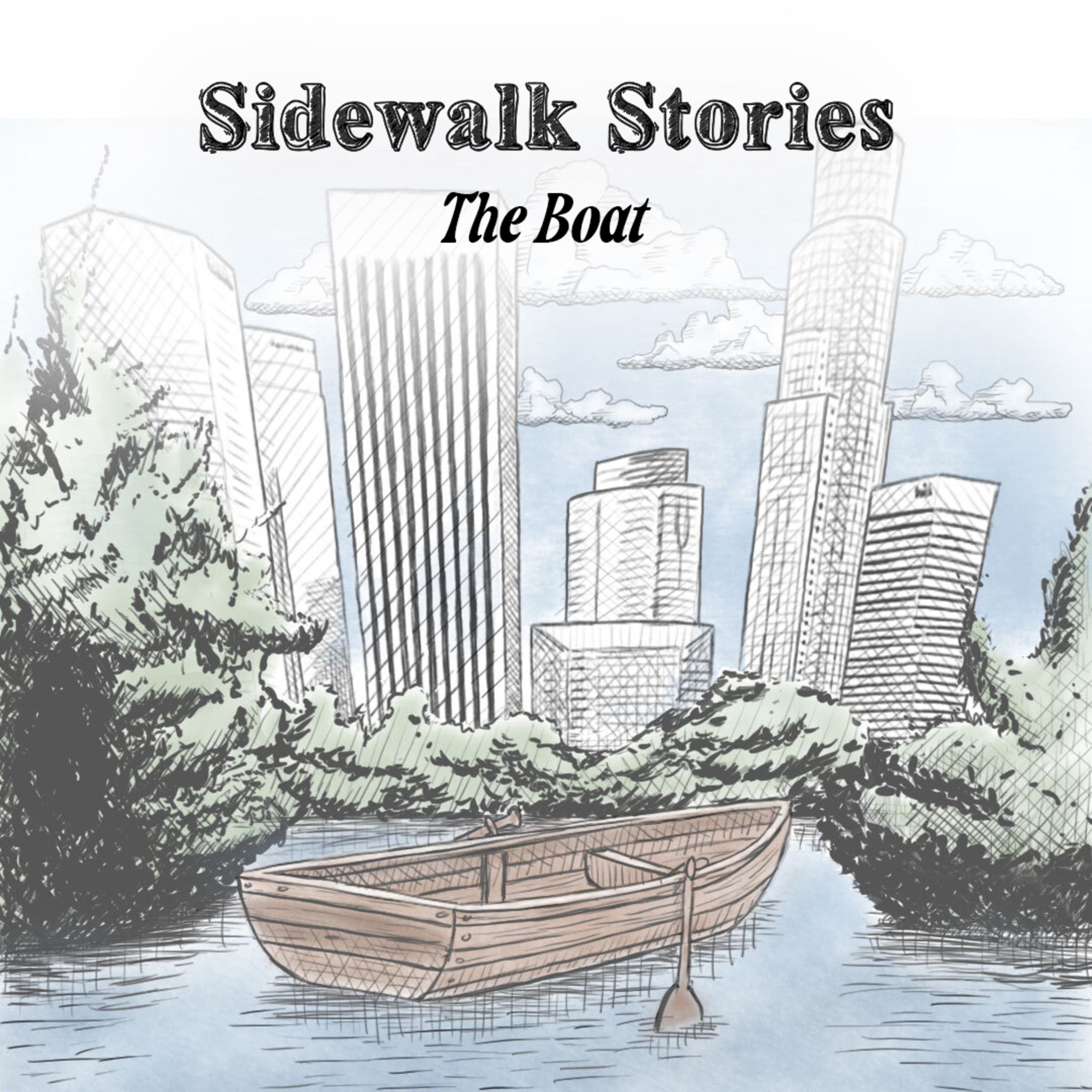 Sidewalk Stories: The Boat | Written by Kimberly Barrante; Narrated by Jonathan C. Fernandez; Artwork by Adrian Cruz; Produced by DMH + UCLA Public Mental Health PartnershipSidewalk Stories is inspired by real-life relationships between an unhoused person and their mental health outreach provider on the Los Angeles County Homeless Outreach and Mobile Engagement team, known as HOME. Though identifying details have been changed, the heart of these stories remains intact. Their work is a beautiful reminder that by offering a helping hand, a listening ear, and leading with empathy, we can inspire hope and help others know that they are never alone. | — | ||||||
| 1/20/26 | 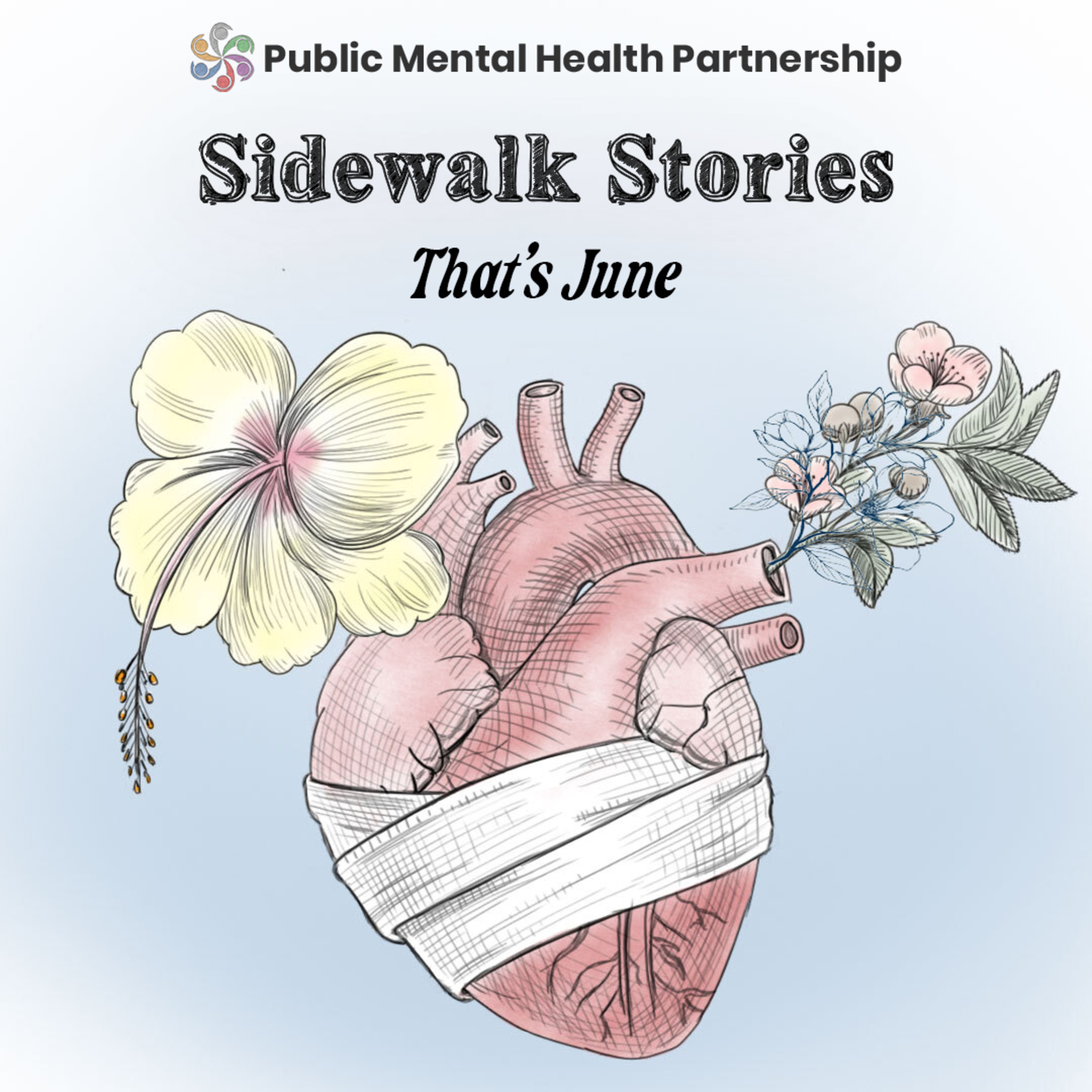 Sidewalk Stories: That's June | Written by Taylor Crawford; Narrated by Stephanie Y. Cole; Artwork by Adrian Cruz; Produced by DMH + UCLA Public Mental Health PartnershipSidewalk Stories is inspired by real-life relationships between an unhoused person and their mental health outreach provider on the Los Angeles County Homeless Outreach and Mobile Engagement team, known as HOME. Though identifying details have been changed, the heart of these stories remains intact. Their work is a beautiful reminder that by offering a helping hand, a listening ear, and leading with empathy, we can inspire hope and help others know that they are never alone. | — | ||||||
| 1/13/26 | 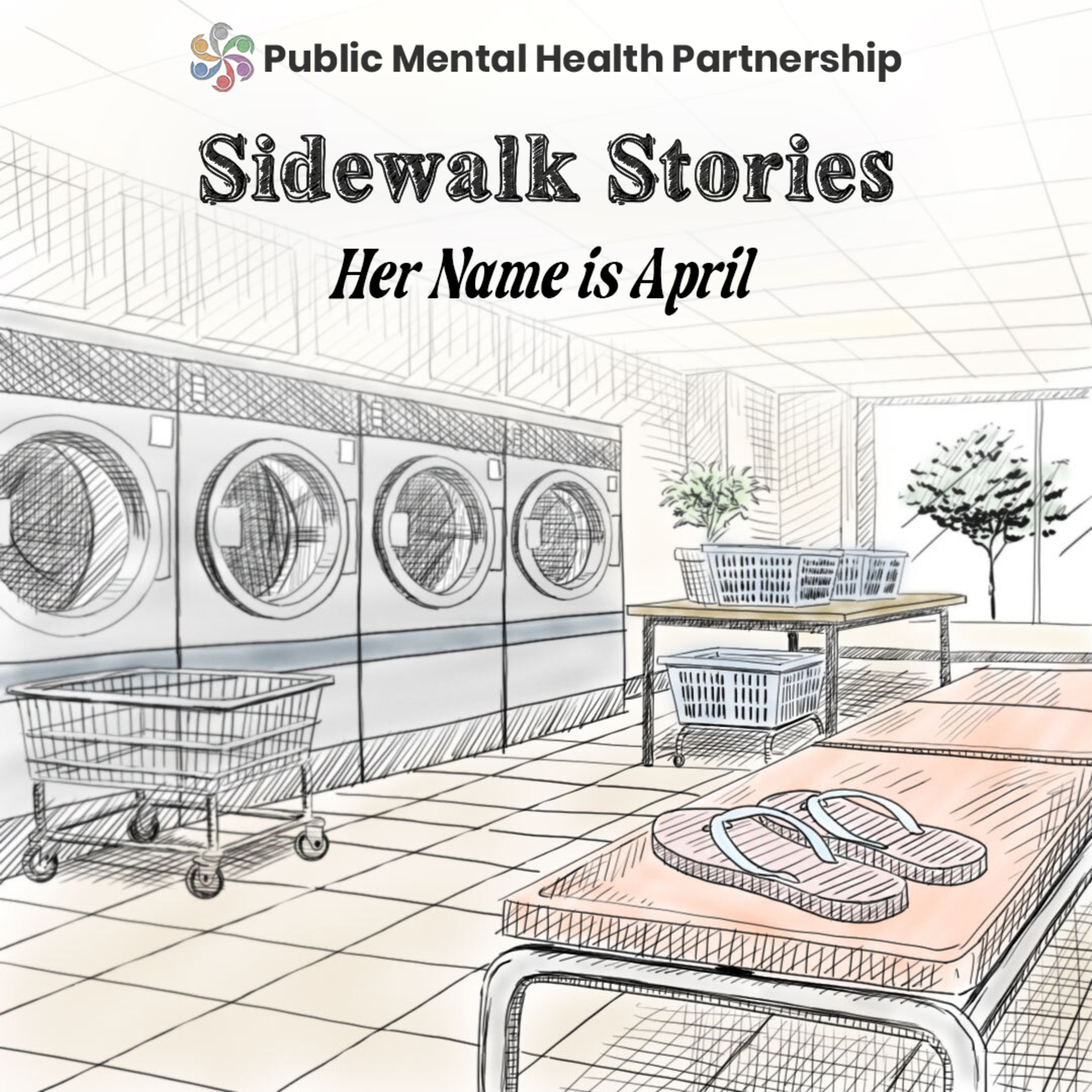 Sidewalk Stories: Her Name is April | Warning: This episode includes discussion of suicide. If this topic is triggering for you, please consider skipping this episode. If you or someone you know is in crisis, in the US, please call or text 988 for immediate help. If outside the US, please reach out to your local crisis hotline.Written by Ally Merkel; Narrated by Lydia Berger Gray; Artwork by Adrian Cruz; Produced by DMH + UCLA Public Mental Health PartnershipSidewalk Stories is inspired by real-life relationships between an unhoused person and their mental health outreach provider on the Los Angeles County Homeless Outreach and Mobile Engagement team, known as HOME. Though identifying details have been changed, the heart of these stories remains intact. Their work is a beautiful reminder that by offering a helping hand, a listening ear, and leading with empathy, we can inspire hope and help others know that they are never alone. | — | ||||||
| 1/6/26 | 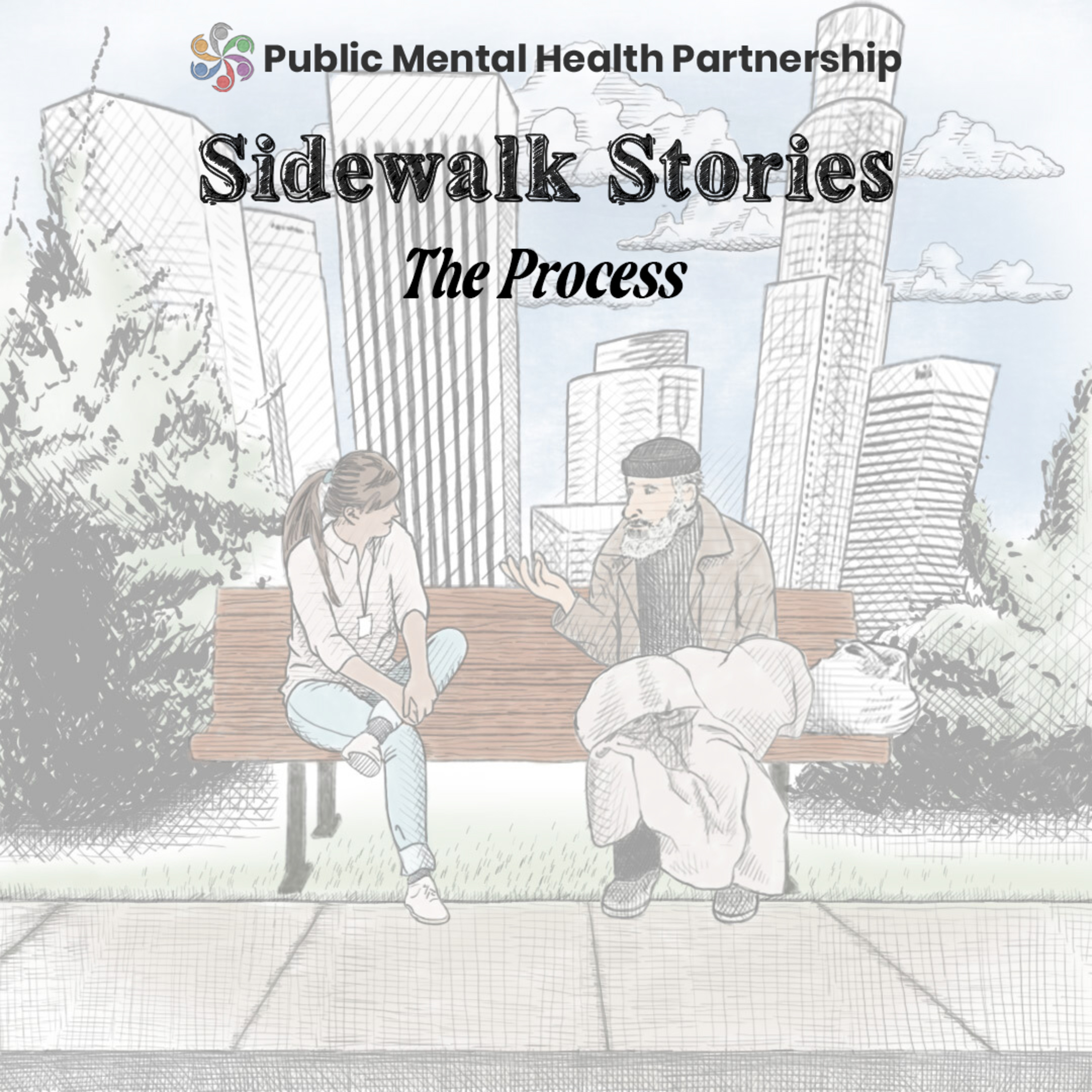 Sidewalk Stories: The Process | Written by Brady Bryson; Narrated by Roni Orlina; Artwork by Adrian Cruz; Produced by DMH + UCLA Public Mental Health PartnershipSidewalk Stories is inspired by real-life relationships between an unhoused person and their mental health outreach provider on the Los Angeles County Homeless Outreach and Mobile Engagement team, known as HOME. Though identifying details have been changed, the heart of these stories remains intact. Their work is a beautiful reminder that by offering a helping hand, a listening ear, and leading with empathy, we can inspire hope and help others know that they are never alone. | — | ||||||
| 12/23/25 | 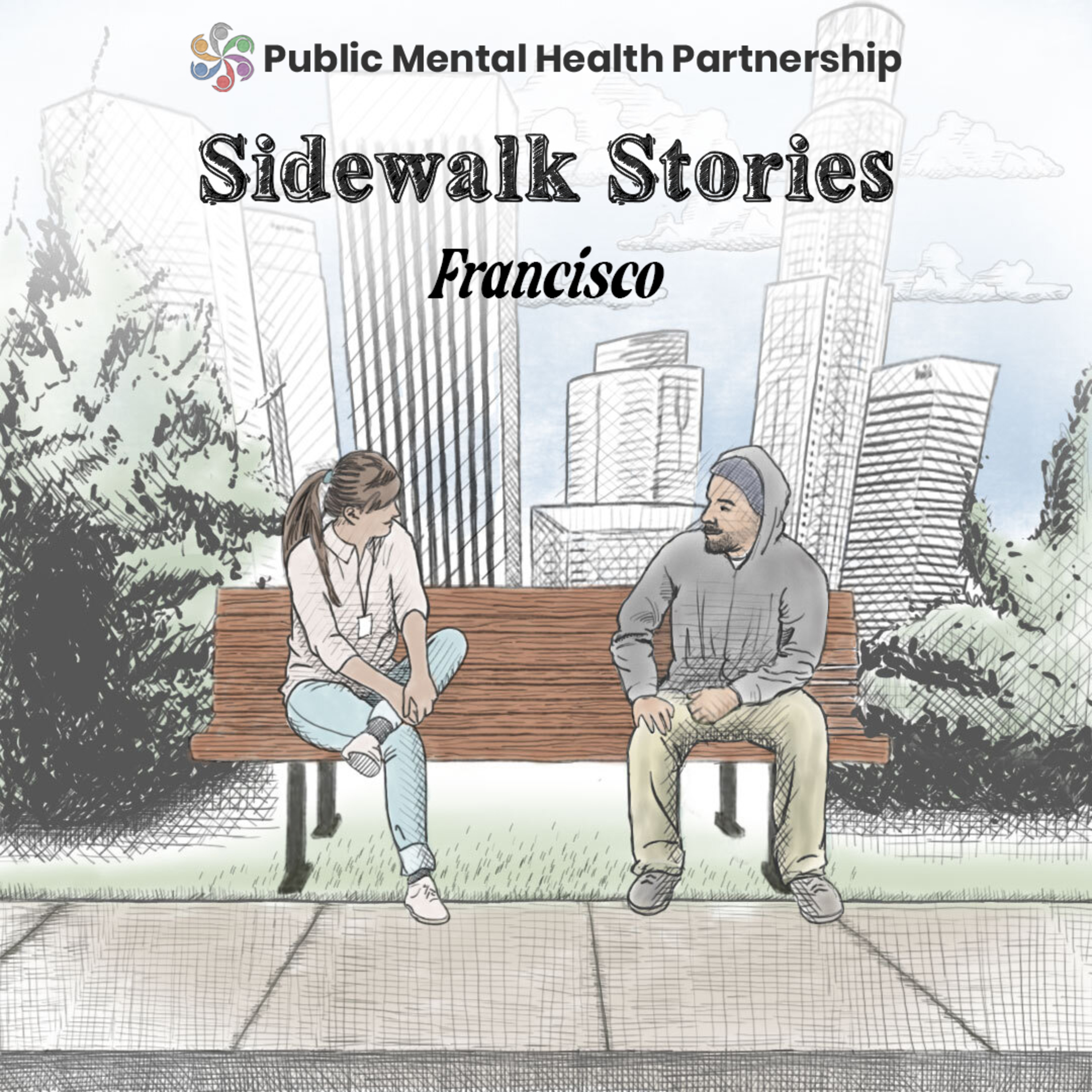 Sidewalk Stories: Francisco | Written by Kevin Grossman; Narrated by Amy Selma; Artwork by Adrian Cruz; Produced by DMH + UCLA Public Mental Health PartnershipSidewalk Stories is inspired by real-life relationships between an unhoused person and their mental health outreach provider on the Los Angeles County Homeless Outreach and Mobile Engagement team, known as HOME. Though identifying details have been changed, the heart of these stories remains intact. Their work is a beautiful reminder that by offering a helping hand, a listening ear, and leading with empathy, we can inspire hope and help others know that they are never alone. | — | ||||||
| 12/16/25 |  Sidewalk Stories: Glasses | Written by Erin Gruodis-Gimbel; Narrated by Roni Orlina; Artwork by Adrian Cruz; Produced by DMH + UCLA Public Mental Health PartnershipSidewalk Stories is inspired by real-life relationships between an unhoused person and their mental health outreach provider on the Los Angeles County Homeless Outreach and Mobile Engagement team, known as HOME. Though identifying details have been changed, the heart of these stories remains intact. Their work is a beautiful reminder that by offering a helping hand, a listening ear, and leading with empathy, we can inspire hope and help others know that they are never alone. | — | ||||||
| 12/9/25 |  Sidewalk Stories: Maline's Waltz | Written by Tavis Vannucci; Narrated by Christian Gray; "Quando me'n vo" aria performed by Caroline Diehl; Artwork by Adrian Cruz; Produced by DMH + UCLA Public Mental Health PartnershipSidewalk Stories is inspired by real-life relationships between an unhoused person and their mental health outreach provider on the Los Angeles County Homeless Outreach and Mobile Engagement team, known as HOME. Though identifying details have been changed, the heart of these stories remains intact. Their work is a beautiful reminder that by offering a helping hand, a listening ear, and leading with empathy, we can inspire hope and help others know that they are never alone. | — | ||||||
| 12/2/25 |  Sidewalk Stories: Bones Don't Care | Written by Ryan Frances-Wright; Narrated by Gervais Weekes; Artwork by Adrian Cruz; Produced by DMH + UCLA Public Mental Health PartnershipSidewalk Stories is inspired by real-life relationships between an unhoused person and their mental health outreach provider on the Los Angeles County Homeless Outreach and Mobile Engagement team, known as HOME. Though identifying details have been changed, the heart of these stories remains intact. Their work is a beautiful reminder that by offering a helping hand, a listening ear, and leading with empathy, we can inspire hope and help others know that they are never alone. | — | ||||||
| 11/25/25 | 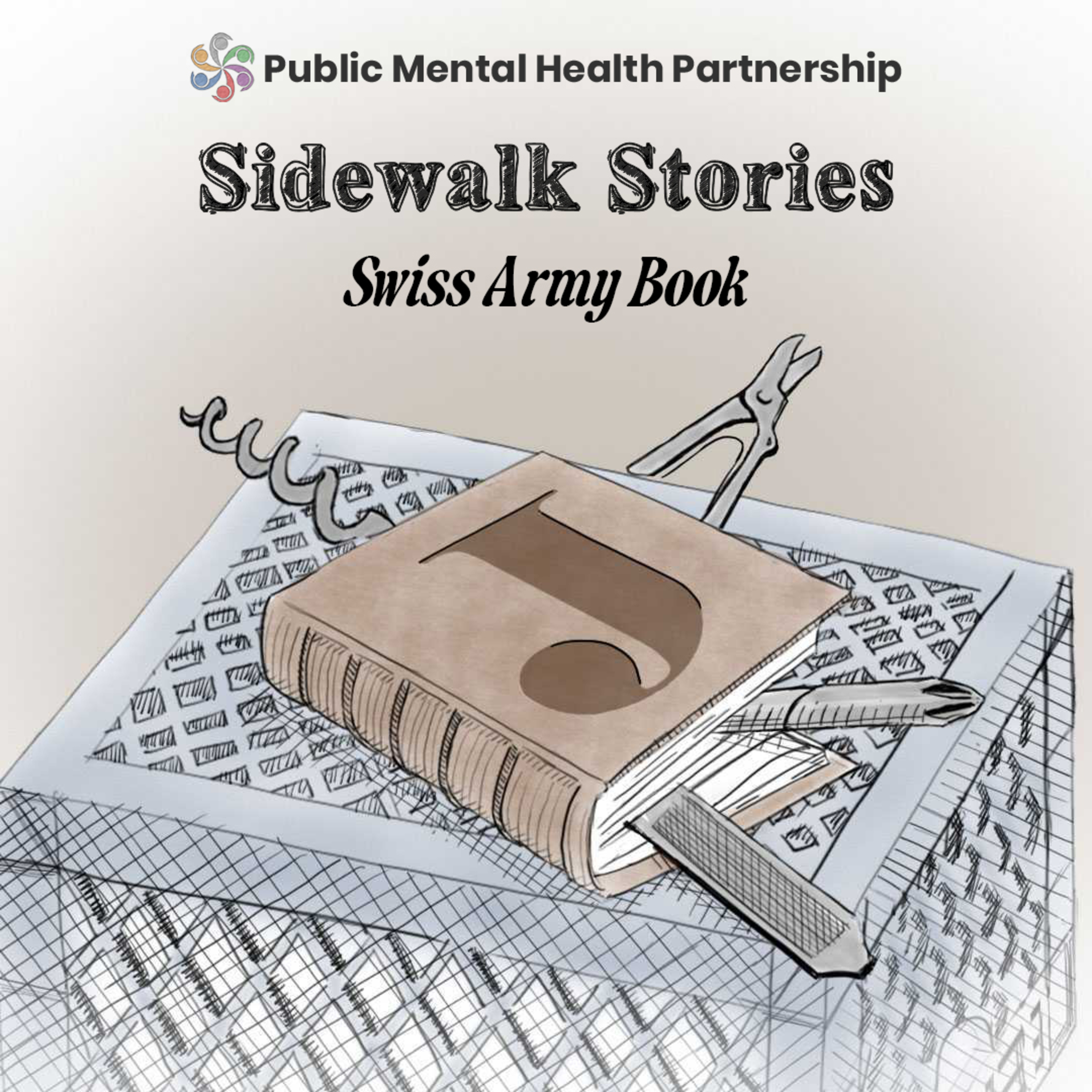 Sidewalk Stories: Swiss Army Book | Written by Joseph Mango; Narrated by Dominica Ivey; Artwork by Adrian Cruz; Produced by DMH + UCLA Public Mental Health PartnershipSidewalk Stories is inspired by real-life relationships between an unhoused person and their mental health outreach provider on the Los Angeles County Homeless Outreach and Mobile Engagement team, known as HOME. Though identifying details have been changed, the heart of these stories remains intact. Their work is a beautiful reminder that by offering a helping hand, a listening ear, and leading with empathy, we can inspire hope and help others know that they are never alone. | — | ||||||
| 11/18/25 | 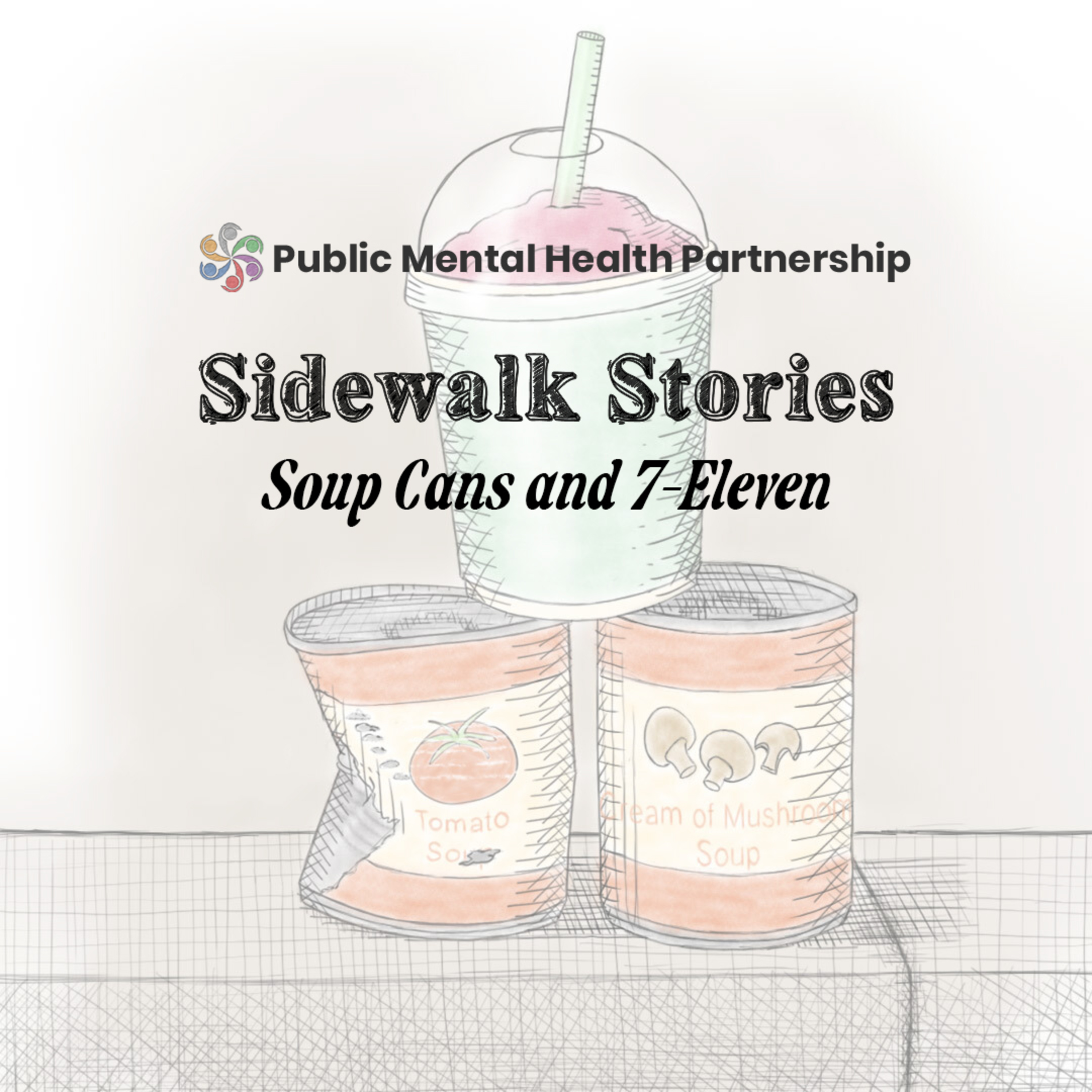 Sidewalk Stories: Soup Cans and 7-Eleven | Written by Zoe Simone; Narrated by Lydia Berger Gray; Artwork by Adrian Cruz; Produced by DMH + UCLA Public Mental Health PartnershipSidewalk Stories is inspired by real-life relationships between an unhoused person and their mental health outreach provider on the Los Angeles County Homeless Outreach and Mobile Engagement team, known as HOME. Though identifying details have been changed, the heart of these stories remains intact. Their work is a beautiful reminder that by offering a helping hand, a listening ear, and leading with empathy, we can inspire hope and help others know that they are never alone. | — | ||||||
Want analysis for the episodes below?Free for Pro Submit a request, we'll have your selected episodes analyzed within an hour. Free, at no cost to you, for Pro users. | |||||||||
| 11/18/25 | 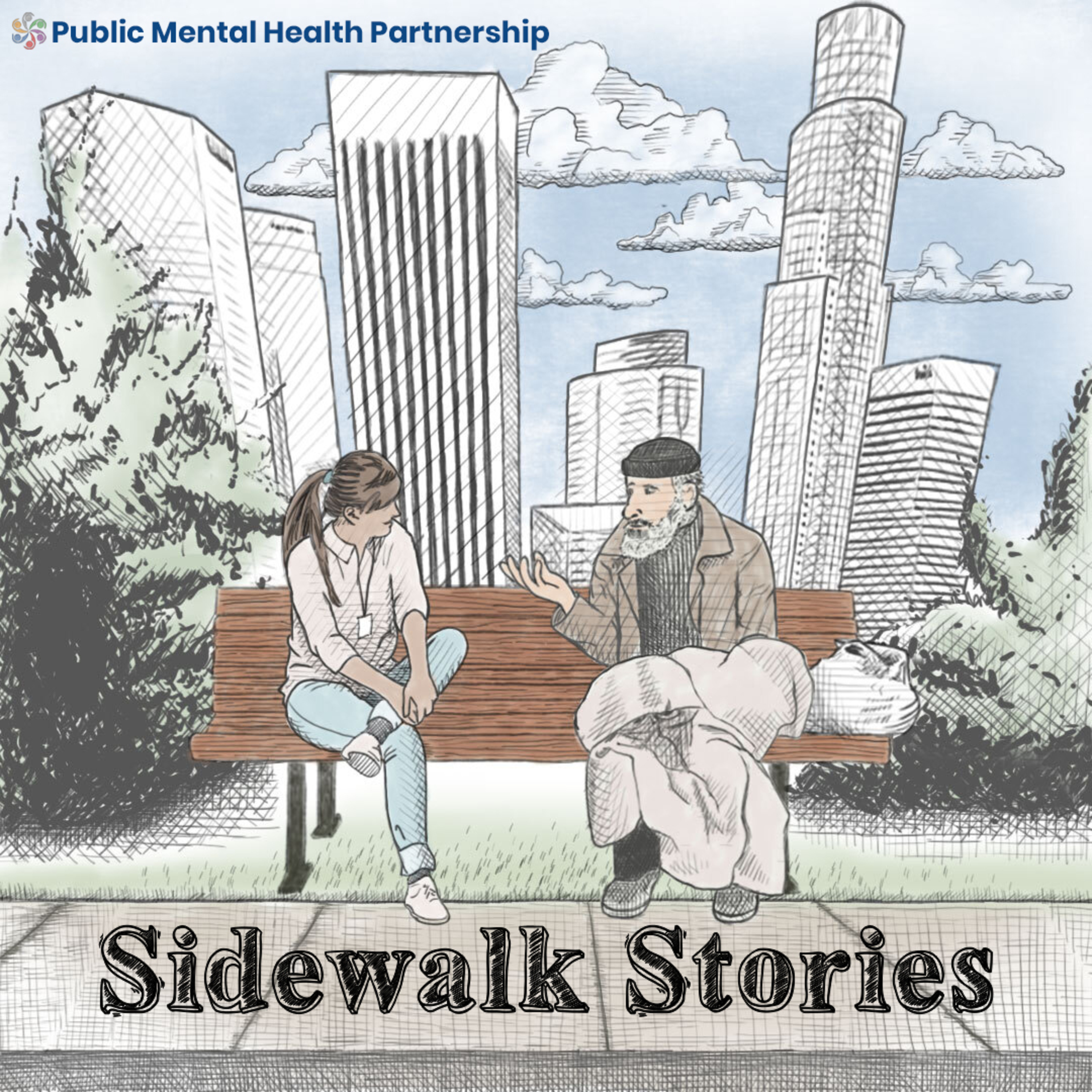 Sidewalk Stories Trailer | At PMHP, we're honored to share a new narrative podcast of 10 episodes titled Sidewalk Stories, inspired by real-life relationships between an unhoused person and their mental health outreach provider on the Los Angeles County Homeless Outreach and Mobile Engagement team, known as HOME. Though identifying details have been changed, the heart of these stories remains intact. We aim to shine a light on their tireless work and amplify their voices to raise awareness, break down stigma, and highlight a crisis affecting cities across the country. Their work is a beautiful reminder that by offering a helping hand, a listening ear, and leading with empathy, we can inspire hope and help others know that they are never alone. Visit pmhp.ucla.edu/sidewalkstories | — | ||||||
| 2/9/23 | Child and Adolescent Suicide Assessment and Prevention | Presented by Danielle Farmer, MSEd, LCSW. WARNING: This video contains discussions about suicide and may be triggering for some individuals. Numerous studies have highlighted a concerning surge in the mental health challenges facing youth in recent years. As part of this growing concern, rates of suicide risk and completed suicides in children and adolescents have also increased. As of 2020, suicide was the second leading cause of death for youth ages 10-14 and the third leading cause of death for youth ages 15-24 (CDC, 2020). It is vital that providers working with children and adolescents are equipped with tools for assessing and preventing suicide. In this 2-hour training, participants will learn the current scope of youth suicide in the United States through statistical analysis. Participants will learn tools for identifying warning signs and risk factors for suicidal ideation. Participants will be introduced to multiple age-appropriate tools for assessing suicide risk and ways to leverage protective factors and preventative interventions. Finally, participants will learn de-escalation strategies to minimize traumatic stress while conducting risk assessments. This training is open to all providers and clinicians who work with youth of all age groups. | — | ||||||
| 11/3/22 | Too Close or Too Far: Setting Best Boundaries with Clients Part 4 | “Too Close or Too Far: Setting Best Boundaries with Clients” will be provided over four days in 2-hour segments via distance learning due to the COVID-19 context. This training focuses on expanding the practice, knowledge, and skill of outreach workers, social workers, case managers, peers, and psychologists who work in Homeless Outreach services in Los Angeles County. The format of each day will include 1 hour of didactic training on concepts, theory, and research related to interpersonal boundaries in client-outreach worker relationships followed by 1 hour of vignette-based activities and facilitated discussion. The didactic portion will begin with an overview of key terms related to interpersonal closeness in therapeutic work including boundaries, boundary clarification, boundary-setting, transference, counter-transference, empathy, and autonomy, with an emphasis on building self-reflection skills around these concepts. The trainers will explore with participants how to recognize when boundary clarification is needed, as well as consider implications of client-provider power dynamics, culture, and professional background/training on their experience and management of boundaries with clients. Additionally, this training will employ a trauma informed lens, to help providers best understand how past experiences may shape their clients’ approach to boundaries, as well as their own (Levenson. 2017). Participants will be taught to reflect on internal and interpersonal client experiences utilizing concepts such as the neglect-overprotect continuum and moral distress (Mänttäri-van der Kuip, 2019; Marsh & Kelley, 2018). Trainers will also guide participants in identifying personal values and characteristics that impact their experiences of setting boundaries with clients. Finally, provider wellbeing will be discussed, with a review of strategies to prevent burnout including radical acceptance and eliciting or providing quality supervision (Begic et al., 2019; Linehan, 2015). The vignette-based activities and discussion will focus on four types of common boundary situations that can come up in work with unsheltered individuals: avoidance, over-identification, sexualized transference, and countertransference. Participants will be encouraged to apply concepts from didactic portion of each day’s training to the vignettes, including identifying boundary-setting skills for each scenario. Recorded on October 27, 2022. | — | ||||||
| 11/3/22 | Too Close or Too Far: Setting Best Boundaries with Clients Part 3 | “Too Close or Too Far: Setting Best Boundaries with Clients” will be provided over four days in 2-hour segments via distance learning due to the COVID-19 context. This training focuses on expanding the practice, knowledge, and skill of outreach workers, social workers, case managers, peers, and psychologists who work in Homeless Outreach services in Los Angeles County. The format of each day will include 1 hour of didactic training on concepts, theory, and research related to interpersonal boundaries in client-outreach worker relationships followed by 1 hour of vignette-based activities and facilitated discussion. The didactic portion will begin with an overview of key terms related to interpersonal closeness in therapeutic work including boundaries, boundary clarification, boundary-setting, transference, counter-transference, empathy, and autonomy, with an emphasis on building self-reflection skills around these concepts. The trainers will explore with participants how to recognize when boundary clarification is needed, as well as consider implications of client-provider power dynamics, culture, and professional background/training on their experience and management of boundaries with clients. Additionally, this training will employ a trauma informed lens, to help providers best understand how past experiences may shape their clients’ approach to boundaries, as well as their own (Levenson. 2017). Participants will be taught to reflect on internal and interpersonal client experiences utilizing concepts such as the neglect-overprotect continuum and moral distress (Mänttäri-van der Kuip, 2019; Marsh & Kelley, 2018). Trainers will also guide participants in identifying personal values and characteristics that impact their experiences of setting boundaries with clients. Finally, provider wellbeing will be discussed, with a review of strategies to prevent burnout including radical acceptance and eliciting or providing quality supervision (Begic et al., 2019; Linehan, 2015). The vignette-based activities and discussion will focus on four types of common boundary situations that can come up in work with unsheltered individuals: avoidance, over-identification, sexualized transference, and countertransference. Participants will be encouraged to apply concepts from didactic portion of each day’s training to the vignettes, including identifying boundary-setting skills for each scenario. Recorded on October 13, 2022. | — | ||||||
| 11/3/22 | Too Close or Too Far: Setting Best Boundaries with Clients Part 2 | “Too Close or Too Far: Setting Best Boundaries with Clients” will be provided over four days in 2-hour segments via distance learning due to the COVID-19 context. This training focuses on expanding the practice, knowledge, and skill of outreach workers, social workers, case managers, peers, and psychologists who work in Homeless Outreach services in Los Angeles County. The format of each day will include 1 hour of didactic training on concepts, theory, and research related to interpersonal boundaries in client-outreach worker relationships followed by 1 hour of vignette-based activities and facilitated discussion. The didactic portion will begin with an overview of key terms related to interpersonal closeness in therapeutic work including boundaries, boundary clarification, boundary-setting, transference, counter-transference, empathy, and autonomy, with an emphasis on building self-reflection skills around these concepts. The trainers will explore with participants how to recognize when boundary clarification is needed, as well as consider implications of client-provider power dynamics, culture, and professional background/training on their experience and management of boundaries with clients. Additionally, this training will employ a trauma informed lens, to help providers best understand how past experiences may shape their clients’ approach to boundaries, as well as their own (Levenson. 2017). Participants will be taught to reflect on internal and interpersonal client experiences utilizing concepts such as the neglect-overprotect continuum and moral distress (Mänttäri-van der Kuip, 2019; Marsh & Kelley, 2018). Trainers will also guide participants in identifying personal values and characteristics that impact their experiences of setting boundaries with clients. Finally, provider wellbeing will be discussed, with a review of strategies to prevent burnout including radical acceptance and eliciting or providing quality supervision (Begic et al., 2019; Linehan, 2015). The vignette-based activities and discussion will focus on four types of common boundary situations that can come up in work with unsheltered individuals: avoidance, over-identification, sexualized transference, and countertransference. Participants will be encouraged to apply concepts from didactic portion of each day’s training to the vignettes, including identifying boundary-setting skills for each scenario. Recorded on September 29, 2022. | — | ||||||
| 11/3/22 | Too Close or Too Far: Setting Best Boundaries with Clients Part 1 | “Too Close or Too Far: Setting Best Boundaries with Clients” will be provided over four days in 2-hour segments via distance learning due to the COVID-19 context. This training focuses on expanding the practice, knowledge, and skill of outreach workers, social workers, case managers, peers, and psychologists who work in Homeless Outreach services in Los Angeles County. The format of each day will include 1 hour of didactic training on concepts, theory, and research related to interpersonal boundaries in client-outreach worker relationships followed by 1 hour of vignette-based activities and facilitated discussion. The didactic portion will begin with an overview of key terms related to interpersonal closeness in therapeutic work including boundaries, boundary clarification, boundary-setting, transference, counter-transference, empathy, and autonomy, with an emphasis on building self-reflection skills around these concepts. The trainers will explore with participants how to recognize when boundary clarification is needed, as well as consider implications of client-provider power dynamics, culture, and professional background/training on their experience and management of boundaries with clients. Additionally, this training will employ a trauma informed lens, to help providers best understand how past experiences may shape their clients’ approach to boundaries, as well as their own (Levenson. 2017). Participants will be taught to reflect on internal and interpersonal client experiences utilizing concepts such as the neglect-overprotect continuum and moral distress (Mänttäri-van der Kuip, 2019; Marsh & Kelley, 2018). Trainers will also guide participants in identifying personal values and characteristics that impact their experiences of setting boundaries with clients. Finally, provider wellbeing will be discussed, with a review of strategies to prevent burnout including radical acceptance and eliciting or providing quality supervision (Begic et al., 2019; Linehan, 2015). The vignette-based activities and discussion will focus on four types of common boundary situations that can come up in work with unsheltered individuals: avoidance, over-identification, sexualized transference, and countertransference. Participants will be encouraged to apply concepts from didactic portion of each day’s training to the vignettes, including identifying boundary-setting skills for each scenario. Recorded on September 15, 2022. | — | ||||||
| 5/4/22 |  Setting Clients up for Success with Behavioral Rehearsal–Skills Training | We all need skills to effectively navigate and manage life’s challenges. When we don’t have effective coping skills, however, we can feel overwhelmed, anxious, dysregulated, and stressed. Behavioral rehearsal strategies are incredibly effective in supporting a person as they develop new coping skills to help manage stress and stressful situations. When we go beyond simply discussing new skills to practicing them, we are setting clients up for success by teaching them how to use the tools in their lives. During this workshop, we highlight the importance of skills training, explore how to engage clients in skills rehearsal, review the steps of effective skills practice and develop strategies to individualize rehearsal practice to suit the unique needs of each client. | — | ||||||
| 4/11/22 | Asian American and Pacific Islander (AAPI) Phases of Treatment: Crisis Intervention | Stigma and cultural practices in Asian American and Pacific Islander (AAPI) communities play a significant role in help seeking behavior in the face of mental health crises. This training will help mental health providers better recognize the various factors that may give rise to the challenges in crisis intervention work, with consideration to some of the complexities between age, inter-generational differences, and ethnic groups. Providers will be able to identify and share resources and practices that may better serve the needs of AAPI clients and families, while reflecting on the impact of crises on both the client and the provider. | — | ||||||
| 3/3/22 | Psychotherapeutic Techniques with Older Adults - Part 3: Psychotherapeutic Services for Older Adults with Psychotic Disorders | Older adults exhibit psychotic symptoms for many different reasons. Treatment may require medical and psychiatric intervention, family support, linkages to community services, and more. The role of psychotherapy with older adults that experience psychosis has received little attention. This training will describe a psychotherapeutic approach to treating older adults with psychotic symptoms based on the literature and the presenter’s clinical experience. The approach includes outreach to identify individuals in need of help; clinical engagement to develop a working relationship; linkage with needed services; and helping individuals reduce the link between triggers and psychotic symptoms. Differences between treating a person with delusional disorder versus schizophrenia will also be discussed. | — | ||||||
| 3/3/22 | Psychotherapeutic Techniques with Older Adults - Part 2: Mental Health Services with Older Adults with Cognitive Impairment | This training outlines different types of cognitive impairment often found among older adults. Given a common understanding that mental health services for persons with “dementia” or cognitive impairment cannot be billed for, the presenter will describe Medi-Cal regulations regarding insurance billing for mental health services for persons with cognitive impairment who also have a co-occurring mental illness. This presentation will describe common emotional and other internal experiences of persons with cognitive impairment. There will be a discussion of psychotherapeutic and other mental health interventions that have demonstrated effectiveness in helping older adults, including adjustments that can be made to interventions during a global pandemic. | — | ||||||
| 3/3/22 | Psychotherapeutic Techniques with Older Adults - Part 1: Enhancing Meaning with Older Adults | Later life can often be a time of many different losses, such as loss of friends or loved one, loss of physical functioning and/or health, loss of cognitive acuity, and loss of status. When clients have experienced several of these, it can present challenges to mental health professionals as to how to encourage improved mood and mental health, when interpersonal, physical, social, and financial resources are narrowed. This training will present several approaches within mental health interventions that can help older adults with mental illness who are facing challenges of aging and loss. Dr. Victor Frankl wrote about the importance of developing meaning in life, particularly when faced with seemingly overwhelming difficulties. | — | ||||||
| 1/21/22 | Hoarding Disorder: Practical Interventions for Service Professionals | This presentation will explore the basics of Hoarding Disorder, such as its symptoms, criteria for diagnosis, and neurological and genetic components. We will then look at ways of assessing its severity and determining the level of insight and readiness for treatment of the client. From there participants will be introduced to intervention techniques for both resistant and non-resistant clients with the goal of improving the client’s health and safety in the home. Please note that CEs are only available by attending the live virtual training, not the anytime session. | — | ||||||
| 9/1/21 | Transgender Issues in Mental Health Treatment - A Deeper Look | Many if not most LGBTQI+ youth and adults risk (or have experienced) rejection from their families, churches and spiritual communities, and even some institutions that they may choose for their secondary education. In addition, adults often can face continued discrimination in both housing and employment, health care, and blatant societal rejection, which are compounded in communities of color. This multi-level risk for rejection increases the mental health risk for suicide, substance abuse, and high risk sexual behaviors significantly, and also increases avoidance of accessing mental health resources sooner. Participants will obtain an overview of some of these disparities, explain the important differences between working with LGB clients and people who are Intersex and Transgender, understand the “Do’s and Don’ts,” and identify the protective factors to weave into your work providing services to clients in the LGBTQI+ community. | — | ||||||
| 7/21/21 | FSP Training Collaboratives: Systems-Oriented Care, Part 3 | This course builds on the prior Full Service Partnership Training Collaborative series topics to introduce, explore, and unpack the factors across the socio-ecological system (i.e., factors at micro-, meso-, exo-, and macro- levels) impactful to FSP in Los Angeles County, and most relevant to the individual wellbeing outcomes for FSP clients. Part 3. | — | ||||||
| 7/12/21 | FSP Training Collaboratives: Systems-Oriented Care, Part 1 | This course builds on the prior Full Service Partnership Training Collaborative series topics to introduce, explore, and unpack the factors across the socio-ecological system (i.e., factors at micro-, meso-, exo-, and macro- levels) impactful to FSP in Los Angeles County, and most relevant to the individual wellbeing outcomes for FSP clients. Part 1. | — | ||||||
Showing 25 of 65
Sponsor Intelligence
Sign in to see which brands sponsor this podcast, their ad offers, and promo codes.
Chart Positions
3 placements across 3 markets.
Chart Positions
3 placements across 3 markets.