
Insights from recent episode analysis
Audience Interest
Podcast Focus
Publishing Consistency
Platform Reach
Insights are generated by CastFox AI using publicly available data, episode content, and proprietary models.
Total monthly reach
Estimated from 12 chart positions in 12 markets.
By chart position
- 🇦🇺AU · News Commentary#1055K to 30K
- 🇯🇵JP · News Commentary#7810K to 30K
- 🇰🇷KR · News Commentary#1361K to 10K
- 🇨🇿CZ · News Commentary#1430K to 100K
- 🇹🇭TH · News Commentary#603K to 10K
- Per-Episode Audience
Est. listeners per new episode within ~30 days
17K to 65K🎙 Daily cadence·100 episodes·Last published yesterday - Monthly Reach
Unique listeners across all episodes (30 days)
58K to 215K🇨🇿47%🇦🇺14%🇯🇵14%+9 more - Active Followers
Loyal subscribers who consistently listen
23K to 86K
Market Insights
Platform Distribution
Reach across major podcast platforms, updated hourly
Total Followers
—
Total Plays
—
Total Reviews
—
* Data sourced directly from platform APIs and aggregated hourly across all major podcast directories.
On the show
Recent episodes
What happens when AI learns to lie?
May 19, 2026
14m 36s
Ebola update: WHO on the ground to help contain outbreak
May 18, 2026
9m 04s
War photographer Giles Clarke: We mustn’t turn away from Sudan’s suffering
May 14, 2026
13m 52s
‘One word – stop’: Artist Sandy Walker on Hiroshima, memory and the role of art
May 14, 2026
13m 53s
UN victims’ rights advocate urges survivors to ‘come forward’
May 8, 2026
7m 35s
Social Links & Contact
Official channels & resources
Official Website
Login
RSS Feed
Login
| Date | Episode | Description | Length | ||||||
|---|---|---|---|---|---|---|---|---|---|
| 5/19/26 |  What happens when AI learns to lie? | Science Forward, the podcast of the UN Secretary-General’s Scientific Advisory Board, features world-leading scientists, and explores today’s challenges, from AI and biotechnology to climate and health.In the very first episode of Science Forward, Board member Yoshua Bengio and AI policy expert Charlotte Stix unpack the growing risks of deceptive AI with hosts Julia Bhattacharjee and Adam Day, to answer the question: What happens when AI learns to lie? | 14m 36s | ||||||
| 5/18/26 | 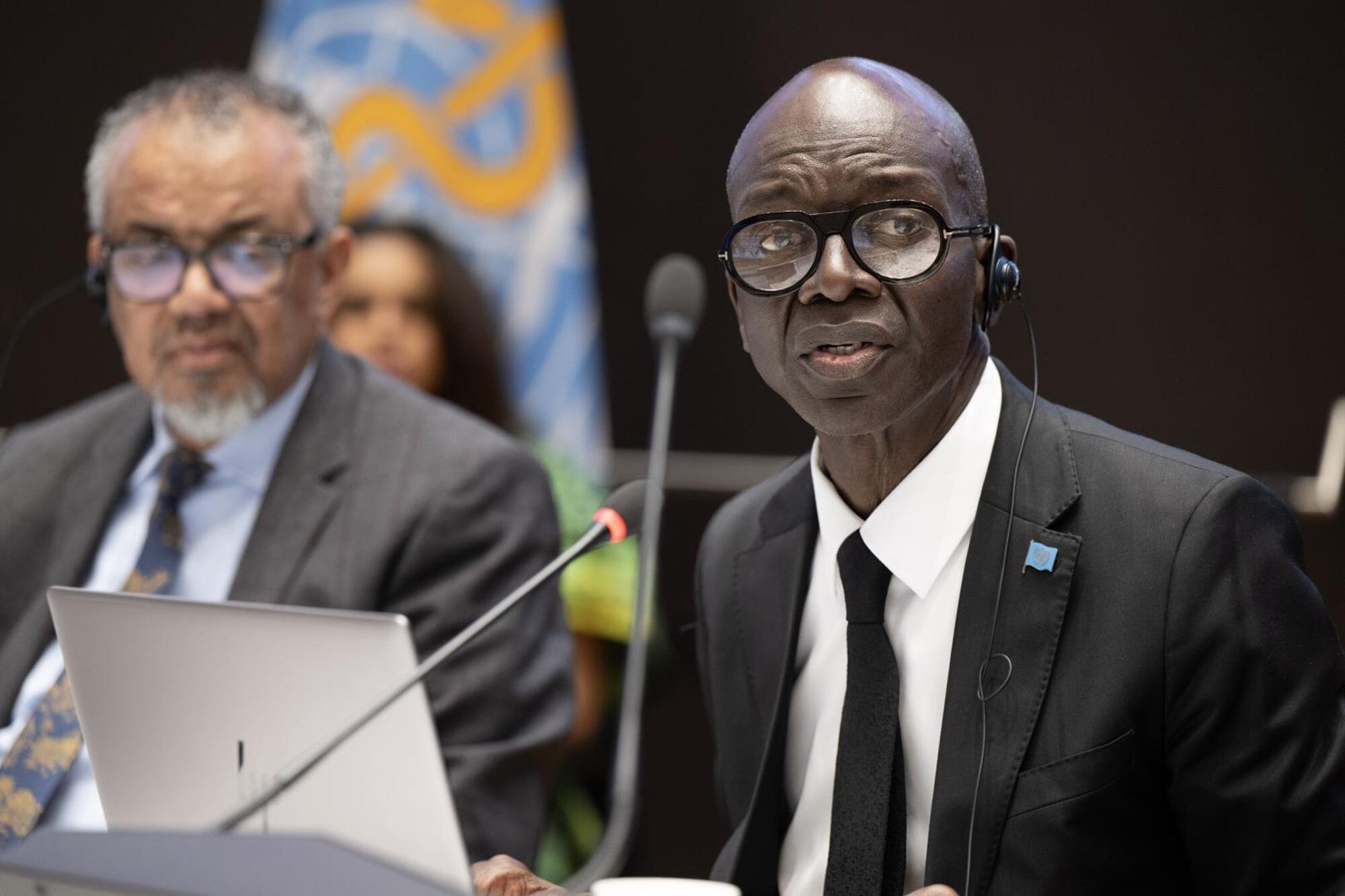 Ebola update: WHO on the ground to help contain outbreak | Over the weekend, the World Health Organization (WHO) declared the Ebola outbreak caused by the Bundibugyo virus in the Democratic Republic of the Congo (DRC) and Uganda a Public Health Emergency of International Concern.As of Saturday, 16 May, health authorities had recorded eight laboratory-confirmed cases, 246 suspected cases and 80 suspected deaths in Ituri province in eastern DRC.Uganda also confirmed two Ebola cases – including one death reported in capital Kampala – among travellers arriving from the DRC.“Ebola is a very serious disease, but it’s one that we know how to control,” said Mohamed Janabi, WHO Regional Director for Africa.Speaking to UN News’ Flora Nducha, he explained the measures WHO is taking to contain the spread of the virus and called on the media to share accurate information to avoid a “fear outbreak”. | 9m 04s | ||||||
| 5/14/26 | 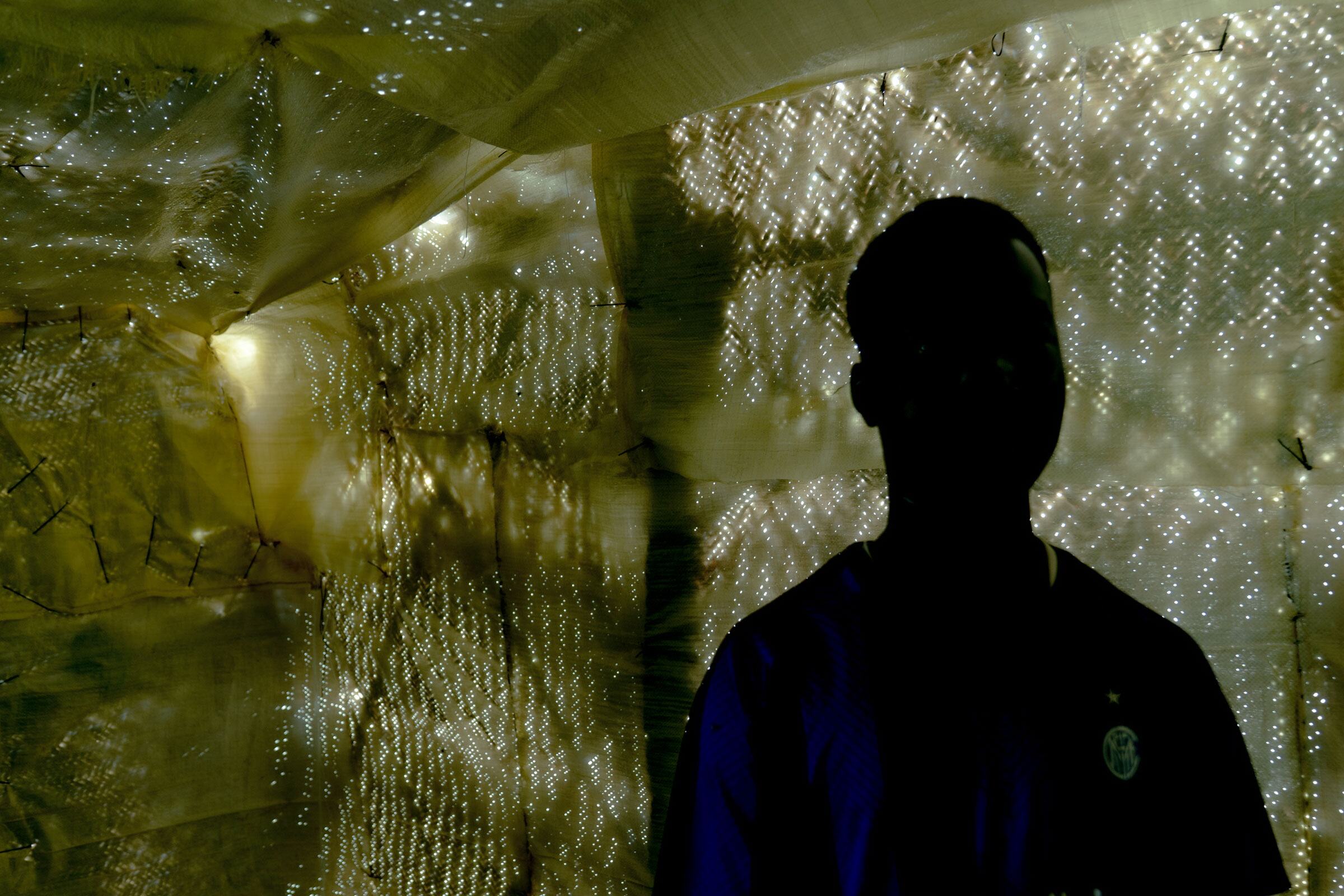 War photographer Giles Clarke: We mustn’t turn away from Sudan’s suffering | It’s hard to come up with new ways to describe the massive humanitarian emergency that is still unfolding in Sudan because of the war.A staggering 33 million people need help and later today, UN-backed food insecurity experts are expected to warn once again that hunger is on the rise again and famine is a real risk in 14 areas of the devastated country.Although it is extremely difficult and dangerous to access and report from Sudan’s east, photographer Giles Clarke has managed to do so, with the help of the UN aid coordination office, OCHA. The result is a memorable, harrowing photo-essay that features the stories of five civilians impacted by the conflict. It’s called Darfur’s Survivors. | 13m 52s | ||||||
| 5/14/26 | 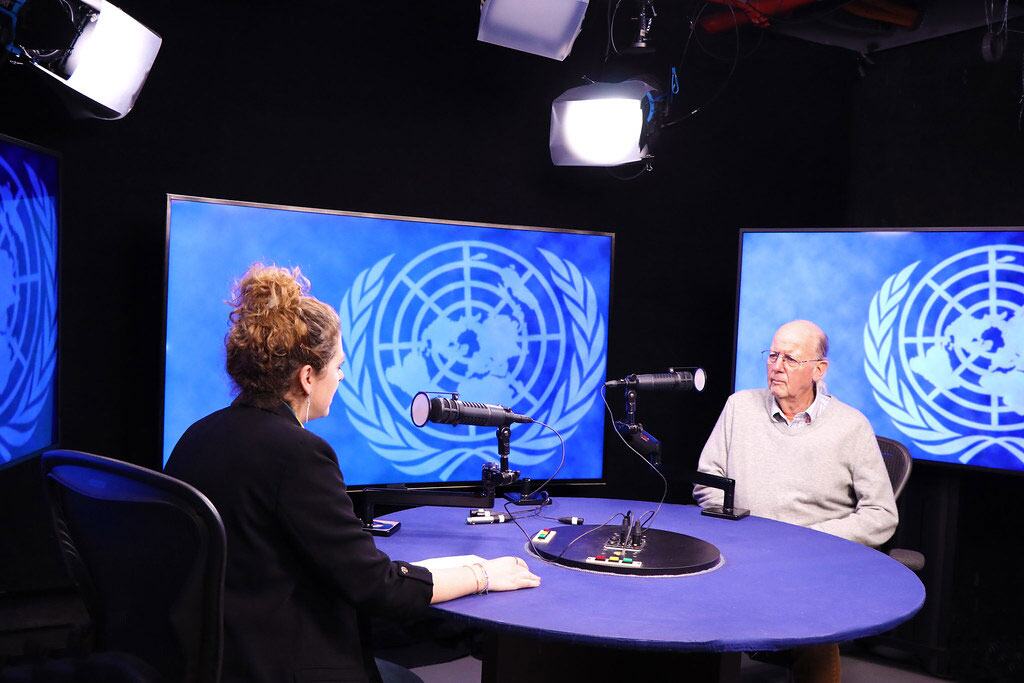 ‘One word – stop’: Artist Sandy Walker on Hiroshima, memory and the role of art | Eighty years after the atomic bombing of Hiroshima, artist Sandy Walker believes art still has the power to transform people’s perceptions. Speaking to UN News at United Nations Headquarters, Mr. Walker reflected on the influence of Hiroshima survivor and writer Tamiki Hara, whose final work, My Deepest Desire, inspired a series of ink drawings that now accompany a new edition of the text.Mr. Walker explains why he believes art can shape collective memory by first reaching individuals one by one.“When asked what Hiroshima’s message to the world today might be,” he told UN News’ Ana Carmo, “the answer is one word: stop.” | 13m 53s | ||||||
| 5/8/26 |  UN victims’ rights advocate urges survivors to ‘come forward’ | The United Nations Victims’ Rights Advocate, Najla Nassif Palma, has urged survivors of sexual exploitation and abuse by UN personnel to “come forward”, while calling for stronger action across the UN system and for Member States to put victims’ rights first.Her office works to ensure victims “have a voice, assistance and justice”. The mandate was established by Secretary-General António Guterres in 2017 as part of the UN’s strategy to combat sexual exploitation and abuse.Speaking to UN News’s Ana Carmo following the release of a new report, Ms. Nassif Palma highlighted progress in expanding access to medical, psychosocial and legal support, as well as education and livelihood assistance for children born as a result of exploitation. However, she warns that significant gaps remain. | 7m 35s | ||||||
| 5/4/26 | 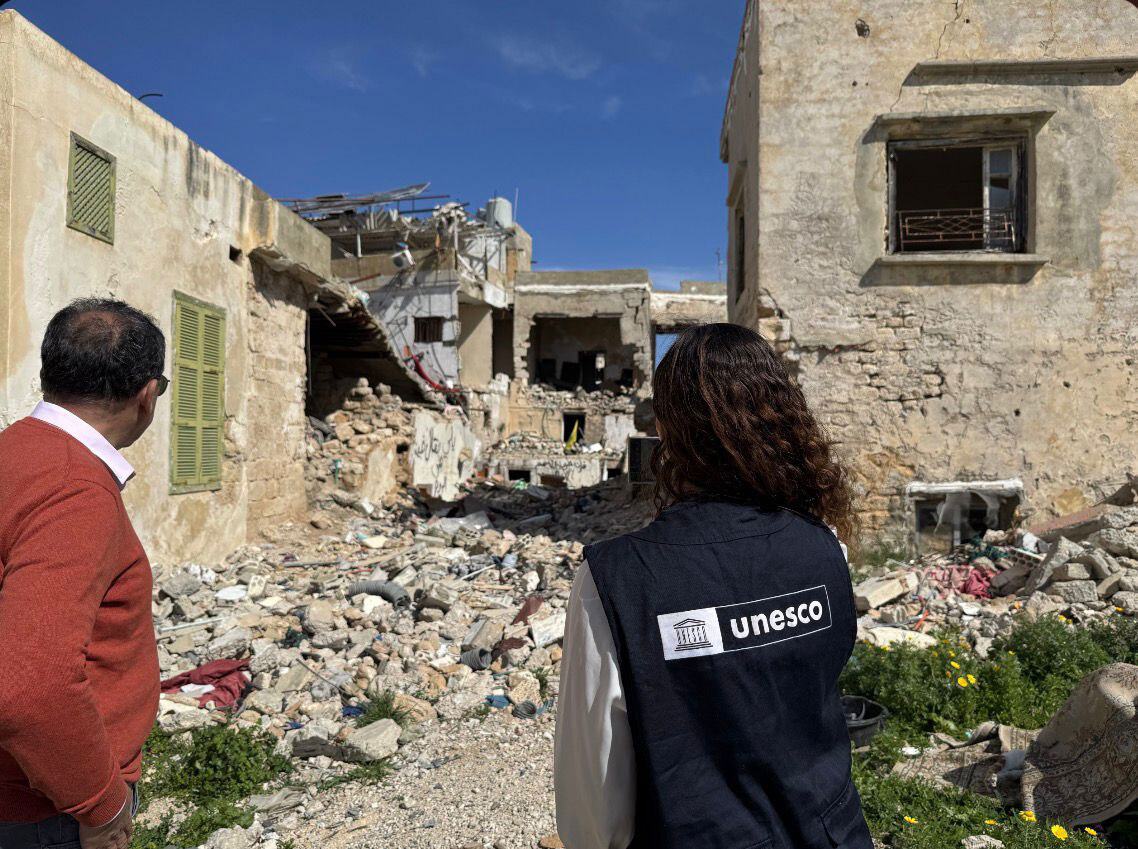 Press freedom: Journalists face rising risks | World Press Freedom Day, officially observed on Sunday, arrives this year under the theme Shaping a Future at Peace, a message that feels especially urgent as the number of journalists killed in conflict zones continues to rise.According to the UN education and culture organization, UNESCO, which monitors press freedom, 93 journalists were killed in 2025 alone – 60 of them in conflict zones.So, what does a call for peace mean in today’s turbulent global landscape? UN News’s Nancy Sarkis spoke to Sylvie Coudray, Director of UNESCO’s Division for Freedom of Expression, Media Development, and Media and Information Literacy. | 9m 11s | ||||||
| 4/28/26 | 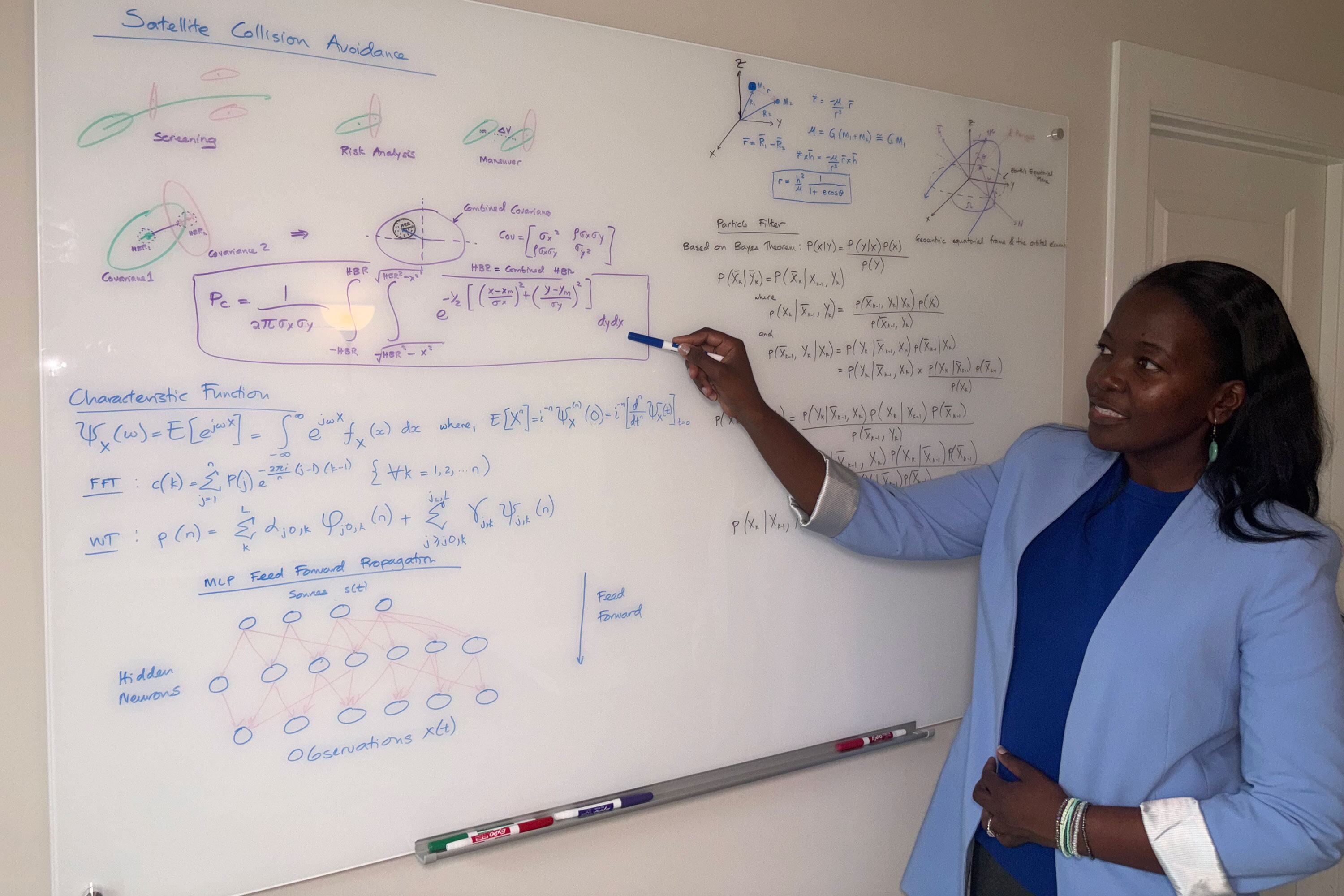 NASA engineer inspires girls to reach beyond gravity | NASA aerospace engineer Alinda Mashiku was born in New York then moved to Tanzania as a young girl, where she dreamed of becoming an astronaut – but reaching for the stars seemed almost an impossibility. Today, as a Program Manager with the US space agency, she helps ensure that satellites avoid collisions in orbit, contributing to the safety and sustainability of pioneering space missions such as the record-breaking Artemis II mission around the moon earlier this month.According to UN data, women make up only 35 per cent of science, tech, engineering and maths graduates (STEM) – figure that has not changed in the past decade.In an interview with UN News’s Anold Kayanda from our Swahili team, Ms. Mashiku explains why girls should place no limits on their ambitions to break the STEM glass ceiling, into the stratosphere. | 14m 31s | ||||||
| 4/28/26 | 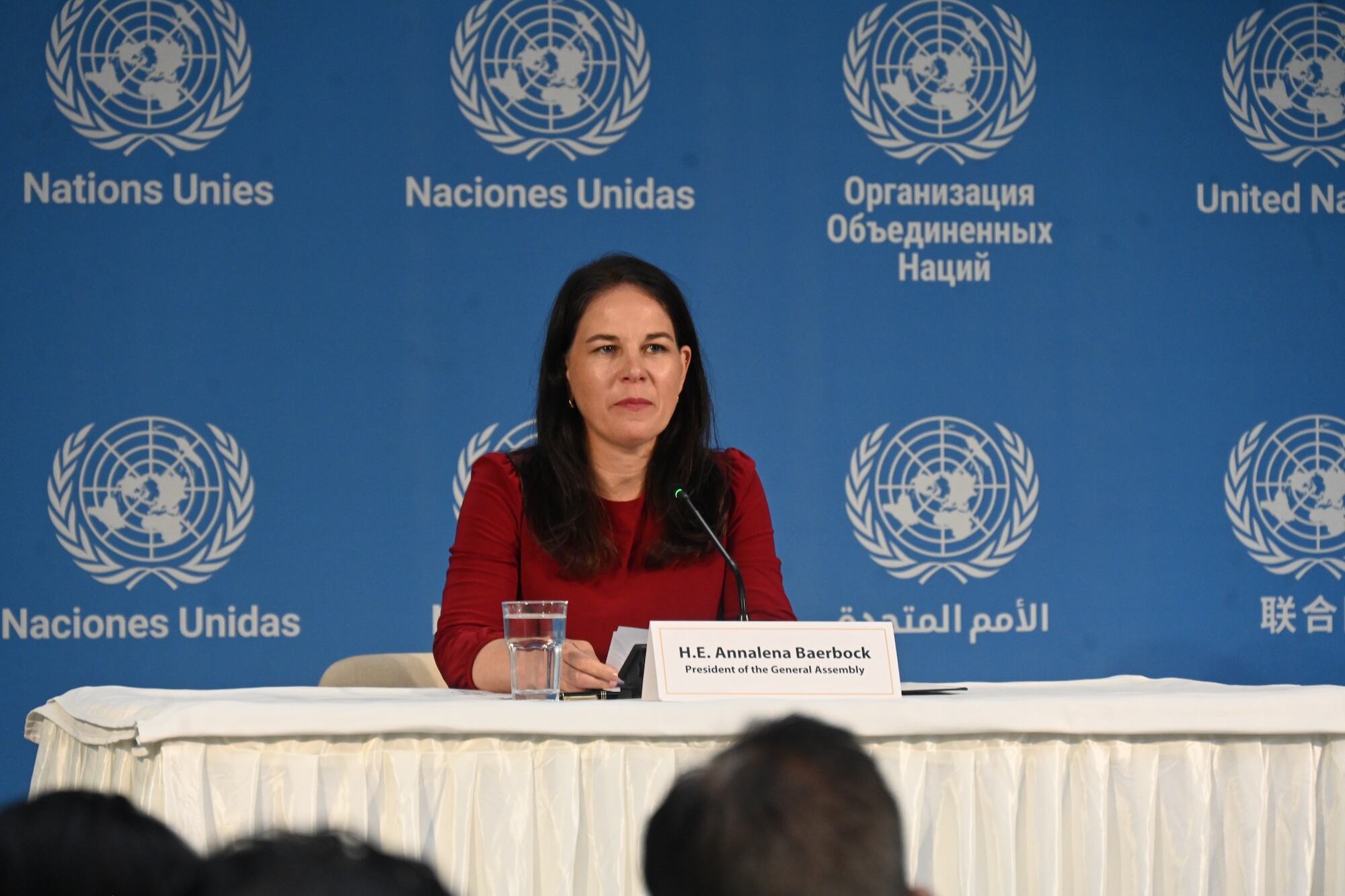 80 years on, it’s ‘hard to explain’ why the UN never had a woman at the helm: General Assembly President | As the United Nations marks its 80th anniversary, General Assembly President Annalena Baerbock highlights a striking gap in its leadership: the continued absence of a woman Secretary-General.For an institution founded on principles of equality, human rights, and inclusion, this omission is becoming harder to defend. Ms. Baerbock argues that the issue is not merely symbolic, but central to the UN’s mission, with women’s rights inseparable from peace, security, and sustainable development.In an interview with UN News’s Anshu Sharma during her official visit to India, Ms. Baerbock also reflected on the broader challenges facing multilateralism, the need for reform, and the importance of standing together to uphold the values of the UN Charter. | 8m 21s | ||||||
| 4/23/26 | 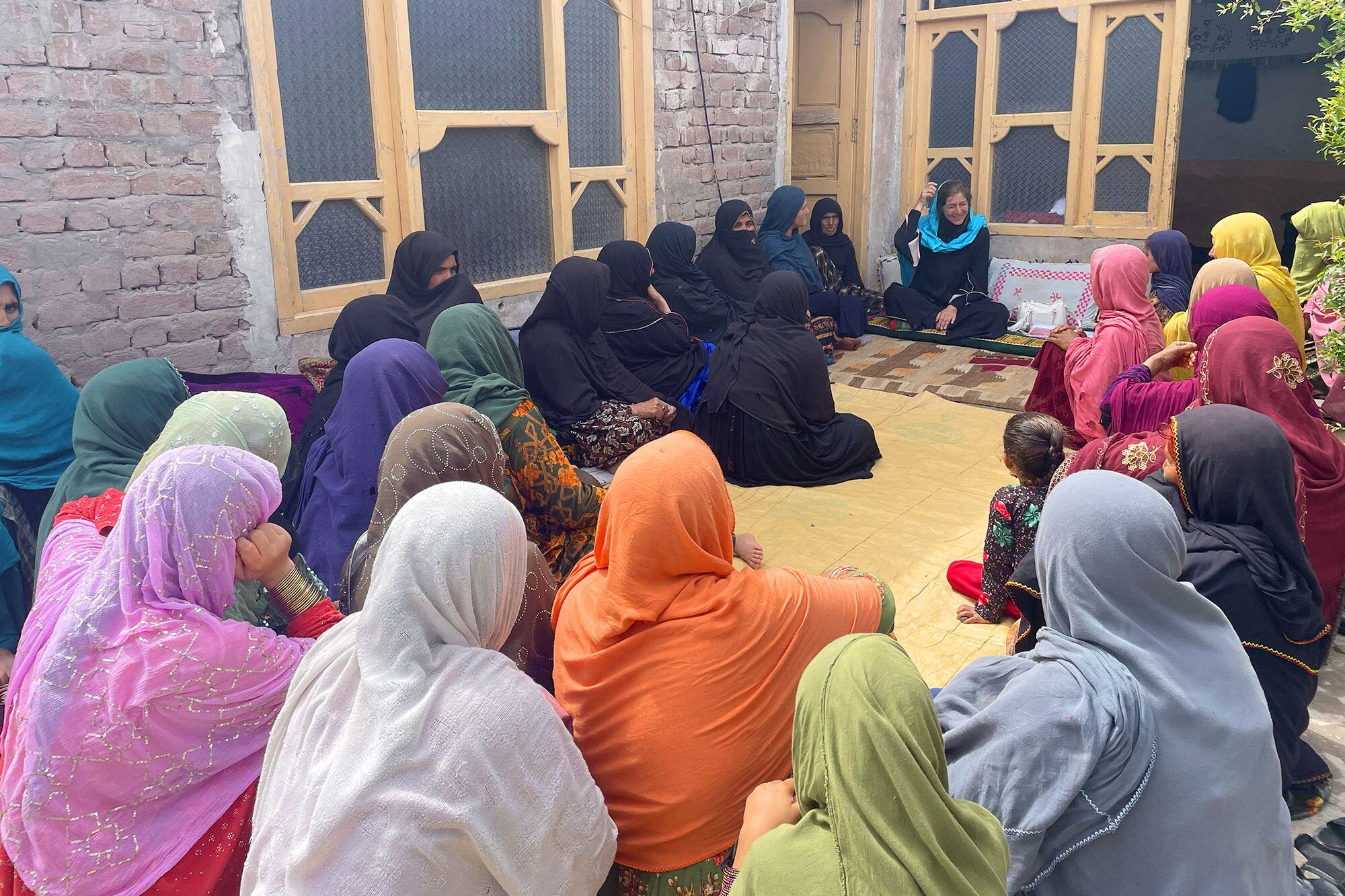 Afghanistan faces mounting strain as refugee returns surge, displacement deepens | Afghanistan is seeing a sharp rise in refugees heading home, with more than 2.8 million people coming back from Iran and Pakistan in 2025 alone, according to UN estimates.That brings the total number of returnees since September 2023 to over three million. The surge has seen the population rise by more than 10 per cent, adding pressure to already limited infrastructure and fragile public services.UN News’s Nancy Sarkis spoke to Stephanie Loose, Country Programme Manager at UN-Habitat Afghanistan, about why sustainable reintegration depends on better access to housing and essential services. | 9m 34s | ||||||
| 4/22/26 | 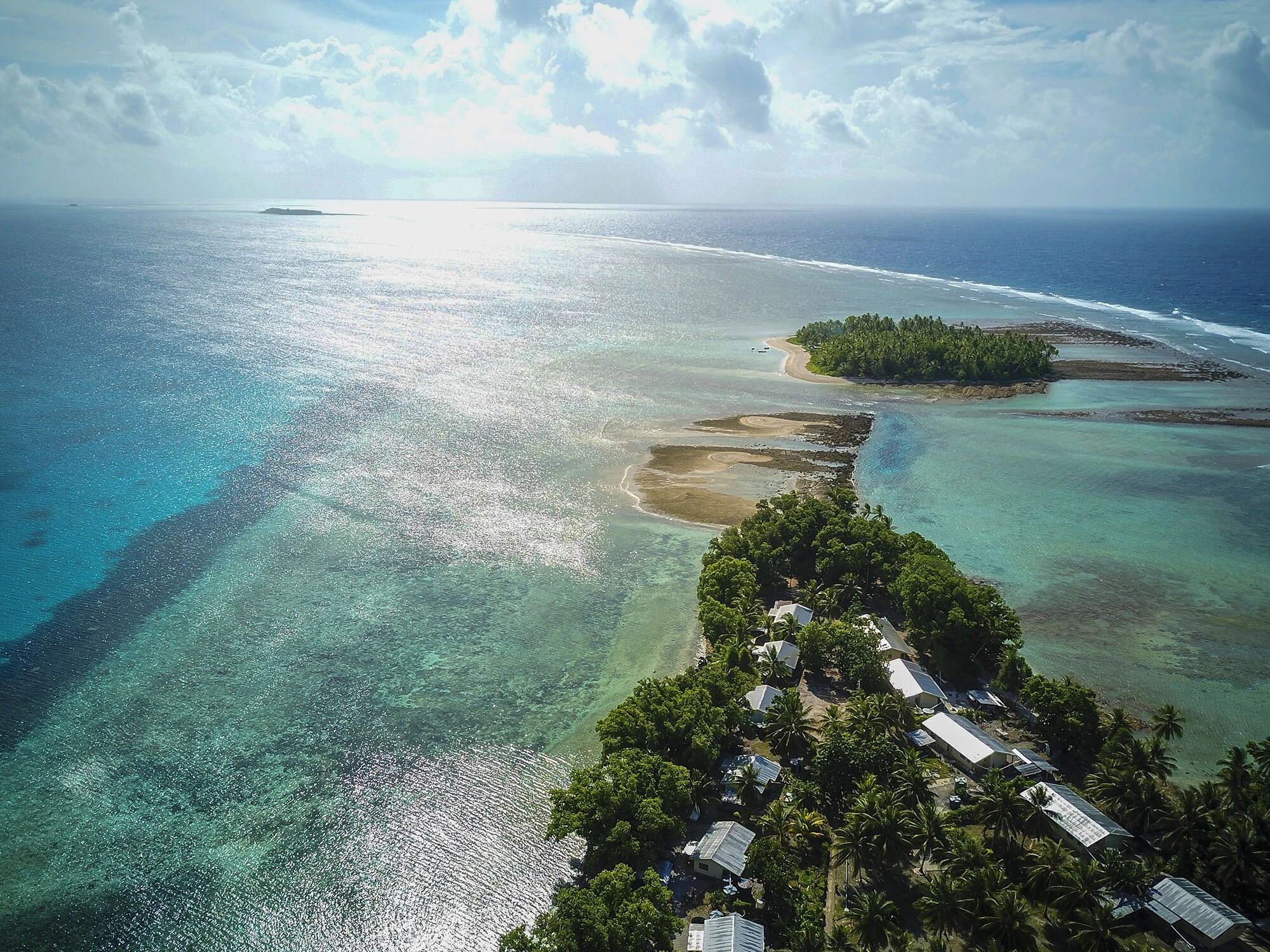 Battling for survival on the climate frontline, Tuvalu faces up to physical erasure | Tuvalu, a low-lying Pacific island nation, is on the frontline of the climate crisis, with rising sea levels threatening to submerge much of its territory by the end of the century.Many of its citizens are already planning for an uncertain future. In 2025, more than 90 per cent applied for a visa pathway offering residency in Australia. Earlier, in 2022, the government launched a “digital nation” initiative in the metaverse to help preserve Tuvalu’s statehood, identity and culture if its land is lost.Backed by the UN Development Programme (UNDP) and partners, Tuvalu’s government is trying to protect its most heavily populated islands by creating raised land banks.UN News’s Edouard de Bray asked Tuya Altangerel, a senior UNDP official in the Pacific region, how rising sea levels are already affecting communities. | 11m 36s | ||||||
Want analysis for the episodes below?Free for Pro Submit a request, we'll have your selected episodes analyzed within an hour. Free, at no cost to you, for Pro users. | |||||||||
| 4/21/26 | 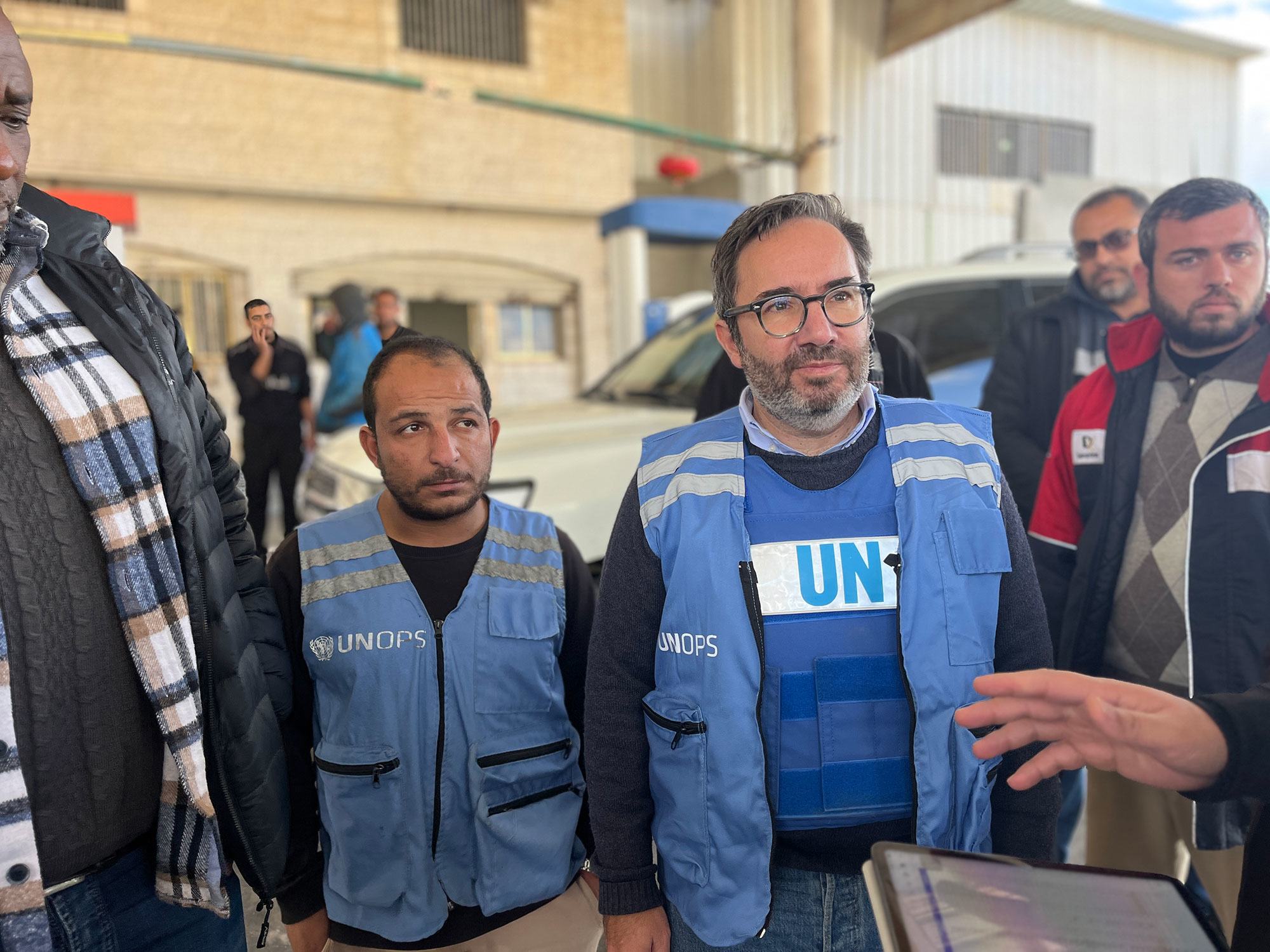 Strait of Hormuz: ‘Immediate’ solution needed to restore fertilizer supply, says UN taskforce chief | Unless a solution can be found immediately to allow fertilizers through the Strait of Hormuz in time for planting season, there’s going to be a “very significant and severe” food crisis which will hit the poorest countries and their citizens hardest.That’s according to Jorge Moreira da Silva, Executive Director of the United Nations Office for Project Services (UNOPS), which provides infrastructure, procurement and project management services around the world.He told Reem Abaza of UN News that the UN task force he is leading will be able to get its “one stop platform” up and running in just seven days, if combatants blocking the strait allow fertilizers and other raw material through, to benefit the world’s most vulnerable. | 12m 17s | ||||||
| 4/17/26 | 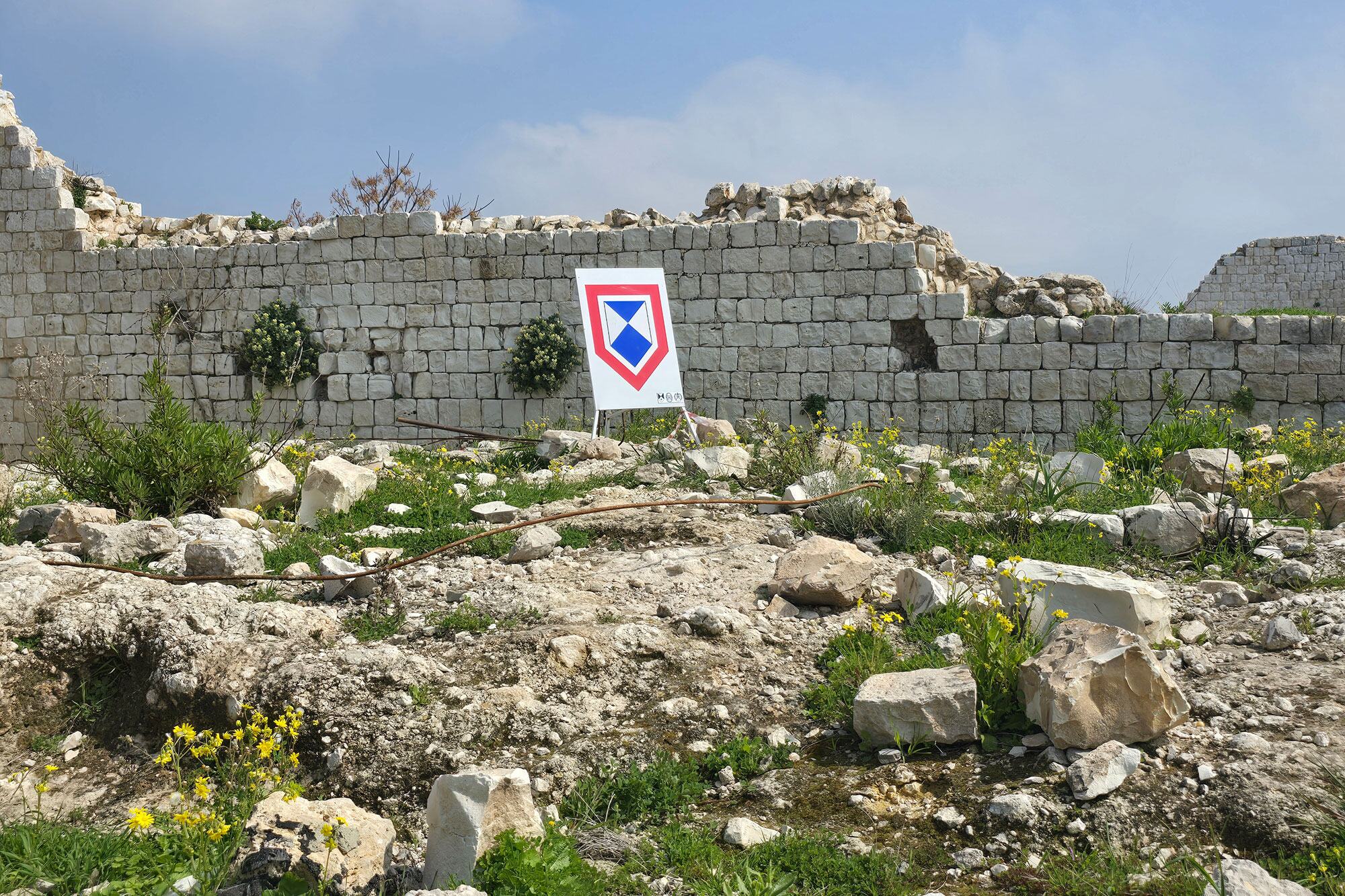 Middle East war: UNESCO grants ‘enhanced protection’ to 39 heritage sites in danger | Since the outbreak of the Middle East war on 28 February, sites of major cultural importance across Israel, Iran and Lebanon have come under threat.At the request of the Lebanese Government, the UN education and cultural agency, UNESCO, has placed 39 World Heritage sites under so-called “enhanced protection”- a special status aimed at safeguarding cultural heritage during times of conflict.To explain what this means in practice, UN News’s Nancy Sarkis spoke to Krista Pikkat, who leads UNESCO’s Culture and Emergencies Unit. | 9m 56s | ||||||
| 4/14/26 | 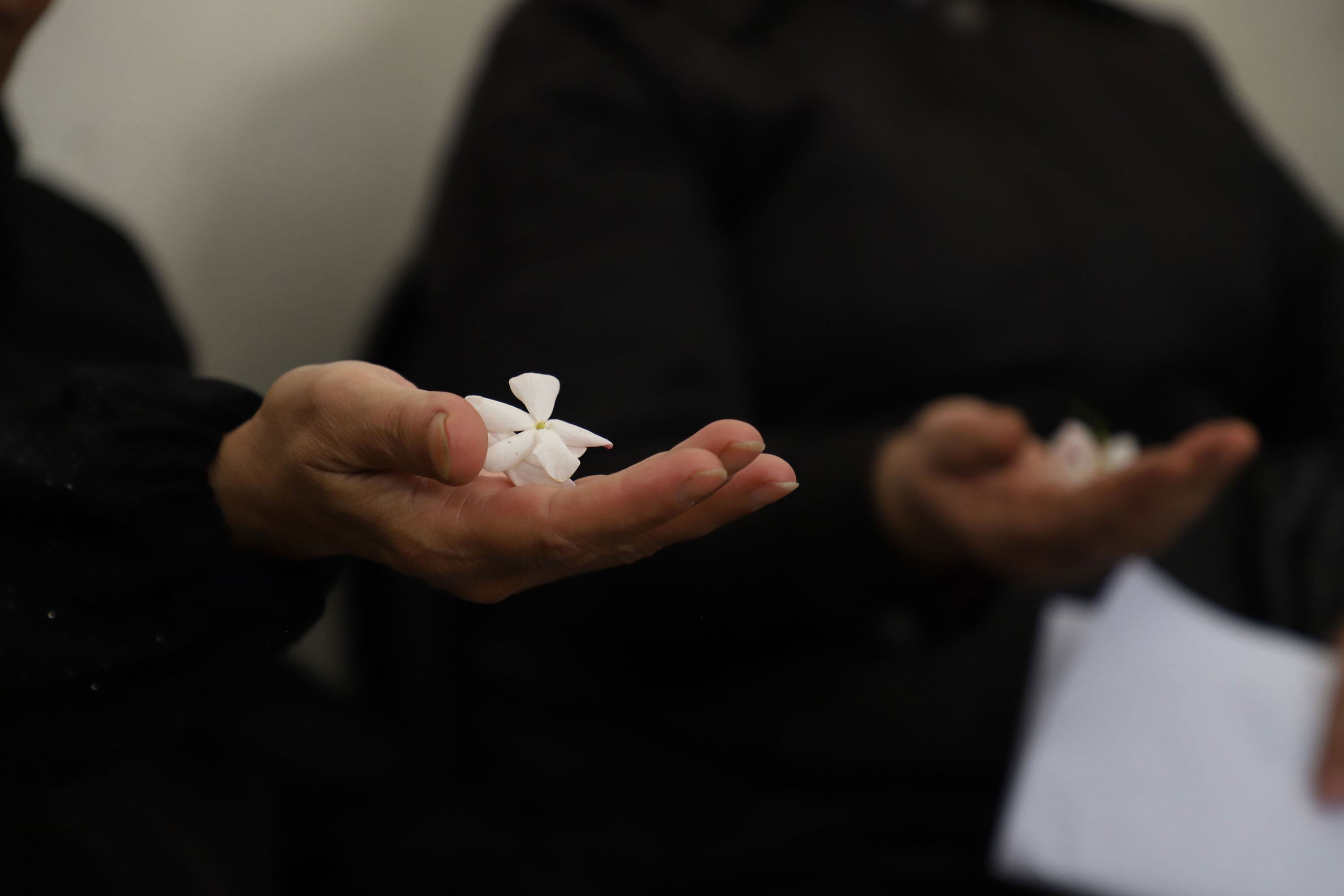 Pace of transitional justice in Syria brings hope, but strong stigma remains | Syria has made “remarkable progress” on transitional justice in just one year, says one UN legal expert, raising hope, while also warning that powerful social stigma continues to prevent many survivors of conflict-related sexual violence from coming forward.Sofia Candeias, from the UN Team of Experts on the Rule of Law and Sexual Violence in Conflict, told UN News that new institutions and reforms mark a significant step forward following the fall of the Assad regime in December 2024.But the true scale of abuse may never be known, as stigma at personal, community and societal levels remains “the largest obstacle” to reporting and access to support.Calling on the international community to step up, Ms. Candeias told UN News’s Ana Carmo that sustained support is critical to ensure survivors can safely access justice and care. | 13m 01s | ||||||
| 4/9/26 | 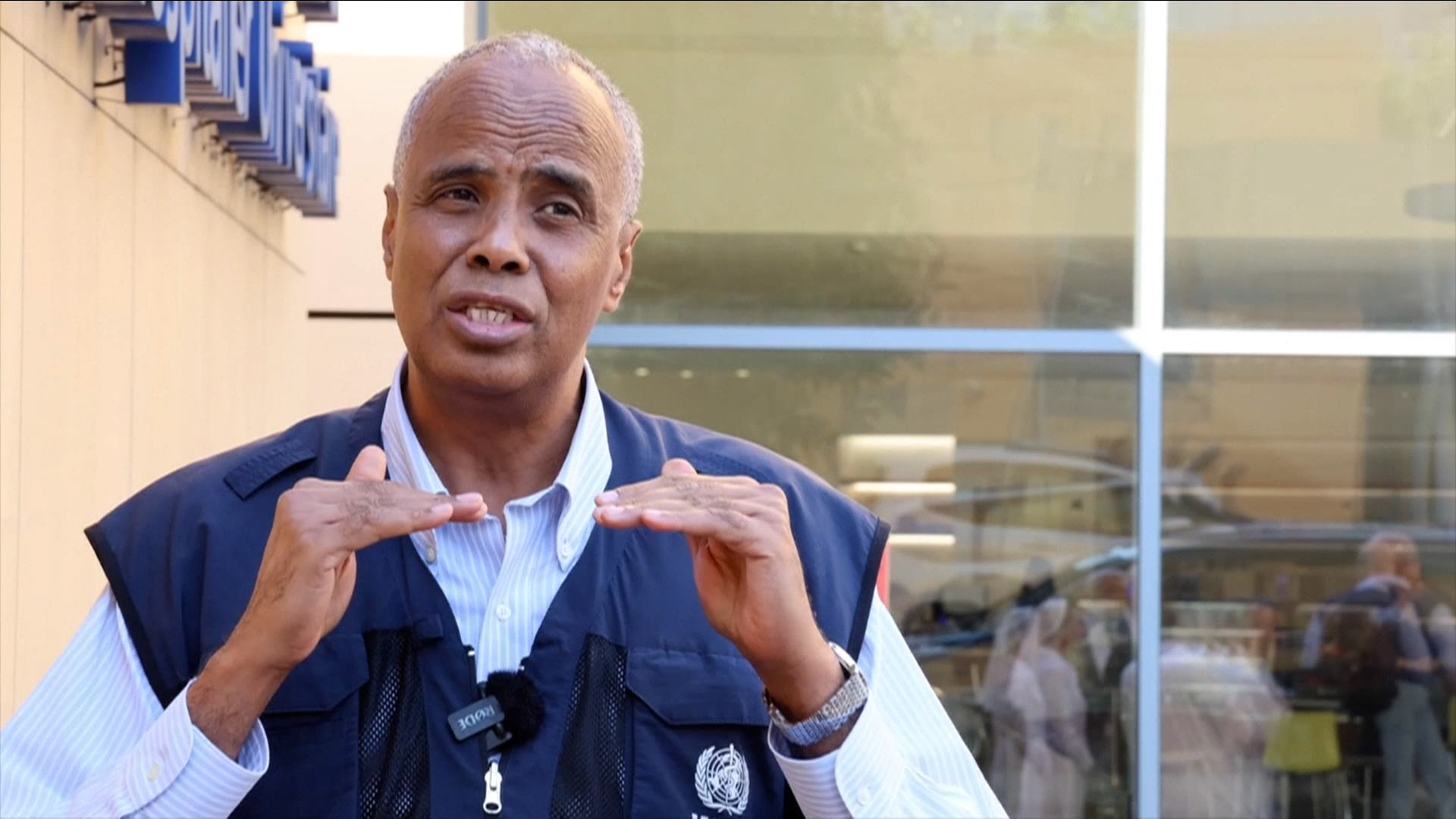 Deadly Lebanon strikes overwhelm entire health system, as casualties surge | A massive wave of Israeli airstrikes struck Lebanon on Wednesday – despite the US-Iran ceasefire declared hours earlier – killing 254 people and injuring 1,165 others, according to local authorities. Strikes hit densely populated areas, including Beirut, with no warning, leaving many still trapped under rubble. Hospitals are overwhelmed, facing mass casualties and critical shortages of supplies. The UN World Health Organization is working tirelessly to provide support across the country, while dozens of medical workers have been killed and injured in recent weeks. UN News’ Nancy Sarkis spoke on Thursday to the WHO’s Representative in Lebanon, Dr. Abdinasir Abubakar, who witnessed 10 different strikes on Beirut during the horrifying bombardment. | 12m 03s | ||||||
| 4/8/26 | 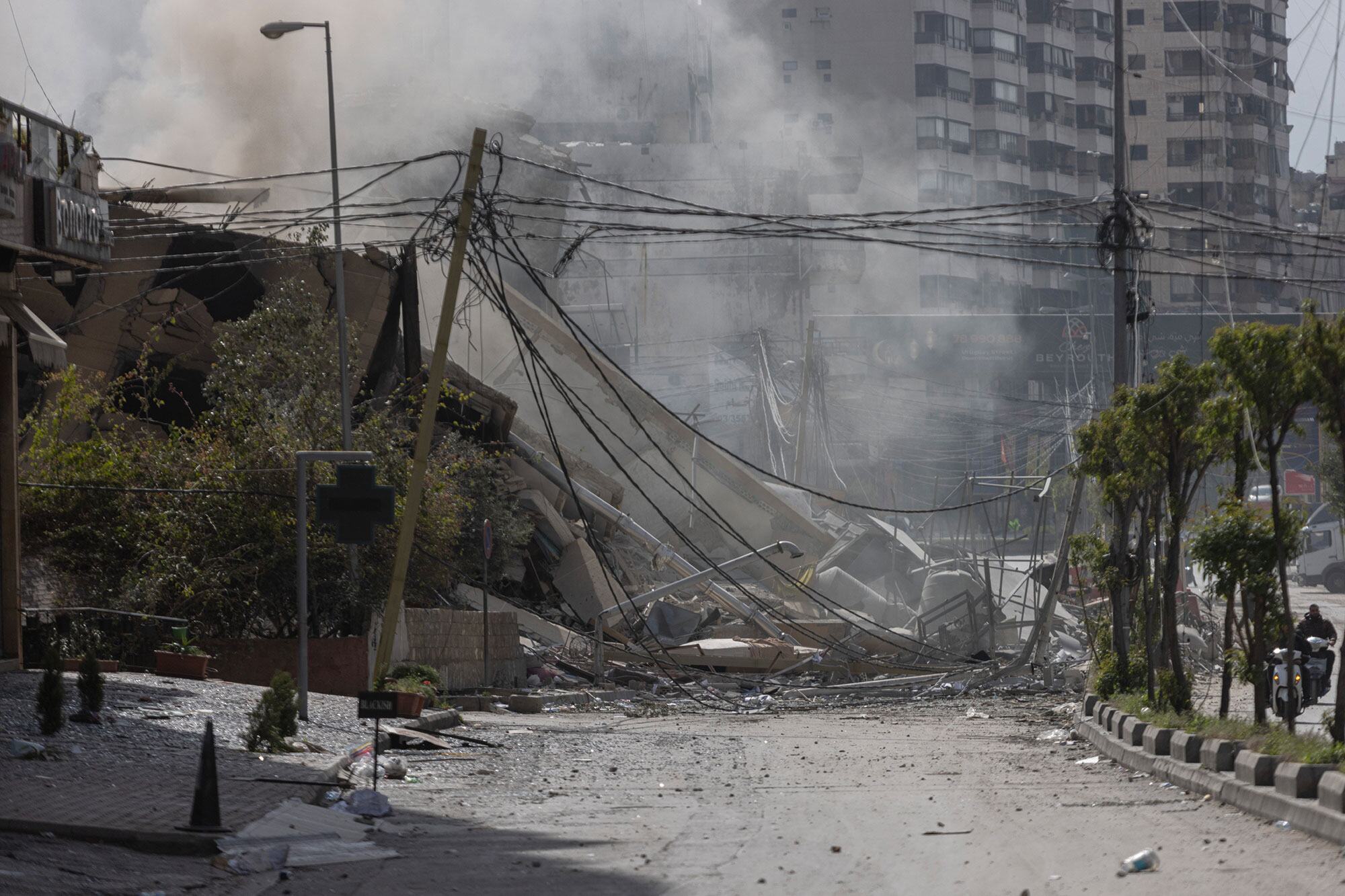 Lebanon situation ‘critical’, senior UN official warns | The ceasefire between the US and Iran has brought no respite to civilians in Lebanon, where deadly Israeli strikes intensified across the country on Wednesday, dramatically worsening the humanitarian situation. Repeated escalations in violence over recent weeks have significantly increased humanitarian needs, raising concerns about whether aid agencies can keep up with demand.Blerta Aliko, the senior UN Development Programme official in Lebanon, was in the middle of updating UN News’s Ezzat El-Ferri, when heavy bombing began near her location in Beirut.Later, speaking from the safety of the basement at UN House, Ms. Aliko said the situation had now become critical. | 22m 19s | ||||||
| 4/7/26 | 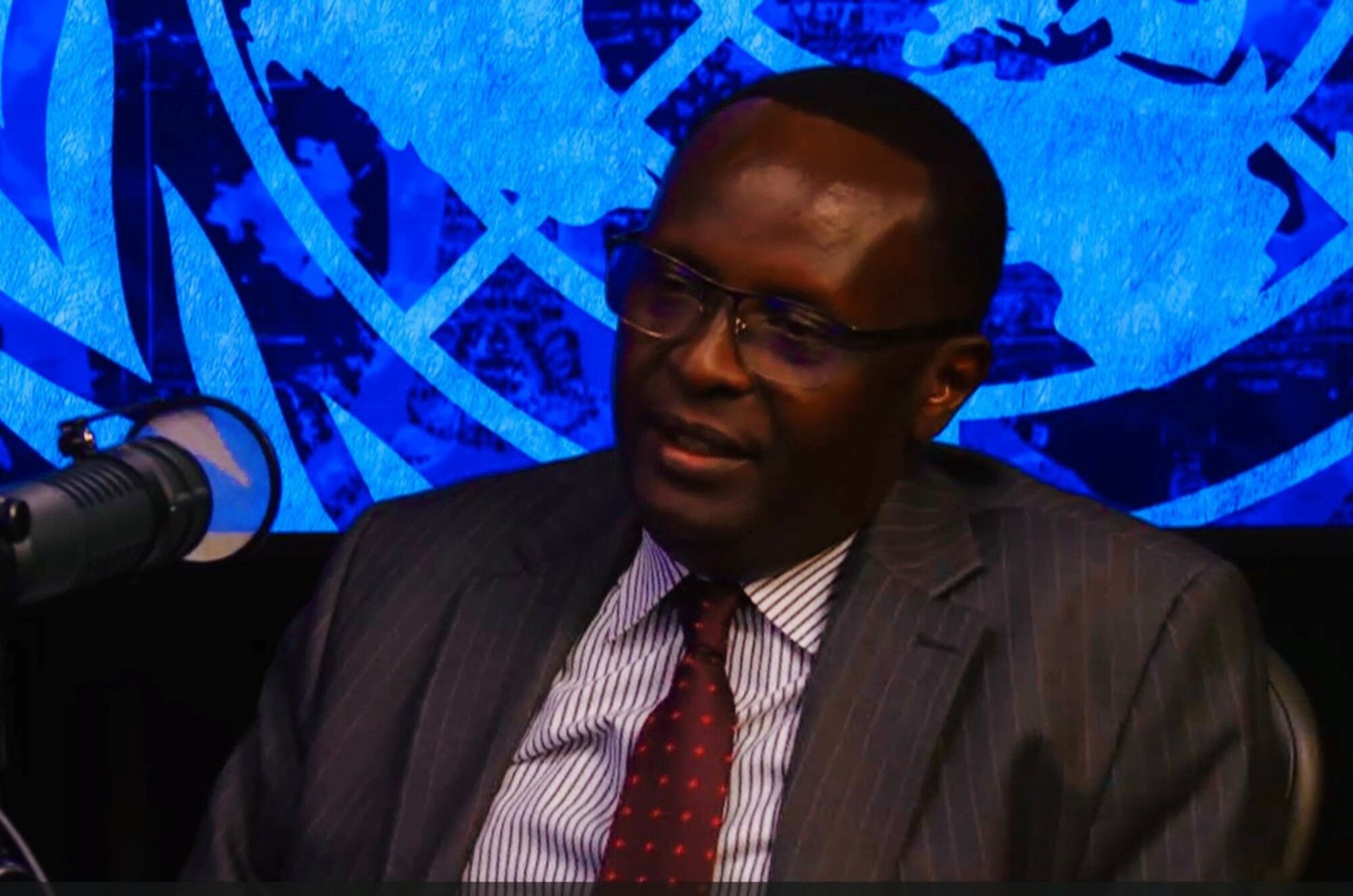 Rwanda after the genocide against the Tutsi: ‘We recreated a new country’ | For over three decades Rwanda has been recovering from the almost unimaginable horror of the 1994 genocide against the Tutsi.On Tuesday the UN commemorated the systematic crimes committed there – in which more than one million people were killed – with ceremonies held at several of its offices around the world.The event was attended by survivors of the massacre, senior UN officials and representatives of the Rwandan authorities including Karoli Martin Ngoga, Permanent Representative of Rwanda to the United Nations.He sat down with UN News’s Assumpta Massoi and explained the significance of the ceremony held at UN headquarters in New York. | 9m 57s | ||||||
| 4/4/26 | 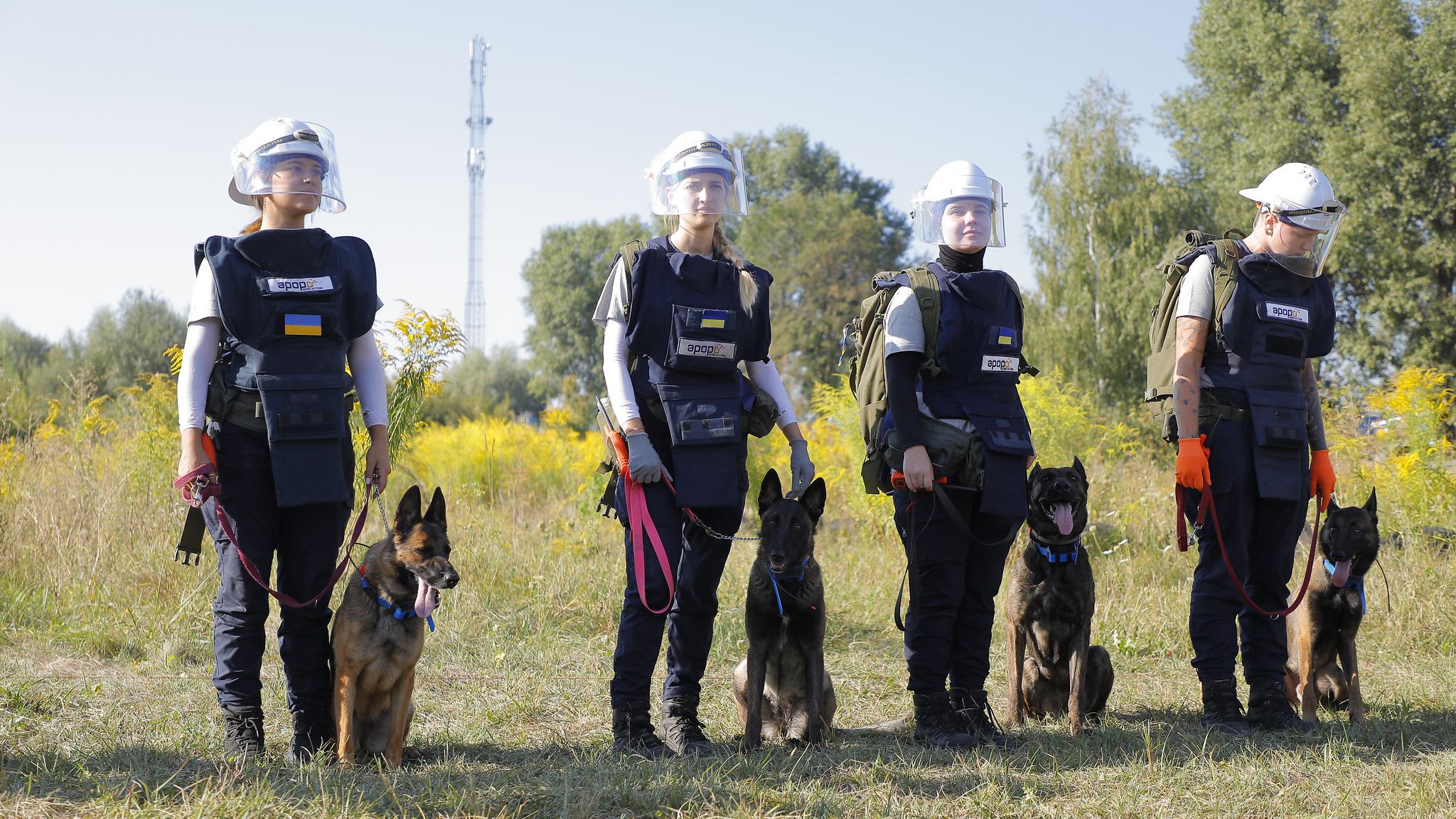 ‘Every day there’s new contamination’: Mine clearing in Ukraine | More than 130,000 square kilometres of Ukrainian territory are believed to have been contaminated by landmines and unexploded ordnance since the full-scale Russian invasion of the country in 2022.As the Government, with the support of the United Nations, attempts to clear the land, fresh mines continue to be laid in the shifting frontline regions.Ahead of the International Day for Mine Awareness and Assistance in Mine Action, which is marked on 4 April, UN News’s Nargiz Shekinskaya spoke to Ben Lark, Ukraine Mine Action Program Manager at the UN Development Programme.He told her that the UN is focusing on training Ukrainian mine clearers, improving Government coordination and taking advantage of the latest AI-based technology to make the task more effective. | 15m 09s | ||||||
| 4/2/26 | 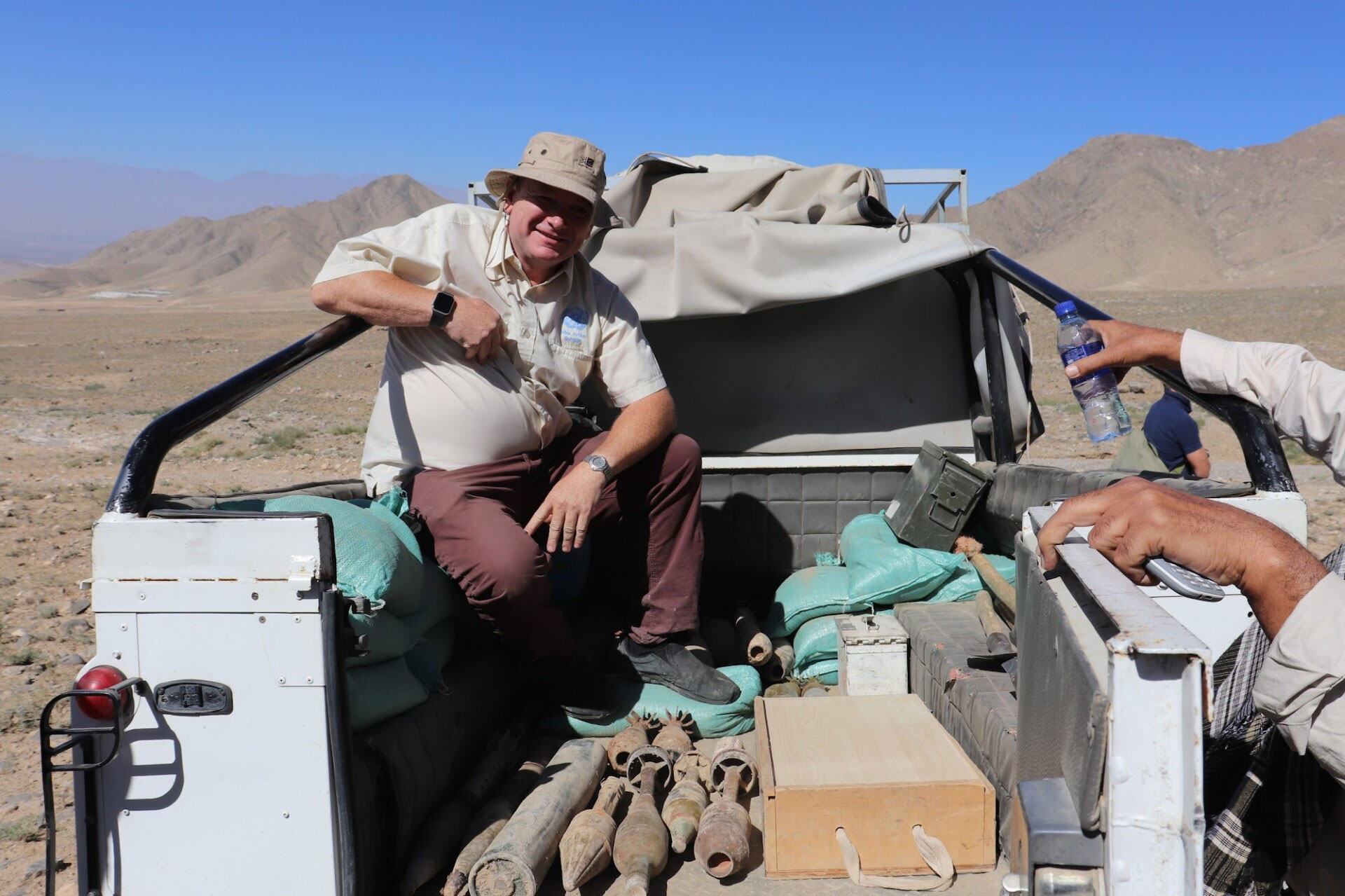 Landmine danger grows faster than it can be contained | Over 20 per cent of Ukraine is contaminated by landmines, which are becoming more dangerous and more difficult to clear.Anti-personnel mines are now being deployed remotely by artillery, rockets, helicopters and drones, while some of the most sophisticated devices can launch projectiles at targets after detecting movement. Paul Heslop, head of the UN Mine Action Service in Ukraine, is warning that the biggest challenge facing mine action today is that contamination is increasing faster than it is being cleared, making it vital to adopt new technology quickly.Edouard de Bray from UN News asked Mr. Heslop how the latest tech is making landmines more deadly. | 8m 34s | ||||||
| 4/1/26 | 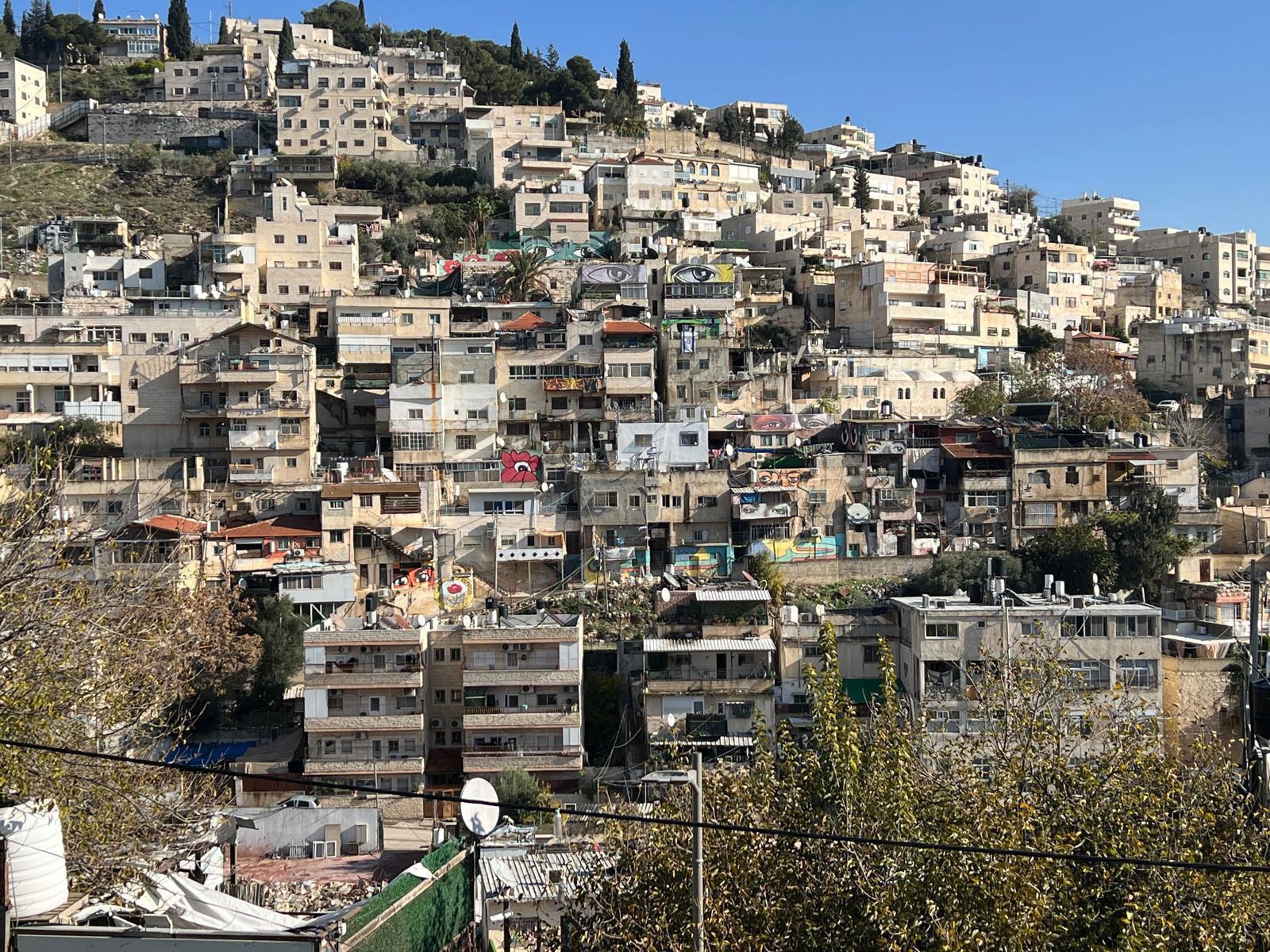 UN warns of rising evictions and settler violence in Occupied Palestinian Territory | The United Nations human rights office (OHCHR) has warned of a sharp rise in the eviction of Palestinian families, particularly around Jerusalem’s Old City.According to Ajith Sunghay, OHCHR’s top official in the Occupied Palestinian Territory, evictions have intensified since the 7 October attacks of 2023, shifting from isolated incidents to more coordinated actions – some reportedly organized via WhatsApp and social media – targeting Palestinian communities and property.In an interview with UN News’ Reem Abaza, he added that tensions have escalated further in recent months, with nearly 36,000 Palestinians forcibly displaced in the West Bank, including East Jerusalem, over the past year. | 13m 21s | ||||||
| 3/30/26 | 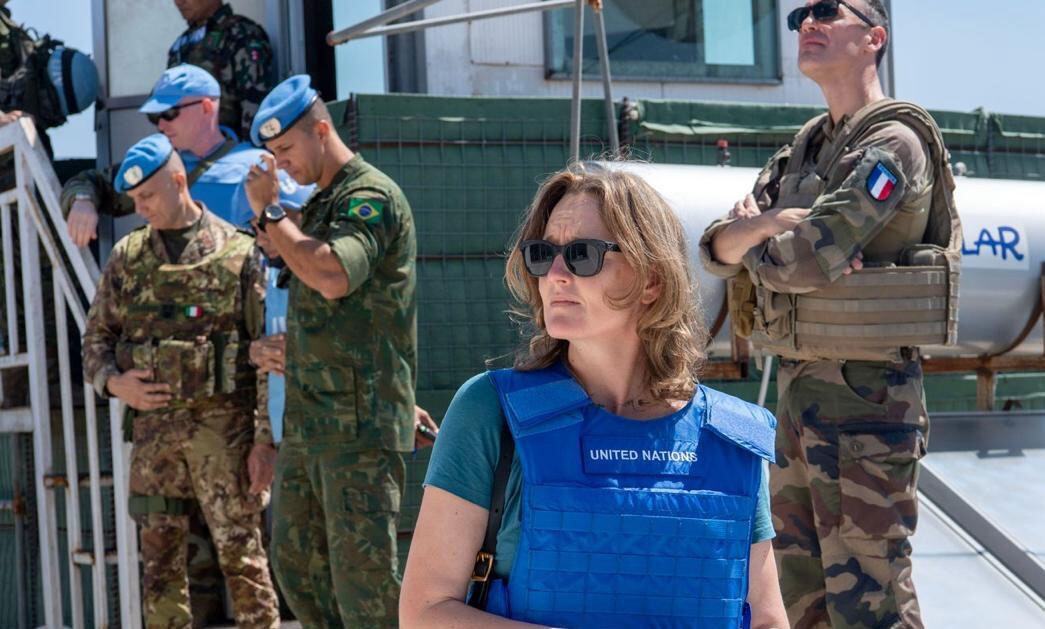 UNIFIL reaffirms commitment after peacekeeper killed in southern Lebanon | A UN peacekeeper has been killed, and another critically injured after a projectile hit the UN Interim Force in Lebanon (UNIFIL) base near Adchit Al Qusayer in southern Lebanon on Sunday.The mission’s spokesperson Kandice Ardiel spoke to UN News’ Nancy Sarkis and said an investigation is underway, with no confirmed responsibility so far.The incident comes amid escalating violence along the Blue Line of separation, with reported Israeli incursions and continued exchanges of fire. UN Peacekeepers remain in position despite the dangerous conditions, supporting civilians in line with their Security Council mandate. | 6m 46s | ||||||
| 3/27/26 | 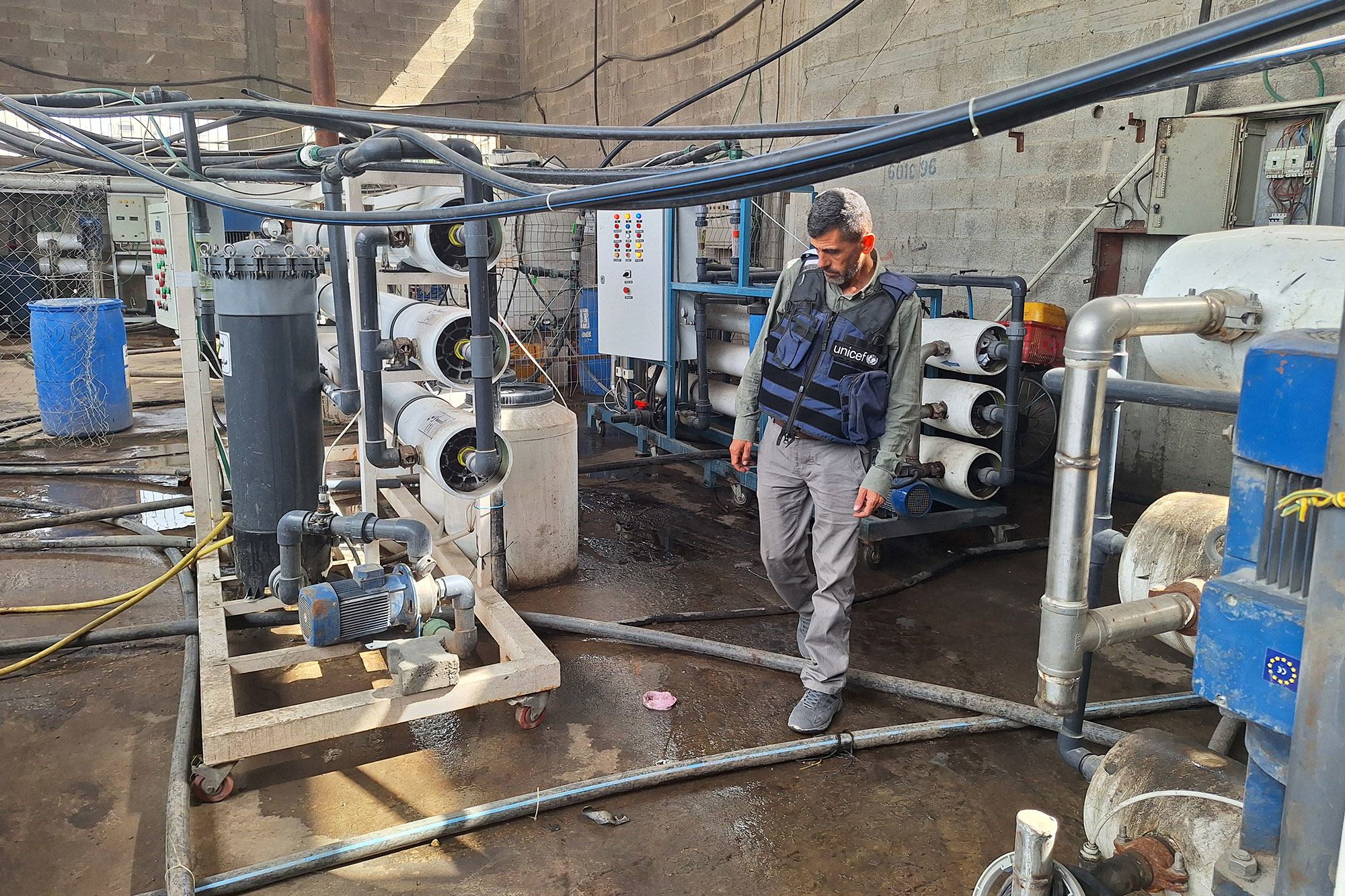 Middle East conflict raises fears of growing water crisis | There is no escaping the fact that the war in the Middle East has triggered a global energy crisis.But could it also spark a water crisis? After fuel, water is emerging as a strategic and critical target.The Middle East is one of the driest regions in the world and desalination – turning seawater into drinking water – is vital for people and agriculture across Israel and the Gulf countries. Any attack on this infrastructure could have serious consequences.To understand what is at stake, UN News’s Nathalie Minard spoke to Ziad Khayat, who is a senior official specialising in sustainable development with the UN Economic and Social Commission for Western Asia. | 7m 15s | ||||||
| 3/24/26 | 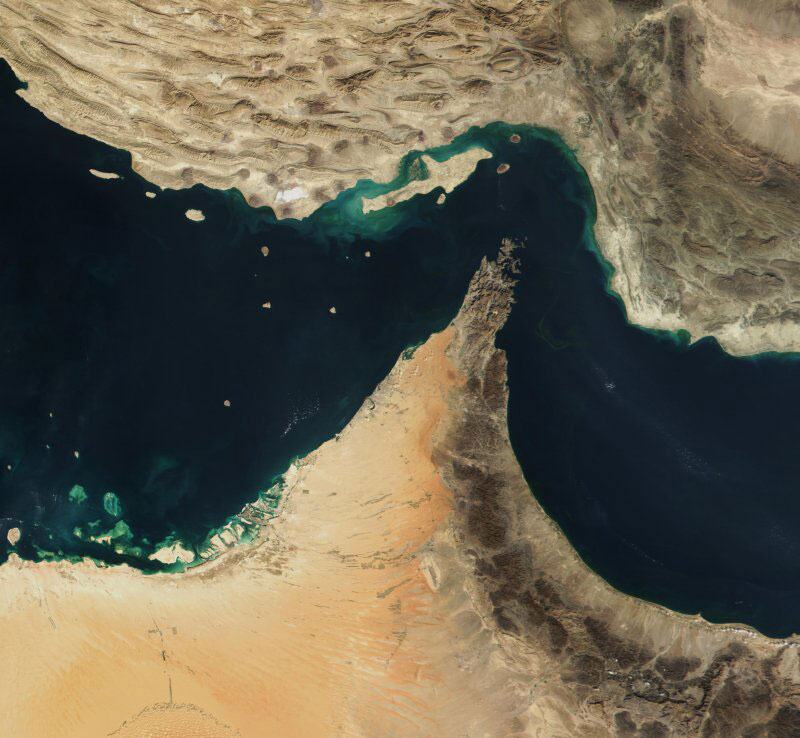 Strait of Hormuz tensions threaten global oil and gas supply, lifesaving aid | Ongoing war in the Middle East, along with ongoing attacks on shipping in the Strait of Hormuz, has underscored just how vulnerable maritime routes are – and the potentially deadly consequences for those needing lifesaving assistance, the UN World Food Programme (WFP) has warned.Trade and energy markets are already feeling the strain, with potentially severe consequences - particularly for developing countries. There are growing concerns that continued escalation could trigger the largest disruption in the history of the global oil market.UN News’ Nancy Sarkis spoke with Frida Youssef, Chief of the Transport Section at the UN Trade and Development (UNCTAD), about the crisis in the Gulf. | 8m 55s | ||||||
| 3/20/26 |  Happiness in the digital age: Why connection matters more than ever | As the world marks the International Day of Happiness on 20 March, researchers warn that in an increasingly digital and uncertain world, young people’s well-being is shaped as much by social connection as by the economic headwinds they face. Dr Robert Waldinger of Harvard University – who leads one of the longest-running studies in history focused on human well-being – emphasises that while pleasure matters, lasting happiness comes from meaning, relationships and a sense of belonging. In an interview with UN News’ Nargiz Shekinskaya, Dr Waldinger urges people to engage more authentically online and offline. Stronger human connections remain key to improving well-being for the generations to come, he says. | 10m 40s | ||||||
| 3/19/26 | 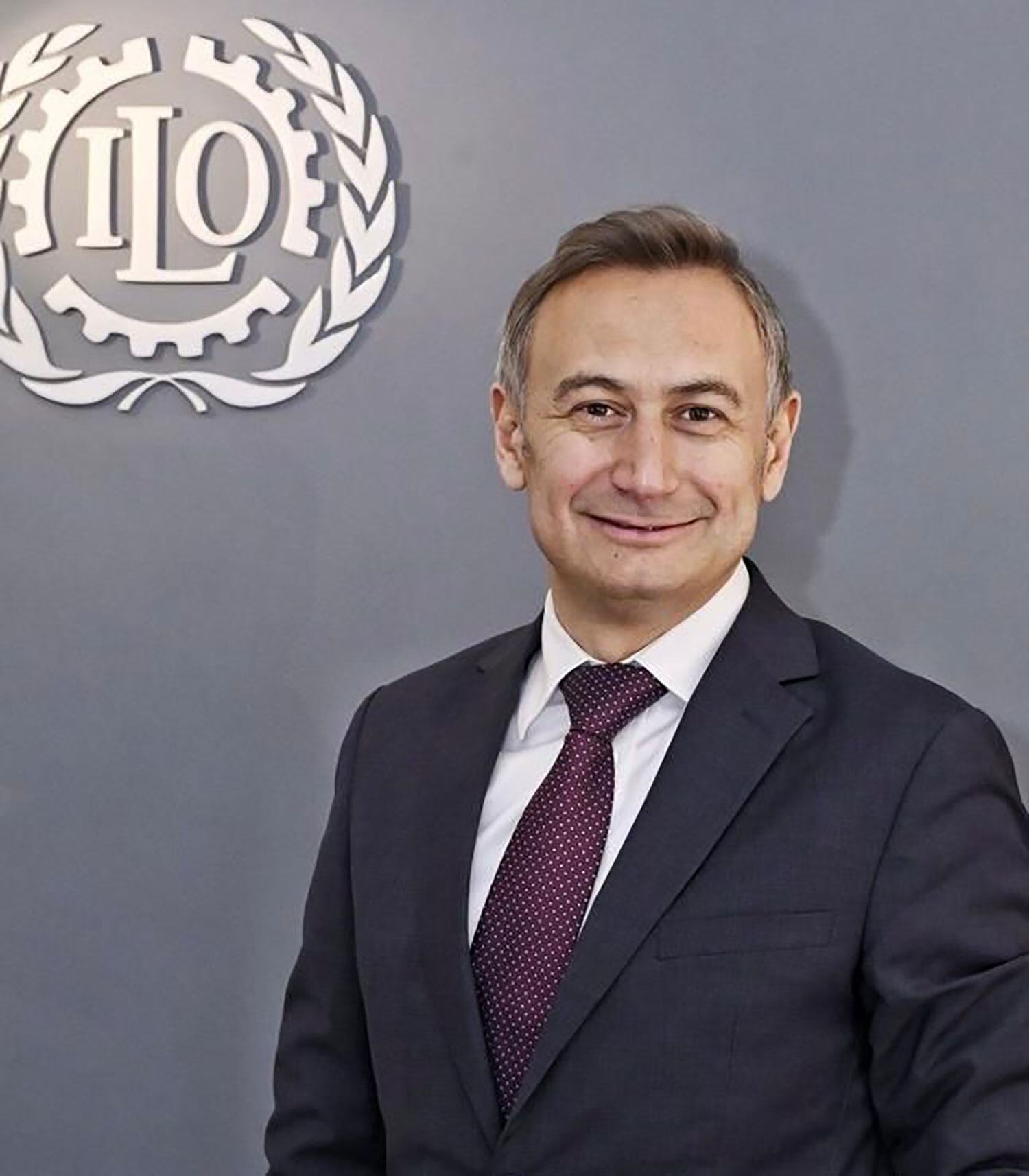 Gulf crisis impact spreads; families in Nepal are feeling the pressure | How is the Middle East crisis affecting countries far beyond the region?In Nepal, more than 1.7 million migrant workers are employed across Gulf countries, and remittances form a vital part of the economy. Disruptions to travel, rising costs and growing insecurity are already having a major impact.UN News’s Vibhu Mishra spoke with Numan Özcan, the International Labour Organization (ILO) Country Director for Nepal, who explained the dangers facing workers and their families. | 6m 21s | ||||||
| 2/8/26 | 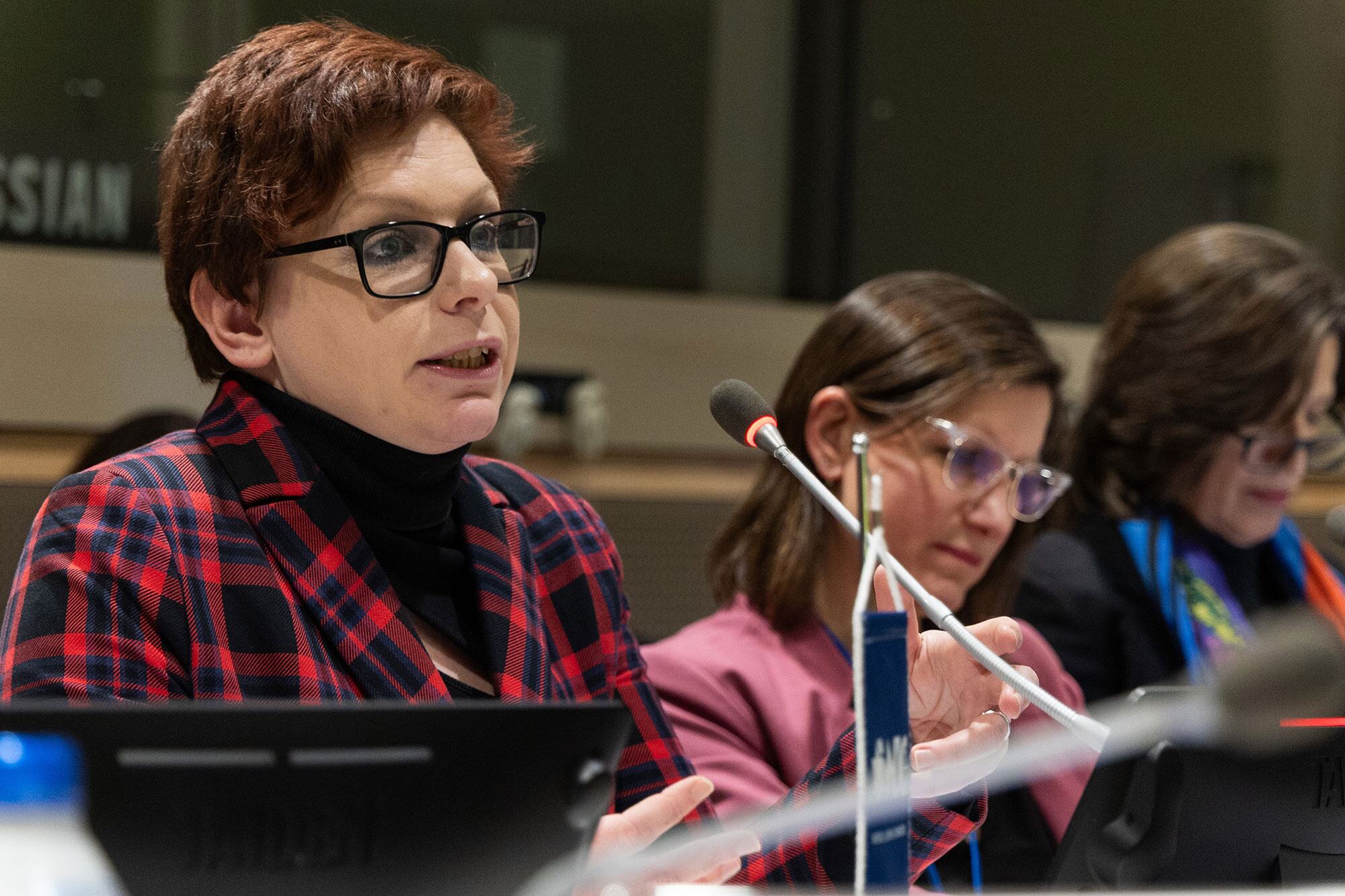 Global collaboration key to safeguard Holocaust memory in the digital age | As Holocaust remembrance increasingly moves into digital spaces shaped by artificial intelligence, virtual worlds and interactive media, experts are calling for stronger global coordination to ensure ethical, sustainable and responsible memory work.Speaking at UN Headquarters around International Holocaust Remembrance Day, Professor Victoria Grace Richardson-Walden stressed that no single institution or sector can address these challenges alone. Policymakers, technology companies, museums, educators, researchers and digital creators must work together, she said, to avoid fragmented efforts that waste resources and risk losing vital historical material as technologies rapidly evolve.UN News’s Ana Carmo started by asking her why global collaboration is key for shaping the future of Holocaust memory in digital spaces. | 15m 51s | ||||||
Showing 25 of 100
Sponsor Intelligence
Sign in to see which brands sponsor this podcast, their ad offers, and promo codes.
Chart Positions
13 placements across 12 markets.
Chart Positions
13 placements across 12 markets.