

Insights from recent episode analysis
Audience Interest
Podcast Focus
Publishing Consistency
Platform Reach
Insights are generated by CastFox AI using publicly available data, episode content, and proprietary models.
Total monthly reach
Estimated from 1 chart position in 1 market.
By chart position
- 🇳🇿NZ · Technology#3410K to 30K
- Per-Episode Audience
Est. listeners per new episode within ~30 days
5K to 15K🎙 Weekly cadence·13 episodes·Last published 2w ago - Monthly Reach
Unique listeners across all episodes (30 days)
10K to 30K🇳🇿100% - Active Followers
Loyal subscribers who consistently listen
3K to 9K
Market Insights
Platform Distribution
Reach across major podcast platforms, updated hourly
Total Followers
—
Total Plays
—
Total Reviews
—
* Data sourced directly from platform APIs and aggregated hourly across all major podcast directories.
On the show
Recent episodes
How AI can boost Australia's productivity
May 17, 2026
Unknown duration
Why diversity matters in engineering
Oct 19, 2025
Unknown duration
How quantum is moving from the lab to everyday life
Sep 21, 2025
Unknown duration
Finding a pathway to replace fossil fuels in big industries
Aug 17, 2025
Unknown duration
PFAS: How a useful invention became a global contaminant
Jul 20, 2025
Unknown duration
Social Links & Contact
Official channels & resources
Official Website
Login
RSS Feed
Login
| Date | Episode | Description | Length | |
|---|---|---|---|---|
| 5/17/26 | 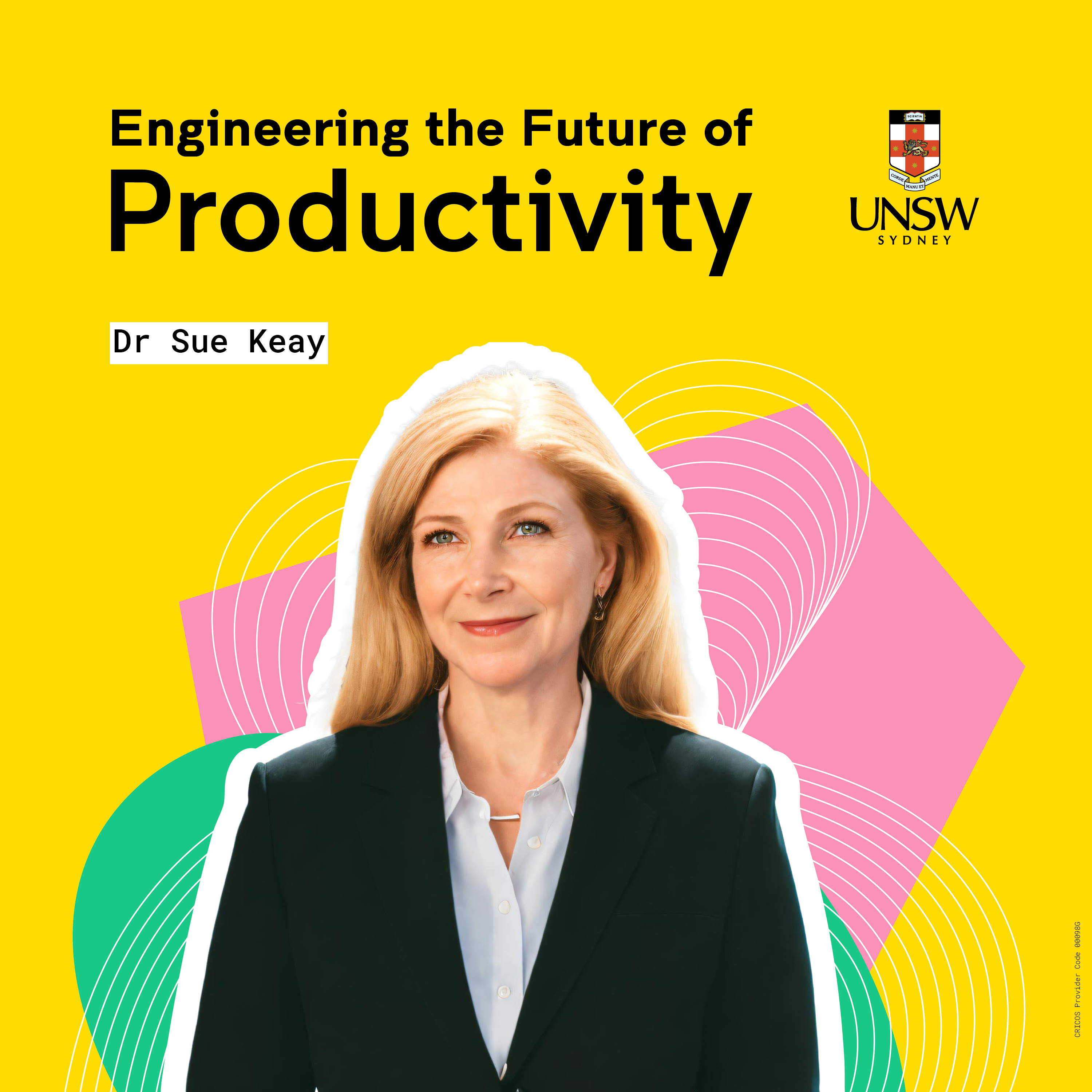 How AI can boost Australia's productivity | From improving government services to boosting business efficiency and tackling inequality, artificial intelligence is already transforming the way we live and work.But could it help reverse Australia's productivity slowdown?In this episode of Engineering the Future, Dr Sue Keay, director of UNSW’s AI Institute, joins STEMM journalist Neil Martin to explore why Australia must embrace AI to stay competitive and improve living standards. They also discuss why developing Australian-made AI would ensure the country benefits from the value it creates while strengthening national sovereignty. Visit our website for Dr Keay’s bio and the full transcript of the conversation. Read more of our stories on productivity:Australia is showing how a rich country gets poorer UNSW Sydney lands $3m Defence project to build next generation AI ‘Dangerously unprepared’: UNSW expert says Australia must regulate AI and invest in research Humanoid home robots are on the market – but do we really want them? Let’s connect: Don’t miss out on more conversations about the technologies shaping our world. Subscribe to Engineering the Future on your favourite podcast platform and follow us on Facebook, LinkedIn and Instagram to stay up to date with the latest research and news from UNSW Engineering. Acknowledgement of Country We would like to show our respects and acknowledge the Bedegal people who are the Traditional Custodians of the Land on which our Kensington campus is situated on, and to Elders past and present. | — | |
| 10/19/25 | 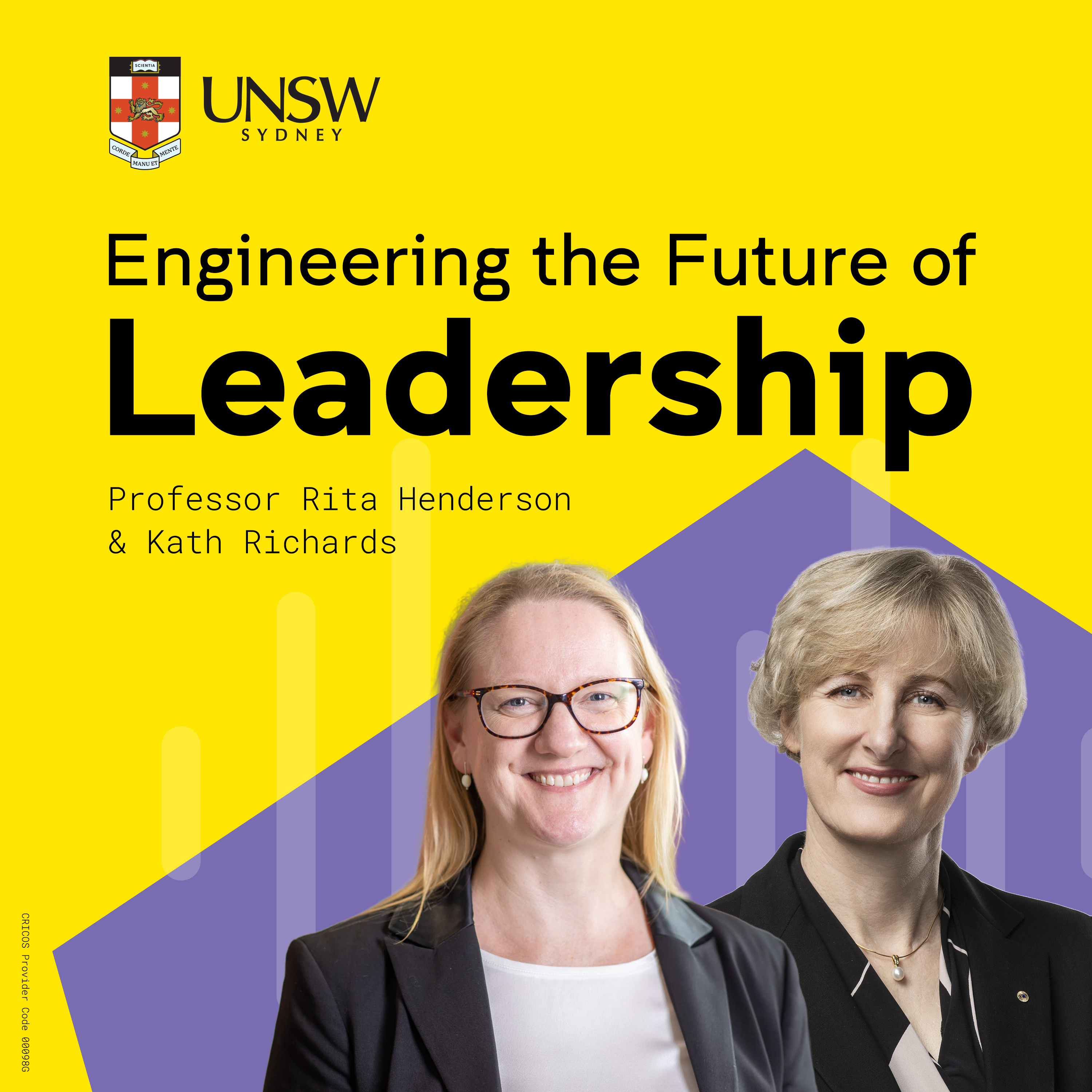 Why diversity matters in engineering | Engineering touches almost every aspect of our lives. From building our roads and powering our homes to developing the medical equipment that will help save lives — the demand for engineering skills continues to grow. But Australia is facing one of its biggest skills shortages, with more than 60,000 engineers needed over the next decade.In the latest episode of Engineering the Future podcast, Professor Rita Henderson, UNSW Engineering’s Deputy Dean of Society Impact and Translation, and Kath Richards, Chief Engineer of Engineers Australia, chat with STEM journalist Neil Martin about what it takes to attract and retain diverse talent in engineering. From sparking interest in schools to creating flexible, supportive workplaces, they explore how diversity drives innovation and why it’s so important in tackling the world’s biggest challenges.For the full transcript of the episode and to learn more about our speakers, visit our website.Read more of our stories on Equity, Diversity, and Inclusion at UNSW:UNSW’s Gateway shines, as Education Minister announces rise in domestic enrolments Girls in STEMM 2025: Building circuits, racing cars and shaping tomorrow Hands-on engineering hits the road with UNSW Makerbus Meet Keira Moran: Engineering student and co-recipient of the 2025 Inspiring Student Award Honouring excellence: women engineers celebrated as distinguished Ada Lovelace Medal awarded Don’t miss out on more conversations about the technologies shaping our world. Subscribe to Engineering the Future on your favourite podcast platform and follow us on Facebook, LinkedIn, Instagram and BlueSky to stay up to date with the latest research and news from UNSW Engineering. Acknowledgement of Country We would like to show our respects and acknowledge the Bedegal people who are the Traditional Custodians of the Land on which our Kensington campus is situated on, and to Elders past and present. | — | |
| 9/21/25 | 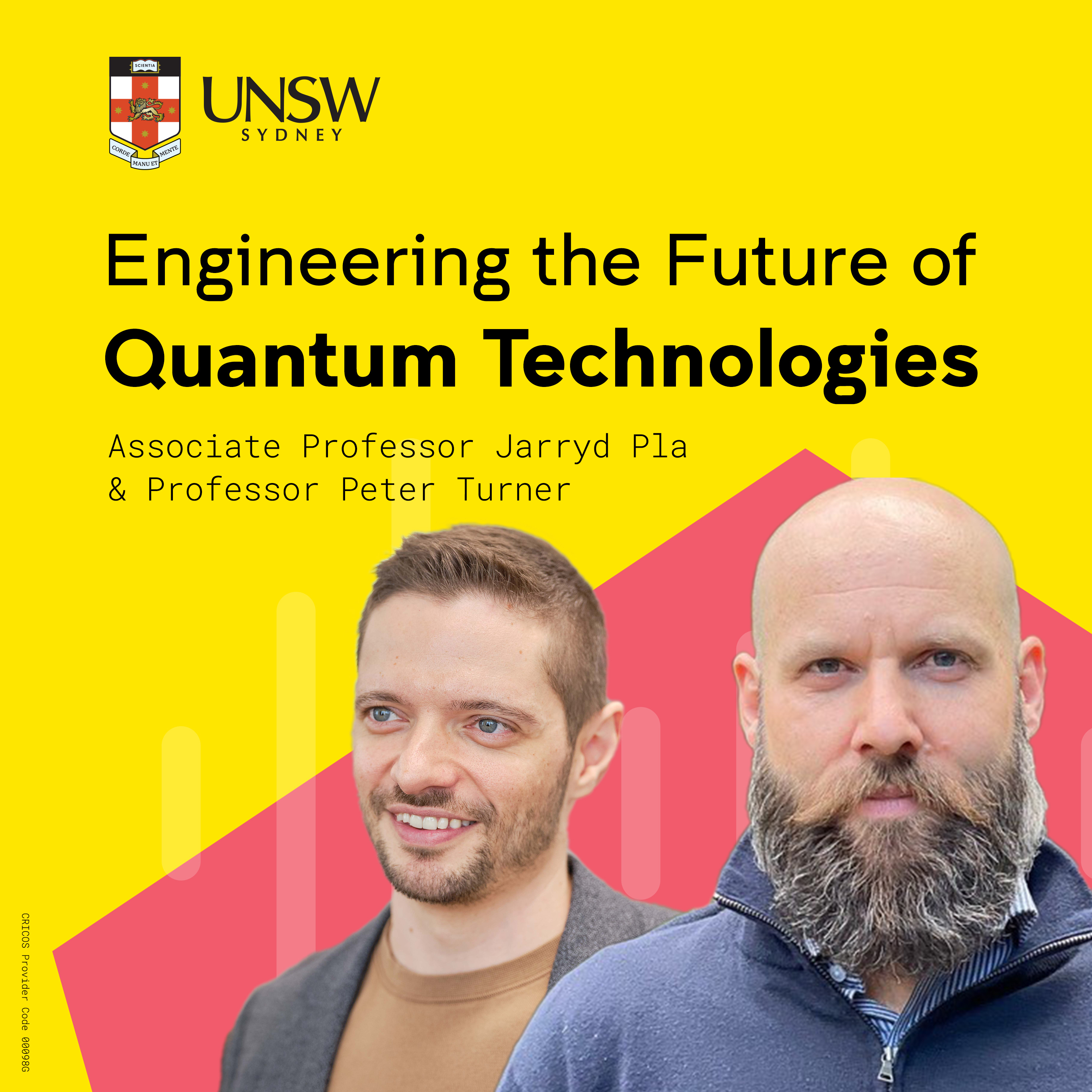 How quantum is moving from the lab to everyday life | For more than a century, quantum mechanics has challenged how we understand the universe. Once confined to theory and thought experiments, quantum is now powering real technologies – and the next 20 years could redefine how we live, work, and connect.In this episode of Engineering the Future, host Neil Martin speaks with UNSW Associate Professor Jarryd Pla, and Professor Peter Turner from Sydney Quantum Academy, about the breakthroughs and roadblocks of the quantum world. From GPS-free navigation and ultra-secure communications to the promise of quantum computing, we reveal where the engineering stands today, what’s coming next, and why Australia is uniquely placed to lead the charge. For the full transcript of the episode and to learn more about our speakers, visit our website.Read more of our stories on quantum technologies:This purple diamond could one day amplify signals from deep spaceHow a world record ‘squeeze’ could offer comfort for dark matter huntersUNSW engineers help crack key challenge in scaling quantum computersThis metaphorical cat is both dead and alive – and it will help quantum engineers detect computing errorsDon’t miss out on more conversations about the technologies shaping our world. Subscribe to Engineering the Future on your favourite podcast platform and follow us on Facebook, LinkedIn, Instagram and BlueSky to stay up to date with the latest research and news from UNSW Engineering. Acknowledgement of Country We would like to show our respects and acknowledge the Bedegal people who are the Traditional Custodians of the Land on which our Kensington campus is situated on, and to Elders past and present. | — | |
| 8/17/25 | 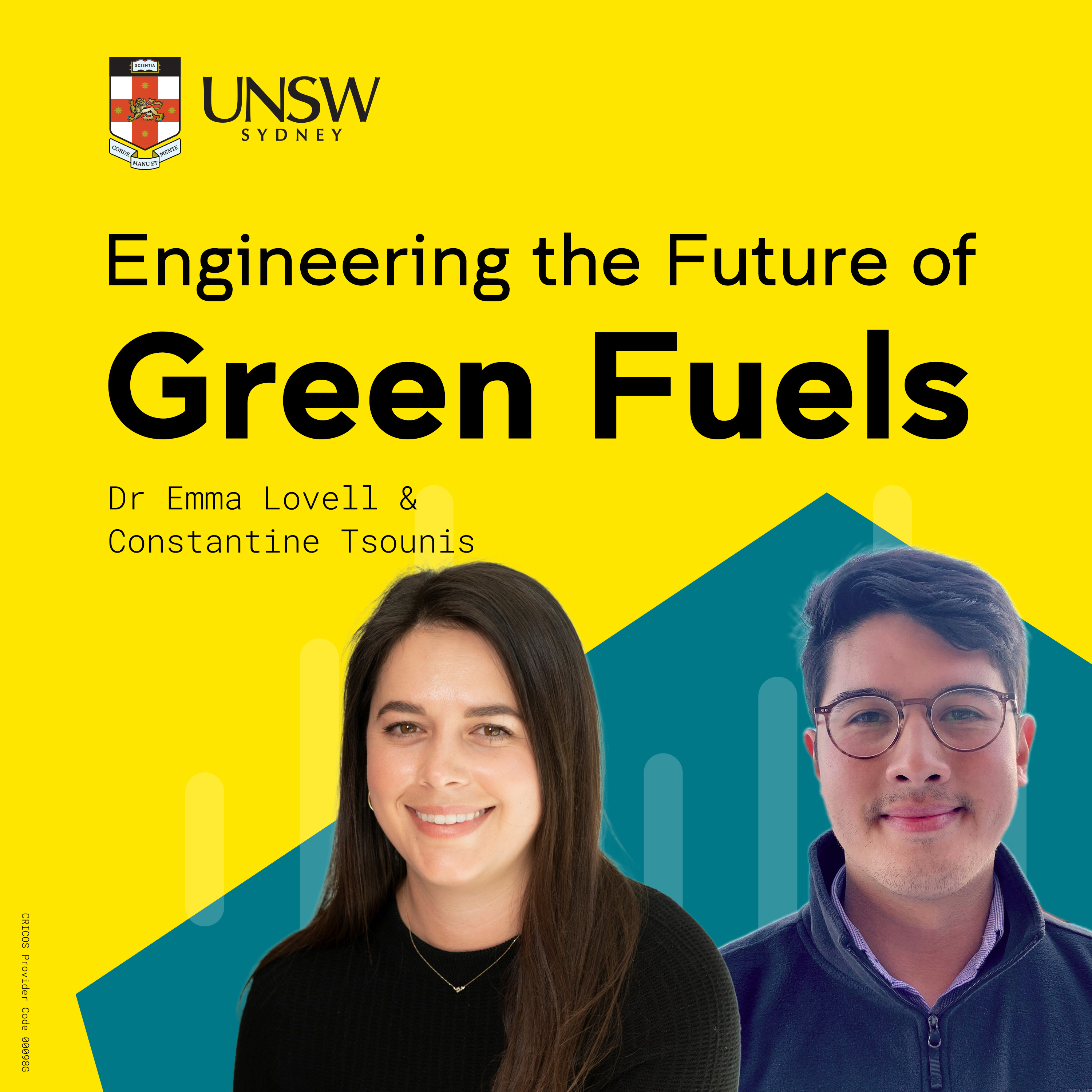 Finding a pathway to replace fossil fuels in big industries | Using renewable energy such as wind and solar to create environmentally friendly electricity is great - but what can we do to replace the use of fossil fuels in industrial sectors that can't easily be electrified? This can include heavy manufacturing, aviation, maritime transport, and chemical production. These industries need high-density energy or specialised fuels and processes that electricity alone cannot provide efficiently. That's where green fuels come in. In this episode of Engineering the Future, UNSW lecturer Dr Emma Lovell and industry expert Constantine Tsounis, join STEMM journalist Neil Martin to explain how they are made and why they are so important. They discuss the process of turning renewable resources into biofuels, green hydrogen, biogas, and synthetic fuels to help drive the reduction of greenhouse gas emissions - making decarbonisation possible for even the hardest-to-abate sectors. For the full transcript of the episode and to learn more about our speakers, visit our website.Read more of our stories on Green Fuels: What is sustainable aviation fuel, and why are we not using it already? UNSW researchers to scale up development of clean aviation fuel thanks to $1.2m TRaCE award Roadblocks still abound en route to decarbonisation of Australia’s freight industry A carbon levy on global shipping promises to slash emissions. We calculated what that means for Australia’s biggest export Scientists use AI to make green ammonia even greener Don’t miss out on more conversations about the technologies shaping our world. Subscribe to Engineering the Future on your favourite podcast platform and follow us on Facebook, LinkedIn, Instagram and BlueSky to stay up to date with the latest research and news from UNSW Engineering. Acknowledgement of Country We would like to show our respects and acknowledge the Bedegal people who are the Traditional Custodians of the Land on which our Kensington campus is situated on, and to Elders past and present. | — | |
| 7/20/25 | 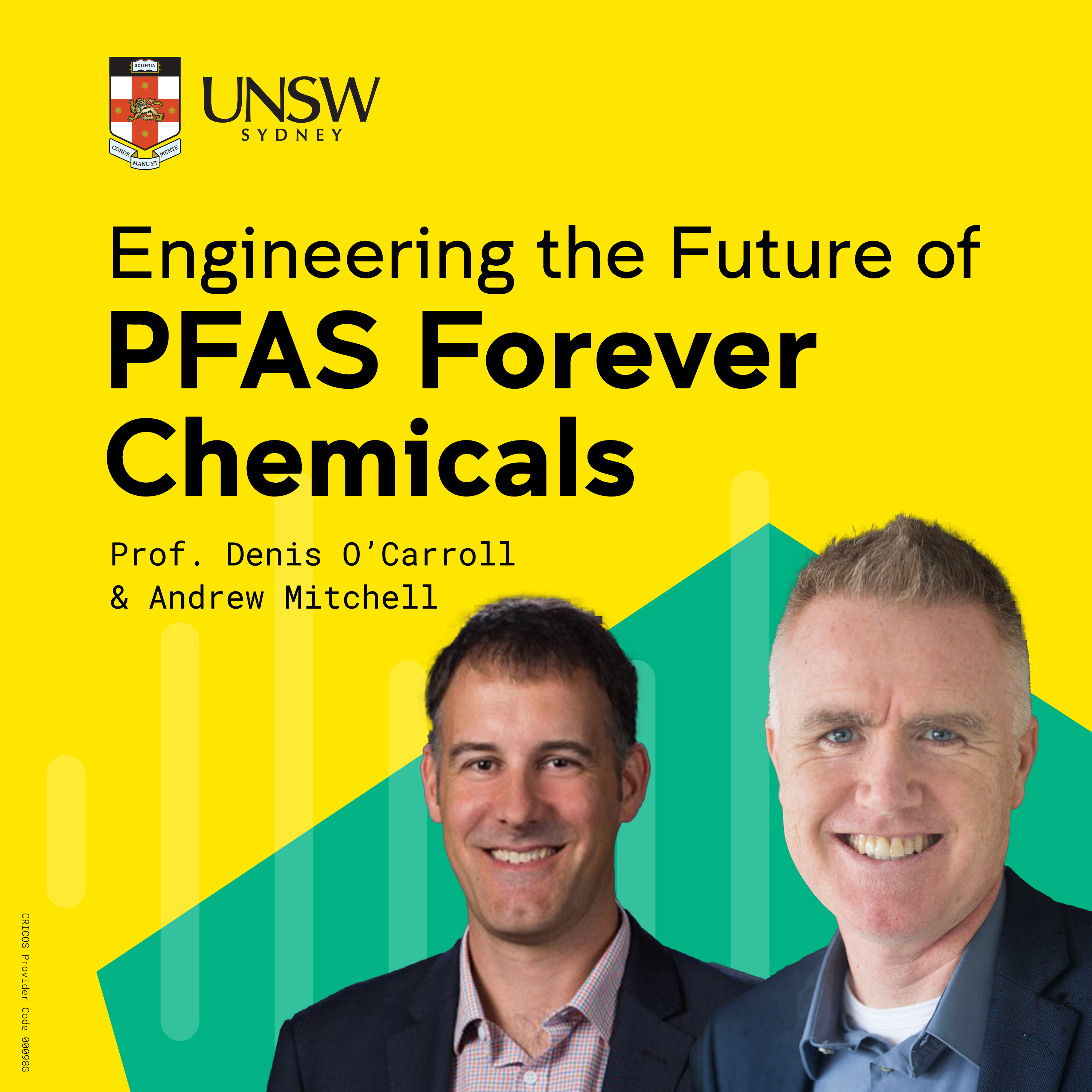 PFAS: How a useful invention became a global contaminant | PFAS—also known as "forever chemicals"—are in your water, your clothes, your food packaging, and even in your body. They’ve been widely used for decades to make products resistant to heat, stains, grease, and water, including non-stick cookware, firefighting foam, and stain-resistant fabrics. But engineers, regulators, and the public are increasingly concerned about their long-term impact. In this episode of Engineering the Future, environmental engineers, UNSW Professor Denis O’Carroll and Andrew Mitchell from ADE Consulting, joins STEMM journalist Neil Martin to unpack the science behind PFAS and how they ended up in our environment. They explain the new detection and removal methods used to clean up PFAS, and emphasise the need for better regulation, public awareness, and the development of better alternatives of the chemical. For the full transcript of the episode and to learn more about our speakers, visit our website.Read more of our stories on PFAS: Specific ‘forever chemical’ found at unexpected levels in firefighting foam New method to degrade PFAS ‘forever chemicals’ found effective in the lab PFAS 'forever chemicals' above drinking water guidelines in global source water Trying to solve the 'forever problem' of PFAS pollution Don’t miss out on more conversations about the technologies shaping our world. Subscribe to Engineering the Future on your favourite podcast platform and follow us on Facebook, LinkedIn, Instagram and BlueSky to stay up to date with the latest research and news from UNSW Engineering. Acknowledgement of Country We would like to show our respects and acknowledge the Bedegal people who are the Traditional Custodians of the Land on which our Kensington campus is situated on, and to Elders past and present. | — | |
| 6/22/25 | 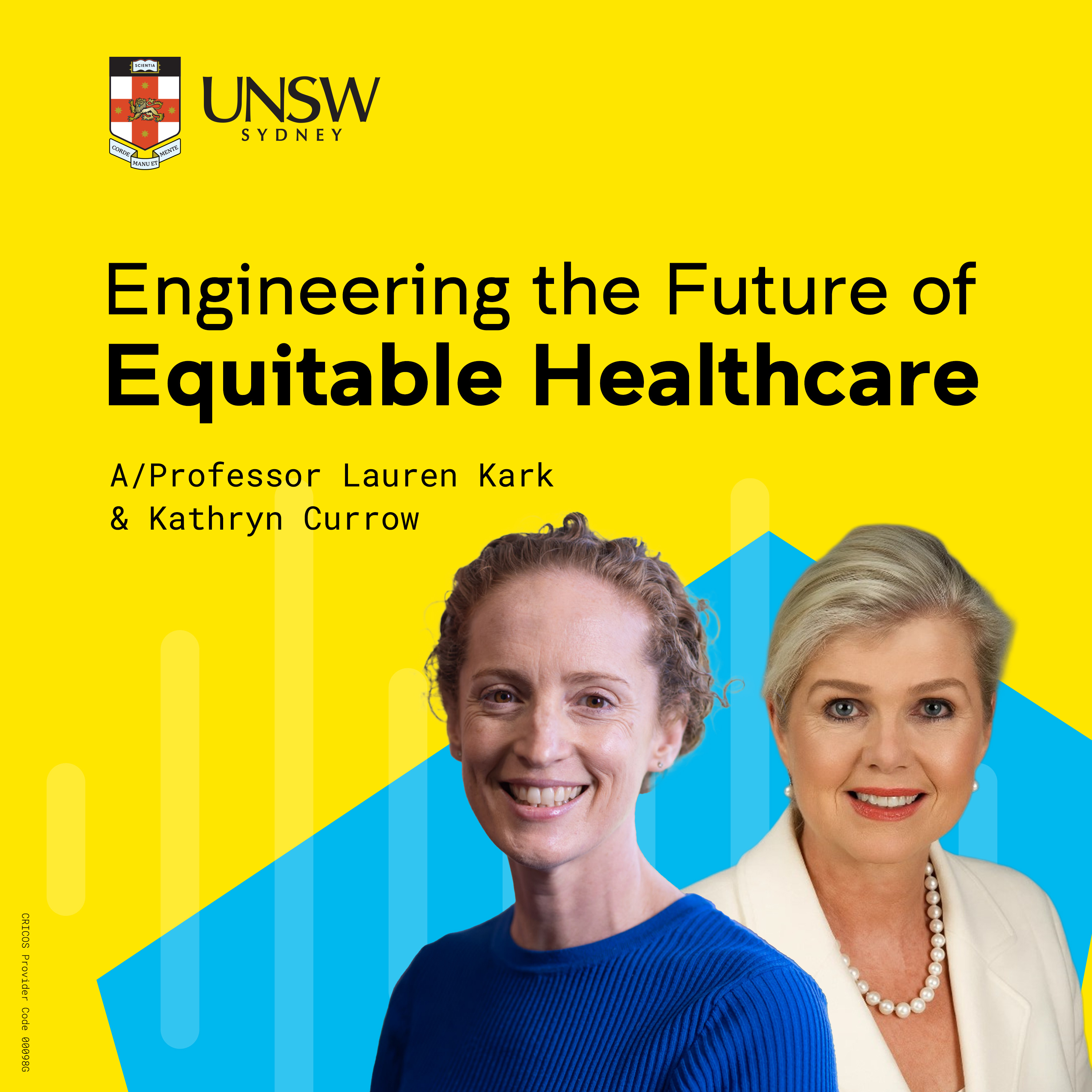 Equitable healthcare isn’t about treatment – it’s about justice | Not all healthcare is created equal. Whether it’s a postcode that limits your services, a language barrier at the clinic, or a system that overlooks accessibility - too many people are being left behind. But how do we build healthcare systems that can fairly serve its communities regardless of postcode, income, or identity? In this episode of the Engineering the Future podcast, UNSW’s biomedical engineer Associate Professor Lauren Kark, and Managing Director of Taking Paediatrics Abroad, Kathryn Currow, chats with STEM journalist Neil Martin, about the challenges of ensuring healthcare that is just for all and the importance of advocating for sustainable solutions and capacity building over mere financial investment.For the full transcript of the episode and to learn more about our speakers, visit our website.Read more of our stories on equitable healthcare: It works! GeneEQUAL is improving health care for people with intellectual disabilityUNSW Kirby Institute’s remote testing program wins major university award UNSW medicine graduate awarded NSW Rhodes Scholarship Don’t miss out on more conversations about the technologies shaping our world. Subscribe to Engineering the Future on your favourite podcast platform and follow us on Facebook, LinkedIn and Instagram to stay up to date with the latest research and news from UNSW Engineering. Acknowledgement of Country We would like to show our respects and acknowledge the Bedegal people who are the Traditional Custodians of the Land on which our Kensington campus is situated on, and to Elders past and present. | — | |
| 5/21/25 | 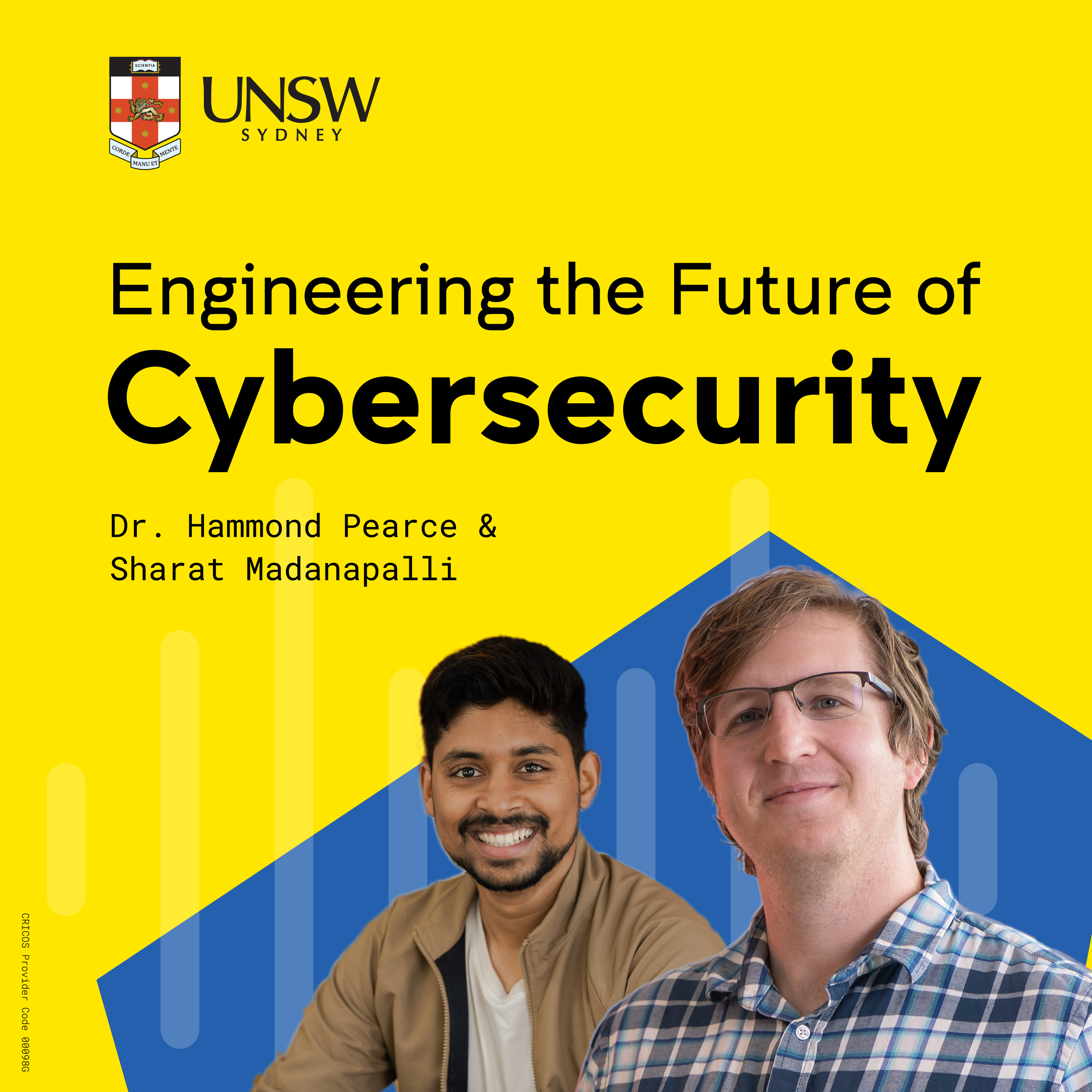 AI in cybersecurity - friend or foe? | 📧 Have you ever fallen victim to a phishing email? You're not alone. Cybersecurity threats are growing more sophisticated every day, making the protection of personal and corporate data more critical than ever. As artificial intelligence reshapes both attack methods and defence strategies, what are the risks of not securing our infrastructure against emerging threats?Lecturer at UNSW School of Computer Science and Engineering and former NASA researcher, Dr. Hammond Pearce, and Director of InTune AI, Sharat Madanapalli, joins STEMM journalist Neil Martin to unravel the evolving landscape of cybersecurity and how to safeguard your privacy online. For the full transcript of the episode and to learn more about our speakers, visit our website. Read more of our stories on cybersecurity: What to do about deepfakes: opportunities and problems as AI tech makes leaps and bounds Today’s top cybersecurity threats for consumers, and how to fight them Beware the dangers of data breach fatigue An award-winning breakthrough in computer science education The internet of things: protecting network assets and infrastructure Let’s connect: Don’t miss out on more conversations about the technologies shaping our world. Subscribe to Engineering the Future on your favourite podcast platform and follow us on Facebook, LinkedIn and Instagram to stay up to date with the latest research and news from UNSW Engineering. Learn more about UNSW Institute of Cybersecurity. Acknowledgement of Country We would like to show our respects and acknowledge the Bedegal people who are the Traditional Custodians of the Land on which our Kensington campus is situated on, and to Elders past and present. | — | |
| 9/23/24 | 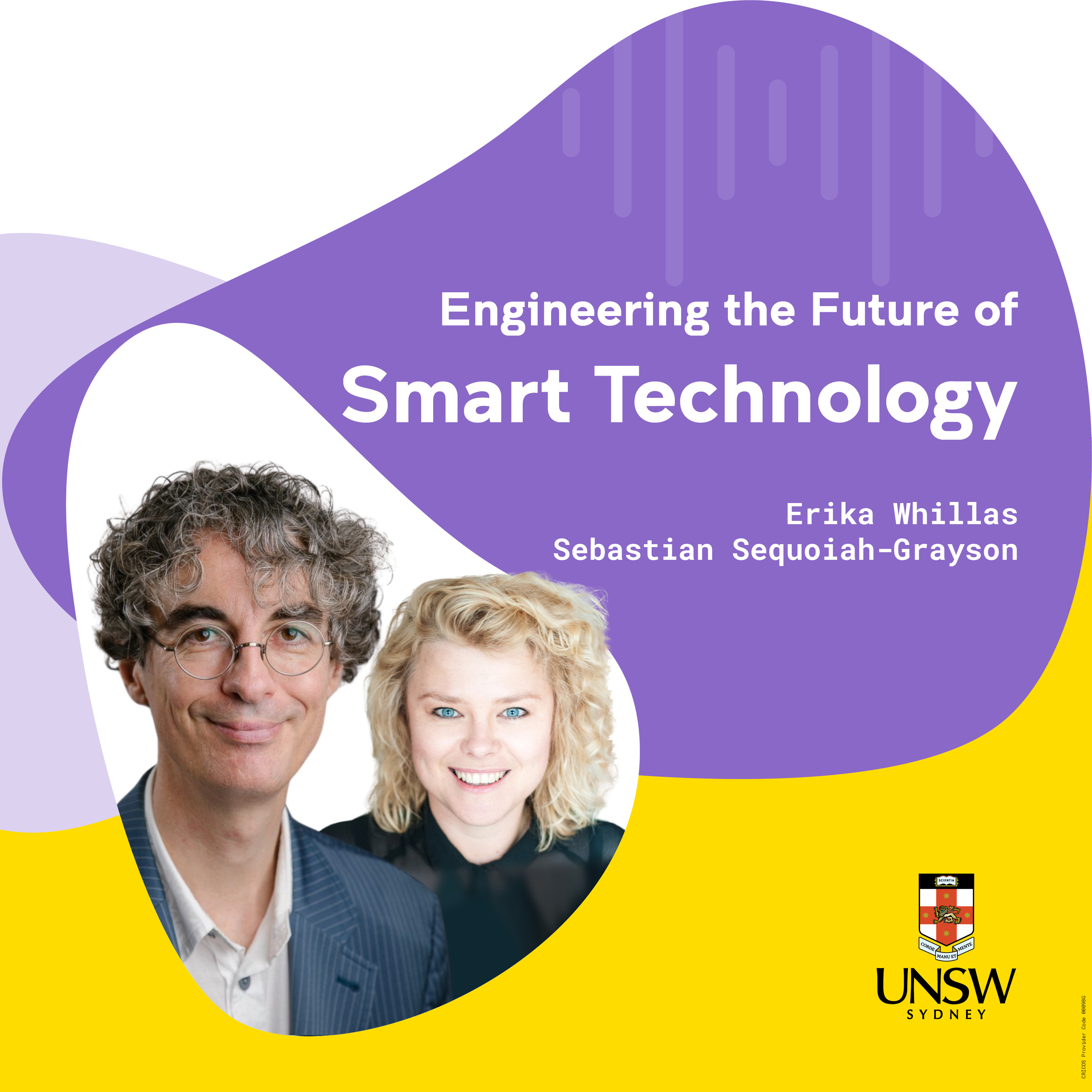 City sabotage and cyber spectacles: The where and wear of smart technology | From smart homes and cities to business and healthcare, smart technology is promising to enhance efficiency, convenience, and connectivity in daily life. But with it comes growing concerns about data security, reduced privacy, and the control of information. Dr Sebastian Sequoiah-Grayson, Senior Lecturer in Epistemics at UNSW's School of Computer Science and Engineering, and senior experience strategist Dr Erika Whillas join STEMM journalist, Neil Martin, to discuss how smart technology will change the way we live and interact with our communities in the future - and how best to deal with the challenges it will undoubtedly create. | — | |
| 8/26/24 | 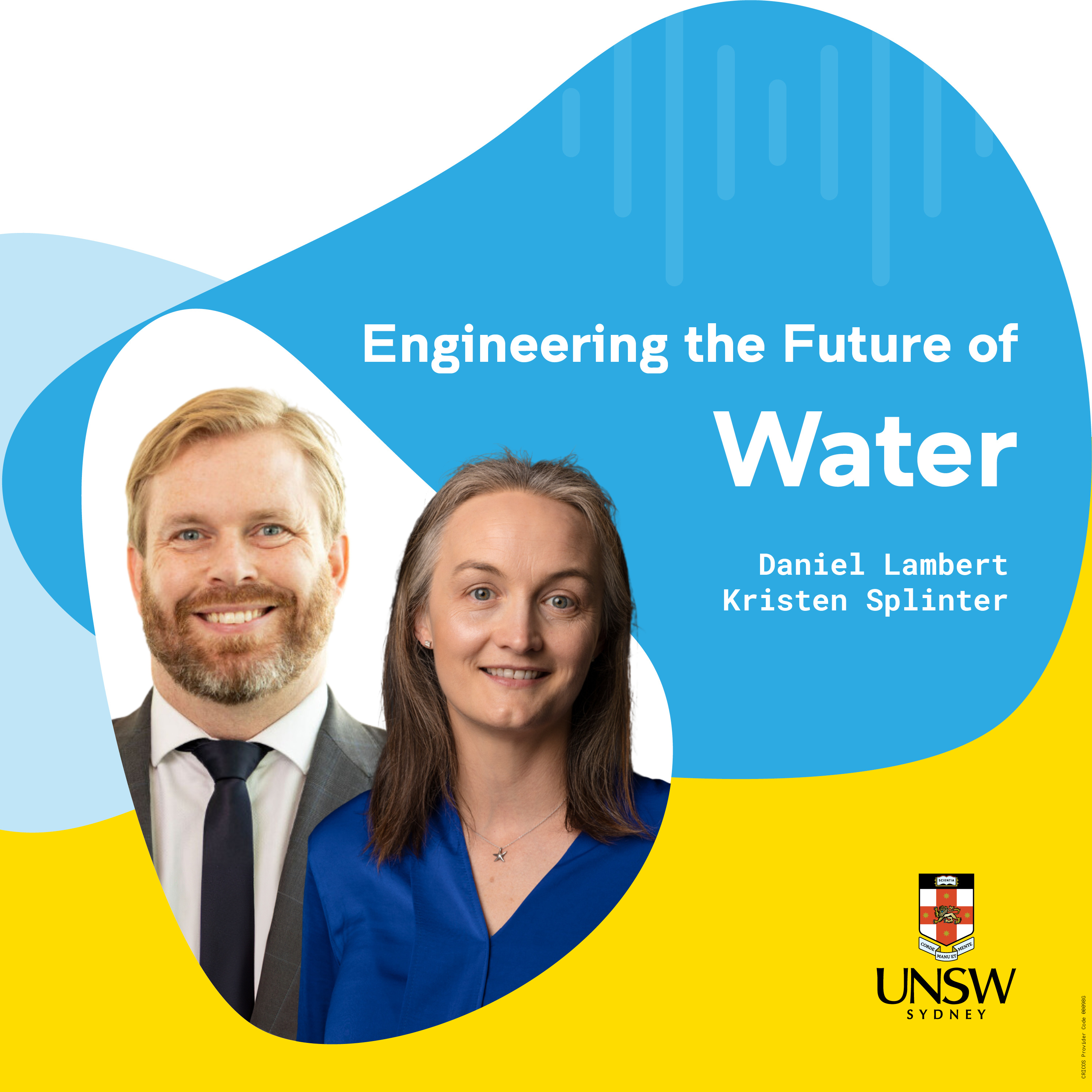 For a circular economy, water needs to go round and round | Too much water in the form of flooding, or too little water in the form of drought. Two of the biggest global challenges when it comes to water are at completely opposite ends of the spectrum. UNSW Associate Professor Kristen Splinter, and water engineering executive Daniel Lambert join STEMM journalist Neil Martin to talk about the potential solutions to those crucial problems. They discuss the importance of ensuring the ever-increasing global population has safe water to drink, and enough water to also grow suitable amounts of food, while also dealing with issues around flooding and sea level rises. | — |
Showing 9 of 9
Sponsor Intelligence
Sign in to see which brands sponsor this podcast, their ad offers, and promo codes.
Chart Positions
1 placement across 1 market.
Chart Positions
1 placement across 1 market.