
Insights from recent episode analysis
Audience Interest
Podcast Focus
Publishing Consistency
Platform Reach
Insights are generated by CastFox AI using publicly available data, episode content, and proprietary models.
Est. Listeners
Based on iTunes & Spotify (publisher stats).
- Per-Episode Audience
Est. listeners per new episode within ~30 days
10,001 - 25,000 - Monthly Reach
Unique listeners across all episodes (30 days)
25,001 - 75,000 - Active Followers
Loyal subscribers who consistently listen
5,001 - 15,000
Market Insights
Platform Distribution
Reach across major podcast platforms, updated hourly
Total Followers
—
Total Plays
—
Total Reviews
—
* Data sourced directly from platform APIs and aggregated hourly across all major podcast directories.
On the show
Recent episodes
Celebrating Ninette de Valois - a conversation with Giannadrea Poesio
May 4, 2026
Unknown duration
Robert Harrold
Apr 28, 2026
Unknown duration
Roger Tully
Apr 20, 2026
Unknown duration
Kevin Richmond
Apr 13, 2026
Unknown duration
Celebrating Ninette de Valois: Checkmate
Apr 6, 2026
Unknown duration
Social Links & Contact
Official channels & resources
Official Website
Login
RSS Feed
Login
| Date | Episode | Description | Length | ||||||
|---|---|---|---|---|---|---|---|---|---|
| 5/4/26 | 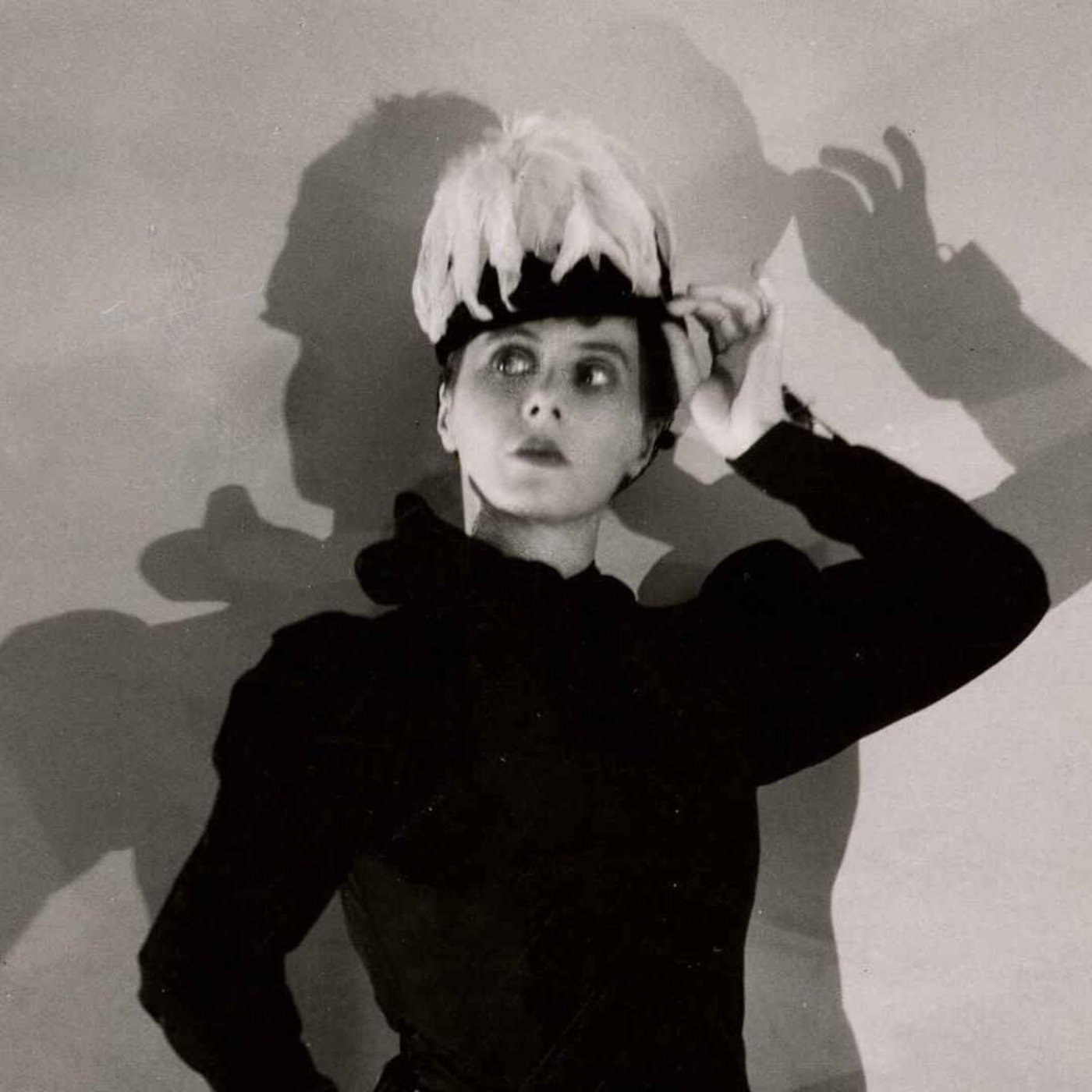 Celebrating Ninette de Valois - a conversation with Giannadrea Poesio Celebrating Ninette de Valois - a conversation with Giannadrea Poesio | In 2026 Voices of British Ballet is celebrating the life of Ninette de Valois, to mark the centenary of the Royal Ballet School, with a series of interviews and special episodes that illuminate her life and artistic practice.In this episode, Dr Anna Meadmore, Manager of Special Collections at the Royal Ballet School, introduces an interview with the writer and ballet historian Giannandrea Poesio. The interview was recorded in 2011 at a conference dedicated to Ninette de Valois where Giannandrea Poesio was one of the delegates. He talks with Patricia Linton about two meetings he had with de Valois and how she gave him the nickname “Cecchetti Boy”. He discusses Ninette de Valois’ reservations about the Cecchetti method and explores the use of historical mime in present day performance.Anna Meadmore was one of the organisers of that conference in 2011 and reflects on the importance of dance history to the education and training of new dancers and choreographers. She also talks about Giannandrea’s talk at the conference about mime in ballet and the influence of Giuseppina Cecchetti and Francesca Zanfretta.Giannadrea Poesio died in 2017. Hosted on Acast. See acast.com/privacy for more information. | — | ||||||
| 4/28/26 | 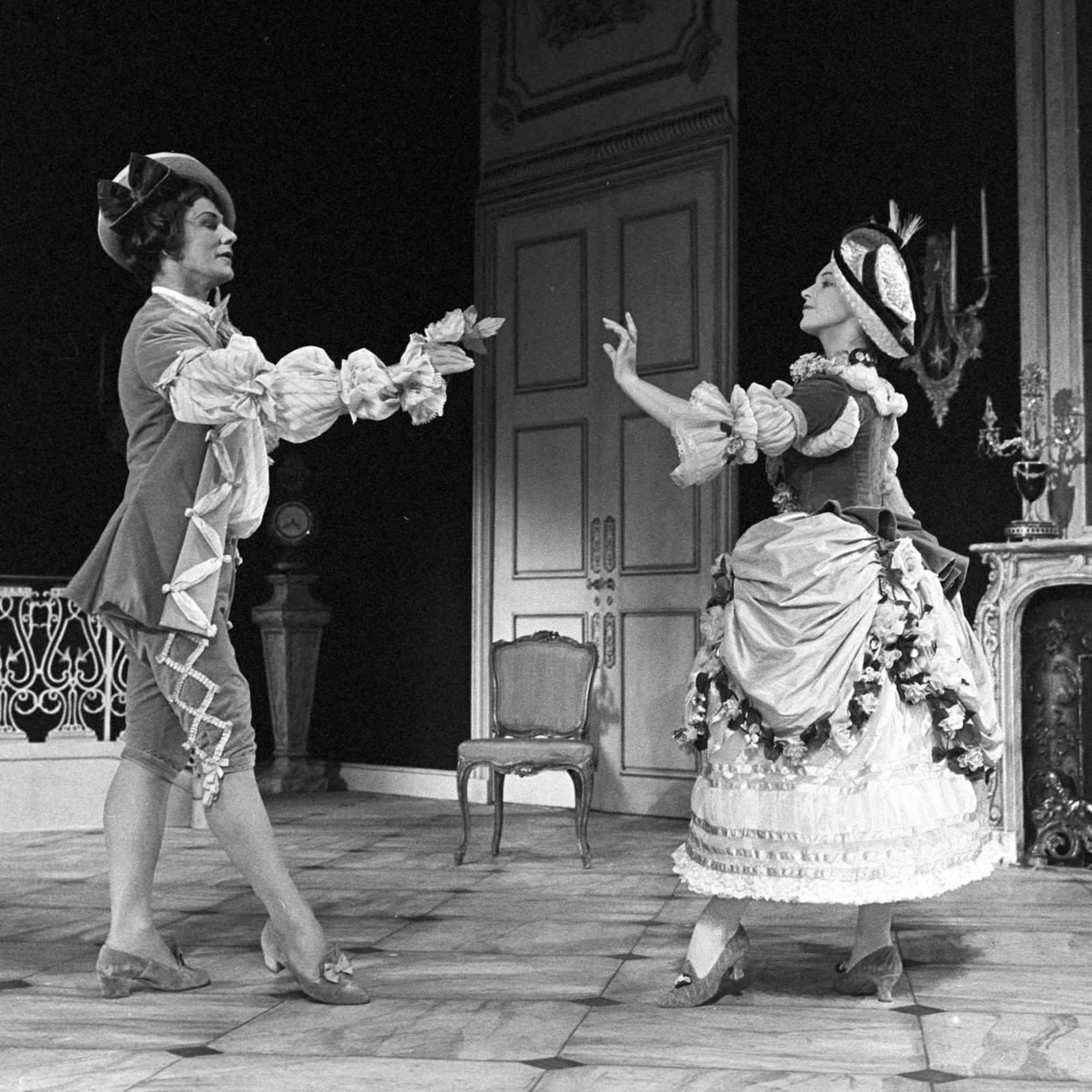 Robert Harrold Robert Harrold | It really does seem true that dancers in the difficult years of World War Two were happy to exist on the bare minimum. The common bond was that they all loved dancing and that appeared to keep them going. In this interview with the dancer and teacher Robert Harrold, which was recorded in 2007, Patricia Linton, founder and director of Voices of British Ballet, talks with him about a career that commenced during a time of conflict. The interview is introduced by Jane Pritchard. Robert Harrold was born in Wolverhampton in 1923. His first dancing lessons were in Birmingham with Evelyn Goodwin, and his stage career began with the Anglo-Polish Ballet in 1940. For the next few years, he danced with Ballet Rambert, where he experienced a fine repertoire of ballets with an enviable range of choreographers, in which he often partnered Rambert’s charismatic ballerina of the time, Sally Gilmour. During the later years of World War Two, Harrold was a member of the Central Pool of Artists (CPA), and he was a part of groups that entertained the troops in Italy, via India, Ceylon and Australia. After the war he danced in musical theatre and television and began to develop his choreographic ability. Most important was the beginning of his lifelong love and involvement with National and Folk Dance. He was a tireless advocate of this form of dance and, along with his friend and mentor Helen Windgrave, wrote books and formed groups – notably the Modial Company – and educational enterprises to interest people in general and to win converts if possible! Dancer, teacher, examiner, adjudicator and writer, Robert Harrold had a very full and busy life in dance and contributed unstintingly to the many ventures in which he was involved. In 1986 he received the Imperial Award for Outstanding Services to the Imperial Society of Teachers of Dancing (ISTD), an organisation he had been involved with for many years.Photograph: CAPRICCIO by Richard Strauss; Valerie Davie and Robert Harrold as the Dancers Conducted by Pritchard; Directed by Rennert; Scenery Designed by Lennon; Costumes designed by Powell; Glyndebourne Festival Opera; Glyndebourne, Lewes, East Sussex, UK; 1963; © Glyndebourne Productions Ltd.; Credit: Guy Gravett / Glyndebourne Productions Ltd. / ArenaPAL ; Hosted on Acast. See acast.com/privacy for more information. | — | ||||||
| 4/20/26 | 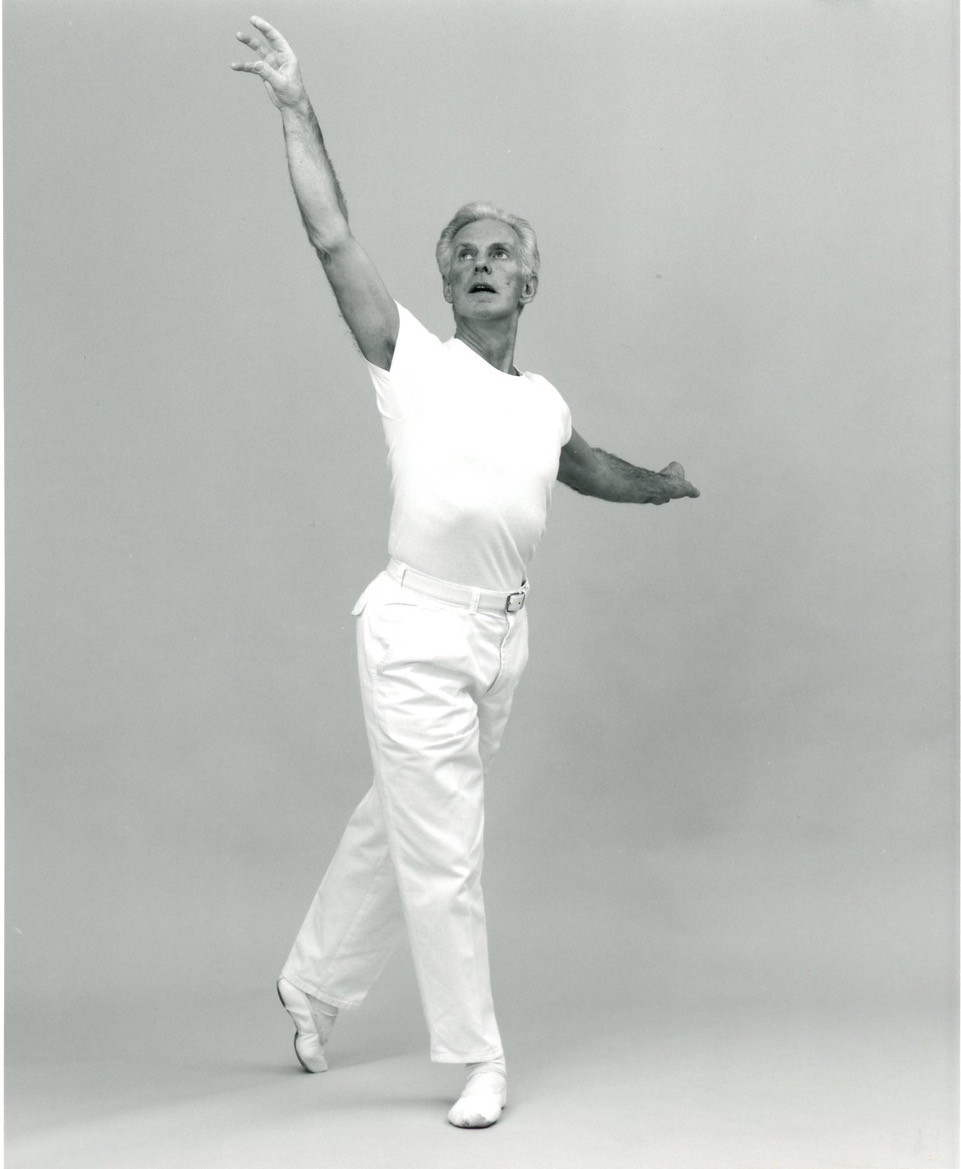 Roger Tully Roger Tully | There is so much in this short interview to love and revere. Roger Tully was a legendary teacher, who was an inspiration to many dancers over many years. He had strong and very definite ideas about dancing and technique, but he was always looking beyond – to maybe something spiritual. He was a teacher who in the great early Twentieth-Century tradition of teachers, taught outside institutions. For the art of dance to live on, long may this independent spirit last and flourish. In this interview, which was recorded in 2020, Roger Tully talks to the dancer, choreographer and writer Jennifer Jackson, who was also one of his pupils.Roger Tully was born in London in 1928. After National Service and training as an optician, his love of dance led him to study with Marie Rambert at her school. He went on to study with Cleo Nordi, Lydia Kyasht, Stanislas Idzikowski and, above all, with Kathleen Crofton, who had herself studied under the former Imperial Russian ballerina Olga Preobrajenska and danced with the Anna Pavlova company. His association with Crofton, which lasted for many years until she herself departed to the USA in 1966, asking him to take over her classes, was perhaps the central influence on his own approach to dance and to teaching.From 1949 until 1951 Tully danced with Ballet Rambert, and then with International Ballet until it’s closure in 1953. He also worked on the musical stage and with Walter Gore’s London Ballet, where he partnered Paula Hinton. In the 1960s he danced in the USA and in Canada with Les Grands Ballets Canadiens.In 1977, Tully bought a house in Bedford Gardens in Kensington and established a studio there, where he taught until he moved away from London in 2015. He remained independent of established schools and teaching systems and his classes, in which he taught all levels, from beginners to established professionals including principal dancers from major companies, gained an enviable reputation for their grounding in the classical tradition. His teaching was much valued by those looking for something different from the norm. He addressed the person who dances and stressed artistry rather than gymnastic virtuosity. His approach, however, was systematically thought out, looking to move with the body’s natural weight, rather than fighting against it, so as to achieve a true sense of vertical balance and stability. In this quest he was also influenced by his study of classical sculpture. In 2011 he published The Song Sings the Bird: A Manual on the Teaching of Classical Dance, in which he sums up his decades of experience in the teaching of ballet.As well as working in Bedford Gardens, he also taught ballet at Pineapple Studio and Dance Works in London and to ballroom dancers in Helsinki, as well as master classes in Paris, Rome, and Tokyo. Even after he had moved away from London to Haywards Heath in Sussex, he continued to teach right up to his death in 2020, at the age of 91. Hosted on Acast. See acast.com/privacy for more information. | — | ||||||
| 4/13/26 | 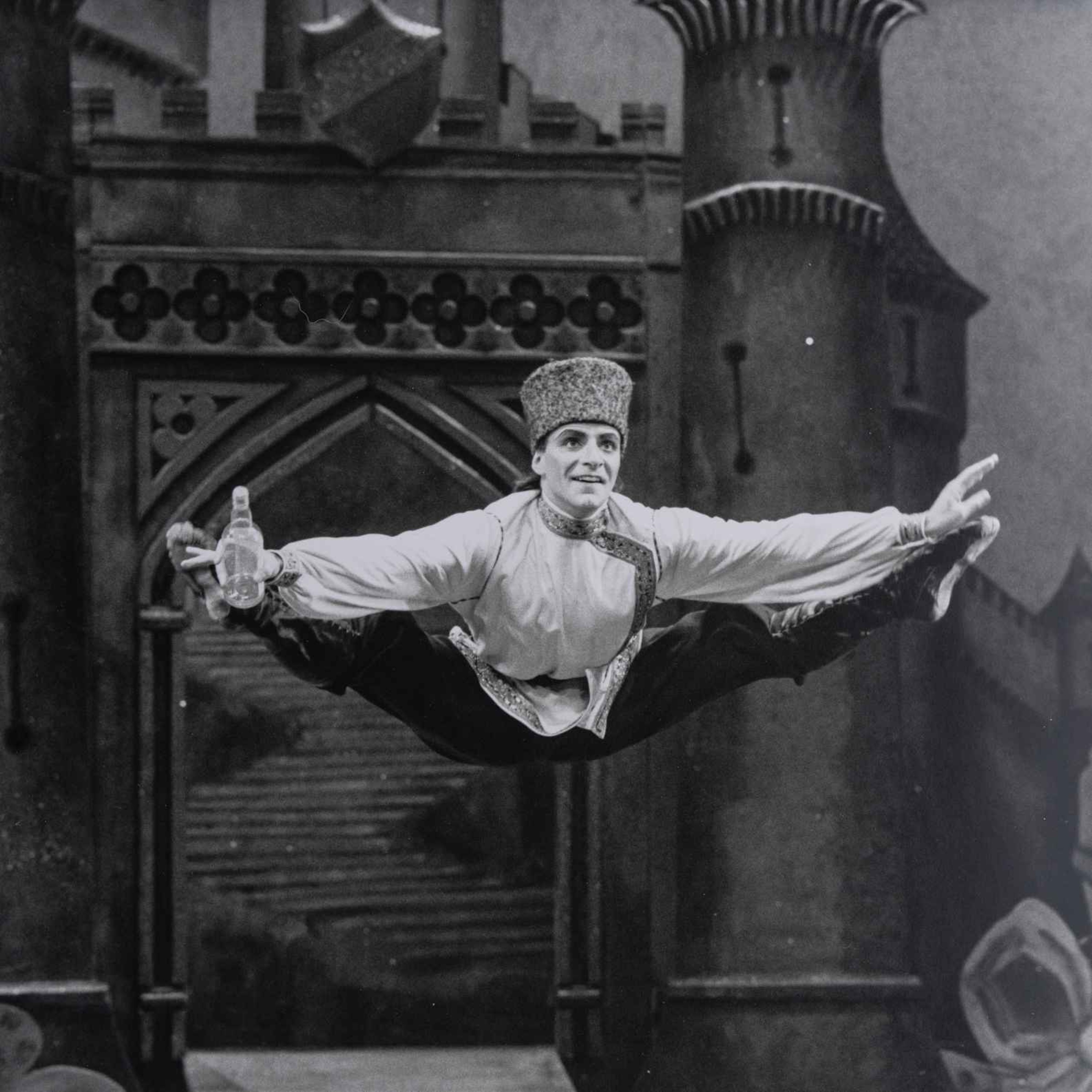 Kevin Richmond Kevin Richmond | This interview is a reminder of how lucky we in Britain have been with our great choreographers – in this case Christopher Bruce. Talking to Deborah Weiss, dance writer, editor and former first soloist with London Festival Ballet, Kevin Richmond also reminds us about taking chances, fun and friendship. The interview was recorded in 2018 and is introduced by Deborah Weiss.Born in Nottingham in 1958, Kevin Richmond was the eldest of three boys. His interest in theatre began at primary school where he was encouraged to participate in drama classes. At the age of ten he was recruited as a child actor to appear in a number of productions, including Waiting for Godot with Peter O’Toole and in the 1972 Harold Becker film The Ragman’s Daughter. Initially, Richmond wasn’t keen to learn to dance but was convinced by his teachers that it may help his acting career.Richmond’s first professional dance job was with an education project called Dance for Everyone when Richmond was just 17. He joined London Festival Ballet in 1977 under the directorship of Beryl Grey and remained with the company, now English National Ballet, for 22 years. He worked with five directors during this time and among his most memorable experiences was working with the choreographer Christopher Bruce on Swansong. Bruce created the ballet on Richmond, Matz Skoog and Koen Onzia in 1987 and this work and its cast were celebrated worldwide. Other important roles included the title role in Christopher Hampson’s Scrooge, Tybalt in Romeo and Juliet and Dr Coppélius in Coppélia.After retiring from the stage, Richmond completed the Professional Dancer’s Teaching Diploma at the Royal Academy of Dance and taught at London Studio Centre, Basler Ballett, Cathy Sharp Dance Ensemble and latterly, at the Zürcher Hochschule der Künst in Zürich where he taught the BA in Contemporary Dance course. He also taught as a guest teacher with many companies including Rambert. He became ill with cancer in 2018 and died the following year.The photograph shows Kevin Richmond in The Nutcracker; Kevin Richmond; Peter Schaufuss production; Designs by David Walker; English National Ballet; 1986; at the London Coliseum; London, UK; Photo by Bill Cooper licensed by Areanpal Hosted on Acast. See acast.com/privacy for more information. | — | ||||||
| 4/6/26 | 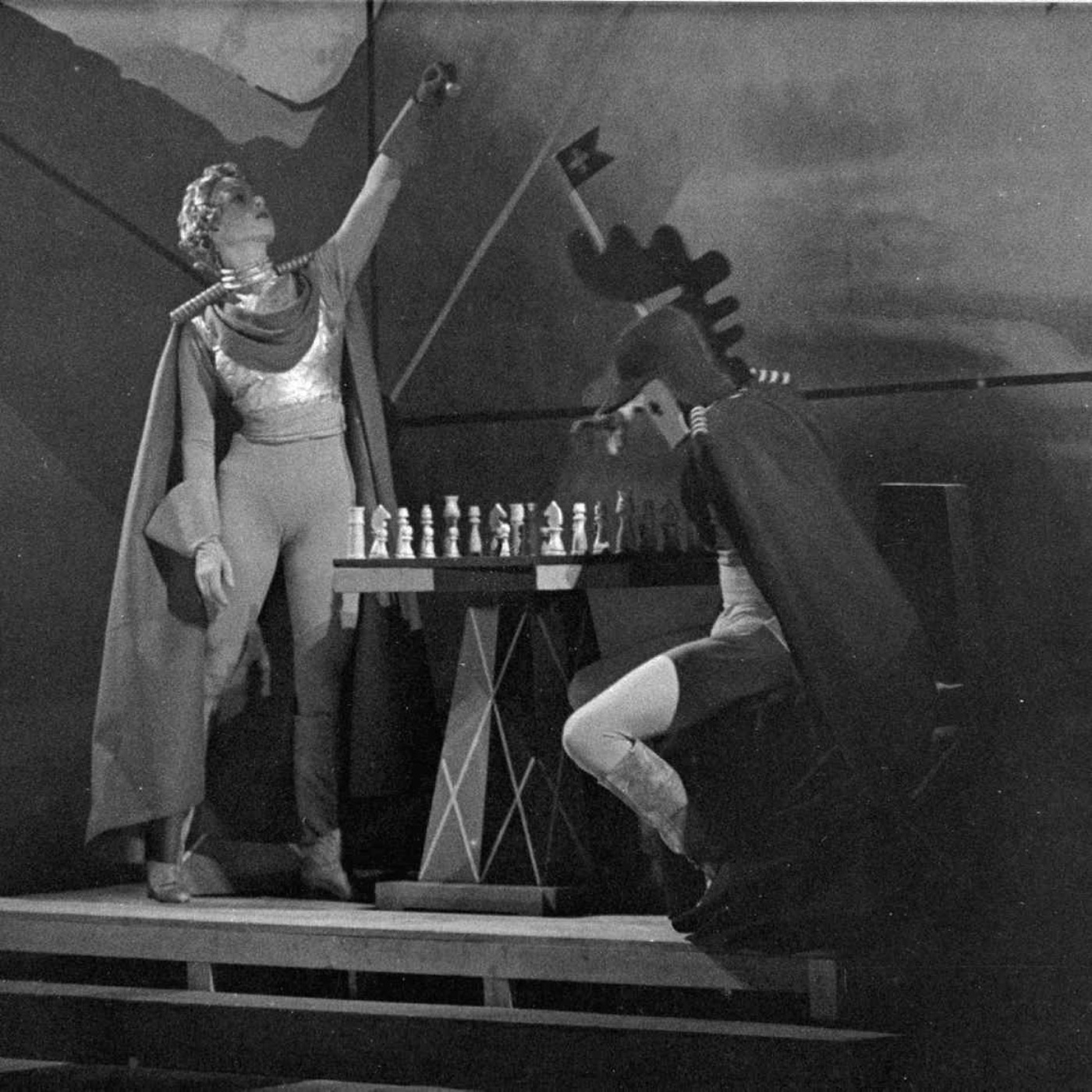 Celebrating Ninette de Valois: Checkmate Celebrating Ninette de Valois: Checkmate | The second in our series of special episodes to celebrate the 100th anniversary of the founding of Ninette de Valois’ Academy for Choregraphic Art in March 1926, and to mark 25 years since de Valois' death. Patricia Linton talks to Dr Anna Meadmore, archivist at The Royal Ballet School about de Valois ballet, Checkmate.Checkmate is one of the only two ballets by Ninette de Valois to survive in the repertoire. It makes allegorical use of a chess game to represent a battle between love and death. Arthur Bliss, the composer, and Edward McKnight Kauffer, the designer, worked with de Valois’ ideas in a way that made perfect sense of the ensuing battle, and testified to her commitment to Serge Diaghilev’s ideas on the importance of music and design in ballet. The action of the chess pieces is foreshadowed in a prologue in which the skeletal hand of death plays chess with the figure of love and suggests that what we are about to see is in some way pre-determined. The chess pieces from pawn and knight to King and Queen make their moves as if guided by the hand of fate. The Black Queen powers her way across the board, dominating all around her. After the thunderous chaos and brutal murder of her would-be lover the Red Knight, the climatic finale sees the Red King goaded out of his inertia. His feeble resistance prompts the Queen to administer the coup de grace: ‘checkmate indeed’. The ballet was first performed at the Théâtre des Champs Élysées, Paris in 1937, with June Brae as the Black Queen, Harold Turner as the Red Knight, and Robert Helpmann and Pamela May as the Red King and Queen.The photograph shows Sadler’s Wells Ballet in Checkmate at the Royal Opera House, 1947. Love (Jean Bedells) and Death (Franklin White) deliberate over a game of chess in the Prologue to Ninette de Valois’ ballet Credit: Frank Sharman/Royal Opera House/ArenaPAL Hosted on Acast. See acast.com/privacy for more information. | — | ||||||
| 3/30/26 | 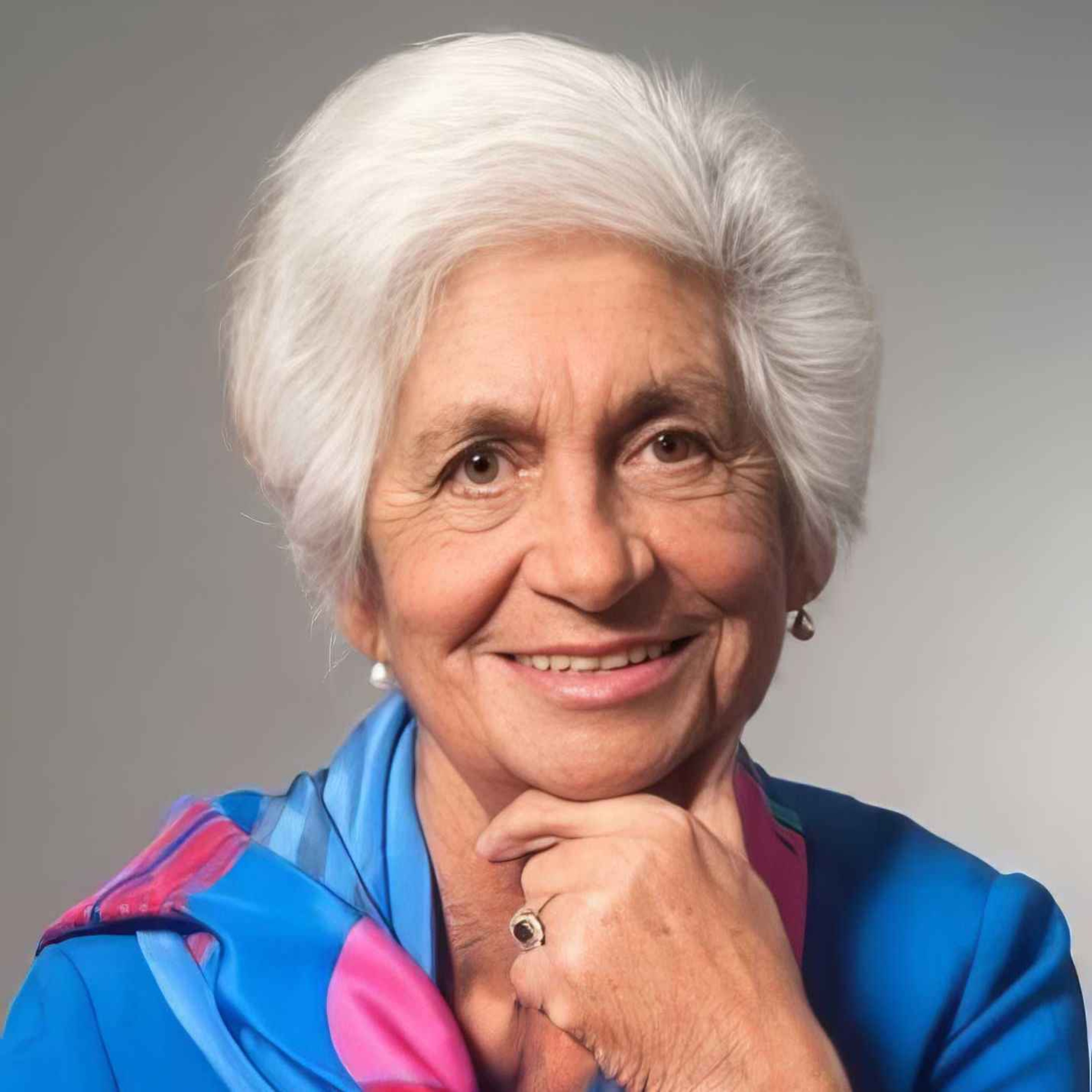 Jill Tookey Jill Tookey | Jill Tookey, the founder of National Youth Ballet of Great Britain (NYB), in conversation here with Frank Freeman, explains how she set about it, and what her vision was. She gives a breathtaking insight into how all the different and necessary strands of activity plait together to create something worthwhile. She speaks engagingly about some of the ballets created for NYB, and about working on them with esteemed members of the ballet world, such as John Lanchbery and Wayne Sleep. The interview was recorded in 2010 and is introduced by Anna Meadmore.Born in Kent in 1937, Jill Tookey arrived at what was to be her dancing destiny by an unusual route. She had enjoyed ballet as a child but was swallowed up by the fashion industry of the 1960s, becoming fashion editor for both Woman and Beauty and Honey magazines. By the 1980s, and as mother of four children, she had begun writing childrens’ books. Pedro the Parrot, published by Thames and Hudson, was to be the springboard for an extraordinary adventure. To set Pedro dancing, music was found and also a choreographer. From there Tookey never looked back. She was alert to the huge interest in dancing and performance in the young and how, with the right build up, they could channel their excitement into something truly worthwhile.By 1988 Tookey had founded the National Youth Ballet of Great Britain (NYB) and she remained its artistic director until she died in 2016. She was always able to see the bigger picture as well as the details, with many ballets specially created for NYB and many young choreographers and dancers encouraged. As a result of her inspired and energetic leadership, literally thousands of children have had opportunities to enjoy the magical world of the theatre, with a number going on to dance professionally. Jill Tookey was appointed a CBE in 2016, but died that same year, and, sadly, was unable to collect her award. She was represented at the investiture by her ten-year-old granddaughter, who had danced with NYB for four years. Hosted on Acast. See acast.com/privacy for more information. | — | ||||||
| 3/24/26 | 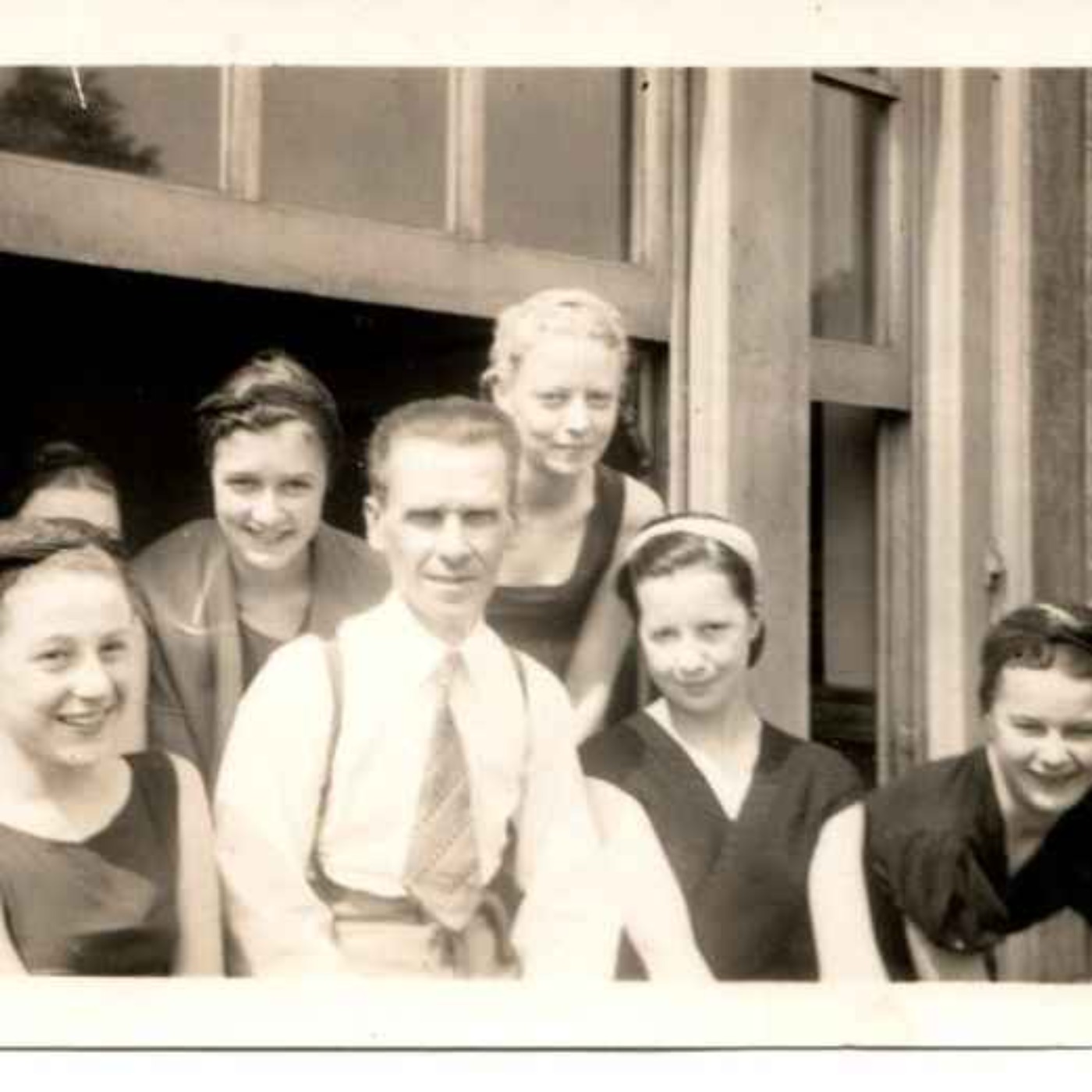 Patricia Thorburn Patricia Thorburn | Here, Patricia Thorburn throws a little light on finding jobs with Patricia Linton, founder and director of Voices of British Ballet. The interview, which was recorded in 2003, is introduced by dance historian Jane Pritchard.Patricia Thorburn was born in Peebles, Scotland, and was a student of Mrs Bell Hardy in Edinburgh. In 1937, she auditioned and then studied at the Sadler’s Wells Ballet School and made her debut with the Carl Rosa Opera in 1938. In 1939 and 1940 she served with the Auxiliary Territorial Service (ATS) but joined the Anglo Polish Ballet in 1940 and remained with the company until 1942. Following this, she appeared in a number of London shows, and married John Arnold in 1945 before joining the Sadler’s Wells Ballet at the Royal Opera House, Covent Garden, in 1946 to boost the numbers in their extraordinary production of The Sleeping Beauty.Thorburn then danced as a member of the Agnes de Mille Ballet in the stage musical London Town. She retired from the company in 1947. Using her ballet training as a basis, she went to study with Sigurd Leeder at his School of Dance at Dartington Hall, Devon, to expand her horizons. She pioneered a Pure Movement course to help actors move more naturally on stage and screen and, working under her married name of Patricia Arnold, started to teach movement and historical dance at the London Academy of Music and Dramatic Art (LAMDA) in 1955, where she became head of Movement from 1963 until 1972. She also taught at the Guildhall School of Music and Drama. Thorburn taught well beyond the age of 75, and even after retirement was often asked back to teach masterclasses.The photograph shows Patricia Thorburn with fellow classmates from Sadler's Wells Ballet School with Nicholas Segeyev in the centre in 1937 / 1938. Photo courtesy of Patricia Thorburn. Hosted on Acast. See acast.com/privacy for more information. | — | ||||||
| 3/17/26 | 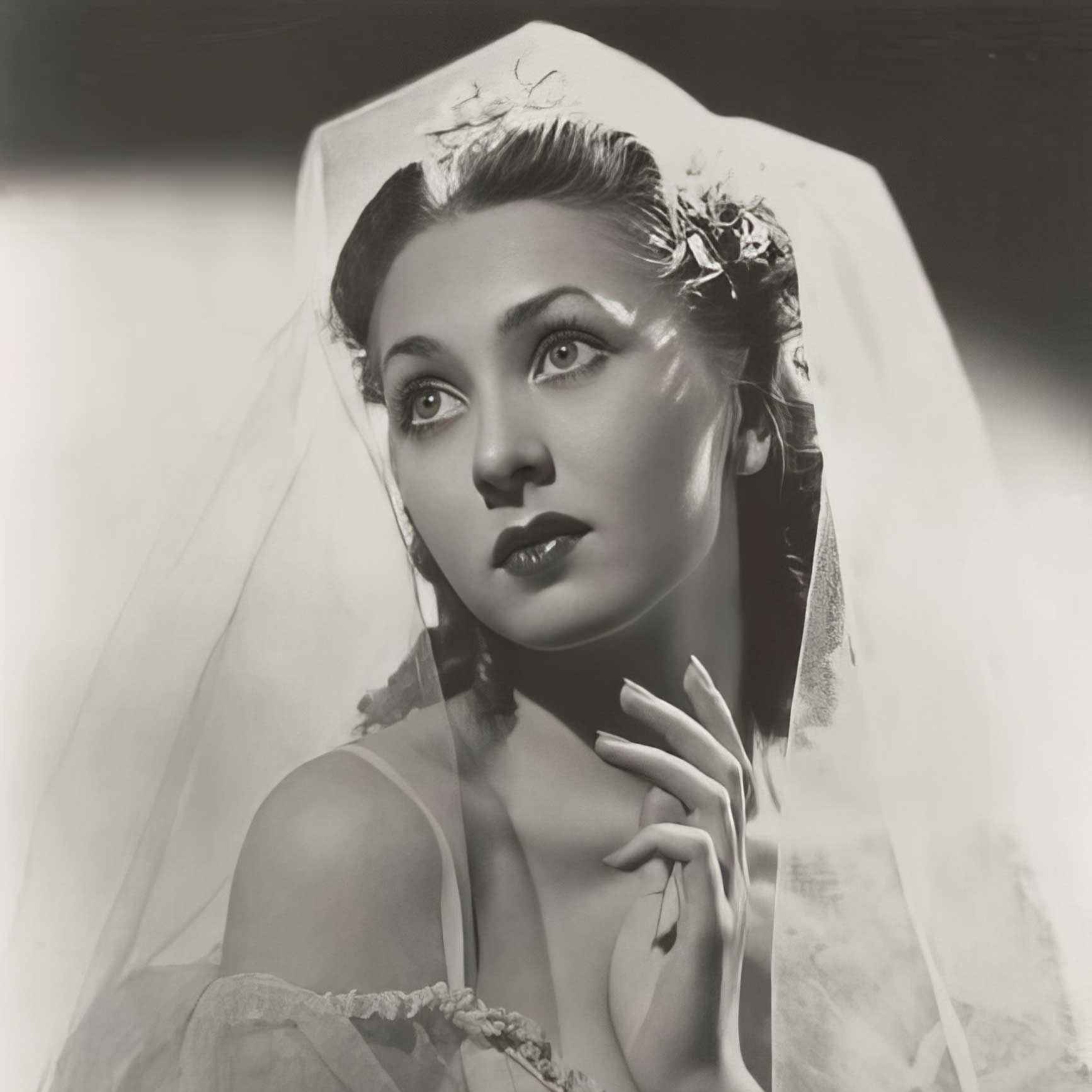 Irina Baronova Irina Baronova | What agony to hear this gorgeous, beguiling woman lament the lack of interest she feels was shown to her generation in passing on their knowledge and experience to the next. Irina Baronova’s no nonsense approach is mysteriously interwoven with intuitive artistry – we could expect no less from one of the original “Baby Ballerinas” of the Ballet Russe de Monte Carlo. In this interview, recorded in 2006, Irina Baronova is interviewed by Patricia Linton, founder and director of Voices of British Ballet. The interview is introduced by Jane Pritchard of the V&A.Irina Baronova was a Russian-born ballerina and actress, known as one of the “Baby ballerinas” of the Ballet Russe de Monte Carlo. She was born in Petrograd in 1919. Her father, Mikhail Baronov, was a lieutenant in the Imperial Navy, and in 1920 he and his family had to flee the country following the Russian Revolution. They crossed the border into Romania disguised as peasants and eventually settled in Bucharest. They had no money in a foreign country where they did not know or speak the language. Baronov eventually found a job at a factory, and the family spent the following years living in the city slums.At the age of seven, Baronova began taking her first ballet classes when her mother (who was a ballet enthusiast) found her a teacher, Madame Majaiska, a former corps de ballet member of the Imperial Russian Ballet. She was also a refugee from Russia and so conducted Baronova’s classes in the kitchen of her one-bedroom house, using the kitchen table as a barre. To provide Irina with professional training, the family moved to Paris when she was ten years old, where she was taught by Olga Preobrajenska and Mathilde Kschessinska. In 1930, at the age of 11, Baronova made her debut at the Paris Opéra. The catalyst for her career came in 1932, just before her 13th birthday, when George Balanchine engaged her for the Ballet Russe de Monte Carlo, along with the equally youthful Tamara Toumanova and Tatiana Riabouchinska. The English critic Arnold Haskell dubbed this illustrious trio the “Baby Ballerinas”.Baronova was 14 when she was given her first principal role, as Odette in Act II of Swan Lake, in which she was partnered by Anton Dolin. At the age of 17, she eloped with an older Russian man, German (Jerry) Sevastianov, in order to get married. Their marriage came two years later, in 1938, with a ceremony in Sydney, Australia. Baronova then joined Ballet Theatre (now American Ballet Theatre) in the United States of America, subsequently divorcing Sevastianov. In 1946, in the United Kingdon, she met the theatrical agent Cecil Tennant who asked her to marry him, which she did, retiring from her career in ballet at the age of 27. Between 1940 and 1951, Baronova appeared in several films, including Ealing Studio’s Train of Events (1949). Much later she worked as ballet mistress on the 1980 Hollywood film Nijinsky. During her marriage to Tennant, she gave birth to three children: Victoria, Irina and Robert. In 1967, Tennant was killed in a car accident, and Baronova subsequently moved to Switzerland. She then resumed her marriage with her first husband, Sevastianov, who died in 1974. Baronova then began teaching master classes in the UK and the USA. In 1986 she staged Mikhail Fokine’s Les Sylphides for The Australian Ballet, and in 1992 returned to Russia to help the Maryinsky Theatre with an archival project. In 1996 she received a Vaslav Nijinsky Medal in Poland and an honorary doctorate from the North Carolina School of the Arts. In 2000, she went to live in Australia with her daughter, Irina. In 2005 she appeared in a documentary on the Ballet Russe, and published her autobiography Irina: Ballet, Life and Love. She died in her sleep in Byron Bay, Australia, on June 28, 2008, at the age of 89. Hosted on Acast. See acast.com/privacy for more information. | — | ||||||
| 3/10/26 | 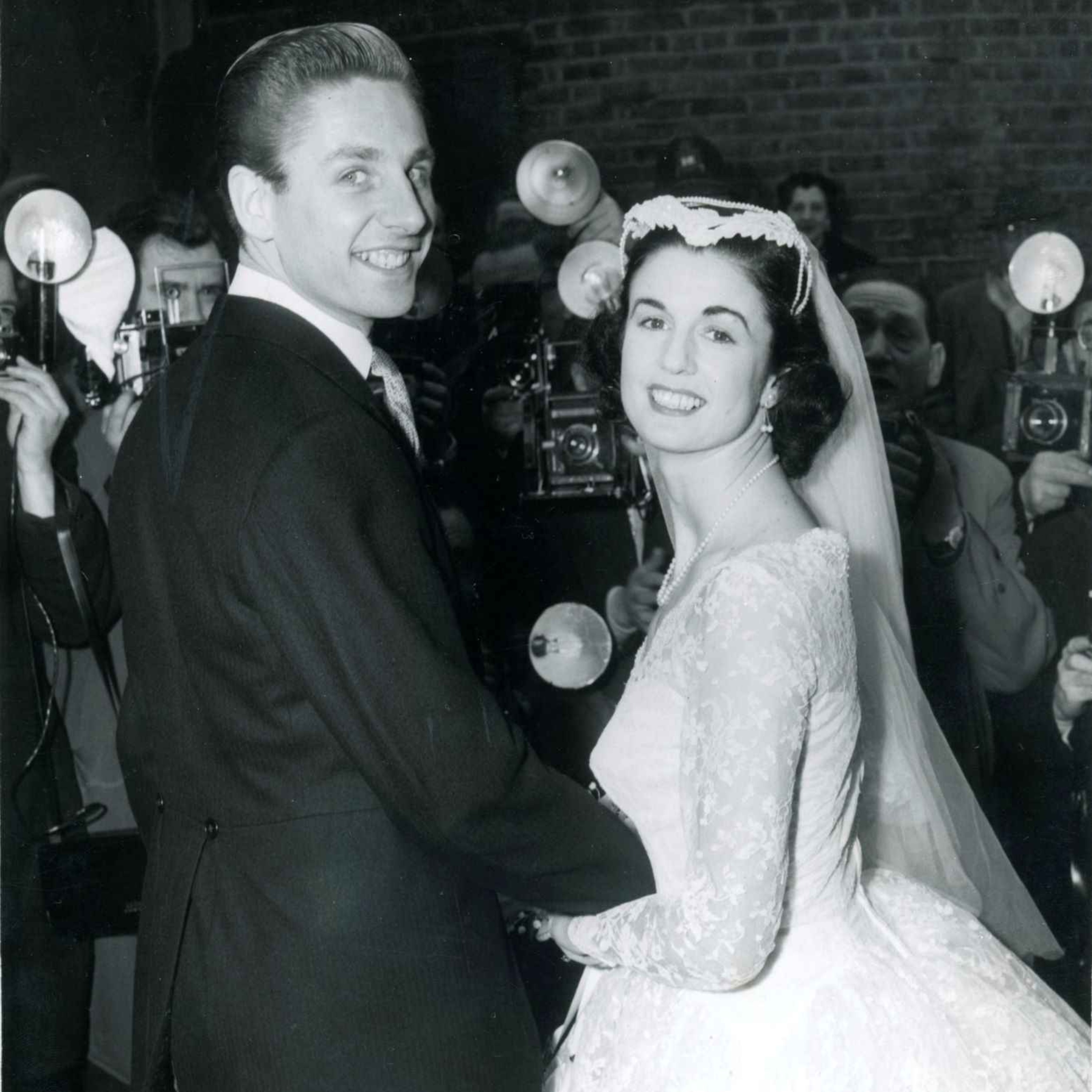 Rowena Jackson and Philip Chatfield Rowena Jackson and Philip Chatfield | This gorgeous couple, infectiously happy and loving and warm, not surprisingly became special “voices” for British ballet. They were stars of The Royal Ballet at a remarkable point of that company’s history and contributed hugely to its success. This conversation between the couple and Patricia Linton, founder and director of Voices of British Ballet, was recorded in 2006. The episode is introduced by Dame Monica Mason.Rowena Jackson was born in Invercargill, New Zealand, in 1926. She originally studied ballet with Rosetta Powell and Stan Lawson and for her academic studies attended the Epsom Girls’ Grammar School in Auckland. In 1941, Rowena won the very first Royal Academy of Dancing Scholarship to be awarded in New Zealand. She travelled to London and joined the Sadler’s Wells Ballet School in 1946 and won the Adeline Genée Gold Medal in 1947, the same year she joined the Sadler’s Wells (later Royal) Ballet at Covent Garden.Rowena Jackson b. 1926 d. 2024; Dancer, teacher and directorBy 1954 Rowena had been promoted to the rank of principal dancer and performed most of the ballerina roles in the repertoire at that time. She was especially noted for her interpretation of Swanhilda in Coppélia and was also famous for her ability to pirouette, both alone and supported. There is proof in film of her ability to perform fast and brilliant turns with a repetition of single and double fouettés for the whole of Odile’s 32 fouettés in the third act of Swan Lake, something that was seldom attempted in those days. Before she left New Zealand for England, Rowena had set a World Record of 121 consecutive fouettés without a break.Early in 1958 Rowena married fellow Royal Ballet principal, Philip Chatfield. That same year they danced together in The Royal Ballet’s Giselle. They both retired in 1959 and moved to New Zealand. In 1961 Rowena was awarded an MBE. In 1972, she and Philip became directors of the National School of Ballet in Wellington. They eventually moved to Australia but continued to teach until well into their eighties. The couple had two children. Rowena died in 2024.Philip Chatfield b. 1927 d. 2021; Dancer, teacher and directorPhilip Chatfield was born in Eastleigh, Hampshire, in 1927. He first studied at the Elfin School of Dancing before getting a scholarship to the Sadler’s Wells Ballet School. He joined the Sadler’s Wells Ballet in 1943 and danced in a wide range of ballets. In 1944 he joined the Armed Forces and returned from service to re-join the Sadler’s Wells (now Royal) Ballet at Covent Garden in 1946. He travelled extensively with the company and was on the famous tour to the United States of America in 1949. He became a principal in 1953, married Rowena Jackson, a ballerina with the company in 1958, and retired in 1959 to New Zealand. In 1972 he and Rowena became joint directors of the National School of Ballet in Wellington, and they later went on to direct the Royal New Zealand Ballet. They retired again, this time to Australia where they made their home. Both Philip and Rowena continued to teach and coach for many years. Philip died in 2021 Hosted on Acast. See acast.com/privacy for more information. | — | ||||||
| 3/3/26 | 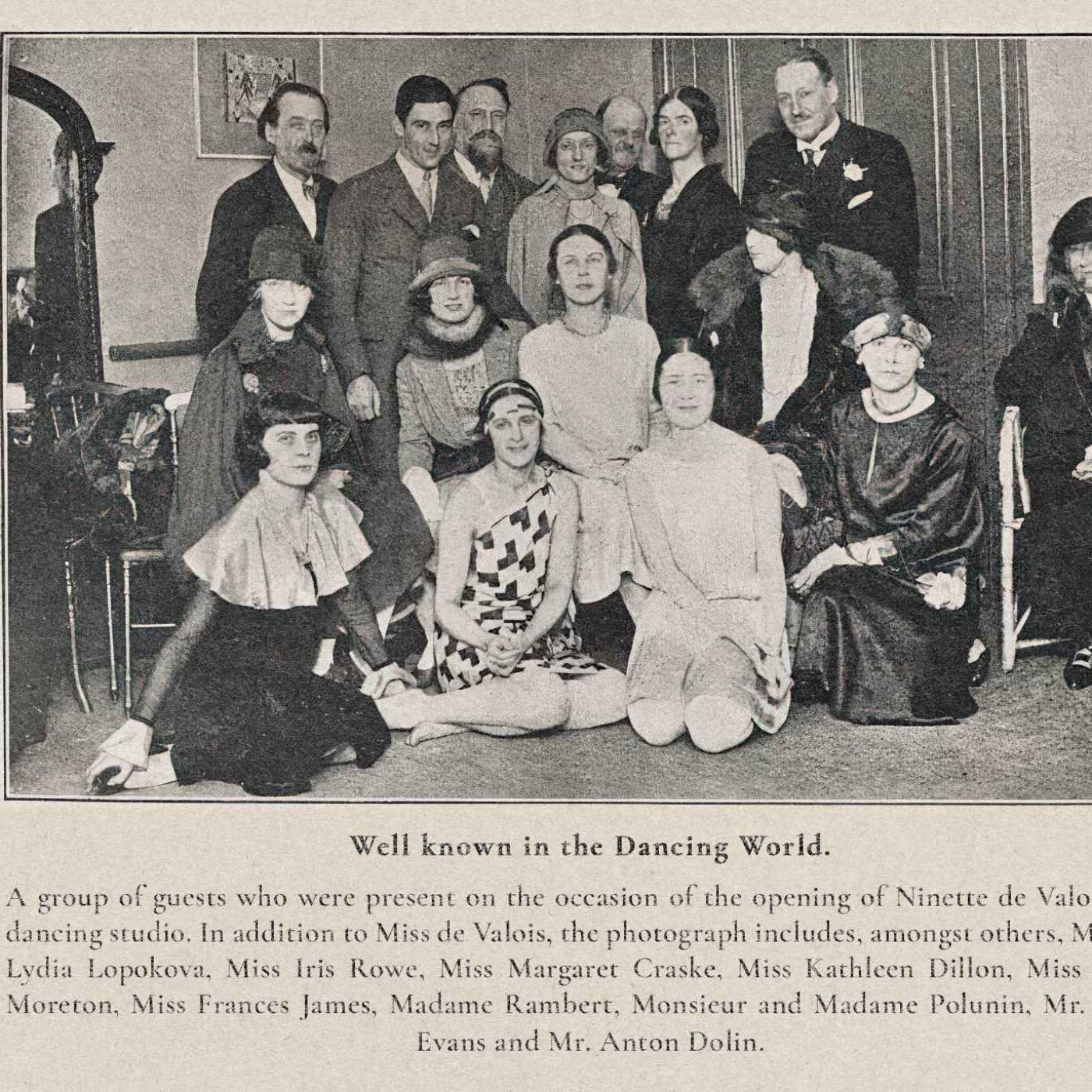 Celebrating Ninette de Valois: the founding of The Academy of Choregraphic Art Celebrating Ninette de Valois: the founding of The Academy of Choregraphic Art | To celebrate the 100th anniversary of the founding of Ninette de Valois’ Academy for Choregraphic Art in March 1926, and to mark 25 years since her death, Patricia Linton talks to Dr Anna Meadmore, archivist at The Royal Ballet School. In the first of a series of special programmes across 2026, they discuss the early years of what would become the Vic-Wells, Sadler’s Wells Ballet School and then The Royal Ballet School. Hosted on Acast. See acast.com/privacy for more information. | — | ||||||
Want analysis for the episodes below?Free for Pro Submit a request, we'll have your selected episodes analyzed within an hour. Free, at no cost to you, for Pro users. | |||||||||
| 2/24/26 | 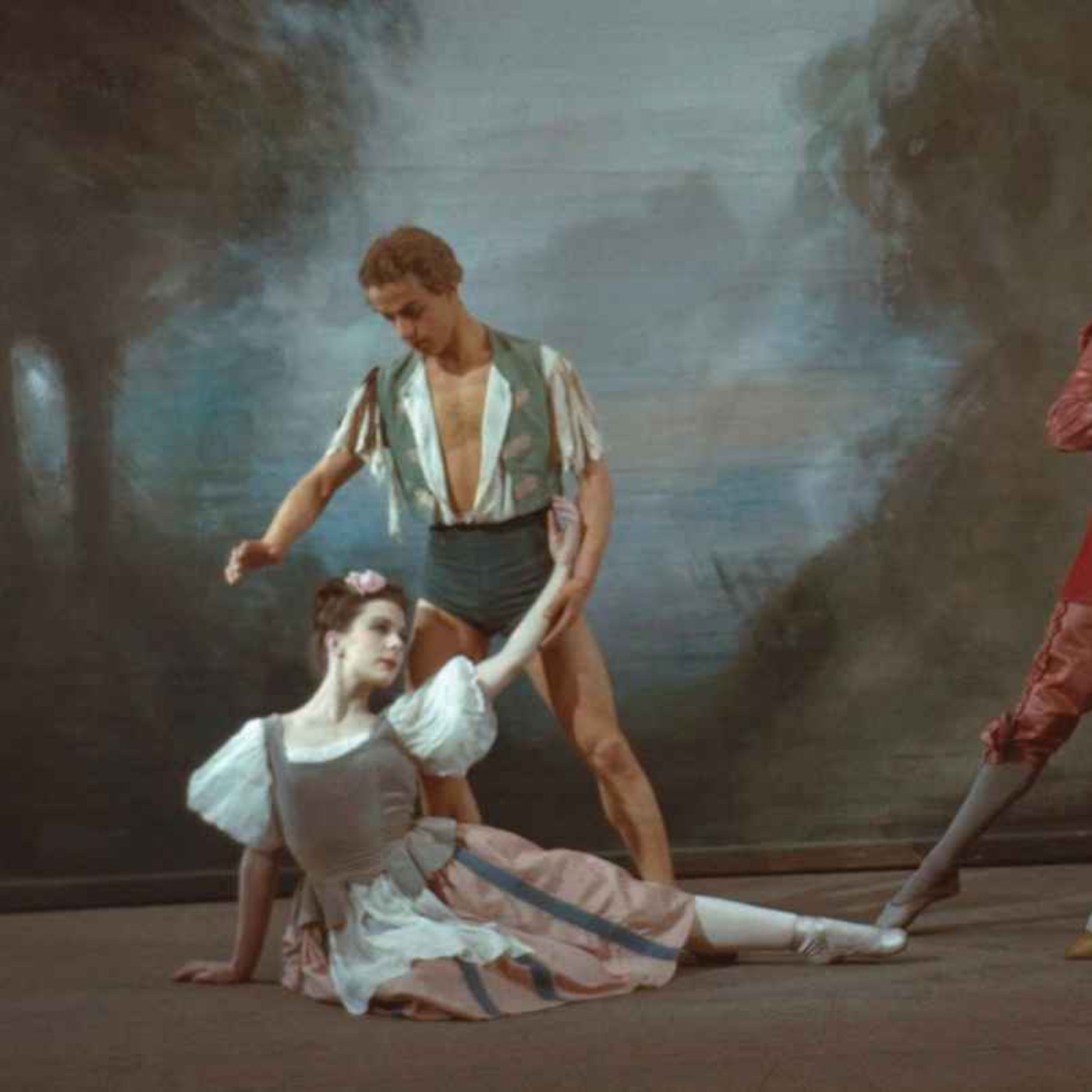 Anne Heaton Anne Heaton | Anne Heaton’s career coincided with an upsurge in creative talent at the Sadler’s Wells Ballet. Observant and wide ranging she reflects on many things, not least the enigmatic choreographer, Andrée Howard. In this interview, which was recorded in 2003, she is talking to Patricia Linton, founder and director of Voices of British Ballet. The interview is introduced by Monica Mason.Anne Heaton was born in Rawalpindi, India, in 1930. She studied with Janet Cranmore in Birmingham from 1937 until 1943, and then with the Sadler’s Wells Ballet School. Her debut was with the Sadler’s Wells Opera in 1945 in a production of The Bartered Bride, and she became a soloist with Sadler’s Wells Theatre Ballet (SWTB) in 1946. That year, Heaton created roles in two ballets by Andrée Howard, Assembly Ball and Mardi Gras, and also in Celia Franca’s Khadra. In 1947, she created a role in Frederick Ashton’s Valses Nobles et sentimentales. She transferred to Sadler’s Wells Ballet at Covent Garden in 1948, where she specialised in romantic roles, for example, in Les Sylphides and Giselle. She performed again with SWTB when it was renamed The Royal Ballet Touring Company, creating the roles of the Woman in Kenneth MacMillan’s The Burrow in 1958 and the Wife in The Invitation in 1960. A foot injury caused her to resign from The Royal Ballet in 1959, but she continued to dance intermittently until 1962. Following her retirement from the stage, Heaton taught at the Arts Educational School and, from time to time, she staged ballets, including Giselle in Tehran in 1971. Having married Royal Ballet principal dancer John Field, who later became director of The Royal Ballet Touring Company, she co-directed the British Ballet Organization with him from 1984 until 1991. Field died in 1991 and Heaton in 2020. Hosted on Acast. See acast.com/privacy for more information. | — | ||||||
| 2/17/26 | 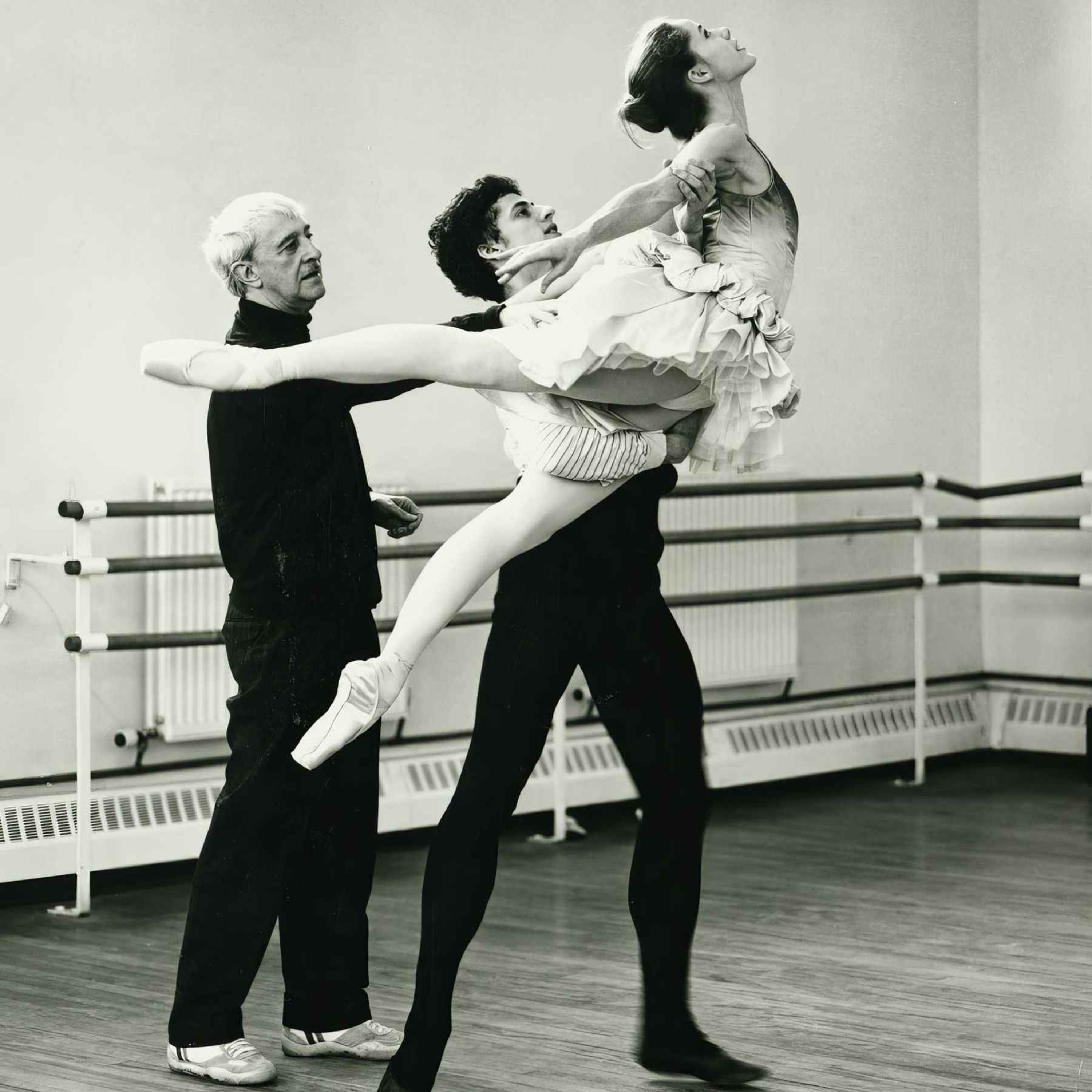 Darcey Bussell Darcey Bussell | Darcey Bussell talks to the dance critic Alastair Macaulay about her graduation performance at The Royal Ballet School, her early career with both Sadler’s Wells Royal Ballet and The Royal Ballet, and the creation in 1989 of the role of Princess Rose in Kenneth MacMillan’s The Prince of the Pagodas, as well as her experience of being coached by Margot Fonteyn. The interview, which was recorded in 2017, is introduced by Alastair Macaulay.Darcey Bussell was born in London in 1969. After initial vocational training at the Arts Educational School, she joined The Royal Ballet Lower School at the age of 13. In 1987 she graduated from The Royal Ballet Upper School and joined the Sadler’s Wells Royal Ballet that same year, but it was whilst still at the school that her talent had been noticed by the choreographer Kenneth MacMillan, who decided to create on her the leading role of Princes Rose in his new version of The Prince of the Pagodas. Bussell joined The Royal Ballet in 1988 and was promoted to the rank of principal dancer in 1989 on the opening night of MacMillan’s new ballet.During her distinguished career with The Royal Ballet, Bussell became one of the most famous British dancers of her time, and indeed of any time. She was particularly noted for her combination of a tall, athletic physique with a lovely soft lyricism. During her dancing career she performed in as many as 80 different ballets, including the majority of the classical roles, and had 17 new roles created on her. She stayed with The Royal Ballet until her formal retirement from the stage in 2007 (in a performance of MacMillan’s Song of the Earth), but she had also appeared as a guest artist with many major companies abroad, including New York City Ballet, the Ballet of La Scala, Milan, the Kirov Ballet, the Hamburg Ballet and The Australian Ballet.Even while dancing professionally, Bussell had begun to work in television and other media, and this side of her career developed at a fast pace on her retirement from ballet. As well as writing, modelling and presenting – both for television and for the Royal Opera House relays – she became a household name as a judge on the BBC’s Strictly Come Dancing (2009 to 2019). Since 2012, Bussell has been the President of the Royal Academy of Dance. Also in 2012, she danced the Spirit of the Flame at the Closing Ceremony of the London Olympic Games, leading a troupe of 200 dancers. She supports many educational and charitable causes, both artistic and in other fields. She has received many honours, including a gold medal from the John F Kennedy Center for the Performing Arts, and an honorary doctorate from Oxford University in 2009. Darcey Bussell was appointed an OBE for her services to dance in 1995, a CBE in 2006 and was made a DBE in 2018. Hosted on Acast. See acast.com/privacy for more information. | — | ||||||
| 2/10/26 | 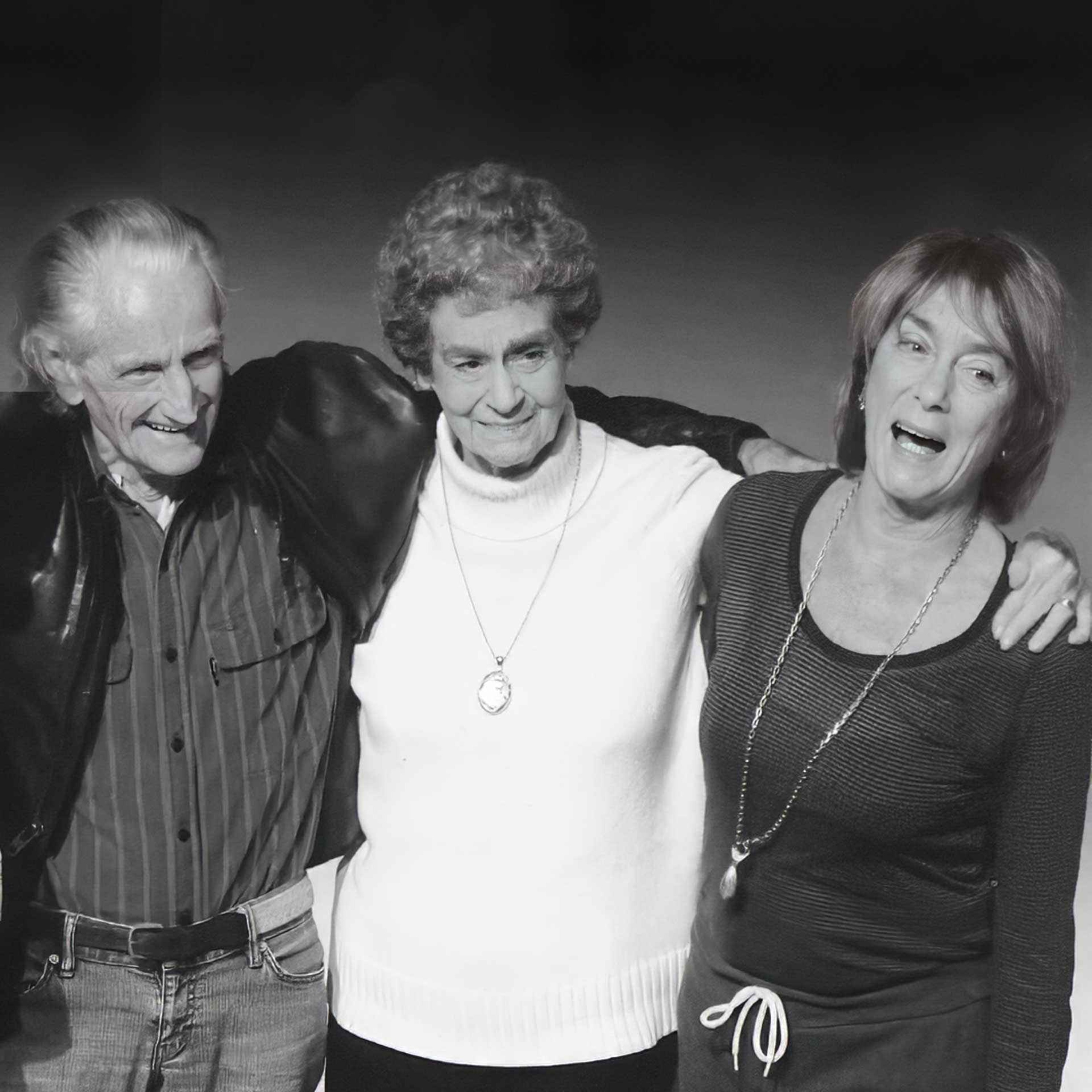 Henry Danton Henry Danton | In this extract, poor Henry Danton always seems to be running behind his talent – that is until he met the wonderful ballet teacher, Vera Volkova. However, before this and often against the odds, he managed to do quite a few things. From his early training with Judith Espinosa, he went on to work with Allied Ballet, International Ballet and, finally, Sadler’s Wells Ballet, and all this in the space of a few years. Candid and clear, something eventually went right as Henry continued to teach ballet into his 100th year. In this interview, recorded in 2004, Henry Danton talks to Patricia Linton, founder and director of Voices of British Ballet. The interview is introduced by Alastair Macaulay.Handsome and dashing, clever and full of life and good humour, Henry Danton was born into an army family in Bedford in 1919. He was educated as a King’s cadet at Wellington College. At first, Danton joined the army, but when on sick leave, following a back injury, he was introduced by a friend to the ballet teaching of Judith Espinosa. Almost overnight a new life unfolded for him. Although an avid ice skater, ballet had not been contemplated, but was “in his bones”, so to speak. After only 18 months of training, Danton joined the short-lived Allied Ballet, and then Mona Inglesby’s International Ballet. He joined the Sadler’s Wells Ballet in 1944. Here he began studying with Vera Volkova in her West Street Studio, and his lifelong passion and interest in Russian ballet training began. Volkova helped him to understand and fill in the gaps in his training. He was one of the original six dancers in Frederick Ashton’s Symphonic Variations at Covent Garden in 1946. From here he danced with various companies, including Les Ballets des Champs-Elysées, and toured the United States of America with Roland Petit’s Ballets de Paris. The USA became his home. He taught and choreographed extensively, both there and internationally, and was teaching at The Dance Studio with the Ballet Theatre of Scranton, Pennsylvania, until shortly before his death in 2022.The photograph shows Henry with Julia Farron and Gillian Lynne rehearsing a studio revival of Miracle in the Gorbals at White Lodge in 2011 photo courtesy of Marius Arnold Clarke Hosted on Acast. See acast.com/privacy for more information. | — | ||||||
| 2/3/26 | 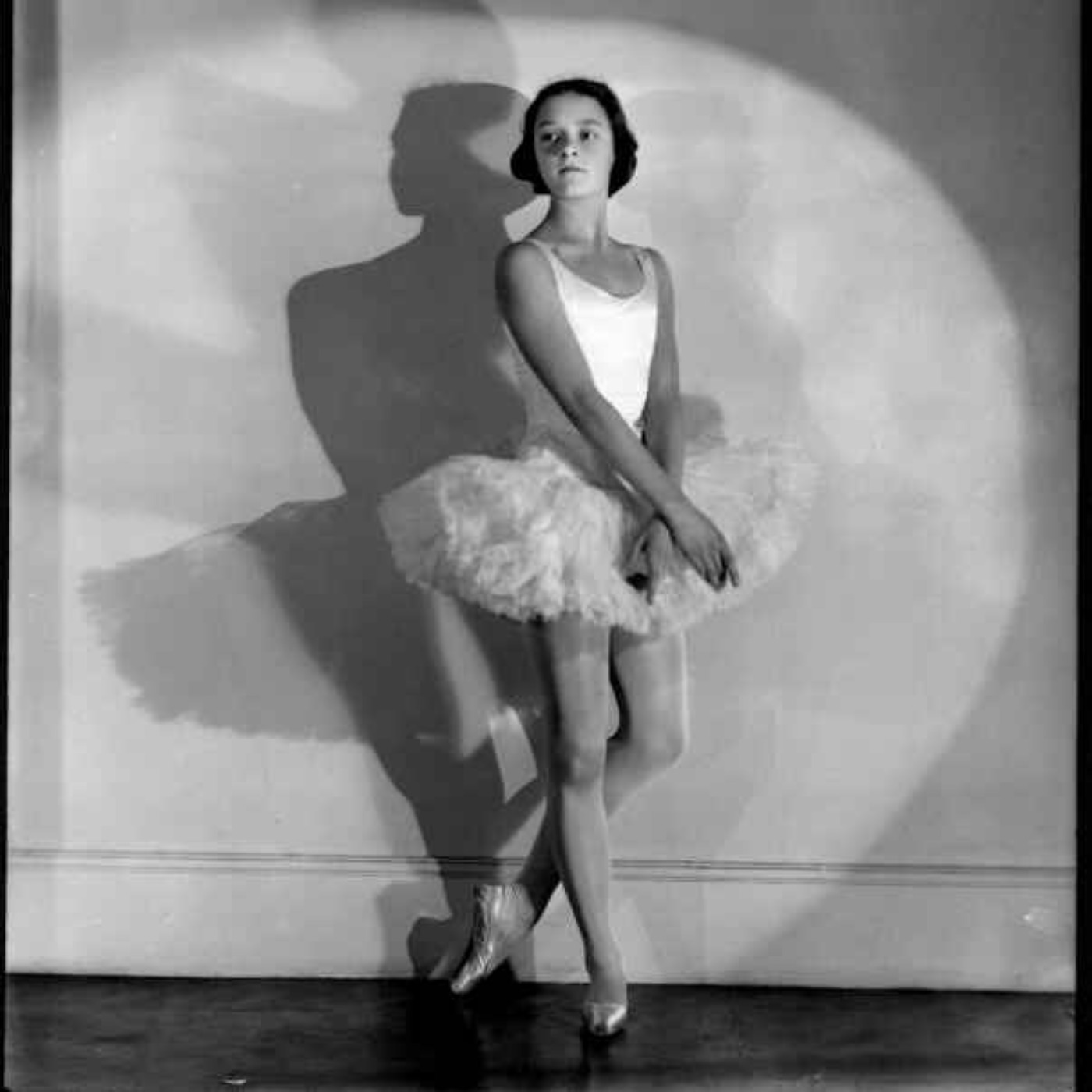 Jean Bedells Jean Bedells | Jean Bedells talks about the 1930s as if it was yesterday. Full of detail and feats of memory, we are given an idea of the sense of foreboding that descended when their artistic home, Sadler’s Wells, was taken over as a refugee centre at the start of World War Two. In this interview, which was recorded in 2005, Jean Bedells talks to former Royal Ballet principal dancer Bruce Sansom. The interview is introduced by Alastair Macaulay.Jean Bedells was born in Bristol in 1924 as Jean McBain. She was the daughter of Phyllis Bedells, the great British ballerina, teacher and, later, a founding member and examiner for the Royal Academy of Dance. Jean Bedells first studied ballet with her mother and then trained at the Vic-Wells Ballet School for a year in 1936 before joining the Vic-Wells Ballet in 1937, making her debut as Clara in The Nutcracker. She had leave of absence from the company to dance as the Herald of Spring in Hiawatha at the Royal Albert Hall in 1937, 1938 and 1939. When she rejoined the Vic-Wells Ballet in 1938 she danced in Les Patineurs and The Haunted Ballroom, as Rose and Silver Fairies in The Sleeping Princess [The Sleeping Beauty], as Bathilde in Giselle, and in The Quest and, later, as one of the Three Fates in Adam Zero. She also appeared in a number of early films made of the company, notably as the Fairy Silver in The Sleeping Princess (1939), a Red Pawn in Checkmate (1939) and, later, a character role in a film of The Nutcracker (1958).In 1946, Jean Bedells became ballet mistress for Sadler’s Wells Ballet when the company moved into the Royal Opera House at Covent Garden. (The Vic-Wells Ballet was re-named Sadler’s Wells Ballet in the early 1940s.) She became a teacher after her retirement from the company, often teaching at The Royal Ballet School, especially during the 1960s and 1970s. Her granddaughter, Anne Bedells, was a member of London Festival Ballet. Jean Bedells died in 2014. Hosted on Acast. See acast.com/privacy for more information. | — | ||||||
| 1/27/26 | 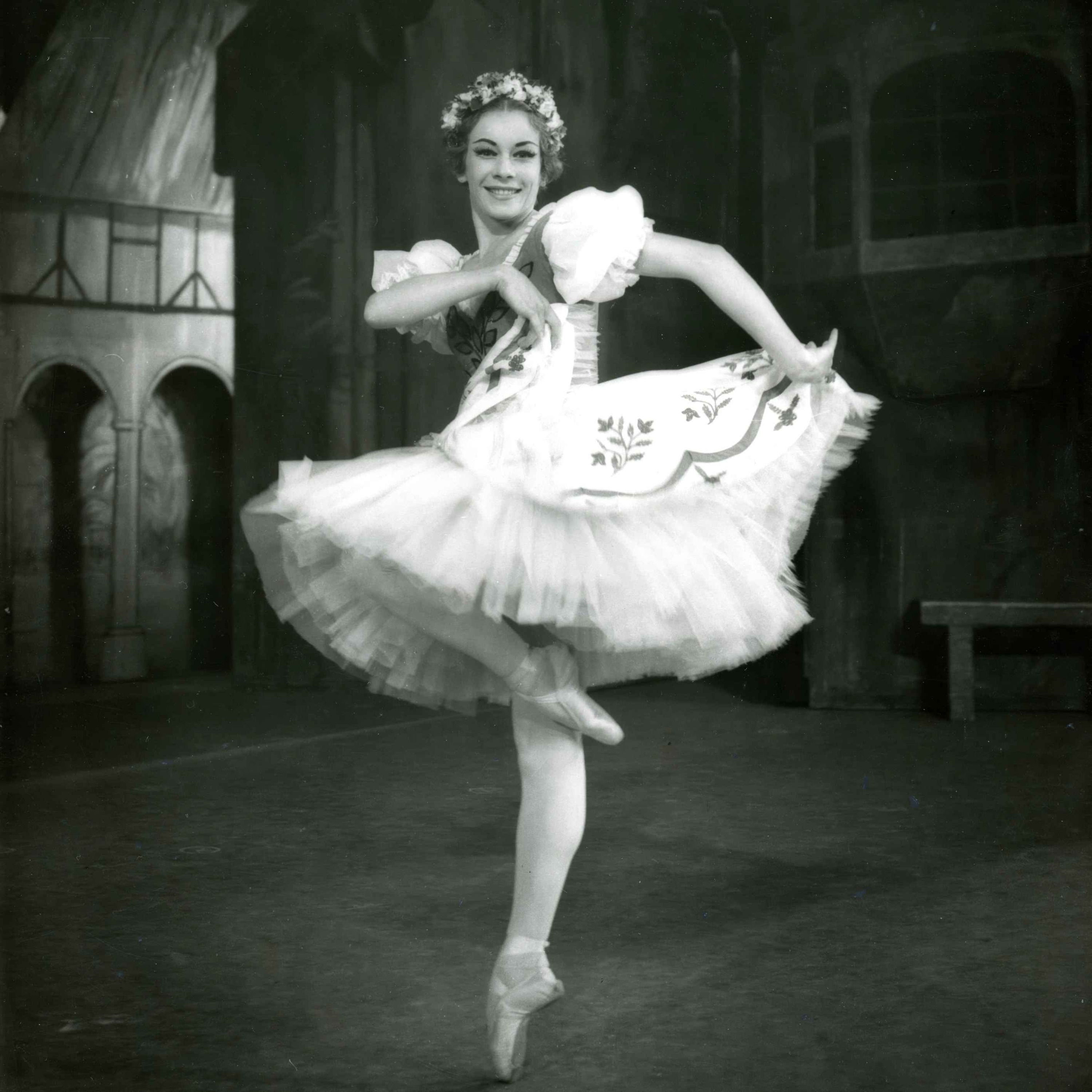 Dianne Richards Dianne Richards | Dianne Richards talks about skipping her dancing life, especially the start of London Festival (now English National) Ballet. Names from the world of Serge Diaghilev and his Ballets Russes, such as Alexandra Danilova, as well as Tamara Toumanova, Alicia Markova and Anton Dolin, weave through her very special company story and still cast a shimmering magic spell whenever mentioned.In conversation with Patricia Linton, founder and director of Voices of British Ballet, Dianne explains how, at the age of 14, she danced in a performance in her native Rhodesia (now Zimbabwe), in which Markova and Dolin were appearing as guest artists. When she was 16, Dianne came to England with her mother. Dolin remembered her and asked her to join London Festival Ballet (LFB), with whom she worked for 18 years. Dianne was soon dancing solos and was coached in the role of The Nutcracker’s Sugar Plum Fairy by Markova herself. With LFB Dianne toured the world, including long tours of North America where the company had their own train. A highlight was performing in Monte Carlo in 1956 for the wedding of Grace Kelly and Prince Rainier; another was Igor Stravinsky conducting Petrushka in Chicago and disagreeing with Dolin over tempi. She also recalls Charlie Chaplin pursuing Nathalie Krassovska in Paris. The interview is introduced by Deborah Weiss.Born in Rhodesia (Zimbabwe) in 1934, Dianne Richards studied under Majorie Sterman. She joined London Festival Ballet in 1951, becoming a soloist in 1955 and a principal in 1959. In a very full career with the company, she toured the world and worked with many famous dancers, including Alicia Markova, John Gilpin, Anton Dolin, Erik Bruhn, Serge Lifar, Alexandra Danilova, Tamara Karsavina, Irina Baronova and Tamara Toumanova. She also appeared as a guest artist with American Ballet Theatre from 1963 to 1964. Richards danced with Galina Samsova and Andre Prokovsky’s New London Ballet in 1972 and then with Scottish Theatre Ballet until 1974, when, at the age of 40, she retired from the stage. She then went to live in South Africa, and in her retirement taught from time to time, including at a newly opened academy in Hong Kong and, at the invitation of Robert de Warren, for Northern Ballet Theatre in England. Hosted on Acast. See acast.com/privacy for more information. | — | ||||||
| 1/20/26 | 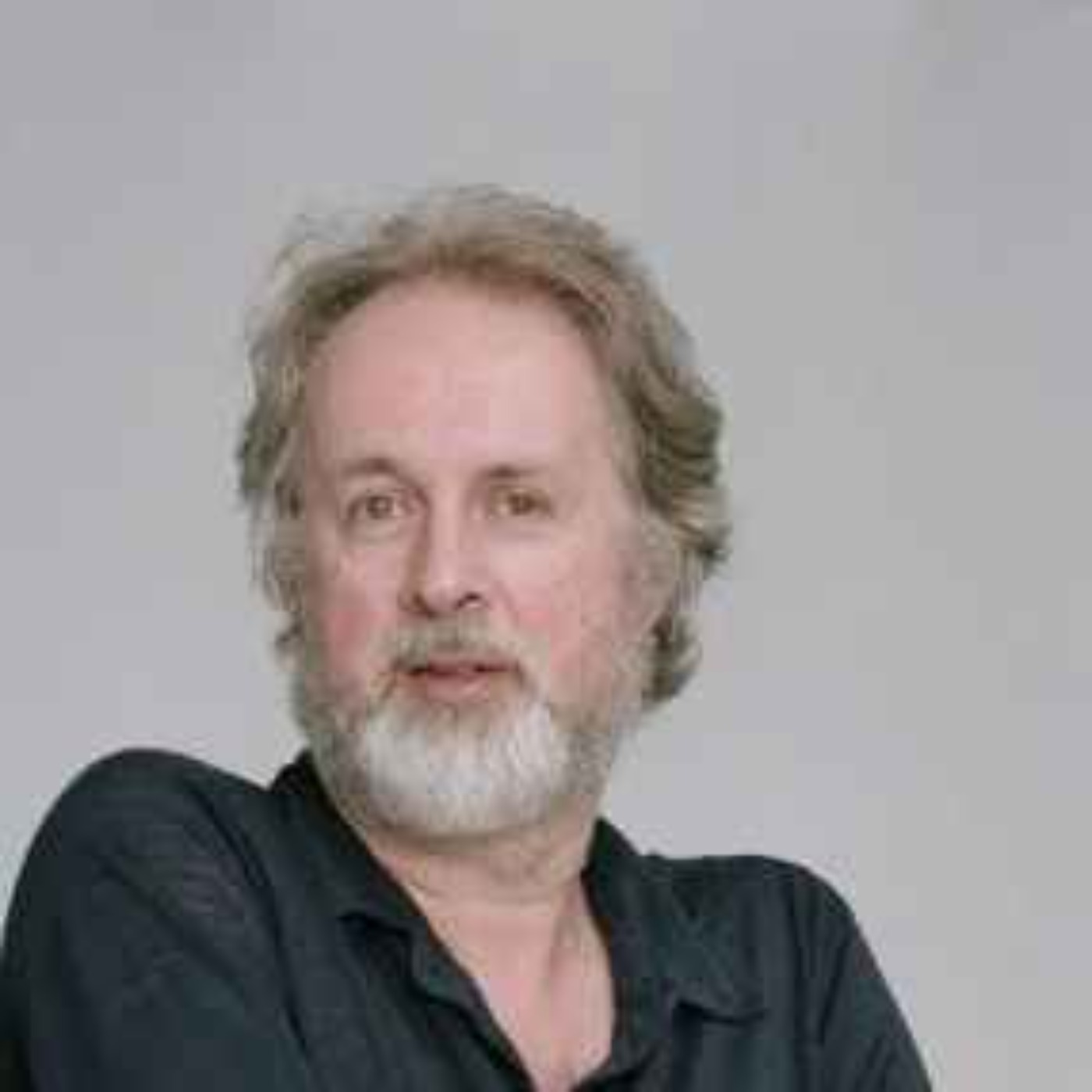 Richard Alston Richard Alston | The distinguished choreographer and director Richard Alston explains to Alastair Macaulay, how, as a teenager, he was entranced by watching ballet. After studying fine art, he began working on the Martha Graham technique with what became the London Contemporary Dance Theatre. He eventually found this too restricting and embraced the freer, less floor fixated approach of contemporary dance associated with Merce Cunningham. Alston goes on to discuss how his own choreography began, and how it developed in line with this expansion of his aesthetic. He speaks about his dealings with Cunningham and with the composer John Cage and also about his long and immensely fruitful creative partnership with Sue (Siobhan) Davies. The interview is also introduced by Alastair Macaulay.Richard Alston was born in October 1948 in Sussex. He is a British choreographer as well as having been artistic director for several dance companies. His education began at Eton College, followed by two years at Croydon School of Art. His passion for ballet was first sparked after attending performances by the Bolshoi Ballet and The Royal Ballet Touring Company, and also by Merce Cunningham and the Martha Graham Dance Company, which excited an interest in modern dance. As a result, he started attending classes with the Rambert School of Ballet, and in 1968 he became one of the London Contemporary Dance Theatre’s original students. After only three months there, he created his first work, Transit. In his third year at the School he organised a group of students to tour schools, colleges and universities demonstrating the Graham technique. After choreographing for London Contemporary Dance Theatre, he created an independent dance company, Strider, in 1972.In 1975, Alston travelled to New York to study primarily with Merce Cunningham at the Merce Cunningham Dance Studio. He returned to Europe two years later, working as an independent choreographer and teacher. In 1980, he was appointed resident choreographer for Ballet Rambert. He founded Second Stride with Siobhan Davies and Ian Spink in 1982, and in 1986 was appointed artistic director of Ballet Rambert, a post he held until 1992. To reflect the changing nature of the company and its work, in 1987 Ballet Rambert changed its name to become Rambert Dance Company. During his years with Rambert, Alston created 25 works for the company, as well as pieces for the Royal Danish Ballet and The Royal Ballet.After working in France and at the Aldeburgh Festival, in 1994 Alston became artistic director of The Place and he also formed Richard Alston Dance Company. A steady stream of over 50 dance works created by Alston over the next decades was interspersed with collaborations with the London Sinfonietta and Harrison Birtwistle in 1996, and several television productions, including The Rite of Spring, commissioned by the BBC for their Masterworks series in 2002. The Richard Alston Dance Company celebrated its tenth year with its first appearance in New York in 2004. In 2006 the company made its first full tour of North America, followed by further tours in 2009 and 2010. Alston created a new ballet, En Pointe, A Rugged Flourish, for New York Theatre Ballet in 2011. In March 2020, the Richard Alston Dance Company was wound up after a quarter of a century of critical acclaim., giving its last performance at Sadler’s Wells. Richard Alston received the De Valois Award for Outstanding Achievement in Dance at the Critics’ Circle National Dance Awards in 2009. He was appointed a CBE for services to dance in 2001, and was knighted in 2019. Hosted on Acast. See acast.com/privacy for more information. | — | ||||||
| 1/13/26 | 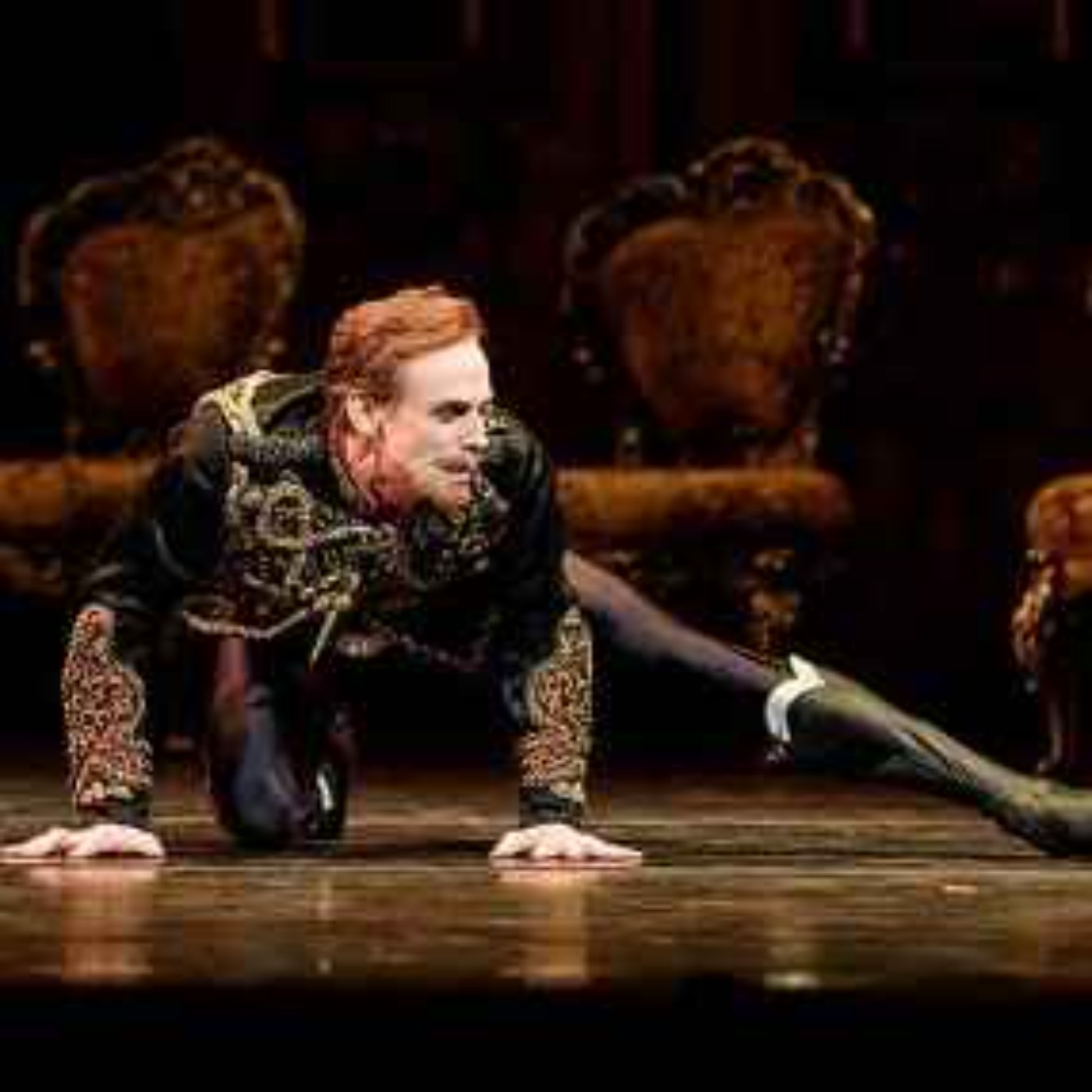 Edward Watson Edward Watson | Over a long career, Edward Watson became one of The Royal Ballet’s greatest male principals, in the footsteps of Anthony Dowell and David Wall. He is particularly noted for his work in the ballets of Frederick Ashton and Kenneth MacMillan, and for creating many roles with contemporary choreographers. Here, in a conversation with Jane Burn recorded for Voices of British Ballet in 2007, he speaks disarmingly about his early days in The Royal Ballet before sharing some insights about portraying Crown Prince Rudolf in MacMillan’s Mayerling, a role for which he is particularly associated. The interview is introduced by Kenneth Olumuyiwa Tharp.Edward Watson was born in South London in 1976, and trained at The Royal Ballet School, first at the Lower School at White Lodge, and then at the Upper School in Barons Court. He graduated into The Royal Ballet in 1994 and was promoted to the rank of principal dancer in 2005. Watson’s pure classical technique, combined with a fine dramatic flair and sensitivity served him well in the works of Frederick Ashton, Kenneth MacMillan and Ninette de Valois herself, choreographers at the heart of the British tradition. He has himself been a major force in the continuation of that tradition. Hosted on Acast. See acast.com/privacy for more information. | — | ||||||
| 1/6/26 | 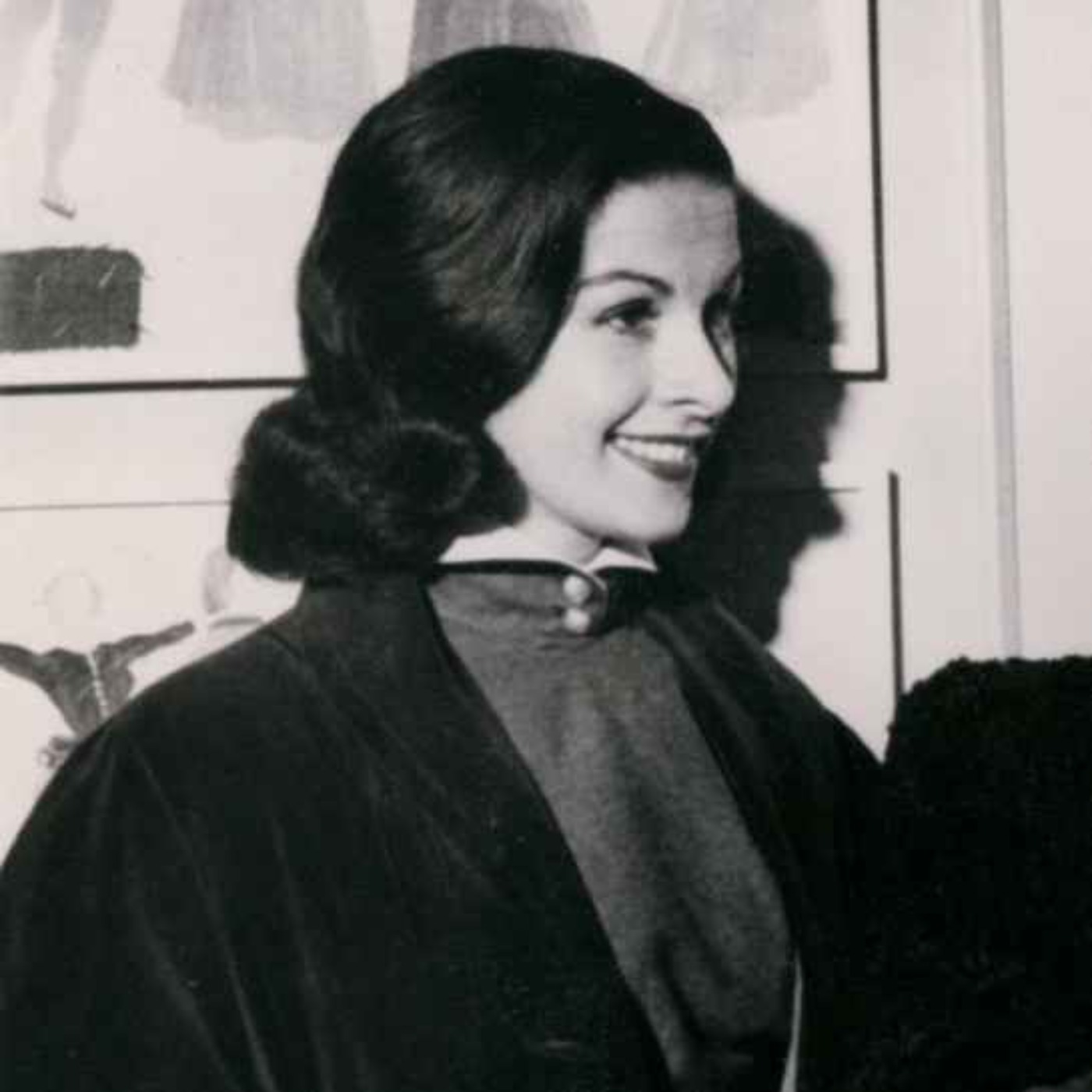 Violetta Elvin Violetta Elvin | This episode is introduced by Dame Monica Mason. Violetta Elvin was one of Frederick Ashton’s favourite ballerinas. She was born Violetta Prokhorova in Russia. Here, in this interview with Patricia Linton, founder and director of Voices of British Ballet, Violetta traces her evacuation to Tashkent at the start of World War II and how she returned, via Kuibyshev, to Moscow to join the Bolshoi Ballet. Despite being warned by the authorities not to talk to foreigners, she married the British diplomat Harold Elvin and managed to come to London in 1946. Only weeks after her arrival she joined the Sadler’s Wells Ballet at Covent Garden and danced the “Blue Bird” pas de deux on the second night of their opening production of The Sleeping Beauty. The interview is introduced by Monica Mason.A dancer of rare beauty, Violetta Prokhorova was born in 1923. She trained at the Bolshoi Ballet School in Moscow and joined the Bolshoi Ballet in 1942, following her graduation performance, for which she was coached by Galina Ulanova. When Moscow was evacuated and the Bolshoi was scattered, she danced as a ballerina with the State Theatre of Tashkent. In 1944 she re-joined the Bolshoi in Kuibyshev, on the Volga, where she fell in love with a young Englishman, Harold Elvin. The Bolshoi returned to Moscow in early 1945. She danced with the Stanislavsky Ballet for a year, then married Elvin and obtained permission from Joseph Stalin to leave Russia.Once in London Violetta started training with Vera Volkova, where she was seen by Ninette de Valois and immediately offered a place in the Sadler’s Wells Ballet. She adored and was true to her Russian training, but with her intelligence and sensitivity she was able to fit in beautifully with the British repertoire. From the Black Queen in de Valois’ Checkmate, through all the classical ballerina roles to Roland Petit’s Ballabile in 1950, Violetta Elvin as she was now known, danced with exquisite vivacity, a hint of exoticism and always impeccable port de bras. Frederick Ashton created several roles for her, notably the Summer Fairy in Cinderella (1948), Lykanion in Daphnis and Chlöe (1951), and one of the seven ballerinas in Birthday Offering (1956). For a decade Violetta Elvin was a unique and irreplaceable member of the developing Sadler’s Wells Ballet. She went to live in Italy in 1956, and although she guested with several companies, including La Scala, Milan (where she performed alongside soprano Maria Callas) in 1952 and 1953, and briefly directed the Ballet of the Teatro San Carlo in Naples in 1985, she retired from ballet when her heart called her elsewhere. Hosted on Acast. See acast.com/privacy for more information. | — | ||||||
| 12/30/25 | 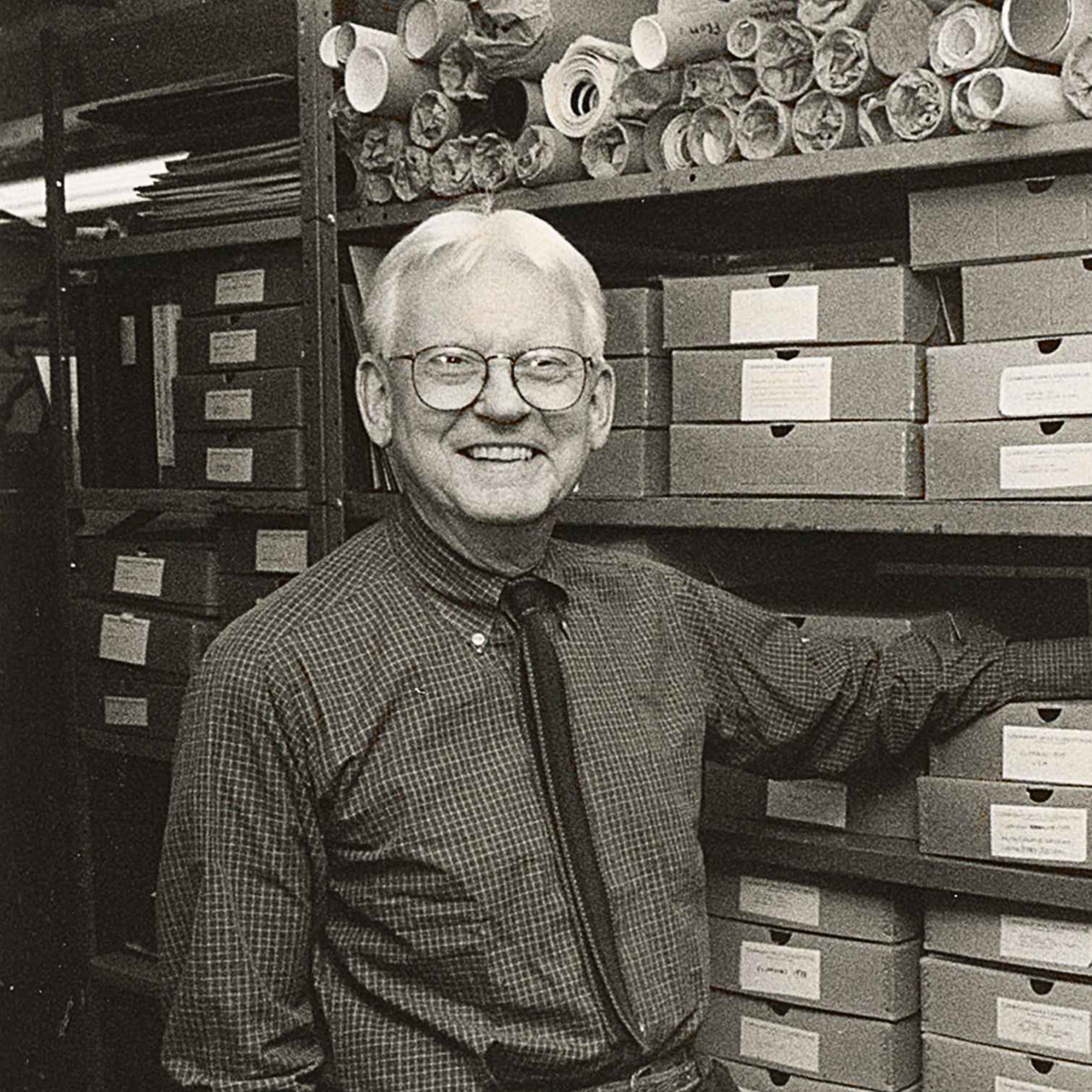 David Vaughan David Vaughan | David Vaughan – unparalleled writer on the choreography of Frederick Ashton – catches moments and movements from The Royal Ballet’s history. In this interview for Voices of British Ballet, which was recorded in New York, he talks to his friend and fellow dance writer Alastair Macaulay. The episode is also introduced by Alastair Macaulay.The archivist, historian and critic David Vaughan was born in London in 1924. He studied at Oxford University and only began dance training after that, in 1947. In 1950 he won a scholarship to study at the School of American Ballet, where he met Merce Cunningham, who was teaching there. Vaughan began studying with Cunningham from the mid 1950s. Later, in 1959, when Cunningham opened his own studio, Vaughan began performing various tasks for Cunningham and the Merce Cunningham Dance Company, including co-ordinating the company’s six-month tour of Europe (with John Cage and Robert Rauschenberg) in 1964. Vaughan became the company’s official archivist in 1976, a post he held until 2012, when the company was disbanded following Cunningham’s death.In addition to writing and working for and with Cunningham, Vaughan was active in the theatre, film and dance worlds. He acted in off-Broadway productions, devised the choreography for Stanley Kubrick’s film Killer Kiss, and worked on the scripts for films about Cunningham and Cage, and about the choreographer Antony Tudor. Vaughan also appeared in several dance productions, including The Royal Ballet’s revival of Frederick Ashton’s A Wedding Bouquet. In 1988 he wrote an influential op-ed piece in The New York Times, criticising traditional ballet companies for not offering dancers of colour enough opportunities to perform.David Vaughan was a prolific and well-regarded writer on ballet and dance. His books included The Royal Ballet at Covent Garden (1976), Frederick Ashton and His Ballets (1977, revised edition 1999) and Merce Cunningham: Fifty Years (1996). He contributed frequently to the Dancing Times magazine, and with Mary Clarke he also edited and contributed to The Encyclopaedia of Ballet and Dance (1980). In 2015 David Vaughan received a Dance Magazine award. He died in New York City in 2017. Photograph courtesy of The Merce Cunningham Foundation Hosted on Acast. See acast.com/privacy for more information. | — | ||||||
| 12/23/25 | 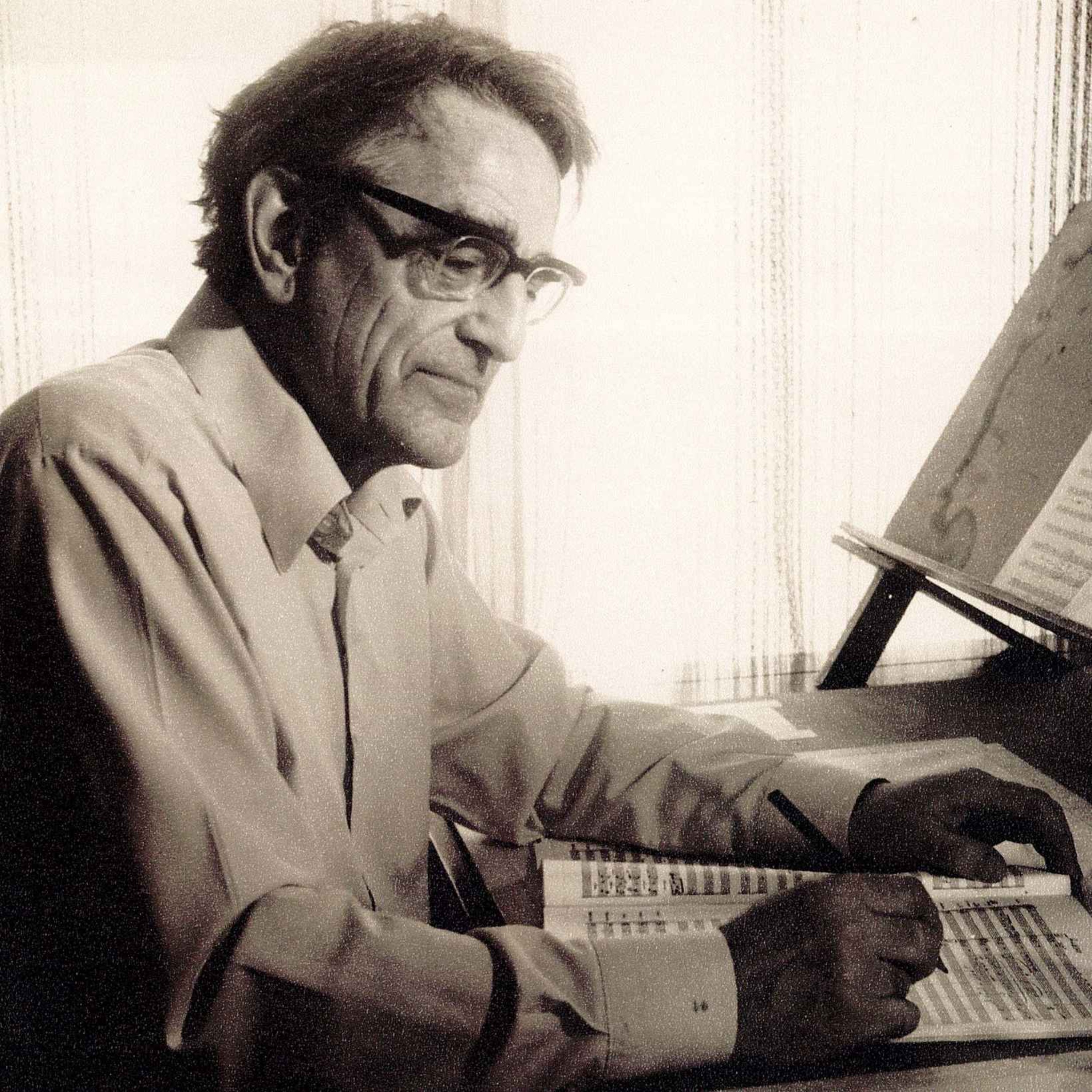 Ernest Tomlinson Ernest Tomlinson | In this no-nonsense, down-to-earth account of writing music for Northern Ballet Theatre’s production of Aladdin, choreographed by Laverne Meyer in 1974, composer Ernest Tomlinson talks to Patricia Linton, founder and director of Voices of British Ballet. The interview is introduced by Stephen Johnson.Ernest Tomlinson was a British composer, well known for his contributions to light music and for founding The Library of Light Orchestral Music (which prevented the loss of 50,000 works released from the BBC’s archive and other collections). He wrote the music for the ballet Aladdin for Northern Ballet Theatre in 1974.Tomlinson was born in 1924, in Rawtenstall, Lancashire. His parents were musical, and he sang as a chorister at Manchester Cathedral. After a grammar school education, he studied at Manchester University and the Royal Manchester School of Music, with a break for war service in the RAF. He moved to London after graduation in 1947, working first for music publishers. In 1955, after some of his compositions had been performed by the BBC, he formed his own orchestra – the Ernest Tomlinson Light Orchestra – and set out on a highly successful freelance career as a prolific composer, conductor and director of choirs and orchestras. He was particularly concerned to counter the notion of a strict division between art music and popular music. His own Sinfonia 62 was written for jazz band and symphony orchestra, while his Symphony 65 was performed at festivals in London and Munich and in the Soviet Union in 1966, where it was the first symphonic jazz to be heard there. In 1975, Tomlinson won his second Ivor Novello Award for his ballet, Aladdin. Among many other professional appointments, he was the chairman of the Light Music Society from 1966 until 2009. Ernest Tomlinson was appointed an MBE for his services to music in 2012. Hosted on Acast. See acast.com/privacy for more information. | — | ||||||
| 12/16/25 |  Patrick Harding-Irmer Patrick Harding-Irmer | Here is Patrick Harding-Irmer proving that it is never too late to start dancing. He says, in this interview with Patricia Linton, founder and director of Voices of British Ballet, he only began to take dance classes at the age of 24 but was soon working in dance commercially. In 1972, inspired by a visit to Australia by Nederlands Dans Theater, he came to Europe, where he fell under the spell of the Martha Graham technique and the teaching of Robert Cohan at London Contemporary Dance Theatre (LCDT). After nine months performing with the X Group, he joined the main LCDT, going on the be voted Best Contemporary Dancer in Europe in 1985. This interview was recorded in Sydney, Australia, in 2006 and is introduced by Kenneth Olumuyiwa Tharp.Patrick Harding-Irmer was born in Munich in 1945, where his Australian mother had been working in dance and choreography. After World War Two, she and he returned to Australia. In 1964 he represented Australia in the World Surfing Championships, and then began to study arts at Sydney University. At the age of 24 he began to take dance classes and to dance commercially. In 1972, inspired by a performance by Nederlands Dans Theater on tour in Australia, he travelled to Europe and began studying at London Contemporary Dance School, specialising in Martha Graham technique. That same year he joined the X Group of the London Contemporary Dance Theatre (LCDT), which included five dancers who toured the UK and abroad, demonstrating and teaching Graham technique. In 1973, after nine months with the X Group, Harding-Irmer joined the main company of LCDT. In 1985 he was voted Best Contemporary Dancer in Europe. He returned to Australia in 1990, and has subsequently taught, and also worked with Australian Dance Artists, a group of mature performers dancing their own creations in different settings. Hosted on Acast. See acast.com/privacy for more information. | — | ||||||
| 12/9/25 |  Marcia Haydée Marcia Haydée | In April 2017, Marcia Haydée was in Stuttgart for a week to celebrate her 80th birthday. Patricia Linton, founder and director of Voices of British Ballet, knew this was her only opportunity to see Haydée in Europe, so she telephoned Stuttgart Ballet to see if she could interview her. Patricia takes up the story in her own words: “They listened to my request, and, in perfect English, said they would ask Miss Haydée. With a full schedule of rehearsals all week, Marcia said she was free on Thursday from 3.30pm to 4.30pm. She didn’t know me at all, but it was enough for her to know how much I loved Kenneth MacMillan’s ballet, Song of the Earth. So, I jumped on a plane…This is the extraordinary Marcia Haydée…”In the interview Haydée explains how she was aware of both John Cranko and Kenneth MacMillan as a student at the Sadler’s Wells (now Royal) Ballet School, without suspecting her later close involvement with both men. In working with them, Cranko came to appreciate her melding of a Russian and a British approach to dancing; MacMillan was demanding and uncompromising, but she always strove to fulfil his requirements. She speaks revealingly about working in Stuttgart with Cranko on Onegin and with MacMillan on Song of the Earth and suggests that in those days and in those works, dancers took things at a speed and with risks that today’s dancers, for all their qualities, do not attempt to emulate. The interview is introduced by Dame Monica Mason.Marcia Haydée is a Brazilian-born ballerina, choreographer and company director. She was born in Rio de Janeiro in 1937, and after studying in Brazil, came to the Sadler’s Wells (now Royal) Ballet School in London in 1954, joining the Grand Ballet du Marquis de Cuevas in Monaco in 1957. Haydée joined the Stuttgart Ballet in 1961 and was named prima ballerina the following year by the company’s director and choreographer, John Cranko. Their relationship – her dancing, his choreography – was to become the foundation of Stuttgart Ballet’s international reputation in works such as Onegin, Romeo and Juliet and The Taming of the Shrew, among many others. She also worked closely withKenneth MacMillan on works such as Las Hermanas, Miss Julie and, above all, his Song of the Earth and Requiem. In 1976, she became director of the Stuttgart Ballet, a position she held until 1996. During her dancing career she performed as a guest artist for notable ballet companies throughout the world. From 1992 until 1996 Haydée directed the Ballet de Santiago de Chile, and again from 2003 until 2004. Since retiring from performing she has pursued a career as a choreographer, teacher and coach, and she also stages many ballets.The episode photograph shows John Cranko in rehearsal with Marcia Haydée and Bernd Berg, 1962. Photo: Hannes Kilian, courtesy Stuttgart Ballet Hosted on Acast. See acast.com/privacy for more information. | — | ||||||
| 12/2/25 |  Deborah Macmillan Deborah Macmillan | Deborah MacMillan, who talks to former Royal Ballet principal Bruce Sansom, is not afraid to speak her mind. Here she variously both endorses and explodes myths. Apart from anything else, these ten minutes should give hope to anyone who suffers from depression – nothing is impossible. Through the gloom of life, both within and without, her husband, the choreographer Kenneth MacMillan, went on creating ballets that have given thousands of dancers around the world endless challenges and insights, let alone audiences. For all his breaking of moulds and pushing at frontiers, MacMillan’s absolute belief in the traditions of classical ballet is never far away. As well as being a choreographer, MacMillan was also director of The Royal Ballet from 1970 until 1977.The interview is introduced by Jennifer Jackson.Deborah MacMillan is the custodian of the ballets choreographed by her late husband, Sir Kenneth MacMillan, supervising productions of his works all over the world. Deborah Williams, as she then was, was born in Queensland, Australia, in 1944, and educated in Sydney. She studied paining and sculpture at the National Art School before moving to London in 1970, marrying Kenneth in 1974. She has designed ballets for both stage and television, as well as making numerous contributions to Royal Ballet productions, including the production realisation for the major revival of Anastasia in 1996, production and setting for a condensed version of Isadora in 2009 and costume designer for a revival of Triad in 2001. In 1984, Deborah returned to painting full-time and her work is represented in private collections both in the UK and the USA.From 1993 until 1996, Deborah was a member of the Royal Opera House Board, and in 1996 was chair of The Friends of Covent Garden. She has served as a member of the Arts Council of England from 1996 until 1998, when she chaired the dance panel. She has also been a trustee of American Ballet Theatre and a member of the National Committee of Houston Ballet. She became Lady MacMillan when her husband was knighted for his services to dance in 1983 Hosted on Acast. See acast.com/privacy for more information. | — | ||||||
| 11/25/25 |  Romayne Grigorova Romayne Grigorova | Romayne Grigorova has had a long, distinguished career in ballet and the theatre. Here, in conversation with Patricia Linton, founder and director of Voices of British Ballet, she focuses on her early years, much of which was coloured by World War Two. In 1943, after training at the Sadler’s Wells Ballet School, she worked with the Sadler’s Wells Opera on The Bartered Bride in London during the Blitz and on tour. In 1945 she travelled to Germany with the opera under the auspices of ENSA. She then joined Ballet Rambert, and went to Germany again, to Berlin, where she delivered food parcels to a German singer and her family in the Russian zone, and scissors to Lotte Reiniger, a famous German film director and pioneer of silhouette animation. Romayne Grigorova also speaks of her dealings with Marie Rambert and Andrée Howard, joining Sadler’s Wells Theatre Ballet in 1951 and touring to North America.The interview was recorded in 2003, and is introduced by Monica Mason who spoke to Natalie Steed before Romayne's death in July 2025.Romayne Grigorova was born in Sandwich, Kent, in 1927. She studied under Vera Volkova, Ninette de Valois, George Goncharov and Ailne Philips. Her first appearance on the professional stage was in 1942. In 1943, after training at the Sadler’s Wells Ballet School for a further year, she danced in ballets with the Sadler’s Wells Opera in this country and, in 1945, on tour in Germany under ENSA. She joined Ballet Rambert in 1946 and then danced with the Anglo-Polish and Metropolitan Ballets until 1947, when the latter folded.Grigorova then worked in the commercial theatre until 1951, including performing in three pantomimes, before joining Sadler’s Wells Theatre Ballet, where she remained until 1955. She was ballet mistress for the stage musical Can-Can in 1955, and for the St Gallen Ballet in 1956. In 1957 she became ballet mistress for the Opera Ballet at the Royal Opera House, for whom she choreographed many ballets. She retired from this post in 1992 but continued to teach on a freelance basis. She performed small character roles with The Royal Ballet at Covent Garden, many of which had been created for her, such as Lady Montague in Kenneth MacMillan’s Romeo and Juliet and The Housekeeper in Peter Wright’s The Nutcracker. Romayne Grigorova was appointed an MBE for her services to dance in 2017. She died in July 2025.Photo by Donald Southern courtesy of The Royal Ballet Hosted on Acast. See acast.com/privacy for more information. | — | ||||||
| 11/18/25 |  Cassa Pancho Cassa Pancho | When Cassa Pancho decided to interview Black female ballet dancers in the UK for her degree dissertation in 1999, she could not find any. So she seized the moment, setting out on the path that was to lead, in 2001, to the company known as Ballet Black and its associated schools. Here, the indomitable Cassa talks to Patricia Linton, founder and director of Voices of British Ballet, about the early days of her career, her expectations for the company and the schools, the misunderstandings she has had to overcome and, above all, her insistence that at all levels the now highly acclaimed Ballet Black is a balletic enterprise, with all that entails in terms of standards. The interview, was recorded in 2010 and is introduced by Kenneth Olumuyiwa Tharp.Cassa Pancho was born in London in 1978, to Trinidadian and British parents. Her original ambition was to become a ballerina. She trained at the Royal Academy of Dance and in 1999 gained her degree from Durham University.In 2001, at the age of 21, she founded Ballet Black in order to promote diversity in ballet and to increase the number of Black and Asian dancers in mainstream ballet companies.She has built a distinct and unique repertoire for her company from a wide range of distinguished choreographers. Ballet Black tours extensively, both in the UK and abroad, with regular London seasons at venues such as the Barbican Theatre and the Linbury Theatre of the Royal Ballet and Opera. Cassa realised from the start the importance of building for the future, and in 2002 set up the Ballet Black Junior School in Shepherd’s Bush, as well as an associate programme for younger pupils. She oversees the programme for young dancers, and teaches regularly herself.In 2009 Cassa Pancho graduated from the National Theatre Leadership programme. Also in 2009 Ballet Black won the Critics’ Circle National Dance Award for Outstanding Company, and the award for the Best Independent Company in 2012. She was appointed an MBE in 2013 for services to the Arts and was given the Freedom of the City of London in 2018. She is a Patron of Central School of Ballet and a Vice President of the London Ballet Circle.Photo: Ballet Black rehearsals Cassa Pancho [Artistic Director]; at the Fonteyn Studio, Royal Opera House, London, UK; 19 November 2006; Credit: Bill Cooper / ArenaPAL Hosted on Acast. See acast.com/privacy for more information. | — | ||||||
Showing 25 of 65
Sponsor Intelligence
Sign in to see which brands sponsor this podcast, their ad offers, and promo codes.
Chart Positions
7 placements across 7 markets.
Chart Positions
7 placements across 7 markets.