
Insights from recent episode analysis
Audience Interest
Podcast Focus
Publishing Consistency
Platform Reach
Insights are generated by CastFox AI using publicly available data, episode content, and proprietary models.
Most discussed topics
Brands & references
Est. Listeners
Insufficient chart data. Estimates will improve as the show charts.
- Per-Episode Audience
Est. listeners per new episode within ~30 days
N/A🎙 ~2x weekly·226 episodes·Last published 6d ago - Monthly Reach
Unique listeners across all episodes (30 days)
N/A - Active Followers
Loyal subscribers who consistently listen
N/A
Market Insights
Platform Distribution
Reach across major podcast platforms, updated hourly
Total Followers
—
Total Plays
—
Total Reviews
—
* Data sourced directly from platform APIs and aggregated hourly across all major podcast directories.
On the show
From 14 epsHosts
Recent guests
Recent episodes
Whole Self Health: Bill Drummond on Youth Mental Health, AI, Diagnoses, and Healing Through the Body
Jun 19, 2026
Unknown duration
Steeped in Big Sur: Brita Ostrom on Early Esalen, Her New Memoir, and the Wild Work of Becoming
Jun 4, 2026
52m 16s
Darnell Walker: The Life of a Death Doula and the Art of a Peaceful End
May 22, 2026
41m 00s
Yes, Mom Took Acid: Maria Mangini on Psychedelic Elders, Hidden Histories, and the Shulgin Farm
May 7, 2026
1h 11m 28s
Magnus Toren: Big Sur and The Henry Miller Memorial Library
Apr 24, 2026
51m 44s
Social Links & Contact
Official channels & resources
Official Website
Login
RSS Feed
Login
| Date | Episode | Topics | Guests | Brands | Places | Keywords | Sponsor | Length | |
|---|---|---|---|---|---|---|---|---|---|
| 6/19/26 | 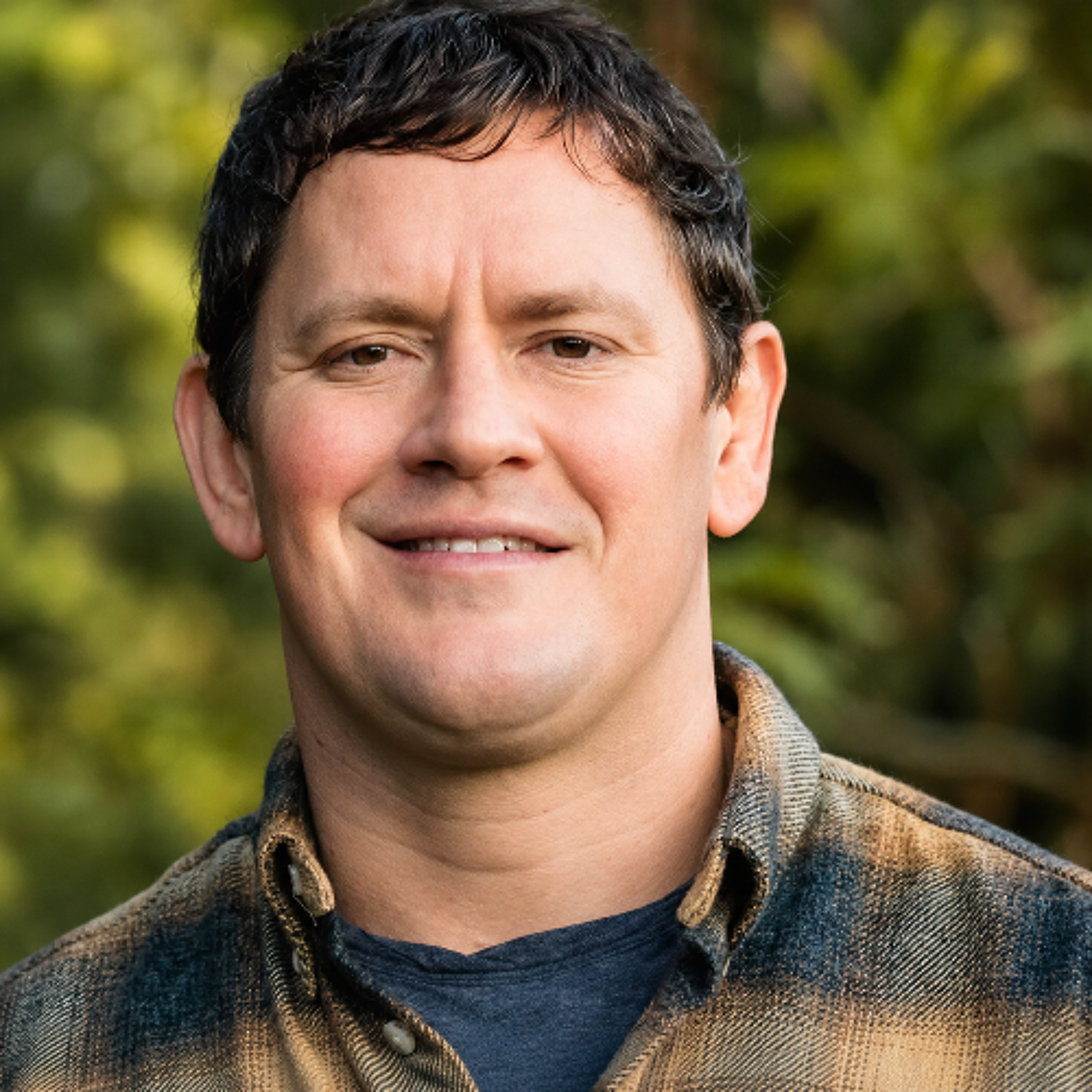 Whole Self Health: Bill Drummond on Youth Mental Health, AI, Diagnoses, and Healing Through the Body | In this episode, Sam Stern speaks with Bill Drummond, a clinical consultant psychologist based in Wellington, New Zealand, where he serves as Clinical Leader for Youth Mental Health Services across the region. Bill has spent more than a decade working with young people and families in public mental health settings, supporting adolescents facing trauma, anxiety, depression, family instability, identity confusion, and complex mental health challenges. His work spans acute care, community-based mental health, schools, hospitals, state care systems, private practice, and clinical supervision. Together, Sam and Bill explore -what is happening in the inner lives of young people today — especially in a world where diagnoses, social media, algorithms, and AI can offer instant explanations for pain that may still need time, relationship, and embodied attention to fully understand. -the rise of diagnostic identity - the difference between “I have anxiety” and “I’m feeling anxious" - why he approaches young people with curiosity rather than correction - the appeal of AI and social media as sources of validation, particularly for adolescents who may already be biologically primed toward threat perception, self-consciousness, and emotional intensity. https://www.wholeself.health | — | ||||||
| 6/4/26 | 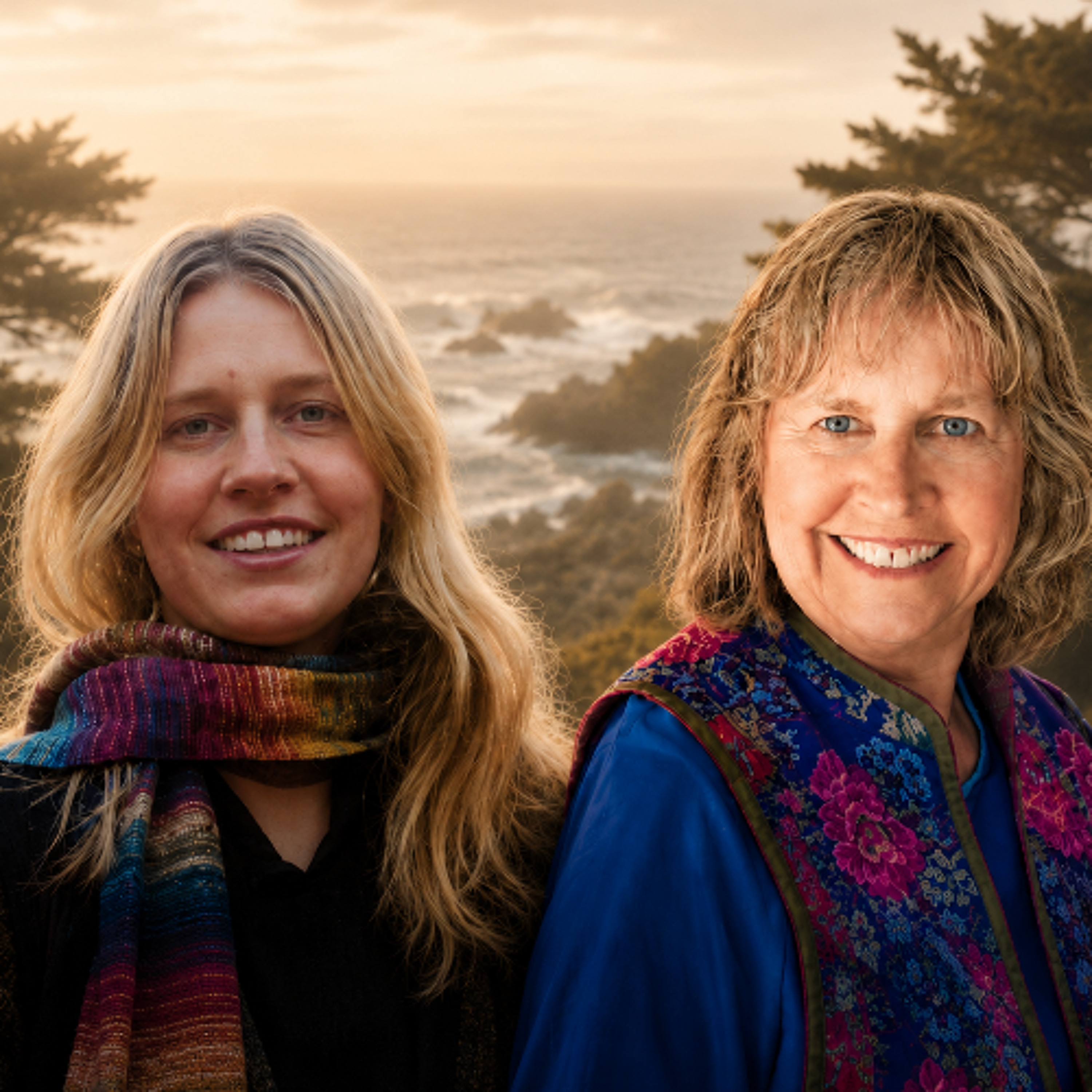 Steeped in Big Sur: Brita Ostrom on Early Esalen, Her New Memoir, and the Wild Work of Becoming✨ | memoirBig Sur+5 | Brita Ostrom | Esalen InstituteSteeped: A Bug Sur Elixir of Sulfur and Sage | Big SurHaight-Ashbury | Brita OstromEsalen+7 | — | 52m 16s | |
| 5/22/26 | 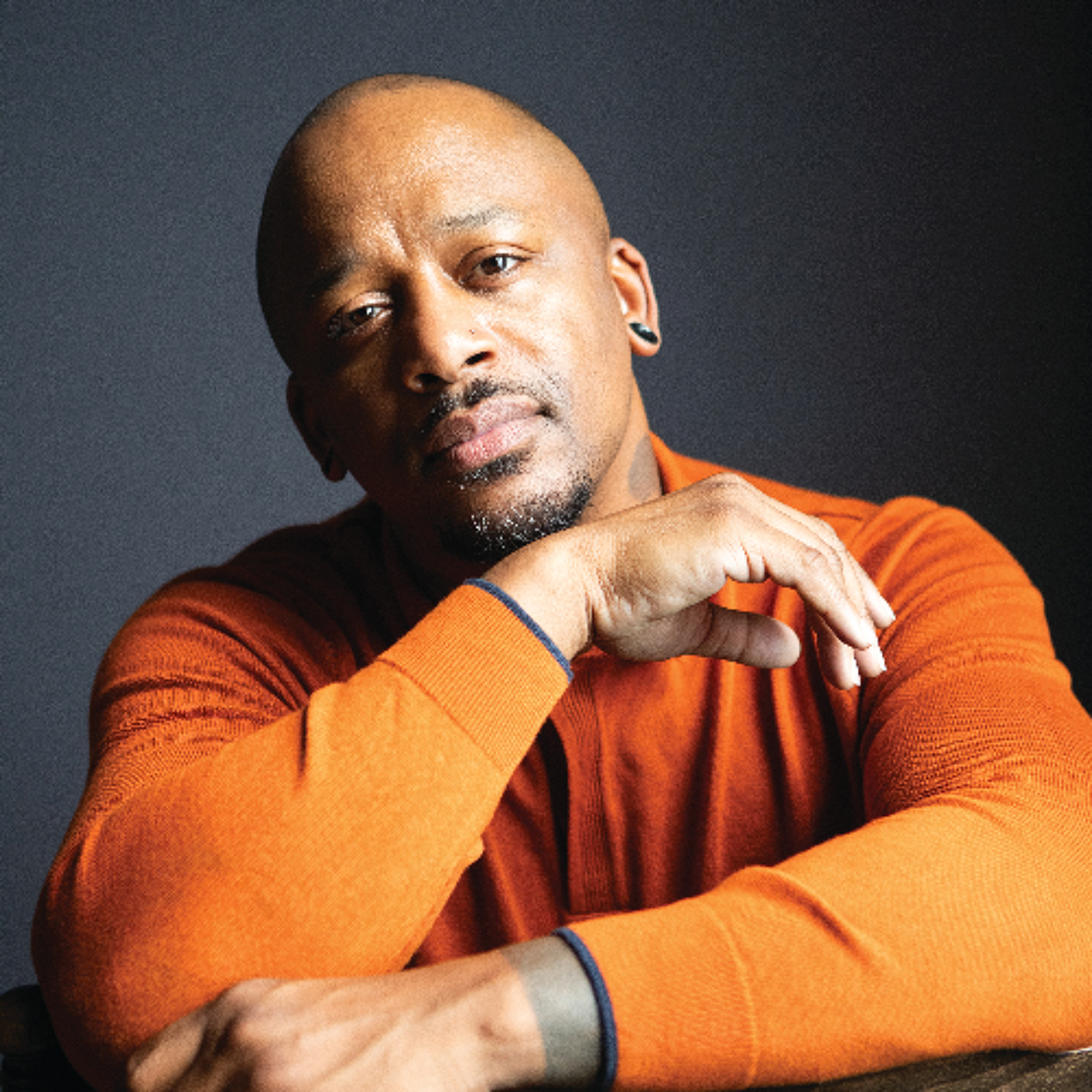 Darnell Walker: The Life of a Death Doula and the Art of a Peaceful End✨ | death doulagrief+4 | Darnell Lamont Walker | Esalen InstituteNever Can Say Goodbye: The Life of a Death Doula and the Art of a Peaceful End | — | death doulagrief+5 | — | 41m 00s | |
| 5/7/26 | 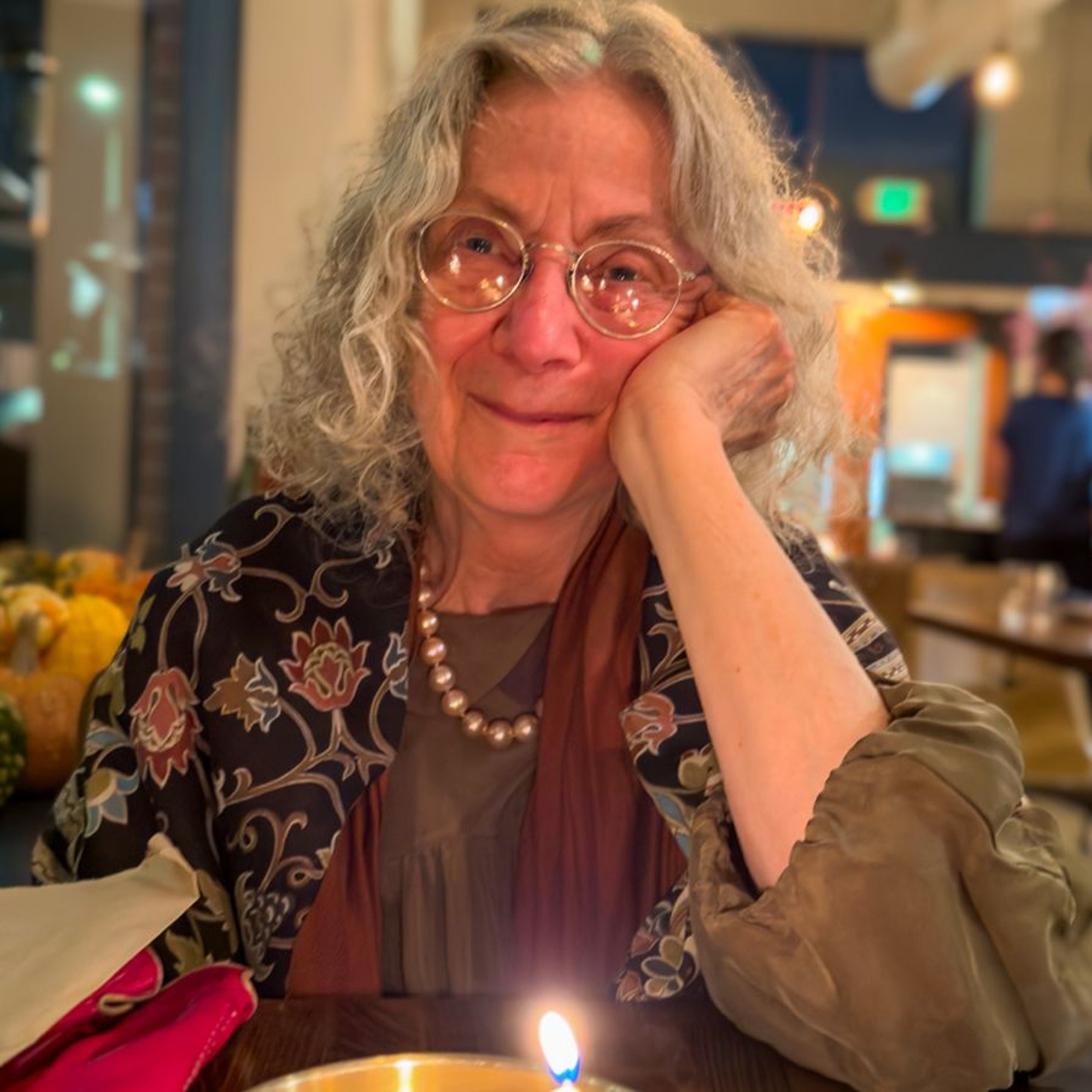 Yes, Mom Took Acid: Maria Mangini on Psychedelic Elders, Hidden Histories, and the Shulgin Farm✨ | psychedelic historyLSD culture+5 | Mariavittoria Mangini | Shulgin FoundationWomen’s Visionary Council | — | psychedelicsLSD+6 | — | 1h 11m 28s | |
| 4/24/26 | 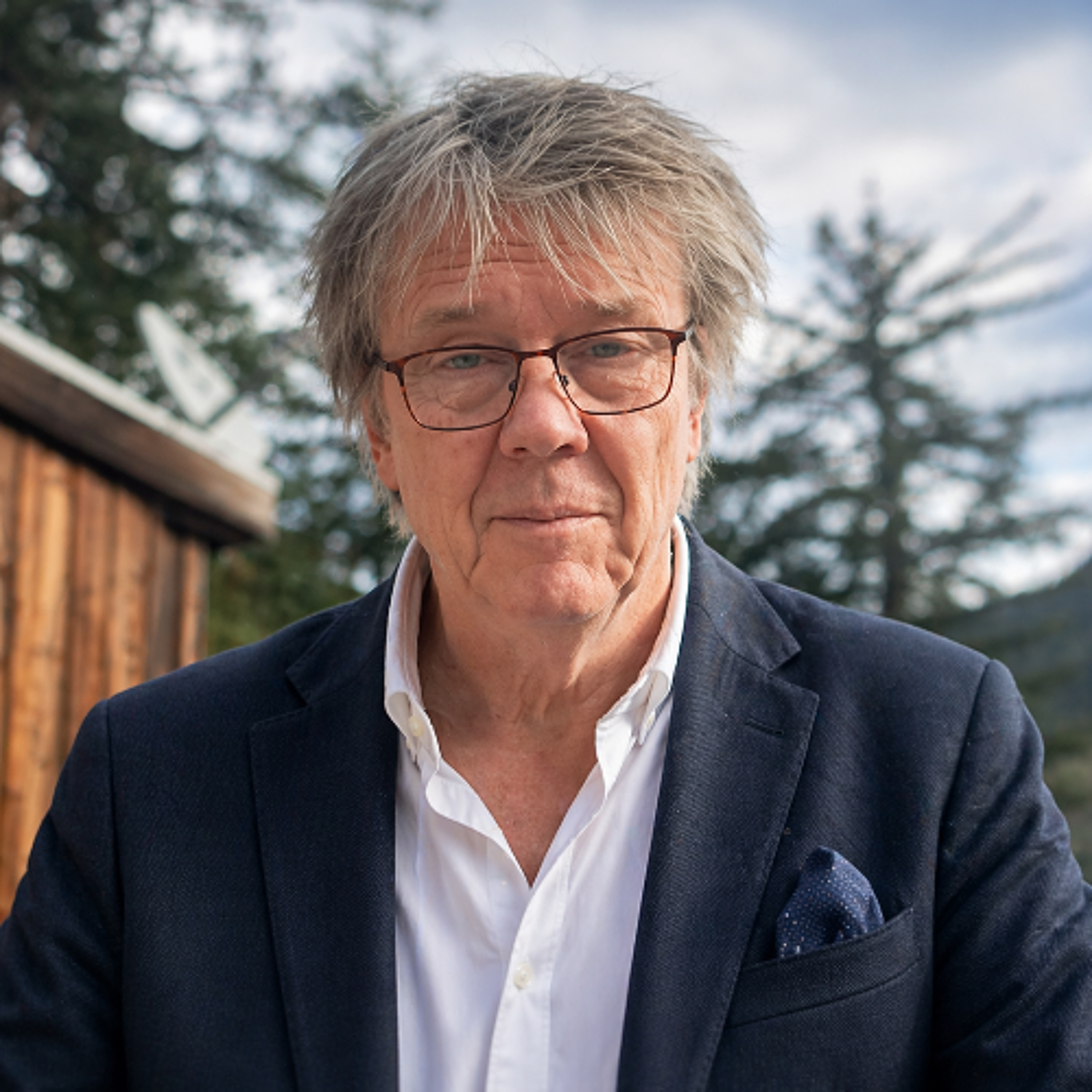 Magnus Toren: Big Sur and The Henry Miller Memorial Library✨ | Big SurHenry Miller+4 | Magnus Toren | Henry Miller Memorial Library | Big SurSweden | Big SurHenry Miller+5 | — | 51m 44s | |
| 4/9/26 |  The Subtle Body, Ep. 3: The Serpent’s Tale with Sravana Borkataky-Varma and Anya Foxen✨ | KundaliniYoga+3 | Sravana Borkataky-VarmaAnya Foxen | the University of HoustonEsalen+7 | — | The Serpent’s TaleKundalini+6 | — | 1h 24m 56s | |
| 3/27/26 |  The Subtle Body, Ep. 2: Charles Stang and Simon Cox✨ | subtle bodyDaoist practice+3 | Charles StangSimon Cox | The Subtle Body: A GenealogyHarvard Divinity School+2 | China | invisible anatomymap of consciousness+3 | — | 1h 05m 56s | |
| 3/13/26 |  The Subtle Body, Ep. 1: Michael Murphy and Simon Cox✨ | subtle bodycontemplative traditions+3 | Michael MurphySimon Cox | EsalenRice University+6 | SalinasCalifornia+2 | yogic energy channelsDaoist internal alchemy+7 | — | 1h 11m 04s | |
| 2/27/26 | 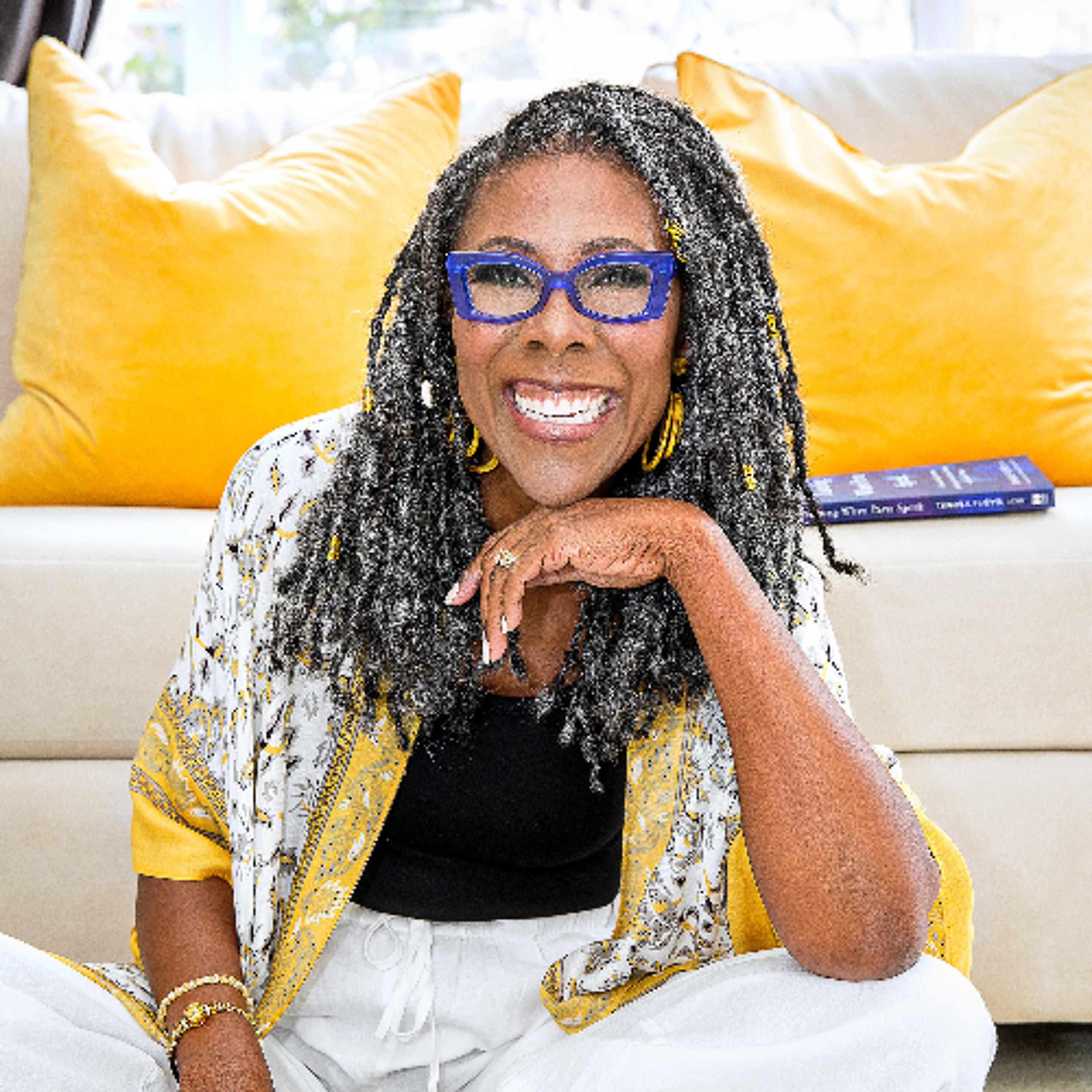 Tamala Floyd : Ancestral Healing and the Parts Within✨ | Ancestral HealingInternal Family Systems+3 | Tamala Floyd | Internal Family Systems | — | Internal Family SystemsIFS+7 | — | 39m 36s | |
| 2/13/26 |  Joe Dolce : Modern Psychedelics✨ | psychedelicscannabis+3 | Joe Dolce | Brave New WeedModern Psychedelics+3 | — | Brave New WeedModern Psychedelics+3 | — | 45m 44s | |
Want analysis for the episodes below?Free for Pro Submit a request, we'll have your selected episodes analyzed within an hour. Free, at no cost to you, for Pro users. | |||||||||
| 1/29/26 |  Pamela Hayes Malkoff : Art Therapy and the Power of the Creative Process✨ | art therapycreativity+3 | Pamela Hayes Malkoff | Esalen | — | creative processexternalize fear+3 | — | 35m 12s | |
| 1/13/26 |  Terence McKenna, Live at Esalen, 8/5/1997: "Aliens, AI , and Art"✨ | UFOspsychedelics+3 | Terence McKenna | WintermuteEsalen+2 | Earth | higher intelligenceUFO belief systems+6 | — | 1h 24m 40s | |
| 12/18/25 |  How We're Really Using AI, Vol. 2✨ | AIdating+3 | Unnamed Nonprofit Ai ConsultantUnnamed Documentary Filmmaker 2+3 | wellness app | — | AI in datingwellness app+3 | — | 37m 12s | |
| 12/2/25 |  Where Generosity Gathers: The Big Sur Big Share✨ | community supportfood security+3 | Joseph BradfordHelen Handshy+1 | The Big Sur Big ShareGrange+3 | Big Sur | Big Sur Big Sharefood program+4 | — | 14m 52s | |
| 11/13/25 |  Stanislav Grof on LSD Psychotherapy: Live Talk at Esalen, 1969✨ | psychedelic psychotherapyLSD+3 | Stanislav Grof | the Psychiatric Research InstituteEsalen institute | Prague | LSD psychotherapypsycholitic approach+5 | — | 49m 04s | |
| 10/30/25 |  Publishing at the Edges: A Conversation with Tim McKee of North Atlantic Books | Since 2016, Tim McKee has been the publisher of North Atlantic Books, a nonprofit press with a 50-year legacy of advancing healing, consciousness, and cultural transformation. North Atlantic Books has long been aligned with a similar spirit that animates Esalen: a commitment to somatics, trauma-informed healing, a willingness to platform voices working at the edges of personal and collective awakening. The catalog at North Atlantic books includes seminal works ranging from The Wild Edge of Sorrow by Francis Weller to Gabor Maté’s In the Realm of Hungry Ghosts — books that helped introduce somatic and trauma-based healing to the broader culture. Other books they publish include Black Psychedelic Revolution by Nicholas Powers, Mystery School in Hyperspace by Graham St. John, a cultural history of DMT, Reclaiming Ugly by Vanessa Rochelle Lewis, and Antifascist Dad coming soon, from the conspirituality podcast host Matthew Remski. In this conversation, Tim and Sam explore how publishing at its best can be a liberatory act, how the “personal” and the “political” have become difficult to separate in the current landscape, and issues surrounding publishing marginalized and emergent voices. They discuss what it takes to support authors whose work challenges dominant narratives, and how a publishing house can strive toward equity not just in output, but in process. | — | ||||||
| 10/17/25 |  From the Archives: John Lilly and the Quest for Satori (1971) | Today we revisit a 1971 talk by Dr. John C. Lilly: physician, neuroscientist, tireless psychonaut, and one of the most audacious explorers of consciousness in the twentieth century. John Lilly was a frequent teacher at Esalen and a close friend of Esalen co-founder Dick Price. He begins teaching at Esalen as early as 1968, focusing on what he called the human biocomputer and lecturing in part on “isolation, solitude, and confinement experiments.” Lilly is widely known for three things; first, he invented the first isolation tank — a dark and silent vessel filled with a saline solution that is meant to suspend the body and expose the mind to itself. He made his first one in 1954. Second, Lilly was convinced of the possibility of interspecies communication, notably between dolphins and homo sapiens. And finally, Lilly was an early experimenter with ketamine, from a psychedelic point of view, an interest that ultimately led to an addiction which drove him quite mad. However, during this talk from 1971, he is in great form, speaking about the concept and practice of Satori: the instantaneous awakening, the shock of direct perception. | — | ||||||
| 10/3/25 | 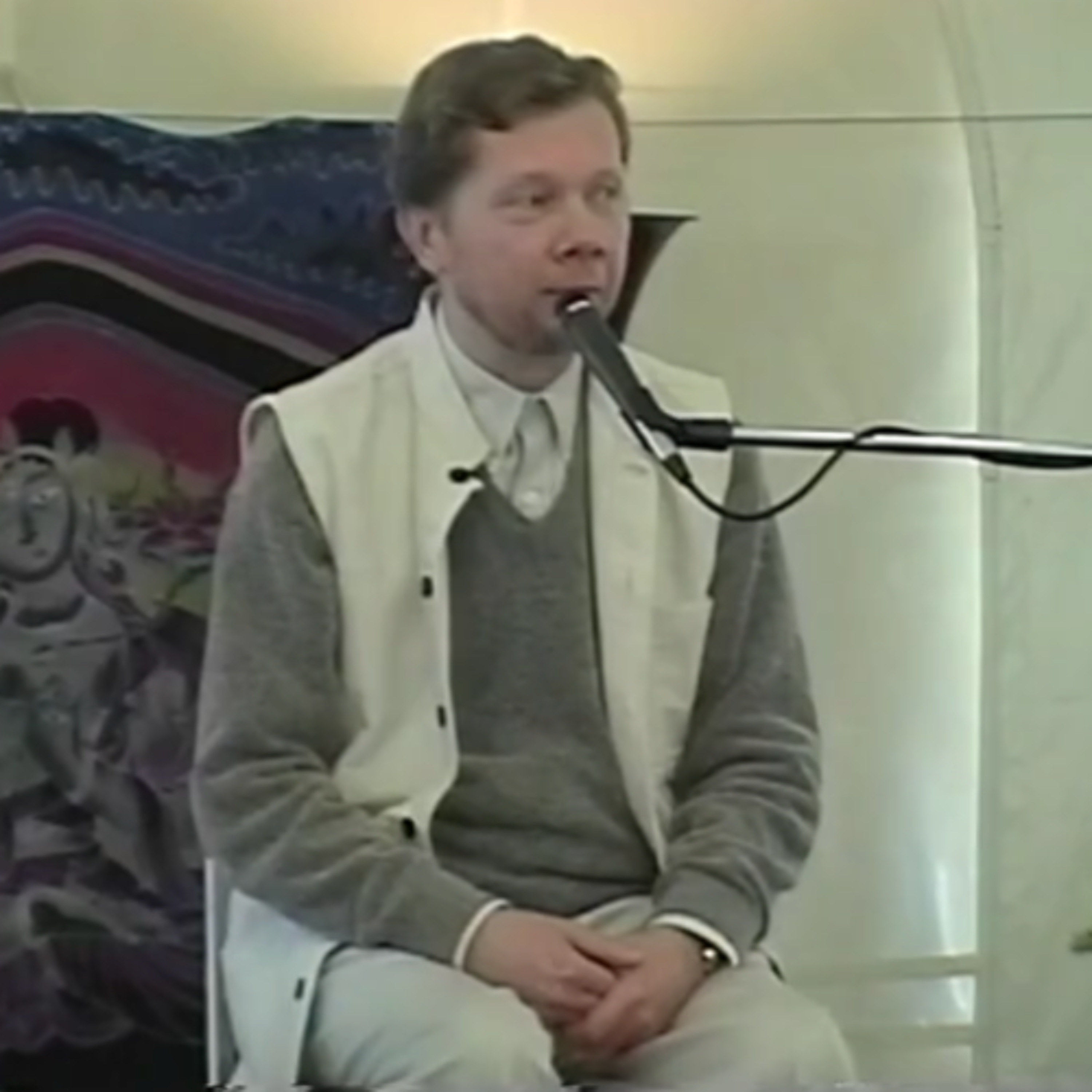 Eckhart Tolle at Esalen in June, 2001: The Power of Now | In June of 2001, the Esalen Institute hosted Eckhart Tolle for a weekend workshop. By that time, Tolle’s book The Power of Now had already begun an improbable ascent, exploding from a totally unknown into something of a cultural phenomenon. The central insight of Eckhart Tolle’s work is that the future doesn’t hold your salvation, and it doesn’t pay to get lost in the past, either. What we long for, what we chase after, what we regret, all of it obscures the deeper truth: the only real place life exists is in this living present moment. In this archival talk that Tolle gives in the Leonard Pavilion at Esalen, he moves through his major themes. He talks about: • Identification with thought - that most of us unconsciously believe we are our thoughts and emotions, which creates suffering and an endless search for fulfillment. • Surrendering and saying ‘yes’ to what is: what can happen when you stop resisting the moment and accept exactly what arises, even if it is painful. • the relief that comes in resting in presence. Visit Tolle online: https://eckharttolle.com/ | — | ||||||
| 9/18/25 |  How We’re Really Using AI | What if AI was capable of being more than just a new and improved Google search? What if there was ways to harness its predictive powers for growth, self-realization, or even freedom? Today we'll hear from four thinkers: Larissa Conte, a leadership guide and systems healer with a focus on power, on the principle of mutual co-enactment. Then we hear from Cecilia Callas, co-founder of The AI Salon, about convening global conversations that wrestle with the societal stakes of technology. Next is Sadia Bruce, Esalen’s Director of Product, who speaks candidly about using AI as an adjunct to therapy. And then Sam shares his own journey, from glitchy AI songs and translated prayers to the creation of a new weekly circle at Esalen called AI for Social Good. It’s a messy middle full of experiments, missteps, and glimpses of possibility. Larissa Conte & Wayfinding Website: https://www.wayfinding.io/ Weekly Contemplations: https://www.wayfinding.io/community AI Summer Camp: https://www.wayfinding.io/ai-summer-camp LinkedIn: https://www.linkedin.com/in/larissaconte/ Instagram: https://www.instagram.com/lbconte Cecilia Callas: Substack: https://ceciliacallas.substack.com/ RemAIning Human podcast: https://ceciliacallas.substack.com/podcast AI Salon: https://aisalon.xyz/ Sadia Bruce: IG: @breathisalanguage Esalen: https://www.esalen.org/faculty/sadia-bruce https://www.esalen.org/post/the-proust-questionnaire-sadia-bruce-012023 | — | ||||||
| 9/10/25 |  From Pelvic Floor to Whole Self: A Conversation with Dr. Tia Ukpe-Wallace and Krishna Dholakia | The pelvis, home to our reproductive, digestive, and eliminatory systems, is responsive to stress, pregnancy, birth, hormones, lifestyle, and trauma. When balanced, it supports vitality and ease. When out of balance, it can profoundly affect quality of life. Joining the conversation are two extraordinary practitioners: Dr. Tia Ukpe-Wallace, an orthopedic and pelvic health physical therapist, yoga teacher, and founder of Self-Care Physio, whose own pelvic floor challenges and pregnancy loss fueled her passion for empowering women with knowledge and healing practices. Krishna Dholakia, a nutritionist, certified diabetes care and education specialist, and yoga and mindfulness teacher. Through her practice Om and Spice Wellness, Krishna offers an integrative approach to women’s health from preconception through menopause, weaving together nutrition, mindfulness, yoga, and bodywork. Together, they share insights from their upcoming Esalen workshop on pelvic health, covering pelvic floor anatomy, menstrual and sexual health, nutrition and digestion, mindfulness, yoga, and community-building practices. Their goal: to help participants increase knowledge, self-awareness, and literacy around pelvic and reproductive health while cultivating a supportive community and a lifelong toolkit of self-care practices. This conversation is guest hosted by Shira Levine, Esalen’s Director of Communications and Storytelling, whose background spans documentary film, editorial journalism, and global communications with organizations ranging from the United Nations to leading print and digital outlets. Esalen workshop: https://www.esalen.org/workshops/pelvic-health-self-care-retreat-exploring-the-pelvis-through-anatomy-nutrition-and-the-nervous-system-10102025 | — | ||||||
| 8/25/25 | 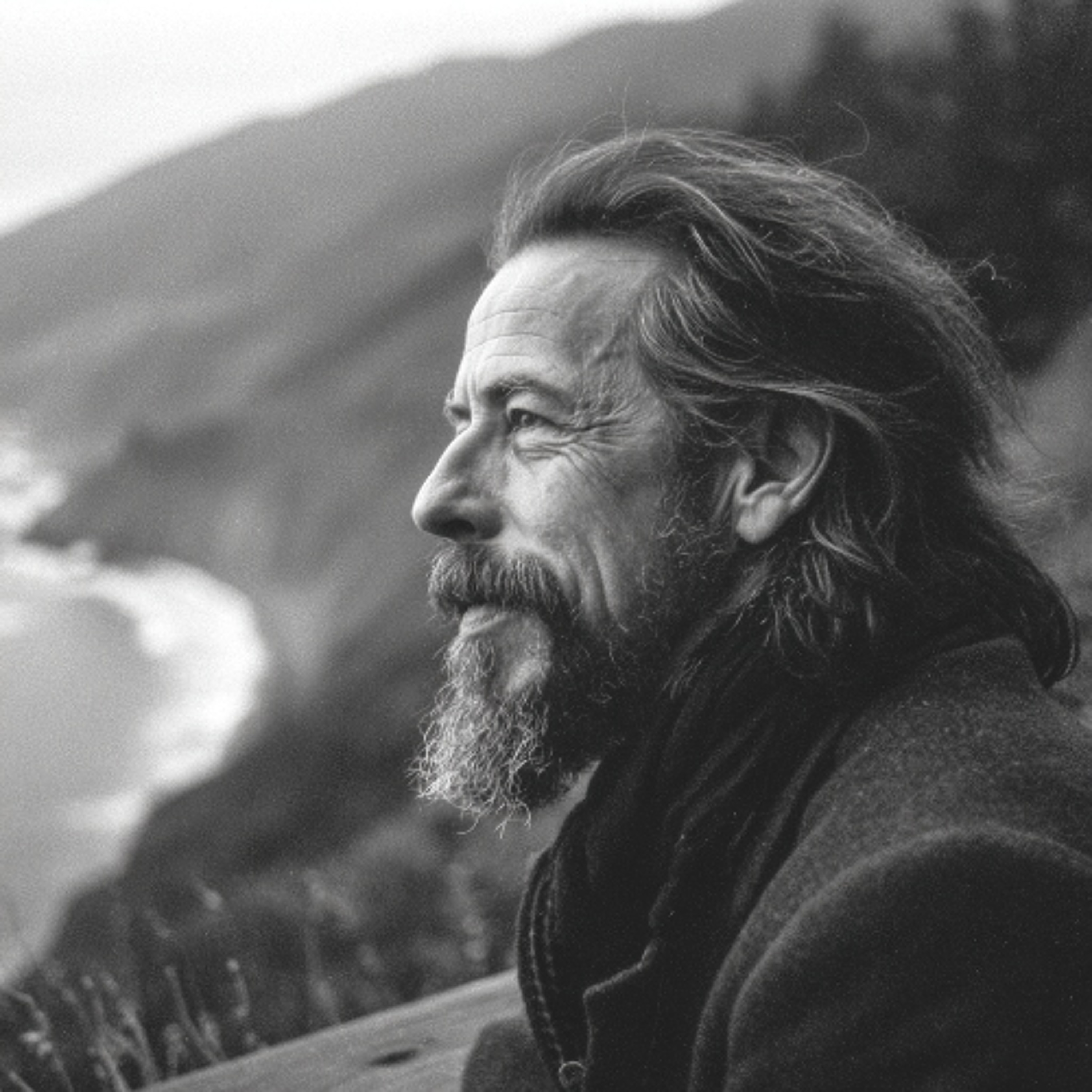 Alan Watts, interviewed by Esalen co-founder Michael Murphy (1966) - Part Two | Today I’m super excited to present to you another episode from the Archives From this trove of 1/2 inch reel to reel tapes that we recently found mouldering in a storage facility near the Monterey Airport - a 1966 dialogue between Esalen co-founder Michael Murphy and philosopher Alan Watts and today is PART TWO— notable for being one of the only instances I've encountered of Michael Murphy conducting an interview himself. But hey, when it’s Alan Watts, all bets are off. So, first, who is Alan Watts? He’s born in England, but moved to the United States in 1938 to pursue Zen training in New York. Then he attended a Seabury-Western Theological Seminary, got a master’s degree in theology. became an Episcopal priest in 1945, left the ministry in 1950 and then he moved to California, where he joined the faculty of the American Academy of Asian Studies. It was during the 1950s that he met Dick Price and Michael Murphy - both of whom were kicking around the Bay Area after their stints at Stanford, trying to figure out what the heck they were doing with their lives. It’s widely known that Watts represents this pivotal figure in the transmission of Eastern philosophical traditions to Western intellectual discourse. By the time this conversation rolls around in 66, he had long since established himself as a rather famous interpreter of Zen Buddhism, Taoism, and Hindu metaphysics for American audiences. He’d had a rise to prominence in the 1950s which coincided with a broader cultural receptivity to Eastern philosophical frameworks. The Beats, early hippies, young people, intellectuals - they were all fascinated by Zen and the I Ching and Buddhism. At Esalen, where Alan Watts taught from the very first days in 1962 up until his death in 1973, he really found an ideal context for exploring the synthesis between Eastern contemplative traditions and this Western psychological inquiry which was coming to the forefront. And then the temporal context for this interview bears mentioning, too. This conversation occurs at a moment of considerable social upheaval: we’ve got an escalation of American involvement in Vietnam, and a pushback at home, we’ve got the emergence of several countercultural movements, including the civil rights movement and a rather new hippie/ pyschedelic culture. There’s a widespread questioning of established institutional authority. So it’s within this milieu that Watts and Murphy examine fundamental questions about human consciousness and the peculiarities of American cultural expression. And of course all delivered in that million dollar voice by Alan Watts. I mean, He could read a Denny’s menu and make it sound profound. To me, this is a treasure of a conversation - even though it’s historically situated, it addresses still-relevant questions about consciousness, about cultural development, and about humanity's place within larger systems. It also provides a lot of insight into the intellectual atmosphere that characterized Esalen's early years, when the boundaries between disciplines were very permeable and fundamental questions about human nature were approached with both rigor and imagination. Here's Alan Watts, interviewed by Michael Murphy, at Esalen Institute in 1966. | — | ||||||
| 8/18/25 | 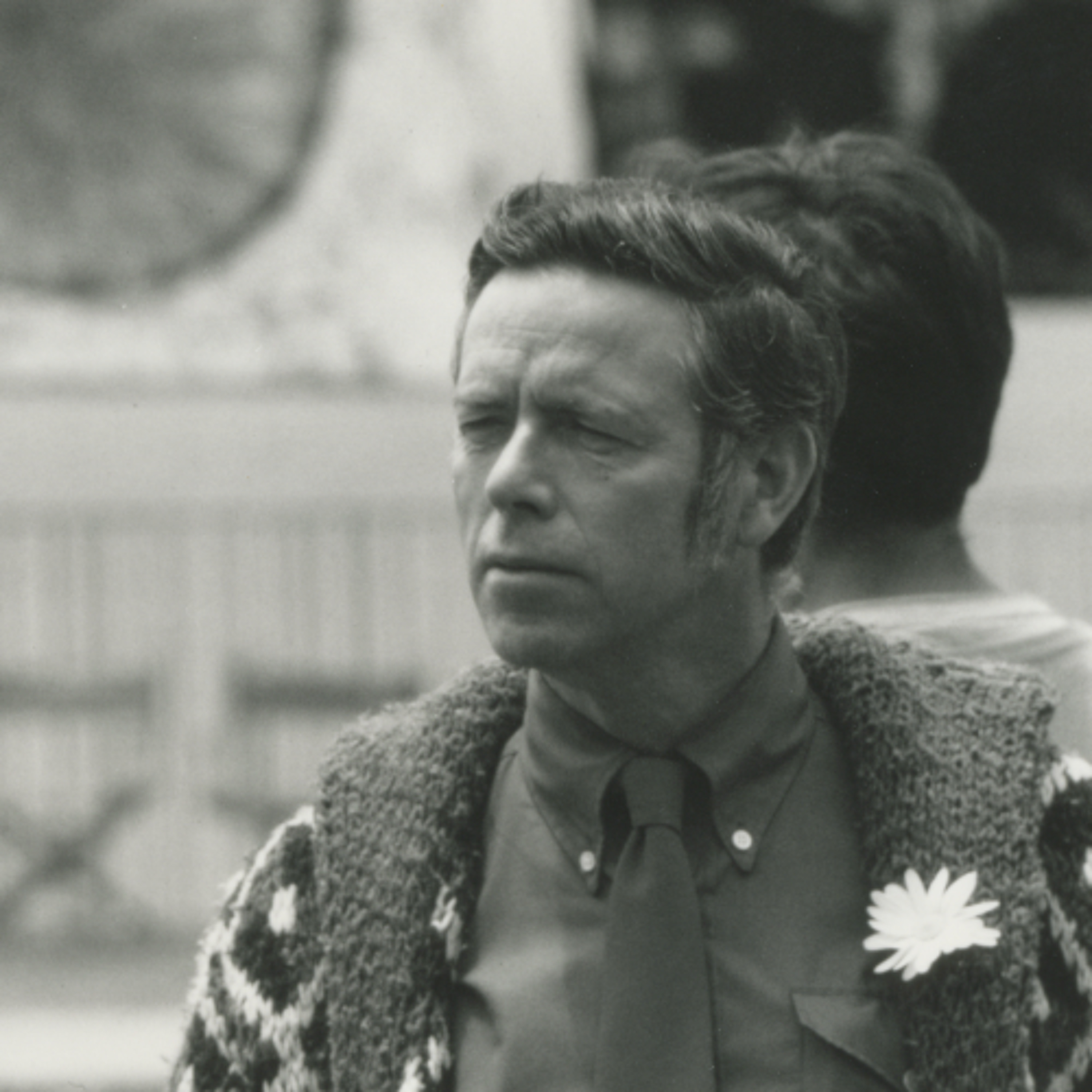 Alan Watts, interviewed by Esalen co-founder Michael Murphy (1966) - Part One | Today we present a rare archival conversation between Esalen co-founder Michael Murphy and philosopher Alan Watts, recorded in 1966. Watts, who taught at Esalen from its founding in 1962 until his death in 1973, was among the foremost interpreters of Eastern philosophy for Western audiences. In this wide-ranging dialogue, Watts articulates his theory of human evolutionary development through analytical consciousness and examines our species' complex relationship with the natural world. The recording provides a glimpse into the intellectual atmosphere of Esalen's formative years, when interdisciplinary boundaries were fluid and fundamental questions about human nature were approached with imaginative freedom. Enjoy part one of the conversation ; part two shall follow in short time. | — | ||||||
| 8/8/25 | 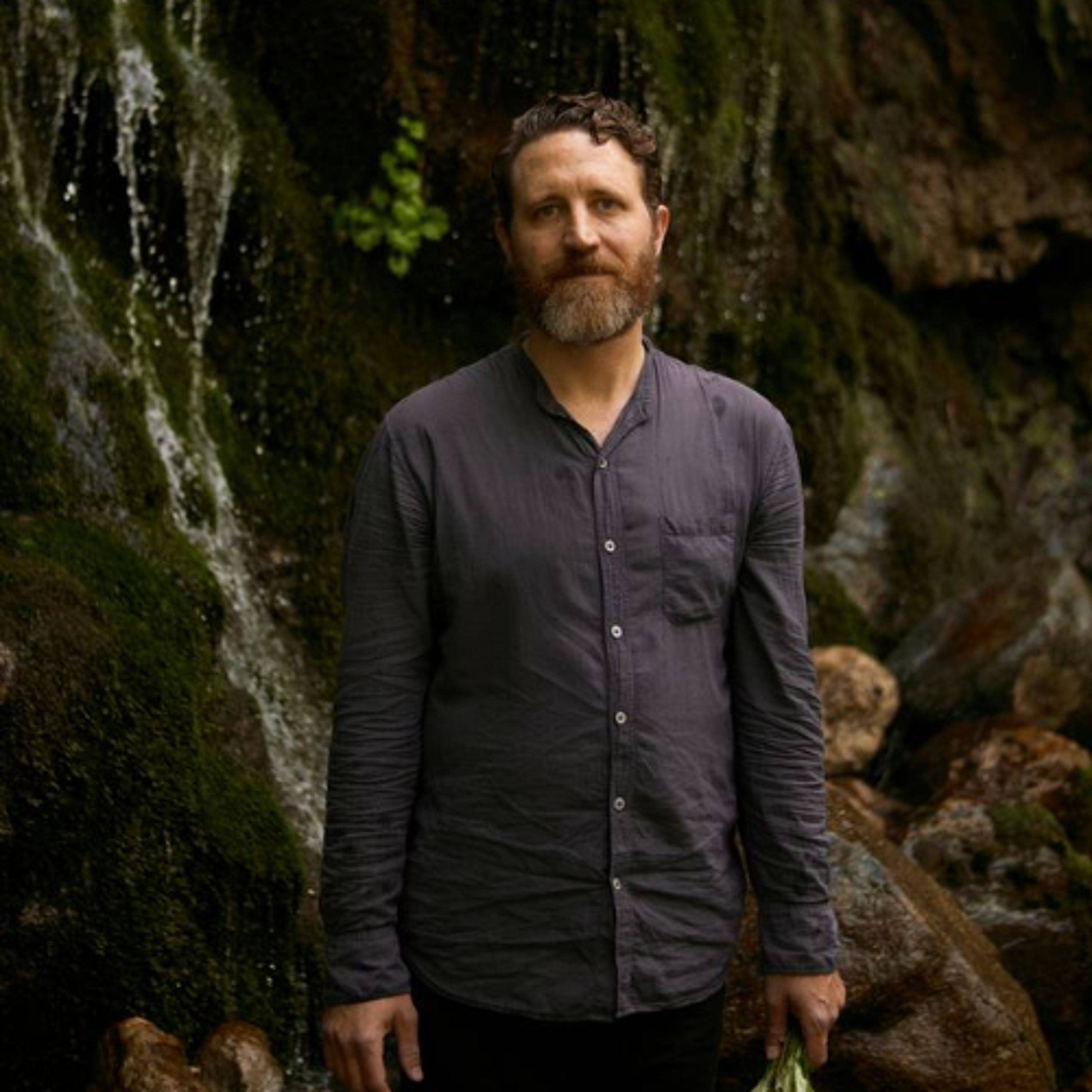 Songs for the More-Than-Human World: Fletcher Tucker's "Kin" | Fletcher Tucker - Big Sur artist, Esalen faculty member, independent musician, and wilderness guide - is a kind of spiritual cartographer and wild-hearted philosopher of the sonic and sacred. He has a new album, Kin, which is the focus of this conversation. Kin is a ritual, a spell, a window into the more-than-human world. It is a collection of drone-based, chant-infused compositions built with ancestral instruments like Swedish bagpipes, bowed zithers, and elder flutes. In this conversation, Fletcher walks us through the making of Kin, which emerged over years of wilderness pilgrimage through the Big Sur backcountry; songs that were written while walking, chanted into being beside waterfalls and totemic boulders, assembled later with vintage Mellotrons, and dulcimers that seem to hum with the memory of older worlds. We talk animism, and Fletcher’s embrace of a concentric, non-hierarchical cosmology where stones, rivers, ancestors, and unborn children all participate in the great chorus of being. We talk proximity and kinship and enchantment; “Radical Permeability” as Altered State; the Tassajara Zen Center Influence; Emotional and Aesthetic Complexity; Birth as Ceremony; life-threatening snowstorms; Polyphonic Compositions; clear vinyl and Streaming and Digital Ethics; and Wildtender, the organization Fletcher co-founded with his wife, Noel Vietor. Fletcher Tucker: https://www.fletchertucker.com/ Wildtender: https://wildtender.org/ Kin on Bandcamp: https://gnomelife.bandcamp.com/album/kin | — | ||||||
| 8/1/25 | 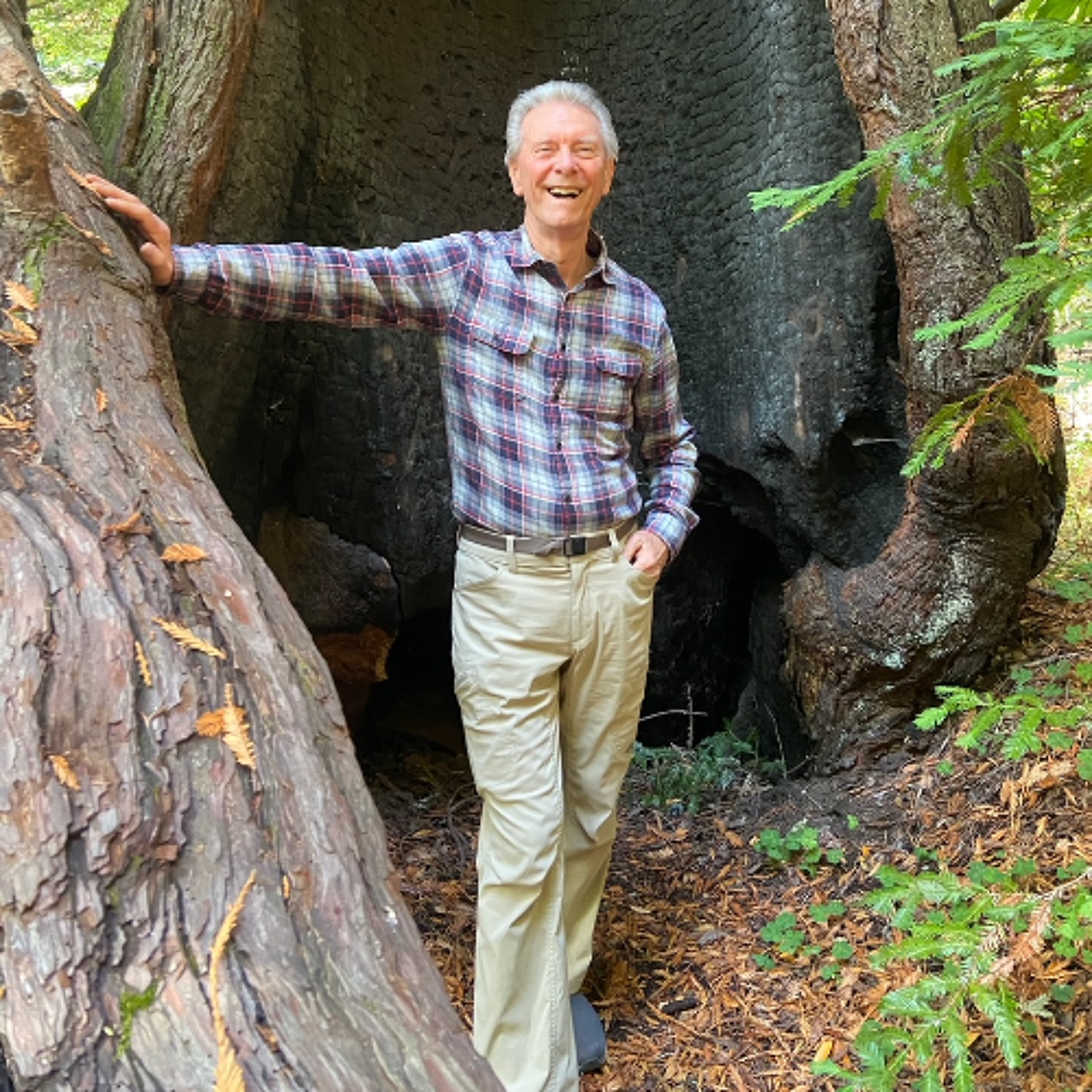 Ken Robins (a.k.a. Dr. Love): A Somatic Journey from Trauma to Transformation | Ken Robins has been part of the beating heart of Esalen for many decades. A somatic Gestalt practitioner, couples counselor, and devoted early student of Dick Price, Will Schutz, Jessica Britt and many other Esalen legends, Ken has spent his adult life exploring the transformational power of relationship, presence, and the body’s innate wisdom. In this conversation, Ken traces his unlikely journey from a violent and impoverished upbringing in postwar London to the barefoot wandering that eventually led him to Esalen in the late 1960s. Along the way, we discuss: His early taste of encounter group work in the Berkeley of the late 60's, and his reflections on the powerful check-ins and Gestalt work at Esalen in the 1980s The development of his trauma-informed, deeply embodied couples practice at Esalen His belief in the nervous system as a portal to healing And why, in his view, contact, not control, is the foundation of true transformation. This is a rich, intimate dialogue with a man who has lived the work, carried its lineage, and helped shape the soul of Esalen itself. https://carmelweddingceremonies.com/ | — | ||||||
| 7/26/25 |  The Survivorship Collective | In this episode, we speak with Anne Hamilton, founder of the Survivorship Collective: a survivor-led initiative offering legal, psychedelic-assisted therapy to people living with cancer. Anne is an educator, filmmaker and breast cancer survivor whose own journey through illness (and a life-altering psilocybin experience) led her to ask deeper questions about grief, mortality, and transformation. We talk about the liminal terrain of survivorship, the limitations of conventional medicine, and how a psychedelic journey helped her metabolize the kind of fear no doctor could treat. Today, the Survivorship Collective offers safe, science-informed, and deeply human psychedelic support to people facing the hardest truths life throws at us. Spread the Word: https://survivorshipcollective.com/help-us Retreats: https://survivorshipcollective.com/retreats | — | ||||||
Showing 25 of 227
Pitch Fit is a Pro feature
See how bookable this show is for guests, which brands already advertise, the per-episode ad value, and the best-fit guest and sponsor profile. The numbers are blurred on the free plan.
How readily this show books outside guests like you.
How proven this show is for host-read sponsorships.
For Guests
ProFor Advertisers
ProUpgrade to Pro to unlock guest cadence, sponsor categories, fit scores, and per-episode ad value for this show.