

Insights from recent episode analysis
Audience Interest
Podcast Focus
Publishing Consistency
Platform Reach
Insights are generated by CastFox AI using publicly available data, episode content, and proprietary models.
Most discussed topics
Brands & references
Total monthly reach
Estimated from 36 chart positions in 36 markets.
By chart position
- 🇺🇸US · Social Sciences#6430K to 100K
- 🇦🇺AU · Social Sciences#1785K to 30K
- 🇬🇧GB · Social Sciences#1805K to 30K
- 🇮🇳IN · Social Sciences#17100K to 300K
- 🇪🇸ES · Social Sciences#6210K to 30K
- Per-Episode Audience
Est. listeners per new episode within ~30 days
109K to 362K🎙 Daily cadence·310 episodes·Last published yesterday - Monthly Reach
Unique listeners across all episodes (30 days)
364K to 1.2M🇮🇳25%🇺🇸8%🇰🇪8%+33 more - Active Followers
Loyal subscribers who consistently listen
146K to 483K
Market Insights
Platform Distribution
Reach across major podcast platforms, updated hourly
Total Followers
—
Total Plays
—
Total Reviews
—
* Data sourced directly from platform APIs and aggregated hourly across all major podcast directories.
On the show
From 16 epsHosts
Recent guests
Recent episodes
S7 Ep32: Courts in the Global South
Jun 24, 2026
20m 38s
S7 Ep31: Nonelite Women's Participation in Politics
Jun 18, 2026
31m 53s
S7 Ep30: The end of aid dependency
Jun 10, 2026
22m 49s
S7 Ep29: What the $1-a-day global poverty line gets wrong
Jun 3, 2026
29m 13s
S7 Ep28: Why civil service reform fails (and what actually works)
May 27, 2026
37m 04s
Social Links & Contact
Official channels & resources
Official Website
Login
RSS Feed
Login
| Date | Episode | Topics | Guests | Brands | Places | Keywords | Sponsor | Length | |
|---|---|---|---|---|---|---|---|---|---|
| 6/24/26 |  S7 Ep32: Courts in the Global South | How do courts work when they work well? You would expect them to be impartial, neutral, and consistent. In much of the Global South that is a tall order. So when courts fall short of it, are they failing?Development institutions ask states to build strong courts on the North American and Western European model. Good governance follows, they argue. This model treats poorer, less democratic systems as deviations from a norm rather than as institutions doing different work.Fiona Shen-Bayh (University of Maryland) joins Tim Phillips to review the evidence on what courts in the Global South actually do, and who they help. Where the state is weak, customary elders, NGOs, even rebel groups step in to adjudicate, and people often trust these forums more than the state's own courts. Taliban courts in Afghanistan upheld due process during civil war. Dictators sometimes build genuinely independent courts, because property rights attract investment and citizens' lawsuits tell the centre what local officials are doing.The research behind this episode:Rios-Figueroa, Julio, and Fiona Shen-Bayh. 2025. "Courts in the Global South." Annual Review of Political Science 28. To cite this episode:Phillips, Tim, and Fiona Shen-Bayh. 2026. "Courts in the Global South." VoxDev Talks (podcast). Assign this as extra listening. The citation above is formatted and ready for a reading list or VLE.About the guestFiona Shen-Bayh is Assistant Professor of Government and Politics, with a joint appointment at the College of Information Studies, at the University of Maryland. Her research spans authoritarian regimes, judicial politics, and the use of legal and judicial institutions as instruments of power, often drawing on digitised archives and text-as-data methods. Her book Undue Process: Persecution and Punishment in Autocratic Courts (Cambridge University Press) won the APSA-IPSA Theodore J. Lowi First Book Award, the Giovanni Sartori Book Award, and the Juan Linz Best Book Prize.The paper is co-authored with Julio Rios-Figueroa, Professor in the Department of Law at the Instituto Tecnologico Autonomo de Mexico (ITAM), whose work spans comparative judicial politics, the rule of law, and empirical legal studies, with a focus on Latin America.Research cited in this episodeThe triad logic of conflict resolution. Drawn from Martin Shapiro's Courts: A Comparative and Political Analysis (1981). A court is effective when two parties appeal to a third to settle their dispute, and three conditions hold: the parties believe the third party is impartial; the third party is neutral, not predisposed to favour either side; and the rationale for the decision is consistent with existing norms, the idea of precedent. The review deliberately relaxes the assumption that courts are effective only when all three conditions are met.The rule of law revival. The wave of good-governance programmes promoted by the United States and Western European governments and NGOs after the fall of the Soviet Union, presenting strong courts as a remedy for corruption, instability, and tyranny in the Global South.The fallacy of legalism. The belief that creating law through statute, legislation, or precedent is enough to bring about social change. The phrase, from Sandra Joireman's work on property rights in Africa, names a habit of thought rooted in the Western experience, where the state has historically enforced property rights and contracts. In much of the Global South the absence of the state does not mean the absence of rules and order.Stateness. The extent to which a state exercises authority across its territory: its monopoly on violence in the classic Weberian sense, but also the creation of law and the administration of public affairs. Where stateness is low, non-state actors fill the judicial vacuum.Taliban and Islamic State courts. Recent fieldwork-based research finds that Sharia courts run by the Taliban in Afghanistan upheld notable degrees of due process and impartiality, offering predictability during civil war, and that the coercion associated with the Taliban featured in only a minority of the cases their courts heard.Courts in authoritarian regimes. A growing literature shows what courts do for dictators: establish credible property rights that attract foreign capital; monitor administrative conflict, as in China, where citizens' grievances against the state feed information upward to the centre; and, at other times, repress opponents or legitimise the regime by delivering popular moral outcomes even against the letter of the law.Political competition and judicial independence. Electoral competition can sustain independent courts in healthy democracies, partly because divided governments struggle to coordinate against unfavourable rulings. Under instability or an expected change of regime, the relationship can reverse: incumbents pack courts to entrench their interests before leaving, and judges may rule strategically to align with whoever they expect to hold power next, a pattern visible across Latin America.Access to justice and legal mobilisation. Social transformation through courts depends on people developing a "legal conscience", an understanding of the law and how to use it, and on support structures outside the judiciary: civil society organisations, bar associations, prosecutors, lawyers, and human rights groups that help citizens bring and sustain claims.Courts and democratic backsliding. Courts hold neither the purse nor the sword, which makes them easy targets for hostile rhetoric, legislative threats, pressure to resign, and court-packing. Courts that are neither impartial nor neutral can still stabilise a democracy while rival parties remain uncertain of each other's intentions, provided both still accept competitive elections. Once a party, especially an incumbent, abandons that commitment, there is little a court can do alone.Digitised judicial data. The digitisation and free publication of court records across the Global South has opened large-scale, fine-grained study of everyday jurisprudence, useful to scholars and to the judges, lawyers, and litigants who can now see how the law works in their own context. | 20m 38s | ||||||
| 6/18/26 |  S7 Ep31: Nonelite Women's Participation in Politics | The usual way to measure women's power in politics is to count the seats they hold in parliament. But most women who take part in politics never stand for office. They vote, attend meetings, petition, protest, or try to get the water supply fixed. In this week's VoxDev Talk, Soledad Artiz Prillaman of Stanford talks to Tim Phillips about her new review of the research into non-elite women's participation in politics, written with Peace Medie (University of Bristol).They are not elite women with less money, she argues. They want different things and face different constraints. Social norms can prevent them from achieving the change they want. But in the Global South there is evidence that non-elite women are using collective action to gain access to politics, and using that access to renegotiate the norms that hold them back, rather than waiting for those norms to shift first.The research behind this episode:Medie, Peace A., and Soledad Artiz Prillaman. 2026. "Nonelite Women's Participation in Politics." Annual Review of Political Science, vol. 29.To cite this episode:Phillips, Tim, and Soledad Artiz Prillaman. 2026. "Nonelite Women's Participation in Politics." VoxDev Talks (podcast). Assign this as extra listening. The citation above is formatted and ready for a reading list or VLE.About the guestSoledad Artiz Prillaman is Assistant Professor of Political Science at Stanford University and faculty director of the Inclusive Democracy and Development Lab. Her research spans comparative political economy, development, and gender, with a focus on South Asia and on how and when women gain access to politics, both as citizens and as representatives. She is the author of The Patriarchal Political Order: The Making and Unraveling of the Gendered Participation Gap in India (Cambridge University Press, 2023).The paper is co-authored with Peace A. Medie, Associate Professor in the School of Sociology, Politics and International Studies at the University of Bristol. Her work covers gender, security, and politics in Africa, including the campaigns to end violence against women.Research cited in this episodeElite and nonelite women. The paper defines eliteness by access to political power, not by office held or income alone. Elites include elected representatives, but also academics and business executives whose position gives them access to power. Nonelites are those who lack that access. The distinction matters because policy aimed at getting more women into elite positions only helps everyone else if elite and nonelite women want the same things, and the evidence that they do is thin.The income puzzle. At the individual level, income is generally uncorrelated with women's turnout; at the national level, GDP predicts nonelite women's participation only in some places. Women in paid work do participate more, but the driver appears to be the networks and information that come with a job, not the wage.Vote agency. Showing up to vote is not the same as voting freely. Asked whether they would vote for their own preferred party or the one a male gatekeeper preferred, at least half of women in some South Asian settings say they would defer. Work by Sara Khan shows that the women with the least agency are those whose preferences differ most from the men who hold power over them.Varieties of patriarchy. All societies are patriarchal, but patriarchy operates differently across them. In parts of South Asia it takes the form of explicit, socially sanctioned control over where women go and how they vote. In the United States and Europe it shows up earlier, as socialisation, producing large gender gaps in stated political interest. Same underlying force, different mechanics, different policy conclusions.Quotas. More than 100 countries have adopted some form of electoral gender quota, making it the most widespread women's empowerment policy in the world. The evidence on whether quotas help nonelite women is mixed; they raise some women's participation in some places, but in others the effect is null or negative. In India, Prillaman notes campaign material for quota seats that pairs the woman candidate's name with a man's photograph.Collective action. Networks outside the home, through women's groups, microcredit groups, churches, unions or friendship circles, raise women's participation by widening their information and giving them cover against backlash. Prillaman argues that in the Global South women are increasingly using collective action to gain access to politics, and using that access to renegotiate norms, rather than waiting for norms to change first.More from VoxDevWhere are the Indian female politicians?, an interview with Lakshmi Iyer on why a woman winning office in India does not lead to more women standing next time.Related reading on VoxDevGrassroots party activism by women promotes equal political participation, in which Tanushree Goyal finds that women politicians in Delhi recruit women activists, narrowing gender gaps in political knowledge and participation.Women's microcredit groups empower women politically, in which Prillaman shows that microcredit groups raise women's political participation in India by building their networks, not their bank balances. | 31m 53s | ||||||
| 6/10/26 | 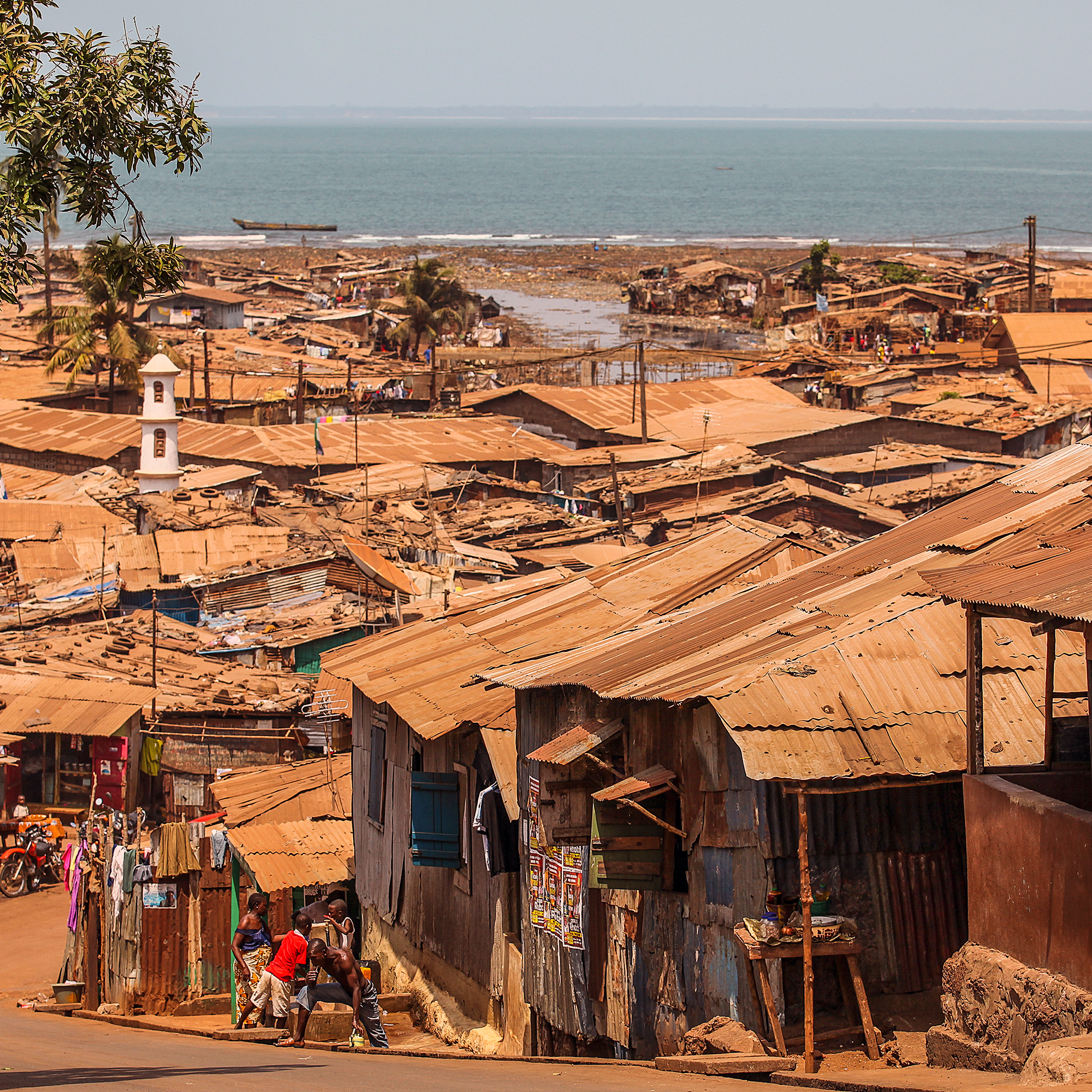 S7 Ep30: The end of aid dependency✨ | aid dependencyglobal development+5 | Gyude MooreMark Suzman+2 | Gates FoundationUSAID+1 | sub-Saharan AfricaStanford | aid dependencyglobal development+5 | — | 22m 49s | |
| 6/3/26 | 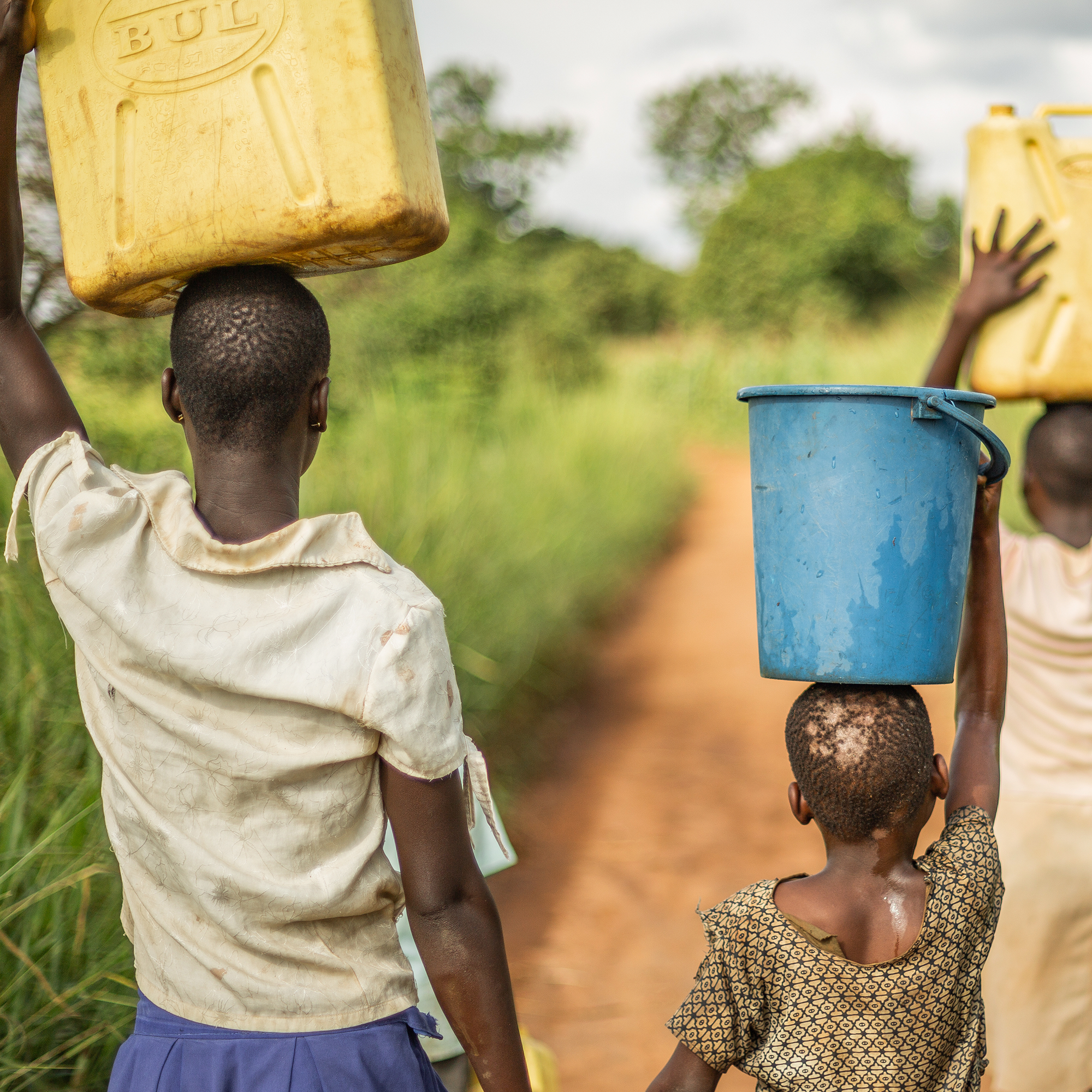 S7 Ep29: What the $1-a-day global poverty line gets wrong✨ | global povertypoverty line+3 | Lant Pritchett | World BankLSE+2 | — | poverty lineglobal poverty+6 | — | 29m 13s | |
| 5/27/26 |  S7 Ep28: Why civil service reform fails (and what actually works)✨ | civil service reformpublic administration+3 | Martin Williams | VoxDev.orgColumbia University Press+1 | Ghana | civil servicereform+5 | — | 37m 04s | |
| 5/20/26 |  S7 Ep27: The World Bank's East Asian Miracle✨ | development economicsindustrial policy+5 | Nancy Birdsall | World BankCenter for Global Development+1 | JapanSouth Korea+2 | East Asian MiracleWorld Bank report+5 | — | 26m 41s | |
| 5/15/26 |  S7 Ep26: Ed Glaeser on the perfect city and the demons of density✨ | urban developmentcity planning+4 | Ed Glaeser | VoxDev | Lusakasub-Saharan Africa+1 | perfect cityurban infrastructure+6 | — | 36m 31s | |
| 5/13/26 |  S7 Ep25: Roshaneh Zafar on 30 years of microfinance and mindset change in Pakistan✨ | microfinancewomen empowerment+5 | Roshaneh Zafar | World BankGrameen Bank+2 | — | microfinanceKashf Foundation+8 | — | 30m 24s | |
| 5/8/26 |  S7 Ep24: Leonard Wantchekon on youth and governance in African cities✨ | youth governanceAfrican cities+4 | Leonard Wantchekon | VoxDevYouTube+4 | KenyaTanzania | African citiesyouth opportunity+6 | — | 55m 06s | |
| 5/6/26 |  S7 Ep23: How killing sparrows contributed to the Great Chinese Famine✨ | Great Chinese Famineenvironmental economics+3 | Shaoda Wang | University of ChicagoNBER+1 | — | sparrowsGreat Chinese Famine+4 | — | 15m 39s | |
Want analysis for the episodes below?Free for Pro Submit a request, we'll have your selected episodes analyzed within an hour. Free, at no cost to you, for Pro users. | |||||||||
| 5/1/26 |  S7 Ep22: Chris Blattman on how organised crime takes over cities✨ | organised crimeurban development+4 | Chris Blattman | University of ChicagoAfrica Urban Lab+2 | Medellín | organised crimecities+5 | — | 50m 23s | |
| 4/29/26 | 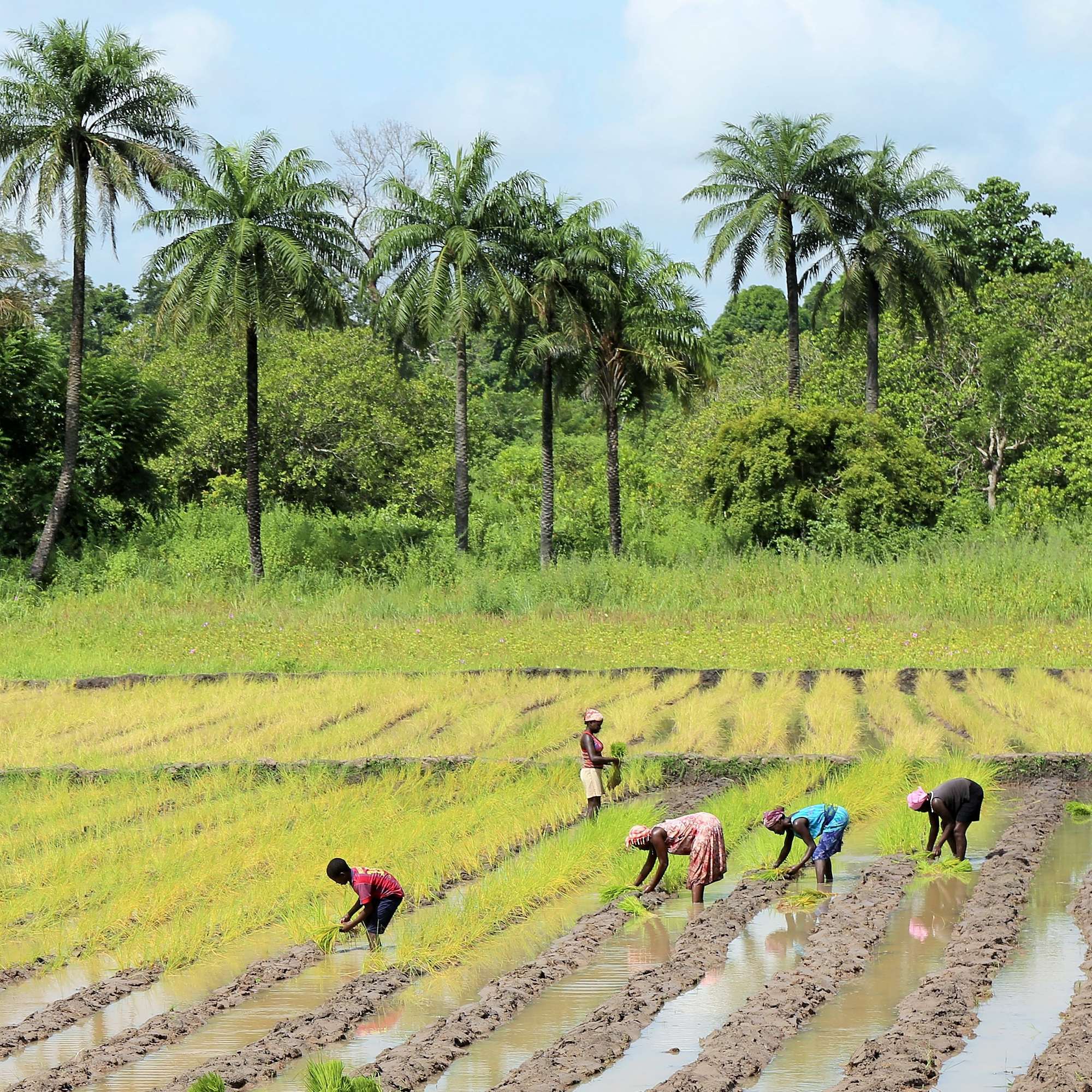 S7 Ep21: Boosting farmers' profits✨ | agricultural developmentfarming profitability+3 | Craig McIntosh | UC San DiegoAbdul Latif Jameel Poverty Action Lab (J-PAL)+1 | — | farmers' profitsagricultural policy+3 | — | 30m 10s | |
| 4/22/26 |  S7 Ep20: Argentina’s 2017 tax reform✨ | tax reformArgentina+4 | Sebastian Galiani | Macri governmentNBER+1 | ArgentinaLatin America | tax reformArgentina+5 | — | 40m 48s | |
| 4/15/26 | 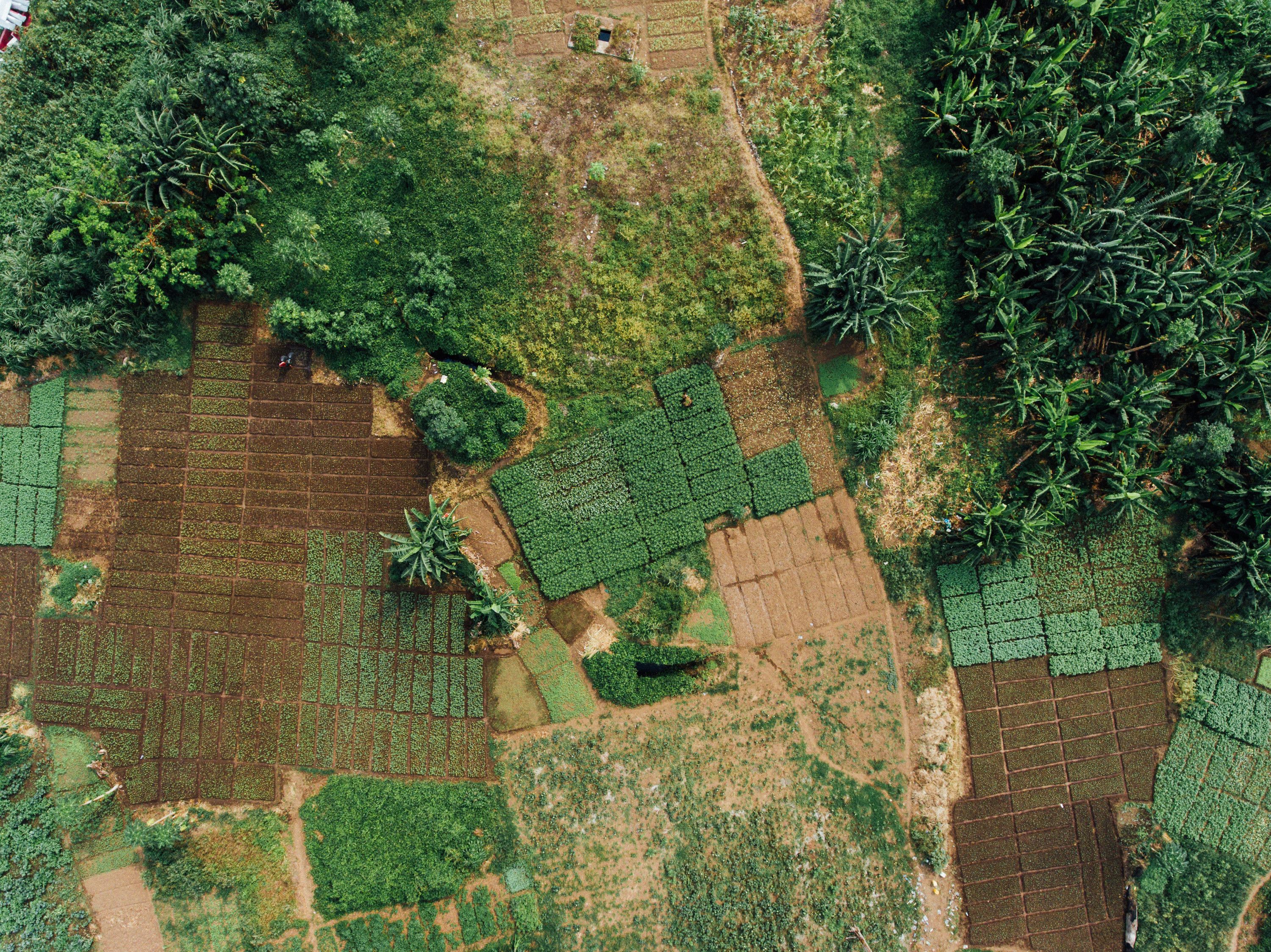 S7 Ep19: Can digital credit unlock investment in smallholder farms?✨ | digital creditsmallholder farmers+3 | Monica Lambon-Quayefio | University of GhanaFarmerline+2 | — | digital lendingsmallholder farms+3 | — | 22m 58s | |
| 4/8/26 | 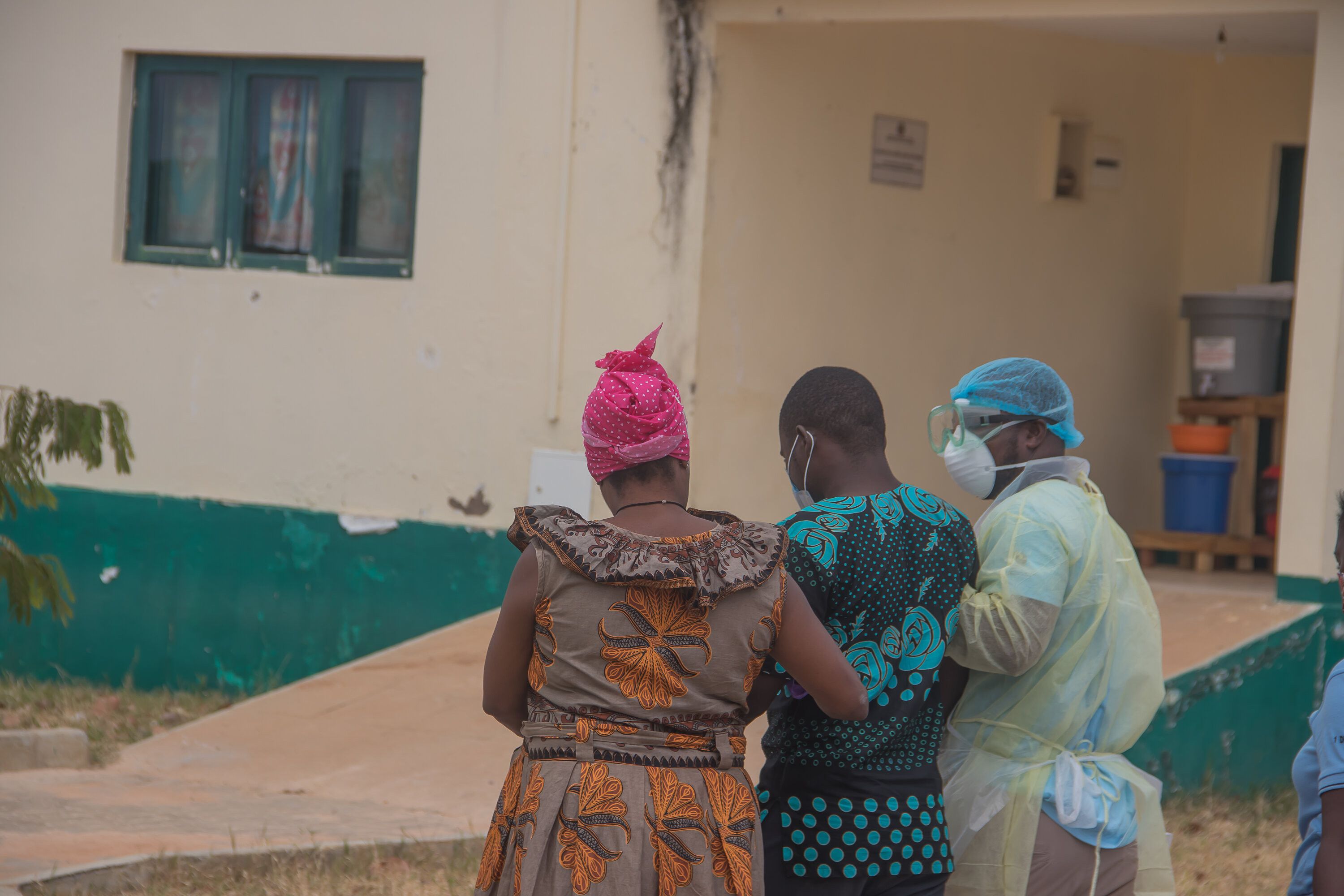 S7 Ep18: The complex link between poverty and health✨ | povertyhealth+3 | Adriana Lleras-Muney | UCLA | United States | povertyhealth+5 | — | 26m 51s | |
| 4/1/26 |  S7 Ep17: The long shadow of British rule: India's colonial legacy✨ | colonial legacyeconomic impact+3 | Lakshmi Iyer | University of Notre DameMinimum Needs Program+1 | IndiaBritish | British colonial ruleIndia+5 | — | 28m 01s | |
| 3/27/26 |  S7 Ep14: Ideas in Development: Raghuram Rajan on AI, India, and service-led growth✨ | AIIndia+4 | Raghuram Rajan | VoxDevApple Podcasts+3 | — | AIIndia+5 | — | 45m 48s | |
| 3/25/26 | 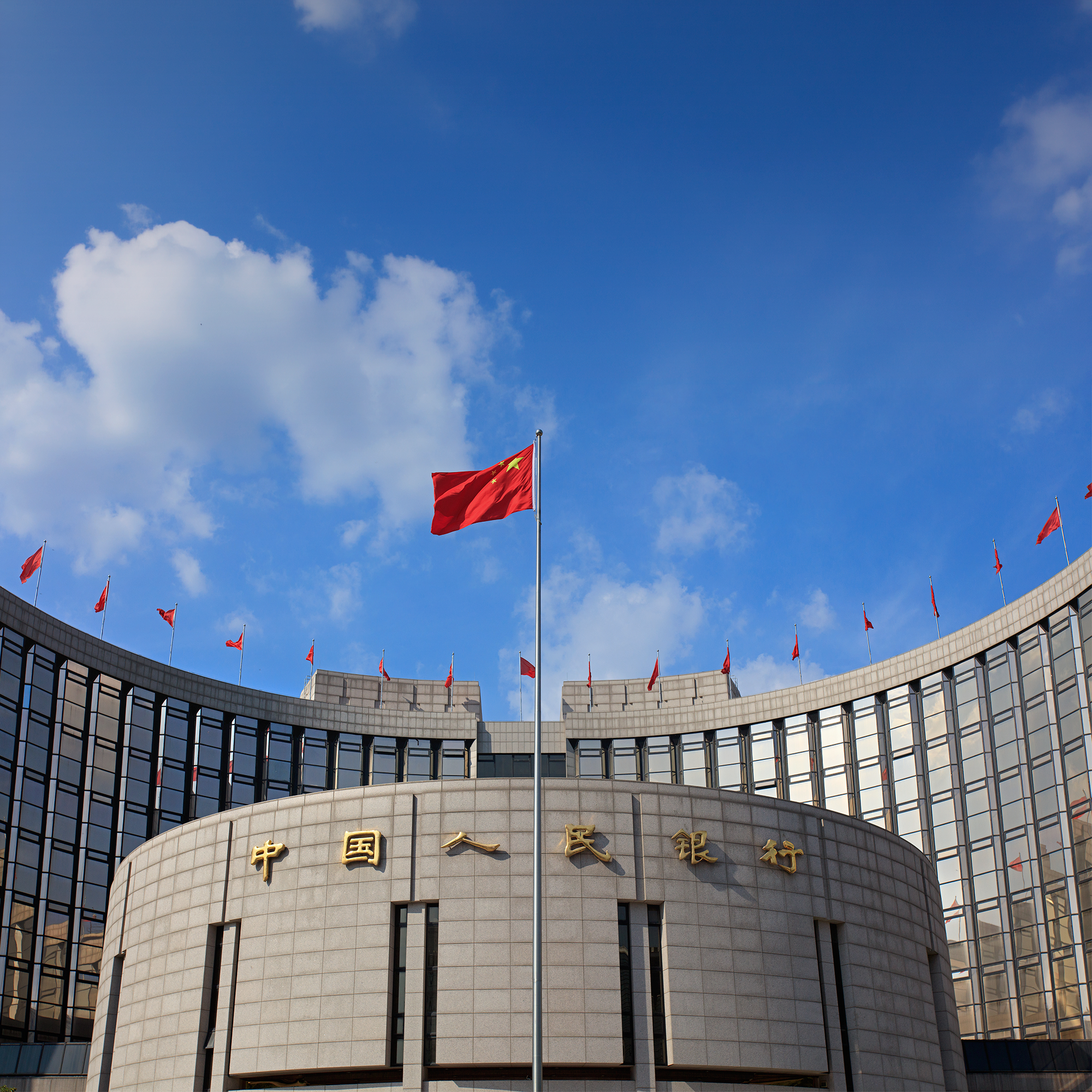 S7 Ep16: The rise and fall of China's overseas lending✨ | China's overseas lendingdeveloping countries+4 | Sebastian Horn | Kiel InstituteChina+1 | VenezuelaAngola+1 | Chinalending+7 | — | 23m 59s | |
| 3/19/26 |  S7 Ep15: The rise of digital payments in Latin America | Between 2019 and 2023, the number of electronic transactions tripled in six Latin American economies. The share of adults using digital wallets, mobile money, and mobile bank accounts went from 3% in 2011 to 40% by 2021. A region that not long ago was defined by financial disasters, hyperinflation, and deep mistrust of banks has become one of the world's leading examples of how digital payments can transform an economy.Diego Vera-Cossio edited Beyond Cash, The Digital Payments Revolution in Latin America and the Caribbean, the Inter-American Development Bank's new regional microeconomic report on digital payments. He tells Tim Phillips how the effects of this revolution are more profound that freeing people from the need to carry cash. In Santiago, bus robberies fell when drivers stopped handling cash. In Brazil, firms in the most cash-intensive sectors grew substantially after the instant payment system Pix launched. In Colombia, people without any credit history started borrowing formally after being nudged to receive their social program payments digitally. And in Bolivia, where 80% of the workforce is informal, people are scanning QR codes at street market stalls. The question Diego, his colleagues, and policymakers int he region and beyond, are now trying to answer is how to build on all of that, and how to make it stick.The research behind this episode:Vera-Cossio, Diego A., ed. 2025. Beyond Cash: The Digital Payments Revolution in Latin America and the Caribbean. Latin American and Caribbean Microeconomic Report. Washington, D.C.: Inter-American Development Bank.To cite this episode:Phillips, Tim and Vera-Cossio, Diego A. 2026. "Beyond Cash: The Digital Payments Revolution in Latin America and the Caribbean." VoxDev Talk (podcast). Assign this as extra listening: the citation above is formatted and ready for a reading list or VLE.About Diego Vera-CossioDiego A. Vera-Cossio is a senior economist in the Research Department of the Inter-American Development Bank, where he works on social protection, financial inclusion, digital payments, and the design of public programmes in Latin America. He holds a PhD in Economics from the University of California, San Diego. Research cited in this episodeDominguez, Patricio. 2022. "Victim Incentives and Criminal Activity: Evidence from Bus Driver Robberies in Chile." Review of Economics and Statistics 104 (5). Exploits the reform that removed cash from Santiago buses to show that eliminating the cash target reduces robbery rates. The bus driver no longer carries anything worth taking.Vera-Cossio, Diego A., Bridget Hoffman, Camilo Pecha, and Carla Hernandez. 2024. "Does Adopting Digital Payment for Cash Transfers Improve the Financial Inclusion and Financial Well-Being of Low-Income Households?" IDB Research Insights. A randomised experiment in Colombia: unbanked beneficiaries of a social transfer programme were randomly encouraged to receive payments into digital wallets. Those who switched had fewer failed payment attempts, could check their balance without internet access via SIM, and were more likely to take out a formal loan for the first time.Inter-American Development Bank. 2024. Fintech Ecosystem in Latin America and the Caribbean Exceeds 3,000 Startups. Survey counts of fintech companies in Latin America and the Caribbean. Found roughly 700 fintechs in the region in 2017 and more than 3,000 by 2023, with 20% of them offering payment-related products.More VoxDev Talks on this topicMobile money in Ghana: Lessons for boosting financial inclusion: Tim Phillips speaks with Francis Annan about what the Ghanaian mobile money experience reveals about reducing fraud and misconduct in rural financial systems, and what that means for how mobile money can serve the very poor.Mobile money markets and financial inclusion in Africa: Nicola Limodio discusses what happened when mobile money operators in Africa were required to make their platforms interoperable, lowering fees but also reducing rural coverage. A direct parallel to the interoperability debate in Latin America.Related reading on VoxDevDigital financial services go a long way: Evidence from Mexico: evidence on how expanding digital payments and digital financial services affects spending, savings, and economic outcomes in a large middle-income country.The wide-ranging benefits of fostering financial inclusion in Mexico: on how policies that bring people into the formal financial system in Mexico produce benefits that extend well beyond the financial sector itself.VoxDevLit: Mobile Money: a curated literature review covering what research has established about mobile money, financial inclusion, and economic outcomes, useful for anyone who wants a broader picture of the evidence base behind the episode. | 29m 32s | ||||||
| 3/18/26 |  S7 Ep13: Ideas in Development: Josh Lerner on the diffusion of technology | This is an episode from VoxDev's new podcast series, Ideas in Development. This series has a separate podcast feed, where you can find the entire AI series.Apple Podcasts: https://podcasts.apple.com/us/podcast/ideas-in-development/id1866874059Spotify: https://open.spotify.com/show/6sIdIKctE8frdWaz9iyfl2Everywhere else: https://audioboom.com/channels/5165629-ideas-in-developmentYouTube: https://www.youtube.com/playlist?list=PLcqy-QRDq-vD3YJ2t1rMUwx8BN1WTEA9ASubstack: https://ideasindevelopment.substack.com/In this episode, Josh Lerner joined Oliver Hanney and Deena Mousa to discuss how technology diffuses around the world, touching on the role of venture capital, universities and China.We then cover what this means for the diffusion of AI, and what can be done to speed up diffusion. | 40m 03s | ||||||
| 3/11/26 |  S7 Ep12: Can contact between groups reduce prejudice? | For 70 years, a simple idea has shaped efforts to reduce prejudice: put people from different groups together under the right conditions, and contact reduces prejudice. Gordon Allport proposed it in 1954. A landmark 2006 meta-analysis of 515 studies seemed to confirm it, reporting an average effect of 0.4 standard deviations on prejudice measures. That paper has been cited more than 14,000 times. The credibility revolution has undermined this evidence, by correcting for publication bias that meant null results were seldom published. Matt Lowe of the Vancouver School of Economics has published a new review of 41 pre-registered studies, and he finds the average effect is one-tenth of a standard deviation. Those 41 pre-registered intergroup contact experiments cover nearly 40,000 participants across a wide range of countries, roughly half of them in the Global South. He tells Tim Phillips that the effects are real, consistently positive … but consistently small. Contact interventions are a waste of time. Costs can be low, and the alternatives have not yet been held to the same rigorous standard. But the gap between what the old literature promised and what careful experiments deliver is large enough to matter for anyone designing programmes to reduce prejudice between groups.The research behind this episode:Lowe, Matt. 2025. "Has Intergroup Contact Delivered?" Annual Review of Economics 17.To cite this episode:Phillips, Tim. 2026. "Has Intergroup Contact Delivered?" VoxDev Talk (podcast). Assign this as extra listening: the citation above is formatted and ready for a reading list or VLE.About Matt LoweMatt Lowe is an assistant professor at the Vancouver School of Economics at the University of British Columbia, a CIFAR Azrieli Global Scholar, and a J-PAL faculty affiliate whose research spans intergroup relations, development, and political economy. His website is at mattjlowe.github.io. He has previously been published in VoxDev discussing his field experiment on collaborative and adversarial caste integration through cricket leagues in India.Research cited in this episodeAllport, Gordon W. 1954. The Nature of Prejudice. Addison-Wesley. The founding text of intergroup contact theory, which proposed that contact between groups reduces prejudice when it meets four conditions: equal status, common goals, intergroup cooperation, and support from authorities.Pettigrew, Thomas F., and Linda R. Tropp. 2006. "A Meta-Analytic Test of Intergroup Contact Theory." Journal of Personality and Social Psychology 90 (5). The 515-study meta-analysis that established the 0.4 standard deviation benchmark for contact effects and became the dominant reference point for the field.Paluck, Elizabeth Levy, Roni Porat, Chelsey S. Clark, and Donald P. Green. 2021. "Prejudice Reduction: Progress and Challenges." Annual Review of Psychology 72. A review of 418 experiments on prejudice reduction from 2007 to 2019, identifying troubling signs of publication bias and finding that most studies evaluate light-touch, small-scale interventions with uncertain long-term effects.Scacco, Alexandra, and Shana S. Warren. 2018. "Can Social Contact Reduce Prejudice and Discrimination? Evidence from a Field Experiment in Nigeria." American Political Science Review 112 (3). A randomised field experiment mixing Christian and Muslim young men in a vocational training programme in Kaduna, Nigeria. Contact reduced discriminatory behaviour but did not change attitudes.Mousa, Salma. 2020. "Building Social Cohesion between Christians and Muslims through Soccer in Post-ISIS Iraq." Science 369 (6505). Randomly assigned Iraqi Christian displaced persons to football teams with Muslim teammates. Effects were positive on behaviours within the intervention but did not generalise to interactions with Muslim strangers outside it.Chakraborty, Anujit, Arkadev Ghosh, Matt Lowe, and Gareth Nellis. 2024. "Learning About Outgroups: The Impact of Broad Versus Deep Interactions." SSRN Working Paper. A field experiment in India finding that broad contact (meeting many different outgroup members) corrects misperceptions about outgroups, while deep contact (sustained interaction with one person) builds social and economic ties. Neither type generalises fully to the wider outgroup.Lowe, Matt. 2021. "Types of Contact: A Field Experiment on Collaborative and Adversarial Caste Integration." American Economic Review 111 (6). Randomly assigned Indian men from different castes to cricket teams or control groups, finding that collaborative contact increased cross-caste friendships and efficiency in trade while adversarial contact reduced them.More VoxDev Talks on this topicPromoting national integration in Nigeria: Tim Phillips talks to Oyebola Okunogbe about her research on the Nigerian National Youth Service Corps, which posts university graduates to states other than their own to promote national integration through intergroup contact.Peacemaking, peacebuilding and post-war reconstruction: Salma Mousa and Lisa Hultman discuss what the evidence shows about building peace and social cohesion after conflict, including which interventions hold up and which do not.Building social cohesion in ethnically mixed schools: an intervention in Turkey: Sule Alan discusses a programme designed to build cohesion between children from different ethnic backgrounds in Turkish schools, with effects on peer violence, reciprocity, and interethnic friendships.Related reading on VoxDevHow competition between villages helped divided communities in Indonesia: in ethnically diverse or divided settings, shared efforts towards a collective external goal can help bridge internal divides and build a shared identity.Reducing prejudice towards forced migrants through perspective taking: evidence on how perspective-taking interventions affect attitudes towards refugees and displaced populations.How a documentary film fostered interethnic harmony in Bangladesh: a media-based approach to reducing intergroup prejudice, examining what content and delivery can shift attitudes at scale. | 22m 52s | ||||||
| 3/4/26 | 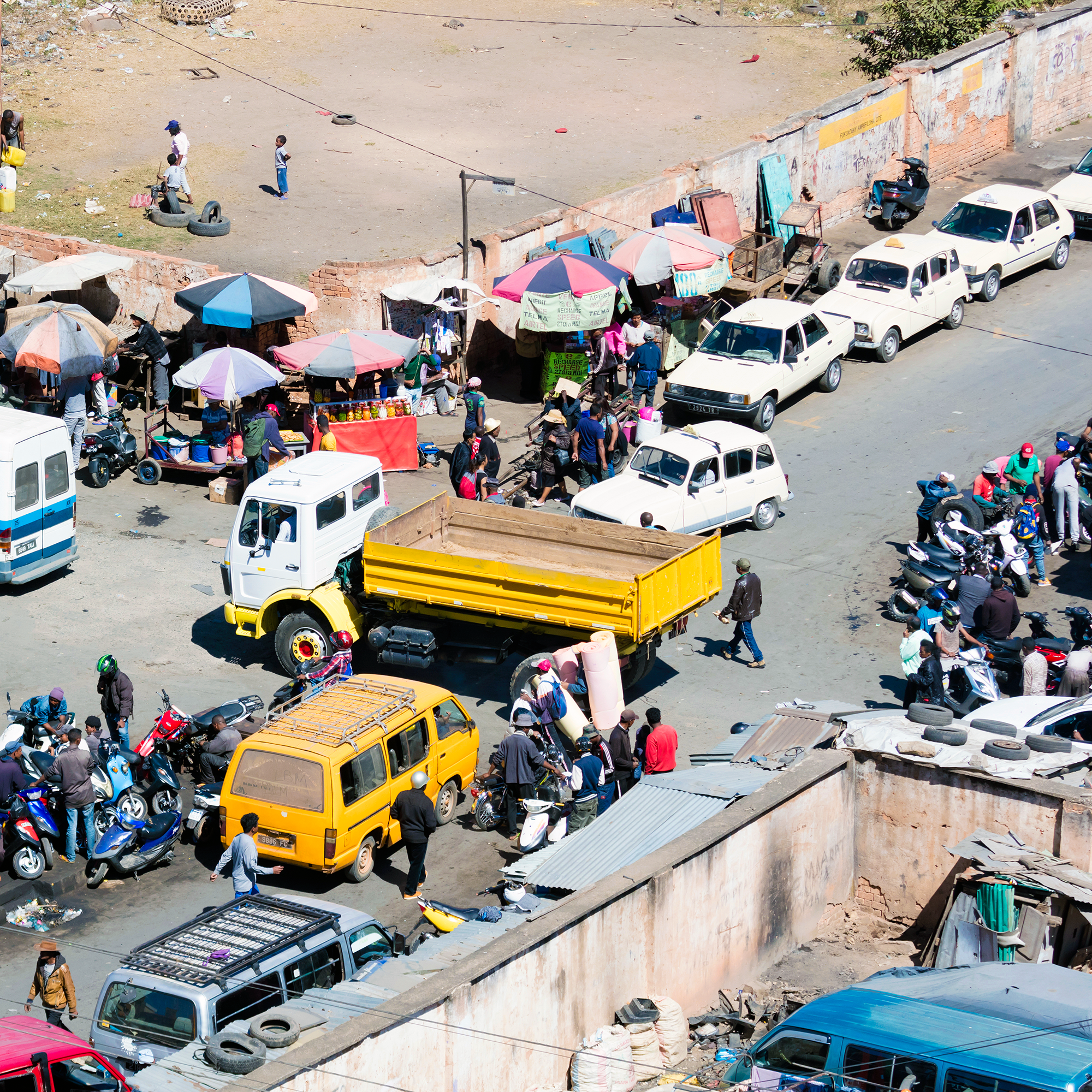 S7 Ep11: Transport policy for economic development | In cities across low- and middle-income countries, traffic crawls 24 hours a day. In Dhaka during rush hour, speeds average around 15km/h. At three in the morning, when the roads are empty, they average about 20km/h. Urban transport in the developing world is not only slow because of congestion. And so congestion policy, Adam Storeygard of Tufts University argues, gets you a small fraction of the way to solving the problems of urban transport in LMICs.That counterintuitive finding is one many themes in Storeygard's wide-ranging review of what research actually tells us about how people in LMICs get from A to B. From informal minibuses to bus rapid transit, from a field experiment in Bangalore that tested congestion pricing to the long shadow of colonial railroads still shaping African trade today, the picture that emerges is more nuanced and more interesting than many policy blueprints suggest. He tells Tim Phillips what the evidence supports, where it runs out, and why fixing the roads won’t fix everything.The research behind this episode:Storeygard, Adam. 2025. "Transport in Low- and Middle-Income Countries." NBER Working Paper 34354. Forthcoming in a special issue of Regional Science and Urban Economics.To cite this episode:Phillips, Tim. 2026. "Transport in Low- and Middle-Income Countries." VoxDev Talk (podcast). Assign this as extra listening: the citation above is formatted and ready for a reading list or VLE.About Adam StoreygardAdam Storeygard is Professor of Economics at Tufts University, where his research focuses on urbanisation, transportation, and the economic geography of the developing world, in particular sub-Saharan Africa. Much of his work uses geographic and satellite data to study how infrastructure shapes where people live, how they move, and how economies develop.Research cited in this episodeAkbar, Prottoy Aman, Victor Couture, Gilles Duranton, and Adam Storeygard. 2023. "The Fast, the Slow, and the Congested: Urban Transportation in Rich and Poor Countries." NBER Working Paper 31642. The paper behind the Dhaka finding: assembling travel speed data across 1,200 cities in 152 countries, the authors show that cities in poor countries are roughly half as fast as those in rich countries, and that most of the gap is not congestion but structural low speeds in the absence of traffic.Björkegren, Daniel, Alice Duhaut, Geetika Nagpal, and Nick Tsivanidis. 2025. "Public and Private Transit: Evidence from Lagos." Working paper. When Lagos introduced a major new public bus system, informal drivers on affected routes left, so bus frequency on those routes fell on net. The big benefit accrued to other routes that informal drivers switched to, where prices and waiting times fell. Winners and losers, not a clean gain.Franklin, Simon. 2018. "Location, Search Costs and Youth Unemployment: Experimental Evidence from Transport Subsidies." Economic Journal 128 (614). A randomised trial in Addis Ababa: providing transport subsidies to unemployed young people helped them search for and find formal jobs. Effects did not persist once subsidies ended, raising questions about how much the transport constraint itself was the binding one.Borker, Girija. 2021. "Safety First: Perceived Risk of Street Harassment and Educational Choices of Women." World Bank Policy Research Working Paper 9731. Women in Delhi attend less selective colleges than male peers with identical academic credentials, not because they are not admitted, but because of perceived harassment risk during the commute. Delhi university students overwhelmingly live with their parents, and the daily journey matters as much as the institution.Kreindler, Gabriel. 2024. "Peak-Hour Road Congestion Pricing: Experimental Evidence and Equilibrium Implications." Econometrica 92 (4). A field experiment in Bangalore, paying drivers to avoid congested areas and times. The finding: congestion pricing would produce only modest benefits in Bangalore because traffic density has a relatively moderate impact on speed there, meaning you would have to charge astronomically high prices to shift behaviour significantly.Jedwab, Remi, and Adam Storeygard. 2022. "The Average and Heterogeneous Effects of Transportation Investments: Evidence from Sub-Saharan Africa 1960–2010." Journal of the European Economic Association 20 (1). Shows how transportation infrastructure investments, including the legacy of colonial railroads built primarily to connect mines to ports, continue to shape where Africans live and how countries trade, with consequences that push African economies toward overseas rather than intra-regional commerce.More VoxDev Talks on this topicMichelson, Hope, 2026, “African agriculture's underappreciated supply side.” VoxDev Talk. How transport links are one of the many impediments that stop rural farmers from making the most of the opportunities of better agricultural inputs.Related reading on VoxDev"Urban transport infrastructure in developing countries”, the VoxDevLit review of research on urban transport in LMICs, covering buses, BRT, subways, and informal transit networks."Who wins when public transit challenges private transit?”, the Lagos bus reform discussed in this episode, with further detail on how informal drivers responded to new public routes."Perceived risk of street harassment and college choice of women in Delhi”, Girija Borker's research on how commute safety shapes women's educational choices, as discussed by Storeygard in this episode."The equitable benefits of Colombia's bus rapid transit system”, complements the discussion of BRT in Bogota, one of Storeygard's three best-evidenced cases for BRT benefits. | 24m 47s | ||||||
| 2/25/26 |  S7 Ep10: Reducing air pollution: Can markets succeed where regulation fails? | Particulate matter is, Michael Greenstone argues, the greatest public health threat on the planet. Worse than HIV, cigarettes, and alcohol. The average person loses about two years of life expectancy to it. In India, the figure is three and a half years. The solution to this problem has been tested, and it works, at least in high-income countries.Greenstone and his co-authors ran a randomised controlled trial in Surat, Gujarat: from 300 industrial plants, mostly making textiles, all burning coal, half were randomly assigned to a market where pollution permits could be bought and sold. The results: in the market, pollution fell 25%, compliance was near-perfect, and abatement costs dropped 12%. The cost-benefit ratio is as high as 200 to one. Many plants in the control group asked to be moved into the market.The research behind this episode:Greenstone, Michael, Rohini Pande, Nicholas Ryan, and Anant Sudarshan. 2025. "Can Pollution Markets Work in Developing Countries? Experimental Evidence from India." Quarterly Journal of Economics 140 (2): 1003–1060. An ungated version is available as BFI Working Paper 2025-53.To cite this episode:Phillips, Tim. 2025. "Can Pollution Markets Work in Developing Countries?" VoxDev Talk (podcast). Assign this as extra listening: the citation above is formatted and ready for a reading list or VLE.About Michael GreenstoneMichael Greenstone is the Milton Friedman Distinguished Service Professor in Economics at the University of Chicago, where he is the founding Director of the Energy Policy Institute at Chicago (EPIC) and the Institute for Climate and Sustainable Growth. His research focuses on the costs and benefits of environmental quality, including the Air Quality Life Index, which tracks the toll of particulate pollution country by country. He previously served as Chief Economist for the President's Council of Economic Advisers under President Obama. Research cited in this episodeAir Quality Life Index (AQLI), Energy Policy Institute at Chicago. The source of the life-expectancy statistics used in this episode: particulate pollution costs the average person on Earth roughly two years of life expectancy, with India averaging three and a half years. The index tracks this burden country by country, city by city.The US sulphur dioxide cap-and-trade programme, established under the 1990 Clean Air Act Amendments, was the canonical precedent Greenstone cited: a market that dramatically reduced acid rain in the eastern United States at costs far below pre-programme projections. He noted that the UK and EU have since built comparable CO2 markets. All have worked well. The question this experiment addressed was whether the same logic held in the developing world, where almost all the pollution now is.Emissions Market Accelerator. An independent scale-up organisation founded by Greenstone and colleagues to replicate the Gujarat model beyond the original research setting. Current pipeline: a statewide sulphur dioxide market for Maharashtra (including large power plants, not just textiles), and advanced conversations in Pakistan and Brazil. Within Gujarat, a water pollution market is also in development.More VoxDev Talks on this topicRegulating pollution in low- and middle-income countries Rohini Pande and Nicholas Ryan, two co-authors of the paper discussed in this episode, on the political economy of pollution regulation in developing countries: why enforcement is hard, and what makes it work.Air pollution and infant mortality Jennifer Burney on the health costs of particulate air pollution for young children, and what the evidence from Saharan dust patterns across Sub-Saharan Africa reveals about exposure and mortality.The Social Cost of Carbon Michael Greenstone's earlier VoxDev Talk, on how assigning a monetary value to carbon emissions can drive better policy decisions and make the case for action that regulation alone struggles to make.Related reading on VoxDevReducing air pollution: Evidence from payments to reduce crop burning in India How cash payments to farmers in northern India changed behaviour and cut the seasonal haze from crop fires that pushes Delhi's air quality to its worst each winter.Paying to pollute: How carbon offsets actually raised emissions in China A cautionary study on market-based pollution controls: when incentives point the wrong way, a market can make things worse rather than better.The effect of pollution on worker productivity: Evidence from call-centre workers in China Air pollution reduces cognitive performance and output, adding an economic productivity argument to the health case for cleaning the air. | 23m 16s | ||||||
| 2/19/26 |  S7 Ep9: How skilled migration from Asia reshaped the US economy | A small number of Asian countries have provided thousands of high-skilled migrants to the US, many of whom have gone on to great success. What created this long-term trend, and what has it contributed to the US economy? And with changes in domestic policy, technology, and the opportunities in other countries, will it continue? Gaurav Khanna of UC San Diego tells Tim Phillips the story of high-skilled migration to the US and warns of the consequences for the US economy if, in the future, they decide to go elsewhere – or stay at home. | 27m 54s | ||||||
| 2/12/26 | 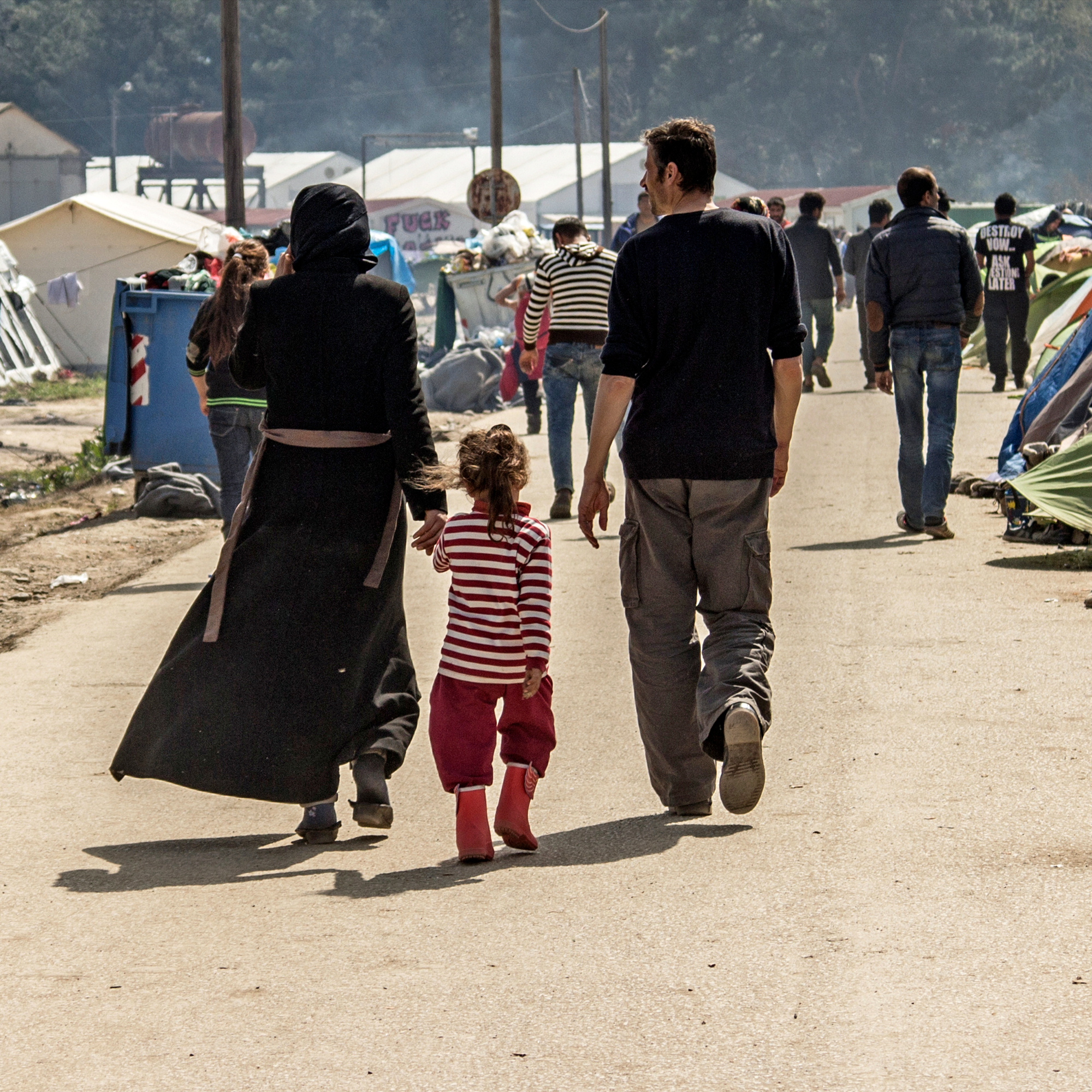 S7 Ep8: Integrating refugees: What policies work best? | With the number of global refugees continuing to rise, integrating refugees has become a difficult challenge for hosts – and it is far from easy for the refugees themselves. Dany Bahar of Brown University and Giovanni Peri of UC Davis tell Tim Phillips about a new review of the evidence that evaluates what policies have worked. | 36m 13s | ||||||
Showing 25 of 323
Pitch Fit is a Pro feature
See how bookable this show is for guests, which brands already advertise, the per-episode ad value, and the best-fit guest and sponsor profile. The numbers are blurred on the free plan.
How readily this show books outside guests like you.
How proven this show is for host-read sponsorships.
For Guests
ProFor Advertisers
ProUpgrade to Pro to unlock guest cadence, sponsor categories, fit scores, and per-episode ad value for this show.
Chart Positions
42 placements across 36 markets.
Chart Positions
42 placements across 36 markets.