Insights from recent episode analysis
Audience Interest
Podcast Focus
Publishing Consistency
Platform Reach
Insights are generated by CastFox AI using publicly available data, episode content, and proprietary models.
Most discussed topics
Brands & references
Est. Listeners
Insufficient chart data. Estimates will improve as the show charts.
- Per-Episode Audience
Est. listeners per new episode within ~30 days
N/A🎙 ~2x weekly·230 episodes·Last published 5d ago - Monthly Reach
Unique listeners across all episodes (30 days)
N/A - Active Followers
Loyal subscribers who consistently listen
N/A
Market Insights
Platform Distribution
Reach across major podcast platforms, updated hourly
Total Followers
—
Total Plays
—
Total Reviews
—
* Data sourced directly from platform APIs and aggregated hourly across all major podcast directories.
On the show
From 20 epsHosts
Recent guests
Recent episodes
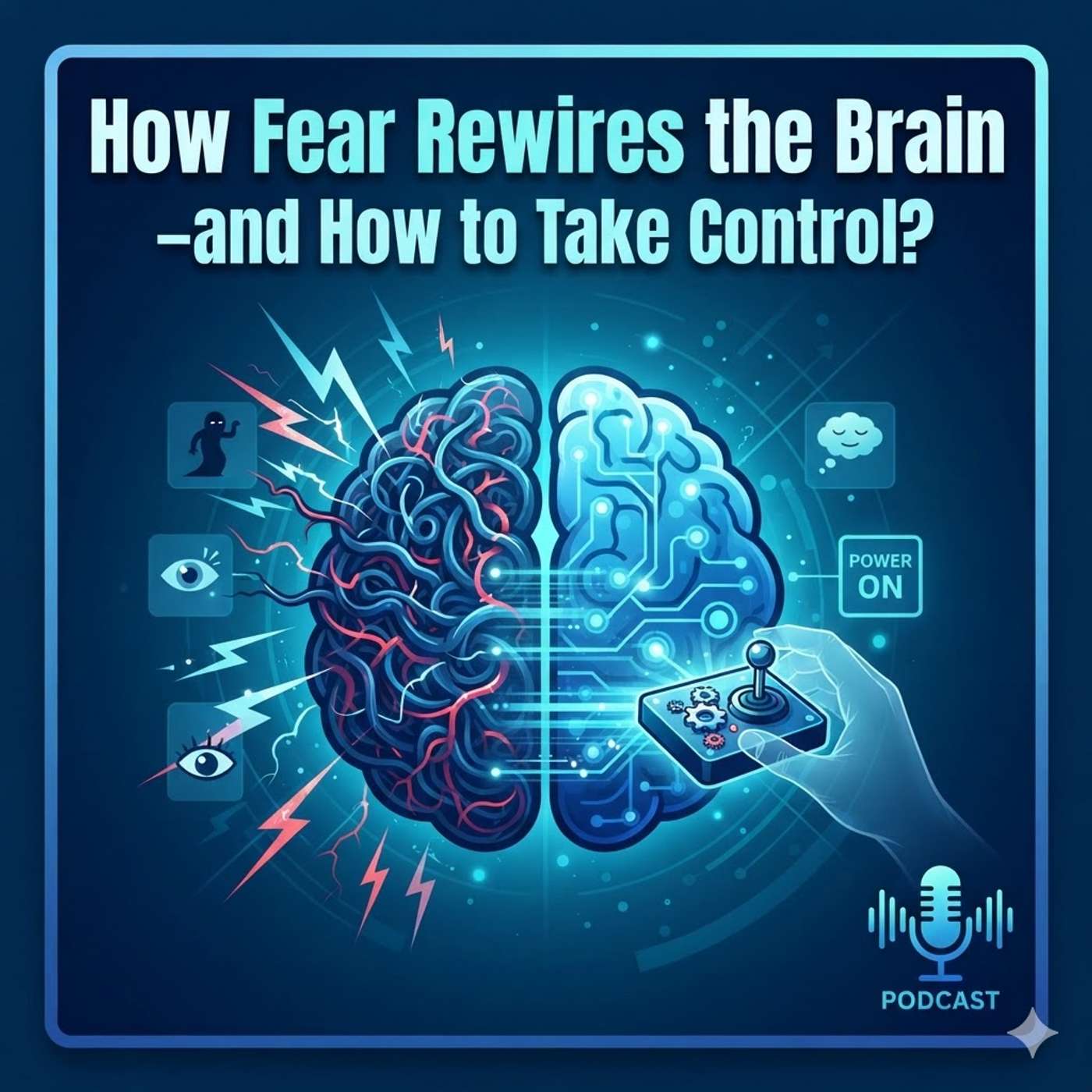
How Fear Rewires the Brain—and How to Take Control?
Jun 19, 2026
19m 10s
How Positive Parenting Rewires a Child’s Brain for Life?
Jun 19, 2026
22m 52s
Why Strong People Break Down—and How They Recover?
Jun 19, 2026
20m 54s
Why Your Morning Vitamin Routine May Be Failing?
Jun 19, 2026
21m 55s
4 Natural Migraine Remedies Backed by Clinical Research
Jun 19, 2026
20m 55s
Social Links & Contact
Official channels & resources
Official Website
Login
RSS Feed
Login
| Date | Episode | Topics | Guests | Brands | Places | Keywords | Sponsor | Length | |
|---|---|---|---|---|---|---|---|---|---|
| 6/19/26 | ![]() How Fear Rewires the Brain—and How to Take Control? | What if a single embarrassing moment could shape your behavior for decades?In this fascinating episode, Mike and Susan explore the neuroscience behind fear, anxiety, trauma, and PTSD—revealing how the brain creates powerful threat responses and, more importantly, how those responses can be changed. From childhood experiences that linger into adulthood to the biological mechanisms that drive fear-based behaviors, this conversation uncovers how the nervous system learns, adapts, and heals.You'll discover:• The biological differences between stress, anxiety, fear, and trauma • How the autonomic nervous system and HPA axis influence threat responses • Why the amygdala plays a central role in fear conditioning • The surprising connection between fear circuits and dopamine pathways • How one-trial learning can create lifelong fears in a matter of seconds • The science behind exposure therapy, CBT, and cognitive processing therapy • How ketamine and MDMA-assisted therapies are changing trauma treatment • A practical breathing protocol designed to improve stress resilience • Research-backed supplements that may help lower baseline anxiety • Why fear responses are not permanent—and how the brain can be rewiredThroughout the discussion, Mike and Susan break down complex neuroscience into accessible explanations, showing how memories become embedded in the nervous system and how new experiences can reshape those pathways.Whether you're interested in mental health, neuroscience, trauma recovery, stress management, or human performance, this episode offers powerful insights into how the brain processes fear and how people can reclaim control over their emotional responses.If you enjoyed this episode, subscribe, share it with someone who would find it valuable, and stay tuned for more conversations exploring the science behind human behavior, resilience, and personal transformation. | 19m 10s | ||||||
| 6/19/26 | ![]() How Positive Parenting Rewires a Child’s Brain for Life? | What if one of the most powerful tools for shaping a child’s future isn’t punishment, rewards, or strict discipline—but the way you speak to them every day?In this episode, Mike and guest expert Susan explore the science behind positive parenting and the surprising neurological research showing how warmth, encouragement, and intentional connection can influence a child’s brain development. From strengthening emotional regulation and resilience to improving communication and long-term mental health, this conversation reveals how everyday interactions can leave a lasting impact. You'll discover:• Why positive parenting is not the same as permissive parenting • The three core messages every child needs to receive consistently: “You are loved, you are good, and you matter” • How stress, criticism, and fear affect brain development • The role of oxytocin, dopamine, and the prefrontal cortex in emotional growth • The PRIDE framework: Praise Reflection Imitation Description Enjoyment • How specific praise builds confidence without creating entitlement • The science behind “catching the opposite good behavior” • Why five minutes of distraction-free, child-led play can have a profound developmental impact • How these communication techniques may also improve adult relationships, workplaces, and marriages Throughout the discussion, the hosts break down complex pediatric and neuroscience concepts into practical strategies parents can use immediately—from navigating grocery store meltdowns to encouraging cooperation, confidence, and healthy emotional development.Whether you're raising toddlers, guiding teenagers, or simply interested in how human connection shapes behavior, this episode offers actionable insights into creating an environment where children can thrive.If you enjoyed this episode, subscribe, share it with other parents and caregivers, and join us for more conversations that turn cutting-edge research into practical everyday strategies. Thanks for listening. | 22m 52s | ||||||
| 6/19/26 | ![]() Why Strong People Break Down—and How They Recover? | What do you do when life becomes too much to carry?In this powerful conversation, Mike and Susan explore what happens when stress, grief, burnout, and emotional overload push us beyond our limits. From overwhelming personal crises to the slow accumulation of everyday pressure, they uncover why even the strongest and most dependable people can reach a breaking point.Through compelling stories, practical psychology, and memorable metaphors, this episode examines what happens when old coping mechanisms stop working—and why that moment may be the beginning of meaningful change rather than the end of the road.Inside this episode:• Why chronic stress can overwhelm the brain's natural resilience systems • The difference between genuine growth and toxic positivity • How crises reveal outdated coping mechanisms • A simple three-step framework for navigating overwhelming situations • The role of grounding techniques in calming the nervous system • Why hyper-independence often hides deeper emotional wounds • The importance of asking for help before emotional exhaustion takes over • How burnout develops through everyday stress accumulation • Why "failing in new ways" can be healthier than repeating old patterns • Practical insights on boundaries, self-compassion, and emotional recoveryAlong the way, Mike and Susan discuss powerful real-world examples involving grief, family dynamics, first-responder trauma, burnout, and the courage required to build healthier ways of navigating life's challenges.If you've ever felt like you're treading water while wave after wave crashes down around you, this episode offers a compassionate and practical perspective on rebuilding resilience, expanding your capacity, and creating healthier ways to move forward.Subscribe, follow, and share this episode with someone who may need encouragement during a difficult season. New conversations are released regularly to help you navigate life, mindset, growth, and personal well-being. | 20m 54s | ||||||
| 6/19/26 | ![]() Why Your Morning Vitamin Routine May Be Failing? | Are your daily vitamins actually helping—or could your routine be working against you?In this episode, Mike and Susan break down the science behind supplement timing, uncovering why common habits like taking vitamins with coffee on an empty stomach may reduce absorption, waste money, and even contribute to digestive discomfort. From vitamin D and magnesium to iron, calcium, zinc, and vitamin C, they explore how your body's chemistry influences whether supplements help or hinder your health goals. Inside this episode:• Why water-soluble vitamins like B-complex and vitamin C behave differently from fat-soluble vitamins • The surprising reason vitamins A, D, E, and K need dietary fat for proper absorption • How coffee and tea can significantly reduce iron absorption • The ongoing competition between calcium and iron inside the digestive system • Why some supplements trigger nausea, stomach pain, or acid reflux • The "tummy ache trio" and how to avoid common supplement mistakes • How magnesium activates vitamin D and supports better sleep • The powerful partnership between vitamins D and K • Which forms of magnesium may disrupt sleep—and which may improve it • A practical daily supplement schedule designed around real human biologyMike and Susan also explore a bigger question: are modern supplement habits aligned with how the human body evolved to process nutrients? Their discussion challenges the idea that swallowing a handful of pills is always the fastest path to better health.Whether you're taking a daily multivitamin, supplementing with iron, or trying to optimize your wellness routine, this conversation offers actionable insights to help you get more value from every dose.Subscribe for more evidence-based discussions that help you make smarter decisions about health, nutrition, and everyday wellness. If you found this episode helpful, share it with someone who starts their day with vitamins and coffee. | 21m 55s | ||||||
| 6/19/26 | ![]() 4 Natural Migraine Remedies Backed by Clinical Research | Migraines are far more than headaches. They can disrupt your entire nervous system, affect digestion, trigger sensory overload, and bring daily life to a halt. In this episode, Mike and Susan cut through the misinformation surrounding natural migraine remedies and examine what clinical research actually says about four widely discussed approaches to migraine relief and prevention. You'll learn how different non-drug strategies may influence the body's neurological and physiological responses during a migraine attack, where the evidence is strongest, and why working with a healthcare provider remains essential.In this episode, we explore:• Lavender essential oil and its potential connection to the brain's emotional and pain-processing centers • Ginger's role in addressing both migraine pain and nausea • How acupressure may influence pain signaling and migraine frequency • Magnesium deficiency and its potential connection to migraine development • What large clinical reviews reveal about the effectiveness of natural remedies • The difference between symptom management and long-term prevention • Why individualized medical guidance matters when considering supplements or alternative therapiesThroughout the conversation, Mike and Susan break down complex medical concepts into practical, easy-to-understand explanations while highlighting both the promise and limitations of current research.Whether you're searching for additional migraine management tools, looking to better understand the science behind natural remedies, or preparing for a conversation with your healthcare provider, this episode delivers a balanced, evidence-focused perspective.Subscribe for more deep dives into health, wellness, and the science behind everyday medical questions. Share this episode with someone who struggles with migraines and wants clear, research-based information without the hype. | 20m 55s | ||||||
| 6/19/26 | ![]() Why Investors Pour Billions Into Companies Losing Money | What happens when losing money becomes a strategy?In this episode of VPOD.ai, Mike and Susan explore the upside-down world of venture capital, where startups can burn billions, avoid profits for years, and still earn valuations that rival small nations. From AI megadeals and concentrated funding to subsidized rides, food delivery, and the illusion of growth, this conversation unpacks why investors keep betting on companies that appear financially broken.The episode digs into:• Why venture capital now operates like a barbell, favoring tiny agile teams and massive frontier AI infrastructure companies • How “aspirational accounting” reframes losses as future monopoly power • The difference between developmental unprofitability and structural unprofitability • Why companies like Amazon, Tesla, and Nvidia turned early losses into long-term advantages • How MoviePass and WeWork exposed the danger of broken business models hidden behind growth narratives • Why AI’s biggest winners may be infrastructure, energy, cooling, chips, and power-grid companies • How cheap money delayed the shift from market storytelling to financial realityMike and Susan also challenge listeners to rethink the convenient app-based services they use every day. Are customers paying the real cost of labor, logistics, gas, insurance, and infrastructure? Or are venture funds quietly subsidizing daily life to inflate user growth?Tune in for a sharp, conversational breakdown of venture capital, startup economics, AI investment, market hype, and the moment when every business story finally has to meet the math.Subscribe, share the episode, and visit vpod.ai to explore more conversations on the forces shaping business, technology, and the global economy. | 24m 09s | ||||||
| 6/19/26 | ![]() How Trust Becomes the Ultimate Competitive Advantage? | What does Alexander Hamilton’s 1791 Report on Manufactures have to do with artificial intelligence, synthetic biology, robotics, and the future of work?In this episode of vpod.ai, Mike and Susan explore the long history of permissionless innovation: the idea that experimentation should be allowed by default unless serious harm is proven. Starting with America’s early industrial ambitions, they unpack how Hamilton’s era turned knowledge into capability, and why that same tension between builders and gatekeepers still shapes today’s economy. The conversation moves from textile mills to AI infrastructure, regulatory sandboxes, fintech, defense procurement, healthcare technology, and the rise of trust as a scarce asset in a world where anyone can appear competent online.You’ll hear about:• Why early American innovation was messy, defiant, and strategically necessary • How overapplied caution can protect incumbents instead of the public • Why failure is essential for learning in frontier innovation • How regulatory sandboxes can support safer experimentation • The growing divide between AI-powered creators and infrastructure gatekeepers • Why credibility, identity, audits, and accountability may define the next era of business • How AI is reshaping jobs through task rebundling, not just automationMike and Susan also challenge the old “move fast and break things” mindset, replacing it with a sharper framework for the AI age: move fast and learn things, move fast and repair things.Tune in for a timely conversation on innovation, regulation, entrepreneurship, and the future of trust in an economy where building is easier than ever, but proving credibility is becoming the real challenge.Subscribe to vpod.ai for more conversations on technology, markets, strategy, and the forces shaping the modern economy. | 12m 06s | ||||||
| 6/19/26 | ![]() The Sleep Window That Could Slow Biological Aging | Could the most powerful anti-aging tool be something you already do every night?In this episode, host Mike and guest expert Susan dive into fascinating research published in Nature that explores the connection between sleep duration and biological aging. Drawing from data collected from nearly half a million participants, they unpack how sleep influences the aging process across multiple organ systems—including the brain, liver, immune system, pancreas, and cardiovascular system. Topics discussed include:• The critical difference between chronological age and biological age • The scientifically identified sleep range associated with healthier aging • Why both too little and too much sleep may accelerate biological aging • How chronic sleep deprivation increases inflammation and metabolic stress • The hidden impact of cortisol, insulin resistance, and organ wear • Why productivity and caffeine can mask biological damage • The surprising relationship between oversleeping and underlying health conditions • The importance of sleep quality, continuity, and circadian consistency • How sleep apnea and fragmented sleep affect long-term health • The body's nightly repair processes, including brain waste removal and cellular restorationThroughout the conversation, Mike and Susan explain why sleep should be viewed as an active biological maintenance system rather than passive downtime. They also examine the limitations of sleep studies, the role of sleep quality versus sleep quantity, and practical ways listeners can evaluate their own sleep health. Whether you're focused on longevity, wellness, performance, or healthy aging, this episode offers a compelling look at one of the most overlooked factors influencing your long-term health.Subscribe for more science-backed conversations on health, longevity, nutrition, and human performance. Share this episode with someone who values better sleep, and join us next time for more insights into optimizing your well-being. | 23m 10s | ||||||
| 6/19/26 | ![]() Protein-Packed Breakfasts for All-Day Energy and Focus | Most people start their morning believing they're making a healthy choice—pouring a bowl of cereal, grabbing instant oatmeal, or reaching for a quick pastry. But what if those convenient breakfast habits are actually setting you up for fatigue, cravings, and an energy crash before lunch?In this episode, Mike and Susan explore the science behind breakfast, blood sugar, and sustained energy. They break down how protein, fiber, and healthy fats work together to slow digestion, improve satiety, and support more consistent energy throughout the day.You'll learn why many popular breakfast foods trigger dramatic glucose spikes, how protein-rich alternatives can change the way your body processes food, and practical strategies for preparing convenient breakfasts that align with your physiology.Topics covered include:• Why cereal, pastries, and sugary breakfasts often lead to mid-morning crashes • The role of protein, fiber, and healthy fats in stabilizing blood sugar • How slowing gastric emptying supports sustained energy • High-protein waffles made with eggs, oat flour, and cottage cheese • Greek yogurt popsicles and the science of probiotics • Baked oatmeal enhanced with hemp hearts and protein-rich ingredients • The historical role of collagen in ancestral diets • Why vitamin C is important for collagen utilization • Freeze-friendly breakfast casseroles and meal-prep strategies • Easy quiche preparation techniques that reduce cooking friction • How better breakfast choices can reduce decision fatigue and cravingsWhether you're looking to improve focus, reduce hunger throughout the day, or simply create a more sustainable morning routine, this conversation offers practical ideas backed by nutrition and food science concepts.Subscribe for more discussions on nutrition, health, food science, and everyday habits that can help you perform at your best. If you enjoyed this episode, share it with someone who's tired of battling morning energy crashes and looking for a smarter approach to breakfast. | 19m 16s | ||||||
| 6/19/26 | ![]() Your Gut’s Second Brain: How Microbes Shape Mood and Memory? | What if the feelings you experience every day—stress, calm, happiness, anxiety, even mental clarity—are being influenced by something far beyond your conscious mind?In this episode, Mike and Susan explore the remarkable science behind the gut-brain connection and reveal why researchers increasingly refer to the digestive system as the body's “second brain.” From the vagus nerve and neurotransmitters to the gut microbiome and inflammation, this conversation uncovers how trillions of microorganisms may play a central role in shaping emotional well-being, cognitive function, and long-term brain health. Key topics discussed:• What the enteric nervous system is and why scientists call it the second brain • How the vagus nerve creates a two-way communication network between the gut and the brain • The role of gut bacteria in producing compounds linked to mood regulation • How butyrate helps support the blood-brain barrier • The connection between GABA, serotonin, and emotional balance • What dysbiosis is and how microbial imbalance may contribute to inflammation • The emerging links between gut health, anxiety, depression, and neurodegenerative conditions • Why fiber-rich foods and fermented foods may support a healthier microbiome • How chronic stress can physically alter the digestive system • The future of personalized microbiome-based medicineThis episode challenges the traditional view that the brain operates independently from the rest of the body. Instead, it presents a fascinating look at how digestion, immunity, mental health, and neurological function are deeply interconnected through an ongoing biological conversation happening inside us every day.If you're interested in neuroscience, gut health, mental wellness, longevity, or the future of medicine, this discussion offers a compelling look at one of the most rapidly evolving areas of scientific research.Subscribe for more conversations that explore the science, technology, and discoveries shaping our understanding of the human body and mind. Share this episode with someone curious about how everyday health choices may influence long-term brain function and emotional well-being. | 23m 23s | ||||||
Want analysis for the episodes below?Free for Pro Submit a request, we'll have your selected episodes analyzed within an hour. Free, at no cost to you, for Pro users. | |||||||||
| 6/15/26 | ![]() Lower Blood Sugar Naturally With These 10 Powerful Foods | Most blood sugar advice focuses on restriction: cut carbs, skip sugar, eliminate more foods. But this episode flips that script.Mike and Susan explore how specific foods can act as biological instructions for the body, supporting insulin sensitivity, glucose control, liver function, muscle health, and gut microbiome balance. Instead of only focusing on what to remove, this conversation highlights what to add.In this episode, you’ll hear how: Ceylon cinnamon may help improve cellular insulin signaling Fenugreek seeds can support glucose-dependent insulin release Broccoli sprouts activate NRF2 and help regulate liver glucose output Grass-fed beef and avocados support fat metabolism and insulin sensitivity Eggs help build the muscle “fuel tank” that stores glucose Fatty fish supports healthier cell membranes with EPA and DHA Walnuts may increase adiponectin and support metabolic health Chia seeds slow carbohydrate absorption through their gel-like fiber Chickpeas feed gut bacteria that produce butyrate, a key metabolic signal This episode connects everyday foods with the cellular mechanisms behind blood sugar regulation, from insulin receptors and liver glucose production to inflammation, resistant starch, and the gut microbiome.Tune in to learn how your dinner plate may be sending powerful signals to your metabolism with every bite. Subscribe, share the episode, and follow Vpaw.ai for more conversations on nutrition, metabolic health, and practical wellness. | 24m 36s | ||||||
| 6/15/26 | ![]() Debt Snowball Strategy: Pay Off Debt Fast on Low Income | Massive debt can feel impossible to tackle when your income is already stretched thin. In this episode of vpod.ai, Mike and Susan break down a focused, no-excuses strategy for paying off bad debt quickly, even when there is little room for financial mistakes. This conversation walks through a practical debt payoff playbook built around momentum, discipline, and behavior change. Instead of relying on traditional advice that starts with interest rates, the episode explains why paying debts from smallest balance to largest can create the psychological wins needed to stay committed.Listeners will learn how to: List and organize bad debt from smallest to largest Separate bad debt from appreciating assets like a mortgage Call creditors and negotiate lower payoff amounts Avoid the debt consolidation trap Build a zero-based budget on low or fluctuating income Use the debt snowball method to create fast momentum Stay motivated with tunnel vision and small celebrations Mike and Susan also explore the mindset shift required to treat debt payoff like a survival priority, not an afterthought. From cutting spending to boosting income with side gigs or overtime, this episode gives listeners a clear path for turning financial pressure into progress.By the end, the message is clear: the same discipline used to destroy debt can become the foundation for building wealth. Tune in, stay focused, and start rolling your debt snowball toward financial freedom.Subscribe to vpod.ai for more practical conversations that help you take control of money, mindset, and momentum. | 15m 13s | ||||||
| 6/15/26 | ![]() Visceral Fat: The Hidden Danger Your Scale Can’t Measure | What if the number on your bathroom scale is hiding the most important part of your health story?In this episode of vod.ai, Mike and Susan take a deep look at visceral fat: the dangerous internal fat packed around your liver, stomach, and intestines. Unlike the soft fat under your skin, visceral fat acts like an active endocrine organ, releasing inflammatory signals that can contribute to insulin resistance, type 2 diabetes, fatty liver disease, and cardiovascular issues.But there is good news: according to the clinical literature discussed in this episode, visceral fat is also highly metabolically active, which means the body can respond quickly when given the right signals. In this episode, you’ll hear: Why visceral fat is more dangerous than the fat you can pinch How colorful carotenoid-rich foods may help shift the body toward fat oxidation Why green tea catechins can interfere with fat absorption and extend fat-burning signals Why exercise targets visceral fat more effectively than dieting alone How moderate to vigorous cardio can reduce internal fat even when the scale does not move Why crash dieting can backfire by slowing metabolism and protecting emergency fat stores How to use the talk test to find the right cardio intensity without expensive gear Mike and Susan also break down why the scale can be such a misleading tool. Exercise can increase blood volume, muscle fuel storage, water retention, and bone density while visceral fat is shrinking inside the body. That means your internal health can improve dramatically even when your body weight barely changes.The practical formula is simple: eat more deeply colored vegetables, choose minimally processed green tea like matcha or sencha, move at a moderate to vigorous intensity a few times per week, and stop judging metabolic progress by weight alone.Tune in for a science-backed, motivating conversation about burning the toxic “bubble wrap” around your organs from the inside out.Subscribe, share this episode with someone frustrated by the scale, and keep listening to vod.ai for more conversations that turn medical research into practical health action. | 23m 20s | ||||||
| 6/15/26 | ![]() 2026 Cancer Statistics: The Most Common Types in the US | Cancer statistics can feel overwhelming, but this episode turns the numbers into a practical health road map.Mike and Susan break down the 2025 landscape of the most common cancer types in the United States, focusing on why breast, prostate, lung, and colorectal cancers account for such a large share of new diagnoses. Instead of treating cancer risk as one giant unknown, they explain how a small group of major diseases dominates the numbers and why that matters for screening, prevention, and personal health conversations.You’ll hear why some cancers are diagnosed more often but have better survival outcomes, while others, like lung cancer, can remain hidden until later stages. The episode also explores the difference between solid tumors and systemic blood cancers, including why leukemia can carry a higher death toll despite fewer cases.Topics covered include:• The four most common cancer types projected for 2025 • Why breast, prostate, lung, and colorectal cancers dominate case numbers • How mammograms, colonoscopies, PSA tests, and low-dose CT scans help with early detection • Why lung cancer is often more dangerous despite fewer diagnoses • The difference between solid tumors and blood cancers • How CAR T-cell therapy is changing treatment for some systemic cancers • Why personal risk, family history, and screening conversations matterThis episode offers clarity instead of fear, helping listeners see cancer data as a guide for action rather than a list of intimidating numbers. Tune in for a clear, practical look at cancer risk, screening priorities, and the research that could change outcomes in the years ahead.Subscribe, share this episode, and bring these questions to your next checkup. | 17m 36s | ||||||
| 6/15/26 | ![]() Direct Express Changes: What 3.4 Million Americans Must Know? | What happens when 3.4 million Americans depend on a single debit card to access their Social Security, veterans benefits, and federal payments—and that entire system suddenly begins changing?In this episode, Mike and Susan take a deep dive into the major Direct Express transition currently underway as the U.S. Treasury moves the program from Comerica Bank to Fifth Third Bank. While the change is designed to modernize the system and improve reliability, it also introduces new risks, confusion, and opportunities for scammers targeting vulnerable beneficiaries.You'll learn why the transition is happening, what the Treasury hopes to accomplish, how the migration process is being rolled out, and the critical steps cardholders can take to protect themselves during this historic shift.In this episode:• Why approximately 3.4 million Americans rely on Direct Express as their primary financial lifeline • The Treasury Department's plan to transition the program to Fifth Third Bank • The controversy surrounding Comerica and the regulatory scrutiny that led to change • How the phased rollout is designed to avoid disruptions to benefit payments • What beneficiaries should expect when receiving new Direct Express cards • The growing wave of phishing scams exploiting confusion around the transition • Warning signs that a text message, email, or phone call may be fraudulent • Steps to take immediately if your account information is compromised • The future of digital wallets, virtual cards, and federal benefit distribution • The challenge of balancing stronger security with accessibility for older and unbanked AmericansThis conversation breaks down the financial infrastructure, consumer protection concerns, fraud prevention strategies, and technology upgrades shaping the future of federal benefits distribution.If you or someone you know relies on Direct Express, Social Security benefits, veterans benefits, or other federal payments, this episode provides practical information to help navigate the transition safely.Subscribe for more in-depth conversations that simplify complex financial, technology, and public policy developments affecting everyday Americans. | 26m 48s | ||||||
| 6/15/26 | ![]() Blood Pressure Medications: Hidden Risks You Need to Know | Blood pressure medications save lives every day—but what happens when the same drugs protecting your heart begin altering the delicate balance of your body's internal systems?In this episode, Mike and guest expert Susan take a deep dive into the biological mechanics behind common blood pressure medications and the serious side effects that can occur when the body's cardiovascular, kidney, and electrolyte systems are pushed beyond their limits. Rather than focusing solely on medication benefits, they explore the physiological trade-offs that every patient should understand.From electrolyte imbalances and kidney function to dangerous swelling reactions and sudden drops in blood pressure, this conversation breaks down complex medical concepts into practical insights that help listeners better understand how these medications interact with the body's natural processes.In this episode, you'll learn:• How diuretics affect sodium, potassium, and magnesium levels • Why electrolyte imbalances can impact muscles, nerves, and heart rhythm • The difference between hypokalemia and hyperkalemia • How ACE inhibitors and ARBs influence potassium retention • Why routine blood testing is critical for medication monitoring • The science behind angioedema and why facial swelling is a medical emergency • How orthostatic hypotension can increase the risk of falls and injury • Why standing up too quickly can become dangerous while taking certain medications • The surprising connection between dehydration, NSAIDs, and acute kidney injury • How common medications like ibuprofen may interact with blood pressure treatments • The role kidneys play in regulating blood pressure and filtration • Why hydration and daily habits matter when managing cardiovascular healthThis episode offers an educational look at the mechanics behind blood pressure medications, helping listeners better understand how these treatments work and why careful monitoring is essential.If you enjoy evidence-based health discussions that explore the science behind everyday medical decisions, subscribe, share this episode, and join us for more conversations that make complex health topics easier to understand. | 15m 55s | ||||||
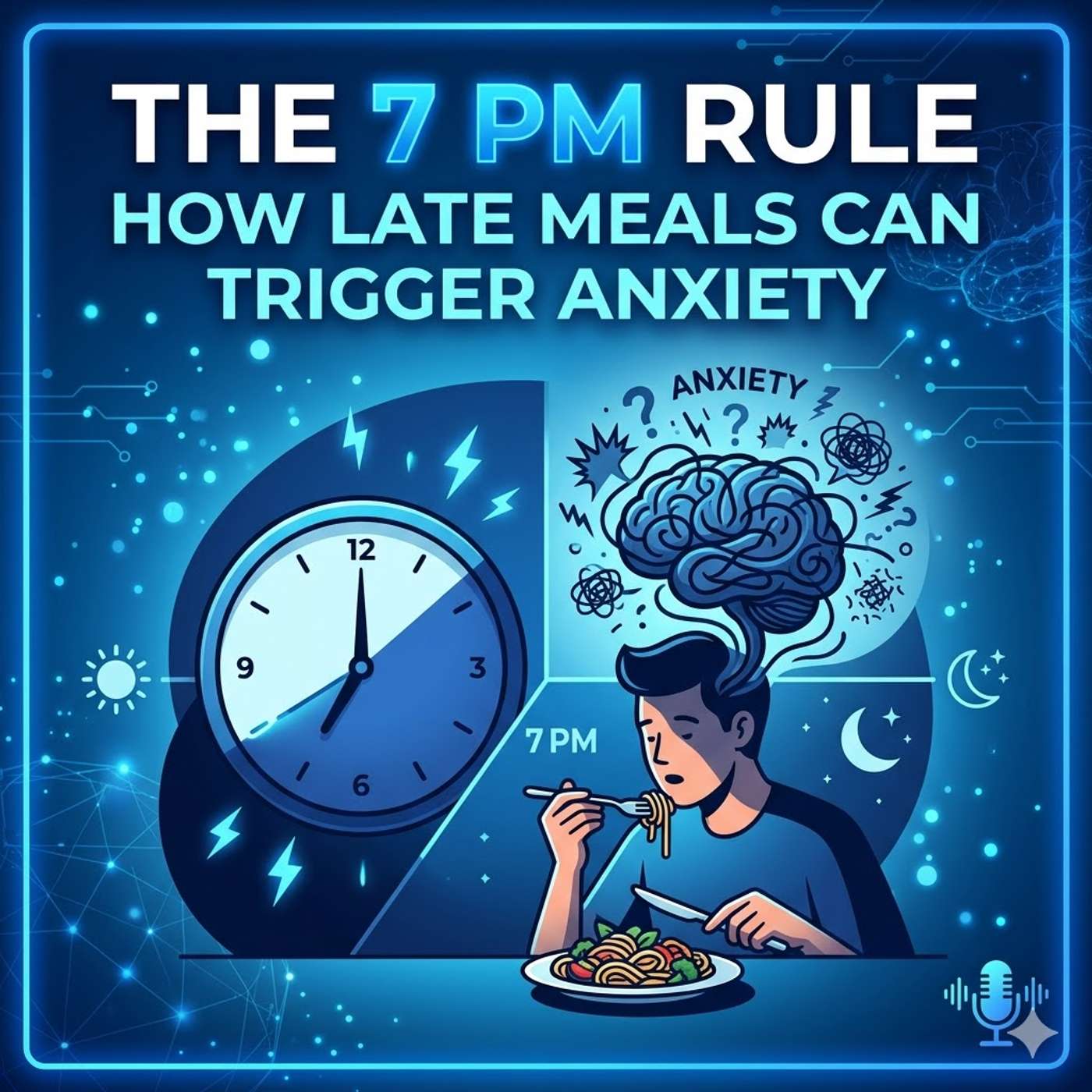
| 6/3/26 | ![]() The 7 PM Rule: How Late Meals Can Trigger Anxiety?✨ | nighttime anxietymental health+4 | — | Windmind HealthUpwell Medical Clinic | — | 7 PM Ruleanxiety+7 | — | 23m 46s | |
| 6/2/26 | ![]() Why “More Is Better” Fails with Vitamins and Minerals?✨ | dietary supplementsvitamins and minerals+4 | — | multivitaminmagnesium+7 | smokers | vitaminsminerals+7 | — | 22m 27s | |
| 6/1/26 | ![]() Why Social Security Benefits Are Still Losing Value?✨ | Social Securityinflation+5 | Susan | Social Security | — | Social Security benefitsCOLA+7 | — | 10m 49s | |
| 5/25/26 | ![]() Can Cleaner Air Make Your Brain 12% Faster After 40?✨ | indoor air qualitycognitive performance+4 | Susan | HEPAPM2.5+1 | — | cognitive speedair pollution+6 | — | 20m 38s | |
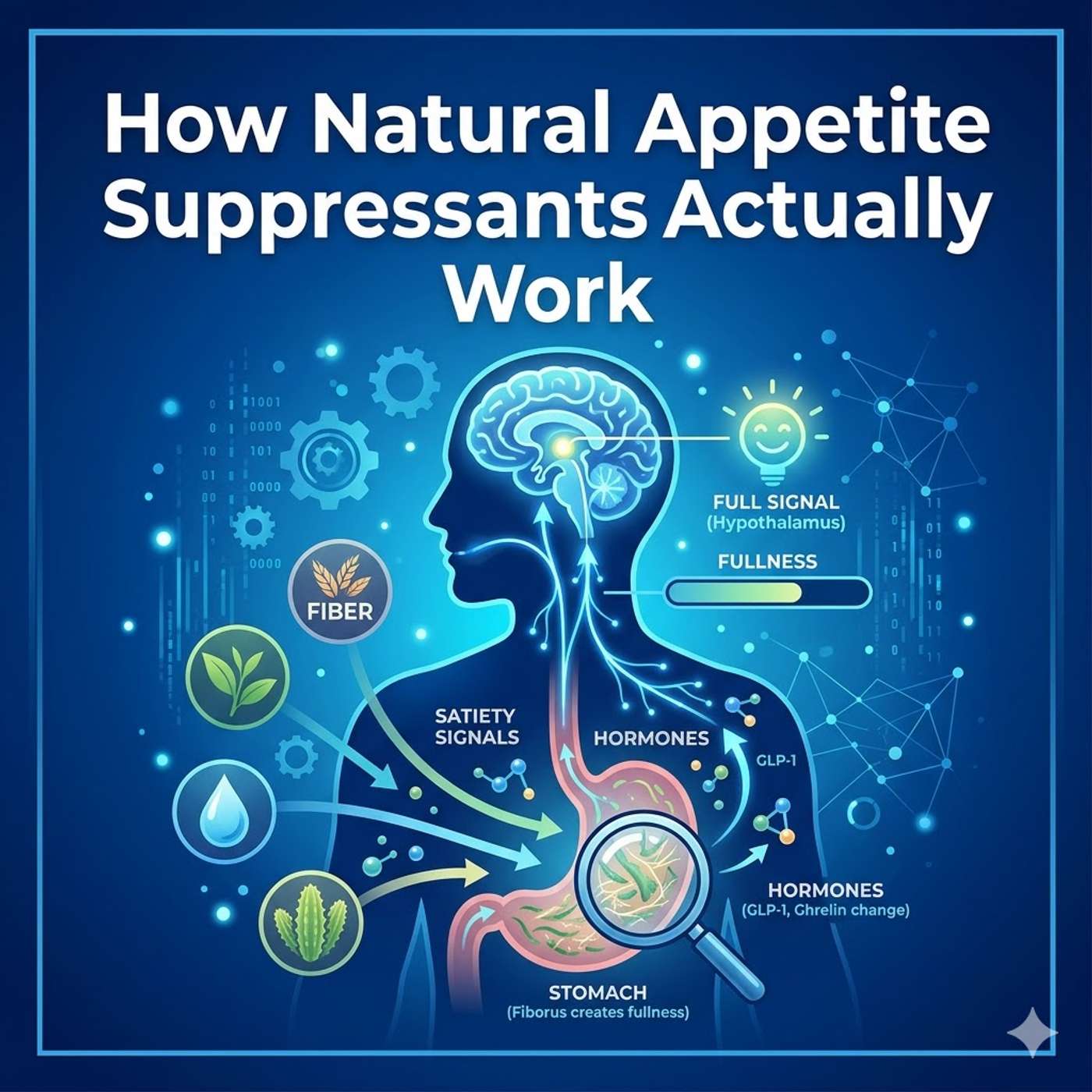
| 5/22/26 | ![]() How Natural Appetite Suppressants Actually Work?✨ | appetite suppressionplant-based remedies+5 | — | green tea extractGarcinia Cambogia+6 | — | appetite suppressantsplant-based+5 | — | 24m 14s | |
| 5/18/26 | ![]() The Curse of Awareness and Modern Society✨ | social awarenesspsychology+5 | — | social media platforms | — | curse of awarenesssocial scripts+6 | — | 21m 57s | |
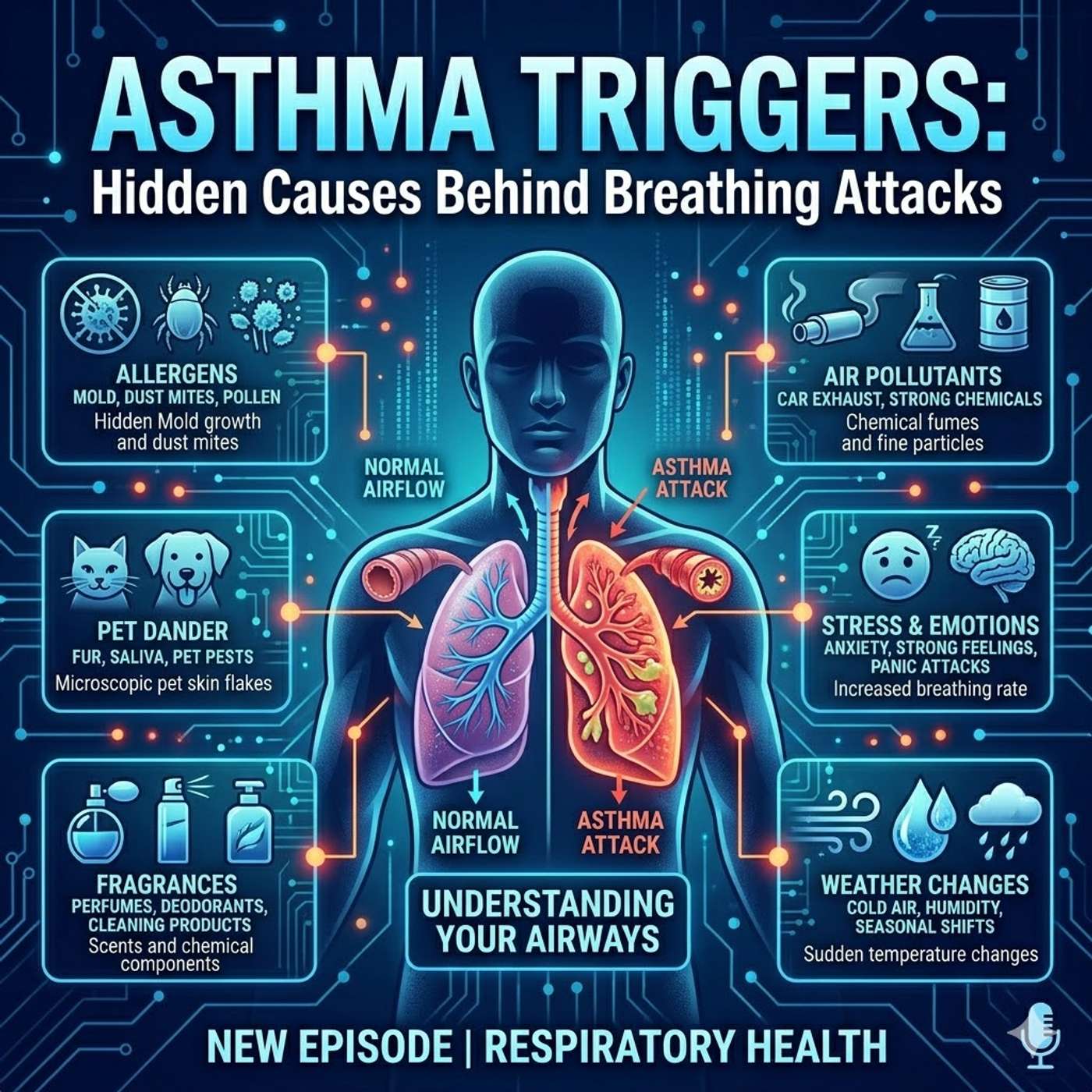
| 5/15/26 | ![]() Asthma Triggers: Hidden Causes Behind Breathing Attacks✨ | asthmatriggers+4 | Susan | vpod.ai | — | asthmatriggers+5 | — | 21m 45s | |
| 5/12/26 | ![]() Deadly Cruise Outbreak: Andes Virus at Sea✨ | medical crisisAndes virus+4 | — | MV Andiushantavirus pulmonary syndrome | South Atlanticinternational borders+2 | Andes virusMV Andius+5 | — | 19m 55s | |
| 5/11/26 | ![]() Best Time to Walk: Burn Fat, Balance Sugar, Sleep Better✨ | walking benefitshealth+4 | — | vpod.ai | — | walkingfat burning+5 | — | 22m 09s | |
Showing 25 of 268
Pitch Fit is a Pro feature
See how bookable this show is for guests, which brands already advertise, the per-episode ad value, and the best-fit guest and sponsor profile. The numbers are blurred on the free plan.
How readily this show books outside guests like you.
How proven this show is for host-read sponsorships.
For Guests
ProFor Advertisers
ProUpgrade to Pro to unlock guest cadence, sponsor categories, fit scores, and per-episode ad value for this show.