
Insights from recent episode analysis
Audience Interest
Podcast Focus
Publishing Consistency
Platform Reach
Insights are generated by CastFox AI using publicly available data, episode content, and proprietary models.
Most discussed topics
Brands & references
Est. Listeners
Insufficient chart data. Estimates will improve as the show charts.
- Per-Episode Audience
Est. listeners per new episode within ~30 days
N/A🎙 Weekly cadence·152 episodes·Last published 4w ago - Monthly Reach
Unique listeners across all episodes (30 days)
N/A - Active Followers
Loyal subscribers who consistently listen
N/A
Market Insights
Platform Distribution
Reach across major podcast platforms, updated hourly
Total Followers
—
Total Plays
—
Total Reviews
—
* Data sourced directly from platform APIs and aggregated hourly across all major podcast directories.
On the show
From 10 epsHost
Recent guests
Recent episodes
Zwischen Spitzensportförderung & Strukturproblemen – Tarek Elias über die Zukunft des Wasserballs in Deutschland
May 30, 2026
32m 00s
Athleten Deutschland im Gespräch – Wie Sportpolitik Spitzensportler wirklich beeinflusst | Tarek Elias
May 23, 2026
35m 29s
Karl Izzo on Malta’s Water Polo Reform: Coaching Standards, League Expansion & the Future of 4x4
Mar 7, 2026
15m 39s
Karl Izzo on Malta’s rise: Hosting europe’s biggest Waterpolo events & building a sustainable future
Feb 28, 2026
15m 46s
Gergely Kiss on Olympic Glory, MVP Honors & Life After Water Polo (Part 2)
Feb 21, 2026
18m 34s
Social Links & Contact
Official channels & resources
Official Website
Login
RSS Feed
Login
| Date | Episode | Topics | Guests | Brands | Places | Keywords | Sponsor | Length | |
|---|---|---|---|---|---|---|---|---|---|
| 5/30/26 |  Zwischen Spitzensportförderung & Strukturproblemen – Tarek Elias über die Zukunft des Wasserballs in Deutschland✨ | WasserballTrainerentwicklung+4 | Tarek Elias | Athleten Deutschland | — | WasserballTrainerentwicklung+5 | — | 32m 00s | |
| 5/23/26 |  Athleten Deutschland im Gespräch – Wie Sportpolitik Spitzensportler wirklich beeinflusst | Tarek Elias✨ | AthletenvertretungSportpolitik+4 | Tarek Elias | Athleten DeutschlandDOSB+1 | — | Athleten DeutschlandSportpolitik+4 | — | 35m 29s | |
| 3/7/26 |  Karl Izzo on Malta’s Water Polo Reform: Coaching Standards, League Expansion & the Future of 4x4✨ | water polo reformcoaching standards+4 | Karl Izzo | Malta Aquatics FederationEuropean Aquatics Technical Water Polo Committee | Malta | water polocoaching certification+5 | — | 15m 39s | |
| 2/28/26 |  Karl Izzo on Malta’s rise: Hosting europe’s biggest Waterpolo events & building a sustainable future✨ | water polosports governance+4 | Karl Izzo | Malta Aquatics FederationEuropean Aquatics+1 | MaltaBelgrade | Maltawater polo+5 | — | 15m 46s | |
| 2/21/26 |  Gergely Kiss on Olympic Glory, MVP Honors & Life After Water Polo (Part 2)✨ | Olympic experiencemindset of champions+4 | Gergely Kiss | — | SydneyAthens | Olympic Villagegold medals+5 | — | 18m 34s | |
| 2/14/26 |  Gergely Kiss on Winning Three Olympic Gold Medals & the Hungarian Championship Mindset✨ | Olympic gold medalsHungarian water polo+4 | Gergely Kiss | Hungarian national team | HungaryWestern Europe+2 | water poloOlympic gold+5 | — | 22m 14s | |
| 12/20/25 |  „Wir müssen die Rahmenbedingungen verbessern“ – Sascha Seifert über Bundesliga, Nachwuchs und Sichtbarkeit✨ | WasserballBundesliga+4 | Sascha Seifert | ASC DuisburgBundesliga | Deutschland | WasserballBundesliga+5 | — | 35m 34s | |
| 12/13/25 | 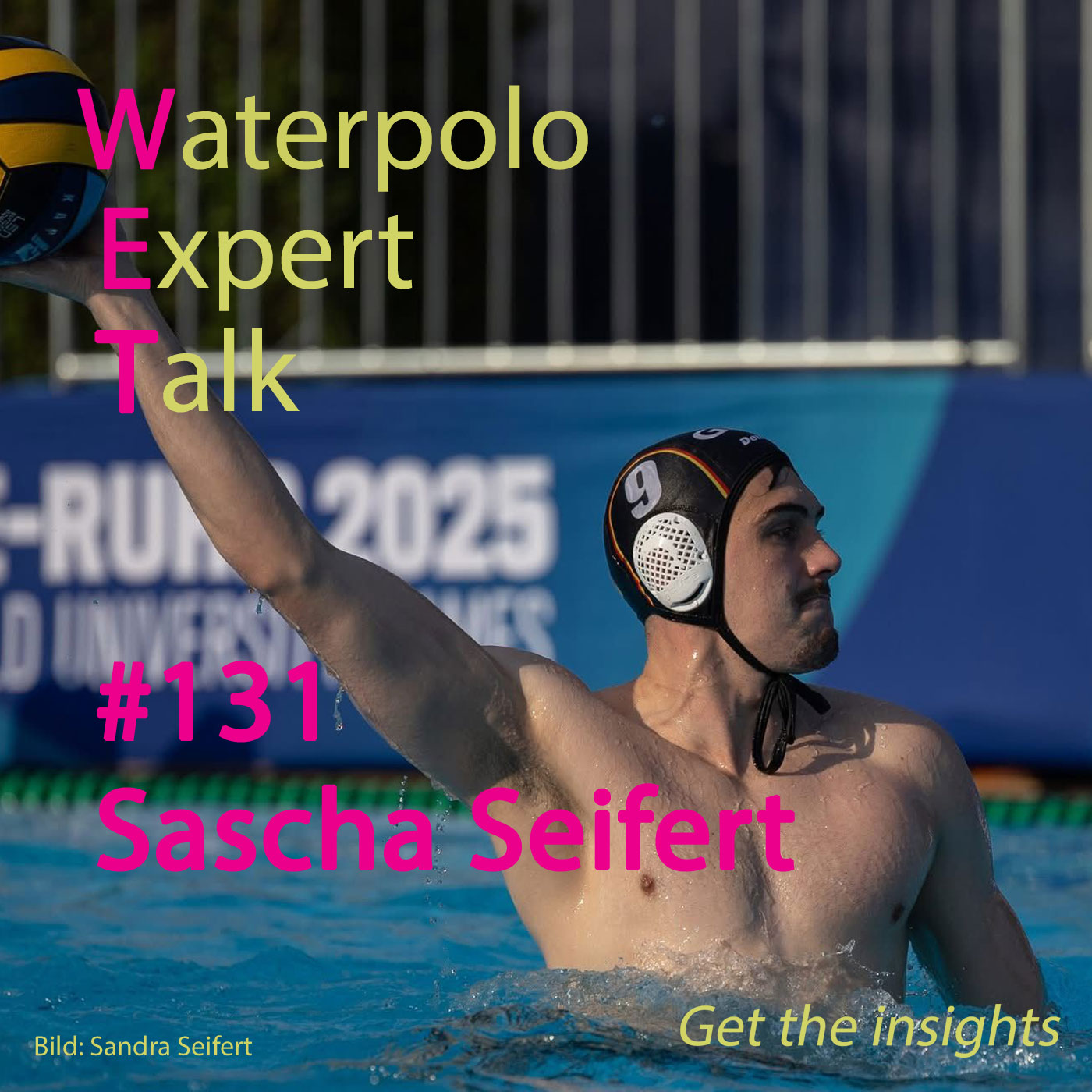 „Ich bin superglücklich, dass ich diesen Weg gegangen bin“ – Sascha Seifert (Teil 1)✨ | WasserballLeistungssport+4 | Sascha Seifert | ASC DuisburgElite-Schule des Sports in Potsdam | Deutschland | WasserballSascha Seifert+7 | — | 31m 21s | |
| 12/6/25 | 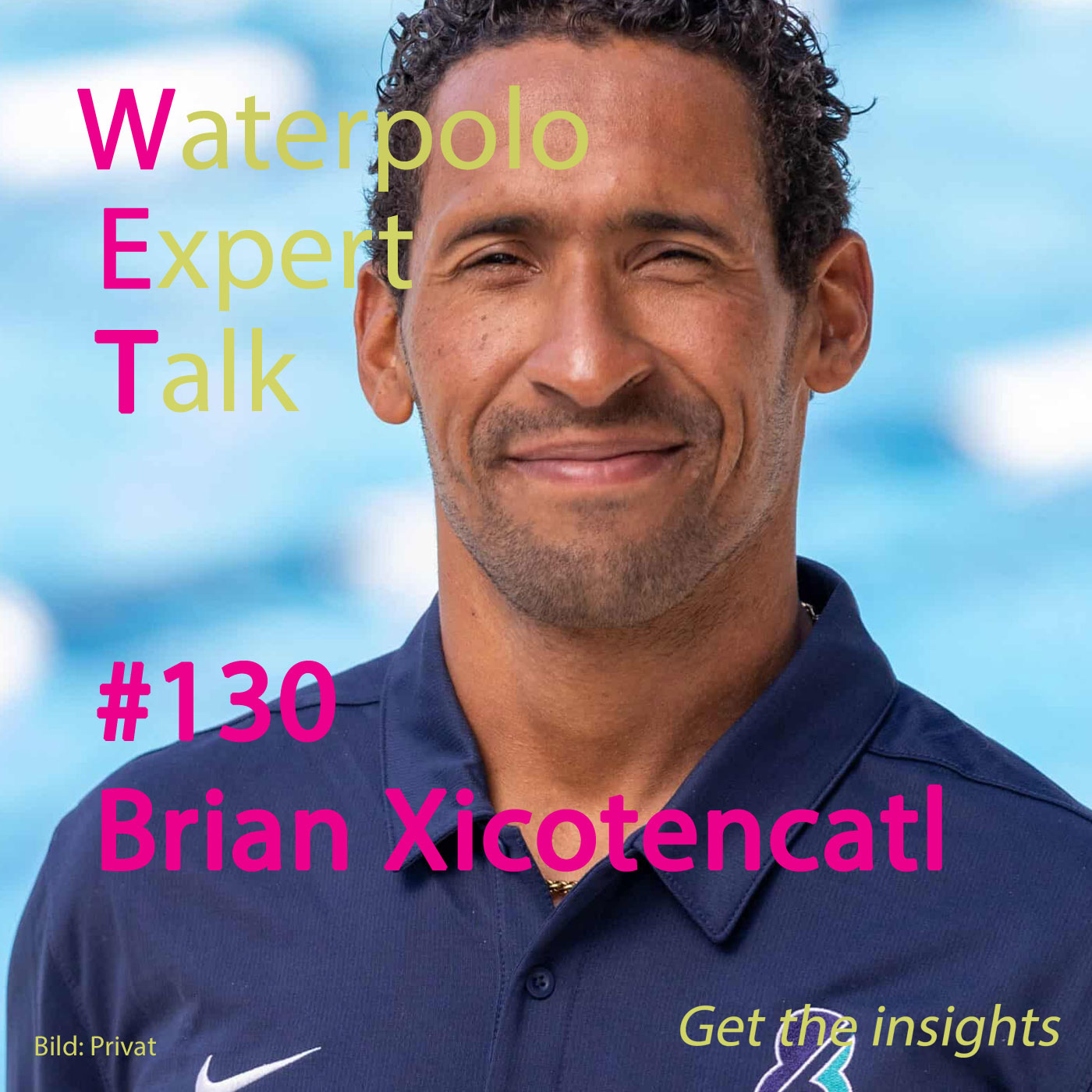 "You can’t sprint every day" - Brian Xicotencatl (Ep. 2)✨ | training structuresprint physiology+4 | Brian Xicotencatl | WaterPolo Strong6-8 Sports | — | water polosprint training+5 | — | 22m 52s | |
| 11/29/25 | 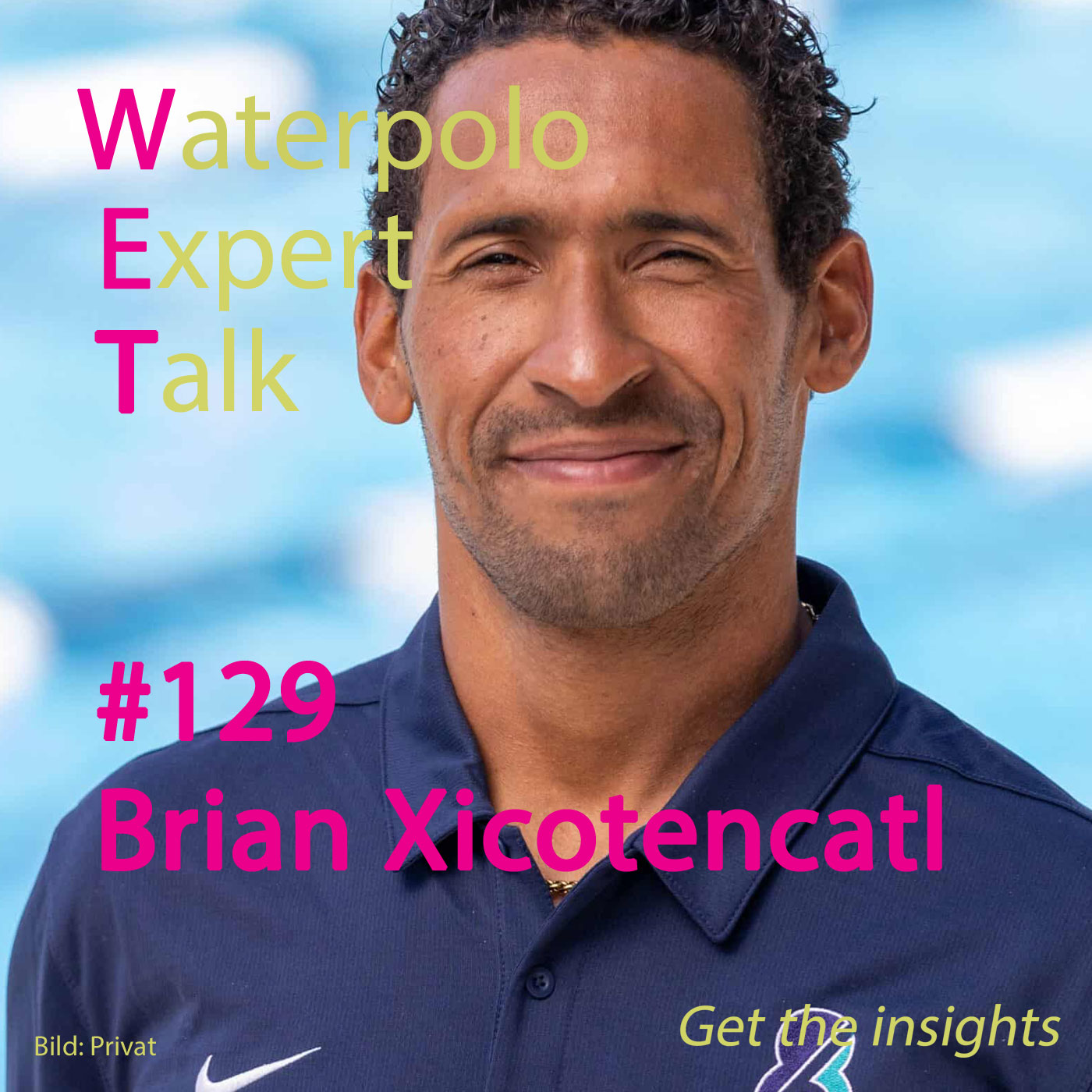 "You can’t out-train poor recovery" - Brian Xicotencatl (Ep. 1)✨ | water polotraining+4 | Brian Xicotencatl | WaterPolo Strong | — | water polorecovery+5 | — | 21m 37s | |
Want analysis for the episodes below?Free for Pro Submit a request, we'll have your selected episodes analyzed within an hour. Free, at no cost to you, for Pro users. | |||||||||
| 11/22/25 | 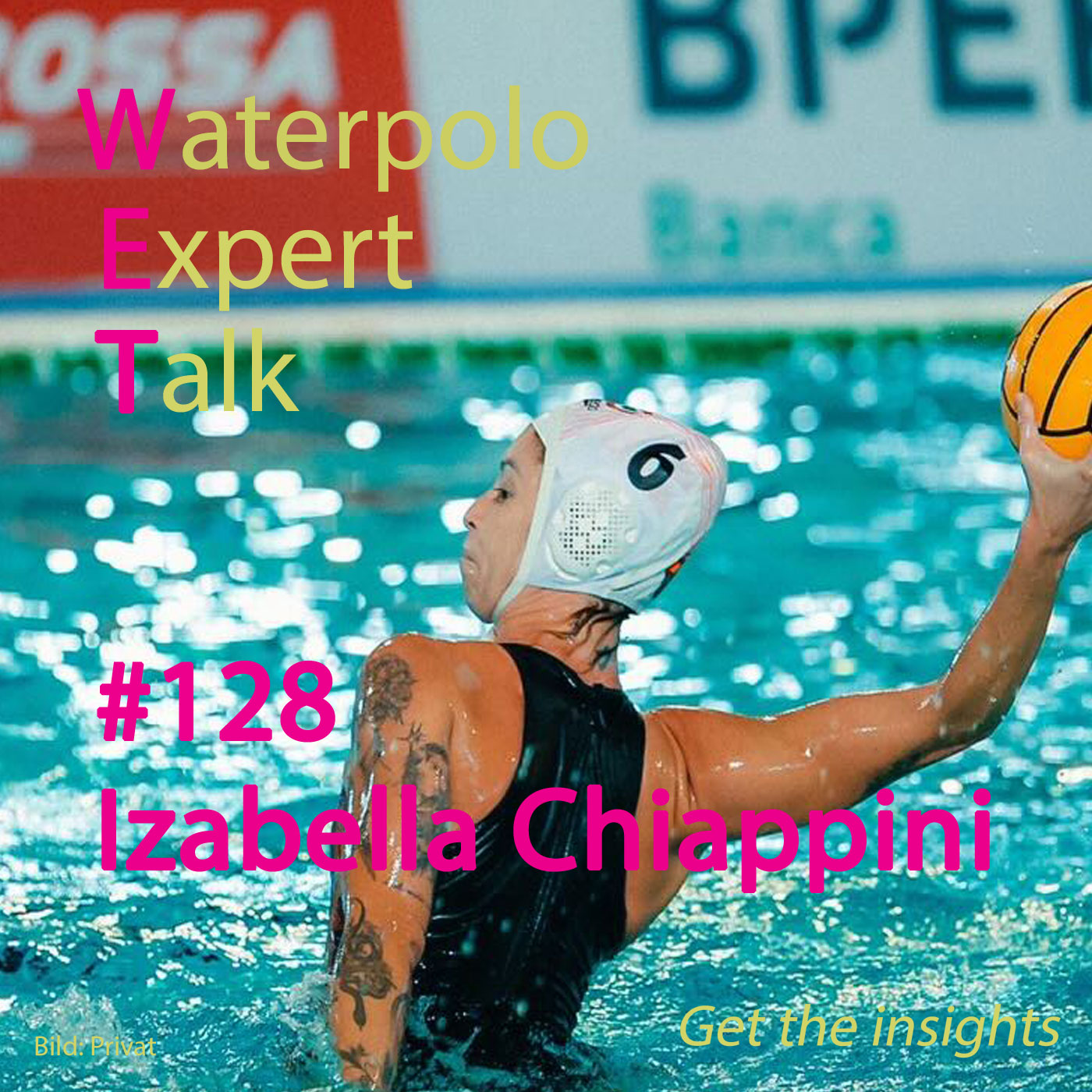 The Invisible Gap in Women’s Water Polo – Izabella Chiappini on Champions League, Media & Pay (Part 2) | In Part 2 of the conversation with Izabella Chiappini, Brazilian-Italian Olympic water polo player, we focus on one of the most critical topics in international sport: the huge and still growing gap between women’s and men’s water polo. Izabella speaks openly about inequality in media coverage, prize money, streaming quality and professional support. She compares the women’s and men’s Champions League experience, explaining how even the final of the women’s Champions League suffered from frozen livestreams, while the men’s competition is presented with professional TV production, multiple camera angles and global visibility. She questions why women’s water polo is judged by numbers and reach that it is never truly allowed to achieve due to missing investment. Izabella also talks about her current club situation in Italy, her shoulder injury, rehabilitation in Brazil and her planned return to Europe. We discuss how competitive balance in the Italian women’s league has improved and why close matches are crucial for attracting fans, sponsors and young players. A powerful part of this episode is Izabella’s message to young girls starting water polo: the importance of resilience, dealing with ups and downs, and the incredible life experiences water polo can offer – friendships, travel, culture and personal growth. She also stresses how important visibility and easy livestream access are for inspiring the next generation. The episode closes with a personal Quick Fire Round, giving unique insight into Izabella’s personality, including her favorite pre-game ritual (chocolate!), her most memorable goals and her role models in the sport. Topics of this episode: – The massive gap between women’s & men’s water polo – Champions League production & streaming inequality – Prize money differences & lack of investment – Women’s league development in Italy – Injury, rehab & comeback planning – Why close competitions attract fans & sponsors – Visibility as the key to growing women’s water polo – Advice for young female athletes – Life lessons from professional water polo – Quick Fire Round: rituals, goals & teammates This episode is highly recommended for female athletes, coaches, parents, sports officials and water polo fans worldwide who care about the future, fairness and visibility of women’s water polo. 🔗 More about the podcast: https://www.schulzekopp.de | 22m 34s | ||||||
| 11/15/25 | 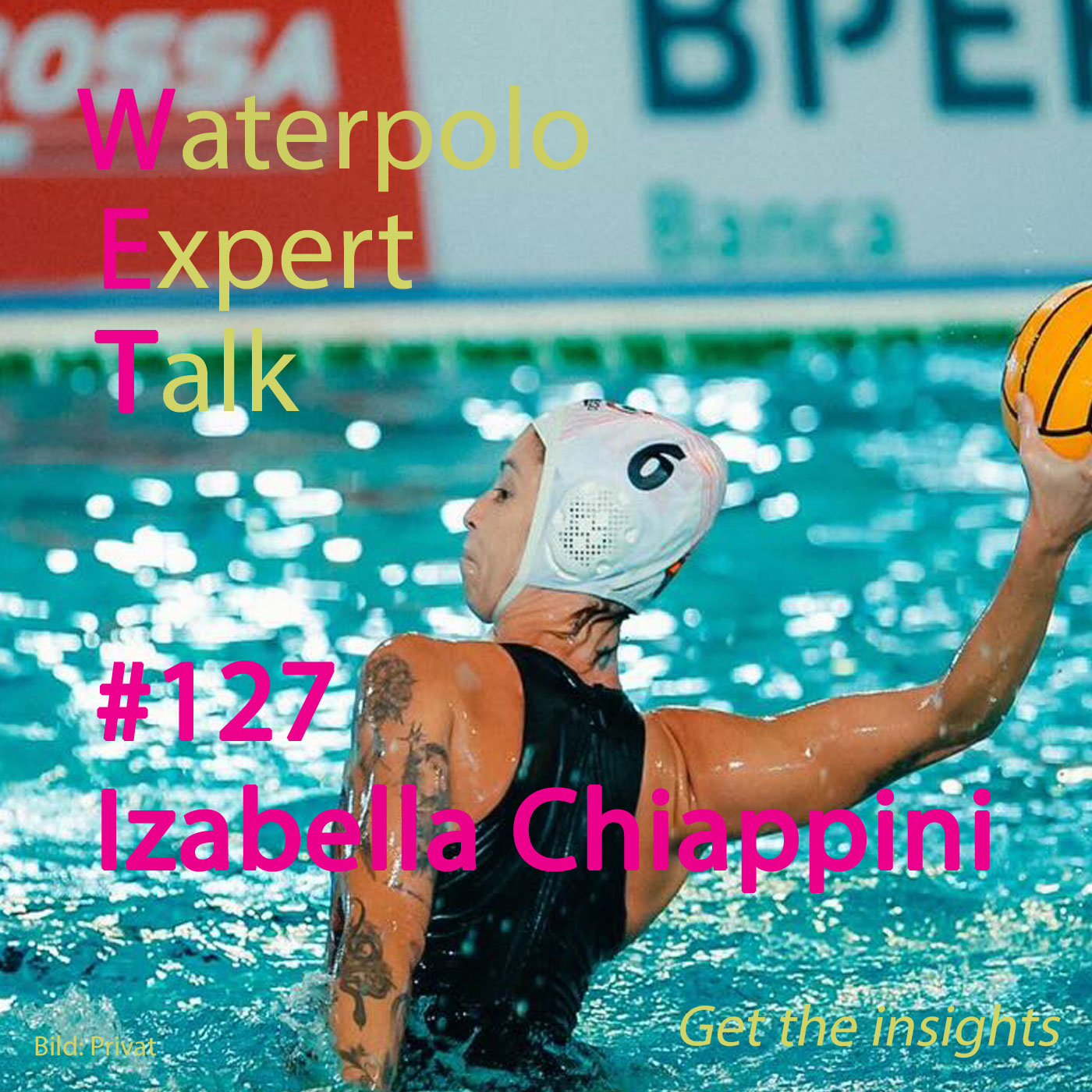 Against All Odds – From Brazil to the Olympic Games & Europe: The Water Polo Journey of Izabella Chiappini (Part 1) | In this episode of the Waterpolo Expert Talk, I speak with Izabella Chiappini, Brazilian-Italian Olympic water polo player, about her extraordinary journey from Brazil to the Olympic Games and into professional European water polo. Izabella shares her personal story of growing up in a true water polo family, with both parents having played for the Brazilian national team. She talks openly about being coached by her father, the pressure this created in her youth, and how this tough upbringing later became the foundation for her international career. Izabella explains the difficult conditions of women’s water polo in Brazil, lack of funding, limited league structures, and how many talented young players are lost due to missing financial support. A central highlight of this episode is her Olympic experience at the Rio 2016 Games: playing in front of a home crowd, emotional opening ceremonies, facing Italy in her very first Olympic match, and the unforgettable atmosphere inside the stadium. She describes the emotional final match of her Brazilian national team career and the powerful bond between her teammates. We also talk about her bold decision to switch nationalities, move to Italy, give up her university studies in the USA, and chase the dream of winning Olympic medals with a European powerhouse. This episode gives deep insight into career decisions, sacrifices, injuries, rehabilitation and the mental challenges of elite women’s water polo. Topics of this episode: – Growing up in a water polo family in Brazil – Being coached by her father – Women’s water polo conditions in Brazil – Lack of funding & lost talents – Olympic Games Rio 2016 – emotions & memories – Facing Italy at the Olympics – Switching nationality & moving to Italy – From the USA to European professional leagues – Injuries, rehab & comeback – Mental strength & career sacrifices This episode is highly recommended for players, coaches, female athletes, parents and water polo fans worldwide who want to understand what it truly takes to reach the Olympic level against all odds. 🔗 More about the podcast: https://www.schulzekopp.de | 32m 14s | ||||||
| 11/8/25 | 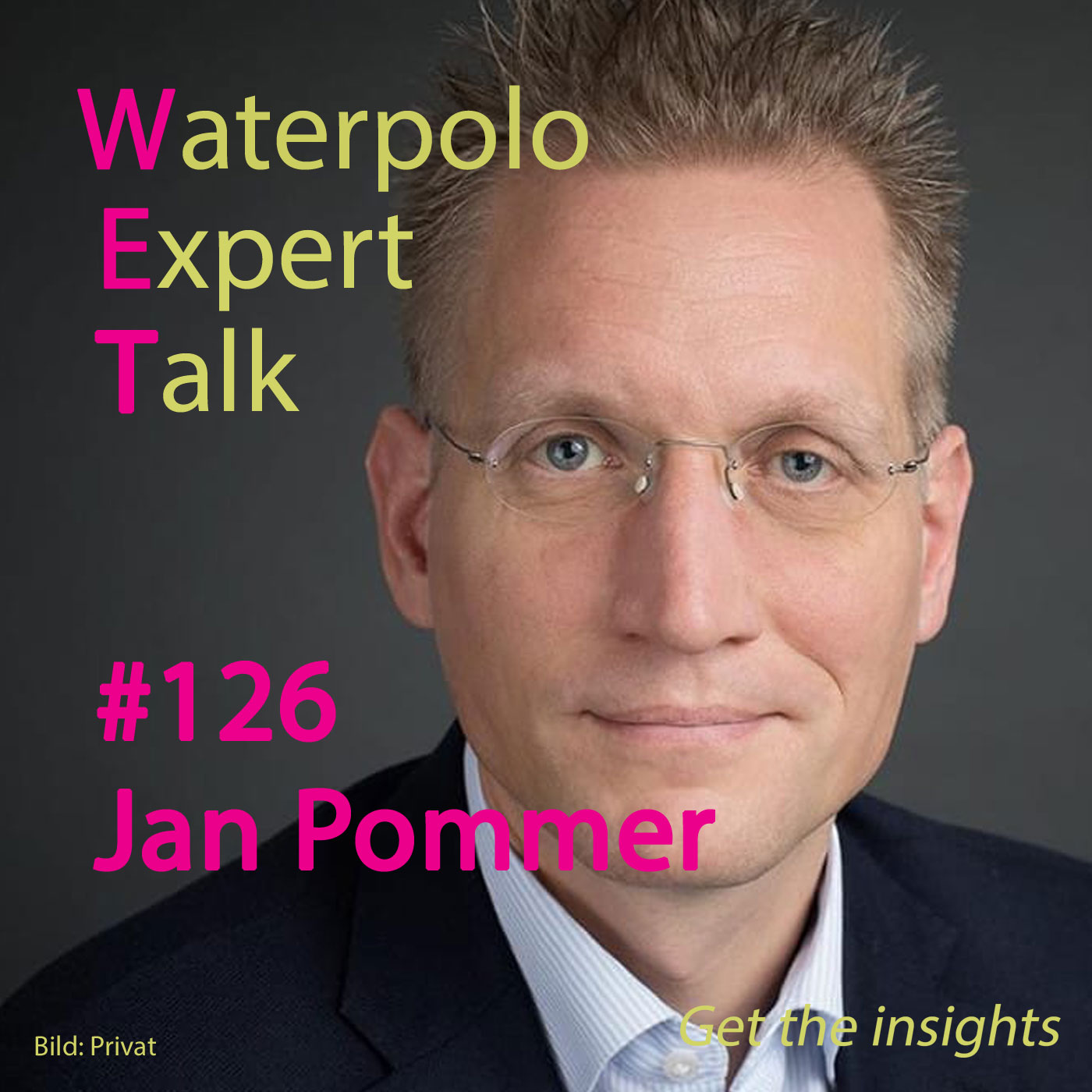 „Wir müssen den Wasserball neu denken“ – Jan Pommer über Bundesliga-Reform, Nachwuchs & Beach Water Polo (Teil 2) | In Teil 2 des Gesprächs mit Jan Pommer, dem Vorstandsvorsitzenden des Deutschen Schwimm-Verbandes (DSV), geht es konkret um die Zukunft des deutschen Wasserballs: neue Ligastrukturen, Nachwuchsförderung, Beach Water Polo, Eventisierung des Sports und den dringend notwendigen Image- und Wahrnehmungswandel in der Öffentlichkeit. Jan erklärt, warum der Wasserball attraktiver, verständlicher und erlebnisorientierter werden muss, um neue Zielgruppen zu erreichen. Wir sprechen über Regelideen aus anderen Sportarten wie Handball, die Bedeutung von Tempo, Action und Spielverständlichkeit, sowie über die Rolle von Medien, Musik, Event-Atmosphäre und Community-Erlebnissen im modernen Sportmarketing. Ein großer Schwerpunkt liegt auf Beach Water Polo als möglichem Zukunftsformat, den geplanten Finals 2026 in Hannover (Maschseefest) sowie auf der Idee, Wasserball aus den klassischen Hallen heraus zu den Menschen zu bringen. Jan erläutert, warum Event-Formate entscheidend für die Nachwuchsgewinnung und die Vergrößerung der Wasserball-Community sind. Zudem geht es um die Bundesliga-Reform, die Abschaffung von A- und B-Gruppen, klarere Strukturen, bessere Außenwirkung sowie um die geplante Positivquote für deutsche Spieler, um mehr Nachwuchsspieler nachhaltig in den Leistungssport zu integrieren. Jan erklärt offen, warum diese Maßnahmen kurzfristig unpopulär, langfristig aber unverzichtbar für die Zukunft der Nationalmannschaft sind. Zum Abschluss thematisieren wir die Enhanced Games, Doping-Problematik, Gesundheitsrisiken, Selbstoptimierungs-Trends und warum der DSV hier eine klare ethische Haltung zum Schutz der Athlet:innen vertritt. Themen dieser Episode: – Wasserball attraktiver und verständlicher machen – Eventisierung, Musik, Atmosphäre & Community – Beach Water Polo als Zukunftsformat – Finals 2026 in Hannover (Maschseefest) – Bundesliga-Reform ohne A- und B-Gruppen – Positivquote für deutsche Nachwuchsspieler – Perspektiven für Jugend & Nationalmannschaft – Ausbildung, Studium & Leistungssport – Enhanced Games & klare Anti-Doping-Haltung – Schutz der Athletengesundheit Diese Folge richtet sich an Trainer:innen, Spieler:innen, Vereinsverantwortliche, Funktionär:innen, Eltern und Wasserball-Fans, die verstehen möchten, wie der deutsche Wasserball strukturell neu gedacht werden soll. 🔗 Mehr zum Podcast: https://www.schulzekopp.de | 30m 12s | ||||||
| 11/1/25 | 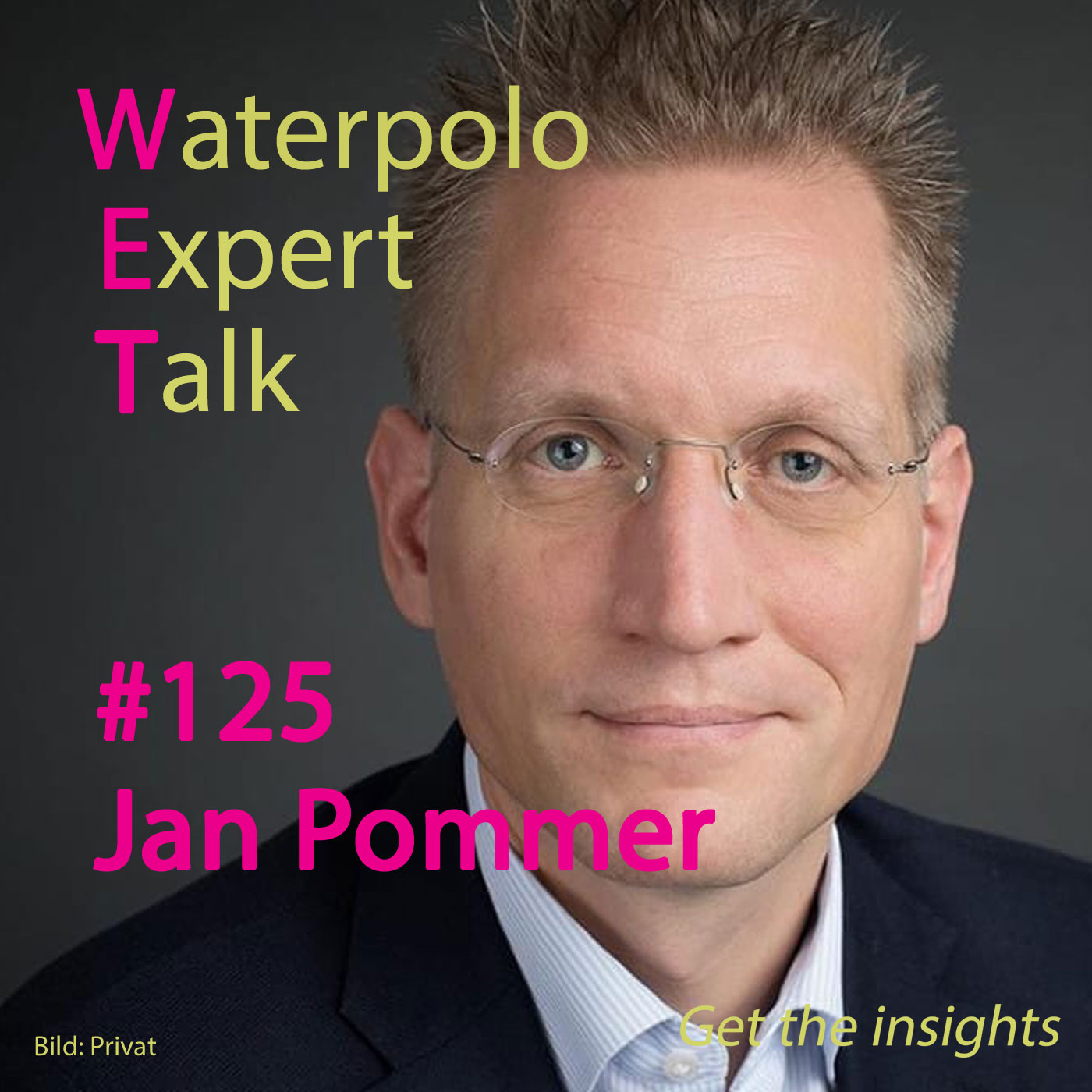 Neuer Kurs im DSV – Jan Pommer über Struktur, Digitalisierung & die Zukunft des Schwimmsports | In dieser Episode des Waterpolo Expert Talk spreche ich mit Jan Pommer, dem neuen Vorstandsvorsitzenden des Deutschen Schwimm-Verbandes (DSV), über den neuen Kurs des Verbandes, strukturelle Reformen, Professionalisierung, Digitalisierung und die Zukunft des Schwimm- und Wasserballsports in Deutschland. Jan bringt über 25 Jahre Management-Erfahrung aus dem Profisport mit und möchte den DSV nachhaltig modernisieren. Wir sprechen über den organisatorischen Aufbau des DSV mit seinen Landesverbänden, Fachsparten und über 600.000 Mitgliedern, über die Trennung zwischen Präsidium und hauptamtlichem Vorstand, über effizientere Entscheidungsprozesse sowie über die Notwendigkeit, agiler und schneller zu handeln. Ein zentraler Schwerpunkt ist die Digitalisierung des Verbandes, moderne Medienarbeit, die Bedeutung von Livestreams, Plattformen wie Sportdeutschland.TV, neue Kommunikationswege sowie die Frage, wie der Wasserball endlich wieder sichtbarer und attraktiver für die Öffentlichkeit werden kann. Außerdem sprechen wir über Business Development im DSV, neue Erlösmodelle, die schwierige Finanzlage vieler Verbände, den Vergleich mit anderen Sportarten, die Rolle des Ehrenamts, Nachwuchsgewinnung, Schulprojekte, Digitalisierung der Ausbildung sowie über die langfristige Perspektive für Wasserball, Schwimmen und Wasserspringen. Themen dieser Episode: – Neuer Vorstand & Reformkurs im DSV – Aufbau & Struktur des Deutschen Schwimm-Verbandes – Trennung von Ehrenamt & hauptamtlicher Führung – Digitalisierung, Medienpräsenz & Livestreams – Sichtbarkeit des Wasserballs in der Öffentlichkeit – Business Development & neue Erlösmodelle – Nachwuchsgewinnung & Schulprojekte – Ehrenamt, Professionalisierung & Zukunft des deutschen Wassersports Diese Folge richtet sich an Trainer:innen, Spieler:innen, Funktionär:innen, Vereinsverantwortliche, Ehrenamtliche und Wasserball-Fans, die verstehen möchten, wie sich der DSV strukturell und strategisch neu aufstellt. 🔗 Mehr zum Podcast: https://www.schulzekopp.de | 31m 15s | ||||||
| 10/25/25 | 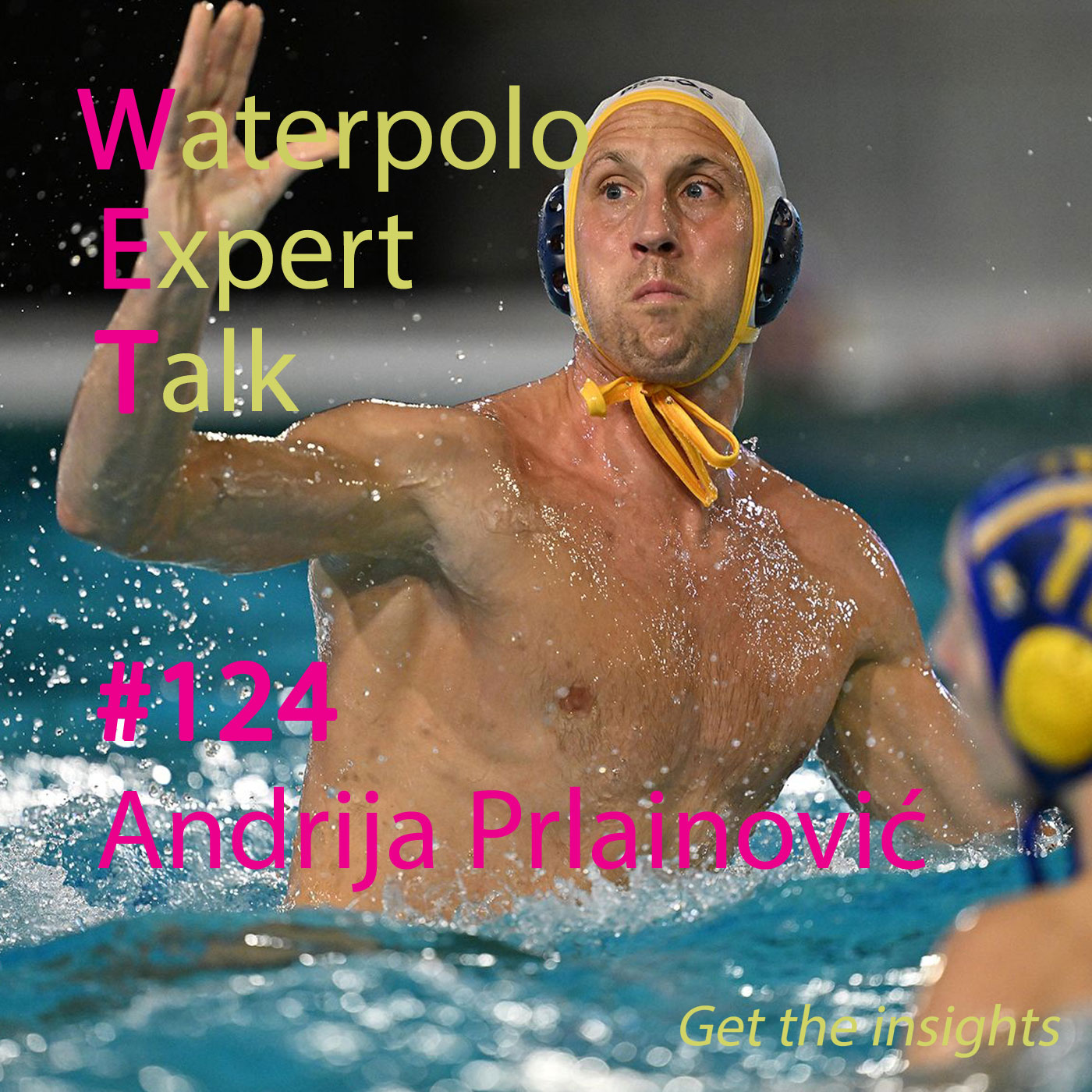 Inside Serbia’s Golden Generation – Andrija Prlainović on Winning, Pressure & Team Chemistry (Part 2) | In Part 2 of the conversation with Andrija Prlainović, one of the greatest water polo players of all time, we dive deep into the mental side of elite performance, the golden generation of Serbian water polo, and the extreme pressure of Olympic and World Championship knockout matches. Andrija explains why the 2009 World Championship title was the emotional starting point of their legendary era — a young Serbian team defeating Italy, Hungary, Croatia and Spain in consecutive knockout matches. From that moment on, Serbia dominated world water polo for more than a decade, winning Olympic, World and European titles. We speak in detail about the Olympic Games: the overwhelming emotions of a first Olympic appearance, the unique atmosphere of the Olympic Village, and why the quarterfinal match is the most psychologically brutal game in any Olympic tournament — win, and a medal becomes possible; lose, and everything is over. Andrija explains the difference between playing an Olympic final and coaching one, how pressure changes on different career stages, and why mental preparation is just as important as physical training at the highest level. He shares why confidence is built by daily work, not by words. We also talk about: – His closest teammates Filip Filipović & Duško Pijetlović – Why team balance matters more than individual stars – The role of joy, creativity & imagination in youth development – Why children today play less freely than past generations – Creativity vs. over-structured youth systems – The future of water polo coaching and education – His current work with Radnički Kragujevac – Regional league, Champions League & Final Four ambitions Topics of this episode: – Serbian golden generation in water polo – Mental pressure at Olympic level – Quarterfinal psychology at major tournaments – Team spirit vs. individual stars – Winning habits & championship mentality – Youth development, creativity & imagination – Coaching philosophy & modern training systems – Champions League ambitions with Radnički – Longevity at the highest level – Life inside elite team environments This episode is a must-listen for players, coaches, parents and fans worldwide who want to understand what truly separates good teams from legendary championship teams. 🔗 More about the podcast: https://www.schulzekopp.de | 32m 03s | ||||||
| 10/18/25 | 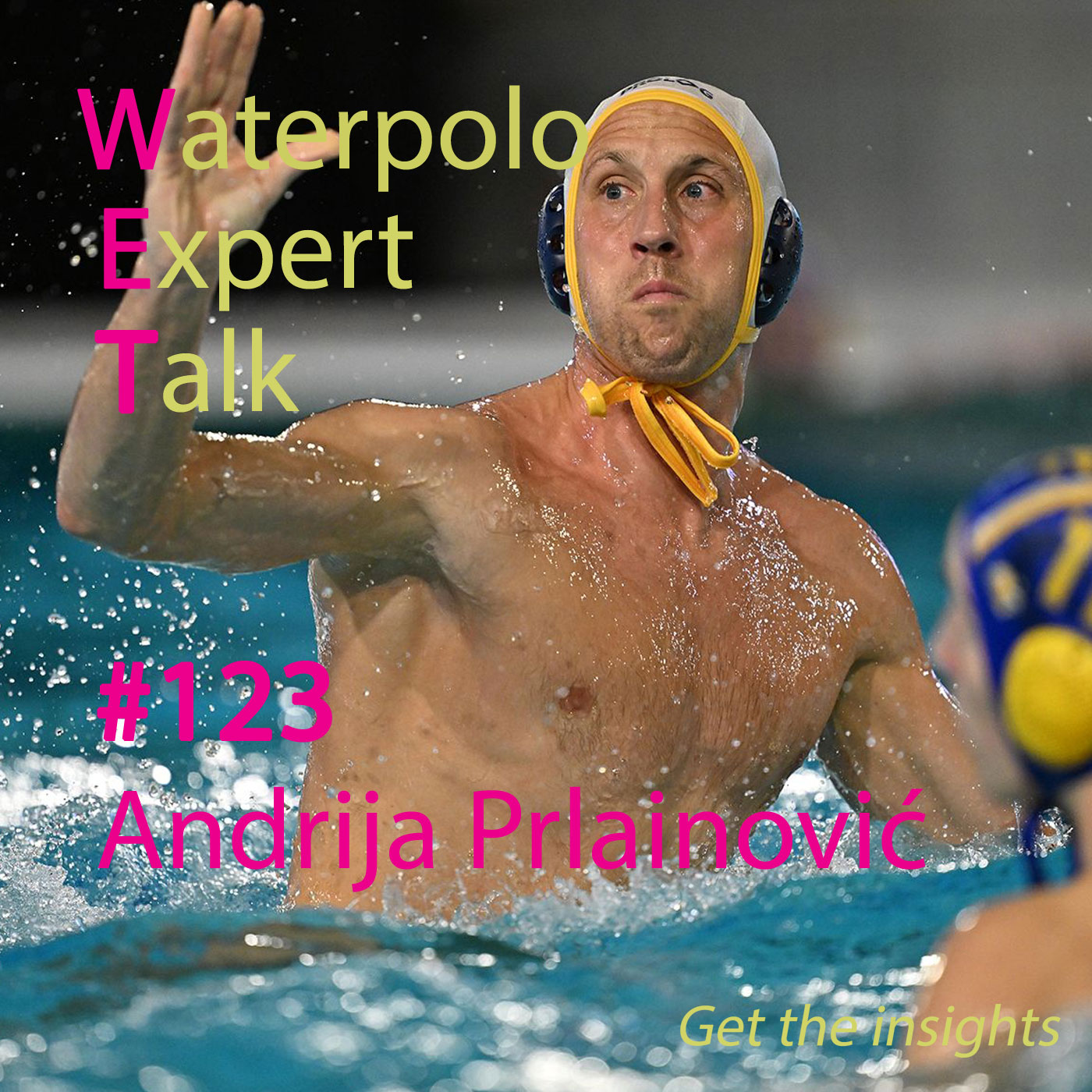 A Life Shaped by Water Polo – Olympic Legend Andrija Prlainović on Career, Discipline & Championships | In this international episode of the Waterpolo Expert Talk, I speak with Andrija Prlainović, one of the most successful water polo players of the modern era, multiple Olympic champion, World Champion and European Champion with Serbia. We talk about a life completely shaped by water polo – from childhood in Herceg Novi to the very top of the global game. Andrija shares how he started water polo at the age of six, growing up in the unique water polo culture of Montenegro’s coastal region, where rivalries between cities like Kotor and Herceg Novi define generations of players. With his father also being a former Yugoslav national team player, water polo was in his DNA – yet without being pushed into it. We talk about his transition into the senior level at just 15 years old, his formative years at Partizan Belgrade, and how that generation became the core of one of the most dominant national teams in history. Andrija explains why team culture, shared sacrifices and daily competition were the foundation of Serbia’s golden era. His club career took him across Europe to the biggest teams in the world: – Partizan & Red Star Belgrade – Pro Recco (Italy) – Szolnok (Hungary) – Marseille (France) – Radnički Kragujevac We compare the Serbian, Italian, Hungarian and French leagues, discussing why Hungary was the most balanced league of his career and how Pro Recco represents the absolute elite of club water polo. podcast-22953-waterpolo-expert-… Andrija also reflects on the mental side of elite sport: – Why losing is often more important than winning – How pressure shapes champions – Why young players must learn to fail early – The importance of discipline, patience and daily work We also speak about: – Childhood development through endless hours in the sea – Why today’s kids watch less water polo despite having more access – His Olympic experiences – Longevity at the highest level – The difference between young talents and experienced champions Topics of this episode: – Andrija Prlainović’s legendary career – Serbian & Montenegrin water polo culture – Early development & family influence – Playing professional water polo across Europe – Pro Recco, Partizan & Serbian dominance – Mental strength & championship mindset – Winning vs. learning through defeat – Balanced leagues & player development – Youth development & discipline – Longevity in elite water polo This episode is a must-listen for players, coaches, parents and water polo fans worldwide who want to understand what it truly takes to build a career at the absolute top of world water polo. 🔗 More about the podcast: https://www.schulzekopp.de | 26m 51s | ||||||
| 10/11/25 | 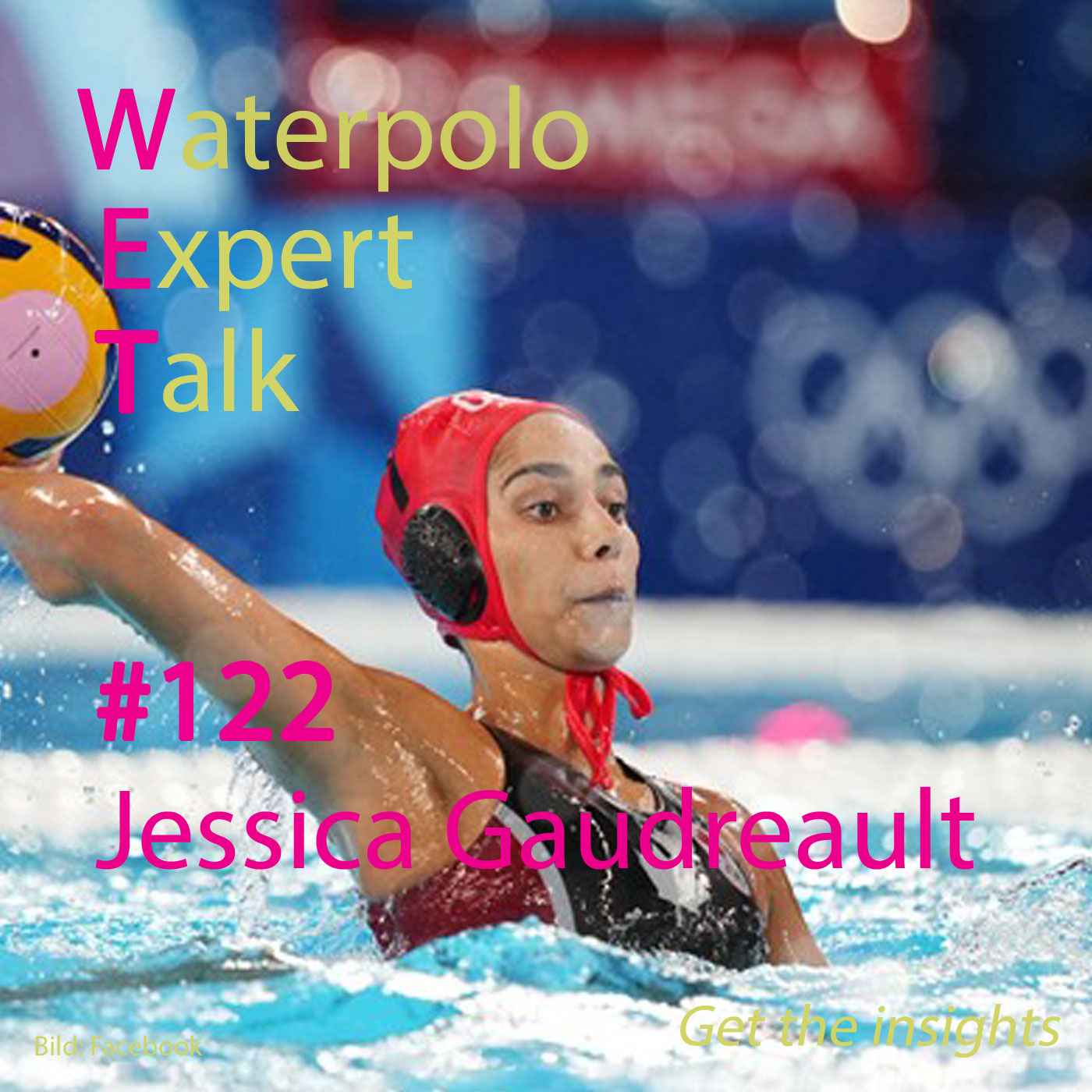 Chasing Dreams: From Pan American Glory to Olympic Ambitions – Jessica Gaudreault on Resilience, Pressure & Performance | In this international episode of the Waterpolo Expert Talk, I speak with Jessica Gaudreault, goalkeeper of the Canadian women’s national team, about her journey through the Pan American Games, World Championships and the Olympic Games in Paris — and her ongoing dream of competing at the Los Angeles 2028 Olympics. Jessica shares unforgettable memories from the Pan American Games in Toronto, where she experienced the feeling of a mini-Olympics on home soil with her family in the stands. She explains why multi-sport events are so special for athletes and how demanding it is to perform at the highest level in five games in five days, sometimes early in the morning before most people even have their first coffee. We compare the Pan American Games and the Olympic Games, and Jessica gives powerful insight into her experience at the Paris Olympics, including the emotional impact of playing in front of thousands of spectators, living in the Olympic Village and competing under the highest imaginable pressure. A central part of the conversation is about career setbacks and resilience. Jessica speaks openly about the disappointment of not making the Tokyo Olympic roster, how that moment became a turning point in her career, and why mental strength, patience and belief in the process helped her reach a new performance level afterward. She also shares valuable advice for young female athletes: – Why resilience is essential – How to deal with doubters and criticism – Why setbacks can become your biggest breakthroughs – How to take control of your personal narrative We also talk about: – Her brief experience as a college coach at the University of Michigan – The reality of full-time coaching in the NCAA – Why she currently prefers specialized goalkeeper coaching – The responsibility coaches carry beyond the pool – Future tournaments with Team Canada and international club teams Topics of this episode: – Pan American Games vs. Olympic Games – Paris Olympics experience – Goalkeeper mindset at elite level – Mental resilience after setbacks – Not making the Tokyo Olympic team – Advice for young female athletes – Coaching vs. playing careers – NCAA water polo coaching – Olympic dreams & LA 2028 – Life inside national team programs This episode is a must-listen for players, young athletes, parents and coaches worldwide who want to understand how mental resilience, setbacks and belief shape an elite sports career. 🔗 More about the podcast: https://www.schulzekopp.de | 19m 03s | ||||||
| 10/4/25 |  Between the Posts – Jessica Gaudreault on Goalkeeper Mindset, Chaos Training & the Future of Water Polo (Part 1) | In Part 2 of the conversation with Jessica Gaudreault, goalkeeper of the Canadian women’s national team, we dive deep into the unique mindset of goalkeepers, the impact of new water polo rules, modern goalkeeper training concepts, and the growing importance of mental adaptability in elite sport. Jessica explains why the goalkeeper position demands a special personality — being the last line of defense, standing alone under extreme pressure, and taking responsibility when the scoreboard changes. She reflects on why goalies are often seen as “different” — and why that mental toughness is essential at the highest level. A major focus of the episode is the impact of recent rule changes: – Shorter shot clocks – Faster and more chaotic shot selection – The new two-meter rules Jessica explains why these changes have made the goalkeeper more important than ever, and why average goalkeeper performance is no longer enough to win games at the elite level. She gives deep insight into her training philosophy developed in Spain with her goalkeeper coach, focusing on: – Training for unpredictability – Reaction over routine – Mobility, neural pathways & cognitive work – Preparing for chaos instead of perfect drills We also talk about: – Why early sport specialization can shorten careers – The value of playing multiple sports as a youth – Differences between the Canadian, American & European water polo systems – Club access vs. school sports – Why Canada struggles with game volume due to geography – How lack of competition affects national team development – Why European leagues provide constant high-pressure matches Topics of this episode: – Goalkeeper psychology in elite water polo – Adapting to new rules & faster gameplay – Chaos-based goalkeeper training – Mental resilience & confidence under pressure – Youth development & multi-sport background – Canada vs. Europe water polo systems – Coaching goalkeepers in modern water polo – Longevity & injury prevention for goalies – Why games matter more than training volume This episode is a must-listen for goalkeepers, coaches, young athletes and water polo fans worldwide who want to understand how the goalie position is evolving in the modern game. 🔗 More about the podcast: https://www.schulzekopp.de | 33m 46s | ||||||
| 9/27/25 | 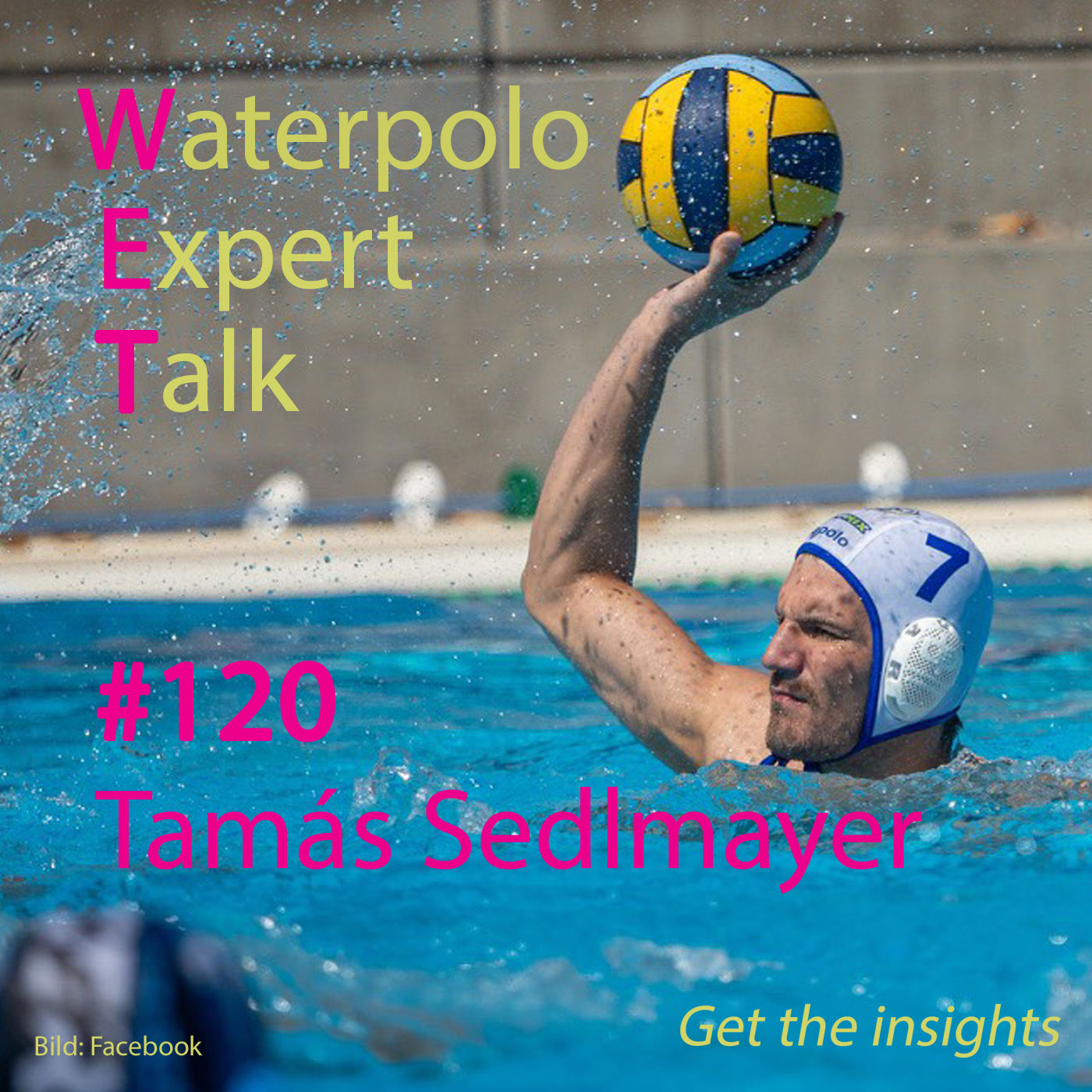 Between Pools and Cities – Tamás Sedlmayer on Life as a Professional Water Polo Player in Hungary, Germany & Italy (Part | In Part 2 of the conversation with Tamás Sedlmayer, Champions League winner with Ferencváros, we focus on the reality of living as a professional water polo player across different countries — from Hungary to Germany and Italy — and how club culture, travel, lifestyle and expectations shape an athlete’s career. Tamás shares his honest impressions of the German Bundesliga, explaining why for many years the title race often came down to Hannover and Spandau, while clubs like Potsdam were starting to change the system by developing young talent. He also reflects on the Italian league, which he describes as being very close to the Hungarian level in terms of quality and competitiveness — even against teams from the lower half of the table. A major topic is travel and professionalism: – Why Italian teams often travel one day early – How player recovery is protected – And why that level of organization impressed him deeply We then move into the lifestyle differences between Budapest, Berlin and Trieste — from city size and transportation to climate, mobility and everyday rhythm. Tamás explains why Trieste became his favorite city to live in, thanks to its compact size, Mediterranean atmosphere and quality of life. Another important part of the episode is about mental strength and life advice for young athletes. Tamás speaks openly about setbacks, difficult moments and why it is crucial to always search for light even in the darkest situations. He emphasizes that mental toughness is just as important as physical strength for a long and successful career. We also talk about: – Returning to Hungary with a completely new, young team – Leadership as one of the oldest and most experienced players – Realistic goals for the upcoming season (Top 8 ambition) – Building chemistry in a newly formed squad – His personal quick-fire round: favorite city, music routines, tennis as a second sport, Italian vs. Hungarian food Topics of this episode: – Germany vs. Italy vs. Hungary water polo leagues – Professional travel & recovery standards – Lifestyle as a pro athlete in Europe – Budapest, Berlin & Trieste compared – Leadership in young teams – Mental resilience & life philosophy – Advice for young athletes – Team building in transition seasons – Pressure vs. privilege as a senior player This episode is a must-listen for young players, international athletes and coaches who want to understand the real everyday life behind a professional water polo career in Europe. 🔗 More about the podcast: https://www.schulzekopp.de | 27m 37s | ||||||
| 9/20/25 | 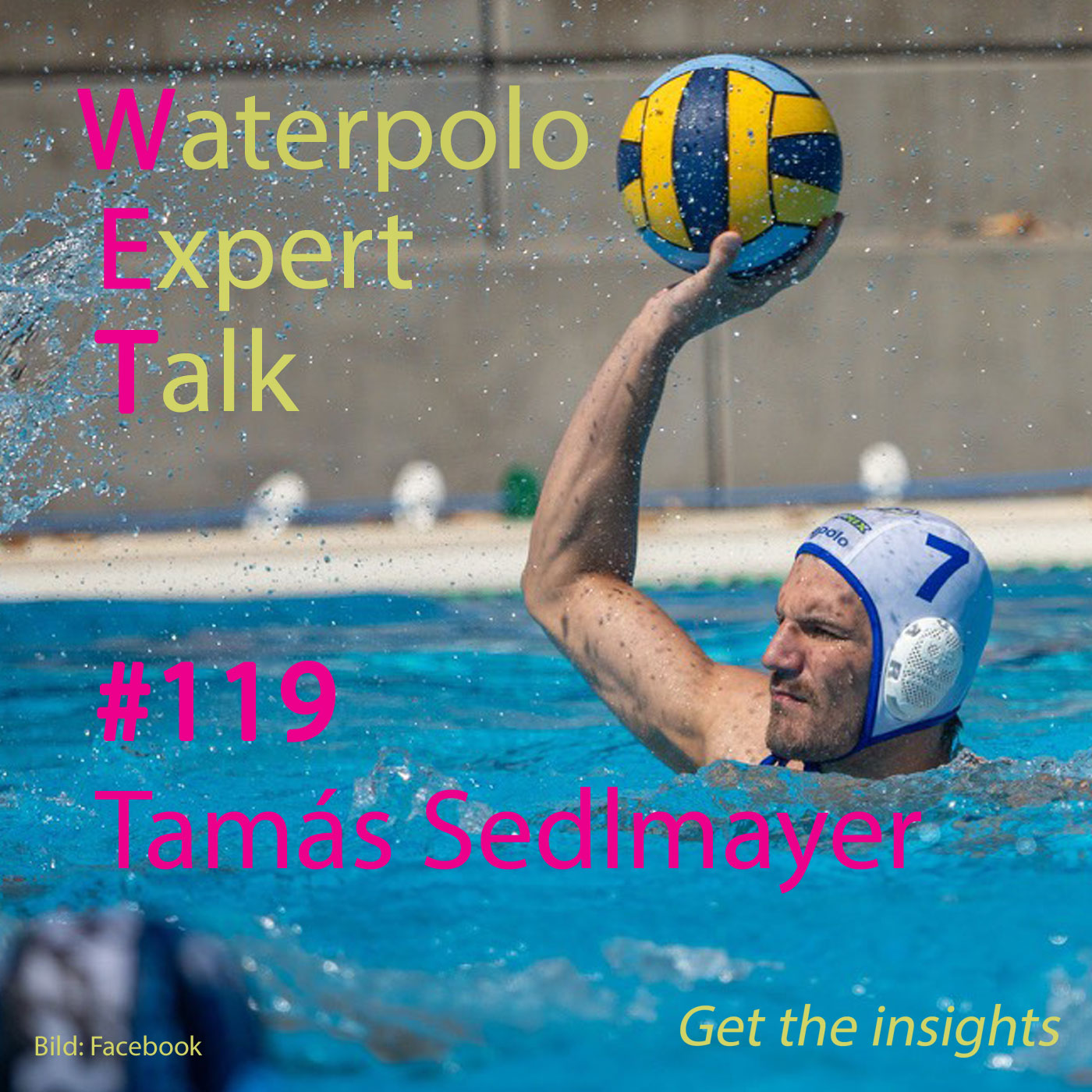 From Early Beginnings to Champions League Glory – Tamás Sedlmayer on Career, Sacrifice & Elite Water Polo | In this international episode of the Waterpolo Expert Talk, I speak with Tamás Sedlmayer, Hungarian professional water polo player and Champions League winner with Ferencváros (2019), about his journey from early childhood in Budapest to the very top of European club water polo. Tamás shares how he first entered the pool at the age of three, fell in love with water sports instantly, and started first as a swimmer before transitioning into water polo. He explains why strong swimming fundamentals became one of the biggest advantages of his entire career — and why even Olympic legends like Tibor Benedek continued working on their swimming technique late in their careers. We follow his development through the famous BVSC youth system in Budapest, later UVSE, and the moment that changed everything: receiving his first professional contract at just 17 years old with Vasas, after being scouted at a youth World Championship. Tamás also reflects on his international club experiences, including: – Spandau 04 (Germany, Berlin) – Trieste (Italy) – His return to Hungary and Budapest clubs The emotional highlight of the episode is his Champions League title in 2019 with Ferencváros, crowned in a dramatic penalty shootout final against Olympiacos, where Tamás himself successfully converted one of the decisive penalties. We also discuss: – Pressure vs. privilege of wearing the Hungarian national cap – Why Hungary produces elite players despite a small population – Early international success: U18 World Championship silver medal (2012, Perth) – How to deal with setbacks, losses & negative phases – Why discipline, patience and daily work matter more than talent – His advice to young players: learning from pain, defeats and hard training Topics of this episode: – Youth development in Hungarian water polo – Swimming as a foundation for elite performance – First professional contract at 17 – Playing in Germany & Italy – Champions League victory with Ferencváros – Penalty shootout pressure – Hungarian national team culture – Pressure vs. privilege of the cap – Learning from defeat & mental resilience – Advice for young athletes This episode is a must-listen for young players, coaches and water polo fans worldwide who want to understand how a career at the top of European water polo is built step by step. 🔗 More about the podcast: https://www.schulzekopp.de | 32m 31s | ||||||
| 8/30/25 | 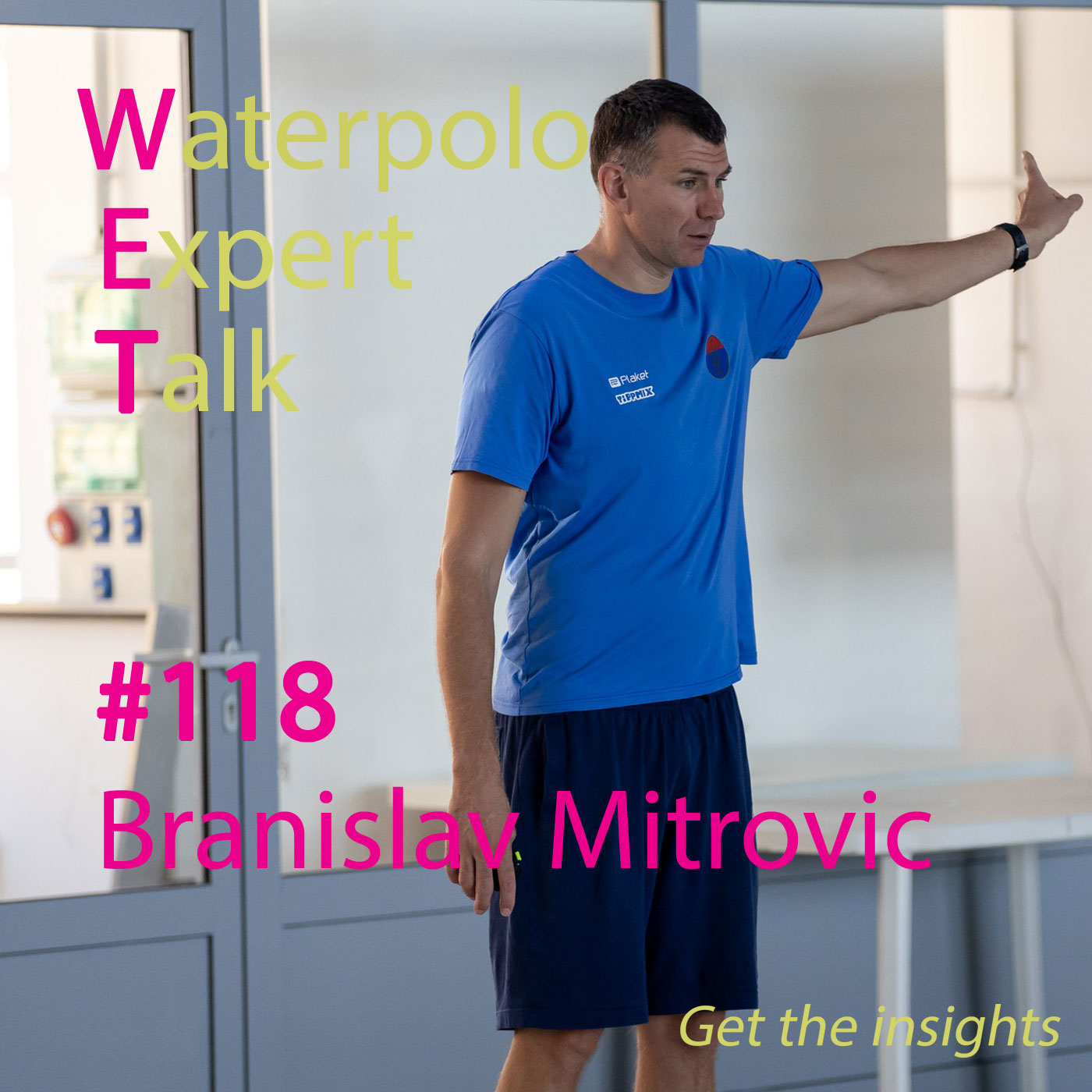 “Between the Posts: Branislav Mitrović on Coaching, Philosophy, and the True Value of Goalkeepers” | In this international episode of the Waterpolo Expert Talk, I speak with Branislav Mitrović, former Serbian national team goalkeeper and today an internationally respected goalkeeper coach, about the true value of goalkeepers in modern water polo, long-term team building and the growing importance of mental and tactical preparation. Branislav explains why successful teams are not built for short-term results, but through long-term development visions of five to ten years. He highlights how clubs like Barceloneta, Olympiacos and Ferencváros benefit when a large part of the national team trains together for many years — creating chemistry, tactical identity and mental stability. A major focus of the episode is his goalkeeper coaching philosophy, which is based on three pillars: – Physical preparation for peak performance in the most important matches – Technical development under the new water polo rules – Psychological stability under pressure Branislav describes how modern goalkeepers must be trained as complete high-performance athletes, not just shot-stoppers. He explains how video analysis, opponent profiling and tactical anticipation are now essential parts of elite goalkeeper preparation. A very powerful part of the conversation is his message to coaches working with young players. He criticizes the common mistake of placing the slowest or weakest swimmer into the goal, and instead argues that clubs should put tall, explosive and athletic players into the goalkeeper position from a young age. According to him, the goalkeeper is now the most important decision-maker in the pool. We also talk about: – Why modern goalkeepers can win championships almost alone – Why salaries and transfer priorities must change – The importance of loving the goalkeeper position – Why fear of the ball has no place in elite performance – His legendary teammates like Duško Pijetlović and Miloš Ćuk – Underrated goalkeepers in today’s international game Topics of this episode: – Long-term team building in water polo – Modern goalkeeper coaching philosophy – Psychology & mental strength of goalkeepers – New rules & their impact on the goalie position – Youth development & correct role assignment – Goalkeeper vs. shooter salaries & transfers – Pressure handling at elite level – Championship-winning performances – Serbian school of water polo This episode is a must-listen for goalkeepers, coaches, youth trainers and water polo fans worldwide who want to understand why the goalkeeper position is now the most decisive factor in modern water polo. 🔗 More about the podcast: https://www.schulzekopp.de | 22m 58s | ||||||
| 8/23/25 | 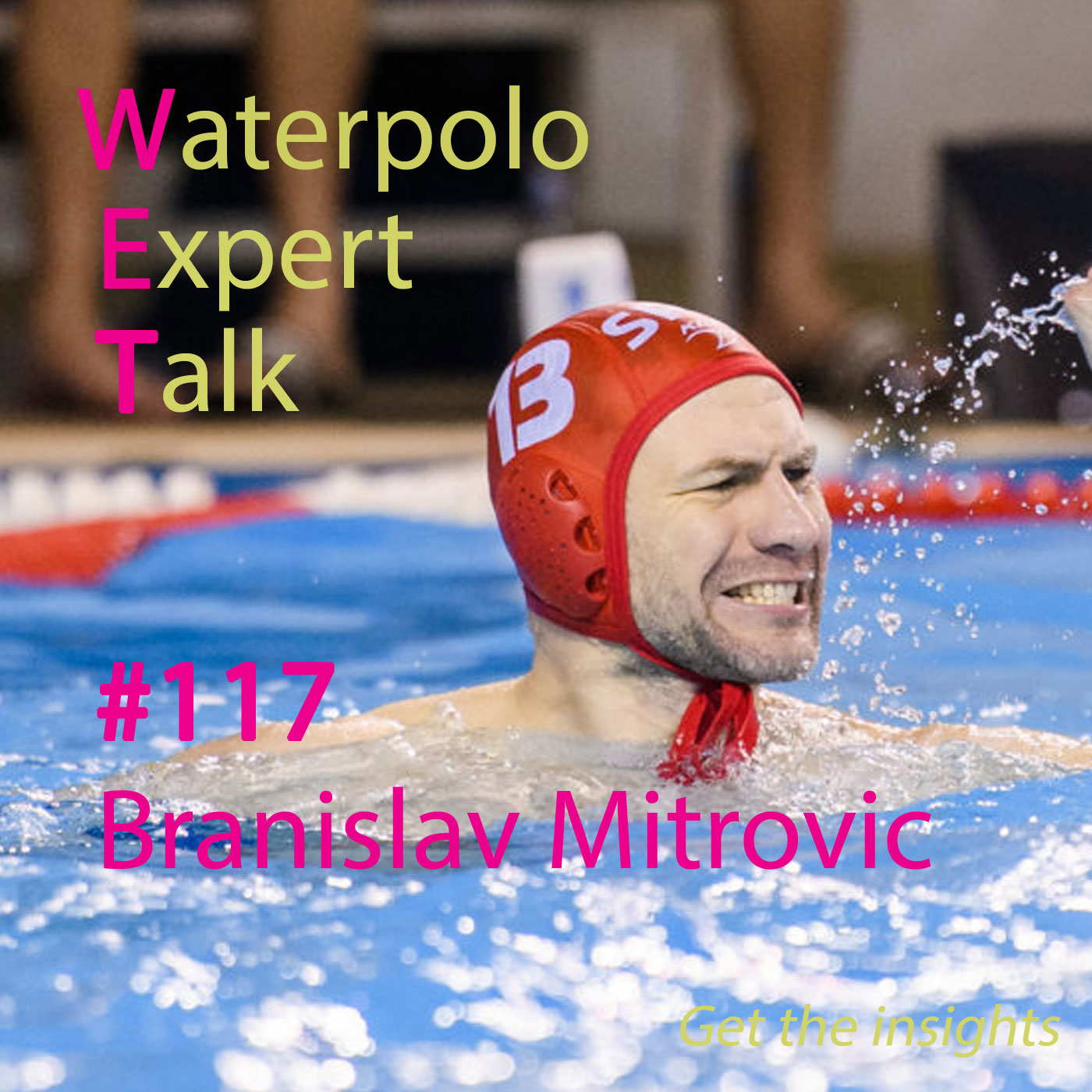 Discipline and Dreams – Branislav Mitrović on His Journey from Novi Sad to Olympic Gold (Part 1) | In Part 1 of this in-depth conversation with Branislav Mitrović, two-time Olympic champion, former Serbian national team goalkeeper and today an elite goalkeeper coach, we explore his early life, mindset, discipline and the foundations of a world-class career that began in Novi Sad and led all the way to Olympic gold. Branislav shares how his childhood was shaped by structure, responsibility and discipline, and why he believes that sport is the most powerful school for life. He explains how daily discipline in training later became the mental foundation for handling pressure at the biggest stages in world sport. We talk about his engineering background, how analytical thinking influenced his development as a goalkeeper, and why reading the game, studying shooters and understanding tactics became just as important as physical ability in the water. A major focus of this episode is his early playing career: – Growing up in Novi Sad – Youth development in the Serbian system – First professional experiences – Learning to compete under pressure Branislav also explains how the goalkeeper position started to transform during his career — from pure shot-stopper to tactical leader and defensive organizer — long before today’s modern rule changes. We also talk about: – Why discipline beats talent in the long run – How young goalkeepers should be developed – Why fear has no place in elite performance – Responsibility vs. enjoyment in sport – When he realized that Olympic gold was truly possible Topics of this episode (Part 1): – Childhood & youth development in Serbia – Discipline as the foundation of success – Engineering mindset & game intelligence – Early career of a professional goalkeeper – Talent vs. daily work – Evolution of the goalkeeper role (early phase) – Dreaming of the Olympic Games – Mental preparation in youth sport This episode is a must-listen for young goalkeepers, players, coaches and parents worldwide who want to understand how a champion’s mindset is shaped long before medals are won. 🔗 More about the podcast: https://www.schulzekopp.de | 31m 02s | ||||||
| 5/10/25 | 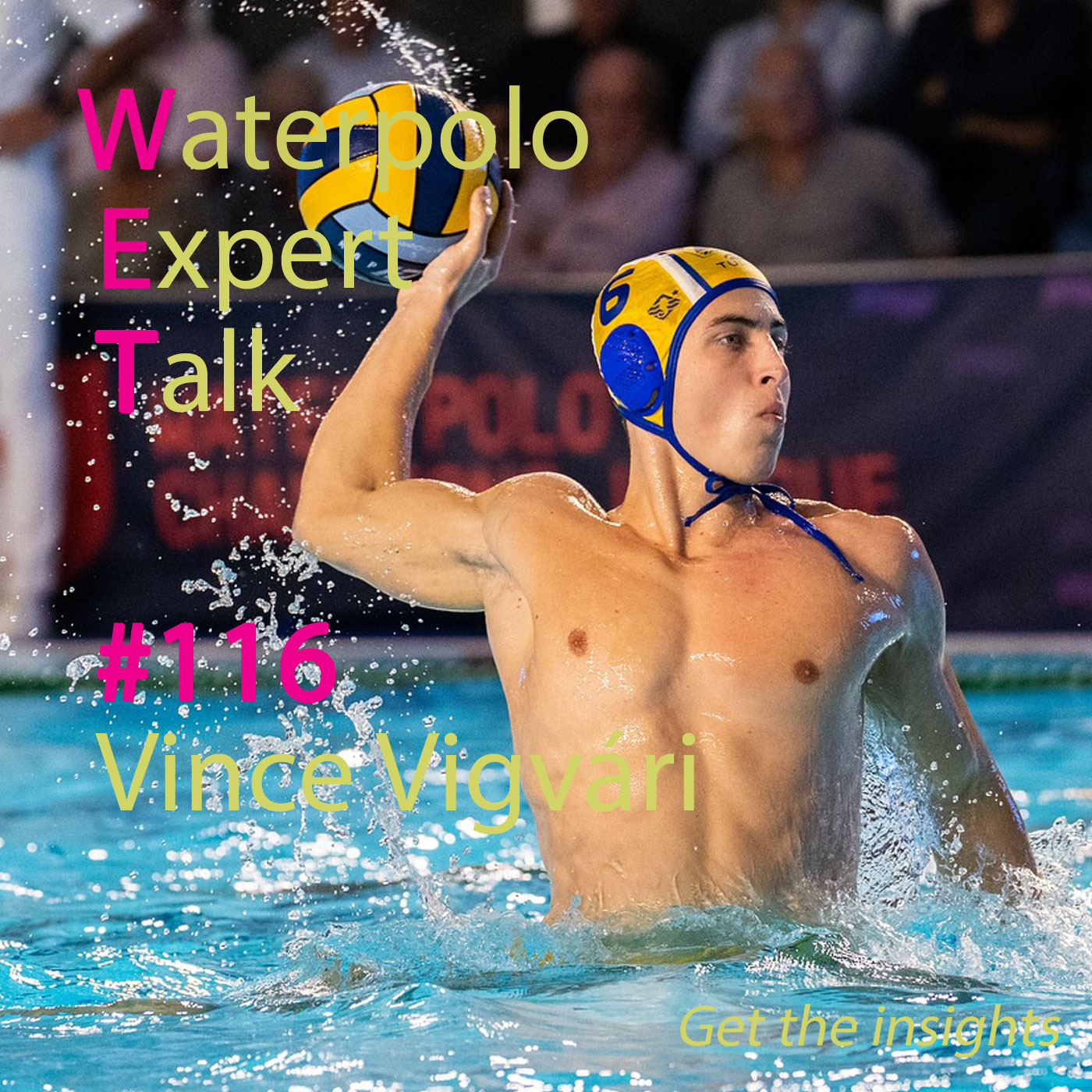 Living the Moment & Learning from Pressure – Vince Vigvári on Penalties, World Titles & the Champions League (Part 2) | In Part 2 of the conversation with Vince Vigvári, Hungarian national team player and CN Barceloneta professional, we go deep into the mental side of elite performance, dealing with penalty pressure at the Olympic Games, World Championship success and the challenges of staying present while planning the future. Vince openly reflects on missing a decisive penalty at the Olympic bronze medal match and explains why he still sees it as a moment of courage, execution and trust rather than fear. He shares why a clear plan and full commitment matter more than the final outcome — and how goalkeepers can sometimes simply be better in that moment. We compare the Olympic Games and the World Championships, especially his experiences at the 2023 World Championships in Fukuoka, which marked his first senior world tournament. Vince talks about scoring in the semifinal against Spain, limited playing minutes, and how that goal gave him the confidence that he truly belongs at the world level. Another key topic is the hosting of major tournaments outside Europe. Vince explains the two-sided challenge: developing the sport globally while still keeping its strong European fan base connected. We discuss Asia, Paris, Chengdu, Podgorica and Singapore as event locations. A special highlight is his historic 2023 summer, where Hungary won both the Junior World Championship and the Senior World Championship within one month — a rare double success that marked his biggest personal breakthrough so far. We also talk about his current Champions League campaign with CN Barceloneta, including: – The crucial match against Oradea – The ambition to reach the Final Four – Why the Final Four comes down to three perfect days – Physical vs. mental freshness at the highest level Finally, Vince shares his advice for young players: – Enjoy the game first – Respect yourself and your sport – Work harder than anyone else – Trust yourself when the pressure comes Topics of this episode (Part 2): – Olympic penalty pressure – Execution vs. outcome – World Championships vs. Olympic Games – Fukuoka 2023 semifinal goal – Hosting tournaments outside Europe – Junior & Senior World Championship double title – Champions League mindset with Barceloneta – Final Four pressure – Living in the present vs. planning the future – Advice for young athletes This episode is a must-listen for young players, coaches and elite sport fans worldwide who want to understand how mental strength, pressure and confidence shape careers at the very top of international water polo. 🔗 More about the podcast: https://www.schulzekopp.de | 23m 29s | ||||||
| 5/3/25 | 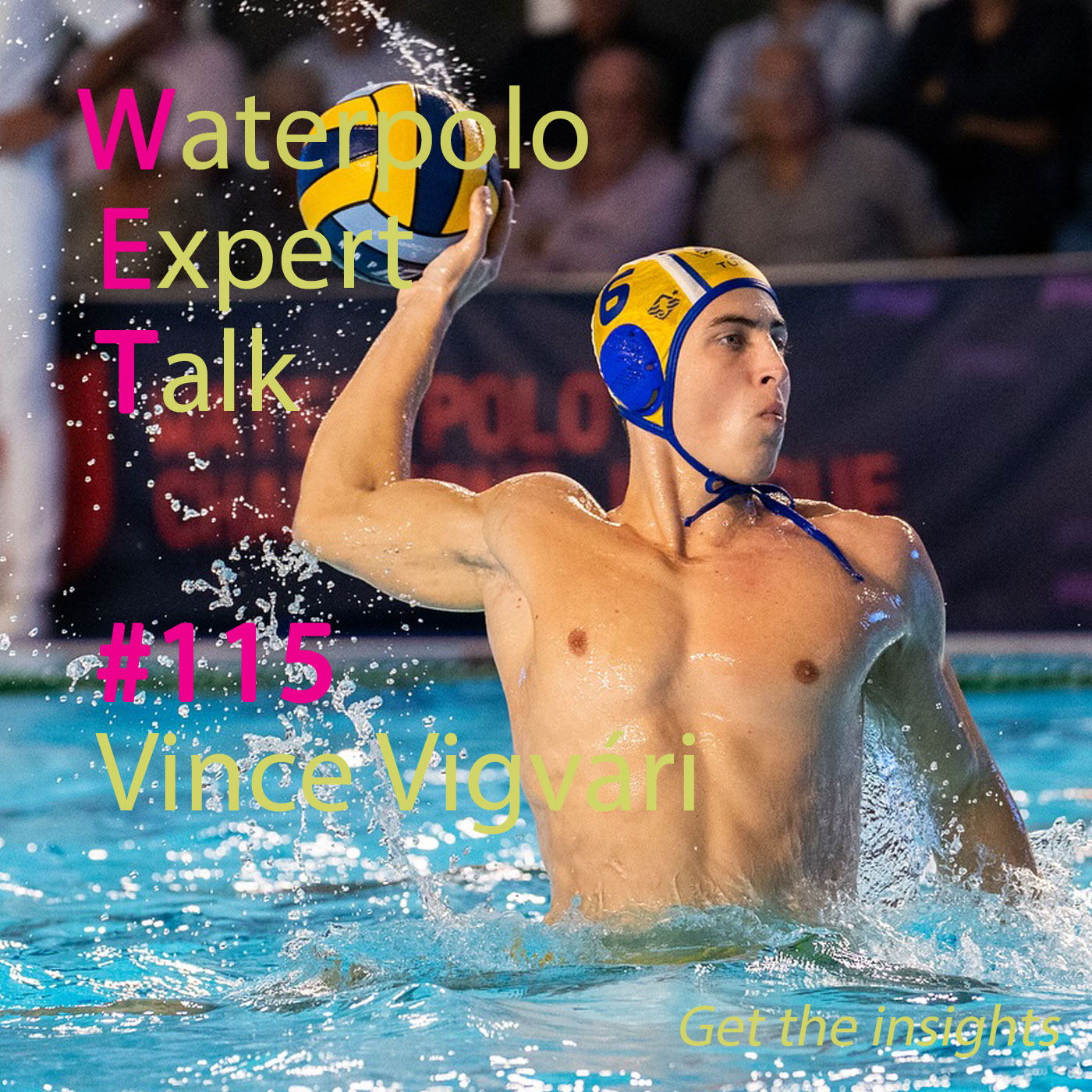 From Budapest to Barceloneta – Vince Vigvári on Talent Development, Olympic Pressure & Life at a Champions League Club | In this international episode of the Waterpolo Expert Talk, I speak with Vince Vigvári, a 21-year-old Hungarian national team player and current Champions League contender with CN Barceloneta, about his rapid rise from Hungarian youth water polo to the Olympic stage and one of Europe’s top clubs. Vince shares how his journey began at the age of eight, influenced strongly by his father, who was also a water polo player. Water polo was a family decision from the start, while his older sister went into tennis. Together with his brother, who is also a Hungarian national team player, Vince grew up in a highly competitive, sporty environment that shaped his mindset early on. He talks about his development in one of Hungary’s strongest youth programs, UVSE, and his first professional years at OSC Budapest, where he played three seasons in the Hungarian league and two Champions League campaigns before making the big international move to CN Barceloneta in Spain. A central topic is his experience at the Paris Olympic Games, including the unique Olympic atmosphere, playing in front of 17,000 spectators, and the special pressure of penalty shootouts in medal matches. Vince explains how he never viewed these moments as fear — but as honor, trust and opportunity. We also talk about the differences between: – Hungarian and Spanish water polo training philosophies – Club water polo vs. national team water polo – The step from a strong domestic league to a Champions League title contender – Living alone abroad for the first time – Why he loves challenges and personal growth Vince shares his perspective on what it truly means to wear the Hungarian cap, why national pride plays such a huge role in Hungarian water polo, and why making the national team is the childhood dream of almost every young player in Hungary. Topics of this episode: – Youth development in Hungarian water polo – Growing up in a water polo family – UVSE & OSC Budapest development pathway – Moving to CN Barceloneta – Hungarian vs. Spanish water polo styles – Olympic Games experience in Paris – Penalty shootout pressure – Wearing the Hungarian national cap – Life as a young professional abroad – Talent, discipline & growth mindset This episode is a must-listen for young players, parents, coaches and water polo fans worldwide who want to understand how a modern elite water polo career is built from youth level to the Olympic Games and the Champions League. 🔗 More about the podcast: https://www.schulzekopp.de | 17m 23s | ||||||
| 4/26/25 |  From Champions to Challenges – Unai Biel on Olympic Dreams, Defeats, Growth & the Champions League (Part 2) | In Part 2 of the conversation with Unai Biel, professional player at CN Barceloneta and Spanish national team member, we dive deep into the mentality of elite athletes, the Olympic dream, how to handle big defeats, and why constant self-reflection and improvement are the keys to long-term success in modern water polo. Unai reflects on two of the biggest moments of his career so far: the historic European Championship title with Spain and his first appearance at the Olympic Games in Paris. While the European gold medal was a once-in-a-lifetime national achievement, the Olympics fulfilled a childhood dream that had shaped his motivation from a very young age. We then move into the reality of elite competition with CN Barceloneta in the Champions League, including the heavy defeat against Ferencváros in Budapest. Unai explains why such losses are painful — but also essential for growth, motivation and tactical evolution. He describes in detail how professional teams analyze these games through video sessions, tactical corrections and individual responsibility. A central theme of this episode is the process of learning through defeat: – How to internalize emotions after a loss – How to turn frustration into training motivation – Why winning all the time can actually block development – Why adaptation is the core of modern water polo Unai also gives powerful advice for young players: – Be honest with yourself about your weaknesses – Actively seek feedback from experienced players – Write down concrete improvement goals – Turn every training session into a step forward We also talk about: – The constant evolution of water polo through rule changes – Why today’s game looks completely different from just a few years ago – Why elite players must evolve every season to survive at the top – Why communication inside the team is more important than ever Topics of this episode (Part 2): – European Championship gold with Spain – First Olympic appearance in Paris – Champions League reality with CN Barceloneta – Heavy defeats & how to grow from them – Match analysis & video feedback – Winning vs. improving – Adaptation to new rules – Mindset of constant evolution – Honest self-reflection in elite sport – Advice for young water polo players This episode is a must-listen for young athletes, coaches and high-performance sport fans worldwide who want to understand how elite players turn pressure, defeats and criticism into long-term success. 🔗 More about the podcast: https://www.schulzekopp.de | 16m 32s | ||||||
Showing 25 of 154
Pitch Fit is a Pro feature
See how bookable this show is for guests, which brands already advertise, the per-episode ad value, and the best-fit guest and sponsor profile. The numbers are blurred on the free plan.
How readily this show books outside guests like you.
How proven this show is for host-read sponsorships.
For Guests
ProFor Advertisers
ProUpgrade to Pro to unlock guest cadence, sponsor categories, fit scores, and per-episode ad value for this show.