
Insights from recent episode analysis
Audience Interest
Podcast Focus
Publishing Consistency
Platform Reach
Insights are generated by CastFox AI using publicly available data, episode content, and proprietary models.
Total monthly reach
Estimated from 2 chart positions in 2 markets.
By chart position
- 🇦🇺AU · Natural Sciences#1965K to 30K
- 🇨🇴CO · Natural Sciences#673K to 10K
- Per-Episode Audience
Est. listeners per new episode within ~30 days
4K to 20K🎙 Weekly cadence·33 episodes·Last published 10mo ago - Monthly Reach
Unique listeners across all episodes (30 days)
8K to 40K🇦🇺75%🇨🇴25% - Active Followers
Loyal subscribers who consistently listen
2.4K to 12K
Market Insights
Platform Distribution
Reach across major podcast platforms, updated hourly
Total Followers
—
Total Plays
—
Total Reviews
—
* Data sourced directly from platform APIs and aggregated hourly across all major podcast directories.
On the show
Recent episodes
Episode 45: Engineering the future with Earth's oldest materials
Jul 15, 2025
Unknown duration
Episode 44: How soil thermal and moisture data drive renewable energy in Germany
Mar 26, 2025
Unknown duration
Episode 43: On-site weather data paving the way for better road construction
Feb 19, 2025
Unknown duration
Episode 42: Can trees store water long-term in heartwood?
Jan 13, 2025
Unknown duration
Episode 41: Getting irrigation right in a drought-stricken world
Jan 7, 2025
Unknown duration
Social Links & Contact
Official channels & resources
Official Website
Login
RSS Feed
Login
| Date | Episode | Description | Length | ||||||
|---|---|---|---|---|---|---|---|---|---|
| 7/15/25 |  Episode 45: Engineering the future with Earth's oldest materials | Every structure around the world has one thing in common: they are built on a foundation of rock and soil. Unfortunately, the physical properties of these materials are as varied as the structures upon them. This variability has long forced geotechnical engineers to rely on instinct and experience when determining the most cost-effective safe solution. Since safety cannot be sacrificed, the margin of error must be covered with more robust and costly solutions than necessary in every case. In an industry where the consequences of error range from costly to catastrophic, Terracon is on a mission to replace educated guestimates with measurable, repeatable data. In this episode of We Measure the World, we talk to Arash Hosseini, Ph.D., P.E. and Matthew Ridgway, P.E. of Terracon about what it takes to make site-specific measurements consistent, accurate, and scalable. | — | ||||||
| 3/26/25 |  Episode 44: How soil thermal and moisture data drive renewable energy in Germany | Germany has committed to generating 80% of its electricity from renewable sources by 2030, as outlined in the Climate Action Act. However, the ideal locations for wind and solar farms are in the north, while the industrial centers that require power are in the south. To save space, protect cables from weather damage, and preserve aesthetics, Germany chooses to bury the cables wherever possible. So, how do you safely transport utility-scale energy 700 km underground? Varying types of soil and seasonal changes in soil moisture can impact the ability to safely do this without damaging cables or harming the ecosystem. In this episode, Kai-Julian Hendler and Christoph Verschaffel-Drefke discuss the geotechnical challenges of this ambitious project. | — | ||||||
| 2/19/25 |  Episode 43: On-site weather data paving the way for better road construction | Road construction projects can thrive or fail based on the weather conditions they face. Optimal air temperatures are required for paving materials to cure properly. Wind, temperature, precipitation, and other atmospheric factors determine project scheduling, resource allocation, and compliance with EPA guidelines. Traditional pen-and-paper tracking is inefficient and prone to inaccuracies. In this episode, Bryce Wuori, Co-founder and CEO of Pavewise, discusses their development of Groundtruth — a software designed to make weather tracking simpler, more accurate, and automated for the road construction industry. | — | ||||||
| 1/13/25 | 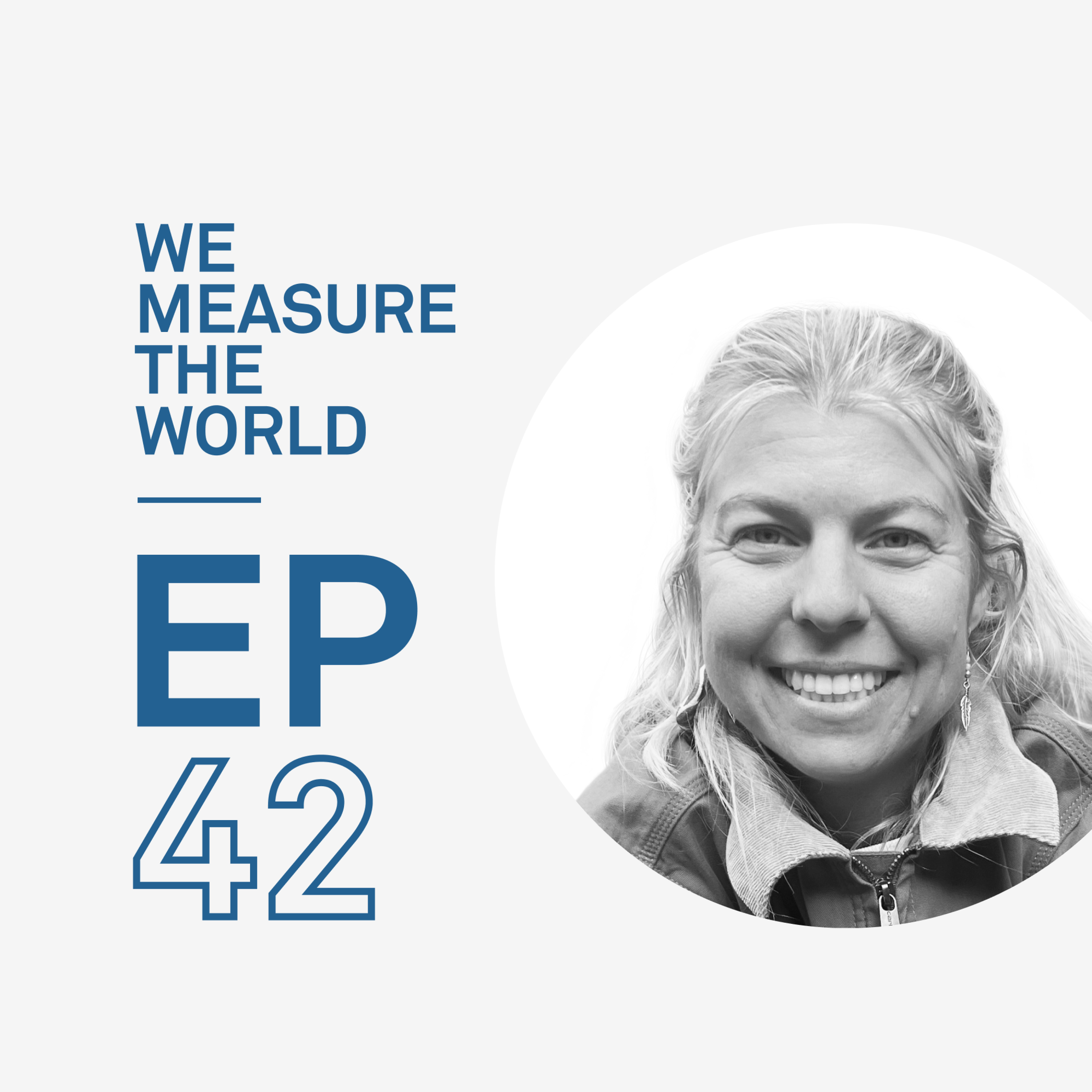 Episode 42: Can trees store water long-term in heartwood? | Traditionally, models of tree water consumption rely on evapotranspiration —a process describing the movement of water through the soil, plant, and atmosphere—as an indirect measure. However, these models may lack critical components, leading to inaccuracies in prediction. In this episode, we are joined by Lauren Tucker, a PhD candidate at Idaho State University, who discusses her team's groundbreaking research on how different tree species store moisture deep within their heartwood for long-term retention. | — | ||||||
| 1/7/25 | 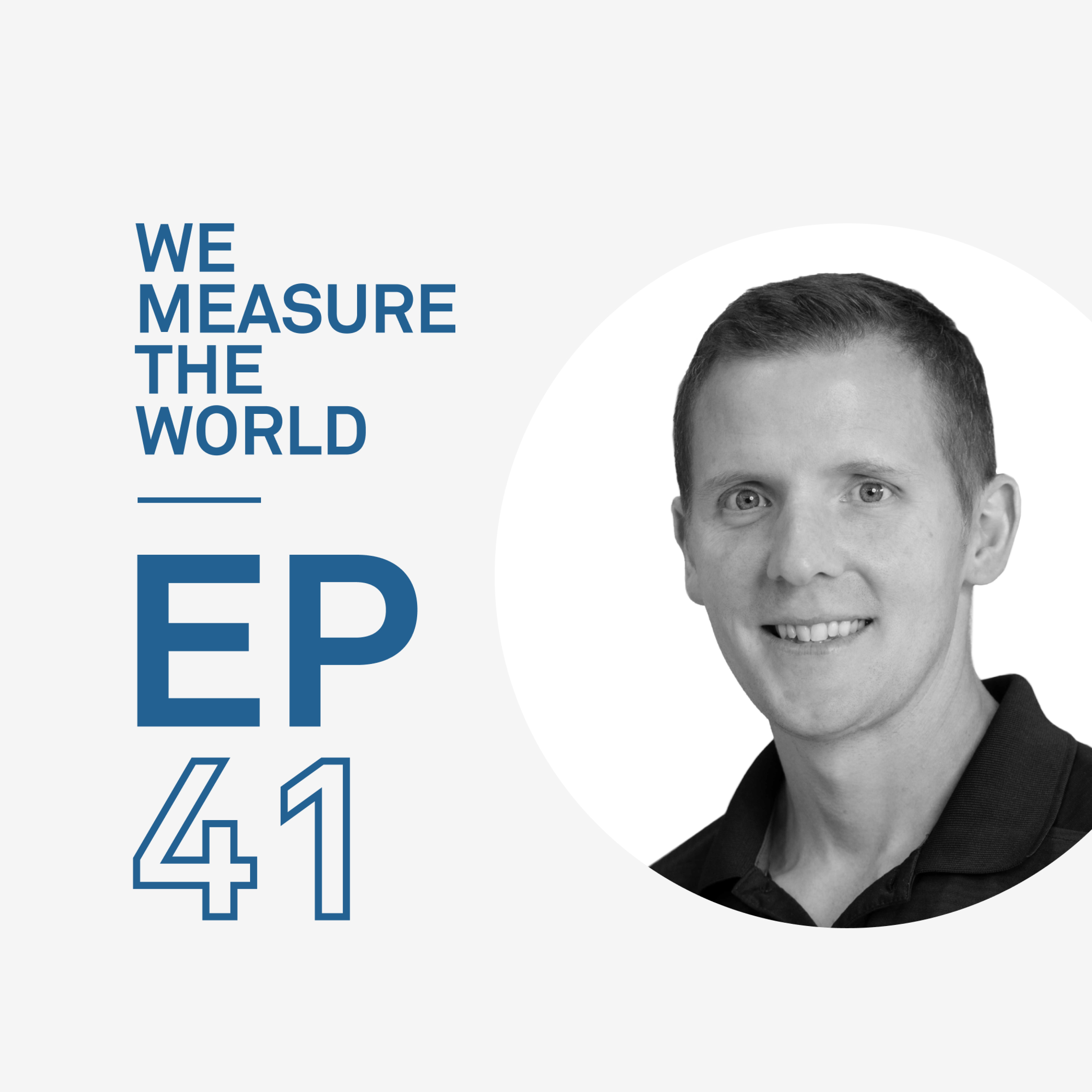 Episode 41: Getting irrigation right in a drought-stricken world | As the climate continues to change, water distribution across the planet shifts in unpredictable ways. Historical data can no longer be relied on as traditional moisture-rich areas are experiencing longer, more frequent droughts and arid landscapes now have flooding to manage. In this episode, Dr. Matt Yost, agroclimate extension specialist at Utah State University, discusses his research in commercial agriculture and how producers can benefit from the certainty of high-accuracy soil moisture and weather instruments to achieve precision irrigation in these uncertain times. | — | ||||||
| 1/7/25 | 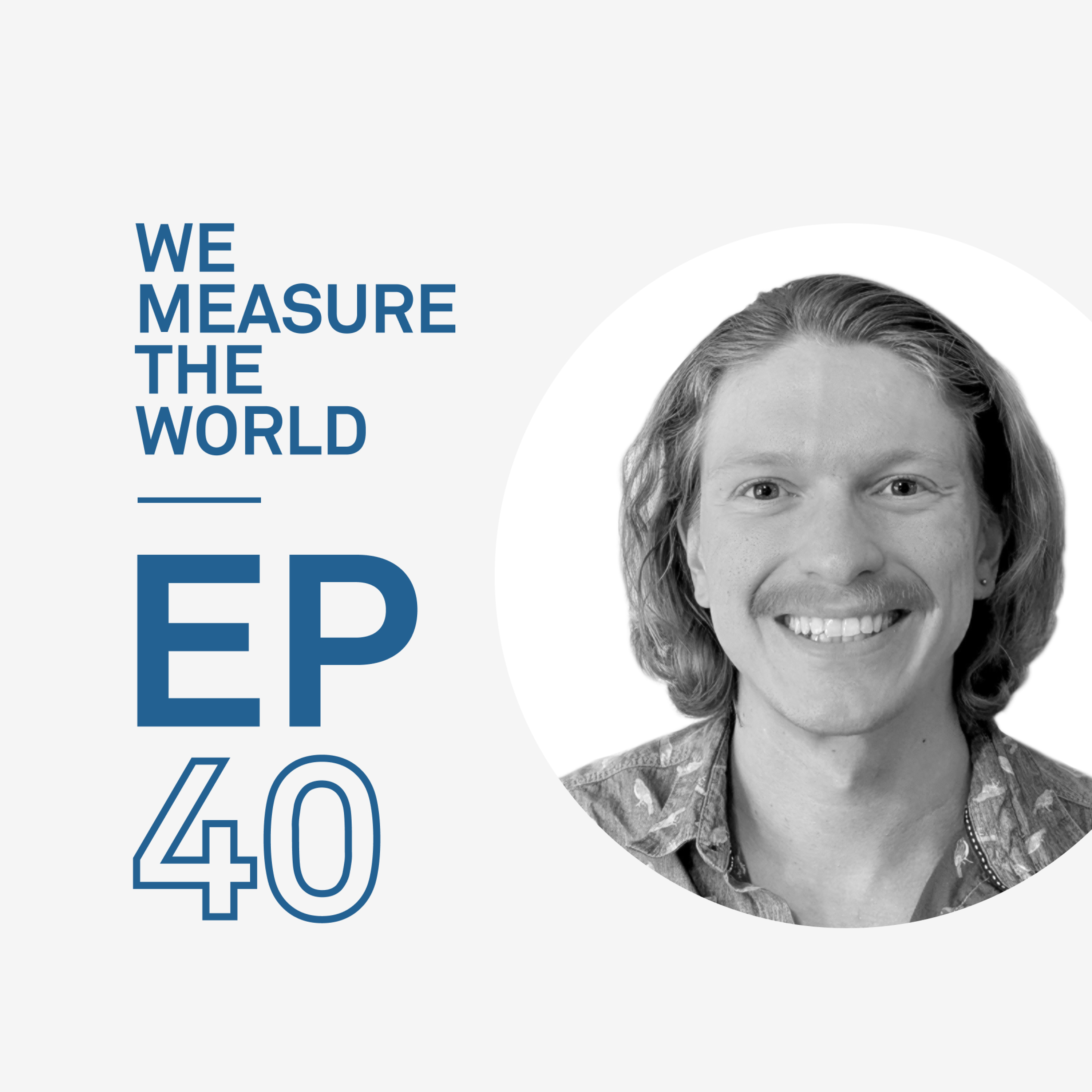 Episode 40: Emulating natural prairies to balance soil health | The cover crop and crop rotation options used by agriculturalists across the country don’t work among the dryland farming practices of the plains of Wyoming. Wheat farmers — many of whom operate without well rights — are lucky to get a profitable crop every 2-3 years as their fields lie fallow for the interim to allow the soil recover. In this episode, we talk to G.A. Harris Fellowship recipient Alex Fox, who joined a study that took lessons from natural prairie systems and studied the impacts of planting Kernza®, the first ever domesticated perennial grain crop. | — | ||||||
| 1/7/25 | 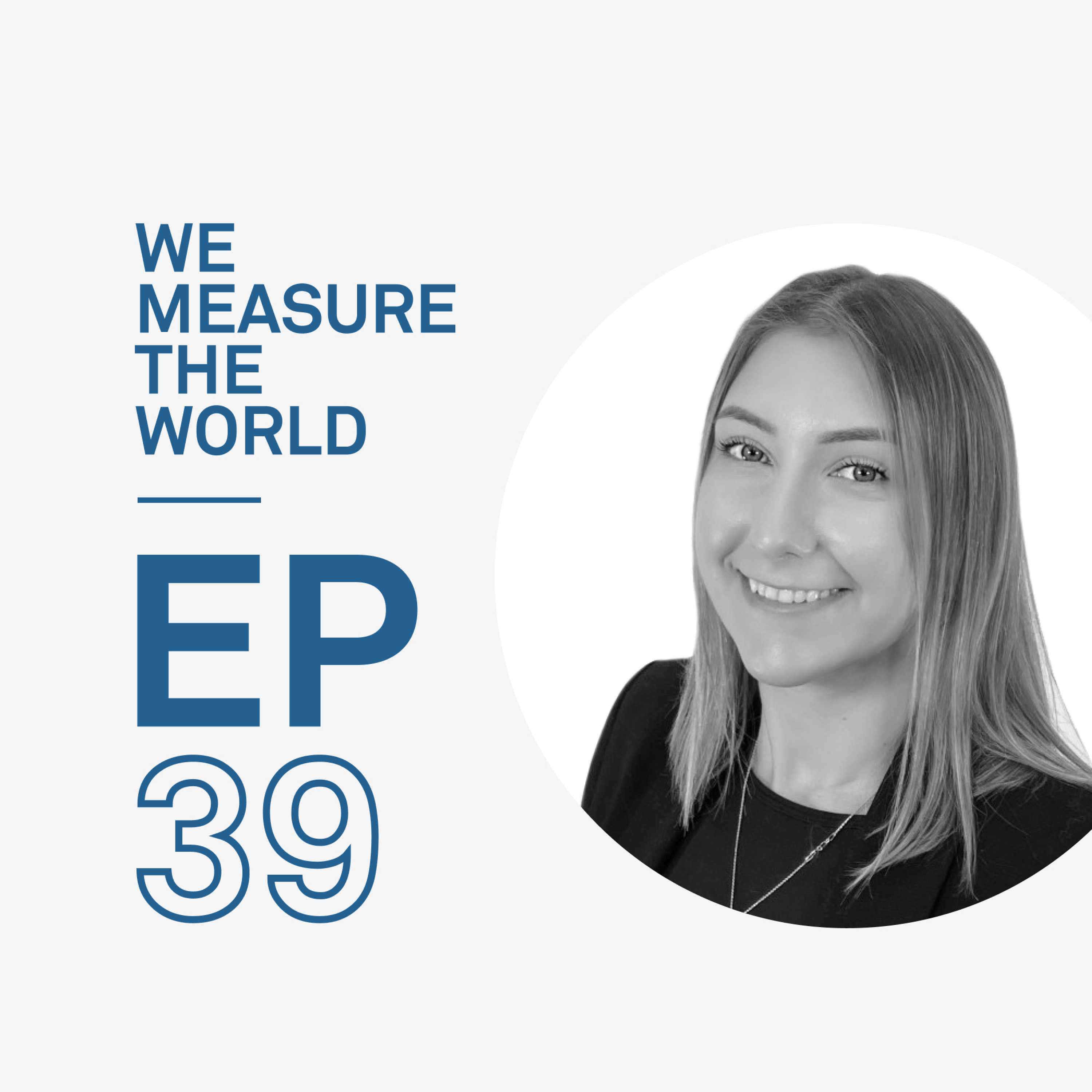 Episode 39: Improving blueberry breeding with soil moisture monitoring | Growing blueberries is a challenge. Multiple stalks require manual harvest. A thirsty root structure requires large amounts of water. The pine bark mulch spread across the soil conserves irrigation water and added nutrients but comprises a quarter of the growing cost. 2022 G.A. Harris Fellowship recipient and University of Florida horticultural sciences PhD student, Cecilia Heller, has dedicated her studies to tackling this problem. In this episode, Cecilia discusses the challenges and successes she has found with grafting blueberries for climate resilience. | — | ||||||
| 1/7/25 |  Episode 38: Growing essential oils the sustainable way | The world of essential oils isn’t inherently sustainable and rarely ethically sourced. The workers and the land itself are often treated with little respect in the name of short-term profitability. Katie Anselmi, master's student at Colorado Mesa University, got the opportunity to visit Fairoil farms in Kenya and work with the farmers that are trying to change that as they produce the oils used by doTERRA, a popular essential oil company. The farmers were battling inconsistent yield and had reached out to Katie’s advisor, Dr. Neil Hansen for help. In this episode, Katie discusses what they discovered on their trip to Kenya. | — | ||||||
| 1/7/25 |  Episode 37: Detecting natural gas seepage from pipelines | Stephen is a professor in the department of geology at the University of Puerto Rico-Mayagüez. He obtained his bachelors in geology and earth science from the University of North Carolina at Chapel Hill and his PhD in geology from North Carolina State University. He teaches classes in structural geology, geomorphology, and field geology, and his research projects have focused mostly on tropical landslides and landscape evolution, with the funding of such organizations as the NSF, USGS, USDA-NRCS, and NOAA. | — | ||||||
| 1/7/25 |  Episode 36: The 70,000-landslide storm | In 2017, Hurricane Maria ravaged the island of Puerto Rico, with category 5 winds topping out at 174 mph (282 km/h). In this mountainous nation with the 9th highest road density in the world, thousands of landslides wreaked havoc on the large number of rural communities that became cut off from supplies and travel. Dr. Stephen Hughes, a professor in the Department of Geology at the University of Puerto Rico Mayagüez, has turned this catastrophe into a lesson by harnessing before and after data to develop a landslide susceptibility map with resolution down to every 5 m. Join us as we discuss with him the process of developing landslide prediction across the entire island nation. | — | ||||||
Want analysis for the episodes below?Free for Pro Submit a request, we'll have your selected episodes analyzed within an hour. Free, at no cost to you, for Pro users. | |||||||||
| 1/7/25 |  Episode 35: The human burden on urban soils | Ecosystem services—the physical processes performed by soils within an ecosystem—are well-known in agricultural settings, but how do we define and measure them in urban settings? Join Dr. Sara Acevedo, assistant professor at La Pontifícia Universidad Católica de Chile, as she explores what it takes to measure the metals and other contaminants left in soil by human activity, the effect of soil homogeneity in an urban landscape, and to extend these studies out into areas of human development that have been ravaged by wildfires. | — | ||||||
| 1/7/25 |  Episode 34: Bushfires, The Great Barrier Reef, and White-Bellied Frogs | Measuring the soil-plant-atmosphere continuum across Australia comes in a wide variety of applications thanks to the wildly differing landscapes. No one knows more about the far reaches of these scientific efforts than Dr. Michael Forster, the founder of Implexx Sense and Director at Edaphic Scientific and a senior adjunct research fellow at Griffith University in Queensland. In this episode, we talk with Michael about everything from plans for an underwater cable to transmit power to Singapore across more than 2000 miles of seabed, environmentally friendly mining practices, and the fate of endangered frogs and birds. | — | ||||||
| 4/18/24 |  Episode 33: Combating arsenic in groundwater and rice | Half of the world relies on rice for about 80% of their food intake. Unfortunately, rice is highly susceptible to the uptake of arsenic from soil and groundwater. To mitigate the uptake of poisons into the worldwide food supply, Mason Stahl, an associate professor in the environmental science policy and engineering program and the geosciences department at Union College, is utilizing machine learning and direct sampling to help mitigate dangerous levels of arsenic in our food. Join us in this episode as we discuss arsenic, uranium, and the global food chain. | — | ||||||
| 3/18/24 |  Episode 32: How to predict landslides | Slope stability is unpredictable — or is it? The risk of landslides threatens roads, rails, homes, and lives. Being able to forecast where and when slopes will fail means giving communities the power to keep infrastructure and people safe. In this episode, we talk with civil engineer Dr. Ning Lu about his experience studying slope stability. Learn about the breakthrough slope stability predictive formula he helped develop in this episode of We Measure the World. | — | ||||||
| 2/21/24 |  Episode 31: The fight against soil and nutrient loss | Achieving water balance isn’t easy, but it is critical. Whether you’re concerned with fields or ecosystems, understanding the balance between water, nutrients, and pollutants can be the difference between success and failure. In this episode, agricultural engineer and professor Erin Brooks discusses crop cover, the hydrological impacts of management choices, and finding the balance between field work and modeling. | — | ||||||
| 1/12/24 |  Episode 30: The transformative power of precision farming | Advancements in irrigation, pest management, and other grower concerns are useless if they are never adopted. How do you gain the trust and by-in from growers to test new techniques and technologies on a large enough scale to prove viability? In this episode, we talk to agronomist Saul Alarcon about his success working with some of the largest tomato-production networks and how he has helped keep his grower partners remain at the cutting edge of water conservation, pest and weed control, and everything else that feeds into optimal crop production. For more information on measurements that make precision farming possible, visit metergroup.com | — | ||||||
| 10/24/23 |  Episode 29: The effect of insects on infiltration | Every 17 years cicadas emerge from the earth to mate, leaving thousands of holes peppering the landscape. Dr. Darren Ficklin and his Ph.D. students wondered what impact this monumental exodus has on the movement of water within the soil. Their findings were beyond what anyone could have ever imagined. In this podcast, we talk to Dr. Ficklin about his past and current work studying the intersection of climate and hydrology. | — | ||||||
| 9/20/23 |  Episode 28: Quantifying statewide soil health | Colorado’s Saving Tomorrow’s Agricultural Resources (STAR) program provides a voluntary way for farmers and ranchers to assess their conservation efforts and impact on soil health. Creating a large-scale agroecosystem management comes with many funding and logistical tribulations. In this podcast, we talk to the founders of this program, Drs. Jim Ippolito and Steve Blecker, about what impacts soil health, how it’s measured, and the hope of a nationwide soil health rating scale. | — | ||||||
| 8/22/23 |  Episode 27: The battle for earth: cattle vs. solar | Discussions around land use for cattle grazing versus solar panels have valiant proponents on both sides, but some question the debate altogether. Why can’t land be used for both raising cattle and renewable energy sources such as wind or solar? Ph.D. student at Colorado University, Taylor Bacon, joins us to discuss aviation biofuel, the colocation of agriculture and solar photovoltaic energy production, and the healing powers of running. | — | ||||||
| 6/20/23 |  Episode 26: Choosing between water content and water potential | Should you be measuring water content or water potential? Like all good scientific questions, the answer is, “It depends.” In some applications, water content measurements will tell you everything you need to know, in others, water potential will get to the root of the issue. Still others require measuring both. So how do you make sure you’re making the measurements you need? In this episode, METER research scientist, Leo Rivera and METER’s ecology and plant physiology specialist, Chris Chambers discuss what you need to know to choose the right measurements. | — | ||||||
| 5/22/23 |  Episode 25: Dissolving the boundaries between specializations | 25 years ago Drs John Norman and Gaylon Campbell co-authored An Introduction to Environmental Biophysics, the preeminent environmental biology textbook still internationally used in classrooms today. Their ability to work across disciplinary lines brought new understanding to countless scientists and taught us how to conduct better research through collaboration. Join us as we discuss the past, present, and future of Environmental Biophysics. | — | ||||||
| 4/18/23 |  Episode 24: Building a national water potential network | Champions of water potential, Drs. Kim Novick and Jessica Guo, team up to discuss the vital role water potential measurement plays in both plant and soil sciences and the work they are doing to establish the first-of-its-kind nationwide water potential network. Join their discussion to understand how a communal knowledge of these measurements could impact what we know about climate change and ecology as a whole. | — | ||||||
| 3/21/23 |  Episode 23: The power of soil health in sustainable agriculture | Soil amendments may boost biomass production, but could they be having an adverse effect on the health of your soil? Dr. Dedrick Davis, Assistant Professor in Soil Physics at Alabama A&M University, explores sustainable agriculture practices and their effect on soil hydrology, near surface soil, the local water supply, and the longevity of the farms themselves. | — | ||||||
| 2/14/23 |  Episode 22: Breeding the most elite winter wheat | The only thing certain in crop science is change. The varietal of wheat that stood strong against disease, rallied from extreme temperatures, and survived the water conditions of five years ago is not the variety that will be the most successful five years in the future. In this episode Dr. Arron Carter, professor and OA. Vogel Endowed Chair of wheat breeding and genetics at Washington State University, discusses the 10-year process that thousands of varietals of wheat go through to determine the best wheat products each year in the ever-changing climate conditions. | — | ||||||
| 11/28/22 |  Episode 20: The impact of seasonal vegetation on coastal dune storm recovery | Travel on a journey with Pete Tereszkiewicz, Ph.D. candidate at the University of South Carolina, as he battled COVID restrictions, nor’easters, and hurricane Ian to understand how wind, water, sediment interactions, and seasonal vegetation affect beach dune creation, deformation, and erosion. | — | ||||||
Showing 25 of 51
Sponsor Intelligence
Sign in to see which brands sponsor this podcast, their ad offers, and promo codes.
Chart Positions
2 placements across 2 markets.
Chart Positions
2 placements across 2 markets.