

Insights from recent episode analysis
Audience Interest
Podcast Focus
Publishing Consistency
Platform Reach
Insights are generated by CastFox AI using publicly available data, episode content, and proprietary models.
Most discussed topics
Brands & references
Total monthly reach
Estimated from 1 chart position in 1 market.
By chart position
- 🇭🇺HU · TV & Film#4010K to 30K
- Per-Episode Audience
Est. listeners per new episode within ~30 days
3K to 9K🎙 Daily cadence·165 episodes·Last published 1mo ago - Monthly Reach
Unique listeners across all episodes (30 days)
10K to 30K🇭🇺100% - Active Followers
Loyal subscribers who consistently listen
4K to 12K
Market Insights
Platform Distribution
Reach across major podcast platforms, updated hourly
Total Followers
—
Total Plays
—
Total Reviews
—
* Data sourced directly from platform APIs and aggregated hourly across all major podcast directories.
On the show
From 10 epsHost
Recent guests
Recent episodes
Elliot Tuttle, Kieron Moore and Reed Birney on vulnerability and vision in 'Blue Film'
May 5, 2026
15m 39s
Nicole Bazuin on claiming agency through form in 'Modern Whore'
May 1, 2026
16m 55s
We Need to Talk About Emmy #31: Alexandra Brodski shapes psychological grip in 'Half Man'
Apr 28, 2026
20m 46s
Madison Young faces her younger selves in 'By the Roots'
Apr 21, 2026
19m 43s
Chandler Levack on distance, exposure, and doubling down in 'Mile End Kicks' and 'Roommates'
Apr 17, 2026
22m 22s
Social Links & Contact
Official channels & resources
Official Website
Login
RSS Feed
Login
| Date | Episode | Topics | Guests | Brands | Places | Keywords | Sponsor | Length | |
|---|---|---|---|---|---|---|---|---|---|
| 5/5/26 | 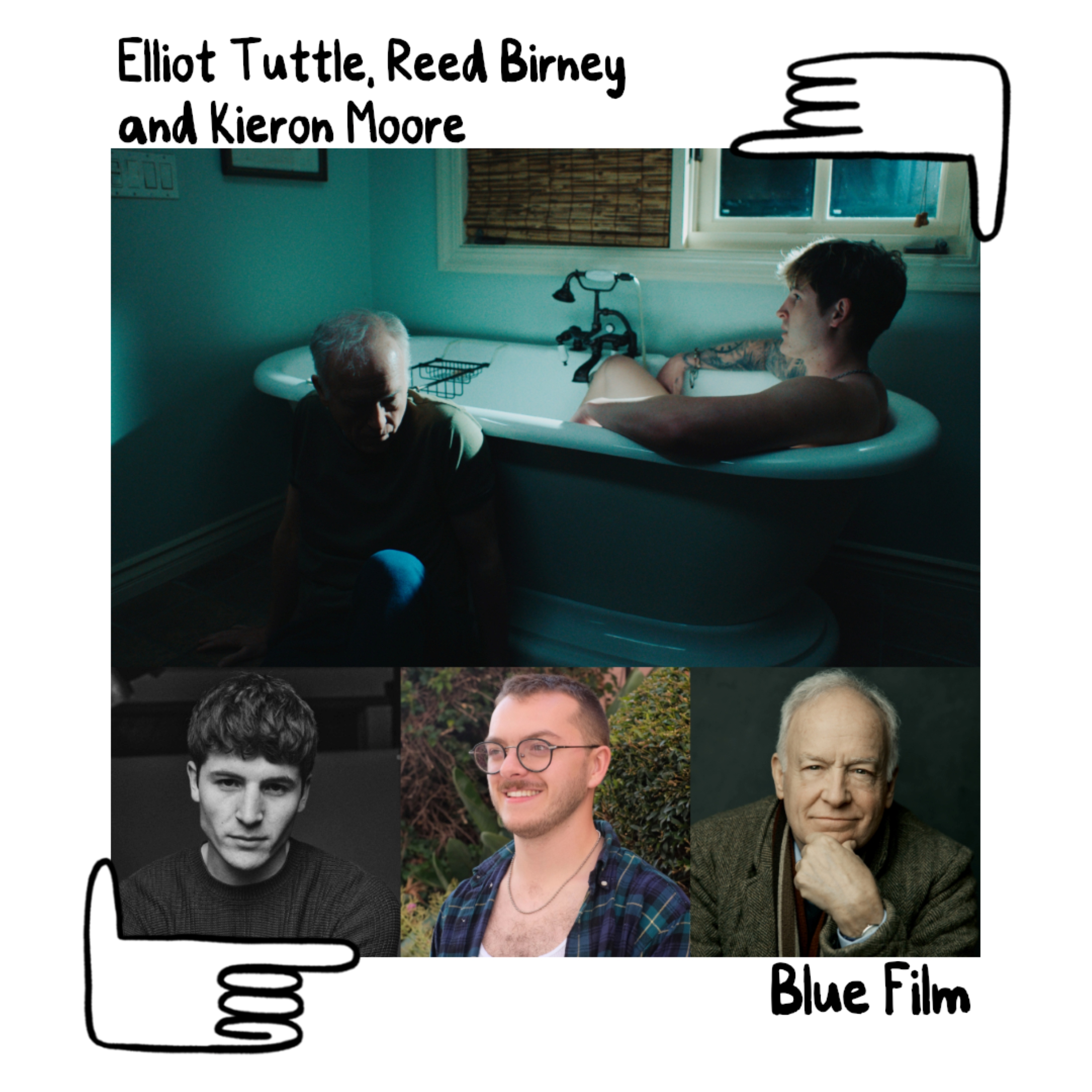 Elliot Tuttle, Kieron Moore and Reed Birney on vulnerability and vision in 'Blue Film'✨ | vulnerabilityfilm production+4 | Elliot TuttleReed Birney+1 | Obscured Releasing | — | Blue FilmElliot Tuttle+7 | — | 15m 39s | |
| 5/1/26 | 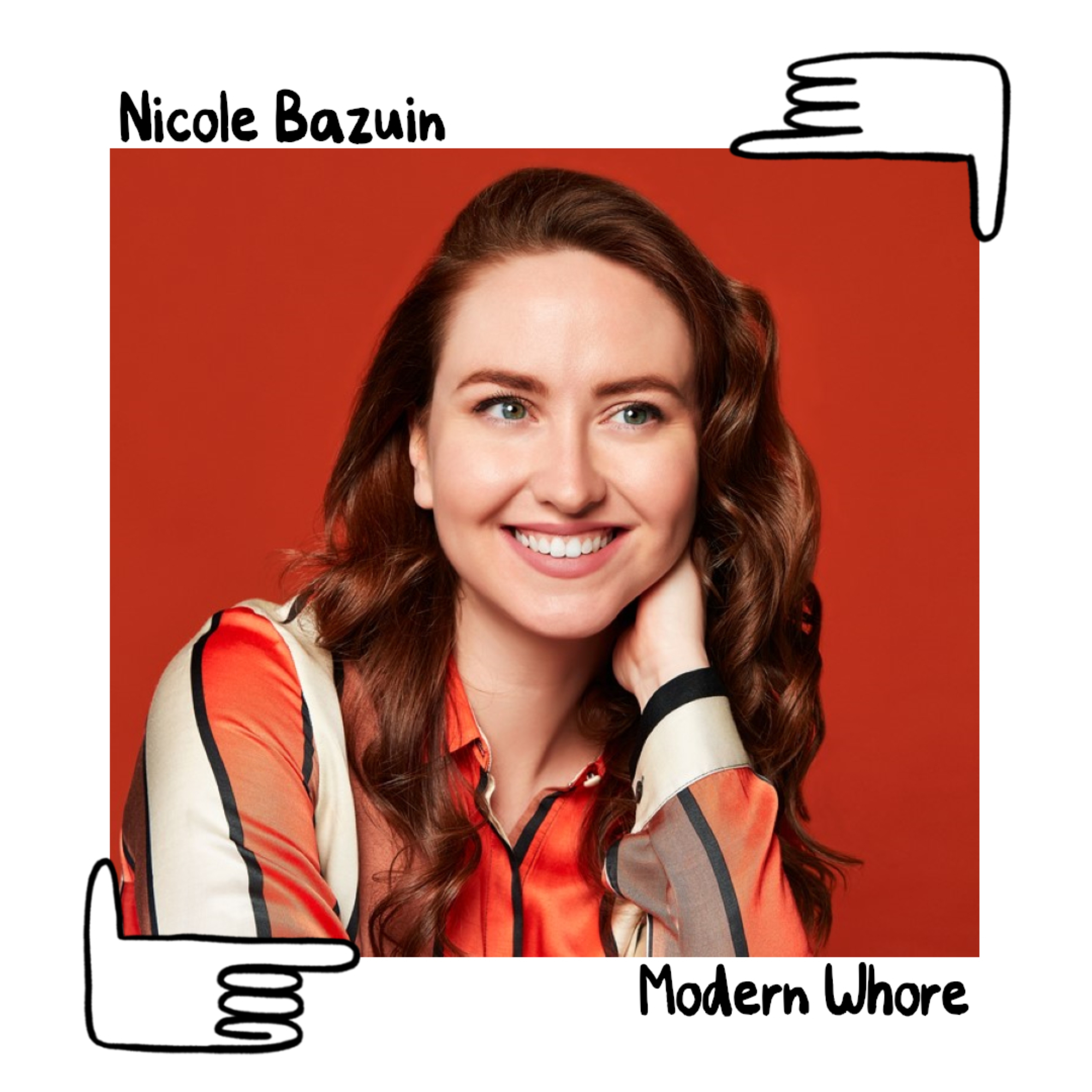 Nicole Bazuin on claiming agency through form in 'Modern Whore'✨ | documentary filmmakingsex work+3 | Nicole Bazuin | Virgin TwinsModern Whore | — | Modern WhoreNicole Bazuin+5 | — | 16m 55s | |
| 4/28/26 | 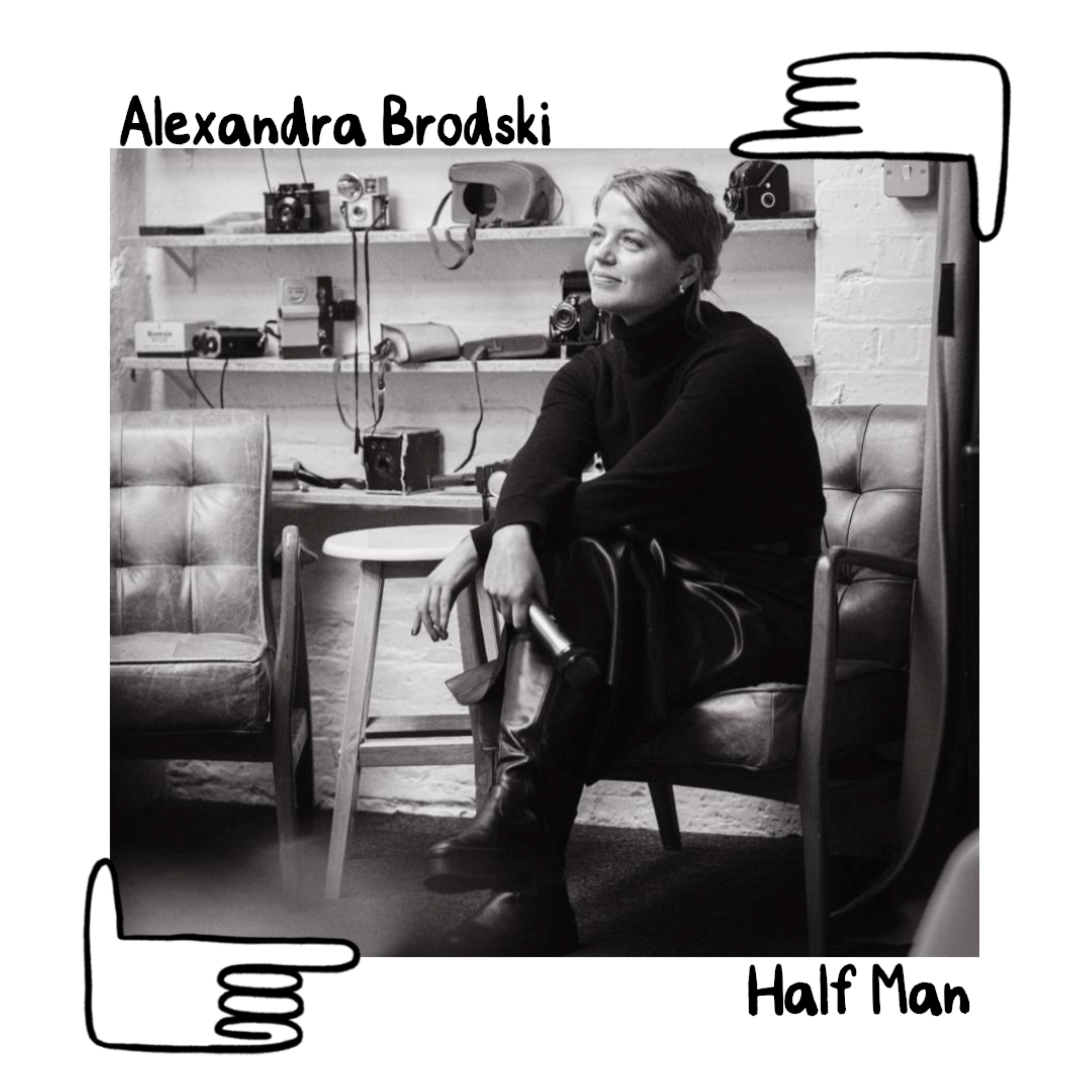 We Need to Talk About Emmy #31: Alexandra Brodski shapes psychological grip in 'Half Man'✨ | directingpsychological drama+3 | Alexandra Brodski | Half ManBaby Reindeer+2 | — | Alexandra BrodskiHalf Man+3 | — | 20m 46s | |
| 4/21/26 | 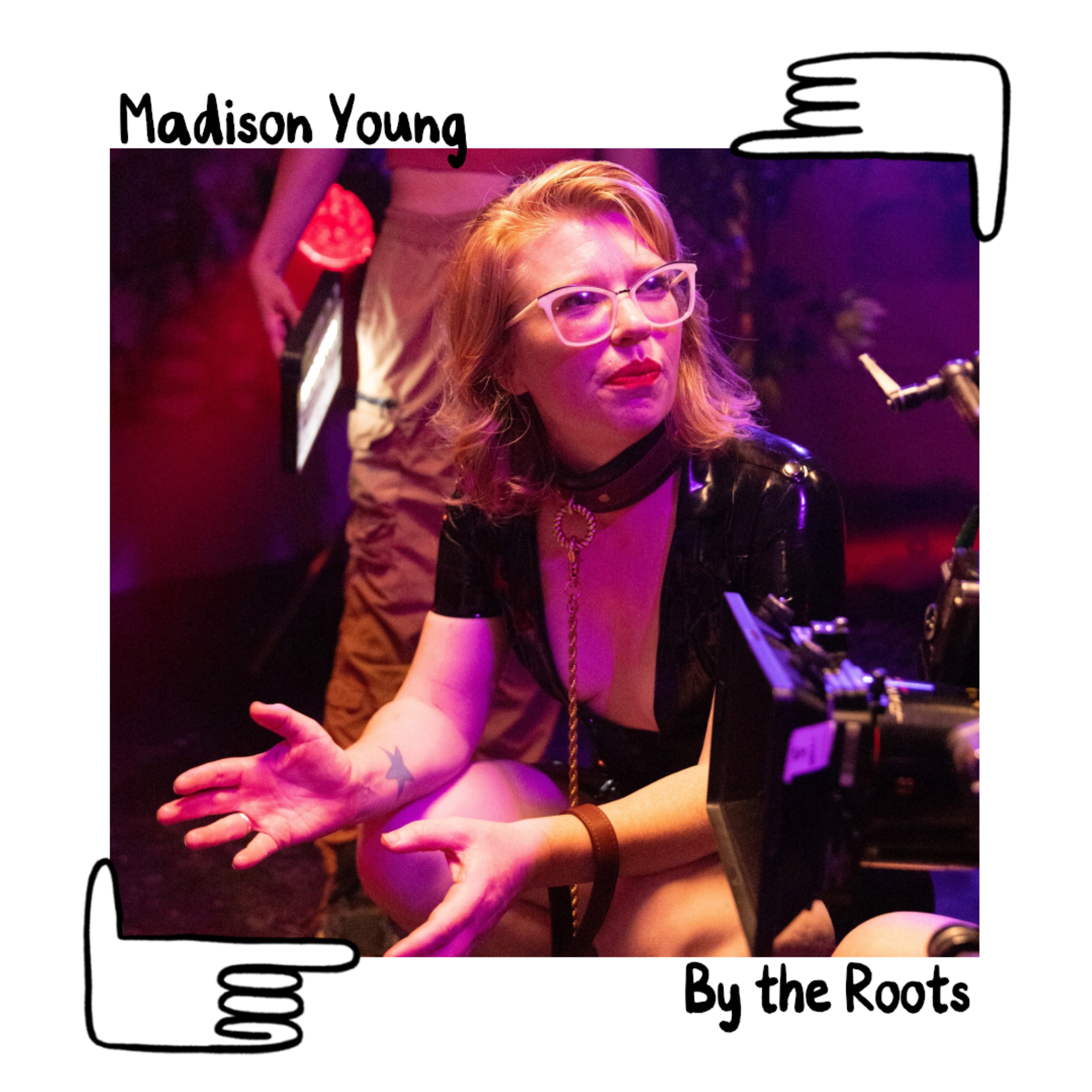 Madison Young faces her younger selves in 'By the Roots'✨ | film adaptationpersonal storytelling+4 | Madison Young | Empress in Lavender MediaBy the Roots+1 | — | Madison YoungBy the Roots+6 | — | 19m 43s | |
| 4/17/26 |  Chandler Levack on distance, exposure, and doubling down in 'Mile End Kicks' and 'Roommates'✨ | filmmakingpersonal storytelling+5 | Chandler Levack | NetflixHappy Madison+4 | — | Chandler LevackMile End Kicks+7 | — | 22m 22s | |
| 4/10/26 | 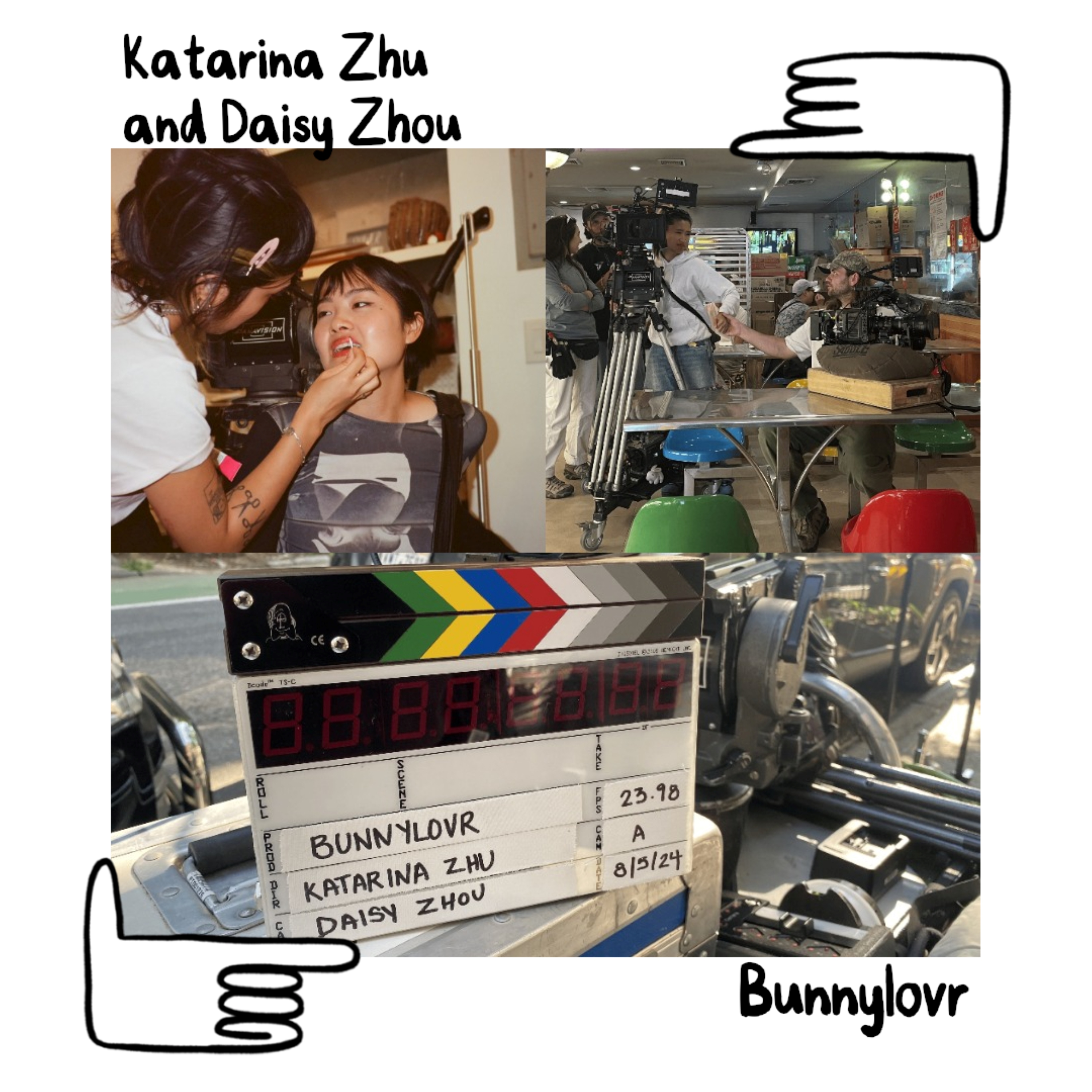 Katarina Zhu and Daisy Zhou on seeing and being seen in ‘Bunnylovr’✨ | filmcinematography+3 | Katarina ZhuDaisy Zhou | Bunnylovr | New York | BunnylovrKatarina Zhu+6 | — | 27m 42s | |
| 4/3/26 | 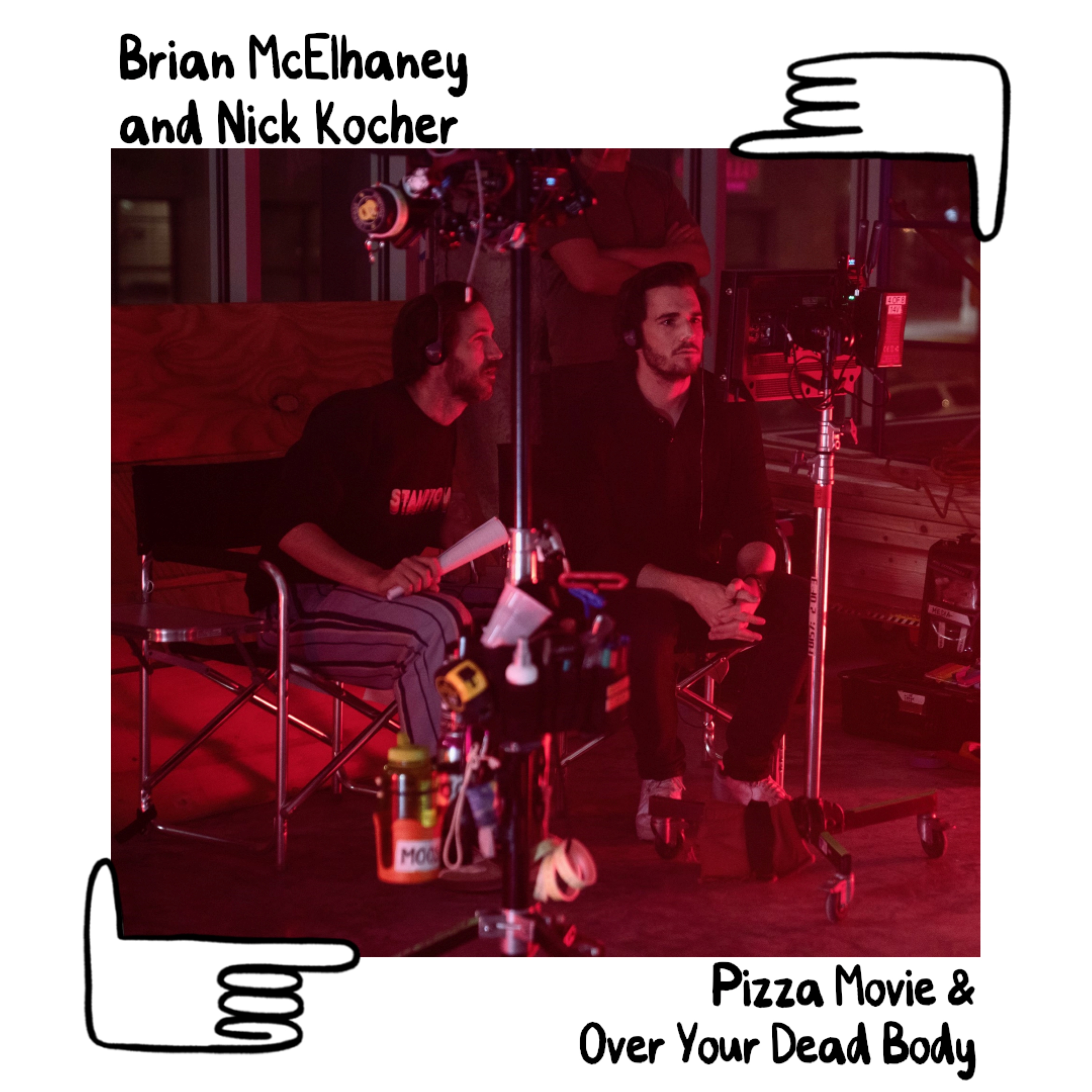 BriTANicK is turning from sketches to features✨ | comedyfilmmaking+4 | Brian McElhaneyNick Kocher | BriTANicKHulu+4 | — | BriTANicKPizza Movie+6 | — | 23m 52s | |
| 3/27/26 | 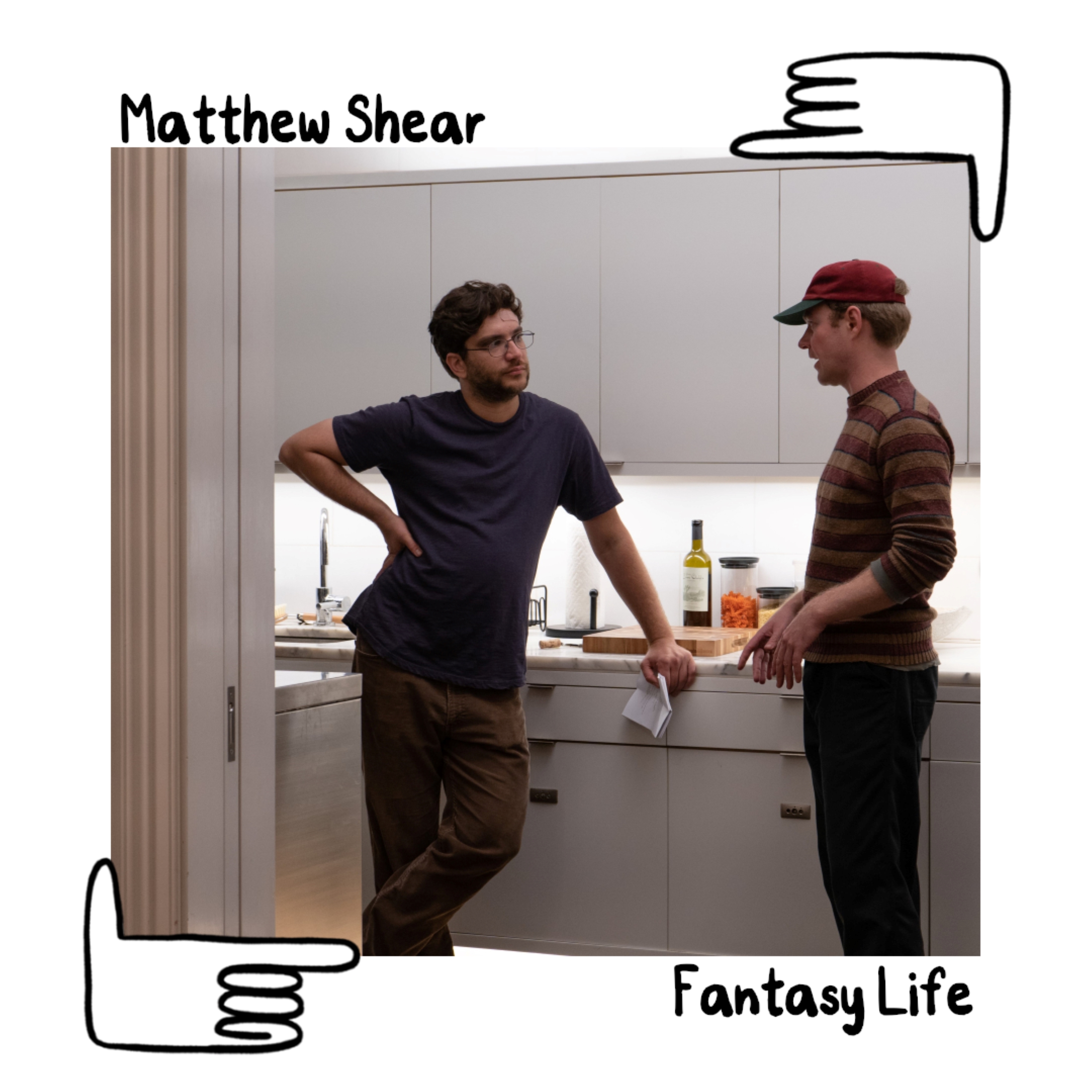 Matthew Shear explores the personal and cultural in 'Fantasy Life'✨ | mental healthpersonal experience+4 | Matthew Shear | SXSWFantasy Life | — | SXSWFantasy Life+6 | — | 19m 31s | |
| 3/20/26 | 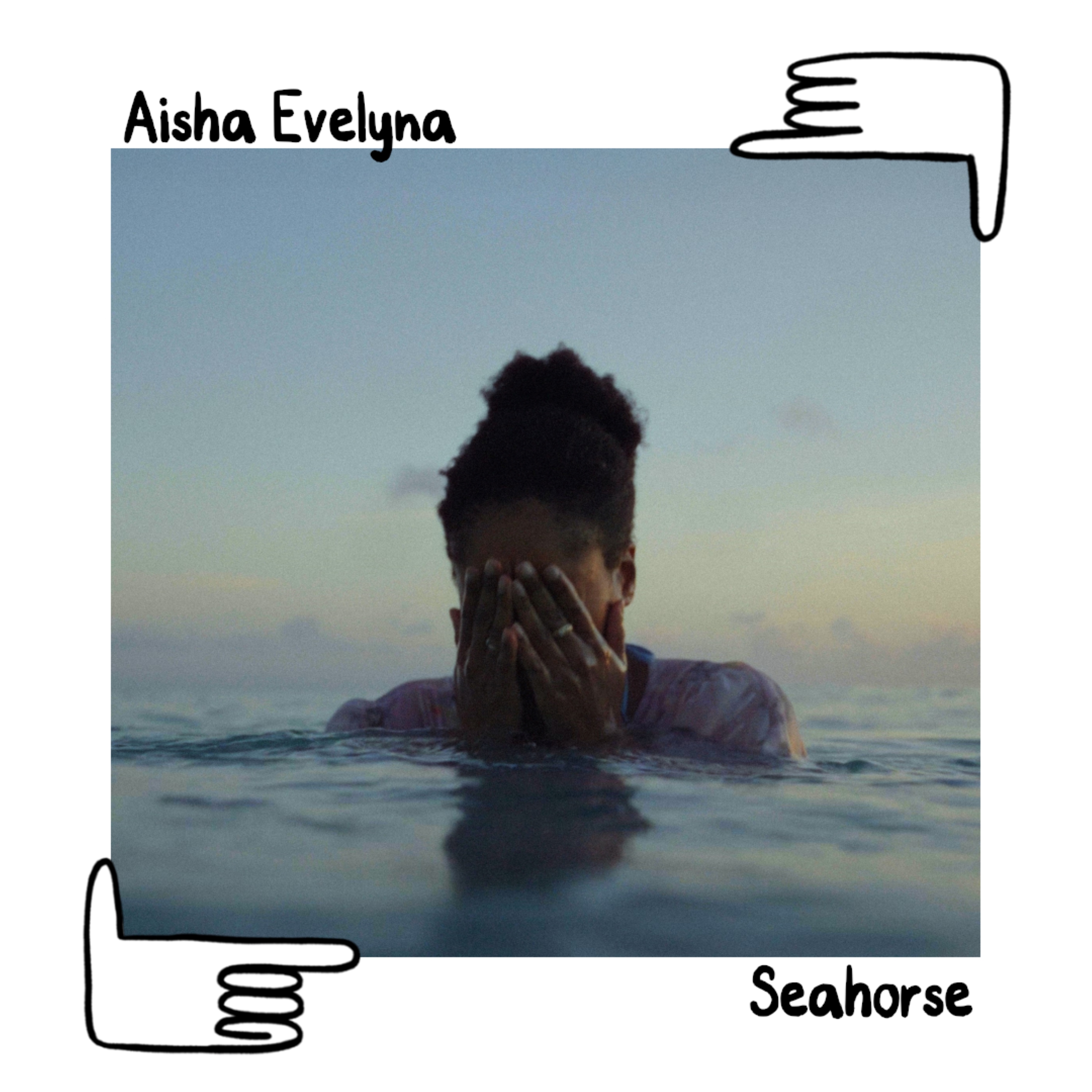 Aisha Evelyna lives between roles in 'Seahorse'✨ | filmmakingcollaboration+3 | Aisha Evelyna | SeahorseNola+1 | — | Aisha EvelynaSeahorse+5 | — | 23m 06s | |
| 3/17/26 | 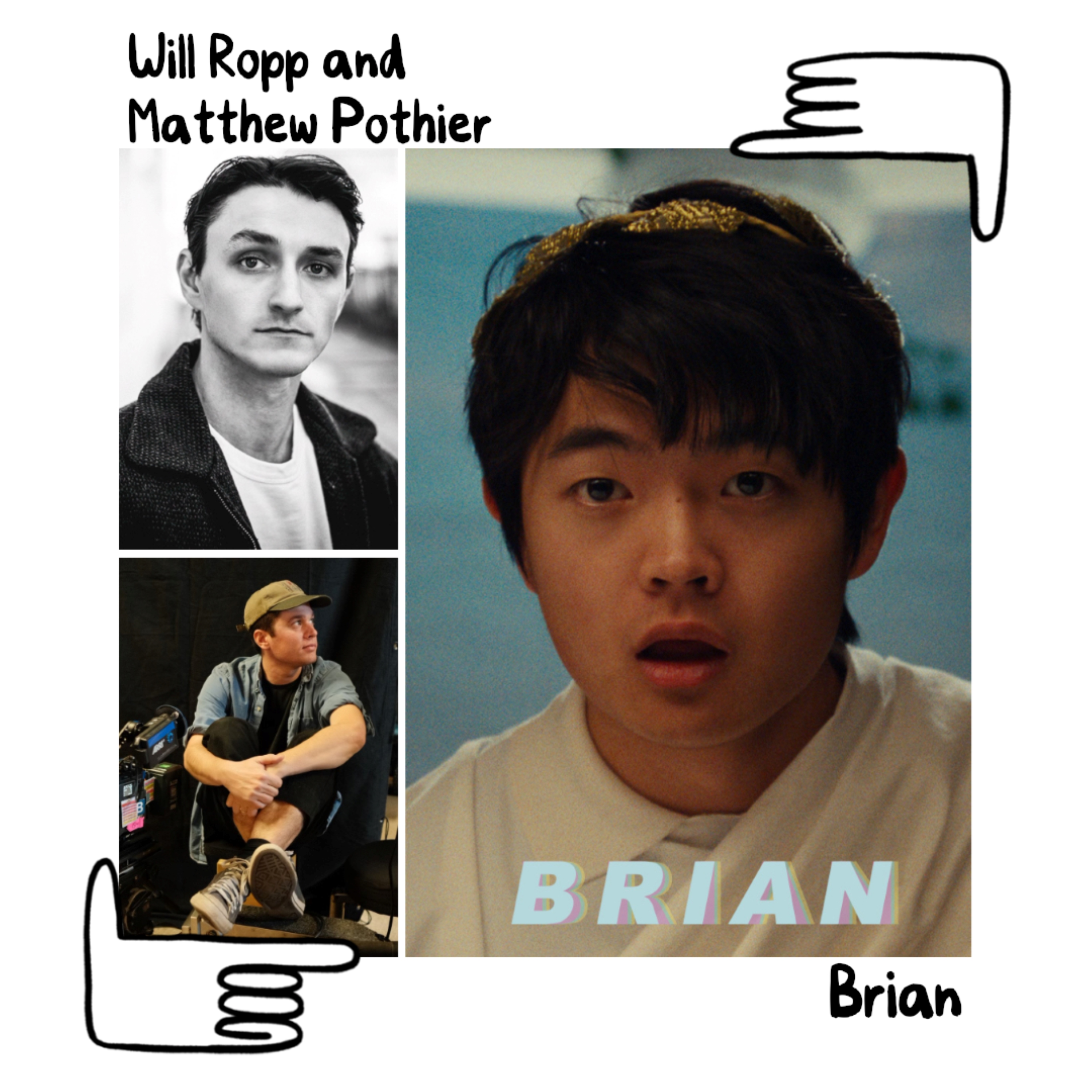 Will Ropp and Matthew Pothier on anxiety, authenticity, and the harder path in 'Brian'✨ | anxietyauthenticity+4 | Will RoppMatthew Pothier | Brian | Oklahoma City | anxietyauthenticity+7 | — | 18m 53s | |
Want analysis for the episodes below?Free for Pro Submit a request, we'll have your selected episodes analyzed within an hour. Free, at no cost to you, for Pro users. | |||||||||
| 3/13/26 | 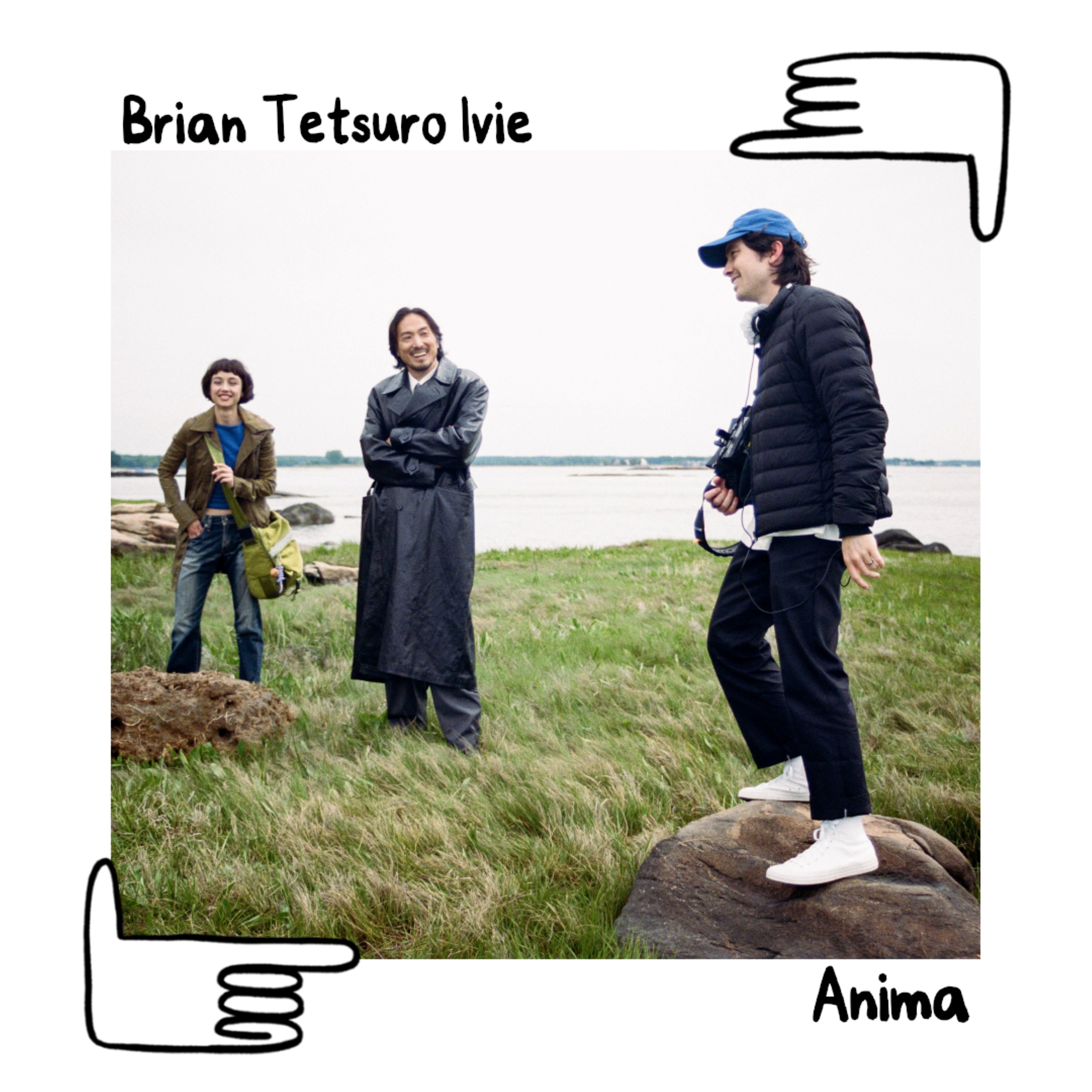 Brian Tetsuro Ivie on faith, celluloid, and the leap into ‘Anima’ | ‘Anima,’ premiering at SXSW this week, is Brian Tetsuro Ivie’s narrative feature debut. An acclaimed documentarian, Brian now turns to a sci-fi road movie following an impulsive young woman and a reclusive older man on a cross-country trip to preserve his failing consciousness at an experimental facility.We open with what the leap from documentary to narrative actually feels like and what each form demands that the other doesn’t, before getting into the decision to shoot on film and why the logistical weight it carries is more than justified by what it gives back. From there Brian talks about working with Sydney Chandler and Takehiro Hira, and how their casting shaped not just the performances but the characters and the entire film around them.We also get into something that runs quietly through everything Brian makes: his faith, and how it finds its way into a story that on the surface seems to sit in direct tension with it. We close by looking at what making ‘Anima’ means for how he thinks about both forms of filmmaking going forward. | — | ||||||
| 3/12/26 | 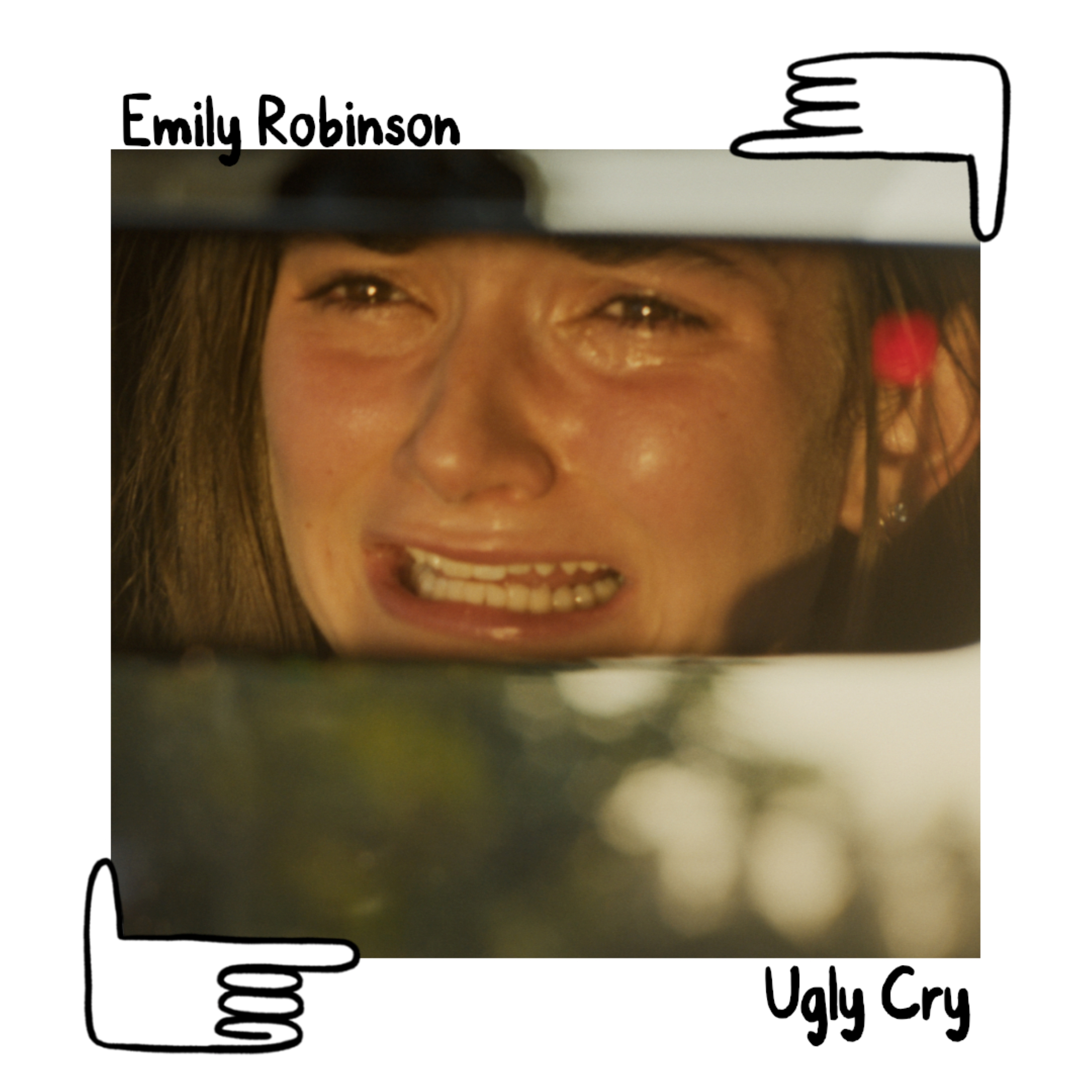 Emily Robinson on the art of breaking down in 'Ugly Cry' | Emily Robinson brings 'Ugly Cry' to the screen as writer, director, producer, and star, exploring the vulnerable act of crying as an actor and what it reveals about performance and authenticity. She reflects on the decision to take on all these roles simultaneously, navigating the challenges of being both in front of and behind the camera while maintaining perspective on the story.Our conversation delves into the institution of auditioning and how it's evolved over the years in the industry. Emily opens up about her personal evolution as someone who's been acting since childhood, sharing how that long history shapes her collaboration with cast and crew. She brings a unique empathy to directing actors, understanding their process from the inside out.Emily reveals how a tonal shift during production changed the entire emotional trajectory of the film, transforming what it could be. She reflects on how her acting experience fundamentally shapes her directing approach.(Photo credit: Brody S. Anderson) | — | ||||||
| 3/11/26 | 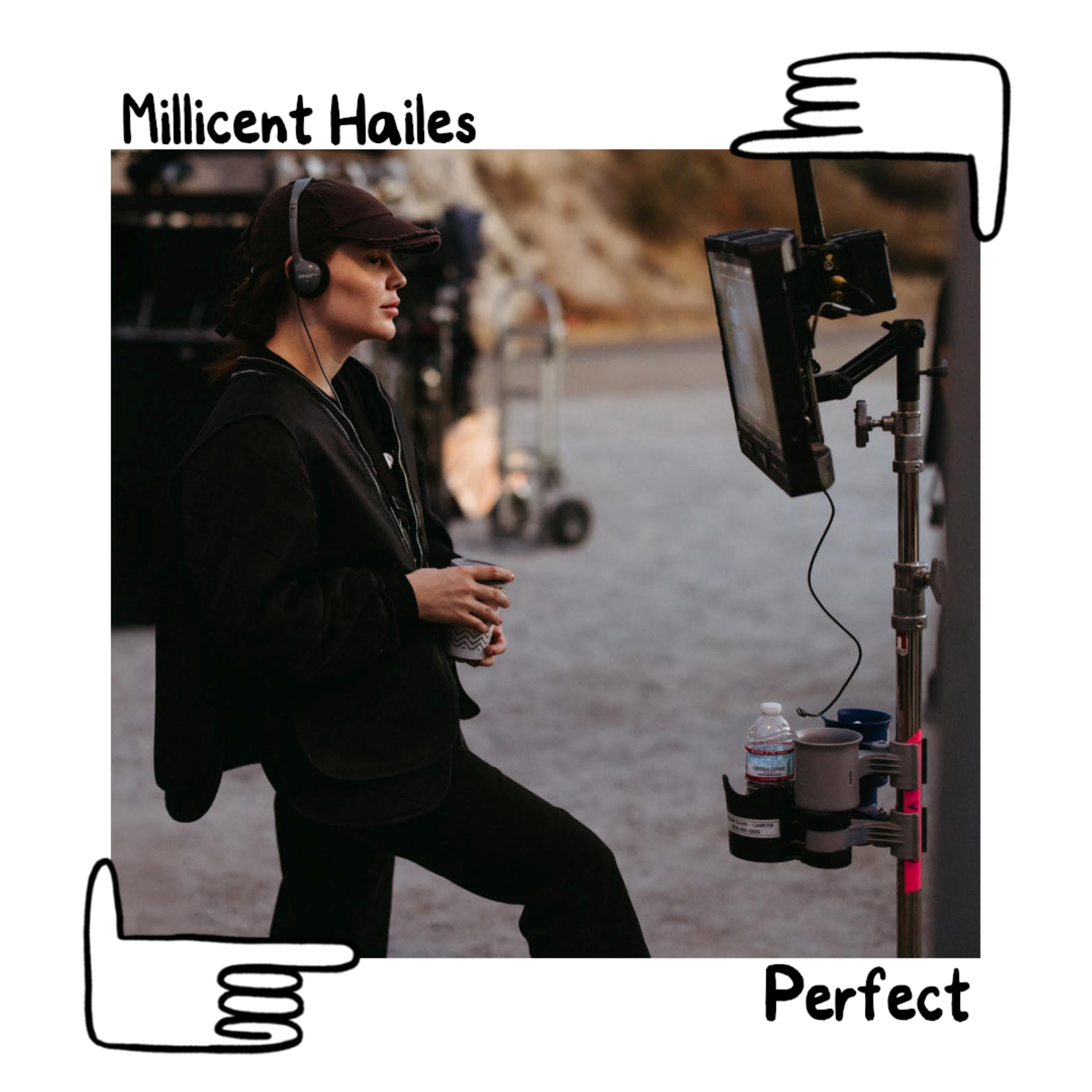 Millicent Hailes on what it took to make ‘Perfect’ | Writer-director Millicent Hailes takes ‘Perfect,' her feature directorial debut, to SXSW. Millicent opens up about whether feeling ready to take the leap of making your first feature is essential to actually doing so, sharing her own experience of moving forward despite uncertainty and what that taught her about the creative process.Our conversation goes into Millicent's transition from music videos to feature length filmmaking, examining how she navigated the shift from short to long form storytelling. She unpacks figuring out the pacing and other aspects unique to the medium, from sustaining narrative momentum over 90 minutes to developing visual language that serves an extended story rather than a three-minute track.Millicent shares her approach to assembling her cast while maintaining the chemistry and relationships established earlier in the process, ensuring those connections translated authentically on screen. We also delve into the title itself and the concept of someone or something being "perfect," exploring how that theme permeates the film. We close our conversation with what this project means for Millicent's plans going forward as she charts her path as a feature filmmaker. | — | ||||||
| 2/27/26 | 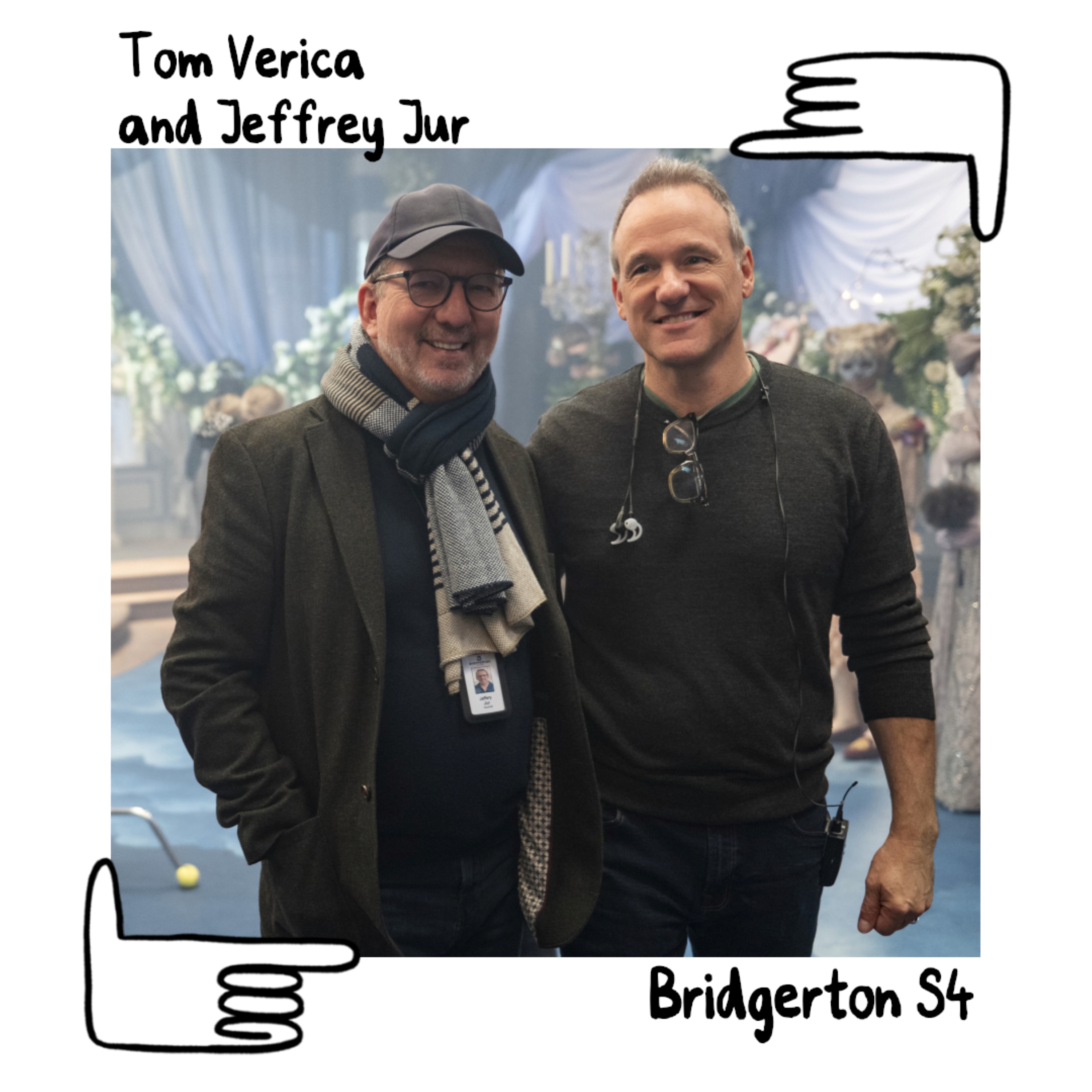 We Need to Talk About Emmy #30: ‘Bridgerton’ every step of the way, with Tom Verica and Jeffrey Jur | Director and executive producer Tom Verica and cinematographer Jeffrey Jur discuss their work on 'Bridgerton,' tracing their collaboration back nearly two decades. They share how their creative partnership was formed and has evolved over countless projects, building the trust and shorthand that allows them to tackle ambitious productions like the Bridgerton universe.Our conversation explores their journey through the world of 'Bridgerton,' from the different stages they've worked on across each season to helming 'Queen Charlotte: A Bridgerton Story' as a cohesive whole, approaching it almost like a feature film. Tom and Jeff share how their roles and responsibilities shift depending on the scale and scope of each production within the franchise.We dig into the fourth season of the widely beloved series, examining multiple facets: the elaborate masquerade ball sequence, the visual language used to showcase class differences in Regency era London, and what it takes for a team like Tom, Jeff, and their crew to operate at such a consistently high level year after year, season after season. | — | ||||||
| 2/25/26 | 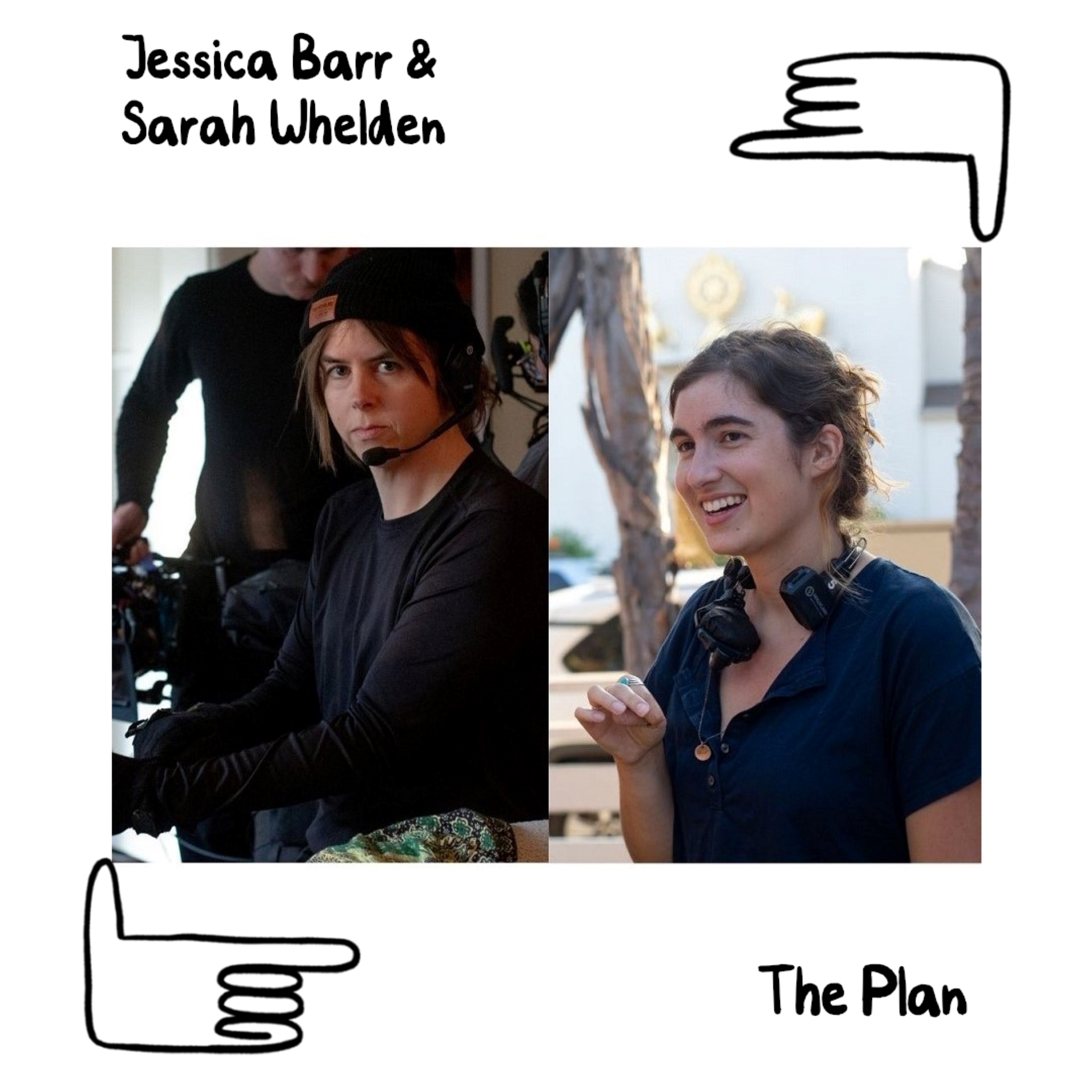 Jessica Barr and Sarah Whelden on making a film with no way out in ‘The Plan’ | ‘The Plan’ premiered at this year’s Slamdance last Sunday. One location, one day, one unbroken take: a group of disillusioned young adults inside a modest Los Angeles apartment, preparing for a radical act they believe will change the world.This is our conversation with writer-director Jessica Barr and cinematographer Sarah Whelden. We open with the nature of their collaboration and how the project came to life, before getting into what it actually means to conceive a film like this from the ground up.From there we dig into the one-take approach from every angle it touches: what it demands in the writing process, how it shapes the shot design, and what it asks of a cast that has nowhere to hide. We close by looking at where both filmmakers are headed next. | — | ||||||
| 2/23/26 | 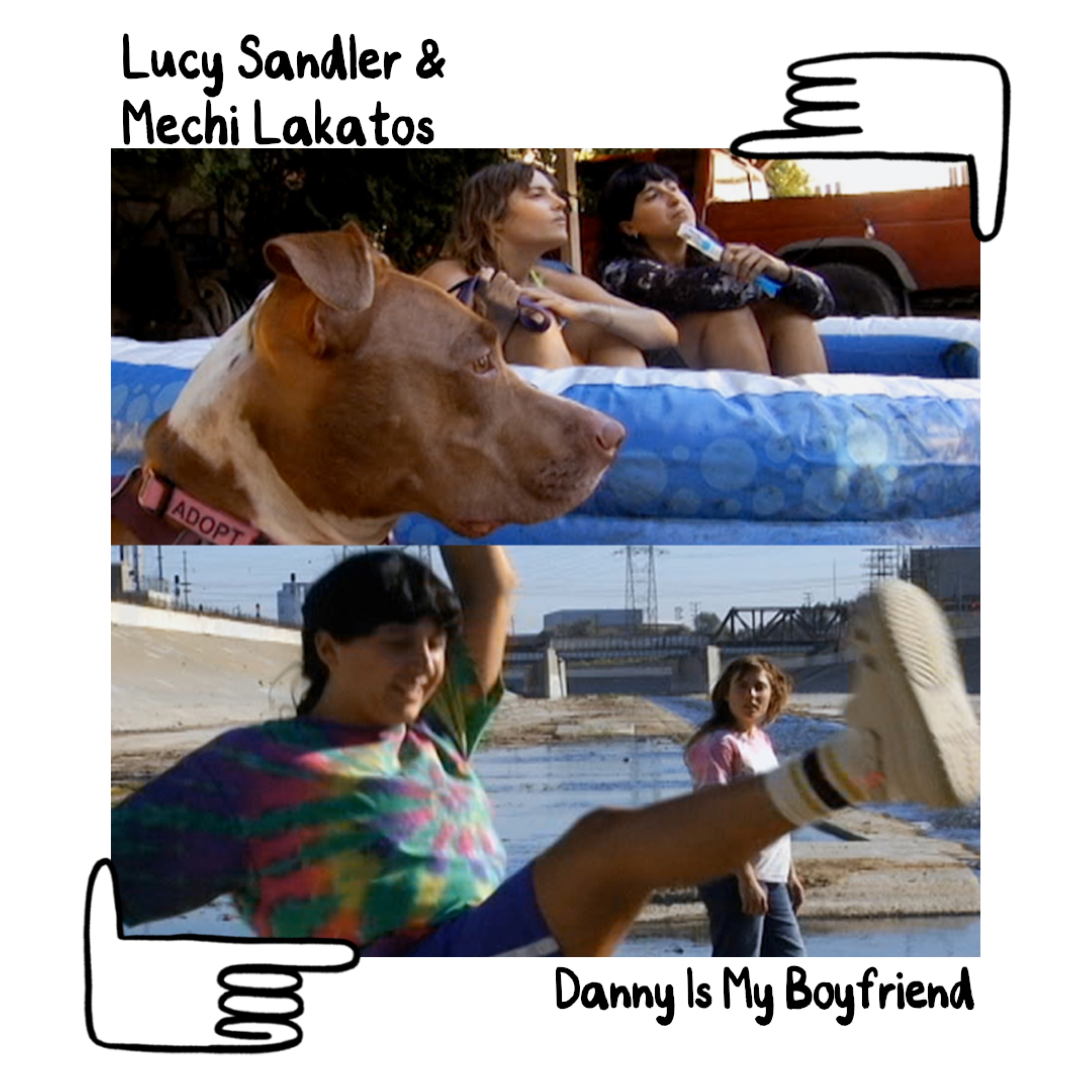 Lucy Sandler and Mechi Lakatos embrace spontaneity in 'Danny Is My Boyfriend' | Lucy Sandler and Mechi Lakatos discuss 'Danny Is My Boyfriend,' their debut feature premiering at Slamdance, where they serve as both co-directors and stars. Lucy and Mechi trace the origins of their creative partnership, revealing how their collaboration evolved from initial connection to making this story about two women who discover they're dating the same man.Our conversation explores their approach to improvisation and how it shaped every aspect of the film. They discuss the ripple effects of working without a strict script, from how it influenced their performances and emotional authenticity to the impact on their characters' development.Lucy and Mechi also share how improvisation affected the cinematography, requiring a flexible visual approach that could capture spontaneous moments while maintaining cinematic coherence. The filmmakers reflect on what they learned from this experience and where they see their partnership heading next.(Photos: Courtesy of the filmmakers) | — | ||||||
| 2/21/26 | 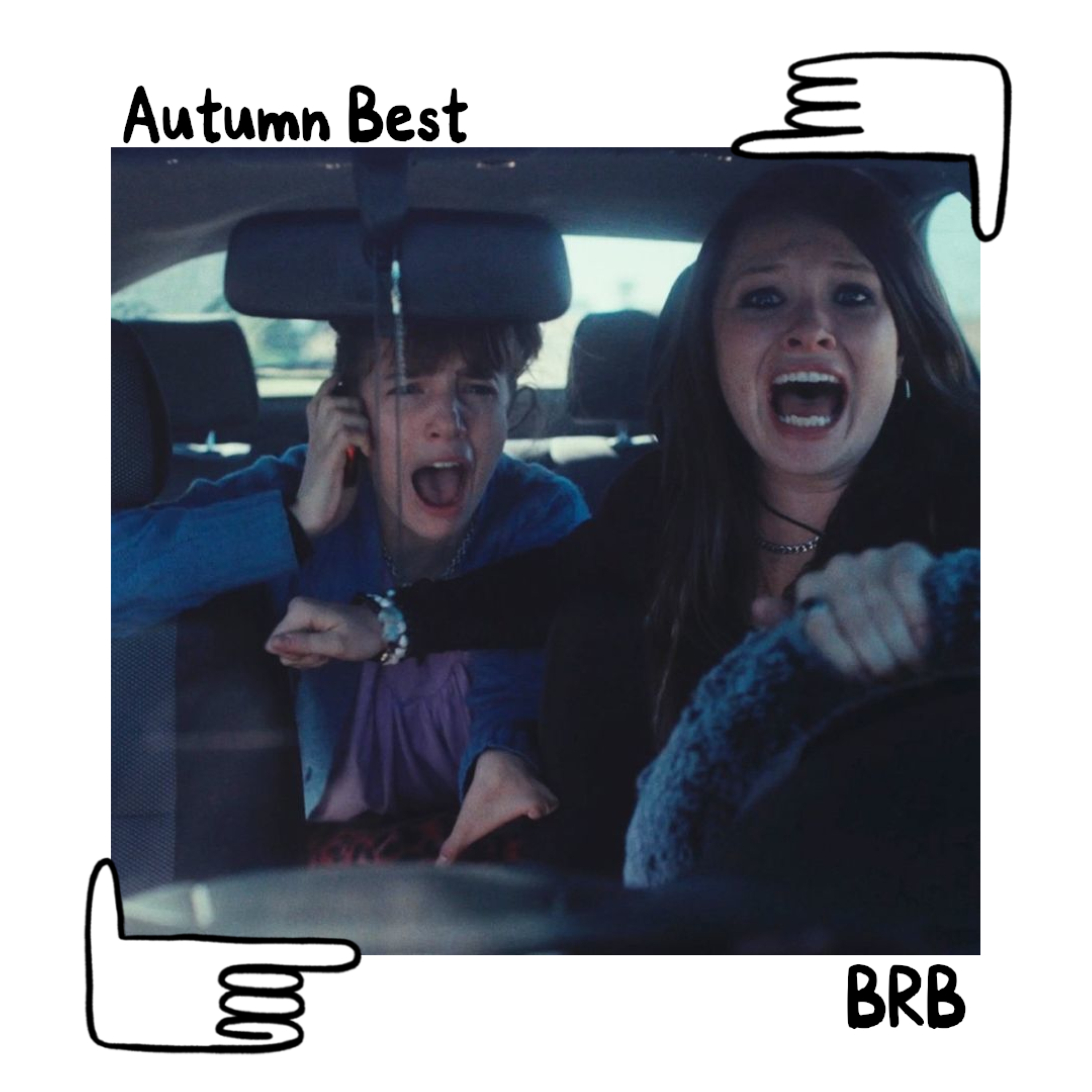 Autumn Best on what ‘Woman of the Hour’ unlocked and what ‘BRB’ called for | Autumn Best made her feature film debut in Anna Kendrick’s ‘Woman of the Hour,’ and it announced her as someone worth watching. In this conversation, we start there, with what the experience of landing that role, shooting it, premiering at TIFF in 2023, and releasing it on Netflix did to her sense of what she was capable of and what she might expect from her career going forward.From there we get into ‘BRB,’ a Kate Cobb directed tender and chaotic coming of age road trip film premiering at this year’s Slamdance. Autumn plays Sam, a teenage girl in the early days of the internet who falls for a boy she met in a chatroom. She gets into the particular challenge of inhabiting a period she was alive for but far too young to actually remember, and what it took to place herself emotionally in that specific moment of early online connection and first love.The conversation also goes somewhere more personal: her relationship with co-star Zoe Colletti, whose chemistry with Autumn carries much of the film’s emotional weight, and how her own experience living with a limb difference shaped her approach to playing a character for whom being fully seen, disability and all, is at the very heart of the story. | — | ||||||
| 2/19/26 | 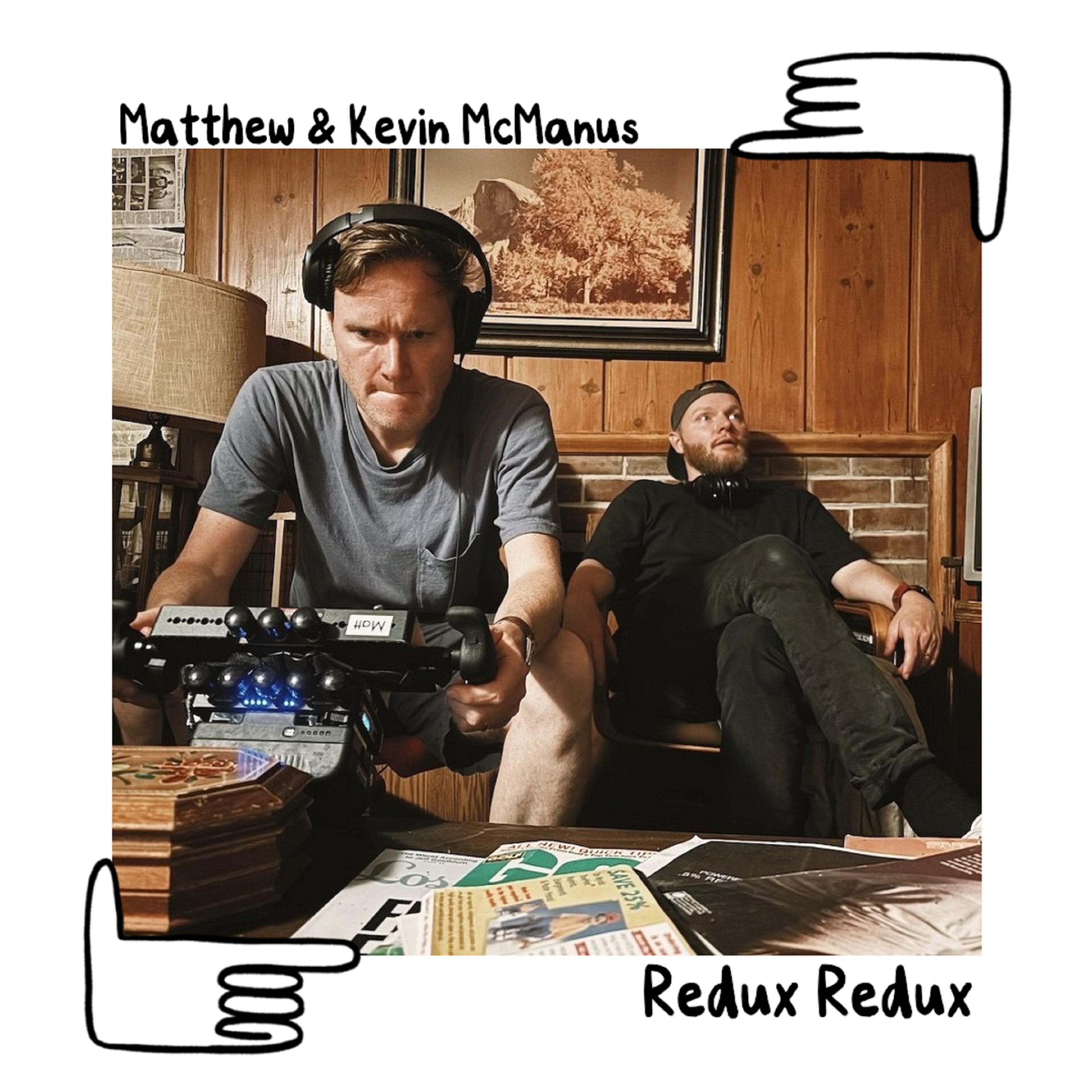 Revenge on Repeat: Kevin & Matthew McManus on grief, obsession, and working with family in ‘Redux Redux’ | Twin brothers Kevin and Matthew McManus have been making films together since they were kids, and Redux Redux is their third feature as a writing and directing duo. We open the conversation talking about what it means to put a film like this into the world and how you go about pitching a multiverse revenge thriller to festivals in the first place.From there, Kevin and Matt walk us through where the idea originally came from, what finally unlocked the story for them, and how they think about the multiverse and time travel as storytelling tools without letting the concept swallow the human drama underneath it. At the center of that drama is their sister Michaela, who plays Irene, a grieving mother who acquires technology that allows her to jump between parallel universes and kill her daughter’s murderer again and again. The brothers talk about what it means to build a film around a sibling and what that specific trust makes possible.We also dig into one of the film’s most interesting technical and narrative challenges: making the recurring kills feel distinct rather than repetitive. When your premise is built on a loop, every iteration has to earn its place, and Kevin and Matt get into how they thought about that problem from the writing stage all the way through production.(Photo: Courtesy of Stella Marcus) | — | ||||||
| 2/17/26 | 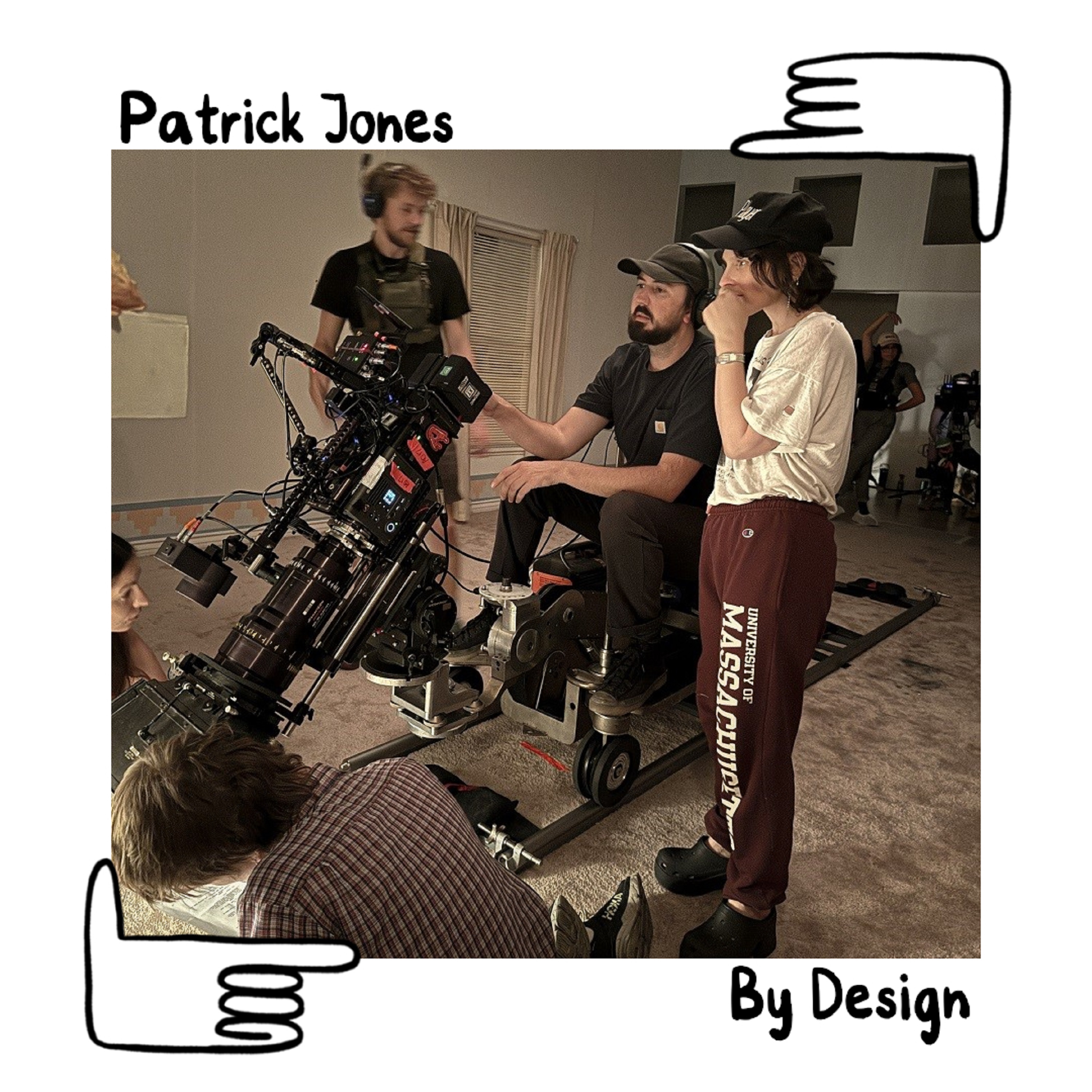 Patrick Jones on blurring the line between subject and object in 'By Design' | Five features into their collaboration, cinematographer Patrick Jones and director Amanda Kramer have developed a creative shorthand that makes projects like 'By Design' come together with surprising speed. Patrick opens up about his first reaction to the concept and the foundation that makes their collaboration so instinctive and enduring.'By Design' presented a fascinating cinematographic challenge at its core: the similarities and differences in framing, lighting, and handling human beings versus inanimate objects in front of the camera. Patrick shares how the film demanded a fresh perspective on what it means to observe and capture a subject, blurring the line between the animate and the still.We explore choreography as a visual language, from dance to general movement, and how Patrick approaches the camera's relationship to bodies in motion. He also expands on the distinct experience of shooting Amanda Kramer's music videos compared to her feature films, and what each format demands from him as a cinematographer. We close our conversation with Patrick looking ahead, sharing where he sees both their creative partnership and his own craft evolving from here.(Photo credit: Terra Gutmann-Gonzalez) | — | ||||||
| 2/13/26 |  We Need to Talk About Emmy #29: Ashley Barron ACS navigates tone and character in 'How to Get to Heaven from Belfast' | Growing up across multiple continents gave cinematographer Ashley Barron ACS a unique visual perspective that shapes her work today. In discussing 'How to Get to Heaven from Belfast,' Ashley reflects on how her childhood experiences of constant movement and cultural adaptation inform her approach to crafting images and telling stories through the camera.Our conversation explores Ashley's experience joining a tight-knit group of filmmakers who previously collaborated on the highly successful 'Derry Girls.' She shares insights into fitting into an established creative team and how that dynamic influenced the production process and collaborative spirit on set.Ashley delves into her lighting choices and their crucial role in balancing the film's comedy, drama, and mystery elements. She discusses developing distinct visual languages for the three main characters, using light, color, and composition to differentiate their perspectives while maintaining a cohesive aesthetic.(Photo: Courtesy of Netflix) | — | ||||||
| 2/10/26 | 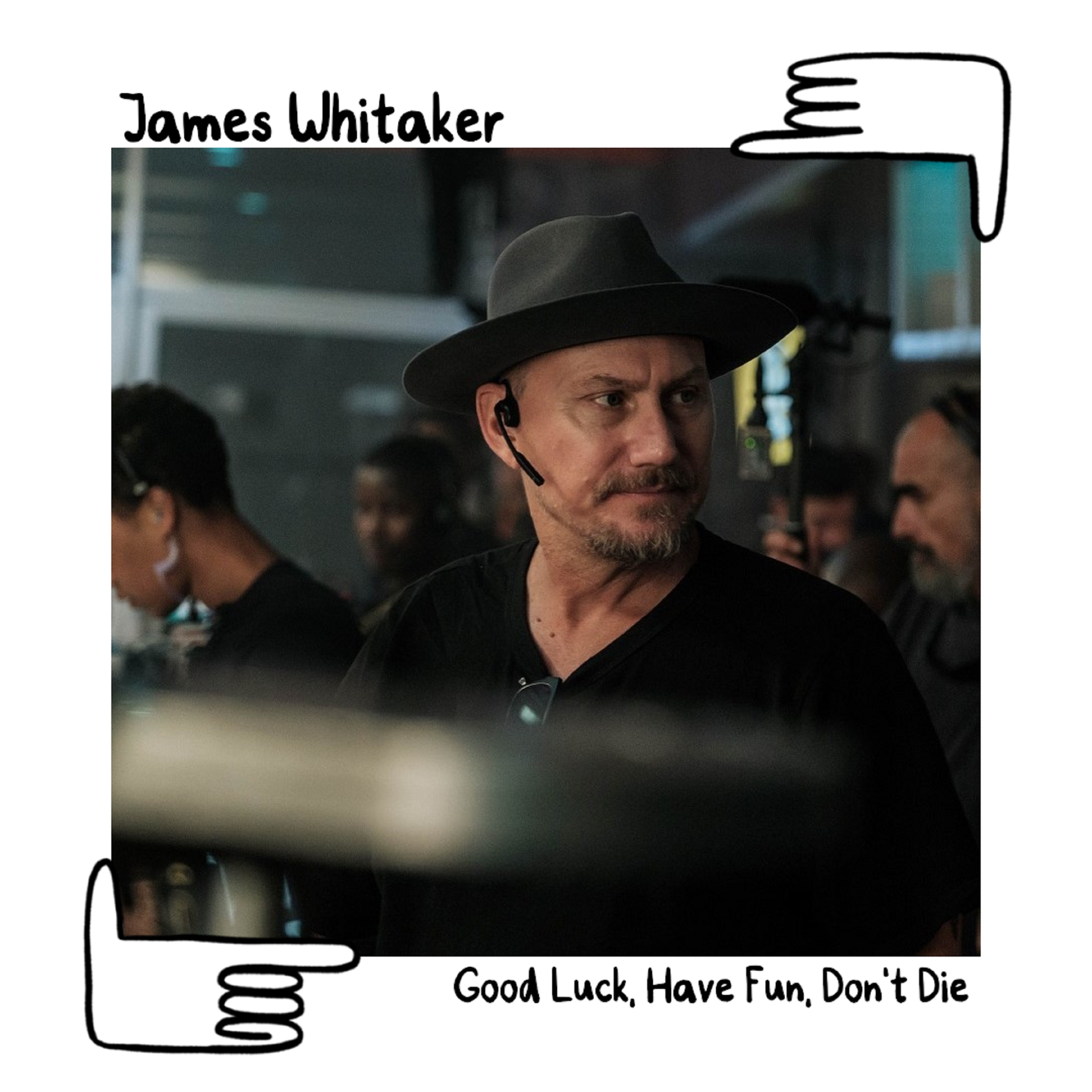 James Whitaker captures man versus machine in 'Good Luck, Have Fun, Don't Die' | We sit down with cinematographer James Whitaker discuss 'Good Luck, Have Fun, Don't Die,' Gore Verbinski's sci-fi thriller. James opens up about the challenge of shooting science fiction on a relatively low budget, revealing how constraints pushed the team toward inventive visual solutions that serve the story's themes.Our conversation delves into how James and Gore merged their respective references to create the film's distinctive look. He discusses the collaborative process of finding a shared visual language that honors both their influences while creating something unique. James also tackles the technical and creative challenge of shooting the film's crucial expositional monologue in an engaging, visually interesting manner, turning what could be static into something dynamic.We examine how practical and digital effects work together in a film about humanity's fight against AI. James reflects on the irony and intention behind blending these approaches, discussing how the marriage of old-school techniques and modern technology mirrors the film's central conflict. His insights into resourceful filmmaking and thematic visual storytelling offer a compelling look at creating ambitious sci-fi within indie constraints.(Photo credit: Graham Bartholomew, SMPSP) | — | ||||||
| 2/6/26 | 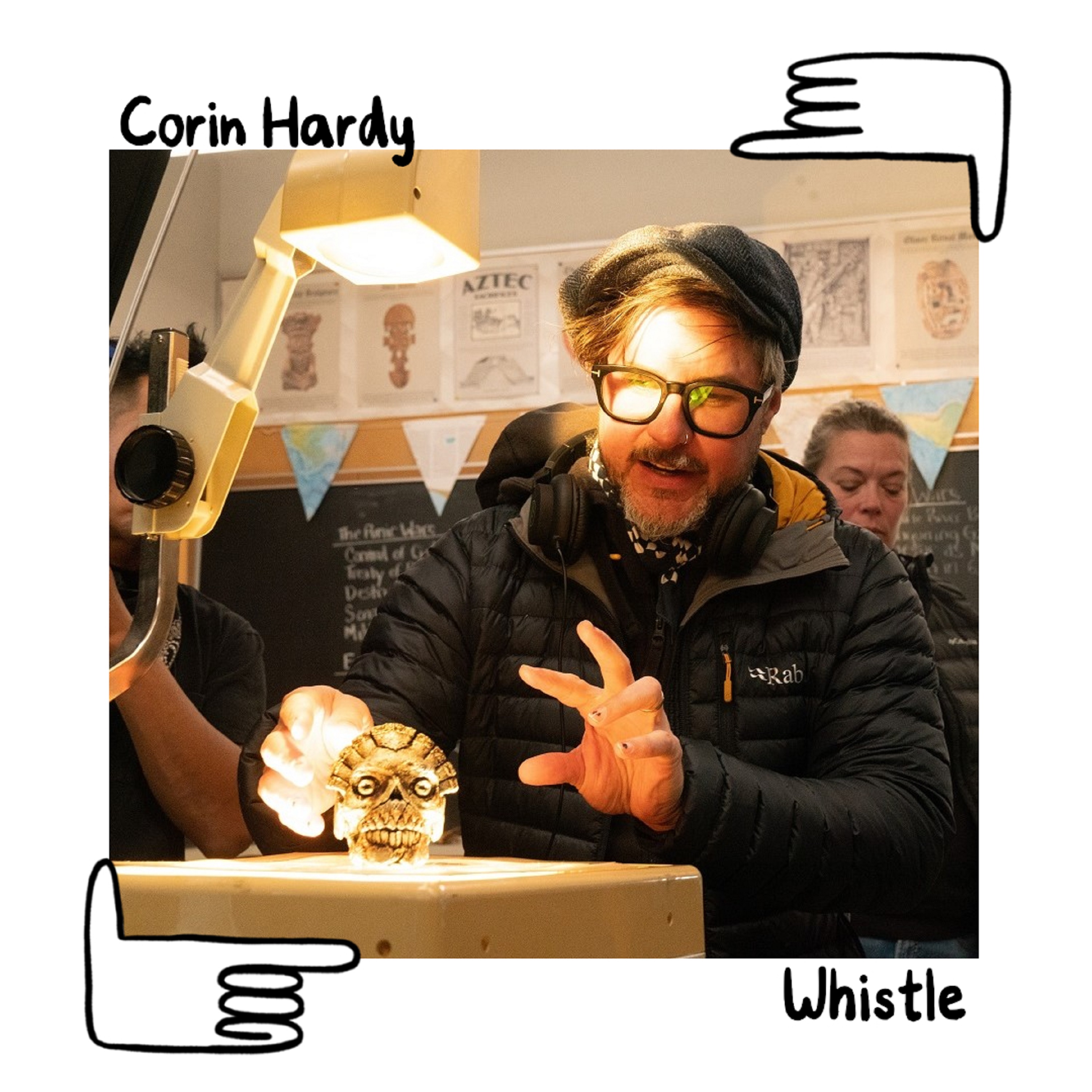 Breathing new life into horror, with 'Whistle' director Corin Hardy | Director Corin Hardy joins us to discuss ‘Whistle,’ now in theaters, exploring how he connected to the script and the differences between working with someone else’s screenplay versus directing his own material. Corin reveals how each approach shapes his creative process and the unique challenges and freedoms that come with interpreting another writer's vision.Our conversation delves into assembling the group of young talented actors for the film, including Dafne Keen, Sophie Nélisse, and Percy Hynes White. Corin discusses the casting process and what he looked for in performers who could carry the film's emotional weight while navigating its horror elements, creating authentic chemistry among the ensemble.We explore the death whistle as a symbol of bringing something new and fresh to the horror genre. Corin reflects on how this ancient Aztec artifact becomes both a narrative device and a metaphor for his approach to the film, honoring horror traditions while pushing the genre into unexpected territory.(Photo credit: Michael Gibson) | — | ||||||
| 1/30/26 | 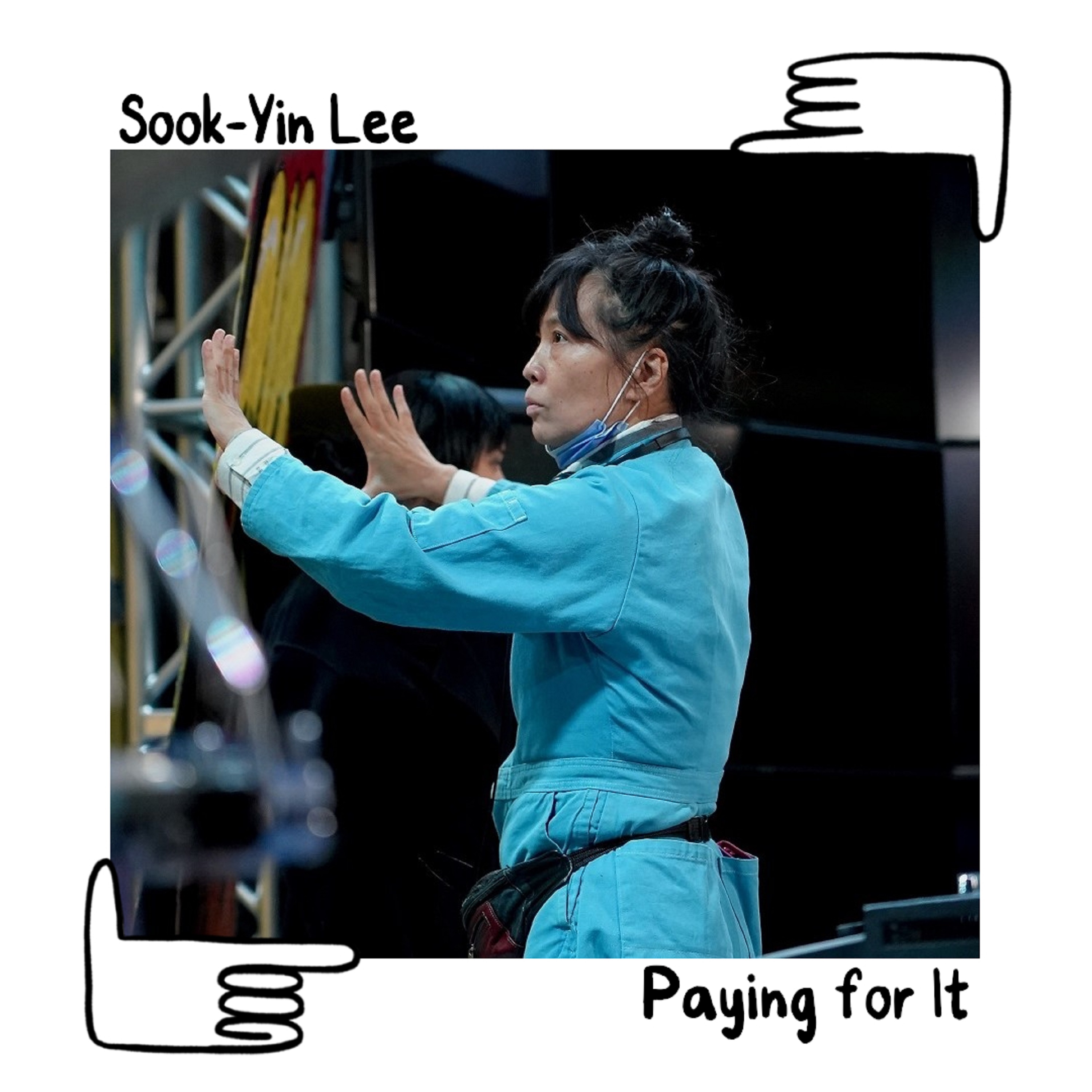 Sook-Yin Lee revisits a shared past in ‘Paying for It’ | Director Sook-Yin Lee joins us to discuss ‘Paying for It,’ her adaptation of Chester Brown’s graphic novel about their former relationship. The film represents a unique creative challenge: adapting a graphic novel that was already based on their shared life together.Sook-Yin reflects on how she came to collaborate with Chester on the project and how the three layers (the lived experience, the graphic novel, and the film) compare and diverge from one another. She walks us through translating the source material into cinematic language and what that process revealed.We also talk about the many roles Sook-Yin has held throughout her career and how her varied experiences shape her approach to filmmaking and storytelling.(Photo credit: Dylan Gamble) | — | ||||||
| 1/27/26 | 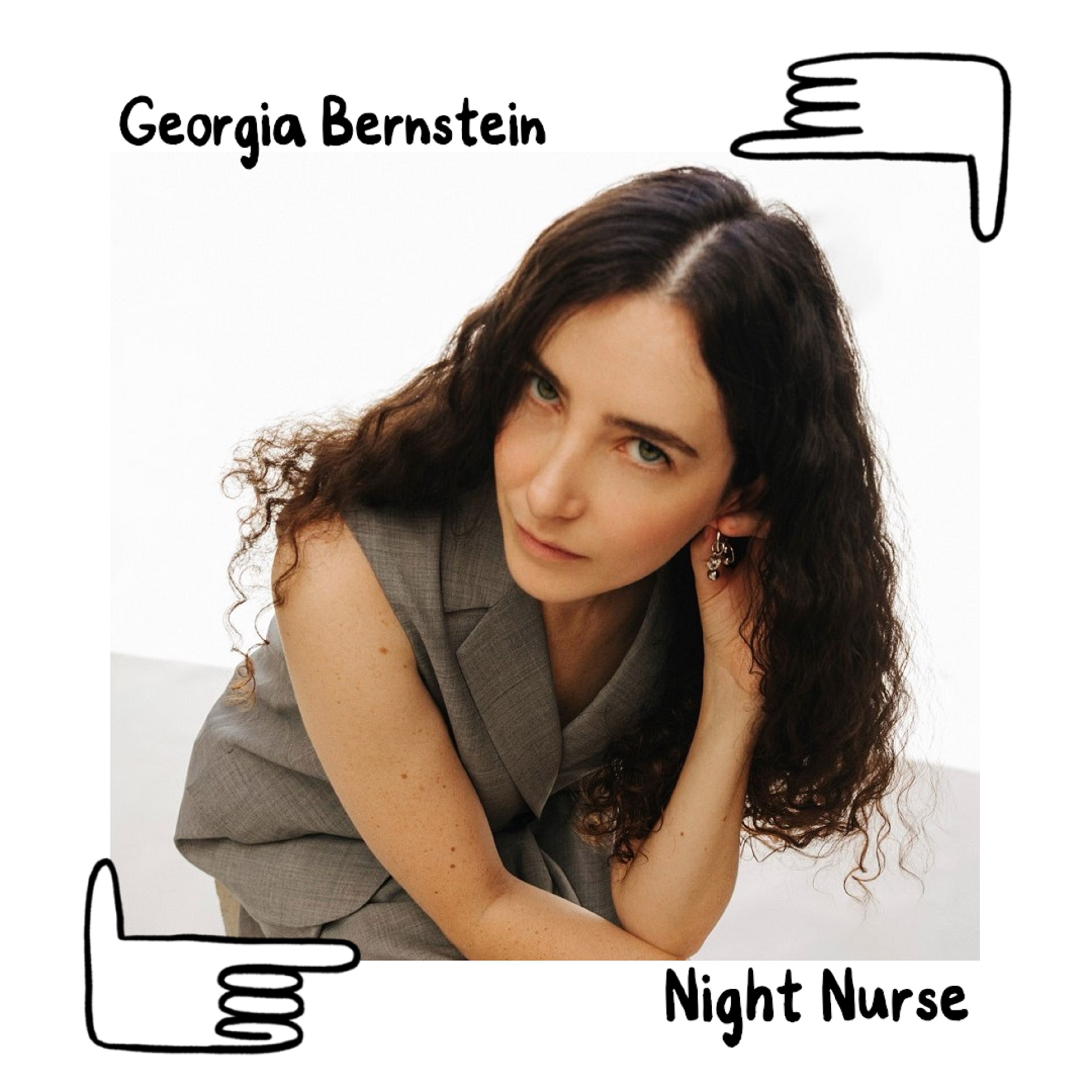 We Need to Talk About Sundance #5: Georgia Bernstein on caregiving and obsession in 'Night Nurse' | Writer-director Georgia Bernstein joins us to discuss 'Night Nurse,' her feature directorial debut that premiered in the NEXT section at this year's Sundance Film Festival. Georgia traces the birth of the film's idea and how she ventured into the realm of psycho-sexual thrillers while maintaining its foundation in elderly care and caregiving, creating an unsettling blend of intimacy and menace.Our conversation explores Georgia's long-spanning friendship and collaboration with actress Cemre Paksoy, revealing how their creative partnership shaped the film's central performance. We delve into the opening shot and its crucial role in setting the tone, discussing how those first moments establish the film's psychological terrain and prepare audiences for what's to come.Georgia also reflects on her relationship with intention and the audience, sharing her approach to balancing control and release as a filmmaker. She discusses the deliberate choices that guide viewers through the film's unsettling narrative while leaving room for their own interpretations and emotional responses. | — | ||||||
| 1/24/26 | 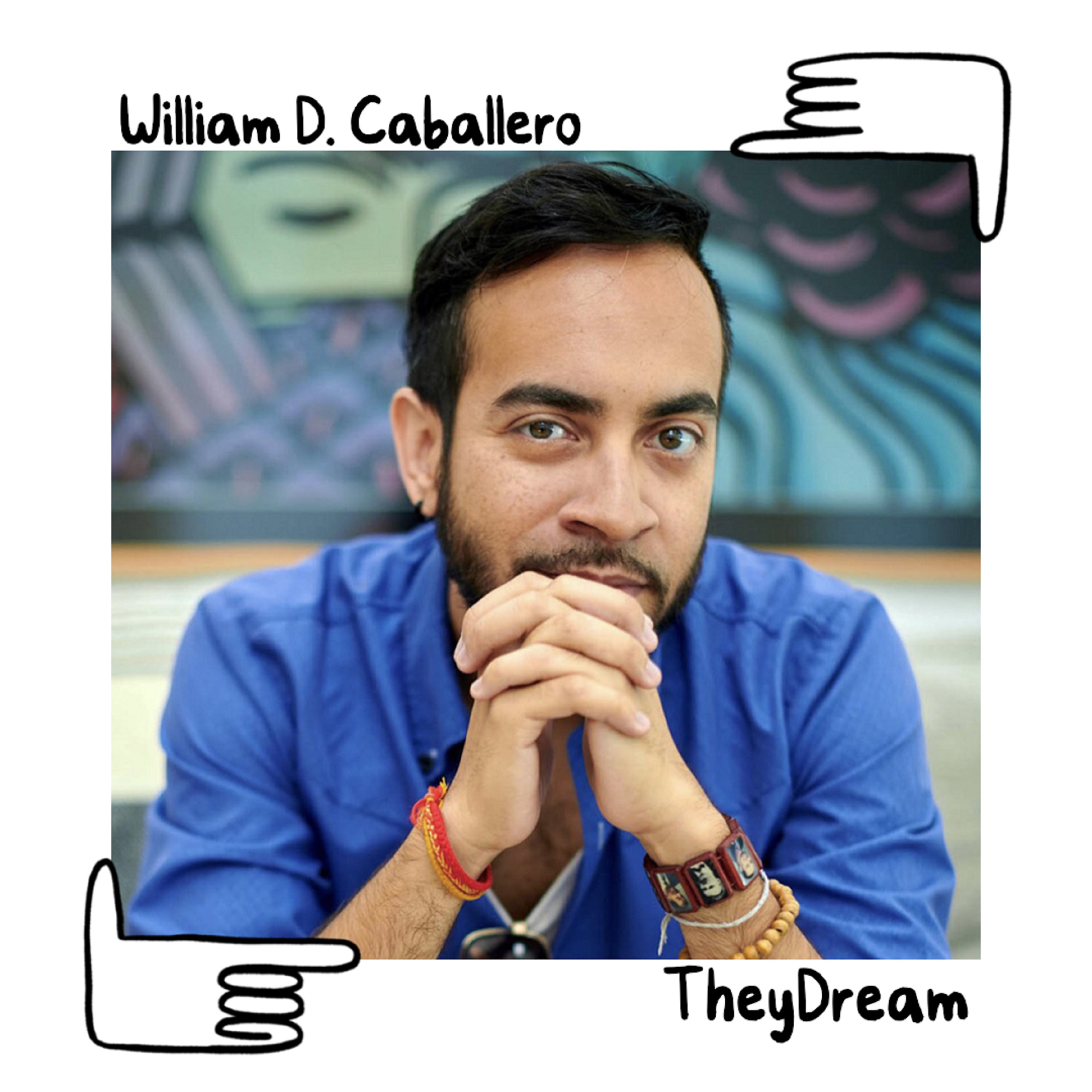 We Need to Talk About Sundance #4: Family as canvas, with ‘TheyDream’ director William D. Caballero | Director William D. Caballero joins us to discuss ‘TheyDream,’ his deeply personal film premiering in the NEXT section at Sundance. Blending documentary with multiple forms of animation, the film explores his family’s story through an intimate collaboration with his mother.William shares what drew him to build a film from such personal material and the dynamics of working creatively with his mom. The film employs a striking mix of animation techniques including 2D, 3D, miniatures, and rotoscoping, each serving a different purpose in the storytelling.We discuss why he chose this hybrid approach, how the various visual forms interact with the documentary elements, and the process of transforming family memory into a multi-layered cinematic experience. | — | ||||||
Showing 25 of 169
Pitch Fit is a Pro feature
See how bookable this show is for guests, which brands already advertise, the per-episode ad value, and the best-fit guest and sponsor profile. The numbers are blurred on the free plan.
How readily this show books outside guests like you.
How proven this show is for host-read sponsorships.
For Guests
ProFor Advertisers
ProUpgrade to Pro to unlock guest cadence, sponsor categories, fit scores, and per-episode ad value for this show.
Chart Positions
1 placement across 1 market.
Chart Positions
1 placement across 1 market.