
Insights from recent episode analysis
Audience Interest
Podcast Focus
Publishing Consistency
Platform Reach
Insights are generated by CastFox AI using publicly available data, episode content, and proprietary models.
Est. Listeners
Based on iTunes & Spotify (publisher stats).
- Per-Episode Audience
Est. listeners per new episode within ~30 days
10,001 - 25,000 - Monthly Reach
Unique listeners across all episodes (30 days)
25,001 - 75,000 - Active Followers
Loyal subscribers who consistently listen
15,001 - 40,000
Market Insights
Platform Distribution
Reach across major podcast platforms, updated hourly
Total Followers
—
Total Plays
—
Total Reviews
—
* Data sourced directly from platform APIs and aggregated hourly across all major podcast directories.
On the show
Recent episodes
86. How Coach Became a $5 Billion Brand, with Lew Frankfort, Chairman Emeritus and Former CEO
May 5, 2026
Unknown duration
85. Emotion and Logic: Creating Spaces That Age Beautifully, with James Cavagnari, Founder, PRIMA DESIGN.
Apr 27, 2026
Unknown duration
84. Rethinking Wellness Hospitality, with Loui Blake, Co-Founder of Long Lane
Apr 20, 2026
Unknown duration
83. Jelly Science and Polysensory Experience, with Sam Bompas, Co-Founder of Bompas & Parr
Apr 13, 2026
Unknown duration
82. Canada's Aviation Legacy with Ève Laurier, VP of Communications & Marketing, Bombardier
Apr 7, 2026
Unknown duration
Social Links & Contact
Official channels & resources
Official Website
Login
RSS Feed
Login
| Date | Episode | Description | Length | ||||||
|---|---|---|---|---|---|---|---|---|---|
| 5/5/26 |  86. How Coach Became a $5 Billion Brand, with Lew Frankfort, Chairman Emeritus and Former CEO 86. How Coach Became a $5 Billion Brand, with Lew Frankfort, Chairman Emeritus and Former CEO | Lew Frankfort joined Coach in 1979 when it was a $6 million leather goods company with a factory, a handful of offices, and a cult following. Over the next three decades, he led its transformation into a $5 billion global brand, coining the term accessible luxury along the way and building one of the most consumer-centric businesses in the history of fashion. In conversation with Anant Sharma, Lew traces the full arc of that journey, from opening the first Coach store on Madison Avenue to taking the brand public, breaking into Japan ahead of every European luxury house, and what it actually means to keep a brand emotionally relevant across generations. A conversation about long-termism, consumer insight, and what it takes to build something that truly lasts. | — | ||||||
| 4/27/26 |  85. Emotion and Logic: Creating Spaces That Age Beautifully, with James Cavagnari, Founder, PRIMA DESIGN. 85. Emotion and Logic: Creating Spaces That Age Beautifully, with James Cavagnari, Founder, PRIMA DESIGN. | James Cavagnari has built a thirty-year practice on a simple but hard-won idea: that the best spaces get better with time. The founder of PRIMA DESIGN, a Florence-based studio working across luxury retail, hospitality and residential, joins Fred Moore to talk about craft, context and the discipline of designing without trends. They cover his early years rolling out stores for Ferragamo and Bulgari, the conversion of his childhood home into a Florence hotel, and why the future of luxury is moving toward the personal and the particular. A conversation about what it means to create something that truly lasts. | — | ||||||
| 4/20/26 |  84. Rethinking Wellness Hospitality, with Loui Blake, Co-Founder of Long Lane 84. Rethinking Wellness Hospitality, with Loui Blake, Co-Founder of Long Lane | Long Lane is not a spa, a hotel or a members' club. It's a rethink of how hospitality can operate when health is the starting point. Co-founder Loui Blake joins Fred Moore to unpack the model behind it. From designing environments that support both social and physical wellbeing, to building an audience in public before the doors have even opened. They discuss the changing expectations of younger consumers, the limits of traditional wellness, and why the next wave of hospitality may look very different from what came before. | — | ||||||
| 4/13/26 |  83. Jelly Science and Polysensory Experience, with Sam Bompas, Co-Founder of Bompas & Parr 83. Jelly Science and Polysensory Experience, with Sam Bompas, Co-Founder of Bompas & Parr | Sam Bompas is the co-founder of Bompas & Parr, a studio known for creating experiences that sit somewhere between food, architecture and theatre, from inhalable cocktails to large-scale edible installations. In this episode, he joins Anant Sharma to explore what it means to design for the senses. They discuss how taste can be shaped by sound, environment and expectation, why brands still default to the visual, and how experiences that disappear can often be the ones that last longest. This is a conversation about perception, memory, and what food and drink can do when treated as a serious design medium. | — | ||||||
| 4/7/26 |  82. Canada's Aviation Legacy with Ève Laurier, VP of Communications & Marketing, Bombardier 82. Canada's Aviation Legacy with Ève Laurier, VP of Communications & Marketing, Bombardier | Bombardier started with a snowmobile. Today, it builds the world's fastest business jet. In this episode, Ève Laurier, VP of Communications & Marketing at Bombardier, joins Fred Moore to unpack the company's transformation into a focused, pure-play business aviation brand—and the work required to reshape how it's understood. Eve shares what it takes to rebrand an institution that an entire country feels emotionally attached to—from months of stakeholder listening before briefing a single agency, to presenting the new identity to the founding family. She challenges common perceptions of business aviation, explains why "esteemed brand" sits more comfortably than "luxury," and reflects on the moment a client takes delivery of an $85 million aircraft on the factory floor. This is a conversation about engineering culture, brand transformation, and what it means to carry a national legacy forward. | — | ||||||
| 3/31/26 |  81. "Life Moats" and The Psychology of Place with Chris Choa, Founder of OUTCOMIST 81. "Life Moats" and The Psychology of Place with Chris Choa, Founder of OUTCOMIST | What makes a city work? According to Chris Choa, it has very little to do with the buildings. In this episode, Anant Sharma speaks with Chris Choa, Founder of OUTCOMIST, about the behavioural logic that shapes how cities attract people, evolve identity, and create lasting value. Drawing on decades of work advising mayors, sovereign wealth funds, and developers across Asia, the Middle East, and Europe, Chris shares how he approaches urban systems, working backwards from outcomes and always asking why before what. The conversation moves from the accidental success of Silicon Roundabout to the limits of greenfield cities like Dubai, the rise of mega-city regions, and why the future of luxury might be less about products and more about what Chris calls the "life moat" — a deliberately constructed set of conditions that protects and consolidates the life you want. This is a conversation about cities as systems, identity as infrastructure, and what it means to design for outcomes rather than objects. | — | ||||||
| 3/23/26 | 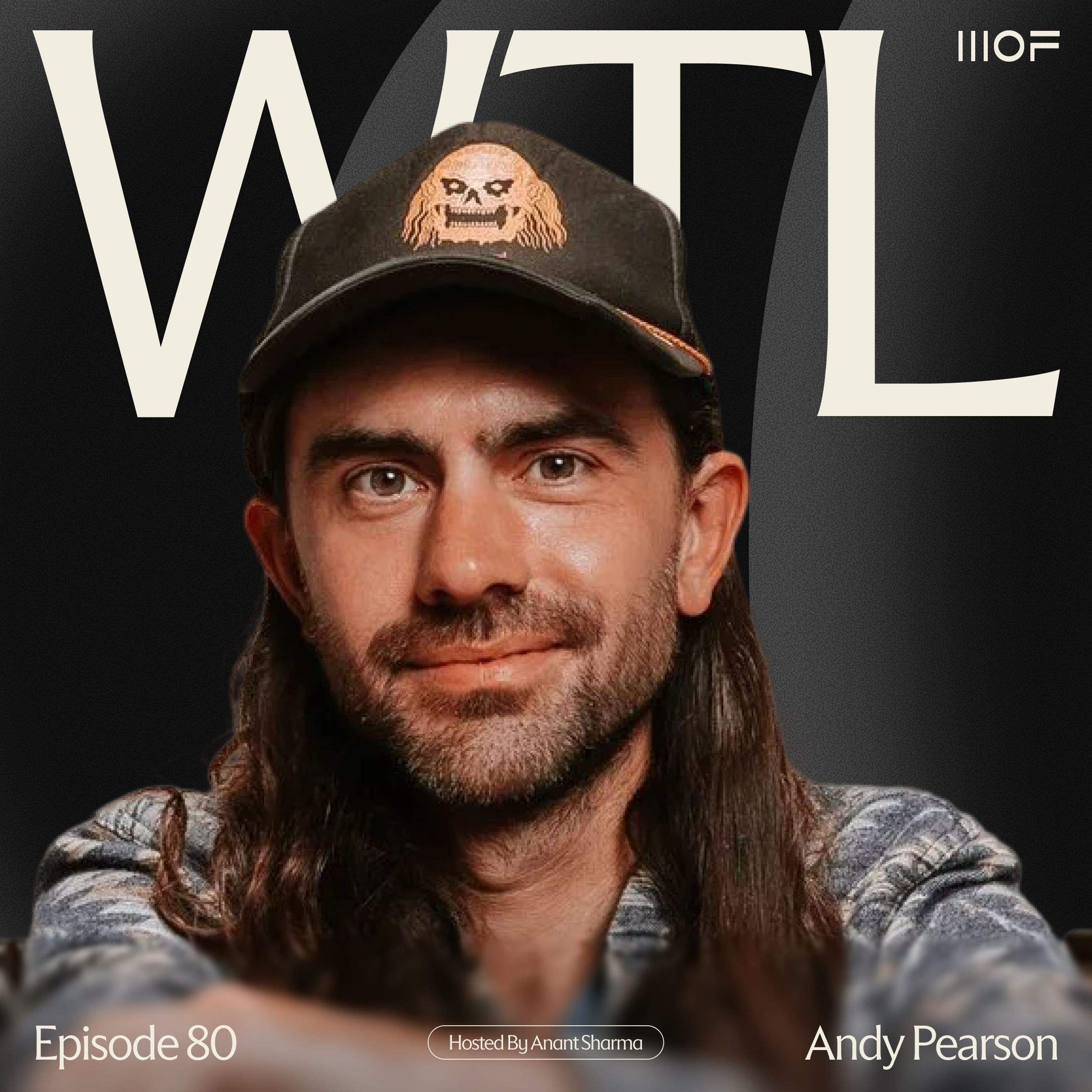 80. Liquid Death: Selling Water Like It's Entertainment with Andy Pearson, VP of Creative 80. Liquid Death: Selling Water Like It's Entertainment with Andy Pearson, VP of Creative | Liquid Death didn't grow by following category rules. In this episode, Andy Pearson, VP of Creative at Liquid Death, joins Anant Sharma to unpack the brand's anti-marketing marketing strategy, where the focus is on making things people actually want to watch. From launching with an ad before the product existed to building an in-house creative model, Andy shares how Liquid Death approaches marketing when the product itself doesn't change. The conversation explores how humour, cultural instinct and a clear point of view can create value in a category defined by sameness. This is a look at a different way of building brands, one that prioritises attention, entertainment, and making work that people choose to engage with. | — | ||||||
| 3/16/26 |  79. Fandom For The Affluent Traveller with Mandarin Oriental's Chief Brand & Marketing Officer, Alex Schellenberger 79. Fandom For The Affluent Traveller with Mandarin Oriental's Chief Brand & Marketing Officer, Alex Schellenberger | In this episode of What The Luxe, Anant Sharma speaks with Alex Schellenberger, Chief Brand & Marketing Officer at Mandarin Oriental Hotel Group, about redefining loyalty for the affluent traveller. As luxury hospitality grows more transactional, Mandarin Oriental is shifting focus toward emotional recognition and building fandom rather than points accumulation. Alex shares how the evolution of Fans of M.O., the integration of guest data into a unified global profile, and a renewed emphasis on generosity are reshaping the brand's relationship with its most discerning guests. The conversation explores scaling without dilution, delivering brand promises through operations, and why meaningful recognition will define the next chapter of luxury hospitality. | — | ||||||
| 3/10/26 | 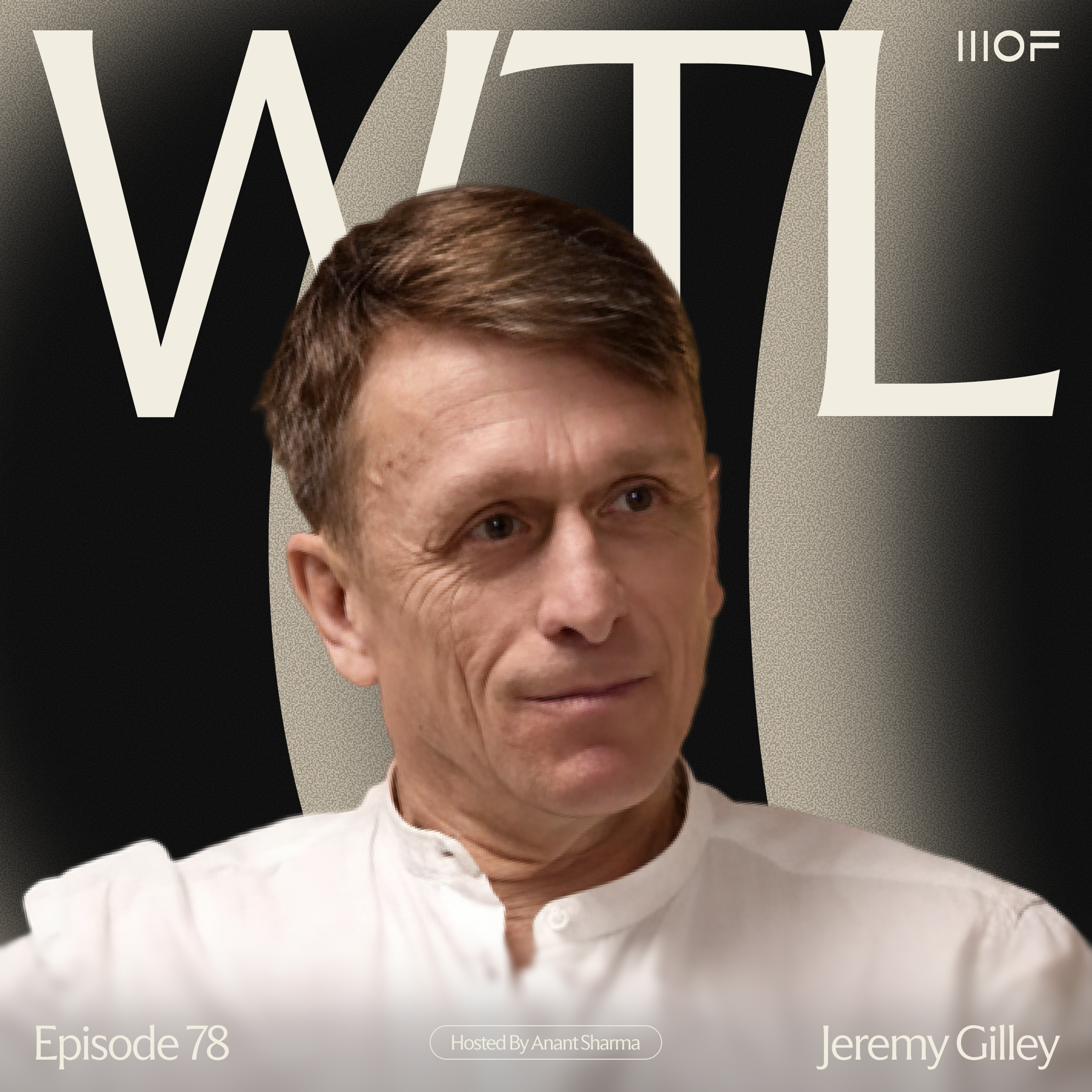 78. Peace One Day with Founder, Jeremy Gilley MBE 78. Peace One Day with Founder, Jeremy Gilley MBE | Peace One Day's mission is to institutionalise the International Day of Peace on 21st September and create a more just, inclusive, sustainable and peaceful world. In conversation with Anant Sharma on What The Luxe, Jeremy shares the idea behind the movement and the extraordinary journey of bringing it to life. | — | ||||||
| 3/2/26 |  77. Joy as a Business Ethos with Carolyn Turnbull, CEO of Nammos Hotels & Resorts 77. Joy as a Business Ethos with Carolyn Turnbull, CEO of Nammos Hotels & Resorts | In this episode of What The Luxe, Anant Sharma speaks with Carolyn Turnbull, CEO of Nammos Hotels & Resorts. From her formative years working alongside one of hospitality's most influential founders to leading the global expansion of Nammos, Carolyn reflects on brand guardianship, ambition, and the discipline required to build at scale. At the centre of the conversation is what she calls an ethos of joy — a philosophy shaping Nammos as it grows from a Mykonos icon into an international ultra-luxury platform. A focused discussion on leadership, growth, and building brands with conviction. | — | ||||||
Want analysis for the episodes below?Free for Pro Submit a request, we'll have your selected episodes analyzed within an hour. Free, at no cost to you, for Pro users. | |||||||||
| 2/24/26 | 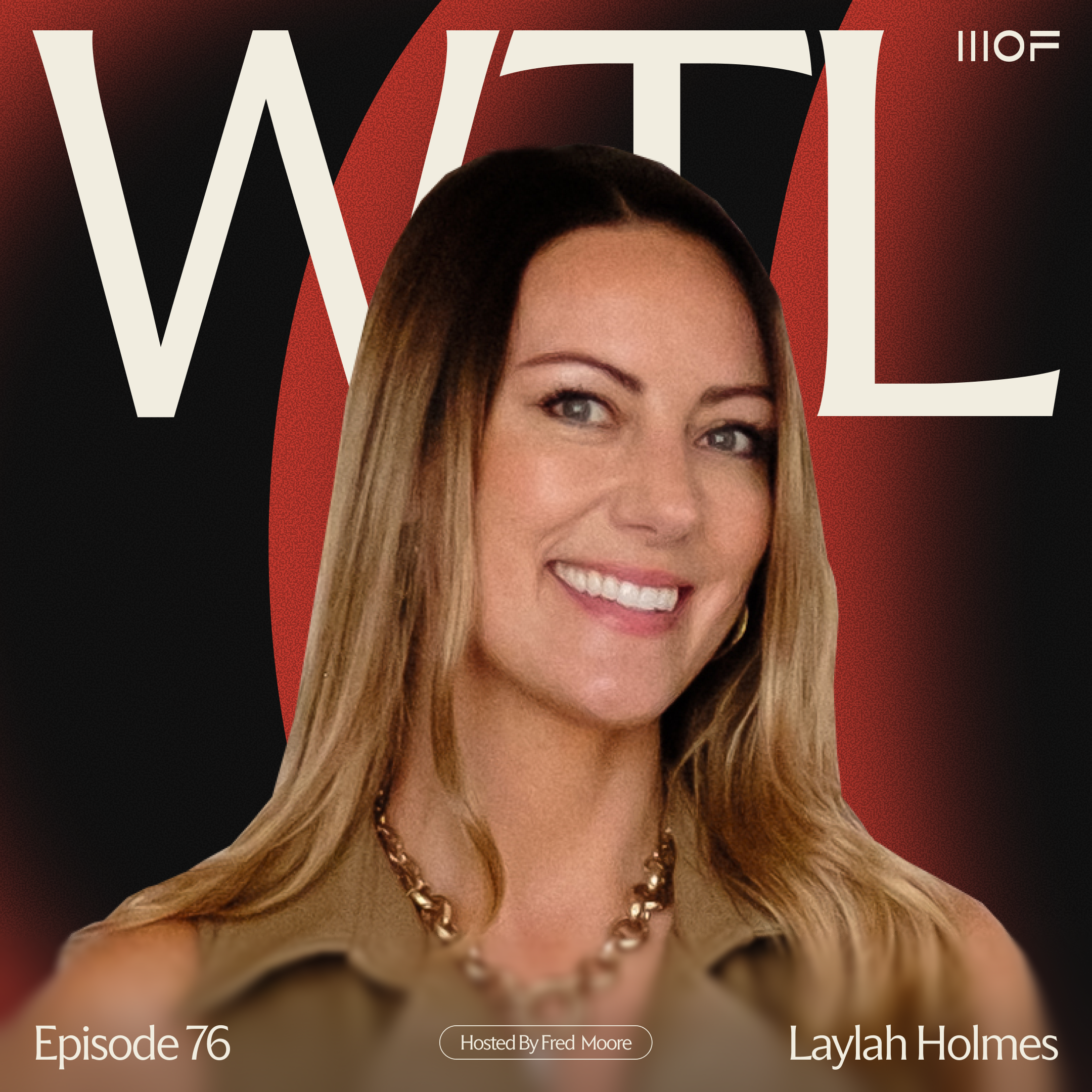 76. The Sartorial Home with Laylah Holmes, Founder of Holmes Bespoke 76. The Sartorial Home with Laylah Holmes, Founder of Holmes Bespoke | In this episode, Fred Moore speaks with Laylah Holmes about applying fashion's discipline of cut, construction and material to handcrafted rug design. With early experience at Vivienne Westwood and Ralph Lauren, Laylah brings a textile sensibility to the floor. Every piece is dyed, woven, tufted and finished entirely by hand, working with long-standing artisan partners across Nepal and India. They discuss longevity, scale and the responsibility of making objects that are built to endure. At a time of accelerated consumption, this is a conversation about patience, precision and designing interiors with the care of couture. | — | ||||||
| 2/17/26 |  75. Hospitality's Myopia Problem with Hanan Eissa, Vice President of Marketing & PR at Atlantis Dubai 75. Hospitality's Myopia Problem with Hanan Eissa, Vice President of Marketing & PR at Atlantis Dubai | In this episode, Anant Sharma speaks with Hanan Eissa, Vice President of Marketing & PR at Atlantis Dubai, about the industry's blind spot and how it shapes the way hospitality builds brands. With a background in FMCG and agency strategy, Hanan brings commercial rigour to luxury hospitality, grounded in product, pricing and consumer psychology. Together, they examine how marketing drifts toward surface-level visibility, how sameness creeps in, and how reference points become too narrow. From launching Atlantis The Royal next door to an established icon, to backing ambitious creative decisions on a global stage, this is a conversation about clarity, conviction and the thinking required to operate at scale. They also discuss the commoditisation of "luxury", time as a defining currency of modern hospitality, and why the industry needs to widen its field of vision. | — | ||||||
| 2/12/26 | 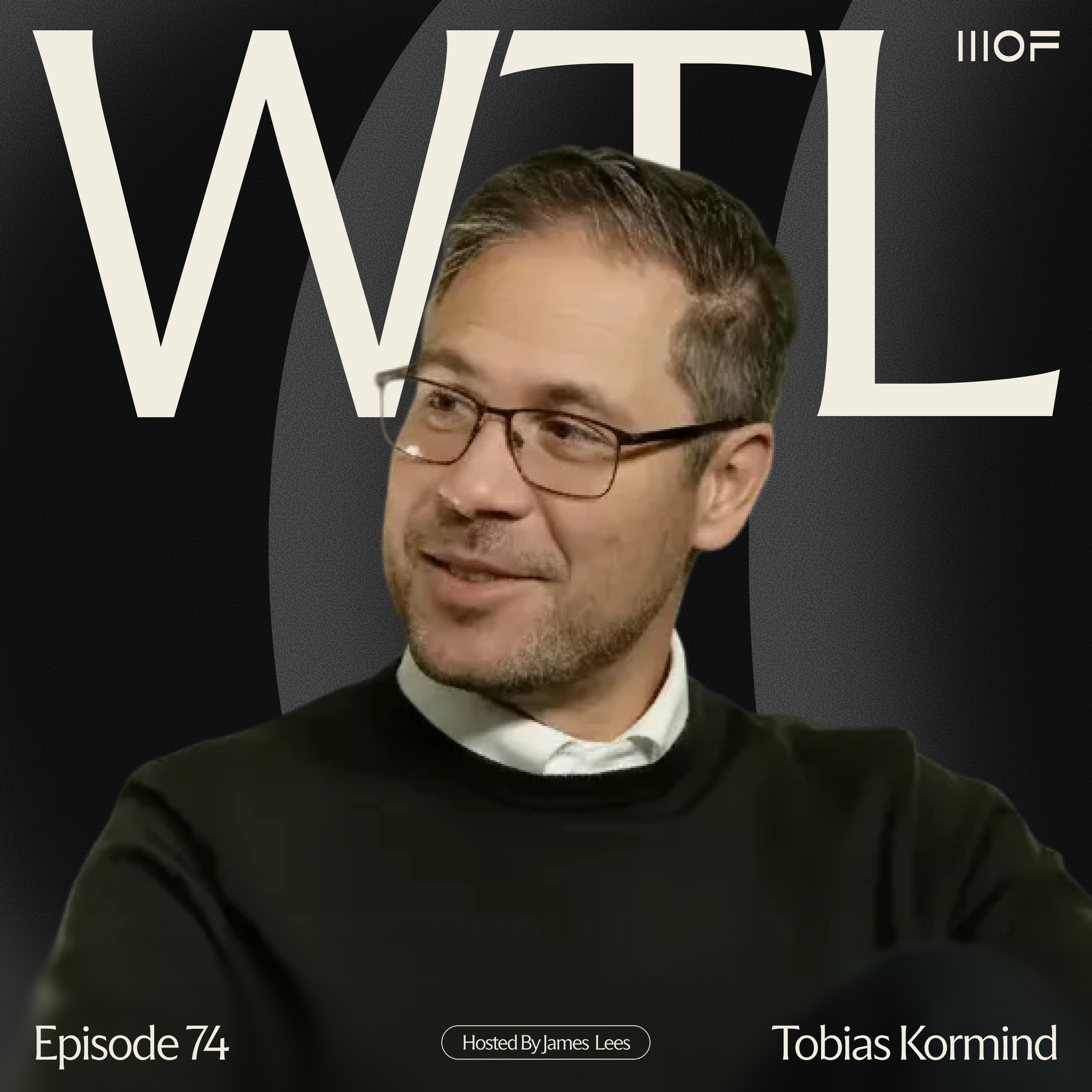 74. New Diamonds: Revolutionising an Ancient Industry with Tobias Kormind, Co-Founder of 77 Diamonds 74. New Diamonds: Revolutionising an Ancient Industry with Tobias Kormind, Co-Founder of 77 Diamonds | The diamond industry has always traded on mystery — its allure built on scarcity, tradition and the myth of perfection. Tobias Kormind, Co-Founder of 77 Diamonds, saw an opportunity to do things differently. In this episode, Tobias joins James Lees to explore how technology, transparency and a customer-first philosophy helped reshape one of luxury's oldest categories. From the origins of diamond scarcity to the digital transformation that redefined how people buy engagement rings, Tobias reflects on two decades of challenging convention and what it takes to modernise an industry. A conversation about innovation, craftsmanship and the revolution changing what we value — and how we buy it. | — | ||||||
| 2/9/26 |  73. Can Luxury Be Scaled? With Philippe Zuber, CEO of Kerzner International 73. Can Luxury Be Scaled? With Philippe Zuber, CEO of Kerzner International | In this episode, Philippe Zuber, CEO of Kerzner International, joins Anant Sharma to explore how one of the world's most ambitious hospitality groups approaches growth without dilution. From Atlantis and One&Only to the launch of SIRO and Rare Finds, Philippe shares how Kerzner thinks about luxury as an ecosystem — where emotion, memory and habit matter more than transactions or points. They discuss why restraint can be a strategic advantage, how loyalty is earned through return rather than reward, and why the future of luxury depends as much on what brands refuse to do as what they pursue. A conversation about scale, discipline, and the real cost of getting luxury wrong. | — | ||||||
| 2/2/26 |  72. The Relationship Between Design and Taste with Stephen Bayley, Author and Founder of The Design Museum 72. The Relationship Between Design and Taste with Stephen Bayley, Author and Founder of The Design Museum | Design and taste are often spoken about as if they're the same thing — but Stephen Bayley has spent a lifetime arguing that they're not. In this episode of What The Luxe, host Anant Sharma sits down with the critic, author and founding director of the Design Museum to explore the uneasy, often misunderstood relationship between design, taste and luxury. From his early encounters with architecture in Liverpool to making design a public conversation through the Boilerhouse project at the V&A, Bayley reflects on how design gained cultural authority — and how it may have lost its nerve. The conversation ranges across everyday objects, cities, cars and consumer culture, questioning when design became a proxy for preference, how taste was commodified, and why objects are never neutral. Bayley offers a sharp critique of consensus thinking, nostalgia and the dilution of judgement — arguing that caring about the material world is not elitist, but essential. A wide-ranging, philosophical discussion about meaning, value and why understanding the things we live with still matters. | — | ||||||
| 1/26/26 |  71. From MTV to Mexico City: Building London's Best Restaurants with Crispin Somerville, Managing Director of El Pastor, Quo Vadis, & The Drop 71. From MTV to Mexico City: Building London's Best Restaurants with Crispin Somerville, Managing Director of El Pastor, Quo Vadis, & The Drop | In this episode of What The Luxe, host Fred Moore speaks with Crispin Somerville, Managing Director of El Pastor, Quo Vadis & The Drop, about a journey that spans MTV, music and television, Mexico City nightlife, and ultimately some of London's most culturally significant restaurants. Crispin reflects on how time spent immersed in Mexico's food and hospitality culture reshaped his understanding of generosity, conviviality and transportive experience — lessons that continue to inform how he builds restaurants today. Together they explore why authenticity is a slippery concept, why great hospitality resists formula, and how restaurants succeed when they prioritise atmosphere, trust and human connection over scale. The conversation also touches on independence, regeneration, talent and why neighbourhoods like Soho and King's Cross thrive when restaurants are treated as cultural anchors rather than footfall machines. A thoughtful look at hospitality as a social act — and why the places we gather still matter. | — | ||||||
| 1/20/26 |  70. Experience as Wellness with Ramy Elnagar, Founder of White Mirror 70. Experience as Wellness with Ramy Elnagar, Founder of White Mirror | What if wellness wasn't something we added on — but something we designed into experience itself? In this episode of What The Luxe, Anant Sharma is joined by Ramy Elnagar, Founder of White Mirror, to explore how technology, design and the built environment can actively shape how we feel, behave and flourish. Ramy's work sits at the intersection of sensory design, emerging technology and human psychology, challenging the idea that wellness is about optimisation, biohacking or indulgence. Instead, he argues for intentional experiences — spaces that teach us how to sleep better, listen more deeply, regulate our nervous systems and reconnect with nature, ritual and meaning. Together they discuss the tension between innovation and restraint, why the word "wellness" may no longer be enough, and how experiences — when designed with empathy — can become powerful tools for human flourishing. A thoughtful conversation about attention, intention and why the most advanced environments often feel the most human. | — | ||||||
| 1/12/26 | 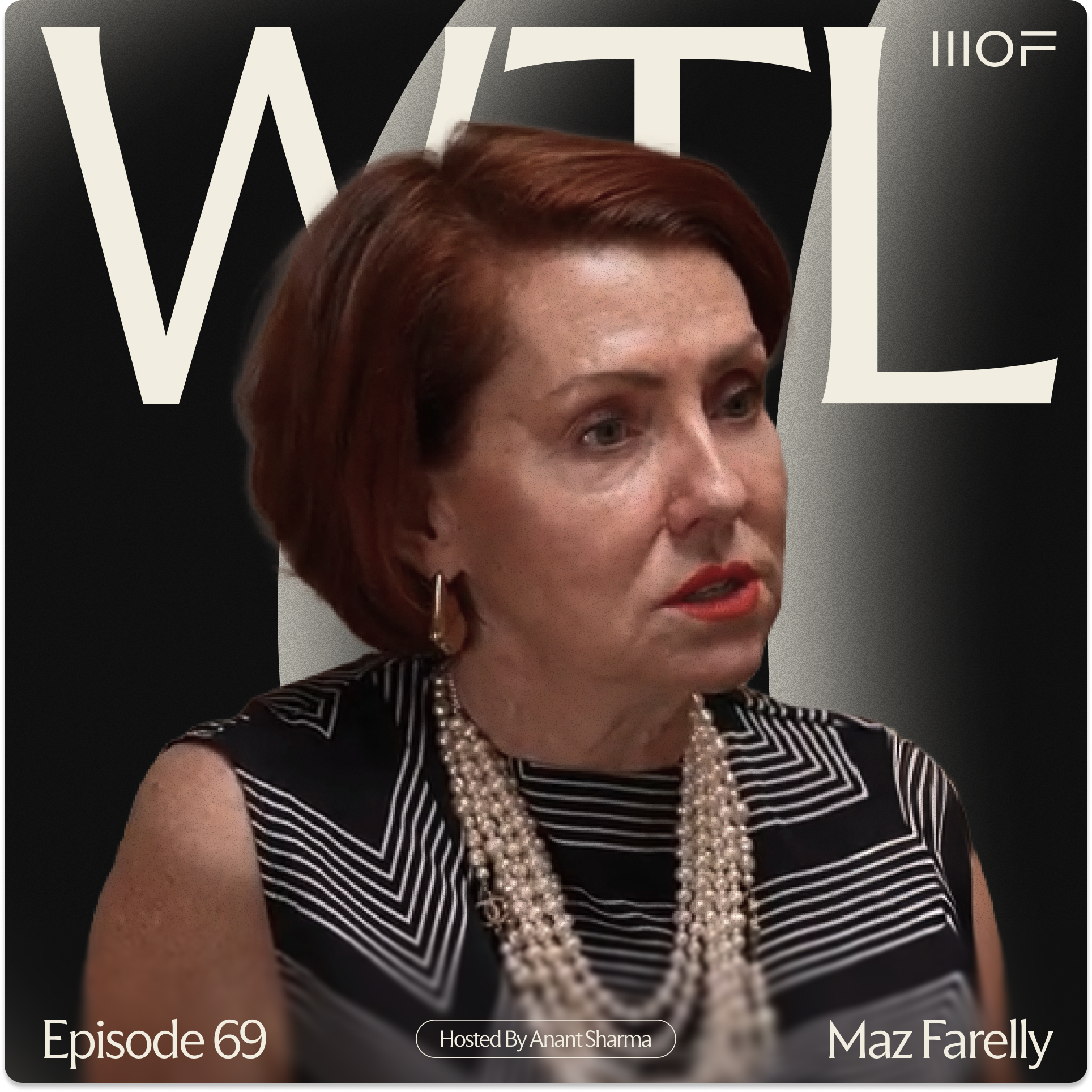 69. What Luxury Should Learn From Popular Culture with Maz Farrelly 69. What Luxury Should Learn From Popular Culture with Maz Farrelly | In this episode of What The Luxe, Anant Sharma sits down with Maz Farrelly, the former television executive behind some of the most-watched formats in the world, to unpack what luxury brands can learn from the mechanics of mass entertainment. From producing global television hits to advising leaders and brands today via MazSpeaksGlobal.com, Maz argues that attention is never owed — it's earned. Drawing on decades spent building shows that people actively choose to watch, she explores how desire, illusion, and respect for the audience are just as critical in brand-building as they are in television. Maz brings a truly international perspective to the conversation, drawing on her extensive work across Australia, the U.K., Singapore, and the USA. Together, they discuss why "boring is disrespectful," why hope is not a strategy, and how brands can create moments people actually care about — without shouting, diluting their values, or chasing trends. This is a sharp, entertaining conversation about attention as currency, popular culture as a teacher, and why luxury can't afford to ignore how people really engage. | — | ||||||
| 12/24/25 |  68. What The Luxe Christmas Special 68. What The Luxe Christmas Special | For the first time since episode one, What The Luxe brings its two hosts together at the same table. In this end-of-year Christmas episode, Anant Sharma and Fred Moore step away from the usual guest format to reflect on the past year of conversations. They talk candidly about what we've heard throughout 2025, from the patterns to the anomalies, the anecdotes and the insights. Moving easily between the podcast, the studio, and the wider world around us, the two cover topics including experience, taste, leadership, travel, and the shifting signals of value across luxury. A deliberately unstructured episode to close out the year, before attention turns to what comes next. | — | ||||||
| 12/17/25 |  67. Modern Patronage at the Royal Academy of Arts with Stacey Langham, Head of Corporate & Luxury Partnerships 67. Modern Patronage at the Royal Academy of Arts with Stacey Langham, Head of Corporate & Luxury Partnerships | In this episode of What The Luxe, Anant Sharma speaks with Stacey Langham, Head of Corporate & Luxury Partnerships at the Royal Academy of Arts, about how culture, commerce and philanthropy intersect when relationships are built for the long term. Stacey shares her journey from magazine publishing into the cultural sector, and how that perspective shapes the way she builds partnerships at the RA — not as sponsorships, but as collaborations rooted in shared values, creative ambition and cultural resonance. The conversation explores the Royal Academy's unique model: a fiercely independent institution with no public funding, home to the UK's only tuition-free postgraduate art programme, supported entirely through philanthropy and partnership. Together they discuss how luxury brands act as modern patrons and the responsibility that comes with cultural capital. A thoughtful look at how institutions with deep history can remain relevant — without compromising their values. | — | ||||||
| 12/15/25 |  66. Slowing Fashion Down with Oliver Spencer 66. Slowing Fashion Down with Oliver Spencer | In this episode of What The Luxe, host Anant Sharma sits down with Oliver Spencer, founder of the eponymous menswear label and formalwear brand Favourbrook, to explore a career built on patience, craft and a quiet resistance to fashion's obsession with scale. From selling hand-painted waistcoats off a wheelbarrow on Portobello Road to building two enduring British brands, Oliver shares why he never followed the traditional Savile Row path — and why he continues to make a significant proportion of his collections in England, even when the economics point elsewhere Together, they discuss: • Why true luxury is rarity, craft and design — not availability • The difference between fashion, styling and genuine garment design • What the industry gets wrong about growth, scale and "success" • Why small is becoming beautiful again in business and culture • The role of shopkeeping, community and the High Street in modern luxury • How Oliver's latest venture, Secret Trips, connects clothing, travel and a more considered way of living A thoughtful, unfiltered conversation about slowing down in a world that moves too fast — and building brands with integrity, longevity and soul. | — | ||||||
| 12/9/25 | 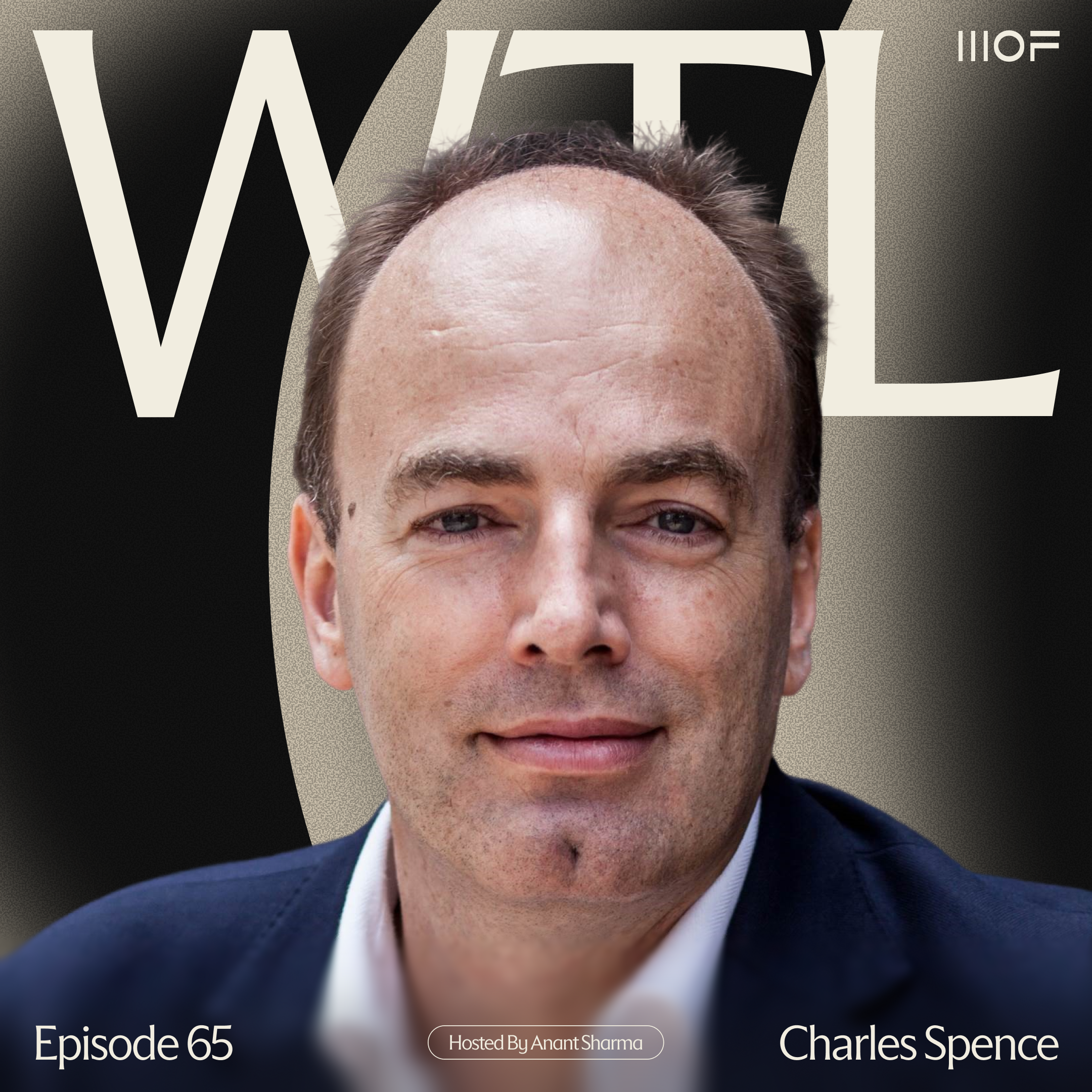 65. Professor Charles Spence on The Psychology Behind Pleasure, Perception and Luxury 65. Professor Charles Spence on The Psychology Behind Pleasure, Perception and Luxury | Professor Charles Spence has built one of the most influential bodies of research in modern psychology, reframing how the world understands taste, pleasure and perception. As Head of Oxford's Crossmodal Research Laboratory, his work has shown that nothing we experience is ever singular: sound alters flavour, colour reshapes expectation, weight changes perceived quality. These ideas have travelled from the lab into Michelin-starred kitchens, automotive design studios and the playbooks of global luxury brands. In this episode, Charles sits down with host Anant Sharma to unpack the sensory mechanics behind value and delight. They discuss why our brains misattribute pleasure, how scent exerts power while rarely receiving credit, and why experiences like dining in the dark reveal the limits of removing visual cues. They move through the frontier of multisensory design—from biophilic environments to emotional "arc-shaping" in restaurants—and what it means for hospitality, retail and experience creators seeking to build something memorable. A conversation about perception as a design material, the invisible cues that change behaviour, and why the future of luxury will depend less on what brands show and more on how they make people feel. | — | ||||||
| 12/2/25 | 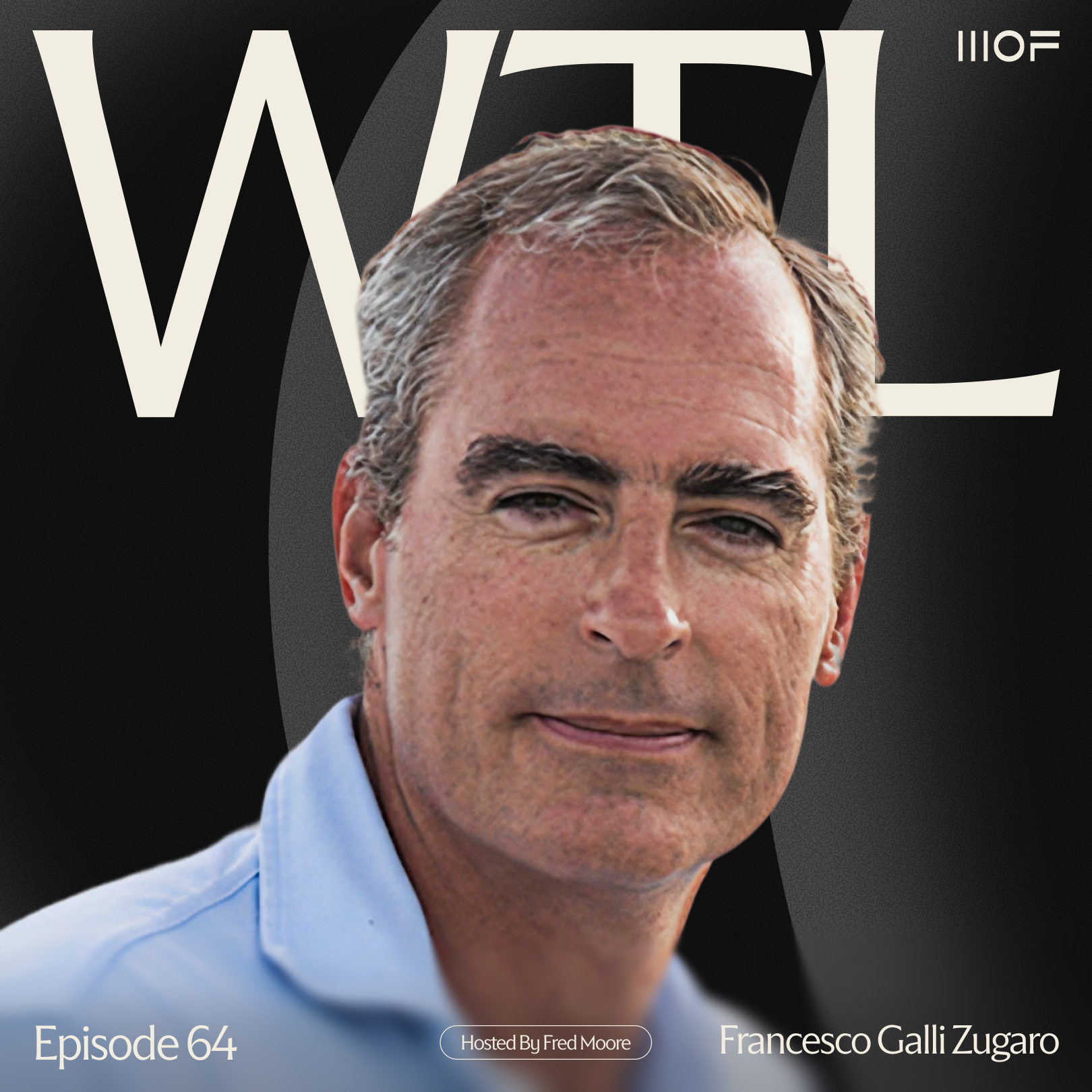 64. Building for the Affluent Explorer: Inside Aqua Expeditions with Founder & CEO Francesco Galli Zugaro 64. Building for the Affluent Explorer: Inside Aqua Expeditions with Founder & CEO Francesco Galli Zugaro | In this episode, What The Luxe dives into the world of Aqua Expeditions with its Founder & CEO, Francesco Galli Zugaro. Raised across 16 countries and driven by an innate spirit of exploration, Francesco has spent nearly two decades crafting highly intimate, design-led journeys for what he calls the affluent explorer — guests who crave authenticity, comfort and adventure in some of the world's most fragile ecosystems. Host Fred Moore explores how Aqua began with a single 12-cabin ship on the Peruvian Amazon and grew into a fleet spanning Indonesia, the Mekong, the Galápagos and soon East Africa and the Arctic. Francesco shares the realities behind that growth: the logistical improbability of building ships in remote regions, the family dynamics woven into the brand, and why Aqua will never chase scale for its own sake. Together they unpack: • The origins of Aqua's small-ship philosophy and why intimacy beats scale • Designing for high-touch luxury — from world-class dining to near 1:1 staff ratios • Creating moments of wonder for guests who are used to the exceptional • The rising appetite for multi-generational and younger expedition travellers • Conservation partnerships and operating responsibly in fragile ecosystems • Aqua's next chapter, including new routes and new vessels A rich conversation about adventure, restraint, craftsmanship and the discipline required to build a brand that stays true to its values. | — | ||||||
| 11/25/25 | 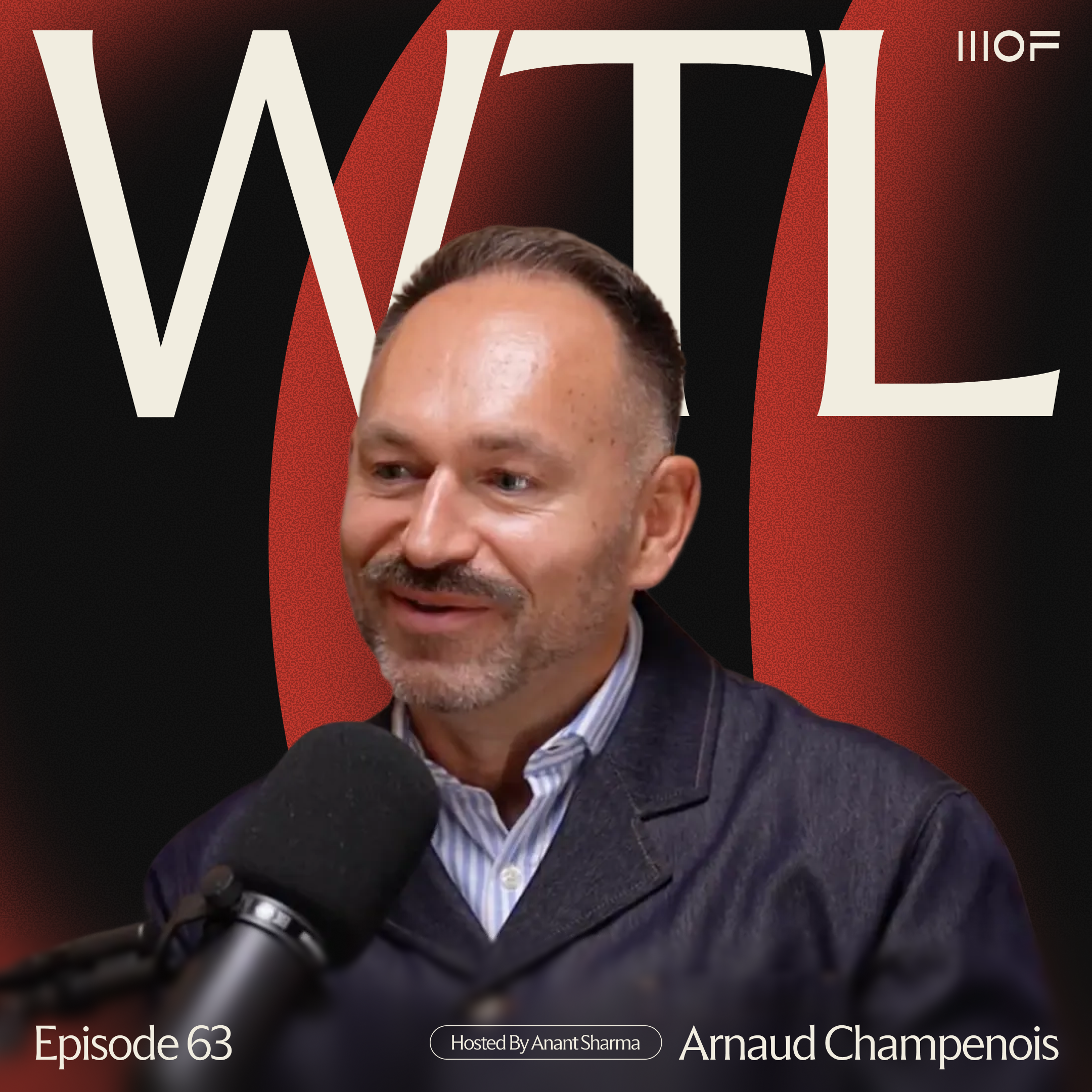 63. A New Pace of Travel with Belmond's Senior VP of Global Brand, Marketing and Communications, Arnaud Champenois 63. A New Pace of Travel with Belmond's Senior VP of Global Brand, Marketing and Communications, Arnaud Champenois | Belmond has spent decades redefining the romance of travel—inviting guests to slow down, savour time and inhabit destinations rather than pass through them. Across 43 properties in 24 countries, the brand has become synonymous with slow luxury. Arnaud Champenois, Senior VP of Global Brand, Marketing and Communications, is the architect of that vision, balancing Belmond's storied heritage with the cultural shifts reshaping modern travel. In this episode, Arnaud sits down with Anant Sharma to discuss what slow luxury actually means in practice. They explore Belmond's property-first approach, the creative risks behind reimagining icons like the Venice Simplon-Orient-Express, and how partnerships with figures such as Wes Anderson are reframing the brand for a new generation. A conversation about slowness as strategy, the craft behind hospitality, and why the journey can still matter more than the destination. | — | ||||||
| 11/17/25 | 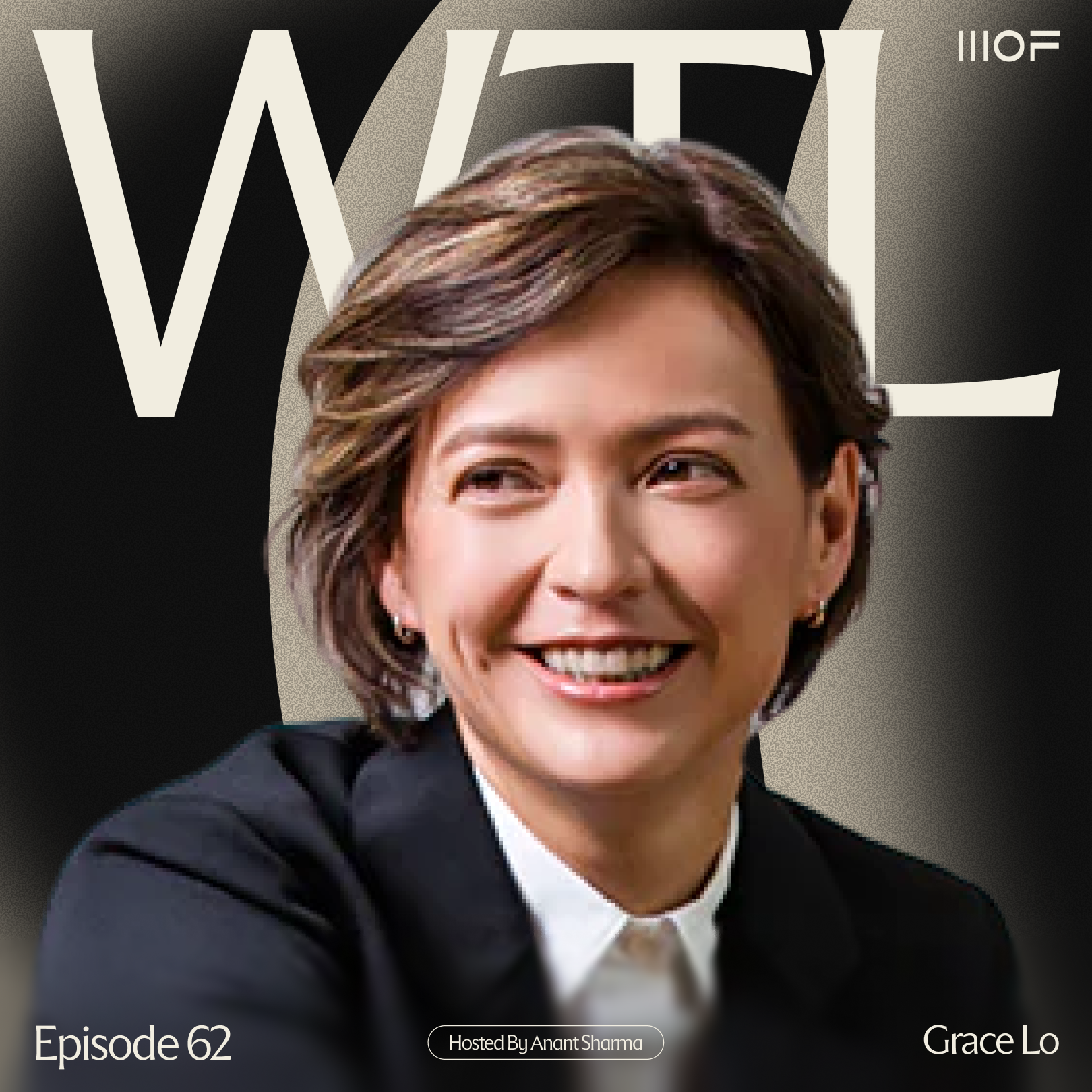 62. Rituals of Listening with Grace Lo, President & Head of Global Marketing at KEF Audio Group 62. Rituals of Listening with Grace Lo, President & Head of Global Marketing at KEF Audio Group | For over 60 years, KEF has redefined what it means to listen—turning sound into sculpture and engineering into art. Under the leadership of Grace Lo, the brand continues to push boundaries in both technology and design, shaping the future of high-fidelity audio for a new generation. In this episode, Grace joins Anant Sharma to explore what luxury means when it comes to sound. They discuss the founding spirit of Raymond Cooke, the shift from passive to active systems, and why the ritual of listening—whether that's filling a room with music or the deliberate act of putting a record on—matters more than ever in a headphone-dominated world. | — | ||||||
Showing 25 of 86
Sponsor Intelligence
Sign in to see which brands sponsor this podcast, their ad offers, and promo codes.
Chart Positions
4 placements across 4 markets.
Chart Positions
4 placements across 4 markets.