

Insights from recent episode analysis
Audience Interest
Podcast Focus
Publishing Consistency
Platform Reach
Insights are generated by CastFox AI using publicly available data, episode content, and proprietary models.
Total monthly reach
Estimated from 1 chart position in 1 market.
By chart position
- 🇺🇸US · Social Sciences#1955K to 30K
- Per-Episode Audience
Est. listeners per new episode within ~30 days
2.5K to 15K🎙 Weekly cadence·42 episodes·Long inactive - Monthly Reach
Unique listeners across all episodes (30 days)
5K to 30K🇺🇸100% - Active Followers
Loyal subscribers who consistently listen
1.5K to 9K
Market Insights
Platform Distribution
Reach across major podcast platforms, updated hourly
Total Followers
—
Total Plays
—
Total Reviews
—
* Data sourced directly from platform APIs and aggregated hourly across all major podcast directories.
On the show
Recent episodes
Burgdorff, Hasche, Kühnhenrich & Raabe – Planungskulturen des Umbauens, Teil II
Mar 17, 2025
Unknown duration
Köddermann, Kolbert & Tvrtković – Planungskulturen des Umbauens
Feb 27, 2025
Unknown duration
Gelhausen, Körber & Noack – Temporäre Universität Hambach 2024
May 28, 2024
Unknown duration
Fischer, Graef, Shapiro & Vellani – Transformatives Forschen in Mittelstädten
Apr 12, 2024
Unknown duration
Veith, Macdonald & Egermann – Trialogische Kontakte in der Stadtentwicklung
Apr 4, 2024
Unknown duration
Social Links & Contact
Official channels & resources
Official Website
Login
RSS Feed
Login
| Date | Episode | Description | Length | ||||||
|---|---|---|---|---|---|---|---|---|---|
| 3/17/25 |  Burgdorff, Hasche, Kühnhenrich & Raabe – Planungskulturen des Umbauens, Teil II | In order to initiate and implement conversion on a much larger scale, we need a change in our current culture - in planning, in building, and also in the way we use, think about, and imagine space. In this discussion we continue the debate on planning cultures of conversion. University and institutional research meets practice. We are building on the impulses and discussions of our jointly organized symposium at tu! Hambach 2024, which we organized together. We were on site in a region undergoing major restructuring: the Rhenish lignite mining area. Our event took place in the abandoned village of Morschenich-Alt, now Bürgerwald. This village is facing a far-reaching conversion process in the coming years. And even beyond the specific background of the abandonment of lignite mining, there are many reasons to take a closer look at the existing material, social and cultural resources in the existing buildings and settlement areas and to make use of them.Um Umbau in viel größerem Umfang in Gang zu setzen und umzusetzen, benötigen wir eine Veränderung unserer aktuellen Kultur – im Planen, im Bauen und auch in unserer Art und Weise, wie wir Räume nutzen, denken und imaginieren. In diesem Gespräch setzen wir die Diskussion zu Planungskulturen des Umbauens fort. Universitäre und institutionelle Forschung treffen auf die Praxis. Wir knüpfen an die Impulse und Diskussionen im Rahmen unseres gemeinsam organisierten Symposiums auf der tu! Hambach 2024 an. Dabei waren wir vor Ort in einer Region, die stark im Umbau ist: das Rheinische Braunkohlerevier. Unsere Veranstaltung fand im leergezogenen Dorf Morschenich-Alt, heute Bürgerwald, statt. Dieses Dorf hat in den kommenden Jahren einen weitreichenden Umbauprozess vor sich. Und auch jenseits der besonderen Kulisse des Braunkohleausstiegs gibt es viele Anlässe, die bestehenden materiellen wie auch sozialen und kulturellen Ressourcen im Gebäudebestand und in bestehenden Siedlungsgebieten noch stärker in den Blick zu nehmen und zu nutzen.You can find the blog What/Next at www.planung-neu-denken.deMusic: Elephants on Parade by Podington Bear. Attribution-NonCommercial 3.0 International License | — | ||||||
| 2/27/25 |  Köddermann, Kolbert & Tvrtković – Planungskulturen des Umbauens | There is currently a lot of discussion about conversion (culture), building and spatial change. There are many reasons for turning to and using existing material as well as social and cultural resources in existing buildings and settlements. These include the ongoing consumption of resources, the release of CO2 and the production of waste in the construction industry, the unchecked consumption of land in the development of settlements and infrastructure, and the complex forms of structural economic, social, and cultural change in urban and rural areas. The preoccupation with existing buildings is not new. A good 50 years ago, it was decisively initiated by urban development funding in Germany, the European Year of Monument Protection and a few years later by the IBA-Altbau in Berlin. The transformation in the existing built and lived city continues unabated today and is being given new impetus by a series of structural breaks and crises. These include vacancies as well as the need for renewal due to changing economic, social, or climatic conditions. In the conversation with Peter Köddermann, Stine Kolbert und Mario Tvrtković we discuss how reconstruction and redevelopment can actually be initiated, designed and implemented under inherent uncertainties and with the involvement of a large number of stakeholders and relevant interest groups involved. The discussion is based on the jointly organized symposium "Planning Cultures of Conversion" in June 2024 as part of tu! Hambach 2024.Umbau(-kultur), Bau- und Raumwende sind in aller Munde. Es gibt viele Anlässe für die Hinwendung zu und Inwertsetzung von bestehenden materiellen wie auch sozialen und kulturellen Ressourcen im Gebäudebestand und in bestehenden Siedlungsgebieten. Dazu zählen die anhaltende Höhe von Ressourcenverbrauch, CO2 Freisetzung und Müllproduktion im Bauwesen, der ungebremste Flächenverbrauch in der Siedlungs- und Infrastrukturentwicklung oder auch die vielschichtigen Formen des strukturellen ökonomischen, sozialen, kulturellen Wandels im urbanen bis ländlichen Raum. Die Beschäftigung mit dem Bestand ist nicht neu. Sie wurde vor gut 50 Jahren durch die Städtebauförderung, das Europäische Denkmalschutzjahr sowie einige Jahre später durch die IBA-Altbau in Berlin maßgeblich mit angestoßen. Der Wandel in der bestehenden gebauten und gelebten Stadt hält heute unvermindert an und erhält durch eine Vielzahl von Strukturbrüchen und Krisen neue Schübe. Dazu zählen Leerstände genauso wie Erneuerungsbedarfe aufgrund veränderter ökonomischer, sozialer oder auch klimatischer Bedingungen. Im Gespräch mit Peter Köddermann, Stine Kolbert und Mario Tvrtković fragen wir, wie Um- und Weiterbauen tatsächlich angestoßen, unter inhärenten Unwägbarkeiten und mit einer zumeist großen Zahl beteiligter Akteure und relevanter Anspruchsgruppen gestaltet und umgesetzt werden können. Das Gespräch knüpft an das gemeinsam ausgerichtete Symposium „Planungskulturen des Umbauens“ im Juni 2024 im Rahmen der tu! Hambach 2024 an.You can find the blog What/Next at www.planung-neu-denken.deMusic: Elephants on Parade by Podington Bear. Attribution-NonCommercial 3.0 International License | — | ||||||
| 5/28/24 |  Gelhausen, Körber & Noack – Temporäre Universität Hambach 2024 | The Temporary University Hambach is an innovative format for cooperation and collaboration, mutual learning, encounters and the organisation of people, initiatives and institutions that are committed to the long-term success of structural change in the Rhenish lignite mining region. Under the motto "Do something, join in!", the tu! 2024 project days will take place in June - a joint initiative of the RWTH with the transformation platform REVIERa, Neuland Hambach GmbH and the municipality of Merzenich with the BBSR – Federal Institute for Research on Building, Urban Affairs and Spatial Development Cottbus, Aachen University of Applied Sciences, the LVR –Rhineland Regional Council and the ZRR – Rhineland Future Agency. Georg Gelhausen, Manfred Körber and Anika Noack talk to Agnes Förster about the tu! 2024’s potential to give new impetus to the ongoing process of structural change – both locally in the future location of Morschenich -Alt and in the nationwide networking and knowledge exchange with the mining regions of Central Germany and Lusatia. Die Temporäre Universität Hambach ist ein innovatives Format der Kooperation und Kollaboration, des wechselseitigen Lernens, der Begegnung und Gestaltung von Menschen, Initiativen, Institutionen, die sich langfristig für das Gelingen des Strukturwandels im Rheinischen Braunkohlerevier engagieren. Unter dem Motto „Tu was, mach mit!“ finden im Juni die Projekttage der tu! 2024 statt – in gemeinsamer Initiative der RWTH mit der Transformationsplattform REVIERa, der Neuland Hambach GmbH und der Gemeinde Merzenich mit dem BBSR – Bundesinstitut für Bau-, Stadt- und Raumforschung Cottbus, der FH Aachen, dem LVR – Landschaftsverband Rheinland und der ZRR – Zukunftsagentur Rheinisches Revier GmbH. Georg Gelhausen, Manfred Körber und Anika Noack sind im Gespräch mit Agnes Förster über die Potenziale der tu! 2024, um Impulse im laufenden Strukturwandelprozess zu setzen – vor Ort im Zukunftsort Morschenich-Alt genauso wie in der bundesweiten Vernetzung und im Wissensaustausch mit den Revieren in Mitteldeutschland und in der Lausitz. You can find the blog What/Next at www.planung-neu-denken.de Music: Elephants on Parade by Podington Bear. Attribution-NonCommercial 3.0 International License | — | ||||||
| 4/12/24 |  Fischer, Graef, Shapiro & Vellani – Transformatives Forschen in Mittelstädten | Small and medium-sized cities were both the subject and the site of research and development in the Research Training Group "Medium-Sized Cities as Co-Participation Cities ". In addition to the group of twelve doctoral students, a network of 40 small and medium-sized cities was established and developed into a space of discussion and resonance for the specific concerns and resources of these cities. The transformative work and knowledge transfer was based on an agent-based approach, which allowed the doctoral students to work directly in the medium-sized cities. Lea Fischer, Marie Graef, Julia Shapiro and Tomás Vellani talk to Agnes Förster about their experiences with iterative process design within the programme. They reflect on their methods, perceived roles, and anticipated impacts. Kleine Mittelstädte waren sowohl Gegenstand als auch Ort des Geschehens für das Forschen und Entwickeln im Graduiertenkolleg „Mittelstadt als Mitmachstadt“. Neben der Gruppe von zwölf Doktorierenden wurde ein Netzwerk aus 40 kleinen Mittelstädten aufgebaut und dieses zu einem Diskussions- und Resonanzraum für die besonderen Anliegen wie auch Ressourcen dieser Städte entwickelt. Transformatives Arbeiten und Wissenstransfer basierten auf einem Agent:innenansatz, mit dem die Doktorierenden direkt in den Mittelstädten wirkten. Lea Fischer, Marie Graef, Julia Shapiro und Tomás Vellani tauschen im Gespräch mit Agnes Förster ihre Erfahrungen zu den iterativen Prozessgestaltungen im Rahmen des Kollegs aus. Sie reflektieren ihre Methoden und wahrgenommenen Rollen und nehmen vermutete Wirkungen in den Blick. You can find the blog What/Next at www.planung-neu-denken.de Music: Elephants on Parade by Podington Bear. Attribution-NonCommercial 3.0 International License | — | ||||||
| 4/4/24 | 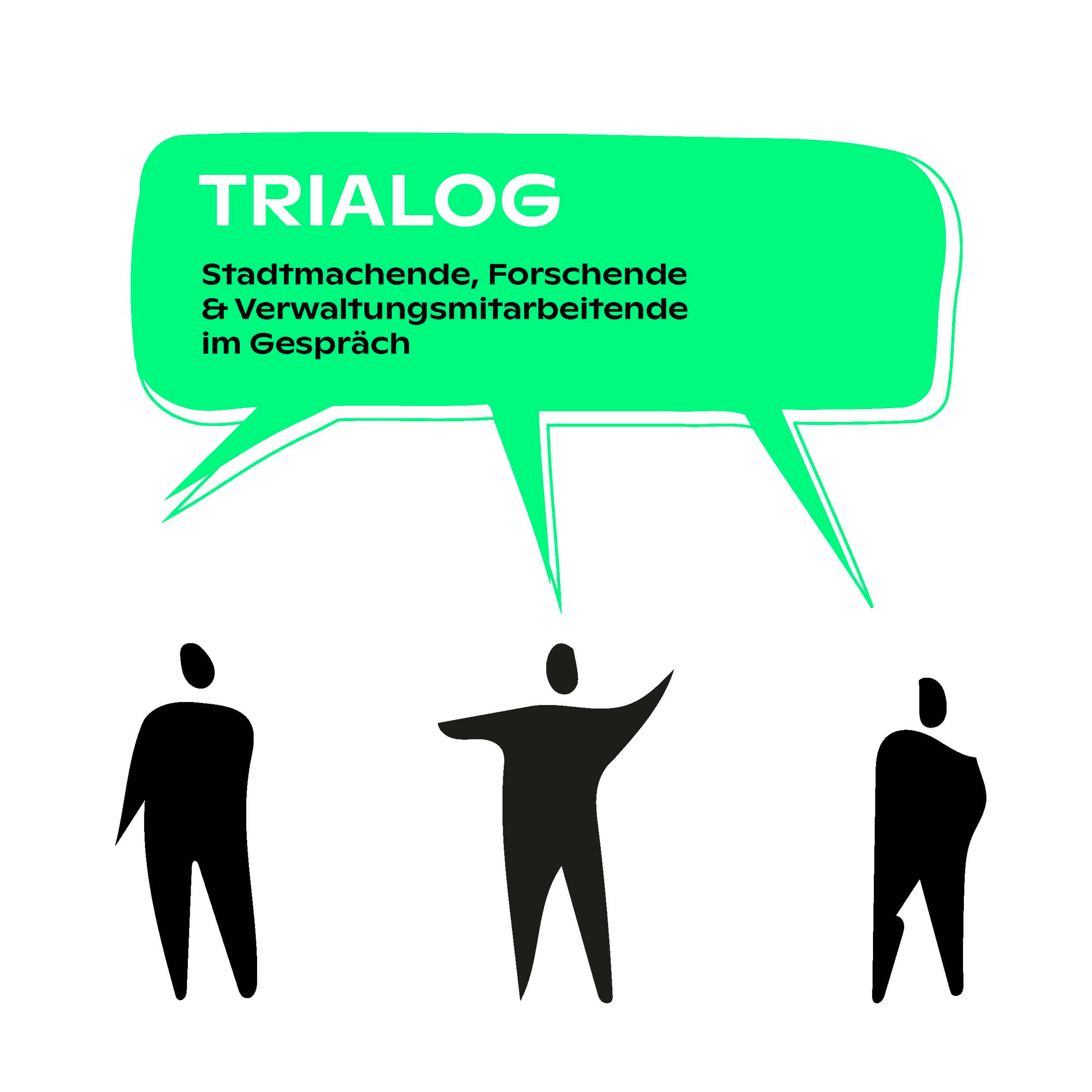 Veith, Macdonald & Egermann – Trialogische Kontakte in der Stadtentwicklung | In urban development, new forms of governance are constantly being called for in order to develop cities sustainably. In recent years, there has been an increase in cooperation between city makers from organised civil society, urban planners and developers from administrations and researchers – a trialogue rather than just a dialogue. But what exactly does this trialogue look like on the ground? What factors characterise cooperation? And what could and should it look like in the future in order to develop cities in the sense of transformative urban governance? Laura Brings and Agnes Förster discuss these and other questions with Tatjana Veith, Sven Macdonald and Markus Egermann. In der Stadtentwicklung werden immer wieder neue Formen der Governance gefordert, um Städte nachhaltig zu entwickeln. In den letzten Jahren findet in dem Zuge vermehrt eine Zusammenarbeit zwischen Stadtmachenden aus der organisierten Zivilgesellschaft, Stadtplaner:innen und -entwickler:innen aus Verwaltungen und Forschenden statt – es kommt zum Trialog und nicht mehr nur zum Dialog. Doch wie genau sieht der Trialog vor Ort aus? Welche Faktoren prägen die Zusammenarbeit? Und wie könnte und müsste die Zusammenarbeit vielleicht zukünftig aussehen, um Städte im Sinne einer transformativen urbanen Governance zu entwickeln? Diese und weitere Fragen diskutieren Laura Brings und Agnes Förster im Gespräch mit Tatjana Veith, Sven Macdonald und Markus Egermann. You can find the blog What/Next at www.planung-neu-denken.de Music: Elephants on Parade by Podington Bear. Attribution-NonCommercial 3.0 International License | — | ||||||
| 3/27/24 | 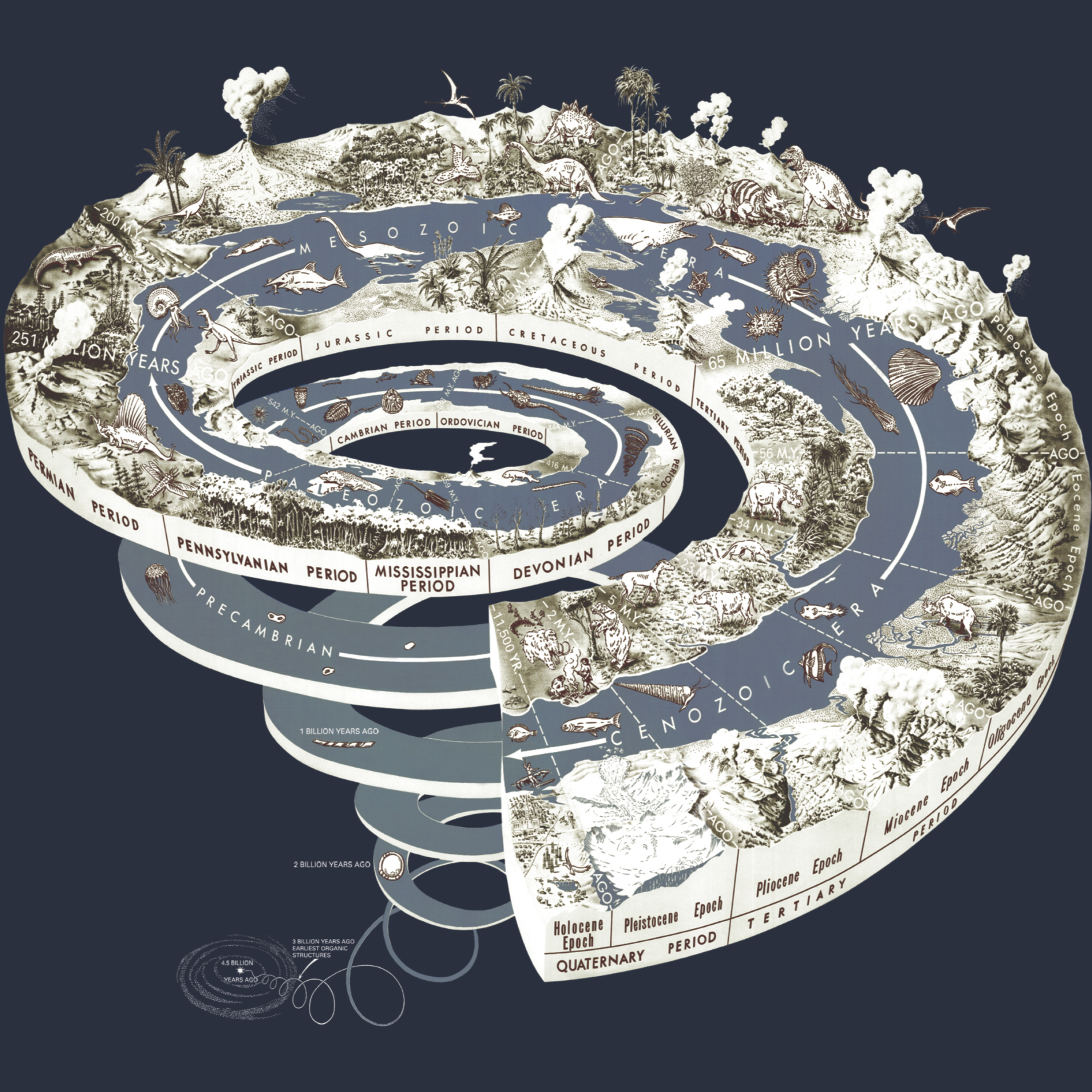 Hannes Langguth – From Future Anticipation to Deep-time Thinking | From Future Anticipation to Deep-time Thinking: Asserting the production of time inherently implies acknowledging the diversity of temporal experiences that are embedded in different cultures, geographies, economic and political systems. In this second episode, we talk with Hannes Langguth who analyses Time as an (infra)structuring element in the future-making of the urban that allows for crucial insights into the construction of power and inequality. He further suggests we consider time as a key factor in shaping our collective future by specifically taking into account deep-time thinking. Von Zukunftsantizipation zu Tiefzeit-Denken: Die Produktion von Zeit setzt voraus, dass man die Vielfalt der zeitlichen Erfahrungen anerkennt, die in verschiedenen Kulturen, Geografien, wirtschaftlichen und politischen Systemen eingebettet sind. In dieser zweiten Folge sprechen wir mit Hannes Langguth, der die Zeit als (infra-)strukturierendes Element bei der Gestaltung der Zukunft des Urbanen analysiert, das entscheidende Einblicke in die Konstruktion von Macht und Ungleichheit ermöglicht. Er schlägt außerdem vor, die Zeit als Schlüsselfaktor für die Gestaltung unserer kollektiven Zukunft zu betrachten, indem wir insbesondere das Denken in Tiefenzeiten berücksichtigen. You can find the blog What/Next at www.planung-neu-denken.de Sound pack credits: josefpres https://freesound.org/people/josefpres/ You can find this pack online at: https://freesound.org/people/josefpres/packs/36680/ | — | ||||||
| 12/18/23 |  Saskia van Stein – The Science Underpinning Change | Science Underpinning Change: Understanding and showing the relevance of time to people of diverse ages and backgrounds can be not only a theoretical but a creative and cultural challenge. In this inaugural interview with Saska van Stein, the Time Out team uncover the initial processes and thinking that enabled and inspired the International Architecture Biënnale Rotterdam to organize, curate, and host the 2022 biennale It’s About Time. Den Wandel wissenschaftlich untermauern: Die Relevanz von Zeit für Menschen unterschiedlichen Alters und Hintergrunds zu verstehen und aufzuzeigen, kann nicht nur eine theoretische, sondern auch eine kreative und kulturelle Herausforderung sein. In diesem einführenden Interview mit Saska van Stein deckt das Time Out-Team die anfänglichen Prozesse und Überlegungen auf, die die der Internationalen Architekturbiennale Rotterdam, die Biennale It's About Time 2022 zu organisieren, zu kuratieren und auszurichten. You can find the blog What/Next at www.planung-neu-denken.de Sound pack credits: josefpres https://freesound.org/people/josefpres/ You can find this pack online at: https://freesound.org/people/josefpres/packs/36680/ | — | ||||||
| 5/16/22 |  Kathrin Krienke and Christian Wild von Hohenborn – Voicing Ideas | Senf.koeln is a platform for participation founded in Cologne by a multidisciplinary team of students united by their love for the city and motivation to make it even better. Senf.koeln ist eine Beteiligungsplattform, die von einem multidisziplinären Team von Studierenden in Köln gegründet wurde. Sie sind vereint von ihrer Liebe für die Stadt und von der Motivation, sie noch schöner zu machen. You can find the blog What/Next at www.planung-neu-denken.de Music: Elephants on Parade by Podington Bear. Attribution-NonCommercial 3.0 International License | — | ||||||
| 5/3/21 |  Jungmann, Neuhöfer-Avdić & Neufeld – Wissen und Wandel in kleinen Mittelstädten | In order to be able to cope with the complex transformation tasks of our time, it is necessary to strengthen local links. By promoting a moderated exchange between different institutions and civil society, a breeding ground for change is created in small medium-sized cities. This requires places and formats of encounter to jointly develop new ideas and alliances. In the future, these synapses must be consciously considered in planning in order to improve the future competencies of the cities. Um den vielschichtigen Transformationsaufgaben unserer Zeit gewachsen zu sein, bedarf es einer Stärkung von lokalen Verknüpfungen. Über eine Förderung des moderierten Austauschs zwischen unterschiedlichen Institutionen und der Zivilgesellschaft entsteht ein Nährboden für Wandel in kleinen Mittelstädten. Hierfür bedarf es Orten und Formaten der Begegnung, um gemeinsam neue Ideen zu entwickeln und Allianzen zu bilden. In Zukunft gilt es, diese Synapsen bewusst in der Planung mitzudenken, um Zukunftskompetenzen der Städte zu stärken. You can find the blog What/Next at www.planung-neu-denken.de Music: Elephants on Parade by Podington Bear. Attribution-NonCommercial 3.0 International License | — | ||||||
| 12/11/20 |  Stefan Rettich – Urban Space is a Resonating Body | The public urban space – made of open spaces and the corresponding ground floor zones – is available to residents and users in a certain way. Now these spaces are no longer used, or they are used in a different way. Stefan Rettich is researching the potential of obsolete functions and their relations to public spaces and how we can develop the city to make it less vulnerable in the future. Der öffentliche Stadtraum – bestehend aus Freiräumen und den dazugehörenden Erdgeschosszonen– steht für Bewohner*innen und Nutzer*innen auf eine bestimmte Weise zur Verfügung. Nun werden diese Räume nicht mehr oder auf eine andere Weise genutzt. Stefan Rettich forscht daran, welches Potential obsolet gewordene Funktionen und welche Beziehung diese zu öffentlichen Räume haben und wie wir zukünftig Stadt entwickeln können, damit sie weniger verwundbar ist. You can find the blog What/Next at www.planung-neu-denken.de Music: Elephants on Parade by Podington Bear. Attribution-NonCommercial 3.0 International License | — | ||||||
Want analysis for the episodes below?Free for Pro Submit a request, we'll have your selected episodes analyzed within an hour. Free, at no cost to you, for Pro users. | |||||||||
| 12/2/20 |  Simone Egger – The City as Experimental Setup | How do we know where to look for understanding what is happening in and to our urban societies? Right now, as urban researchers, we find ourselves presented with a huge experiment whose outcomes are yet hard to guess. Simone Egger, cultural scientist, is an active participant and observer of the urban community. What/Next spoke to her about what she sees, where to look und how this moment can be arranged in time. Woher wissen wir, wo wir hinschauen müssen, um zu verstehen, was in und mit unseren Stadtgesellschaften geschieht? Im Moment sehen wir uns als Stadtforscher*innen vor ein riesiges Experiment gestellt, dessen Ergebnisse noch schwer abzuschätzen sind. Simone Egger, Kulturwissenschaftlerin, ist eine aktive Teilnehmerin und Beobachterin der städtischen Gesellschaft. What/Next sprach mit ihr darüber, was sie sieht, wohin wir schauen sollen und wie dieser Moment zeitlich eingeordnet werden kann. You can find the blog What/Next at www.planung-neu-denken.de Music: Elephants on Parade by Podington Bear. Attribution-NonCommercial 3.0 International License | — | ||||||
| 11/24/20 |  Marcus Menzl – Quartiere im Entstehen gestalten | Neighborhoods take on important social functions: As a place to live and identify, as an everyday and focal point, as a place of learning, of experience and care, quarters can satisfy a multitude of basic human needs. But lively and livable neighborhoods don't just grow out of nothing. Their creation and development must be supported. The team of What/Next spoke to Prof. Marcus Menzl. At the interface between science and practice, he knows what is crucial in the development of a district and also knows about the strengths of dense, mixed structures - especially in times of pandemic. Quartiere übernehmen wichtige gesellschaftliche Funktionen: Etwa als Wohn- und Identifikationsort, als Alltags- und Mittelpunktort, als Lern-, Erfahrungs- und Versorgungsort können Quartiere eine Vielzahl der menschlichen Grundbedürfnisse befriedigen. Doch Quartiere lassen sich nicht als lebendige und lebenswerte Viertel aus dem Boden stampfen. Man muss die Entstehung und Entwicklung begleiten. Das Team von What/Next hat mit Prof. Dr. Marcus Menzl gesprochen. An der Schnittstelle zwischen Wissenschaft und Praxis weiß er, was im Quartiersaufbau entscheidend ist und weiß darüber hinaus um die Stärken von dichten, gemischten Strukturen – gerade in Zeiten der Pandemie. You can find the blog What/Next at www.planung-neu-denken.de Music: Elephants on Parade by Podington Bear. Attribution-NonCommercial 3.0 International License | — | ||||||
| 11/24/20 |  Philippe Cabane – Planning Means to Prepare the Present For the Future | We know now: Google and Amazon are the big winners in the pandemic. At the same time, vacancy rates in the cities continue to unfold. The intergenerational contract is in danger of being desocialized, and the culture of physical encounter in our cities comes close to a standstill. What/Next spoke to Philippe Cabane, urban sociologist based in Basel, Switzerland, reflecting on those developments and drawing opportunities from it. Jetzt wissen wir: Google und Amazon sind die großen Gewinner in Zeiten der Pandemie. Gleichzeitig entfaltet sich der Leerstand in the Stadtzentren weiter. Der Generationenvertrag läuft Gefahr, entsozialisiert zu werden und die Begegnungskultur in unseren Städten ist weitgehend stillgelegt. What/Next reflektiert diese Entwicklungen mit Philippe Cabane, Stadtsoziologe in Basel, und zeigt Möglichkeiten darin auf. You can find the blog What/Next at www.planung-neu-denken.de Music: Elephants on Parade by Podington Bear. Attribution-NonCommercial 3.0 International License | — | ||||||
| 9/22/20 |  Benjamin Seibel – Tapping into Digital Potential | Cities like Berlin are teeming with innovation. CityLAB Berlin is a space dedicated to tapping into the digital expertise of citizens and start-ups who want to contribute to their city. Städte wie Berlin sind reich an Innovation. CityLAB Berlin soll die Digitalkompetenz von Bürger:innen und Startups erschließen, die zu ihrer Stadt beitragen möchten. You can find the blog What/Next at www.planung-neu-denken.de Music: Elephants on Parade by Podington Bear. Attribution-NonCommercial 3.0 International License | — | ||||||
| 8/14/20 |  Damian Paderta – The Public Infrastructure of Digitalization | Cities should be in control of their infrastructure for digital transformation – but data highways are only part of this. Physical spaces and local communities are required to ensure technology serves the greater good. Städte sollten die Kontrolle über ihre Infrastruktur für digitale Transformation haben – doch die Datenautobahn ist nur ein Teil davon. Physische Orte und lokale Communities sind notwendig, um sicherzustellen, dass Technologie dem Gemeinwohl dient. You can find the blog What/Next at www.planung-neu-denken.de Music: Elephants on Parade by Podington Bear. Attribution-NonCommercial 3.0 International License | — | ||||||
| 8/10/20 |  Brent D. Ryan – The Street: A Canvas For Experimentation | The United States of America is yet another context, in which the current crisis, caused by the spread of the Corona-Virus, is unfolding. How does the government respond in the U.S.? What specific (urban) context do we find? Brent D. Ryan looks closely at the built environment of our cities and pleads for a deeper understanding of what Urban Design as a discipline encompasses and what its future tasks could be. Die Vereinigten Staaten von Amerika sind ein weiterer Kontext, in dem sich die aktuelle Krise, die durch die Verbreitung des Corona-Virus verursacht wird, entfaltet. Wie reagiert die Regierung in den USA? Welchen spezifischen (städtischen) Kontext finden wir vor? Brent D. Ryan befasst sich eingehend mit der gebauten Umwelt unserer Städte und plädiert für ein tieferes Verständnis dessen, was Stadtgestaltung als Disziplin umfasst und was ihre zukünftigen Aufgaben sein könnten. You can find the blog What/Next at www.planung-neu-denken.de Music: Elephants on Parade by Podington Bear. Attribution-NonCommercial 3.0 International License | — | ||||||
| 7/14/20 | 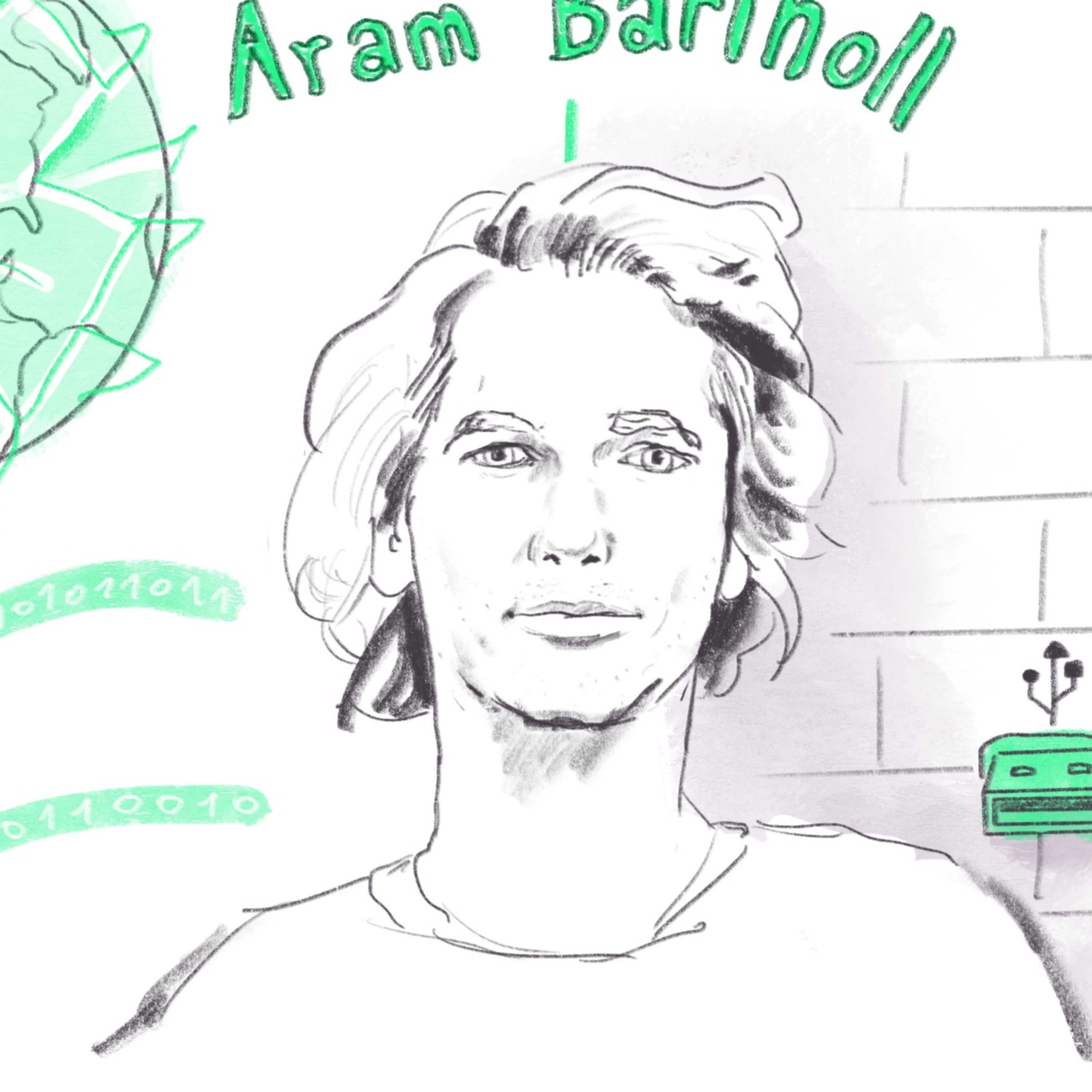 Aram Bartholl – Crossing Property Lines | As digital technology becomes entrenched in modern society, online platforms may seem like a public space for discussion when they are really owned by private corporations. But internet firms are also making the leap to physical space, appropriating public urban spaces for their own purposes. Digitale Technologien sind zunehmend in die Gesellschaft eingeschrieben und so können Online-Plattformen wie ein öffentlicher Diskussionsraum erscheinen, obwohl sie in Wirklichkeit privaten Unternehmen gehören. Aber Internetfirmen manifestieren sich auch im physischen Raum, indem sie sich öffentliche Stadträume für ihre eigenen Zwecke aneignen. You can find the blog What/Next at www.planung-neu-denken.de Music: Elephants on Parade by Podington Bear. Attribution-NonCommercial 3.0 International License | — | ||||||
| 6/26/20 | 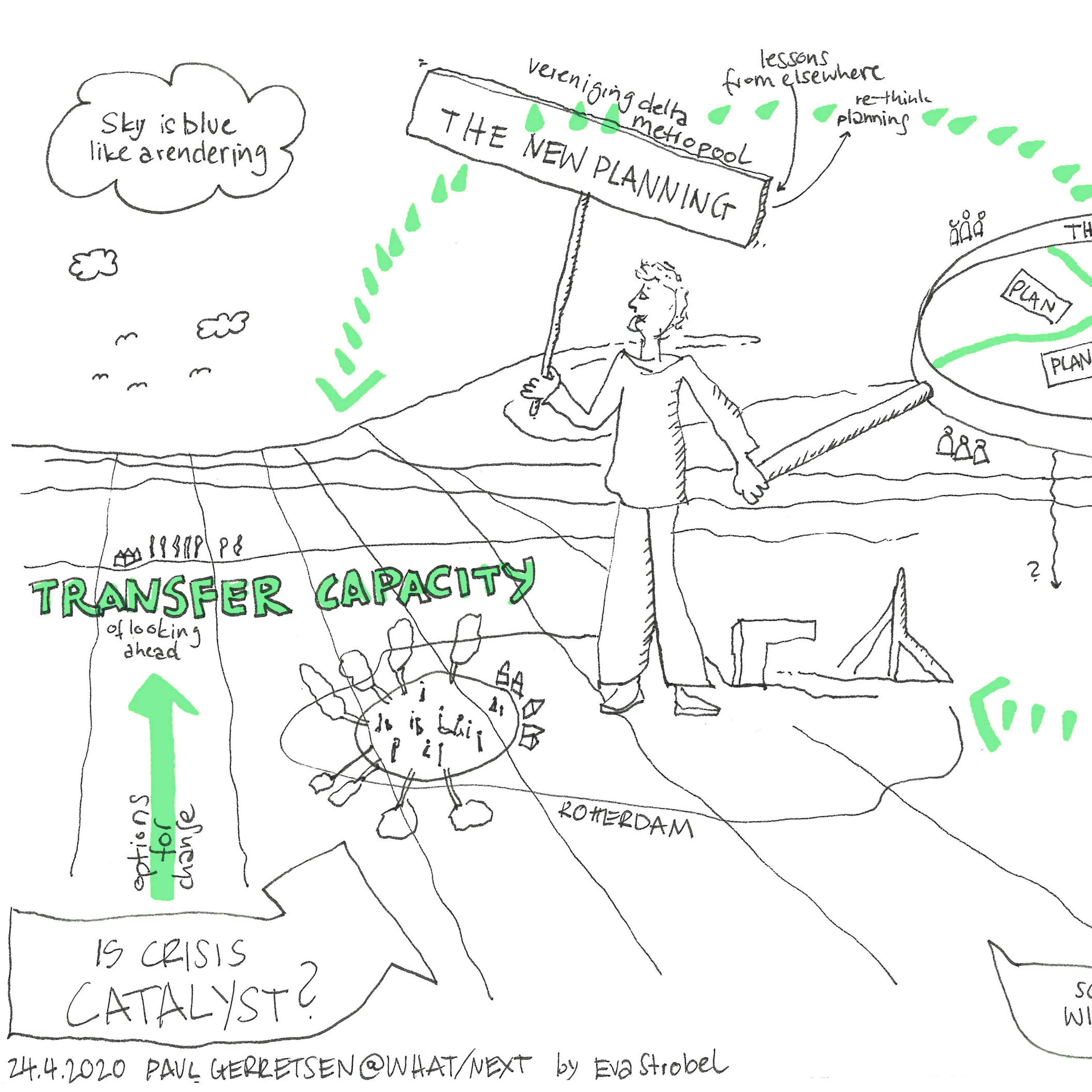 Paul Gerretsen – Even Better Plans | The Netherlands pose a particular setting for practicing planning. Paul Gerretsen knows the government driven system well and has made it his mission to allocate international knowledge and bring together disciplines, authorities and civil society to collectively engage into thinking about new paradigms for planning. Die Niederlande stellen einen besonderen Rahmen für die Planungpraxis dar. Paul Gerretsen kennt das System, in dem der Staat sehr involviert ist und viele Entscheidungen trifft, gut. Er hat es sich zur Aufgabe gemacht, internationales Wissen den Planern zur Verfügung zu stellen und Disziplinen, Behörden und die Zivilgesellschaft zusammenzubringen, um gemeinsam über neue Paradigmen in der Planung nachzudenken. You can find the blog What/Next at www.planung-neu-denken.de Music: Elephants on Parade by Podington Bear. Attribution-NonCommercial 3.0 International License | — | ||||||
| 6/19/20 | 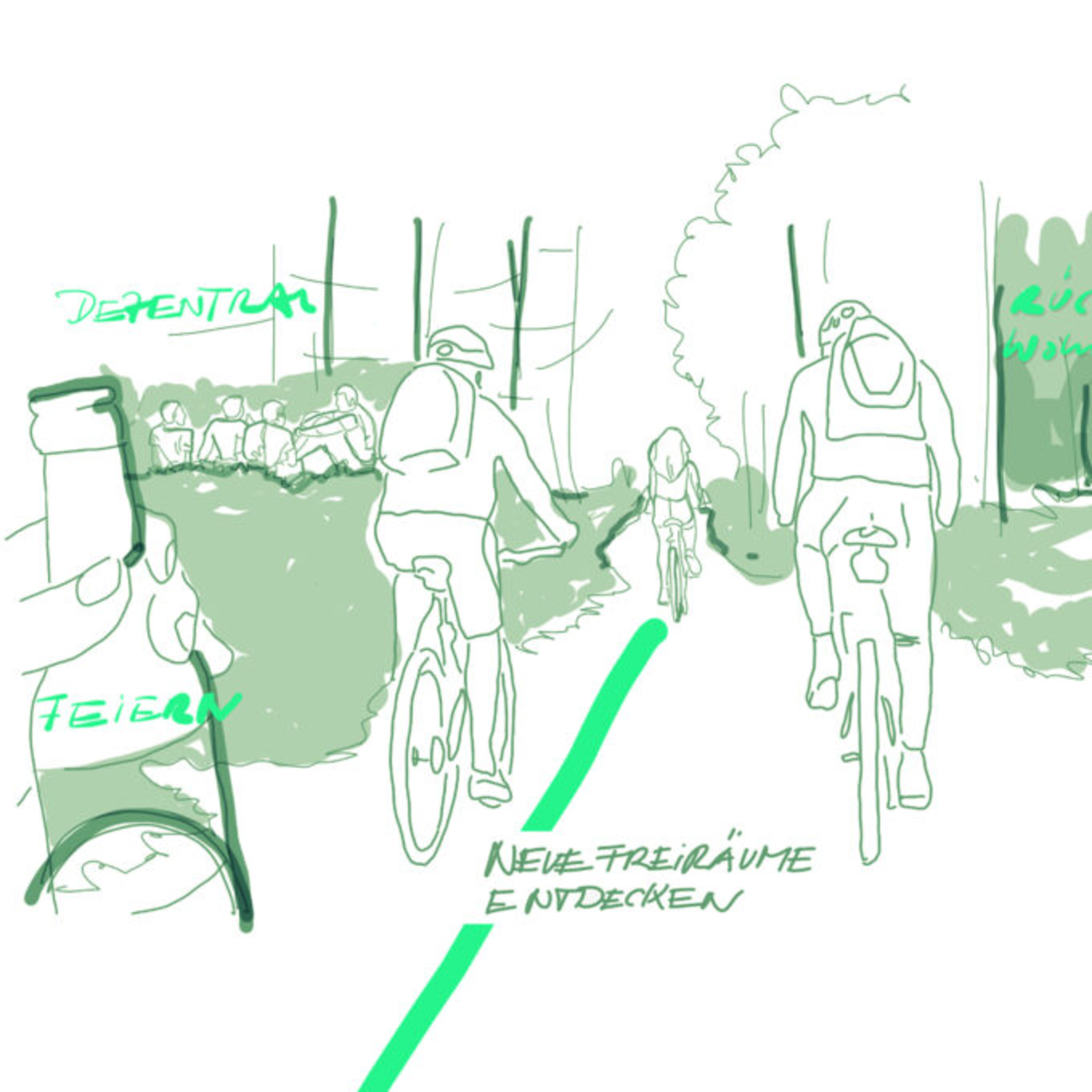 Gans & Jüsten – Open Spaces Are Being Re-conquered | Important functions of public space are breaking down due to the pandemic. The everyday life of many people in Munich is changing: some are conquering new spaces in the city and enjoying the low-traffic streets in the neighborhoods. The others are eagerly waiting for normality to return in order to use public spaces as usual. The fields of work of our discussion partners Brigitte Gans and Eva Jüsten are also characterized by the crisis: festivals, discarded rubbish and noise in public spaces are no longer the central fields of intervention of AKIM (all-party conflict management in Munich), but rather social distancing regulations. Wichtige Funktionen des öffentlichen Raums brechen aufgrund der Pandemie weg und der Alltag vieler Menschen in München ändert sich: Die einen erobern neue Räume in der Stadt und genießen die verkehrsarmen Straßen in den Quartieren. Die anderen warten sehnlichst darauf, dass die Normalität wieder zurückkehrt, um öffentliche Plätze wie gewohnt nutzen zu können. Auch die Arbeitsfelder von unseren Gesprächspartner*innen Brigitte Gans und Eva Jüsten sind krisengeprägt: Während Feiern, Lärm und Müll im öffentlichen Raum die zentralen Einsatzfelder von AKIM (Allparteiliches Konfliktmanagement in München) darstellen, überlagert sich diese Problematik durch die Akzeptanz und das Einhalten sozialer Distanzierung. You can find the blog What/Next at www.planung-neu-denken.de Music: Elephants on Parade by Podington Bear. Attribution-NonCommercial 3.0 International License | — | ||||||
| 6/14/20 | 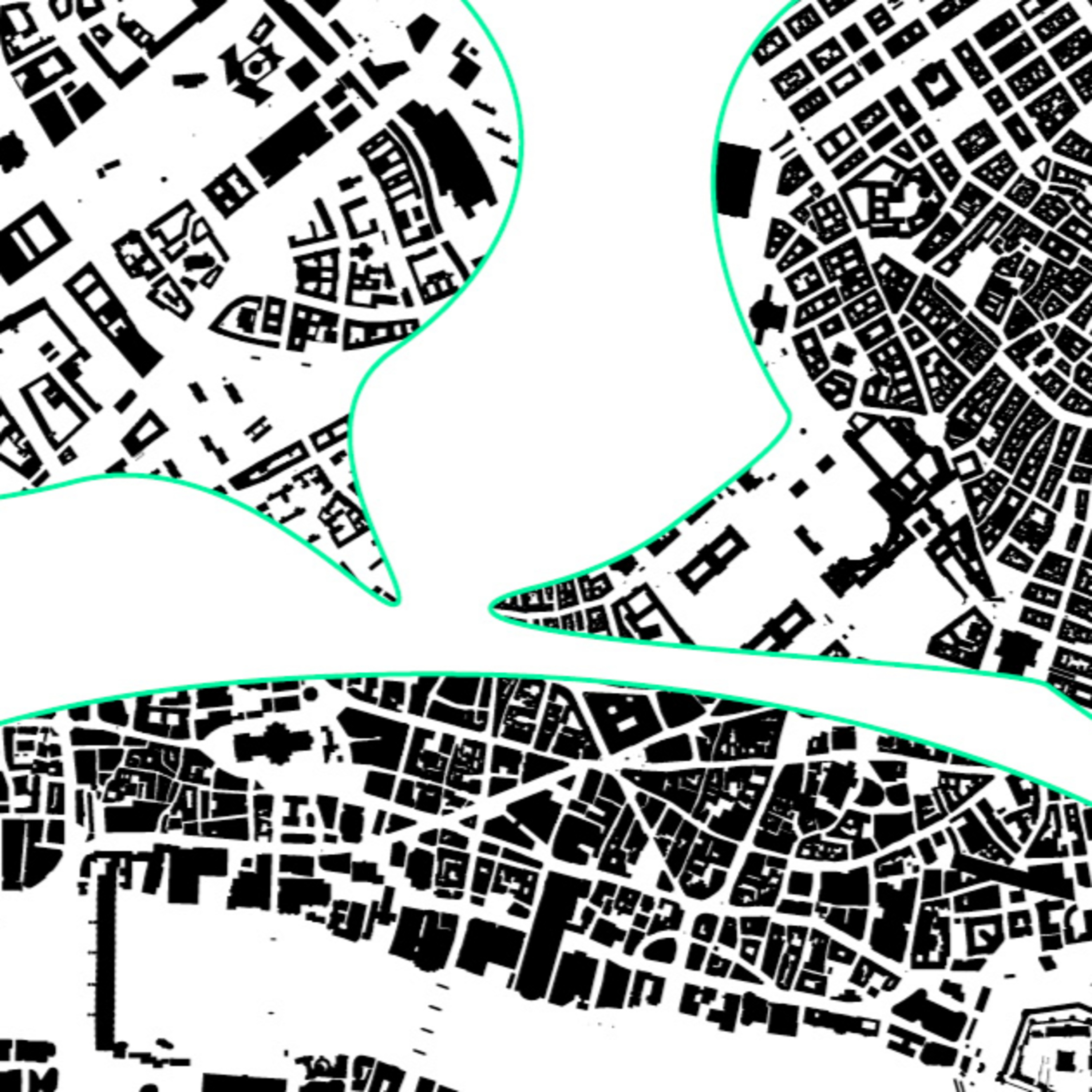 Köbberling, Novy & Pretterhofer – Planning and Intuition | The future is uncertain, particularly now. Still, it is useful and necessary to look ahead, not only in the field of urban development. How planning can and should deal with the future is one of the topics in the third City Talk. The guests from Berlin, London and Vienna represent three different perspectives on cities and their development. Die Zukunft ist unsicher, gerade jetzt. Dennoch ist es hilfreich und nötig vorauszuschauen, nicht nur in der Stadtentwicklung. Wie Planung mit der Zukunft umgehen kann und sollte, ist eines der Themen des dritten Stadtgesprächs. Die Gäste aus den Städten Berlin, London und Wien vertreten diesmal zugleich drei fachliche Perspektiven. You can find the blog What/Next at www.planung-neu-denken.de Music: Elephants on Parade by Podington Bear. Attribution-NonCommercial 3.0 International License | — | ||||||
| 6/3/20 | 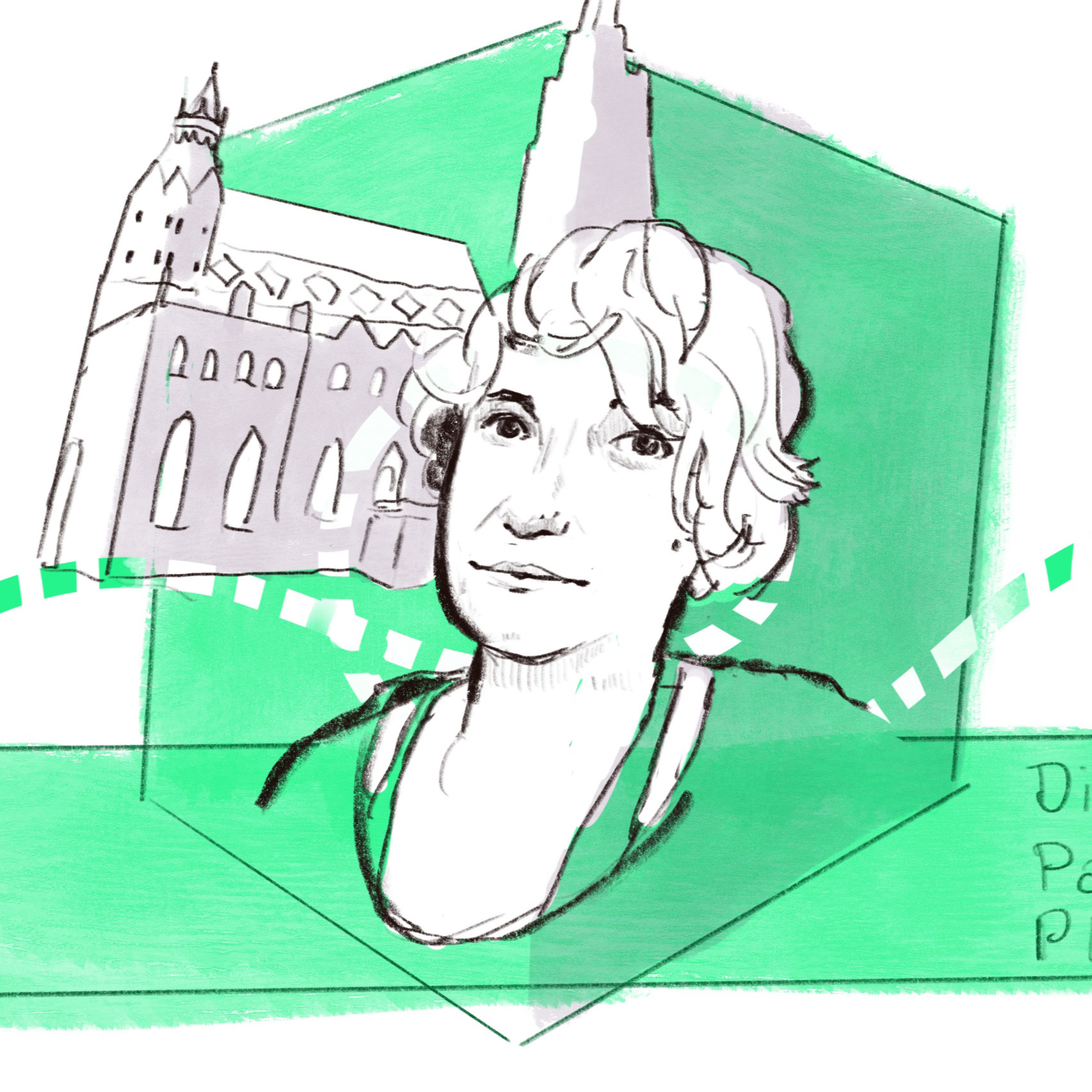 Wencke Hertzsch – Analogue Reality and Digital Opportunities | The City of Vienna has long been taking steps towards digital participation regarding urban development processes. But the most significant leap yet has been brought on by the current pandemic. As municipalities are gradually adjusting to new routines, the experiences gathered in the digital realm may enhance future participation processes. Die Stadt Wien baut seit Längerem schrittweise die Möglichkeiten digitaler Partizipation auch im Bereich der Stadtentwicklung aus. Aber den bisher größten Schub erhielt das Thema durch die aktuelle Pandemie. Die Stadtverwaltung entwickelt neue Routinen und sammelt im digitalen Raum Erfahrungen, die zukünftige Beteiligungsprozesse verbessern könnten. You can find the blog What/Next at www.planung-neu-denken.de Music: Elephants on Parade by Podington Bear. Attribution-NonCommercial 3.0 International License | — | ||||||
| 6/3/20 | 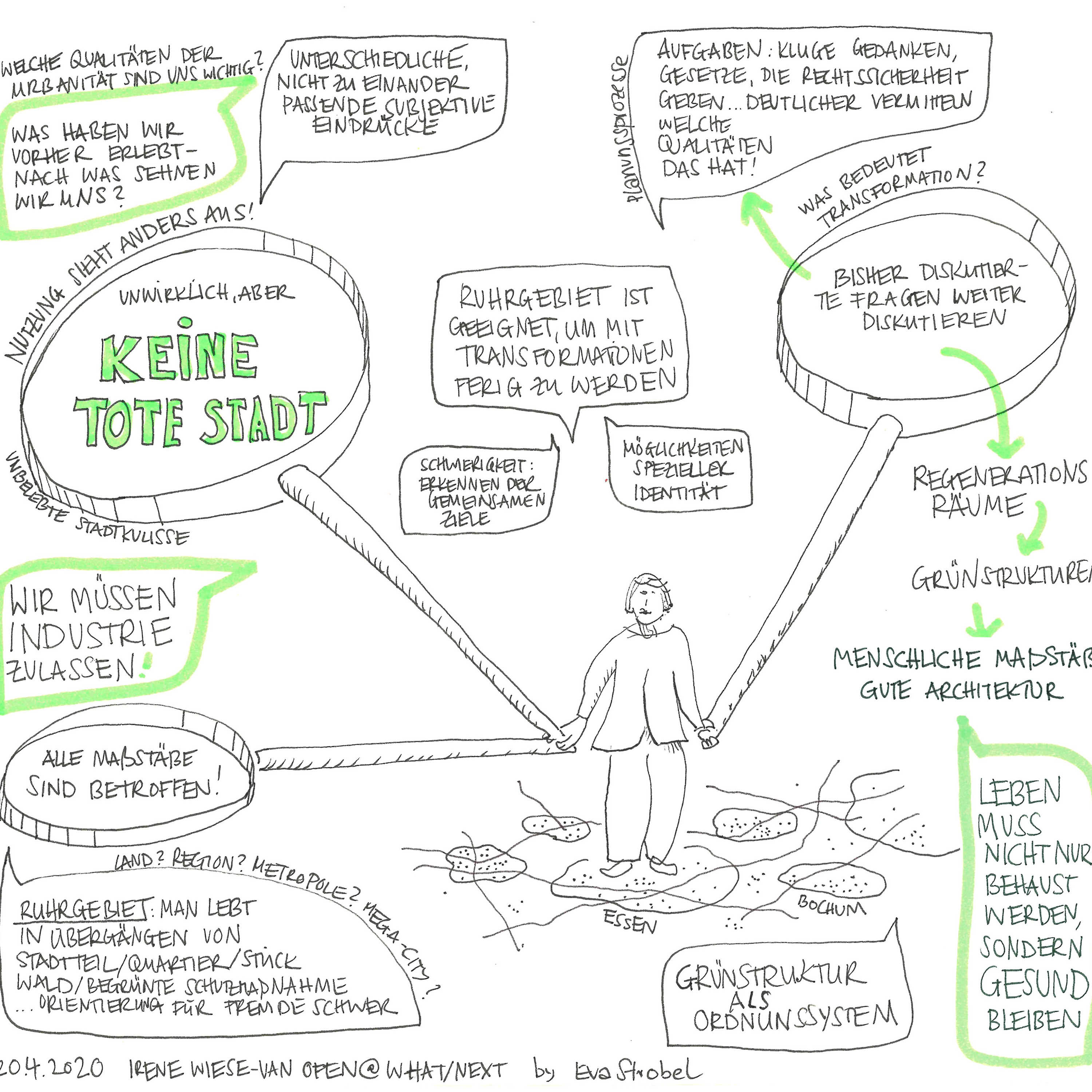 Irene Wiese-v. Ofen – Planning Perspectives Between Commitment and Openness | The Ruhr area is a specific urban context, which has been formed by profound transformation processes in recent decades. In order to observe the changes that are triggered by the corona virus, the team of What/Next spoke with Dr.-Ing. Irene Wiese -v.Ofen, architect and former councillor of the City of Essen for Urban Planning, Building and Land. She portrays space and people of the Ruhr area, highlights future issues relevant to planning and pleads for a new balance of planning between commitment and imagination and openness for the future. Das Ruhrgebiet ist ein spezifischer urbaner Kontext, in den letzten Jahrzehnten von tiefgreifenden Transformationsprozessen geprägt. Um den durch das Corona-Virus ausgelösten Wandel dort zu beobachten, sprach das Team von What/Next mit Dr.-Ing. Irene Wiese -v.Ofen, Architektin und Beigeordnete a.D. für Planung, Bau und Boden der Stadt Essen. Sie portraitiert den Raum und die Menschen des Ruhrgebiets, stellt planungsrelevante Zukunftsthemen heraus und plädiert dafür, Planung zwischen Verbindlichkeit und Phantasie und Offenheit für die Zukunft neu auszutarieren. You can find the blog What/Next at www.planung-neu-denken.de Music: Elephants on Parade by Podington Bear. Attribution-NonCommercial 3.0 International License | — | ||||||
| 5/19/20 | 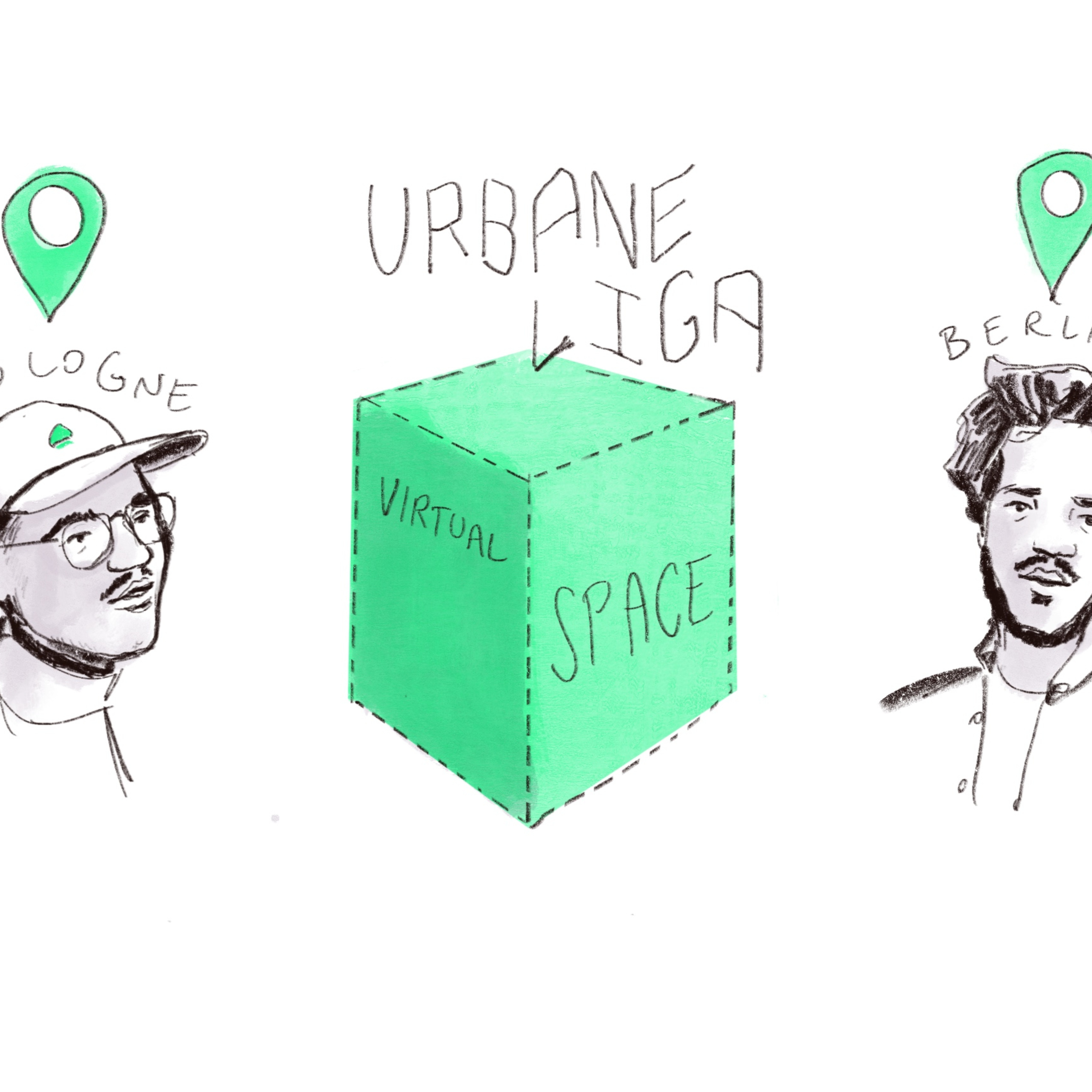 Gregor Kuhlmann & David Morsi – Moving Into Virtual Space, and Back | Niehler Freiheit is a real-life citymaker project in Cologne that wants to create a space for community and culture in a former repair shop at the edge of town. The lockdown caused the initiative to move many activities online, but they continue to reflect on physical space. Die Niehler Freiheit ist ein reales Stadtmacher-Projekt in Köln, das in einer Werkstatt am Stadtrand Räume für Community und Kultur schaffen möchte. Der Lockdown hat die Initiative dazu veranlasst, viele Aktivitäten ins Internet zu verlagern, aber der physische Raum spielt weiterhin eine große Rolle. You can find the blog What/Next at www.planung-neu-denken.de Music: Elephants on Parade by Podington Bear. Attribution-NonCommercial 3.0 International License | — | ||||||
| 5/15/20 | 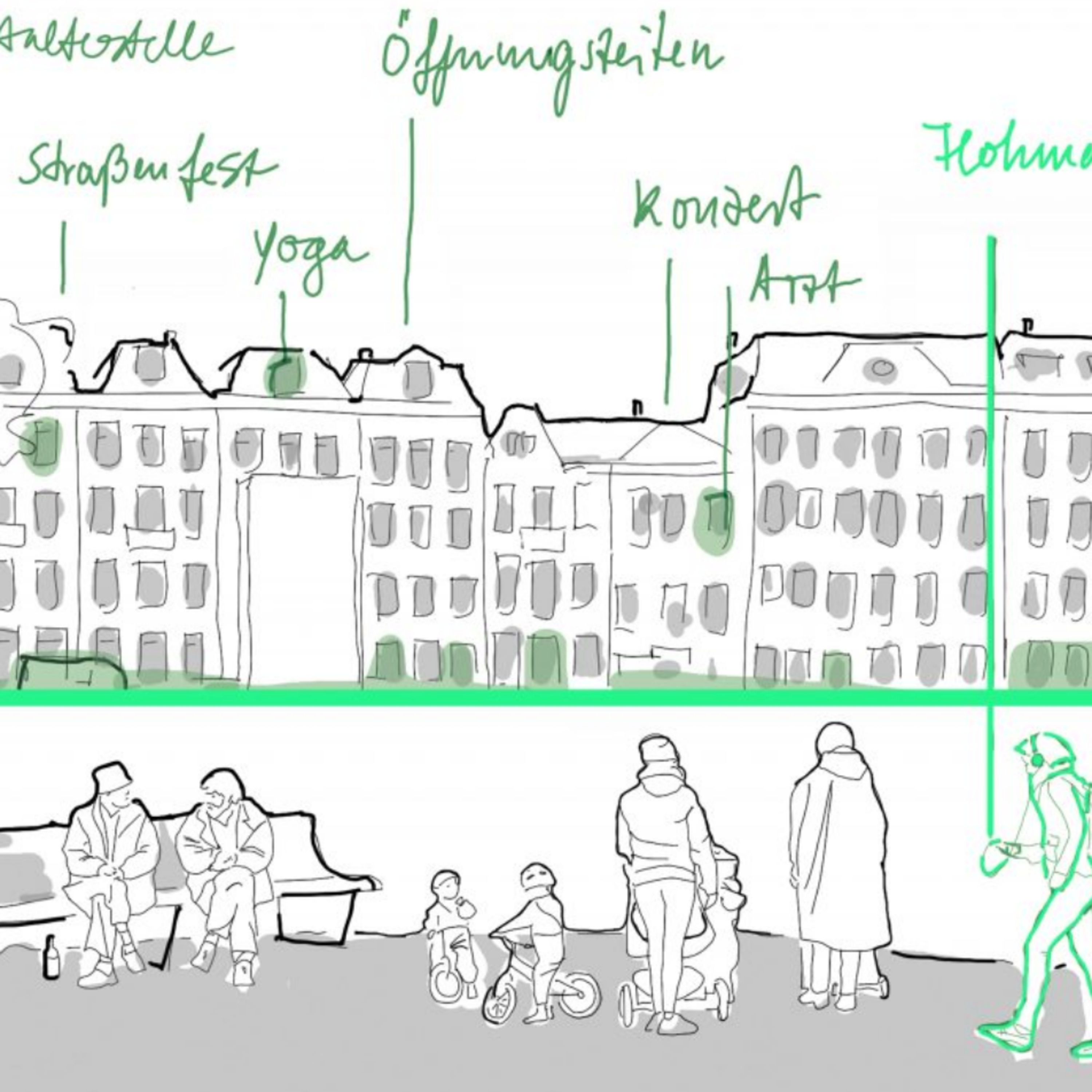 Olaf Schnur – Die Stadtgesellschaft wird in ein Röntgengerät geschoben | The neighborhood is becoming increasingly important in times of crisis. What/Next spoke to Dr. Olaf Schnur about the consequences of the crisis on urban neighborhoods.His conclusion: We should definitely learn from the current situation. Das Quartier als unser direktes Lebensumfeld gewinnt in der Krise an Bedeutung. What/Next hat mit Dr. Olaf Schnur über die Auswirkungen der Corona Krise auf städtische Quartiere gesprochen. Sein Fazit: Wir sollten unbedingt aus der aktuellen Situation lernen You can find the blog What/Next at www.planung-neu-denken.de Music: Elephants on Parade by Podington Bear. Attribution-NonCommercial 3.0 International License | — | ||||||
| 5/15/20 |  Sarah Ginski – Reimagining a Culture of Participation | The cross-media approach, combining online and offline formats, has proven to be an effective way to run citizen participation processes in the past. But how can it work, when events in physical space are not currently an option? This may be a chance to rethink virtual as well as in-person participation. Ein crossmedialer Ansatz aus Online- und Offline-Formaten hat sich als effektiver Weg der Bürgerbeteiligung erwiesen. Doch wie kann er funktionieren, solange Veranstaltungen im physischen Raum nicht möglich sind? Es bietet sich die Chance, virtuelle wie auch analoge Beteiligung neu zu denken. You can find the blog What/Next at www.planung-neu-denken.de Music: Elephants on Parade by Podington Bear. Attribution-NonCommercial 3.0 International License | — | ||||||
Showing 25 of 29
Sponsor Intelligence
Sign in to see which brands sponsor this podcast, their ad offers, and promo codes.
Chart Positions
1 placement across 1 market.
Chart Positions
1 placement across 1 market.