About this episode
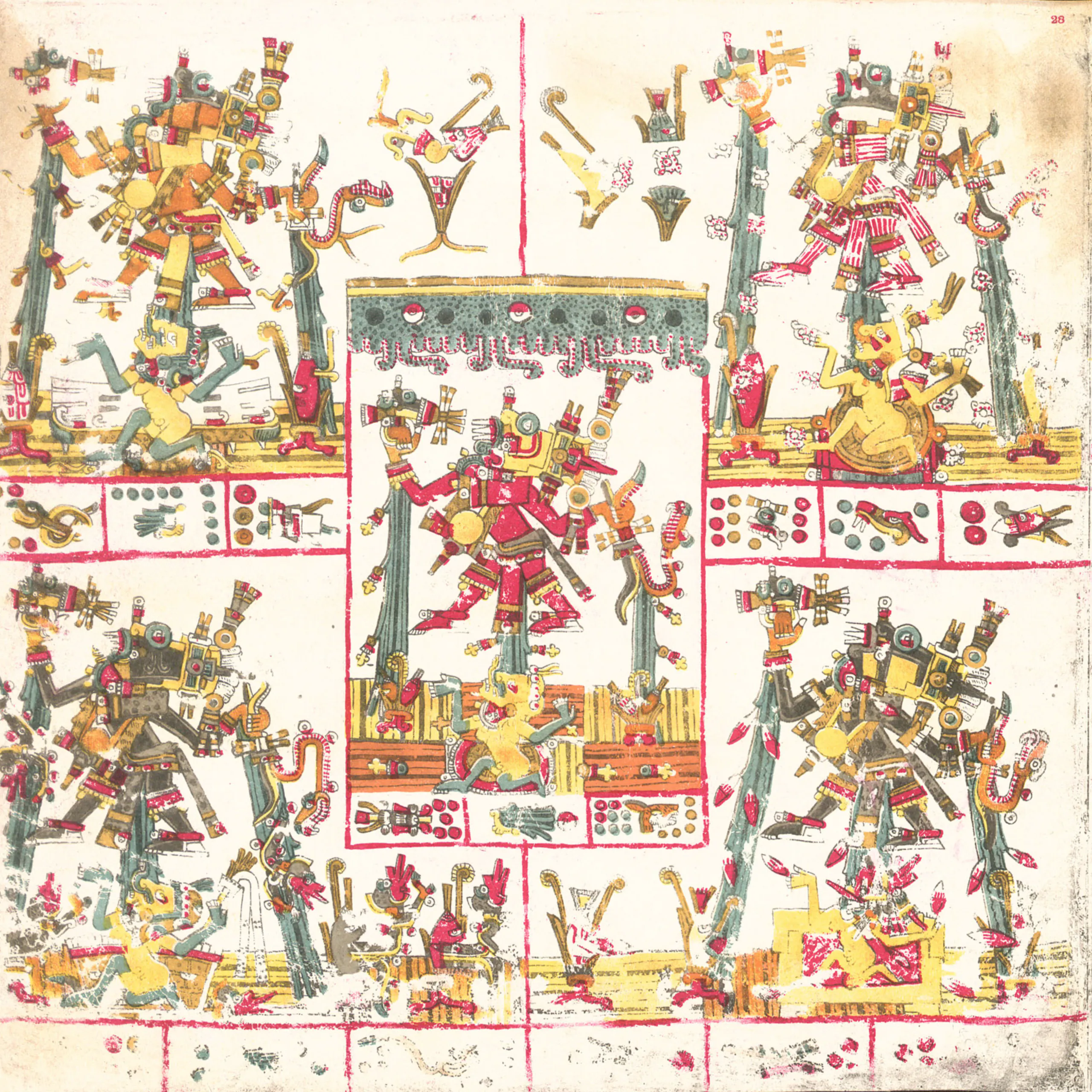
This episode explores the Codex Borgia, a significant pre-Columbian manuscript that provides insight into Mesoamerican beliefs and rituals.
The Codex Borgia is a pre-Columbian Mesoamerican manuscript, a 36-foot folded document made of animal hide, dating from the 13th to early 16th centuries. Created by Indigenous peoples, likely in central Mexico, it serves as a religious and divinatory almanac used by priests. Filled with intricate depictions of deities like Tezcatlipoca, Quetzalcoatl, and Tlaloc, it illustrates the 260-day tonalpohualli ritual calendar. Part of the “Borgia Group,” it survived the Spanish conquest and is now housed in the Vatican Apostolic Library. The codex offers invaluable insight into pre-Hispanic Mesoamerican beliefs, cosmology, and rituals, showcasing complex iconography and artistic skill. It provides crucial information for understanding the history, culture, and religion of ancient Mexican civilizations. Check out my other podcasts Fun Facts Daily | Art Smart | Rainbow Puppy Science Lab Who ARTed is an Airwave Media Podcast. If you are interested in advertising on this or any other Airwave Media show, email: advertising@airwavemedia.com Learn more about your ad choices. Visit megaphone.fm/adchoices
People in this episode
Host: Kyle Wood
Topics covered
- Mesoamerican Manuscript
- Religious Almanac
- Pre-Columbian Art
- Indigenous Cultures
- Ritual Calendars
Keywords
- Codex Borgia
- Mesoamerican
- pre-Columbian
- ritual calendar
- Indigenous peoples
- Vatican
- deities
- artistic skill
Mentioned in this episode
Organizations: Vatican Apostolic Library
Books & works: Codex Borgia
Places: Mexico
More episodes of Who Arted: Weekly Art History for All Ages
- TLDR Paul Klee | Twittering Machine · June 12, 2026 · 15 min
- TLDR Giuseppe Arcimboldo | The Librarian · June 8, 2026 · 14 min
- TLDR Peter Max · June 5, 2026 · 14 min
- Author Interview Thomas Laqueur | The Dog's Gaze · June 1, 2026 · 38 min
- The Parthenon · May 29, 2026 · 13 min
- The Marine Corps War Memorial · May 25, 2026 · 16 min
Explore listener stats, chart rankings, contacts and more on the Who Arted: Weekly Art History for All Ages podcast page.