
On the show
From 1 epsHost
Recent guests
Recent episodes
Side Effects May Include Dependency on China
Oct 15, 2026
29m 35s
How Demand for GLP-1s Overwhelmed the Global Drug System
Oct 1, 2026
26m 04s
Honey, I Tracked the War
Apr 10, 2026
38m 39s
One Woman's Path From a U.S. College Campus to the Ukrainian Battlefield
Mar 26, 2026
31m 35s
Allies, Partners, or Frenemies?
Mar 11, 2026
37m 32s
Insights from recent episode analysis
Audience Interest
Podcast Focus
Publishing Consistency
Platform Reach
Insights are generated by CastFox AI using publicly available data, episode content, and proprietary models.
Most discussed topics
Brands & references
Back-catalog monthly reach
Blended from 1 signal · back-catalog reach only (show is inactive).
Built from
By chart position
- 🇪🇸Spain · News#18062 to 387
- Per-Episode Audience
No new episodes in 90+ days
—🎙 Weekly cadence·100 episodes·Last published 3d ago - Monthly Reach
Unique listeners across all episodes (30 days)
62 to 387🇺🇸71%🇪🇸29% - Active Followers
Loyal subscribers who consistently listen
19 to 116
Market Insights
Platform Distribution
Reach across major podcast platforms, updated hourly
Total Followers
—
Total Plays
—
Total Reviews
—
* Data sourced directly from platform APIs and aggregated hourly across all major podcast directories.
Social Links & Contact
Official channels & resources
Official Website
Login
RSS Feed
Login
| Date | Episode | Topics | Guests | Brands | Places | Keywords | Sponsor | Length | |
|---|---|---|---|---|---|---|---|---|---|
| 10/15/26 | Side Effects May Include Dependency on China | What happens if the world’s pharmacy decides to close? From ibuprofen to amoxicillin, a majority of the essential medicines used in the United States depend on ingredients from China. This dependence has left the United States vulnerable to a geopolitical rival that could decide to cut off its access at any time. On this episode of Why It Matters, Rush Doshi, senior fellow at CFR, and Olivia Kosloff, senior fellow at the American Economic Liberties Project, unpack how the dependency came about and what’s at risk if the pharma supply chain snaps. Host: Gabrielle Sierra, Director of Podcasting, Council on Foreign Relations (CFR) Guest: Rush Doshi, C.V. Starr Senior Fellow for Asia Studies and Director of the China Strategy Initiative, Council on Foreign Relations (CFR) Olivia Kosloff, Senior Fellow, American Economic Liberties Project Read More: Thomas J. Bollyky, Rush Doshi, Prashant Yadav, Olivia Kosloff, and Elena Every, “The Pharma Choke Point,” CFR.org Tim Rühlig, “The China Drug Dependency,” CFR.org “Executive Order 13944 List of Essential Medicines, Medical Countermeasures, and Critical Inputs,” U.S. Food and Drug Administration Want to keep up with Why It Matters? Sign up to receive an email alert when new episodes drop. Why It Matters is a production of the Council on Foreign Relations. The opinions expressed on the show are solely those of the host and guests, not of the Council, which takes no institutional positions on matters of policy. | 29m 35s | ||||||
| 10/1/26 | How Demand for GLP-1s Overwhelmed the Global Drug System | GLP-1 drugs such as Ozempic have become some of the world's most-wanted medicines, but soaring demand has also turned them into a stress test for the global drug system. On this episode of Why It Matters, Gabrielle Sierra and CFR Senior Fellow Prashant Yadav trace how the GLP-1 trend led to shortages, a booming gray market, and steep price gaps driven by patent laws that vary across borders. Host: Gabrielle Sierra, Director of Podcasting, Council on Foreign Relations (CFR) Guest: Prashant Yadav, Senior Fellow for Global Health, Council on Foreign Relations (CFR) Read More: “6 Facts About Obesity and Weight Loss Drugs In the U.S.,” Pew Research Center “The Expanding Benefits of GLP-1 Medicines,” Cell Reports Medicine “Obesity Drugs Are Scaling Fast,” Morgan Stanley “FDA’s Concerns with Unapproved GLP-1 Drugs Used for Weight Loss,” U.S. Food and Drug Administration (FDA) Want to keep up with Why It Matters? Sign up to receive an email alert when new episodes drop. Why It Matters is a production of the Council on Foreign Relations. The opinions expressed on the show are solely those of the host and guests, not of the Council, which takes no institutional positions on matters of policy. | 26m 04s | ||||||
| 4/10/26 | dronescivilian intelligence+5 | Anthony VinciSam Vigersky | Council on Foreign RelationsVico+2 | — | dronescell phones+6 | — | 38m 39s | ||
| 3/26/26 |  One Woman's Path From a U.S. College Campus to the Ukrainian Battlefield | This episode traces one young woman's journey home to a new kind of war—and Ukraine’s fight for survival. Host: Gabrielle Sierra, Director of Podcasting, Council on Foreign Relations (CFR) Guest: Catarina Buchatskiy, Co-Founder & Director of Analytics, Snake Island Institute We discuss: The story of a young Ukrainian woman who left college in the U.S. to join the fight at home within days of the invasion. How Ukraine transformed its drone manufacturing from garage shops to a sophisticated, rapidly scaling defense industry. Ukraine’s surprising dependence on China in its drone supply chain, and its push to make ‘China-free’ drones by 2026. Stories of Ukrainian resilience and resolve. How the Snake Island Institute bridges the gap between the battlefield and Western policymaking by connecting Ukrainian military insights to the allies who are shaping defense strategy. As Buchatskiy puts it: “The overarching definition of victory is that the Ukrainian nation is whole, that the state is legitimate, that we have control over the state, that we have our democracy, and that we’re at peace and can live freely.” Want to keep up with Why It Matters? Sign up to receive an email alert when new episodes drop. Why It Matters is a production of the Council on Foreign Relations. The opinions expressed on the show are solely those of the host and guests, not of the Council, which takes no institutional positions on matters of policy. | 31m 35s | ||||||
| 3/11/26 |  Allies, Partners, or Frenemies? | This episode outlines the global network sustaining both sides of the war in Ukraine, with NATO allies on one side and Russia with backing from China, Iran, and North Korea on the other, and how the limits and tensions within these alliances are shaping the war’s next phase and raising broader global security risks. Host: Gabrielle Sierra, Director of Podcasting, Council on Foreign Relations (CFR) Guests: Liana Fix, Senior Fellow for Europe, Council on Foreign Relations (CFR) Joseph Torigian, Senior Fellow for Asia Studies, Council on Foreign Relations (CFR) We discuss: How the war in Ukraine has become a global conflict fueled by competing networks of allies and partners on both sides. Why Ukraine’s survival depends on sustained military, financial, and intelligence support from the United States and NATO. How Russia has built its own wartime coalition, relying on Iran for drones, North Korea for munitions, and China for economic backing. Why the Russian alliance with China is driven more by shared opposition to Western power than true strategic alignment. How cracks are emerging within both coalitions, from political fatigue in the West to quiet limits in China’s support for Russia. As Liana Fix puts it: “A more transactional idea of alliances is exactly where we are headed.” How sanctions, supply chains, and defense production have turned global economics into a second front in the war. How shifting alliances could expand the conflict’s risks beyond Ukraine and reshape global security dynamics. What this war reveals about the return of bloc politics in a new era of great power competition. Read More: Liana Fix, “Defending Europe if Russia Steps Out of the Gray Zone,” CFR.org Liana Fix, Heidi E. Crebo-Rediker, Thomas Graham, Paul B. Stares, and Sam Vigersky, “Securing Ukraine’s Future: Adapting to New Realities After Four Years of War,” CFR.org Joseph Torigian, “Xi Jinping’s Russian Lessons,” Foreign Affairs Clara Fong and Lindsay Maizland, “China and Russia: Exploring Ties Between Two Authoritarian Powers” Anya Konstantinovsky, “China, Russia, and Ukraine: December 2024” Molly Carlough and James Kennedy, “How North Korea Has Bolstered Russia’s War in Ukraine” Want to keep up with Why It Matters? Sign up to receive an email alert when new episodes drop. Why It Matters is a production of the Council on Foreign Relations. The opinions expressed on the show are solely those of the host and guests, not of the Council, which takes no institutional positions on matters of policy. | 37m 32s | ||||||
| 3/11/26 |  We Are in a New Era of Warfare | This episode explores how the emergence of drone warfare and innovation under fire is transforming power and forcing nations to rethink strategy and military capacity. Host: Gabrielle Sierra, Director of Podcasting, Council on Foreign Relations (CFR) Guests: Michael C. Horowitz, Senior Fellow for Technology and Innovation, Council on Foreign Relations (CFR) Erin D. Dumbacher, Stanton Nuclear Security Senior Fellow, Council on Foreign Relations (CFR) We discuss: How Ukraine is redefining modern warfare with cheap, scalable drone technology that can take down multimillion-dollar weapons. As Michael Horowitz puts it: “We’ve entered the era of precise mass in war.” How Ukraine became a real-world testing ground for autonomous weapons and AI-driven combat systems. Why small countries can now challenge military superpowers using precision strike at scale. How 70% of battlefield casualties in Ukraine are now linked to drone warfare, not traditional weapons. How Silicon Valley quietly became a key player in the war, from Starlink to AI intelligence and communication tools. How Russia is adapting just as quickly, scaling drone production and learning in real time. What the U.S. risks if it fails to keep up with rapid battlefield innovation and production speed. Read More: Securing Ukraine’s Future, CFR Michael C. Horowitz and Lauren Kahn, “Military AI Adoption Is Outpacing Global Cooperation,” CFR.org Michael Horowitz, “What Drones Can—and Cannot—Do on the Battlefield,” Foreign Affairs Erin D. Dumbacher, “Nukes Without Limits? A New Era After the End of New START,” CFR.org Want to keep up with Why It Matters? Sign up to receive an email alert when new episodes drop. Why It Matters is a production of the Council on Foreign Relations. The opinions expressed on the show are solely those of the host and guests, not of the Council, which takes no institutional positions on matters of policy. | 32m 25s | ||||||
| 12/18/25 |  The Risk Report for 2026 | As 2025 draws to a close, U.S. foreign policy stands at an inflection point. Under the second Trump administration, traditional alliances have been tested, a hard-edged national security strategy has been rolled out, and for the first time, CFR’s annual Preventive Priorities Survey has ranked a military conflict with Venezuela as a top threat facing the U.S. in 2026. Whether these and other flashpoints erupt next year will hinge on how world leaders manage mounting pressures, both at home and abroad. Read the full 2026 Preventive Priorities Survey. Featured Guest: Paul B. Stares (General John W. Vessey Senior Fellow for Conflict Prevention and Director of the Center for Preventive Action) Why It Matters is a production of the Council on Foreign Relations. The opinions expressed on the show are solely those of the guests, not of CFR, which takes no institutional positions on matters of policy. | 32m 47s | ||||||
| 6/5/25 | Where Does U.S. Trade Go From Here? | The unprecedented trade policies since the beginning of this year, driven largely by the Donald Trump administration’s pro-tariff agenda, have propelled the United States into uncertain and rocky territory. When it comes to our trading partners, the potential damage to U.S. alliances has left economists and policymakers in Washington questioning what’s next. Where do experts foresee U.S. trade policy heading? This season, Why It Matters is taking you through the ins and outs of trade. In this season finale, CFR’s Michael Froman and Shannon K. O’Neil tackle your biggest questions about what’s at stake and what’s next for U.S. trade policy. Featured Guests: Michael Froman (President of the Council on Foreign Relations) Shannon K. O’Neil (Senior Vice President, Director of Studies, and Maurice R. Greenberg Chair, CFR) To hear more from Michael Froman, subscribe to his newsletter, The World This Week. For an episode transcript and show notes, visit us at https://www.cfr.org/podcasts/wim/where-does-trade-go-here | 37m 41s | ||||||
| 6/3/25 |  Mind the Trade Gap | Is having a trade deficit necessarily a bad thing? Many experts argue that the U.S. trade deficit is largely good for our economy. It allows Americans to enjoy a wider variety of cheap goods, attracts foreign investment, and reflects the strength of the U.S. dollar. Others believe it’s a warning sign that we’re relying too much on imports, hurting American jobs, and racking up debt owed to other countries. This season, Why It Matters is taking you through the ins and outs of trade. In this episode, we unpack the trade deficit. What is it and why has it become a primary focus of the second Trump administration? Featured Guests: Brad W. Setser (The Whitney Shepardson Senior Fellow specializing in global trade and capital flows, financial vulnerability analysis, and sovereign debt restructuring, CFR) Heather Hurlburt (Associate Fellow for the U.S. and the Americas Programme, Chatham House) For an episode transcript and show notes, visit us at https://www.cfr.org/podcasts/wim/mind-trade-gap | 32m 33s | ||||||
| 5/21/25 | 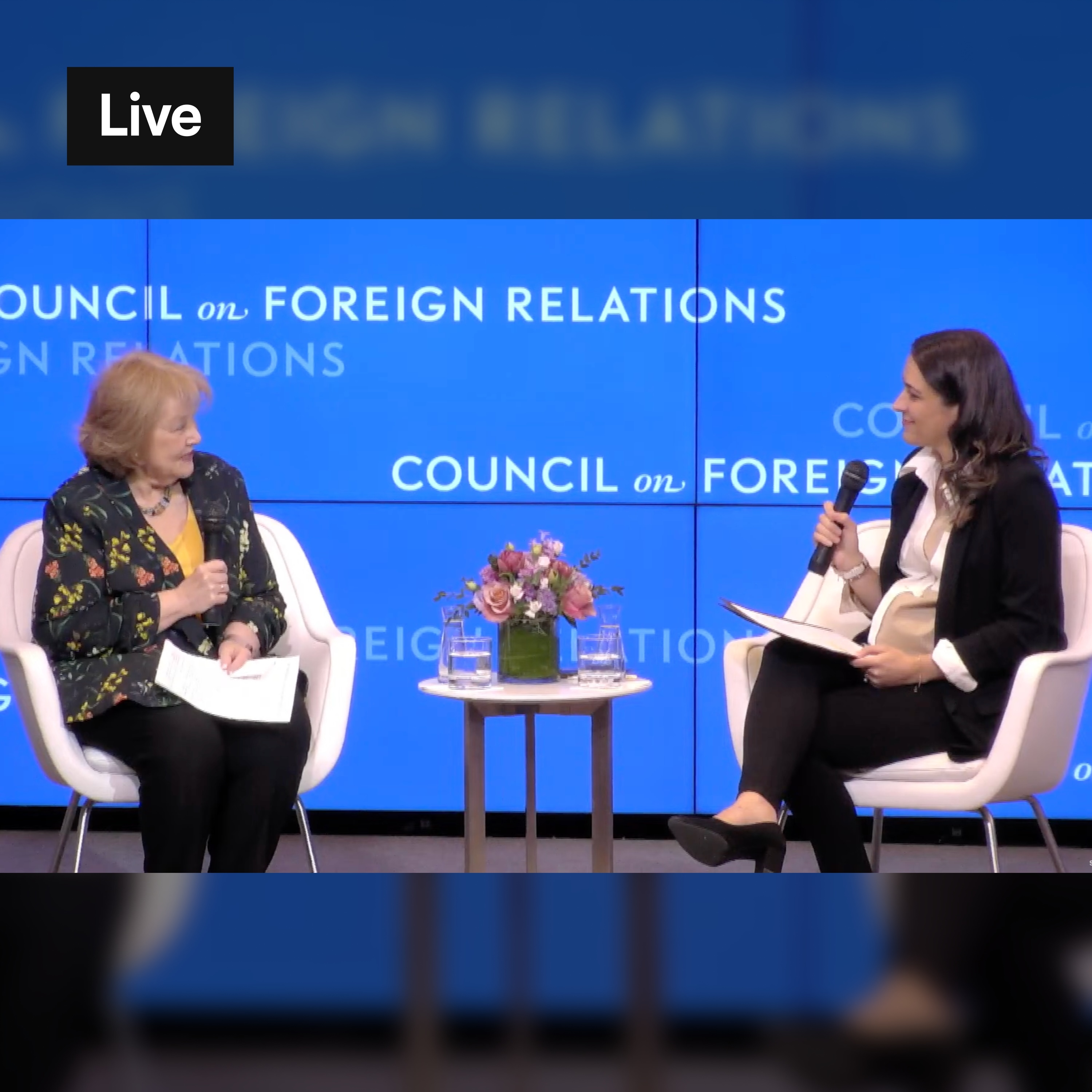 Why It Matters Live!: Food Diplomacy | Host Gabrielle Sierra and podcast guests Johanna Mendelson Forman and Matthew Costello discuss food diplomacy, share stories from White House state dinners, and unpack how food has helped to create lasting international partnerships. This taping was originally recorded on April 17, 2025. Featured Guests Johanna Mendelson Forman (Distinguished Fellow at the Stimson Center, Adjunct Professor at American University’s School of International Service) Matthew Costello (Chief Education Officer and Director of the David M. Rubenstein National Center for White House History at the White House Historical Association) | 39m 24s | ||||||
Want analysis for the episodes below?Free for Pro Submit a request, we'll have your selected episodes analyzed within an hour. Free, at no cost to you, for Pro users. | |||||||||
| 5/21/25 |  Trade Agreements: Deal or No Deal | What role does the president have when it comes to making trade deals? In this episode, we dig into the expansive powers of the U.S. president when it comes to trade. From unilateral authority to congressional oversight, we unpack who truly calls the shots when the U.S. negotiates trade agreements. This season, Why It Matters is taking you through the ins and outs of trade. In this episode, Why It Matters dissects the current state of U.S. trade agreements; what deals exist, which ones are under strain, and how President Donald Trump’s unconventional approach to trade negotiations is shifting the United States away from the norm. Featured Guest: Inu Manak (Fellow for trade policy at the Council on Foreign Relations) For an episode transcript and show notes, visit us at https://www.cfr.org/podcasts/wim/trade-agreements-deal-or-no-deal | 29m 37s | ||||||
| 4/30/25 |  Tariff Turmoil, Part 2: Steel and Dog Gelato | Tariffs have sparked intense debate in Washington, but their consequences land far from Capitol Hill. Tariffs can shape paychecks, shift prices for consumers, and affect markets. At best, tariffs offer short-term protection for certain industries. At worst, they can uproot the lives of American workers. In this episode, Why It Matters looks at what tariffs mean for a U.S. steel manufacturer and small business owner trying to stay afloat. Featured Guests Matthew P. Goodman, Distinguished Fellow and Director of the Greenberg Center for Geoeconomic Studies, CFR Jamie Sychak, President of United Auto Workers Local 3303 Debbie Hendrickx, Founder and CEO of Swell Gelato For an episode transcript and show notes, visit us at: https://www.cfr.org/podcasts/wim/tariff-turmoil-part-2-steel-and-dog-gelato | 32m 48s | ||||||
| 4/16/25 |  Tariff Turmoil, Part 1: How Tariffs Are Affecting Farmers | Tariffs are often discussed in big, abstract terms—trade wars, economic strategy, global power struggles. But for ginseng farmers in Wisconsin, their effects are painfully personal. In this episode, Why It Matters dives into how tariffs work and how they’re hitting one of America's most niche yet lucrative exports: Wisconsin-grown ginseng. Featured Guests Matthew P. Goodman, Distinguished Fellow and Director of the Greenberg Center for Geoeconomic Studies, CFR Will Hsu, President of Hsu's Ginseng Enterprises Inc. For an episode transcript and show notes, visit us at https://www.cfr.org/podcasts/wim/tariff-turmoil-part-1-how-tariffs-are-affecting-farmers | 29m 18s | ||||||
| 4/2/25 |  The Washington Consensus Could Not Hold | When it comes to trade, there is no consensus in Washington. The issue has become deeply polarizing, with lawmakers split over whether free trade agreements benefit or harm the U.S. economy. While some argue that open markets are essential for global leadership and economic growth, others believe that such policies disproportionately harm American workers and industries, fueling the rise of protectionist sentiment. This season, Why It Matters is taking you through the ins and outs of trade. In this episode, we’re examining how trade policy is sizing up to be anything but consensus. Featured Guests Shannon K. O’Neil, Senior Vice President, Director of Studies, and Maurice R. Greenberg Chair, CFR Edward Alden, Senior Fellow specializing in U.S. economic competitiveness, trade, and immigration policy For an episode transcript and show notes, visit us at https://www.cfr.org/podcasts/wim/washington-consensus-could-not-hold | 30m 27s | ||||||
| 3/19/25 |  We’ve Been Looking At Trade All Wrong | There was once a broad consensus in Washington that trade was a force for good—a way to connect, grow, and prosper. But today, trade has evolved into something much bigger than just the exchange of goods. It’s become a powerful tool to rewrite the rules of foreign policy, reshape how the United States is viewed by the rest of the world, and steer us toward an increasingly uncertain future. When did this change begin, and where did we go off course? This season, Why It Matters is taking you through the ins and outs of trade. In this episode, we’re diving into the history books to learn what can the past tell us about the future of U.S. trade policy. Featured Guest Edward Alden, senior fellow specializing in U.S. economic competitiveness, trade, and immigration policy For an episode transcript and show notes, visit us at https://www.cfr.org/podcasts/weve-been-looking-trade-all-wrong | 32m 52s | ||||||
| 3/19/25 | Why Trade Matters | Why It Matters is back and this time we are dedicating an entire season to talking about trade. Alongside CFR’s leading experts, we are bringing you stories from Americans around the country and trying to figure out where Washington went wrong when it comes to U.S. trade policy. | 2m 02s | ||||||
| 2/20/25 |  Why Climate Matters: Nuclear Energy | As the climate crisis intensifies, so do discussions about the utilization of nuclear energy. In the aftermath of nuclear meltdowns such as Chernobyl and Fukushima, climate skeptics say the environmental benefits do not outweigh the associated costs and risks. But others think that nuclear energy might be the best option for a greener future. Weighed against the world’s continued reliance on fossil fuels, how could nuclear be a safeguard for our energy supply? This episode was originally released on October 29, 2021. Featured Guests Leslie Dewan, CEO, RadiantNano Shirley Ann Jackson, President, Rensselaer Polytechnic Institute For an episode transcript and show notes, visit us at https://www.cfr.org/podcasts/the-climate-for-nuclear-energy | 37m 48s | ||||||
| 2/14/25 |  New Podcast Spotlight: The Interconnect | Emerging technologies are transforming international relations and our country’s economy. So how do we connect science and engineering labs with Washington and the world of business? The Interconnect, a new podcast series from the Council on Foreign Relations and the Stanford Emerging Technology Review, brings together leading minds in cutting-edge technology and foreign policy to explore recent ground-breaking developments, what's coming over the horizon, and the implications for U.S. innovation leadership. In this featured episode, Stanford Emerging Technology Review Faculty Council Member Mark Horowitz and CFR’s technologist-in-residence Sebastian Elbaum discuss where chip manufacturing is heading, how hardware advances are powering the new artificial intelligence (AI) era, and what the United States should prioritize in order to sustain its leadership in this crucial domain. Host Martin Giles, Managing Editor of the Stanford Emerging Technology Review Guests Mark Horowitz, chair of the Electrical Engineering Department at Stanford University Sebastian Elbaum, the Technologist in Residence at the Council on Foreign Relations | 29m 39s | ||||||
| 2/12/25 |  Why Climate Matters: Water Scarcity | Fresh water sustains all life, but in many regions, especially arid ones, it is becoming increasingly scarce due to climate change. Aging infrastructure and ineffective policies are only making the situation worse, affecting communities, economies, and even the political stability of some countries. As water shortages intensify, it’s crucial to rethink how we manage this vital resource and develop more adaptable systems that can better withstand the effects of climate change. This episode was originally released on July 8, 2021. Featured Guests Sandra Postel, Founder and Director, Global Water Policy Project Mark Giordano, Professor of Geography and Cinco Hermanos Chair in Environment and International Affairs, Georgetown University For an episode transcript and show notes, visit us at https://www.cfr.org/podcasts/water-scarcity | 35m 47s | ||||||
| 2/5/25 |  Why Climate Matters: The Arctic | Under international law, the North Pole and the Arctic waters surrounding it are not owned by any country. But this January, President Donald Trump announced his plans to buy the Arctic territory of Greenland, testing the claims of rivals and opening up a greater conversation around who governs the Arctic Circle. On top of these icy tensions, the North Pole is warming. Melting ice caps are opening up new shipping routes and making the region increasingly mineable, generating even more interest from leaders around the world. This episode was originally released on March 29, 2023. Featured Guests Esther Brimmer, James H. Binger Senior Fellow in Global Governance Jeff Randall, Military Fellow, U.S. Coast Guard For an episode transcript and show notes, visit us at https://www.cfr.org/podcasts/whats-cracking-arctic | 27m 50s | ||||||
| 1/29/25 |  Why Climate Matters: Pricing Climate | What does it mean to price our climate? The goal of fees like the “carbon tax” is to put a price on pollutants such as carbon dioxide that contribute to climate change, and incentivize businesses to reduce their emissions and make cleaner choices. But many companies are continuing to value profit over protecting the planet, backing out of their clean energy goals and sinking more money into fossil fuels and other short-term investments that harm the Earth. This has been happening for years, but has ramped up in anticipation of a new Trump administration which has pulled away from climate initiatives like the Paris Accord and Inflation Reduction Act since taking office. This episode was originally released on July 29, 2020. Featured Guests Kate Mackenzie, Green Columnist, Bloomberg Michael Greenstone, Professor of Economics, University of Chicago For an episode transcript and show notes, visit us at https://www.cfr.org/podcasts/pricing-our-climate | 35m 37s | ||||||
| 1/23/25 | 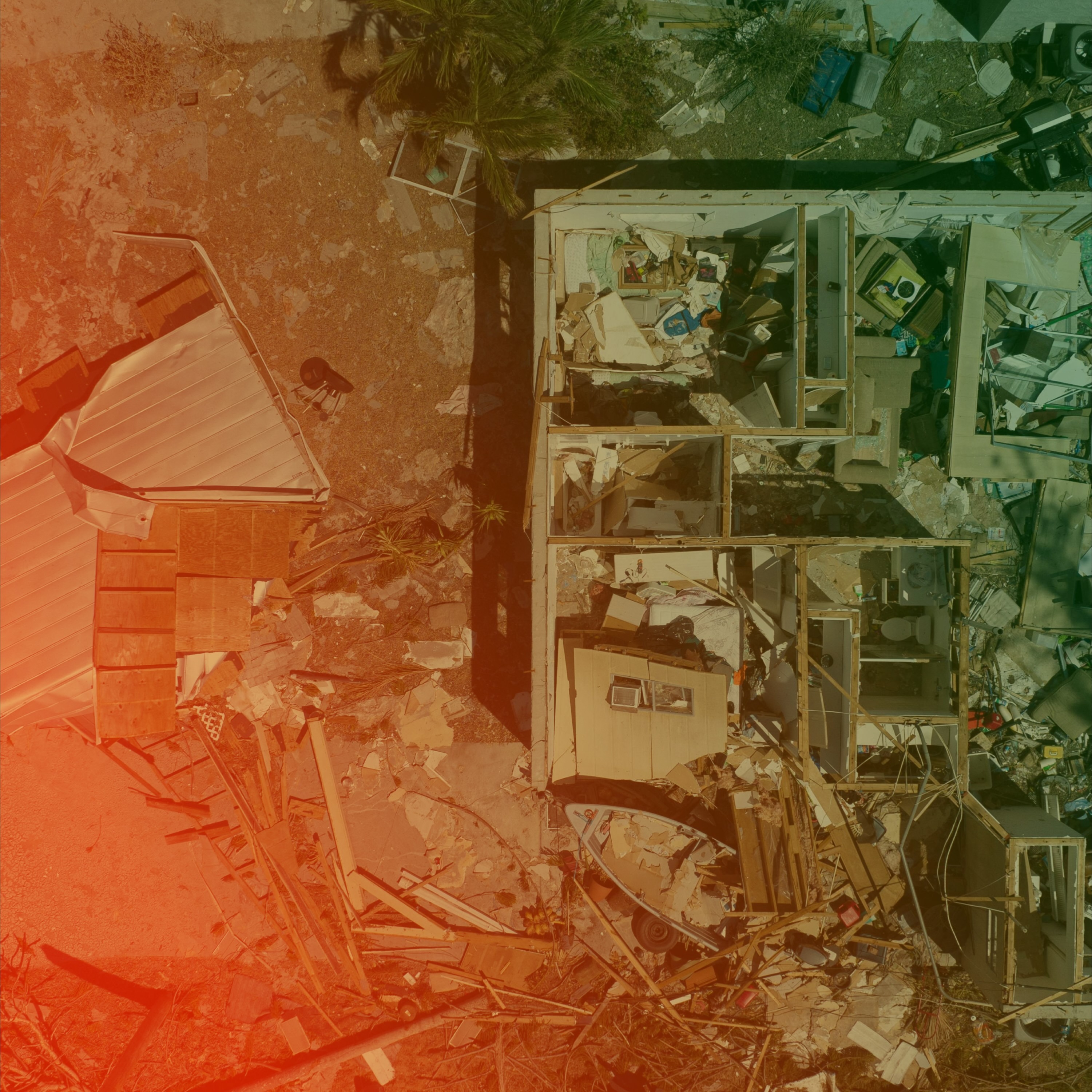 Why Climate Matters: Home Insurance | For decades, U.S. homeowners have counted on property insurance to protect them from catastrophic loss if their homes are destroyed. But last year, private companies pulled their coverage in multiple climate-sensitive states, only months before the fires in Los Angeles and the hurricanes in the Southeast region wreaked havoc. As climate disasters become more frequent, can home insurance hold up? This episode was originally released on September 27, 2023. Featured Guests David Marlett, Managing Director of the Brantley Risk & Insurance Center, Appalachian State University Nancy Watkins, Principal and Consulting Actuary, Milliman For an episode transcript and show notes, visit us at https://www.cfr.org/podcasts/could-climate-change-break-home-insurance | 39m 21s | ||||||
| 1/23/25 | Why Climate Matters | Our editors top picks of Why It Matters episodes on climate. | 0m 52s | ||||||
| 12/3/24 |  The Dirty Energy Powering AI | What powers artificial intelligence (AI)? As global electricity use is surging, with unprecedented demand coming from an increase in data centers, AI’s dependence on fossil fuels presents a serious issue for the planet. In the United States, data center power usage is on track to double by 2030, largely due to the proliferation of AI technology. But while the application of AI shows potential to mitigate climate problems, will its power grab stall the clean energy transition? Featured Guests: Varun Sivaram, Senior Fellow for Climate and Energy, CFR For an episode transcript and show notes, visit us at https://www.cfr.org/podcasts/wim/dirty-energy-powering-ai | 35m 56s | ||||||
| 11/14/24 | 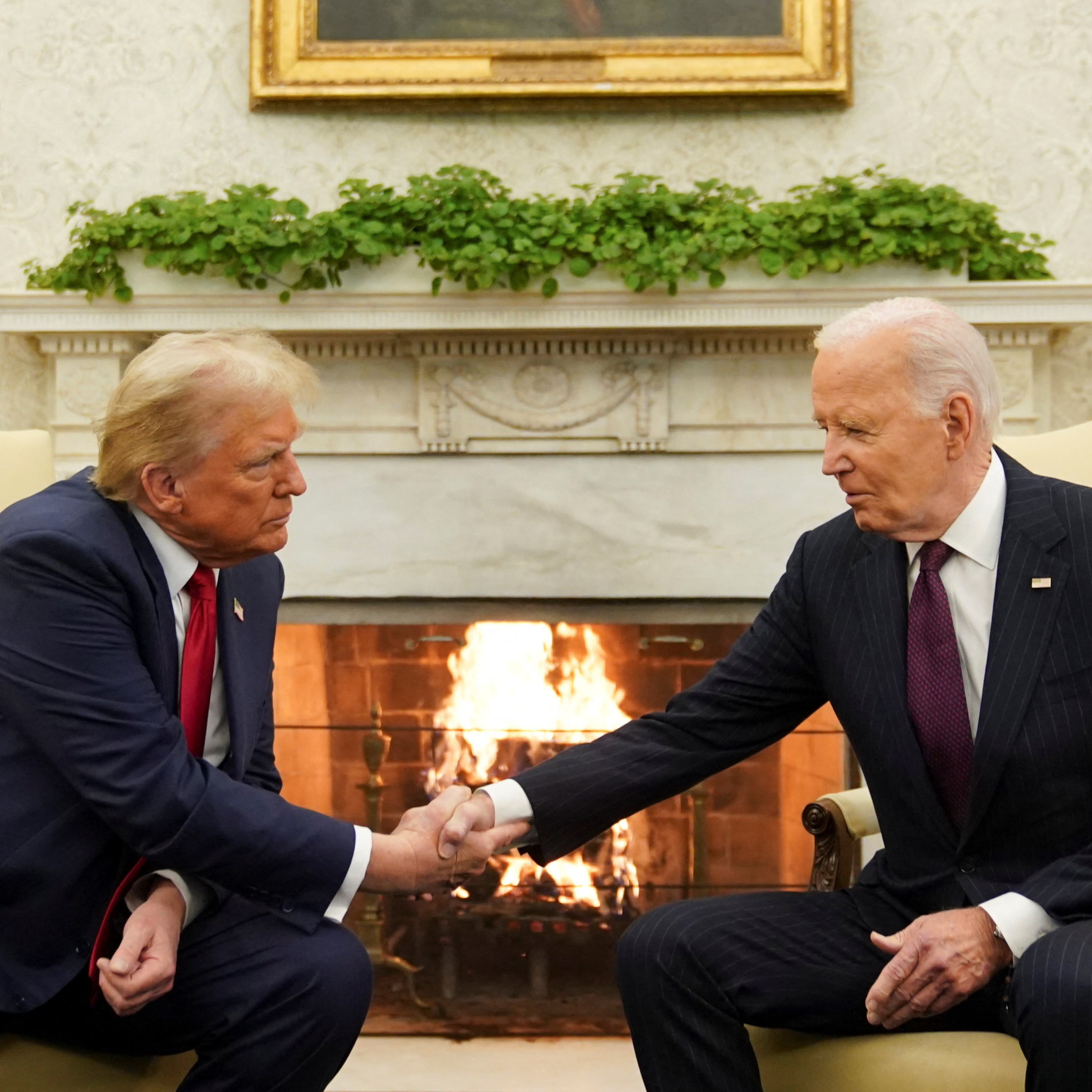 Why the World Next Week Matters | Tumultuous events have rocked the last four years: the COVID-19 pandemic, Europe’s largest land war in eighty years, and an escalating Middle Eastern conflict between Israel and Iran-backed forces. On top of that, the United States faces an intensifying geopolitical struggle with China and Russia. Now, U.S. President Joe Biden is running out of time to secure his legacy while the transition to a second Donald Trump administration comes sharply into focus. The U.S. president-elect has been quickly nominating leaders to his cabinet and receiving calls from foreign leaders. Why It Matters sits down with the hosts of The World Next Week to talk about what the United States–and a closely watching world–should expect in the weeks and months to come as incoming President Trump takes office. Featured Guests: Robert McMahon (Managing Editor, CFR) Carla Anne Robbins (Senior Fellow, CFR) For an episode transcript and show notes, visit us at https://www.cfr.org/podcasts/why-world-next-week-matters | 37m 12s | ||||||

Showing 25 of 100
Pitch Fit is a Pro feature
See how bookable this show is for guests, which brands already advertise, the per-episode ad value, and the best-fit guest and sponsor profile. The numbers are blurred on the free plan.
How readily this show books outside guests like you.
How proven this show is for host-read sponsorships.
For Guests
ProFor Advertisers
ProUpgrade to Pro to unlock guest cadence, sponsor categories, fit scores, and per-episode ad value for this show.
Similar Audience Demographics
Podcasts that attract a similar listener profile

The President’s Inbox
Council on Foreign Relations

Foreign Policy Live
Foreign Policy
The Foreign Affairs Interview
Foreign Affairs Magazine

The Spillover
Council on Foreign Relations

ChinaPower
CSIS | Center for Strategic and International Studies

The Journal.
The Wall Street Journal & Spotify Studios

The Ezra Klein Show
New York Times Opinion
Chart history for Why It Matters
Peaked at #180 in Spain, currently #180 in Spain.
| Market | Genre | Peak | Current | Trend |
|---|---|---|---|---|
| Spain | — | #180 | #180 | — |
Chart Positions
1 placement across 1 market.
Chart Positions
1 placement across 1 market.