
Insights from recent episode analysis
Audience Interest
Podcast Focus
Publishing Consistency
Platform Reach
Insights are generated by CastFox AI using publicly available data, episode content, and proprietary models.
Total monthly reach
Estimated from 4 chart positions in 4 markets.
By chart position
- 🇦🇺AU · Entrepreneurship#19300K to 1M
- 🇳🇿NZ · Entrepreneurship#4510K to 30K
- 🇸🇬SG · Entrepreneurship#643K to 10K
- 🇭🇰HK · Entrepreneurship#134500 to 3K
- Per-Episode Audience
Est. listeners per new episode within ~30 days
157K to 522K🎙 Weekly cadence·85 episodes·Last published today - Monthly Reach
Unique listeners across all episodes (30 days)
314K to 1.0M🇦🇺96%🇳🇿3%🇸🇬1%+1 more - Active Followers
Loyal subscribers who consistently listen
94K to 313K
Market Insights
Platform Distribution
Reach across major podcast platforms, updated hourly
Total Followers
—
Total Plays
—
Total Reviews
—
* Data sourced directly from platform APIs and aggregated hourly across all major podcast directories.
On the show
Recent episodes
Katelyn Lesse and Angela Jiang: Not the Anthropic you're expecting
Jun 9, 2026
Unknown duration
Charlie Gearside: What to do with $1.6 billion
Jun 2, 2026
Unknown duration
Mason Yates What gives you the most energy?
May 26, 2026
Unknown duration
Rory Garton-Smith & Harry Dixon: They saw the gap. Nobody else did.
May 19, 2026
Unknown duration
Min-Kyu Jung: No offense, kid
May 12, 2026
Unknown duration
Social Links & Contact
Official channels & resources
Official Website
Login
RSS Feed
Login
| Date | Episode | Description | Length | ||||||
|---|---|---|---|---|---|---|---|---|---|
| 6/9/26 | 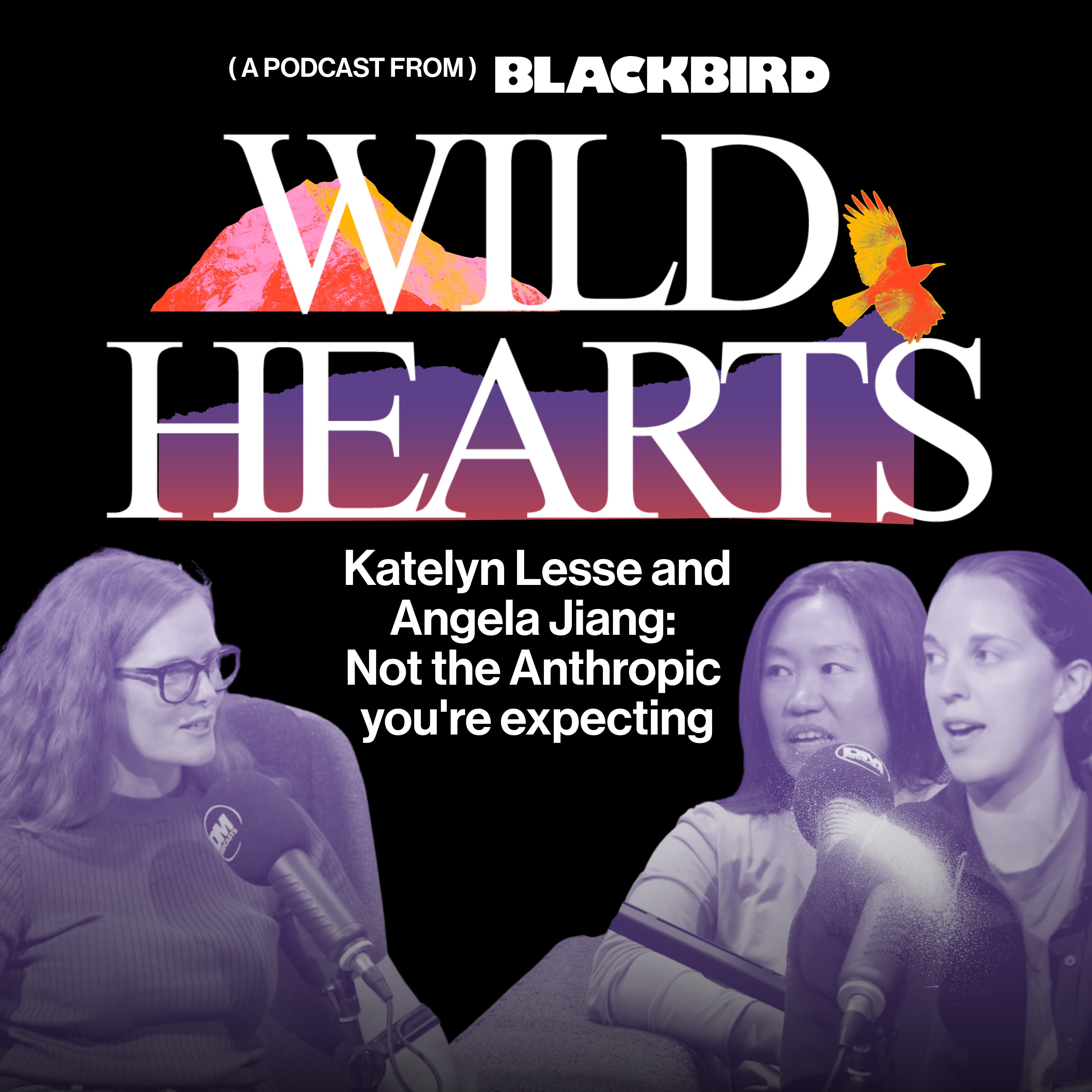 Katelyn Lesse and Angela Jiang: Not the Anthropic you're expecting | If you're here for commentary on the Pope, Trump, or the geopolitics of frontier AI - this isn't that episode. If you're here for the unfiltered view from the people actually building Claude - stay.This one is for the builders, the tinkerers, and the curious. Two of the people behind Claude - not here for governments, the press, or the Vatican. Instead, here to zero in on what they're seeing, and how you can get more from AI, however you're using it. Katelyn Lesse runs engineering for Anthropic's Claude Developer Platform. Angela Jiang runs product. They're the people closest to what builders are actually doing with the technology and are exactly the kind of spark people they'll tell you every team needs.What they're seeing: teams that transform overnight because one person in them is genuinely obsessed. Founders who move with the model instead of against it. A shift from "content is king" to "context is king" that most people haven't caught up to yet. And a clean slate advantage - available to anyone willing to look at an old problem as if it's never been solved before. | — | ||||||
| 6/2/26 |  Charlie Gearside: What to do with $1.6 billion | Earlier this year, Eucalyptus sold for $1.6 billion - one of the biggest exits in Australian startup history. Charlie Gearside co-founded it.A year on, he's spending his time on YouTube and on Build Australia, the nonpartisan movement he launched last month to make space for a more ambitious version of this country. He talks publicly about property investing, the universities, and a culture that calls earnest people try-hards. None of it is comfortable, and none of it is what most people do after an exit.He's also the first to admit that none of this pays off quickly. The work is to shift what Australians think is acceptable to want. A project that’s measured in decades, not quarters.Kate sits down with Charlie to talk about untangling your identity from a company you built. The brutal question he had to ask himself before leaving Eucalyptus. Why he won't go into politics. Why he thinks the most risky thing right now might be doing nothing. And the one topic he's still too nervous to make a video about. | — | ||||||
| 5/26/26 | 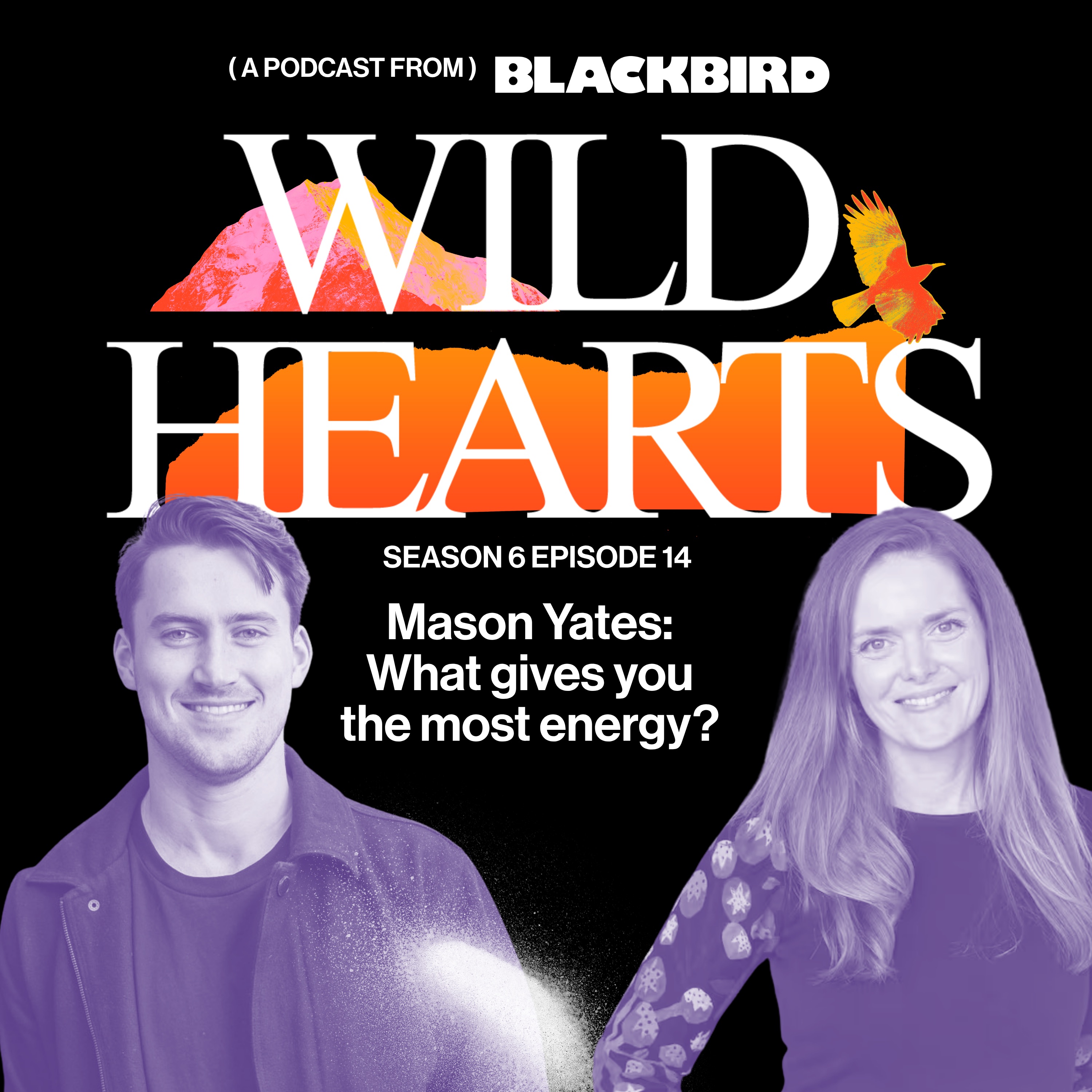 Mason Yates What gives you the most energy? | After 77 episodes and eight years at Blackbird, Mason Yates is signing off as host of Wild Hearts. This is his final episode - just eight minutes, no fanfare and true to how he hosted: generous with the floor, light on his own voice.Mason started Wild Hearts in 2020. Lockdown. Sourdough. Tiger King. Across the six seasons since, Mason has sat down with founders building mind control for cows, sending toaster-sized satellites into orbit, and chasing a million-qubit quantum computer. Holding the mic through the 2021 supernova, the 2022 correction, the survivor years, and the deep tech wave defining this moment.There's one question he's asked nearly every founder along the way: what gives you the most energy? In this episode he walks back through the answers that have stayed with him - Melanie Perkins, Tim Doyle, Tom Kelly, Flavia Tata Nardini - and shares three lessons from 77 episodes on the craft of interviewing.And then he hands the show over to Kate Glazebrook.If you've been listening since 2020, this one's a love letter to the archive you helped build. If you're new, it's the perfect doorway in.Thank you, Mason. From all of us. | — | ||||||
| 5/19/26 |  Rory Garton-Smith & Harry Dixon: They saw the gap. Nobody else did. | When Apple's iOS privacy changes hit, most people saw a headache. Rory Garton-Smith and Harry Dixon saw something else: millions of brands suddenly unable to reach customers, and no good solution in sight. So they built one.Checkmate connects consumers with personalised offers at the exact moment of intent, replacing spray-and-pray marketing with something precise enough that household brands are now paying attention. Eight-figure ARR. 260 million users. Revenue up 6,000% in six months.But the more interesting thing is what they've learned along the way. Because when you sit inside the shopping journeys of hundreds of millions of people, patterns emerge. Shopping windows. Platform preferences. How intent signals behave. What converts and what doesn't - and exactly why. That data is now the foundation of an AI marketing platform that goes well beyond savings.In this conversation with Mason Yates, Rory and Harry talk about how they found the gap, how they solved the chicken-and-egg problem between brands and consumers, and where the intelligence they've built is taking them next. | — | ||||||
| 5/12/26 | 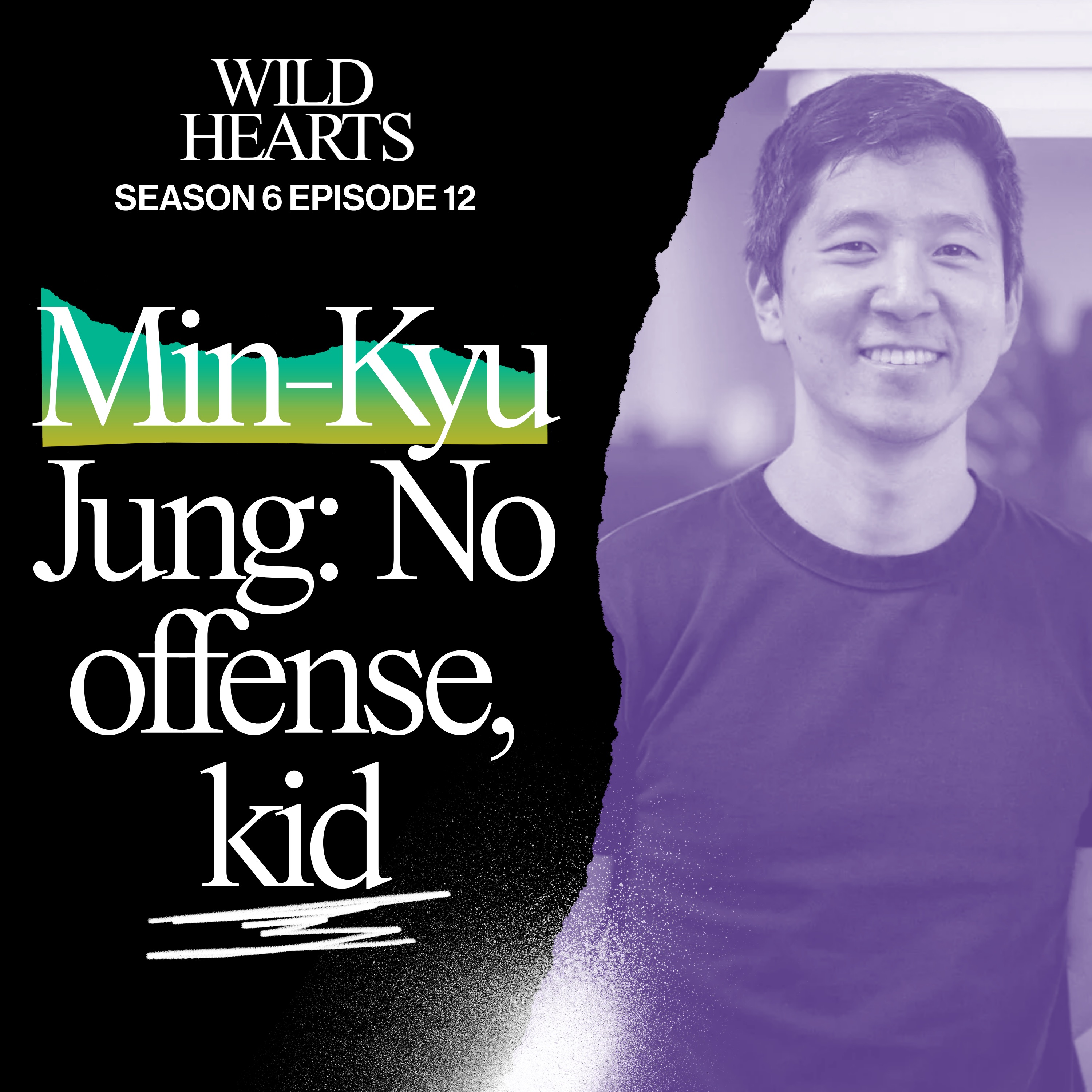 Min-Kyu Jung: No offense, kid | Min-Kyu Jung was a corporate lawyer who taught himself to code because he saw a problem that needed solving. Three years later, Ivo is winning enterprise deals against vendors with much bigger names, with clients like Uber, Netflix, Shopify, and Reddit choosing them in head-to-head bake-offs.How does an unknown startup from New Zealand win those deals? Min-Kyu stopped coding for three months to talk to 400 people. He went all-in on in-house legal teams while competitors hedged. He built features over weekends to save deals, then spent years on details others ignored.In this conversation with Mason Yates, Min-Kyu shares why being unknown became an advantage, what it takes to win trust with lawyers, and why going deep on one thing beats being everywhere at once. | — | ||||||
| 12/16/25 | 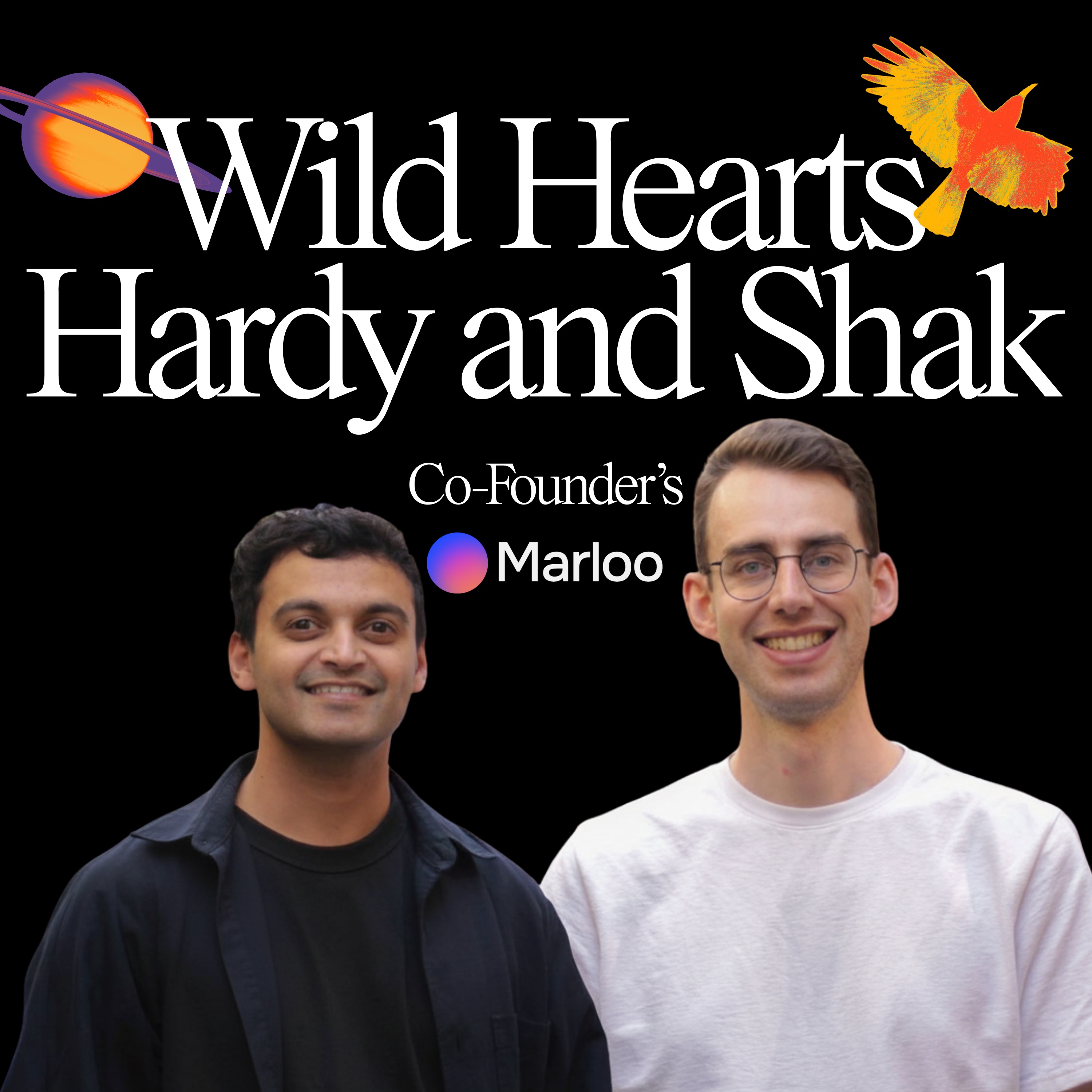 Hardy Michel & Shak Lala: Go slow to go fast | How did two first time founders get so wise?Paying customers in four countries within weeks of launch. Firms signing pilot agreements before a product existed. Advisers calling Marloo life-changing. Not useful, not efficient, life-changing.The secret? Going slow to go fast.Hardy and Shak met at Sharesies where they helped build one of New Zealand's most loved brands, before starting something of their own. But instead of jumping straight to building, they spent six months in the ideas maze finding the right problem - exploring roofing, trade finance, retiring businesses. They built a 20-point framework, then threw it away. "Frameworks don't find markets."When they landed on financial advice, they embedded inside firms for days - watching, listening, earning trust - until they were certain this was an industry where they could build in for years to come. But even then, they didn't start coding. They kept refining until they could describe Marloo in three simple steps. Crystal clear. If they couldn't communicate it simply, they weren't ready to build it.Most founders build first and figure out how to explain it later. Hardy and Shak did it backwards. And that's why, when they finally launched, the product sold itself.Because they'd gone so deep on the problem, they could design for global from day one. Not because they got lucky, but because they'd built that way on purpose.Hardy runs the company from London. Shak builds from New Zealand. They disagree often and think that's the point. Tension resolved, then they move. No relitigating. Just trust.Marloo is just getting started. Remember the name.This is our last episode of 2025. We'll be back in the new year. Happy holidays. | — | ||||||
| 12/9/25 | 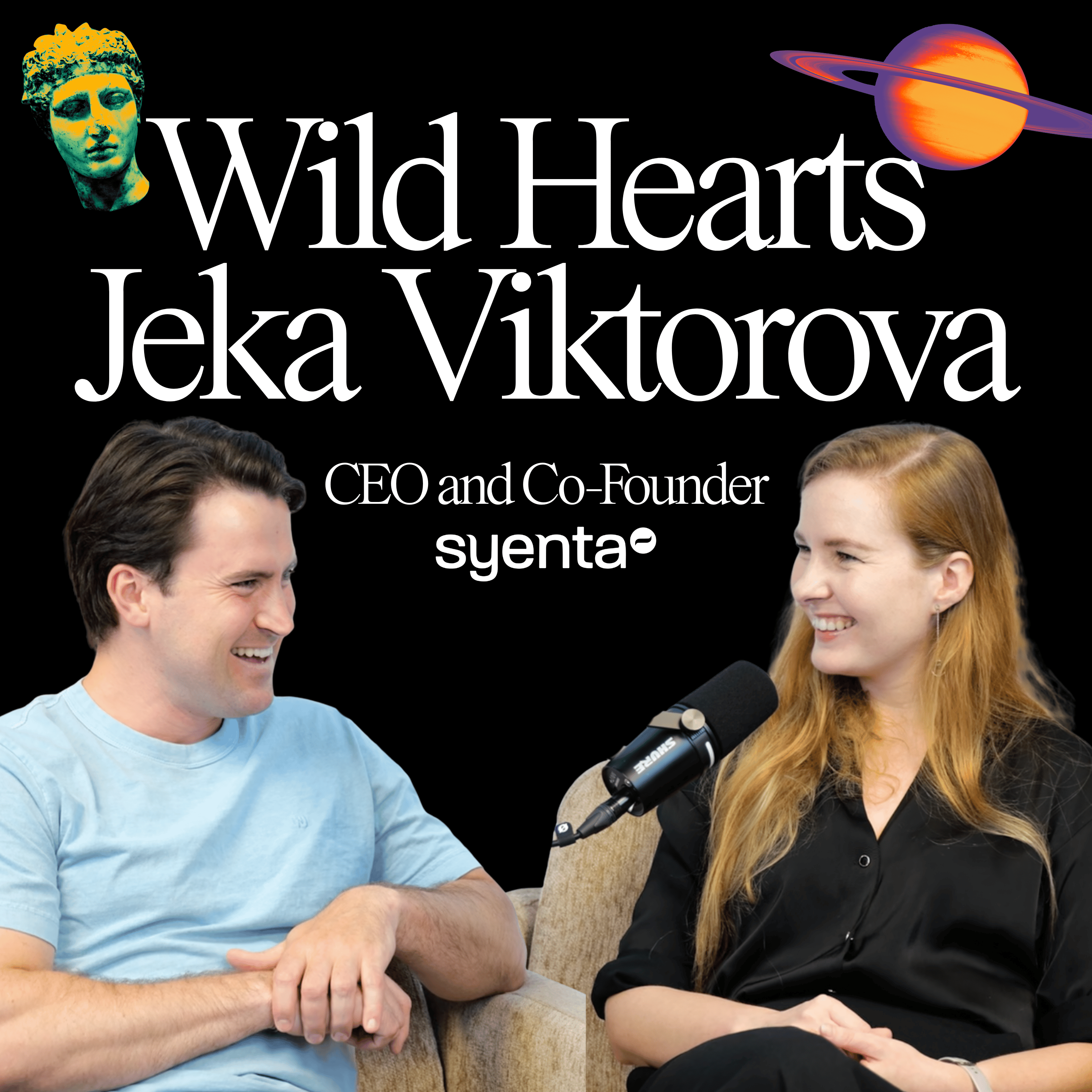 Jeka Viktorova: Six weeks from dying, then the world came knocking | This is the most technical episode we've ever done. Listen anyway.Yes, there are acronyms. Yes, you'll learn what a chiplet is. Worth it.But here's what you'll actually get: one of the best founder conversations we've recorded. Not because of the tech—but because of the humanity inside the tech.Last year, Syenta had six weeks of cash left. No term sheets. The technology her team was building? The world's biggest semiconductor manufacturers said it was impossible. Two weeks later, she had four offers on the table. Now she's backed by the US government, Singapore, and Arizona.What changed? Not the tech. The story."When you're trying to do something inauthentic—that is not your DNA as a founder—you're not gonna raise money," Jeka says. "Lately I haven't been selling at all. I've been just talking to people about what we do."This episode is about falling in love with a problem so completely you move across the world to solve it. It's about building a team that burns the boats. It's about sharing your vulnerable vision before you feel ready. It's about being proud to be a tall poppy when Australian culture tells you to shrink.The semiconductor stuff? It's actually fascinating once Jeka explains it. (AI chips sit idle 40% of the time because the wiring can't keep up. Her tech fixes that. Potential impact: 1% of global emissions saved.)But even if you skip every technical detail, you'll walk away with lessons about fundraising in brutal markets, building culture through failure-sharing rituals, and going straight to the top instead of pushing from the bottom.We've included a glossary in the episode description if you want it. You probably won't need it. | — | ||||||
| 12/2/25 | 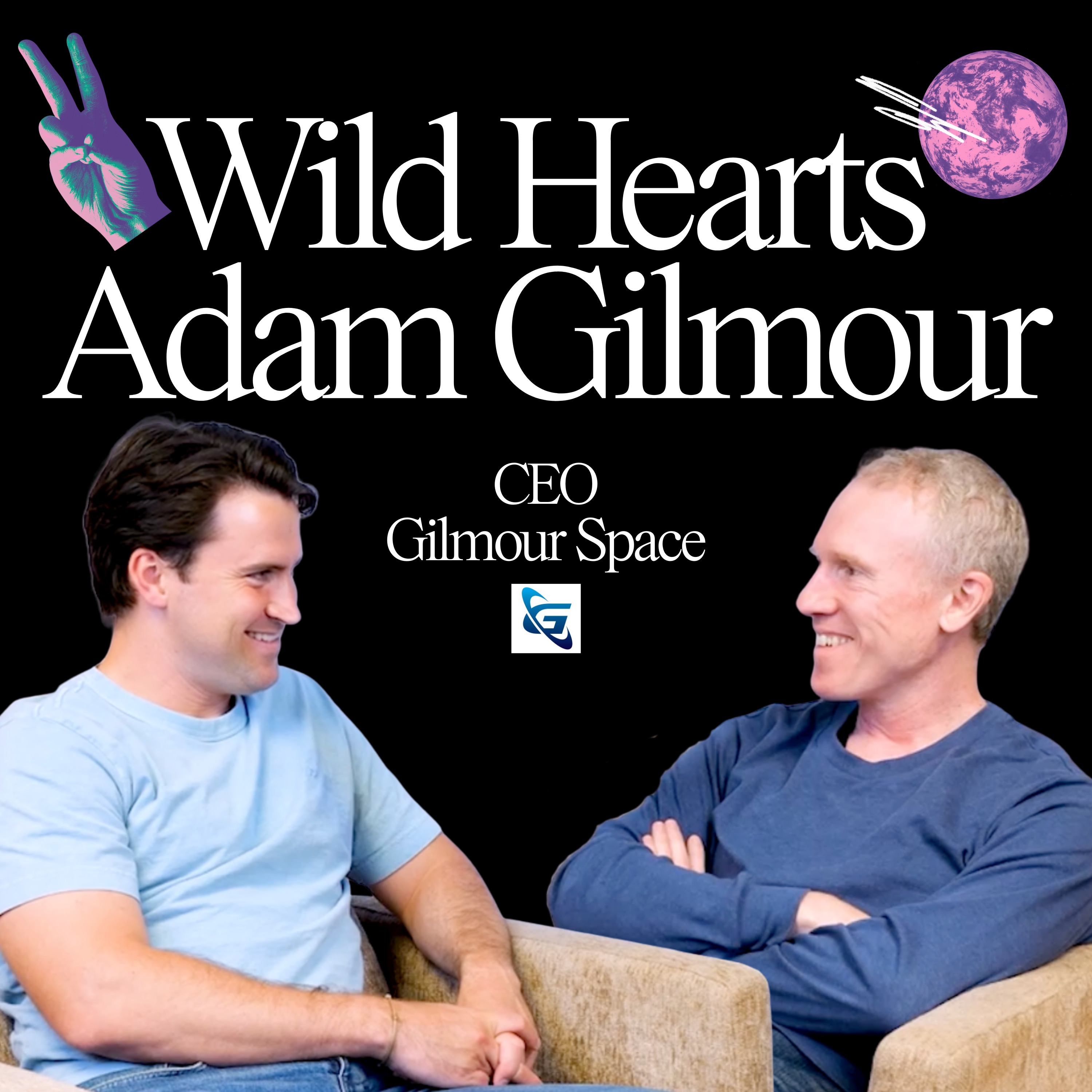 Adam Gilmour: We took the risk first. Then the government came. | Most founders wait for perfect conditions. Not Adam Gilmour. He started Gilmour Space before Australia even had a space agency.On July 30, that bet paid off. Australia's first launch permit. Fourteen seconds of flight. Right in the middle of the pack globally - SpaceX took four attempts to reach orbit.Those 14 seconds proved everything that mattered: cleared ranges, ground systems working, hold-down claws releasing 45 tons of thrust flawlessly. Stage zero validated. And a month earlier? A 100kg satellite reached orbit, found in under 8 hours instead of the expected 2 weeks, still working 130+ days later."For a satellite company, that would've been massive," Adam says. "But we're a rocket company, so no one gives a shit."Adam knew the regulations would change. He knew government support would come. "We took the risk first. Then government comes. I knew they would come." He started building anyway: 240 people in Queensland doing rockets, satellites, and hypersonics that foreign investors "cannot believe."This episode takes you inside launch day: the orchestra of mission control, time vanishing in the final countdown, the moment Eris leapt off the pad. Adam talks about why he's building satellite buses to fix broken market economics, the path to dual-listing on the ASX and US exchanges, and going around the moon in 10 years.If you're building deep tech from Australia and wondering whether to wait for perfect conditions, Adam's already answered that question."Stay tuned. Smoke and fire." | — | ||||||
| 11/25/25 | 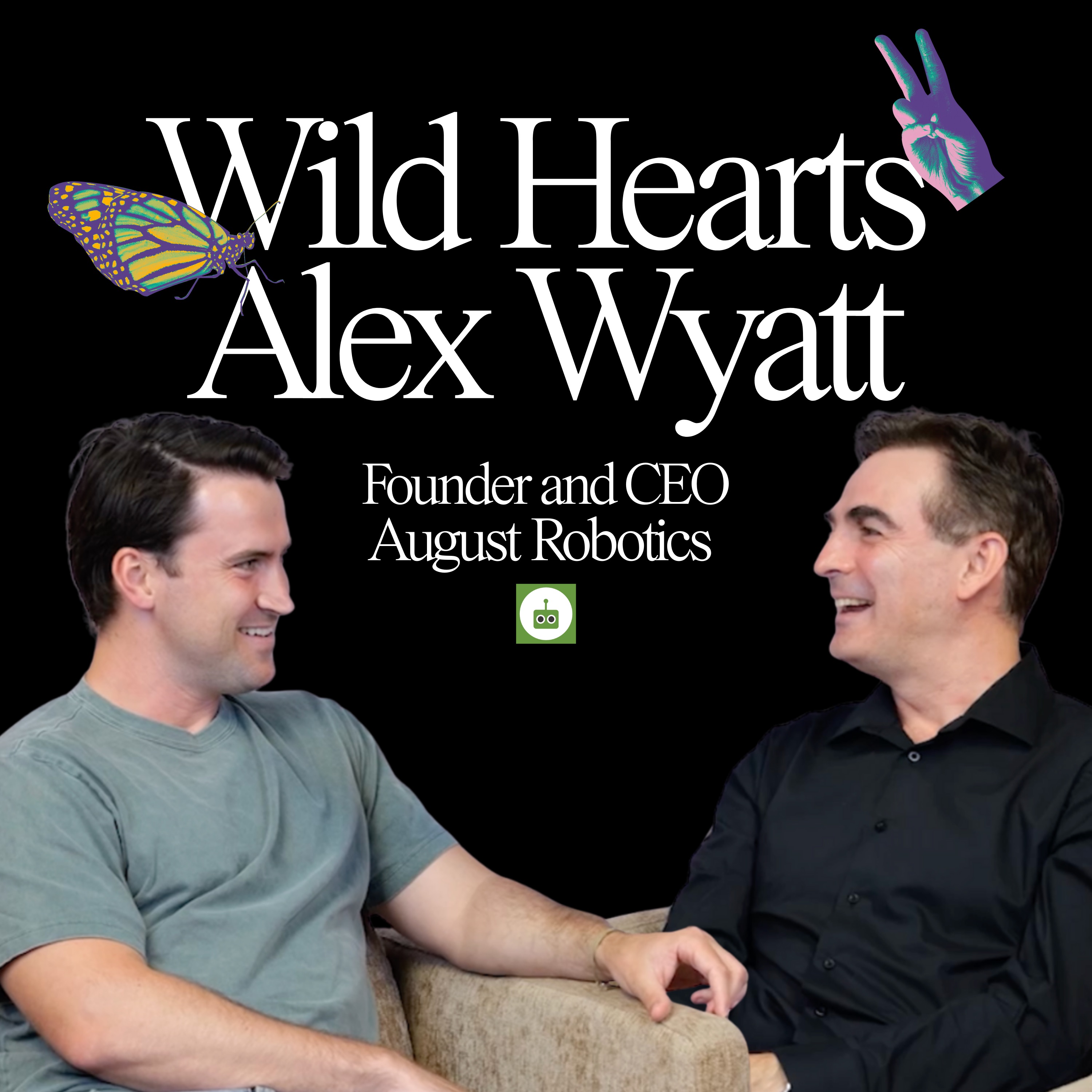 Alex Wyatt: When seven years of platform work becomes seven-week product cycles | Most robotics companies die trying to build their first product. Alex Wyatt spent seven years building the platform so the second product took seven weeks.When August Robotics launched their exhibition robot in November 2019, it blew up - standing ovation, early revenue, real momentum. Then COVID hit. Exhibitions banned globally for 23 months. Zero revenue. Total cliff.But under that first robot was something almost no robotics company ever builds: a platform: autonomous navigation accurate to 3mm, custom localisation, fleet coordination, modular architecture. The long, painful, expensive work that many startups can't survive.Then it paid off.→ Seven weeks from concept to prototype for their drilling robot→ Google as their first demo and customer→ 50,000 holes drilled across US data centres→ DeWalt partnership unlocking entire tool ecosystems→ More robots spinning out in months, not yearsAlex is also opening an AI and data centre in Melbourne, choosing to build the next layer of August's platform from Australia, not just Silicon Valley or Shenzhen.This episode breaks down the real hardware platform playbook: robot collaboration that collapses workflows, de-risking with hyperscaler customers, and why the "third way" of robotics creates network effects in physical space. Alex also talks about surviving 23 months of zero revenue, going from Blackbird LP to portfolio founder, and why he waited a decade for the timing to actually be right.If you're building hardware from Australia, fundraising deep tech, or wondering when long-horizon bets actually flip into growth - this is the one. | — | ||||||
| 11/18/25 | 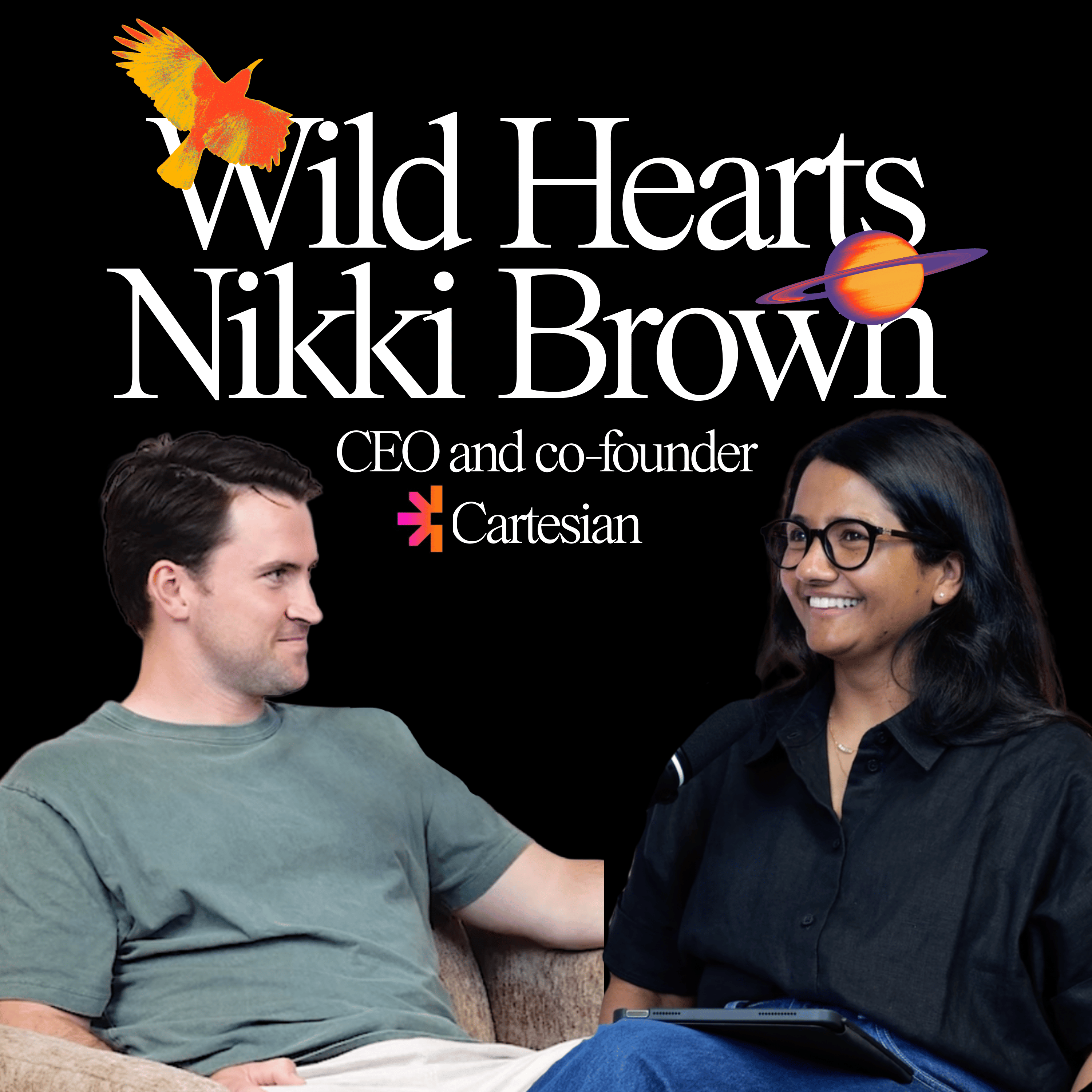 Nikki Brown: When you stop being a cog, you become the machine | Nikki Brown is a Cambridge graduate who quit a dream job at Google after mere months. "I wasn't happy being a cog in a machine," she says. So she built her own.Today, Nikki is co-founder and CEO of Cartesian, an AI-native platform backed by Blackbird that turns SaaS ecosystems into retention and growth engines. Cartesian's AI agents analyse user needs in real-time, detect buying intent, and connect users with the right ecosystem partners at exactly the moment they need them. No cold emails. No spray and pray. The result: users get personalised solutions, platforms deliver value, partners grow.Nikki is building AI that works like she does: accumulating context and using it to connect meaningfully at the right moment. Finance gave her systems thinking. Tragedy gave her clarity. 120 conversations gave her deep customer insight.In this episode, Nikki joins Mason to share why team beats idea every time, why relationships, not data, are the real moat, and why the foundations of sales never change: "People buy from people."This one's for anyone questioning whether their "non-traditional" background disqualifies them - or wondering if their lived experience might just be the context that matters most. | — | ||||||
Want analysis for the episodes below?Free for Pro Submit a request, we'll have your selected episodes analyzed within an hour. Free, at no cost to you, for Pro users. | |||||||||
| 11/11/25 | 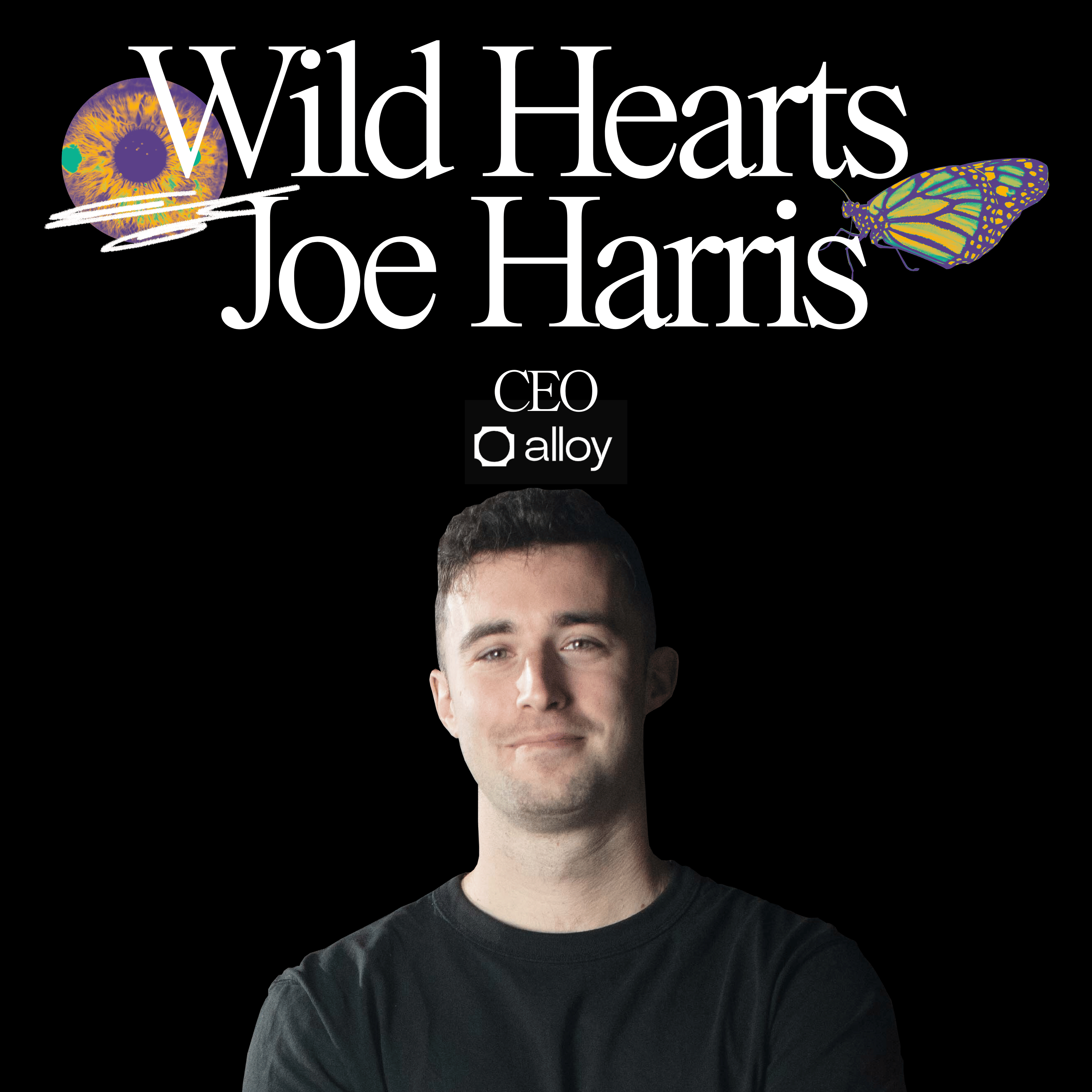 The Robotics Inflection: Why This Time Is Different (ft. Joe Harris, Alloy) | There’s a graveyard of robotics companies—billions torched on beautiful demos we’ve all seen before, but never felt. This episode explains why the economics, the software, and the demand curve have finally flipped—and how Alloy plans to fuel the winners.Joe Harris returns to Wild Hearts—but this time as a founder. An engineer by training (ML for telecoms), operator by practice (Eucalyptus growth & product), and obsessive systems thinker, Joe unpacks why robotics is finally crossing from hype to inevitability. We trace the structural shifts powering the moment—collapsing hardware costs, foundation-model intelligence, and urgent customer pull—and the hard lessons from failed vertical farming plays that recalibrated what reliable automation actually demands. Joe introduces Alloy, a horizontal data and observability platform for robotics teams: find the 1% of mission data that matters, surface edge cases, track reliability toward “four-, five-, six-nines,” and shorten the loop from failure → fix → redeploy. If you’re building, buying, or betting on robots, this is the market map and playbook for the next decade.What you’ll learnThe three real drivers: cost curves, capability (VLM/VLA), and customer pullReliability as the business model: why 99% isn’t enough—and how teams get to 4–6 ninesData, not demos: robots emit GB/min; how to isolate the 1% that changes outcomesHorizontal vs. vertical: what failed in indoor/vertical farming and whyAlloy’s wedge: multimodal search (images, time series, logs), “scenarios,” alerts, and instant mission summaries to accelerate deployment and reduce unit costsTeam & culture: hiring for speed, humility, and learning in a field moving weeklyChapter guide (timestamps)00:00 First operator-to-founder return: Joe’s path (engineer → Atlassian → Eucalyptus → Alloy)02:00 Maker roots: coding tutorials at 12, early internet leverage03:30 Many small businesses → the “one-thing, 10–20 years” decision08:30 Why now for robotics: cost curves + reusable rockets as mindset shift10:45 Vertical farming post-mortems: unit economics, reliability, scale errors13:40 Reliability is everything: from 99% to 99.999% in the physical world15:45 The data firehose: GB/min, multimodal chaos, and missing tooling18:40 Operator-to-robot ratio as the core unit economic lever21:10 Selling into robotics: design partners, security, and data heterogeneity23:15 Common data primitives (perception, time series, logs) + ROS-driven formats24:30 Why LLMs aren’t enough: context-window limits & multimodal encoding27:00 Alloy’s product: natural-language search, similarity, “scenarios,” real-time alerts28:50 Instant mission summaries vs. days of manual analysis29:30 Edge AI tailwinds: Jetson class hardware, cheaper sensors (LiDAR/IMUs)30:30 VLAs explained: from perception → plan → act (and why smoothness matters)32:10 The pace of change: weekly breakthroughs, staying on the frontier33:40 Distribution & adoption: enterprise first; consumer follows reliability35:40 Safety and necessity: underwater, heavy industry, logistics37:15 Autonomy acceptance: the “first Waymo ride” unlock43:00 Ideal customers: high throughput, real deployments, cloud telemetry44:50 ICP discovery playbook: questions that qualify real readiness45:50 Team design: missionary talent, humility > hubris, learn-fast culture46:40 Macro lens: robotics as a deflationary lever & company formation boom48:00 Jobs & leverage: from decoding info → higher-order coordination50:05 The Alloy analogy: the coal-shoveler that keeps the engine running | — | ||||||
| 11/4/25 |  Andrea Quinn: The operator behind a unicorn's growth engine | You don't have to be the founder to build the future.When Andrea Quinn made the leap from fashion merchandising to tech, she didn't start a company. She joined one. Today, she's VP of Go-To-Market Operations at Halter, New Zealand's newest unicorn, which just raised $155 million at a $1.55 billion valuation.Not every path into building the future looks like a founder origin story. Some of the most crucial work happens when you join the right company at the right moment and help turn ambition into execution. Andrea's doing exactly that - scaling the GTM motion as Halter accelerates across Australia and the United States.In this episode, Blackbird Partner Sam Wong sits down with Andrea to explore how operators translate skills across industries and build the engines that power billion-dollar companies. From her Commercial Equation framework to practical AI applications in sales, Andrea breaks down what it actually takes to scale a startup from the inside.This episode is for: founders building GTM, operators inheriting messy funnels, and anyone wondering if they need to start a company to build the future.Because the answer is no. Sometimes the most valuable thing you can do is join the rocket ship and help build the engine. | — | ||||||
| 10/28/25 |  Xavier Collins: The AI studio unlocking the future of storytelling | When storytelling meets startup energy, magic happens.In this week’s episode, Xavier Collins, co-founder of Wonder, joins Mason to explore how technology is tearing down the old gates of Hollywood, and what happens when anyone, anywhere, can tell stories that move the world.Backed by Blackbird and LocalGlobe, Wonder is building an AI-native creative studio reimagining how films are made, who gets to make them, and what “production” even means. Xavier shares how AI can help the 90% of scripts that never get made finally see the light of day - from resurrecting forgotten footage to helping bold new voices get their first break.We dive into instinct versus analytics, courage versus consensus, and the scrappy startup mindset redefining creative industries. It’s a story about belief, innovation, and the people daring to create what others think impossible.This episode is for anyone who’s ever had a story they’ve wanted to tell, a dream they’ve wanted to build, or an idea they’ve been told was too crazy to work.Because when content becomes infinite, the only thing that matters is the quality of the story - and your story might just be next. | — | ||||||
| 10/21/25 | 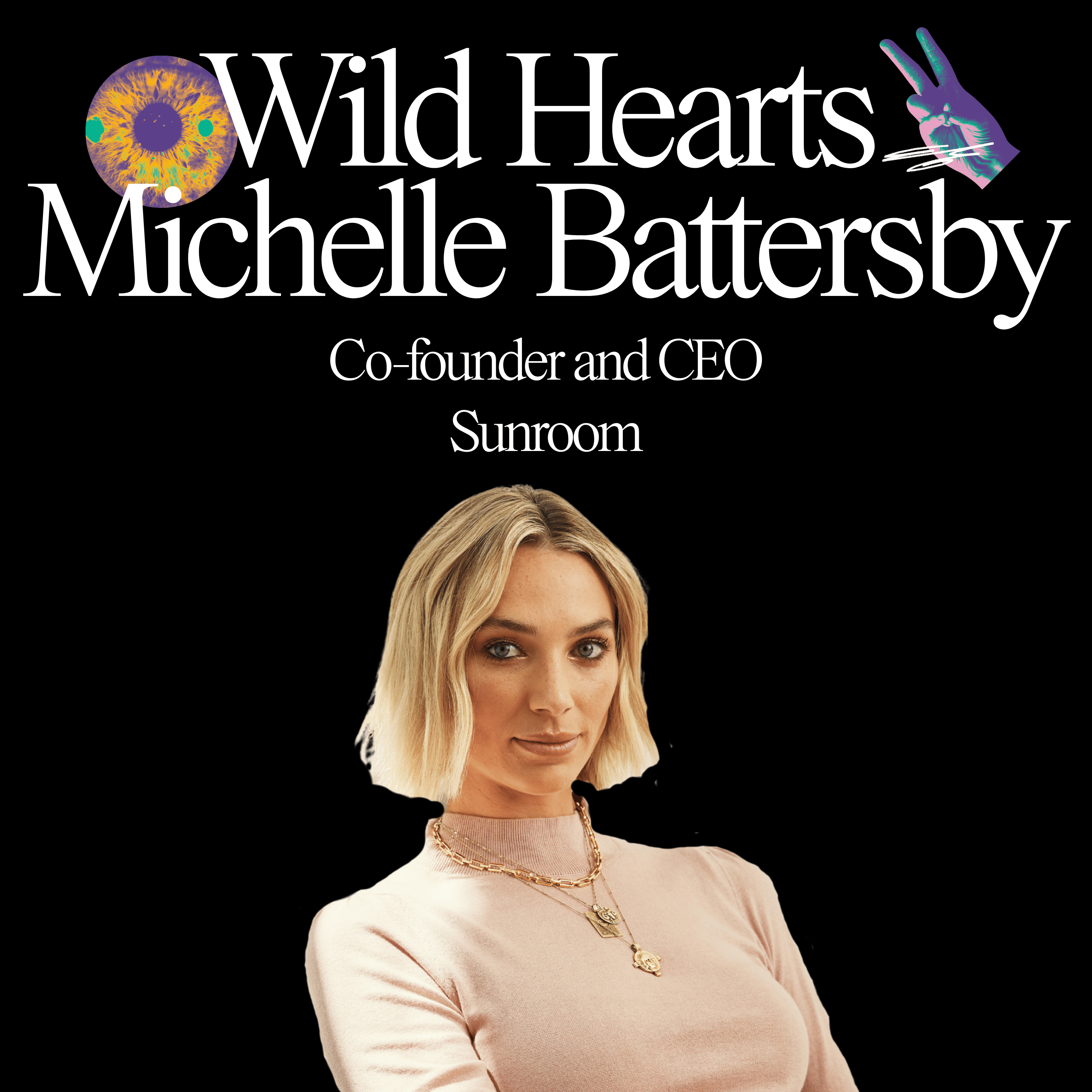 Lessons from the climb: Michelle Battersby on building Sunroom | When Michelle Battersby launched Sunroom, she set out to change the game for women creators, building a platform where they could earn freely, safely, and on their own terms. Five years, three funding rounds and one pandemic later, she did just that. Thousands of creators made life-changing income, and Sunroom was acquired by Fanfix.From the emotional weight of leadership to the surprising financial realities of building something from scratch, Michelle shares the unfiltered truths of the founder journey - the highs, the hard parts, and the freedom that comes with letting go. Maddy Guest, from Blackbird’s investment team and host of the finance podcast So Invested, joins Michelle to unpack what those lessons teach us about resilience, risk, and redefining success.This is a story about ambition and endurance — and the lessons that only reveal themselves when you decide to climb. | — | ||||||
| 10/14/25 |  From zero to US$6.2 Billion: Lucy Liu on the Airwallex strategy that broke global payments | When Lucy Liu co-founded Airwallex in 2015, she was flying around the world opening bank accounts in person and carrying bags of security tokens. Global businesses are digital. But finance was stuck in the past.For three years, Airwallex burned money building invisible infrastructure no one believed in yet. Her co-founder drew a “really ugly unicorn” on a whiteboard predicting ten-times growth when they had zero revenue. Everyone laughed - but beneath the laughter was a serious undertone that they were onto something big. Something that would be game changing. So they kept building.That bet on infrastructure became one of the fastest-growing fintechs in the world, now moving $200 billion annually and adding $100 million in recurring revenue every quarter.In this episode, Lucy shares why building two products simultaneously defied conventional startup wisdom, how hiring for intellectual curiosity beats credentials, and what it means to scale from zero to 1,800 people without losing speed. She also reflects on the power of ambitious predictions, staying simple at massive scale, and why resilience matters more than perfection. | — | ||||||
| 10/7/25 | 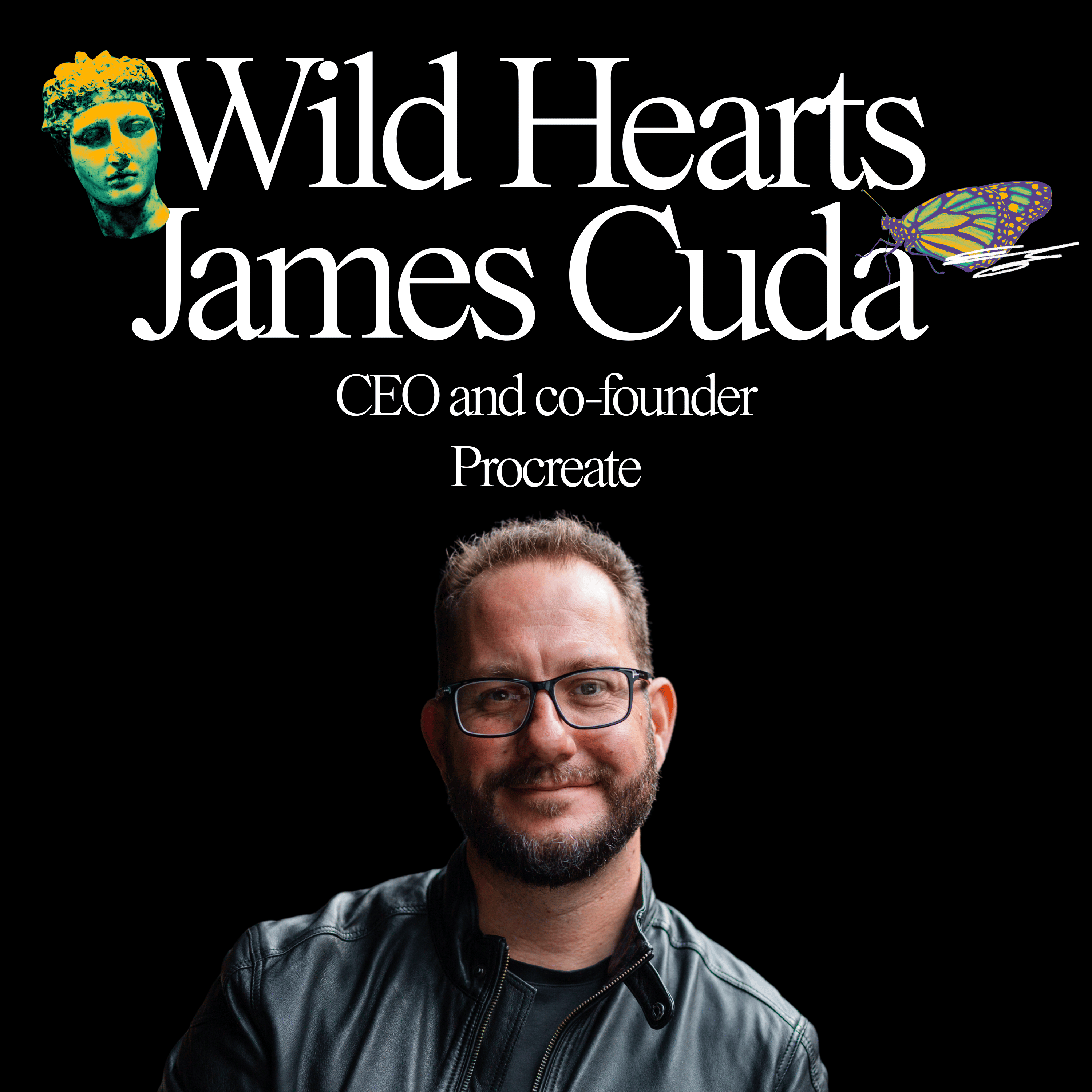 Brushstrokes, Flow State, and Freedom: The Procreate Story | Procreate co-founder James Cuda has spent more than a decade obsessing over one thing: the brushstroke. From hacking the iPad 1 to run at 60fps, to turning a side project into the world’s leading creative app, James has built Procreate on a radical philosophy: simplicity, permanence, and creative freedom above all else.In this episode of Wild Hearts, James joins Mason to share why the company never took VC money, how “flow state” shapes everything from product design to team culture, and what it really takes to scale without losing soul. They also dive deep into generative AI, ethical data, and why Procreate’s biggest unfair advantage may simply be staying small and Tasmanian.James also reflects on the tension between addition and reduction, the power of jam sessions, and why listening to the “little voice” is the artist’s greatest superpower.Time Stamps00:00 – Intro02:05 – Why brushstrokes were the starting point05:10 – The art of subtraction: keeping flow while adding features07:50 – Permanence as a product philosophy09:36 – From “an amazing piece of shit” to a world-class creative tool12:11 – How Procreate’s archetype grew from amateurs to architects15:01 – Listening to users without losing the soul17:31 – Scaling creativity and protecting flow inside the team19:51 – Jam sessions, “holy shit” moments, and making ideas real23:31 – James’ strong stance on generative AI and ethical data34:51 – Authenticity over slogans: building trust with artists37:21 – Bringing artists together, online and offline39:06 – Staying independent: why Procreate never took VC44:01 – Simplicity vs. optionality in future workflows46:39 – The advice James gives every artist: listen to the little voice48:26 – Outro | — | ||||||
| 5/20/25 |  One Impossible Idea: Why Pete Shadbolt left academia to build PsiQuantum | What if you could take the most mysterious force in physics—and make it useful? In our final episode of this season of Wild Hearts, we sit down with Pete Shadbolt, co-founder of PsiQuantum, a company racing to build the world’s first utility-scale quantum computer. But this isn’t a conversation about quantum theory. It’s about execution. Engineering. Scaling. Building something that moves humanity forward - not in decades, but now. Pete shares why 300 or 3,000 qubits won’t cut it, and why a million is the magic number. We explore the technical marvels (and madness) involved in the team’s journey: superconducting detectors millimetres from red-hot heaters, lasers brighter than a trillion photons, and a cryostat that throws out the chandelier model altogether. But most of all, this is a story of ambition. Of leaving behind prestigious academic careers, raising a billion dollars, and assembling a team of physicists, welders, aerospace engineers, and cryo-specialists to take one shot at building something historic. In this conversation, we cover: 🚀 Why PsiQuantum is chasing 1 million qubits—not 300, not 3,000🏗️ What it takes to move quantum computing from theory to hardware—with welders, chip designers, and aerospace engineers 📉 Why academia can be a trap—and how PsiQuantum built an anti-academic company culture 🌐 The real-world applications of quantum computing: from designing drugs to revolutionising materials science 👩🔬 How team DNA, not just tech, shapes PsiQuantum’s ability to scale and execute ⚙️ Why quantum computing isn’t a mass adoption tool - and why that’s perfectly okay 🔥 How engineering targets that once caused mutiny are now being hit daily This episode concludes our fifth season of Wild Hearts. Over the past 40 weeks, it’s been our honour to chat to the founders and operators shaping the world we live in. If you’ve enjoyed the conversations, we would be grateful if you could like, subscribe, and share our program with other wild hearts. Wild Hearts will take a short break, and will return to all streaming platforms later this year. From everyone at the Wild Hearts team, thank you! | — | ||||||
| 5/15/25 | 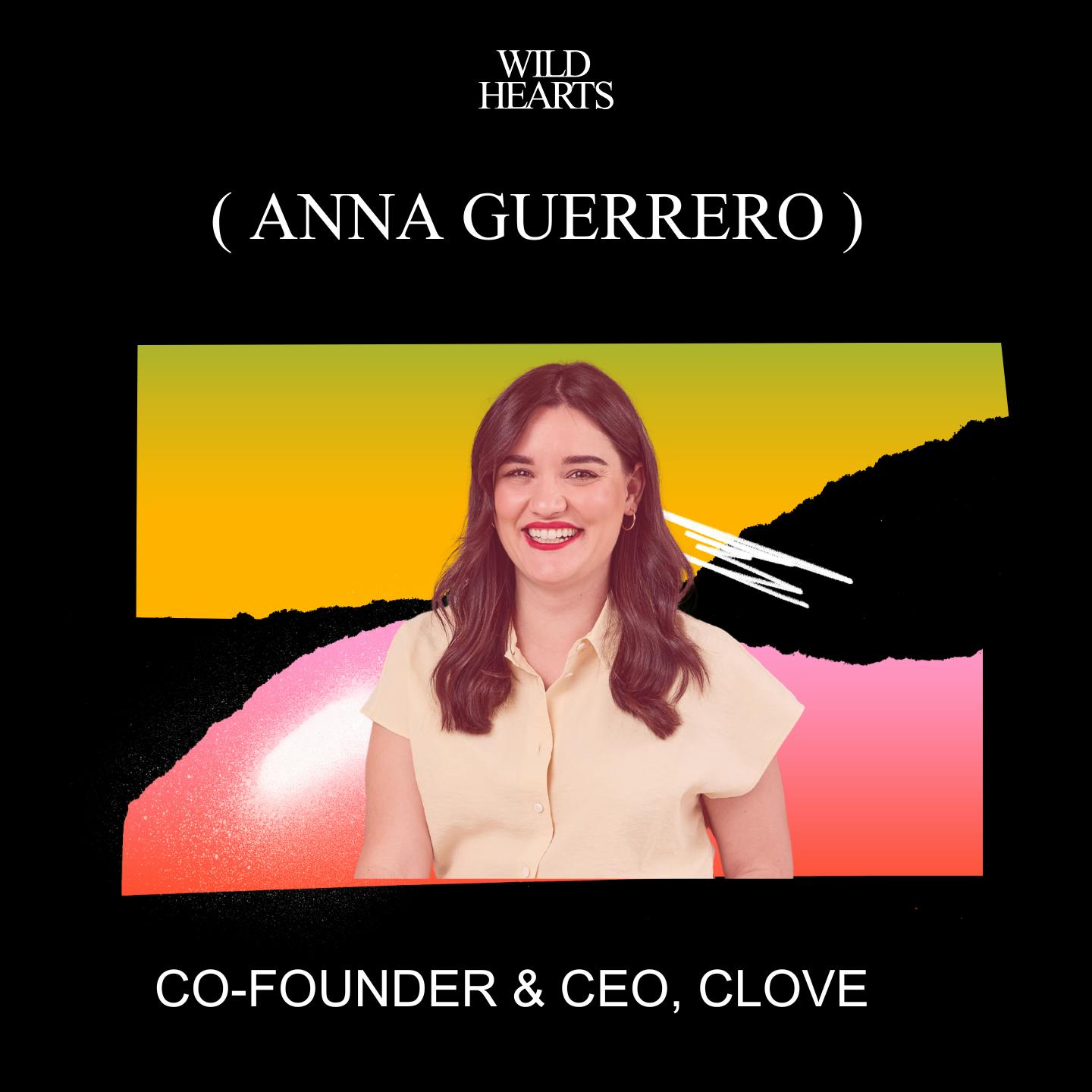 How Anna Guerrero is changing the way we cook | What if planning dinner wasn’t a chore—but something you looked forward to? In this episode, Wild Hearts guest host, Silk Kadala - investor at Blackbird - chats with Anna Guerrero, founder of Clove, a beautifully designed cooking app that’s reimagining how we cook at home. You might know Anna from her nine years scaling the creator marketplace at Canva—but it was a stint as a pasta chef in the Dolomites that ultimately set her on the path to launching Clove. Whether you’re interested in the role of AI in reducing decision fatigue, why brands are betting big on recipe creators as the next wave of culinary entrepreneurs or just stood in front of the fridge thinking “what’s for dinner?”—this episode is for you. 🔍 In this conversation, we cover: 🍳 The invisible mental load of everyday cooking—and how Clove is removing it with Smart Planner 📲 Why Clove’s approach to AI is more whisper than shout—and why that matters for creativity 📚 Building for creators: how Clove is giving food bloggers, TikTok cooks and chefs a new way to publish and earn 🎯 From pitch decks to real traction: Anna’s high-stakes decision to pause Clove’s creator program and set a new quality bar 🚀 The leap from Canva exec to culinary school student—and what working in a Michelin-starred restaurant taught Anna about product 🧠 Low ego, high initiative: what Clove looks for in early team members and building a culture of adaptability 🧭 What it means to follow the dots—why you don’t need to have it all figured out to move forward 🍽️ The long-term ambition: turning Clove into the global go-to for “what’s for dinner?”—with a billion recipes cooked through the platform From Canva to Clove, Anna Guerrero shows what it looks like to reinvent yourself, back a bold vision, and build something that truly changes how we live and cook. | — | ||||||
| 5/13/25 | 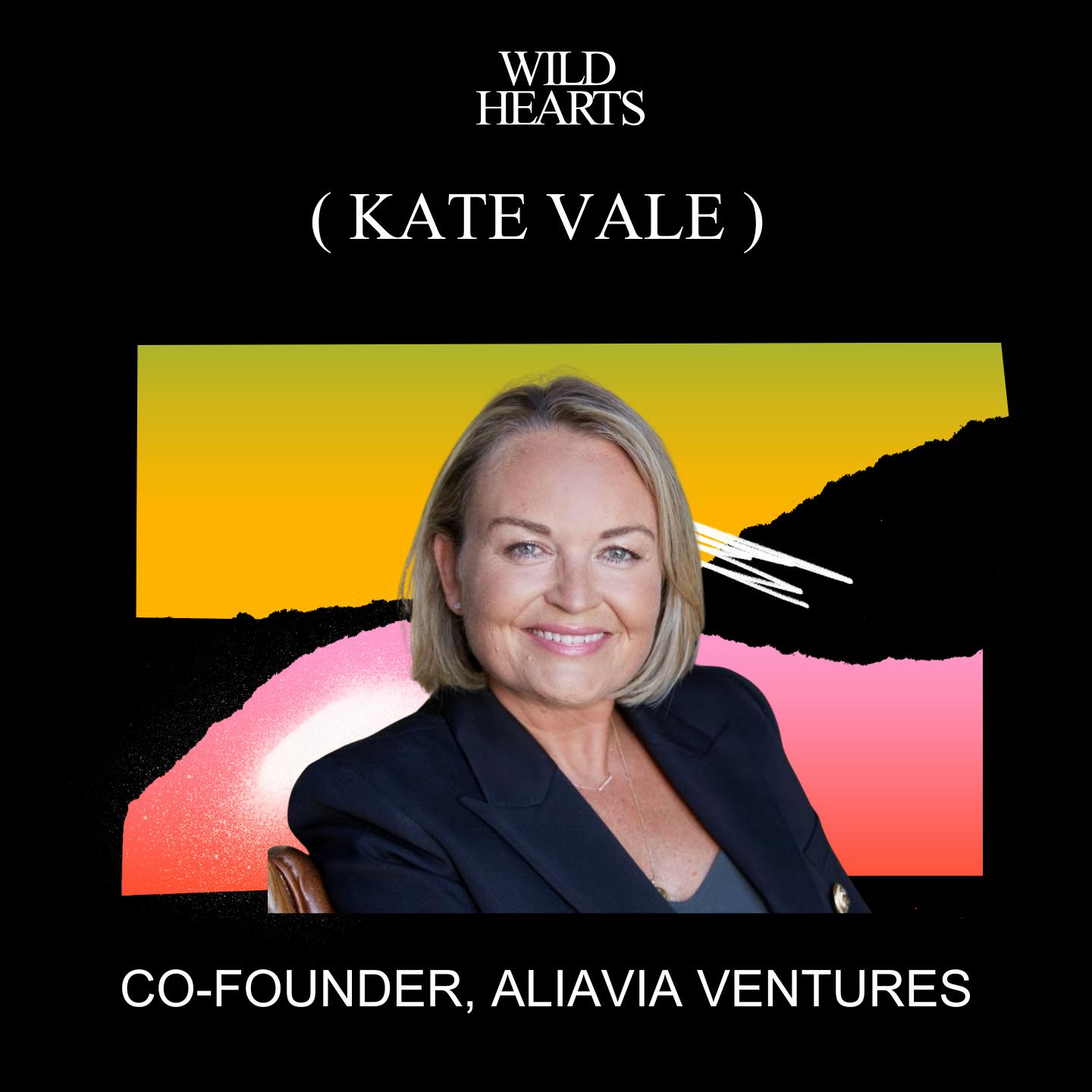 Launching Iconic Tech Companies in Australia with Kate Vale (ex-Google & Spotify) | What’s it like to be employee number one at two of the most iconic tech companies of the past two decades? In this episode of Wild Hearts, guest host and investor at Blackbird, Maddy Guest sits down with Kate Vale; Google and Spotify’s first hire in Australia. From launching Google out of her lounge room to scaling Spotify into a household name, Kate shares behind-the-scenes stories of tech history in the making, the leadership lessons that stuck, and why her latest career act is all about investing in women. In this conversation, we cover: 📞 The cold call from Google that changed her life and brought her to the global tech world—and tech in APAC 🚀 What it was like to launch Google Australia from her lounge room 🌍 Why Spotify was a harder sell than Google—and how she got artists on board 💡 The cultural rituals that helped Kate build high-performance teams across two giants 🔥 The one mistake most startups make when scaling their teams globally 📈 Why she co-founded a VC fund to back female tech founders during the pandemic 🎯 What Kate looks for in a founder, and the red flags that kill the deal This episode is a fascinating look behind the scenes at some of the earliest experiences of bringing global tech companies to Australia, and how these experiences have shaped Steph’s career and investing approach. | — | ||||||
| 5/1/25 | 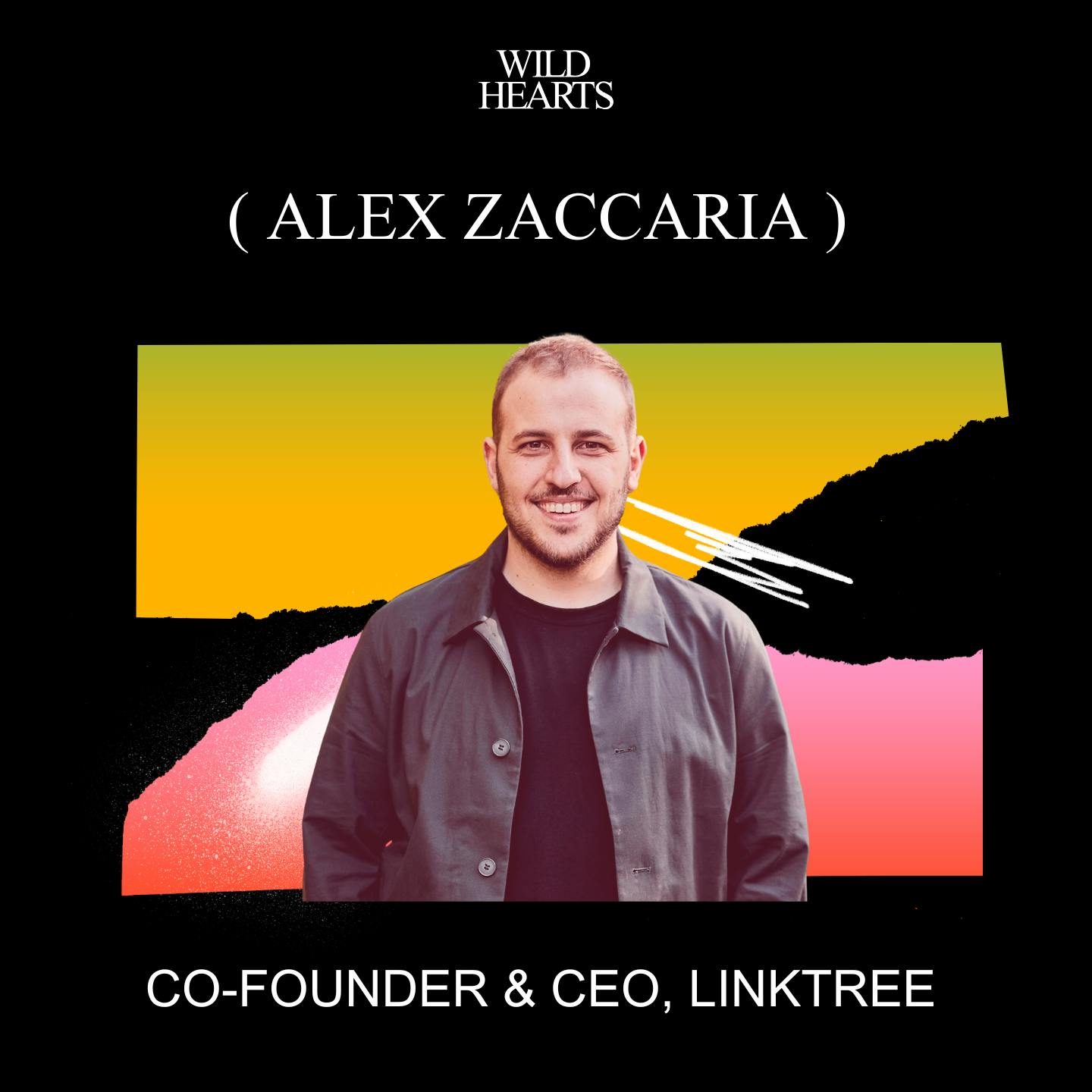 LIVE from Sunrise Australia: How Alex Zaccaria Reclaimed Linktree’s Vision and Culture | What happens when a side project becomes a platform used by over 75 million people—yet the founder feels like they’re losing control of it? In this special live episode of Wild Hearts , Linktree co-founder and CEO Alex Zaccaria joins Mason Yates on stage at Sunrise Australia to unpack the messy, inspiring story behind one of Australia’s most iconic tech exports. From unpacking Alex’s early creative instincts to the cultural tensions between Australia and the US, this is an unfiltered conversation on clarity, leadership, and staying close to the product that made it all possible. In this conversation, we cover: 🚀 How Linktree grew from a music industry side project into a global internet infrastructure tool 🔁 Why Alex Zaccaria scrapped traditional org charts and rebuilt the team from a “zero-based budget” approach 🧠 The internal mindset shift from people-pleasing to product-led, founder-first decision making 🔗 Why simplicity is one of the hardest product challenges—and how Linktree maintains it at massive scale 🗺️ What it means to build a business across two cultures—Australia and the US—and how the team navigates tall poppy syndrome 💸 How Linktree's new “Sponsored Links” marketplace is flipping influencer marketing into measurable performance 🎤 The evolution of leadership clarity and why Alex now operates in “mandate mode” 📈 What it takes to stay true to your product intuition—even when everyone around you tells you otherwise And of course, because this is a live episode, there’s some audience questions and banter along the way! Listen in for a conversation about reclaiming vision, rewriting culture, and building at global scale while staying grounded in creative instinct. | — | ||||||
| 4/22/25 | 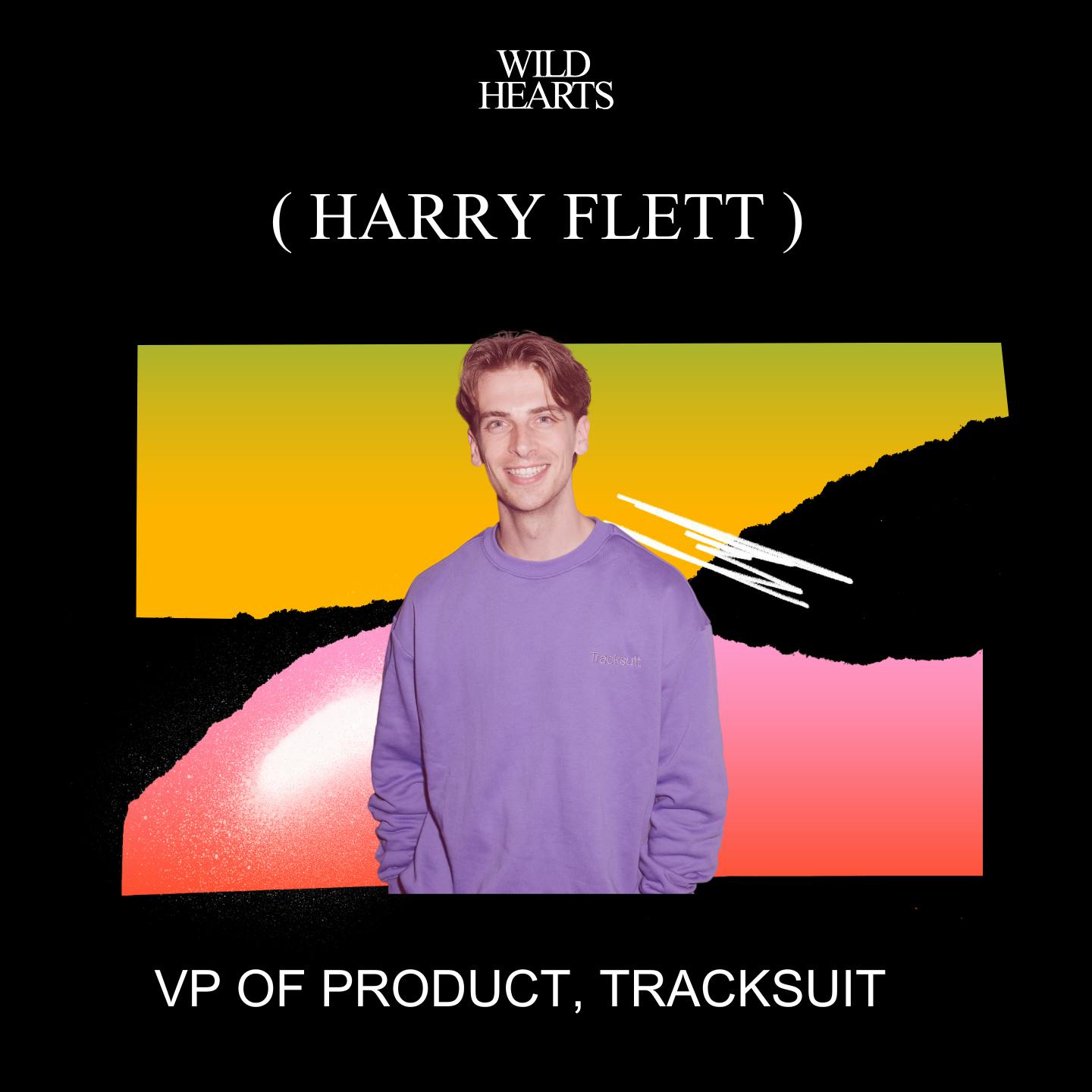 From burnout to balance: lessons in product, writing and culture with Harry Flett. | What makes a team thrive? According to Harry Flett, it's not just strategy or shipping speed; it’s how you make people feel. In the latest Operator episode of Wild Hearts, Harry, VP of Product, takes us behind the scenes at Tracksuit, where high-output product culture meets silliness, storytelling, and some surprisingly heartfelt moments. We explore Harry’s frameworks for thinking clearly, building with velocity, and designing for both customers and teammates. In this episode, we cover: 💬 The power of the say-do ratio and how reputation is built through consistent follow-through 🧠 Why burnout often stems from being “too helpful”—and how Harry’s learning to step back 🌳 The leaf-branch-trunk-root framework that’s helping Harry delegate and build ownership ⚖️ Why great product leadership requires balancing 10,000-foot thinking with shipping the next feature ✍️ How writing is Harry’s superpower—and why it’s essential for clarity in teams, strategy, and scaling 🏆 The hiring philosophy that helped Tracksuit hire the best people This episode is a playbook for leaders—whether you're in product, people, or operations—who want to scale with clarity, delegate with intention, and build a culture that people genuinely want to be part of. It’s packed with insights on communication, prioritisation, and the kind of leadership that drives real momentum. | — | ||||||
| 4/15/25 |  The intersection of marketing, product, and creativity with George Howes from Magic Brief | The internet is drowning in ‘slop’- and George Howes has a fix. The former creative lead at Eucalyptus believes the solution to this ‘creative problem’ starts with a feedback loopand ends with a new kind of intelligence. After leading one of Australia’s fastest-growing startups through a wave of performance marketing breakthroughs, George walked away to build something better. That “something” became Magic Brief: a tool that captures creative intelligence, not just analytics. In this episode of Wild Hearts, George takes us inside the machine. From his 15 principles of high-performing teams to how AI can (and should) unlock—not replace—creativity, this is a wide-ranging conversation going deep on marketing and product. In this episode, we cover: 📈 The 15 traits of high-performing creative teams 🧠 Why feedback loops—not freedom—unlock the best work 🤖 How AI can enhance creative strategy without replacing it 🎨 Why taste still matters in a world of AI-generated content George Howes gives a masterclass in the intersection of AI, creative strategy, and product velocity. If you're in marketing, this is one you’ll want to play twice. | — | ||||||
| 4/8/25 | 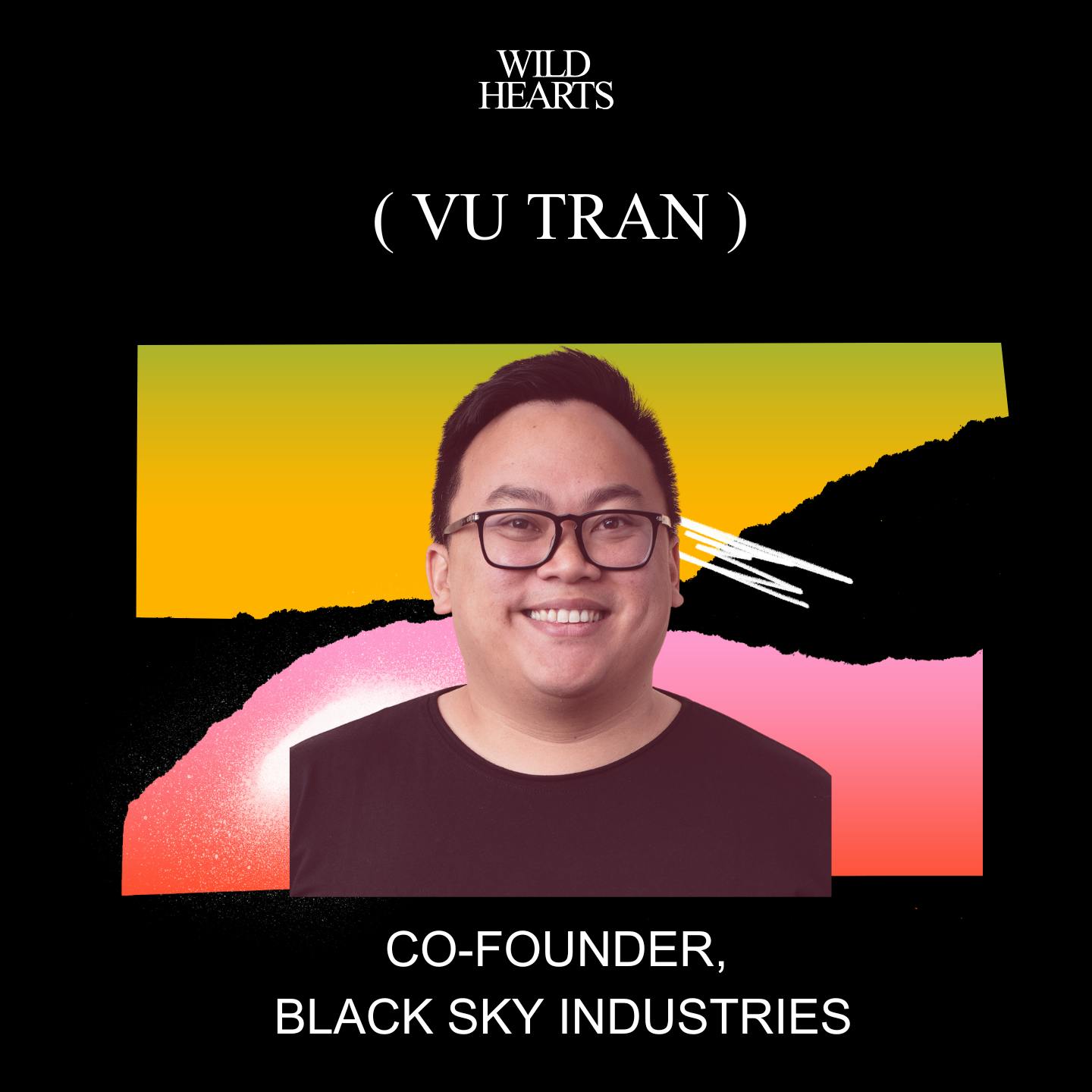 Why Australia’s defence needs tech founders: Vu Tran of Black Sky Industries on building missiles with a startup mindset. | What motivates a founder to shift from building a billion-dollar edtech unicorn to manufacturing missiles? And what happens when your career becomes a response to something deeply personal — the kind of world your kids might grow up in? Vu Tran is a doctor, a co-founder of Go1, and now the co-founder of Black Sky Industries — Australia’s first scalable missile and solid rocket motor manufacturer. In this episode, Vu opens up about the moral tipping point that drove him into defence, the vulnerability he sees in Australia’s current military setup, and why he believes our future depends on becoming, in his words, “an echidna — small, underestimated, and far too prickly to bite.” This is a conversation about personal mission, national security, and the power of bringing startup speed to one of the slowest-moving industries on the planet. In this conversation, we cover: 🏥 The emotional toll and grounding power of Vu’s continued work as a doctor in Logan 🚀 How Black Sky Industries is tackling lethality and building solid rocket motors at scale 🛡️ What Vu means by “making Australia an echidna” — a defence philosophy grounded in self-reliance and deterrence 💣 Why no one wants to touch “the pointy stuff” — and why Vu’s choosing to anyway 🌍 How Australia’s current reliance on foreign defence suppliers makes us vulnerable — and what needs to change 💡 Lessons Vu took from scaling Go1 into a unicorn — and what he’s left behind at Black Sky 📈 Why defence tech is the next trillion-dollar market opportunity — and why Vu wants more founders to enter the space. This episode is a raw and revealing look at how one founder is turning personal responsibility into national-scale impact — and why Australia needs more entrepreneurs willing to tackle the hardest problems. | — | ||||||
| 4/1/25 |  Scaling Heidi in the US: Lessons in product, people and persistence. | What happens when you pack a carry-on, fly across the world, and try to scale a healthcare startup in one of the world’s toughest markets? In the latest episode from our Operator series of Wild Hearts, we sit down with Jesse Creighton, Director (US), Heidi Health. Jesse shares what it really looked like to launch the company’s American expansion — from hosting awkward dinners with two doctors at a 20-person table to building a high-performing sales team with its own unique culture in New York. In this conversation, we cover: 🗽 What it was like being the first on the ground in New York to launch Heidi in the US 🎯 Why Heidi's initial customer outreach flopped — and what they learned from it 🧠 How freemium became a game-changing growth strategy in healthcare 🛠 Why product-market fit in the US required rethinking sales, support, and compliance 🌎 The role of generalists vs. specialists when building early-stage teams across markets 🎥 How customer obsession and Aussie culture helped shape Heidi’s US team 📈 The two biggest bets that paid off — and why most investors didn’t see them coming This episode is a masterclass in how to scale a startup across borders — blending instinct, experimentation, and a deep belief in product. | — | ||||||
| 3/25/25 | 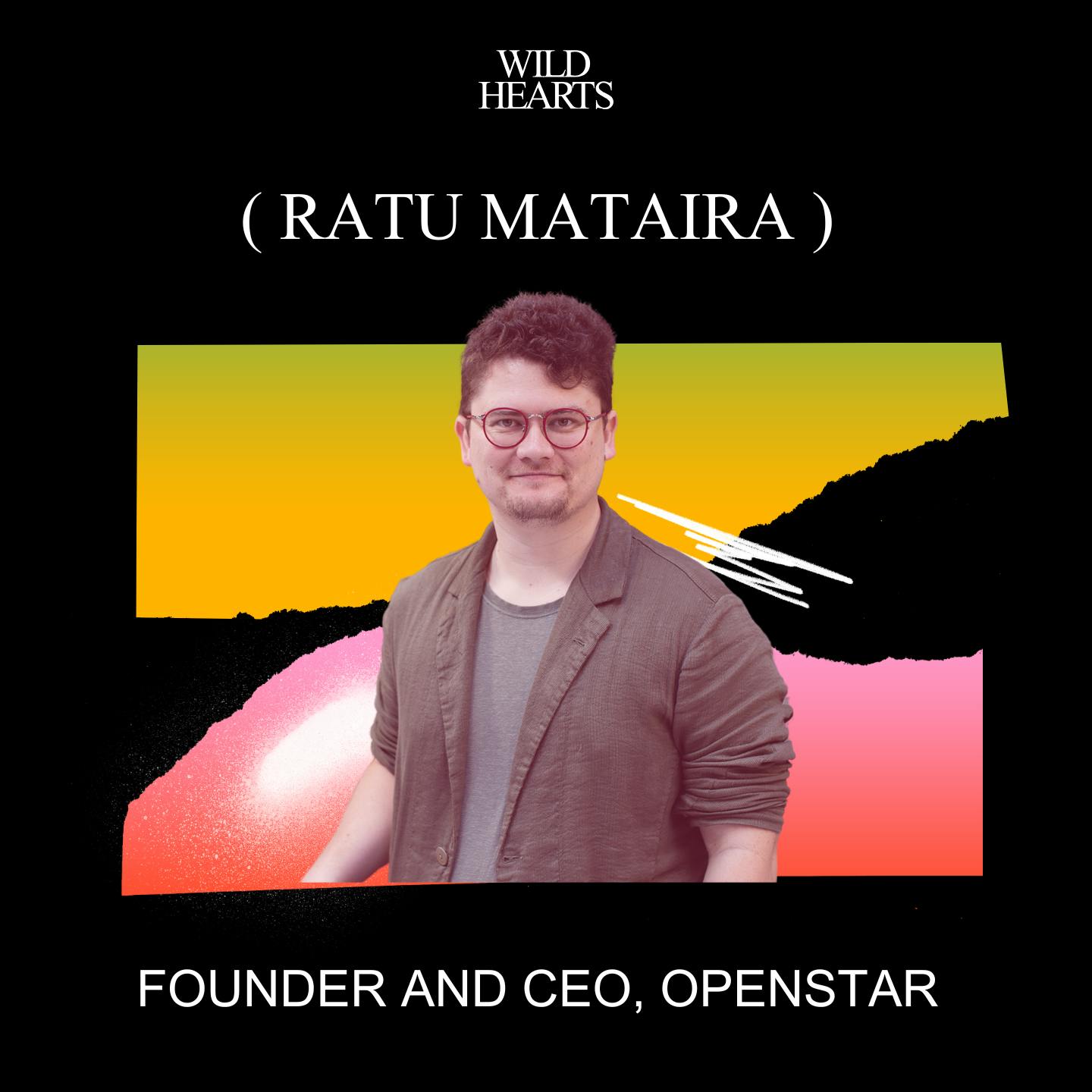 From Impossible to Obvious: OpenStar’s Fast-Track Approach to Fusion | What does it take to achieve nuclear fusion in less time than it takes to build a traditional power plant prototype? In this episode of Wild Hearts, we’re joined by Ratu Mataira, CEO of OpenStar, a company that just hit the crucial "first plasma" milestone in a staggering 16 months. We unpack the misconceptions surrounding fusion, the unique design of OpenStar’s levitated dipole reactor, and why the pathway to commercial fusion might be shorter -and more valuable - than most people think. 🔍 In this conversation, we cover: ⚡ How OpenStar achieved first plasma in just 16 months—years faster than competitors 💥 Why fusion isn’t “30 years away” anymore—and never really was 📉 How misconceptions about cost, scale and safety are holding the industry back 🔩 The engineering breakthrough that allows OpenStar to iterate faster 🧪 Why their first product won’t be a power plant—and what it might be instead 🏥 Medical isotopes, nuclear waste and imaging: the early use cases for fusion 🔧 “Always include a crank”: how failure tolerance fuels rapid learning 🚀 The startup mindset behind building a trillion-dollar fusion company This episode goes beyond fusion hype; it’s a candid look at how OpenStar is breaking barriers in one of the world’s hardest engineering challenges. | — | ||||||
Showing 25 of 90
Sponsor Intelligence
Sign in to see which brands sponsor this podcast, their ad offers, and promo codes.
Chart Positions
5 placements across 4 markets.
Chart Positions
5 placements across 4 markets.