

Insights from recent episode analysis
Audience Interest
Podcast Focus
Publishing Consistency
Platform Reach
Insights are generated by CastFox AI using publicly available data, episode content, and proprietary models.
Most discussed topics
Brands & references
Total monthly reach
Estimated from 3 chart positions in 3 markets.
By chart position
- 🇬🇧GB · Pets & Animals#1795K to 30K
- 🇭🇰HK · Pets & Animals#4010K to 30K
- 🇳🇴NO · Pets & Animals#164500 to 3K
- Per-Episode Audience
Est. listeners per new episode within ~30 days
7.8K to 32K🎙 ~2x weekly·232 episodes·Last published 3mo ago - Monthly Reach
Unique listeners across all episodes (30 days)
16K to 63K🇬🇧48%🇭🇰48%🇳🇴5% - Active Followers
Loyal subscribers who consistently listen
4.7K to 19K
Market Insights
Platform Distribution
Reach across major podcast platforms, updated hourly
Total Followers
—
Total Plays
—
Total Reviews
—
* Data sourced directly from platform APIs and aggregated hourly across all major podcast directories.
On the show
From 1 epsHost
Recent guests
No guests detected in recent episodes.
Recent episodes
The Omnivorous Appetite of the Butterwort
Mar 27, 2026
20m 36s
The Legend of the Siberian Unicorn
Mar 26, 2026
17m 44s
The Lyrebird: Nature’s Greatest Impersonator
Mar 25, 2026
21m 59s
How We Turned Wolves Into Patients
Mar 24, 2026
22m 46s
How Marine Animals Sleep Without Drowning
Mar 23, 2026
23m 18s
Social Links & Contact
Official channels & resources
Official Website
Login
RSS Feed
Login
| Date | Episode | Topics | Guests | Brands | Places | Keywords | Sponsor | Length | |
|---|---|---|---|---|---|---|---|---|---|
| 3/27/26 | 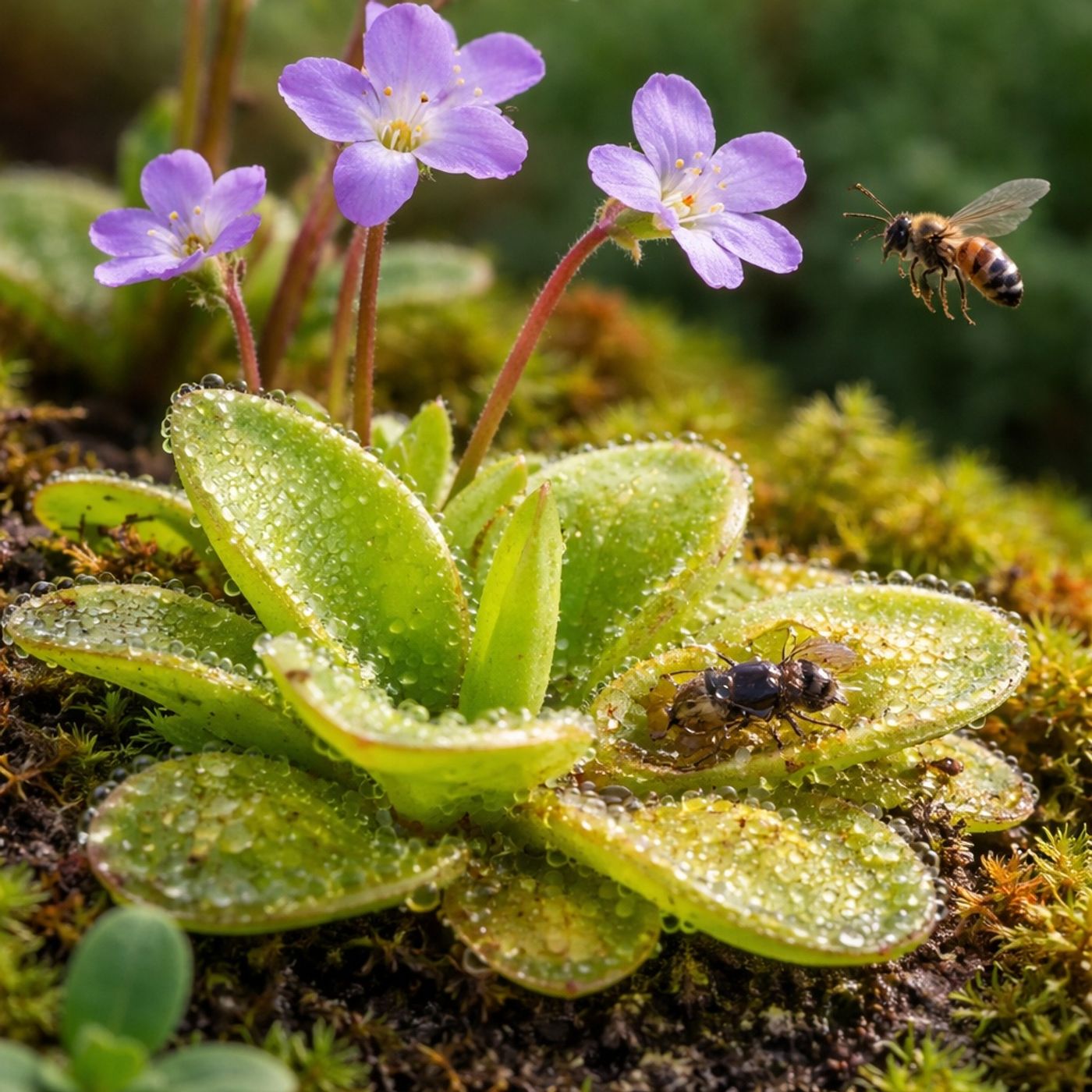 The Omnivorous Appetite of the Butterwort✨ | carnivorous plantsButterwort+4 | — | Wild Wonderspodcaistudio.com+1 | Arctictropical regions | Butterwortcarnivorous plant+4 | — | 20m 36s | |
| 3/26/26 | 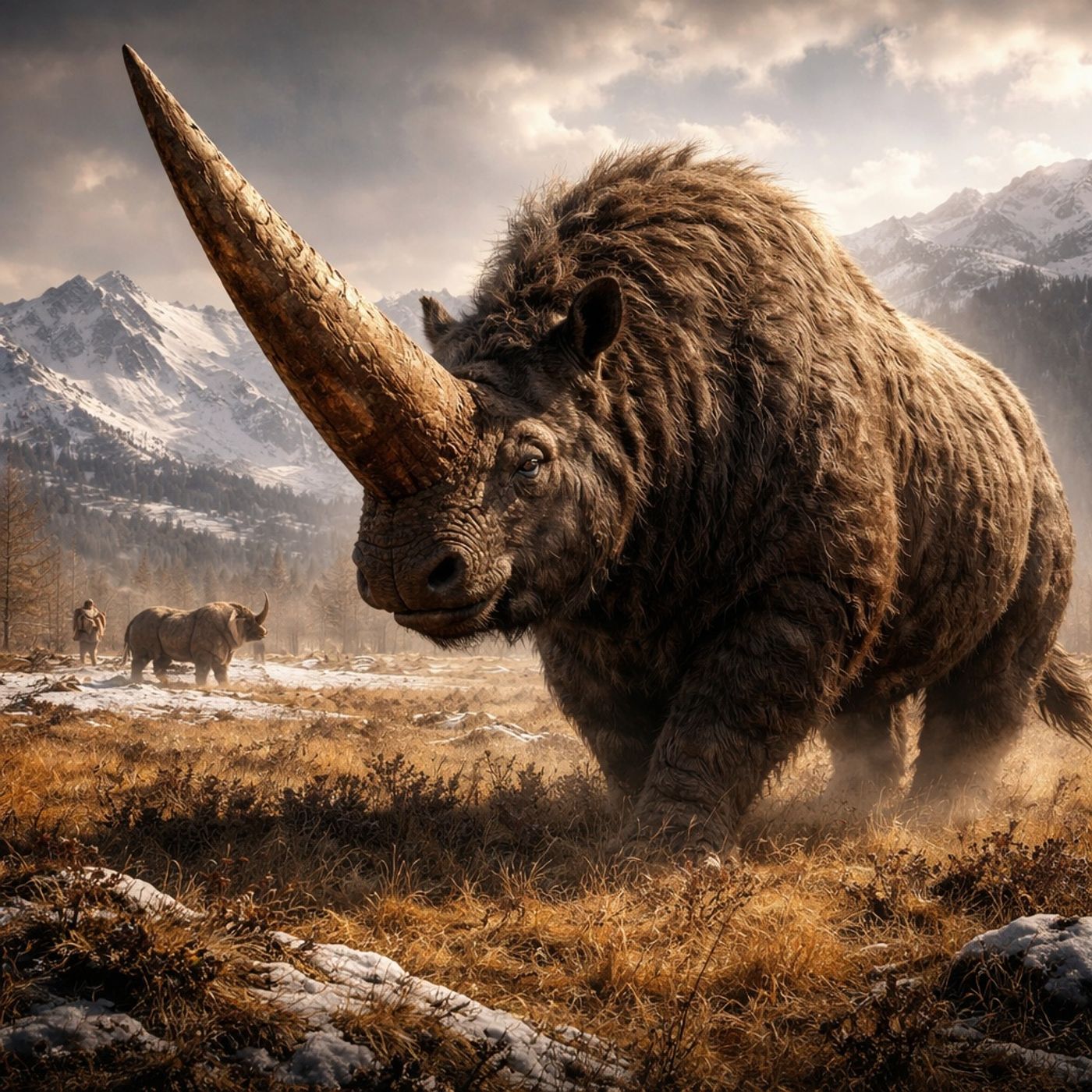 The Legend of the Siberian Unicorn | The Elasmotherium, often called the Siberian unicorn, was a massive prehistoric relative of the rhinoceros that once roamed Eurasia alongside early humans. Known for its enormous forehead horn — whose exact size is still debated — this powerful, five-ton herbivore was built for strength and grazing on tough vegetation. Although it resembled modern rhinos, it belonged to a distinct evolutionary line that survived for millions of years. Around 40,000 years ago, dramatic Ice Age climate shifts transformed its grassy habitats into frozen tundra, leading to its extinction. Today, fossil discoveries and ancient cave art help scientists piece together the story of this formidable giant and its role in prehistoric ecosystems.You can listen and download our episodes for free on more than 10 different platforms:https://linktr.ee/wild_wonders1Produced by:https://www.podcaistudio.com/ | 17m 44s | ||||||
| 3/25/26 | 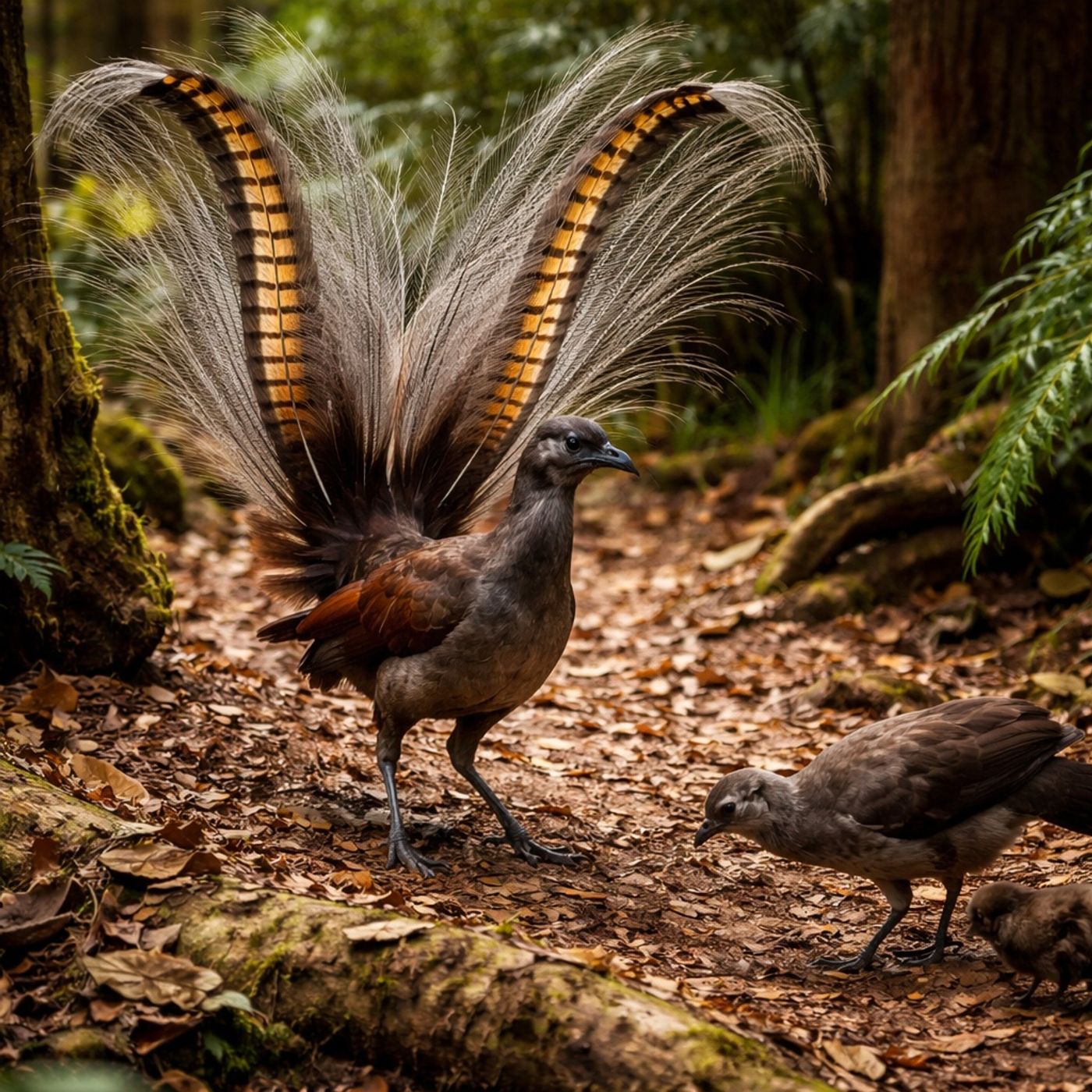 The Lyrebird: Nature’s Greatest Impersonator | A detailed overview of the superb lyrebird, an Australian avian species famous for its incredible ability to mimic both natural and artificial sounds. The text describes their physical characteristics, noting that males possess elaborate tail feathers shaped like an ancient harp which they use during complex mating displays. Beyond their vocal talents, these birds act as ecosystem engineers by displacing massive amounts of soil and leaf litter, an activity that helps prevent wildfires and promotes new plant growth. While they face threats from invasive predators, their populations remain stable due to habitat protection efforts. The material also contrasts the two specific species of lyrebird while highlighting the unique parenting roles where females raise offspring independently.You can listen and download our episodes for free on more than 10 different platforms:https://linktr.ee/wild_wonders1Produced by:https://www.podcaistudio.com/ | 21m 59s | ||||||
| 3/24/26 |  How We Turned Wolves Into Patients | Explores the evolutionary journey of dogs, tracing their transformation from wild wolves into the most physically diverse species on Earth through human domestication. Early breeding focused on practical roles like hunting, guarding, and herding, but over time — especially during the Victorian era — priorities shifted toward appearance and luxury traits. This emphasis on specific “designer” looks has contributed to serious genetic health problems caused by inbreeding and extreme body proportions, including breathing difficulties and heart conditions. It also examines the psychological “baby schema” effect that makes people favor exaggerated features, even when they harm the animal’s well-being, and critiques the rise of irresponsible puppy mills. In the end, the focus is on promoting ethical breeding standards, supporting healthier “retro” lines, and encouraging adoption to place animal welfare above trends and aesthetics.You can listen and download our episodes for free on more than 10 different platforms:https://linktr.ee/wild_wonders1Produced by:https://www.podcaistudio.com/ | 22m 46s | ||||||
| 3/23/26 |  How Marine Animals Sleep Without Drowning | Explores the remarkable ways marine animals manage to rest while living underwater. Because sleep is essential for survival, many species have evolved unique adaptations. Whales and dolphins, for example, practice unihemispheric sleep — shutting down only half of their brain at a time so they can remain alert and continue breathing. Seals and other pinnipeds use flexible sleep patterns depending on whether they are on land or in water, while some fish, like parrotfish, protect themselves by forming mucus cocoons as they rest. Even simple organisms such as jellyfish display sleep-like states, suggesting that the need for rest emerged very early in evolutionary history. Using advanced tools like EEG monitoring and fluorescent imaging, scientists continue uncovering how life beneath the waves finds ingenious solutions to recharge and survive.You can listen and download our episodes for free on more than 10 different platforms:https://linktr.ee/wild_wonders1Produced by:https://www.podcaistudio.com/ | 23m 18s | ||||||
| 3/22/26 | 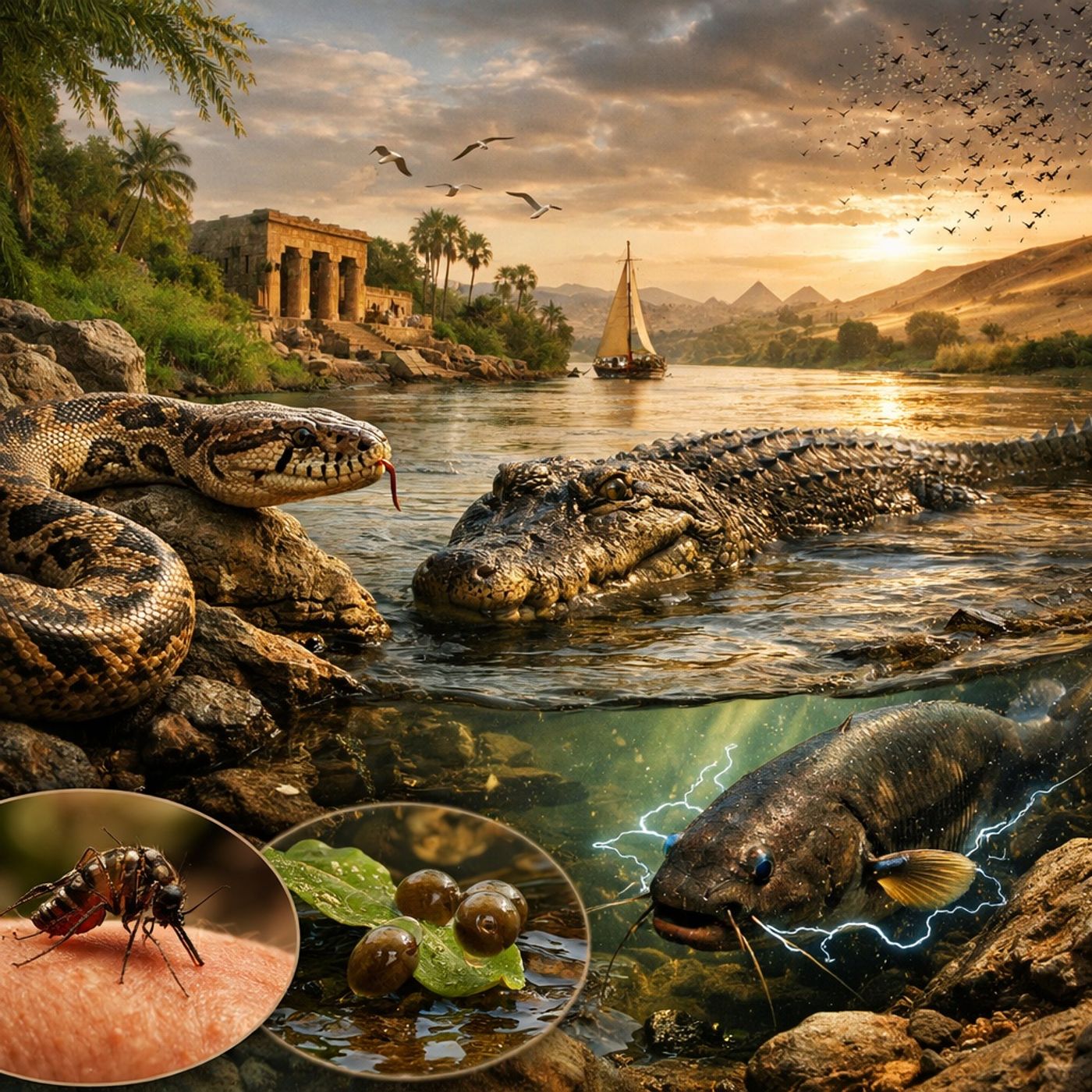 The Nile: Life and Death in the World’s Deadliest River | Explores the Nile River as both a life-giving force and a deadly ecosystem. Stretching across diverse landscapes from rainforests to vast deserts, the river sustains extraordinary biodiversity while also harboring serious dangers. It highlights formidable predators such as the African rock python, the Nile crocodile, and powerful fish like the electric catfish. Yet beyond these visible threats, mosquitoes and parasitic snails pose even greater risks to humans through the diseases they spread. Blending natural history with human history, the episode underscores the river’s crucial role in sustaining ancient civilizations while also addressing modern environmental pressures such as habitat loss and climate change.You can listen and download our episodes for free on more than 10 different platforms:https://linktr.ee/wild_wonders1Produced by:https://www.podcaistudio.com/ | 19m 41s | ||||||
| 3/21/26 | 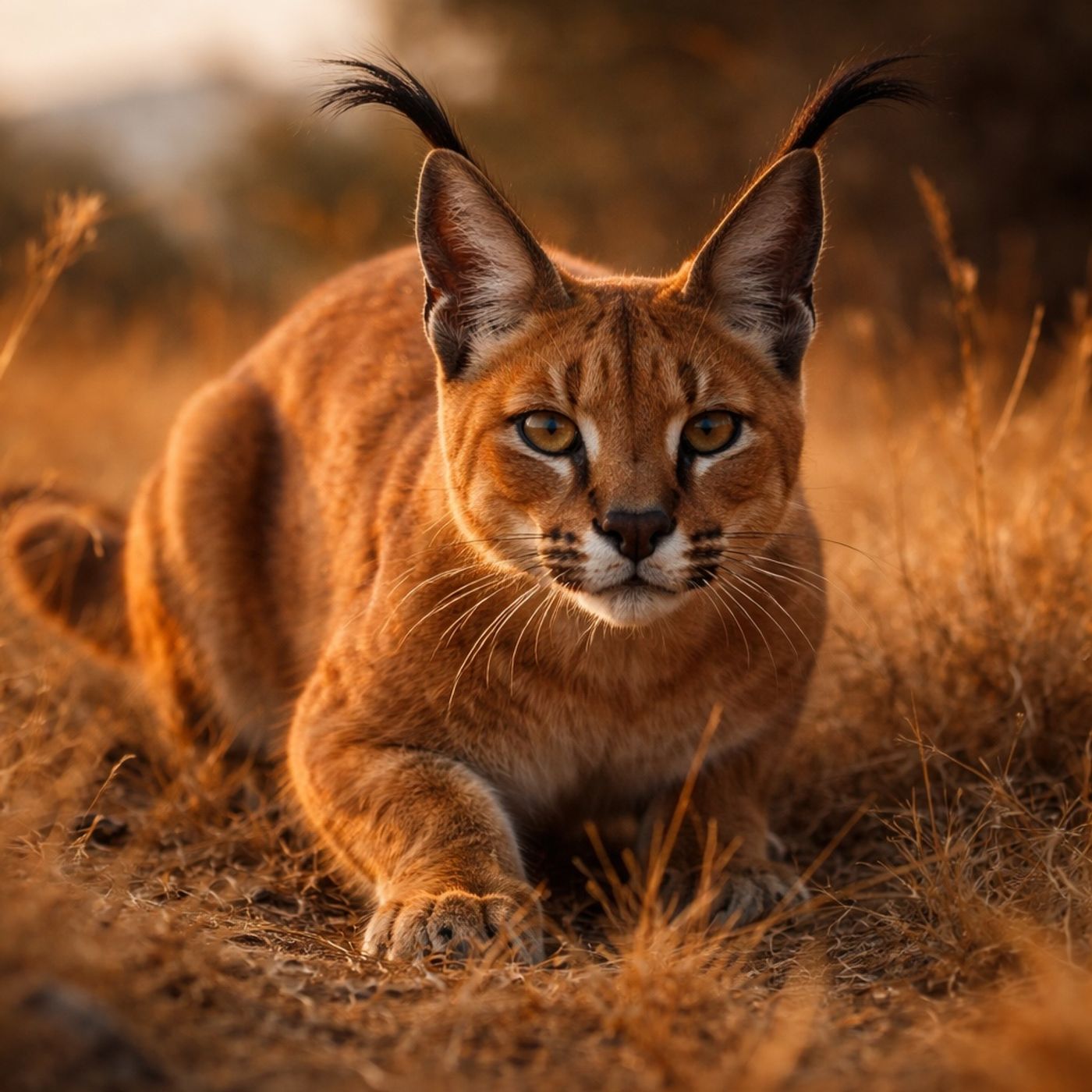 The Caracal: Master of the High Jump | The Caracal is a powerful and highly athletic wild cat that thrives across Africa and parts of Asia. Famous for its extraordinary vertical leaps, it can spring into the air to snatch birds mid-flight, using explosive muscle strength and precise timing. Its most striking features are its large ears and distinctive black tufts, which enhance hearing sensitivity and also play a role in communication. Although it resembles a lynx, it is more closely related to the Serval and is specially adapted for stealthy hunting in dry, open landscapes. With a diverse diet, wide-ranging territories, and kittens raised in hidden burrows to quickly master survival skills, the caracal remains one of the most efficient and dominant small predators in its environment.You can listen and download our episodes for free on more than 10 different platforms:https://linktr.ee/wild_wonders1Produced by:https://www.podcaistudio.com/ | 27m 43s | ||||||
| 3/20/26 | 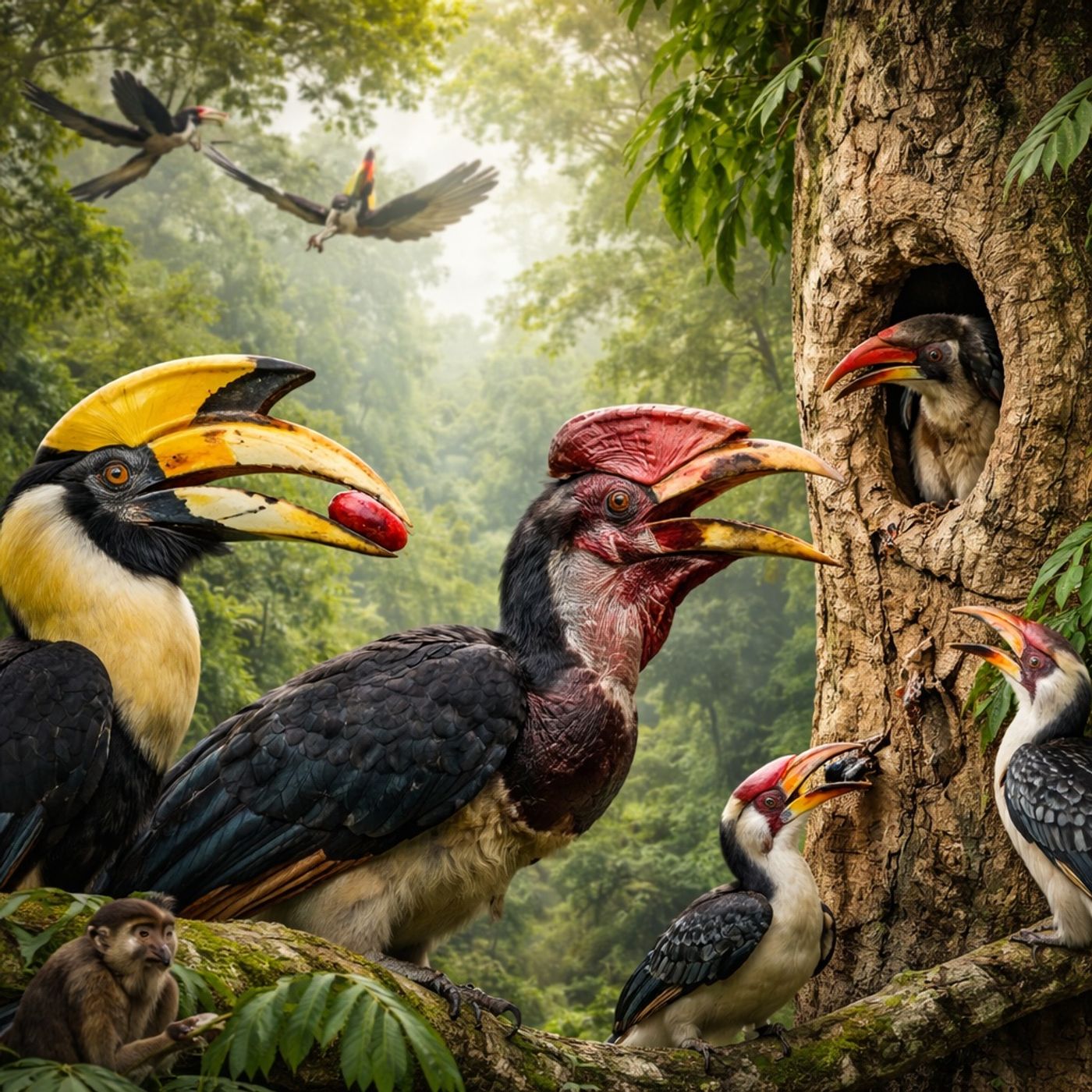 The Incredible World of Hornbills | Explores the remarkable biology and behavior of hornbills, a unique bird family native to Africa and Asia. Known for their striking casque structures — usually hollow and made of keratin — these features help with sound resonance and species recognition. However, the Helmeted hornbill stands apart with a solid casque that has made it critically endangered due to poaching. To support their enormous bills, hornbills evolved reinforced neck structures with partially fused vertebrae for added strength. One of their most extraordinary traits is their nesting ritual: females seal themselves inside tree cavities while their loyal, monogamous partners deliver food until the chicks are ready to emerge. Across species, hornbills display diverse diets and even cooperative behaviors with other animals for protection, showcasing a powerful example of evolutionary adaptation in the bird world.You can listen and download our episodes for free on more than 10 different platforms:https://linktr.ee/wild_wonders1Produced by:https://www.podcaistudio.com/ | 21m 41s | ||||||
| 3/19/26 |  The Vampire Plant That Sniffs and Strangles | Explores the fascinating and ruthless survival strategy of dodder, a parasitic group of plants that lives by draining nutrients from other vegetation. Unable to photosynthesize, these fast-growing vines must quickly locate a suitable host after sprouting, using chemical cues in the air to guide them. Once contact is made, they develop specialized structures called haustoria that pierce the host’s stem and tap directly into its nutrient supply. As they spread, dodder can form thick, tangled mats that overwhelm entire plant communities and even transmit harmful plant viruses. Despite their resilience and long-lived seeds, some host plants have evolved defensive tissues that prevent the parasite from fully penetrating their stems, creating an ongoing evolutionary battle between invader and host.You can listen and download our episodes for free on more than 10 different platforms:https://linktr.ee/wild_wonders1Produced by:https://www.podcaistudio.com/ | 16m 17s | ||||||
| 3/18/26 |  The Social Life and Sexual Dimorphism of Mandarin Ducks | This episode dives into the striking biology of the Mandarin duck, best known for its dramatic sexual dimorphism. Males display brilliant, multi-colored plumage designed to attract mates, while females wear subtle brown tones that provide vital camouflage in the wild. These differences are driven by female mate choice, especially during elaborate group courtship displays where vibrant coloration signals health and genetic strength.Beyond appearance, the species has unusual nesting habits, choosing tree cavities high above the ground. Shortly after hatching, ducklings must make a daring leap to the forest floor, demonstrating surprising toughness from the very start of life. Although often considered symbols of lifelong devotion, Mandarin ducks typically form monogamous pairs for a single breeding season. The episode also notes their close relationship to the Wood duck of North America, though successful hybrid offspring between the two are rare.You can listen and download our episodes for free on more than 10 different platforms:https://linktr.ee/wild_wonders1Produced by:https://www.podcaistudio.com/ | 18m 00s | ||||||
Want analysis for the episodes below?Free for Pro Submit a request, we'll have your selected episodes analyzed within an hour. Free, at no cost to you, for Pro users. | |||||||||
| 3/17/26 | 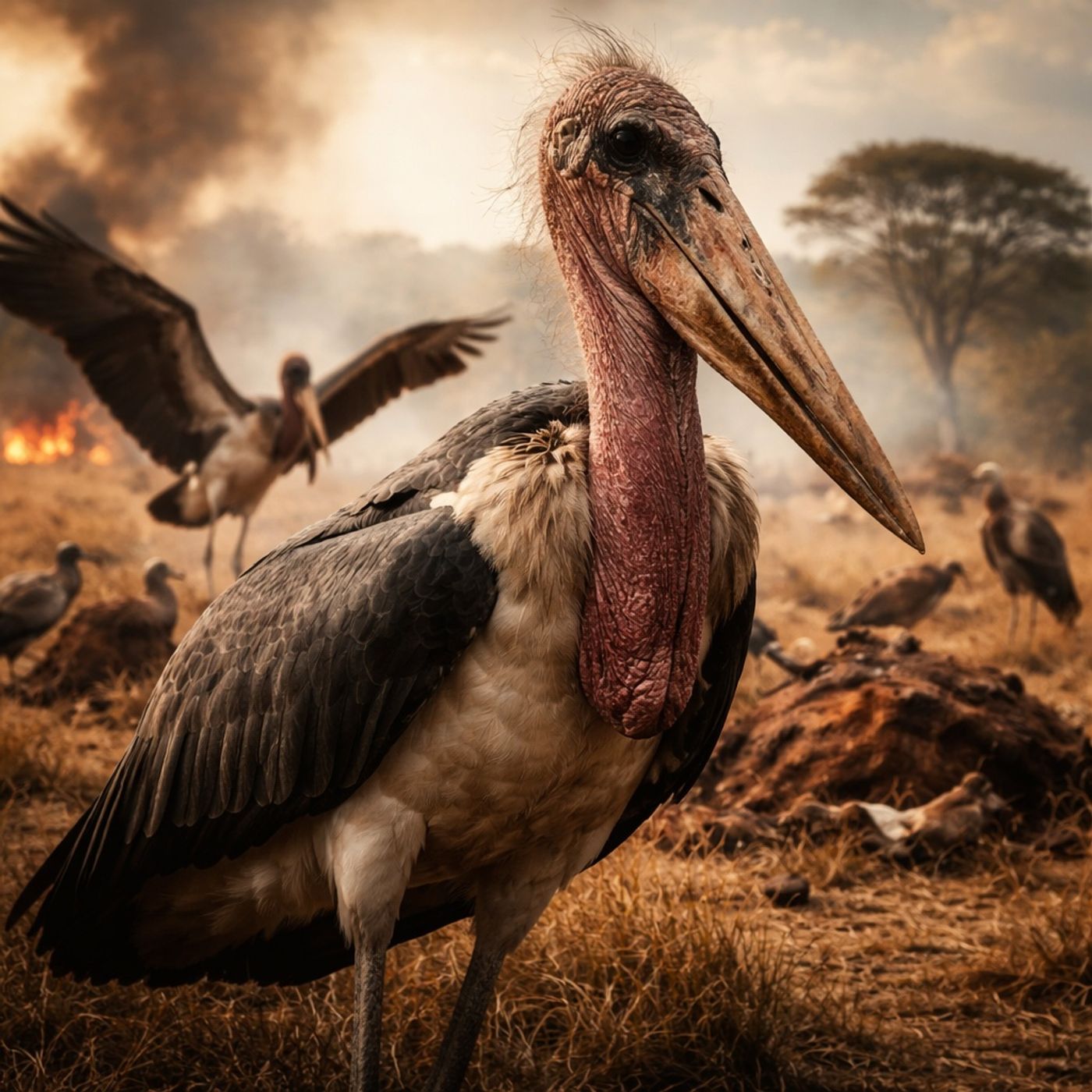 The Undertaker Bird: A Profile of the Marabou Stork | This episode explores the Marabou stork, a massive African wading bird notable for its vulture-like bald head and enormous wingspan, second only to the albatross. Nicknamed the “Undertaker bird” for its dark, cloak-like feathers, it lacks a voice box and communicates through bill-clapping and throat-pouch croaking. Marabou storks are opportunistic feeders, consuming carrion, small animals, and even taking advantage of grassfires to catch fleeing prey. To survive harsh conditions, they employ behaviors such as cooling their legs with excrement and soaring efficiently to conserve energy. Despite their unusual appearance and grim reputation, these resilient birds often form long-term mating pairs and thrive in both wild and human-influenced environments.You can listen and download our episodes for free on more than 10 different platforms:https://linktr.ee/wild_wonders1Produced by:https://www.podcaistudio.com/ | 20m 41s | ||||||
| 3/16/26 | 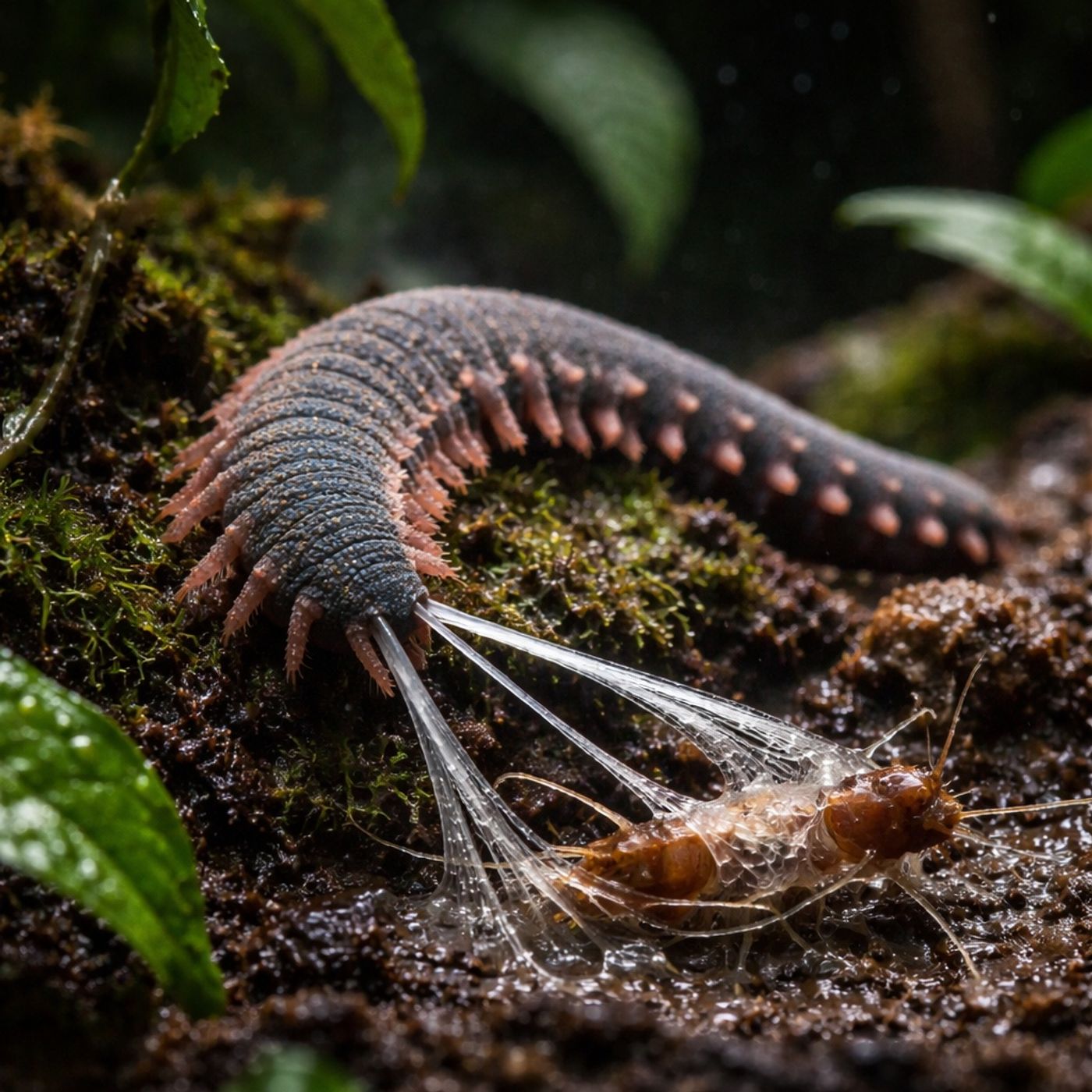 The Velvet Worm: Nature’s Slime-Slinging Predator | This episode explores the Velvet worm, an ancient and secretive invertebrate that thrives in humid tropical environments. Known for its soft, water-sensitive skin, the velvet worm employs a remarkable hunting strategy: it shoots high-pressure sticky slime from specialized glands to immobilize prey, then uses retractable, blade-like jaws to liquefy and consume it. Beyond hunting, these worms display diverse reproductive strategies and surprisingly complex social behaviors, including female-led hunting groups. Evolutionary biologists are captivated by them because they have remained largely unchanged for millions of years, offering a living glimpse into prehistoric life.You can listen and download our episodes for free on more than 10 different platforms:https://linktr.ee/wild_wonders1Produced by:https://www.podcaistudio.com/ | 23m 48s | ||||||
| 3/15/26 | 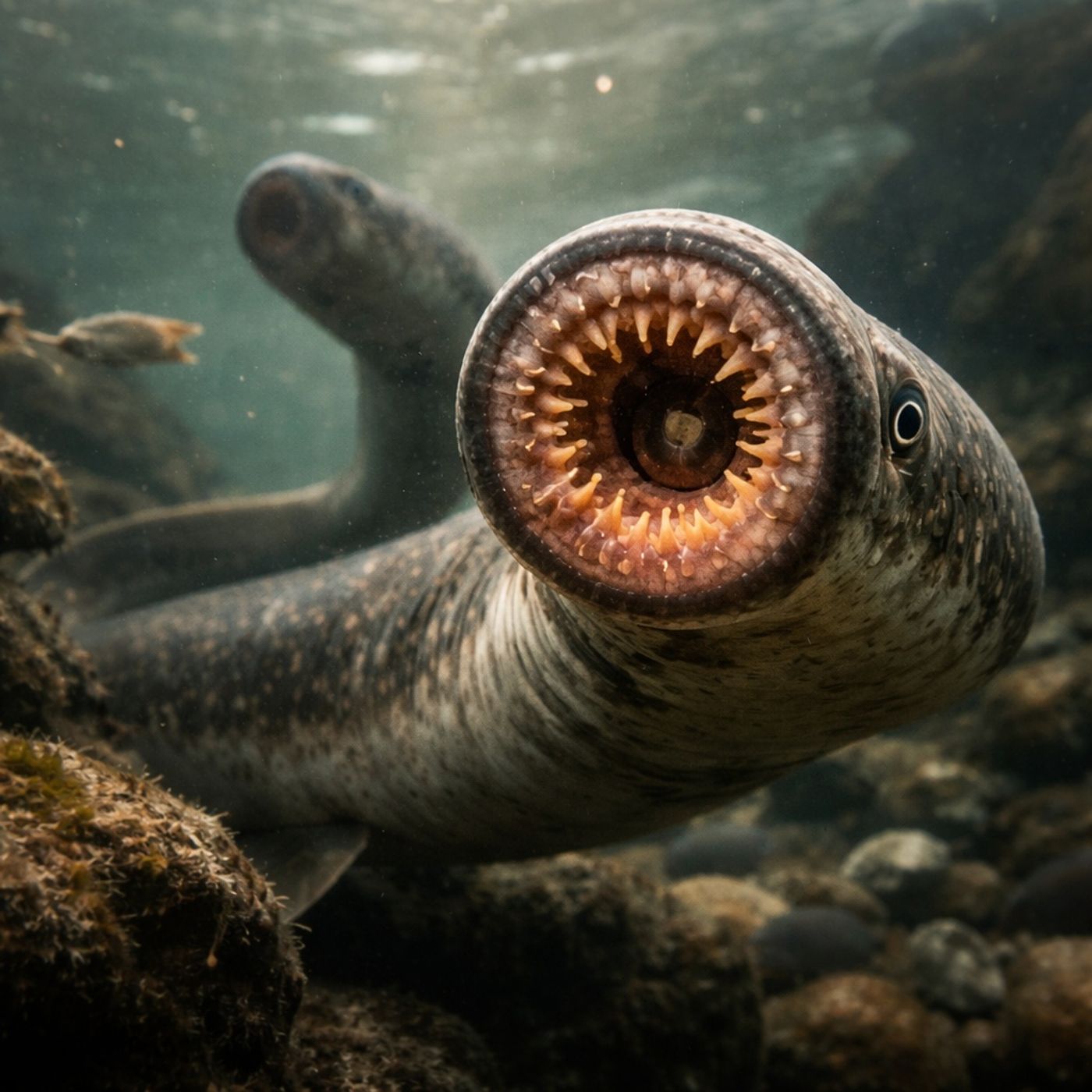 Blood and Water: The Lamprey Invasion of North America | This episode examines the Atlantic sea lamprey, an ancient jawless vertebrate with a cartilaginous skeleton and a unique parasitic feeding strategy. While larvae are harmless, adults use razor-sharp teeth and a rasping tongue to feed on the bodily fluids of other fish. After bypassing natural barriers like Niagara Falls through man-made canals, they became a major invasive threat in the North American Great Lakes, causing significant declines in species such as trout and salmon. To control their populations, environmental efforts include targeted pesticides, physical barriers, and pheromone traps. Despite their reputation as “vampiric” pests, some lamprey species are entirely non-carnivorous, and in certain cultures, they are even considered a luxury food.You can listen and download our episodes for free on more than 10 different platforms:https://linktr.ee/wild_wonders1Produced by:https://www.podcaistudio.com/ | 21m 27s | ||||||
| 3/14/26 | 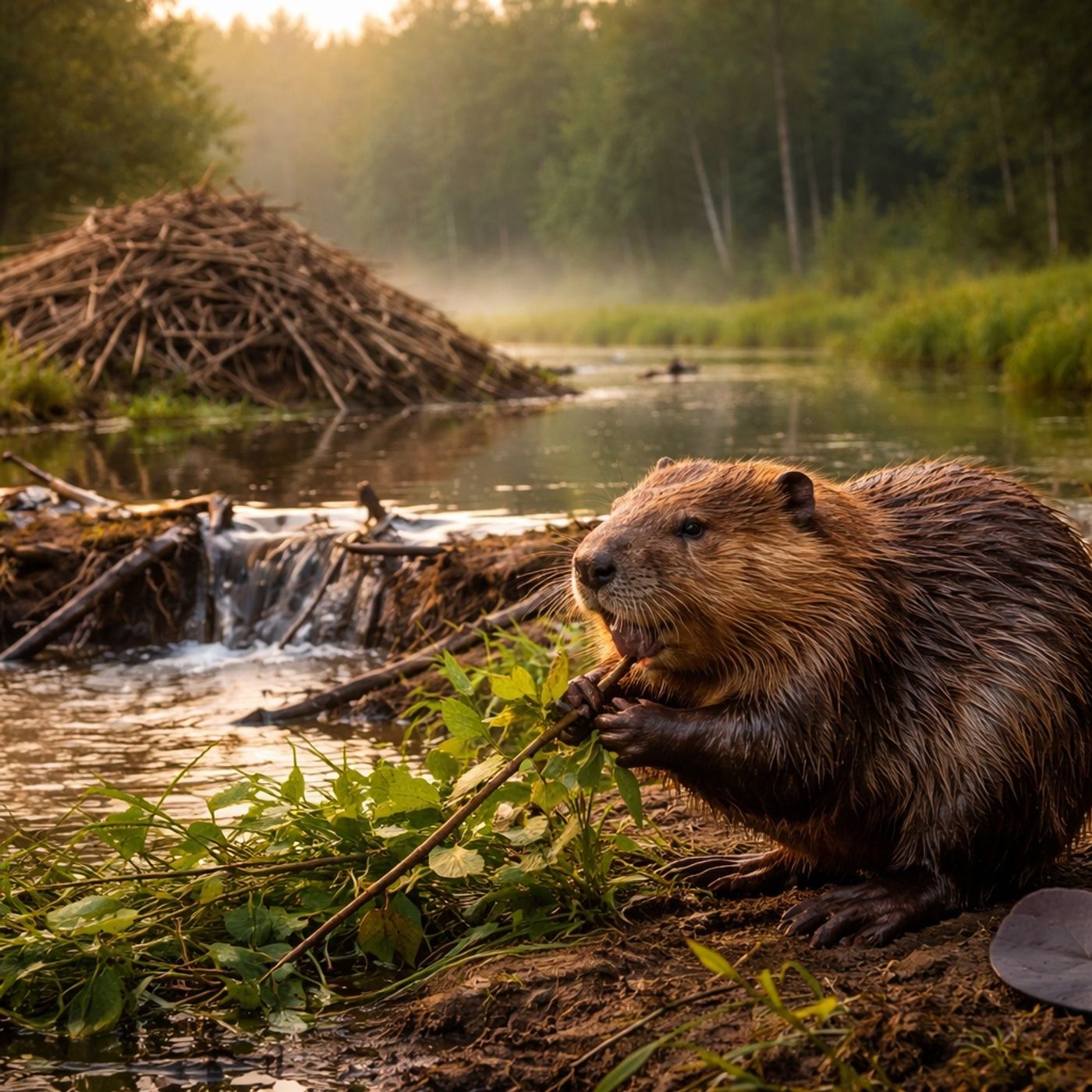 The Engineering Genius of the North American Beaver | This episode explores the North American beaver, a remarkable rodent renowned for its engineering skills and ecological impact. Equipped with waterproof fur and a specialized tail, beavers thrive in aquatic habitats while avoiding predators. Their construction of dams, lodges, and canals transforms landscapes, creating wetlands that support rich biodiversity. Although their activities can sometimes conflict with human interests through flooding or property damage, beavers remain a keystone species vital to ecosystem health. The episode also traces their history from near-extinction during the fur trade to their current status as a protected emblem of wilderness conservation.You can listen and download our episodes for free on more than 10 different platforms:https://linktr.ee/wild_wonders1Produced by:https://www.podcaistudio.com/ | 23m 11s | ||||||
| 3/13/26 |  Why Bananas Are Clones Facing Extinction | This episode explores the fascinating biology of the Banana, the world’s largest herbaceous flowering plant and technically a berry. While there are many varieties, including Blue Java and plantains, the global market is dominated by the Cavendish, which is grown as a genetic clone. Because these plants cannot reproduce sexually, they are highly vulnerable to diseases. History shows that earlier staple varieties were devastated by Panama disease, and new fungal threats now endanger the modern supply. To safeguard this essential crop, scientists are working to develop disease-resistant varieties through careful cultivation and research.You can listen and download our episodes for free on more than 10 different platforms:https://linktr.ee/wild_wonders1Produced by:https://www.podcaistudio.com/ | 16m 56s | ||||||
| 3/12/26 | 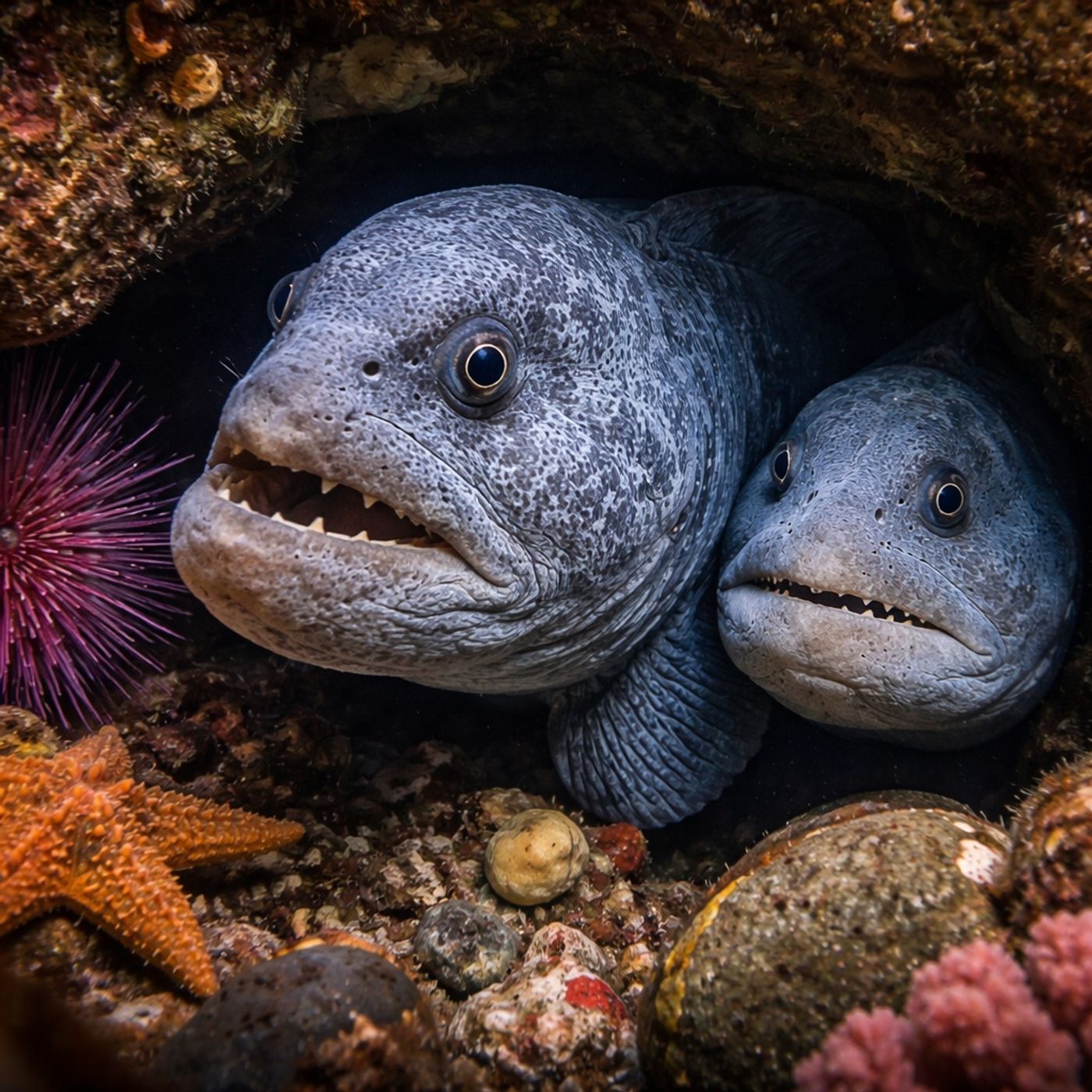 Wolf Eels Are Monogamous Monsters | This episode explores the Wolf eel, a fascinating fish often mistaken for a true eel. Despite their intimidating appearance and strong jaws capable of crushing spiny sea urchins, wolf eels are docile and can be friendly toward divers. Native to the North Pacific, they have elongated bodies and unique teeth that include both sharp canines and flat molars. Notably, they are monogamous, forming lifelong pairs that cooperate to protect their eggs within rocky dens. These gentle giants of the ocean showcase remarkable social and parental behaviors, highlighting the complexity of marine life.You can listen and download our episodes for free on more than 10 different platforms:https://linktr.ee/wild_wonders1Produced by:https://www.podcaistudio.com/ | 17m 58s | ||||||
| 3/11/26 |  The Explosive Invasion of Himalayan Balsam | This episode explores the Himalayan balsam, a striking yet invasive plant that has spread widely across the Northern Hemisphere. Known for its attractive flowers and sweet scent, it poses a serious threat to biodiversity by outcompeting native plants and drawing pollinators away from local flora. Its explosive seed dispersal allows a single plant to scatter hundreds of seeds meters away, while high nectar production and human activity accelerate its spread. The species also contributes to environmental issues like riverbank erosion when it dies back in winter. To control its impact, communities engage in manual removal, and scientists have introduced a specialized rust fungus as a biological control method.You can listen and download our episodes for free on more than 10 different platforms:https://linktr.ee/wild_wonders1Produced by:https://www.podcaistudio.com/ | 18m 54s | ||||||
| 3/10/26 | 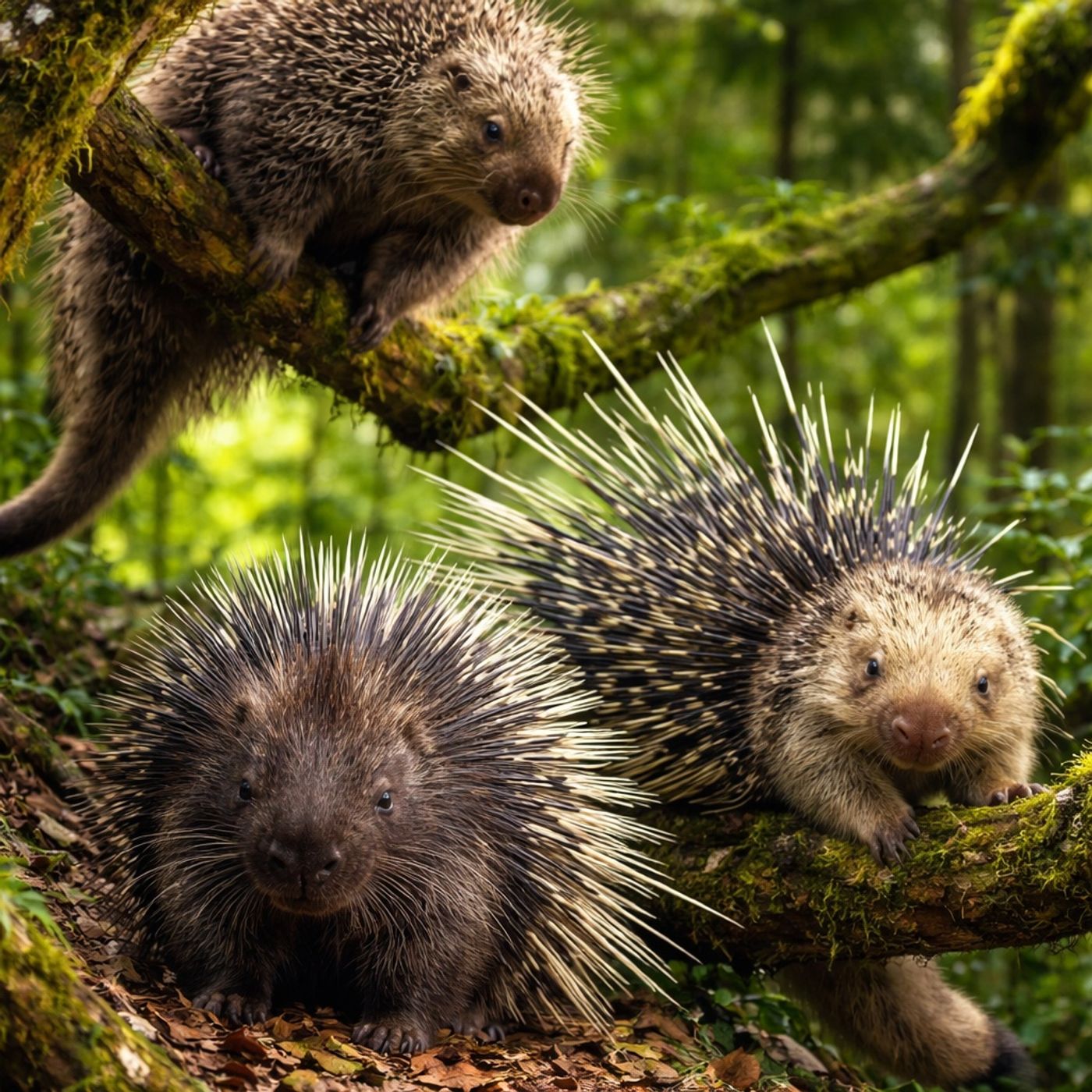 The Porcupine's Thirty Thousand Barbed Knives | This episode explores the remarkable diversity and defenses of porcupines, rodents found across the globe. While Old World and New World species share a spiky appearance, they evolved from distinct ancestors. Porcupines rely on thousands of barbed quills and natural antimicrobial secretions to protect themselves from predators. Species range from the large Crested porcupine to the agile, prehensile-tailed tree-dwelling porcupines of tropical regions. The episode also debunks myths, such as the notion that they can shoot their quills, while highlighting quirky behaviors like their tendency to fall from trees. Overall, porcupines emerge as resilient, highly adapted animals that thrive despite their solitary and slow-moving lifestyle.You can listen and download our episodes for free on more than 10 different platforms:https://linktr.ee/wild_wonders1Produced by:https://www.podcaistudio.com/ | 20m 59s | ||||||
| 3/9/26 |  Bladderworts Vacuum Prey In Milliseconds | This episode explores the Bladderwort, one of the fastest-moving carnivorous plants in the world. Rootless and found on every continent except Antarctica, bladderworts use tiny underwater sacs to capture prey with lightning-fast suction. When microscopic organisms touch the trigger hairs on a bladder, the trap snaps shut in milliseconds, enclosing the victim for digestion by enzymes. These plants often host commensal microorganisms like bacteria and algae inside their traps, which help break down food. Known for their vibrant, snapdragon-like flowers, bladderworts require consistently moist conditions to thrive, reflecting the marshes and bogs of their natural habitats.You can listen and download our episodes for free on more than 10 different platforms:https://linktr.ee/wild_wonders1Produced by:https://www.podcaistudio.com/ | 18m 14s | ||||||
| 3/8/26 | 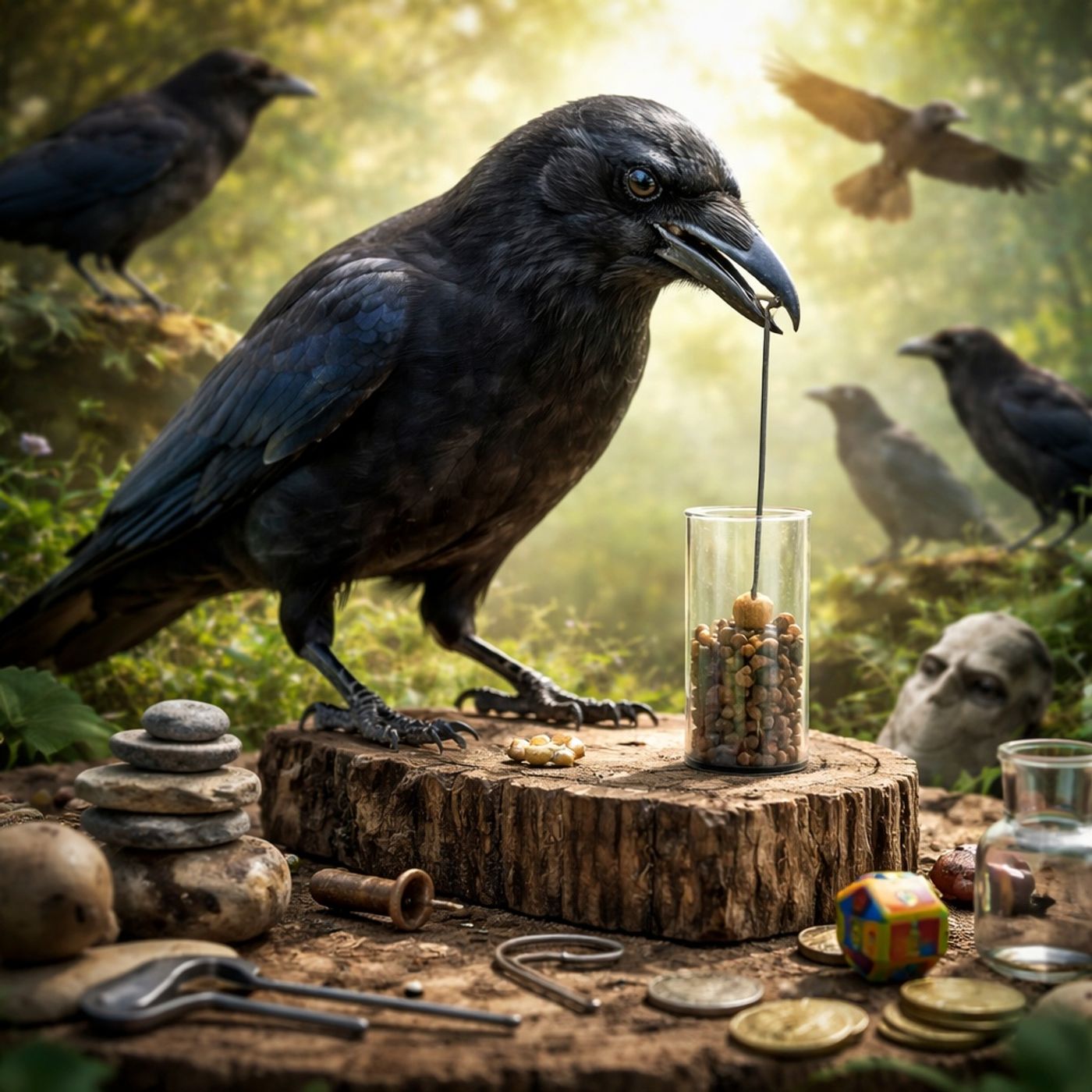 Crows Plan Heists And Hold Grudges | This episode explores the extraordinary intelligence of crows, shattering the “bird-brained” stereotype by comparing their cognitive abilities to those of primates and young humans. Despite lacking a cortex, their dense neural clusters enable advanced behaviors such as reasoning, planning for the future, abstract thinking, and complex tool use. Crows can count, mimic sounds, recognize individual human faces, solve problems, and even hold long-term grudges, passing knowledge about threats across generations. These birds demonstrate nearly every measure of human-like intelligence, showcasing remarkable adaptability, social complexity, and problem-solving skills.You can listen and download our episodes for free on more than 10 different platforms:https://linktr.ee/wild_wonders1Produced by:https://www.podcaistudio.com/ | 21m 55s | ||||||
| 3/7/26 | 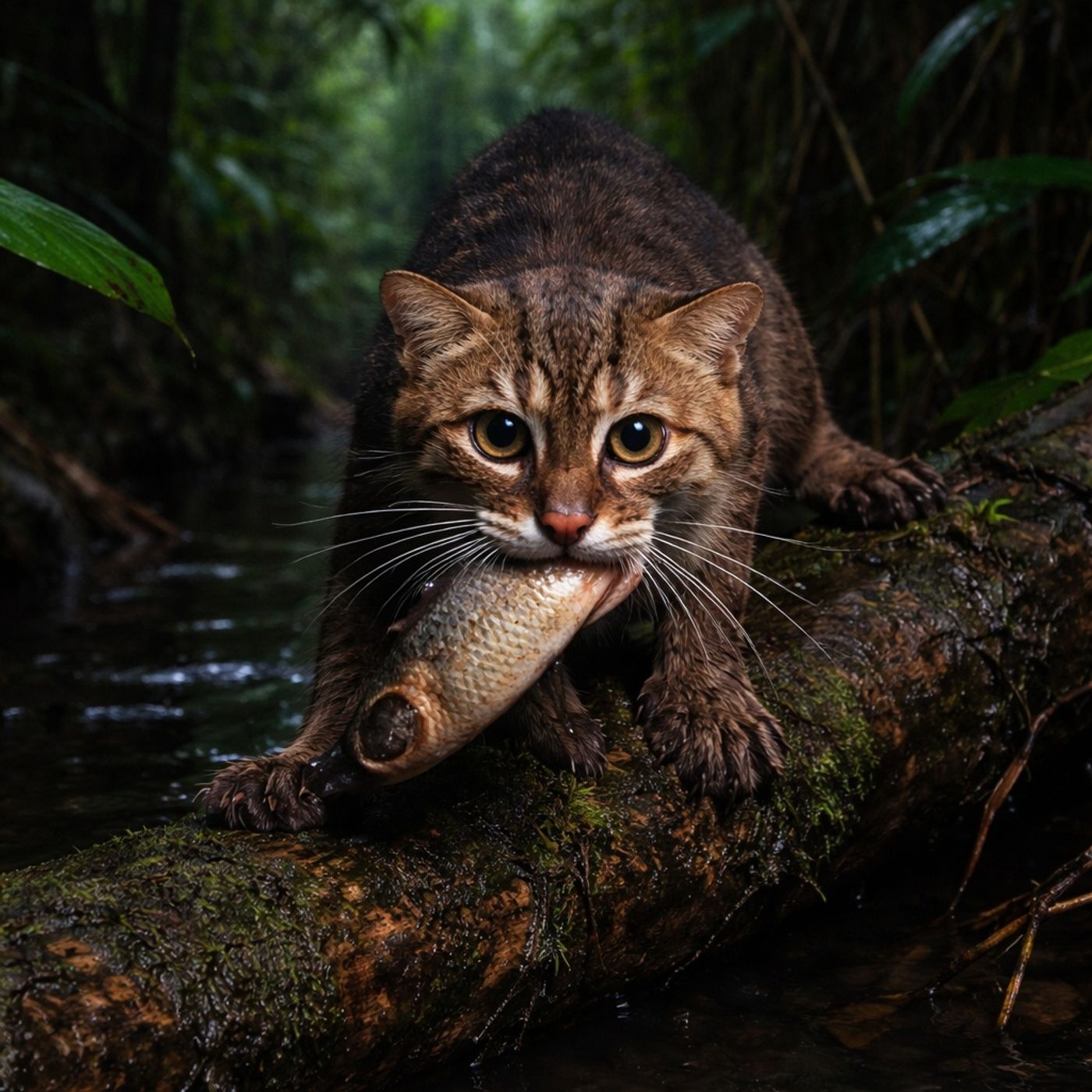 The Rare Evolution of the Flat-Headed Cat | This episode explores the Flat-headed cat, a small and elusive feline adapted to life in Southeast Asian peat swamps. Unlike most cats, it has aquatic adaptations, including webbed feet, a streamlined head, and specialized teeth for catching slippery fish. After a thirty-year gap, researchers in Thailand rediscovered the species using camera traps in challenging, waterlogged terrain. Despite these unique traits, flat-headed cats are threatened by habitat fragmentation and water pollution from industry. Conservation efforts focus on understanding how they might coexist with humans in agricultural areas, such as palm oil plantations, emphasizing the need for continued research and funding to protect this endangered species.You can listen and download our episodes for free on more than 10 different platforms:https://linktr.ee/wild_wonders1Produced by:https://www.podcaistudio.com/ | 11m 44s | ||||||
| 3/6/26 | 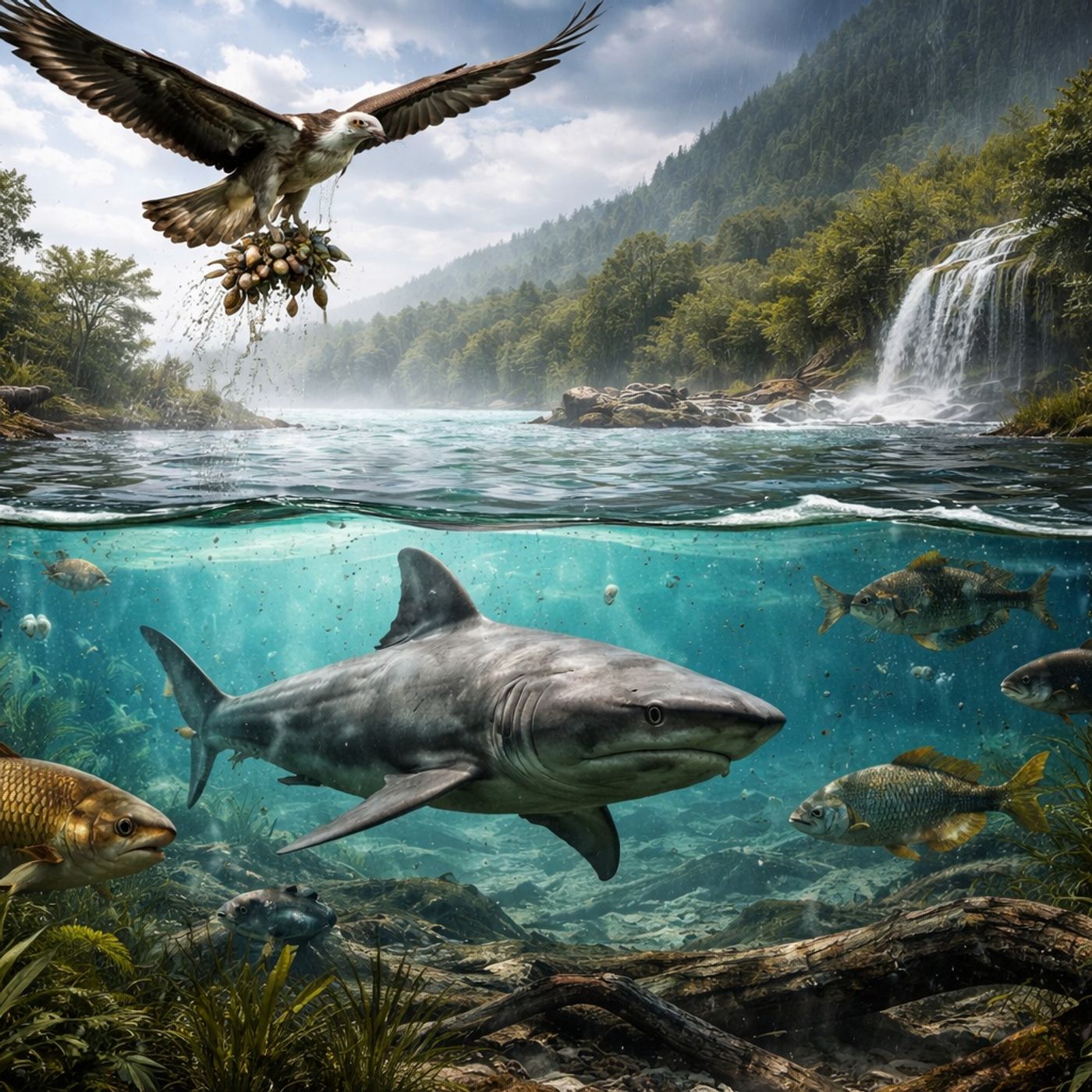 Golf Course, Sharks, and Raining Fish | This episode explores how fish and sharks come to inhabit isolated bodies of water through natural events and human activity. Naturally, species spread via flooding, geological changes, or even bird-mediated transport, where eggs are accidentally carried or passed through digestive systems. Some species, like the bull shark, have evolved specialized adaptations allowing them to survive in freshwater environments such as land-locked ponds. Human interventions, including aerial stocking and canal construction, also relocate species, sometimes creating ecological imbalances or invasive populations. The episode highlights the evolutionary consequences of isolation, showing how limited gene pools can drive rapid adaptation but also increase vulnerability.You can listen and download our episodes for free on more than 10 different platforms:https://linktr.ee/wild_wonders1Produced by:https://www.podcaistudio.com/ | 20m 33s | ||||||
| 3/5/26 |  How Dandelions Hack Physics to Fly | This episode explores the remarkable biology and history of the Dandelion, a plant celebrated for its global spread and resilience. Its seeds are equipped with a specialized structure that acts like a parachute, using air vortices to travel distances of up to 100 kilometers. While often considered a weed by modern gardeners, dandelions have long been valued for their dense nutrition and medicinal properties. Every part of the plant is edible, providing food for humans and wildlife such as honeybees and horses, and it is known for its natural diuretic effects. Through its ingenious seed dispersal and versatility, the dandelion has become one of the most successful and adaptable plants on Earth.You can listen and download our episodes for free on more than 10 different platforms:https://linktr.ee/wild_wonders1Produced by:https://www.podcaistudio.com/ | 19m 02s | ||||||
| 3/5/26 | 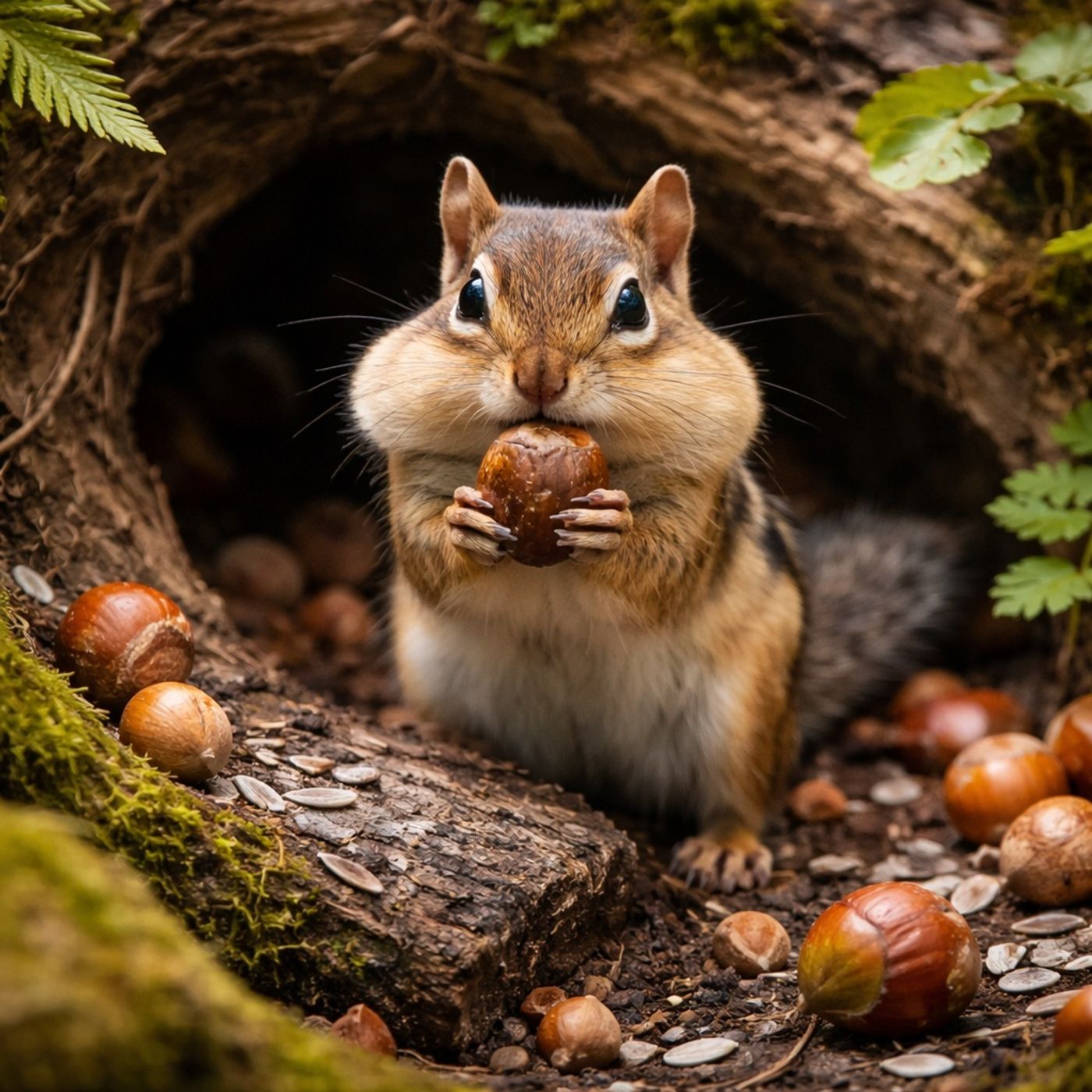 The Ferocious Life of the Cheeky Chipmunk | This episode explores the Chipmunk, a small but surprisingly resourceful rodent native to North America. Known for their elaborate underground burrows with specialized chambers, chipmunks are expert engineers and efficient food hoarders, storing seeds and nuts in their expandable cheek pouches. Despite their cute appearance, they are fiercely territorial and use loud calls to defend their space. Their diet is diverse, occasionally including predatory behavior toward birds and snakes during mating season. With specialized vision that allows them to track movement almost in slow motion, chipmunks navigate dangers while balancing constant grooming, food gathering, and the challenges of winter survival.You can listen and download our episodes for free on more than 10 different platforms:https://linktr.ee/wild_wonders1Produced by:https://www.podcaistudio.com/ | 22m 48s | ||||||
| 3/4/26 |  The Great Blue Heron | This episode explores the Great blue heron, a large and adaptable bird found across North America and parts of the tropics. Equipped with S-curved necks that act like spring-loaded striking tools, they hunt a varied diet of aquatic and terrestrial prey. Their feathers produce a special waterproofing powder, which historically made them targets for the luxury fashion industry. During breeding season, great blue herons perform elaborate courtship rituals, including stick-passing and synchronized nest-building, while cooperating closely to raise their young. Despite this partnership, mating pairs typically remain together for only a single season.You can listen and download our episodes for free on more than 10 different platforms:https://linktr.ee/wild_wonders1Produced by:https://www.podcaistudio.com/ | 17m 18s | ||||||
Showing 25 of 232
Pitch Fit is a Pro feature
See how bookable this show is for guests, which brands already advertise, the per-episode ad value, and the best-fit guest and sponsor profile. The numbers are blurred on the free plan.
How readily this show books outside guests like you.
How proven this show is for host-read sponsorships.
For Guests
ProFor Advertisers
ProUpgrade to Pro to unlock guest cadence, sponsor categories, fit scores, and per-episode ad value for this show.
Chart Positions
3 placements across 3 markets.
Chart Positions
3 placements across 3 markets.