

Insights from recent episode analysis
Audience Interest
Podcast Focus
Publishing Consistency
Platform Reach
Insights are generated by CastFox AI using publicly available data, episode content, and proprietary models.
Total monthly reach
Estimated from 3 chart positions in 3 markets.
By chart position
- 🇬🇧GB · Nature#8230K to 100K
- 🇳🇱NL · Nature#1291K to 10K
- 🇳🇿NZ · Nature#149500 to 3K
- Per-Episode Audience
Est. listeners per new episode within ~30 days
16K to 57K🎙 ~2x weekly·88 episodes·Last published 3d ago - Monthly Reach
Unique listeners across all episodes (30 days)
32K to 113K🇬🇧88%🇳🇱9%🇳🇿3% - Active Followers
Loyal subscribers who consistently listen
9.4K to 34K
Market Insights
Platform Distribution
Reach across major podcast platforms, updated hourly
Total Followers
—
Total Plays
—
Total Reviews
—
* Data sourced directly from platform APIs and aggregated hourly across all major podcast directories.
On the show
Recent episodes
The Invisible Thread: Exploring Our Connection to Nature
Jul 1, 2026
Unknown duration
Exploring the Enchantment of Avalon Marshes: A Summer Solstice Adventure
Jun 17, 2026
Unknown duration
The Clue Is in the Poo: A Field Guide to Wildlife Droppings.
Jun 3, 2026
Unknown duration
Discovering the Wet Woodlands of the Weald
May 20, 2026
Unknown duration
Wet Woodlands of the Weald
May 6, 2026
Unknown duration
Social Links & Contact
Official channels & resources
Official Website
Login
RSS Feed
Login
| Date | Episode | Description | Length | ||||||
|---|---|---|---|---|---|---|---|---|---|
| 7/1/26 |  The Invisible Thread: Exploring Our Connection to Nature | This week's episode of the A Wildlife Matters podcast delves into the profound influence of nature on our mental health and overall well-being. We explore the compelling notion that spending time outdoors is not merely a leisure activity but an essential means of enhancing our emotional and psychological well-being. The episode presents a wealth of scientific research alongside poignant anecdotes that underscore how nature fosters connections among individuals and communities alike. Furthermore, we offer practical strategies for integrating natural experiences into our daily routines, even amidst our hectic lives. Join us as we embark on this enlightening journey to uncover the myriad ways nature nurtures our minds, bodies, and spirits.An intriguing narrative unfolds as the episode transitions into the realm of wildlife news, highlighting the alarming disappearance of a rare hen harrier, a bird emblematic of the challenges facing avian species within the context of human activities. The investigation into this incident reveals a troubling trend of illegal persecution of birds of prey, particularly in areas associated with grouse shooting. Through detailed accounts from both researchers and law enforcement, the episode paints a vivid picture of the dangers these magnificent creatures face, urging listeners to become more aware of the implications of wildlife crime and the need for stringent protective measures.Takeaways: The podcast emphasises the profound connection between nature and human well-being, illustrating how time spent outdoors significantly enhances mental and physical health. Listeners are encouraged to integrate nature into their daily lives, with suggestions such as short outdoor walks and mindful observation of natural surroundings. The episode discusses the alarming issue of wildlife crime, particularly the illegal persecution of birds of prey, highlighting the need for greater awareness and action. A featured photography exhibition showcases the intricate relationship between people and nature, aiming to inspire a deeper appreciation for the environment and our place within it. Companies mentioned in this episode: RSPB National Trust University of Brighton Exeter University Stanford University | — | ||||||
| 6/17/26 | 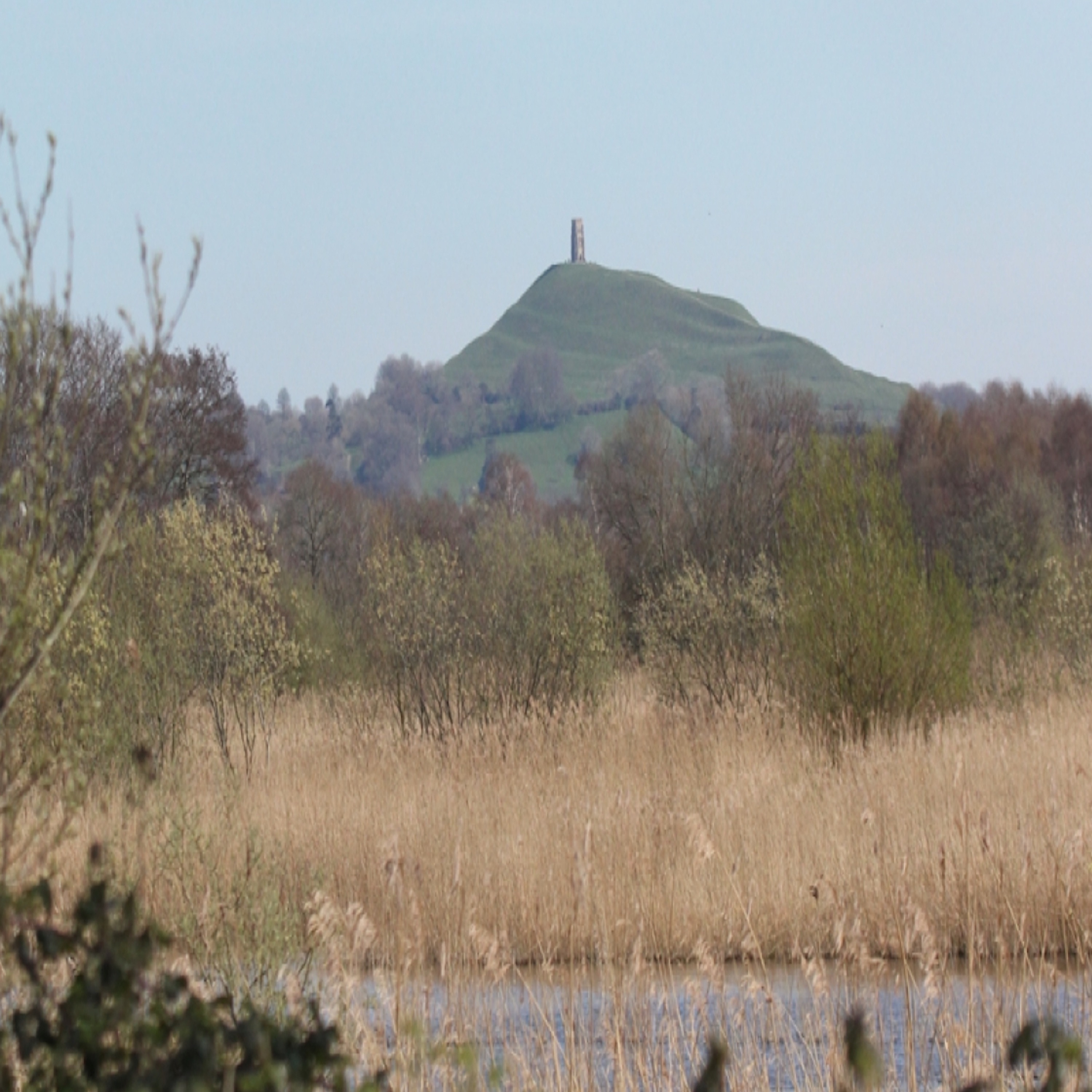 Exploring the Enchantment of Avalon Marshes: A Summer Solstice Adventure | This week, we delve into the critical issue of marine bycatch and its devastating impact on marine wildlife, including seabirds, dolphins, and whales. We explore recent findings indicating that over 10,000 seabirds and thousands of marine mammals are victims of this problem annually in the UK. Our discussion highlights innovative solutions, such as the acoustic pingers developed by FishTech Marine, which show promise in significantly reducing bycatch rates. Additionally, we celebrate the successful reintroduction of dormice into Leicestershire's ancient woodlands, a crucial step in restoring their declining populations. Finally, we announce the forthcoming Natural History GCSE, designed to enrich young people's understanding of the natural world and foster a new generation of conservationists.We visit Avalon Marshes in Somerset for the Summer SolsticeThe Wildlife Matters podcast invites listeners to embark on a journey to the Avalon Marshes, a picturesque wetland area within the Somerset Levels, as the summer solstice approaches. This episode combines elements of tranquillity with a call to action regarding the pressing environmental challenges faced by various wildlife species. The initial segment provides a serene auditory experience, immersing the audience in the soothing sounds of nature, thus fostering a sense of mindfulness and presence. This reflective moment enhances listeners' connection to the natural world, setting the tone for subsequent discussions.As the episode progresses, the focus shifts towards the critical issue of marine bycatch, which results in the unintentional capture and death of numerous marine animals, including seabirds, dolphins, and whales. Through detailed reporting and expert commentary, the podcast reveals the staggering statistics associated with bycatch, emphasising the urgent need for improved regulatory measures and innovative technologies. The segment featuring FishTech Marine’s development of acoustic pingers illustrates a proactive approach to mitigating bycatch and showcases the potential for technology to play a pivotal role in conservation efforts. Furthermore, the podcast discusses the government's responsibilities in addressing this issue and the need for public support for sustainable fishing practices.In a hopeful conclusion, the podcast highlights successful conservation efforts, such as the reintroduction of dormice to Leicestershire and the introduction of a new GCSE in Natural History to educate young people about the importance of wildlife and environmental conservation. Scheduled to begin in 2028, this educational initiative underscores the significance of nurturing a generation that is informed and engaged with the natural world. Through these narratives, the episode encapsulates a profound message about the interconnectedness of humanity and nature, urging listeners to advocate for sustainable practices and to cherish the biodiversity that enriches our planet.Takeaways: The podcast delves into the critical issue of marine bycatch, revealing alarming statistics about the unintended capture of seabirds and marine mammals. A notable aspect discussed is the innovative use of acoustic pingers to significantly mitigate bycatch, demonstrating the potential of technology in wildlife conservation. The successful reintroduction of Dormice in Leicestershire highlights the importance of habitat restoration in preserving endangered species. The upcoming Natural History GCSE aims to enhance young people's understanding of wildlife, reflecting a growing recognition of environmental education's significance. Listeners are encouraged to participate in the governmental consultation for the new GCSE, emphasizing the importance of public input in educational initiatives. The personal anecdotes shared during the exploration of Avalon Marshes provide a vivid illustration of the beauty and complexity of local ecosystems. Companies mentioned in this episode: Wildlife and Countryside Link Devon Wildlife Trust FishTech Marine DEFRA People's Trust for Endangered Species PTES Wildwood Trust Natural England Hawk and Owl Trust RSPB Wildlife Matters | — | ||||||
| 6/3/26 | 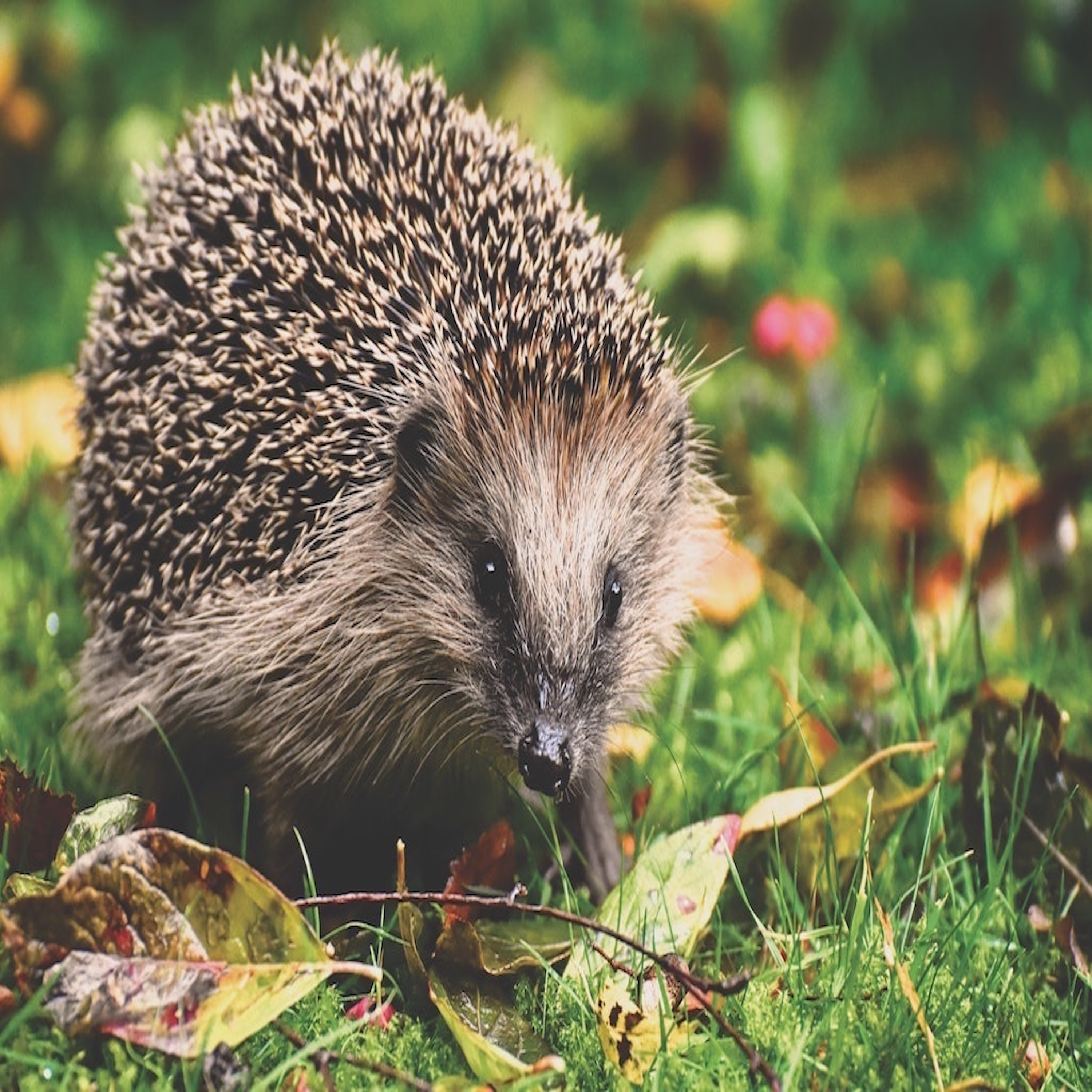 The Clue Is in the Poo: A Field Guide to Wildlife Droppings. | This week's Wildlife Matters podcast unveils an intriguing exploration into the world of nature detective work, aptly titled "The Clue is in the Poo." In this compelling feature, we delve into the significance of animal droppings as vital clues in understanding local wildlife and their habitats. Our discussion highlights the myriad insights that can be gleaned from these often-overlooked indicators, enriching our appreciation of the natural world. Additionally, we reflect on recent developments in wildlife conservation, including the inauguration of a green bridge designed to facilitate wildlife movement, and we address the ongoing issue of raptor persecution in Scotland. Join us as we embark on this enlightening journey, encouraging you to observe and engage with the wildlife that surrounds you.This week's episode of Wildlife Matters delves into the captivating world of wildlife detection through an examination of animal droppings, which we have aptly titled 'The Clue is in the Poo'. In this engaging segment, we unpack insights from studying scat, emphasising its significance as an indicator of local wildlife. By analysing the characteristics of analyses, including their morphology and chemical composition, we illustrate how these seemingly mundane remnants can provide profound information regarding the presence, habits, and health of the animal populations in our vicinity. Our discussion aims to inspire listeners to adopt a more inquisitive approach to their surroundings, transforming them into nature detectives who can decode the stories written in the landscape. Furthermore, the episode highlights recent developments in wildlife conservation, specifically the opening of the UK's inaugural heathland green bridge, which facilitates the movement of wildlife across human-made barriers. This landmark initiative exemplifies innovative approaches to addressing the challenges of habitat fragmentation, showcasing how thoughtful infrastructure can coexist with and benefit the natural environment. In stark contrast, we confront the disheartening issue of raptor persecution in Scotland, urging our audience to reflect on the implications of such actions for biodiversity and the ethical responsibilities we hold to protect endangered species. As we transition to our Wildlife Matters Mindful Moments, listeners are encouraged to immerse themselves in the serene ambience of a woodland at dusk, cultivating a sensory awareness that fosters appreciation for the complexities of wildlife interactions. This segment serves not only as a moment of reflection but also as a call to action, urging our audience to engage with their environments and contribute positively to the preservation of the natural world.Takeaways:In this week's episode of Wildlife Matters, we explore the intriguing topic of animal droppings, emphasising their significance in understanding local wildlife.The newly constructed green bridge across the A3 in Surrey, which connects lowland heath habitats, facilitates wildlife movement, demonstrating the harmonious coexistence of infrastructure and nature.Our investigative feature, 'The Clue is in the Poo,' illustrates how animal scat can reveal vital information about species, behaviours, and ecological dynamics across various habitats.Throughout our adventures in Somerset's woodlands, we uncover the hidden gems of nature, inviting listeners to engage with their local environments and share their discoveries with us.Companies mentioned in this episode:National HighwaysSurrey Wildlife TrustRSPBWildlife Matters OrgWant to get in touch?Email info@wildlife-matters.org | — | ||||||
| 5/20/26 | 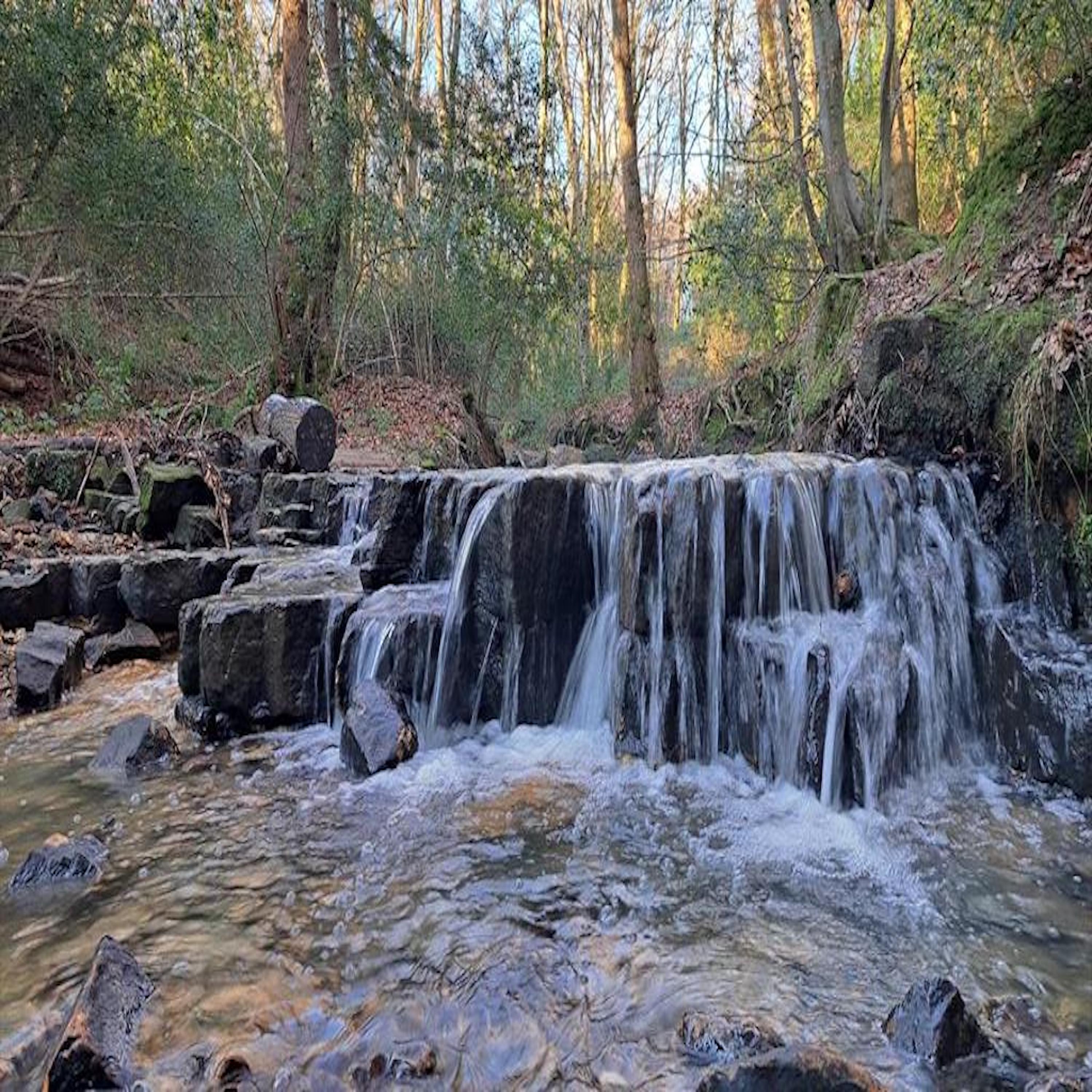 Discovering the Wet Woodlands of the Weald | This week's Wildlife Matters Podcast explores the enchanting wet woodlands of the Southern Weald, delving into the mysterious gills and the diverse flora that inhabit these ancient ecosystems. Our journey invites listeners to engage in fungi foraging, revealing the hidden wonders of nature as they don their boots in anticipation of a muddy adventure. Furthermore, we will intersperse our exploration with an auditory experience of nature, allowing the sounds of the woods to envelop us in a soothing embrace. Before immersing ourselves in this natural realm, we shall also examine pressing wildlife issues highlighted in this week's Nature News, including the public's strong opposition to badger culling in Wales and the ongoing campaign to ban trail hunting in London. Join us as we navigate the intricate connections between wildlife and conservation, fostering a deeper appreciation for the biodiversity that surrounds us.In this week's Wildlife Matters Podcast, we embark on an enlightening journey into the southern Weald's wet woodlands, a rare ecological treasure that exemplifies the intricate relationships within our natural world. As we traverse the lush landscapes of Flatropers Wood, the episode highlights the remarkable biodiversity supported by these ancient gill woodlands, including nationally rare ferns and a plethora of mosses. The hosts eloquently articulate the significance of these ecosystems, which serve as vital habitats for numerous species and exemplify the intricate balance of nature that has persisted for centuries.The discussion is further enriched by a critical examination of contemporary wildlife issues, particularly the debate surrounding badger culling in Wales. Drawing upon a recent RSPCA CYMRU survey that indicates substantial public disapproval of culling practices, the hosts emphasize the necessity for wildlife management strategies that prioritize scientific evidence and public sentiment. This dual focus on ecological exploration and pressing wildlife policy issues not only informs listeners but also inspires a sense of responsibility towards the preservation of our natural heritage. The episode concludes with a poignant reminder of the urgency to protect these precious habitats, urging listeners to engage in the ongoing dialogue about conservation and the role we all play in safeguarding the environment.Takeaways: In this episode, we delve into the critical public sentiment against badger culling in Wales, revealing that a significant majority of the population opposes this practice. Our exploration of the Weald's wet woodlands emphasizes the ecological importance of these ancient habitats, highlighting their biodiversity and the unique plant communities they support. We discuss the recent rally in London advocating for a ban on trail hunting, driven by a passionate public outcry for wildlife protection and ethical treatment of animals. This week's Wildlife Matters Nature News features the collaborative efforts of RSPCA and volunteers in North Wales, focused on rescuing and rehabilitating injured wildlife. The episode illustrates the profound interconnectedness of ecosystems, showcasing how the gill woodlands serve vital roles in biodiversity and carbon storage. Listeners are encouraged to engage with conservation efforts, underscoring the importance of community involvement in protecting local wildlife and habitats. Links referenced in this episode:League Against Cruel Sports Hunting ConsultationCompanies mentioned in this episode: RSPCA CYMRU Badger Trust League Against Cruel Sports UK Wildlife Transporters | — | ||||||
| 5/6/26 | 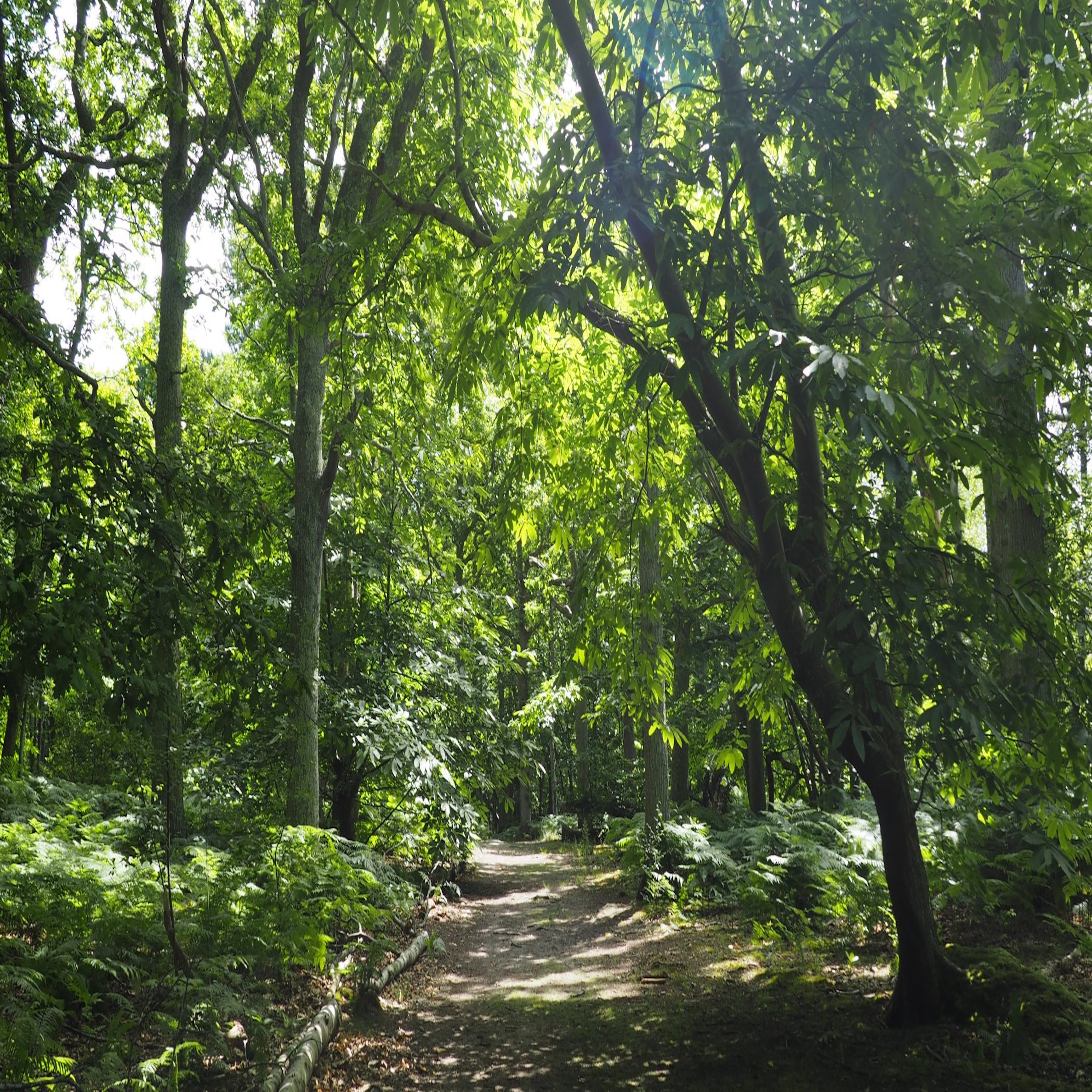 Wet Woodlands of the Weald | This week's podcast focuses on the important issue of hedgehog conservation. We discuss groundbreaking research from the University of Oxford that reveals hedgehogs can perceive ultrasound. Researchers have proposed using innovative ultrasonic repellers on vehicles to reduce hedgehog fatalities on roads significantly. This is particularly urgent, as hedgehog populations have declined by 70% in rural areas. In addition, we explore the rare and biodiverse temperate rainforests of the Southern Weald, where we will discover the unique flora that thrives in this habitat. In our Nature News segment, we will address the alarming state of marine environments, highlighting that only two of the fifteen evaluated factors meet the good environmental status threshold. Join us as we navigate these critical topics and foster a deeper understanding of wildlife preservation and the challenges our ecosystems face. This episode of "Wildlife Matters" takes us into the lush landscapes of the Southern Weald, presenting an engaging exploration of Britain's temperate rainforests. We emphasise their rich biodiversity and the conservation challenges they encounter. By immersing ourselves in the vibrant ecosystems of this unique habitat, we reflect on the importance of preserving these areas amidst the pressures of urbanisation and climate change. Our attention then turns to the concerning decline in hedgehog populations, which have dramatically decreased across the British countryside. Innovative research from the University of Oxford shows the potential of ultrasonic technology to protect these beloved creatures from road dangers. By integrating sound repellers into vehicles, we explore how this novel approach could significantly reduce hedgehog fatalities, highlighting the intersection of technology and wildlife conservation. This segment serves as a reminder of our collective responsibility to protect vulnerable species and foster coexistence with nature. In our Nature News segment, we confront the harsh realities facing the UK's marine environments. A recent report indicates that many marine species continue to struggle despite the establishment of Marine Protected Areas, as pollution and overfishing worsen their decline. We emphasise the necessity of a holistic approach to conservation that addresses the underlying causes of these challenges, rather than relying solely on designated areas. This analysis serves as a poignant reminder of the urgent work required to restore balance to our ecosystems and the critical role each of us plays in this endeavour. **Takeaways:** - The exploration of the Southern Weald reveals a rich and unique biodiversity that deserves extensive study and conservation efforts. - New research indicates that hedgehogs can perceive ultrasound frequencies, paving the way for innovative protective measures against vehicular hazards. - Marine Protected Areas in the UK are currently insufficient to tackle the overarching issues of pollution and climate change affecting marine ecosystems. - The annual mayfly dance serves as a crucial mating ritual, highlighting the delicate balance of survival within insect populations amid species decline. - The phenomenon of mistletoe dispersal emphasises the intricate relationships between flora and fauna, particularly highlighting the role of birds in its propagation. - The diverse flora of ancient woodlands, such as Butcher's Broom and Hartstongue Fern, reflects the historical significance and ecological importance of maintaining these habitats.Companies mentioned in this episode:University of OxfordUniversity of CopenhagenInternational Union for the Conservation of NaturePeople's Trust for Endangered SpeciesBritish Hedgehog Preservation SocietyDepartment for Environment, Food and Rural AffairsOffice for Environmental ProtectionImperial College London | — | ||||||
| 4/22/26 | 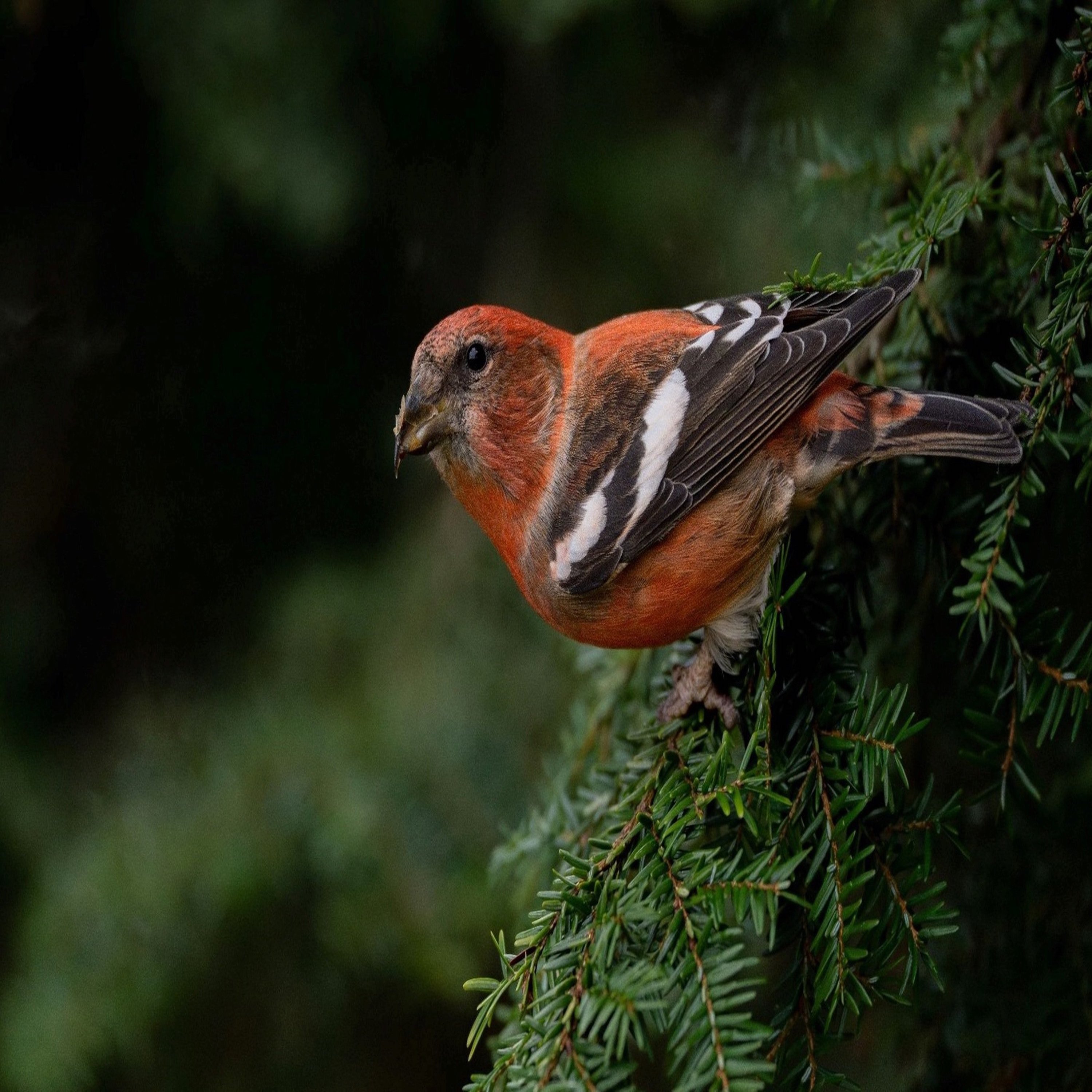 Early Nesters - Exploring the Evolutionary Edge | In the latest instalment of Wildlife Matters, we delve into the intriguing realm of early nesters those audacious avian species that embark on the formidable task of rearing their progeny amidst the lingering chill of winter. This episode seeks to elucidate the motivations behind their seemingly perilous decision to nest early and to ascertain whether this strategy ultimately yields favourable outcomes for their offspring. As we traverse this compelling narrative, we will also pause for Wildlife Matters Mindful Moments, offering you an opportunity to immerse yourself in the soothing sounds of nature and foster a moment of tranquillity in your day. Additionally, we will present the latest developments in the natural world through our Wildlife Matters Nature News, bringing you the most pressing stories that demand our attention and reflection. Join us as we embark on this enlightening journey into the lives of our feathered companions.Info@wildlife-matters.orgTakeaways:This episode marks the commencement of Series 8, which brings forth new adventures and wildlife encounters.We delve into the intriguing behaviours of early nesters, birds that begin nesting while winter still prevails.The episode highlights the importance of responsible bird feeding practices to avoid harming local wildlife.Listeners are encouraged to participate in the government's trail hunting consultation, a significant moment for animal welfare.Wildlife Matters Mindful Moments invites listeners to pause and reflect, surrounded by the calming sounds of nature.The discussion emphasises the diverse nesting strategies of various bird species, showcasing their adaptability and resilience.Links referenced in this episode:www.rspca.org.ukwww.leagueagainstcruel sports.orgwww.bto.orgwww.publiclibraryofscience.orgwww.crimestoppers-uk.orgCompanies mentioned in this episode:League Against Cruel SportsRSPCABritish Trust for OrnithologyRSPBBadger TrustWildlife Matters OrganisationIf you have some news to share or want to tell us about your project, campaign or maybe something exciting you have seen or heard about, then please get in touchOur email is info@wildlife-matters.org | — | ||||||
| 3/25/26 | 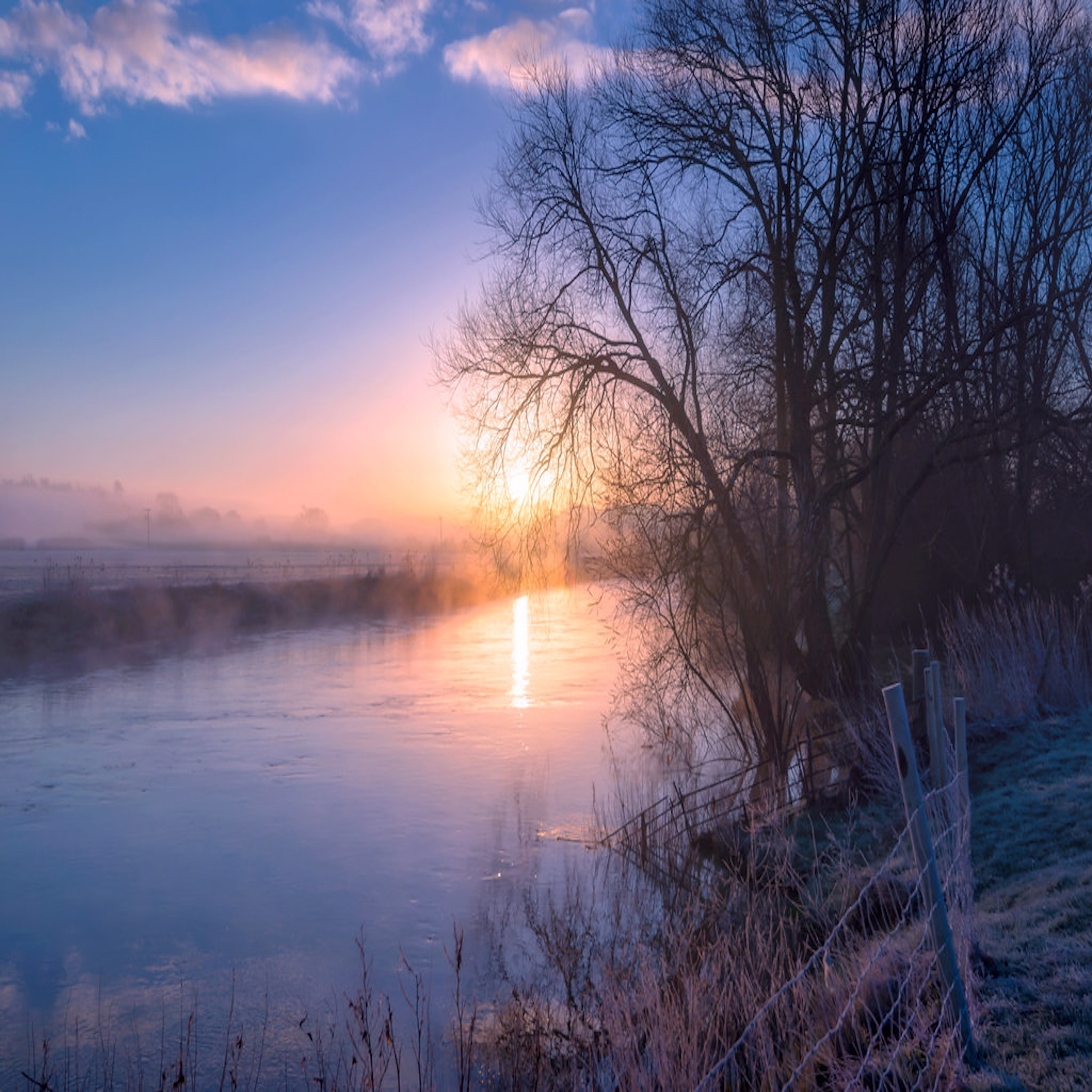 Back to the Light: Celebrating the Spring Equinox | Celebrating the arrival of the spring equinox, this week's Wildlife Matters podcast presents two captivating tales rooted in folklore that illuminate the intricate relationships between nature and humanity.The first story, "The Alder Sprite," intricately weaves themes of respect for the natural world and the consequences of human folly, drawing upon the rich traditions of Celtic mythology. This tale serves as a poignant reminder of the importance of heeding nature's warnings. Following this, I share my own narrative, "The Black Fox," inspired by my lifelong fascination with wildlife, particularly the elusive fox, and the complex emotions surrounding its pursuit. Together, these stories encapsulate the essence of spring, a time for renewal and reflection on our connection to the wild.Spring Equinox SpecialIn this week's instalment of the Wildlife Matters podcast, listeners are transported into the realm of nature and folklore, celebrating the spring equinox through two captivating tales.The episode begins with a profound reflection on the equinox, a moment in time when day and night hold equal sway. This celestial event signifies the renewal of life and the awakening of nature, prompting us to shake off the remnants of winter and embrace the vibrancy of spring. The first narrative shared is 'The Alder Sprite,' a tale deeply rooted in Somerset folklore and Celtic beliefs, which underscores the mystical qualities attributed to the alder tree.Through the character of Tam, we witness the consequences of ignorance and disrespect towards nature, culminating in a cautionary tale that reverberates with historical significance.Subsequently, the podcast unveils 'The Black Fox,' an original story that intertwines personal experiences with a broader commentary on humanity's relationship with the natural world. The narrative unfolds the story of a lord driven by greed and desire, whose quest for control ultimately leads to his ruin.The black fox, with its enchanting presence, serves as a symbol of resilience and the wild spirit, reminding us of the importance of coexistence rather than domination. This tale encourages listeners to reflect on their own interactions with nature, urging a deeper understanding of the interconnectedness that binds us all.As the episode draws to a close, we are left with a poignant reminder of the role that storytelling plays in shaping our perceptions of the world. The tales shared in this episode not only entertain but also serve as powerful vehicles for imparting wisdom about our responsibilities towards the environment and the creatures that inhabit it. The transition into spring invites us to rekindle our connection with nature, listen to its whispers, and honour the cycles of life that enrich our existence.Takeaways:The Spring Equinox, a celestial event where day and night are equal, symbolises renewal and the awakening of nature.The Alder Sprite story highlights the deep-rooted folklore connecting trees to spirits and the importance of respecting nature.The narrative of Tam and the Alder tree serves as a cautionary tale about the consequences of ignoring nature's warnings.The Black Fox represents the intertwining of folklore, personal experience, and nature, illustrating the deep bond between humans and wildlife. | — | ||||||
| 3/11/26 |  A Journey Through Nature: Our Winter Wildlife Adventure | This week, we embark on a winter wildlife walk in an ancient woodland, where we will immerse ourselves in the tranquil beauty of nature and capture moments on audio and video for our podcast and YouTube episodes.Our exploration begins with a review of intriguing wildlife and nature news, including the remarkable return of beavers to Cornwall's rivers after a 400-year absence and an inspiring project in Wales aimed at reconnecting fragments of temperate rainforest.As spring approaches, we also present a guide to some of England's most enchanting bluebell walks, inviting you to experience the vibrant transformation of our woodlands.Join me as we share insights into the art of capturing these experiences and reflect on the importance of both sound and silence in our storytelling process. Together, let us celebrate the wonders of wildlife and the profound beauty that surrounds us in nature.New EpisodeThis week's episode of Wildlife Matters delves into the enchanting realms of winter wildlife amidst ancient woodlands. The episode commences with a brief overview of significant wildlife news, including the remarkable reintroduction of beavers to Cornwall after a 400-year absence, a commendable feat orchestrated by the Cornwall Wildlife Trust. The beaver's role as a keystone species is emphasised, highlighting their ecological importance in fostering biodiversity and mitigating flooding through wetland creation. Following this, the narrative transitions into a detailed account of a winter wildlife walk, in which the speaker shares personal reflections and observations as they traverse the serene landscape. The episode culminates with an invitation for listeners to connect with nature through suggested bluebell walks across England, enhancing appreciation for the local flora and fauna as spring unfolds. The episode calls for environmental stewardship while celebrating the beauty and interconnectedness of wildlife.Takeaways:This week, we explored the remarkable resurgence of beavers in Cornwall, marking their return after an absence of four centuries.In our nature news segment, we highlighted a significant project to restore temperate rainforests in Pembrokeshire, promoting biodiversity and ecological health.We provided an inspiring guide to the best bluebell walks in England, encouraging listeners to embrace the beauty of spring.During our winter wildlife walk, I shared insights on how to effectively capture moments in nature through various audio and visual equipment.We discussed the importance of wildlife adaptability during winter conditions, illustrating how animals like the kingfisher thrive despite harsh environments.In this episode, we reflected on the joy and tranquillity that nature brings, urging listeners to appreciate the delicate balance of life within our ecosystems.Links referenced in this episode:woodlands.co.ukwildlifematterscornwallwildlifetrustnaturalenglandwildlifetrustsCompanies mentioned in this episode:Cornwall Wildlife TrustWildlife Trust of South and West WalesAvivawoodlands.co.uk | — | ||||||
| 2/25/26 | 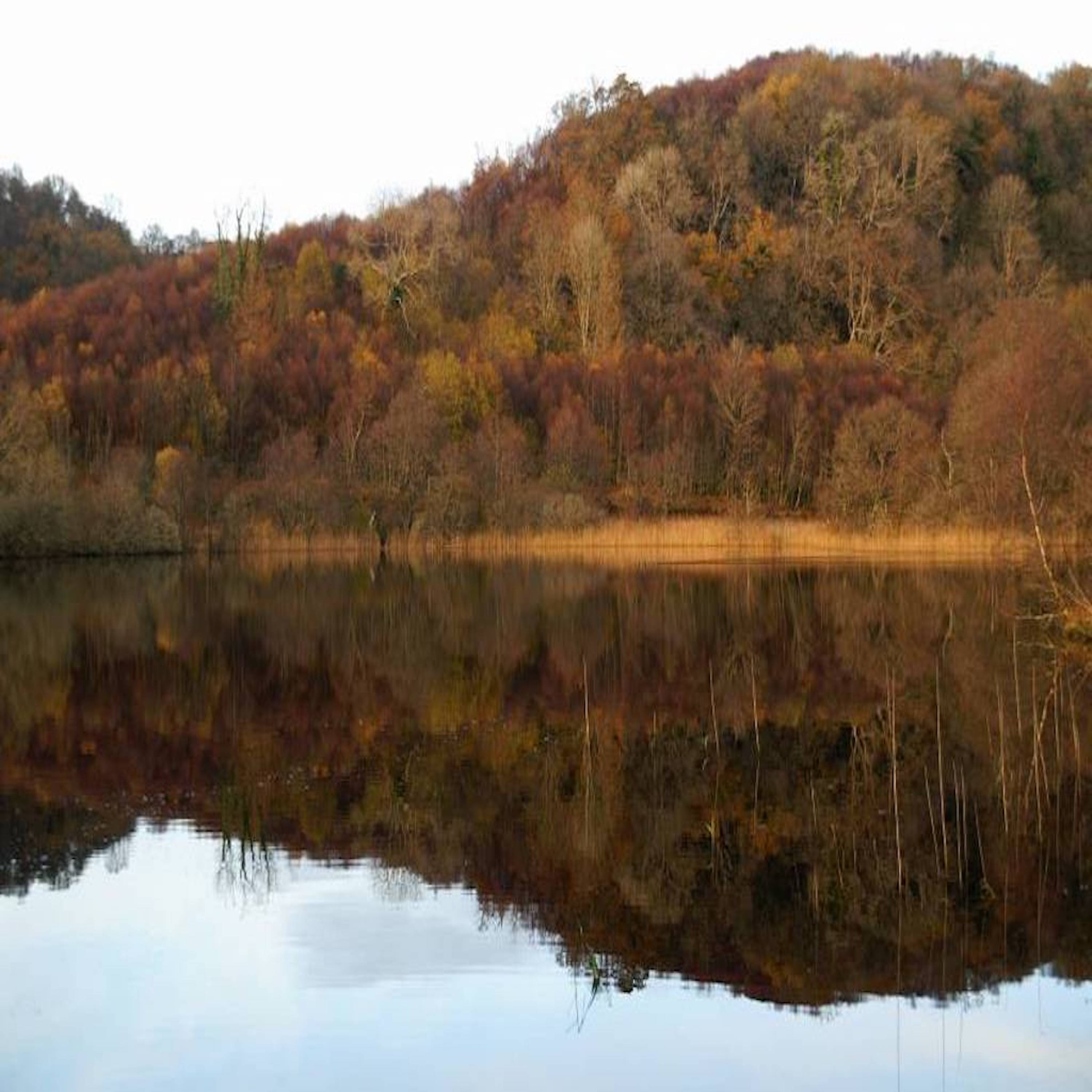 Unveiling the Secrets of Scotland's Celtic Rainforest Part Two | In this week's Wildlife Matters podcast, I finally reveal the iconic wild animal that approached me at the end of the last episode, as I continue exploring Scotland's ancient temperate rainforest. Before this exciting moment, I discussed urgent wildlife and natural issues, including the serious problem of illegal wildlife persecution and the ongoing delay in implementing the peat ban, even though most politicians agree it's needed. I also discuss the concerning decline in butterfly numbers in Britain and explain how Butterfly Conservation is working to address it. To enhance your listening experience, I include a peaceful "Mindful Moments" segment, recorded along the calm shores of Loch Barnluasgan, so that you can enjoy the relaxing sounds of nature. As I go deeper into the rainforest, I look forward to discovering more wonders on my way to the Crinan Canal.This episode of Wildlife Matters takes you into Scotland's ancient temperate rainforest, where I set out on an exciting adventure full of wildlife encounters. As I move through the forest, I keep up the suspense about a special Scottish wild animal, following up on the previous episode's cliffhanger. Before diving into the main story, I cover key wildlife news, including ongoing illegal persecution in the UK.I share my hopes for justice and stronger laws, and I stress the need for everyone to help protect local wildlife. The episode also talks about the stalled peat ban and why stopping peat extraction is important for the environment. You can enjoy a calming segment recorded by Loch Barnluasgan, which sets the mood for the main adventure. Later, I reveal the white-tailed sea eagle, a symbol of strength and resilience, soaring above the landscape.I describe its large wingspan and its role in Scotland's coastal ecosystem, and I highlight how conservation efforts have helped this species recover after it nearly disappeared in the early 1900s. The episode ends with a look at the wider importance of the temperate rainforest and the many forms of life it supports, leaving you with a new appreciation for this special place. I say goodbye with a reminder of the beauty awaiting in Scotland's wild places, and I encourage everyone to stay curious and engaged in wildlife conservation. I appreciate your support, and I look forward to the next episode, which will feature a winter wildlife walk in Southeast England, highlighting the importance of everyone helping to protect nature.Takeaways:The podcast stresses the urgent need for strong legal action against illegal wildlife persecution, making it clear that this serious crime must be addressed.The long delay in implementing the peat ban has raised concerns about environmental damage and the effects of ongoing peat extraction.The continued decline in butterfly numbers in Britain is worrying and requires focused conservation efforts to address this serious problem.Listeners can enjoy the peaceful sounds of nature in the Mindful Moments segment, which helps people notice how calming wildlife can be.The episode introduces the white-tailed sea eagle and explains why it is a key icon of Scotland's temperate rainforest.Exploring Tanish Nature Reserve shows the wide variety of life and the history found in Scotland's temperate rainforests, which are key to protecting nature.Links referenced in this episode:Wildlife Matters Organisation | — | ||||||
| 2/11/26 | 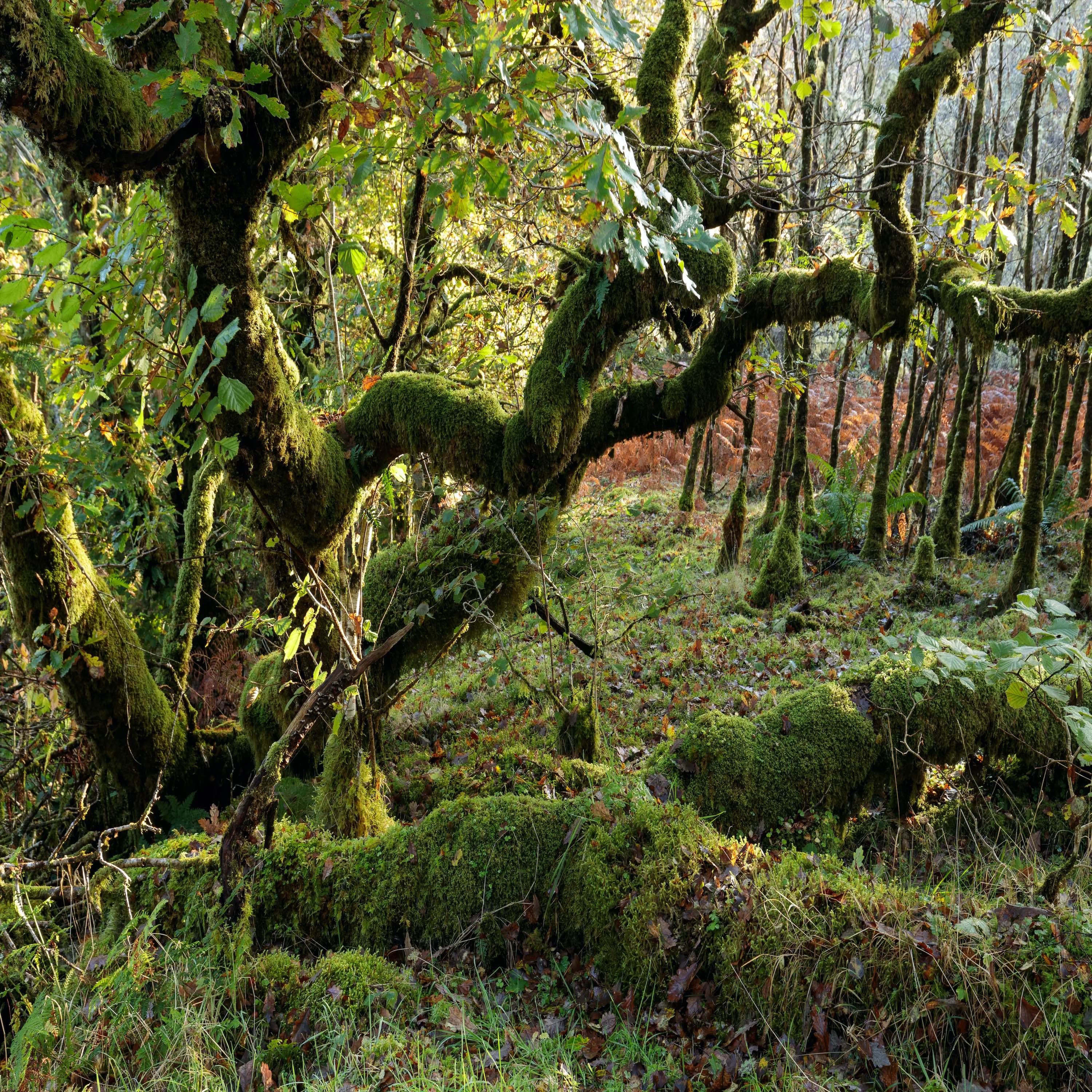 Unveiling the Secrets of Scotland's Celtic Rainforest Part One | This week on Wildlife Matters, I kick off an exciting journey through the temperate rainforests along Scotland's northwest coast. We'll explore the ancient, mossy woodlands, home to vibrant wildlife and ecosystems. Before we set out, we discuss important nature stories, including avian influenza and why blaming wild birds is misguided. Intensive farming is a bigger factor. We also discuss a recent fox hunt that disturbed a cemetery, underscoring the need for stronger laws. On a brighter note, we highlight the Warminster Toad Patrol, a great example of community action for wildlife. Come along as we discover how everything in nature is connected.Scotland's Ancient Rainforest Part OneThis week's Wildlife Matters podcast takes you on a week-long trek through Scotland's temperate rainforests. It's the first part of an adventure that shows off the beauty and importance of these old woodlands. Before we start, I cover some key wildlife stories in our Nature News segment. One story features Phil Lymbery, who explains that wild birds aren't primarily to blame for avian influenza; intensive farming is a bigger cause and that we need to rethink our view of the relationship between wildlife and farming.We also discuss a troubling story about a fox hunt that passed through a cemetery, raising questions about hunting and the need for stronger laws. On a positive note, we celebrate the Warminster Toad Patrol, who are helping toads safely reach their breeding ponds as Valentine's Day approaches. Their work shows how communities can come together to protect wildlife and support biodiversity.In our Mindful Moments segment, I encourage listeners to reflect on nature's resilience, as shown by a Blackbird singing through the winter gloom. This moment reminds us to find joy and meaning even when things are tough. After this, we head into the magical temperate rainforests, full of mystery and life, and end the episode with a promise of more adventures in the next part.Takeaways:The podcast starts with a story about a week-long trip through Scotland's temperate rainforests, highlighting the area's rich wildlife and ancient woods.In Nature News, we look at common myths about avian influenza and explain that wild birds aren't to blame; intensive farming is the main cause.A recent fox hunt that went through a cemetery shows why we need stronger hunting rules to protect wildlife and public areas.The Warminster Toad Patrol's work to help toads migrate safely during breeding season is a great example of community support for wildlife and animal welfare.In Mindful Moments, a Blackbird's song in the winter reminds us that we can find resilience and joy even when times are tough.The episode culminates in an invitation to join us on a captivating exploration of Scotland's ancient rainforests, offering thrilling wildlife encounters and a deeper understanding of these vital ecosystems.Companies mentioned in this episode:Compassion in World FarmingLeague Against Cruel SportsDepartment for the Environment, Food and Rural AffairsWildlife MattersThe episode ends with an invitation to join us as we explore Scotland's ancient rainforests, promising exciting wildlife encounters and a better understanding of these important ecosystems. | — | ||||||
Want analysis for the episodes below?Free for Pro Submit a request, we'll have your selected episodes analyzed within an hour. Free, at no cost to you, for Pro users. | |||||||||
| 1/28/26 |  Winter Wildlife: Tracking the Hidden Creatures of the Woodland | This week on Wildlife Matters, we explore animal tracks in a local snowy woodland, highlighting how tracking wildlife reveals connections among species, their habitats, and the environment.We focus on the wildlife species that call this peaceful woodland home and discuss how natural sounds shape our experience across different habitats. As we walk through the snowy landscape, we encourage listeners to pause and enjoy the calm and beauty of nature. Before we begin, we cover important wildlife and environmental news from this week, highlighting the urgent need to address the climate crisis and protect biodiversity. Join us as we discover woodland secrets and share important wildlife stories.In this episode, we invite listeners to walk with us through a snowy woodland and listen to the sounds of nature. We start with a Nature News update on the growing environmental challenges in the UK, including species decline and the need for stronger government action on sustainability. The Wildlife Trust shares insights on how economic growth and biodiversity are connected, and why we need to rethink our environmental policies. Next, we practice wildlife tracking and look for stories in the animal footprints we find in the snow. By noticing these signs, we learn how all life in the woods is connected. We encourage listeners to explore nature, stay curious, and help protect wildlife. The episode reminds us why it is important to care for our ecosystems for the future.Takeaways: In this episode, we venture into a snow-covered woodland to discover wildlife. These tracks show how different species interact with their habitats. significantly enhance our experience of different wildlife habitats and the biodiversity they host. The Wildlife Trust raises urgent concerns about the nature and climate crises in Britain. They call for the government to keep its promises and protect biodiversity.Recent studies show that mountain hares in Scotland are struggling to adapt to climate change. They are not changing their fur shedding patterns as snow cover decreases, which makes them more vulnerable to predators.We also hear about a hopeful conservation project. It could bring elk back to the UK by 2028. This is a positive step toward restoring lost species and improving local ecosystems.During the episode, we give practical tips for spotting animal tracks in the snow. We hope to help listeners enjoy watching wildlife and inspire them to explore nature on their own.Companies mentioned in this episode: Wildlife Trust Environment Act Office for Environmental Protection Rewilding Britain Nottinghamshire and Derbyshire Wildlife Trusts University of Michigan James Hutton Institute Wildlife Matters OrganisationWant to get in touch? Email us Hello@wildlife-matters.org | — | ||||||
| 1/14/26 | 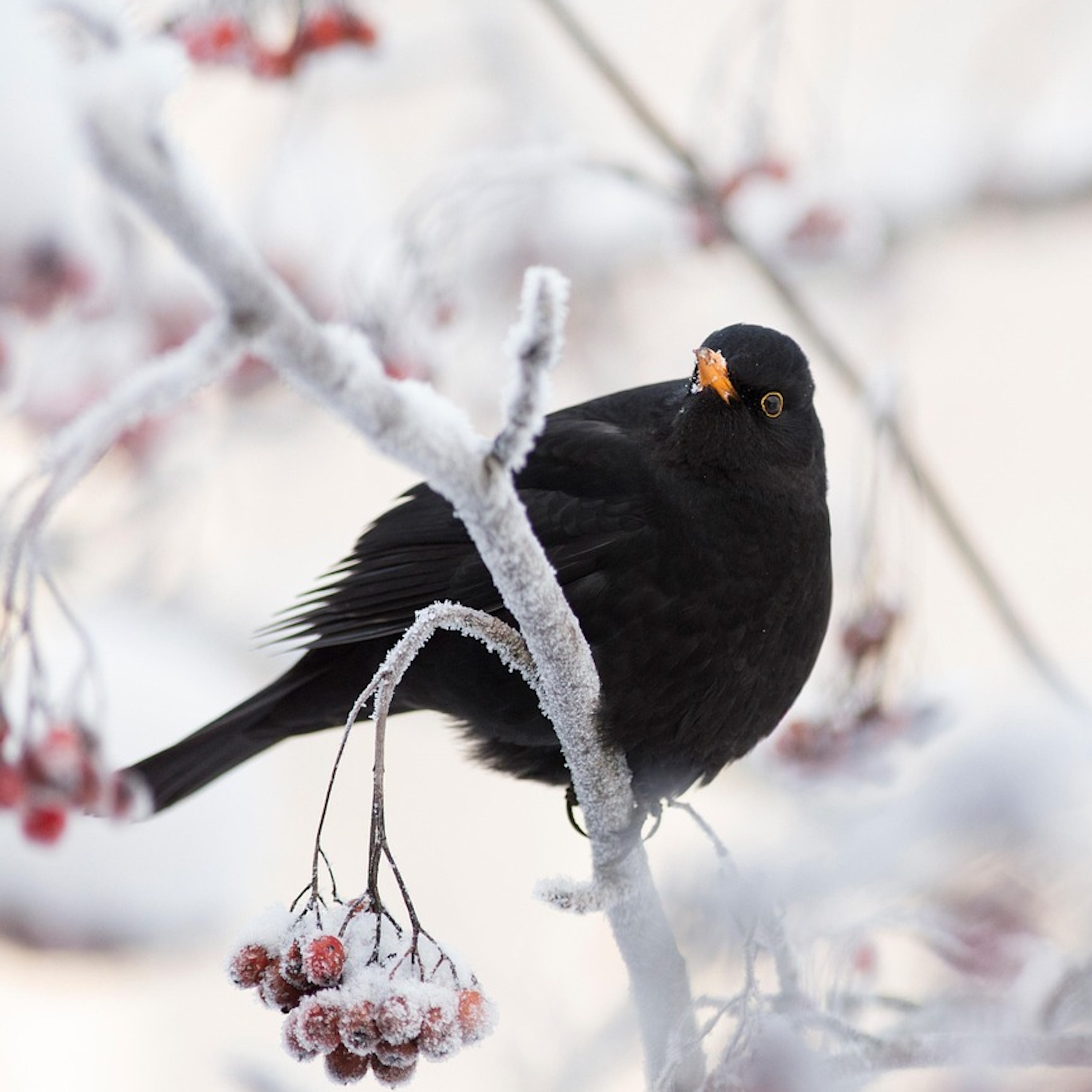 Caring for Your Garden Birds in Winter: A Wildlife Matters Guide | In this week's episode of the Wildlife Matters podcast, we explore how to care for garden birds during the winter months. As winter sets in, providing food and shelter is essential for our feathered friends, who face significant challenges surviving the season. We also take a moment for reflection with our Wildlife Matters Mindful Moments, featuring a beautiful audio nature soundscape from our recent winter walk in the South Downs.Additionally, this episode shares uplifting stories from the wildlife world, including encouraging developments for hedgehogs in Dorset and restoration efforts for Scotland's ancient rainforests. We invite our listeners to participate in the 2026 Big Garden Birdwatch and to share their experiences, fostering a closer connection with nature.Show Notes:In this week's instalment of the Wildlife Matters podcast, we discuss the importance of caring for our avian companions during the cold winter months. The episode begins with an engaging segment of Wildlife Matters Nature News that highlights positive developments regarding Scotland's ancient rainforests and the efforts of the Dorset Hedgehog Rescue. These stories illustrate the vital role of community involvement in wildlife conservation and emphasise the ongoing challenges faced by various species.Following this informative discussion, we present a serene auditory experience featuring a delightful soundscape from a winter walk in the South Downs, allowing listeners to immerse themselves in nature's soothing ambience. The episode concludes with a comprehensive guide on transforming gardens into safe havens for wintering birds. We detail practical strategies for providing nutritious food, clean water, and secure shelter, empowering our audience to make a meaningful difference in the lives of these vulnerable creatures and fostering a deeper connection with the natural world.Takeaways:- This episode emphasises the need to care for garden birds during harsh winter months and offers essential guidance for creating welcoming outdoor spaces.- We share inspiring news about restoration efforts for Scotland's ancient rainforests, stressing the importance of biodiversity and community participation in conservation.- The Wildlife Matters Guide provides detailed strategies for feeding birds, highlighting the significance of nutrition and shelter for their survival during winter.- Listeners are encouraged to take part in the upcoming RSPB Big Garden Birdwatch 2026, promoting citizen science and community engagement in observing and supporting local wildlife.- We underscore the critical role of clean feeding areas, appropriate food selection, and regular maintenance in cultivating a thriving bird-friendly environment in gardens.- Our audience is invited to share their experiences and insights regarding wildlife interactions, helping to build a collaborative community of nature enthusiasts dedicated to conservation.Links referenced in this episode:- wildlifematters.co.uk- dorsethedgehogrescue.co.uk- rspb.org.ukCompanies mentioned in this episode:- Nature Scotland- Woodland Trust- Dorset Hedgehog Rescue- RSPBIf you would like to contact us, our email address is info@wildlife-matters.org | — | ||||||
| 12/31/25 |  The Magic of Murmuration | This week's episode of the Wildlife Matters podcast explores the fascinating phenomenon of starling murmurations, which are a captivating spectacle as thousands of these birds gracefully navigate the evening skies of the UK. In Wildlife Matters Nature News, we report on a recent government initiative to ban trail hunting in England and Wales, marking a significant advance in the broader animal welfare strategy. This episode also highlights the importance of restoring natural habitats, exemplified by a project in Cheshire that revitalises floodplain grazing marshes to support local biodiversity. Additionally, we share an endearing listener's narrative about a charming robin named Scruffy, whose antics offered solace during the pandemic. Join us as we reflect on the wonders of nature, the pressing need for conservation, and the joy that wildlife brings to our lives.The Wildlife Matters podcast presents the enchanting spectacle of starling murmurations, interwoven with poignant narratives surrounding wildlife conservation. The episode begins with an overview of the government's recent initiatives to bolster animal welfare, particularly the ban on trail hunting, a contentious issue among conservationists. The hosts express gratitude for this legislative advancement and highlight the broader implications for wildlife protection. As they transition to the main feature, the captivating world of starling murmurations takes centre stage. The hosts describe the breathtaking visual display of thousands of starlings soaring through the dusk sky, effortlessly manoeuvring in intricate patterns. This mesmerising behaviour is not merely for show; it serves vital functions in predator evasion and social cohesion among the flock. Using scientific insights, the podcast explains the evolutionary advantages of such collective behaviour, leaving listeners in awe of nature's ingenuity. Conclusively, the episode wraps up with heartwarming listener stories, particularly that of a robin named Scruffy, who provided companionship during challenging times. This personal connection to wildlife underscores the importance of nurturing our relationships with nature, reinforcing the podcast's overarching theme of conservation and appreciation for the natural world.Takeaways: The recent government initiative banning trail hunting represents a significant advancement in animal welfare legislation, addressing long-standing concerns surrounding wildlife protection. The Cheshire Wildlife Trust's ambitious restoration project aims to revitalise floodplain grazing marshes, enhancing biodiversity and mitigating flood risks for local communities. Jackie's heartwarming account of her bond with a scruffy robin illustrates the profound impact that nature can have on human well-being during challenging times. Starling murmurations, a mesmerising natural phenomenon, serve as a remarkable demonstration of collective behaviour among birds, captivating observers throughout the UK during autumn and winter. The decline of starling populations, which has seen an alarming reduction of over 80% since the 1970s, necessitates urgent conservation efforts to preserve these remarkable birds. The Wildlife Matters podcast continues to engage a global audience, fostering a community passionate about wildlife and nature, while looking forward to new adventures in 2026. Companies mentioned in this episode: Cheshire Wildlife Trust Environment Agency | — | ||||||
| 12/17/25 |  Winter Solstice Reflections: Connecting with Nature | This week's Wildlife Matters podcast celebrates the Winter Solstice and its intrinsic connection to nature. As we reflect on this celestial event, which marks the shortest day and the longest night of the year, we are reminded of its profound significance across cultures and of the cyclical nature of life itself. The Winter Solstice not only symbolises the triumph of light over darkness but also ignites a sense of hope and renewal, encouraging introspection and gratitude for the past year. In this special episode, we share two captivating stories from folklore, beginning with the tale of St. Mungo, the revered patron saint of Glasgow, and his remarkable encounter with a robin, which illustrates the enduring bond between humanity and the natural world. Join us around the metaphorical campfire as we delve into these narratives that resonate with the spirit of this remarkable juncture in our annual calendar.Takeaways: The Winter Solstice serves as a pivotal moment for reflection and introspection regarding our relationship with nature. Celebrating the Winter Solstice allows us to honour life's cyclical nature and anticipate the return of light. Through storytelling, we connect with ancient traditions that emphasise gratitude and mindfulness during this season. The tales shared honour the profound bond between humanity and the natural world, illustrating the importance of kindness and community. Links referenced in this episode:wildlifemattersnaturestoryteller | — | ||||||
| 12/3/25 | 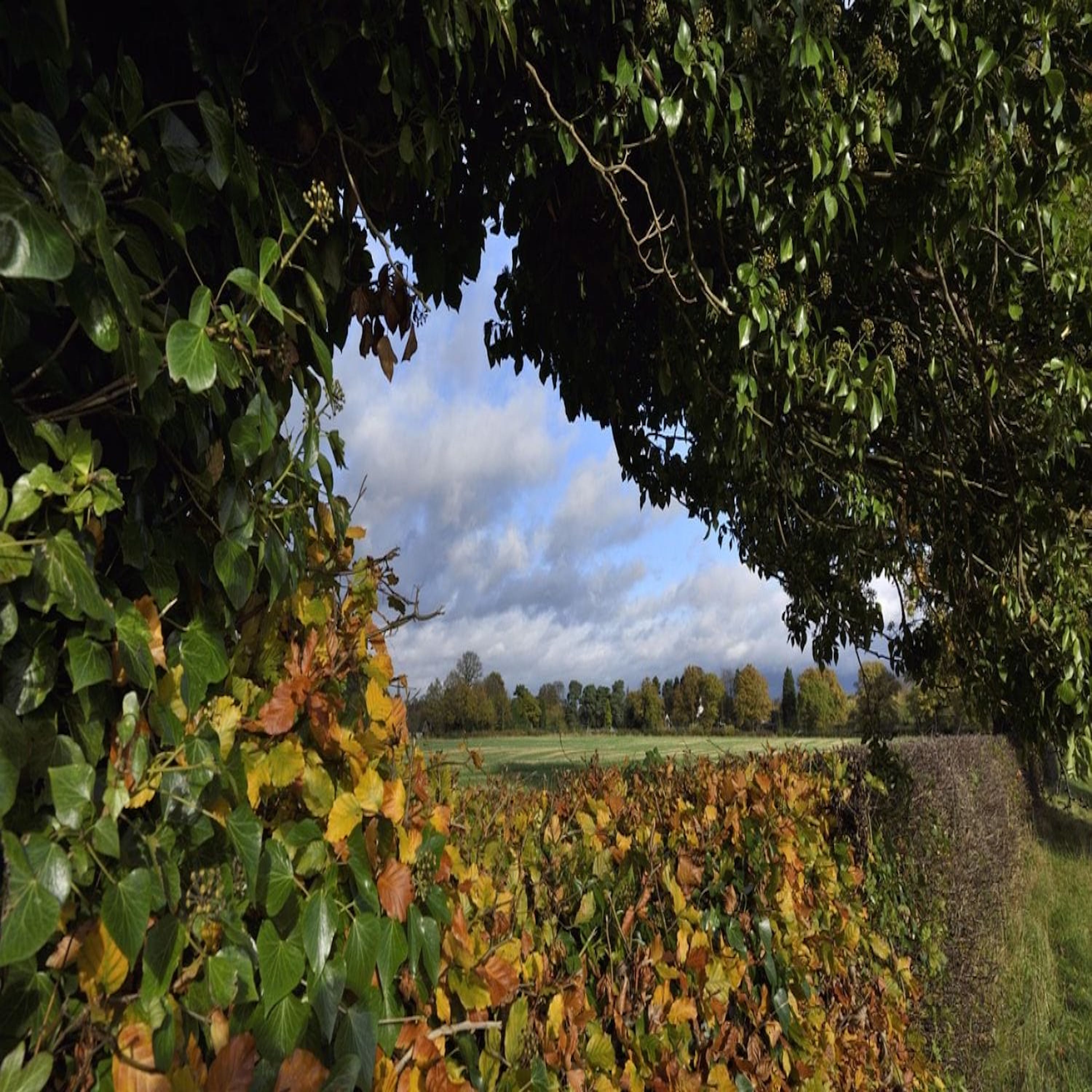 The Benefits of Hedgerow; Nature's Corridors | Hello and welcome to this week's Wildlife Matters podcast. In this episode, we explore Hedgerows and why they are vital for England's future, boosting biodiversity, combating climate change, and enhancing soil health.The enchanting world of hedgerows is a vibrant ecosystem that plays a crucial role in the British countryside. The discussion emphasises the historical significance of hedgerows, tracing their origins back to the Bronze Age. These natural corridors are not mere boundaries but vital habitats teeming with diverse wildlife. The episode delves into the importance of hedgerows in combating climate change, enriching biodiversity, and providing essential shelter for various species. We cover the alarming decline in hedgerow density caused by agricultural practices and urban expansion, with detrimental effects on wildlife populations and the overall ecosystem. We further explores the symbiotic relationships within hedgerows, illustrating how they facilitate pollination and soil health and serve as crucial refuges for numerous animals, including birds, mammals, and insects. The call to action is clear: the preservation and rejuvenation of hedgerows are imperative for sustaining the intricate web of life in our countryside and ensuring a resilient environment for future generations.We hope you have enjoyed our guide to hedgerows. If you do, please like, share, and leave us a review. Your support really helps to grow our community. If you don't already follow us on social media, join us as we count down our Top 10 episodes, and get ready as we will reveal our most listened to episode on Christmas Eve-we hope it sparks your curiosity.We've been absolutely thrilled by the incredible response to our older episodes. We truly appreciate all the comments and feedback we've received; it means the world to us! A warm welcome to our new listeners as well; we're so glad you're here on this journey with us. Keep the conversation going because we love hearing from you!Wildlife Matters will return in two weeks for our winter solstice special, and we have two traditional nature-based stories to share with you that we hope you will enjoy on a cold, dark winter's evening. But until then, stay curious, wild ones. This is Wildlife Matters signing off. Takeaways: Hedgerows serve as vibrant ecosystems, playing a crucial role in biodiversity and environmental health. The initiative 'Get Cumbria Buzzing' demonstrates the importance of engaging youth in conservation efforts. Operation Major aims to combat wildlife crime and raise awareness about the treatment of dogs involved. Most years yield abundant seeds and fruits, significantly impacting wildlife populations. The decline of hedgerows has severe consequences for various species and overall ecosystem stability. Hedgerows provide essential shelter for livestock and help farmers manage their agricultural land efficiently. Links referenced in this episode:getcumbriabuzzingcumbriawildlifetrustfibrousprojectgigabitoperationmajorbadgertrustleagueagainstcrueltysportsnaturewatchfoundationrspcawildlifemattersCompanies mentioned in this episode: Cumbria Wildlife Trust Fibrous Badger Trust League Against Crawl Sports Nature Watch Foundation RSPCA | — | ||||||
| 11/19/25 | 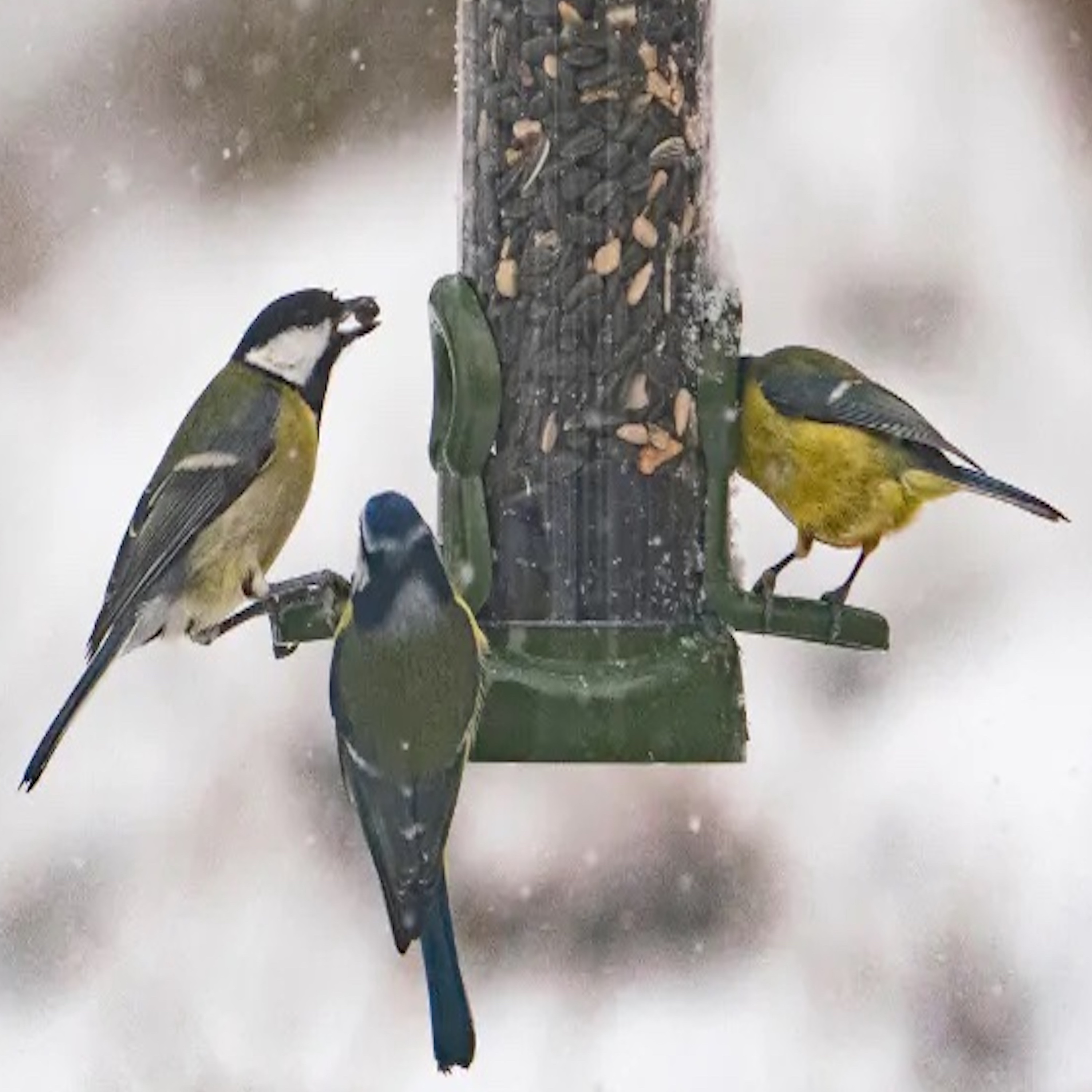 Wildlife Matters Guide to: Caring for your Garden Wildlife this winter | In this week’s Wildlife Matters podcast, we dive deep into the fascinating world of winter wildlife care in our gardens. Discover essential practices that not only nourish your garden’s ecosystem but also provide a haven for local creatures during the frosty months ahead.We’ll share a treasure trove of tips—ranging from creating cosy shelters to offering vital sustenance—that embrace the principle of minimal intervention. Our goal is to ensure that your garden remains a thriving sanctuary for wildlife, even when the temperatures dip.But that’s not all! We take time to unwind with our Wildlife Matters Mindful Moments, where you can immerse yourself in the gentle sounds of late autumn—a soothing escape that fosters tranquillity and a profound connection to nature’s rhythms.In our Nature News, we’ll bring you the latest stories from the world of wildlife and conservation. From groundbreaking conservation efforts to inspiring reintroduction successes, these updates highlight the remarkable strides being made to protect our planet’s biodiversity.Join us on this journey as we enhance the well-being of our garden ecosystems while revelling in the serene beauty of the natural world around us. Tune in and let’s celebrate the wonders of wildlife together!Takeaways: In this episode of the Wildlife Matters podcast, we provide essential guidance on nurturing wildlife within your garden and wildlife pond during the winter months. We discuss the importance of maintaining a clean wildlife pond to prevent the accumulation of harmful gases beneath the ice, which can endanger aquatic life. Prudent management of fallen leaves in the pond is necessary to prevent excessive algae growth, which can deplete oxygen levels and harm aquatic ecosystems. Listeners are encouraged to create a welcoming environment for local wildlife by leaving parts of their garden wild and untidy, thus supporting biodiversity during challenging winter months. Companies mentioned in this episode: Roy Dennis Wildlife Foundation Trees for Life Surrey Wildlife Trust Bugs Life Painshill Park Trust | — | ||||||
| 11/5/25 |  Wildlife Matters guide to Hibernation: A Survival Strategy for Wildlife in Winter | Hello and welcome to this week's Wildlife Matters podcast. This week, we explore the complexities of hibernation. We will investigate why certain species, including hedgehogs, employ this survival method during the cold winter months. Then, in Part Two, we offer practical advice on how to improve your garden for hedgehogs as they prepare to hibernate, emphasising the importance of creating safe habitats and reducing disturbances. The Wildlife Matters podcast also examines the impact of Bonfire Night and fireworks on local wildlife. As the 5th of November approaches, a discussion arises about the historical origins of this event, particularly the Gunpowder Plot of 1605, which has evolved into a modern celebration that often causes distress to domestic pets and wild animals. The episode highlights the often-overlooked effect of fireworks on wildlife, including birds, foxes, and other creatures, who suffer extreme stress from loud noises and bright lights. To reduce such disturbances, the hosts suggest several measures to protect wildlife during this festive period, such as choosing public firework displays over private bonfires. They encourage creating safer environments by providing shelters for animals and advise against building bonfires in gardens where wildlife might seek refuge. This segment reminds us of our duty to the natural world and the importance of coexisting peacefully with wildlife during celebrations. | — | ||||||
| 10/22/25 |  London's Wildest Places Greenwich Park | The seventh series of the Wildlife Matters podcast kicks off with an essential milestone in wildlife policy: the government has officially ended the controversial badger culling program, a campaign we've passionately fought against for nearly fifteen years.Join us for our main feature as we confidently explore the rich biodiversity of Greenwich Park, the oldest Royal Park in London. Get ready for an exciting urban wildlife adventure amidst the vibrant autumn landscape.This week in Wildlife Matters Nature News, we will dive into the details of the Parliamentary debate that shaped this decision, before discussing updates on the impact on wild species and habitats from the proposed Planning and Infrastructure bill, before showcasing some of the projects that are recreating vital dew ponds across the South Downs National ParkTakeaways: The government has committed to ending badger culling, marking a significant policy shift in wildlife management. A new strategy will focus on enhanced cattle testing and vaccination to combat bovine tuberculosis. The creation of dew ponds in Hampshire aims to restore vital habitats for diverse wildlife species. Concerns have been raised regarding the proposed Planning and Infrastructure Bill's impact on protected species. Wildlife and Countryside Link warns that environmental levies could undermine existing protections for endangered species. The podcast highlights the historical and ecological significance of Greenwich Park, emphasising its rich biodiversity. Companies mentioned in this episode: Protect the Wild Badger Trust British Cattle Veterinary Association DEFRA Wildlife and Countryside Link Wildlife Matters Organisation Frog Life National Lottery Heritage Fund Bannister Trust People's Postcode Lottery Want to get in touch? Our email is info@wildlife-matters.org | — | ||||||
| 10/8/25 | 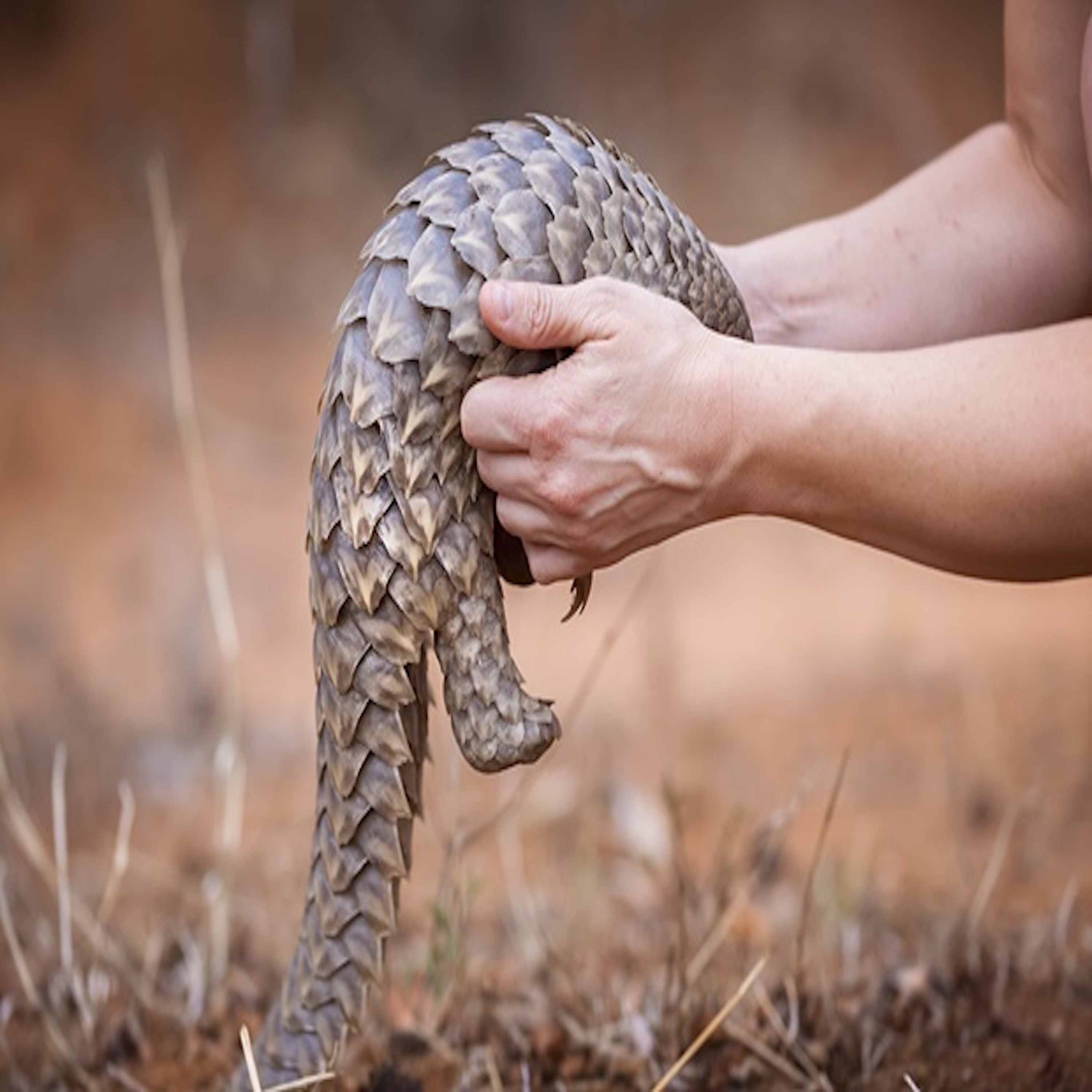 The Tragic Tale of the Pangolin The World's Most Trafficked Mammal | In this week's Wildlife Matters podcast, we delve into the remarkable yet heart-wrenching story of the pangolin, the most trafficked mammal on the planet. My involvement with the CITES committee has given me deep insights into the numerous challenges these beautiful anteaters face. The episode outlines the four species of African pangolins: the Ground Pangolin, White-Bellied Pangolin, Giant Pangolin, and Black-Bellied Pangolin. Each species plays a unique ecological role and faces distinct threats. We examine their habitats, dietary preferences, and the crucial environmental functions they serve, particularly in controlling insect populations. As we address the realities of wildlife trafficking, the discussion highlights the global implications of the illegal trade in pangolin scales and meat, which is fueled by mistaken beliefs regarding their medicinal benefits. This grim reality is contrasted with a segment featuring a local African community, known for their vibrant red costumes, reminding us that wildlife conservation is inherently tied to cultural heritage and community identity. Through this episode, we aim not only to raise awareness about the pangolin's plight but also to inspire action, encouraging our listeners to advocate for the protection of these remarkable creatures and the ecosystems in which they thrive. Additionally, we will include our regular Mindful Moments, this time from the African bush, as well as the latest Wildlife Matters Nature News, which highlights the urgent need to address climate change and adopt sustainable practices to protect our planet's biodiversity. Key Takeaways: - This episode focuses on the pangolin, the most trafficked wild animal in the world, a species I have personally worked with as part of the CITES committee. - We emphasise the importance of protecting pangolins, as they play a critical role in their ecosystems by controlling insect populations, particularly ants and termites. - Our Wildlife Matters Mindful Moments feature highlights a unique community in Africa, celebrated for its vibrant traditional red costumes, enriching our understanding of local cultures. - The episode discusses the severe threats faced by pangolins due to poaching and habitat loss, underscoring the urgent need for conservation efforts. - We examine the misconceptions surrounding the medicinal properties of pangolin scales, which lack scientific backing but persist in the illegal wildlife trade. - As we conclude Series Six, we invite listeners to engage with future episodes focused on wildlife conservation and the challenges of protecting endangered species. For more information, please visit: www.helpanimals.co.uk Companies mentioned in this episode: - Wildlife Trusts - Department for the Environment, Food and Rural Affairs - Woodland Trust - CITES - Maasai - Wildlife Matters - British Hedgehog Preservation Society | — | ||||||
| 9/24/25 |  Autumn Nature Stories from the Dark Woods | This week's Wildlife Matters podcast is dedicated to autumn and nature storytelling, which unfolds amidst the enchanting backdrop of the dark woods. As we transition into autumn, we reflect on the remarkable responses of nature, including the preparation for migration of summer visitors and the hibernation practices of various wildlife. This episode features our unique take on a classic folktale story that celebrates the essence of the season, complemented by our Wildlife Matters nature news segment originating from the ancient woods of Ebernoe in Sussex. We delve into significant conservation efforts, such as the resurgence of the pine marten in mid Wales, alongside an exploration of migratory birds to observe this autumn. Join us as we embrace the beauty of this transformative season through storytelling and insightful nature news.The transition from summer to autumn brings forth a myriad of changes in the natural world, as explored in this week's Wildlife Matters podcast. With a focus on the Autumn Equinox, the hosts delve into how various species prepare for the colder months ahead. Swallows and house martins embark on their migratory journeys to warmer climates, while puffins and gannets venture out to sea for the winter. Additionally, hedgehogs and bats are observed fattening up for hibernation, and badgers and foxes prepare themselves for the mating season. The podcast features a storytelling special, where two folk tales centring on nature and wildlife are shared around a campfire. Additionally, listeners are treated to insightful wildlife news, particularly focusing on the enchanting ancient woods of Ebernoe in Sussex, where the hosts listen to the sounds of local wildlife. The episode embodies a reflective tone, urging listeners to contemplate the seasonal changes and their implications for wildlife and nature.Takeaways: As the seasons transition into autumn, wildlife engages in behaviours critical for survival, such as migration and hibernation. The Autumn Equinox, known as Mabon, serves as a time for reflection and preparation for the forthcoming winter months. The return of the pine marten to mid Wales signifies a successful conservation effort, showcasing the importance of community involvement in wildlife recovery. Autumn brings a fascinating array of migratory birds, highlighting the need for awareness of their arrival and the ecological changes in our environment. The story shared during this episode illustrates the cleverness of the hedgehog in outsmarting the fox, emphasising themes of wit and humility in nature. Wildlife Matters encourages listeners to engage with nature through storytelling, fostering a deeper connection with the wildlife that surrounds us. Companies mentioned in this episode: Vincent Wildlife Trust Thames Valley Police Badger Trust Wildlife Matters Want to get in contact with Wildlife Matters? Our Email address is info@wildlife-matters.org | — | ||||||
| 9/10/25 | 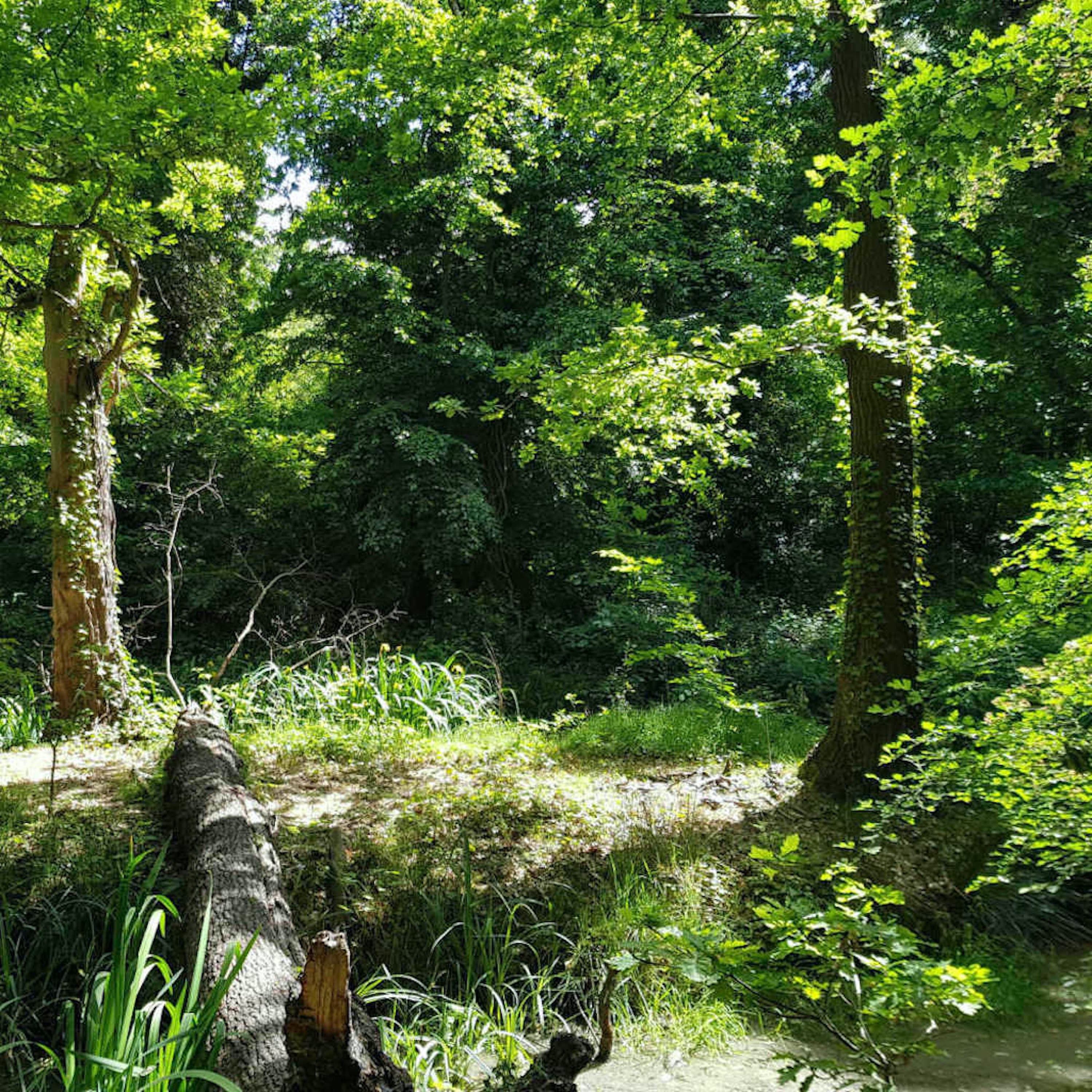 Wild London Sydenham Hill Wood | This week, we embark on an engaging exploration of urban wildlife, with a focus on the ancient woodlands of Sydenham Hill Wood, a remarkable remnant of London’s rich woodland heritage. Nature News shares the latest wildlife and environmental stories, including a tribute to the late Debbie Bailey, a passionate advocate for badgers. We also discuss recent findings regarding the presence of rodenticides in wildlife and ongoing efforts to conserve ancient trees.In this week’s Wildlife Matters Mindful Moments, we invite you to appreciate the beauty of our natural environment and reflect on the significance of these stories in our evolving relationship with nature.Takeaways: This week’s episode of Wildlife Matters explores the ancient woodlands of Sydenham Hill Wood, highlighting its significance in urban wildlife conservation. The podcast pays tribute to Debbie Bailey, whose legacy through the Debbie Bailey Foundation continues to support badger conservation efforts. Listeners are encouraged to engage with their local environment and appreciate the changing colours of autumn trees during this season. We share alarming findings regarding the impact of rodenticides on wildlife, urging listeners to consider the ecological implications of these substances. The episode emphasises the importance of ancient trees and ongoing scientific research aimed at understanding their longevity and role in biodiversity. Wildlife Matters invites listeners to practice mindfulness by noticing the sounds of Nature, fostering a deeper connection with the environment. Links referenced in this episode:debbiebaileyfoundation.orgCompanies mentioned in this episode: Woodland Trust Natural England Wildlife Poisoning Research UK Debbie Bailey Foundation Derbyshire Wildlife Trust | — | ||||||
| 8/27/25 | 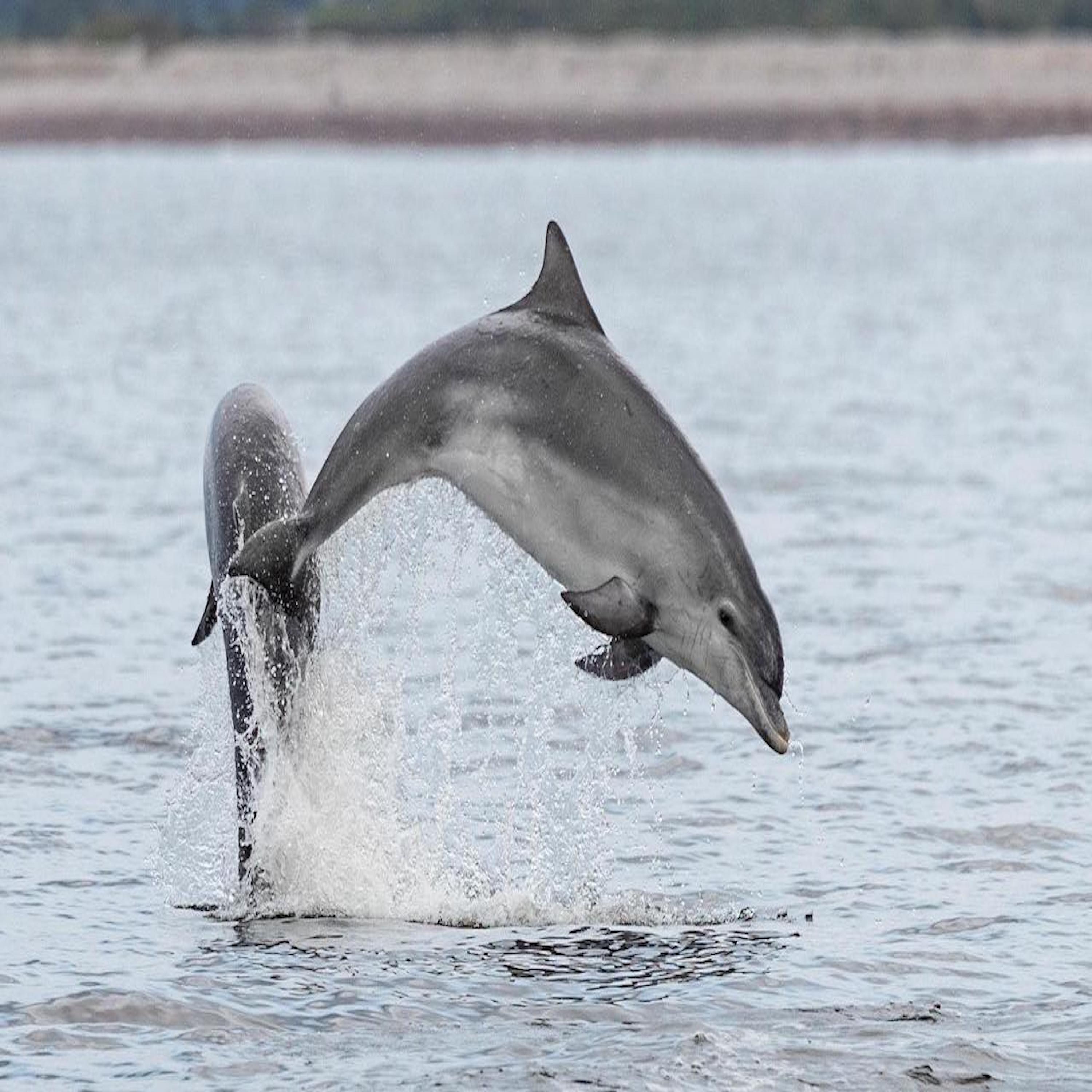 Discover the Dolphins and Porpoises that call the UK home | This week’s episode of Wildlife Matters takes you on an Epic adventure to Discover the Dolphins and Porpoises that call the UK homeAfter a comprehensive fifteen-month journey across three nations, we invite esteemed experts to guide us through this remarkable odyssey.In Wildlife Matters Nature News we share the encouraging news of the resurgence of farmland bird populations in the South Downs National Park. A decade-long investigation highlights the significant impact of conservation efforts on species such as the skylark and corn bunting, showcasing the invaluable contributions of local farmers and volunteers in fostering biodiversity through nature-friendly practices.We recount the rare sighting of a juvenile basking shark in a Scottish harbour, a testament to the thriving marine life in our coastal waters. and we must address the urgent reality of avian influenza, as the UK government has heightened the risk alert. This alarming development necessitates rigorous biosecurity measures to protect both wild and domestic bird populations.Key Takeaways:• A thrilling fifteen-month expedition across three UK countries. • Insight into the search for dolphins and porpoises in UK coastal waters. • Uplifting news on the recovery of farmland bird populations in the South Downs National Park. • A rare basking shark sighting, highlighting community engagement with wildlife. • The UK government’s warning about avian influenza underscores the need for enhanced biosecurity measures. • A commitment to further exploring the fascinating world of cetaceans in the UK, promising future adventures.Companies Featured:• South Downs Farmland Bird Initiative• RSPCA• NFU Mutual• Wildlife Matters | — | ||||||
| 8/13/25 |  The Physical Benefits of Nature | The benefits of spending time in nature are manifold, particularly about our physical well-being, a topic we explore in depth in today's episode. As August arrives, many of us may be preparing for a well-deserved respite, potentially embarking on wildlife adventures across the UK and beyond. We invite our listeners to share their experiences, detailing the species they have encountered and the habitats they have explored, as your stories bring us immense joy and may even feature in future episodes. Furthermore, we will discuss recent developments in wildlife conservation, including a successful species reintroduction in Kent, the community's support for lynx reintroduction in Northumberland, and a remarkable badger rescue. To enhance your experience, we will also share a tranquil soundscape from the west coast of Wales, inviting you to immerse yourself in the soothing ambience of nature.Takeaways: As we embark on our wildlife adventures this summer, we invite you to share your experiences with us. The podcast features a significant reintroduction success story of the wild chough in Kent, highlighting conservation efforts. We discuss the potential reintroduction of lynx in Northumberland, supported by a large majority of residents. The episode emphasises the myriad physical health benefits derived from spending time in nature, especially walking outdoors. Listeners can immerse themselves in a calming nature soundscape, reflecting on the beauty of the Welsh coastline at sunset. We acknowledge the tireless dedication of wildlife rescue volunteers, who play a crucial role in wildlife conservation efforts. Companies mentioned in this episode: Wildwood Trust Kent Wildlife Trust Paradise Park Missing Links Project Lifescape Project Northumberland Wildlife Trust North East Essex Badger Group | — | ||||||
| 7/30/25 |  Wildlife Matters Investigates - Avian Influenza | This episode of Wildlife Matters presents a critical examination of the dynamic interplay between climate change and wildlife health, set against the backdrop of the unprecedented weather records in the UK during 2025. With spring emerging as the most temperate and sun-drenched on record, and June establishing itself as the hottest month in England's history, the episode introduces listeners to the urgent realities faced by wildlife as they struggle to adapt to these rapid environmental changes. The Intergovernmental Panel on Climate Change's findings serve as a stark reminder of the human-induced factors contributing to global warming, compelling us to acknowledge climate change as an immediate threat rather than a distant concern. Transitioning from the broader climate narrative, the podcast delves into the specific challenges posed by Avian Influenza, a virus that has demonstrated an alarming capacity for interspecies transmission. This segment not only addresses the biological implications of the virus but also highlights the broader ecological consequences, urging listeners to consider the interconnectedness of all living beings. The episode concludes with a reflective invitation to engage with nature, fostering a sense of responsibility and stewardship for the wildlife that inhabits our shared environment, especially in light of the mounting pressures from climate change and emerging diseases.Takeaways: The year 2025 has already established itself as a record-breaking year for warmth and sunshine in the UK, significantly impacting wildlife and ecosystems. Human activities are unequivocally contributing to climate change, necessitating immediate and concerted efforts to mitigate its effects on wildlife. Avian influenza has evolved to infect mammals, posing a serious threat to wildlife populations and raising concerns about its potential spread to humans. Heatwaves can dramatically disrupt wildlife, leading to food scarcity and dehydration, thereby threatening the survival of various species. The establishment of the Wealdon Heaths National Nature Reserve signifies a significant step towards landscape-scale conservation and connectivity of vital habitats. Effective monitoring and reporting of avian influenza cases in wildlife are crucial for understanding its impact and preventing future outbreaks. | — | ||||||
| 7/16/25 |  Exploring Urban Wildlife: A Journey through London's West Norwood Cemetery | This week, we are thrilled to unveil the inaugural episode of our new series, “Wildest Places,” in which we shall delve into the fascinating realm of urban wildlife thriving within our cities and towns. Our exploration commences at the historic and ecologically rich West Norwood Cemetery in central London, a veritable haven for diverse species. As we experience the sweltering heat of over 30 degrees Celsius, we implore our listeners to consider the needs of local wildlife, urging them to provide water sources in gardens, parks, and natural spaces, thereby making a significant difference to the lives of these animals. Then join us to engage in a mindful moment, immersing ourselves in the presence of an iconic native mammal. Before that, we shall turn our attention to the news desk to examine the pressing wildlife and nature stories that have captured our focus this week in Wildlife Matters Nature News.The Wildlife Matters Podcast embarks on an adventure to discover urban wildlife in its inaugural episode of the new series, Wildest Places. As the UK basks in the warmth of summer, we emphasise the necessity of caring for local wildlife by providing water sources in gardens and parks, highlighting that both humans and animals share the same need for hydration. The episode takes us to West Norwood Cemetery in London, a historic site that serves not only as a resting place but also as a sanctuary for diverse species. The hosts, with their extensive knowledge and passion for wildlife, delve into the myriad of creatures that inhabit this unique ecosystem, showcasing the importance of urban green spaces in biodiversity conservation. They recount personal experiences of observing native mammals, particularly focusing on the interactions of foxes, tawny owls, and stag beetles, thereby painting a vivid picture of life amidst the gravestones. This episode serves as a poignant reminder of the interconnectedness between urban environments and wildlife, urging listeners to appreciate and protect these natural habitats.Takeaways: During the current hot summer in the UK, it is imperative to provide water sources for local wildlife. The inaugural episode of our series, ‘Wildest Places,’ features insights into urban wildlife found in London. West Norwood Cemetery serves as a vital green space, hosting a diverse array of flora and fauna. The recent proposed exemptions for small development sites threaten crucial biodiversity and nature recovery efforts. Companies mentioned in this episode: Countryside Link EFTEC Wildlife and Countryside Link Angling Trust Lifescape Project Wildlife Matters OrgEmail the show info@wildlife-matters.org Visit our website: www.wildlife-matters.org | — | ||||||
Showing 25 of 94
Pitch Fit is a Pro feature
See how bookable this show is for guests, which brands already advertise, the per-episode ad value, and the best-fit guest and sponsor profile. The numbers are blurred on the free plan.
How readily this show books outside guests like you.
How proven this show is for host-read sponsorships.
For Guests
ProFor Advertisers
ProUpgrade to Pro to unlock guest cadence, sponsor categories, fit scores, and per-episode ad value for this show.
Chart Positions
3 placements across 3 markets.
Chart Positions
3 placements across 3 markets.