
Insights from recent episode analysis
Audience Interest
Podcast Focus
Publishing Consistency
Platform Reach
Insights are generated by CastFox AI using publicly available data, episode content, and proprietary models.
Total monthly reach
Estimated from 1 chart position in 1 market.
By chart position
- 🇺🇸US · Natural Sciences#1375K to 30K
- Per-Episode Audience
Est. listeners per new episode within ~30 days
3.5K to 21K🎙 Biweekly cadence·36 episodes·Long inactive - Monthly Reach
Unique listeners across all episodes (30 days)
5K to 30K🇺🇸100% - Active Followers
Loyal subscribers who consistently listen
1.5K to 9K
Market Insights
Platform Distribution
Reach across major podcast platforms, updated hourly
Total Followers
—
Total Plays
—
Total Reviews
—
* Data sourced directly from platform APIs and aggregated hourly across all major podcast directories.
On the show
Recent episodes
S3E7: Success Starts at the Root
Aug 30, 2022
Unknown duration
S3E6: Letting Knowledge and Nature In
Aug 16, 2022
Unknown duration
S3E5, Why did the Caterpillar Cross the Road? To get to the Artillery Range
Aug 2, 2022
Unknown duration
S3E4 - Plugging Away at the South Salish Lowland Prairies
Jul 19, 2022
Unknown duration
S3E3: If You’re not a partner of the solution, you’re a partner of the problem!
Jul 5, 2022
Unknown duration
Social Links & Contact
Official channels & resources
Official Website
Login
RSS Feed
Login
| Date | Episode | Description | Length | ||||||
|---|---|---|---|---|---|---|---|---|---|
| 8/30/22 | S3E7: Success Starts at the Root | In this episode we will learn more about the Roots of Success program from Grady Mitchell, a former participant and current Corrections & Reentry Program Director at Roots of Success. | — | ||||||
| 8/16/22 | 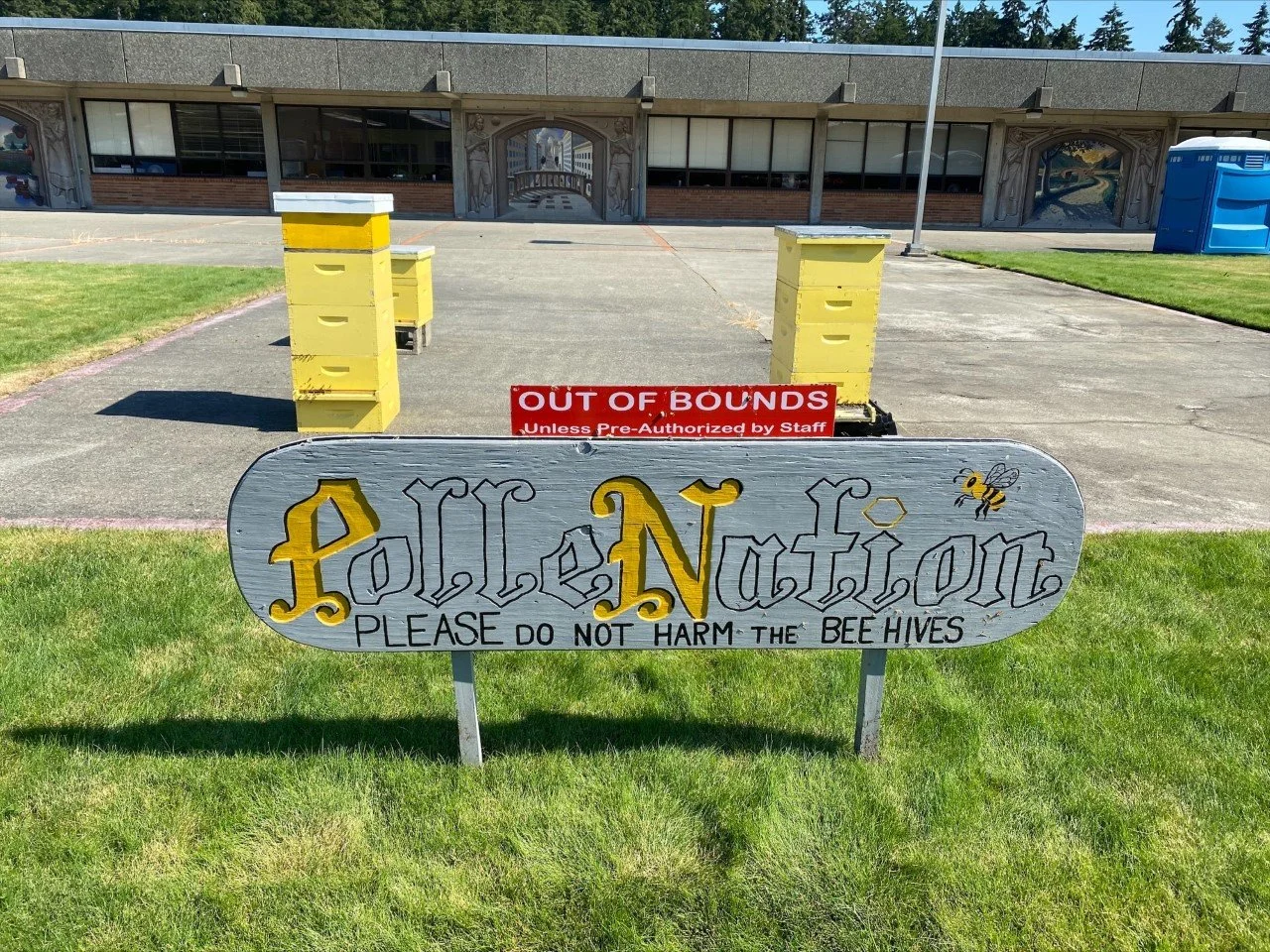 S3E6: Letting Knowledge and Nature In | In this episode we will have our final interview of the season with Kelli Bush, SPP Co-Director and introduce Emily Passarelli, Education and Outreach Manager for SPP. We’ll be chatting with them about SPP’s science education programs in Washington prisons. | — | ||||||
| 8/2/22 |  S3E5, Why did the Caterpillar Cross the Road? To get to the Artillery Range | In this episode we learn more about the Taylor's Checkerspot Butterfly Rearing Program with the Sustainability in Prisons Project. | — | ||||||
| 7/19/22 | S3E4 - Plugging Away at the South Salish Lowland Prairies | In this episode we talk to Kelli Bush, SPP Co-Director and Carl Elliot, SPP Conservation Programs Manager about the Conservation Programs and the Conservation Nursery at the Sustainability in Prisons Project. | — | ||||||
| 7/5/22 | 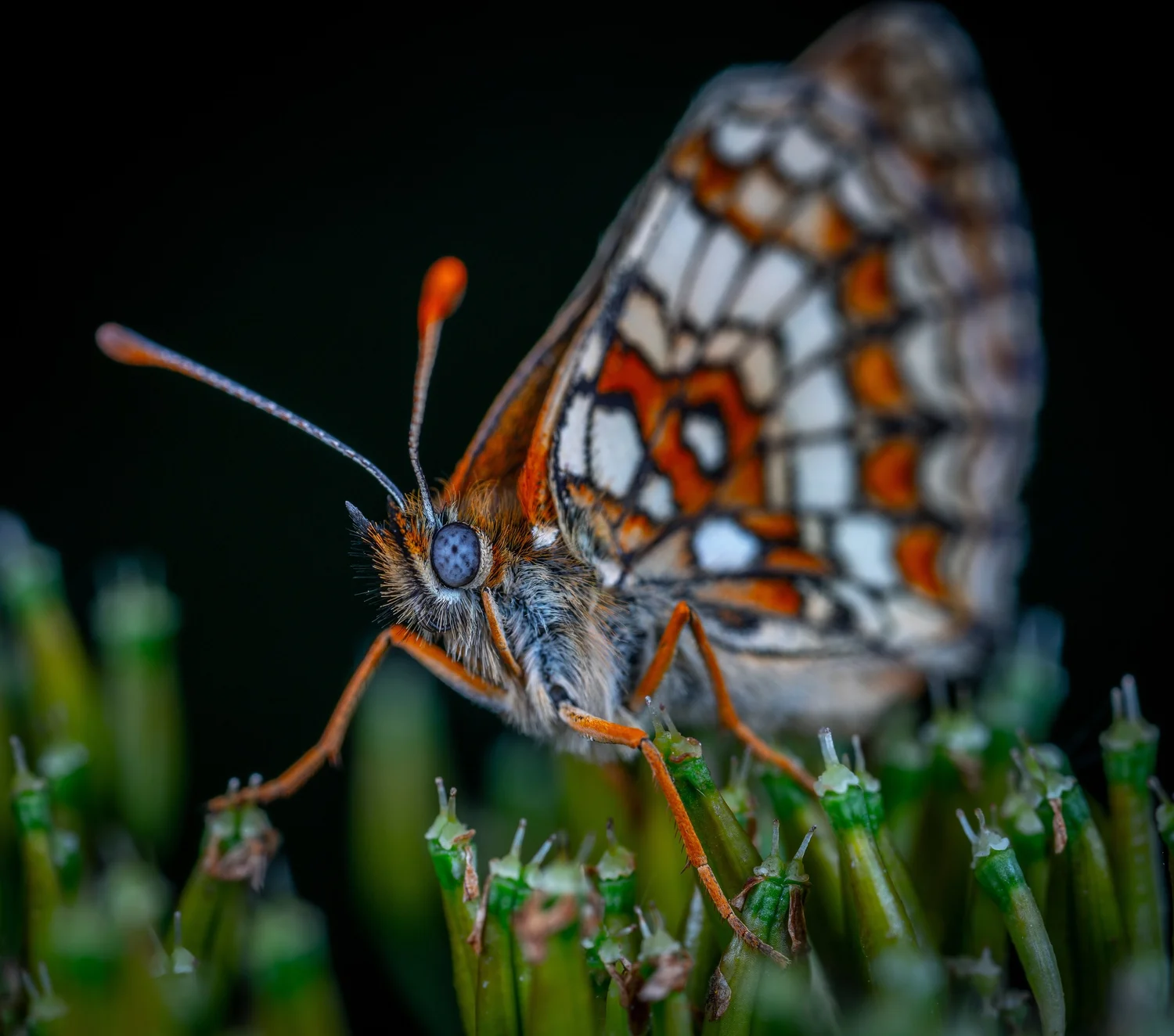 S3E3: If You’re not a partner of the solution, you’re a partner of the problem! | We interview Kelli Bush, Mary Linders and Carolina Landa and learn more about partnerships and programs in the Washington Sustainability in Prisons Project. | — | ||||||
| 6/21/22 | S3E2: Reducing Recidivism Through Education, Science and Nature | Season Three is all about the Sustainability in Prisons Project (or SPP), and how they bring education and training into the prisons to reduce recidivism and protect and enhance our environment. In this episode we interviewed James Jackson, who serves as an education re-entry navigator at The Evergreen State College. He shares some of his experiences with the prison system and the importance of education in breaking the cycle of incarceration. We will also hear again from Kelli Bush, Co-Director of the Sustainability in Prisons Project, who will share more about what SPP is all about. | — | ||||||
| 6/7/22 | S3E1: From the Tree Canopy to the Prison Grounds | Season 3 is all about the Sustainability in Prisons Project (otherwise referred to as SPP). SPP brings education and training into Washington prisons to reduce recidivism and protect and enhance our environment. In this episode we are honored to interview Dr. Nalini Nadkarni, whose curiosity and out of the box thinking led to the formation of SPP. We will also hear from Kelli Bush, current Co-Director of SPP. | — | ||||||
| 3/1/22 | 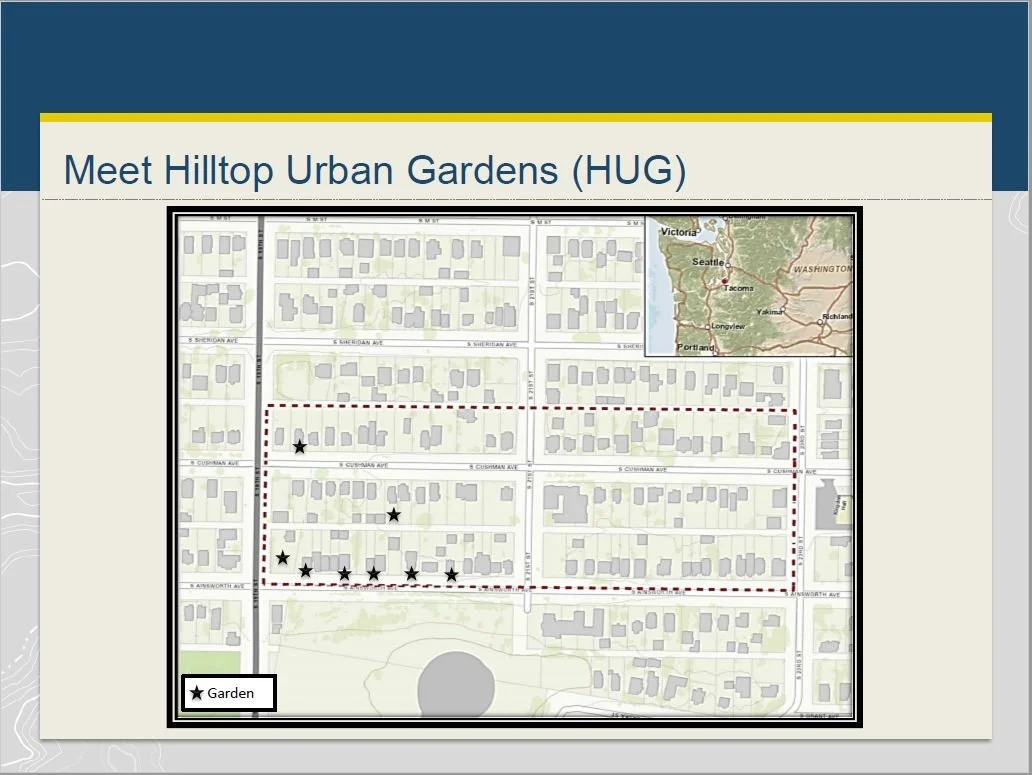 S2E5: A shady way to use your skills for good! | In this episode we learn about how you can identify ways to use your skills to make your community a better place. We learn about the GIS Sun Shade Analysis and how it was used to identify and prioritize garden areas in a unique urban garden in Tacoma, called the Hilltop Urban Garden or HUG. We also learn abut other ways to share your passion, like start a group, like the Washington Women in GIS and Technology group, or share your skills in your local schools. | — | ||||||
| 2/15/22 | S2E4: Bartering With Slugs | In this episode we learn more about community gardens with a twist. We speak with Holli Prohaska from the Urban Farm Collective in Portland, where you don’t have to own land or even rent a community garden spot in order to participate in growing your own food, and where you may have been excited to see slugs in the past. We say, bring back the slugs! | — | ||||||
| 2/1/22 | S2E3: If You Were A Fruit... | Tiare Gill and Jordyn Egbert from City Fruit in Seattle join us to talk about gleaning fruit from Seattle’s public orchards and private fruit trees and providing it back to the community. | — | ||||||
Want analysis for the episodes below?Free for Pro Submit a request, we'll have your selected episodes analyzed within an hour. Free, at no cost to you, for Pro users. | |||||||||
| 1/18/22 | S2E2: Love your Mother...Earth Farm | For this episode, we interviewed the previous farm manager of the Mother Earth Farm, Liam McNamara, about the Emergency Food Network and the unique niche that the Mother Earth Farm plays in providing fresh local food to those who need it. | — | ||||||
| 1/4/22 | S2E1: What the heckin heck is up with our Food System? | This episode we’re introducing the topic of food systems and food sovereignty and defining some of the main concepts. We are then joined by Nichole Garden, with the Washington State Department of Agriculture, to talk more about food access and different programs the State offers to help people access food resources. | — | ||||||
| 11/17/20 |  Episode 23: Intermission Part Deux | We're coming back, we promise! Just... not quite yet. We'll be back sometime next year for Season 2. | — | ||||||
| 6/16/20 | 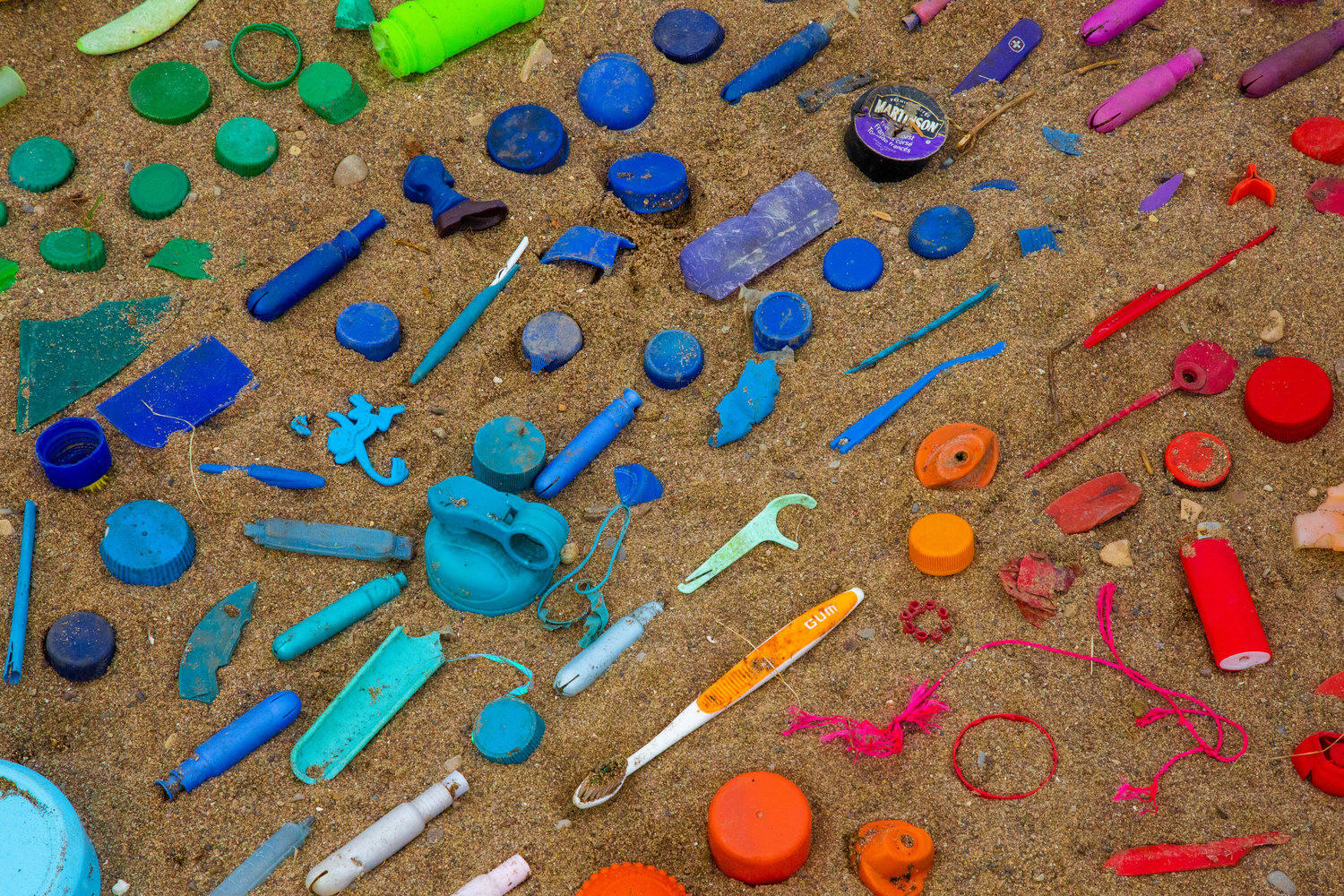 Episode 22: Just Say No (To Plastic) | The goal isn’t necessarily to go completely plastic free for the month, but to be aware of how much plastic you’re using and to try to reduce your single-use plastic consumption specifically. I wanted to talk about it this month so you (and our listeners) have time to come up with some goals for yourself and think about how you can implement them. When you sign up, you can challenge yourself to go completely plastic free, focus on single-use items, or focus on the big four takeout items (bags, straws, coffee cups and bottles). You also don’t have to commit to the whole month, but can choose to take the challenge for a week, or even for one day. I took the challenge last year for the first time with the goal to not use single-use plastics for the month. I was traveling to the big GIS conference in San Diego so I thought it might be harder, but a few strategies I had were to bring my own refillable water bottle and coffee travel mug. I also brought my own canvas shopping bags, because I typically come home with at least some cool map books. Esri helped me out by changing some of their practices. They gave everyone a reusable stainless steel water bottle at the beginning of the conference and had water refill stations set up around the conference center. One place it was difficult while traveling was when eating. I ate at restaurants a lot, but when I needed to grab food to take along, such as at breakfast, I really had to think about options without plastic. I definitely failed at times, but I was very aware of everywhere I was coming into contact with plastic. Some of these practices are becoming more difficult to implement during the pandemic, because grocery stores aren’t letting customers bring their own reusable bags (although where I shop they’re using paper instead of plastic), and coffee shops aren’t letting customers bring their own reusable mugs. I’m just making my own coffee at home to get around that. Some things I’ll be thinking about this year while I’ll likely be staying at home include food packaging. I’ll need to spend more time planning meals and thinking through all of the packaging involved in my groceries. Are there substitutions I can make that will reduce my plastic use? Can I buy in bulk vs buying several small packages? One large package contains less plastic than several smaller packages. Fresh food is even better than packaged food. I may need to get creative, but I’m committed! It did make me more aware of how much plastic I use, and since the challenge I have made a few changes. I no longer buy bottled shampoo, conditioner, face wash, or hand soap, and instead use bars for all of these. I bring my own reusable water bottle everywhere. I also bought beeswax food covers and use those instead of plastic cling wrap, and I am transitioning my storage containers to glass little by little. There are a lot more changes I can make, but start where you can! The whole idea is to become more aware and start making small changes where you can. You can go to the plasticfreejuly.org website (link in our shownotes) to sign up and to get ideas. They send out a weekly newsletter during the challenge with more tips and stories from the community. Amy, are you going to take the challenge? Follow along with us on our social media channels in July to see how we’re doing. Good luck! | — | ||||||
| 5/5/20 | 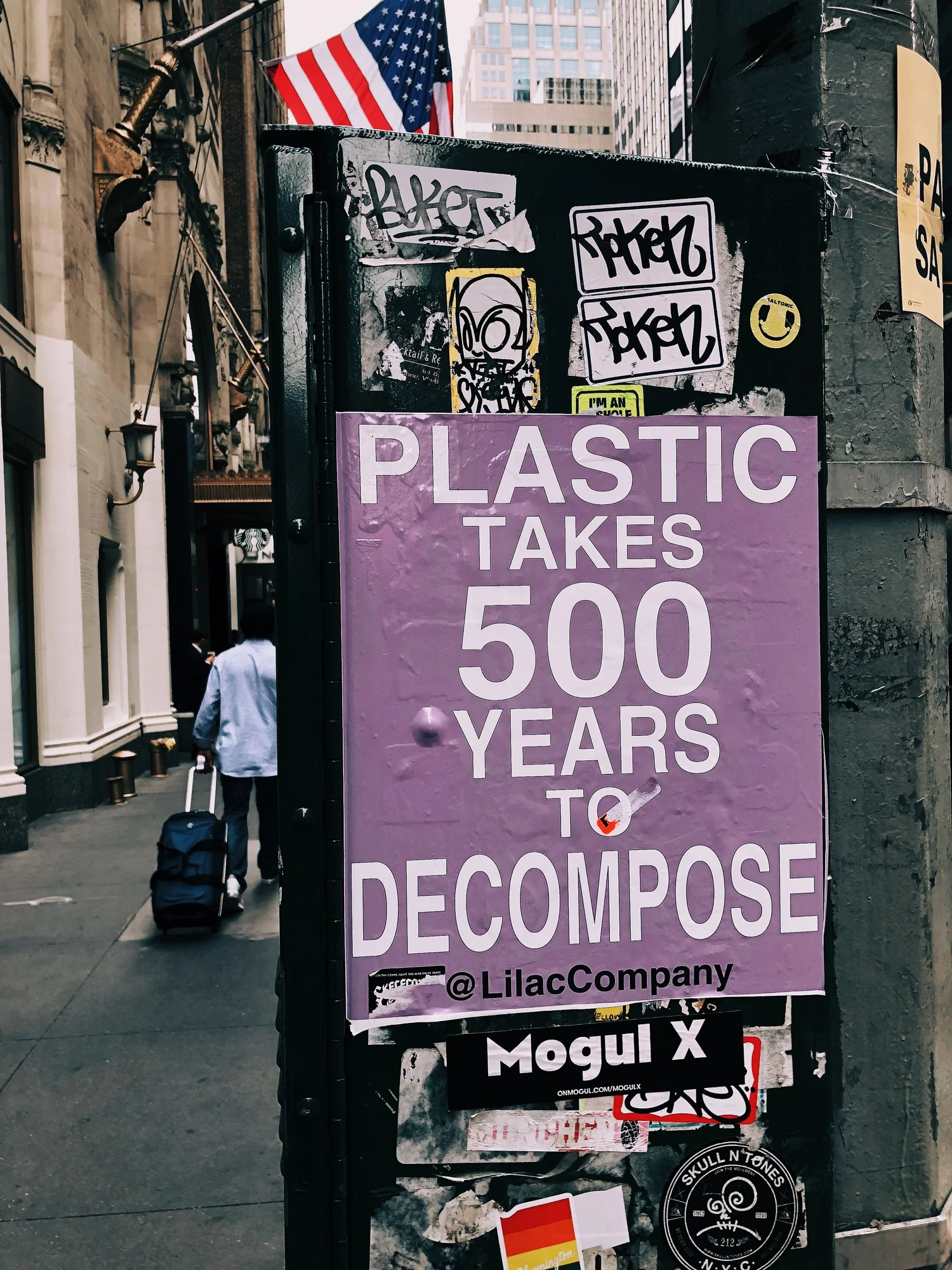 Episode 21: Trashing Plastic Recycling! | In this episode we will learn more about the the human and environmental health impacts of plastics, the history and future of plastics, the great recycling myth, a little bit about the zero waste lifestyle, and how to use Cartography to better display information on your maps, which will include my critique on a map that the Magical Mapper is designing. Most importantly, we talk about how You Are Loved!This is part two of our Plastics spotlight. Three months ago we shared some background on plastics, how plastic recycling isn’t working, the plastic ban from China, oh and a bunch of depressing plastic facts. So, if you haven’t listened to that episode and want a little more background before we delve into this episode check out Episode 18 first. Yes, we did this 2-part series in the correct order, just to keep you on your toes, then we added some episodes in between to see if you were paying attention. But before we get started, happy news! Here’s a link to an article about the grey whale we mentioned getting untangled.Environmental and Human Health Risks Associated with PlasticsPlastics pollute at all levels; during its manufacture, use and disposal. The poop detective gets right into some more depressing facts about plastic, starting with its manufacture. Plastic production can release airborne toxins and also cause fires and explosions.Many of the chemicals found in plastics are known endocrine disruptors. Amy drops a lot of facts, but if you want to go down the endocrine disruptor wormhole, check out the half hour video, Our Chemical Lives. Unfortunately 96% of Americans have endocrine disruptors in their blood, but there are all sorts of sources including the food we eat, oh which also has microplastics in it.Environmental ImpactsThe presence of plastics, particularly microplastics, within the food chain is increasing. In the 1960s, microplastics were first observed in the guts of seabirds, and since then have been found in increasing concentrations. There are estimates that around eight million tons of plastic end up in the world’s oceans annually. Amy bums us out with a lot more depressing plastic facts, which I won’t repeat here, although you might see some of them if you follow us on Facebook.Ok, I’ll share one very depressing report from 2018; a survey by the Global Oceanic Environmental Survey (GOES) Foundation found that the ecosystem in seas and oceans may collapse in the next 25 years, potentially causing failure of terrestrial ecosystem and "very possibly the end of life on Earth as we know it"; the main agents of this prediction were hypothesized to be plastic, ocean acidification, and ocean pollution. In order to prevent such a catastrophe, experts have proposed a total single-use plastic ban, wood burning bans while planting "as many trees as possible," "pollution-free recycling of electronics, and by 2030 all industries have zero toxic discharge."Climate Change ImpactsAlthough plastic is often seen as a separate issue from climate change, both its production and afterlife are in fact major sources of greenhouse gas emissions. In 2019, the Center for International Environmental Law published a new report on the impact of plastic on climate change, which Amy digs into. Finally, the disposal results in additional emissions.Also, an estimated 12% of all plastic is incinerated, releasing more greenhouse gases, as well as dangerous toxins, including dioxins and heavy metals. Industry is actually promoting an expansion of incineration in waste-to-electricity plants, which it describes as a source of renewable energy.The History of Plastic and Recycling and the Rise of the Single Use Disposable Consumerist SocietyThe mass production of plastic started about 70 years ago. Since then approximately 6.3 billion tons have become waste, clogging our oceans and landfills with a material that take potentially hundred to thousands of years to break down. Plastic might sit for hundreds of years without decomposing, breaking down into smaller and smaller pieces.Amy goes over the history of recycling in the US. She also relays some interesting facts about plastic bags.In 1907 Bakelite was invented. It was the first synthetic plastic, which contained no molecules found in nature. Global production of plastics increased annually from two million metric tons in 1950 to over 400 million metric tons in 2015, outgrowing most other man-made materials.The Future of Plastics is Tied to the Oil IndustrySo now, we have major oil companies getting ready to ramp up plastic production as consumers try to be more savvy with their plastic purchases. The World Economic Forum predicts plastic production will double in the next 20 years. The Alliance to End Plastic Waste was founded by major petrochemical companies. They’re simultaneously promising beach cleanups and recycling campaigns, while its key members, including Shell and ExxonMobil, announce plans to build new multi-billion-dollar polyethylene and petrochemical plants that produce inexpensive, plastic products.According to a Mother Jones article on the origins of the anti-litter campaigns: the entire anti-litter movement was initiated by a consortium of industry groups who wanted to divert the nation’s attention away from even more radical legislation to control the amount of waste these companies were putting out. In 1953 the packaging industry teamed up with other industries including Coca-Cola and Dixie Cup to form Keep America Beautiful, which still exists today. Keep America Beautiful was basically a campaign against individual bad environmental practices instead of the businesses taking responsibility for their waste.“By pushing for curbside recycling, you’re mobilizing a nation to do a lot of labor for you, bring [trash] back to you at low cost and invest in a lot of infrastructure for you —infrastructure you don’t build and don’t own.”— Bartow J. Elmore - environmental historianRecycling, Circular Economy and Zero-wasteSo, is it time to trash recycling? The reality is most plastic is not recycled. We have been fed the idea that plastics are recyclable, but between the inability for many plastics to be recycled to the high level of contamination in the plastic recycle stream, much of it ends up in the landfill, or worse somewhere in our environment. According to a story on treehugger.com, for the last dozen years recycling has been described as a fraud, a sham, a scam perpetrated by big business on the citizens and municipalities of America.In the end, recycling is a poor substitute for meaningful solutions, such as reducing the number of materials and products we consume and ridding ourselves of our reliance on products with an end of life, which is oftentimes called a zero waste lifestyle within a circular economy. Amy discusses our current linear economy and how moving to a circular economy would be beneficial. Our happiness should not be predicated on purchasings goods.Is there any good news?Some countries have big plans to curb plastic waste, such as Indonesia, which aims to cut marine plastic waste by 70% within five years and be entirely plastic pollution-free by 2040.Companies are starting to listen, but only take baby steps to commit to less plastic. The American Chemistry Council aims for all plastic to be recycled or recovered by 2040, although critics dismiss the goal as unrealistic greenwash. Many of the major companies, like Coca-Cola, Pepsi and Nestle have made plans to include 25-50% recycled material in their plastic packaging between 2025 and 2030. But it seems these goals in no way match the severity of the issue.What can we do?The bottom line to really make change, we have to change the way we view our society. We need businesses to innovate their practices to move towards a circular economy that does not produce waste.To fix this, we need to quickly stop the idea of the throwaway culture being normal. But of course, changing it is going to be far more difficult because it permeates every aspect of the economy. Remember that we vote each time we make a purchase.We should all strive for a zero waste lifestyle, where individually, we attempt to minimize or eliminate waste and therefore avoid recycling altogether. The best way to start is just to buy less, and guess what, our stay at home orders should be making that easier to do!GIS - Cartography!After all of that depression, we finish out the episode on a high note! Jen finally gets to talk about maps! Head over to the GIS Tools blog for some helpful cartography resources, and to see the amazing map Jen created.Please don’t forget to rate, review and subscribe on Apple Podcasts, Stitcher, or wherever you get your podcasts (like Tune In, Castbox Himalaya, iheartradio, etc). Please let us know what you think in the comments below or at facebook.com/WillWeMakeItOutAlive. Also, if you are more visually inclined, check out our YouTube page! | — | ||||||
| 4/7/20 |  Episode 20: Surviving the Sound, and the Pandemic | In this episode we’re bringing you the second part of an interview we conducted last fall with Joy Waltermire from Long Live the Kings, where will learn more about the organization Long Live the Kings and their mission, and how to survive the sound. | — | ||||||
| 3/3/20 |  Episode 19: Surfriding to a Cleaner Environment | In this episode we discussed how long some plastics have been invasive in our remote environments. Then we met up with Liz from the Olympia Surfrider Chapter. We chatted about all sorts of interesting stuff, but tried to stay focused on what Surfrider does, how you can plug into their programs and continued discussing the issues with plastics. | — | ||||||
| 2/4/20 | 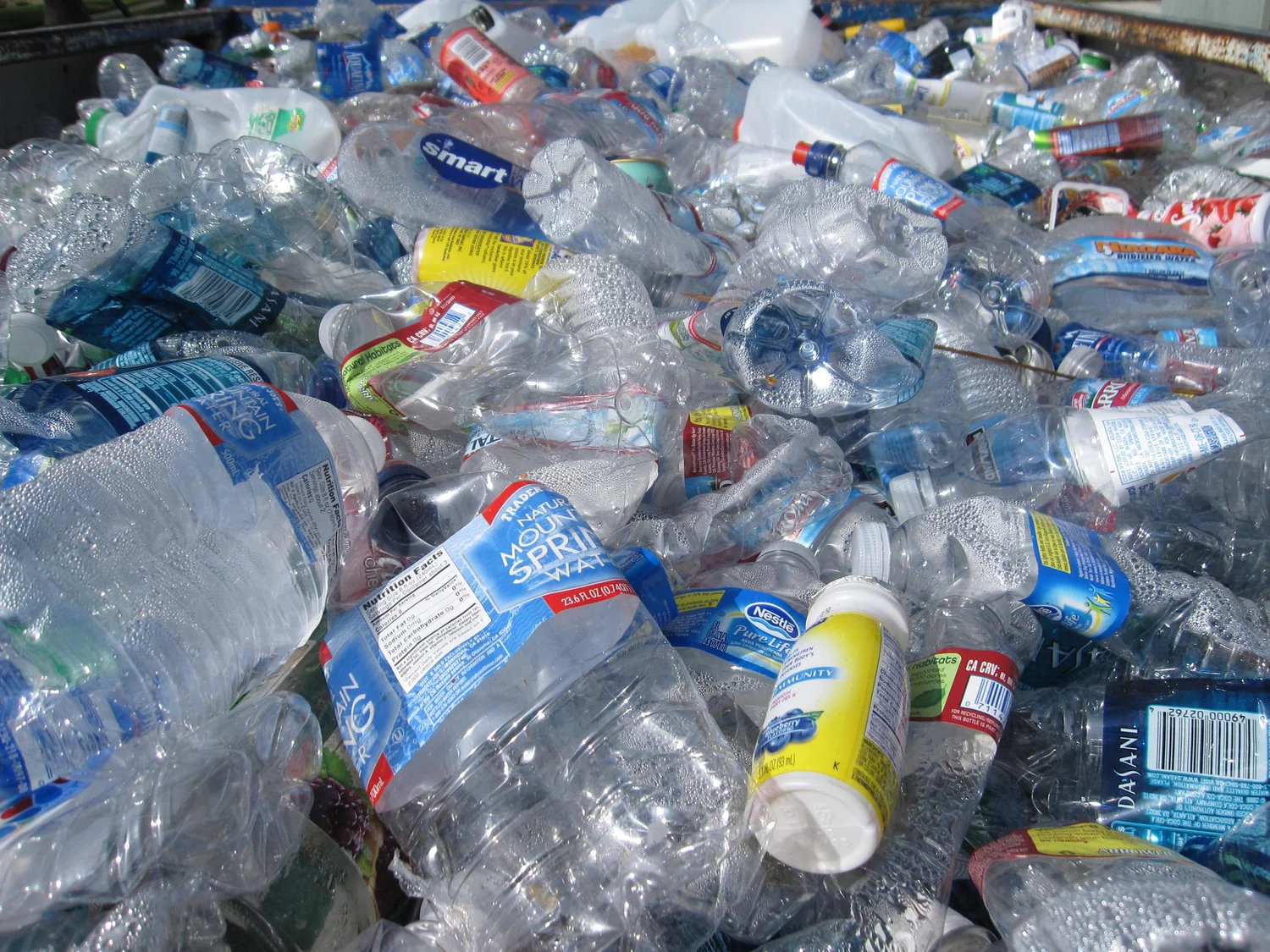 Episode 18: What Up With Recycling | In this episode we will learn more about funny costumes, what’s up with plastic recycling, how to optimize routes in GIS to save time, fuel, and emissions, and how to recycle those odd items in your area if you can’t reduce your consumption in the first place. | — | ||||||
| 1/7/20 |  Episode 17: The Partnership and the Sound | In this episode we will FINALLY share the story that birthed the term backdoor style, we dive into the Puget Sound Partnership and the 2019 State of the Sound Report (we will not be recovering Puget Sound by 2020, since it’s already here), how GIS dashboards make life easier and the Call to Action from the State of the Sound report...even though it’s not gonna be recovered by 2020, that’s no reason to just give up and the Partnership has lots of suggestions for actions. So, get settled in, cause we are going full NERD on this episode. | — | ||||||
| 12/3/19 |  Episode 16: Why Did the Salmon Swim Upstream? | We interview Joy Waltermire of Long Live the Kings about the salmon lifecycle, why salmon are important to the Salish Sea ecosystem, and what challenges they face. | — | ||||||
| 11/5/19 |  Episode 15: A Culvert Affair | Today we will be bringing you a culvert operation...we will learn more about culvert replacement prioritization in the Wenatchee Watershed. We also discuss GIS flow networks and how they play a role in the prioritization tool. We interview Robyn Pepin of Aspect Consulting, who helped develop a GIS tool that more effectively evaluates culverts for removal than existing ranking systems. While we realize that we haven’t introduced all of the intricacies of the salmon and their lifecycle, we hope to help illuminate them in a future episode. We might even try to interview someone again...although we did have some technical challenges with our long distance recording. | — | ||||||
| 10/1/19 |  Episode 14: Intermission | We have a short episode this month due to technical difficulties, but we will be back next month with our first interview episode! | — | ||||||
| 9/3/19 |  Episode 13: Knights of the Nearshore | In Episode 13: Knights of the Nearshore, we talk about how we almost didn’t make it out alive in the San Juan Islands, the impacts of our armored shorelines, how to coax the hard armor off, how to use GIS to find your identity, and opportunities for shoreline monitoring. | — | ||||||
| 8/6/19 | 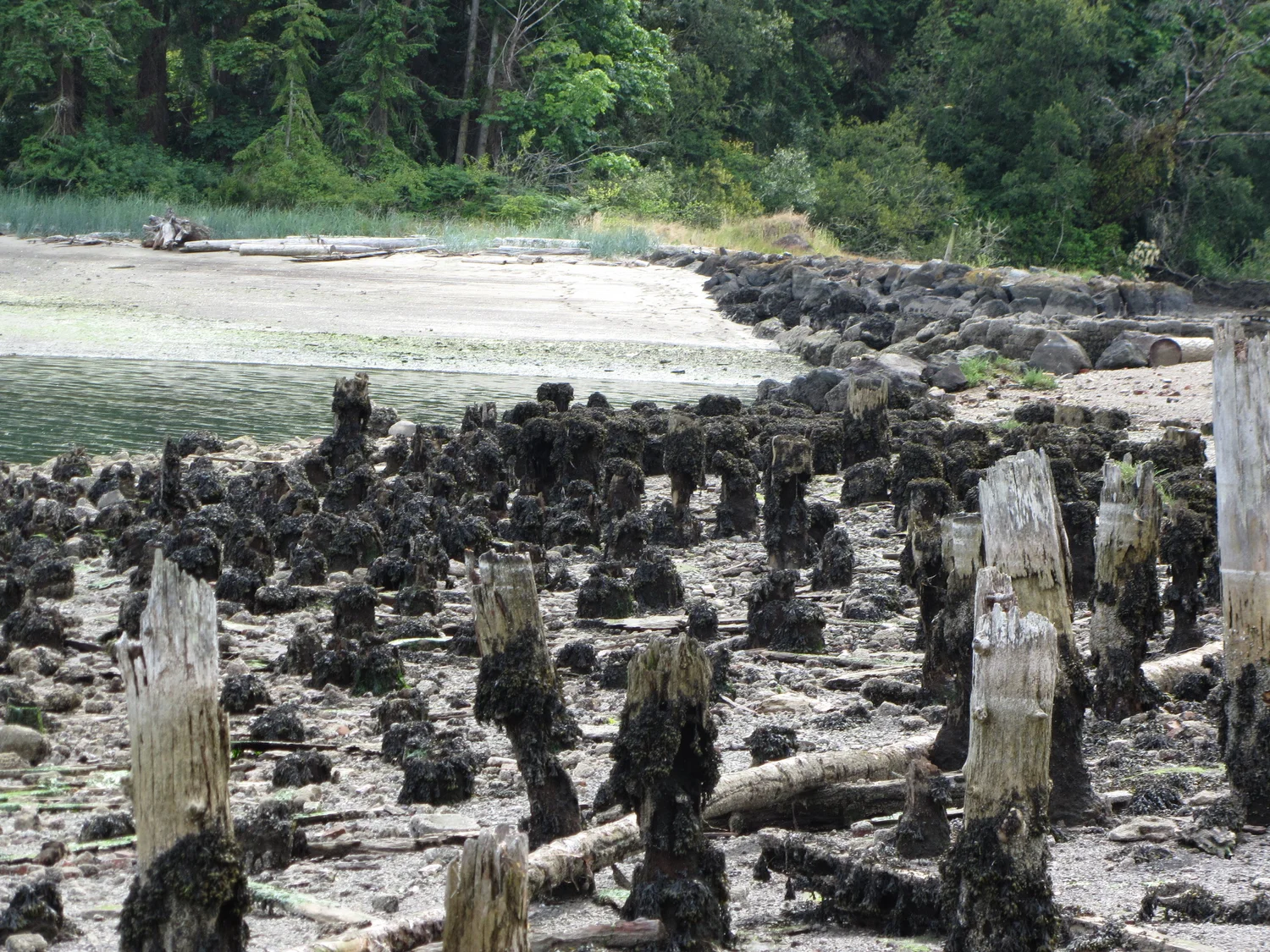 Episode 12: Ghost Ships and Rail Dock Ribs | In this episode we learn about how sound travels on water, creosote pilings and ghost ships, how the Samish Nation uses GIS in its marine debris removal efforts, and how to report creosote pilings or derelict vessels in the Puget Sound. | — | ||||||
| 7/2/19 | 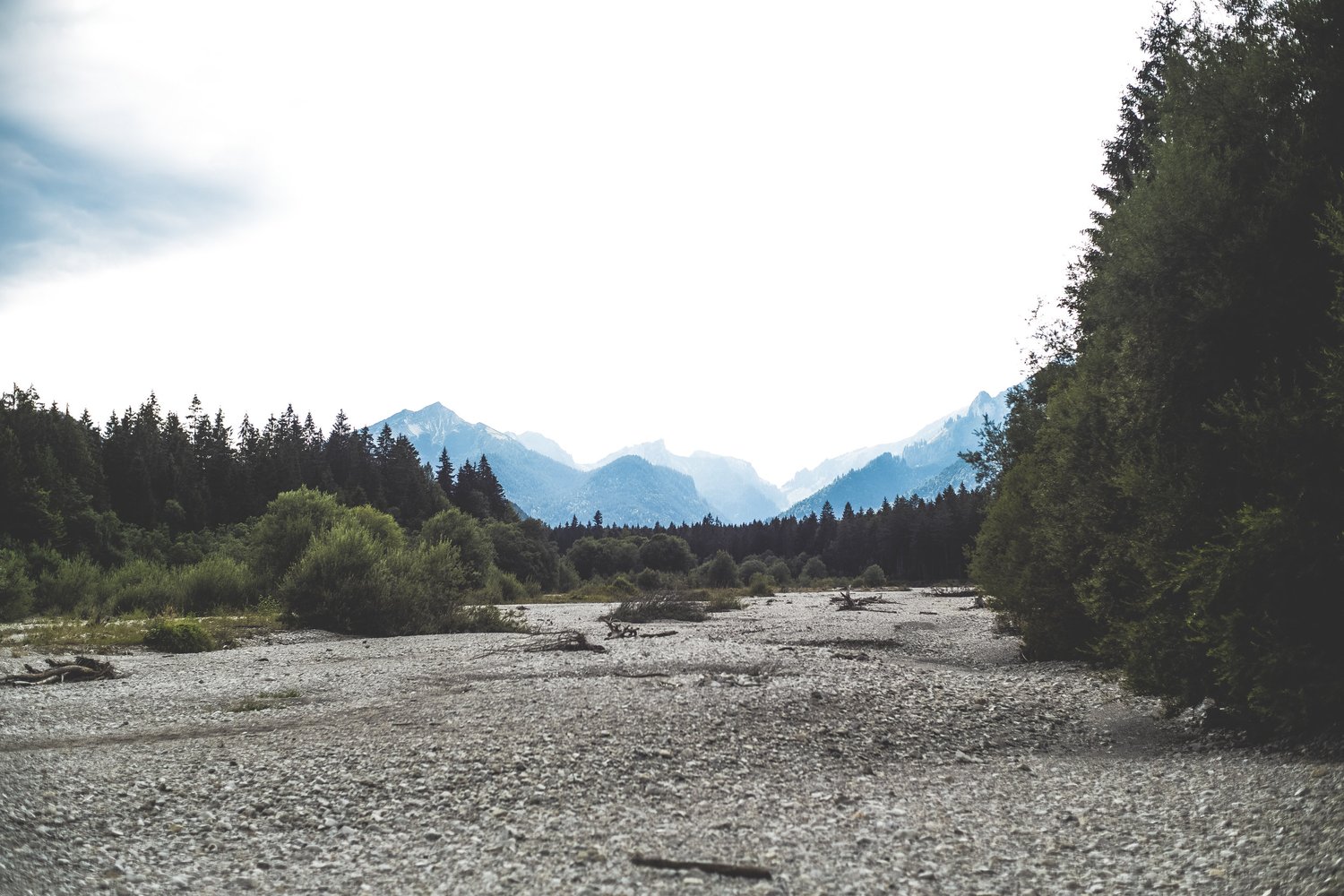 Episode 11: It's Getting Dry In Here! | In this episode Amy the Poop Detective and Jen the Magical Mapper discuss drought, what it is, what causes it, what areas in the Pacific Northwest are currently being impacted, future drought conditions under climate change and what you can do to conserve water. We also talk about the US Drought Monitor and how they use GIS to evaluate data and make weekly determinations for drought across the US. Finally, we discuss how you can report drought conditions or become your own meteorologist, by installing and maintaining a weather station! | — | ||||||
Showing 25 of 36
Sponsor Intelligence
Sign in to see which brands sponsor this podcast, their ad offers, and promo codes.
Chart Positions
1 placement across 1 market.
Chart Positions
1 placement across 1 market.