

Insights from recent episode analysis
Audience Interest
Podcast Focus
Publishing Consistency
Platform Reach
Insights are generated by CastFox AI using publicly available data, episode content, and proprietary models.
Total monthly reach
Estimated from 3 chart positions in 3 markets.
By chart position
- 🇸🇪SE · Food#1751K to 10K
- 🇦🇪AE · Food#2910K to 30K
- 🇵🇹PT · Food#161500 to 3K
- Per-Episode Audience
Est. listeners per new episode within ~30 days
3.5K to 13K🎙 Daily cadence·493 episodes·Last published yesterday - Monthly Reach
Unique listeners across all episodes (30 days)
12K to 43K🇦🇪70%🇸🇪23%🇵🇹7% - Active Followers
Loyal subscribers who consistently listen
4.6K to 17K
Market Insights
Platform Distribution
Reach across major podcast platforms, updated hourly
Total Followers
—
Total Plays
—
Total Reviews
—
* Data sourced directly from platform APIs and aggregated hourly across all major podcast directories.
On the show
Recent episodes
Disrupting Wine: From Artificial Intelligence to Award-Winning Orange Wines in Armenia. Luiza Avetisyan
Jun 24, 2026
Unknown duration
Is Port Wine Dying? The Battle Between Tradition and Millennial/Gen Z Tastes. Rupert Symington
Jun 19, 2026
Unknown duration
The Honest Truth: Is the Wine Industry Too Elitist for Its Own Good? Louis Calli tells all.
Jun 16, 2026
Unknown duration
Are Wine Tastings a Sham? What the producers of Bottle Shock think.
Jun 12, 2026
Unknown duration
Is Champagne Overrated? Why French Winemakers Are Betting on California's Anderson Valley: Arnaud Weyrich
Jun 9, 2026
Unknown duration
Social Links & Contact
Official channels & resources
Official Website
Login
RSS Feed
Login
| Date | Episode | Description | Length | ||||||
|---|---|---|---|---|---|---|---|---|---|
| 6/24/26 |  Disrupting Wine: From Artificial Intelligence to Award-Winning Orange Wines in Armenia. Luiza Avetisyan | Armenia is a hot bed of tech. It is a think tank for AI, NVIDIA is building a plant and IT is taught to elementary aged children. I was looking for certain types of guests for the show; people in unusual circumstances, fighting a social battle or just following thier heart into the unknown. Well, that spells L-U-I-Z-A! A Phd turned passionate wine advocate, hear here story here. It's not every day your podcast guest goes from debugging algorithms to bottling award-winning wine, but that's what makes this episode unforgettable. Our guest, the founder of Musa Wines and a leading tech entrepreneur, shares a story where the digital world collides with the deep roots of Armenian winemaking. She opens up about how crafting wine is her way to stay grounded in a fast-changing world where AI and software reshape daily life, and brings us inside the journey that took her from financial engineering to international wine competitions. What listeners may not expect is how she exposes the unique frictions, and yes—controversy—of entering a market where vodka and beer threaten to drown out an industry striving for cultural rebirth. In Armenia, making wine is more than a business. It's a statement about identity. You'll hear remarkable anecdotes about the breakneck pace of innovation in Armenian tech contrasted with the humbling, unhurried tempo of winemaking. There's the surprising revelation that, despite Armenia's patriarchal reputation, women are not just participating in the wine industry—they're changing it. And as she recounts organizing and participating in global wine spectacles, she lifts the lid on the tough realities and triumphs of launching an artisan winery in a crowded, sometimes indifferent market. Amidst all the excitement, the struggle to win over local consumers (more inclined toward vodka than vino) and to compete internationally brings both humor and frustration—and sparks a conversation about what it truly takes to produce heritage, not just another product. Most intriguingly, this episode doesn't shy away from the tough stuff. You'll hear candid reflections on the business risks of losing access to key export markets like Russia due to political tensions and the pressure to educate both Armenian and global palates used to formulaic, mass-market wine. Our guest's experience shines a light on the intersection of tradition, innovation, and the boldness required to carve a space for something authentic in an often unforgiving industry. What you will learn: How Armenia's tech-savvy talent fuels both innovation and tradition in its burgeoning wine industry The challenges—and controversy—of making artisan wine in a country with low local consumption and stiff foreign competition Why women are rising to prominence in Armenian winemaking and redefining industry norms Practical insights into the gritty logistics, global marketing, and deeply personal motivation behind building a boutique wine brand YouTube: https://youtu.be/ENYgMU8Dus4 | — | ||||||
| 6/19/26 |  Is Port Wine Dying? The Battle Between Tradition and Millennial/Gen Z Tastes. Rupert Symington | When I mentioned a good friend I was heading to Portugal, he says "look up Rupert, he has an interesting story."" And I did...but because I was travelling, I did not spend the time researching the upcoming guest, a mistake I have never made again; you see, Rupert Symington is literally wine royalty...and I had no clue. Rupert Symington is the kind of guest who could convince you that the real secrets of port wine are hidden not in the bottle, but behind family names, fortified histories, and backroom deals struck centuries ago. If you think port is just a sweet afterthought or a dusty bottle reserved for granddad at Christmas, get ready to have your assumptions shattered. This episode ventures into the shadowy borderlands where commerce, politics, and survival collided—painting port not as a relic, but as a living testament to international rivalry, regulatory gamesmanship, and enduring British influence in Portugal's very soul. You'll learn how wars, political treaties, and a dash of scandal led to the accidental birth of port 02:11, and why some of the best "Portuguese" wines might owe more to London's drawing rooms than Douro's slopes. Rupert doesn't just spill the wine—he spills the industry's deepest anxieties: why vintage port, once equal to Bordeaux, is now almost an afterthought and how tight regulation and power moves have locked out newcomers 28:10 15:20. Is port's old world mystique its greatest asset—or its Achilles heel? If you've ever wondered what's really swirling in your glass, this is the episode that won't let you look away. Here's what you'll learn—no sugarcoating, only intrigue: 🍷 Why port's power structure is locked down tighter than any other wine region, and how the ancient Methuen Treaty still shapes your options today 24:37 🍷 What it really takes to break into the port world, and why some upstarts never stand a chance against the big names—all by design 15:20 🍷 How the British rewrote Portuguese wine history out of self-interest, laying a foundation of control, class, and privilege that echoes centuries later 02:11 🍷 **Why the best port for collectors used to rival, then fell behind, Bordeaux and Burgundy—and whether its next revolution will come from within or collapse under its own legacy 28:10 | — | ||||||
| 6/16/26 |  The Honest Truth: Is the Wine Industry Too Elitist for Its Own Good? Louis Calli tells all. | He had me at: "Wine has gotten so unbelievably soft. It walks around whining and making apologies." When I read this, I reached out immediately to ask him how...and why? And he told me. Louis has been around, in fact, I sensed his career was parrellel to mine: he has vast experience in wine retail, wine wholesale, wine hospitality, wine digital, wine writing, wine, wine, wine..... Louis Calli may never have claimed to "save" the wine industry single-handedly, but his diagnosis is as precise as a master sommelier's nose—wine has gotten soft, and it's time to sip reality. This episode doesn't swirl around niceties or empty nostalgia. Instead, the conversation dives headlong into the uncomfortable truths facing wine today: a business obsessed with shiny fads, paralyzed by fear of changing consumer tastes, and haunted by the specter of private equity. Listeners will hear why pouring another limited-edition seltzer or slapping a "low alcohol" sticker on a bottle isn't just lazy marketing—it's a symptom of an industry desperate for relevance. But beneath the critique pulses something more powerful: a call to abandon excuses, rediscover authenticity, and refuse to apologize for what wine truly is. A key theme that emerged is the myth of passive growth: those days, the discussion makes clear, are gone. The conversation focused on how wineries once bet their future on walk-in traffic and social media virality, only to wake up to a landscape where pay-to-play is the only game in town, distribution feels like a bloodbath, and customer loyalty withers on the vine. The episode explores gritty stories—from the owner who out-sells every employee just by caring, to wine bars packed only when there's a football game on the big screen. If you've ever wondered whether Napa's greatest crisis is too many weak brands or too few honest stories, be prepared for a lively debate that refuses to dance around the tough issues. Leave your preconceptions at the door—this isn't another romantic ode to "the good old days." It's a spirited, controversial challenge to resist the aristocracy, get dirty in the trenches, and admit that sometimes the best wine moments aren't about the wine at all. Sit back and grab a glass; here's a spicy flight of lessons you'll learn: 🍷 Why the industry's obsession with new products and non-alcoholic gimmicks is weakening—not saving—wine's allure. 🍷 How private equity's "brand house" strategy hollowed out the middle, and why legacy may now be wine's greatest asset or greatest trap. 🍷 The controversial truth that social media marketing is mostly a money pit, not a silver bullet—and why real customer relationships still matter more. 🍷 Why making wine "the story" in every tasting room moment is suffocating your business—and how letting it be "part of the scene" ignites true connection. 🍷 The fiercely debated advice that wineries should stop apologizing, stop diversifying by default, and unapologetically "pour gasoline" on whatever is actually working. You will come away not only with bold new strategies, but a candid sense of what it will take to thrive when polite resignation is finally off the table. YouTube: https://youtu.be/ad6d9-VIfIg | — | ||||||
| 6/12/26 |  Are Wine Tastings a Sham? What the producers of Bottle Shock think. | Yes, there was a movie. A movie about the Judgement of Paris. The movie being a heap of fun, you will hear on this episode of Wine Talks...why! It was pure craziness in the studio with the producers of the movie Bottle Shock stopped in to shed some light on the production of the movie, as well as what they are up to now! If the notion that wine is the domain of aristocrats, snobs, and storied French chateaux still lingers somewhere in your mind, this conversation will pop that cork and send it spinning. Wine Talks with Flint Dilley and Jody Savin shatters glass ceilings and sacred casks, daring to suggest that most of us—yes, most—are bluffing our way through every swirl and sniff 17:10. Listen as these guests champion the radical democratization of wine, challenging the very premise that expertise is necessary for genuine enjoyment. The wine world's intimidation factor, self-perpetuated by "gatekeepers" with elaborate rituals and intimidating lingo, comes into direct conflict with the guests' vision of wine as a playful, accessible, and astonishingly subjective pursuit 20:01. Here, sniffing for Lucky Charms notes is not only permitted—it might just win you the game. In a rare act of subversion, you'll hear how a film and now a board game have wielded more influence over wine culture than generations of critics or winemakers. Did "Sideways" kill Merlot? Could a single movie scene undo centuries of Bordeaux supremacy and dictate what gets planted in California? The fact that growers ripped up vineyards, or that wine shops raised prices overnight because of a fictional character's tantrum, is explored with both glee and incredulity 07:53. As the episode peels back layer after layer of myth and marketing, you'll confront the uncomfortable idea that much of what we value about wine is, in fact, marketing—and that the difference between a thousand dollar bottle and a two buck chuck might come down to the poetry with which it's sold 29:29. But don't get comfortable. The real friction ignites as Dilley and Savin unveil how a social game—with blind tastings, confessions, and bluffing—can upend every "truth" you cling to about wine 15:07. Is the experience of drinking wine really about the terroir and the chemistry, or is it memory, emotion, and the stories we conjure as we raise our glasses? The duo invites you to consider whether it's even possible to separate objective quality from subjective experience, and whether the current obsession with expertise is blinding us to the much deeper pleasure found in the absurd, the communal, and the unpredictable 30:34. And as you might expect from these iconoclasts, you're prodded to face the possibility that the wine industry's woes are as much about their own outmoded rituals as new challenges 51:07. Is the romance and lore of wine being crushed by commodification and technical "scoring"? Is your best "tasting note" your own memory, or the one somebody else told you to have? This episode dares you to reconsider the very act of sharing a bottle—not as a performance, but as a disruptive act of mindfulness and connection 34:12. What You'll Learn: 🍾 That the fall of Merlot was driven by a single movie scene and how pop culture trumps tradition 09:45 🍾 Why most wine "tasting notes" are total B.S.—and how bluffing is half the fun 17:10 🍾 How democratization and play can dismantle the snobbery and fear around wine 38:17 🍾 The secret to designing a wine game for both "snobs" and "newbies", and why you don't need to know anything to win 24:05 🍾 That your most memorable bottle may actually be the cheapest—if you bring the story and the spirit 29:29 Michael Mondavi Winery: https://michaelmondavi.com/ Opus One Winery: https://www.opusonewinery.com/ Chateau Montelena: https://www.chateaumontelena.com/ BevMo: https://www.bevmo.com/ Total Wine: https://www.totalwine.com/ Trader Joe's: https://www.traderjoes.com/ YouTube: https://youtu.be/EcE_nUpOKHY?si=DZ6msba0KbL6iJvh | — | ||||||
| 6/9/26 |  Is Champagne Overrated? Why French Winemakers Are Betting on California's Anderson Valley: Arnaud Weyrich | I think one of my big mistakes in life was to teach my son-in-law about Champagne and Sparkling wine. My depletion rate has doubled. The intrigue for me to speak with Arnaud Werrich is hard to describe. I am fascinated with wine of course, but immigration as well. Who would pick their lives up to move to a new country to start a new career. I am jealous of this type of courage. Arnaud isn't just another winemaker crossing the ocean, chasing the "California dream." He's a scientist thrust into a world where centuries-old French mastery collides with New World rebellion—a tension that simmers in every bottle he produces. Does the Anderson Valley's wild, fog-kissed landscape really have what it takes to rival Champagne, or is it a daring gamble that only nostalgia and romance can prop up? As Arnaud tells it, French tradition can be both an anchor and a shackle: the rules are clear back home, but on California soil, the future is written by those brave enough to experiment. You'll hear the friction between luxury and authenticity, the old guard of family-driven wineries and the crushing volume of global brands. Sparkling wine, once accessible and communal, now competes in a market distracted by fleeting trends—wine in a can, non-alcoholic fizz, and tourism feeding on lavish lifestyles rather than love of the land. Even the climate itself has become an antagonist, pushing vineyards toward crisis and innovation as Mother Nature rewrites the script. This episode bubbles over with questions that demand answers. Can a wine made in California truly capture the soul and mystique of Champagne, or will it always be an imitation in the eyes of the world? As climate change creeps into every corner of the vineyard, how far can tradition stretch before something essential is lost? Is luxury in wine defined by legacy, price, or the promise of sustainability—and who decides? Will the next generation fall in love with wine, or abandon it for the next flash-in-the-pan beverage trend? In a culture obsessed with exclusivity, can camaraderie and genuine connection survive, or is the wine table destined to become just another status symbol? Listen in to follow every unresolved tension as Arnaud uncorks the answers—one story, one glass at a time. Things we spoke about: Louis Roederer: https://www.louis-roederer.com/ Roederer Estate: https://www.roedererestate.com/ Veuve Clicquot: https://www.veuveclicquot.com/ Taittinger: https://www.taittinger.com/ Chanel (wineries in Napa): https://www.chanel.com/ Château Lafite (Domaine Barons de Rothschild, referenced as "bottle of the feet" = Lafite): https://www.lafite.com/ Domaine Louis Jadot: https://www.louisjadot.com/ Girgich Hills Estate: https://www.grgich.com/ The French Laundry: https://www.thomaskeller.com/tfl Bouchon Bistro: https://www.thomaskeller.com/bouchon-bistro The Press Napa Valley: https://www.thepressnapavalley.com/ Anderson Valley (general tourism): https://www.andersonvalley.org/ Boonville Hotel (Anderson Valley): https://www.boonvillehotel.com/ The Madrones (Anderson Valley): https://www.themadrones.com/ Navarro Vineyards (Anderson Valley): https://www.navarrowine.com/ YouTube: https://youtu.be/kJMBTWa7ntE Note: Some businesses, such as Bartles & Jaymes and Armenians Sparkling Wine, were mentioned, but either do not have a dedicated website or are part of larger parent companies not specifically referenced by name. | — | ||||||
| 6/4/26 |  How Chateau Montelena Won the Judgement of Paris with Bo Barrett | Wine Talks is continuing the "Judgement of Paris" series with the most unlikely of the all. The Barretts were neighbors and patrons of Paul Kalemkiarian's Sr's wine shop in Palos Verdes Estates and in fact, as told by Bo in this podcast, probably the shop where the family bought the wines they used to celebrate the win. What happens when a surfer from Palos Verdes trades the ocean for Napa's vineyards and ends up toppling French wine supremacy? On this episode, Bo Barrett uncorks the rebellious roots behind Chateau Montelena's epic 1976 Judgment of Paris victory, revealing how a tax credit, a ghost winery, and a crew of passionate misfits changed wine history forever. Paul Kalemkiarian digs into the wild mix of grit, luck, and audacity that put California wine on the world map—and why that maverick spirit is under threat today. Learn: The Real Reason Napa Took Off: Tax Shelters and Amateurs, Not Romance Forget the myth of French-style passion and old-world elegance—Bo Barrett reveals it was IRS tax credits and total novices that sparked Napa Valley's boom, with estate owners cluelessly weighing artichokes, avocados, and even cow farming before settling on wine at 08:14. Paris Judgment Was a Fluke: California Was Already Winning at Home Think the Judgement of Paris was the moment California wine "arrived"? You'll learn that on the West Coast, California wine was already outselling French counterparts, long before the historic Paris tasting even hit—victory was just a telegram away at 21:11. Napa's "Ghost Wineries" and Lost Trademarks: The Industry's Shadowy Past Chateau Montelena was a derelict ruin, its prized trademark given back by Sutter Home's Trinchero family for nothing. Bo Barrett dramatically exposes just how tenuous, generous, and seat-of-the-pants the early California wine industry really was at 11:14. Making White Zinfandel & Chardonnay for Survival, Not Artistry The wines that built California's fortune—Riesling, Chardonnay, White Zin—were born out of desperate business necessity, not luxury or fine winemaking. Learn how the cash cycle, not flavor, drove these iconic bottles at 25:02. Biodynamics? "A Religion, Not a Farming Practice" While influencers hawk labels like "certified organic," Bo Barrett pulls no punches arguing that biodynamics is closer to faith than science, and exposes the paperwork-driven charade behind much of modern green farming at 42:49. Brand Loyalty is Dying and Millennials Don't Care About Tradition The stability that Parker and Wine Spectator brought is over. Now, wineries scramble to court millennials who crave "authenticity" over loyalty or legacy, meaning that the next Napa legend may look nothing like the cool, dusty chateaux of the past, as Bo Barrett outlines at 33:01. YouTube: https://youtu.be/NyUY58evCK0?si=ka-NFz8gqS2Rr0X5 | — | ||||||
| 6/1/26 |  Mike Grgich was the Judgement of Paris...How daughter Violet Grgich lives the legacy. | Wine Talks with Paul K | Proper winemaking takes humility. It takes a story. It takes risk. And I guess risk is relative. when you come from nothing or next to nothing and you plot a path and execute a path, that comes from and takes humility. Mike Grgich landed in Saint Helena with $32 dollars sewed in his shoe and landed in front of a faceless hotel. He wasn't sure at the point what to do next and certainly wasn't aware of what was to become of him. Sitting with Violet Grgich is in itself sitting with humility. Such a desirable trait in a human being. She immediately draws you in to her outlook on life; perhaps a piece of her fathers outlook. The Grgich name might conjure visions of Napa Valley legend, but Violet Grgich proves she's every bit as fascinating as the myth she continues. In this unforgettable conversation, you'll traverse the triumphant, tumultuous journey of her father, Mike Grgich—the man behind the "Judgment of Paris"—from a small, impoverished Croatian village to the heart of California winemaking, with $32 literally sewn into his shoe and ambition sewn into his soul. Violet unspools the invisible threads connecting generations: the hard-won wisdom passed from father to daughter, the unwavering commitment to tradition and authenticity, and the belief that the story in every bottle is as important as the wine itself. Along the way, you'll uncover why organic, regenerative farming isn't just a marketing phrase at Grgich Hills, but a living, breathing value system; how a winemaker's hands-off approach reveals complexity in the glass; and why, despite decades of technological advances, the heart of great wine remains thrillingly elemental. Violet's reflections on the emotional power of wine—its capacity to conjure memories, ignite conversation, and bind friends—will linger with you long after, as will her thoughts on the shifting tides of generations, changing tastes, and why she's certain that, in the end, every age group rediscovers honest wine. You'll step behind the cellar door to meet the people, the terroir, and even the family spirit that defines Grgich Hills—learning not only the story of a vineyard, but how wine, at its best, transforms a simple moment into something infinite. By the end, you'll know not just how Grgich wines are made, but why they matter, and why the real taste of wine is the taste of a hard-won, beautifully lived life. Grgich Hills Estate (Violet Grgich's winery) https://www.grgich.com Napa Valley Vintners Association https://www.napavintners.com Apple Inc. (referenced as the employer of Paul K's daughter) https://www.apple.com Robert Mondavi Winery https://www.robertmondaviwinery.com Chateau Montelena https://www.montelena.com Hills Bros. Coffee (referenced due to Austin Hills) https://www.hillsbros.com St. Helena Hotel (historical mention, no current operational website found) Pepperdine University (Violet's MBA alma mater) https://www.pepperdine.edu #WineTalks #podcast #NapaValley #VioletGrgich #PaulK #GrgichHills #JudgmentofParis #winemaking #winehistory #organicfarming #regenerativeagriculture #wineemotion #immigrantstories #familylegacy #Chardonnay #CabernetSauvignon #wineinnovation #naturalwine #wineeducation #winebusiness #wineryexperiences | — | ||||||
| 5/28/26 |  Bringing Georgia to Your Glass: Mallory Tsipouria's Journey Promoting Ancient Wines in the US | Georgian wines have been around...well, I suppose over 6000 years. In fact, it is a disputed fact between the Armenians and the Georgians as to which country made wine first. The best analysis I can come up with is that 6100 years ago, when what is now called Areni 1 Cave located in Armenia was established, there was no Georgia and there was no Armenia, but regardless, the disageement lives on. Georgian wines have been in the US since I can remember. At least since the '80's. And back then they carried a pecular, indigenous character; earthy, ozidized and cloudy. That has all changed but the history. A politician turned wine guy is trying to change the perception of Georgian wine...Melory Tsipouria. Listen to him tell his story. When I first sat down with Mallory Zippor, I realized he wasn't just a guest—he was a force of nature. Imagine a man who's fought for his country's democracy, worked in Congress, and now deploys that same relentless spirit to put Georgian wine on the American map. Mallory Zippor doesn't just sell wine; he crafts a movement—one handshake, one tasting, one story at a time. You'll hear him lay out his vision with the same confidence he used to take four congressional delegations to Georgia, making it clear that introducing 8,000 years of winemaking tradition in a land where most people haven't even heard of his homeland is not for the faint of heart. This isn't your average wine conversation. It's a blueprint for making the future, not waiting for it. Over the course of our conversation, I watched as Mallory Zippor demystified not only the process of importing and advocating for a little-known wine region, but the uniquely personal approaches that set him apart. He's rocked 300 in-store tastings in just eight months, recruited family and friends into his passionate crew, and outmaneuvered corporate gatekeepers at every turn. He has a knack for turning an ignorant "I didn't even know Georgia was a country!" into genuine curiosity, using everything from ancient clay amphorae to vivid bottle artwork, all while keeping his wines affordable and intensely personal. As Mallory Zippor tells it, with every taste poured, a new ambassador is born—a theory he's putting to the test every single day. If you join me for this episode, here's what you'll discover, one clay pot at a time: 🏺 What makes Georgian wine "the birthplace of wine," and how 500 indigenous varietals survived centuries of empires and the Soviet machine 🏺 How 300 grassroots tastings outshine digital marketing and create lasting relationships—one poured glass at a time 🏺 The role of ancient clay amphorae in crafting both orange (amber) and red wines, and why American palates are finally catching on 🏺 Why clean, natural wines with minimal intervention are more than a health trend—they're a strategic advantage in today's market 🏺 How educating store staff and restaurant crews is the secret weapon for making "impossible-to-pronounce" wines into local favorites 🏺 What it really takes to punch through massive industry headwinds, from bypassing distributors to scaling a personal vision from one store to 300 You'll come away not only knowing more about Georgian wine, but inspired by the sheer persistence, creativity, and human touch it takes to make a cultural dent in the world's most crowded wine market. YouTube: https://youtu.be/rQ6oTcBY584 | — | ||||||
| 5/26/26 |  Beyond Luxury: Exploring Bordeaux's True Essence with Jane Anson | Wine Talks had tried...tried to get Ms. Anson on the show. But being the quintessential author and historian of the vineyards and wines of Bordeaux, it took a bit of scheduling. Jane Anson is the real thing. And we could have spoken for hours. She is elegant, articulate and whimisical all in one person. We already know it takes pure passion of story telling to write about wine and to study wine, but to roll into her skill set, the previously mentioned human qualities, is quite rare. If you want the real story behind a bottle of Bordeaux, don't ask the winemaker—take a look in their cellar, says Jane Anson, and see if all they drink is their own wine. That's the kind of sharp, behind-the-label wisdom I promised you when I sat down with Jane Anson, someone who knows this region not as a myth or a brand, but as a living, breathing place. She's spent twenty years in Bordeaux, weaving her own story through the halls of opulent first growths and the quiet perseverance of family-owned estates feeling the squeeze of a world in flux. Her take? Bordeaux isn't just a catalogue of big names and gilded bottles—it's where history, ego, weather, and inheritance all seem to collide in every vintage. In this conversation, Jane Anson and I dig deep into what it means to live and work in Bordeaux right now. You'll hear how the region has shrunk from a teeming 8,000 châteaux down to just 4,000, and what that upheaval actually looks like for the people on the ground—farmers, families, the next generation of winemakers. Jane Anson bursts the myth of Bordeaux as nothing but luxury, sharing stories that move from $10 bottles to legendary labels, always circling back to the truth that wine's real magic is in human connection, stories, and sharing a bottle at the table. You won't just learn about grape varietals, classifications, or price tags. In this episode, you'll get Jane Anson's inside perspective on Bordeaux's beating heart—where architecture, history, and living memory are the real terroir. Here's what you'll take away from my conversation with Jane Anson: 🍷 The insider's guide to Bordeaux's transformation—from thousands of châteaux shuttering to the new wave of authentic wine tourism 🍷 How the arrival of outside investors (from China, America, and beyond) has disrupted and enriched the story of Bordeaux 🍷 The role technology and AI now play in wine storytelling, and why the most important stories still come from real people 🍷 What makes a great winemaker (here's a hint: their cellar holds more than just their own bottles) 🍷 Why, in an age of noise and speed, people, relationships, and shared drinks still matter most If you want to understand Bordeaux—what it was, is, and could be—I promise this is an episode you can't afford to miss. YouTube: https://youtu.be/zawVPjOnm24 | — | ||||||
| 5/21/26 |  From the Plate to the Brain: The Neuroscience of Taste and Harmony: Dr. Peter Klosse. | The idea of food and wine pairing is elusive at best. If you gave five Sommeliers the same dish and a host of wines to pair with the dish, you could very easily get five different suggestions. I know for me, when I pair wine and food, my first ideas usually don't work. Enter Dr. Peter Klosse and his research. If you've ever stared at a wine list or picked up a tasting note and thought, "There's got to be a better way to make sense of all this," then this episode of Wine Talks is for you. Paul K sits down with Peter Klosse, the Dutch chef and flavor scientist who's shaking the very foundation of how we talk about taste. What unfolds is an insightful, casual, and story-rich conversation that bridges the wide and sometimes intimidating gap between what we like to eat and drink—and why we like it in the first place. Peter, who founded the Academy of Gastronomy and has worked with everyone from Michelin-star restaurants to academic researchers, brings forward the argument that taste doesn't have to be mysterious or completely subjective. He outlines how measurable factors—molecules, acidity, and something he elegantly calls "mouthfeel"—can, and should, inform how we approach both food and wine. Gone are the days of rigid regional traditions and cryptic sommelier speak. Instead, Peter's methods empower anyone, from the everyday wine lover to the master chef, to connect with wine and food on a deeper level. The episode is peppered with from-the-trenches anecdotes: Paul recounts customer calls from Europe, diners who try to recapture that perfect vacation meal at home, and the generational tug-of-war over wine language. Peter's responses never fail to surprise, elegantly reframing frustration into scientific curiosity and actionable tools. He's not out to replace the magic of a great meal—just to help everyone understand and repeat it, whether it's in a three-star restaurant or at your own dinner table. What's especially exciting is how Peter breaks down the concept of "liking" into something actionable. He describes how chefs and hosts can tailor dishes to individual preferences using the simple, science-based tools his research has uncovered. By the time the show wraps, you'll have a new lens for your next glass of wine, and a deeper appreciation for the art-meets-science at the center of every great meal. What you'll learn in this episode: 🍷 The scientific basis for taste—how measurable qualities like acidity, sweetness, and mouthfeel define your wine experience 🍷 The concepts of contracting, coating, and drying, and how they simplify understanding both wine and food 🍷 Why harmonious pairings create a pleasurable reaction in your brain, backed by neuroscience and neuroaesthetics 🍷 How to move beyond intimidating jargon and regional traditions and focus on what really matters in your glass 🍷 Practical tools for personalizing wine and food pairings—so you can create memorable experiences for yourself and your guests YouTube: https://youtu.be/RefUgOHBXuE | — | ||||||
Want analysis for the episodes below?Free for Pro Submit a request, we'll have your selected episodes analyzed within an hour. Free, at no cost to you, for Pro users. | |||||||||
| 5/19/26 | 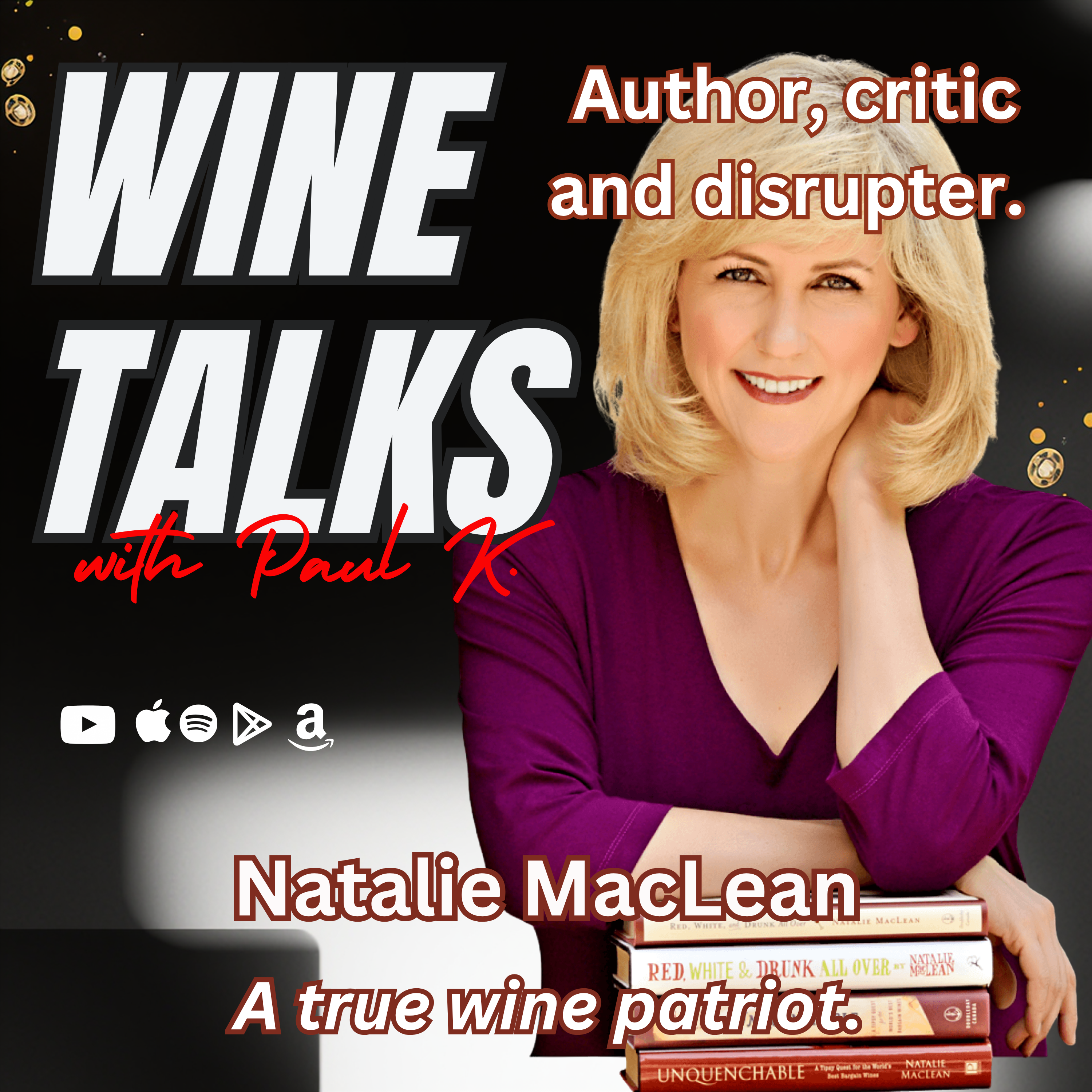 Navigating Wine Lists and Confidence: A Conversation with Natalie McLean | I find her refreshing. I find her intriguing. I find her wise: In wine. Natalie brings to the proverbial table an unabashed view of wine and she will tell you like it is. I have to tell you that having Natalie McLean on the show was one of those times where you know you could just keep talking for hours, and still barely scratch the surface. From the moment she cracked her opening line about starting to drink when she met her husband—"and haven't found a reason to stop"—I knew we were in for an episode rich in anecdotes, laughter, and real insight into the world of wine and the people orbiting it. I love a guest who doesn't take themselves too seriously, especially when that guest has the credentials and accolades to do so if they wanted. Right off the bat, the story of how Natalie McLean first dipped her toe—well, her glass—into wine was classic. The ex-husband, the MBA couple, and the journey through Spanish classes, golf, and finally onto wine studies left me grinning. You know, everyone's path to wine is different, but hers, starting with a night course in Toronto after failed golf and Spanish efforts, reminded me that for every over-serious sommelier out there, there's a person who just wanted to relax after work and stumbled into a passion. And let me tell you, Natalie McLean didn't just dip in; she cannonballed. I was genuinely impressed with the way she described her wine education—full sommelier diploma, authoring books like Red, White, and Drunk All Over, and racking up James Beard awards along the way. But what I really admire is her ability to bring it all down to earth. She calls herself the "Chief of Wine Happiness," which put an instant smile on my face—because at the end of the day, isn't that what a great bottle is supposed to do? There's this refreshing honesty in Natalie McLean about wine's intimidating side. I shared my own blunders—forgetting wine for family Easter, wandering into the market like any other consumer, grabbing a brand and sometimes striking out. She had her own: sweating bullets in a restaurant interview, staring at a wine list, and famously ordering a Cabernet with Dover sole at a big consulting dinner. Didn't get the job, but it sparked that classic realization: "I never want to feel that way again." I could relate—as much as anyone, even after decades in the business, that dusty wine list in a posh restaurant can still get your palms sweaty. The conversation took a fun turn when she described her divorce tastings—pairing Cabernets with burning love letters. We laughed, but there's a message in the humor: wine isn't just labels and numbers; it's woven into our life's best and worst moments. We got onto selecting wine in restaurants, talking to the sommelier, and why confidence is more important than credentials. That tip Natalie McLean gave—to "point at the price" when you don't want to say it out loud—folks, I'm adopting that one! I appreciated her point: most people just want a glass of pleasure, not an encyclopedia of terroirs. That struck home. Of course, we got nerdy too—talking about licensing, liquor laws in Canada, and the absurd hoops you still have to jump through to get a good bottle at home if you're north of the border. Yet, through it all, Natalie McLean kept it relatable and warm, whether it was "free my grapes" in Canada or shelf talkers in American supermarkets. Put simply, Natalie McLean reminded me and, I hope, everyone listening, that wine is about stories, connection, and yes, a good laugh at yourself every now and then. And that, for me, is what keeps the conversation, and the cellar, alive. | — | ||||||
| 5/14/26 |  Behind the Bottle: The Human Stories and Craft of Tuscan Winemaking with Ivo Assanelli | This is what is so interesting about the wine trade. It takes a ton of passion to do this, it is hard work and sometimes, without the passion, it just feels like a vanity project. At Caiarosa in Italy, the passion extends from Bordeaux France. I have had the pleasure to sit with the Director of the famed Chateau Giscours, a 2nd growth Bordeaux, and find their story and approach solid, but adventurous. Enter Caiarosa on the west side of Tuscany; a solidly Tuscan winery employing the methodes and thought processes of Bordeaux; sounds mixed up? Have a listen and find out why this makes sense. Ivo Assanelli may not travel with a corkscrew in one hand and a passport in the other, but after this conversation, you'll swear he's unlocked the essence of Tuscany with each bottle he opens. This episode invites listeners into a world where the liquid in your glass is no ordinary beverage—it's a vessel for stories, heritage, and profound emotion. Paul Kalemkiarian hosts a discussion that sweeps you from windswept Tuscan hills to bustling global wine expos, all while wrestling with questions of tradition, innovation, and the ever-changing palate of a new generation. You'll immediately sense that with every uncorked bottle, Ivo Assanelli carries not just the flavors of Cairosa, but the soul of winemaking itself. You'll learn why simply calling wine "alcohol" or "a beverage" misses its very point—and how approaching a glass, whether in California or on the coast of Tuscany, is an act steeped in generations of craft, climate, and culture. The conversation pulls listeners behind the scenes into the delicate business of sustaining organic and biodynamic vineyards, the unpredictability of weather, and the fine art of blending parcels that can shift in character every few yards. They explore the struggles and triumphs of carrying European tradition into markets where attention spans are short and every shelf is crowded, revealing that success means more than just good wine; it's about forging human connections and passing along stories that endure. From clinking glasses at wine fairs to humble tales of filling demi-johns in Italian villages, every anecdote reinforces just how tightly wine is woven into the fabric of life. You'll come away tasting not just the terroir, but the history, the hardship, the romance, and the unwavering passion that makes a bottle come alive in your hands. 🍷 How the story in a bottle connects generations, places, and people far beyond the alcohol content 🍷 Why a wine's true personality is shaped by the challenges of each season, not just the label on the outside 🍷 The real reasons passionate wine lovers like Ivo Assanelli hit the road—sharing beauty, not chasing trends YouTube: https://youtu.be/slLq3Qfj2vw | — | ||||||
| 5/12/26 | 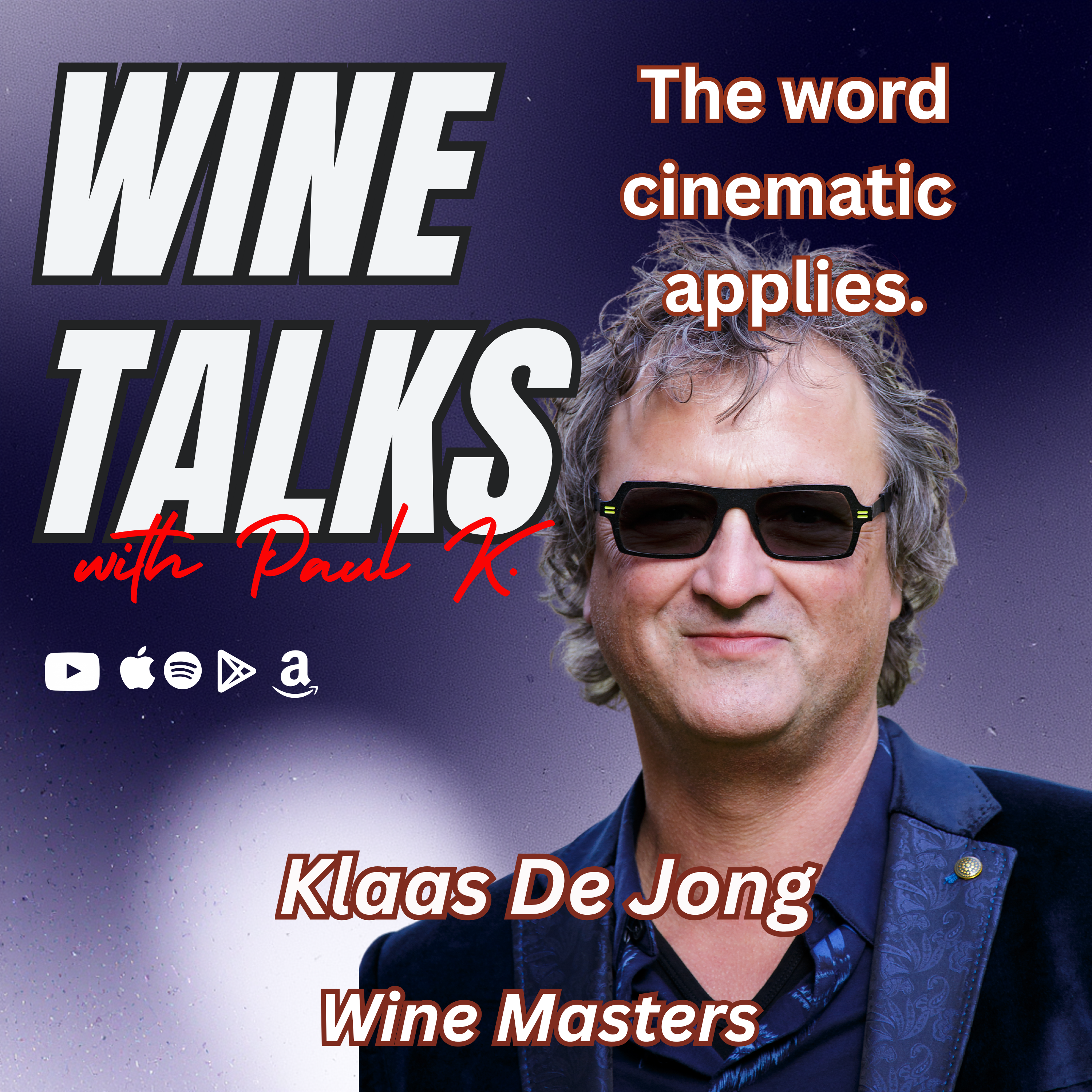 Behind the Lens: How Klaus de Jong Brings Wine Culture to the World | I have been watching, waiting, watching and waiting again...to talk with Klaas De Jong. He produces some of the most unique and cinematic wine footage in the trade. But it isn't just about the footage, it is the story telling. And he didn't come from the wine side, he is a movie maker who loves wine and he brought the two worlds together. If ever there was a guest who could turn the scrutinizing lens of cinema on a glass of wine, it's Klaus de Jong—part philosopher, part producer, and entirely convinced that the best stories ferment slowly at the intersection of culture and entertainment. You'll leave this episode with the rarest of vintages: the inside track on how wine media is shaped, poured, and served to global audiences, straight from someone who's reimagined vine-to-glass storytelling for the screen. Klaus de Jong unpacks why wine TV shows have long lagged behind food programming, revealing how a cinematic, "Chef's Table" approach finally cracked open the vault, giving rise to serious "edutainment" for wine lovers and professionals alike 02:25. He guides you through the dual headwinds of modern film and the wine trade—the shrinking cinema crowds, the anxious global wine industry, and the high stakes of quality demanded by platforms like Apple TV and American Airlines 09:10. Independence—no sponsors, no advertisements, just stories—remains Klaus de Jong's north star, shaping his work into something both credible and captivating. And through tales of grand cru houses and luxury Champagne brands meeting 21st-century uncertainty 14:07, you'll witness why authentic, rock-and-roll storytelling must replace snobbery if wine is to reach a new, open-minded audience 17:19. There's even a philosophical detour into the very taste experience, courtesy of a Michelin-starred Dutch chef who turns wine pairing—and the traditional swirl-and-sniff routine—on its head 43:29. As Klaus de Jong shares his journey from the Dutch film scene to international streamers, and teases a dramatic English-language feature on the infamous "Sour Grapes" wine fraud, he peels back the curtain on the art, the hustle, and the accidental education that comes with a well-made glass and a well-told story. 🎬 What you'll learn in this episode: 🎬 Why wine TV was once unwelcome—and how cinematic standards opened the floodgates for wine documentaries 🎬 How truly independent production changes the way wine stories are told and sold 🎬 What luxury wine brands are facing today, from downturns to a changing consumer base 🎬 Why authentic, "rock-and-roll" storytelling matters more than ever in wine media 🎬 How a Dutch Michelin chef's no-nonsense approach to wine pairing could upend everything you ever heard from a sommelier YouTube: https://youtu.be/XIaS_Bxguvc | — | ||||||
| 5/7/26 | 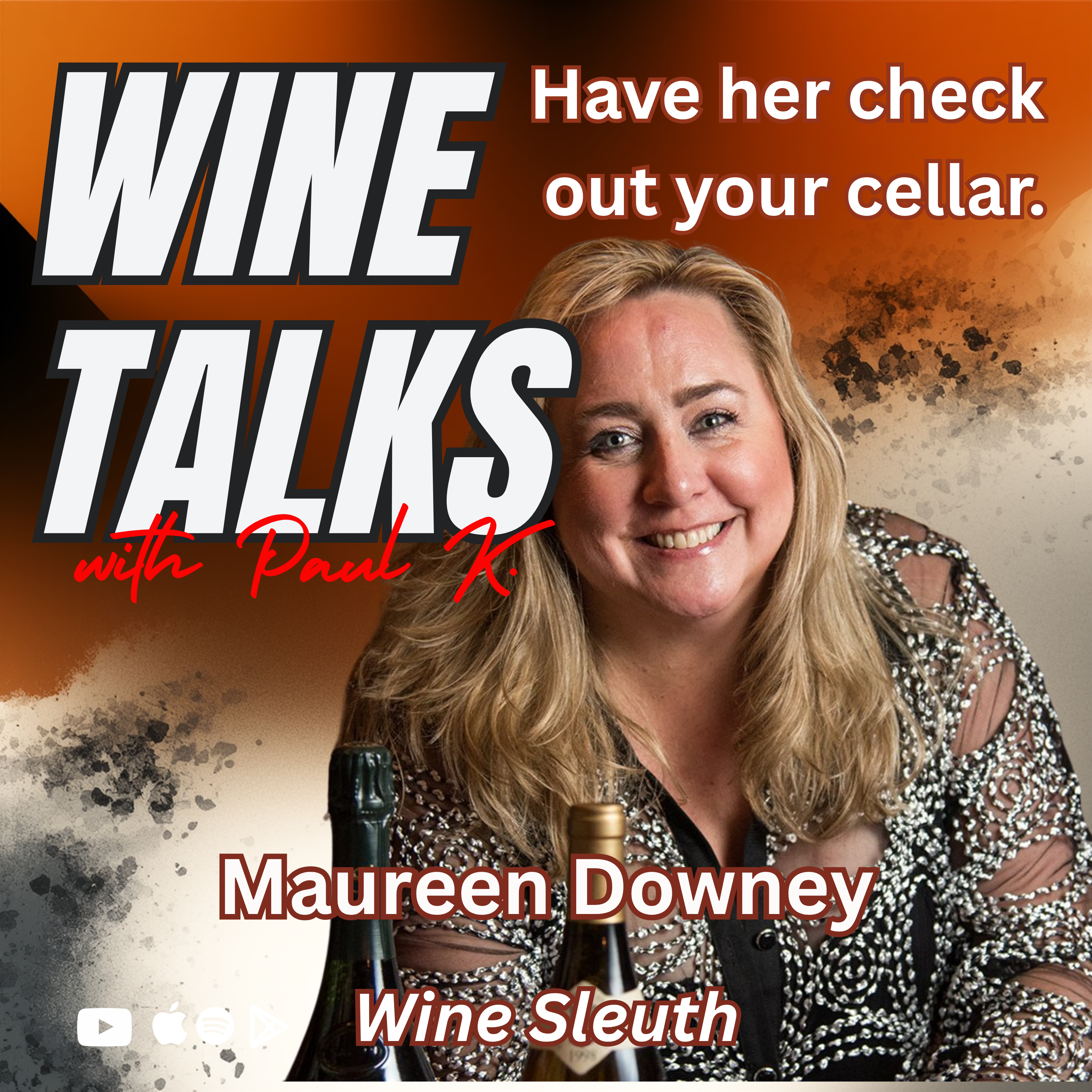 Uncorking Wine Fraud: Maureen Downey on Counterfeits, Crime, and Blockchain Solutions | She is the worlds preeminent authority on wine fraud. If you weren't even aware that wine fraud exists, if does...in a big way. Wait until you her Maureen's disdain for Rudy Kurniawan, the famed and jailed wine fraudster (he was sent back to Singapore a few years ago), she tells it like she feels it. You might say Maureen Downey has the world's most expensive palate—and the sharpest magnifying glass for tasting deception in a bottle. If you think wine is just about swirling, sipping, and enjoying a story-laden pour, think again. In this episode, Maureen Downey—the preeminent authority on wine fraud—uncorks a world where forgers ply their trade not just at the highest levels of Bordeaux and Burgundy, but even on supermarket shelves with bottles of everyday Yellowtail. You'll hear how the murky "gray market" and the black market enable criminal networks to slip thousands of counterfeit bottles into collections, auctions, and restaurants every year—a scandal with roots stretching all the way back to the days of Pliny the Elder. You'll follow Maureen Downey through the meticulous, forensic process used to expose fakes. Whether it's ink chemistry, glass composition, or the subtle aging of a label, you'll discover how minute details can distinguish a $3,000 treasure from a $3 dud. Paul Kalemkiarian and Maureen Downey pull back the curtain on infamous figures like Hardy Rodenstock and Rudy Kurniawan, revealing how they manipulated auction houses, winemakers, and even world-famous critics to flood the market with masterful forgeries. With stories of sting operations and daring heists, you'll learn that organized crime isn't just lurking in the shadows of fine wine—it's operating bottling lines and distribution networks worldwide, making wine fraud a global, high-stakes game. But it's not all drama and noir—the episode also delivers practical lessons you can apply as a consumer or collector. You'll learn why supply chain transparency is fast becoming the holy grail, how blockchain and bottle-specific ledgers are shaping the future of wine authenticity, and why "an honest glass of wine" now means more than just artful winemaking. As the episode reveals the challenges of law enforcement and regulatory blind spots, you'll walk away with the tools and insights to spot a con before you ever pop the cork. What you'll learn: The fascinating history of wine fraud, from Roman times to modern-day organized crime How counterfeiters infiltrate every tier of the wine market, from luxury cellars to local pubs The forensic techniques used to detect fake bottles and labels Why traditional anti-fraud tools like hologram stickers fall short How blockchain technology is revolutionizing wine provenance and traceability Why even the most reputable supply chains aren't immune to tampering How to protect yourself and your collection from becoming the next victim YouTube: https://youtu.be/42L-fhxk1U0 | — | ||||||
| 5/5/26 |  Exploring the World of Wine Competitions and Armenian Winemaking with Quentin Havaux | The Concours Mondial de Bruxelles is coming to Yerevan, Armenia. It is a huge feather in the cap of the Armenian wine trade and the story of how and why it landed there is inspiring. Quentin Havaux is the 3rd generation of the fames tasting and judging group and the ascent to international recognition of the CMB is quite organic and humble. The wine trade is unforgiving and requires tenancity and patience. Quentin describes the history of CMB with pure enthusiasm and passion. And the relentless ambition to tell the stories of wine is inspiring. Quentin Havaux believes wine isn't about intimidating jargon or arbitrary numbers—it's about the stories, the traditions, and the sheer enjoyment found in every glass. In this sparkling episode, listeners are invited to sip on the wisdom of the CEO of Vinopress, the driving force behind the influential Concours Mondial de Bruxelles. From family roots in the Belgian printing trade to orchestrating one of the world's most respected wine competitions, Quentin reveals why he's determined to keep wine approachable and full of wonder, rather than just a sum on a scale. Together with Paul Kalemkiarian, he uncorks how competition medals still shape the global wine trade, what it takes to champion emerging regions like Armenia, and how even the smallest producers can stand out when passion meets innovation. You'll hear how Quentin's commitment to making wine enjoyable for everyone is influencing how we select, taste, and understand what's in our glass. Get ready to travel from the wine bars of Seoul to the bustling streets of Yerevan, as Quentin brings us behind the scenes—from organizing blind tastings for thousands of wines to creating new ways for both connoisseurs and novices to connect with complex flavors through simple, engaging experiences. The narrative seamlessly blends the old world with the new: ancient Armenian amphorae, fresh-faced entrepreneurs, and an ever-curious new generation seeking more than just another familiar bottle on the shelf. Here's a taste of what you'll walk away with: 🍷 How aroma-driven wine lists and fresh consumer experiences are breaking down barriers for everyday drinkers in wine bars around the world. 🍷 Why competition medals and international tastings are more than just marketing—they're vital tools for elevating quality and helping producers from new regions gain global recognition. 🍷 Insights into the challenges—and unique opportunities—of introducing unfamiliar grape varieties and wine regions to a marketplace saturated with the "usual suspects." By journey's end, you won't just know more about how wine is judged or marketed; you'll see how Quentin Havaux and his team are reshaping the way the world shares, savors, and celebrates wine—one lively conversation, and one unpretentious pour, at a time. YouTube: https://youtu.be/qxITeNKKmME | — | ||||||
| 4/30/26 |  Breaking Barriers: How Ten Ten Wine Bar Champions Black-Owned Wines | I am proud when I say I was born in Inglewood, California. So were Li and Leslie Jones. When I was 5 or 6 years old, my father would take me to work as I sat and stamped brochures with the name Van Ness Pharmacy. Then the perscription driver would take me to Daniel Freeman Elementary School. I say that with all the reverence in the world for the process; I learned work ethic. When I heard that there was a wine bar that primarily served wines from black owned wineries and was catgering to a fnew crowd of black wine enthusiasts and in Inglewood, I had to hear more. And Li and Leslie Jones did not disappoint. You might think Leslie Jones and Li Jones would never have dreamed of running a wine bar while growing up in a home where wine was rarely poured and celebrations leaned more toward lemonade stands than stemware. Yet, as you'll discover, their journey from Inglewood siblings to the founders of 1010 Wine Bar unfolds with the same element of surprise and serendipity as finding Dave Matthews playing at your neighborhood venue. This episode is more than a family origin story; it's a lens into a changing city, and a window into Los Angeles' emerging Black wine culture. Listeners will hear how sports stadiums, civic transformations, and a thirst for approachable wine knowledge all collide at the stylish threshold of 1010. You'll come away knowing exactly why wine, of all beverages, holds the unique power to spark conversation, bridge generations, and build a fiercely loyal community—whether your knowledge begins at the supermarket or the cellar. You'll learn how Leslie Jones and Li Jones built an environment where no question is too small, and why so many first-timers are astounded to discover the depth and breadth of Black winemakers. You'll understand how the sisters balance the razor-thin margins and bureaucratic surprises of hospitality with a relentless desire to break down wine's aristocratic "gatekeeping" and make every guest's experience memorable—right down to a spontaneous R&B bingo night. And you'll leave with a sense of how celebrity labels, community partnerships, and a devotion to education are transforming not just 1010, but the image of wine enjoyment for a new generation. By the end, you'll have a taste for resilience and creativity that you won't soon forget—proof that in Inglewood, the future of wine is uncorked one conversation at a time. In this episode, you will learn: The surprising ways wine dismantles social barriers and builds community in unlikely places. How Leslie Jones and Li Jones nurture a culture of approachability and discovery—especially for new wine drinkers. Why the explosion of Black winemakers is changing the face of wine in America—and how 1010 Wine Bar is at the forefront of that movement. Full YouTube: https://youtu.be/Crm2yth3jMk | — | ||||||
| 4/28/26 |  Growing Wine Brands: Digital Strategies and Innovation with Molly Bossardt | I watch social daily. I guess we all have to. Besides the interaction with peers, it keeps you aware of what people are thinking and doing. Once you get past the chaf and get to the honest opinions and outlooks, you get folks like Molly Bossardt. I reached out to her to get a glimpse of what she is thinking and doing in our trade. Have a listen. Molly Bassard proves that you don't have to be born in Napa or Bordeaux to turn the wine world on its digital head. When she launched Bread and Butter in the thick of 2020, Molly saw what many in the wine trade still missed: wineries remain rooted in old soil, even as marketing spins ever faster into the future. By tuning in, you'll quickly learn how Molly peeled back the layers of an industry famous for its dusty traditions and discovered a staggering lack of digital innovation, especially among smaller and mid-sized wineries. She exposes why so many vintners are hesitant—even averse—to marketing, and why most farmers don't realize that great wine is only half the job. Molly demystifies what a modern marketing strategy really looks like, from omnipresent email campaigns to the power of influencers, and explains why hiring "my niece who's good at Instagram" isn't enough. You'll get a candid lens into the digital uphill climbs wineries face, why foot traffic still matters in a world obsessed with e-commerce, and how to nurture a genuine community rather than chase short-term trends. Molly also uncorks the realities and limitations of AI in creativity-driven industries, dashing the fantasy that robots can replace passionate marketers. Perhaps most intriguingly, you'll discover what true innovation means when it comes to wine—hint: it has less to do with trendy packaging, and more to do with reimagining sustainability, experience, and storytelling. By episode's end, you'll know why good marketing can't be handed off to just any agency, and you'll see how the future of wine lies not in resisting change, but in embracing creative risk. Expect to come away with an insider's map to the new digital terroir, one meaningful strategy at a time. | — | ||||||
| 4/21/26 |  Building Wine Experiences: Kerrin Laz on Napa, Innovation, and Giving Back | Relentless in her pursuits would be an understatement because Kerrin Laz is a force of nature. Kerrin is the type of person the wine trade needs...now. She is chock full of energy, a plethora of ideas, and a cavalcade of pathways to get there. She will be on the show again; there were too many subjects we never discussed. Sitting down with Kerrin Laz was like flipping open a well-loved journal and discovering a handful of stories you'd forgotten you needed to hear. There's a warmth to the East Coast energy she carries with her, this tenacity blended with familiarity—sort of like sipping an old-vine Zinfandel that carries the sun of California but has the grit of Long Island soil. Right out of the gate, Karen Laz reminded me of those early, stumbling steps we all take in our careers. She grew up in New York, knew Dean & DeLuca as an iconic place—couldn't resist popping in for a cup of coffee, even though her resume, as she freely admits, "had, like, nothing on it" 00:06. When asked if she preferred food or wine, she just sort of shrugged and said, "Wine, I guess." That honest uncertainty? I find that refreshing. Most people will fabricate a grand narrative about their calling, but Karen Laz is humble enough to admit a little serendipity goes a long way. But don't let that humility fool you. Ten years leading her own wine collection, a knack for knowing what guests want before they do, and the rare ability to forge real partnerships with wineries—she's seriously dialed in. I marveled when she described how growing up on Long Island, she watched potato fields transform into vineyards. The region's rise in agro-tourism stuck with me—how people from the city pour into the North Fork and don't think twice about whether the wines are international gold medalists. "It brings excitement," she told me 06:14, "it gets people interested." Sometimes, wine is about adventure—stomping out to a farmstand, finding a bright Merlot, or realizing, incredulously, that some Long Island wineries still only ship within New York 03:46. One thing I picked up fast: Karen Laz is obsessed with the guest experience. She's made it her mission to create truly tailored wine tastings—her team asks questions, customizes lineups, brings in wines that excite her personally, not just what's expected. She has that gift for bringing nervous new tasters right into the fold, making them feel like collectors before they've even bought a bottle 09:01. As someone who's spent decades trying to match people with the right glass, I recognize how rare that skill is. Of course, we dove deep into wine business nitty-gritty as only two veterans can: the hotel rates in Napa these days, how the pandemic shifted staff and guest expectations, and the ever-higher bar for making the DTC wine game work. We commiserated about the "innovation" that nobody wants—wine in pouches, anyone?—and agreed that the future of our trade lies in experience, not just packaging 25:03. But the heart of our conversation came when Karen Laz opened up about her philanthropic work—her mother's Alzheimer's journey and the creation of Inspire Napa Valley 42:57. Her passion for making a difference was palpable. She's raised over $9 million, funneling funds directly into research and care, not just awareness. This is what happens when someone, out of necessity and love, channels their professional success into something bigger than profit. In the end, it all circles back—relationships, authenticity, and a willingness to roll up your sleeves for guests, friends, and causes that matter. That's what the wine business should be, and Karen Laz is living proof. Sitting with her, I was reminded that sometimes the best bottles are poured at a table where the stories matter as much as the juice in the glass. https://youtu.be/c8cKLJSU2M8 | — | ||||||
| 4/16/26 |  Breaking Barriers: Millennials, Diversity, and the Future of Wine with Isis Daniels | She is the real deal. Isis Daniels, The Millenial Somm, can tell it like it is. There is no "fluff"here, just the facts maam. I was taken not only by her level of expertise but also by her ability to convey honest positions with honest feelings; a bit rare in today's social-network society. In other words, this is no AI Somm. When you invite ISIS Daniels, the Millennial Somm herself, into your headphones, you'd best expect more than wine talk—you're headed for a technicolor journey through bottles and generations, biases and breakthroughs. You'll quickly discover ISIS Daniels isn't interested in the labels on the front of the bottle so much as the stories—and sometimes the battles—behind them. What compels a millennial to upend the starchy old script of wine appreciation, to create a space that feels as fresh and inclusive as a porch with friends instead of a paneled tasting room? You'll learn how ISIS Daniels made wine her own, bringing in family members who never drank or never understood why it mattered, and, in the process, carving out new cultural spaces with every pour. You'll hear how a simple bottle from 7-Eleven, or a cringe-worthy supermarket staple, might be the gateway into joy and knowledge—and why the wine world might be missing the point by turning up its nose. You'll get insider views on non-alcoholic wines, what "clean" and "natural" really mean (hint: probably not what you think), and why inclusion matters beyond just having another seat at the table. Here are three things you'll take away from this candid, energizing conversation: How to welcome newcomers to wine without judgment, embracing every palate—from sweet supermarket blends to terroir-driven bottles. How millennials and younger generations are reshaping wine culture by demanding inclusion, authenticity, and transparency around what's in the glass. Why conversations about women and people of color in wine are critical to understanding not just who makes wine, but how wine's business, storytelling, and even legislation are evolving. From D.C. wine caucuses to jazz festivals in Napa, you'll come away not just with wine wisdom, but with a whole new sense of what it means to taste, to share, and to belong. https://youtu.be/yTPKcCWuvgk | — | ||||||
| 4/14/26 |  How Time, Terroir, and Biodynamics Shape World-Class Sparkling Wines in Penedès | I am a sparkling wine lover. I think sparkling wine should be part of everyones repetoir; not for celebrations...for dinner, for lunch, for anytime. Certainly, one issue with sparkling wine is the price. One of the most popular Champagnes in the world, Veuve Clicquot, is $60.00/bottle! But then you see La Marca sparkling at $14.00/bottle. What is a consumer to do? One conversation with Anna Lopez of Gramora clears it all up. When you meet someone as devoted to their craft as Anna Lopez, you realize immediately that wine is more than a drink—it's a philosophy of patience, persistence, and place. This episode unfurls the fascinating story of how a tradition-bound winemaker from Gramona decided to trade the old guard for innovation, helping lead a sparkling wine revolution in Spain's Penedes region. Listeners are drawn into the drama behind the formation of Corpinnat, the new collective of family-run estates that broke away from the Cava appellation in order to protect integrity, promote organic farming, and give a voice to the land itself. Through an intimate and sometimes rebellious conversation, you'll come to understand why the geography under your feet matters as much as the grapes in your hand, and what it takes to craft sparkling wine with complexity, elegance, and a sense of purpose that transcends commercial trends and marketing budgets. Anna Lopez peels back generations of winery history, revealing how time—through wars, scarcity, and serendipitous cellaring—has shaped not only the wines but the entire winemaking philosophy at Gramona. You'll hear about the deep commitment to biodynamic farming, the return of bees and sheep as vineyard partners, and the meticulous stewardship needed to protect the land for generations to come. Through vivid stories and a genuine passion for tradition and terroir, the episode makes clear that every bottle is a vessel of history, culture, and community—a true taste of its origins, meant for celebration and remembrance. You will learn: The origins and meaning of Corpinnat, and why a group of traditional wineries broke from Cava to create stricter standards focused on organic farming, indigenous grapes, and regional identity. How patient aging, historical circumstance, and unique Mediterranean soils contribute to the complexity and elegance of world-class sparkling wines. The philosophy and real-world impact of biodynamic viticulture, including why animal life, cover crops, and communal stewardship are essential to preserving both land and wine for future generations. https://youtu.be/e8MQNJJReRg | — | ||||||
| 4/7/26 |  Independent Filmmaking and Wine: Chris McGilvray on Craft, Passion, and Perseverance | There has been an uptick in wine media. The series "Drops of God" has raised an eyebrow. It has become quite common when I am speaking about wine that someone asks if I have seen the show. I have been horrified by some of the work I have seen on-line and even on an airline. Just when the industry is reevaluating where it needs to go, ghastly footage shows up in the medai...have we no understanding of what the people want to see? Film is story telling...and Chris McGilvray is keenly aware of this. Though he was focused on corporate productions in the Silicon Valley, the opportunity to document a story of the winery Eden captured his imagination. Chris McGilvray's path to wine was anything but typical—he started at USC's prestigious film school, dropped out to wander Central America, and finally became an independent filmmaker in Santa Cruz, a place where both winemaking and movie making are decidedly unconventional, and the distance from Silicon Valley is measured in more than miles. Chris bridges the worlds of slow cinema and meticulous viticulture, unraveling the layers behind his films Eden and Terroir. Not only does he reveal how the Santa Cruz Mountains' small wine community operates on passion rather than profit, but you'll also gain rare insight into how documentary filmmaking mimics the slow, steady rhythms of vineyard life—a process measured in seasons and decades, not in quick cuts or viral videos. As you listen, you'll come away with intimate knowledge of how Chris tracked the entire 2015 vintage with four wineries, walked vineyards to understand the terroir, and wrangled seven years of evolving storylines into a film that is as honest and surprising as the wines it documents. He explores why storytelling is critical for both wine and film in a world crowded with content, sharing why he believes experiences, not data or trends, are the key to reconnecting us with craft. From debates about wine's value—human, not monetary—to the practical realities of distribution, direct-to-consumer sales, and innovation, McGilvray shares trade secrets, the existential challenges both industries face, and his hopes for what lies ahead. Chris peels back these layers—one slow shot, one vintage, one interview at a time—connecting artistry, agriculture, and authentic narrative with every turn of the cork and every frame of film. Three points you will learn from this episode: How the art of documentary filmmaking parallels the patient, generational craft of winemaking, and why both thrive on constraint and authenticity. Why storytelling and firsthand experiences matter more than data and metrics in building passion for wine—and what both industries can learn from this approach. What the future might hold for small, independent producers in both wine and film as they navigate distribution challenges, technological shifts, and the quest for genuine connection. https://youtu.be/3YekeeeDi5s #wine #filmmaking #independentfilm #documentary #SantaCruzMountains #MountEden #RidgeVineyards #terroir #vineyard #storytelling #cinema #slowcinema #artisanalwine #directtoconsumer #wineclub #experientialmarketing #agriculturalworkers #festivalcircuit #podcast #creativeprocess | — | ||||||
| 4/2/26 |  From Ribera del Duero to Tokaj: The Global Journey of Vega Sicilia With Pablo Alvarez | It is impossible to speak of the wines from Spain...at least the famous ones, without speaking about 1.) the Ribero del Duero and 2.) Vega Sicilia. When Wine Talks was asked to join a lunch at the Berverly Hilton Hotel and sit with Pable Alvarez, we responded with "Yes, please." Pablo Alvarez is the kind of guest who logs 135 days a year circling the globe, sharing bottles and stories that most of us only dream of tasting. You will come away with far more than just a sense of Spanish terroir—you'll get a rare look into the evolution of Vega Sicilia, Spain's most iconic and enigmatic winery, through the eyes of the family now behind its legacy. Alvarez demystifies what sets Spanish wines apart, charting their rise from unsung regions of Europe to an era where Spanish labels are now coveted on international shelves—and in the cellars of those in the know. You'll follow the Douro as it cuts through a tapestry of chalky soils and storied vineyards, and with it, unravel why only a fraction of Vega Sicilia's land becomes wine worthy of the name. Terroir isn't just a patch of dirt here—it's the collected wisdom of generations, old clones with hidden stories, the philosophical tug-of-war between family and land. Alongside wines, you may not expect tales of family business, the messy and miraculous transition of a real estate dynasty into winemaking royalty, or the moment Hungary's legendary Tokaji called to the Alvarez clan across borders and regimes. Listen as Pablo reveals, with humility and humor, the magic in bottles once reserved for family tables, and why knowing the winemaker—really knowing who stands behind the label—matters more than ever in a landscape cluttered with ratings and €1 bottles. Whether you're here for the esoteric, the historical, or simply a guide for your next drink, this episode is your passport: you'll finish knowing how Spanish wines found their soul, how Tokaji's acidity changes everything you thought about sweet wines, and why, in the end, the best wine is sometimes just the one you like. Three Things You Will Learn The True Meaning of Terroir: Hear what makes the land and philosophy behind Spain's greatest wines so distinctive, including how Vegas Sicilia's unique soils and old clones influence every bottle. The Evolution of Spanish Wine: Discover how Spanish wine rose from humble beginnings, why its presence on shelves worldwide is changing, and what it takes to stand out in the modern marketplace. From Family Business to Global Legacy: Find out how a family of real estate visionaries fell in love with wine, took a chance on a legendary estate, expanded into Hungary's Tokaji, and shaped an enduring family legacy in wine. Enjoy. https://youtu.be/EXWxD7G8GFU | — | ||||||
| 3/26/26 |  Beyond Classification: Château Quintus, Wine Passion, and Reimagining Saint-Émilion's Legacy: Nils Vaincot | It is crazy interesting to me that a winery as young as Quintus, in such an established and historical area as Saint Emilion, can make such waves when virtually in it's infancy as a winery. Michel Roland (we just lost him), the famed oenologist once told a friend of mine that now that it is established she can grow wine grapes at her vineyard, it will take 100 years to know what it really can do. Enter the Chateau Quintus, a winery in the famed Right Bank Bordeaux appelation; Saint Emilion. The fertile ground where Chateau Cheval Blanc, Chateau Angelus and Petrus call home, is now the birthplace of the upstart Chateau Quintus. Up start only in the sense that it is a youngin' having only been established in 2011. To have been able to create such concentrated, complex wine in such a short time would have been unheard of in the earlier days of Bordeaux; meaning, how could this happen? It has taken dozens of years for other Chateau to learn of their own pedigree...hear the story here. YouTube: https://youtu.be/ghXyTJCZe0M #wine #Bordeaux #SaintÉmilion #ChâteauQuintus #PaulKalemkiarian #NilsVaincot #winetasting #terroir #GrandCru #wineclassification #RightBank #LeftBank #Merlot #CabernetFranc #Oscars #winetourism #hospitality #blindtasting #DomaineClarenceDillon #wineemotion #masterclass | — | ||||||
| 3/24/26 |  From Air Force Dreams to Napa Icons: Trevor Duling's Unexpected Wine Journey | When I recorded this episode, Trevor was the Director and Head Winemaker of the famed Beaulieu Vineyards. And, one of the reasons I ventured into a corporate winery podcast, was that very reason. I wanted to peel back the idea of a such an iconic winery becoming corporate and how much the "Board" had to do with the decision making; in other words, can a winery maintain its boutique expression despite having a huge beauracracy working in the background. Trevor Durling is now with Darioush and Nate Weiss has taken the helm (recently at Silver Oak). Trevor Duling is the kind of winemaker who almost ended up piloting B-52s before dedicating his life to the legacy and land of Beaulieu Vineyard—luckily for all of us, he decided that art, science, and agriculture in a glass was a more enduring pursuit than the cockpit. In this episode, you'll be swept from Trevor Duling's childhood inspirations, shaped by the tales of his heroic grandfather, into the heart of Napa's most closely-guarded secrets. Listen as Paul Kalemkiarian uncovers the personal and professional turning points that led Trevor Duling from his Sonoma roots to vintages that tell the story of each growing season—where no two years, and no two glasses, are ever the same. You'll learn how history and innovation intertwine in the valley, as Trevor Duling recounts the surprising ways tradition and technology collide in the pursuit of true terroir. Through anecdotes featuring legendary influencers like André Tchelistcheff, listeners gain a portrait of Napa winemaking as a mix of humility, knowledge-sharing, and a relentless drive toward improvement. This is not a simple swirl-and-sniff episode—it's a study in legacy, land stewardship, and why the best bottles are chapters in an ongoing narrative. By the end of the conversation, you'll see why wine is so much more than a drink—it's a living time capsule that connects us to place, to people, and to history itself. Here's what you'll hear in this episode: The fascinating ways a winemaker's upbringing—and a single, memorable tasting of a 1968 Georges de Latour—can alter the course of a life. Why the evolution of Napa winemaking is inseparable from the lessons of pioneers like André Tchelistcheff, and what it means to be a steward of land rather than just a producer. An eye-opening look at sustainability, the push and pull of trends versus terroir, and how collaboration and a touch of imperfection make for truly great wine. Pull up a glass and get ready: this journey through Napa is as much about the characters behind the wine as it is about the wine itself. | — | ||||||
| 3/19/26 |  Château d'Yquem: Exploring Wine, Noble Rot, and Human Emotion with Lorenzo Pasquini | Wine is experiential. It is what the industry has to hang its hat on. Each glass needs to conjure up emotion, memories and a sense of being. My father bought his wine shop in 1969 and a started his academic journey to understand and promote wine. He took master classes before they were masterclasses: German Wine Academy, the Italian Wine Consortium and many more. He was a learner. So when he was telling me a story about one of the most emotional wines he had ever tasted, and how he had waited in a long line to get a thimblefull of a taste, it was required listening. That day at a Hueblien auction, they were auctioning the iconic 1921 Chateau d'Yquem and I believe the auctioneer was the famed Michael Broadbent. When I heard that Lorenzo Pasquini, the Director of Chateau d"Yquem was going to be in LA, I created a stir of inquiries to get him on the podcast. We ended up at Wallys famed wine bar and restaurant for a sit down episode of the show. I have to tell you that sitting down with Lorenzo Pasquini at Wally's in Beverly Hills was a breath of fresh air. It's not every day you get to share a table (and a glass) with the director of Château d'Yquem, one of the most storied estates in Bordeaux. Right from the start, Lorenzo hit me with a line that stuck: "Wine is by definition very human." As someone who's been fascinated by the soul and story of wine for decades, I couldn't help but smile. This wasn't going to be your average technical chat about barrels and Brix. Now, I like anecdotes—my dad was the king of them—and I come from a world where every wine has a memory attached. Lorenzo gets that. He talked about how Yquem isn't just a brand, or even a name, but something almost universal, capable of creating emotion in savvy collectors and absolute newcomers alike. It reminded me of my dad waiting in line for a thimble of '21 Yquem at the Hublin auction—the anticipation, the respect, the pure joy of tasting something almost mythical. We dug into the mystery of botrytis—the "noble rot"—and why it's at the heart of what makes Yquem so special. Lorenzo's insight was that it's not about control. There's an element of surrender and humility. You can prepare, observe, react, but ultimately you wait for nature to do her thing. That's the contrast, really, between technology-driven wines and those that are still, in essence, artisanal. There's a sense of patience and a sense of trust in the process that I find inspiring—and grounding. He made me think differently about the grapes themselves. I had always pictured noble rot as something pretty unappetizing. But Lorenzo described how, seen under a microscope, it's actually beautiful—almost poetic. Sometimes you just need to change your perspective to find the beauty, even when it comes to the fungus that transforms a grape. We compared vintages—the pure botrytis expression of 2013 versus the fruit-forward 2017 and the youthful vibrancy of 2023. Lorenzo talked about the pickers, some well into their seventies, able to discern the subtle aromas and select only the best bunches. There's a community behind Yquem, not just a technical team, and their wisdom and experience shape every harvest. It feels honest, real—less about chasing perfection, more about honoring the place and the moment. Of course, I had to bring up my penchant for pairing Sauternes with pot-au-feu—cordial glasses be damned. Lorenzo set me straight on the right glassware. More importantly, he reminded me (and our listeners) that sweet doesn't mean dessert. Yquem can go with just about anything, as long as the story and emotion are there. We talked about time travel—the unique thrill of opening a bottle from 1811, discovering a wine that's still alive, still evolving. It's about respecting history, but it's also about a relentless drive to improve, to find that extra tenth of a percent of quality. Lorenzo's journey—from Tuscany to Bordeaux, from Rome to Argentina—is a testament to the interconnectedness of the wine world. He sees France and Italy as two faces of the same medal. That resonated with me. In the end, whether you talk luxury branding or climate-driven sustainability, Yquem's story is about people, patience, the land, and the endless effort to express something honest and beautiful in every bottle. This was a conversation that didn't just inform—it inspired. That's the kind of insight I'm always looking for on Wine Talks. YouTube: https://youtu.be/jhPFJ4jw1iU #ChateaudYquem #noblerot #Sauternes #Bordeauxwine #LorenzoPasquini #PaulK #wineemotion #terroir #vintagewines #winetasting #artisanalwinemaking #sustainability #LVMH #wineindustry #aromaticcomplexity #luxurybrand #Frenchwinehistory #grapeharvesting #organicviticulture #timetravelwine | — | ||||||
Showing 25 of 505
Sponsor Intelligence
Sign in to see which brands sponsor this podcast, their ad offers, and promo codes.
Chart Positions
3 placements across 3 markets.
Chart Positions
3 placements across 3 markets.