

Women in Sport and Exercise Academic Network Podcast
by Jacky Forsyth
Is this your podcast?Insights from recent episode analysis
Audience Interest
Podcast Focus
Publishing Consistency
Platform Reach
Insights are generated by CastFox AI using publicly available data, episode content, and proprietary models.
Most discussed topics
Brands & references
Total monthly reach
Estimated from 1 chart position in 1 market.
By chart position
- 🇳🇿NZ · Sports#137500 to 3K
- Per-Episode Audience
Est. listeners per new episode within ~30 days
250 to 1.5K🎙 Weekly cadence·65 episodes·Last published 3w ago - Monthly Reach
Unique listeners across all episodes (30 days)
500 to 3K🇳🇿100% - Active Followers
Loyal subscribers who consistently listen
150 to 900
Market Insights
Platform Distribution
Reach across major podcast platforms, updated hourly
Total Followers
—
Total Plays
—
Total Reviews
—
* Data sourced directly from platform APIs and aggregated hourly across all major podcast directories.
On the show
From 10 epsHosts
Recent guests
Recent episodes
Dr Simone Fullagar and Dr Adele Pavlidis
Jun 1, 2026
Unknown duration
Dr Simone Fullager & Dr Adele Pavlidis: Feminist Research, Inclusion and the Future of Women's Sport
Jun 1, 2026
Unknown duration
Prof Holly Thorpe: Researching Women's Bodies, Sport and the Fight for Inclusion
May 22, 2026
Unknown duration
Dr Nicole M. LaVoi: Advancing Girls and Women in Sport through Research and Impact (audio)
May 13, 2026
Unknown duration
Dr Nicole M. LaVoi: Advancing Girls and Women in Sport through Research and Impact
May 12, 2026
Unknown duration
Social Links & Contact
Official channels & resources
Official Website
Login
RSS Feed
Login
| Date | Episode | Topics | Guests | Brands | Places | Keywords | Sponsor | Length | |
|---|---|---|---|---|---|---|---|---|---|
| 6/1/26 | 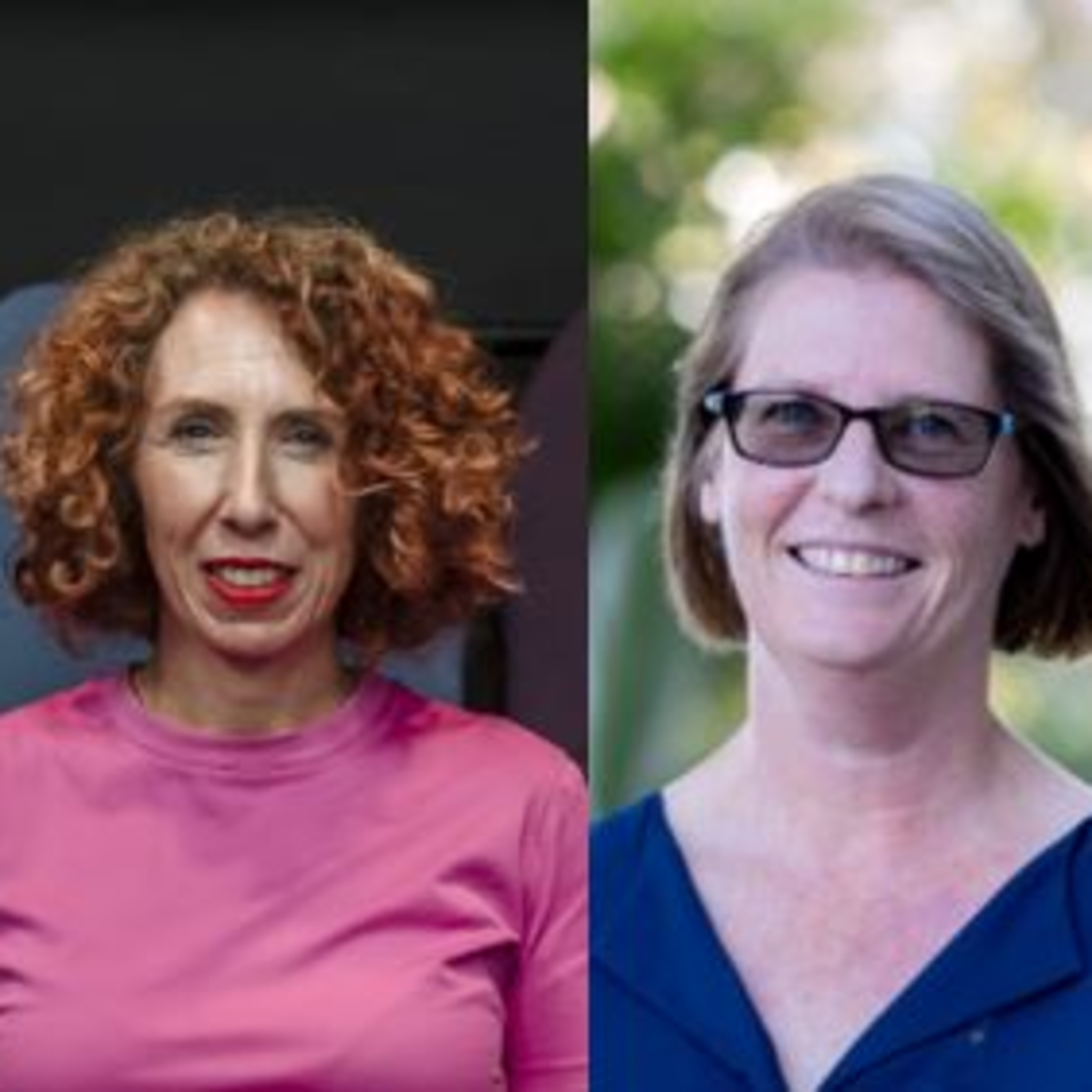 Dr Simone Fullagar and Dr Adele Pavlidis | Themes:How both researchers came to feminist sport sociology and began collaboratingWomen's recovery from depression — the link between movement, embodied experience and mental healthPara-sportswomen's experiences of gendered ableism, body shaming and being unheard by coachesMedicinal cannabis in sport and questioning the "spirit of sport"The Brisbane 2032 Olympics legacy project — engaging people currently outside sportBarriers to sport participation: belonging, body image, cost, identity and feeling unwelcomeCreative research methods — poetry and songwriting workshops with marginalised communitiesHockey program for Yazidi refugees in Toowoomba as a model for sport and trauma recoveryGender-based violence in sport — prevalence, under-reporting and institutional responsibilityAddressing the gender gap in disability sport (intersectionality of disability and gender)Queer fans and the Women's World Cup — invisible communities in legacy planningStrength and conditioning coaches' understanding of gender and its gapsRecommendations: intersectional approaches, diversifying leadership, questioning sport's normsand who they serveDr Simone Fullagar (she/they) is Professor and Chair of the Sport and Gender Equity research hub at Griffith University, Australia. She has published feminist, interdisciplinary sociological research using (post)qualitative approaches across sport, leisure and mental health fields. Simone collaborates with colleagues on a number of ARC projects that address gender equity and diverse forms of embodied movement. Her most recently book is Pavlidis, A., Fullagar, S., & O'Brien, W. (2025). Feminist futures for sport: Tracing the affective dynamics of gender equity in sport organizations, Palgrave. Simone lives on the unceded lands of the Yugambeh and Kombumerri peoples of the Gold Coast.Dr Adele Pavlidis is an Associate Professor in Sociology with the School of Humanities, Languages and Social Science, and previously a DECRA Fellow (2018 to 2021). She is author of three books, Sport, Gender and Power: The Rise of Roller Derby (2016, Routledge, with Simone Fullagar), Feminism and a Vital Politics of Depression and Recovery (Palgrave, with Simone Fullagar and Wendy O'Brien) and Feminist Futures in Sport: Exploring the Affective Dynamics of Change in Australian Rules Football and Roller Derby (2025, Palgrave, with Simone Fullagar and Wendy O'Brien).She has published widely on a range of sociocultural issues in sport and leisure, with a focus on gender and power relations. Theoretically her work traverses contemporary scholarship on affect, power and organizations, and she is deeply interested in social, cultural and personal transformation and the entanglements between people, organizations, and wellbeing.She is currently Director of the Griffith Centre for Social and Cultural Research, Treasurer of the Australian Women's and Gender Studies Association, and Co-Chair of the Sportand Gender Equity (SAGE) research hub at Griffith University. | — | ||||||
| 6/1/26 | 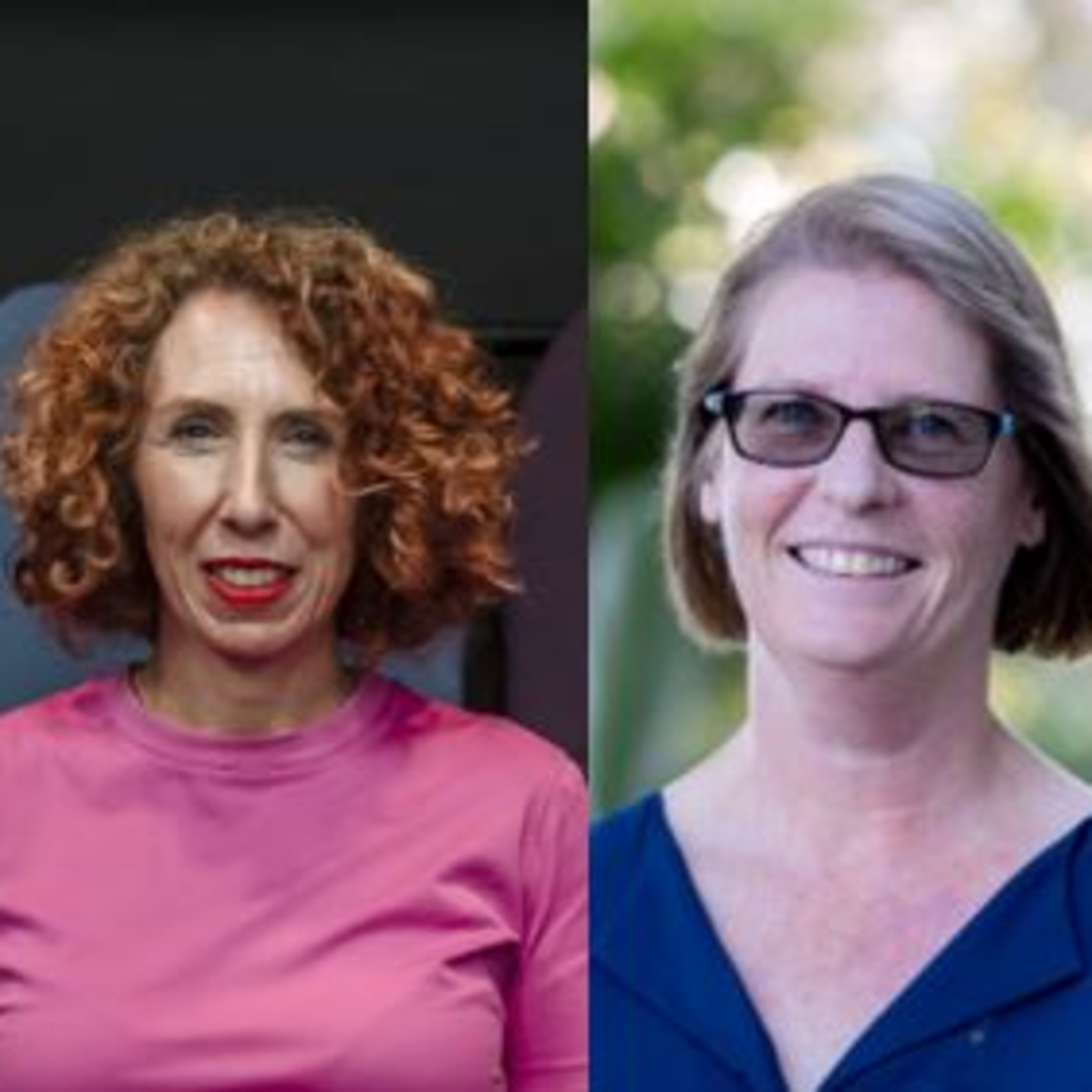 Dr Simone Fullager & Dr Adele Pavlidis: Feminist Research, Inclusion and the Future of Women's Sport | Themes:How both researchers came to feminist sport sociology and began collaboratingWomen's recovery from depression — the link between movement, embodied experience and mental healthPara-sportswomen's experiences of gendered ableism, body shaming and being unheard by coachesMedicinal cannabis in sport and questioning the "spirit of sport"The Brisbane 2032 Olympics legacy project — engaging people currently outside sportBarriers to sport participation: belonging, body image, cost, identity and feeling unwelcomeCreative research methods — poetry and songwriting workshops with marginalised communitiesHockey program for Yazidi refugees in Toowoomba as a model for sport and trauma recoveryGender-based violence in sport — prevalence, under-reporting and institutional responsibilityAddressing the gender gap in disability sport (intersectionality of disability and gender)Queer fans and the Women's World Cup — invisible communities in legacy planningStrength and conditioning coaches' understanding of gender and its gapsRecommendations: intersectional approaches, diversifying leadership, questioning sport's normsand who they serveDr Simone Fullagar (she/they) is Professor and Chair of the Sport and Gender Equity research hub at Griffith University, Australia. She has published feminist, interdisciplinary sociological research using (post)qualitative approaches across sport, leisure and mental health fields. Simone collaborates with colleagues on a number of ARC projects that address gender equity and diverse forms of embodied movement. Her most recently book is Pavlidis, A., Fullagar, S., & O'Brien, W. (2025). Feminist futures for sport: Tracing the affective dynamics of gender equity in sport organizations, Palgrave. Simone lives on the unceded lands of the Yugambeh and Kombumerri peoples of the Gold Coast.Dr Adele Pavlidis is an Associate Professor in Sociology with the School of Humanities, Languages and Social Science, and previously a DECRA Fellow (2018 to 2021). She is author of three books, Sport, Gender and Power: The Rise of Roller Derby (2016, Routledge, with Simone Fullagar), Feminism and a Vital Politics of Depression and Recovery (Palgrave, with Simone Fullagar and Wendy O'Brien) and Feminist Futures in Sport: Exploring the Affective Dynamics of Change in Australian Rules Football and Roller Derby (2025, Palgrave, with Simone Fullagar and Wendy O'Brien).She has published widely on a range of sociocultural issues in sport and leisure, with a focus on gender and power relations. Theoretically her work traverses contemporary scholarship on affect, power and organizations, and she is deeply interested in social, cultural and personal transformation and the entanglements between people, organizations, and wellbeing.She is currently Director of the Griffith Centre for Social and Cultural Research, Treasurer of the Australian Women's and Gender Studies Association, and Co-Chair of the Sportand Gender Equity (SAGE) research hub at Griffith University. | — | ||||||
| 5/22/26 | 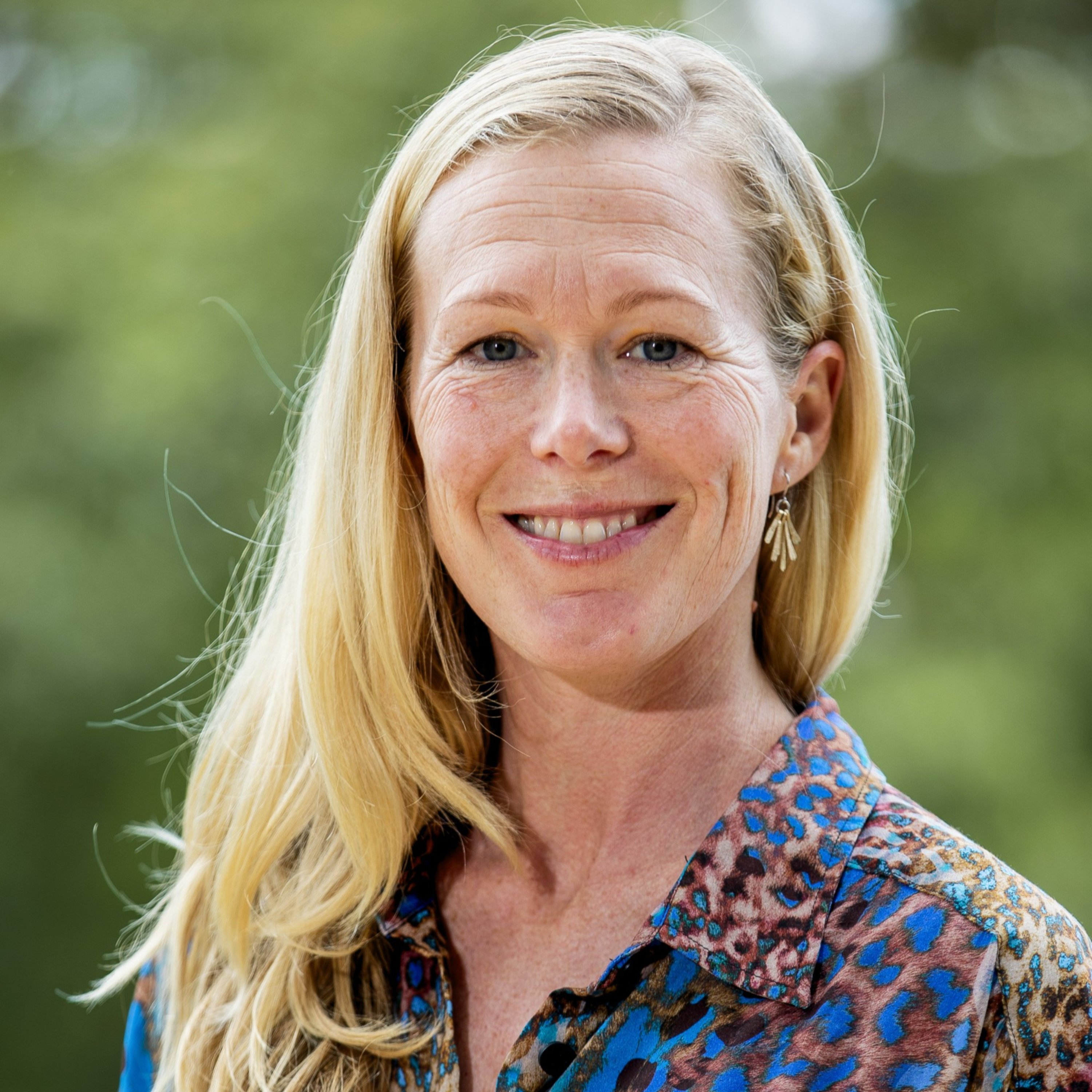 Prof Holly Thorpe: Researching Women's Bodies, Sport and the Fight for Inclusion | Holly Thorpe (she/her) is a Professor in the Sociology of Sport and Gender at the University of Waikato (New Zealand). She has published over 140 articles and chapters, and five books and nine co-edited books, including the Palgrave Handbook of Menstruation Studies in Sport (2026), Feminist New Materialisms, Sport and Fitness (2020), and Women in Action Sport Cultures (2016). She is co-editor of the Palgrave New Femininities in Digital, Physical and Sporting Cultures series (with Kim Toffoletti, Aarti Ratna and Jessica Francombe-Webb). Driven to do research that has real world impact and concerned for issues of equity and inclusion, Holly works with an array of national and international sports organisations to build more inclusive sporting cultures. New Handbook of Menstruation in Sport coming out soon, The Palgrave Handbook of Menstruation Studies in Sport | Springer Nature Link Themes discussed in the podcast:Holly's background in action sports and how it shaped her academic pathFemale athlete health, menstruation, and REDS (Relative Energy Deficiency in Sport)The biopsychosocial approach to understanding women in sportInterdisciplinary collaboration — working across sociology, physiology, endocrinologyThe new Palgrave Handbook of Menstruation Studies in Sport (2026)Cultural and ethnic diversity in female athlete health researchWorking with sports organisations (High Performance Sport NZ, Sport NZ, IOC, Snow Sports NZ)Action sports, the Olympics, and expanding opportunities for women and girlsThe IOC's controversial return to mandatory sex testingThe slow pace of change and strategies for sustaining feminist sports research | — | ||||||
| 5/13/26 | 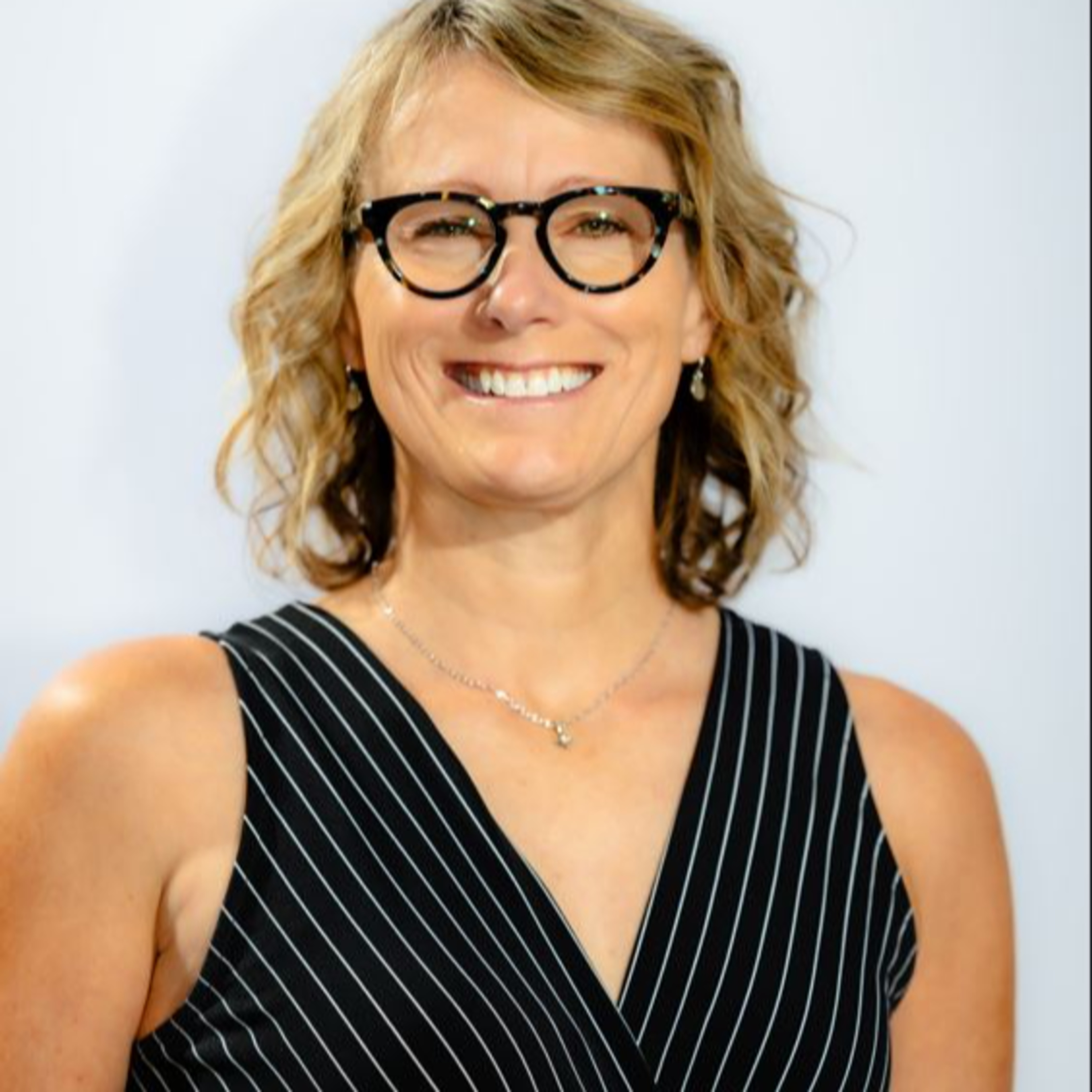 Dr Nicole M. LaVoi: Advancing Girls and Women in Sport through Research and Impact (audio) | Audio: Dr Nicole M. LaVoi, Ph.D. is a Senior Lecturer of social and behavioural sciences in the School of Kinesiology at the University of Minnesota and the Director of the Tucker Center for Research on Girls & Women in Sport. Through action-orientated, collaborative research, she translates data and answers critical questions that can make a difference in the lives of girls and women. As a leading scholar on gender, leadership and women coaches, Dr LaVoi has published 100+ book chapters, research reports and peer-reviewed articles in top-rated journals. Her Outstanding Academic Title award-winning book Women in Sports Coaching, the annual Women in College Coaching Report Card™ and Emmy-nominated documentary GAME ON: Women Can Coach help inform countless stakeholders who change the system for women sport coaches. She is the founder of Coaching HER®, and co-creator of BodyConfident Sport, free tools to upskill coaches to more effectively coach girls. As a public scholar, she hosts a podcast (Tucker Center Talks), consults with a variety ofstakeholder groups, works with industry partners, speaks around the world, fields media requests, provides thought leadership and serves on mission-driven advisory boards. She is a two-time NCAA Academic All-American and three-timeHall of Fame inductee. LaVoi is an award-winning athlete, coach, scholar and distinguished teacher, who won a regional Emmy for Best Sport Documentary, and was named a 2023 USTA Champion of Equality her longstanding work in gender and sport. LaVoi played collegiate tennis at Gustavus Adolphus College winning a NCAA-III National Team Championship where she currently serves on the Board of Trustees. Prior to her career in higher education, she was a USPTA Teaching Pro and head tennis coach at Wellesley College. In her free time, she enjoys being outdoors, biking, hiking, golf, painting and soaking up the sun.TopicsTucker Center work: Description of the key messages, goals, activities. How people outside of the University can become involved. Competition with other research centres. Main activities within the center, e.g., coaching HER, Women in College Coaching Report Card. Whichmost proud of/which has had the greatest impactResearch: Research items and high citations – explanations. How the book, Women in Sports Coaching came about.Future directions, especially anything to change/left unturned, excited about.Insight into the content of the Spotlight Speaker session at the WiSEAN conference 2026. | — | ||||||
| 5/12/26 |  Dr Nicole M. LaVoi: Advancing Girls and Women in Sport through Research and Impact | Dr Nicole M. LaVoi, Ph.D. is a Senior Lecturer of social and behavioural sciences in the School of Kinesiology at the University of Minnesota and the Director of the Tucker Center for Research on Girls & Women in Sport. Through action-orientated, collaborative research, she translates data and answers critical questions that can make a difference in the lives of girls and women. As a leading scholar on gender, leadership and women coaches, Dr LaVoi has published 100+ book chapters, research reports and peer-reviewed articles in top-rated journals. Her Outstanding Academic Title award-winning book Women in Sports Coaching, the annual Women in College Coaching Report Card™ and Emmy-nominated documentary GAME ON: Women Can Coach help inform countless stakeholders who change the system for women sport coaches. She is the founder of Coaching HER®, and co-creator of BodyConfident Sport, free tools to upskill coaches to more effectively coach girls. As a public scholar, she hosts a podcast (Tucker Center Talks), consults with a variety ofstakeholder groups, works with industry partners, speaks around the world, fields media requests, provides thought leadership and serves on mission-driven advisory boards. She is a two-time NCAA Academic All-American and three-timeHall of Fame inductee. LaVoi is an award-winning athlete, coach, scholar and distinguished teacher, who won a regional Emmy for Best Sport Documentary, and was named a 2023 USTA Champion of Equality her longstanding work in gender and sport. LaVoi played collegiate tennis at Gustavus Adolphus College winning a NCAA-III National Team Championship where she currently serves on the Board of Trustees. Prior to her career in higher education, she was a USPTA Teaching Pro and head tennis coach at Wellesley College. In her free time, she enjoys being outdoors, biking, hiking, golf, painting and soaking up the sun.TopicsTucker Center work: Description of the key messages, goals, activities. How people outside of the University can become involved. Competition with other research centres. Main activities within the center, e.g., coaching HER, Women in College Coaching Report Card. Whichmost proud of/which has had the greatest impactResearch: Research items and high citations – explanations. How the book, Women in Sports Coaching came about.Future directions, especially anything to change/left unturned, excited about.Insight into the content of the Spotlight Speaker session at the WiSEAN conference 2026. | — | ||||||
| 5/5/26 |  Verity Postlethwaite: Social impact and legacy in women's sport | Verity Postlethwaite is a Lecturer in Strategic Event Management at Loughborough University and Co‑Chair of the WiSEAN 2026 Conference Organising Committee. Her work focuses on the social and community impacts of sport and major events. Verity currently plays a leading role in two major research projects as Loughborough University is a Spirit of 2012 Legacy Learning Partner and a UK Sport Social Impact Partner, both of these projects are helping to strengthen how major events deliver positive, long‑term outcomes for people and places across the United Kingdom. We covered these topics WiSEAN 2026 Conference Host and Organiser – anything you’re looking forward to, in particular? What can delegates expect?Own area of research and UG/PG study. Why sportfrom politics?PhD on 2012 Olympic: Legacy/change for women?Other sporting events and social change. Specific examples women? Good practice in academia/as an early career researcher?Future research plans | — | ||||||
| 5/5/26 |  Dr Verity Postlethwaite: Social impact and legacy in women's sport | Verity Postlethwaite is a Lecturer in Strategic Event Management at Loughborough University and Co‑Chair of the WiSEAN 2026 Conference Organising Committee. Her work focuses on the social and community impacts of sport and major events. Verity currently plays a leading role in two major research projects as Loughborough University is a Spirit of 2012 Legacy Learning Partner and a UK Sport Social Impact Partner, both of these projects are helping to strengthen how major events deliver positive, long‑term outcomes for people and places across the United Kingdom. We covered these topics WiSEAN 2026 Conference Host and Organiser – anything you’re looking forward to, in particular? What can delegates expect?Own area of research and UG/PG study. Why sportfrom politics?PhD on 2012 Olympic: Legacy/change for women?Other sporting events and social change. Specific examples women? Good practice in academia/as an early career researcher?Future research plans | — | ||||||
| 2/9/26 |  Dr Britta Sorensen: Understanding Pain in Women’s Ultra-Endurance Sports✨ | pain experiences in female athletesultra-endurance sports+3 | Dr Britta Sorensen | WiSEANPhD+1 | — | sport sciencepsychological wellbeing+2 | — | 22m 22s | |
| 1/20/26 |  Dr Tegan Hartmann & Dr Danielle Girard: Reproductive Health and Advancing WiSEAN across Australasia✨ | reproductive healthwomen's health+2 | Dr Tegan HartmannDr Danielle Girard | Reproductive Health and Advancing WiSEANCharles Sturt University+7 | AustralasiaAustralia | endometriosispregnancy loss+2 | — | 43m 20s | |
| 12/19/25 |  Dr Ross Julian: Researching Performance in Women’s Football✨ | women's footballmenstrual cycle+2 | Dr Ross Julian | Women’s Football: From Science to High Performancethe University of Münster+1 | GermanyMünster+1 | women's healthphysiological responses+3 | — | 27m 07s | |
Want analysis for the episodes below?Free for Pro Submit a request, we'll have your selected episodes analyzed within an hour. Free, at no cost to you, for Pro users. | |||||||||
| 12/9/25 |  Prof Charlie Pedlar: Building a Career in Sports Science and Supporting Women through Research and Practice✨ | Early career with the British Olympic Association and the English Institute of SportAdvice to others to get foot on the ladder+2 | Prof Charlie Pedlar | FitrWomanFitrWoman app+16 | Boston | sports sciencewomen in sports+3 | — | 28m 24s | |
| 11/1/25 |  Dr Aoife Lane: Research in Ireland on Women in Sport✨ | Míde researchcommunity-based physical activity+4 | Dr Aoife Lane | Department of Sport and Health SciencesTechnological University of the Shannon (TUS) Athlone+7 | Ireland | women in sportexercise+4 | — | 29m 45s | |
| 9/13/25 |  Professor Elizabeth Pike: Exploring Global Gender and Sport✨ | gendersport+3 | Professor Elizabeth Pike | University of HertfordshireSt Mary's University+43 | TanzaniaUK+2 | International Sociology of Sport AssociationRSA+1 | — | 30m 32s | |
| 8/21/25 | 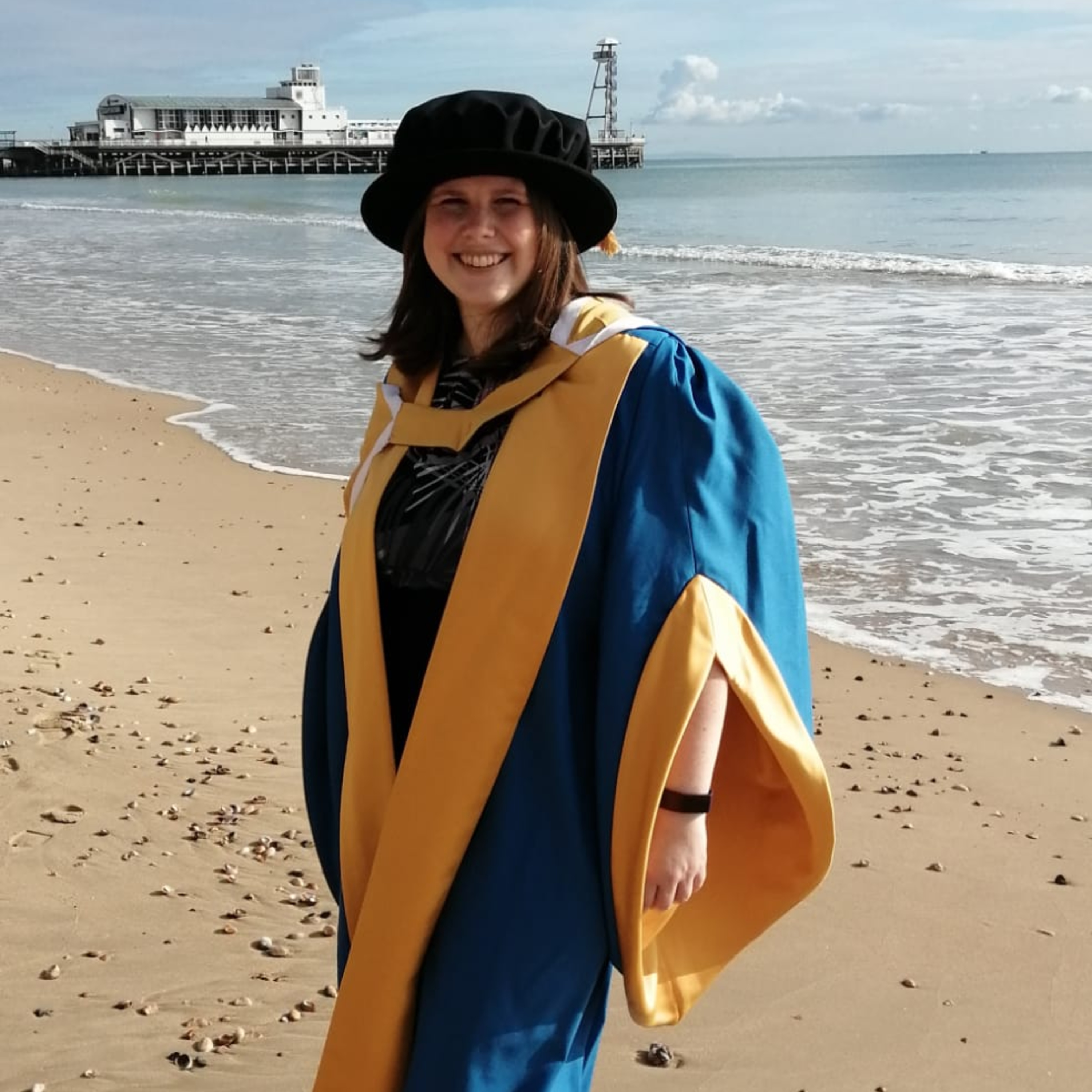 Dr Malika Felton: Pregnancy, breathing & cold water swimming✨ | PregnancyBreathing+3 | Dr Malika Felton | the Centre for Midwifery and Women’s HealthBournemouth University+8 | — | Health and Exercise PhysiologyBournemouth University+1 | — | 23m 49s | |
| 8/11/25 |  Melissa Lodge: REDs, fuelling and scientific communication | Melissa Lodge, MSMelissa Lodge is an Interdisciplinary Health Sciences PhD candidate and graduate assistant at the University of Rhode Island. Her research focusses on female athlete physiology, particularly under conditions of low energy availability (LEA), such as Relative Energy Deficiency in Sport (REDs) and its associated impact on health and performance across thelifespan. She has presented her work at several regional, national and international conferences featuring work in female athletes on LEA outcomes. Melissa is interested in exploring intervention-based models, such as education, to improve outcomes for female athletes and girls in sports in the future. She is passionate about translating research to the athletic population and also runs the social media account @FED_collaborative on female athlete physiology, LEA/REDs, and eating disorders/disordered eating.What we talked about: FED collaborative – purpose, successes.Work forWiSEAN overview; personal usefulness.Publication,“Where are the girls, women, and female athletes in relative energy deficiencyin sport research?” Explanation of content.Publication(Risk of Low Energy Availability, Disordered Eating, Eating Disorders, and BoneStress Injuries in United States Female Track and Field: Original Research) keyfindings.Currentintervention programmes – knowledge and physiology.Dreamjob/goals following PhD success. | — | ||||||
| 7/21/25 |  Prof Stacey Pope: Women Football Fans and Safer Spaces | Stacey Pope is a professor based in the Department of Sport and Exercise Sciences at Durham University, UK. Professor Pope leads research in the area of women, football andinequalities. She is a leading guru in the area of women football fans. She has developed a new programme of work examining men’s responses to the growing visibility of women in sport and issues of sexism and misogyny. She also leads research on media coverage of the FIFA Women’s World Cup and fans of the England women’s team. Her research has led to her contributing as an invitedexpert for various UK Government inquiries for Culture, Media and Sport and Women and Equalities select committees. She is committed to the public engagement of her work, with her research regularly featuring in the nationaland international media.Topics covered:Women fandom – experiences, change over time, internationally, differences inmen’s/women’s sport, as role models. Research used to inform policy (e.g., briefing paper DCMS and government inquiries);advice for others on how to start this process Recent paper on feminist research in a male-dominated world. Playing the numbers gameand the emotionless feminist Advice on funding Future plans. | — | ||||||
| 6/21/25 | 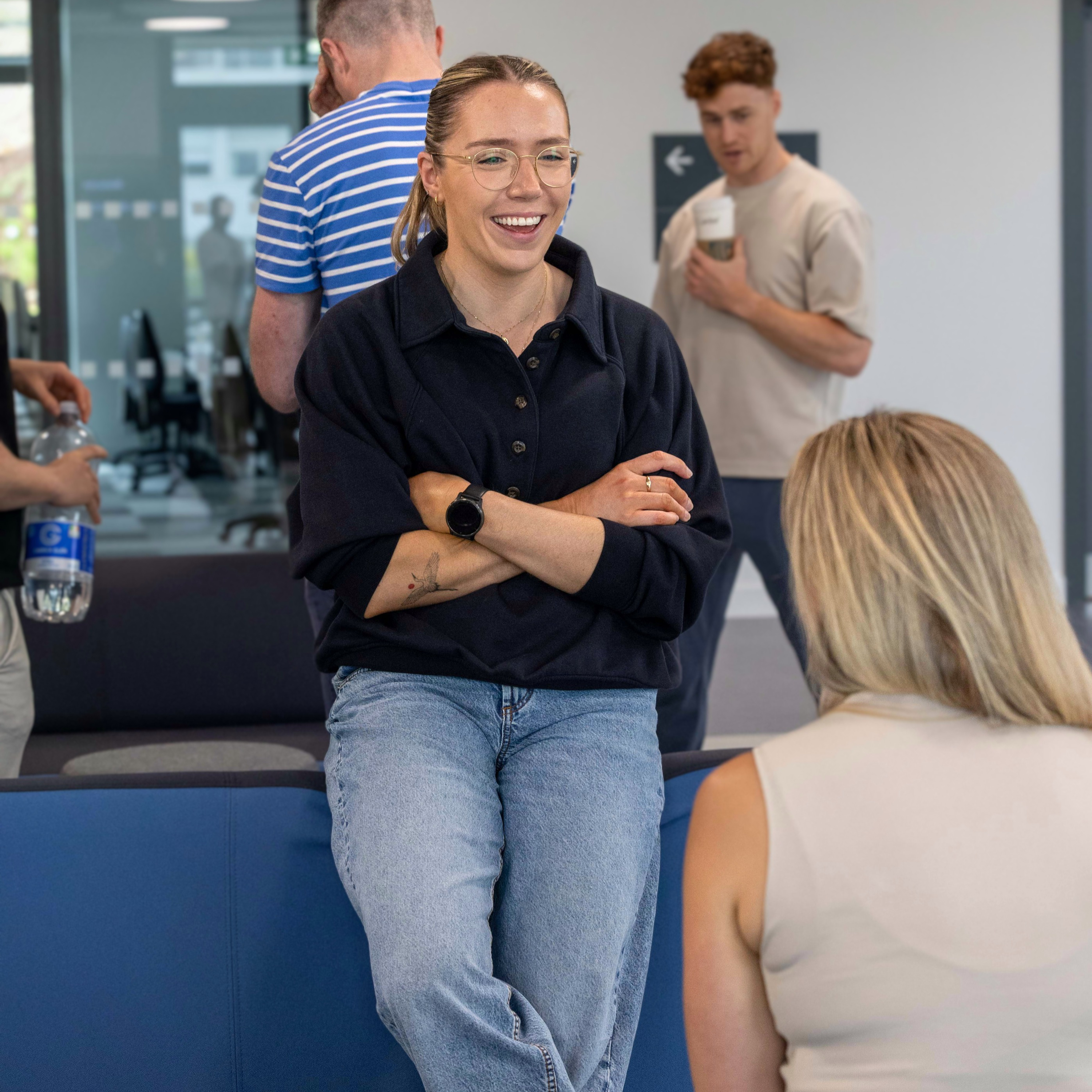 Dr Emma Cowley: Invisible Sportswomen | Dr Emma Cowley is a postdoctoral researcher at the SHE Research Centre in TUS Athlone. She is a Marie Sklodowska-Curie alumna and earned her PhD from Liverpool John Moore’s University; her research focused on increasing adolescent girls' participation in physical activity. Emma leads the Invisible Sportswomen international research group which aims to address the gender data gap in sport and exercise science. Previously, she held a postdoc position at the Cardiometabolic laboratory at UNC Chapel Hill before moving to the UK where she was the lead for the DTA3/COFUND PhD Fellowship Programme.In this episode, we talk about the following: Emma's identity/positionalityWomen’s experiences in academia: Findings, recommendations. Invisible Sportswomen paper and other related papers. What more can be done.Use of social media as a PhD student/as a postdoc student and other advice and opinionpieces – advice. Specific latest research on resistance training.Future research plans/goals. | — | ||||||
| 5/17/25 |  Dr Stacey Emmonds. From Pitch to Policy: Navigating Research in Football and Beyond | Dr Stacey Emmonds is an Associate Professor in SportsPerformance in the Carnegie School of Sport at Leeds Beckett University. Dr Emmonds has extensive experience of working with professional sports teams, governing bodies and policy makers on consultancy and research projects. Shehas published over 50 research articles, book chapters andconference presentations in relation to sports performance and particularly women’s football. Alongside her research role, she works as a physical performance coach with the England women youth football teams as well as being an invited member of the UEFA Fitness for Football advisory board. We talk about: Stacey's journey into research – whether it wasit a natural progression from previous experience. Advice to others pursuing careers in football/research.Chapter in book (Women's Football) on talent identification and development – how this research has informed policy. What else is needed.Current research activities, e.g., English FA, ACL injury; how this research came about/evolved and key findings and actions.Collaborative work with other researchers and how to go about this/advice for others.Other research, e.g., in rugby and key findings and messagesFuture research-related plans. What more needs to be done. | — | ||||||
| 4/30/25 |  Harry Meadley, Merging Art & Sport: Inclusive Skateboarding Cultures | Harry Meadley is an artist, researcher and skateboarder based in Leeds, UK, who initiates projects that, through inclusion, participation and co-production, seek to reclaim and reappropriate civic space. From municipal art galleries, universities and city centres to remote locations, Meadley’s socially engaged artistic practice aims to question not just the structures of power within society but of artistic production itself. Recent projects include the Civic kateboarding festival for marginalised gender skateboarders as part of Leeds 2023 Year of Culture and Free-for-All at Touchstones, Rochdale, which saw the entire gallery given over to the people of Rochdale to use however they wanted.Things we talked about in this podcast:Background as an artist, researcher, skateboarderOverview of keynote at WiSEAN conferenceChange in skateboarding subculture and traditional male domain; how came up with idea of spaces alsobeing occupied by women/girls/gender minority? Safety issues for women/girls.Key messages from research –interviews, focus groups. PhD.Activities and link with artFunding: Advice for sports-typical individual approaching e.g., Arts Council, arts-based funding.Next projects | — | ||||||
| 4/8/25 |  Professor Margie Davenport: Preconception, pregnancy & postpartum/sport and physical activity | Dr Margie Davenport leads the Program for Pregnancy and Postpartum Health, and has published more than 175 manuscripts related to physical activity and sport during preconception, pregnancy and the postpartum period. Over the last decade she has worked with a number of National/International organisations including FIFA, the World Health Organization, International Olympic Committee, Sport Canada, the Canadian Society for Exercise Physiology and the American College of Sports Medicine, to support physical activity during and following pregnancy.Dr Davenport was the Chair of the 2019 Canadian Guidelinefor Physical Activity throughout Pregnancy, and the 2025 Canadian Guideline for PhysicalActivity, Sedentary Behaviour and Sleep throughout the First Year Postpartum. This work led to the development of the Get Active Questionnaire for Pregnancy, Get ActiveQuestionnaire for Postpartum and the Canadian Society forExercise Physiology/American College of Sports Medicine Pre & Postnatal Exercise Specialization.ContentCurrent research studies being undertaken/ PhD student activities.Recent systematic reviews (e.g., PA, sleep, pregnancy, postpartum): Overview/insightful findings;importance of systematic reviews (e.g., in PhD study/grant application); planned reviews for future. Guidelines for assessing maternal cardiovascular physiology during pregnancy and postpartum: Lab advice. Recent qualitative work. Evidence-based policies for pregnancy, postpartum, athletes. How guidelines in Canada differ from other countries. Out of all research articles/studies, the most proud of.Future plans. Perceived barriers. | — | ||||||
| 3/10/25 |  Dr Alex Culvin. Professional Women's Football | Dr Alex Culvin is the Director of Global Policy and StrategicRelations, Women’s Football at FIFPro, theglobal player union. Alex is also an academic at Leeds Beckett University at the Centre for Social Justice in Sport andSociety. She is a former professionalfootballer, who played in both Englandand Europe.Items discussedFormer footballer experience and own transition experience out of football. Barriers/opportunities as a former player.Research on work practices/professionalisation. Best practices in this area, globally.PhD work and interviews with; the current situation.Impact/how have policies been informed by research.FIFPro work. Research agendas in professional women’s football. Advice for others. Future studies. | — | ||||||
| 12/12/24 |  Dr Ali Bowes: Professionalisation of women's sport | Dr Ali Bowes is a Senior Lecturer in the Sociology of Sport at Nottingham Trent University. Ali primarily researches the sociocultural dimensions in elite women’s sport and is the co-editor of two books: The Professionalisation of Women’s Sport and Women’s Football in a Global, Professional Era. Ali has published 40 peer-reviewed papers and book chapters, focusing mainly on qualitative methodologies from feminist perspectives, spanning topics including gender inequality in elite sport, equal pay debates, maternity rights, national identity, women’s sport fandom and media coverage. Ali has also discussed these issues extensively in popular spaces, featuring in a range of national and international media and culminating in being involved in the Netflix Documentary, “Game On: The Unstoppable Rise of Women’s Sport”. In this podcast: Sports researched/known for: Football, golf, rugby and what ‘binds’ these sports, in terms of their research approach An overview of the two chapters that were written in the book, Women’s Football: From Science to High Performance, one which was on strategic holistic workforce development and the other which was on eating disorders: Ideas and next steps. Two edited books, The Professionalisation of Women’s Sport and Women’s Football in a Global, Professional Era: How these came about and advice/top tips for others on book editing as well as approach to writing in general. Other research areas on e.g., motherhood, maternity rights and media coverage, and which most proud of. Media work & three Conversation pieces – rationale for doing and advice for others. Current research – key findings. Future research activities. | — | ||||||
Showing 22 of 70
Pitch Fit is a Pro feature
See how bookable this show is for guests, which brands already advertise, the per-episode ad value, and the best-fit guest and sponsor profile. The numbers are blurred on the free plan.
How readily this show books outside guests like you.
How proven this show is for host-read sponsorships.
For Guests
ProFor Advertisers
ProUpgrade to Pro to unlock guest cadence, sponsor categories, fit scores, and per-episode ad value for this show.
Chart Positions
1 placement across 1 market.
Chart Positions
1 placement across 1 market.