
Wonder
Welcome to Wonder, the planet earth podcast for curious people. Hosted by earth scientists Holly Cooke & Dr Anthony Reid, Wonder is your space for scientific conversations about the Earth.
Insights from recent episode analysis
On the show
- Dr Louise Schoneveld3 eps
- Professor Ben Mills2 eps
- Dr Chris Voisey2 eps
Also: Nick Zentner, Dr Melanie Finch, Heidi Allen, Professor Brian Fields, Professor Carl Spandler, Dr Mark Tingay, Dr Ross Chandler, Vojta Hybl, Professor Alan Collins, Dr Alice Clement, Dr Jacqueline Halpin, Anwesha Nasreen, Dr Raphael Baumgartner, Dr Shirley Hu, Dr Olivia Mejias Gonzalez, Dr Mario Iglesias-Martinez, Dr Eric Romaneido
Audience Interest
Podcast Focus
Publishing Consistency
Insights are generated by CastFox AI using publicly available data, episode content, and proprietary models.
Most discussed topics
Brands & references
Total monthly reach
Based on the show's feed history.
Built from
- Per-Episode Audience
Est. listeners per new episode within ~30 days
23K to 280K🎙 Sporadic cadence·43 episodes·Last published 3w ago - Monthly Reach
Unique listeners across all episodes (30 days)
23K to 280K🇦🇺100% - Active Followers
Loyal subscribers who consistently listen
9.1K to 112K
Market Insights
Platform Distribution
Reach across major podcast platforms, updated hourly
Total Followers
—
Total Plays
—
Total Reviews
—
* Data sourced directly from platform APIs and aggregated hourly across all major podcast directories.
| Date | Episode | Topics | Guests | Brands | Places | Keywords | Sponsor | Length | |
|---|---|---|---|---|---|---|---|---|---|
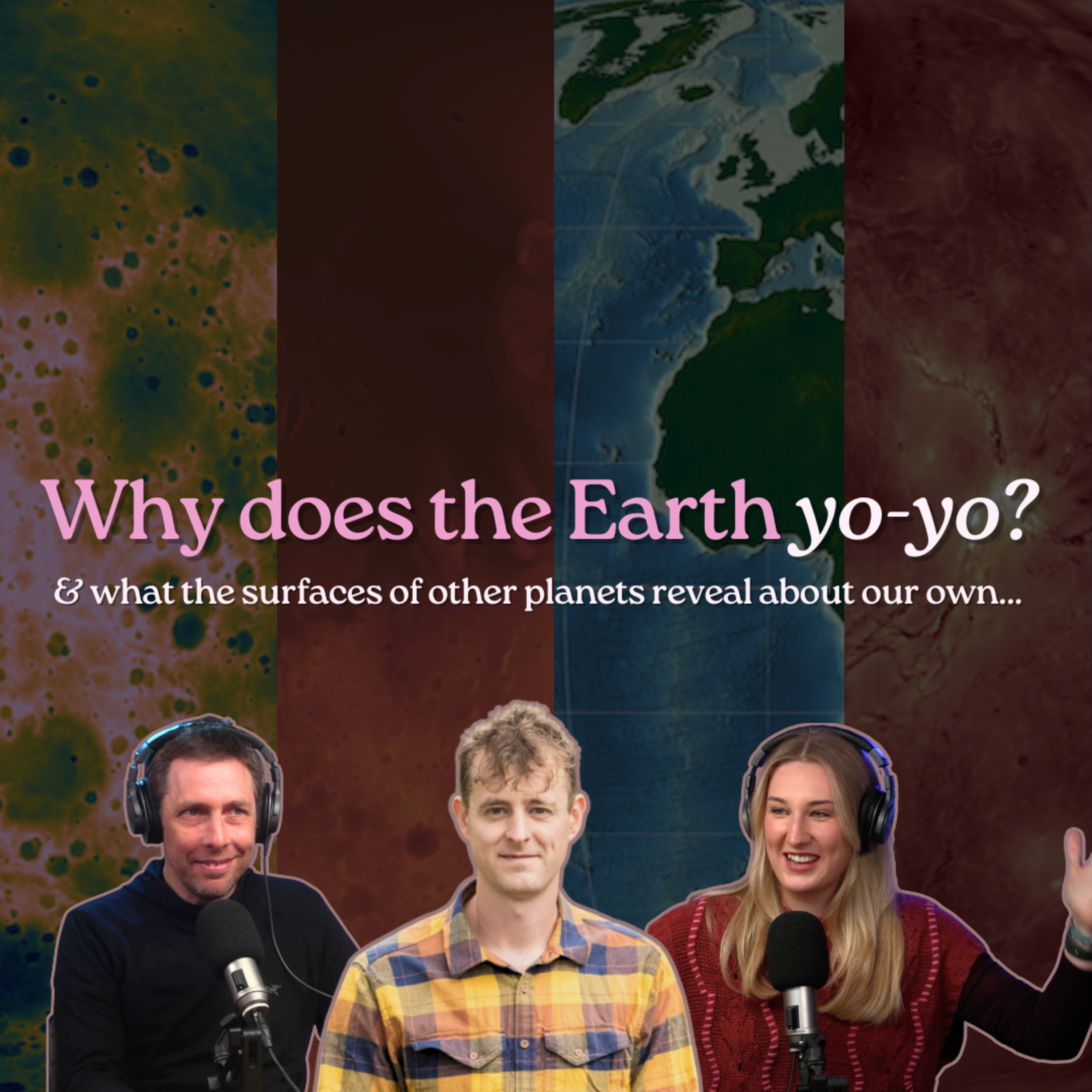
| 10/25/26 |  Greenland's deep geological memory with Dr Julie Hollis | A few weeks before Holly set sail for Greenland with The Explorers Club and Adventure Canada’s 2026 Young Explorers Program, she and Anthony sat down with Dr Julie Hollis for a pre-expedition brief on everything Greenlandic geology!Julie spent years mapping Greenland’s rocks and leading geology at Greenland’s Ministry of Mineral Resources, and she tells us that Greenland really is the one place she calls home. Together with Julie we read Greenland’s deep memory: from some of the oldest rocks on Earth near Nuuk, to the deep roots of a nearly two-billion-year-old volcanic arc along the south coast, to why Greenland’s resources are suddenly on the world stage. Plus, we hear the outrageous story of the one geologist to be sat on by a polar bear... 🐻❄️So - tune in to hear about the Greenlandic geology Holly's about to sail through. And we've now also released Holly's mini-film, shot live from the field, all on her scientific notes from the edge of the ice... Go check that out next! | 36m 10s | ||||||
| 10/6/26 | What isotopes reveal about ancient cratons with Dr Eric Vandenberg | Where Anthony sees crystals and Holly sees a rock, Dr Eric Vandenberg sees atoms, and specifically, Eric counts the neutrons. Eric is a postdoc at the Adelaide University and part of the ARC Training Centre for Critical Resources for the Future, and he shrinks the solid Earth down to the subatomic scale to answer some of geology's biggest questions: how the first continents formed, how plate tectonics got started, and how the rarest metal deposits on the planet came to be.⚛️ What even is an isotope? Same element, different number of neutrons. But some isotopes are "radiogenic" and quietly decay over geological time (hello, beta and alpha decay), and why anything heavier than lead is inherently unstable.⏳ The gold standard for dating rocks: why uranium and thorium love hiding inside zircon crystals, why lead doesn't, and how that mismatch lets geologists measure the exact age of a rock - this is geochronology in a nutshell.🪨 The Pilbara: older than almost anything left on Earth. A craton stretching from 3.6 to 2.8 billion years old, closer in age to the formation of the planet than to today, and one of the best-preserved windows we have into Earth's earliest crust.🌋 Earth vs Venus: why Earth is the only planet in the solar system with true plate tectonics, what a "stagnant lid" planet like Venus looks like instead, and the decades-old scientific debate over exactly when Earth made the switch.⛏️ From ancient cratons to critical minerals: How isotope geochemistry traces the journey of gold, copper, nickel and platinum from sulfides deep in the mantle into the porphyry and IOCG deposits we mine today, without needing the impossibly hot magmas of the early Earth.A huge thank you to the Centre for Critical Resources for the Future for supporting this episode.🔗 Find us at thegeoco.com.au 📸 Instagram & TikTok: @thegeoco 📰 Sign up to our newsletter: thegeoco.substack.comGeoCo connects to you from the traditional country of the Kaurna people of the Adelaide Plains, South Australia. We pay our respects to their Elders past, present, and emerging. | 28m 26s | ||||||
| 9/29/26 | Ancestry among the ashes: what volcanic records reveal about human evolution with Dr Hayden Dalton | Volcanologist Dr Hayden Dalton (University of Melbourne) joins Holly & Anthony with the science he's bringing to a fascinating human question: exactly how many hominin species were alive at the same time, in the same place, and were they really competing for the same resources? Or... has the apparent overlap in existing timelines been an artifact of imprecise dating? Hayden reveals that scientists can now bracket ash layers to within about 800 years on rocks over a million years old, roughly a tenfold jump in precision from a couple of decades ago, and that new resolution is what makes it possible to test whether the overlap theory holds up (or not!). What an epic leap in science tech?!! Hayden walks us through the mystery of ancient 'trackways', that at over a million years old, preserves two different hominins' footprints in the same ash - proof, at least in that moment, that more than one species walked the same ground... You'll have to listen to find out what Hayden's age-dating reveals.Lastly, we pivot 360 to to Hayden's first volcanic love - kimberlites...Make sure you're following Wonder wherever you get your podcasts - and chuck that notifications bell on!Find us on Instagram @thegeocoThanks to the Geological Society of Australia for making this episode of Wonder possible!GeoCo comes to you from the traditional country of the Kaurna people of the Adelaide Plains, South Australia. We pay our respects to their Elders past, present, and emerging. | 28m 51s | ||||||
| 9/21/26 | Earthquakes, extinctions & deep microbiology: the discoveries made by scientific ocean drilling with Dr Ron Hackney | Pushing the frontiers of knowledge about our planet has never been so much fun! We've explored less of the ocean floor than we have the surface of Mars, so Dr Ron Hackney, director of ANZIC (the Australian New Zealand International Scientific Drilling Consortium), brought the ocean floor to us. Across three remarkable objects: a core from the fault that ruptured the 2011 Tōhoku earthquake; a set of microscopic radiolarian fossils; and the world-famous "day the dinosaurs died" core from the Gulf of Mexico; we trace what scientific ocean drilling can tell us about earthquakes, mass extinction, and life clinging on kilometres beneath the seafloor.We also hear how Ron went from an Antarctica-obsessed undergraduate to leading Australia and New Zealand's role in international ocean drilling.Thanks to the Geological Society of Australia for facilitating this episode, and so many Wonder episodes over the past couple of years.🔗 Find us at thegeoco.com.au 📸 Instagram & TikTok: @thegeoco 📰 Sign up to our newsletter: thegeoco.substack.comGeoCo connects to you from the traditional country of the Kaurna people of the Adelaide Plains, South Australia. We pay our respects to their Elders past, present, and emerging. | 33m 28s | ||||||
| 9/15/26 | The amazing chemistry of ocean sediments with Dr Stefan Loehr | We've directly observed less than 0.001% of the seafloor — so what's really going on down there? In this episode, Dr Stefan Löhr (ARC Future Fellow at the Adelaide University, and researcher with the Centre for Critical Resources for the Future) makes the case that the ocean floor is anything but a passive dumping ground for eroded continents. This will reshape the way you view the ocean - who knew it was so dynamic!We trace marine weathering from a decades-old mystery in seawater chemistry, through the strange true nature of "clay" (and why geologists bite rocks to classify it), into the surprisingly unresolved question of whether land plants permanently changed how fast the Earth weathers. Finally we digress to discuss a rare earth element deposit in South Australia that shouldn't exist by the textbook rules, sitting on limestone that has essentially zero rare earths of its own. Turns out the answer is written in an ancient lagoon, a pH gradient, and a very long river.Supported by the ARC Centre for Critical Resources for the Future.🔗 Find us at thegeoco.com.au📸 Instagram & TikTok: @thegeoco📰 Sign up to our newsletter: thegeoco.substack.comGeoCo connects to you from the traditional country of the Kaurna people of the Adelaide Plains, South Australia. We pay our respects to their Elders past, present, and emerging. | 37m 31s | ||||||
| 9/7/26 | chromium explorationspace technology+3 | Anwesha NasreenDr Raphael Baumgartner | Adelaide UniversityCSIRO | OdishaMars | chromiumaerospace alloys+5 | — | 25m 59s | ||
| 9/1/26 | carbonatitesrare earth elements+4 | Dr Shirley HuDr Louise Schoneveld | CSIRO | IndiaAustralia | carbonatitesrare earth elements+5 | — | 24m 55s | ||
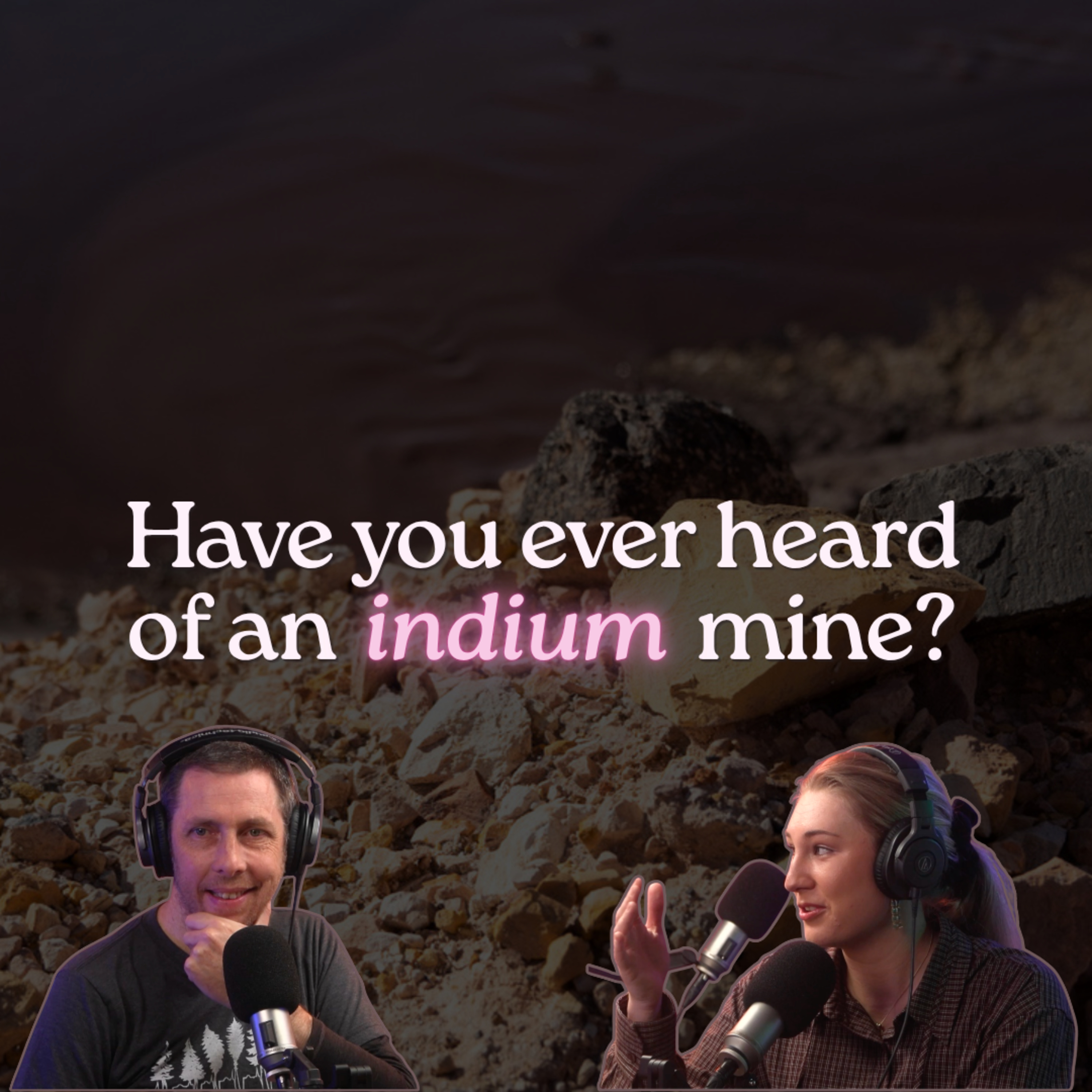
| 8/20/26 | critical metalsindium+4 | Dr Olivia Mejias Gonzalez | indiumzinc+1 | El Teniente | indiummine waste+6 | — | 30m 59s | ||
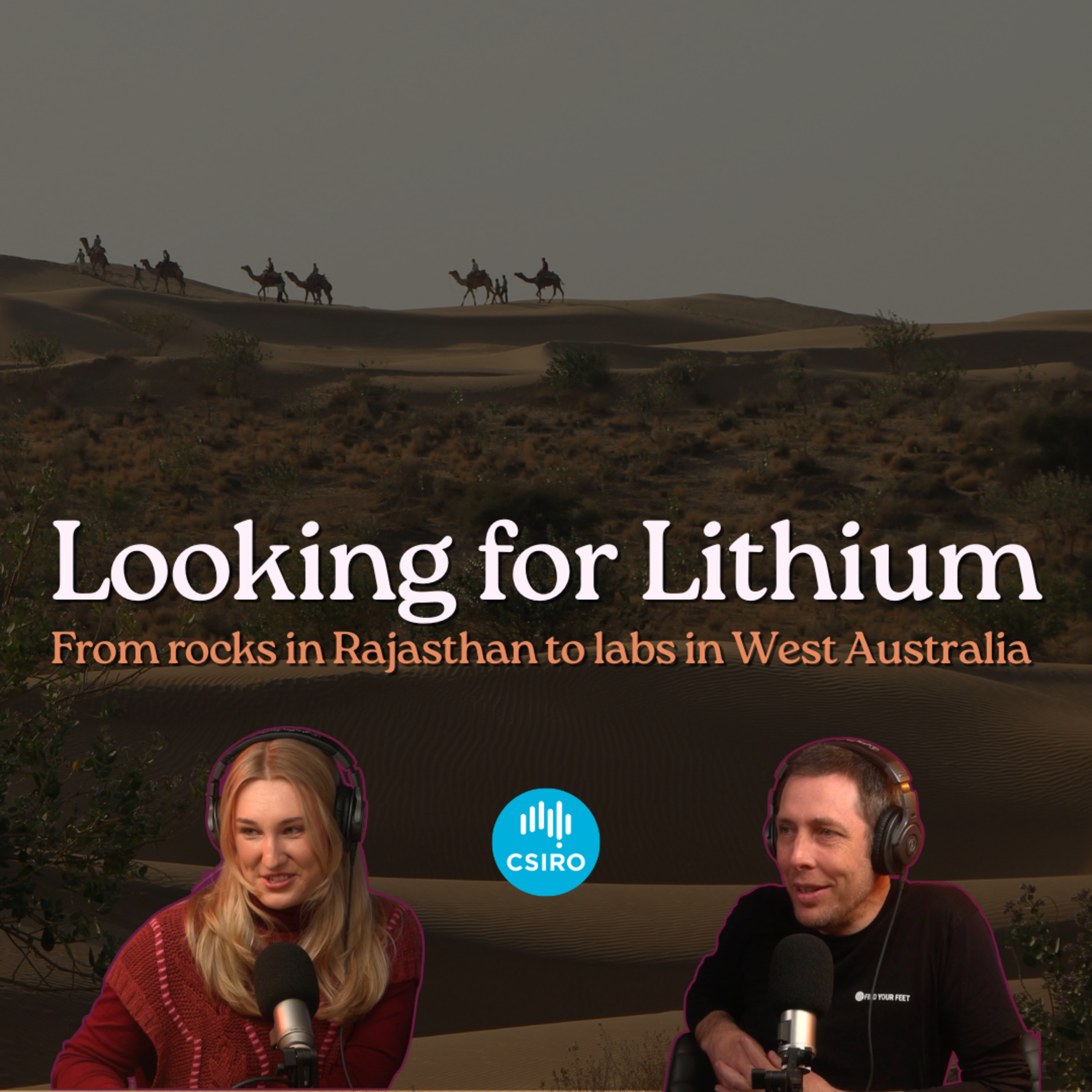
| 8/11/26 | lithium explorationelectric vehicles+4 | Dr Louise SchoneveldDr Mario Iglesias-Martinez | CSIRO | RajasthanWestern Australia+1 | lithiumpegmatites+5 | — | 25m 44s | ||
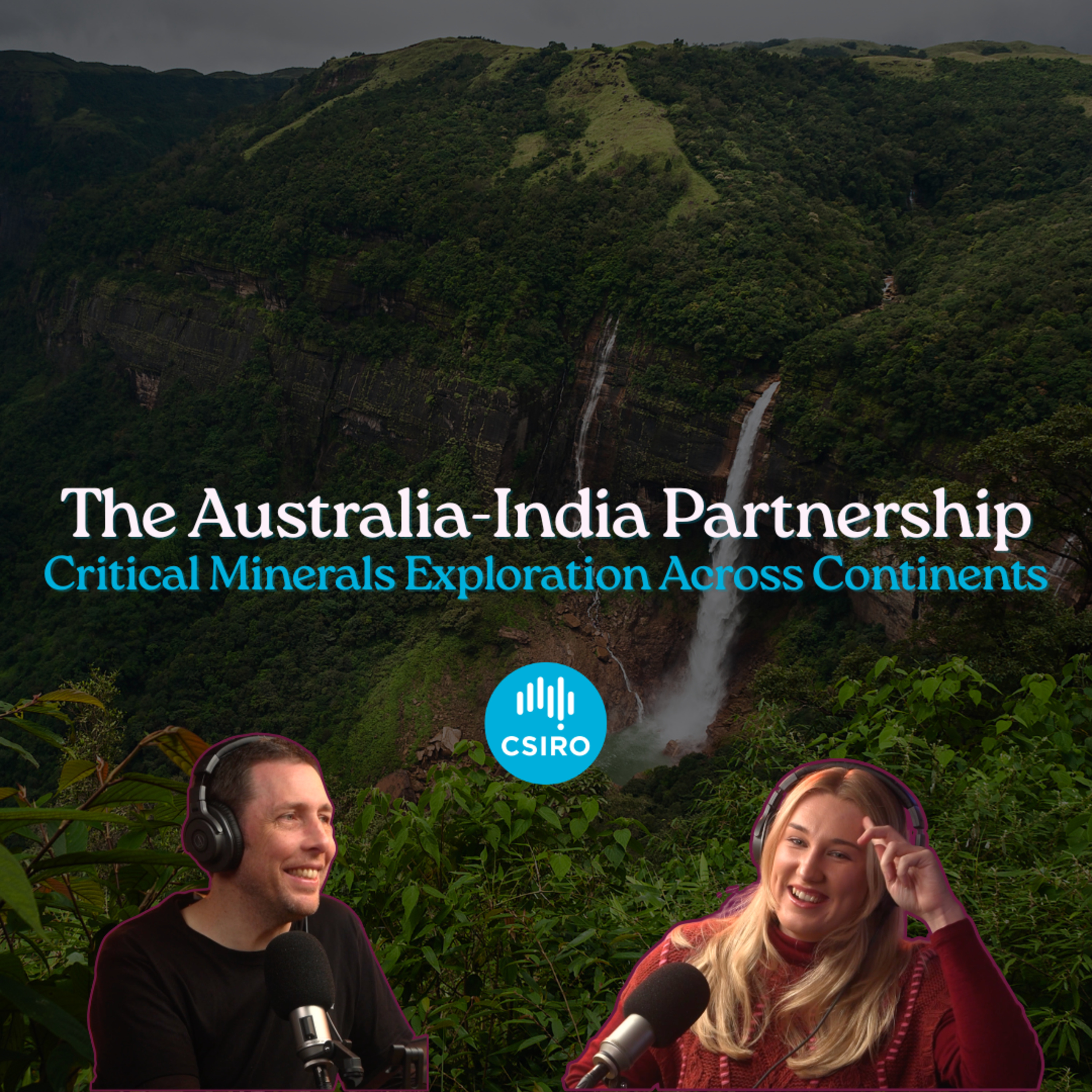
| 8/5/26 | critical mineralssustainable development+4 | Dr Louise SchoneveldDr Eric Romaneido | CSIRO | AustraliaIndia+2 | CSIROcritical minerals+6 | — | 16m 07s | ||
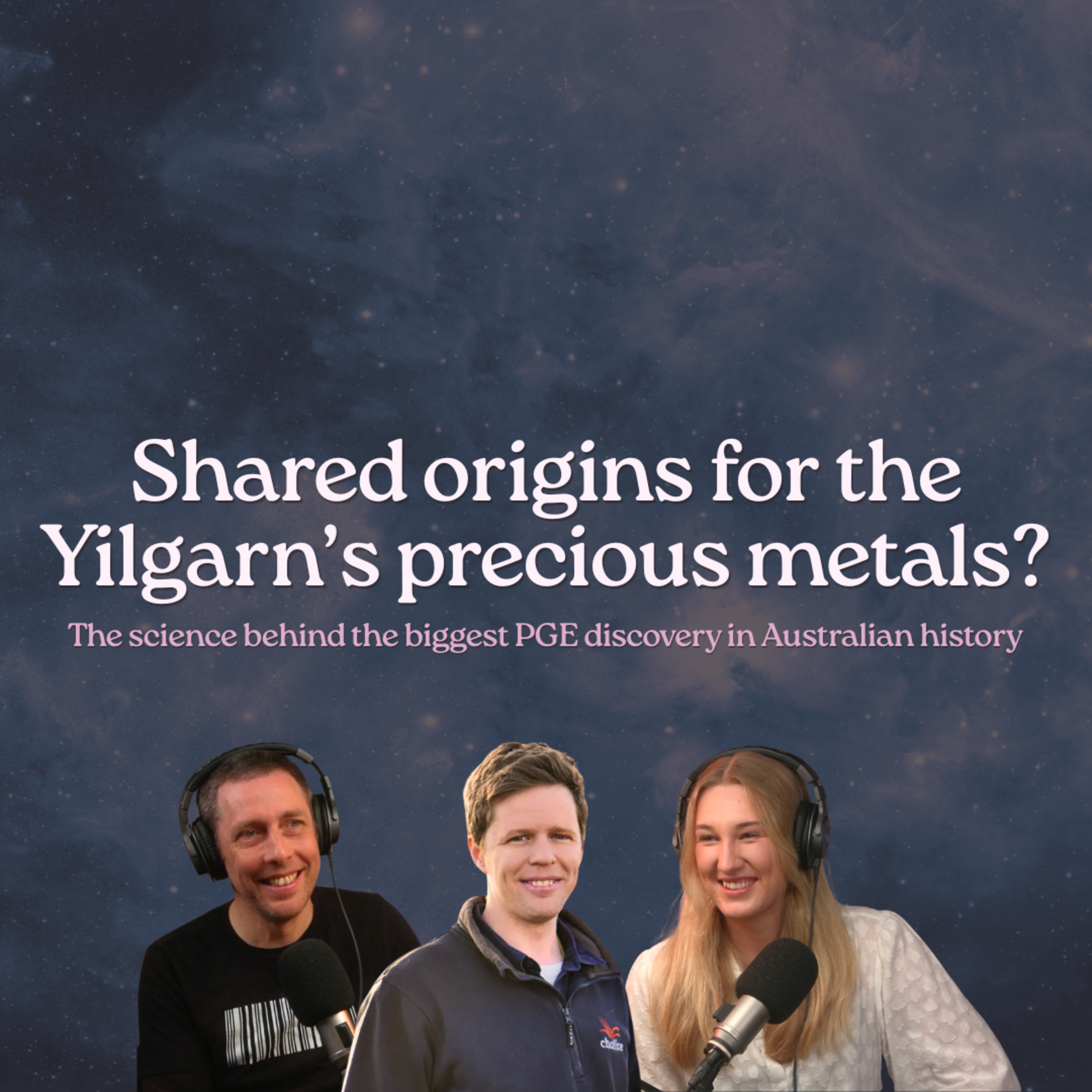
| 7/28/26 | geologymineral discovery+4 | Matt Demmer | Chalice MiningARC Centre for Critical Resources | AustraliaYilgarn Craton+2 | platinumpalladium+7 | — | 28m 35s | ||
| 7/22/26 | Earth dynamicsgeological processes+4 | Dr Mark Hoggard | ANUCambridge+3 | AustraliaEastern Highlands+2 | Earth's surfacemantle+6 | — | 32m 01s | ||
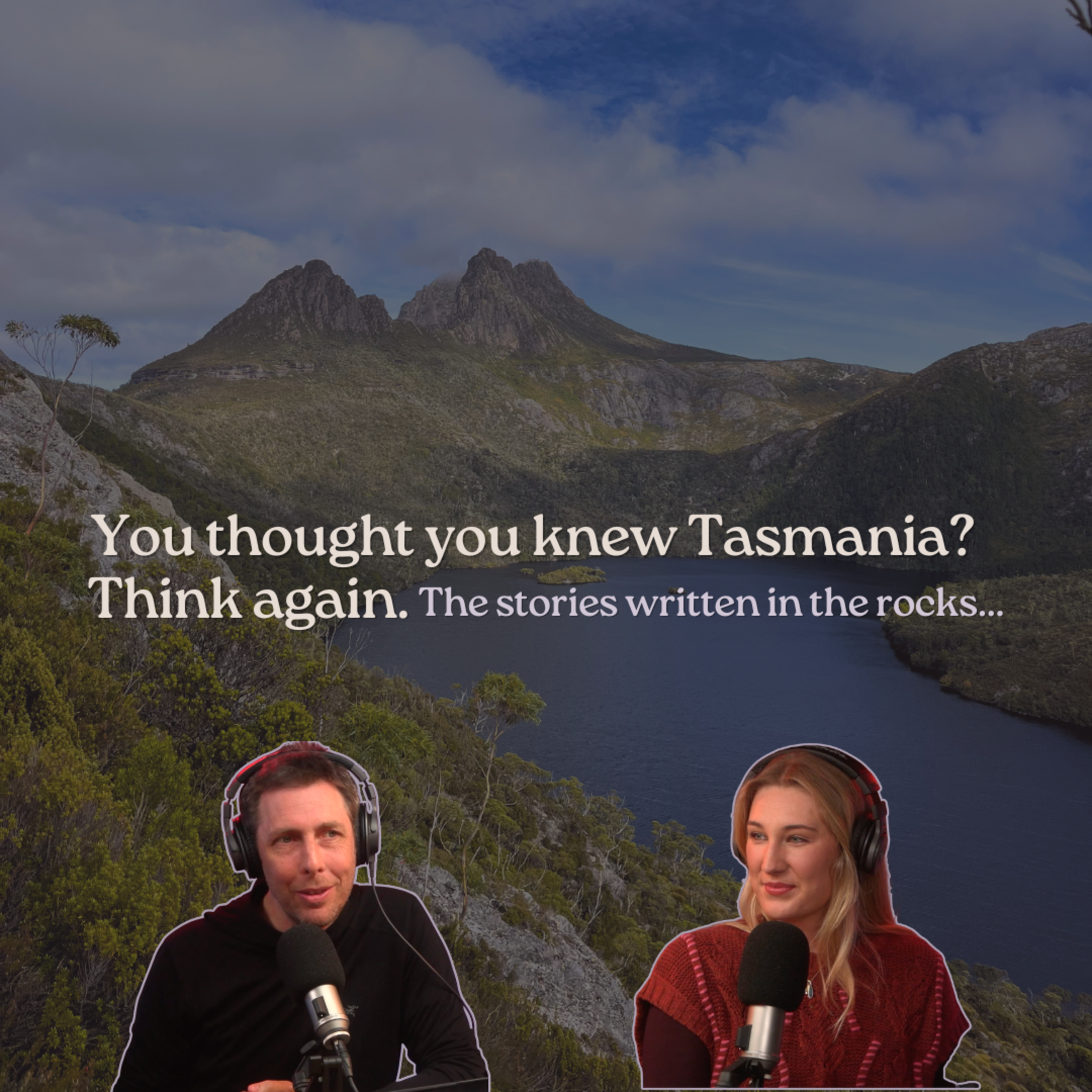
| 7/15/26 | geologyTasmania+4 | Dr Jacqueline Halpin | University of Tasmania | TasmaniaNorth America+5 | Tasmania geologyOverland Trail+7 | — | 33m 55s | ||
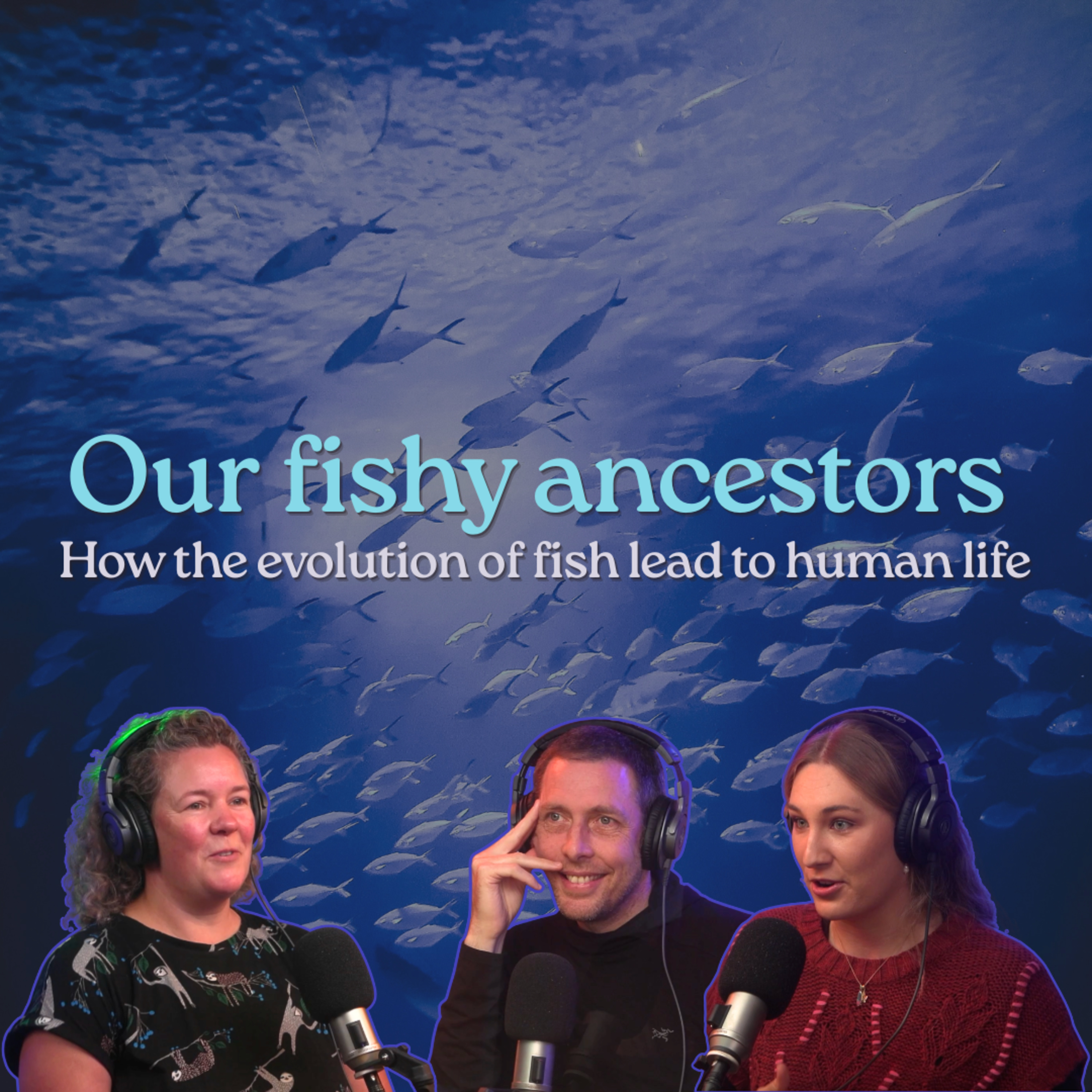
| 6/2/26 | palaeontologyevolution+4 | Dr Alice Clement | Flinders UniversityElpistostege+1 | GoGo FormationKimberley+1 | lobe-finned fishpalaeontology+5 | — | 35m 09s | ||
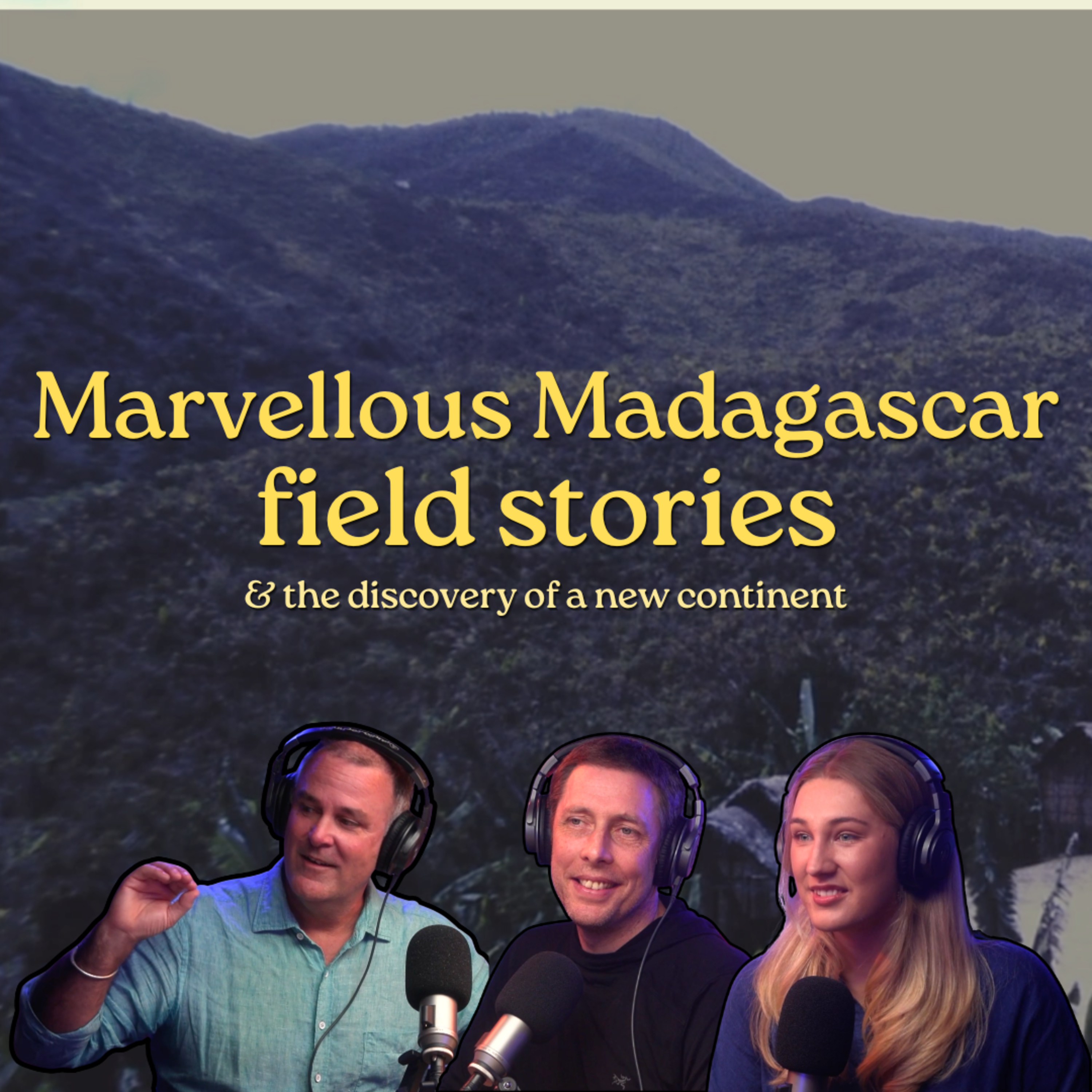
| 5/26/26 | geologycontinental formation+5 | Professor Alan Collins | Lonely PlanetAdelaide University | MadagascanGondwana+2 | continent discoveryMadagascar wilderness+5 | — | 31m 27s | ||
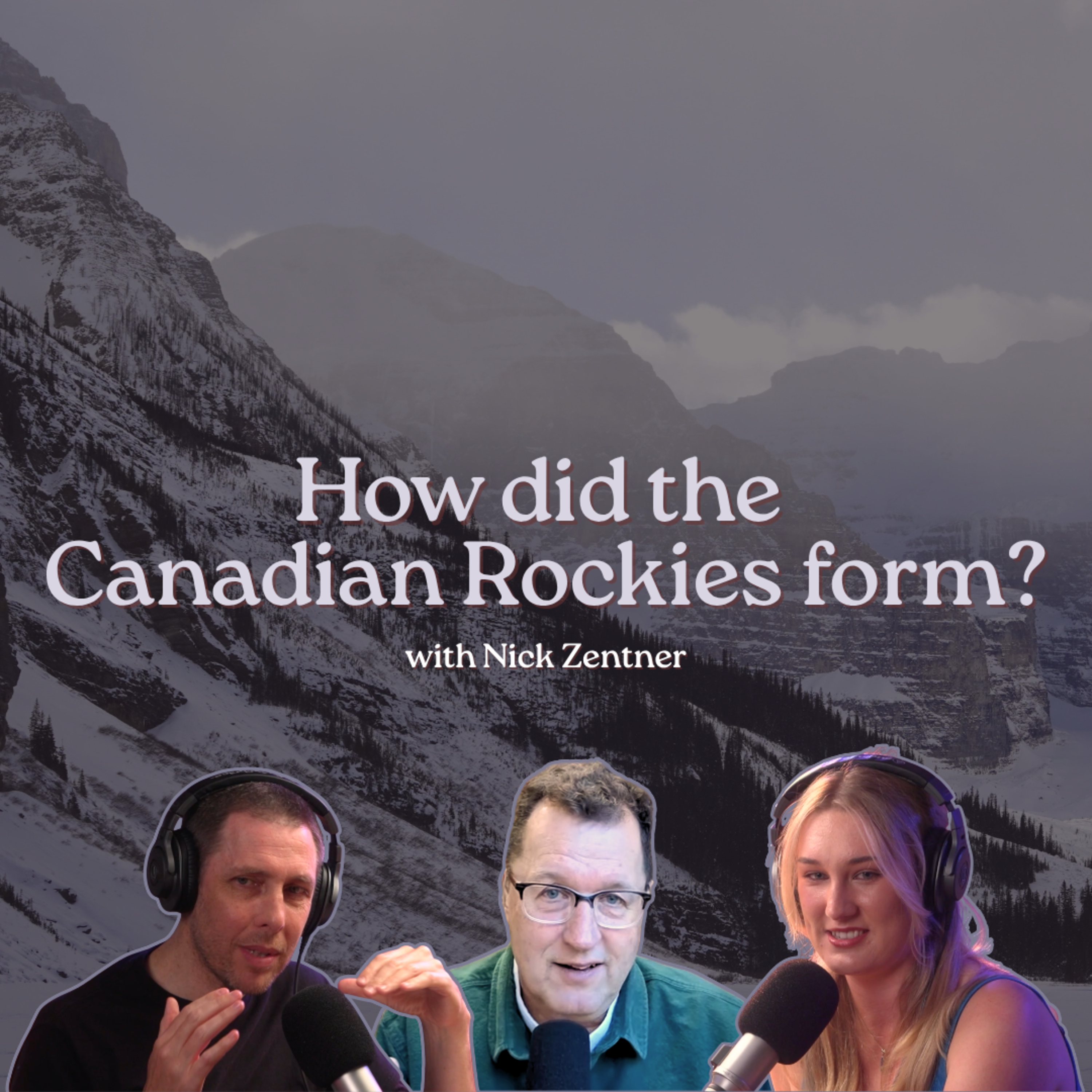
| 5/19/26 | geologyCanadian Rockies+3 | Nick Zentner | GeoCo | Canadian RockiesAdelaide Plains+2 | Canadian Rockiesgeology+5 | Geological Society of Australia | 34m 04s | ||
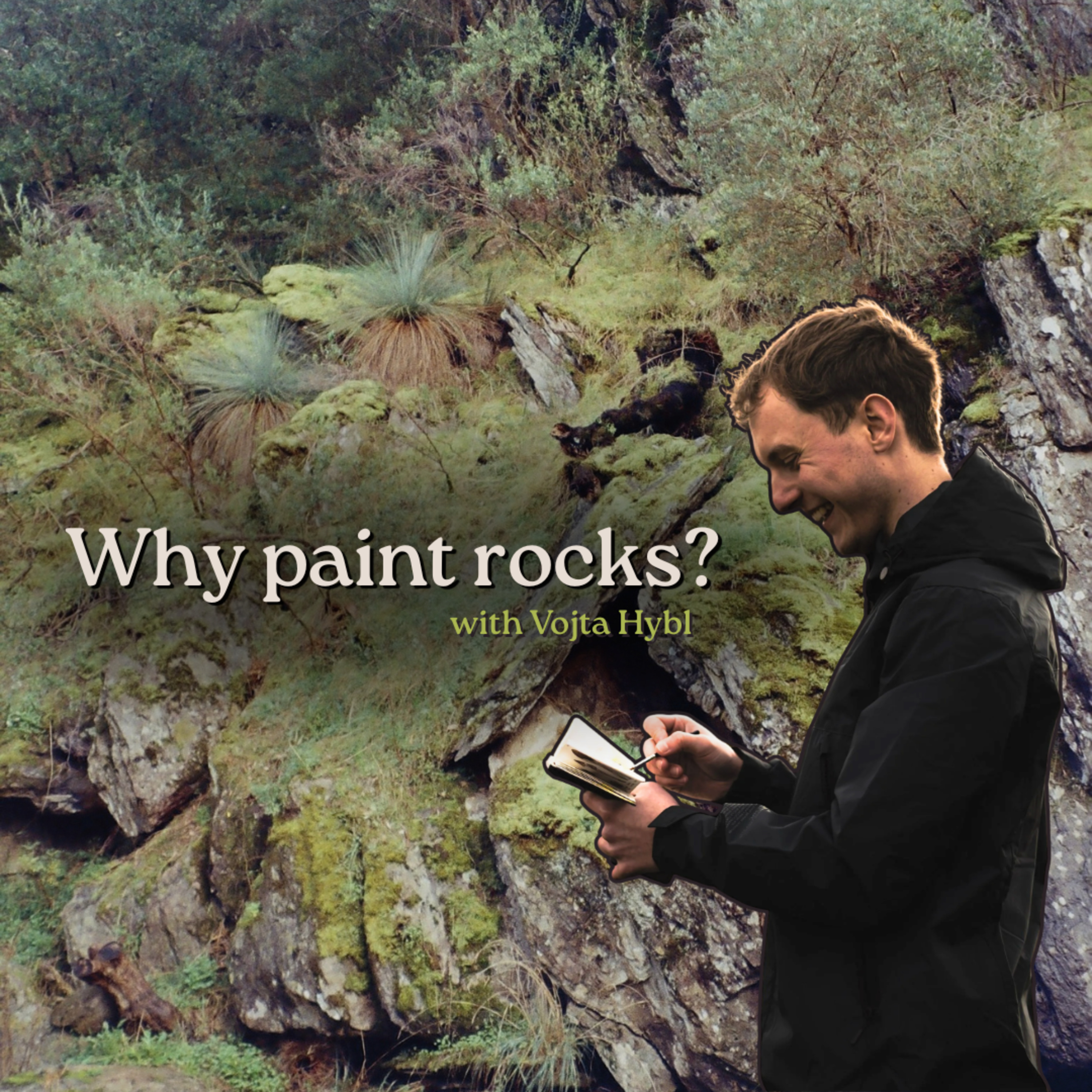
| 5/5/26 | earth scienceillustration+3 | Vojta Hybl | Rocks, A Guide to the Stones Around Us and the Stories They Tell | Adelaide Plains, South AustraliaKaurna | Vojta Hyblgeology+3 | Geological Society of Australia | 32m 28s | ||
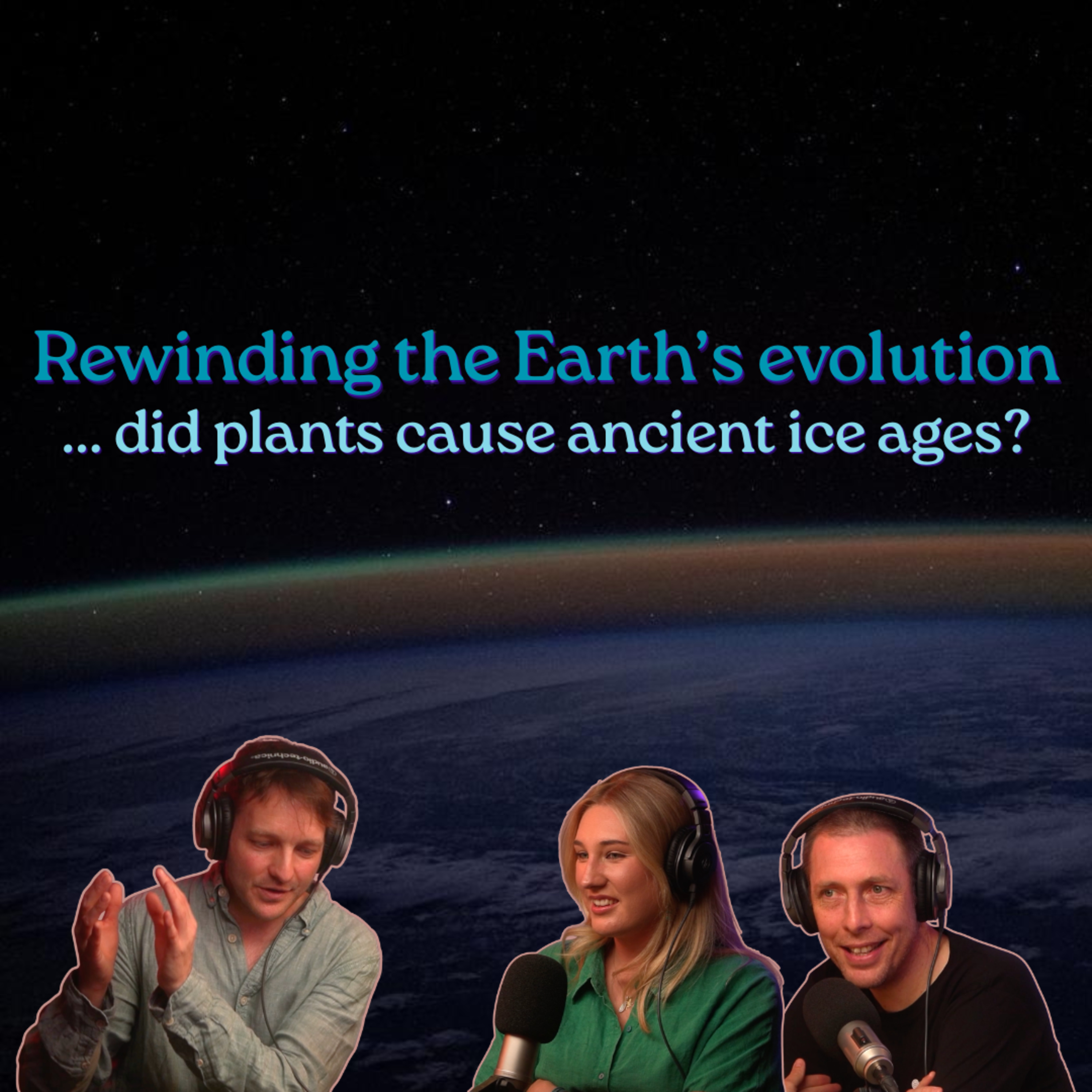
| 4/28/26 | Earth System Evolutionplant evolution+4 | Professor Ben Mills | — | Adelaide Plains, South AustraliaGaia+2 | plantsice ages+5 | Geological Society of Australia | 31m 21s | ||
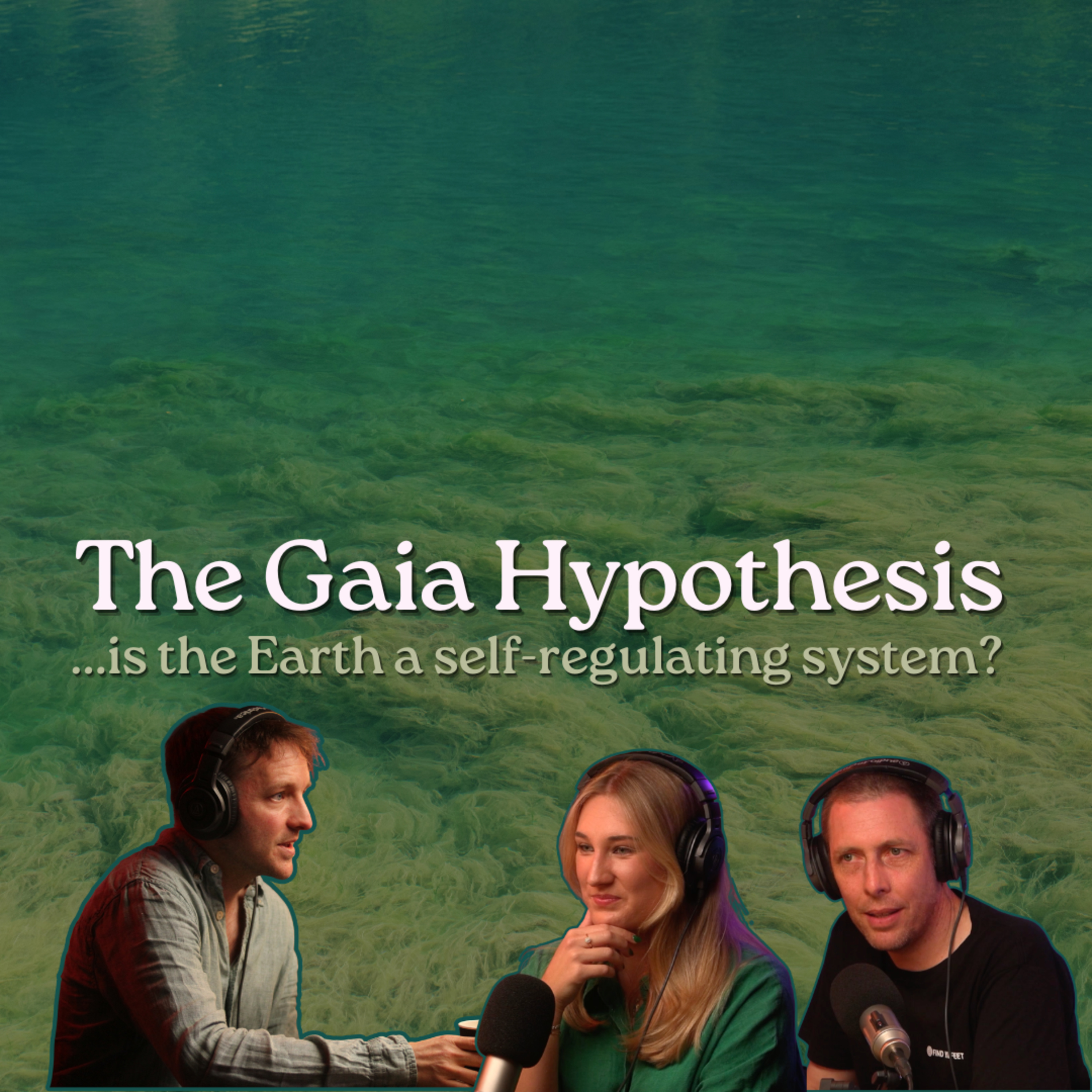
| 4/21/26 | Gaia hypothesisEarth system modelling+3 | Professor Ben Mills | University of East Anglia | Adelaide PlainsUK+1 | Gaia hypothesisEarth+7 | Geological Society of Australia | 31m 45s | ||
| 4/15/26 | gold nugget formationgeoscience+3 | Dr Chris Voisey | — | Adelaide Plains, South AustraliaKaurna | gold nuggetsexperiments+3 | Geological Society of Australia | 20m 15s | ||
| 4/8/26 | gold formationearthquakes+3 | Dr Chris Voisey | Monash UniversityThe Conversation+1 | Adelaide PlainsSouth Australia | gold nuggetsearthquakes+3 | — | 30m 14s | ||
| 3/31/26 | tectonic platesmountain formation+4 | Dr Melanie Finch | University of Melbourne | HimalayaMount Everest+4 | tectonic platesHimalaya+5 | — | 29m 05s | ||
| 11/25/25 | geologyearth's history+3 | Heidi Allen | GeoCo | Adelaide PlainsSouth Australia | geologystone structures+3 | Geological Society of Australia | 30m 04s | ||
| 11/5/25 | lithiumcosmology+4 | Professor Brian Fields | GeoCo | Adelaide PlainsAustralia+2 | lithiumcosmological problem+4 | Geological Society of Australia | 31m 13s | ||
| 10/12/25 | lithiumcritical minerals+4 | Professor Carl Spandler | GeoCo | Adelaide PlainsSouth Australia+1 | lithiumcritical minerals+5 | ARC Critical Resources for the Future | 36m 25s | ||
| 9/22/25 | geologyhuman wellbeing+3 | Nick Zentner | GeoCo | Washington StateEllensberg+3 | geologyNick Zentner+5 | Geological Society of Australia | 34m 44s | ||
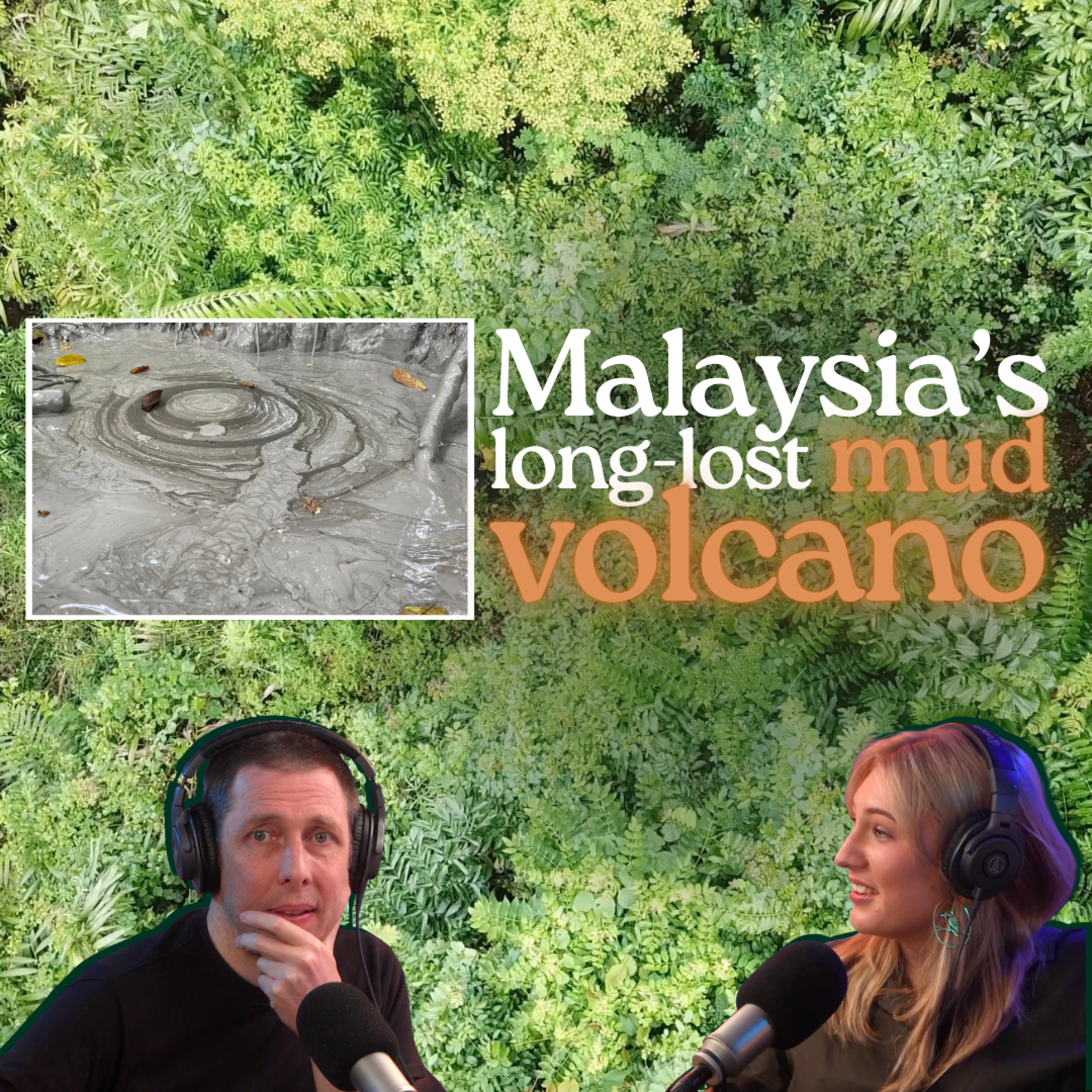
| 9/10/25 | mud volcanoesfield expeditions+4 | Dr Mark Tingay | — | Malaysian jungleAdelaide Plains+1 | mud volcanoesjungle expeditions+3 | Geological Society of Australia | 32m 24s | ||
| 8/31/25 | mineral explorationorebody discovery+4 | Dr Ross Chandler | ARC Critical Resources for the Future | AustraliaAdelaide Plains+1 | mineral explorationorebody+4 | — | 31m 15s | ||

Showing 28 of 43
Pitch Fit is a Pro feature
See how bookable this show is for guests, which brands already advertise, the per-episode ad value, and the best-fit guest and sponsor profile. The numbers are blurred on the free plan.
How readily this show books outside guests like you.
How proven this show is for host-read sponsorships.
For Guests
ProFor Advertisers
ProUpgrade to Pro to unlock guest cadence, sponsor categories, fit scores, and per-episode ad value for this show.
Chart history for Wonder
Peaked at #193 in Australia, currently #193 in Australia.
| Market | Genre | Peak | Current | Trend |
|---|---|---|---|---|
| Australia | — | #193 | #193 | — |
Chart Positions
1 placement across 1 market.
Chart Positions
1 placement across 1 market.