

Working Wild U
by Western Landowners Alliance and Montana State University Extension
Is this your podcast?Insights from recent episode analysis
Audience Interest
Podcast Focus
Publishing Consistency
Platform Reach
Insights are generated by CastFox AI using publicly available data, episode content, and proprietary models.
Total monthly reach
Estimated from 1 chart position in 1 market.
By chart position
- 🇺🇸US · Natural Sciences#1025K to 30K
- Per-Episode Audience
Est. listeners per new episode within ~30 days
2.5K to 15K🎙 Weekly cadence·27 episodes·Last published 6mo ago - Monthly Reach
Unique listeners across all episodes (30 days)
5K to 30K🇺🇸100% - Active Followers
Loyal subscribers who consistently listen
1.5K to 9K
Market Insights
Platform Distribution
Reach across major podcast platforms, updated hourly
Total Followers
—
Total Plays
—
Total Reviews
—
* Data sourced directly from platform APIs and aggregated hourly across all major podcast directories.
On the show
Recent episodes
California Wolves, 87 Dead Cattle, and the NYT Op-Ed Everyone's Sharing
Nov 18, 2025
Unknown duration
Bonus | Grizzly Bears and the Endangered Species Act: What's Changing?
Mar 13, 2025
Unknown duration
Wolves in the West | Whose blood, sweat and tears are in your hamburger?
Feb 12, 2025
Unknown duration
Bonus | The wild pig invasion no one is talking about
Jan 14, 2025
Unknown duration
Imperiled | 07 | What can pollinators teach us about the future of conservation?
Jun 18, 2024
Unknown duration
Social Links & Contact
Official channels & resources
Official Website
Login
RSS Feed
Login
| Date | Episode | Description | Length | ||||||
|---|---|---|---|---|---|---|---|---|---|
| 11/18/25 |  California Wolves, 87 Dead Cattle, and the NYT Op-Ed Everyone's Sharing | California's recent decision to remove four members of a wolf pack near Lake Tahoe sparked national attention - but the story behind it is much bigger. In this episode, Wildlife Management professor at UC Berkeley, Dr. Arthur Middleton, joins us to dig into his recent New York Times op-ed and explore why America's predator recovery has outpaced our ability to support the people living in these landscape – and what we can do about it. Find the show notes here: https://workingwild.us/season-2/california-wolves-87-dead-cattle-and-the-nyt-op-ed-everyones-sharing/ | — | ||||||
| 3/13/25 |  Bonus | Grizzly Bears and the Endangered Species Act: What's Changing? | UPDATE: The U.S. Fish and Wildlife Service has extended the public comment period on proposed changes to the grizzly bear's Endangered Species Act listing. The new deadline is May 16. The U.S. Fish and Wildlife Service is proposing changes to the grizzly bear's listing under the Endangered Species Act, and a public comment period is open until March 17th. But what exactly would this new rule mean for grizzly bear management, landowners, and the future of the species? In this episode, Jared and Zach sit down with Shaleas Harrison, Wyoming Resources Coordinator with Western Landowners Alliance, to break down the proposed rule, the long history of grizzly bear listing and delisting efforts, and what the proposed changes could mean for people living and working in grizzly country. Learn more about the proposed rule and submit a public comment. Full show notes here. | — | ||||||
| 2/12/25 | Wolves in the West | Whose blood, sweat and tears are in your hamburger? | 96% of wolves in the Northern Rockies live in the working wild: public and private lands where people and wildlife share the landscape. But who pays the cost of supporting biodiversity? In this episode from our first season on wolves in the West, we explore the economics of our food system and take a look at how one ranch family is getting creative in order to share the landscape with wolves and maintain open space. Show notes New York Times The Daily podcast episode on prices in the beef market: "Who do you want controlling your food?" John and Weston Helle's wool apparel company, Duckworth The Ruby Valley Strategic Alliance Cole Mannix's enterprise: Old Salt Co-op The Blackfoot Challenge Lesli Allison's Director's Letter in On Land: "Working lands are the future of conservation" Find more info here | — | ||||||
| 1/14/25 |  Bonus | The wild pig invasion no one is talking about | Wild pigs. Feral swine. Wild hogs. Whatever you call them, invasive wild pigs are rapidly spreading across the US and Canada - destroying crops and spreading disease along the way. Experts are calling them one of the greatest threats to biodiversity in the country. What can we do about it? To find out, we're talking with the show's own Dr. Jared Beaver to find out the dirty details (and solutions!) regarding wild pigs. Find the show notes here. | — | ||||||
| 6/18/24 |  Imperiled | 07 | What can pollinators teach us about the future of conservation? | Throughout this season, we've explored landowner- and community-led efforts to support imperiled species, from bears and birds to ferrets and fish. In the final episode of this season, we're looking ahead to the future of imperiled pollinators on working lands. Across the country, there is a growing crisis when it comes to pollinators. What happens when wide-ranging species that reside across vast expanses of public, private and Tribal lands, like the western bumblebee and monarch butterfly, are listed under the Endangered Species Act, as appears likely in the coming years? And what role will land stewards and working lands play in this next chapter of conservation? Complete show notes are available at workingwild.us | — | ||||||
| 6/4/24 |  Imperiled | 06 | Can Pacific salmon and Idaho ranchers share the river? | How do we restore salmon spawning habitat in the Upper Salmon watershed without harming the ranching communities that rely on the river? The answer lies in locally-driven collaboration. In this episode, we explore the decades-long community effort to restore spawning grounds for Columbia Basin salmon by letting landowners take the lead. Back in the 1990s the hurdles seemed so insurmountable, rancher Merrill Beyeler likened the task to making pigs fly. Hundreds of miles upstream of where the Columbia pours into the Pacific Ocean, along the Lemhi River in Idaho, Beyeler and a huge group of partners have figured out how. Complete show notes, as always, can be found at workingwild.us. | — | ||||||
| 5/14/24 |  Imperiled | 05 | What do carbon and cows have to do with lesser prairie-chickens? | In the heart of America's grasslands, a battle for survival is unfolding. The lesser prairie-chicken, an iconic species of the Great Plains, is on the brink of extinction. But there's a growing network of producers and partners across the plains looking to change that. Today on the show, can ranchers and partners work together to save the lesser prairie-chicken while supporting their livelihoods and communities? We're headed to eastern New Mexico to find out. Complete show notes can be found at workingwild.us. | — | ||||||
| 4/30/24 |  Imperiled | Bonus | Can these teens recover the razorback sucker? | When it comes to conservation, can a group of high school students really make a difference? Join Jared and Hallie as they dive into a story involving the Colorado River, an ancient endangered fish, and a group of high school students who are becoming the next generation of stewards. Complete show notes are available on our website. | — | ||||||
| 2/27/24 | 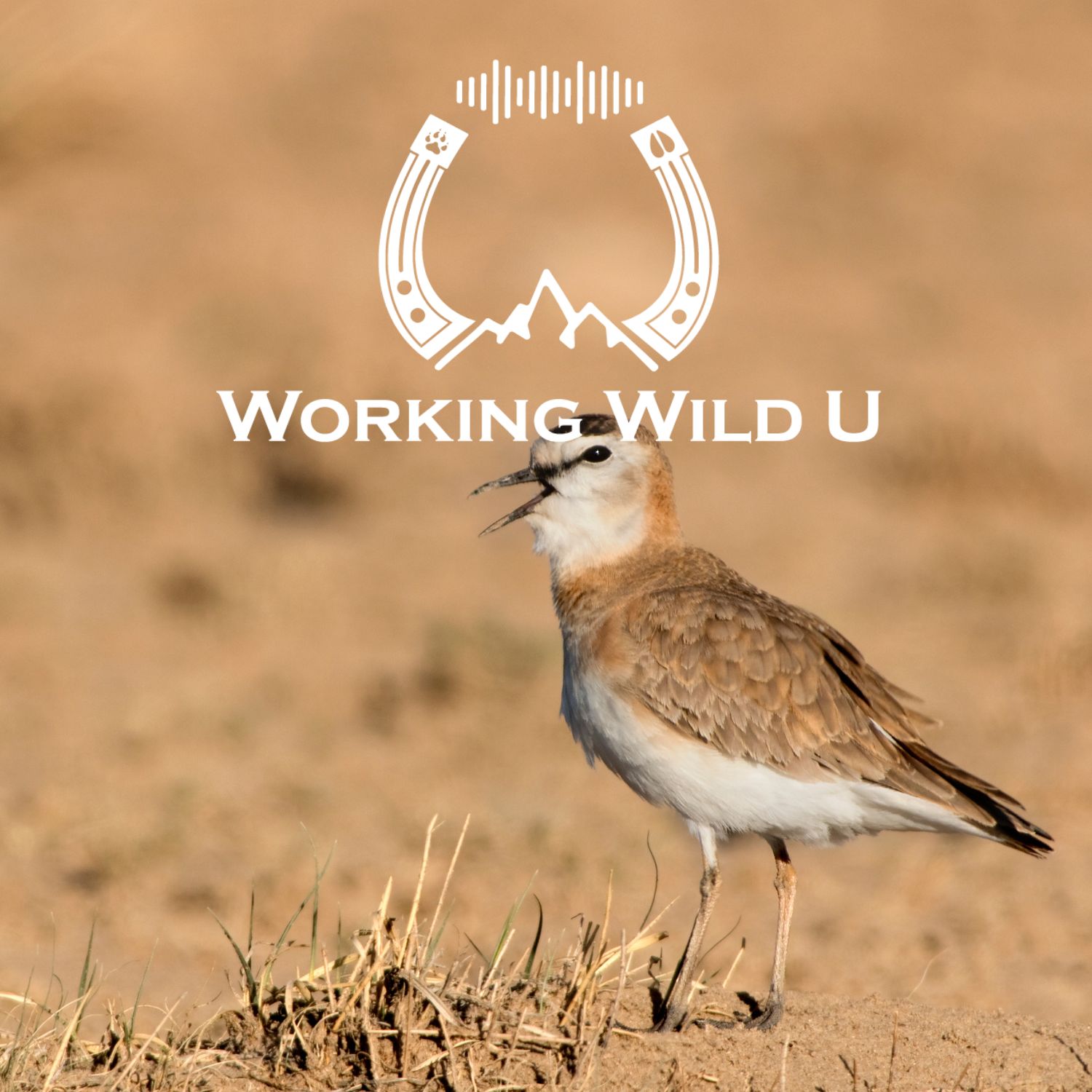 Imperiled | 04 | Chasing ghosts: Can a mysterious bird galvanize a rural renaissance? | Finding an imperiled species on his ranch scared the daylights out of Russell Davis. What he and his neighbors did next may have saved their town. Today on Working Wild U, join us as we return to the high plains of eastern Colorado to learn how a small ranching community transformed a migratory bird's imperiled status from threat to opportunity. Complete show notes are at workingwild.us | — | ||||||
| 2/13/24 |  Imperiled | 03 | Can we bring black-footed ferrets back from the brink? | Today on Working Wild U, we're spotlighting, quite literally, one special species that calls the Great Plains home. A small predator that was thought to be extinct.... twice! Meet the black-footed ferret, the most endangered mammal in North America. Thanks to community-driven efforts spanning the Great Plains, from dedicated ranchers in eastern Colorado to the Fort Belknap Indian Community in northern Montana, this elusive predator is staging a remarkable comeback. As always, find our complete show notes, including links, videos and other references from the episode at workingwild.us. | — | ||||||
Want analysis for the episodes below?Free for Pro Submit a request, we'll have your selected episodes analyzed within an hour. Free, at no cost to you, for Pro users. | |||||||||
| 1/23/24 |  Imperiled | 02 | Where are the grizzlies headed? | Grizzly bears are expanding their range. But where are they headed? To find out, we get out on the land with ranchers Erik Kalsta and Jami Murdoch, who are working with partners to monitor wildlife – including grizzlies – on their operation in southwest Montana. Together with Erik, Jami and Blackfeet rancher Kristen Kipp, plus a band of other experts, we explore what it really means for grizzly bears to recover under the protection of the Endangered Species Act, and the real challenges bears, and people, face as they do. Read the complete show notes, as always, at workingwild.us. | — | ||||||
| 1/9/24 | 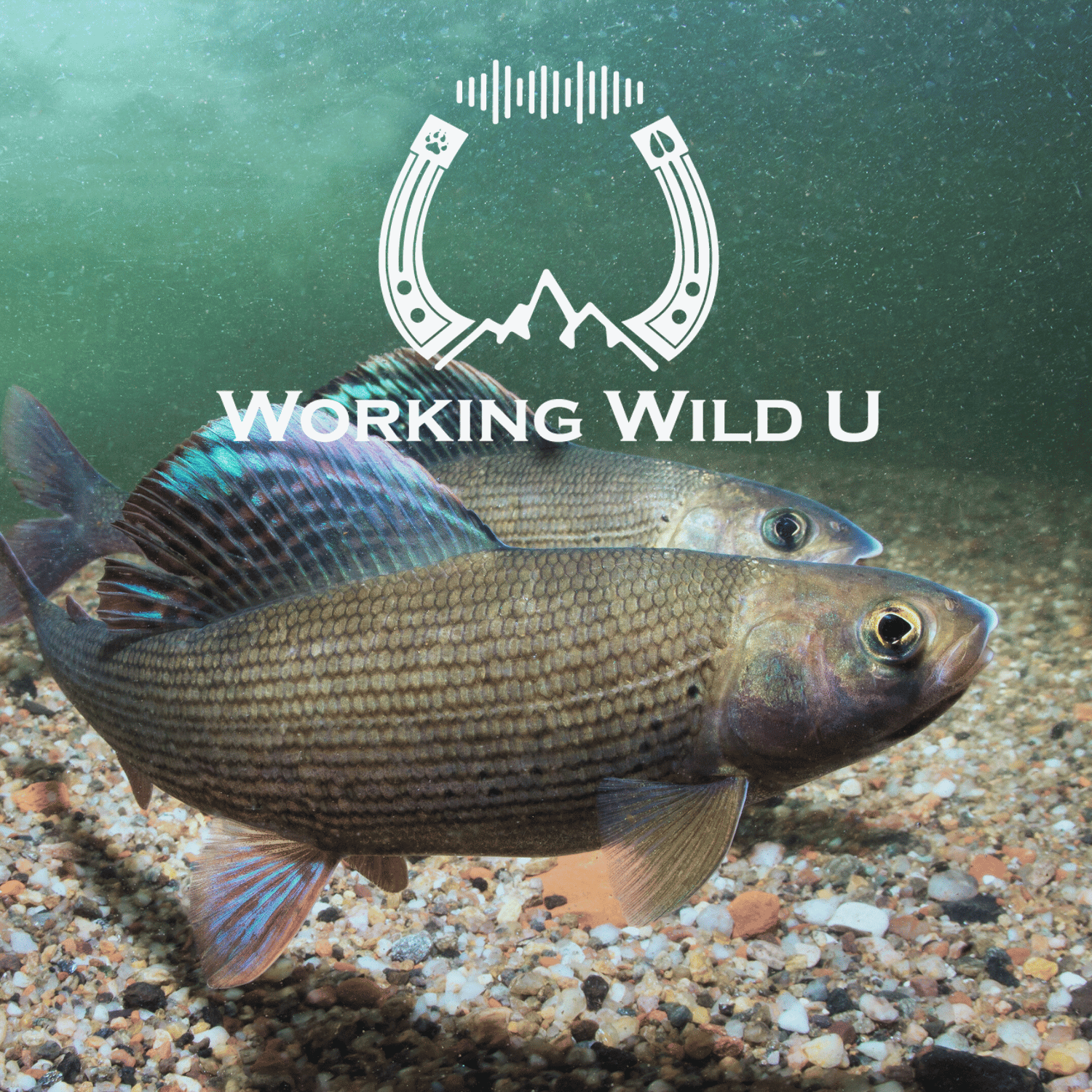 Imperiled | 01 | Can ranchers save arctic grayling? | When a section of the Big Hole River in southwest Montana ran dry in 1988, all eyes were on the future of one of the last remaining populations of arctic grayling in the lower 48. Out of the struggle, a collaboration emerged that change the future of the Big Hole - a future where human communities, wildlife and the ecosystems they depend on can thrive. And it might even serve as a model for how we can conserve species that are headed for the brink. Complete show notes are available at workingwild.us. | — | ||||||
| 12/12/23 | Season 2 Trailer – Imperiled | We're excited to announce the second season of Working Wild U: Imperiled. This season we're exploring community and landowner-led wildlife conservation on working and tribal lands across the West. From grizzly bears to lesser-known species, join us as we discover the challenges and successes of how communities are working together for common-ground solutions. We'll dive into the action, meeting individuals on the ground stewarding habitats and supporting thriving rural communities. As the Endangered Species Act turns 50, we reflect on the past and ponder the next 50 years of conservation in the US. Stay tuned for episodes dropping soon – it's a season of surprising stories and crucial questions about the future of working lands in the West. Stay tuned for episodes dropping soon! Working Wild University is a production of Western Landowners Alliance and Dr. Jared Beaver at Montana State University Extension and a proud part of Natural Resources Univers | — | ||||||
| 4/11/23 | Wolves in the West | Bonus | Update on the Colorado Wolf Management Plan | In today's bonus episode, we get an update on the Colorado wolf management plan from Hallie Mahowald with Western Landowners Alliance. Hallie was appointed as a member of the Stakeholder Advisory Group to ensure landowners and managers in Colorado were represented in providing input to Colorado Parks and Wildlife. As we explored in episode 13, Colorado Parks and Wildlife is currently drafting the wolf management plan. Part of this process involved the Stakeholder Advisory Group (SAG), which was made up of people from the ranching community, wildlife advocates, guides and outfitters, hunters and anglers, and wildlife managers. Find the show notes at workingwild.us | — | ||||||
| 3/21/23 | Wolves in the West | 13 | Colorado wolf reintroduction and the great divide | We've covered a lot this season: wolves, working lands, and some of the ideas and management practices that divide and unite the people of the American West. In our final episode of the season, Alex and Jared head to Colorado, where a ballot initiative, passed in 2020, requires Colorado Parks and Wildlife to reintroduce wolves to the western part of the state by the end of 2023. Show notes: workingwild.us | — | ||||||
| 3/16/23 | Guest Episode | Down to Earth | Jared Beaver on finding common ground | Today's episode is a special guest in our podcast feed, from the Down to Earth: the Planet to Plate Podcast, presented by our friends at the Quivira Coalition and Radio Café. Working Wild U cohost Jared Beaver sat down with Down to Earth host Mary-Charlotte Domandi to discuss why we started Working Wild U, why we chose to wade into a season on wolves, and the important role working lands play in supporting people and wildlife in the American West. Thanks to Mary-Charlotte and the Quivira Coalition for welcoming Jared to their incredible interview lineup. Other recent guests on the show have included ranch manager Mark Biaggi, author Dan Flores and filmmaker John D. Liu! Check out Down to Earth: The Planet to Plate Podcast wherever you listen to podcasts. Find the show notes at workingwild.us | — | ||||||
| 3/14/23 | Wolves in the West | 12 | Co-producing technology to reduce conflict | Today, Alex and Jared explore how livestock producers and researchers are working together to adapt old world tools into new world technologies to help reduce conflicts. They'll look at how innovative solutions can often be simple, and how new tools can help keep people, livestock, and wildlife safe. Find the show notes at workingwild.us | — | ||||||
| 3/7/23 | Wolves in the West | 11 | Old World Tools to New World Technology | In this episode, Alex and Jared dive into techniques that can help ranchers reduce conflicts between wolves and livestock. They'll explore how a new spin on an old tool increases the effectiveness of fencing, how putting riders back on the range can have a multitude of benefits, and how one valley in Montana is working together to compost carcasses to reduce attractants on the landscape. But applying these tools takes know-how, money, and time. Who pays for conflict reduction efforts that support both wildlife and working lands? See the full show notes, including links to references from the episode, at workingwild.us. | — | ||||||
| 2/28/23 | Wolves in the West | Bonus | Wolf Management on the Colville Reservation | This is a special bonus episode of Working Wild U. In the northeast corner of Washington on the Colville Reservation, wildlife managers are working to ensure a balance across all wildlife species as wolves re-establish themselves. Today, Alex and Jared hear from Cody Desautel, the executive director and former natural resource director for the Confederated Tribes of the Colville Reservation. Full show notes can be found, as always, at workingwild.us. | — | ||||||
| 2/21/23 | Wolves in the West | 10 | Wolf management in the Pacific Northwest | So far this season, we've been spending a lot of time in the Northern Rockies, in the states where grey wolves first returned to the West – by reintroduction or recolonization. But in 2008, dispersing wolves from Idaho denned in both eastern Oregon and Washington, where wolves hadn't been seen since the 1940s. In this episode, Alex and Jared explore how different geography, politics and management goals put wolves into the center of a tough new push-pull dynamic in the Pacific Northwest. Full show notes can be found at workingwild.us | — | ||||||
| 2/7/23 | Wolves in the West | 09 | Wolves dispersing in the modern West | When wolves disperse, they are increasingly moving through human-dominated landscapes where they often get into trouble. In today's episode, Alex and Jared explore where wolves are, where different people think they should be, and the tricky business of managing and living with wolves in a changing world. Complete show notes are always available at workingwild.us. | — | ||||||
| 1/31/23 |  Wolves in the West | 08 | The Yellowstone Wolf | Many people, when they think about wolves, think of Yellowstone National Park. And for good reason; it has some of the best wolf watching in the world. But tensions rose when changes to Montana's wolf hunt along the Park border were made just before the 2021-22 hunting season. In this episode, Alex and Jared explore wolves in and around Yellowstone National Park. They'll look at how wolves are managed differently depending on where they are on a map, and what that really means for the communities around the Park. Plus, can non-consumptive users help fund wildlife conservation? Full show notes are available at workingwild.us. | — | ||||||
| 1/24/23 | Wolves in the West | 07 | State Management in the Northern Rockies | In 2021, the Montana and Idaho legislatures each passed a suite of bills liberalizing wolf hunting. These changes ignited national debate around fair chase ethics, norms of state wildlife management decision-making, and potential relisting of wolves in the Northern Rockies under the Endangered Species Act. Honing in on Montana, hosts Alex and Jared explore what these recent changes to wolf hunt regulations could mean for wolf populations in the state and for people who share the landscape with wolves. Plus, they seek to understand if a collaborative, ground-up, scientifically and publicly-informed management approach could create more durable solutions that might help prevent pendulum swings in the future. See our complete show notes and more at workingwild.us | — | ||||||
| 1/10/23 | Wolves in the West | 06 | Hunting and the North American model of wildlife conservation | It's easy to see wolf management in two buckets: full protection under the Endangered Species Act or unregulated wolf hunting. But successful management of established wildlife populations is most often somewhere in the middle, with hunting used both as a tool and a conservation funding mechanism. Join Alex and Jared as they explore hunting as a management tool and take a look at how the North American model of wildlife conservation allows species to fund their own conservation and management. Plus, they'll take a look at how Wyoming's unique approach to managing wolves has helped increase acceptance and reduce conflicts. Full show notes are available on our website. | — | ||||||
| 1/3/23 |  Guest Episode | Reframing Rural | Farm Succession in Northeast Montana | Today we're introducing you to one of our favorite podcasts, Reframing Rural, a show working to "reframe the narrative on rural America." In this episode from their third season, "Groundwork," Reframing Rural producer Megan Torgerson shares the intimate journey of her family's farm succession, as well as others in her home community of Dagmar, Montana, giving listeners an inside look into the emotional, legal and financial factors at play with succession planning. The topic of farm and ranch succession is at the top of mind for many folks in rural America today. Around 40% of farmland in the United States is owned by people over the age of 65, meaning up to 370 million acres could change hands in the next 20 years. To quote Megan, "The fate of rural America matters to everyone, no matter where you live." And this show will help you understand why. Enjoy this guest episode, and Wolves in the West will be back with a new episode next week! Listen to more Reframing Rural at www.reframingrural.org/ | — | ||||||
Showing 25 of 31
Sponsor Intelligence
Sign in to see which brands sponsor this podcast, their ad offers, and promo codes.
Chart Positions
1 placement across 1 market.
Chart Positions
1 placement across 1 market.